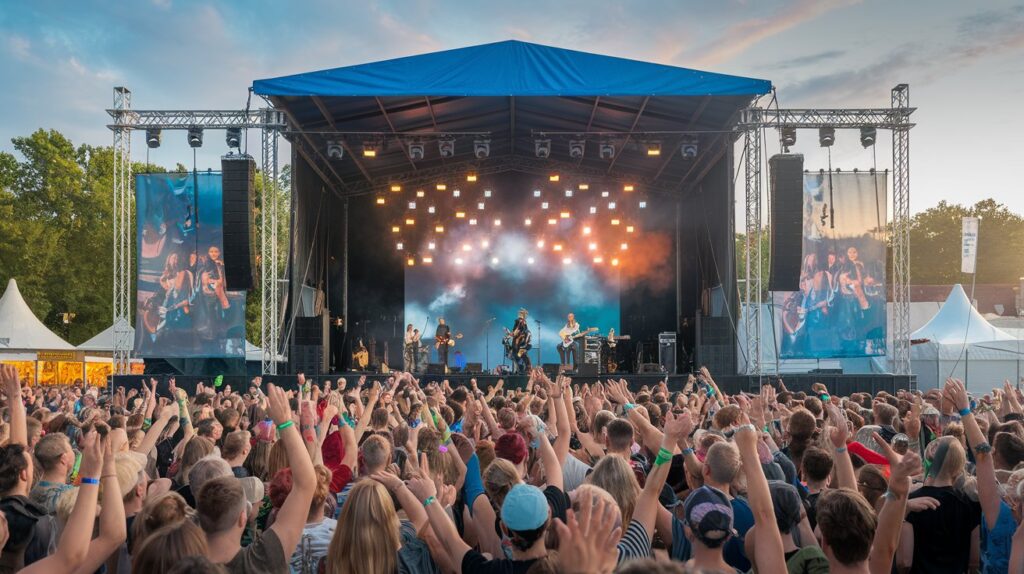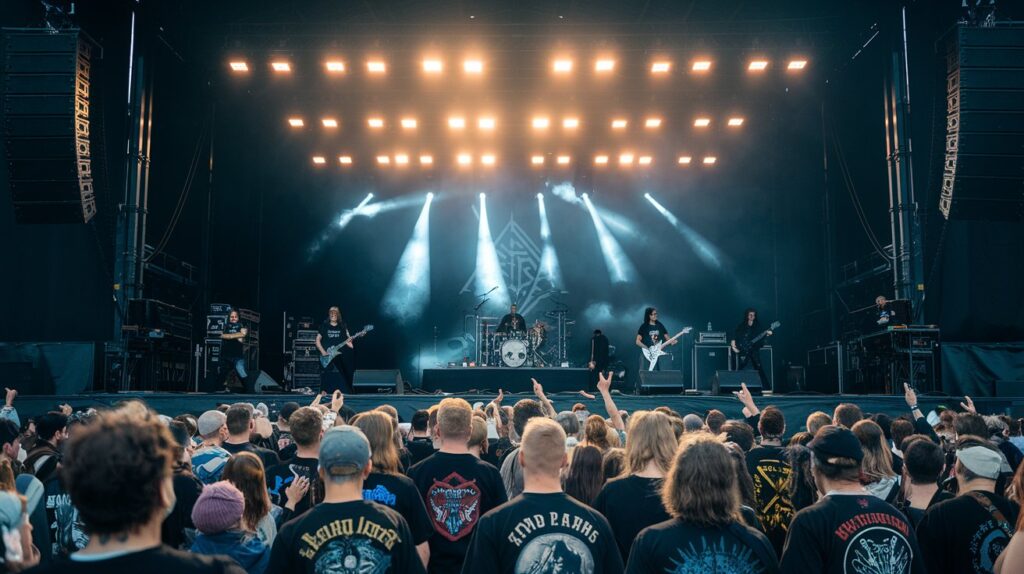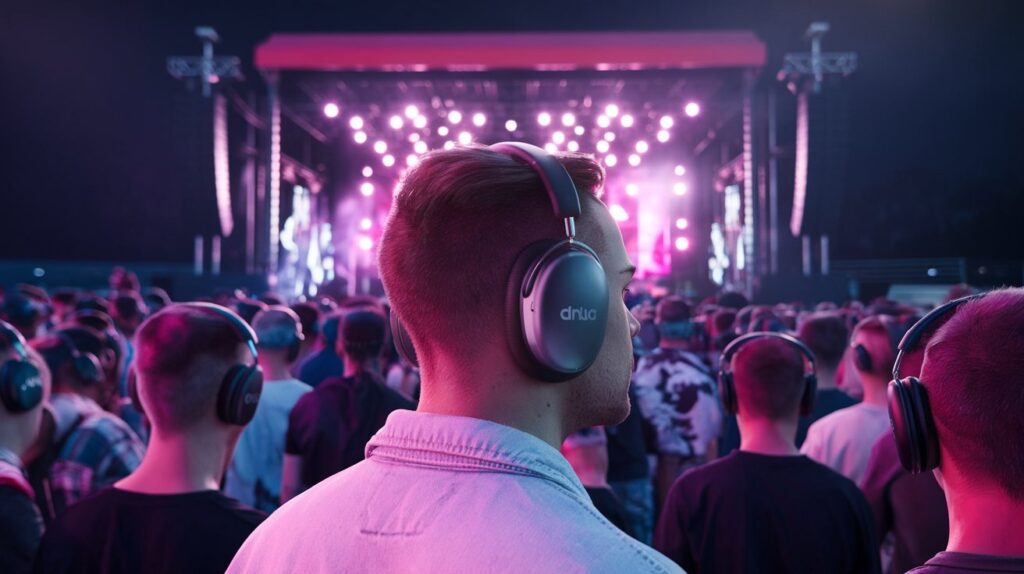
Protecting your hearing at concerts is crucial as live music events typically reach 100-115 decibels, levels that can cause permanent hearing damage in just 15 minutes. With over 32 million Americans attending concerts annually in 2026, understanding proper hearing protection for concerts has never been more important for preserving your long-term auditory health.
Understanding Concert Volume Levels and Hearing Risk
Concert venues across the United States typically produce sound levels between 100-115 decibels, with some reaching dangerous peaks of 120 decibels near speakers. To put this in perspective, prolonged exposure to sounds above 85 decibels can cause permanent hearing loss, making concert hearing protection essential for every attendee. The Occupational Safety and Health Administration (OSHA) guidelines indicate that exposure to 110 decibels should be limited to just 1 minute and 29 seconds to prevent damage.
Rock concerts, electronic dance music festivals, and hip-hop shows present the highest risk, often exceeding safe listening levels for extended periods. Understanding these decibel levels at concerts helps concertgoers make informed decisions about protection. The cumulative effect of repeated exposure without proper protection can lead to tinnitus, hearing loss, and hyperacusis, conditions that affect millions of Americans annually.
Best Concert Earplugs for Maximum Protection
Selecting the right earplugs for concerts is crucial for maintaining both hearing safety and music enjoyment. High-fidelity earplugs designed specifically for music venues offer superior protection while preserving sound quality, unlike traditional foam earplugs that muffle frequencies unevenly. Professional-grade options provide noise reduction ratings (NRR) between 12-25 decibels, effectively lowering dangerous sound levels to safer ranges.
Loop Experience 2 Professional Earplugs
The Loop Experience 2 represents cutting-edge technology in concert ear protection, featuring a unique acoustic channel that reduces volume by 18 decibels while maintaining crystal-clear sound quality. These silicone earplugs use advanced filtering technology that preserves the full frequency spectrum, allowing you to enjoy every instrument and vocal detail without the harmful volume levels that can damage hearing.
Eargasm High Fidelity Concert Earplugs
Eargasm concert earplugs have gained popularity among musicians and concert enthusiasts for their exceptional sound clarity and 16-decibel noise reduction capability. Made from hypoallergenic silicone with patented attenuation filters, these earplugs provide comfortable long-term wear during extended festival experiences. Their discreet design and effective protection make them ideal for regular concertgoers who refuse to compromise on audio quality.
Custom Moldable Hearing Protection Options
Custom moldable earplugs offer personalized hearing protection at concerts by conforming to your unique ear shape for optimal comfort and seal. Brands like Decibullz provide thermoplastic options that can be heated and molded at home, creating a perfect fit that prevents sound leakage while maintaining comfort during long performances. These options typically offer 25+ decibel reduction and superior retention compared to universal-fit alternatives.
Professional Musicians’ Hearing Protection Strategies
Understanding how artists protect their ears at concerts provides valuable insights for attendees seeking optimal hearing preservation strategies. Professional musicians invest heavily in custom in-ear monitors and high-end hearing protection because their livelihood depends on maintaining perfect auditory health. Many touring artists use professional-grade earplugs during sound checks and even while performing, demonstrating that protection doesn’t compromise musical experience.
Stage performers often utilize specialized monitoring systems that deliver clear audio at controlled volumes directly to their ears, reducing reliance on loud stage monitors. This approach allows them to hear their performance clearly while protecting against the dangerous ambient noise levels present in concert venues. Following these professional hearing protection practices can significantly benefit regular concertgoers.
The 60-60 Rule and Safe Listening Practices
The 60-60 rule in audiology states that listening to music at no more than 60% of maximum volume for no longer than 60 minutes helps prevent hearing damage during recreational activities. While this rule primarily applies to personal audio devices, the principle extends to concert attendance by emphasizing the importance of limiting exposure time and taking breaks in quieter areas during long events.
Implementing strategic hearing breaks during concerts allows your ears to recover from sustained loud exposure. Audiologists recommend stepping away from speakers every 30-45 minutes, seeking quieter areas like lobbies or outdoor spaces where possible. This practice, combined with proper ear protection, significantly reduces the risk of temporary threshold shifts that can become permanent with repeated exposure.
Preventing Concert-Related Hearing Loss
Preventing hearing loss at concerts requires a comprehensive approach that combines proper equipment, strategic positioning, and awareness of early warning signs. Research from the American Speech-Language-Hearing Association indicates that noise-induced hearing loss from recreational activities affects over 5.2 million children and teens, with concert attendance being a significant contributing factor. Early intervention and consistent protection practices are essential for long-term auditory health.
Strategic Positioning at Concert Venues
Your location within a concert venue significantly impacts exposure to harmful decibel levels, with areas directly in front of speakers presenting the highest risk. Standing at least 20 feet from main speakers and avoiding the pit area can reduce exposure by 6-10 decibels, equivalent to halving the sound intensity. Choosing seats in elevated sections or toward the back of standing areas provides optimal sound quality while maintaining safer distance from primary sound sources.
Recognizing Early Warning Signs of Hearing Damage
Early detection of concert-induced hearing damage includes symptoms like ringing in the ears (tinnitus), muffled hearing, or difficulty understanding conversations after events. These temporary symptoms often resolve within 24-48 hours, but repeated occurrences indicate cumulative damage that may become permanent. If symptoms persist beyond two days or occur frequently after concerts, immediate consultation with an audiologist is recommended.
Technology and Modern Hearing Protection Solutions
Advances in 2026 hearing protection technology have introduced smart earplugs with adaptive noise cancellation that automatically adjusts protection levels based on ambient sound. These innovative solutions use built-in microphones and processing chips to provide optimal protection while preserving speech clarity and musical detail. Some models even include smartphone connectivity for real-time decibel monitoring and exposure tracking.
Digital hearing protection apps now complement physical earplugs by providing real-time sound level monitoring and exposure calculations. These tools help concertgoers track their cumulative noise exposure and receive alerts when approaching dangerous levels. Integration with wearable devices allows for comprehensive hearing health monitoring throughout concert experiences.
Choosing the Right Protection for Different Concert Types
Different musical genres and venue types require tailored hearing protection strategies to address specific acoustic challenges. Electronic dance music festivals with heavy bass and extended duration demand higher-level protection compared to acoustic performances in smaller venues. Understanding these differences helps concertgoers select appropriate protection levels while maintaining optimal listening experiences.
Rock and Metal Concert Protection Needs
Rock and metal concerts typically produce the highest sustained decibel levels in live music, often reaching 115+ decibels for extended periods. These genres require maximum protection with NRR ratings of 20-25 decibels to bring sound levels into safer ranges. High-gain earplugs specifically designed for extreme volume situations provide necessary protection while preserving the powerful dynamics that define these musical styles.
Festival and Multi-Day Event Considerations
Multi-day music festivals present unique cumulative hearing exposure risks that require enhanced protection strategies. Attendees face 8-12 hours of daily exposure across multiple days, making recovery time minimal and damage potential significant. Rotating between different protection levels, taking extended breaks, and monitoring cumulative exposure becomes crucial for preventing permanent hearing damage during festival experiences.
Related video about how to protect your hearing at concerts
This video complements the article information with a practical visual demonstration.
Frequently Asked Questions
How to prevent hearing loss at a concert?
Prevent hearing loss by wearing high-fidelity earplugs with 15-25 decibel reduction, maintaining distance from speakers, taking breaks every 30-45 minutes, and limiting total exposure time. Professional-grade earplugs preserve sound quality while reducing dangerous volume levels that can cause permanent damage.
What is the 60-60 rule in audiology?
The 60-60 rule recommends listening to music at no more than 60% of maximum volume for no longer than 60 minutes. While primarily for personal devices, this principle emphasizes limiting exposure time and taking breaks during concerts to prevent hearing damage.
How do artists protect their ears at concerts?
Professional musicians use custom in-ear monitors, high-end earplugs during sound checks, and specialized monitoring systems that deliver controlled audio volumes. Many wear professional-grade hearing protection even while performing, proving that protection doesn’t compromise musical experience.
What is good hearing protection for concerts?
Quality concert hearing protection includes high-fidelity earplugs like Loop Experience 2 or Eargasm models with 15-25 decibel reduction. These preserve sound clarity while reducing harmful volume levels. Custom-moldable options provide superior fit and comfort for frequent concertgoers.
What decibel level requires hearing protection at concerts?
Hearing protection is recommended for any sustained exposure above 85 decibels. Since concerts typically range 100-115 decibels, protection is essential. OSHA guidelines limit 110-decibel exposure to under 90 seconds, making earplugs mandatory for safe concert attendance.
Can you still enjoy music quality with concert earplugs?
Yes, high-fidelity concert earplugs preserve music quality by reducing volume evenly across all frequencies. Unlike foam earplugs that muffle sound, professional concert earplugs maintain clarity, allowing you to hear every instrument and vocal detail at safer volume levels.
| Protection Method | Decibel Reduction | Key Benefit |
|---|---|---|
| High-Fidelity Earplugs | 15-25 dB | Preserves sound quality while protecting hearing |
| Strategic Positioning | 6-10 dB | Natural volume reduction through distance |
| Regular Breaks | Recovery Time | Prevents cumulative hearing damage |
| Custom Moldable Plugs | 20-30 dB | Perfect fit with maximum comfort and protection |