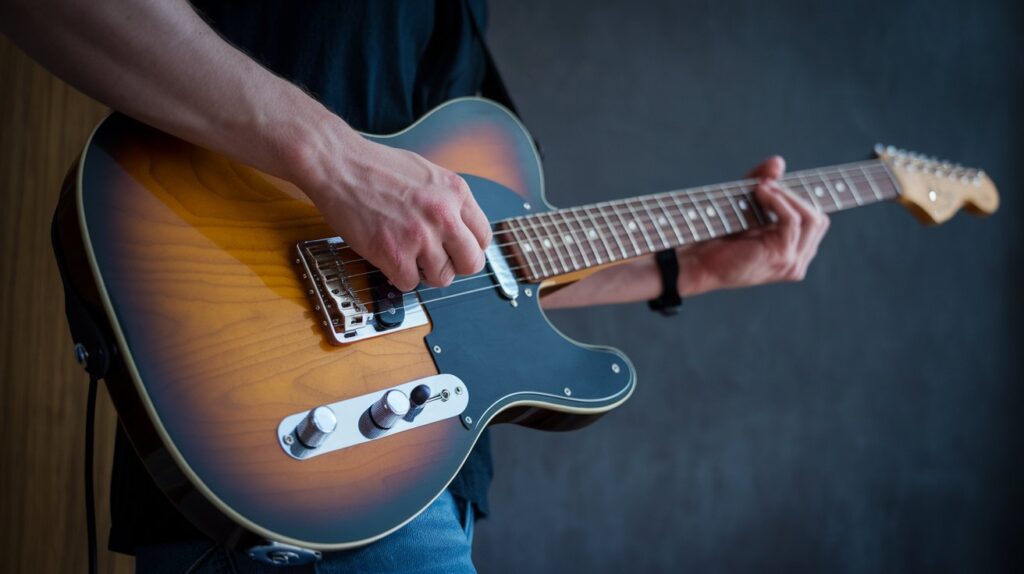
The choice between humbucker and single coil pickups fundamentally shapes your guitar’s sound and musical versatility. Humbuckers deliver thicker, noise-free tones ideal for rock and metal, while single coils provide bright, articulate sounds perfect for blues and country. Understanding these core differences helps guitarists select the right pickup configuration for their musical goals and playing style preferences in 2026.
What Are Humbucker and Single Coil Pickups
Single coil pickups feature one coil of wire wrapped around magnetic pole pieces, creating the classic bright and cutting tone heard in Fender Stratocasters and Telecasters. These pickups capture string vibrations through electromagnetic induction, producing crisp highs and clear note definition that cuts through band mixes effectively. However, single coils are susceptible to electromagnetic interference, creating the characteristic 60-cycle hum in high-gain situations.
Humbucker pickups use two coils wired in opposite phase and polarity to cancel unwanted noise while maintaining signal strength. Invented by Seth Lover at Gibson in 1955, humbuckers produce warmer, thicker tones with enhanced midrange frequencies and reduced treble response compared to single coils. The dual-coil design eliminates hum interference, making them ideal for high-gain applications and overdrive situations.
Sound Characteristics and Tonal Differences
Single coil pickup tone emphasizes brightness, clarity, and note separation with pronounced high frequencies and tight bass response. These pickups excel at clean tones, producing the signature bell-like qualities found in classic blues, country, and surf music. The frequency response typically peaks around 3-4 kHz, creating that characteristic sparkle and chime that cuts through dense musical arrangements effectively.
Humbucker pickup tone delivers warmth, sustain, and midrange punch with compressed dynamics and smoother high-frequency response. The dual-coil design naturally boosts midrange frequencies while rolling off harsh treble, creating fuller, more rounded tones ideal for rhythm playing and lead guitar work. Humbuckers provide approximately 20-30% more output than single coils, driving amplifier input stages harder for natural tube saturation.
Music Genres and Applications
Single coil pickups dominate genres requiring clarity and articulation, including blues, country, funk, indie rock, and surf music. Professional guitarists like Stevie Ray Vaughan, Brad Paisley, and John Mayer rely on single coil clarity for complex chord voicings and intricate picking patterns. These pickups excel in clean and lightly overdriven amplifier settings where note definition remains paramount.
Humbuckers excel in rock, metal, jazz, and blues genres where thick, sustaining tones and noise reduction are essential. The pickup’s natural compression and midrange emphasis make them perfect for power chord riffs, extended solos, and high-gain distortion applications. Artists like Jimmy Page, Slash, and Joe Bonamassa demonstrate humbucker versatility across multiple genres requiring powerful, noise-free performance.
Noise Characteristics and Interference Issues
Single coil noise remains a significant consideration for many guitarists, as these pickups act as antennas for electromagnetic interference from fluorescent lights, computer monitors, and other electronic devices. The 60-cycle hum becomes particularly noticeable in high-gain situations or quiet musical passages, requiring noise gates, shielding modifications, or careful positioning to minimize unwanted interference in performance environments.
Humbuckers eliminate electromagnetic interference through their dual-coil, reverse-wound, reverse-polarity design that cancels external noise while preserving musical signal integrity. This noise cancellation makes humbuckers essential for high-gain applications, studio recording, and live performance situations where clean signal reproduction is critical. Modern humbucker designs maintain this noise rejection while preserving tonal character and dynamic response.
Output Level and Gain Considerations
Single coil output levels typically range from 6-8K ohms resistance with moderate magnetic field strength, producing vintage-style dynamics and touch sensitivity. Lower output levels preserve natural guitar tone while providing excellent interaction with tube amplifier input stages for organic overdrive characteristics. These pickups respond dramatically to playing technique variations, rewarding subtle touch and dynamic control.
Humbucker output levels generally measure 8-15K ohms with stronger magnetic fields generating higher signal levels for increased sustain and natural amplifier saturation. Higher output drives amplifier input stages harder, producing compressed dynamics and easier distortion access for rock and metal applications. Modern active humbuckers can reach even higher output levels for extreme gain situations.
Physical Design and Installation Differences
Single coil pickup dimensions typically measure 3.5 inches long by 1.5 inches wide with shallow mounting depths requiring specific guitar routing patterns. Standard Stratocaster and Telecaster pickups use different mounting systems, with Strat pickups requiring pickguard mounting while Tele bridge pickups mount directly to the guitar body through metal mounting rings for secure installation.
Humbucker pickup dimensions measure approximately 3.15 inches long by 1.5 inches wide with deeper mounting requirements due to dual-coil construction. Standard humbucker routing requires precise measurements for proper fit, while pickup rings accommodate different mounting heights for optimal string-to-pickup distance. Many guitars feature interchangeable pickup systems allowing both pickup types in the same instrument.
Advantages and Disadvantages Comparison
Single coil advantages include exceptional clarity, note definition, and vintage tonal character with responsive dynamics and authentic traditional sounds. These pickups provide excellent clean tones, lower manufacturing costs, and easier installation in most guitar designs. Single coils also offer superior note separation in complex chord voicings and intricate picking patterns, making them ideal for technical playing styles requiring precision and articulation.
Single coil disadvantages center on electromagnetic noise susceptibility, lower output levels requiring amplification, and limited high-gain performance capabilities. The inherent hum can be problematic in certain environments, while the brighter tone may sound harsh through some amplifier and effects combinations, particularly in high-volume situations where feedback becomes an issue.
Humbucker Benefits and Limitations
Humbucker advantages include complete noise elimination, higher output levels, and exceptional sustain with warm, thick tonal characteristics perfect for rock and metal applications. The pickup’s natural compression smooths playing dynamics while the midrange emphasis cuts through band mixes effectively. Humbuckers also handle high-gain situations without unwanted noise, making them essential for modern amplification and effects processing.
Humbucker disadvantages involve reduced brightness and clarity compared to single coils, potentially muddy bass response, and less dynamic sensitivity to playing technique variations. Some guitarists find humbuckers less versatile for clean tones, while the warmer character may not suit genres requiring crystalline clarity and note separation. Higher output can also overwhelm some vintage amplifier designs not intended for modern pickup levels.
Choosing the Right Pickup Type for Your Music
Guitar pickup selection depends primarily on musical style preferences, amplifier characteristics, and performance requirements. Blues, country, and funk players typically benefit from single coil clarity and touch sensitivity, while rock, metal, and jazz guitarists often prefer humbucker warmth and noise reduction. Consider your primary musical applications when selecting pickup types for optimal tonal results.
Pickup versatility can be enhanced through coil-tapping humbuckers, single coil-sized humbuckers, or guitars with multiple pickup configurations. Modern pickup designs offer hybrid solutions combining traditional characteristics with contemporary performance requirements. Professional guitarists often use different guitars with various pickup configurations to match specific musical situations and recording requirements effectively.
Modern Innovations and Hybrid Designs
Contemporary pickup technology has produced innovative solutions addressing traditional limitations through advanced materials, winding techniques, and magnetic designs. Manufacturers now offer noiseless single coil pickups using stacked coil designs, rail humbuckers providing single coil dimensions with humbucker performance, and active electronics for extended frequency response and reduced impedance loading effects on guitar cables and amplifiers.
Hybrid pickup designs in 2026 include coil-splitting humbuckers offering both tonal characteristics, P90-style single coils with enhanced output, and miniature humbuckers combining compact size with noise reduction. These innovations allow guitarists to access multiple tonal palettes from single instruments while maintaining authentic vintage characteristics when desired for maximum musical versatility.
Related video about humbucker vs single coil pickups difference
This video complements the article information with a practical visual demonstration.
Essential Q&A about humbucker vs single coil pickups difference
Which is better humbucker or single coil for beginners?
Single coil pickups are often better for beginners because they provide excellent clarity for learning chord voicings and note accuracy. However, humbuckers work well for beginners playing rock or metal genres due to their noise-free operation and easier high-gain handling. Consider your preferred musical styles when choosing.
What are the disadvantages of humbuckers?
Humbuckers can sound muddy or less articulate than single coils, especially for clean tones and complex chord work. They also have less dynamic sensitivity to playing technique and may overwhelm vintage amplifiers with their higher output levels. The warmer tone may not suit genres requiring bright, cutting sounds.
What are the disadvantages of single coil pickups?
Single coil pickups suffer from electromagnetic interference creating 60-cycle hum, especially in high-gain situations. They also have lower output levels requiring more amplification and can sound thin or harsh through certain amplifier settings. The noise can be particularly problematic in recording studios or venues with electronic interference.
What kind of music are humbuckers good for?
Humbuckers excel in rock, metal, hard rock, blues rock, and jazz genres where thick, sustaining tones are desired. Their noise-free operation and higher output make them perfect for high-gain distortion, power chord riffs, and soaring lead guitar work. They also work well for rhythm guitar in most contemporary music styles.
Can you mix humbucker and single coil pickups on the same guitar?
Yes, many guitars feature HSS (Humbucker-Single-Single) or HSH (Humbucker-Single-Humbucker) configurations combining both pickup types. This arrangement provides maximum tonal versatility, allowing bright single coil tones and warm humbucker sounds from the same instrument. The pickup selector switch enables easy switching between different tonal characteristics.
Do single coil pickups work well for metal music?
Single coil pickups can work for certain metal styles, particularly when using high-output models or active electronics. However, the inherent noise and thinner tone often make humbuckers more suitable for metal’s high-gain requirements. Some metal guitarists use single coils for clean passages or specific tonal textures within predominantly humbucker-based setups.
| Key Aspect | Single Coil | Humbucker |
|---|---|---|
| Tone Character | Bright, clear, articulate | Warm, thick, compressed |
| Noise Level | Susceptible to hum | Noise-free operation |
| Output Level | Lower output, more dynamic | Higher output, compressed |
| Best Genres | Blues, country, funk, indie | Rock, metal, jazz, blues rock |
| Clean Tones | Excellent clarity and chime | Warm but less articulate |
| High Gain | Limited by noise issues | Excellent for distortion |