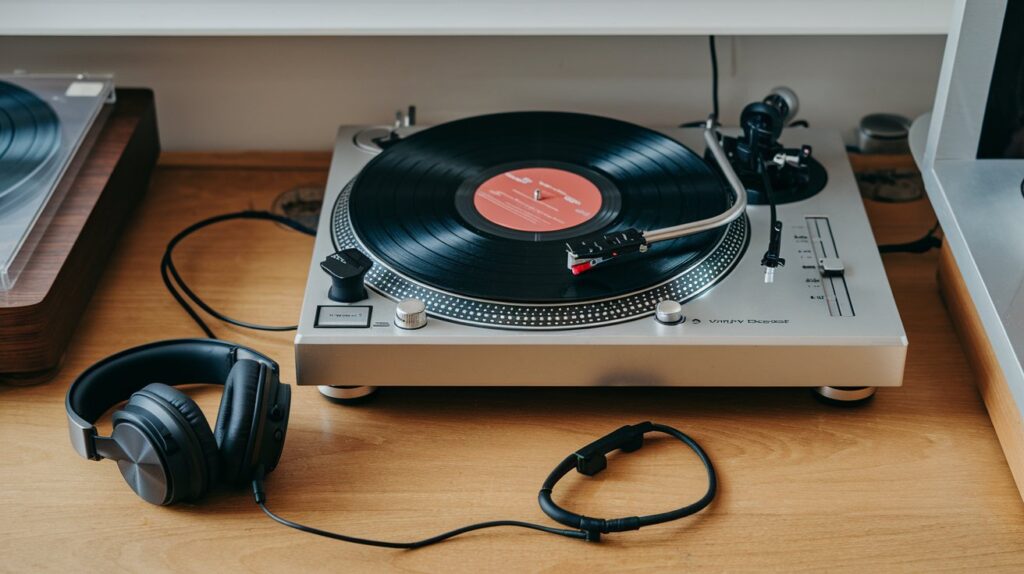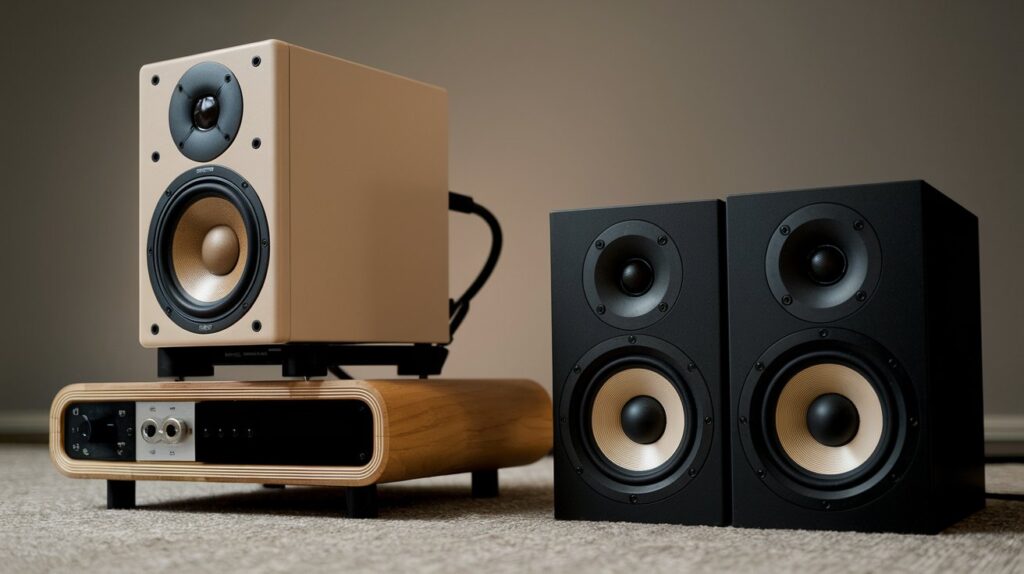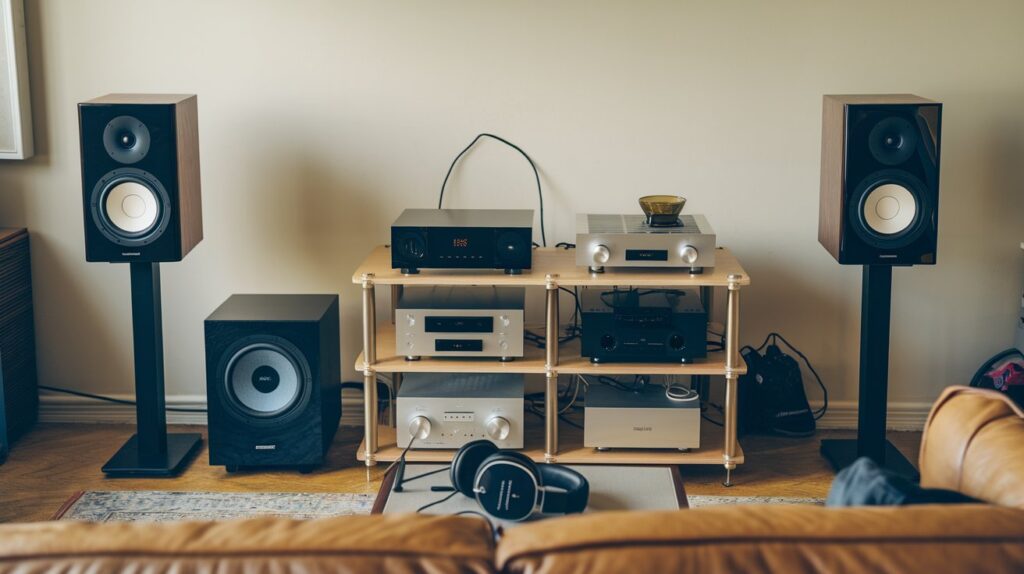
Improving your home audio setup involves optimizing speaker placement, room acoustics, and component selection to achieve superior sound quality. With the right approach, you can transform an ordinary audio system into a high-fidelity experience that rivals professional studios. This comprehensive guide covers everything from basic speaker positioning to advanced acoustic treatments.
Essential Components for Home Audio Setup
A proper home audio setup begins with understanding the fundamental components that create exceptional sound. The foundation consists of speakers, amplifiers, source devices, and cables that work together to reproduce audio accurately. In 2026, wireless technology has advanced significantly, offering lossless audio transmission that rivals traditional wired connections.
Modern audio systems prioritize versatility and integration with smart home ecosystems. Quality speakers remain the most critical component, as they directly influence sound reproduction. Whether choosing bookshelf speakers or tower speakers, understanding your room’s dimensions and acoustic properties guides the selection process effectively.
Choosing Between Bookshelf and Tower Speakers
Bookshelf speakers offer exceptional value and flexibility for most home audio setups. These compact units deliver impressive sound quality while fitting seamlessly into various room configurations. Modern bookshelf speakers can outperform many tower speakers in mid-range clarity and imaging precision, making them ideal for smaller to medium-sized rooms.
Tower speakers, also known as floorstanding speakers, provide deeper bass extension and higher volume capabilities. However, they require more room space and careful positioning to avoid overwhelming smaller listening areas. The choice depends on your room size, listening preferences, and aesthetic requirements for your audio setup.
Understanding Speaker Specifications and Performance
Speaker specifications provide crucial information for optimizing your audio setup. Frequency response indicates how well speakers reproduce different sound ranges, while sensitivity ratings determine how efficiently they convert power into sound. Higher sensitivity speakers require less amplifier power to achieve desired volume levels.
Impedance matching between speakers and amplifiers ensures optimal performance and prevents equipment damage. Most home speakers operate at 8-ohm impedance, which works well with standard consumer amplifiers. Understanding these specifications helps create a balanced system that delivers consistent, high-quality sound reproduction across all frequencies.
Room Acoustics and the 38% Rule
The 38% rule room acoustics suggests positioning your listening seat approximately 38% of the room’s length from the front wall. This placement minimizes problematic standing waves and creates optimal bass response in most rectangular rooms. Proper room acoustics significantly impact sound quality, often more than expensive equipment upgrades.
Acoustic treatments include absorption panels, diffusers, and bass traps that control unwanted reflections and resonances. Hard surfaces like glass and concrete create excessive reverberation, while soft furnishings naturally absorb sound. Balancing these elements creates an environment where your audio setup performs at its maximum potential without acoustic interference.
Strategic Speaker Placement Following the 83% Rule
The 83% rule for speakers recommends positioning speakers at least 83% of the distance from side walls compared to their distance from the front wall. This placement reduces early reflections that can muddy stereo imaging and create phase cancellation issues. Proper speaker placement often provides more improvement than upgrading to expensive models.
Speaker height should align tweeters with your ears when seated in the primary listening position. Angling speakers slightly toward your listening position enhances focus and imaging precision. The distance between speakers should roughly equal the distance from each speaker to your listening position, forming an equilateral triangle for optimal sound quality.
DIY Acoustic Treatment Solutions
DIY acoustic treatments offer cost-effective ways to improve home audio setup performance without professional installation. Thick curtains, bookshelves, and strategically placed furniture provide natural sound absorption and diffusion. Area rugs significantly reduce floor reflections that can interfere with speaker performance.
Homemade bass traps using rockwool or fiberglass insulation wrapped in fabric effectively control low-frequency buildup in corners. First reflection points on side walls benefit from absorption panels that prevent early reflections from reaching your ears. These DIY solutions dramatically improve sound quality while maintaining room aesthetics and functionality.
Digital Audio Sources and Streaming Quality
High-quality digital sources form the foundation of exceptional audio reproduction in modern home systems. Lossless audio formats like FLAC and ALAC preserve original recording quality without compression artifacts. Streaming services increasingly offer high-resolution audio options that surpass traditional CD quality for discerning listeners.
Digital-to-analog converters (DACs) significantly impact sound quality from digital sources. External DACs often outperform built-in converters found in computers and basic audio equipment. Network audio players provide convenient access to streaming services while maintaining audiophile-grade sound quality for serious listening sessions in your home environment.
Optimizing PC Audio on Windows 11
Windows 11 includes enhanced audio drivers and spatial audio technologies that improve sound quality significantly. Exclusive mode bypasses Windows audio processing, allowing direct communication between audio software and hardware. Disabling audio enhancements prevents unwanted digital signal processing that can degrade sound quality.
High-resolution audio support in Windows 11 enables playback of studio-quality recordings at their original sampling rates. USB audio drivers should be updated regularly to ensure compatibility with modern audio interfaces. Proper configuration of audio buffer sizes reduces latency while maintaining stable playback for your PC audio system.
Mobile Device Audio Enhancement
Smartphone and tablet audio quality has improved dramatically with advanced DAC chips and high-resolution audio support. iPhone users can access lossless Apple Music content through wired headphones or compatible wireless devices. Proper audio app configuration ensures maximum quality from mobile sources.
Dedicated music player apps often provide better sound quality than stock media players through advanced audio processing algorithms. External headphone amplifiers can drive high-impedance headphones more effectively than built-in phone amplifiers. USB-C audio adapters with integrated DACs offer superior sound quality compared to standard analog adapters for mobile listening.
Car Audio System Improvements
Automotive audio systems present unique challenges due to road noise, irregular cabin shapes, and electrical interference. Upgrading factory speakers typically provides the most noticeable improvement in car audio quality. Sound deadening materials reduce vibrations and external noise intrusion that interfere with music reproduction.
Professional installation ensures proper wiring, secure mounting, and optimal component placement in vehicle environments. Amplifier upgrades provide cleaner power delivery and improved dynamic range for demanding musical passages. Subwoofer integration requires careful consideration of cabin acoustics and available installation space in your car audio system.
Speaker Upgrade Strategies for Vehicles
Factory speakers often use lightweight materials and basic designs that prioritize cost over sound quality. Aftermarket speakers feature superior drivers, crossover networks, and construction materials that dramatically improve audio reproduction. Component speaker systems separate tweeters and woofers for optimal frequency response and imaging.
Proper speaker sizing ensures compatibility with existing mounting locations and adequate power handling capabilities. Sensitivity ratings become especially important in automotive applications where amplifier power may be limited. Coaxial speakers offer convenient installation while component systems provide maximum sound quality potential for serious car audio enthusiasts.
Sound Deadening and Acoustic Control
Sound deadening materials eliminate panel vibrations that create unwanted resonances and reduce overall sound clarity. Automotive-specific products withstand temperature extremes and humidity while providing effective vibration control. Strategic placement on doors, floor panels, and trunk areas significantly improves audio system performance.
Absorption materials reduce interior reflections and standing waves that can color sound reproduction. Professional installation ensures proper coverage and adhesion for long-term effectiveness. The investment in sound treatment often provides more noticeable improvement than expensive component upgrades, making it essential for serious car audio setup optimization.
Advanced Audio Setup Techniques
Advanced audio setup techniques involve precise calibration and measurement tools that optimize system performance beyond basic positioning. Room correction software analyzes acoustic response and applies digital filters to compensate for room-induced frequency irregularities. These technologies have become more accessible and user-friendly in 2026.
Time alignment ensures all frequencies arrive at your listening position simultaneously, creating coherent soundstage reproduction. Distance measurements and delay adjustments synchronize multiple drivers and speakers for optimal phase relationships. Professional measurement microphones and analysis software provide objective data for making informed setup adjustments and improvements.
Related video about how to improve home audio setup
This video complements the article information with a practical visual demonstration.
Most asked questions about how to improve home audio setup
What is the 83% rule for speakers?
The 83% rule for speakers suggests positioning speakers at least 83% of the distance from side walls compared to their distance from the front wall. This placement reduces early reflections that can interfere with stereo imaging and sound clarity. Following this rule helps create better soundstage depth and reduces phase cancellation issues that muddy audio reproduction.
What is the 38% rule room acoustics?
The 38% rule in room acoustics recommends placing your listening position approximately 38% of the room’s length from the front wall. This positioning minimizes problematic standing waves and optimizes bass response in most rectangular rooms. The rule helps avoid acoustic nulls and peaks that occur at specific room positions, creating more balanced sound reproduction.
How do I improve my audio setup on a budget?
Budget-friendly audio improvements include proper speaker placement, acoustic treatment using household items, and optimizing digital source settings. Moving speakers away from walls, adding rugs and curtains, and ensuring lossless audio playback often provide more improvement than expensive equipment upgrades. Focus on room acoustics and positioning before investing in new components.
What is the best setup for home audio?
The best home audio setup depends on room size, listening preferences, and budget constraints. Generally, quality bookshelf speakers with proper placement, acoustic treatment, and high-quality sources provide excellent results. A 2.1 system with stereo speakers and subwoofer offers versatility for most listeners, while larger rooms may benefit from tower speakers or surround sound configurations.
How can I improve speaker sound quality on my iPhone?
iPhone audio quality improves through using lossless Apple Music, quality headphones or external speakers, and proper app settings. Disable automatic EQ settings that can color sound reproduction. Use wired connections when possible, as they provide better quality than most wireless options. Consider external DAC/amp combinations for high-impedance headphones that exceed iPhone’s power capabilities.
What are the most important factors for DIY audio setup improvement?
DIY audio improvement prioritizes speaker placement, room acoustics, and source quality optimization. Proper positioning following acoustic rules provides immediate benefits without cost. Adding absorption materials, optimizing digital settings, and ensuring clean power connections dramatically improve performance. Focus on fundamentals before considering expensive component upgrades for maximum cost-effectiveness.
| Improvement Area | Key Implementation | Expected Benefit |
|---|---|---|
| Speaker Placement | Follow 83% and 38% acoustic rules | Enhanced imaging and bass response |
| Room Acoustics | Strategic acoustic treatment | Reduced reflections and standing waves |
| Digital Sources | Lossless audio formats and quality DACs | Improved detail and dynamic range |
| Component Selection | Matched impedance and sensitivity | Optimal power transfer and efficiency |
| System Calibration | Time alignment and frequency response | Coherent soundstage and tonal balance |