Starting a vinyl record collection in 2026 offers music enthusiasts an authentic analog experience in our digital world. With vinyl sales reaching $1.4 billion in the United States in 2025, collecting records has become more popular than ever. This comprehensive guide covers everything from choosing your first record player to building a collection that reflects your musical taste and grows in value over time.
Essential Equipment for Vinyl Record Collecting
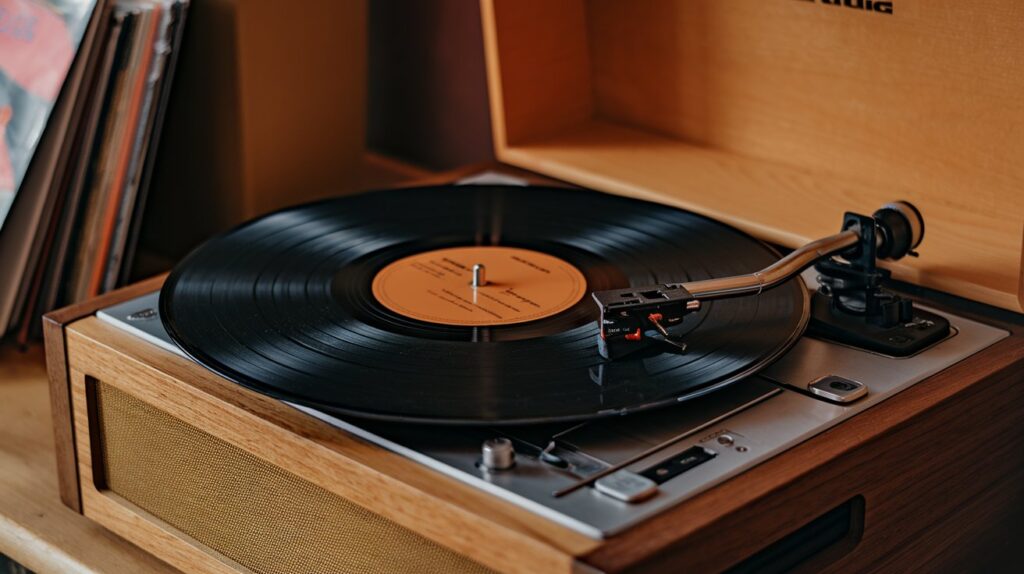
Before you can start a vinyl record collection from scratch, you need the proper equipment to play and maintain your records. The foundation of any collection begins with a quality turntable that preserves your vinyl investment. Modern turntables in 2026 range from budget-friendly options under $200 to high-end audiophile systems exceeding $5,000.
Your setup should include a record player, amplifier, speakers, and essential maintenance tools. Many beginners make the mistake of purchasing cheap all-in-one systems that can damage records with poor tracking force and inferior cartridges. Investing in proper equipment from the start protects your growing collection and ensures optimal sound quality.
Choosing the Right Turntable for Beginners
The best turntables for beginners in 2026 include the Audio-Technica AT-LP120XUSB ($349), Rega Planar 1 ($475), and Pro-Ject Debut Carbon EVO ($599). These models offer adjustable tracking force, quality cartridges, and the ability to upgrade components as your collection grows. Belt-drive turntables provide better isolation from motor vibrations, while direct-drive models offer consistent speed and are preferred by DJs.
Amplification and Speaker Setup
Your turntable setup requires either a receiver with phono input or a separate phono preamp. Many modern turntables include built-in preamps, making them compatible with any amplifier or powered speakers. For optimal sound, invest in bookshelf speakers from brands like KEF, Klipsch, or Polk Audio. Powered speakers eliminate the need for a separate amplifier and offer excellent value for beginners starting their vinyl journey.
Building Your First Vinyl Collection
When learning how to start a vinyl record collection for beginners, focus on purchasing albums you genuinely love rather than chasing rare or expensive records. Start with readily available new pressings and reissues from your favorite artists. Modern vinyl production in 2026 offers exceptional quality, with many labels using audiophile-grade mastering and heavyweight 180-gram vinyl.
Your first purchases should establish the foundation of your musical taste. Consider starting with essential albums from genres you enjoy, then branch out to explore new artists and styles. Many record stores offer beginner-friendly sections with popular titles under $25, making it easy to build a diverse collection without breaking the bank.
Vinyl Collection Must Haves for New Collectors
Every collection benefits from certain vinyl collection must haves that showcase the format’s strengths. Consider starting with albums known for exceptional vinyl mastering: Pink Floyd’s ‘Dark Side of the Moon,’ Miles Davis’ ‘Kind of Blue,’ and The Beatles’ ‘Abbey Road.’ These classics not only sound incredible on vinyl but also tend to hold their value and serve as excellent conversation starters with fellow collectors.
Where to Buy Vinyl Records in 2026
The best places to find vinyl records include local record stores, online retailers like Amazon and Barnes & Noble, and specialized sites like Discogs and VinylMePlease. Record Store Day, held annually in April, offers exclusive releases and supports independent record stores. Online marketplaces provide access to rare pressings, but always verify seller ratings and record condition descriptions before purchasing expensive items.
Understanding Vinyl Record Formats and Pressings
Vinyl records come in several formats, with 12-inch LPs being the most common for full albums. Vinyl record collecting also includes 7-inch singles, 10-inch EPs, and specialty formats like picture discs and colored vinyl. Understanding pressing differences helps you make informed purchases and avoid overpaying for standard releases marketed as ‘limited editions.’
Original pressings often command higher prices due to their historical significance and potential sound quality advantages. However, many modern reissues using original master tapes sound superior to worn vintage copies. Research pressing information using resources like Discogs to understand which versions offer the best value and sound quality for specific albums.
Vinyl Record Storage and Organization
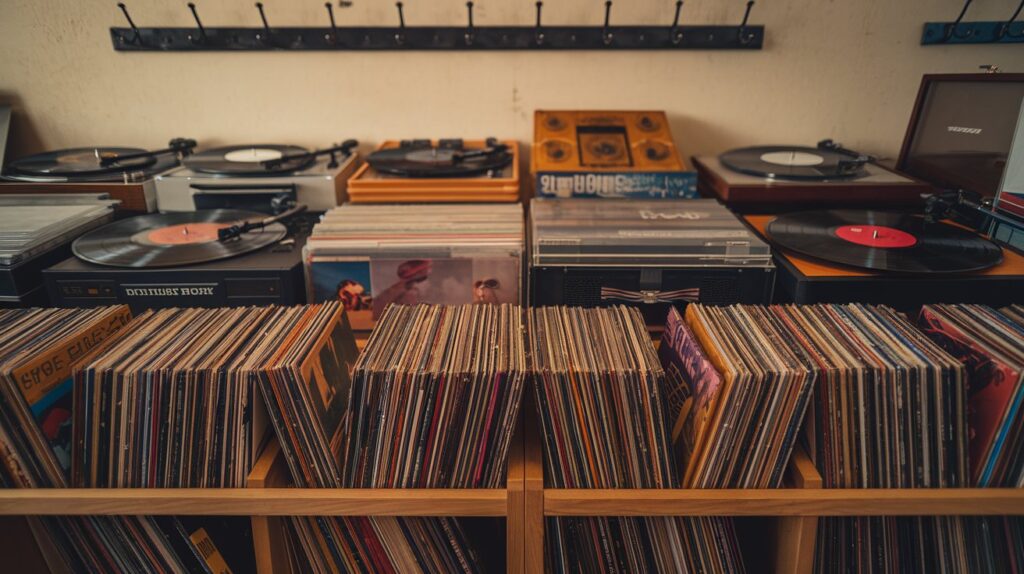
Proper storage protects your investment and keeps records playable for decades. Store vinyl records vertically in sturdy shelves, avoiding extreme temperatures and direct sunlight. Records should be stored in their original inner sleeves plus anti-static outer sleeves for maximum protection. Temperature fluctuations and humidity above 65% can cause warping and mold growth.
Organization systems vary by collector preference, but most use alphabetical by artist or chronological by purchase date. Consider using colored dividers to separate genres or decades. Digital cataloging apps like Discogs or CLZ Music help track your collection’s value and prevent duplicate purchases when shopping at record stores.
Climate Control and Environmental Protection
Maintaining stable temperature and humidity protects your vinyl record collection from environmental damage. Keep records in climate-controlled areas between 65-70°F with humidity levels around 45-50%. Avoid basements, attics, and areas near heating vents. UV light degrades album covers and can warp records, so store collections away from windows or use UV-filtering glass in display cases.
Cataloging and Inventory Management
Digital cataloging prevents duplicate purchases and helps track your collection’s value. Discogs offers the most comprehensive database with marketplace pricing data updated daily. Mobile apps allow you to scan barcodes while shopping to check if you already own specific releases. Export your catalog periodically for insurance purposes, as vinyl collections can represent significant investments worth thousands of dollars.
Vinyl Record Care and Maintenance
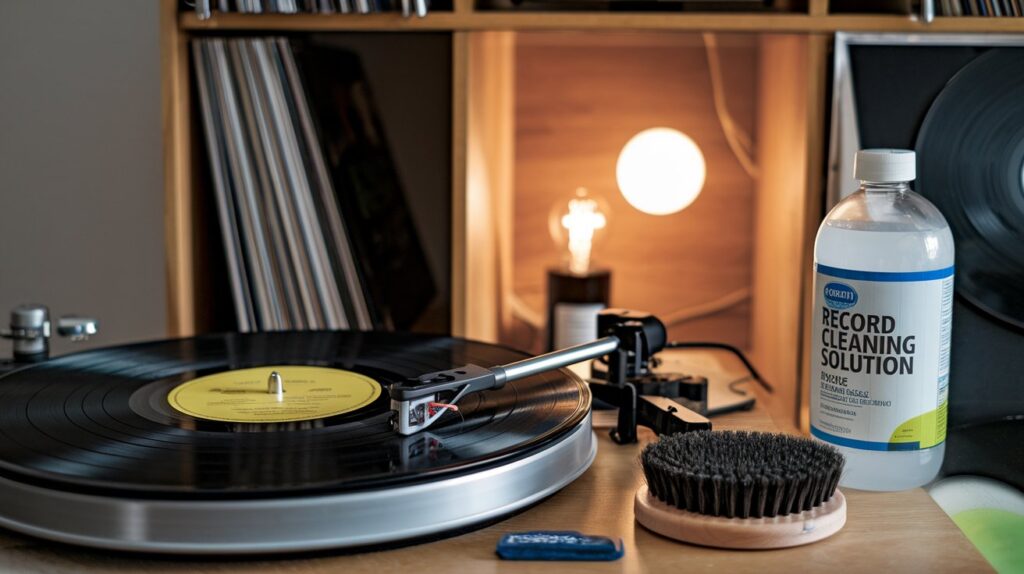
Regular cleaning and proper handling extend the life of your vinyl records and maintain sound quality. Clean records before each play using anti-static brushes to remove dust and debris. Deep cleaning with record washing systems or professional cleaning solutions removes embedded dirt and improves sound quality. Handle records by the edges and label area only, avoiding contact with the playing surface.
Stylus maintenance is equally important for preventing record damage. Clean your stylus after every few plays using a stylus brush, and replace cartridges according to manufacturer recommendations or after 1,000-2,000 hours of use. A worn stylus can permanently damage record grooves, making proper maintenance essential for any serious collector.
Budget Planning and Investment Strategies
Starting a vinyl record collection requires realistic budget planning to avoid overspending on your new hobby. Set monthly spending limits and prioritize essential albums over rare collectibles when building your initial collection. New pressings typically cost $25-35, while rare vintage albums can exceed $500. Focus on building a solid foundation before pursuing expensive collector items.
Consider vinyl collecting as both entertainment and investment. Many albums appreciate in value, especially limited pressings and original releases from popular artists. However, buy music you enjoy rather than purely for investment purposes. The joy of discovering new music and experiencing analog sound quality should drive your collecting passion, not just potential financial returns.
Related video about how to start a vinyl record collection
This video complements the article information with a practical visual demonstration.
Key Questions and Answers
How much money do I need to start a vinyl record collection?
You can start a basic vinyl record collection with $400-600 in 2026. This includes a quality entry-level turntable ($200-300), basic amplification ($100-150), and your first 5-10 albums ($125-250). Budget an additional $50-100 monthly for new records as your collection grows. Many beginners successfully start with smaller budgets using used equipment and focusing on affordable new pressings.
What are the most important vinyl records for beginners to buy?
Essential vinyl records for beginners include classic albums known for exceptional pressing quality: The Beatles’ ‘Abbey Road,’ Pink Floyd’s ‘Dark Side of the Moon,’ Miles Davis’ ‘Kind of Blue,’ and Fleetwood Mac’s ‘Rumours.’ These albums showcase vinyl’s strengths, hold their value, and represent different genres. Start with albums you love, then explore these classics to understand why vinyl collecting is so rewarding.
Should I buy new or vintage vinyl records?
New vinyl pressings offer consistent quality and often superior sound due to modern mastering techniques and virgin vinyl. Vintage records provide historical significance but may have condition issues affecting playback. For beginners, focus on new pressings and high-quality reissues. Once you develop your ear and collection skills, gradually add carefully selected vintage records that have been properly stored and maintained.
How do I know if a vinyl record is worth buying?
Research pressing information on Discogs to understand different versions’ value and quality. Check the record’s condition carefully, looking for scratches, warping, or cover damage. Read reviews and mastering information to identify the best-sounding pressings. For rare records, verify authenticity using catalog numbers and pressing plant information. Price check multiple sources to ensure you’re paying fair market value.
What storage system works best for vinyl record collections?
Store vinyl records vertically in sturdy shelves designed for LP weight, using both inner and outer protective sleeves. Organize alphabetically by artist or by genre depending on your preference. Keep records in climate-controlled areas away from direct sunlight and heat sources. Use record dividers to prevent leaning and warping. For valuable collections, consider fireproof storage options and maintain digital catalogs for insurance purposes.
How often should I clean my vinyl records and turntable?
Clean records with an anti-static brush before each play to remove surface dust. Deep clean records monthly or when they sound noticeably dirty using approved cleaning solutions. Clean your turntable stylus after every 2-3 listening sessions with a stylus brush. Replace the stylus every 1,000-2,000 hours of use to prevent damage to your records. Regular maintenance preserves both sound quality and your investment value.
| Collection Aspect | Recommended Approach | Long-term Benefit |
|---|---|---|
| Equipment Selection | Quality entry-level turntable with upgrade path | Protects records and grows with collection |
| Record Purchasing | Focus on albums you love, research pressings | Builds valuable, personally meaningful collection |
| Storage System | Vertical storage with protective sleeves | Preserves condition and investment value |
| Maintenance Routine | Regular cleaning and proper handling | Maintains sound quality for decades |