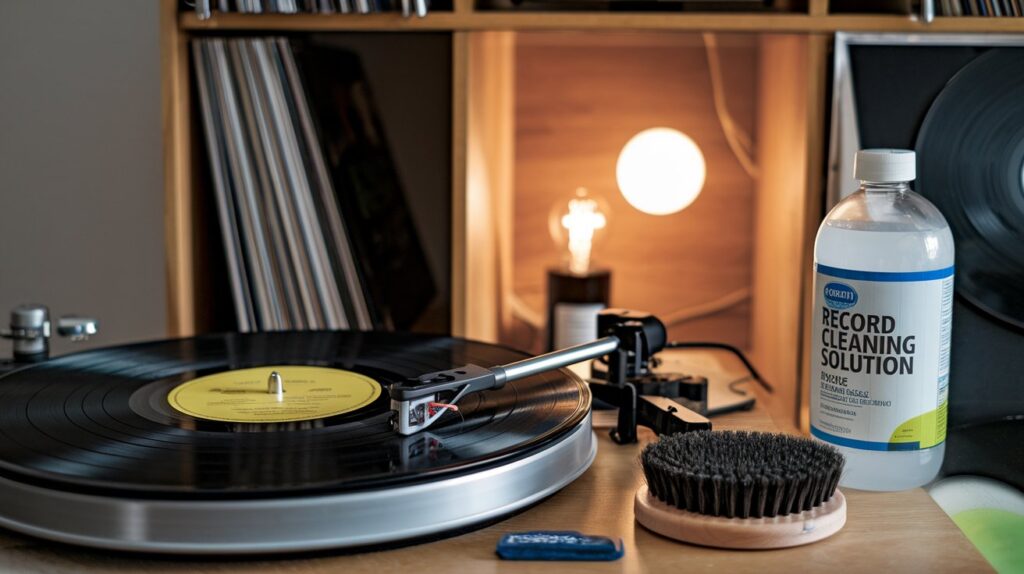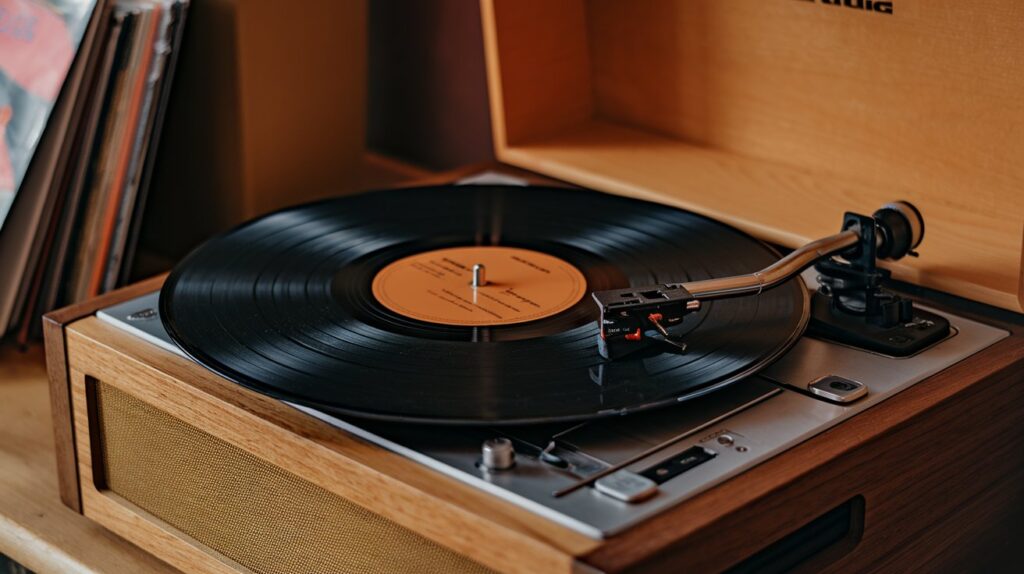
Vinyl records sound warmer due to their analog audio reproduction process, which introduces natural harmonic distortion, frequency roll-offs, and subtle imperfections that create a pleasing, organic sound quality. Unlike digital formats, vinyl’s physical grooves and mechanical playback system add harmonic content that many listeners perceive as more musical and emotionally engaging.
What Does Warmer Sound Mean in Audio Terms
The term warmer sound refers to audio characteristics that emphasize lower frequencies, softer high-end response, and added harmonic content that creates a more pleasant listening experience. In 2026, audio engineers define warmth as a combination of frequency response alterations and harmonic distortion that makes music feel more natural and less harsh than pristine digital reproduction.
Warm audio typically features enhanced bass frequencies between 80-250 Hz, rolled-off treble above 10 kHz, and the presence of even-order harmonics. These characteristics make vocals sound fuller, instruments appear more rounded, and the overall sonic presentation feels more intimate and engaging to human ears.
The Science Behind Vinyl’s Warm Sound
Vinyl’s warmth originates from several scientific factors inherent to analog playback systems. The physical process of cutting grooves into vinyl introduces natural compression and harmonic distortion that digital formats cannot replicate without artificial processing.
Analog Signal Processing Creates Natural Warmth
The analog signal chain in vinyl production and playback adds multiple stages of harmonic enhancement. From the original recording through cutting, pressing, and playback, each step introduces subtle non-linearities that create pleasing harmonic content. Modern turntables in 2026 still preserve these analog characteristics, with high-end systems costing $2,000-$15,000 specifically designed to maximize this natural warmth.
Physical Groove Limitations Add Character
Vinyl grooves have physical limitations that contribute to warmth perception. Low frequencies require wider groove spacing, naturally compressing bass content, while high frequencies face tracking limitations that create gentle treble roll-off. These mechanical constraints act as natural filters that many listeners find more pleasing than perfect digital reproduction.
How Vinyl Produces Harmonic Distortion
Harmonic distortion in vinyl playback occurs through multiple mechanisms that add musical harmonics to the original signal. The stylus tracking through grooves creates mechanical modulation, while the phono cartridge’s magnetic or moving-coil design introduces additional harmonic content.
Stylus and Cartridge Interactions
The stylus tracking process generates harmonic distortion as the needle follows groove undulations. High-quality cartridges in 2026 range from $200-$5,000, with each design creating distinctive harmonic signatures. Moving-coil cartridges typically produce less distortion but warmer midrange, while moving-magnet designs offer more pronounced harmonic coloration.
Turntable Speed Variations Add Warmth
Subtle speed variations in turntable rotation create natural pitch modulation that adds warmth and character. Even premium turntables experience minimal wow and flutter, typically 0.1-0.3%, which creates gentle frequency modulation that makes vinyl sound more alive and organic compared to perfectly stable digital playback.
Frequency Response Characteristics of Vinyl
Vinyl records exhibit specific frequency response patterns that contribute to their warm sound signature. The RIAA equalization curve, applied during cutting and reversed during playback, creates intentional frequency shaping that emphasizes certain ranges while de-emphasizing others.
Typical vinyl frequency response shows a gentle bass boost below 200 Hz and gradual treble roll-off above 8 kHz. This natural filtering removes harsh frequencies while enhancing the fundamental tones that make music sound fuller and more emotionally engaging.
Comparing Vinyl Warmth to Digital Audio
Digital audio formats like CD and streaming services provide accurate reproduction with minimal distortion, but this precision can sound clinical or sterile to many listeners. Vinyl’s inherent imperfections create a more human-like sound that many prefer for emotional music listening.
Digital Precision vs Analog Character
Modern digital audio achieves 16-bit/44.1kHz or higher resolution with essentially perfect frequency response and minimal distortion. However, this accuracy lacks the harmonic enhancement that vinyl provides naturally. High-resolution digital formats in 2026, including 24-bit/192kHz files, still cannot replicate vinyl’s specific analog character without digital processing.
Why Some Listeners Prefer Vinyl’s Imperfections
Psychological studies show that listeners often prefer vinyl’s imperfections because they mirror natural hearing characteristics. The human ear processes harmonically rich content more pleasantly, making vinyl’s distortion patterns align with our auditory preferences. This explains why vinyl sales in the US reached 43 million units in 2023, continuing growth trends through 2026.
Technical Factors That Create Vinyl Warmth
Several technical factors combine to create vinyl’s characteristic warm sound. These include cartridge design, tonearm resonance, platter materials, and isolation systems that all contribute to the final sonic signature.
Modern turntable design in 2026 focuses on controlling these factors to either enhance or minimize warmth depending on listener preferences. High-end manufacturers like Rega, Pro-Ject, and Technics offer models specifically tuned for maximum analog warmth.
The Role of Vinyl Mastering in Warmth
Vinyl mastering engineers intentionally shape the sound to work within vinyl’s limitations and enhance its natural characteristics. This specialized mastering process often creates warmer, more dynamic versions of albums compared to digital releases.
Many audiophile releases in 2026 feature dedicated vinyl masters that emphasize midrange warmth and dynamic range. These releases often sound significantly different from their digital counterparts, with enhanced musical warmth that justifies vinyl’s premium pricing of $25-$40 per album.
Modern Vinyl Technology and Warmth Preservation
Contemporary vinyl manufacturing in 2026 uses advanced techniques to preserve and enhance the warm characteristics that make vinyl appealing. New pressing technologies and virgin vinyl compounds maintain the analog character while reducing unwanted noise and distortion.
Premium pressing plants like Quality Record Pressings and Optimal Media use modern equipment that optimizes the warm sound qualities while minimizing surface noise. These facilities can produce vinyl with signal-to-noise ratios exceeding 65dB while preserving the essential analog warmth that vinyl enthusiasts seek.
Related video about why do vinyl records sound warmer
This video complements the article information with a practical visual demonstration.
Essential Q&A about why do vinyl records sound warmer
Will WD-40 clean vinyl records safely?
No, WD-40 should never be used on vinyl records as it can damage the groove structure and leave residue that affects playback quality. Use specialized record cleaning solutions with distilled water and isopropyl alcohol instead. Professional record cleaning machines cost $300-$2,000 and provide the safest cleaning method for preserving vinyl’s warm sound characteristics.
What does 33, 45, and 78 mean on vinyl records?
These numbers represent revolutions per minute (RPM) playback speeds. 33⅓ RPM is standard for LP albums, 45 RPM for singles and some audiophile releases, and 78 RPM for vintage shellac records from the early 1900s. Each speed affects sound quality and playing time, with 45 RPM often providing superior audio fidelity and enhanced warmth due to faster groove speed.
What is the typical lifespan of a vinyl record?
Properly cared for vinyl records can last 100+ years with minimal degradation. High-quality pressings played on well-maintained turntables show virtually no wear after hundreds of plays. Modern 180-gram pressings from 2026 use advanced vinyl compounds that extend lifespan while preserving the warm sound characteristics that make vinyl appealing to audiophiles.
Are 1960s 45 records worth anything today?
Many 1960s 45 RPM records are valuable, ranging from $10-$10,000+ depending on artist, rarity, and condition. Beatles, Motown, and rare soul 45s command premium prices. Original pressings often feature superior mastering that enhances the warm sound quality compared to later reissues, making them sought after by collectors and audiophiles in 2026.
Why do vinyl records sound warmer on certain turntables?
Different turntables emphasize vinyl warmth through their design characteristics. Belt-drive systems reduce motor noise while adding slight speed variation that enhances warmth. Tube preamps, quality cartridges, and proper setup all contribute to maximizing vinyl’s natural warm sound signature that makes records appealing to modern listeners.
How does vinyl warmth compare between new and vintage pressings?
Vintage pressings often exhibit more pronounced warmth due to analog mastering chains and different vinyl compounds used historically. Modern pressings in 2026 use digital mastering but can achieve similar warmth through careful EQ and dynamics processing. Both can sound warm, but vintage pressings may have more natural analog character from their original production methods.
| Warmth Factor | Technical Details | Listener Benefit |
|---|---|---|
| Harmonic Distortion | Even-order harmonics from analog playback | More musical, pleasing sound |
| Frequency Response | Natural bass boost and treble roll-off | Smoother, less fatiguing audio |
| Physical Limitations | Groove tracking creates natural compression | More cohesive, organic sound |
| Speed Variations | Minimal wow and flutter adds character | Living, breathing musical experience |
| Analog Signal Path | Continuous waveform without quantization | More natural sound reproduction |