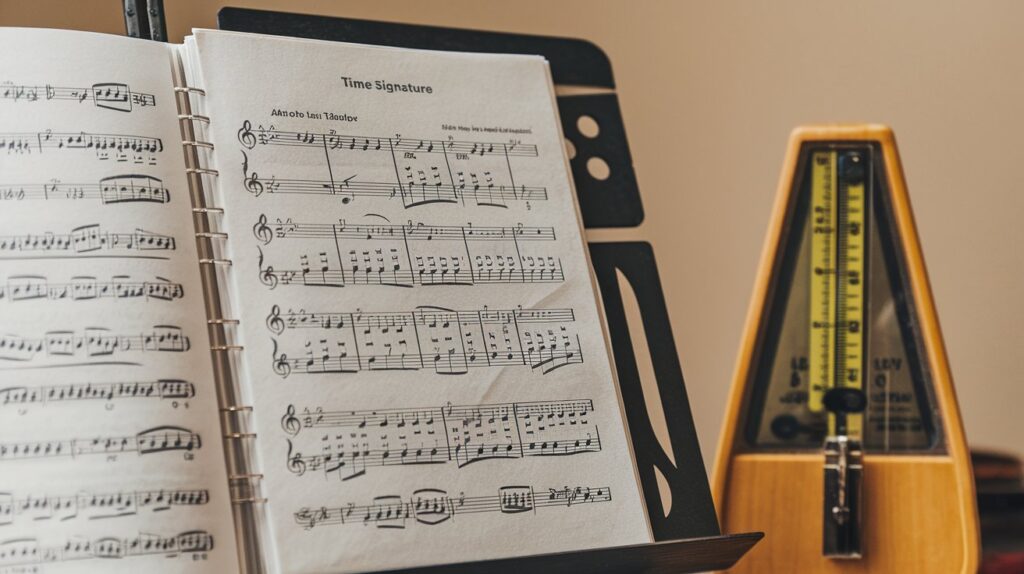
Understanding the difference between major and minor keys is fundamental to music theory and composition. Major keys typically create bright, happy sounds, while minor keys produce darker, more emotional tones. This distinction affects everything from chord progressions to melodic structure, making it essential knowledge for musicians, singers, and music enthusiasts across all genres and instruments.
What Are Major and Minor Keys
A musical key establishes the tonal center of a piece of music, determining which notes and chords will sound harmonious together. The fundamental difference between major and minor keys lies in their scale patterns and the intervals between notes. Major keys follow the pattern of whole-whole-half-whole-whole-whole-half steps, while minor keys use whole-half-whole-whole-half-whole-whole steps.
These different patterns create distinct emotional qualities that have been recognized in music theory for centuries. Major keys contain a major third interval between the first and third scale degrees, producing that characteristic bright sound. Minor keys feature a minor third interval, creating the darker, more introspective quality that defines minor tonality across all musical genres.
Major vs Minor Scale Patterns
The scale pattern difference between major and minor keys determines their unique sound characteristics. In a C major scale, the notes are C-D-E-F-G-A-B-C, following the whole-whole-half-whole-whole-whole-half pattern. The intervals create natural resolution points and a sense of stability that defines major tonality.
In contrast, the natural minor scale pattern produces A minor as A-B-C-D-E-F-G-A when starting from A. This whole-half-whole-whole-half-whole-whole pattern creates different tension and resolution points. The lowered third, sixth, and seventh degrees compared to major scales give minor keys their characteristic emotional depth and complexity.
Difference Between Major and Minor Keys Piano
On piano, the visual difference between major and minor keys becomes immediately apparent. C major uses only white keys, making it the easiest major key to understand visually. The pattern of whole and half steps corresponds directly to the piano keyboard layout, where half steps occur between E-F and B-C (adjacent white keys with no black key between them).
Difference Between Major and Minor Keys Guitar
Guitar players can easily distinguish between major and minor keys through chord shapes and scale patterns. Major chords on guitar feature the characteristic bright sound of the major third, while minor chords immediately sound darker due to the flattened third. The fretboard patterns for major and minor scales follow consistent fingering approaches that translate across all keys.
How to Tell If a Key Is Major or Minor
Identifying whether music is in a major or minor key requires listening for specific musical cues and analyzing the harmonic content. The most reliable method involves identifying the tonic chord – if it’s a major chord, the piece is likely in a major key; if it’s a minor chord, it’s probably in a minor key. This fundamental chord establishes the tonal center and emotional character.
The emotional quality provides another clear indicator. Major keys generally sound bright, happy, triumphant, or uplifting, while minor keys tend to sound sad, mysterious, dramatic, or introspective. However, context and other musical elements can modify these basic emotional associations, so harmonic analysis remains the most accurate identification method.
Key Signatures and Accidentals
The key signature at the beginning of sheet music provides immediate identification of major or minor tonality. Major keys and their relative minor keys share the same key signature but have different tonal centers. For example, C major and A minor both have no sharps or flats, but C major resolves to C while A minor resolves to A.
Relative Major and Minor Relationships
Every major key has a relative minor key that shares the exact same notes but starts from a different tonal center. The relative minor is always a minor third (three semitones) below the major key. This relationship explains why C major and A minor share the same key signature, and why G major shares its key signature with E minor.
Major and Minor Chords Explained
The difference between major and minor chords forms the foundation of harmonic understanding in music theory. A major chord consists of the root, major third, and perfect fifth intervals, creating the bright, stable sound characteristic of major harmony. The major third interval spans four semitones and defines the chord’s optimistic quality.
Minor chords substitute a minor third for the major third, reducing that interval to three semitones. This single note change dramatically alters the emotional character, creating the introspective, sometimes melancholic sound associated with minor harmony. These basic three-note structures form the building blocks of virtually all Western music.
The 1-3-5 Rule on Piano
The 1-3-5 rule on piano describes how to build basic triads from any starting note. For major chords, you play the first note (root), skip one note, play the next note (major third), skip one note, and play the next note (perfect fifth). For minor chords, you lower the third note by one semitone, creating the minor third interval that defines minor harmony.
Chord Progressions in Major vs Minor
Common chord progressions behave differently in major and minor keys, affecting the overall harmonic flow and emotional impact. The I-V-vi-IV progression in major keys creates a bright, uplifting feeling, while the i-VI-III-VII progression in minor keys produces a more dramatic, emotionally complex result. These patterns form the backbone of countless songs across all genres.
Emotional Qualities and Musical Expression
The emotional impact of major versus minor keys has been documented throughout music history and across cultures. Major keys typically evoke feelings of joy, triumph, celebration, and positivity, making them popular choices for upbeat songs, marches, and celebratory music. This emotional association stems from the natural harmonic series and the stability of major intervals.
Minor keys excel at conveying complex emotions including sadness, longing, mystery, drama, and introspection. However, minor keys aren’t limited to sad music – they also appear in energetic dance music, dramatic classical pieces, and powerful rock anthems. The context, tempo, rhythm, and other musical elements significantly influence how listeners perceive the emotional content.
Is It Harder to Sing in Minor Keys
Many vocalists wonder if it’s harder to sing in minor keys compared to major keys. The technical difficulty often depends more on the specific vocal range, intervals, and melodic patterns rather than the major or minor quality itself. However, minor keys can present unique challenges related to intonation, especially when singing complex chromatic passages or navigating the different forms of minor scales.
The emotional demands of minor key singing can also increase difficulty. Minor keys often require more nuanced expression and emotional depth, challenging singers to convey complex feelings while maintaining technical accuracy. Additionally, some minor scales include augmented seconds and other challenging intervals that require careful pitch accuracy and strong ear training skills.
What Is the Difference Between A Major and A Minor Key
The specific comparison between A major and A minor illustrates the broader principles of major versus minor tonality. A major contains the notes A-B-C#-D-E-F#-G#-A, with three sharps in its key signature. This creates the bright, optimistic character typical of major keys, with the C# and F# providing the major third and major sixth intervals that define major tonality.
A minor uses the notes A-B-C-D-E-F-G-A with no sharps or flats in its key signature. The natural C and F create the minor third and minor sixth intervals that give A minor its characteristic emotional depth. This makes A minor one of the most commonly used minor keys due to its simplicity and the natural minor scale pattern it represents.
Practical Applications and Usage
Understanding major and minor key differences proves essential for songwriting, composition, and musical arrangement. Composers choose keys based on the desired emotional impact, instrumental considerations, and vocal range requirements. Major keys dominate pop music, folk songs, and celebratory pieces, while minor keys frequently appear in blues, classical music, and dramatic film scores.
For musicians learning improvisation, recognizing major versus minor tonality determines which scales, chords, and melodic approaches will work effectively. Jazz musicians, in particular, must quickly identify key centers and their major or minor qualities to solo appropriately over chord changes. This skill development requires consistent practice with both major and minor materials across all twelve keys.
Related video about difference between major and minor keys
This video complements the article information with a practical visual demonstration.
FAQ – Common Questions
Is it harder to sing in minor keys?
Singing in minor keys isn’t inherently harder than major keys, but they can present unique challenges. Minor scales sometimes contain augmented intervals that require careful pitch accuracy. The emotional complexity of minor keys also demands more nuanced expression from singers, though the technical difficulty depends more on the specific melody and vocal range than the key’s major or minor quality.
What is the difference between A major and A minor key?
A major uses three sharps (F#, C#, G#) and creates a bright, optimistic sound, while A minor has no sharps or flats and produces a darker, more introspective character. The key difference lies in the third note of each scale: A major has C# (major third) while A minor has C natural (minor third), fundamentally changing the emotional quality and harmonic possibilities.
How do you tell if a key is in major or minor?
Listen for the emotional quality first – major keys typically sound bright and happy while minor keys sound darker or more complex. Musically, identify the tonic chord: if it’s major, you’re in a major key; if it’s minor, you’re in a minor key. The key signature and the resolution points in the melody also provide clear indicators of major versus minor tonality.
What is the 1-3-5 rule on piano?
The 1-3-5 rule describes how to build basic chords on piano by playing the first, third, and fifth notes of a scale. For major chords, use the natural 3rd note; for minor chords, lower the 3rd by one semitone. This creates the fundamental difference between major and minor harmony, with the altered third determining whether the chord sounds bright (major) or darker (minor).
What is the difference between major and minor music?
Major music uses scales and chords built on major intervals, creating bright, uplifting, or triumphant sounds commonly associated with happy emotions. Minor music uses scales and chords with flattened thirds, producing darker, more complex emotional qualities ranging from sadness to drama to mystery. This fundamental difference affects melody, harmony, and the overall emotional impact of musical compositions.
How are major and minor keys related?
Every major key has a relative minor key that shares the same notes but starts from a different tonal center. The relative minor is located a minor third (three semitones) below the major key. For example, C major and A minor share the same key signature but resolve to different tonal centers, creating distinctly different emotional characters despite using identical note collections.
| Key Aspect | Major Keys | Minor Keys |
|---|---|---|
| Scale Pattern | W-W-H-W-W-W-H | W-H-W-W-H-W-W |
| Emotional Quality | Bright, happy, triumphant | Dark, complex, introspective |
| Third Interval | Major third (4 semitones) | Minor third (3 semitones) |
| Common Usage | Pop, folk, celebratory music | Blues, classical, dramatic scores |
| Example Key | C Major (no sharps/flats) | A Minor (no sharps/flats) |