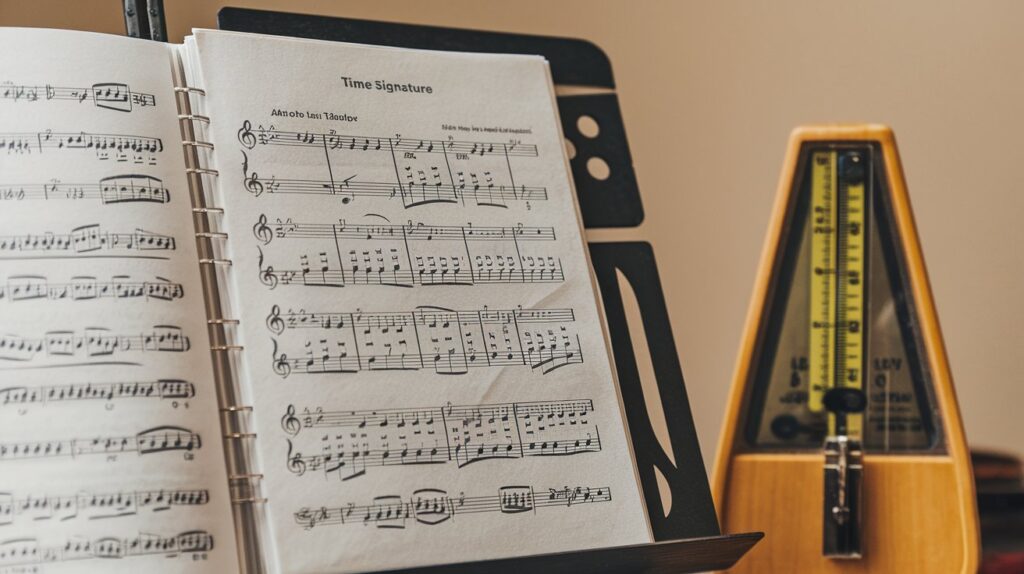
BPM in music stands for beats per minute, which measures the tempo or speed of a musical piece. This fundamental metric determines how fast or slow a song feels and serves as the foundation for timing in all musical genres. Understanding BPM helps musicians, producers, and music enthusiasts communicate tempo precisely and create cohesive musical experiences.
Understanding BPM: The Foundation of Musical Tempo
Beats per minute (BPM) represents the number of quarter note beats that occur in one minute of music. This measurement system provides a universal language for describing tempo across all musical genres and instruments. In 2026, digital audio workstations and music streaming platforms prominently display BPM information, making it easier than ever for musicians to work with precise tempo measurements.
The concept of BPM extends beyond simple counting, as it directly influences the emotional impact and energy level of music. A song at 60 BPM feels relaxed and contemplative, while music at 140 BPM creates excitement and urgency. Musicians use metronomes and digital tools to maintain consistent BPM throughout their performances, ensuring professional-quality timing and synchronization.
How BPM Affects Musical Feel and Energy
The relationship between BPM and musical energy follows predictable patterns that composers and producers leverage strategically. Slow tempos between 60-90 BPM typically create intimate, emotional atmospheres perfect for ballads and contemplative pieces. Medium tempos from 90-120 BPM suit pop songs and moderate dance music, while fast tempos above 120 BPM generate excitement suitable for electronic dance music and high-energy rock.
BPM Measurement Tools and Techniques
Modern musicians access various tools to measure and maintain accurate BPM in their music. Digital metronomes, smartphone apps, and professional audio software provide precise BPM readings and click tracks. Many contemporary devices can automatically detect the tempo of existing songs, making it easier to match tempos when creating remixes or medleys.
Common BPM Ranges Across Musical Genres
Different musical genres typically operate within specific BPM ranges that define their characteristic feel. Classical music spans an enormous range from 40 BPM for funeral marches to 200+ BPM for energetic orchestral pieces. Popular music genres have evolved distinct tempo preferences that help listeners immediately identify the style and expected energy level of songs.
Understanding genre-specific BPM ranges helps musicians create authentic-sounding music within established conventions while also providing opportunities for creative experimentation. Rock music typically ranges from 110-140 BPM, hip-hop often sits between 70-100 BPM, and electronic dance music frequently operates between 120-150 BPM, though these boundaries continue evolving in 2026.
Popular Music BPM Standards
Pop music BPM typically ranges from 100-130, creating an accessible tempo that appeals to broad audiences. This range allows for comfortable singing, dancing, and radio play while maintaining enough energy to keep listeners engaged. Many chart-topping hits in 2026 cluster around 120 BPM, which research shows optimizes listener retention and commercial appeal.
Electronic Music BPM Variations
Electronic music genres demonstrate dramatic BPM variations that create distinct sub-genre identities. House music typically operates at 120-130 BPM, techno ranges from 120-150 BPM, and drum and bass can reach 160-180 BPM. These specific tempo ranges help DJs mix tracks seamlessly and create the characteristic energy levels associated with different electronic music styles.
What Does 120 BPM Mean in Music Performance
A tempo of 120 BPM represents a moderate, comfortable pace that serves as a reference point for many musical applications. At this speed, each beat occurs every 0.5 seconds, creating a steady rhythm that feels natural for walking, light exercise, and casual listening. This particular BPM has become a standard in popular music production because it balances energy with accessibility.
Musicians often use 120 BPM as a starting point for composition and practice sessions because it allows clear articulation of notes while maintaining forward momentum. This tempo works well for guitar chord changes, vocal delivery, and drum patterns, making it an ideal choice for beginning musicians learning to play with consistent timing.
Fast vs Slow BPM: Understanding Musical Extremes
Fast BPM measurements above 140 create high-energy experiences that stimulate physical movement and emotional excitement. Songs at 180-200 BPM push the boundaries of human performance ability, requiring exceptional technical skill and stamina from musicians. These extreme tempos find their place in specialized genres like speed metal, hardcore electronic music, and virtuosic classical pieces.
Conversely, slow BPM ranges below 80 encourage contemplation, relaxation, and emotional depth. A tempo of 70 BPM allows space for complex harmonies, extended vocal phrases, and intricate instrumental techniques that would be impossible at higher speeds. Many successful ballads and ambient pieces utilize these slower tempos to create intimate listening experiences.
Is 200 BPM Too Fast for Most Music
A tempo of 200 BPM challenges both performers and listeners with its extreme speed, though certain musical contexts thrive at this pace. Punk rock, speed metal, and hardcore electronic genres regularly employ such fast tempos to create intense, adrenaline-fueled experiences. However, this speed limits melodic complexity and requires exceptional technical proficiency from musicians.
Is 70 BPM Too Slow for Engaging Music
70 BPM creates an extremely relaxed pace that works beautifully for specific musical goals but may feel sluggish for high-energy applications. This tempo excels in ballads, meditation music, and emotional compositions where every note carries significant weight. Many successful songs use 70 BPM to create dramatic impact and allow complex harmonic progressions to unfold naturally.
BPM and Time Signatures: Understanding the Relationship
The relationship between BPM and time signatures creates different rhythmic feels even at identical tempos. A song at 140 BPM in 4/4 time feels different from the same BPM in 6/8 time because the beat groupings and emphasis patterns change. Understanding this relationship helps musicians create more sophisticated rhythmic compositions and arrangements.
Time signature affects how BPM translates into musical feel because it determines which note values receive emphasis and how beats group together. Musicians must consider both elements when communicating tempo intentions to other performers or when programming digital instruments and drum machines.
Using BPM for Music Production and DJing
Modern music production relies heavily on precise BPM control for creating professional recordings. Digital audio workstations allow producers to set exact tempos, create tempo changes, and synchronize multiple tracks with sample-accurate timing. Understanding BPM helps producers choose appropriate drum samples, program realistic instrument parts, and create seamless transitions between song sections.
DJs use BPM matching as a fundamental technique for creating smooth transitions between songs. Professional DJ software automatically detects and displays BPM information, allowing DJs to mix tracks with compatible tempos or use tempo adjustment features to match different songs. This technical skill separates amateur from professional DJing performance quality.
BPM Synchronization in Modern DAWs
Digital audio workstations provide sophisticated BPM synchronization features that enable complex musical arrangements. These tools allow automatic tempo detection, beat grid alignment, and MIDI clock synchronization across multiple software instruments. Advanced producers use these features to create intricate rhythmic compositions that would be impossible with traditional recording methods.
DJ Mixing Techniques Using BPM
Professional DJs employ BPM matching techniques to create seamless musical experiences for audiences. Modern DJ software provides real-time tempo adjustment, automatic beat matching, and visual waveform displays that show beat alignment. These tools help DJs maintain energy levels throughout their sets while introducing new songs at appropriate moments.
BPM in Different Musical Contexts Beyond Songs
BPM applications extend beyond popular songs into classical music, film scoring, and live performance contexts. Orchestral conductors use BPM markings to communicate precise tempo intentions to large ensembles, while film composers match music tempo to dramatic pacing and scene requirements. Live performers rely on BPM consistency to maintain ensemble coordination without click tracks.
Educational contexts also benefit from structured BPM understanding and application. Music teachers use specific tempos to develop student technique, rhythm instructors employ BPM progression to build timing skills, and ensemble directors use tempo markings to unify group performances across different skill levels.
Related video about what does bpm mean in music
This video complements the article information with a practical visual demonstration.
Important things to know about what does bpm mean in music
What does 120 BPM mean in music?
120 BPM means there are 120 quarter note beats per minute, creating a moderate tempo where each beat occurs every 0.5 seconds. This tempo feels comfortable for most listeners and serves as a common reference point in popular music, allowing natural movement and easy synchronization for musicians.
Is 200 BPM fast for a song?
Yes, 200 BPM is considered very fast for most music genres. This extreme tempo challenges performer abilities and limits melodic complexity, though it works well for speed metal, hardcore punk, and intense electronic music designed to create high-energy, adrenaline-fueled experiences.
Is 70 BPM too slow for a song?
70 BPM is quite slow but not necessarily too slow, depending on the musical context. This tempo works excellently for ballads, emotional pieces, meditation music, and compositions requiring space for complex harmonies or extended vocal phrases to develop naturally.
Is 70 BPM the same as 140 BPM?
No, 70 BPM and 140 BPM are completely different tempos, with 140 BPM being exactly twice as fast. However, they can feel related because 140 BPM often represents double-time feel compared to 70 BPM, where faster note divisions create rhythmic intensity while maintaining the same harmonic rhythm.
How do musicians use BPM in practice?
Musicians use BPM to communicate tempo precisely, practice with metronomes, synchronize ensemble performances, and create consistent timing in recordings. Producers use BPM for beat matching, tempo automation, and genre-appropriate composition, while DJs rely on BPM for seamless song transitions.
What BPM is best for different music genres?
Genre-typical BPM ranges include: ballads (60-80 BPM), hip-hop (70-100 BPM), pop (100-130 BPM), rock (110-140 BPM), house music (120-130 BPM), and electronic dance music (120-150 BPM). These ranges create the characteristic feel and energy associated with each style.
| BPM Range | Musical Feel | Common Applications |
|---|---|---|
| 60-80 BPM | Slow, contemplative, emotional | Ballads, meditation music, intimate performances |
| 90-120 BPM | Moderate, comfortable, accessible | Pop music, moderate rock, easy listening |
| 120-150 BPM | Energetic, danceable, upbeat | Dance music, electronic genres, uptempo rock |
| 150+ BPM | High-energy, intense, challenging | Speed metal, hardcore electronic, virtuosic pieces |