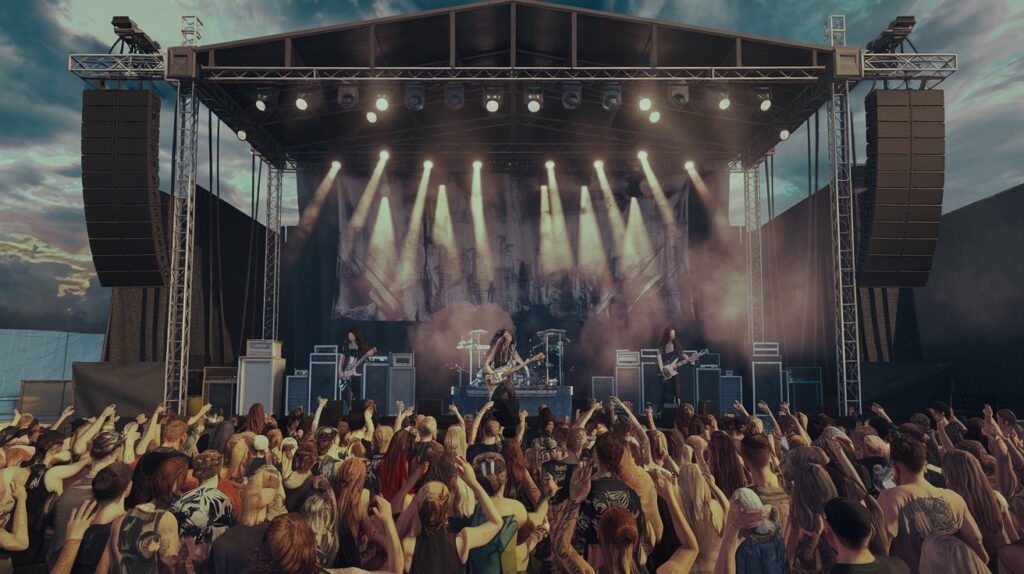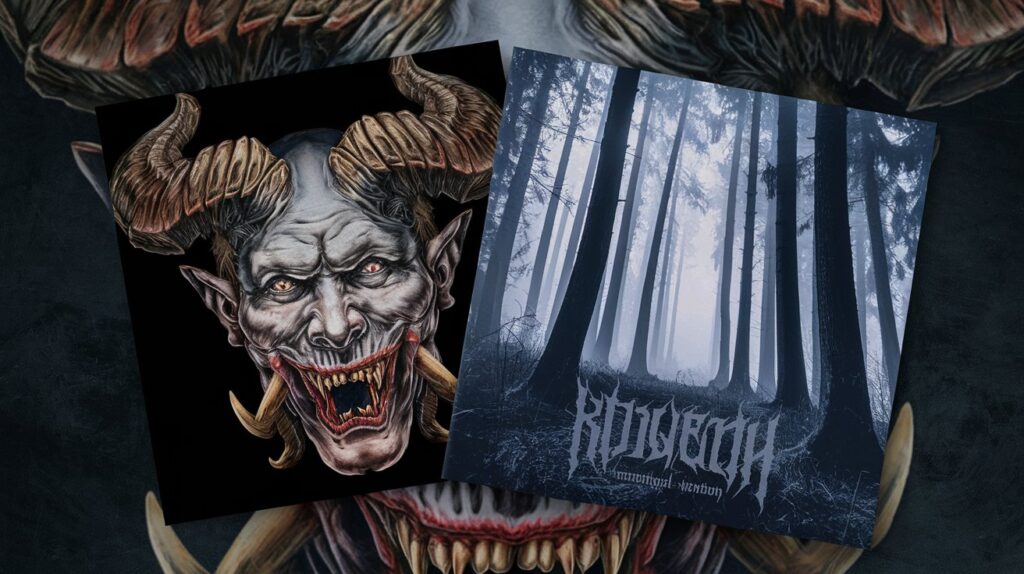
The death metal vs black metal difference lies primarily in their vocal styles, lyrical themes, and production approaches. While death metal focuses on technical brutality with growled vocals and themes of mortality, black metal emphasizes atmospheric darkness with shrieked vocals and anti-religious or nature-based lyrics. Understanding these distinctions helps metal fans appreciate each genre’s unique characteristics and cultural significance in 2026.
Origins and Historical Development
Death metal emerged in the mid-1980s from the underground metal scene, primarily in Florida and New York. Bands like Death, Possessed, and Morbid Angel pioneered the genre with technically complex compositions and brutal themes. The genre evolved from heavy metal and thrash metal, incorporating faster tempos and more aggressive vocal styles. By 2026, death metal has established itself as one of the most technically demanding forms of metal music.
Black metal originated in the early 1980s in Europe, particularly in Norway and Sweden. The genre was influenced by early bands like Venom and Bathory, but truly crystallized with the Norwegian black metal scene of the early 1990s. Unlike death metal’s focus on technical prowess, black metal emphasized atmosphere, ideology, and raw emotional expression. The genre’s controversial history and philosophical underpinnings continue to influence modern black metal bands in 2026.
Vocal Techniques and Musical Characteristics
Death metal vocals are characterized by deep, guttural growls that often sound inhuman and brutal. These growled vocals complement the genre’s focus on themes of death, violence, and existential dread. The vocal technique requires significant training and control, with many death metal vocalists able to perform complex rhythmic patterns while maintaining their growling style. Modern death metal in 2026 continues to push the boundaries of vocal extremity and technical complexity.
Black metal vocals feature high-pitched shrieks and screams that convey anguish, hatred, or spiritual transcendence. These shrieked vocals are often more raw and less technically refined than death metal growls, emphasizing emotional expression over technical precision. The vocal style perfectly complements black metal’s atmospheric and often melancholic musical arrangements. Contemporary black metal bands in 2026 continue to utilize these distinctive vocal techniques while exploring new sonic territories.
Guitar Work and Riffing Patterns
Death metal guitar work emphasizes technical complexity, featuring intricate riff patterns, complex chord progressions, and demanding solo sections. The guitar tone is typically heavy and precise, allowing for clear articulation of complex musical passages. Many death metal guitarists are considered virtuosos within the metal community, with bands like Gorguts and Ulcerate pushing technical boundaries in 2026.
Rhythmic Structures and Tempo
Black metal often features tremolo-picked guitar passages that create a wall of sound effect, emphasizing atmosphere over technical complexity. The rhythmic patterns frequently incorporate blast beats and repetitive sections designed to induce trance-like states. While some modern black metal incorporates technical elements, the genre generally prioritizes emotional impact and atmospheric density over pure technical proficiency.
Lyrical Themes and Philosophical Approaches
Death metal lyrics typically explore themes of mortality, violence, disease, and the darker aspects of human existence. The genre often takes a nihilistic or atheistic approach to existential questions, examining death from both philosophical and visceral perspectives. Modern death metal bands in 2026 continue to explore these themes while incorporating contemporary concerns about technology, environmental destruction, and social decay.
Black metal lyrics traditionally focus on anti-Christian sentiment, paganism, nature worship, and existential darkness. The genre often incorporates elements of philosophy, mythology, and occultism, with many bands drawing inspiration from pre-Christian religions and philosophical systems. Contemporary black metal in 2026 has expanded these themes to include environmentalism, political commentary, and personal introspection while maintaining the genre’s fundamental rebellious spirit.
Production Values and Sound Quality
Death metal production typically emphasizes clarity and precision, allowing listeners to hear the complex musical arrangements and technical performances. Modern death metal albums feature high-quality production that showcases the musicians’ technical abilities while maintaining the genre’s aggressive character. The production style has evolved significantly since the 1990s, with 2026 releases featuring incredibly detailed and powerful sound engineering.
Black metal traditionally embraces lo-fi production values, often featuring deliberately raw and atmospheric recording techniques. This production style, known as kvlt production, creates a sense of authenticity and underground credibility within the black metal community. However, many modern black metal bands in 2026 have adopted clearer production styles while maintaining the genre’s atmospheric characteristics.
Recording Techniques and Equipment
Modern death metal recording utilizes advanced digital technology and high-end equipment to capture the genre’s technical complexity. Bands often employ multiple guitar tracks, precise drum programming, and sophisticated mixing techniques to create powerful, clear recordings. The emphasis on technical precision requires careful attention to recording quality and instrument separation.
Atmospheric Elements and Soundscapes
Black metal recording often incorporates ambient elements, reverb effects, and atmospheric layers to create immersive soundscapes. Many bands utilize analog equipment or digital recreations of vintage gear to achieve the genre’s characteristic raw sound. The production choices directly support the music’s emotional and atmospheric goals rather than showcasing technical proficiency.
Band Examples and Genre Representatives
Iconic death metal bands include Death, Cannibal Corpse, Morbid Angel, Gorguts, and Bloodbath. These bands exemplify the genre’s technical complexity, brutal vocals, and thematic focus on mortality and violence. Modern death metal continues to evolve with bands like Rivers of Nihil and Ulcerate pushing the genre’s boundaries in 2026, incorporating progressive elements and experimental approaches while maintaining death metal’s core characteristics.
Representative black metal bands include Mayhem, Burzum, Emperor, Darkthrone, and Immortal from the classic era, with modern bands like Mgła, Blut Aus Nord, and Deathspell Omega continuing the tradition. These bands demonstrate black metal’s atmospheric approach, philosophical depth, and distinctive aesthetic. The genre has expanded globally by 2026, with significant scenes in the United States, Asia, and South America contributing new perspectives to black metal’s evolution.
Cultural Impact and Fan Communities
The death metal community typically focuses on musical appreciation, technical skill, and artistic achievement. Death metal fans often value musicianship, songwriting complexity, and the genre’s evolution over time. The community maintains active discussions about technical innovations, band lineups, and album production quality. Social media platforms and specialized forums in 2026 continue to foster these communities, with fans sharing technical analyses and performance videos.
The black metal community emphasizes authenticity, philosophical alignment, and adherence to the genre’s ideological foundations. Black metal fans often engage with the genre’s broader cultural and philosophical implications, discussing topics ranging from environmentalism to ancient history. The community maintains strong connections to underground culture and often resists mainstream commercialization, preserving black metal’s rebellious and independent character through 2026.
Modern Evolution and Subgenres in 2026
Death metal has spawned numerous subgenres including technical death metal, melodic death metal, and progressive death metal. Technical death metal bands like Archspire and Beyond Creation push the boundaries of musical complexity, while melodic death metal incorporates more accessible harmonies. The genre continues to influence other forms of extreme music, including deathcore and blackened death metal hybrids that combine elements from multiple metal genres.
Black metal has similarly diversified into atmospheric black metal, post-black metal, and depressive black metal subgenres. Atmospheric black metal emphasizes environmental themes and expansive soundscapes, while post-black metal incorporates elements from post-rock and shoegaze. These evolutionary branches demonstrate how both genres continue to adapt and influence contemporary metal music while maintaining their distinctive characteristics and cultural significance in 2026.
Related video about death metal vs black metal difference
This video complements the article information with a practical visual demonstration.
Most asked questions about death metal vs black metal difference
Is death metal the same as black metal?
No, death metal and black metal are distinct genres with different vocal styles, lyrical themes, and production approaches. Death metal features growled vocals and themes of mortality, while black metal uses shrieked vocals and focuses on atmospheric darkness, anti-religious themes, or nature worship.
Is Metallica heavy metal or death metal?
Metallica is primarily a heavy metal and thrash metal band, not death metal. While they influenced extreme metal genres, their vocal style, song structures, and production values align with traditional heavy metal rather than the brutal, technical characteristics of death metal.
What are the big 4 of metal?
The big 4 of metal refers to the four most influential thrash metal bands: Metallica, Slayer, Megadeth, and Anthrax. These bands defined thrash metal in the 1980s and influenced the development of more extreme genres like death metal and black metal.
Is Slipknot black metal?
Slipknot is not black metal; they are primarily a nu-metal and alternative metal band. While they incorporate aggressive elements, their vocal style, production values, and thematic content differ significantly from traditional black metal’s shrieked vocals, lo-fi production, and anti-religious or nature-focused themes.
Which genre is more technical: death metal or black metal?
Death metal is generally more technically complex than black metal. Death metal emphasizes technical proficiency, complex song structures, and virtuosic performances, while black metal prioritizes atmosphere, emotion, and philosophical expression over pure technical complexity.
Can bands combine death metal and black metal elements?
Yes, many bands combine death metal and black metal elements in subgenres like blackened death metal. These hybrid approaches might feature death metal’s technical complexity with black metal’s atmospheric elements, or death metal’s growled vocals with black metal’s tremolo-picked guitar work and blast beats.
| Genre Aspect | Death Metal | Black Metal |
|---|---|---|
| Vocal Style | Deep guttural growls | High-pitched shrieks and screams |
| Primary Themes | Death, violence, mortality | Anti-religion, nature, atmosphere |
| Production Quality | High clarity, technical precision | Raw, atmospheric, lo-fi |
| Musical Focus | Technical complexity and brutality | Atmosphere and emotional expression |
| Cultural Emphasis | Musical skill and innovation | Authenticity and philosophy |