Grunge emerged in the late 1980s as a revolutionary cultural movement that combined raw musical expression, anti-fashion aesthetics, and authentic emotional depth. This comprehensive guide explores the distinctive characteristics that define grunge music, fashion, and lifestyle, examining how this Seattle-born movement continues to influence American culture in 2026.
What is Grunge Style and Its Origins
Grunge style represents a deliberate rejection of mainstream polish and perfection, emphasizing authenticity over artifice. Born in Seattle’s underground music scene during the late 1980s, grunge became a cultural phenomenon that challenged conventional notions of fashion, music, and social expectations. The movement gained national prominence in the early 1990s when bands like Nirvana, Pearl Jam, and Soundgarden brought Pacific Northwest alternative rock to mainstream audiences.
The term “grunge” itself was initially used as a pejorative by music critics to describe the dirty, distorted sound characteristic of Seattle bands. However, this label was embraced by artists and fans who saw it as representing genuine expression over commercial appeal. By 2026, grunge’s influence extends far beyond its original musical context, continuing to shape fashion trends, artistic movements, and youth culture across the United States.
Iconic Characteristics of Grunge Music
Grunge music is distinguished by several key sonic characteristics that separate it from other rock genres. The heavy use of distortion and feedback creates the signature “dirty” sound that defines grunge tracks. Guitar tones are typically achieved through overdriven amplifiers and fuzz pedals, producing a wall of sound that emphasizes power over precision.
Vocal styles in grunge range from melodic crooning to aggressive screaming, often within the same song. Artists like Kurt Cobain and Eddie Vedder pioneered this dynamic approach, using their voices as instruments of emotional expression rather than technical showcase. The lyrical content frequently explores themes of alienation, social criticism, and personal struggle, reflecting the Generation X experience of the 1990s.
The Big 4 of Grunge Bands
The “Big Four” of grunge refers to Nirvana, Pearl Jam, Soundgarden, and Alice in Chains – the bands that defined the genre’s commercial and artistic peak. Each brought unique characteristics to the grunge sound: Nirvana’s punk-influenced melodies, Pearl Jam’s classic rock elements, Soundgarden’s metal complexity, and Alice in Chains’ dark harmonies. These bands collectively sold over 85 million albums in the United States alone, establishing grunge as a dominant force in 1990s rock music.
Musical Structure and Composition
Grunge songs typically feature dynamic shifts between quiet verses and explosive choruses, a technique that became known as the “loud-quiet-loud” formula popularized by the Pixies and perfected by Nirvana. Drop-tuned guitars create heavier, more resonant chord progressions, while drumming emphasizes power over technical complexity. Bass lines often provide melodic counterpoints to the guitar distortion, creating depth within the seemingly chaotic sound structure.
Grunge Fashion Characteristics and Style
Grunge fashion emerged as an anti-fashion movement that rejected the glamorous excess of 1980s style in favor of practical, accessible clothing. The aesthetic emphasized thrift store finds, layered clothing, and a deliberately unkempt appearance that suggested authenticity over artifice. This approach to dress reflected the broader grunge philosophy of valuing substance over surface appearance.
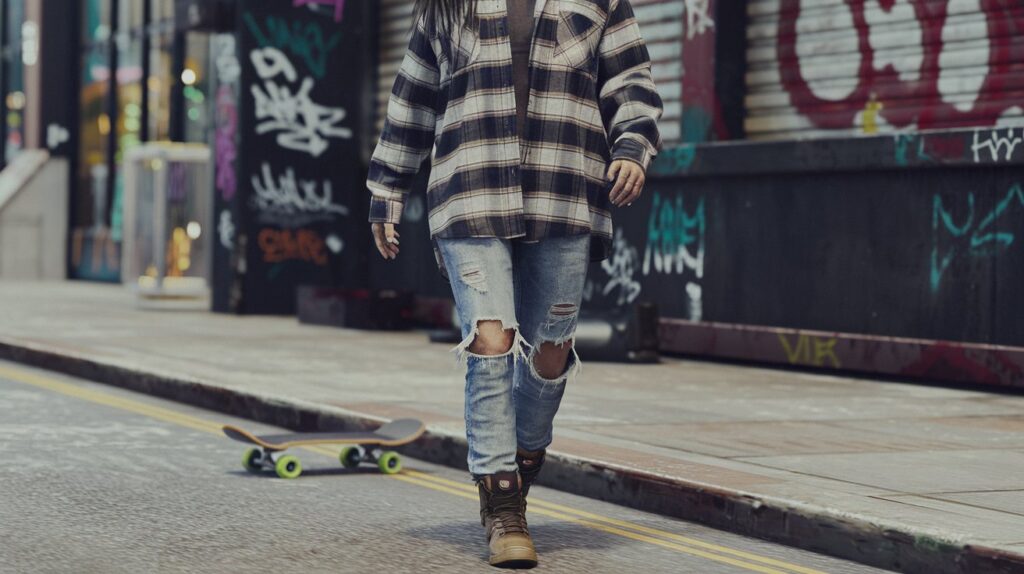
Key elements of grunge fashion include oversized flannel shirts, ripped jeans, and worn-out sneakers or combat boots. The layered look became essential, with band t-shirts worn under open flannel shirts, often paired with thermal underwear visible at the collar and sleeves. This practical approach to dressing reflected the Pacific Northwest climate while also creating a distinctive visual identity that spread nationwide by the mid-1990s.
Essential Grunge Clothing Items
Flannel shirts remain the most iconic grunge clothing item, typically worn oversized and often tied around the waist when not being worn. Doc Martens boots, Converse sneakers, and vintage band t-shirts complete the classic grunge uniform. Women’s grunge fashion included baby doll dresses over leggings, often paired with cardigans or flannel shirts for the signature layered look that defined the aesthetic.
Hair and Makeup Trends
Grunge beauty standards emphasized natural, low-maintenance looks that appeared effortless. Long, unwashed hair was common among both men and women, often styled with minimal product to achieve a “just rolled out of bed” appearance. Makeup, when worn, was typically minimal – dark eyeliner and matte lipstick in earth tones reflected the movement’s rejection of traditional glamour standards.
Grunge Personality and Lifestyle Characteristics
The grunge personality is characterized by authenticity, skepticism toward authority, and a preference for substance over style. Individuals drawn to grunge culture typically value genuine expression over social conformity, often displaying a cynical worldview balanced by passionate commitment to causes they believe in. This personality type emerged from the economic uncertainty and social changes of the late 20th century.
Grunge lifestyle emphasizes creative expression and intellectual curiosity while rejecting materialistic pursuits. Many adherents are drawn to alternative forms of art, literature, and music that challenge mainstream sensibilities. The lifestyle often includes a preference for independent businesses, thrift shopping, and supporting local music scenes rather than participating in mass consumer culture.
Cultural Impact and Social Characteristics
Grunge culture represented a generational shift in American values during the 1990s, reflecting widespread disillusionment with Reagan-era materialism and optimism. The movement gave voice to feelings of alienation and uncertainty that characterized Generation X’s coming of age during economic recession and social upheaval. This cultural impact extended beyond music to influence film, literature, and visual arts throughout the decade.
The social characteristics of grunge culture include inclusivity and rejection of elitist attitudes common in previous rock movements. Unlike the exclusivity of punk or metal scenes, grunge welcomed participants regardless of their musical ability or fashion sense. This democratic approach to cultural participation helped establish grunge as a mainstream phenomenon while maintaining its anti-establishment credibility.
Political and Social Attitudes
Grunge artists and fans typically embraced progressive political viewpoints, supporting environmental protection, social justice, and anti-war positions. The movement’s DIY ethics extended to political activism, with many bands using their platforms to advocate for causes ranging from reproductive rights to LGBTQ+ equality. This intersection of music and activism became a defining characteristic that distinguished grunge from purely aesthetic movements.
Media Relationship and Authenticity
Grunge culture maintained a complex relationship with mainstream media, simultaneously craving wider recognition while rejecting commercial exploitation. Many grunge artists expressed ambivalence about their success, viewing fame as potentially corrupting their artistic integrity. This tension created a unique dynamic where commercial success was often viewed with suspicion by both artists and fans within the scene.
How to Identify Grunge in 2026
Modern grunge identification requires understanding both historical elements and contemporary adaptations of the original movement. Today’s grunge-influenced artists often incorporate digital production techniques while maintaining the raw emotional intensity that defined the original sound. Visual identification includes the continued use of distressed clothing, muted color palettes, and anti-fashion aesthetics adapted for current trends.
Contemporary grunge artists in 2026 include bands like Highly Suspect, Nothing More, and local underground acts across American cities who draw inspiration from 1990s grunge pioneers while addressing current social and political issues. The movement’s influence can be seen in fashion retailers offering “grunge-inspired” collections and streaming platforms featuring grunge revival playlists that introduce younger audiences to both classic and contemporary artists.
Evolution and Legacy of Grunge Characteristics
The evolution of grunge from a regional Seattle phenomenon to a global cultural influence demonstrates its lasting impact on American music and fashion. While the movement’s commercial peak occurred in the mid-1990s, its core characteristics continue to influence new generations of artists and fashion designers. Modern interpretations often blend grunge elements with other genres, creating hybrid styles that maintain grunge’s authentic spirit.
In 2026, grunge’s legacy is evident in the continued popularity of vintage band merchandise, flannel fashion trends, and the success of tribute bands and festivals celebrating 1990s alternative rock. The movement’s emphasis on authenticity over polish has become a timeless value that resonates with audiences seeking genuine expression in an increasingly digital world. This enduring appeal ensures that grunge characteristics remain relevant for contemporary artists and fashion enthusiasts.
Related video about what are the characteristics of grunge
This video complements the article information with a practical visual demonstration.
Frequently Asked Questions
What are the big 5 of grunge?
The “Big Five” of grunge typically includes Nirvana, Pearl Jam, Soundgarden, Alice in Chains, and Stone Temple Pilots. These bands defined the commercial and artistic peak of grunge music in the 1990s, each contributing unique characteristics to the genre while achieving massive mainstream success and cultural influence.
What is a grunge personality?
A grunge personality is characterized by authenticity, skepticism toward authority, and preference for substance over style. These individuals typically value genuine expression over social conformity, display intellectual curiosity, and embrace anti-materialistic attitudes while supporting independent art and music scenes.
How to identify grunge music characteristics?
Grunge music is identified by heavily distorted guitars, dynamic loud-quiet-loud song structures, raw vocal styles ranging from melodic to aggressive, and lyrics focusing on alienation and social criticism. The sound emphasizes power over precision, often featuring drop-tuned guitars and simple but effective drumming patterns.
What are the essential grunge fashion elements?
Essential grunge fashion includes oversized flannel shirts, ripped or worn jeans, band t-shirts, combat boots or worn sneakers, and layered clothing. The aesthetic emphasizes thrift store finds, deliberately unkempt appearance, and practical clothing that rejects mainstream fashion trends in favor of authenticity.
How has grunge evolved by 2026?
By 2026, grunge has evolved to include digital production techniques while maintaining raw emotional intensity. Modern grunge-influenced artists blend classic elements with contemporary sounds, and fashion continues to feature grunge-inspired collections. The movement’s core values of authenticity and anti-establishment attitudes remain relevant to new generations.
What distinguishes grunge culture from other music movements?
Grunge culture distinguished itself through its democratic inclusivity, rejection of elitist attitudes, and integration of music with political activism. Unlike exclusive punk or metal scenes, grunge welcomed participants regardless of ability or fashion sense while maintaining strong anti-establishment credibility and progressive social values.
| Grunge Aspect | Key Characteristics | Cultural Impact |
|---|---|---|
| Music | Distorted guitars, loud-quiet dynamics, raw vocals | Revolutionized alternative rock, influenced modern bands |
| Fashion | Flannel shirts, ripped jeans, anti-fashion aesthetic | Continues influencing casual wear and streetwear trends |
| Culture | Authenticity, inclusivity, anti-establishment values | Shaped Generation X identity, influences modern activism |
| Lifestyle | DIY ethics, intellectual curiosity, anti-materialism | Promotes independent business support, conscious consumption |