Spinal Tap – The End Continues (Album Review)

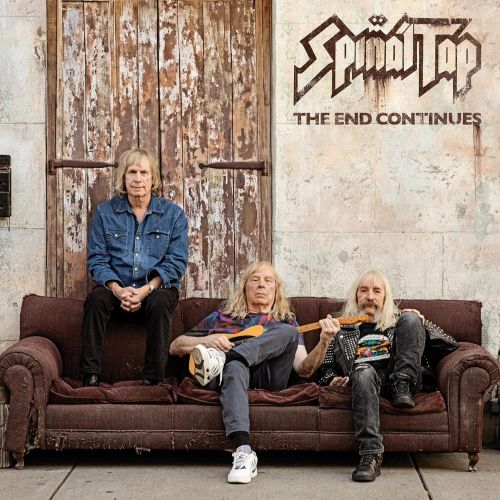
This past weekend we received the gift of the new Spinal Tap movie – Spinal Tap II – The End Continues. Along with that we got the inevitable “soundtrack” or music album to accompany the film. I’ve already given my thoughts on the movie here, so today let’s go over the record.

Spinal Tap – The End Continues

Released September 11, 2025 via Interscope Records

This album is straightforward and doesn’t have a ton of background info to go over. The album was recorded by the band’s three principal actors – Michael McKean, Christopher Guest and Harry Shearer. Guest and McKean are also the album’s producers along with CJ Vanston, who also plays keyboards for the group in the movie. Joining in on drums is Valerie Franco, the actress/drummer who portrays the band’s new drummer Didi Crockett in the movie. There are also a wide array of guests on this album, Phil X and Greg Bissonette are a few noteworthy ones beyond the mega-star headliners.

We’re about ready to dig into the album, but there is one oddity as it relates to streaming services. If you look this up on Spotify, you’ll get 12 tracks – 9 new songs and 3 re-recorded Spinal Tap classics with very distinguished guest musicians. This should also be true of other streaming services, well, except for one.

If you have Amazon Music, or if you purchase a physical copy of the album as I have, you will find one additional track – the band’s classic Big Bottom, with guest musicians Garth Brooks and Trisha Yearwood. This does not appear on any other streaming service because Brooks has an exclusive deal with Amazon and is otherwise dead set against streaming music services. Since I do have it on record I will cover the widely-celebrated collab in this roundup.

Nigel’s Poem

This is a small bit from Nigel with sparse atmospheric keyboards behind it. As a song it is quite short, as a poem a minute might as well be an eternity as far as I’m concerned. This vaguely calls back to his spoken word intro to Stonehenge, but not really. I’m not sure what this is doing here. Grade: D+

Let’s Just Rock Again

This first proper song is a decent enough cut of old-school epic rock with the annoying sort of keyboard sound from Eurpoe’s The Final Countdown. The verses on this one have all three band members trading off vocals, it’s very slow and doesn’t always work. The chorus builds up in ok fashion. It’s not a horrible song but it isn’t all that great. Grade: C

(Listen To The) Flower People, featuring Elton John

We get are first guest shot here, with the legendary Elton John making his first of two appearances. Here the band tackles their first proper hit from the 1960’s as Spinal Tap, this jam is also in the film. It was a hilarious song back in the first film and it’s only made better with Elton John contributing to it. It will become quickly apparent that the entire value of this record is in these marquee guest appearances. Grade: A

Brighton Rock

A pretty nice classic rock track here. The lyrics are absolutely pointless but I guess the song needed something. Not a bad song overall though. Grade: C+

The Devil’s Just Not Getting Old

The music here is quite good. What I believe are Harry Shearer’s vocals are not. I could live with his super gruff vocal style, but this lyrical output is totally ham-fisted and not amusing. I honestly don’t know what the fuck this is. Grade: D-

Cups And Cakes, featuring Paul McCartney

Here is another early Tap classic, actually pre-Tap as the band were the Thamesmen at the time. This silly sweet track has the one and only Paul McCartney on it, Macca also jams this out with the band in the movie. It’s short and sweet and, while not the greatest song ever recorded, you can’t really fail with Macca joining in on your jam. Grade: B+

I Kissed A Girl

So I’m not gonna bother with even a surface level analysis here – this song sucks. End of. Grade: F

Angels

This doesn’t fit the movie or Spinal Tap’s style at all but it’s also a pretty decent song that sounds good and has something of a point so have a Cfor your trouble.

Big Bottom, featuring Garth Brooks and Trisha Yearwood

In the film, a short clip of Garth and Trisha covering Big Bottom comes up. It’s pivotal to the story and is also absolutely hilarious, one of the best moments in the film. In keeping with the theme of the album, we get a full version with the couple as welcome guests.

Garth and Trisha completely handle the vocals here, they trade off lines and Trisha’s subtle twists to reflect the gender ramifications of her singing certain parts are hilarious. The pair are also the focus of the song as the music does seem to sit in the background a bit more than in the original version. But what is widely hailed as the best Spinal Tap song is handled very well here to accommodate two A-list guests and everything comes off in great fashion. Again, you must either have a physical copy of the album or Amazon Music to have access to this song. Grade: A

Judge And Jury

This one comes in with an R&B style jam, or at least it’s in that vein. It’s pretty awful but it does sound clear and better executed than some of the other stuff on the album. It is further evidence that the group had no real creative direction when putting this record together and were just throwing shit at the wall. The biggest problem with throwing shit at the wall is that it’s shit. Grade: D+

Rockin’ In The Urn

Holy shit, we actually get to a new song that has a bit part in the movie and has some semblance of a point to it. This is handled by Derek Smalls/Harry Shearer as it was a proposed solo tune of his. Harry’s vocals are the weak point of the song, the music itself is honestly quite good. This is about the only glimpse of the old classic Spinal Tap that could crank out surprisingly good songs. The verses here are too slow for my tastes but the song is pretty decent overall. Grade: C+

Blood To Let

This album is a slog to get through but it’s oddly picking up steam in its final moments. This is an upbeat rocker with some keyboard and horn accents and is honestly a pretty good track. It’s probably the most well-formed of any of the new original songs and doesn’t really suffer at any point in the song. On most any other rock album this would be a passable secondary track, but on this bomb of an album it’s a highlight. Grade: B

Stonehenge, featuring Elton John

We close things out with Elton joining in on the band’s epic power metal-ish song. The track was pivotal to the first film and is integral to the new film’s climax as well. This new version does have some differences to the original but is generally faithful in execution. This always was one of the better Spinal Tap songs and it’s only enhanced with the presence of the great Elton John. Grade: A

The End Continues is a soundtrack album, though beyond the guest shots and the one original song that gets a bit of play, I’m not sure what film this album is soundtracking. It’s very odd that another Derek Smalls original that gets featured in the beginning of the film wasn’t recorded for this. This album has a few highlights with the mega-star guests and then has maybe one song that’s possibly worthy of any future listens. The rest of the album is very throwaway and holds no replay value of any sort. Even the few songs that do come together as decent tracks really don’t offer a reason to be revisited.

Spinal Tap was able to compose a shockingly good soundtrack for their first film, and then in 1992 they gave up an original album Break Like The Wind that had the excellent single The Majesty Of Rock on it. The band reconvened in 2009 for a collection of re-recordings Back From The Dead that didn’t offer up a ton of new stuff but was very good sounding. But here in 2025, with what is likely the final Spinal Tap musical release, the band hacked up a hairball. The record did chart very modestly in the UK and Scotland, but beyond that and the excellent guest appearances on well-known Tap songs, this album is dire and honestly better left forgotten.

Album Grade: D

It is a shame that we didn’t get something more with this album. The movie was worth the time and it’s been nice to see Spinal Tap get one more push in the limelight. But this time they brought an album that sadly doesn’t pass muster. I can certainly forgive this and move past it, there is plenty enough in the Spinal Tap lexicon for me to enjoy. But it would have been nice to have a little more something to what is most likely the group’s musical swansong.

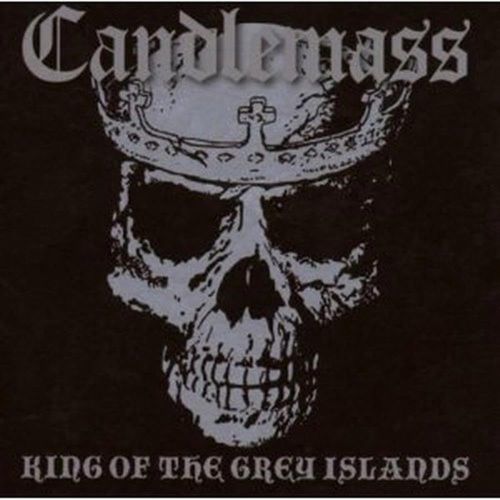
Candlemass – King Of The Grey Islands

Today I’m heading all the way back to 2007, which is somehow 18 years gone. We have a bit of a story to go over on how the legendary Swedish doom outfit Candlemass once again lost their singer, but this time they struck gold in terms of a replacement.

Candlemass – King Of The Grey Islands

Released June 22, 2007 via Nuclear Blast Records

Candlemass have had a whale of a ride, their whole story is pretty fascinating but is far too much to run down on an album post. I’ll pick up around 2004, when the band reunited with their legendary singer Messiah Marcolin for a well-received, self-titled album. As the band convened again in 2006 to record a follow-up, Messiah once again bailed on the group, in an episode the band described as “pre-recording psychosis.” This would be Marcolin’s end with the group, he has not convened with them since this departure (this is scheduled to change in September at a festival in Greece for a one-off reunion show).

Candlemass were left with their principal songwriter and founder Leif Edling on bass, Mats “Mappe” Björkman and Lars Johansson on guitars, and Jan Lindh on drums. Edling began doing vocal demos of their new material with singer Mats Levén, who had a side project with Edling and had also helped out with demos of the reunion album.

Edling had Levén in mind for the vacant singer’s position and Levén would eventually assume it, but there was a detour to take and Levén would not join Candlemass until 2012. The demos from these sessions became available in a box set titled Doomology, a set I have and will discuss at a future point in time.

The detour came in the form of Robert Lowe, singer of acclaimed Texas doom outfit Solitude Aeturnus. I’m recalling this story entirely from memory and hearsay without sources, but as I recall it, Lowe’s wife got in contact with people connected to Candlemass, perhaps Edling himself, and proposed they audition Lowe for the singer’s role. Lowe sent in his work on a few classic Candlemass songs, and Edling was sold. Lowe was hired, did the vocal sessions for the album, and we were off to the races.

Our album today, in its standard configuration, features 10 tracks at a beefy 53:55 runtime. There is a version with bonus tracks, that version is what I will cover today as the bonus stuff is significant and also the one I own. There are other bonus versions available but I will leave those out of what is going to already be a stupidly long post.

Prologue

This is a brief, slightly under one minute long intro piece. Just a simple guitar passage. Nothing to really ponder about here but nothing wrong with it either. Grade: B

Emperor Of The Void

I guess Doom Metal Lesson One is that not every song needs to be slow and mournful, not that Candlemass didn’t already long establish that lesson. This is a massively heavy and relatively fast pounding track that visits, figuratively and/or literally, an old ruler who is decaying away along with his empire. The album’s title comes into play in this tale of mortality crumbling. The guitar solo in this one stands tall above all else, then there is a brief quiet passage before the psychedelic pounding continues. Great work on this one. Grade: A+

Devil Seed

We get a slower paced one here. There are a lot of stoners drawn to doom metal and we don’t want to get them too excited. But what the song lacks in speed it more than makes up for in power. We even get into a bit of gallop in the chorus while still maintaining the 420-friendly tempo. Robert Lowe delivers quite a performance as he sings about someone descending into evil. Grade: A

Of Stars And Smoke

Another bit of a slow burner though not overly so, there is a bit of bite to this one. Heavy as hell yet again and a contemplation of fading away from existence, as nothing in doom metal is bright or cheery. Wonderfully done chorus from Lowe here too. Grade: B+

Demonia 6

This one is faster and quite creepy as the main character enters some ancient evil building and is taken by dark forces. This one does have a slow bridge portion out of the guitar solo but then goes back to the simple yet effective riff that anchors the song. It also goes on a trippy bit at the end. Grade: B+

Destroyer

This one goes slow but also pounds to a pulp with its heaviness. Fitting, as this dark tale speaks of a downtrodden, hellbent person who becomes the destroyer of the world. It is wanton slaughter brought by a mindless, hateful killer as opposed to an evil mastermind. The song maintains its form until the last few minutes where it goes in a doom-laden instrumental passage. Grade: A

Man Of Shadows

This one moves more mid-tempo and very much reminds me of something Robert Lowe’s other band Solitude Aeturnus would do. That similarity might come from his presence, of course. This song shifts form a few times through its six minutes, offering up a buffet of doom excellence. Grade: A

Clearsight

This one also sounds familiar, as its faster guitar romp is straight out of the classic Candlemass playbook. The song deals with a ship whose crew sailed to the edges of the world looking for some unnamed thing. The find is never made and the ship becomes a ghost ship, haunting the desolate seas. Grade: B+

The Opal City

This is another instrumental and again a brief one, at just 1:12. It’s a powerful riff and sets a nice atmosphere, but again it’s just a bit piece. Grade: B

Embracing The Styx

We close the standard album with a sweeping and powerful statement, both musically and lyrically. This one slams its way through heavy and haunting guitar work, riffing hard as razors when it needs to and letting in some atmosphere at other points. This has a bit of a bass passage from Leif Edling before resuming the guitar beating. The song is a morose tale of someone welcoming the embrace of death, using the famed River Styx and its ferryman Charon as imagery to mark the narrator’s voluntary transition to the afterlife. Grade: A+

That wraps up the main album. I will briefly discuss the version with two bonus tracks. The bonuses are re-recordings of two Candlemass standards, Solitude and At The Gallows End. The first song is originally from the debut album Epicus Doomicus Metallicus while the second hails from the band’s classic Nightfall.

Both of these takes with Robert Lowe are fantastic and are some of the best versions of the songs I’ve ever heard. That’s saying something too, as there are several versions of both with a variety of different singers, both live and studio retakes. These songs are also not officially available much of anywhere besides on the physical CD release, it is something I would highly advise people to seek out if interested.

Candlemass entered a new era with Robert Lowe behind the mic. Some fans were vocally upset that the legendary group was forging on without the band’s signature singer Messiah Marcolin, but others including me were ecstatic at Lowe’s involvement. This was a doom metal royalty marriage made in heaven, or hell, I don’t know, but it worked splendidly. Lowe would remain in the band until 2012, with two more albums issued.

This album is extremely easy for me to grade. It is excellent from front to back, with nothing weak or “secondary” on its tracklist. The music is crushing, Robert Lowe sounds amazing and this pairing fit like a hand in a glove.

Album Grade: A

Candlemass had many twists and turns to get to this point in their career, and years later would see another odd series of twists and turns. Their story is quite unlikely and compelling. But this particular fork in the road is an excellent place to stop and enjoy the crushing tones of the doom metal pioneers.

Ozzy Osbourne – No Rest For The Wicked

For this week I’ll continue discussing Ozzy Osbourne, honoring the legend who passed away July 22nd. Today I’ll get into the album he did to introduce the world to his new guitarist and to bow out of the 1980’s.

Ozzy Osbourne – No Rest For The Wicked

Released October 24, 1988 via Epic Records

Ozzy was still holding serve in the late ’80’s, with albums still going double platinum and certainly maintaining his reputation as the Prince of Darkness. While hair metal ruled the day, Ozzy was holding a winning hand with a heavier brand of rock and metal.

Where Ozzy did have to retool was in his band lineup. Randy Castillo returned on drums, but everyone else besides Ozzy was either a new or returning hand. Bob Daisley once again came around to play bass. John Sinclair also signed up to play keyboards. The album was produced by Roy Thomas Baker, whose studio credits are roughly five miles long.

Most significantly, Ozzy had a new axe slinger. Moving on from Jake E. Lee, Ozzy gambled on a young New Jersey player who had sent in an audition tape. Zakk Wylde would get the gig and become Ozzy’s most enduring guitarist after all was said and done.

Today’s album is a standard affair with 9 songs at 43:08. The album’s last song, Hero, was originally unlisted but is now labeled on subsequent reissues and streaming services. The album has been reissued with a couple of bonus tracks.

Miracle Man

We open hot out of the gate with an absolute shredder and the album’s lead single. Zakk Wylde introduces himself and his tone pretty quick and provides the drive behind this headbanging track. Here Ozzy is having a go at a nemesis who had plagued him for years – the televangelist Jimmy Swaggert, who by this time had fallen into scandal. Swaggert’s resulting fall from grace was like serving up a meatball pitch to Ozzy, who hit the home run and sent it out of the stadium. Ozzy would also get the ultimate last laugh – living 22 days after Swaggert passed away on July 1, 2025. Grade: A+

Devil’s Daughter

The shredfest continues as this time Ozzy does holy battle with the devil’s daughter. I’m not sure who the devil’s daughter was, but I’m sure she was a formidable foe. We get a creepy interlude with babies crying and keyboards before Zakk rips up the solo on this one, pretty cool song. Grade: A

Crazy Babies

Up next was the second of two singles. This one gets a lot of divided opinions – some feel the song is awful, others enjoy it as a nice piece of hot rock. I’m in the second camp, I think this song is really good. The lyrical fare is also a topic of debate – some think it’s about babies born into crack addiction, others think it’s an ode to Ozzy’s wild and crazy fanbase. I’m again in the second camp, though like anyone else I have no damn idea what it’s really about. But I enjoy it nonetheless. Grade: A

Breakin’ All The Rules

We have one here that sounds like it could have come from the prior album, The Ultimate Sin. It is still suitably heavy and hard and keeps the album moving along. Ozzy is taking on some unnamed adversary by doing just what the title says. Nothing diverges from the path here, another really good track. Grade: A-

Bloodbath In Paradise

If things were a little too “pretty” for some, this one should spice things up nicely. This is a creepy track about the infamous Tate-LaBianca murders. Everything is going at 11 here and this song is just splendid. Grade: A+

Fire In The Sky

A more atmospheric but still quite heavy track here that tackles someone who got along in life with a lot of deep-seated problems and now those issues are finally creeping out for all to see. This might be a bit introspective for something from the Prince of Darkness but the song still works well. Grade: B+

Tattooed Dancer

No introspection here – this is a wild and crazy song that flies off the seat of its pants. The title outlines exactly what the song is about. I’m sure we could dive deep and explore how “bad” the lyrics are in today’s socio-political contexts, but I have better shit to do. Grade: B+

Demon Alcohol

This one is really interesting, as Ozzy embodies the dark spirit of the literal spirits that often consumed him. He would continue to have his struggles over the years, but the song is a pretty cool look at the grip of addiction. And, in keeping with the rest of the album, quite white hot and rocking. Grade: A-

Hero

This song was originally unlisted, I’ve never come across the reasons why. It is shiner and brighter perhaps than the rest of the album but it’s not a massive departure either. It is also warm and sentimental, which is a bit of a departure for the record but not anything out of bounds when truly examining Ozzy Osbourne. It was a nice little bonus for those of us who played the album the first time without knowing it was there. Grade: B+

No Rest For The Wicked was another explosive round in the arsenal of Ozzy Osbourne. The album hit number 13 on the Billboard 200 and had several European chart placements. It is certified double platinum in the US and platinum in Canada.

Ozzy and company would tour behind the effort, though with one lineup change – Bob Daisley was out after recording, and Geezer Butler famously rejoined his old Sabbath bandmate for the shows.

This one is extremely easy to assess – I like everything here and enjoy the album from front to back. It’s not of the same “weight” as earlier Ozzy recordings, but honestly nothing is and it’s a fool’s errand to grade a person’s work against their most significant. The final verdict here is really simple.

Album Grade: A

Ozzy continued his decade of destruction with No Rest For The Wicked, and the start of the next decade would only bring greater success for the Prince of Darkness. He was now armed with a trusty guitarist who would stick around for a bit and things were still coming up aces. Ozzy would have one of his darkest personal moments in the year after this album’s release, but eventually he was able to rehab back into reality and continue adding to the legacy that we still celebrate today.

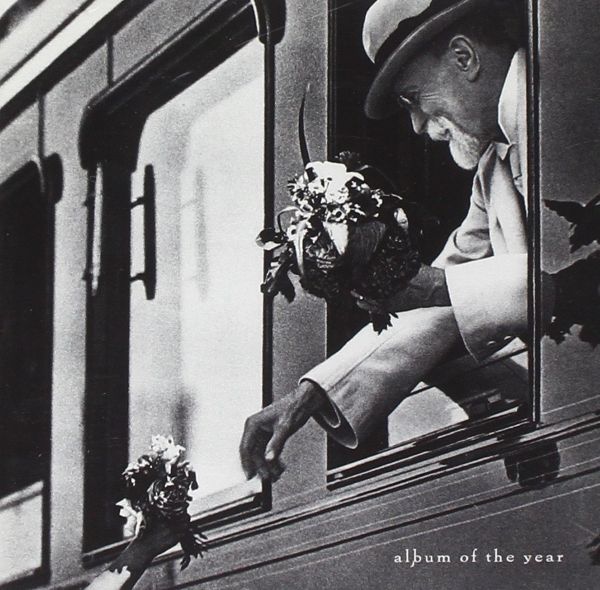
Faith No More – Album Of The Year

I’m now back to covering albums, and to kick this back off I want to head back to 1997 and have a look at this sometimes overlooked and other times hotly-debated album. It served as the final offering from one of alternative rock’s pioneering bands for nearly 20 years.

Faith No More – Album Of The Year

Released June 3, 1997 via Slash Records

By 1996, Faith No More seemed to be sputtering towards a breakup. While the band had planned on doing a new album, members became vested in other projects. Singer Mike Patton was more involved with Mr. Bungle. Keyboardist Roddy Bottum had launched a new band, Imperial Teen, that he had declared was his new main act. Drummer Mike Bordin landed the coveted Ozzy Osbourne gig, which also saw him assume the drum throne for Black Sabbath.

This left bassist Billy Gould holding the bag in terms of creating a new album. He began this effort with guitarist Dean Menta, but Patton did not enjoy the songs being created and Menta left the group. Menta was replaced by Jon Hudson, a friend of Gould’s. Eventually an album was formed, with the busy members circling back around to help complete the project.

Album Of The Year saw Faith No More pull back from some of their weirder blending of styles and offer up a more straightforward rock album, at least in comparison to their older material. The group introduced a fair bit of electronic elements into the mix as well, though these serve more as compliments to the music rather than being the driving force. The band described the album as being cinematic, replete with several references to old films in several songs. The record is, in general, a more atmospheric and “vibes-based” affair than previous FNM material.

Today I’ll cover the original album, though a few other versions exist – one saw a bonus CD of remixed songs, and a later reissue included several other bonus tracks.

Collision

Up first is what qualifies as the most straightforward rock track on the album. Fairly quiet verses give way to caustic choruses as Mike Patton screams about a car accident he had a few years prior. The wreck caused injuries he still apparently deals with to this day. Patton’s demented screaming lends a bit something extra to this song. Grade: A-

Stripsearch

A moody, atmospheric and electronic passage here. Very catchy and pleasant to listen to. The song deals with someone at a low point in their life, not sure exactly what it is. They seem ready to face the music for whatever they’ve done. A haunting and very nice piece of music. Grade: A

Last Cup Of Sorrow

Back to heavier rock here on another of the album’s singles. This is a quintessential Faith No More song – powerful, with riffs and keyboards blending seamlessly. It’s also a powerful message about getting over things and getting on with life. The video was an homage to Alfred Hitchcock’s classic film Vertigo. Grade: A

Naked In Front Of The Computer

Hard, heavy and brief here as Patton explores the idea of having a relationship with someone over a computer via email. This was when the Internet was just starting to take over life and would be a dead-on predictor of how things would go. Grade: B+

Helpless

This is a wistful ballad that strays toward country music territory. Someone is struggling with their life and lack of control of it at this point, they seem to try to find a way to slow things down and enjoy the moment. The songs gets more electric as it moves on and it descends into Patton screaming for help at the end. While the band did this style of ballad to greater effect on their prior album with Take This Bottle, this one does venture into other territory and is still a worthy listen. Grade: B

Mouth To Mouth

This one kicks off with some weird stuff that is very reminiscent of Patton’s other act Mr. Bungle. It is crazy circus music that briefly gets more conventional for its short chorus. Not a bad song by any means but one that feels like it belongs on a different band’s album. Grade: B-

Ashes To Ashes

Up next is the album’s lead single. This is another pretty straightforward rock track that doesn’t take any real twists or turns. And it shouldn’t, as it is the crowning achievement of the album. This song is powerful, with the chorus being massive and all-consuming. Patton’s lyrics seem to outline the coming end of the band, it is the simplest interpretation around. While the band were sputtering at this point by most metrics, they still were able to record a song that’s lauded as one of their best. Grade: A+

She Loves Me Not

This one is an R&B track of some sort, I’m not radically familiar with that music so I don’t know what I’m talking about. The song is ok but not anything I really asked for. Grade: C+

Got That Feeling

This one doesn’t linger long at 2:20. It’s a pretty hard and slamming track with Patton sort of scatting all over the place about whatever. The song seems kind of pointless but it’s not bad. Grade: C

Paths Of Glory

This is a bit of a trippy piece that is fairly interesting, even though the song doesn’t ultimately feel like it goes anywhere. It is a decent sounding track on an album that is definitely falling off the rails in its latter half. Grade: C+

Home Sick Home

This is another song that has an interesting premise but doesn’t do a whole lot. It’s really short so it doesn’t overstay its welcome – in fact, it’s like the song was never really even here. Grade: C

Pristina

The closer was thought up by Billy Gould when he was on a trip through the Balkans in the mid ’90’s. For those unaware, the Balkans had a lot going on at that time. Pristina is the capital of Kosovo, which was the final flashpoint of the Balkan Wars. The song is atmospheric and vague and doesn’t honestly communicate much of anything, it’s a pretty big dud to wrap up with. Grade: D

Album Of The Year did not quite live up to its lofty moniker. The album placed at 41 on the Billboard 200 and has sold around 220,000 copies in the US. It did place well in Australia and New Zealand, topping both charts and going platinum in Australia.

Faith No More toured the album through April of 1998, when members finally pulled the plug and cast the band into hiatus until 2009. The group toured and released one more album in the 2010’s and have now gone on hiatus again, this time seemingly for good.

The album has divided opinions among critics and fans. It received some good reviews and more than a few bad ones. For me, the album contains a handful of really nice songs and then a bunch of stuff that really isn’t up to snuff. Overall the record proves its worth in the songs that do work, as they work very well, but this is dragged down some by a lot of filler and directionless stuff.

Album Grade: B

My grade might be generous, as this isn’t an album I really seek to put on and play through. But there is enough quality here to listen to, and the top-heavy stuff is pretty fantastic. It probably was the right decision to put the band on ice after this, but Faith No More did leave some songs worth the trouble before they first bowed out.

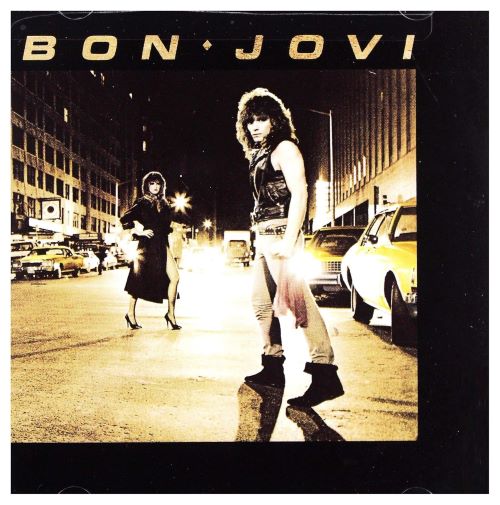
Bon Jovi (Album of the Week)

A young Jersey kid had a dream of making it big on the stage. Stop me if you’ve heard this one before.

Bon Jovi – self-titled

Released January 23, 1984 via Mercury Records

To sum up a long story in a few words – young Jon Bongiovi got his musical start in the ’70’s in a variety of bands. By 1980 he was looking to take the next step and record music. As luck would have it, Jon’s cousin Tony Bongiovi owned the Power Station studio in New York. Tony had worked extensively as producer and engineer on Motown recordings and was also the night engineer on the grueling Electric Ladyland sessions with Jimi Hendrix. Jon worked at the studio and also used it in off-time to work on his own demos.

The album was eventually assembled from a series of demos recorded with a variety of musicians. Jon did put together a band before tracking the actual record – he brought in his old friend David Rashbaum (later to go by David Bryan) on keyboards, Tico Torres on drums and Alec John Such on bass. The guitar spot was initially occupied by Dave Sabo, who wasn’t looking to be a full-time member of the band. He was replaced by Richie Sambora. Sabo would form Skid Row years later, a band Jon helped get going.

This band would comprise the group Bon Jovi for the next several years and through the band’s first wave of massive popularity. But they were not the only musicians involved on this recording. The song Runaway was recorded a few years prior with a different group of players. I won’t run down the whole history of the song because that would take forever, but one person involved was Hugh McDonald, who would eventually wind up as a full-fledged member of Bon Jovi.

But wait, there’s more – there were other people also in on the album recording beyond Runaway. Among those was Aldo Nova, noteworthy for his solo career and continued relationship with Jon Bon Jovi beyond the session work on this debut record.

With all that out of the way, the album was recorded at the Power Station with Tony Bongiovi and Lance Quinn producing. JBJ and various band members have the writing credits, with a few additional people here and there. One song in particular had a totally different writer, which we’ll get to.

The album clocks in with nine songs at a 38:33 runtime. Several deluxe reissues exist, including a 40th anniversary edition released earlier in the year. Bonus tracks abound on those releases and only most of them are different versions of Runaway.

Runaway

Up first is the song that had already been recorded with other musicians and made the rounds through radio stations and promo copies. It wound up as the lead single from the album and cracked the Top 40, the first of many for Bon Jovi.

It’s easy to hear why this one wound up getting some play – it’s a perfectly crafted rock song. The keyboard runs the song and all the other instruments join in to move this sleek vehicle forward. It’s all smooth, polished and on the rails and very few could hook up a song like this. Bon Jovi and this album are off to a kick ass start. Grade: S

Roulette

We get a fairly heavy track here on this one of many co-writes between JBJ and Sambora. Even with the riffing, Bon Jovi retains the very melodic frills that keep their stuff in the pop-rock realm. A pretty nice jam here. Grade: A-

She Don’t Know Me

This is, as I understand it, the only song in the Bon Jovi catalog that is totally attributed to an outside writer. As far as stuff that made an album, anyway. And it’s a bit of a story – the song was composed by Mark Avsec, who was writing for a disco group called LaFlavour. Disco was out, so the band changed their name and Avsec got to work crafting more rock-based stuff for them. Sadly, the band chose the name Fair Warning and the record label got rid of the band when Van Halen released an album of the same name. Bon Jovi was on the same label so they wound up with the song.

This one is a bit too saccharine for my tastes, but it’s not a horrible song or anything. I think it could use a bit more power behind it, but it’s not out of Bon Jovi’s wheelhouse either. Grade: C+

Shot Through The Heart

Here we have the song that gets confused with the band’s later hit You Give Love A Bad Name, as this song bears the first part of that song’s chorus. And while this song isn’t the mega-hit the later one would be, this is a quality rock track by any measure. Very nice tempo and melody here, it indicates that Bon Jovi was perhaps a bit further along in development than the early material gets credit for. Grade: B+

Love Lies

This song is absolute ’80’s here, with some higher register vocals that Bon Jovi didn’t do a ton of. It’s a pretty good song and something a hair outside the Bon Jovi lexicon. Grade: B

Breakout

The keyboard melody might pierce your eardrums in the open, but the song itself is a pretty basic mid-paced rocker. It does have a nice bit of force behind it to push it a bit over the edge. Grade: B-

Burning For Love

Here the keyboard offers up a rhythm that sounds like it came from an old racing video game, though the game would have come long after the song. A fairly heavy guitar riff through this recount of being taken by desire. Nothing leaps out here but still a quality composition. Grade: B

Come Back

This runs right on the rails with a pretty nice tempo and riff. It’s doesn’t venture out of its box but it’s a pretty nice box so the cat will keep playing in it. Grade: B

Get Ready

The closer gets aggressive in a way Bon Jovi wouldn’t do a ton of, though there is a fair bit of melody and boogie thrown in to keep things a bit lighter. The song is all about a gal getting ready for JBJ to take her on a night on the town, but it could just as easily be interpreted as “get ready, this band is on the way.” They most certainly were. Grade: B

For first albums, bands could do a whole lot worse than Bon Jovi. The album hit the Billboard charts at 43 and offered up a handful of decently performing singles, with Runaway being the signature track. This record would earn two US platinum certifications and several international gold records, though in fairness a lot of that may have piled up after the band hit superstardom a few years later.

The album offers up a nice collection of songs, very strong for a debut. While it’s very “on the rails” and perhaps pales in some form to the stuff to come from Bon Jovi, it’s overall a nice listening experience with one song to rule them all and a strong collection of stuff to back that.

Album Grade: B+

Bon Jovi is an album that even Bon Jovi themselves have left behind, but this debut is worth more than dismissal in the wake of music that would follow it. This is a quality offering that showcases more of what would make Bon Jovi than perhaps JBJ would like to admit. And while this album was not a world-conquering beast like the two that would come in the later ’80’s, this one is certainly a worthy entry on the list of 1984 music.

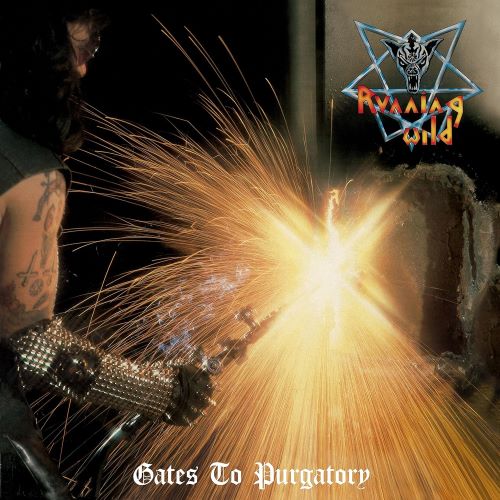
Running Wild – Gates To Purgatory

While today’s band are known as the purveyors of pirate metal, their debut was in a different vein with a lot less pirates and a lot more Satan.

Running Wild – Gates To Purgatory

Released October 1984 via Noise Records (Combat in US)

Running Wild started off in Germany in 1976 with the name Granite Heart. They changed their name to Running Wild in ’79, the name change was inspired by the Judas Priest song from Killing Machine. The band got some songs on compilations in the early ’80’s and then were set to offer their debut album on the fledgling German label Noise Records.

Running Wild were comprised of Rolf Kasparek on guitar and vocals, Gerald “Preacher” Warnecke on guitar, Stephan Boriss on bass and Wolfgang Hagermann on drums. The band would have numerous line-up changes over the years, including just after this album, with Kasparek being the one constant member. The album was recorded in Berlin and produced by the band as well as Horst Müller.

There were a few versions of the record – the original issue was 8 tracks, while the US and Canadian releases features 2 additional songs. It is the 10 song version I’ll review today. There was also a deluxe reissue in 2017 featuring a wealth of bonus tracks.

Victim Of States Power

Out of the gate we’re off with a crisp speed metal track that doesn’t take its foot off the gas. Musically it goes for the throat and lyrically it is a political themed track, fighting back against the oppressive power of the state with every metalhead’s old friend Lucifer. A very slamming way to kick off the album. Grade: A

Black Demon

Not quite as fast here but still a total metal ripper. Rolf’s vocals are somewhat cavernous here on this dark tale of a demon who is up to no good. The song is nothing out of this world but it’s simple and very effective. Grade: B

Preacher

An even slower grind here as we march through a dirge about Satanic forces conspiring against a preacher. A bit of irony here as Gerald “Preacher” Warnecke helped write this song, very soon after the album’s release he would be out of the band to become – wait for it – a preacher. The song is solid, if not unspectacular. Grade: B-

Soldiers Of Hell

The pace picks back up some on this prototypical 1980’s “Hail Satan!” song. A bit thrash and quite melodic, this one offers up a sneak peak at the power metal territory Running Wild would move into and stake their reputation on a few years later. Grade: B

Diabolic Force

Another speed metal attack here once again exploring some dark arts and hellish ends. Easy to headbang to and enjoy. Grade: B+

Adrian S.O.S.

This one ramps up the speed and threatens to fly off the tracks. The S.O.S. Refers to “Son of Satan” in this case, not a plea for help. Running Wild weren’t quite to the nautical themes just yet. This one is a short and brutal track, in line with something like early Slayer. Here, Adrian is an undead werewolf who comes to the world to liberate it from the oppressive binds of corporate overlords. Grade: A-

Genghis Khan

Running Wild set the evil shtick aside for a moment and offer up the first of what would become many historical explorations here as they look back on one of the world’s most famous conquerors. The song still fits the darker tone of the album but also showcases what Running Wild were soon set to become. Grade: A

Prisoner Of Our Time

We wrap up the original version of the album with a banging track that offers up the whole “metal is liberation from society” thing. This one is a bit of a darker take on it, mentioning Satanic imagery and even an early shout to “black metal.” The band also thrown their own name in for an extra push. Grade: B+

Walpurgis Night (The Sign Of Women’s Fight)

A bit of a Wicker Man vibe on this first US bonus track, as men are hiding from an all-out assault by witches in the night. The male narrator is taken by the witches and is then “taken” by the queen witch, because that’s what always happens in these dark witch stories. Overall a very nice track with some really cool guitar work on it. Grade: A-

Satan

The final track offers up another “Satan as liberator from the true evil of society” theme that this early incarnation of the band were very into. It’s a fine way to wrap up the album. Grade: B+

Gates To Purgatory was a successful debut for Running Wild. It became one of Noise Record’s most notable early releases and has gone on to sell close to 250,000 copies. Word spread through the metal world about Running Wild and the band would enjoy steadily growing momentum through the 1980’s. The band did one more album of dark themes before shifting gears in 1987 on Under Jolly Roger, kicking off a career-long exploration of pirate themes and becoming the flag-bearers of pirate metal.

But while Running Wild would become known for their power metal and pirate themes, Gates To Purgatory was still a very solid release into the heavy metal scene in ’84. It’s an occult themed speed metal record that still showcases a flair for melody and was also well-produced, especially in comparison to the other “occult metal” albums of the early ’80’s. The band made their mark later on in a somewhat different guise, but this album is essential early ’80’s listening.

Album Grade: B+

While Running Wild’s story will always revolve around pirates, their story can’t be told without recounting their dank and excellent 1984 debut. And the story of heavy metal in 1984 can’t be told without visiting this slab of speed metal excellence.

Saxon – Crusader

Saxon had been one of the leading acts of the New Wave of British Heavy Metal coming into 1984. By then it was time to shift gears into other sounds, and Saxon would set out to update themselves for the rest of the decade.

Saxon – Crusader

Released January 30, 1984 via Carrere Records

In the mid-80’s Saxon were riding a streak of albums that would go on to sell a million copies each and largely define the career of the pioneering British outfit. But the times were changing and Saxon were poised to explore new territory to adapt. Saxon had not failed in their career by any means, but by this time the NWOBHM was largely fading out as Iron Maiden had taken the crown and run with it while many other outfits were facing obscurity. Saxon were somewhere inbetween – successful but not world-conquering.

Saxon’s line-up through their history needs at least a short book to recount, but in this time period they had a stable group together. Biff Byford was and still is the band’s singer. Graham Oliver and Paul Quinn were the guitar tandem. Steve Dawson was on bass, and Nigel Glockler on drums. Glockler is with the band today along with Byford, and Quinn retains some degree of involvement though has retired from performing.

Crusader features 10 tracks at a decent 39:10 runtime. There was a deluxe reissue in 2009 that features a second disc full of bonus tracks. This is the version of the album I own but I’ll confine today’s conversation to the original album as my posts are too long as it is, no need to write 5,000 words about some bonus tracks. But in general terms, the 2009 CD reissues of these Saxon albums are worth the price of admission.

The Crusader Prelude

This is a small intro bit, with a bit of war and horse sounds. Nothing much too it and no reason for me to grade it, but a neat little piece that adds a bit of atmosphere to the impending title track.

Crusader

Now on to the title track and we get more build-up first, with the song establishing its main rhythm with a brief, ominous spoken intro before Biff comes in. The song operates at a bit of a slower pace, and is a bit militant in its presentation, just as a crusader marching into battle. There’s a kind of long breakdown section before another bellowing spoken part that then goes into a guitar solo.

There is nothing wrong with this song – it is the highlight of the album and will garner a high score here. I will say that this song does get an extra kick in the ass when done live. But this original recorded version is one of Saxon’s most-streamed songs, out of a catalog of 24 albums, so it clearly resonates with the fanbase. Grade: A

A Little Bit Of What You Fancy

This one is a fairly high-octane boogie with a very melodic gang chorus that sounds very, very ’80’s. It’s an odd proposition as it causes the fan of classic Saxon to raise an eyebrow, yet it’s a very enjoyable jam. Saxon are expanding their base through the rock realm here and it’s a bit mixed but a worthwhile listen overall. Grade: B

Sailing To America

This song’s premise is totally Saxon – it’s a historic account of the Pilgrims who sailed over on the Mayflower or however the story goes. The music is very airy and melodic here, it’s another push into other areas for Saxon and it’s honestly a bit weird. Like, this isn’t that far removed from a Journey track. But we didn’t get a Steve Perry Thanksgiving song, we got a Saxon one instead. It’s kind of befuddling though listenable by any measure. Grade: C+

Set Me Free

Now we get a cover song, this being from The Sweet. This version is a nice ’80’s update to the original, which actually has a fair bit more edge to it than this more smoothed over cover. This song does leap out a bit in comparison to most of the album. It is a good choice for a cover song as it does seem to fit what Saxon are largely up to here. Grade: A-

Just Let Me Rock

A very simple track here with an easy to grasp premise – Saxon would like to rock. They do so in the powerful chorus for sure. For the verses they go very light and melodically atmospheric (whatever that means). I find the contrast between verse and chorus a bit jarring but I can live with it. Grade: B-

Bad Boys (Like To Rock N’ Roll)

There were a whole lot of bad boys in ’80’s rock and Saxon were not going to be left out of the mix. What did get left out of the mix is a bit of beef to make this song more powerful. It’s not bad but man this is very light and kind of thin. I get that the band were pushing this sort of sound but I think they could have amped this one up a bit more. Grade: C

Do It All For You

This was one of the album’s two singles (the other being the Pilgrim song). It is a ballad that has some extra push behind it, but overall it’s still a ballad and one that I personally find a bit ill-advised. Not a bad song but not really what I’m looking for from Saxon. It’s tougher to grade this forty years out since the band have been balls to the wall since the mid-90’s, but this is a somewhat odd inclusion. Grade: C-

Rock City

This one is a more upbeat and pounding rocker, though again it is a very rock track and not particularly in line with Saxon as we generally know them. This one isn’t really ill-fitting though, it gets the job done and makes for a good listen. Grade: B-

Run For Your Lives

The record closes with another track along similar lines to the one before – very ’80’s and melodic, perhaps a hair light, but still pretty worthy and nice to hear. Grade: B-

Crusader comes off as something of a mixed bag. The album is very melodically pushed and in several places feels like it lacks a bit of bite that would put some of these songs over the edge. It’s also kind of a paint by numbers thing in many respects, this is a standard plate of rock music without a ton of dynamic ideas to set it apart. The grand exception is the title track, which is a total monster and could be considered an early power metal masterpiece. It’s also Saxon’s 5th most played song live, so it hit pretty hard and wasn’t even a single.

This one did confuse the fanbase a bit on release and still does confound many years later. But at the end, I find a decent and sometimes really good album, and overall I can play this without too many hang-ups over the change in direction that would only become more drastic on the next few albums.

Album Grade: B-

In terms of success, Saxon kept themselves in the game here. The album charted at 18 in the UK and in similar positions across many other European countries. It did very modestly chart at 174 in the US. While sources aren’t entirely official, the estimated sales total worldwide is 1.5 million copies, not a bad haul for a band that didn’t break the same way a few of their peers did.

I don’t know if Saxon wanted a piece of the ’80’s rock pie, something they never really got, or if they simply wanted to go in a new direction after five albums of heavy metal. While the ship did get a bit off course in this time period for the band, Crusader is still a pretty enjoyable listen.

Great White (Album of the Week)

Note – I am back at it now after my “new job” break. As of now I’m good as far as time to post goes, that might change as things go along but I should have enough time to keep up with the site. My post schedule might be irregular but at least for this week it is set.

1984 saw the debut of an act that would go on to reap success through the rest of the decade, remain a constant through the turbulent rock era of the 1990’s, then suffer great tragedy in the early 2000’s. But their start would be plagued by roadblocks.

Great White – self-titled

Released in 1984 via EMI America

Great White had been around for several years, having formed in 1977, just ahead of the newly-emerging rock scene in Los Angeles. Even their early years were rife with turbulence, but by 1983 the band had released a debut EP and secured a recording contract with EMI. The band worked with producer Michael Wagener, who already had his hands all over 1984 with works by Dokken and Accept.

Great White had already undergone a score of line-up and name changes by their debut full-length. Mark Kendall was, and is, the band’s lone constant member at guitar. He was joined by Jack Russell on vocals, Lorne Black on bass and Gary Holland on drums. Only Kendall remains with the band today, and only he and Holland remain alive as of late 2024.

The album features 10 songs at 38:22. Three of the songs are re-recorded versions from the Out Of The Night EP a year prior. Along with the band members having writing credits, manager Alan Niven, producer Wagener and Wagener’s great pal Don Dokken all have various writing credits as well.

This album was reissued in 1999 with bonus tracks and under the name Stick It. The bonus songs are a series of covers.

Out Of The Night

Up first is the title track of the previously released EP. This song jumps out and goes for the throat, it’s a steady and very hard rock track. This metal attack is well worth the listen, Great White came out of the gate sharp here. Grade: A

Stick It

This one comes in at a bit of a slower pace than the opener but remains quite heavy and pounding. It is a relatively basic song, though Kendall gets up to some nice guitar work as the song heads into the close. This song sounds exactly like a 1984 metal song and it’s a wonder that it never got any traction, this fit the scene like a glove. Despite that, this is the song with far and away the most traction on this largely forgotten album. Grade: A-

Substitute

And now we have a cover of the classic track from The Who. Great White perform the song well and make the sound fit to what they’re doing on the album. It’s one of a million covers of the song but it fits with what’s going on here so it comes out as worthwhile. Grade: B

Bad Boys

Time now for the standard ’80’s metal “badass” song. Great White do a good job of it here, this one is again pounding and intense. I don’t have any real criticism of the song or anything that came before it, but in terms of an album experience things are a bit samey. It’s similar, pounding rhythms throughout and it is noticeable. But on their own the songs do hold up. Grade: B+

On Your Knees

This is another song re-recorded from the EP and also the track that Don Dokken contributed to. This one is much alike the prior songs, though there are some more guitar flourishes and Jack Russell goes pretty sinister with his vocals. It’s again simple yet very effective. Grade: B+

Streetkiller

Here things switch up a hair, this one distinguishes itself from other songs with an extra bit of flair. This dark tale of a killer on the prowl has a nice snarl to it and is easy to headbang to. Grade: A

No Better Than Hell

One could wonder here if Great White picked up a bit of Judas Priest through osmosis or something. This song pounds pretty deep, even with a small section of drums that doesn’t entirely come off but overall does add some grim atmosphere to the proceedings. This song might give a moment’s pause to people more familiar with Great White through their signature works. Grade: B

Hold On

This one has the makings of a ballad but isn’t quite there, it’s still pretty heavy and retains the more gritty themes of the album as a whole. It isn’t the album’s most interesting song but it’s a step above filler material. Grade: B-

Nightmares

This one is another standard headbanger on par with the first half of the record. The album is keeping up its momentum throughout, again perhaps too similar in song style but delivering enough to overlook that. Grade: B

Dead End

The album closer injects some speed into this affair. It’s the third song brought over from the EP. It’s a pretty shit hot way to close things out – this one runs full steam ahead and gets the blood flowing. Grade: A

Great White was a nicely constructed debut for a band who’d been grinding away in some form or another for several years already. While the album fit the sound and feel of what was going on in 1984, sadly very few people took notice. The album charted at 144 on the Billboard 200 and quickly faded away. This led EMI to drop Great White, who would retool and come back with a more melodic, blues-based sound that got the band their traction through the 1980’s.

While the story of Great White comes with many twists and turns as well as tragedy, it is a shame this album did not catch on. It might perhaps lack the fully dynamics of the W.A.S.P. debut or the absolute red hot delivery of Out Of The Cellar or Tooth And Nail, but this record absolutely belongs in the pantheon of 1984 rock albums. The band rebounded nicely out of this commercial failure, but it’s a true shame that this one got overlooked.

This one is pretty easy to grade. The album maintains a nice flow and offers up many quality tracks. It’s a step below those albums we consider the greatest of the year, but it’s still a very quality offering that is well worth checking out.

Album Grade: B+

Not everything works like it should in the music industry, and it’s unfortunate that Great White were not able to gain a foothold with their debut. This one shines far above its status as an idle curiosity and should absolutely be in the discussion of the great albums of 1984.

HSAS – Through The Fire

Time to dust off this old supergroup one-off and see what we have 40 years later.

HSAS – Through The Fire

Released March 1984 via Geffen Records

HSAS was the long-sough collaboration between Sammy Hagar and Neal Schon. The two had time after Journey released Frontiers and Sammy had been touring behind Three Lock Box during 1983. There were a minimum of rehearsals and the album was recorded during live shows in San Francisco in late ’83. The crowd noise was turned down for the recordings and some overdubs were needed on guitar, but otherwise the album is what was recorded on stage. For this project, Schon is handling the guitars and Hagar is confined to vocal duties.

Supergroups are often more about the members and that is certainly the case here, as the entire story of this album is in the lone paragraph above. So let’s have a look at each member of this short-lived group.

Sammy Hagar had finally established himself as a viable force in the early ’80’s after grinding away during the prior decade as a solo artist after his short tenure with Montrose. Hagar had gone platinum with Standing Hampton and then gold with Three Lock Box. In ’84 he was just a few months away from more huge solo success with VOA, and in a year’s time his world would look radically different.

Neal Schon had come up with the Santana band in 1971. After Santana, Schon and bandmate Gregg Rolie would form the band that went on to become Journey. They of course enjoyed massive success in the early ’80’s. Schon is still with Journey to this day and has a list of side projects and guest appearances that would take a book to keep track of.

Kenny Aaronson came up in New York during the 1970’s, starting as a teen with the short-lived band Dust. He’d then go on to play a long stint with Rick Derringer as well as a brief jaunt with a just-formed Hall and Oates. He was with Joan Jett and the Blackhearts in 1984 and has gone on to scores of other appearances over the years, including a stint with Bob Dylan.

Michael Shrieve began pounding the drums in earnest as a founding member of Santana, thus linking him to Schon. After leaving that group, Shrieve recorded a wide variety of solo and session projects. He had just been doing Mick Jagger’s ’84 solo album when HSAS came up.

So this is the group of clearly accomplished musicians who would convene to record this effort. There are 9 tracks at a very reasonable 36:39 runtime. Everything was written by Hagar and Schon save for the obvious cover song. Both also produced the album. A few re-issues exist but nothing with any bonus stuff that I know of. If you were to want a copy of this record, $5 and a few minutes in the record store would do the trick, it is not hard to come by.

Top Of The Rock

The opener is a very simple hard rock track that sounds exactly like something you’d expect Sammy Hagar to record in the 1980’s. It would slot in just fine on any of his solo records. There isn’t anything really special or dynamic about this song but it is a quality effort. Grade: B

Missing You

This one is another pretty straightforward track, in some sense it is almost woefully basic. But it does execute well for a song from this time period. It does sound and feel like Neal Schon has his imprint on this song and there are a few guitar flourishes here and there for a bit of excitement. Grade: B-

Animation

This one wastes a few minutes with some weird, echo-ridden intro that does nothing but then it finally gets into a very nice, heavy and groovy song. It’s honestly a bit tough to grade since it’s half really good and half kinda shit. I guess that’s one way of being average. Grade: C

Valley Of The Kings

This one is a very nice, plodding yet pounding song that does feel like it’s going somewhere. It doesn’t necessarily get there but the song is a nice premise and it hits well with its pacing and tone. Grade: B

Giza

This is nothing really more than a small outro from the prior song. It’s fine from that perspective but on its own as a track on the album it’s a total waste of time. I don’t have an issue with musicians doing odd crap like that, but given that this project had several other songs they recorded that didn’t make the album, there was clearly room for something else here. This is a royal waste of time, thankfully it only wastes about a minute and a half. Grade: D

Whiter Shade Of Pale

This is a cover of the beloved Procol Harum classic. The original is such a stunner due to its organ, psychedelic vibes and mournful tone. This rendition is a standard ’80’s guitar rock exercise that turns the song into a rock ballad. It’s not badly performed but it also strips the essence out of the song. And playing an all-time classic like this kind of exposes that the rest of the album was written in a hurry and isn’t fully fleshed out. Grade: C

Hot And Dirty

Here the band really get down and rock out. The song is again pretty basic but this is also really slamming. Schon really gets going with the guitar and this is one you can really raise your fist and yell to. Easily the highlight of the record. It’s also the least-streamed song on Spotfiy, people are missing out here. Grade: A-

He Will Understand

This song starts out as a ballad about being alone, then it starts rocking out in maybe a bit of a rock opera fashion at one point. There are the makings of a decent song here, but this is pretty disjointed and clumsy. It could have been much more than what it became. Grade: D+

My Home Town

The album ends with a banging hard rocker. It’s all about the pounding drums and bass and Schon’s flying guitar here. The crowd noise was not able to be removed here, it’s clear they are in a concert setting. A really nice way to send this album off. Grade: B+

Through The Fire did wind up with the fate of being a side project album. The collective fanbases of Sammy Hagar and Journey did not fall all over themselves to purchase the record. The album did not chart at all. The album’s only single was Whiter Shade Of Pale and it barely charted, hitting 94 on the Hot 100. The album was quickly forgotten as Sammy Hagar went into his VOA era and later into Van Halen, while Neal Schon pressed on with Journey. Hagar and Schon would reconvene decades later with the Planet Us project, though they only did two songs that were released later on a Sammy solo record.

The verdict on Through The Fire is honestly a hair more complicated that it seems on the surface. One aspect that does stand out is the production – they did a great job capturing new songs from live shows. It’s very easy to hear each instrument here and everything sounds great. It does have that live album feel to it but it was captured wonderfully. It is something that needs to be pointed out when discussing the record.

Overall though, this one doesn’t offer a whole lot. There are a handful of quality songs and there are a few missteps. It does stand out that this project had promise and could have benefited from more time in the oven. If they’d taken more time to flesh out some songs and offer up a few more dynamics, we’d be talking about a much different album.

Album Grade: C-

In the end we’re left with a footnote in the careers of Hagar and Schon, as well as Aaronson and Shrieve. That’s often what happens with these side project sort of releases – a bit of hype when it comes together, then the album quickly hits the cut-out bin as the band members go on to their day jobs. It’s a cheap and easy piece to get if you’re a Sammy or Neal completionist. (If you’re a Kenny Aaronson completionist, you need help and a large bank roll) But this album is not essential for any sort of listening beyond that, even in the backdrop of 1984 this one got left in the wake of all the massive music that came around that year.

Cirith Ungol – King Of The Dead

Get out your 20-sided dice, character sheets and Dungeon Masters’ guides (first edition, of course). It’s time to go back to 1984 and get into some sword and sorcery.

Cirith Ungol – King Of The Dead

Released July 2, 1984 via Enigma Records

Cirith Ungol is well-known as a mountain pass between Mordor and Gondor in J.R.R. Tolkien’s legendary Lord Of The Rings series. It would also be known as one of the first heavy metal bands to name themselves after a part of Tolkien’s work.

Cirith Ungol the band formed in California in 1971. They would operate in the hard rock realm through the ’70’s, then shift into heavy metal when recording their debut album, 1981’s Frost And Fire. Three years later saw them ready to unleash this follow-up album.

The band was comprised of Tim Baker on vocals, Jerry Fogle on guitar, Michael Vujea on bass and Robert Garven on drums. Founding guitarist Greg Lindstrom was no longer with the band at this point but three of his song contributions were used (with his blessing, Lindstrom also would return to the band for their 2016 reunion). The band also retained creative control of their efforts and self-produced the affair.

The cover art was done by famed book and album cover artist Michael Whelan. This piece is actually from a prior book cover, that being Bane Of The Black Sword by Michael Moorcock. Whelan has provided cover art for every Cirith Ungol album as well as scores of other works.

The album features 8 songs at a fairly beefy 50:17 runtime. As usual a few reissues exist with various bonus tracks, though today I’ll tackle the original album.

Atom Smasher

We get going with a brief intro then a running riff establishes itself, one that will remain throughout the song. Vocals and bass come in next and man, that bass is going off here and basically through the whole album. The song is a bit of sci-fi, featuring Atom Smasher as a title character who was genetically engineered and is out to save humanity.

As a note, I don’t know if there’s any influence for the video game character Adam Smasher from the Cyberpunk 2077 game decades later. The two have similarities, though the game guy is a villain while the song character is a hero. An interesting coincidence, if nothing else. Grade: A+

Black Machine

While Cirith Ungol would easily fit into the emerging US power metal movement, this album and especially this song saw them establish early ties into the also emerging doom scene. This is a pounding song that invites the listener to ride the black machine, which is some kind of infernal afterlife construct as the lyrics tell it. It’s another riff that just runs all day long and slams its way into your head. Grade: A

Master Of The Pit

Here we get an intro guitar solo as we make our way down to tangle with the guy who the song is named after. The song pounds its music through at a slower pace, so that our hero has time to fight the diabolical foe. This is Dungeons and Dragons put to music for sure. Grade: A

King Of The Dead

The title track offers a similar vibe to the song prior, it establishes a different boss to fight. This one is even more evil and doomy as someone called the King of the Dead really isn’t someone to mess with. Keep that shit locked away. Grade: A+

Death Of The Sun

Nothing says heavy metal like a good old fashioned apocalypse song. This “blink and you’ll miss it” track rips through with a speed and fury. When you’re messing with stuff like the Master of the Pit and the King of the Dead, sometimes the world just won’t make it. It also turns out that the death of the Sun is mostly guitar solos. Grade: A-

Finger Of Scorn

We’re brought in with a mournful acoustic passage here that builds into a louder electric effort as things go on. It’s another “humanity is doomed” song and this one carries on with a fair bit of Black Sabbath groove in it. There are also parts in the song’s latter half that might make you wonder when Iron Butterfly picked up doom metal. Grade: B+

Toccata in Dm

Here Dm does not refer to “dungeon master,” rather it’s the key of D minor. This is actually a cover song, the source being the iconic composer Johann Sebastian Bach. The original piece has a history that is honestly insane and covers volumes of books, but I’ll skip all that today.

Here Cirith Ungol do an abridged version of the piece. It’s worth noting that while heavy metal came up as an offshoot of blues-based rock, what has gone on to become heavy metal can be rather directly linked to classical music. Now – this piece isn’t entirely “for me” and I personally wouldn’t have put it on the record, but it can be worth listening to. Grade: B-

Cirith Ungol

We close things out with a self-named song for the band, which is always something interesting to check out. This returns to the power and doom formula experienced through the balance of the album. This one mostly lets the music do the talking with just a few verses to tell the tale of the sinister area of Mordor. And the music does the talking here – it’s a blend of everything the band have been doing through the record and wraps everything up nicely. Grade: A

King Of The Dead would be an influential force in two distinct US metal scenes – power and doom. The album would stand alongside works from Jag Panzer, Manilla Road and Savatage in shaping the US power metal scene, while it would also slot alongside Saint Vitus, Pentagram and Trouble in crafting the very new doom metal landscape. Though Cirith Ungol, like many of the other bands mentioned, did not achieve commercial success with their music, their name has rang as a leader of the metal underground since their recording career kicked off in the ’80’s. The band split up in 1992 and was but a cult memory until 2016, when an unlikely reunion happened. The group is presently on their final tour now, which is due to wrap up at the end of ’24.

The album offers up songs that would inspire the metal genres mentioned, but this also has a distinctly retro feel to it. Cirith Ungol were clearly rooted in their 1970’s origins, this was taking music forward while keeping at least one foot in the past. I don’t need any deliberation to score this album, the grade is already laid out in the songs above.

Album Grade: A

While heavy metal became a lucrative commodity for the music industry in the 1980’s, the slice of the money pie was usually reserved for the hair metal acts or the higher-profile thrash bands. But a wealth of underground and independent heavy metal also came from this time, and Cirith Ungol were one of the looming giants of the scene. King Of The Dead is a testament to the true power of this music.