Album Of The Week – May 9, 2022

This week brings one of heavy metal’s all-time classic albums. There’s a bit of a celebration in order for it as the album was just certified double platinum in the US. But shiny things on walls don’t really matter when we’re talking about one of heavy metal’s greatest statements.
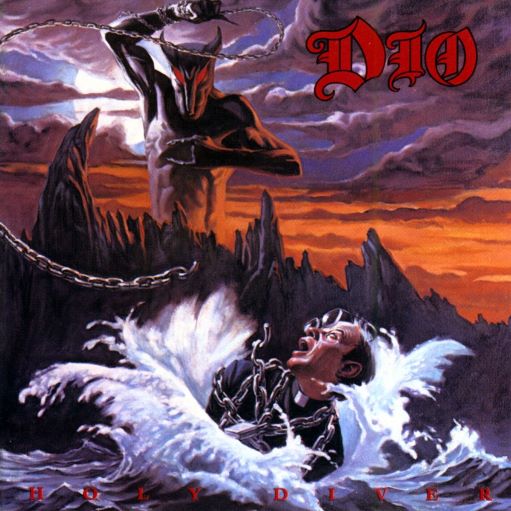
Dio – Holy Diver

Released May 25, 1983 via Warner Records

My Favorite Tracks – Holy Diver, Gypsy, Rainbow In The Dark

The debut effort from Ronnie James Dio’s newly-formed band was a big deal from the word go. Dio had made his mark with turns in Rainbow and Black Sabbath and was stepping out on his own to take control after arguments over live album mixes and such. Dio would secure the services of former bandmates from both groups – Jimmy Bain from Rainbow on bass and drummer Vinny Appice from Black Sabbath. Rounding out the group was a younger hand, guitarist Vivian Campbell.

Holy Diver entered a landscape in 1983 where heavy metal was growing to become a major force in the music world. Hair metal was well on its way to taking over the decade, thrash was emerging from either US coast and even the beginnings of extreme metal were showing up. The New Wave of British Heavy Metal had already launched its most successful bands and the foundation for power metal was laid down.

Dio would enter the landscape along those lines, with a melodic-driven, classic approach to metal. It wasn’t a massive departure from work done in Rainbow and Sabbath and it brought the older form of metal into the new age. The music would also offer elements of fantasy in theme and lyrics, something that stood a bit apart from the subject matter of hair metal or thrash.

While the album is a heavy metal monolith, it’s also an easy piece to get into at 9 tracks in 41 minutes. Let’s have at it.

Stand Up And Shout

It’s an up-tempo offering to open the proceedings. While the song’s main riff would be at home on a Scorpions album, the song is given an extra bit of kick by the rest of the band. The song offers a positive, uplifting message – it’s one of many motivating tunes that would come from Dio and became one of his calling cards. And Vivian Campbell offers the first of many electric solos he would perform in his time with the band.

Holy Diver

There is a bit of an intro here that serves a bit of an anticipation-builder for the album’s title track and its signature song. Then the band launches into a mid-tempo ass kicker while Ronnie sings about some messiah figure on another planet or some such shit.

There isn’t a lot I really need to say – Holy Diver is one of heavy metal’s best songs. This is the top of the mountain, in 1983 or any other year really. It is every bit the masterpiece it is made out to be.

Gypsy

A high-flying number with Vivian going off from the word go, the song goes on about that kind of bad girl you just can’t help getting tied up with. The song has been a bit under the radar compared to other Dio standards but it’s always been a favorite of mine.

Caught In The Middle

The pace keeps going with another song about conquering inner doubt and rising up. For all of the talk about negative theme and energy in heavy metal and music in general, Dio always provided a fair amount of “self-help” type of stuff that always got left out of those conversations. Songs like this were at the forefront of heavy metal’s motivating power.

Don’t Talk To Strangers

Often highlighted as a personal favorite by many, we get a slow-builder to change things up a bit. After a quieter first verse, the band launches back into the heaviness and pace. Vivian is really putting on a show here without any hint of wankery, it’s some very solid guitar work all over the song. Ronnie has said the song is about his distrust of people after his Sabbath experience but the track is really about not taking candy or rides from strangers, which we 80’s kids were brought up to avoid.

Straight Through The Heart

This stomping number turns the heaviness up to 11 and lives up to its title. Ronnie apparently wrote the song about the woeful love life of their recording engineer. Suffering always makes for the best art, even better when it’s someone else’s suffering. Learning the easy way is great.

Invisible

This haunting tune delves into the issue of feeling lost to the world. Even in dealing with the tough issues of confusion and trauma, Dio still manages to impart an uplifting conclusion to the proceedings. And it’s more brilliant shredding from Vivian, something not in short supply through the album.

Rainbow In The Dark

The album’s second single has become one of Dio’s signature anthems alongside the title track. It’s another song Ronnie wrote after his acrimonious split with Black Sabbath and the darkness of that time period led to one of his greatest triumphs. Everything on the track works like magic, even that synth line that stands out like a sore thumb.

Shame On The Night

We close the record with a slow burner that uses the day and night as symbolism for life and death, light and dark. Again Dio offers triumph over the evil and darkness. The music provides a bit of atmosphere to contrast from the general heavy attack but still also stomps its way through the track.

That wraps up Holy Diver and one of heavy metal’s finest moments. Dio would go on to establish a legacy nearly three decades long before his death in 2010. The band on the debut would not hold, led by the acrimonious departure of Vivian Campbell in 1986.

But nothing can diminish the legacy of Holy Diver. The album is a cornerstone in the foundation of heavy metal and its influence is felt to this day. The album got its first US platinum certification in 1989 and just recently received its second certification. And no matter the sales, it is always at the forefront of heavy metal discussion. When someone new to metal asks for a list of recommended albums to explore the genre, Holy Diver is always toward the top of that list.

Album Of The Week – May 2, 2022

I finished this post last Wednesday and got it all put together and scheduled yesterday, May 1. Just as I was about to head off to bed I checked my socials one last time and got unfortunate news very much related to my post today.

On May 1st, 2022, long-time drummer Ric Parnell passed away at the age of 70. Parnell was involved in a large variety of projects over his 50-plus year career, including Atomic Rooster and also being the drummer on the hit song Mickey by Toni Basil. But Parnell’s most well-known work would come as one of many to occupy the drum throne of British heavy metal legends Spinal Tap. Parnell played on the soundtrack I’m discussing today and also portrayed drummer Mick Shrimpton in the motion picture. Parnell would outlive his fictional counterpart nearly 40 years.

Condolences to the family and friends of Ric Parnell. Today I’ll do as I originally intended to, which is look at his most celebrated work.

I’m back after a bit of time off. I took some time to acclimate to a new work schedule. That’s pretty well sorted now and I’m ready to get back to business.

This week is the first time I’ll be offering up a movie soundtrack as the AOTW. Of course, this is a bit more than just a soundtrack. It’s not a compilation of songs with a few highlights and a lot of filler like most soundtracks. It’s a full-on offering of songs written for a movie and also performed by the cast. The band is fake but also became very, very real and are one of the rock and metal’s defining legacies despite being conceived to make fun of the scene.

There is none more black, and none more iconic

Spinal Tap – This Is Spinal Tap

Released March 2, 1984 via Polydor Records

My Favorite Tracks – Hell Hole, Stonehenge, Tonight I’m Gonna Rock You Tonight

It’s not totally unusual for a band to be contracted to record songs for a music-centric movie soundtrack. It is very unusual for the same actors in the movie to be the ones to also record the music. It worked in the case of Spinal Tap, who featured Michael McKean and Christopher Guest, who had already played together for several years and had conceived the Spinal Tap idea for a TV show pilot in the late 70’s. Harry Shearer, who had worked with McKean through the 70’s in another comedy group, joined in along with director Rob Reiner to give life to the Spinal Tap concept. The band was rounded out by some musicians – drummer Ric Parnell (again, RIP) and keyboardist David Kaff. Both Parnell and Kaff would assume roles in the movie as Mick Shrimpton and Viv Savage.

For simplicity and lore’s sake, I will be referring to the band members by their stage names in this discussion.

The original release of the This Is Spinal Tap soundtrack comprises 11 tracks (mostly) from the motion picture. A 2000 reissue offers a bonus track and is available on Spotify (I will not be covering the song today). A 2009 release called Back From The Dead does feature many of the songs in re-recorded form but should not be confused with the movie soundtrack.

Hell Hole

Opening the track is a song that was actually released as a single, complete with music video. Hell Hole is a great mid-tempo rock track that outlines the ups and downs of “making it,” then wishing for the simpler pleasures of being a pauper. The grass is always greener on the other side. The song features Nigel Tufnel handling the verse vocals while David St. Hubbins tackles the chorus.

Tonight I’m Gonna Rock You Tonight

The song that opens and closes the movie finds its spot as the second track of the record. It’s a splendid rocker that doesn’t seem like it has any business being as good as it is. The guitars, lyrics, keys and rhythm section are firing on all cylinders through this high-octane tune that gets both concert and film crowds going.

Heavy Duty

A proper heavy metal tune from Spinal Tap, this song goes hard and heavy and is all about the rock. It is totally one of those cliched “rock” songs which is so silly yet so good, something that serves the band and movie doubly well. They just want to make some eardrums bleed, and have accomplished the goal. It does seem to be pure coincidence that this Heavy Duty and Judas Priests’ song of the same name were both released in 1984. One probably couldn’t have taken from the other given the concurrent timelines and the obscurity of Spinal Tap pre-film. It’s certainly fitting but by no means is there any greater link.

Rock N’ Roll Creation

A track that feels NWOBHM-inspired or perhaps a “precursor to power metal” cut. It plays a role in the film when bassist Derek Smalls cannot release from his pod in time and has to hang out inside for most of the performance, only getting out when the others get back in at the end. The song is the genesis of rock and roll so of course it is cannon to me.

America

One song that did not make it into the movie, America is simply about the awe of a British band discovering the size and scope of America for the first time. The tune begins very slowly, perhaps betraying the actors’ future participation in another mockumentary as a folk outfit. As the song builds it suddenly shifts into a riff that 100% sounds borrowed from the first two Iron Maiden albums. Nothing says America like …, uh, anyway, on to the next song.

Cups And Cakes

This tune got a brief airing in the film on the radio that also put the band in the awkward spot of being in the “where are they now?” file. The song is utterly goofy and doesn’t really move the needle on the soundtrack but was a pivotal piece of the movie.

Big Bottom

One of the movie and by proxy album’s signature cuts, the song features both guitarists wielding bass guitars along with usual bassist Derek. It is probably the only time in recorded music history that guitar players actually sought to be bass players.

Big Bottom is a favorite of many from the movie and is a laugh riot through the praise of ample rear ends. It’s probably a pointed shot at the heaps of sleazy love songs populating the 1980’s but it’s a damn good time no matter what it is. The all-out bass assault with Viv’s keyboard embellishments just throw the whole track into overdrive. Big Bottom was the b-side to the Hell Hole single and, looking back, probably should have been the lead feature.

Sex Farm

I almost called Cups And Cakes the dumbest song on the album but I quickly held up because that isn’t true. Sex Farm is crude, rude and – well, pretty damn good. Not every good rock song needs to be a thesis statement or a pithy philosophical musing – some great rock songs are about the dumbest shit. The song that saw Spinal Tap rebound from a near-fatal end in the movie also lifts the soundtrack with its dumber than dogshit quips about sex and farms.

Stonehenge

While not “long” by any practical measurement, Stonehenge serves as Spinal Tap’s “epic” song. It tells a story and builds from a haunted intro into a full-out rock attack outlining the lives of those Britons who lived at ancient Stonehenge. It’s also one of the movie’s most memorable scenes, a topic I’ll save for a near-future post.

The song has elements of NWOBHM and what would come to be known as power metal. It builds from a quiet, haunting intro and launches into a melodic, rollicking tune that puts historical and fantasy elements on display. The song stands fine on its own but really can’t be separated from one of the movie’s signature events.

Gimme Some Money

This song is an offering from the band’s past before Spinal Tap was christened. The band performed as The Thamesmen in the apparent height of the British Invasion, as this song is absolutely cut from the same cloth as The Beatles, Rolling Stones and the whole 60’s British scene. It’s quite well-done, another one of their works that doesn’t feel like it has a right to be as good as it is. And of course it’s absolutely hilarious.

Also – The Thamesmen is a great name, someone should get that together if it hasn’t been done already.

(Listen To The) Flower People

The final song on the album is also the first offering from the properly-dubbed Spinal Tap, who jumped into the late-60’s psychedelia phase before charting a course for rock n roll. One one hand it’s not my favorite tune of the collection but on the other it’s a pretty well-done effort that does recall the music of the time (though not my most well-versed period of music, admittedly). This one does feel a little too on-the-nose humor-wise where the jokes in the movie and other parts of the soundtrack are allowed to land on their own. But again, still a nice song to round it all out.

This Is Spinal Tap stands on its own in the realm of movie soundtracks. Of course there are iconic soundtracks out there, they were huge especially in the 80’s. But to have the actual actors in the film record their own music and make it work and also fit in to the film is just an unbelievable feat.

The songs work in the movie, of course, but they also stand on their own. Though Spinal Tap’s legacy will always be the now legendary film, the songs have been talked about worldwide and covered by a who’s who of rock greats over the past 38 years. Spinal Tap themselves have toured and recorded again and again since and have become their own part of the institution of rock.

I’ll have a different post on Wednesday but on Friday I’ll do the obvious and discuss the movie This Is Spinal Tap in more detail. For all of the talk about rock and often the 80’s scene that I and others do, so much of it was informed by this off the wall and at the time obscure mockumentary that wound up taking on a life of its own and being its own influence on the life and times of 1980’s rock and metal. But in the wake of that discussion, the music of the film can’t and certainly shouldn’t be ignored.

Album Of The Week – April 18, 2022

This week it’s a look back to 1994 and the height of what came to be known as “alt-metal.” It was a strange time where a lot of different sounds got airplay as the fallout from 1991 left room for a variety of acts to get a moment in the sun. Our subject today would see his most commercially successful effort here. It would divide long-time fans and those who came on with the album but also serve as a point where he entered the wider public consciousness, a place where he has hung out in various forms since.

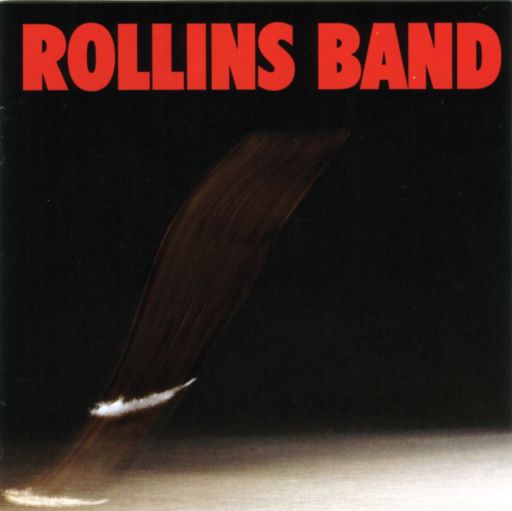
Rollins Band – Weight

Released April 12, 1994 via Imago Records

My Favorite Tracks – Volume 4, Disconnect, Divine Object Of Hatred

Weight was the fourth album from Rollins Band and came after a complete reconfiguration of the band, save namesake frontman Henry Rollins. Henry had done a lot to this point as the former vocalist of punk icons Black Flag, as well as a series of books and spoken-word albums on top of the Rollins Band.

Nothing about Henry Rollins screamed “put me on MTV and make me a star” but that is exactly what happened in 1994. Weight and its hit single would lift Rollins’ profile into the mainstream, where he remains a figure across several mediums to this day. Between acting, novels and his renowned spoken word tours, Henry Rollins has become a wizened “aging alternative icon” (his own words), and Weight is where the spotlight would first shine.

Anyone looking for Weight on Spotify will be disappointed, for reasons unknown to me most of the Rollins Band catalog isn’t there. It does appear in full audio form on YouTube, its digital presence is otherwise scarce.

Disconnect

Leading off is one of the album’s two singles and the lesser-celebrated one. No matter, the song is still worthy and one of the album’s highlights.

Disconnect is an anthem about getting away from all the information and chilling out. The notable thing about it is that it was written in 1993 and released in 1994, when the Internet was just getting out there. This isn’t a disconnect from the Internet, it’s a disconnect from the general shit of society that was still ever present even before the ‘Net.

The music employs a groovy feel along with a heaviness that stands out from the crowd and flows throughout the album. Henry Rollins and his talk/shout style of vocal delivery might be unconventional but works very well across the soundtrack to the shit that goes through his head.

Fool

The second track tells the tale of getting caught up in the wrong kind of lover and the feelings of uselessness and shame that come with that. It’s a well-versed song that communicates a message far too many of us have learned the hard way, sometimes more than once.

Icon

A fast-paced banger that outlines the rise and fall of a musical celebrity. I don’t know the backstory of the song so I’m not sure if it was just something Henry came up with or if it’s actually about someone in the industry. Around the time of the song there were many rock stars falling from grace so it can be seen as a look at how things really went even if it’s not based off anyone in particular. And the song is another shining example of how metal and groove can work together well, a lesson we’ve learned a lot about since.

Civilized

This harsh track sees Henry lamenting the life of crime and gun culture. It’s a topic close to home for Henry, who lost his best friend Joe Cole in an armed robbery outside their Venice Beach house in 1991, which Henry was able to escape from.

The song does not hold back and equates the armed criminal to the vulgar slang for that which hunts the criminal. For an album full of hard-spoken moments, Civilized is one where Henry is speaking straight from hard-earned experience.

Divine Object Of Hatred

It’s a masochistic turn into being the whipping boy here, as Henry is torn apart by people who can’t stand his existence. No telling where this song came from but it’s a pretty grisly and hard look at being a scapegoat. It’s also a very groovy tune for its hardcore subject matter.

Liar

This was a song that the band would jam out to in rehearsal as a warm-up. Someone from the record label told them they had something there and should make a full song out of it. After doing so, Rollins and company figured they had a b-side at best. The label disagreed and fought for Liar to be released as the lead single.

The label won the argument, of course. And the label was right.

The song keeps it quiet in the verses as Henry outlines how he takes advantage of someone’s fragile psyche and becomes a personal messiah. Then the very simple yet iconic chorus kicks up the volume while Henry screams “I’m a liar!” It’s the little twist in the adversarial relationship – Rollins is often talk/shouting about being on the “good” side of such things but in Liar he is playing the villain. And Rollins plays his part well. The third verse especially is a great example of acting in song, going from the plea for forgiveness into the inevitable result is just great song-work.

The song hit the Billboard charts and the video was a constant showcase on MTV. I’d wager that the video’s influence far outshines any charts or sales figures, everyone was abuzz about Liar in 1994. It’s odd to call a punk and alternative icon like Henry Rollins a one-hit wonder, but in the case of Liar, he truly was.

And for Rollins he wishes the one hit was anything else. Liar has become a bit of a pariah in the Rollins Band lexicon. I can understand it – the song was conceived in a jam session and was aired out as a warm-up joke, then it becomes the one song out of a long career that breaks mainstream. It goes to show the unpredictability of music and hit making. It also took someone who was a figurehead of the DIY punk ethos and made him a mainstream darling, something that did rankle long-time Rollins fans while also exposing him to a whole host of people who hadn’t previously heard of him. Damned if you do, damned if you don’t.

For my money, I think Liar is a great song. I’ve never been one to feel a band should be ashamed of making a hit or of more public exposure. Rollins can, of course, feel however he wishes about his art, but the merits of Liar and Weight have been something I’ve argued with others about on this here Internet many times over the years. And I don’t apologize for liking it more than other stuff he’s done that 35 people saw live in a bowling alley parking lot.

Step Back

This is a super heavy tune about confrontation and adversity. It’s basically Rollins punking someone out and it works very well. It’s a great song to get pumped up for working out or, uh, confronting someone I guess.

Wrong Man

The song deals with the issue of dating life and specifically not being like other guys who have been shitty to women. The song is fine but I’ve honestly never got that much into the subject matter. Back then I didn’t care because I’d never experienced anything like that. In these times the song feels a bit off – like, if some woman doesn’t want to date you for whatever reason, just go date someone else. I don’t know that a song-length treatise about how “I’m not that man” is really necessary. But here it is just the same.

Volume 4

This is a doom-influenced, plodding number that explores everyone’s favorite topic, the futility of existence and the existential crisis. The song is sometimes titled “Volume” as opposed to Volume 4 in some mediums. I don’t know why, I would hazard a guess that Volume 4 is used for the Black Sabbath reference as Henry is a huge fan.

The song stands apart from the rest of the album – here the groovy heaviness pounds the hopeless lyrics into the listener’s head. It is a wonderfully orchestrated dirge that culminates in the savage line “I walk around from day to day and wait around to die – like He did.” The capitalized “He” being an obvious reference and really bringing the brutality of the song home.

Tired

Things chill out for a moment, at least musically. It’s a trippy, sort of psychedelic jam that seems a bit out of place for the straightedge and straightforward Rollins. Lyrically it is the same sort of vibe as the prior track and being tired of stuff is a pretty universal thread.

Alien Blueprint

The album ends with two motivational or self-help tracks. This song outlines the futile grind of trying to fit in with a crowd that doesn’t want you. It’s better to be yourself and move on from the problem. It’s a pretty nice song and it switches direction quite a bit after the doom and gloom of the preceding few songs.

Shine

Another “self-help” track that gets into how there’s no time to mope around and the time is now to get it done. Though it’s odd subject matter for the sort of music I’m into the song does work well.

Weight would be the one true brush with success for the Rollins Band. It placed far higher on the Billboard charts than the band’s other work and Liar was a mega-hit on the airwaves. The group would not equal the feat with any future material and Rollins would eventually lay the band to rest in later years. Rollins himself would go on to acting roles, being a frequent contributor to music-related TV shows, hosting a long-running radio program and expanding on his spoken-word touring. To date he has remained in the public eye through many avenues.

No matter how Henry feels about his hit song, Liar and Weight fit right in the 1994 scene, with rock and metal going in every different direction after the cataclysm of 1991. You truly can just yell over your music and make something of it, provided you actually have something worth yelling about.

Album Of The Week – April 11, 2022

Thrash metal was in a bad way during the 1990’s. The twin killings of grunge and Metallica’s style shift left the thrash movement clawing for any shred of relevance through the decade. Many bands broke up, went on hiatus or explored various other musical styles with varying results, none of which were commercially viable. Extreme metal ruled the underground and by the end of the decade it was black metal that captured imaginations – even thrash-centric scenes like death metal had a lull through the end of the century.

Leave it to Sweden to fix things. Not only was the pioneering Gothenburg Sound responsible for giving new life to thrash metal, but another Swedish group would enter the new millennium and release a melodic death/thrash offering that served as a signpost for the coming revival of many forms of metal.

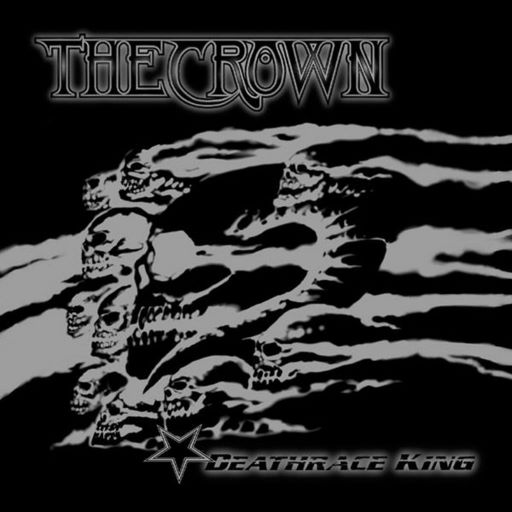
The Crown – Deathrace King

Released May 3, 2000 via Metal Blade Records

My Favorite Tracks – Rebel Angel, I Won’t Follow, Death Explosion

Deathrace King is not an album with ebbs and flows or peaks and valleys. It is an intense, fast-paced assault through all of its 50 minutes. It’s a collection of songs that lives up to the album’s title and puts thrash front and center at a time when thrash was a discarded relic of the past.

Death Explosion

A very fitting title for the opener. This is an absolute barn burner that sets the tone for what the album is all about. The music flies at a breakneck tempo that couples perfectly with singer Johan Lindstrand’s hoarse growl of “It’s a death explosion.” The end of the song offers a reprieve from the headbanging with a slower passage that lets everyone catch their breath before the rest of the album flies off the track.

Executioner: Slayer Of The Light

It’s all out from start to finish here as the band goes on a neck-snapping attack and Lindstrand offers up a smorgasbord of Satan and death references. I could lament never having seen The Crown live but with stuff like this I’m not sure I would have survived the pit.

Back From The Grave

Another high octane thrasher that actually gets a bit philosophical in the chorus. I recall first hearing this song and wondering why I was pondering existential questions on a thrash song but the Swedish get pretty deep sometimes. It’s hard to read a philosophy textbook while headbanging but here we are.

Devil Gate Ride

A song kept on the album’s theme of racing that also features a special guest – Tomas Lindberg of At The Gates, which in 2000 was a defunct band. Lindberg’s guest turn would serve as foreshadowing – two years later, Tomas was in The Crown as their new singer.

This song hits all the right notes and perfectly illustrates the deathrace in full glory. It’s not a race to avoid Hell – this car is heading straight into it at full speed.

Vengeance

The tempo chills just a hair on this but the brutality is still present. The theme of revenge is well-worn in metal and it’s not served cold here – this dish is red hot.

Rebel Angel

The Crown go 666% fast on their ode to the Devil. Good old meat and potatoes, devil horn’s-raising heavy metal is back.

I Won’t Follow

Another whiplash-inducing tune that is cut from the “I stand alone and against society” cloth. It is the rebellion and individuality that stand’s at metal’s epicenter. It’s not a path for the faint of heart or ear.

Blitzkrieg Witchcraft

Now we’re just throwing words together and thrashing along to the end of the world. It features the old traditional thrash gang chorus and adds a bit of fun to the apocalyptic mix.

Dead Man’s Song

The band slows it down for the one and only time on the album. It’s as much of a ballad as can be possible in extreme metal I suppose. This dirge laments the ultimate inevitability in life and provides a nice soundtrack for it.

Total Satan

We’re back on the track and racing at full pace to the finish. There is another guest on this song – Mika Luttinen from Impaled Nazarene joins in on the fun here. And this guest would not later join the band.

Total Satan is a thrash banger that sounds exactly like the title implies. No curveballs here.

Killing Star

The album closes with an 8-minute opus. It opens with a nearly 2-minute intro and then launches into the same thrash attack everyone has come to expect at this point. The song combines all of the album’s themes into a potent mish-mash of Satanic war-fueled orgy.

Deathrace King opened the new millennium with something that had been rare for the years prior – a heavy-hitting thrash record, informed with the masterful touch of Swedish melodic death. After several years in the wilderness, thrash and death were set to return in the 2000’s in a big way and The Crown led the charge.

The Crown would go on a winding path after Deathrace King – Johan Lindstrand would depart the group and the aforementioned Tomas Lindberg would briefly serve as his replacement. A few lineup changes and one hiatus later, the band were back at it through the 2010’s, eventually rejoined by Lindstrand.

However it all played out, Deathrace King serves as The Crown’s magnum opus and a monolith of an album that cut against the grain of the styles at the time. The album’s reputation has only grown in time as people have traced back to hear hidden gems they may have missed in metal’s lull of the late 90’s. The Crown’s deathrace ended after 49 minutes but heavy metal’s is still going 22 years after the fact.

Album Of The Week – April 4, 2022

This week’s pick is an album that saw a band move on from their power metal roots and lean fully into the symphonic sound they had been prodding at their last few records before. The results would launch the group into the stratosphere and put them at the forefront of heavy metal in their native Finland and worldwide. The symphonic movement in metal would explode, while the very group that put it on the map would unexpectedly reconfigure after the touring cycle for this album.

Nightwish – Once

Released June 7, 2004 via Nuclear Blast Records (Europe)

My Favorite Tracks – Ghost Love Score, Planet Hell, Nemo

Keyboardist and band leader Tuomas Holopainen has always been the chief force behind Nightwish’s compositions. For Once he chose to record most of the album with orchestra accompaniment, utilizing the London Philharmonic. The album would be the most expensive to have been recorded in Finland, a record to be broken again by Nightwish years later.

While Holopainen was the band’s mastermind, its showcase would be singer Tarja Turunen. Turunen is a classically-trained soprano singer whose operatic style was an unlikely but welcome fit in heavy metal. The power and character of her singing would be the centerpiece of Nightwish’s presentation.

While Once is available in a few configurations with bonus tracks, I will be discussing the standard 11-track version most widely released.

Dark Chest Of Wonders

The opener is epic and heavy. It’s the perfect blend of symphonic composition and heavy metal attack. The song goes on a fantasy-laden adventure far from the grind of reality, a recurring theme in Holopainen’s songwriting. It’s clear through the Nightwish catalog that he wishes to go on a fantastic journey and Nightwish is his vehicle for that trip.

Wish I Had An Angel

Another heavy tune that was also one of the album’s hit singles. It features Tarja on the verses and bassist Marco Hietala belting the chorus. While the song is dripped in very intense imagery and symbology, its roots are far more basic – Holopainen spawned the concept after seeing people hit on his girlfriend while out on the town. Some people get into fights over that, Tuomas writes hit songs from it instead. While many of the songs on Once are epic and far-reaching, this song keeps it pretty simple and drives everything home.

Nemo

Written about the origins of the name Nemo, meaning nameless or no one. The song is based in more of Holopainen’s sense of loss and search for meaning. Despite the dour subject matter, the music is lush and uplifting, creating a beautiful soundscape. The song was the album’s first single and was a major hit ahead of Once’s release. It stands as the group’s most-played song live and one of the three most recognizable for the group, all which hail from this album.

Planet Hell

A heavier approach sees Nightwish tackle the scenario of the planet devolving into total chaos. That’s subject matter than any thrash band would do any day of the week, but here Nightwish wrap the harrowing ordeal up in another epic, operatic offering featuring both Tarja and Marco handling vocals.

Planet Hell would take an odd place in gaming lore a few years after its release as part of a compilation video featuring players in Runescape exploiting a glitch to attack others outside of the traditional player versus player area. It’s odd how songs sometimes get used in weird places and wind up being a piece of lore.

Creek Mary’s Blood

Holopainen wrote this song based upon a book of the same name. It is another sad account of the plight of the Native Americans, this time told in epic fashion by a group of Finnish musicians. The song’s conclusion features a poem originally written in English but subsequently read in the Lakota language by musician John Two-Hawks.

The Siren

A song clearly about the mythical sirens who would lure sailors to the rocks and their deaths with beautiful singing. It’s a perfectly fitting song to record when your singer is Tarja Turunen. The Siren was the album’s fourth and final single release.

Dead Gardens

It was reportedly written by Holopainen about a bad period of writer’s block. I’d imagine a lot of writers wish they could come up with stuff like this in down periods. This song does shade a bit toward the sound Nightwish would pursue on albums after Once.

Romanticide

We’re into a blistering track that goes for the throat and tackles more lovelorn concepts of self-worth. It’s a tale as old as time but told in grand and heavy fashion here. Tarja’s operatic delivery of the heavy-hitting chorus punctuates the affair.

Ghost Love Score

Although not released as a single, this ten-minute epic has possibly become Nightwish’s most famous song in retrospect. While the song was noted as a standout upon the album’s release, it would be years later when the YouTube song reaction community got a hold of this track that it would take on a whole new life.

Ghost Love Score is a monster of a song, offering movements and passages that stand out from the typical popular music compositions. It is a bit of a hybrid prog-opera offering that puts all of Tarja Turunen’s talents on full display, as well as the compositional strengths of Tuomas Holopainen.

The song’s theme is simple – two lovers have parted but the connection and fondness remains. It is a hauntingly mesmerizing and victorious song that couples beauty and tragedy in the most grand manner.

Despite its extended runtime and challenging architecture, Ghost Love Score would become a live staple for the band. It was difficult to imagine anyone besides Tarja handling the vocal duties on the song, but in 2013 at the Wacken festival present-day Nightwish singer Floor Jansen delivered a performance that has the Internet buzzing still almost nine years later. The line from Tarja to Floor is a story for another time but, after everything, Ghost Love Score stands as perhaps Nightwish’s most triumphant moment.

Kuolema tekee taiteilijan

This obvious cut-and-paster of a title was a single released in Finland and Japan. The song was performed entirely in Finnish, a rarity for the group. The song’s title translates to “Death Makes An Artist.” Even without a translation guide, the song conveys a sense of beauty and sadness, ever-present themes in the Nightwish discography.

Higher Than Hope

The album’s closer is one with a tragic yet triumphant story behind it. Marc Brueland was a former comic book artist in San Diego who was pitched in a seven-year battle with cancer and began doing DJ sets at a local club. One night he stumbled across a cover version of Nightwish’s Walking In The Air. This would lead to Marc getting in contact with the band and forging a friendship with Tuomas. Marc would join the band on stage for a performance of Walking In The Air.

Higher Than Hope was a song Tuomas wrote about Marc’s battle and spirit. Marc delivers the spoken word passage in the song’s mid-point interlude. Sadly Marc would pass away several months before the release of Once and was never able to hear the song he inspired. Nightwish do not play the song live unless members of the Brueland family are in attendance.

When Marc Brueland joined Nightwish on stage in 2003

Once marked the moment that Nightwish broke free from the power metal scene and established themselves as a premier act across the world. The album sold over two million copies and its songs are among the most famous from the group still to this day. It made Nightwish practically royalty in Finland and well known everywhere else.

Nightwish would embark on a successful touring cycle for Once, culminating in a show at Helsinki’s Hartwall Arena on October 25, 2005 that was immortalized on video and audio as the End Of An Era set. The name was well-chosen as, just after the show, Holopainen and the band made the shocking decision to fire Tarja Turunen from the group. The move would reverberate through the metal world and cause months, if not years, of drama and toxic chaos on the Internet.

Whatever came after, Once was a glorious moment in the sun for Nightwish. They delivered on the promise creeping into their prior few albums to break the mold and combine heavy metal with classical arrangement in a way that would spark a series of new scenes within metal. The time and expense poured into the album paid off and put the band on a new plane of existence.

Album Of The Week – March 28, 2022

This week I’m taking a dive into the album that really hooked me into music. I talked about it in an older post, now it’s time to get specific and go over the album in greater detail. I got the cassette as a Christmas gift a few months after its release and I played it over and over and over again, literally wearing out the tape and burning the album into my 12-year old brain. The results would have me chasing music all over and shape my pursuit of sound into a new decade while in my formative years.

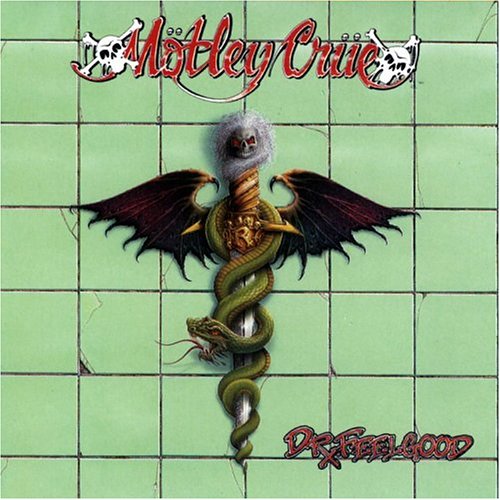
Motley Crüe – Dr. Feelgood

Released September 1, 1989 via Elektra Records

My Favorite Tracks – Kickstart My Heart, Dr. Feelgood, Don’t Go Away Mad (Just Go Away)

Dr. Feelgood was the fifth studio album from Motley Crüe. The album would be a smash success for the group, topping charts and selling several times platinum. The group had been instrumental in starting the hair metal era of the 1980’s and would end the decade with a massive triumph. The album spawned five singles which were in constant rotation on MTV. Hair metal as a whole was winding down as the calendar turned to 1990 but one of its most important acts was still running hot.

Dr. Feelgood

After a brief intro to set the scene, the album kicks off with the title track and lead single. Dr. Feelgood is a massive, heavy song that outlines the highs and lows of Jimmy, a fictional drug dealer. The full, bombastic production of Bob Rock was a welcome change from the thin sound of the band’s two prior albums. It went a long way to reminding everyone that the Crüe had the chops to play a harder brand of rock than what the L.A. Scene had largely devolved into in the late ’80’s.

Dr. Feelgood did great as a single – it was the band’s first top ten hit on the Billboard Hot 100 and also their only gold-certified single.

Slice Of Your Pie

Moving on to one of the many songs on the record about sex, here we have a song full of euphemisms and sex talk that skirts the lines between clever and explicit. Even as one of the perhaps secondary tracks, this song still provides a sleazy thrill ride with the band’s rediscovered chops and improved production. The end of the song borrows from the Beatles track “She’s So Heavy” because that’s what everyone was expecting from a Motley Crüe album in 1989.

Rattlesnake Shake

Another sleazy rocker that glorifies the evils of lust and fornication. Jesus wept.

Kickstart My Heart

This song was on offer as the album’s second single. Nikki Sixx wrote it about his infamous heroin overdose in 1987 where he was apparently injected with multiple doses of adrenaline to revive him and was dead for a few minutes. The story is disputed by some but the song remains.

Kickstart My Heart quickly caught fire on release and became noted as one of the album’s standout songs. It has gone on to become the band’s signature anthem. We aren’t simply talking about a good song here – this is possibly the best song the band ever recorded, and is easily in the conversation even if not. It is a blistering effort with an interlude that perfectly sums up the Motley Crüe experience. The song is a shot of adrenaline and is found on millions of workout playlists worldwide.

Without You

It’s not hair metal without a ballad and Dr. Feelgood hosts a few. The first is this decently crafted tune that is every sappy love stereotype possible shoved into a song. The song is noted to have been written by Tommy Lee about Heather Locklear. The song did well as a single, providing the band’s second top ten showing on the Billboard Hot 100.

This is one of those songs I can go back and forth on. I’ll admit that I probably liked it a lot better when I was 12 than I do 32 years later, but it’s not a song I feel a need to skip over when I play the album. It’s a bit much but I can generally live with it.

Same Ol’ Situation

We thankfully pick the pace way back up with what was the fifth and final single released from the album. It’s a hot, fun rocker about falling for a gal who ditches the guy for another gal. The video was a performance clip, showing the band at the height of their popularity. While some might argue that people only remember the singles more because they were aired out more, I’d say this is a case of picking the right singles to air out. The song is not necessarily any “different” than several others but it packs a harder punch and gets the listener’s attention.

Sticky Sweet

Another ode to the glorious activity of hooking up. It’s simple, to the point and well executed. The lyrics offer a bit of a reference to the earlier Crüe song Ten Seconds To Love.

She Goes Down

One more sleazy number, it’s blatantly obvious what the song is going for.

Don’t Go Away Mad (Just Go Away)

This quasi-ballad and top 20 single brings a change of pace and another signature track from the Crüe. Nikki Sixx lifted the title from a movie he doesn’t remember, though many speculate that it’s a line from Heartbreak Ridge that he his using.

While the title invokes a snarky vibe the song itself does not take that path and instead sticks to the high road. This is a quintessential break up song that celebrates the love found and then parts on fond terms. The song builds to a driving conclusion that uses the title to great effect. It’s another well-done effort.

Time For Change

I’ll just get straight to it – I hate the song. I think it sucks. It’s a shitty hair metal attempt to do The Greatest Love Of All or something like that. It has always bothered me and I can’t help but wish the song would somehow fall off the record. But it’s there, and here we are at the end of the album.

Dr. Feelgood was Motley Crüe’s best-selling album, having been certified six times platinum in the United States. It provided the biggest hits of the group’s career and defied the times to put an exclamation point on a genre of music that many were bemoaning at the time and whose death was just around the corner. Motley Crüe themselves seemed poised to survive the specter of 1991 and would only join the list of hair metal casualties due to their own problems a few years later.

The album was a success for more than the band, too. Producer Bob Rock had reinvigorated the group’s sound after two albums that left something to be desired in production. A lot of people noticed his work on Dr. Feelgood, including Lars Ulrich. The Bob Rock-Metallica meetup in 1991 would alter the face of music forever.

Is Dr. Feelgood the best Motley Crüe album? Some critics think so. I would agree that it’s in the conversation but it’s also hard to ignore the sheer ferocity of those first two records. This album is a career-defining effort though and was a huge victory lap for the band at the end of the decade.

As I’ve said, this is the album I played over and over again and that set my music fandom off the scale. I had been following along with music for several years before as a young tourist, but with Dr. Feelgood I became obsessed and had to have more. My own course would go every which way and much heavier as 1991 loomed on the horizon but this album is near the top of a list of the most important albums to me. It kickstarted me into the path I’m still on today, with piles of music in multiple formats and the thing I spend a great deal of my time discussing.

Album Of The Week – March 21, 2022

For this week’s pick I’m revisiting someone who has become my favorite artist in recent memory. She has released a wide selection of music across several projects over the past 15 years and has not been shy to explore new styles and soundscapes. Today I will be looking at her third solo album, which kicked off a sound that ran through a few records and has provided some of her most harrowing and memorable work.

Emma Ruth Rundle – Marked For Death

Released September 30, 2016 via Sargent House Records

My Favorite Tracks – Real Big Sky, Protection, Marked For Death

The record features minor-key, atmospheric passages along with at times harsh, cutting distortion that breaks through and highlights the darkness of the album’s themes. Unconventional guitars and tunings create a sound not found in many other places, if anywhere. The combination of atmosphere, noise and dark subject matter create a unique and awe-inspiring listening experience.

Marked For Death

The opener and title track establishes a tale of two lovers bound in a fatalistic way. It is not a Cinderella story, or if it is it’s one where everyone turns to ash at midnight. The song is mostly quiet and rolling, with the guitar ringing out during the chorus. It’s a song that works well both plugged in and stripped down, as the performance at the end of this post illustrates.

Protection

The noise gets turned up on the second song as Emma explores a tryst that is, well, extremely heavy. It is hard to tell on the surface if the lyrics indicate a truly transcendent love experience or if it shades at something much darker. A betting person would likely go with the latter when considering Emma’s work as a whole. The guitars go absolutely off in a noisy chorus of their own, and even in the quieter verses Emma lends a great deal of power to her vocal delivery.

Medusa

A more gentle tune that showcases the atmospheric side of Emma’s recording. The song recounts difficult dealings with someone wrapped in the symbology of the mythical Medusa. It’s one of several songs that employ a rolling and marching feel that Emma has put to great use on several albums.

Hand Of God

This song keeps things mostly quiet and is a very haunting account of someone who has fallen from grace. While Emma has often used the contrast between harsh and gentle music, here it is a contrast between a nice, mild song and very, very harrowing lyrical matter.

Heaven

Another very gentle song that also tackles matter similar to Hand Of God. This song doesn’t “feel” as desperate as the prior one, though. There is an acceptance of the loss of Heaven here and the constraints of mortality. A bit of noise builds up in a beautiful ending that apparently sees Heaven burning.

So, Come

A song that offers some allusions to traumatic events and implores the saints to come, if indeed they are supposed to. So, Come begins quietly then builds into some powerful distorted passages while Emma still seems to maintain an almost upbeat plea to these saints. “Suffer so that we may live” is invoked, but it’s not clear who is supposed to do the suffering or the living.

Furious Angel

This gorgeous song lays an atmospheric tone that almost conceals its very heavy vocals about what seems to be the end of the relationship Emma has outlined in other songs here. With the end of said relationship, Emma is caught in the rage of a furious angel, as the all-consuming nature of the relationship is all there was. The music recalls some of Emma’s shoegaze/dreampop past and uses these layered elements wonderfully.

Real Big Sky

The album’s closer strips away the layers and sonic elements to present only Emma’s voice and a distorted guitar. Other songs on the album provide sonic hiding spots from the haunting themes but Real Big Sky offers no such respite.

The song offers up a subject person who is apparently at the end of their life. The verses outline the person’s plight while the chorus hears the person sing what could be their final words. The somber, stripped-down presentation only amplifies the deep sadness found here. But there is also hope in transcendence to also be found in the ultimate journey away from mortality. The song offers a prelude of sorts to Emma’s more minimalist work on her 2021 effort Engine Of Hell, which also provides no place to escape from the inevitability of the subjects at hand.

Marked For Death is an album both beautiful and scary – it provides a variety of well-executed musical passages with which to digest the very dark themes on offer. Emma relayed in this 2016 feature with The Independent that she recorded the album after a dark period in her life and still grappled with the themes even after the album’s completion.

The album marked a period of transition in Emma’s personal life and also in her recording career. Marked For Death offered up some of the same “sonic warfare” that would be on display for her next album, 2018’s On Dark Horses. I have previously covered that album and hold it in the highest of esteem. But this album stands alongside that as a master work of music that plunges to the depths of existence and pulls out something otherworldly. While she is crafting music from a place of pain and trauma, Emma has provided a series of songs that offer an amazing listening experience.

Album Of The Week – March 14, 2022

1999 was an interesting time. The turn of the decade, century and millennium was one of great transition. One facet of culture at this time was the “edgebro” – stuff like nu-metal, WWF, Spike TV and The Man Show were running hot around this time. We were welcomed to Jackass, Eminem was beginning his shock-rap run that would smash boundaries, and we read about it all in Maxim magazine.

Music was perhaps not in the most creative place as nu-metal and boy bands fought for chart supremacy. But one act would catch lightning in a bottle and find themselves with a multi-platinum record and a massive hit single. Perhaps beneficiaries of the trend toward potty humor, this group would refine it a bit, provide foul shock aplenty, and laugh all the way to the bank.

The Bloodhound Gang – Hooray For Boobies

Released October 4, 1999 in the UK via Geffen Records (February 29, 2000 US)

My Favorite Tracks – Magna Cum Nada, I Hope You Die, Hell Yeah

Hooray For Boobies sold like hotcakes in the Y2K era. The Bloodhound Gang had made some waves previously with songs like Fire Water Burn and You’re Pretty When I’m Drunk, but The Bad Touch and this album would go to a whole other level.

Arguments could be made about the level of humor on the record – in fact that is an argument that peels more layers than the world’s biggest onion. But this album is absolutely a product of its time and fits well within the culture of the “Woodstock 99” period. It won’t be my cause to frame the album’s contents through a present day lens – rather I will simply discuss the album I spun many a time in the early 2000’s in its own context.

There are a ton of tracks on the album. I won’t be getting into the several skits that appear and add more fuel to the comedic fire, I’ll stick with the abundance of proper songs. I will be discussing the “full” version of the album – there were initially several versions that omitted some tracks due to sampling rights. Subsequent reissues have presented the album in full.

I Hope You Die

The “rap-rock but not that kind of rap-rock” kicks off with a decidedly rock tune. The title says it all – these lyrics really, really wish pain and suffering on someone. The depths of creativity to paint the woeful narrative that befalls the song’s target go on far past where many people would have given up. It is shocking, explicit and hilarious. The short chorus hits the nail on the head and simply expresses what singer Jimmy Pop hopes happens to his adversary.

The Inevitable Return Of The Great White Dope

A rap-dance hybrid song that serves as a hype piece for mainman Jimmy Pop. It helps establish a bit that the band isn’t just using toilet humor to pave their way, there is a bit of actual talent in the ranks.

Three Point One Four

On this track Jimmy Pop takes on one of the English language’s greatest challenges – what rhymes with vagina? The largely unsuccessful results couple with Jimmy’s need for a new girlfriend which takes humorous and objectifying turns. A bit of falsetto at the end wraps up the fact that Carolina is about the only word that rhymes with vagina.

Mope

A bit of an intro sets up this tribute to Austrian pop act Falco. The song borrows from Falco’s huge hit Rock Me Amadeus, as well as the Frankie Goes To Hollywood hit Relax. For good measure we find the Metallica standard For Whom The Bell Tolls included as a sample as well. Video game icon Pac Man also joins the fun – at this point in 1999 the star has fallen on hard times and crack addiction. The song is a very creative mashup that works better than it should.

Yummy Down On This

A heavier riff stands out through this ode to blow jobs. Really, that’s it – this song is about blow jobs. Not much more to say.

The Ballad Of Chasey Lain

One of the album’s singles, this song sees Jimmy Pop obsess over porn star Chasey Lain. It’s a bit like Eminem’s hit Stan, except without any cultural significance or anything, well, good. The song is pretty funny and even features Chasey at the end respond to her stalker’s advances. The band reported that they were less than impressed with Chasey’s intellect upon meeting her, but such is life.

Magna Cum Nada

This ode to a lack of success if one of the album’s stronger highlights and my personal favorite. A metal riff runs through a list of creative ways in which Jimmy Pop is bad at life. It is a well-crafted ode to the loser.

The Bad Touch

The album’s first single (in most territories) and the song that catapulted The Bloodhound Gang to the forefront of 1999’s music scene. Even a person unfamiliar with the group would probably recognize the refrain “You and me baby ain’t nothing but mammals/Let’s do it like they do on the Discovery Channel.”

This dance number turned potty-mouthed recount of sexual relations became a smash hit through Europe, topping the charts in multiple countries. It was a more modest success in the US but would be a highlight on dive bar dance floors and also get a shoutout from Eminem in his immortal hit The Real Slim Shady.

The Bad Touch is an entertaining romp that highlights the nuts and bolts of The Bloodhound Gang – using a thesaurus to describe sex acts in every way possible and making a mint off of the results. Can’t argue with success.

This is the “explicit” version, not sure what that means exactly

Take The Long Way Home

This song is another turn through futility and the crushing weight of existence, much like Magna Cum Nada before it. While not one of the album’s standouts the song does offer its own weight and is one of the quietly enjoyable numbers found here.

Hell Yeah

Here we find Jimmy Pop telling a Sunday School story, of course in explicit and pun-filled fashion. Jimmy embraces his messiah complex here and contemplates what would happen if he were God. While heavy metal has long been the standard home for blasphemy, The Bloodhound Gang worked some into their brand of potty-pop or whatever we’re calling this.

The song makes humorous turns through the decrees Jimmy Pop-God would make then spends a moment contemplating his crucifixion. It makes for a funny tune that probably won’t get any airtime at the local church.

Right Turn Clyde

This more chill track takes on Pink Floyd’s seminal Another Brick In The Wall Pt. 2. It’s another of the album’s secondary tracks but is a pretty fun listen still. This song was the reason for the delay in the US release of the album as there was some arguing with Roger Waters over rights before the latter apparently relented.

A Lap Dance Is So Much Better When The Stripper Is Crying

For all of The Bloodhound Gang’s toilet humor and cheap use of sex for laughs, nothing comes close to the shock and awe of this one. The title alone screams “What did you just say?” and the song itself offers no reprieve.

The song is set as a country story-song that narrates rather than sings its contents. The story is, well, as fucked up as the title suggests. The song would probably be considered the high point for taking offense, but it is so absurd that it can only be dismissed as a farce.

Along Comes Mary

The album’s proper closing song is a cover version of a 1966 pop hit by The Association. The Bloodhound Gang turned the song into a punk number that was featured in the soundtrack to Dave Chapelle’s hit movie Half Baked. This was the album’s true first single released in parts of Europe long before Hooray For Boobies was released.

Hooray For Boobies was a hit for The Bloodhound Gang. It was certified platinum in several countries and spawned several singles that did well on the charts in Europe. The Bad Touch is, of course, the group’s signature track and biggest hit that stills gets referenced over 20 years later.

The album would mark the high-water point for the band. A few modest hits would come in later years as band members from the …Boobies time period left the group. A series of controversial incidents in 2013 in the Ukraine and Russia involving flag desecration would seemingly spell the end for the band.

But for all the churn and turn of 1999 and the coming millennium, The Bloodhound Gang perfectly captured the low-brow humor of the era and the shifting music landscape to score a major hit. An album such as Hooray For Boobies might not make it in today’s war-like cultural climate but it hit all the right notes in its time and place. The album still holds up well in today’s marketplace – limited vinyl reissues are gone before they appear and many people still recall the dumb and hilarious record fondly.

Album Of The Week – March 6, 2022

Today’s album is widely-regarded as the magnum opus of a legendary singer’s solo career. This crown jewel of an album, coupled with the low-water mark his former band was at in the late 90’s, would result in a reunion and a new legacy.

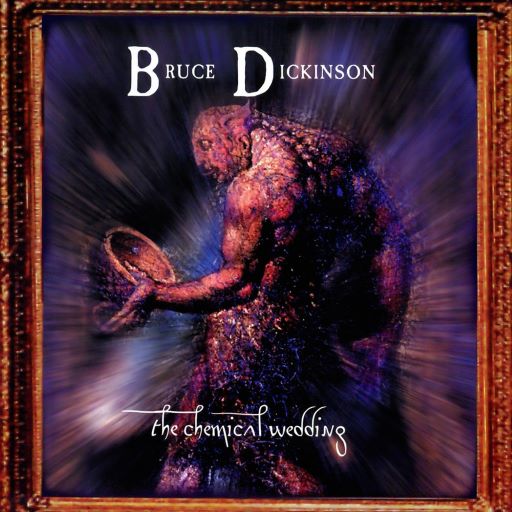
Bruce Dickinson – The Chemical Wedding

Released September 25, 1998 via Air Raid Records UK

My Favorite Tracks – The Tower, Chemical Wedding, The Book Of Thel

The Chemical Wedding was Bruce’s 5th solo outing and his 4th since leaving Iron Maiden in 1993. Former Maiden guitarist Adrian Smith was also along for the ride, having joined with Bruce the year prior for the Accident Of Birth album. Helming the console for production and also picking up a guitar was Roy Z, whose Tribe Of Gypsies bandmates would also fill out Dickinson’s solo band.

The album’s lyrics and themes were inspired by the works of English poet and painter William Blake. Blake’s painting The Ghost Of A Flea was used as the cover art. The marriage of Blake’s themes of religion and nationality along with heavy metal would create a stunning and unique record. At a few points where Blake’s works were directly read as song intros, English shock rocker Arthur Brown provided the narration.

King In Crimson

Things open with a banger. The guitars are low and heavy and Bruce builds through a powerful pre-chorus to deliver the to-the-point chorus. Adrian and Roy Z are all over this track with an extended solo section. This is one of the songs from the album that one really wonders what it would have sounded like with Maiden.

Chemical Wedding

A more atmospheric and brooding tune, the title track evokes images of marriage and death. It’s unclear what a “chemical wedding” actually is but it sounds pretty messed up. Bruce again stays quiet through the verses then goes air raid siren on the chorus. Play to your strengths, so they say, and Bruce does just that.

The Tower

A bass line opens the track, reminiscent of that band. The song goes into another metal outing that sees Bruce attacking the vocals from the get-go. The lyrics possess a ton of symbolism that some speculate is derived from tarot cards. This blend of heavy metal and spooky, mysterious symbology persists throughout the record and creates a vibe that transcends the cliches of heavy metal songwriting.

Killing Floor

The heaviness ratchets up a few notches on this slamming tune about the Devil. Satan is out on the prowl here, seemingly attacking people through their dreams in the vein of Freddy Kruger. The pre-chorus offers a bit of a melodic reprieve before the band tears through the heavy as hell chorus. This song also got a video with Arthur Brown fittingly in the role of Satan.

Of all the music videos, this is certainly one of them

The Book Of Thel

Directly lifted from a William Blake work, both Blake’s story and Dickinson’s song ponder the inevitable loss of innocence and the bleak ultimate fate of life. The song tears through the twisted tale of Thel discovering her terrible destiny.

Gates of Urizen

More from Blake’s mythology here, Urizen is a powerful figure that represents one aspect of a central god who later fell and created the material world out of spite. The song offers a vague recounting of being at Urizen’s gates and a dark transformation happening. Despite the heavy subject matter the song is one of the lighter offerings on the record.

Jerusalem

Most Dickinson-related fare requires an epic and Jerusalem serves that purpose here. Tied to Blake’s most ambitious and ponderous work of the same name, Dickinson sings of Jerusalem being re-established in England. The lyrics hold to Blake’s vague work, not offering a clear picture of whatever symbolism is delivered here. The band are up to the task of bringing a lush soundscape to this epic tale.

Trumpets Of Jericho

Here Bruce takes a story from the Bible, one where soldiers march around the outer walls of the city of Jericho until the walls crumble. In this song the unconventional siege tactic doesn’t work, because nothing about science indicates it would work, and the walls remain. The tune discusses the feeling of futility after being unable to break the walls down.

Machine Men

This song makes use of a well-worn topic in heavy metal – the literal use of metal to create engines of war. Soulless metal monsters storm the landscape and devour humanity in their jaws. The creations here seem to be made of humans now repurposed as war machines. The song’s heaviness matches the weight of the subject matter.

The Alchemist

The album closes with a very trippy and atmospheric number. The meaning is somewhat unclear but the protagonist seems to be rejecting the ills of civilization, it is a last stand against death and decay. As the song winds to its conclusion it offers the chorus of the title track as a reprise.

The Chemical Wedding was a critically acclaimed success for Bruce Dickinson. It is widely considered his solo masterpiece. Commercial success was more elusive for this traditional metal album in 1998, just as it was for Bruce and Adrian’s former bandmates toiling in obscurity. Less than 6 months after the release of this album, Bruce and Adrian rejoined Iron Maiden for a reunion that kicked off a new legacy for that group and an era that has now lasted 23 years.

It is believed by many that The Chemical Wedding was the catalyst for the reunion, as Bruce and Adrian were outshining Iron Maiden’s maligned output of late 90’s. It seems to have been a more practical decision involving finances but this doesn’t stop fans from ranking this record highly, even slotting it ahead of some of Maiden’s classics. Many wonder what this album would have sounded like backed by Iron Maiden, though that discounts the influence of Roy Z. Rather than ponder what-ifs, the reformed Maiden pushed forward with creativity on their own terms. We get occasional live samples of what Bruce would sound like on the Blaze Bayley material, but The Chemical Wedding stands on its own as a Bruce Dickinson classic.

Kreator – Violent Revolution (Album of the Week)

This week I’m going back 21 years to an album that revitalized a band’s fortunes and heralded a coming revival in thrash metal. That revival is still in full swing for both the genre and the band. An old dog came out of the wilderness of the ’90’s, learned a few new tricks, and kickstarted a new era for their already legendary name. It is also another case of an album getting new visibility due to a sorely-needed vinyl reissue that saw the light of day in late January.

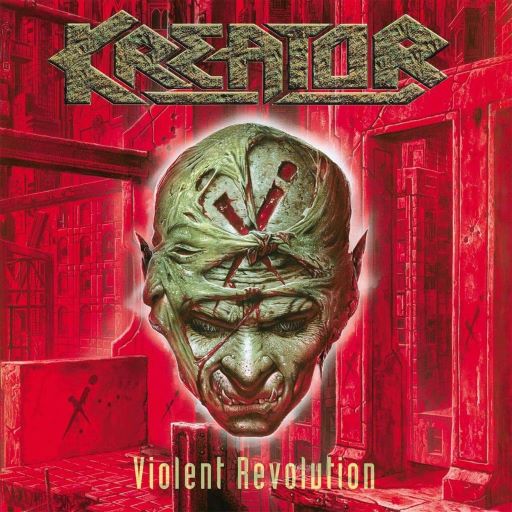
Kreator – Violent Revolution

Released September 25, 2001 via Steamhammer/SPV Records

My Favorite Tracks – Violent Revolution, All Of The Same Blood, Servant In Heaven – King In Hell

Kreator were like many thrash acts that saw their fortunes fade in the 1990’s. The band had a well-regarded album with Coma Of Souls in 1990 but then began incorporating more experimental elements into their music for the remainder of the decade. While opinions vary widely on the four albums released through the rest of the 20th Century, the band had fallen from their perch as one of thrash and speed metal’s pioneering acts with their savage 80’s output.

The turn of the millennium saw Kreator refocus and return to their thrash roots. This wasn’t simply to be a nostalgia trip, though – the band looked to the north and the sounds of Swedish melodic death and thrash. The Gothenburg Sound had been one of metal’s few bright spots through the latter half of the 90’s and it fit just fine with Kreator’s thrash ethos.

The result would be Violent Revolution. Just as heavy metal entered an upswing period in the early 2000’s, Kreator were there to help lead the charge for thrash once again. This new effort would recapture the attention of lapsed fans and also find a new, younger fanbase eager to headbang along to the newly invigorated thrash legends.

Thrash metal resumes for business on the opening track Reconquering The Throne. The song feels like something that could have come from Coma Of Souls. Mille Petrozza’s scream of “reconquering the throne” sounds as much like a mission statement as a song and then the Swedish influence appears in the next guitar passages.

The Patriarch is a brief instrumental that introduces the album’s title track and magnum opus. Violent Revolution is an absolute triumph of the band’s new sound, combining the savage intent of the band who wrote songs like Flag Of Hate and Endless Pain with the new melodic push. The song not only serves to redefine Kreator’s sound but is, for better or worse, a song that has come to embody today’s dark themes of uncertainty and now all-out war.

The album continues to visit the dark and unholy with All Of The Same Blood, depicting a group of “totalitarian psychopaths” destroying everything. It is again a tune that both has the classic Kreator sound and also offers more melodic interludes to keep things fresh. Servant In Heaven – King In Hell employs the well-known metal theme of blasphemy. The song slows things down a bit to a militant march through the contrast between light and dark, Heaven and Hell.

Second Awakening continues the look at the world and society’s ills and wars over the past few thousand years. Ghetto War is another thrash marching tune that envisions some sort of uprising of the poor against the powers that be. It’s unclear if this is in reference to the modern day or a historical look at the Warsaw ghetto uprising during World War II.

Replicas Of Life sees the album’s longest runtime at over 7 minutes and also a brooding introduction that then goes into the same melodic thrash the band have now established. This song maintains the album’s themes of crushing despair, hopelessness and the living end embodied in society’s gloom. The next song Slave Machinery continues the plunge into dystopian horror, this time casting an eye to the industrial complex and its twisted, horrific form.

Violent Revolution enters its home stretch with Bitter Sweet Revenge, a song that leaves the dystopian observations aside and looks at the all-consuming quest for vengeance instead. It’s the Batman story told in music form. Mind On Fire highlights what seems to be a drug-induced fantasy trip, though still set among the ruins of society that the album uses as a backdrop. We close with System Decay, an absolute scorcher that wraps up the hellscape with a nice little bow.

Kreator struck gold with their 2001 set and helped re-establish thrash metal as a force going into the new century. They would soon be joined by many old hands like Exodus, Testament and Overkill before a whole new generation of metalheads embraced the classic thrash sound and brought the genre back from the past. The 2000s saw thrash enter the same space as black and the also-resurgent death metal to push metal as a whole forward into a new golden age. Sure it wasn’t the heights of the 80’s, but heavy metal found a more than willing crowd ready to embrace the wide variety of styles on display.

Violent Revolution set a course for Kreator going forward, one that they have yet to abandon or even tweak much. The past two decades have seem much of the same savage thrash married with Gothenburg elements that this album put on offer. The band would into the 2010’s seeing new highs in album sales and chart success and solidifying themselves as one of thrash’s most noteworthy acts.