Corrosion Of Conformity – Deliverance (Album of the Week)

This week I’m going back to 1994 and taking a look at a landmark album that marked a huge transformation for the band on offer. A band once firmly in the hardcore and punk scenes would now ply their trade in stoner and southern metal and totally redefine their sound and identity. The album is getting a much-needed vinyl reissue this week as well and it’s one I’ll be glad to finally have on wax in my collection.
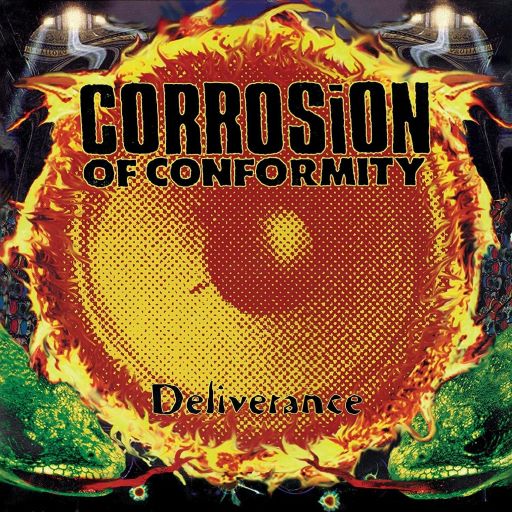
Corrosion Of Conformity – Deliverance

Released September 27, 1994

My Favorite Tracks – Seven Days, Broken Man, Albatross

CoC would undergo several lineup changes and stylistic shifts through the years, evolving from early harsh hardcore to a more groove-oriented sound. After solidifying what would be their most well-known lineup of Pepper Kennan on vocals and guitar, lead guitarist Woody Weatherman, bassist and sometimes vocalist Mike Dean and drummer Reed Mullin, the group began recording Deliverance and found major label Columbia Records quickly calling after they heard the demos. The band’s label Relativity Records turned down an offer to sell CoC’s contract to Sony, who in turn bought out Relativity and now had the group they wanted on their roster.

Deliverance put on offer a sound more rooted in stoner and southern rock than the the band’s past which saw hardcore and thrash albums, though 1991’s Blind did serve as a logical transition to the sound here. This beefy album features 14 tracks, though 3 are brief instrumentals and I will omit those from my recap so I can save space.

Heaven’s Not Overflowing

The album opens with a fast-paced rocker that also offers a bit of sardonic humor that can be found through a fair bit of the lyrical fare on the record. As the riffs slam along Keenen injects a series of odd and silly observations that overall add up to “jam out now because everyone’s screwed up and when it’s all over, well, the title lets you know where it all ends.”

Albatross

One of the album’s two singles that hit 19 on the Billboard charts and marks the band’s biggest mainstream success. Albatross is a haunting song that brings forth Sabbath vibes and is at home in the doom/stoner scene. It’s one of those beautifully sad songs that, while not being open about its meaning, just gets me every time. The song dirges on into a great solo from Woody in the song’s final few minutes.

Clean My Wounds

The other single from the record that also hit number 19 on the charts, this is likely the most recognizable CoC song from their entire catalog. The song and video were memed a bit before memes were a thing and it still pops up from time to time.

The song is heavy with a crunchy, simple verse riff while the music explodes in the chorus. Jesus makes his second of a few album appearances in this song and the line “Jesus help me clean my wounds/He said I cannot heal that kind” stands out as the oft-memed portion of the song. CoC would employ several musical styles on the record but this simple, to the point tune is the one that stuck with people outside of the fanbase and is still remembered today by 90’s kids.

Broken Man

After a brief instrumental the band gets back to business with a heavy yet still groovy song that offers lyrics in line with the mournful title. While stoner metal as a whole is a very repetitive genre, CoC breaks the mold and injects time changes and tempo breaks to keep the song interesting. The mix of flowing guitars and the militant verse riff create a massive song that shines on the album.

Senor Limpio

This track picks up the tempo and spirits a bit, at least musically. Lyrically the content is left a tad vague but the song seems to be about drug addiction and/or perhaps dealing and the ultimate fall from that. People have many of their own meanings for the song but a few lyrical hints do reinforce the drug theory.

Seven Days

Sandwiched between two instrumentals is my favorite song from the album. The music is heavy yet morose, entrenched in the duality of beauty and doom. The song invokes a lot of imagery from Christ’s betrayal and crucifixion and is likely from Jesus’ point of view during his final days. Of course the themes of betrayal, distrust and anger at a falling out could be universally applied but the multiple references to the crucifixion and other religious symbolism are clear.

My Grain

The tempo ratchets up again as the album rounds the corner into its final portion. The song’s meaning is a bit unclear, I’m not sure if this about migranes or if the title has some other symbolism. Whatever the case the song is a fun inclusion and picks up the headbanging pace a fair bit.

Deliverance

The title track sees Mike Dean take over vocals for a turn. The swampy tune takes aim at people under the spell of televangelists and dogmatic religious figures. Dean’s lower register drips with a smooth sardonic quality that is in contrast to Keenan’s gravelly vocals. It fits the song’s theme well and creates another standout track on the record.

Shake Like You

Another heavy as hell song that gets to the business of, well, Hell. The song attacks the war-mongering mentality of humanity and predicts the end of all things with most people burning in judgment. The lyrical fare is still sadly relevant 28 years after the album’s release, if not even more so.

Shelter

This acoustic track is a mournful dirge that might be about a breakup, at least that’s what it seems to convey. The song is almost a country track but still fits on the album. It’s a bit of a break from all the damn noise just before the record’s close.

Pearls Before Swine

The album’s closer keeps the pace slower and plods through to its conclusion. Still heavy, the doomy track references yet more religious symbolism in some kind of personal battle against people and “the devils in their eyes.” The sound of digging, perhaps a grave, closes out the record.

Deliverance was a landmark moment for Corrosion Of Conformity. It redefined the group’s sound and set them on a new trajectory that they have mostly seen through to this day. The album was the band’s biggest sales success with over 400,000 copies sold in the U.S. It was a case of found identity for a band who pounded through the 80’s underground with a variety of harsher styles.
Iron Maiden – Killers (Album of the Week)

This week I’m going back to the second album from the band that would go on to become my favorite musical act ever. The album got solid reviews from critics and fans but would be the end of a brief beginning era for the group, who would soon re-tool and launch their signature sound on several coming albums through the 1980’s.

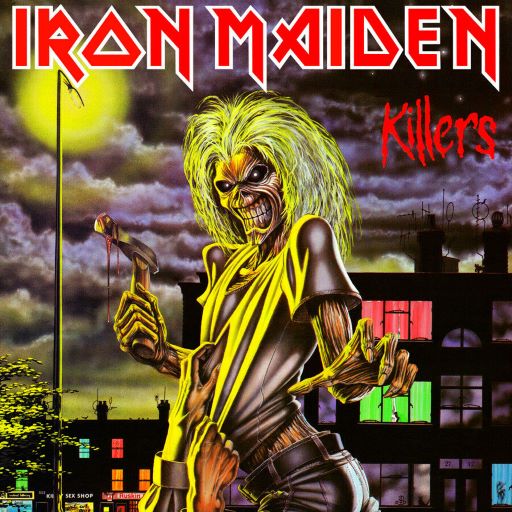
Iron Maiden – Killers

Released February 2, 1981 via EMI Records (U.K.)

My Favorite Tracks – Murders In The Rue Morgue, Wrathchild, Purgatory

This album has several versions – for this write-up I am using what is up on Spotify, a 2015 remaster that mirrors the initial British release. I have the original U.S. release on vinyl and a 1998 reissue on CD that feature the bonus track Twilight Zone, but for purposes of simplicity I’ll be covering the UK version. Other territories in the world got other versions of the album with slightly altered track listings.

Iron Maiden would see the first of a few significant lineup changes prior to recording Killers. Guitarist Dennis Stratton left the group due to disagreements with bandleader Steve Harris and manager Ron Smallwood. Stratton was replaced by Adrian Smith, who would go on alongside Dave Murray to establish Iron Maiden’s signature twin guitar attack through the rest of the 1980’s.

Killers was written almost entirely by Steve Harris, with a few notable exceptions – the title track is co-credited to singer Paul Di’Anno, and there is some funny business with the opening instrumental in terms of songwriting. Most of the songs except for two were written before the band recorded their self-named debut a year prior.

The Ides Of March

The first of two instrumentals on the album, which is a curious choice for the group. The song itself is fine and serves as a good intro to the album.

There are questions raised over the songwriting credits to this. Harris is the only credited songwriter for the song on Killers. However, a very similar-sounding instrumental called Thunderburst appears on fellow NWOBHM group Sampson’s 1980 album Head On. It credits the Sampson band members (including one Bruce Dickinson) as well as Steve Harris. It was Samson drummer Thunderstick who served as the common link – he had been in Iron Maiden in the late 70’s before that group recorded and apparently brought this instrumental over to Samson. It is a bit of interesting trivia if not much more, though there have been several other questions about where Steve Harris got songs from over the years.

Wrathchild

The “signature song” from Killers, this is the only song from the album that is still consistently performed live by Maiden. It opens with a trademark bassline from Steve Harris and gets down and dirty with a sound that still suits Paul Di’Anno but does seem to be morphing more into the business the band were about to get to after Killers. It features plenty of lead guitar flourishes and establishes the trademark rhythmic drive that the band would stake their name on. The song was one of two singles from the album, released as a “double A-side” with the US bonus track Twilight Zone.

Murders In The Rue Morgue

This is one of the two songs written specifically for the Killers recording sessions. It is an excellent tune that turns up the pace and fits with the “proto-punk/metal” hybrid the band had on offer on their debut. It is perfectly suited to Paul Di’Anno’s brash singing style. It’s a bit of a shame this song is kind of lost to time as it would be a joy to hear it today.

Another Life

This upbeat number hits home with more trademark Smith and Murray guitar work. The song rolls away with Di’Anno’s typical delivery and stands out a bit amongst the rest of the “leftovers” that Killers is home to.

Genghis Khan

The album’s second instrumental and apparently not one ghostwritten by a former member. I don’t mind the track at all but it doesn’t necessarily stand out and feels like a bit of padding for a record with a lot of songs but a fairly lean running time under 40 minutes.

Innocent Exile

It’s another song that, while not exceptional, does possess the hallmarks of that early Maiden sound and puts in a workmanlike performance on the album. It’s certainly fitting for the band at the time and it makes for a worthwhile listen.

Killers

The title track has always stood out a bit, as many of Maiden’s title tracks do. The tune gets a little time to build rather than being a brief attack like so many of the other songs. It displays a bit of both where the band was and where they were going. It’s another song that wouldn’t hurt by the occasional inclusion on a live set, though this album as a whole seems to be left aside for consideration anymore.

Prodigal Son

Up next is what stands out as the biggest departure sound-wise for Iron Maiden. Nothing across the rest of their 17-album catalog sets itself apart nearly as much as Prodigal Son does, save for perhaps the B-side Burning Ambition that was never released on an album. It is also the other song besides Murders… that was not written well ahead of time.

The songs is about someone who has consumed himself through the use of black magic or other mystic arts. It rolls more in the vein of a 70’s rock tune as opposed to the heavy metal that the band were playing at the time. It has an almost folk-like undertone to it. Many in the fanbase are very turned off by the song, I myself find it a nice inclusion though I certainly see where it sticks out like a sore thumb from the rest of the band’s work.

Purgatory

If the prior track is the band’s biggest departure from their sound, Purgatory is the biggest and brightest display of what Iron Maiden had on offer in the early 80’s. The blistering track slams through with those now well-known bass and guitar lines that just seem to roll off the instruments for the band. This song was released as the album’s second and last single. And in a bit of trivia – the artwork Derek Riggs originally drew for Purgatory’s single was held back by the band and used as the cover for The Number Of The Beast.

Drifter

The album and the Paul Di’Anno tenure of the band concludes with Drifter. It’s a fast and fine rocker that wouldn’t have been out of place on the debut. It wraps the up the album nicely.

Killers stands out as a record perhaps greater than its status as a collection of Steve Harris’ leftovers. Though the Paul Di’Anno era is widely revered in Maiden fandom, this album does tend to fly under the radar at times. The record did not perform as well in the UK charts as Iron Maiden did and only one song remains today as a typical inclusion into the band’s live set. Di’Anno would soon be booted from the group for a number of reasons and the band would go on to new heights with his replacement. I don’t spin this album as much as others from the catalog but I never find myself being upset when I do play it.

This song didn’t have an easily found live version with Paul, so this one with Bruce will do

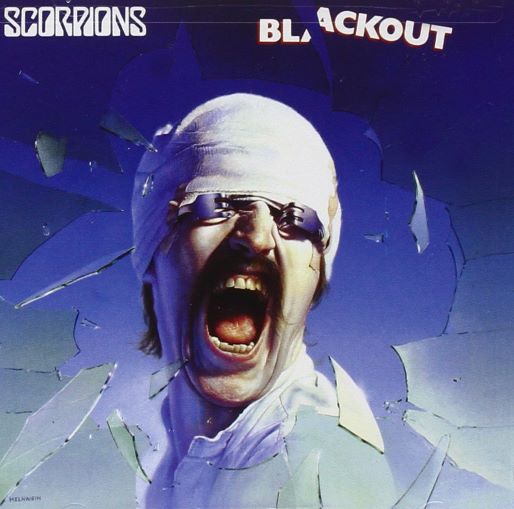
Scorpions – Blackout (Album of the Week)

In music, as in life, things end. Bands split up, people pass away, movements come and go. It’s an inevitable thing we all have to reckon with in both music fandom and in our lives.

Except the Scorpions. They don’t go away. The German rock and metal juggernaut is due to release a new album soon. I figured today I’d look back at one of my favorites from their prime. It’s not an album most anyone versed in rock needs an introduction to but sometimes it’s nice to pull out the favorites and get back into them.

Scorpions – Blackout

Released March 29, 1982 via Mercury Records (U.S.)

My Favorite Tracks – Blackout, No One Like You, Dynamite

The band had a major issue while recording Blackout – singer Klaus Meine had surgery on his vocal chords. Such an issue brought forth the risk of Klaus being unable to sing again. While Meine recovered the Scorpions brought in Don Dokken to record guide vocals for their songs. Meine did make a full recovery and was able to track the album.

Blackout

The album leads with the title track. The song is an absolutely blistering attack with some splendid guitar work from Rudolph Schenker and Matthias Jabs. Klaus Meine lets his voice rip at the end and ensure everyone that he his indeed recovered from vocal surgery. Blackout is a highlight from across the entire Scorpions catalog and certainly one my favorite bangers of theirs.

Can’t Live Without You

Another quick rocker that gets the job done magnificently and is one of the Scorpions’ many, many offerings to pontificate on the subject of love and romance. The song has an old school rock feel but also maintains the frenetic pace established by the title track. The band is totally on fire on this record and out to make their mark on rock and metal world wide, a feat they would certainly accomplish.

No One Like You

This song was the lead single for the album, at least for everywhere except Japan. It became the big hit from the album and is one of the band’s most recognized songs to this day. It would hit number 1 on Billboard’s Rock chart and is a staple of the band’s concert sets as well as their many greatest hits compilations.

The verses chill things out a bit and bring in that signature Scorpions ballad vibe, but then the chorus amps it all back up and rocks out, in line with tone established for this album. It’s easy to see why this song caught on in the early ’80’s, it is a prime specimen of hard rock greatness.

One bit of trivia about this song – this is my girlfriend and I’s “song.” No real huge story on how that came about – when we first got together way back when it was still somewhat customary to assign songs as ringtones and this is the one I set for her. That’s really all there is to it.

You Give Me All I Need

This song breaks more into power ballad territory, the area which this band excels at and have few peers. It is a very straightforward track that keeps the Blackout ball rolling. The chorus picks up the intensity again and has that driving hard rock the band would exemplify through their career.

Now

Now was released in Japan as a single but kept as an album cut in the rest of the world. The song ups the ante for tempo and even goes beyond the pace set earlier by the title track. It is, very simply stated, time to rock out. Nothing much more needs to be said.

Dynamite

Blackout’s second side kicks off with another barn burner of a track. This song goes for the throat with a full on heavy metal assault. In a moment of lyrical diversity for the band, Dynamite is about kicking ass and hooking up. It did take both the singer and drummer writing words to come up with that. But the song is a spectacular cut from the record that keeps cranking out the hits.

Arizona

The pace chills just a bit for this rocker about, wait for it – getting with someone. It makes me wonder if there really was some story from Arizona that happened to inspire the song, or if the group simply wrote the tune and thought that Arizona was a cool song title. Musically the song keeps everything going just fine, total hard rock and guitar work.

China White

The Scorpions have a long history of offering multiple versions of albums. This sends collectors scouring record bins and puts budgets into fits. While normally the issue is controversial cover art, China White offers a different kind of chase for multiple versions. Rudolph Schenker could not decide which solo take he liked the best so the U.S. and European versions of the album have two different solos. This is one I haven’t hunted down yet as I only have the U.S. version so I can’t speak too much to the contrast.

The song turns the beat down a bit but still slams with the same rock intensity found throughout the rest of the record. The music’s downright nasty tone belies the anti-war subject matter. Though it still very much sounds like Scorpions, they were definitely flirting with doom metal on this song. The curveball is very welcome and it’s not hard to find people who cite this as their favorite tune from the record.

When The Smoke Is Going Down

As a later hits compilation would attest, the Scorpions are a band of rockers and ballads. Blackout concludes on one of the latter and a fantastic example thereof. The guitars are just beautiful on this and Klaus evokes some haunting vocals that aren’t even about anything melancholy. While I’m not really in any position to rank their ballads right now I would certainly have to consider this one of their top efforts.

The Scorpions scored a complete triumph with Blackout. The album sold well across the world and carried forward the momentum they’d gained from their prior two efforts. The band were poised to break world wide and would do so through the rest of the 1980’s. I’m nowhere near ready to begin the massive task of ranking each Scorpions record but I do know that Blackout is one of my favorites and will see a place toward the top when that time comes.

Blur – Parklife (Album of the Week)

Sometimes I know well ahead of time what the AOTW is going to be. Other times, like this current edition, I don’t really decide until I sit down to write. For some totally unknown reason not all related to last week’s music news cycle I’ve had Blur on the brain so now I’m going to visit one of the high points of their eclectic discography.

Blur – Parklife

Released April 25, 1994 via Food Records

My Favorite Tracks – Parklife, End Of A Century

Parklife represents the second of a trilogy of Blur records that would come to shape and define the emerging term Britpop. In fact, if one were to wonder why the term was called Britpop as opposed to the seemingly more suitable Britrock, Blur and Parklife would be the signpost for why.

The album is a collection of varied styles that examine the British life through many different lenses. While it is a musical hodgepodge, they exploration of styles does well to convey the mostly sardonic look at typical British life and style. Everything from dance beats to jangly riffs can be found as the record plows it course through England.

The album opens with a dance party on the hit single Girls And Boys. The song has a simple point – Damon Albarn was inspired to write it after watching people get drunk and hook up in night clubs. The song is not praise or criticism of the practice, rather just observation. I’d see the scenes described in the song play out a few year later when I was in Europe as part of the US military. And yeah, Girls And Boys pretty well nails it on the head.

While the musical stylings of Parklife are overwhelmingly upbeat in nature, the topical fare isn’t always a party. London Loves and Jubilee both take aim at the corrosion of substance in culture. The chill vibe of Badhead belies the heavier subject matter of falling away from a loved one. Tracy Jenks observes a man’s midlife crisis, while Trouble In The Message Center handles the inevitable hangover after a night of partying.

While the 16-track album is a wonderful listen in whole, I find my two personal favorite tracks toward the record’s beginning. The third song End Of A Century is a guitar-driven roll through the “late stage” phase of long-term relationships as well as a nod to the winding down of the 20th Century. The song hits at the mundane nature of life while also looking toward the new millennium. It’s a very identifiable vibe and also makes me want to scream at them to stay put and avoid 2020 especially. The refrain “it’s nothing special” truly defines the song’s context.

For all of the contemplation of British life and culture to be found through the album, nothing hit the nail on the head like the album’s title track. Parklife became the defining song from the album and its cultural significance rings true still nearly 30 years after its release. Blur recruited actor Phil Daniels to deliver the song’s verses in spoken-word fashion while Albarn handled the sung chorus. The bright and cheery tune masked a bit the absolutely sarcastic sneer at British park life.

The song hasn’t lost its touch in the decades since release. Left and right it’s easy to find people who still point to Parklife as the “ultimate British song.” It’s become a celebration of that aspect of Britain even while many can acknowledge the sneering intent behind the track.

Parklife the album would be a huge success for Blur. They sold a few million copies of the record in the UK and across the European continent. The band would line up for awards left and right, basking in the newfound acclaim as the “it” band in British rock. Their more artistic approach won out among the populist masses.

At least for one album.

Blur would get about a year to enjoy the accolades brought forth from the success of Parklife. The “Battle of Britpop” was just on the horizon, and while Blur won that battle, the downslide just after when the British music press turned on them would mark another uncertain chapter for the group, one ended when the band jettisoned the concept of Britpop and embraced alternative and garage rock instead.

None of that is the story of Parklife, however. The album remains a high water point for the Britpop movement and marked the point where Blur shook off their early failures and became a successful, noticed band. While the group weren’t working class stiffs themselves, they were able to offer up a view of British life that connected with a wide audience. Both the record and the title song are offerings whose significance outweighs even their successful record sales and awards. The album peered into British life and as a result became a foundation for Britpop to continue building on.

On Wednesday I’ll get into the Damon Albarn versus Taylor Swift thing that happened last week and dominated the news cycle until Neil Young came along.

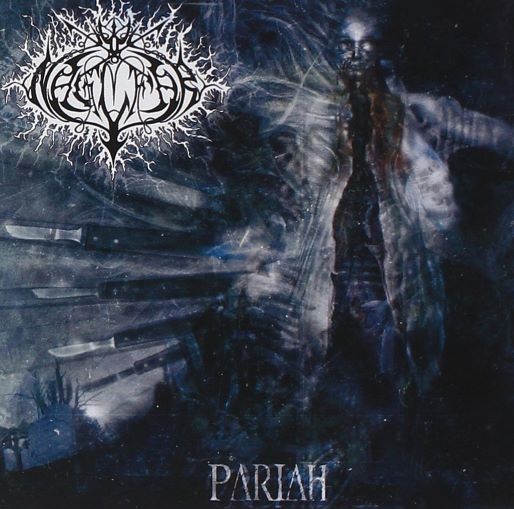
Naglfar – Pariah (Album of the Week)

Last week was fun, going back through hair metal and all the stuff that happened in 1991. This week is back to absolutely no fun. I’m going back to 2005 and grabbing one of my favorite “no fun, people suck and everything is awful” black metal albums.

Naglfar – Pariah

Released June 30, 2005 via Century Media Records

My Favorite Tracks – And The World Shall Be Your Grave, A Swarm Of Plagues, Revelations Carved In Flesh

Naglfar underwent major change before the release of Pariah. The band’s founding vocalist Jens Rydén left the group after their prior effort Sheol, leaving bassist Kristoffer Olivius to helm the group. Naglfar had just gained a fair bit of momentum from Sheol and would be tested to provide a worthy follow-up.

Pariah sees an exploration of misanthropic themes, the album’s songs connected in an evisceration of the human experience. This is a level beyond being upset that Karen can’t put her shopping cart back in the proper place at the store – this album calls for the nuclear destruction of humankind in multiple songs. It moves past the need to express angst as a way to let off some steam and enters the territory of condemning civilization as a whole. We are far past the point of breaking stuff, this is all out war.

I will visit each of the 8 proper songs track-by-track, leaving off the brief intro Proclamation.

A Swarm Of Plagues

The album begins with a mission statement focusing on the destruction of humanity. It is pure textbook misanthropy – due to the wayward nature of humanity, it should perish in nuclear flames. The destruction is judgment rather than an accident. Sonically the song flies along at a frenetic pace until a mid-section interlude that offers one of the album’s few moments of subtlety.

Spoken Words Of Venom

This song embraces hatred, whether it’s of an individual or humanity as whole is unclear. The music does not let up off the accelerator through the track, while lyrically Olivius mows down his target with every negative word in the thesaurus. It is an unsettling way to dismiss the whole of someone’s existence.

The Murder Manifesto

Here the band turn the tempo down just a hair as the song’s narrator stalks his prey. There seems to be a theme of a dark cult confronting its more holy adversaries in this song rather than simply someone killing for the sake of doing so. It is a targeted, focused effort in the album’s setting of the end times of civilization.

Revelations Carved In Flesh

Another track about murder, though this time it seems this death cult is recruiting willing sacrificial lambs for its slaughter. This song stands out a bit for its melody and creativity amongst the ever-present backdrop of misanthropy. The lyrics do quite explicitly spell out the ritual murder and are in line with a fair bit of death metal fare. The grotesque final verse is especially something as easily found on a Cannibal Corpse album as opposed to black metal.

None Shall Be Spared

This song returns to the worldwide scope of things, declaring a war against the Abarahmic faiths. It is not openly stated though the lyric’s targeted aim of “2,000 years of lies” offers up the theme well enough. It is the ceremony of opposites in its final form, bringing about the end rather than existing in a perpetual state of debate.

And The World Shall Be Your Grave

It is again time to visit the ultimate expression of misanthropic leanings – the end times. Here the world perishes by way of nuclear war. The lyrics, of course, celebrate this outcome. Nothing could justify a misanthropic perspective more than humanity dooming itself with its own creation. Misanthropy is sometimes, like nihilism, a warning rather than an outlook, but on Pariah it is the perspective and the all-consuming nuclear end is the goal. It all leads to the same end regardless of what lenses one looks through things with.

The Perpetual Horrors

Heading toward the album’s close, this song begins to turn the concept of external hatred on its head a bit. Any expression of this kind of negativity will inevitably lead one to look in the mirror, and this song is a glimpse into the themes present on Naglfar’s next album. Humanity is still suffering and dying here, but the cause is looking at his own hollow, rotten core this time.

Carnal Scorn And Spiritual Malice

Perhaps conceptually, the album ends with all of the hatred and spite being turned on the album’s “protagonist.” Finding existence pointless, he brings about his own end in disturbing and explicit fashion. Still railing against the tenants of the world that irk him, mainly religion, our humble hater goes out on his own terms rather than the nuclear war prophesied throughout the rest of the album. The album’s final sound brings the point home.

Pariah is an album executed with ferocity and a fanatical railing against humanity. It does not often contain nuance and its lyrical offerings are explicit and profane. Naglfar’s sound does recall their renowned countrymen Dissection in both music and theme but is not purely an exercise in worship of that band. While Naglfar are on a prominent record label in Century Media and have had their name discussed in many circles over the years, they remain something of an underground proposition even within the structure of black metal.

I do hold that Pariah is my favorite album from the band, though there is stiff competition in the albums both proceeding and following this. Both Sheol and especially Harvest will get time here in the future. I by no means claim to espouse the intense level of misanthropy found here but I do “get” it just the same. My time not long after this album’s release was rather dark and music like this was a release. And now from what I’ve seen of humanity in the past several years I can’t help but wonder about those nuclear fires from this record. It is scary when society starts to catch up to the dark fantasy.

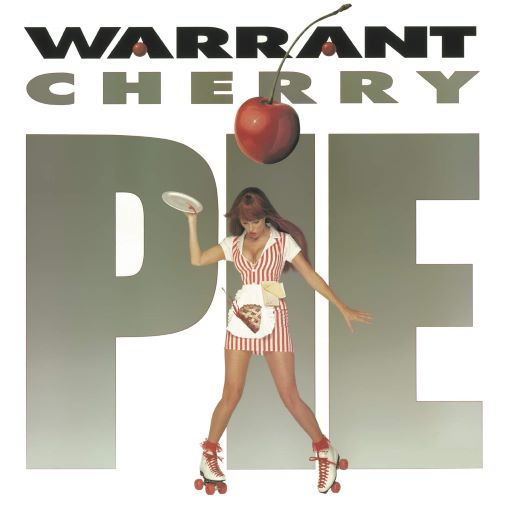
Warrant – Cherry Pie (Album of the Week)

I’m switching up the format a bit this week. There will be a post every day and the four others all deal with the subject of hair metal. So for my AOTW pick this week I’m not going to reminisce over some beloved-to-me work that I fondly recall and could write about at any given time.

Instead I’m picking a hair metal work that I haven’t listened to in maybe 30 years and I’m going to see what I think on the fly. I played the tape way back when in early 1991, just before the storm came to wipe hair metal off the map. But I can’t really “place” this album at all and it requires a new listen for me to really decide what I think about it.

Warrant – Cherry Pie

Released September 11, 1990 via Columbia Records

My Favorite Tracks – Cherry Pie, ???

The ominous release date stands out but of course this release was 11 years before those events. It was truly just another day back then. It does feel a bit odd to look back in those terms but this AOTW has nothing to do with that so I’ll press on.

This was Warrant’s biggest hit in terms of albums and resulting singles. The band were one of the more interesting prospects in latter-day hair metal and were perhaps second only to Skid Row in terms of popularity. Warrant also handled the demise of hair metal more adeptly than many of their peers, as they retooled with new sounds that saw industry success through the 1990’s before entering their nostalgia phase in the 2000’s.

There is debate over who actually played guitar on the album. It has been semi-confirmed that ex-Streets guitarist Mike Slamer played many of the solos. I don’t see a ton of confirmed info other than C.C. DeVille’s credited turn on the title track so I won’t get too far into it. Using studio players to spruce up an album was far more common than many people realize so the topic is more trivia than a major discussion topic.

I will go through the album track-by-track and see what I think. This is far more off-the-cuff than I normally do but I wanted to dig more into the end portion of hair metal and explore it rather than pay homage to one of the handful of records I revere and could write about at any given time.

Cherry Pie

We’re right out of the gate with the title track and Warrant’s most recognizable song. It’s a wonderfully done hard rocker that is obviously talking about sex without really talking about it. The song and resulting video were big hits and this is everything right about hair metal. Sure it’s silly and that likely turns off a lot of detractors of hair metal, but there’s nothing wrong with having some fun now and again. I’ll have to get through the rest of the album before any final verdict but I’m sure this will stand as my favorite tune when we’re all done.

Uncle Tom’s Cabin

On to another of the album’s singles. This song is not an ode to the classic novel of the same name that would greatly influence the debate over slavery in America. Rather it is more of a murder ballad, telling the tale of two cops who murdered and were disposing of the bodies in the swamp.

It’s a really good song that changes up the hair metal formula of party rock or love ballads. I don’t know why songs like this are so intriguing, the case here is fictional, but these types of “I saw the killer” songs always grab attention.

I Saw Red

We go now to full ballad territory. This song was a hit single for Warrant. It is a sad account of the narrator finding his lover in bed with someone else. The song is well arranged with somber instrumentation to accompany the heavy topic at hand. The tune keeps things more high-minded and does not descend into a need for revenge or anything like that.

I will give the song full credit for being good but it’s also pushing it for me in terms of sappiness or whatever. I can do without a ton of that in my diet so this is one I wouldn’t revisit on a regular basis.

Bed Of Roses

It’s back to back with the sappiness, though this song picks up the tempo. The song is pretty good but I’m choking a bit on the sap levels. I don’t know why every rock band went for the “bed of roses” trope around this time. Stuff like this is probably what led me to getting into death metal.

Sure Feels Good To Me

We get fully back to rock and roll on this banger. This tune is quick, hard and simple. And that’s just how things should be. And uh, whoever played the solo on this did a fantastic job.

Love In Stereo

The tempo stays up and the theme stays the same. This song is a piano-backed jam that is perfectly fine. Warrant aren’t reinventing the wheel here but they’re executing well. These more “filler” songs are holding their weight so far.

Blind Faith

This was the fourth single from the album. It wasn’t a chart topper. The song is a very simple, prototypical power ballad for end-era hair metal. It doesn’t stand out as anything special compared to I Saw Red but the song is ok. I don’t mind listening to it but it’s not a song I’d playlist.

Song And Dance Man

The lyrical fare is sillier than shit here but the song thankfully picks up the tempo for the chorus and saves it from totally losing my interest. It’s one of those songs that’s just about whatever. Sometimes songs like this work really well, other times they’re garbage. This one sits somewhere inbetween.

You’re The Only Hell Your Mama Ever Raised

I don’t know entirely what’s going on here, if this was intended as some call and response to the Johnny Paycheck classic I’m The Only Hell My Mama Ever Raised, or what. Whatever the case the song is pretty good and picks up this second side a bit, things were lagging there for a minute.

Mr. Rainmaker

I notice that this track has a lot more Spotify streams than others from the record’s second side. It’s probably because the song is head and shoulders above anything else on this side. This is a well-executed hard rocker about finding love and not needing to be rained on anymore. The way the album was going I was afraid the quality was going to further descend into something horrible, but this song really picks things up.

Train, Train

Our last proper song is a cover from southern rock veterans Blackfoot. Warrant fit the song very well into this album’s vibe. It’s not a trasnformative cover by any means but it’s done nicely and keeps the album’s listening experience up after the excellent track prior.

Ode To Tipper Gore

Tacked on to the album’s close is this small rant directed at the PMRC’s queen bee. Rather nice timing as I was just discussing the PMRC and the Filthy Fifteen last week. This is just a compilation of Jani Lane saying fuck and shit a lot and is of no real listening value. It is funny to recall it in the context of the PMRC’s grip on popular music at the time, this is the kind of stuff musicians provided in response.

That does it for the original studio version of Cherry Pie. There are bonus tracks scattered around from various reissues of the album over the years. The band would change course for more rock and quasi-grunge sounds after this release but would keep their heads above water as many other hair acts fell by the wayside.

Cherry Pie turned out to be a pretty enjoyable listen. I remembered the hits but I had to re-acquaint myself with the other material. Overall I found it worthwhile to listen to, just one or maybe two songs approach but don’t quite fully fit the term “stinker.” The music here isn’t transcendent by any stretch but it was done at a level above a lot of the hair metal drek coming out at the time, just before the death knell of Nirvana sounded a year after this album’s release.

The standout performance on the record comes from singer Jani Lane. He was all over the album with the appropriate vocal for whatever mood the song evoked. He only went full throat a few times on the album, it’s a bit of a shame that they didn’t make better use of their best instrument. Lane would be in and out of Warrant over the ensuing years before his tragic death in 2011.

Overall I’d say Cherry Pie does a good job of being an album above the hair metal fray in the waning days of hair’s reign over rock. I’m glad I picked this one to revisit, there was some awful music coming from the Sunset Strip around this time and this could have gone a lot worse.

And that will be the topic for my posts the rest of this week. I’m going to get into the gritty details and look at just who really is guilty for killing hair metal. We all know the obvious suspects and we mostly all know the real answer, but it turns out there are few others who were at least accessories to the killing. I’ll be in tomorrow for the first of four posts on that topic.

Judas Priest – Defenders Of The Faith (Album of the Week)

I’m gonna head back in time this week and talk about one of heavy metal’s most excellent albums. The record just had its 38th anniversary a few days ago on January 4th. It still stands today as one of the band’s best works as well as one of heavy metal’s best efforts.

Judas Priest – Defenders Of The Faith

Released January 4, 1984 via Columbia Records

My Favorite Tracks – The Sentinel, Freewheel Burning, Love Bites

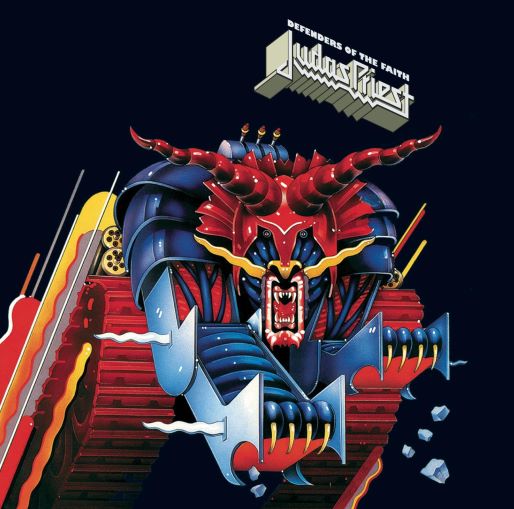
The album art lets everyone know that this is a mid 1980’s heavy metal release. The giant monster/machine referred to as the Metallian looks ready for business. The same could be said of the band, who entered their ninth studio album ready to keep on the track they’d set with Screaming For Vengeance a few years prior.

The album opens with an absolute metal masterpiece in Freewheel Burning. This song absolutely rips and sets a high bar for the rest of the proceedings. It’s become a staple of the Judas Priest live set, a bit of a task for a band now with 18 and counting studio albums.

The album continues to roll with cuts like Jawbreaker and Rock Hard Ride Free. While not matching the ferocity of Freewheel Burning, both fit in well as complementary pieces to this set. Both feature the dueling guitar attack of Glen Tipton and K.K. Downing along with suited-to-the-stage arrangements with simple, shoutable choruses (if Jawbreaker really even has a chorus).

Up next is The Sentinel. I have previously discussed the song in isolation, it was the second entry of my S-Tier Songs. This is my favorite Priest track, bar none. I’ve found that I’m not alone in that assessment, which surprises me a bit but there’s no denying the excellence of the song.

The album moves on into Love Bites, one of the album’s singles. While this track could be considered a bit goofy, its execution lifts it above being consigned to the silly song bin. It doesn’t get as flashy with guitar work as other songs on the record and it might be a preview of the direction Priest would move after this record.

The album moves on in a mini-exploration of silliness with Eat Me Alive. In fact this track might go beyond silly into disturbing territory, I’d imagine that certain specific acts referenced in the lyrics would be frowned upon today. In fact they were frowned upon then, as this song caught the attention of a group of US senators’ wives known as the Parent’s Music Resource Council. Eat Me Alive joined other naughty luminaries like Twisted Sister, WASP and Sheena Easton on the Filthy Fifteen. I won’t claim to have any issue with the song but yeah, that one line in it does stand out in a pretty dark way.

We move on to other matters with another of the album’s singles Some Heads Are Gonna Roll. The song was actually written by Bob Halligan, Jr., who has collaborated with Priest and others over the years. This tune slows things down just a hair but still retains the atmosphere found everywhere else on the record. While the single was not a hit in the conventional sense, it did bear influence over the years and has been one of Priest’s more recognizable songs. It’s been reported that George Lynch either “took inspiration” from or “ripped off” the song for Dokken’s 1984 track Into The Fire. (The specific interview Lynch gave about this hasn’t come up in my cursory searches.)

The final portion of Defenders… gets going with a slower number. Night Comes Down turns down the tempo but still offers a powerful ballad-like tune. It showcases Rob Halford’s considerable range as he is able to evoke power and emotion while a bit further down on the register than his famous screams. The song fits with the times very well and again shows that the band were considering waters a bit past the blistering heavy metal they had come into the decade with.

The album closes with a single song divided into two parts. Heavy Duty is a very brief stomper that closes out these metal proceedings well and is appended by Defenders Of The Faith, a brief title track that is honestly little more than an outro to Heavy Duty.

Heavy Duty would be very on the nose for Priest and for heavy metal as a whole. Just a few months after Defenders… saw release, the mocumentary This Is Spinal Tap would hit theaters and feature a tune by the same name. It’s almost eerie how similar the songs are in tone and attitude. Judas Priest were certainly one of many embodiments of the metal and rock culture that Spinal Tap were lampooning. Priest are also one of many bands to share Spinal Tap’s woes of a revolving door upon the drum set, though thankfully the drummer on this particular album has moved on.

A reissued version of Defenders… offers a bonus track called Turn On Your Light. The song is … certainly a song and is actually a leftover from the Turbo sessions so I don’t know what it’s really doing here. A more worthy bonus offers a live cut of Heavy Duty and Defenders.

Defenders Of The Faith is a triumphant album from Judas Priest that closes the door on their early ’80’s heavy metal prime. The band would go on to explore other sounds of the 1980’s on their next efforts, though still with success and their reputation now established. And while Defenders… sometimes flies under the radar compared to the celebrated records Screaming For Vengeance and British Steel, time has been kind to this 1984 effort and its retrospective has often been through rose-colored lenses.

And while Judas Priest have certainly embodied no small amount of the goofiness of heavy metal culture that saw parody around that time, both Priest and the parody lived on to be celebrated for what they were rather than dragged by the roasting. Defenders… certainly has its sillier moments, but they only help round out the work as a whole. And with the band still going strong despite major lineup changes almost 40 years later, it’s tough to dispute the impact Judas Priest have had on the heavy metal movement.

Album Of The Week – January 3, Zero

America is reborn in 2022. A series of attacks and disasters have led to a global rebranding. Previous civil liberties have been suspended in the interest of survival. The Bureau of Morality ensures citizens are in lockstep with the current message and agenda. The government is now a Christian theocracy in partnership with the First Evangelical Church of Plano. Water supplies have been treated with a drug to ensure immunity to biological agents as well as complicity with the new order.

Welcome to Year Zero.

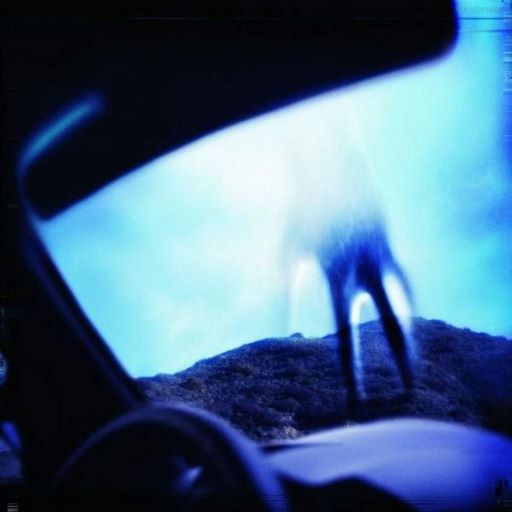
Nine Inch Nails – Year Zero

Released April 17, 2007 via Interscope Records

My Favorite Tracks – My Violent Heart, Capital G, The Beginning Of The End

The introduction is a dystopian fantasy, of course. This work of fiction, composed in 2006 and released in early 2007, is simply the figment of Trent Reznor’s imagination. Thankfully the world we enter in 2022, the fabled “year zero” of this album, looks nothing like the hellscape depicted on the record. (…)

Year Zero was released into the world in spurts with a viral campaign to distribute digital music files on USB drives in random locations. While fans ate up the media, the Recording Industry Association of America did not and began issuing cease and desist orders to people who were uploading the songs. They did this even while noting that the record label Interscope was on board with Reznor’s ideas and fully promoted the effort.

The album promotion did not stop with this viral distribution. An entire subsection of the Nine Inch Nails website was dedicated to lore about the story behind the new album, and a phone number on an album insert featured a faux message from the Bureau of Morality. A web-based “detective” game would also see release over a few months that provided a great deal of storyline for the events of 2022/Year Zero.

The lore and message of Year Zero can be (and has been) studied extensively. At the end of the day though, this is a recorded album of music and is also deserving of evaluation on those merits.

The album remains in the general realm of industrial rock that Nine Inch Nails had made a pioneering career of. This record would depart from its more accessible predecessor With Teeth by incorporating more electronic and what has been termed “digital hardcore” elements. Even for an unconventional act like Nine Inch Nails, the songs stand apart from others in the catalog.

Though the record features 16 tracks, the runtime is kept just over an hour and only one song breaks the 5-minute mark. The songs are lean and get to the point, even when invoking atmosphere and instrumental exposition rather than communicating a direct lyrical message. It’s a strange balance of concise music and extended passages that somehow work to elevate the work well above standard fare.

While some songs provide atmosphere, others stand out as highlight tracks. The Beginning Of The End, Survivalism, and Capital G all invoke their own individual meanings outside the context of Year Zero’s themes. The latter two especially stand out as real-world influences on this dystopian nightmare. It isn’t hard to make the links between 2007 political discourse and these tracks, and especially today both are ever-present themes in how things have wound up.

As a musical document, Year Zero is a standout effort from Nine Inch Nails. Electronic soundscapes give shape to these disturbing themes of fascist government control and the resistance fighting it. The album requires a degree of attention above and beyond casual music enjoyment, but this has long been the case with Nine Inch Nails. It is, in my canon, one of the band’s best records.

It is a bit challenging to access the themes and lore provided in supplemental material through these songs but the overarching story is still present. Songs like Survivalism and Capital G highlight the base greed and selfishness that brought about this grotesque future, while The Good Soldier and My Violent Heart question the status quo and establish a resistance. Something cataclysmic happens toward the end in the album’s final tracks In This Twilight and Zero-Sum. Whatever happened to this timeline, it was not a happy ending.

While this record is turning 15 this year, there is still a trove of information about the story behind Year Zero. The nin.wiki compiles a great deal of info taken from pre-release materials as well as the web game. Though incomplete, it appears that America and the world resets on 2022 to start a new age. Year Zero does not last very long as a mysterious Presence, thought to have been a drug-induced hallucination, appears over Washington DC and heralds the apparent end of the world. The album and supplemental products tell a tale of the heavy-handed government and the various resistance factions that pop up. One group attempts to send data back in time to warn people in 2007 of the coming problems. This message is symbolized by the instrumental Another Version Of The Truth.

Of course reality is not in line with the nightmare portrayed on Year Zero. But how far away really is it? We have not adopted a theocratic government in America, though many are still trying to make that happen. It might be year zero here, but there certainly is a downward spiral that doesn’t seem to be reversing itself.

I don’t have real answers to those kind of questions. I have little to no role to play in whatever might be unfolding, here in the US and in the world at large. While I don’t really expect a pair of ghostly hands to appear over the White House and end the world next month, I can’t act like I don’t see frightening real-world prospects that parallel the themes of Year Zero. The course of the world isn’t looking great, with pandemics, disasters and bitter arguments over how to handle it instead of any real action.

Year Zero the album is a landmark release from Nine Inch Nails. Its inventive viral distribution techniques captured the attention of many and the music behind the campaign went on to be considered among the group’s best by many. Year Zero the concept, however, is a much different issue that seems to be scarily playing out in front of us in some form or another.

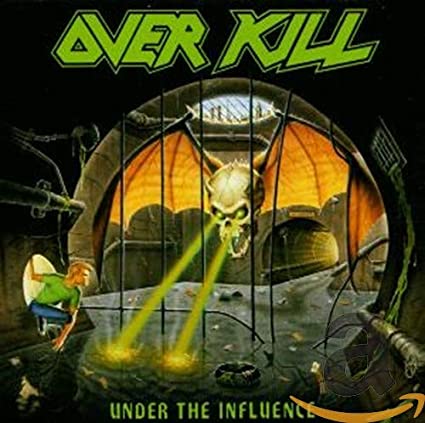
Overkill – Under The Influence (Album of the Week)

For the final week in 2021 I’m going all the way back to 1988. I’m also going back to last month, as this album was one of a series of sorely-needed reissues finally offered in box set form on vinyl. While Skid Row’s “Atlantic Years” box snagged a lot of attention, another in the Atlantic series with six full-length records grabbed my attention and my money.

Overkill – Under The Influence

Released July 5, 1988 via Atlantic Records/Megaforce Records

My Favorite Tracks – Drunken Wisdom, Hello From The Gutter, Brainfade

Overkill were one of the earlier thrash bands to sign a major label record deal. Their demos and debut full-length had brought a ton of hype to the band and labels began arming up with thrash acts as a way to counterbalance the glut of hair metal flowing from their assembly lines. And while thrash is often hailed as a Bay Area invention, Overkill were one of a few pioneering East Coast acts to take the reigns and build thrash into a truly worldwide phenomenon.

Under The Influence marked the band’s third full-length release after two acclaimed records. While this album does not bear the same weight as those two in the thrash lexicon, it does somewhat quietly sit on the upper end of the band’s more appreciated works.

Of course there is nothing quiet about the record. Proceedings open with Shred, which does simply state its point, just as the chorus says. The songs roll hot and heavy on the album’s first side, with everything kept under the five minute mark through songs like Never Say Never and Mad Gone World.

The first side closes with Brainfade – a banger that gets on someone’s case for being a mouth-running know-it-all who honestly doesn’t know a damn thing. I have an inside joke with a friend of mine about a former mutual acquaintance, we’ve decided that this is the guy’s theme song. I’m sure everyone knows someone like this. If a person doesn’t, then that person might be that guy.

While many thrash acts were incorporating other influences around this time, Overkill stayed on a more true thrash path. If anything, this record showcases an early example of groove metal – something that would start massive arguments years later between fans of pioneers Exhorder and the explosively popular Pantera. Whoever deserves credit or blame for the sound that made Pantera famous, there is a blueprint towards that groove on Under The Influence.

The album’s second side sees a turn to longer songs, with the tracks running over six minutes each. Drunken Wisdom enters with a somber acoustic intro but then gets into a pummeling attack that highlights the group’s contribution to the coming groove metal phenomenon.

It’s hard to tell who Bobby Blitz is bitching about in the song – I’ve heard it was a music journalist. That does track with lyrics like “defining our performance” and “just get the fuck out.” Either way, I’m sure most of us have been around someone imbued with drunken wisdom before, and have also possibly been that person a time or two. (Not me, of course…)

End Of The Lines picks up the speed again and hits hard with an apocalyptic message. This song has a lot of guitar in it, at times feeling Maiden-esque inbetween the thrash beatings of the verses and chorus. Head First continues in the much the same fashion, slamming toward the album’s conclusion.

The record ends on the third of a self-named series, this one subtitled Under The Influence. The song adds a layer of creepiness while still retaining the thrashing groove found through the rest of the album. It seems this Overkill song series ends here, with one future sequel found years later. Having one on every album would have been a nice bit of trivia, but I guess “Overkill Part 19” might be dragging things out a bit.

This album was my introduction to Overkill. I was a bit too young for the first albums and I got into thrash just as the movement was swinging into uncharted waters in 1990. This was among several tapes I was able to get my hands on in my podunk Midwest hometown without a vast music selection. Thankfully I was able to round out the catalog soon after. This one will always stand out for me, it was an album with an attitude and snarl that wasn’t found in a lot of other easy-to-come-by places.

Under The Influence checks all the boxes for a great thrash record. Overkill might not have seen the same success as thrash’s top acts but the band has endured and become a symbol of sticking to roots and longevity as they now prepare to release their 20th studio album in the coming months. The group has straddled lines between the mainstream and underground and have persevered as one of thrash’s enduring legends.

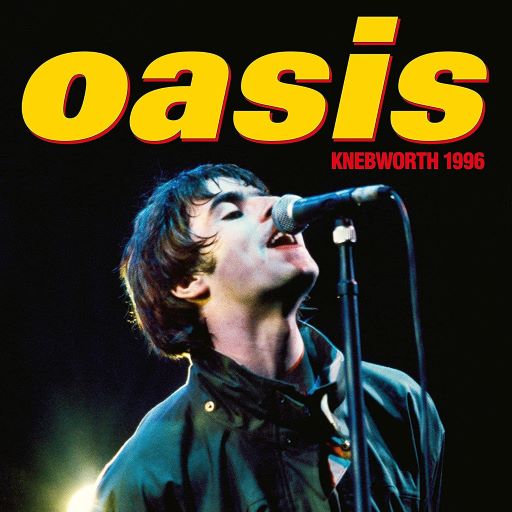
Oasis – Knebworth 1996 (Album of the Week)

This Album of the Week will be a deluxe edition. I am going to cover an album, Blu-Ray and documentary. It was a few weeks back that the entire package of the Oasis – Knebworth album and film came to retail shelves and now it’s time to get into the astonishing amount of material within.

Oasis – Live At Knebworth

Released November 19, 2021 via Big Brother Records

My Favorite Tracks – Slide Away, Acquiesce, Columbia

The Album

The official live record compiles the entire setlist of both shows, though this compilation borrows from both shows to make one record. I suppose a completionist might have rather have both shows in full as an audio offering, though this stitched-together effort does a fine job of showcasing the gigs.

The songs are presented in order from the shows, the setlist did not deviate between the two nights. Almost all of the songs are slightly truncated versions of their studio counterparts – the structure is verse-chorus-verse-chorus and close, things were kept simple for the massive concerts. Set opener Columbia loses over a minute from its studio runtime, and everything besides Champagne Supernova has a bit of fluff trimmed off.

The song selection is almost completely spot on – 5 songs from the debut album, 8 from the seminal What’s The Story…, 5 non-album cuts and 2 tracks from the band’s next release Be Here Now. There is only one glaring omission from the chosen set and that’s a point addressed in the documentary – Rock N’ Roll Star is a perfect tune for the energetic festival performance. For some reason the band wasn’t playing it at all during this touring cycle.

For this massive scale performance the band would necessarily leave some nuance behind and put more force behind the musical presentation. Even with that, songs like The Masterplan and Wonderwall get string arrangements to accompany them, and horns join in on Round Are Way (which also sees the chorus of Up In The Sky sneak in at the end). Even the melancholy Cast No Shadow translates well to the stadium-sized performance.

If any one song loses a bit of something to the noise of Knebworth, it’s Don’t Look Back In Anger. Noel simply turns up his guitar and slams through the song. While the rendition is fine, it is a song that could have benefited from an arrangement of some sort. It is not a large disappointment but it is a note to be made out of the set.

Of course, Oasis has no shortage of hard hitting tracks that translate very well on the big stage. Supersonic, Cigarettes And Alcohol, Some Might Say and Morning Glory all stand out in the noise and power of 125,000 people. And the second song Acquiesce, a celebrated B-side that probably suffers from not having a proper album release, is an especially on-fire version of the song. Liam’s snarl through the verses is beautifully matched by Noel’s more delicate delivery of the chorus and the song absolutely stands out in the Knebworth gigs.

One track stands out above the others from Knebworth. It has been long known among Oasis diehards that the Sunday performance of Slide Away is perhaps the definitive version of that song and many consider it the band’s best live offering ever. While I haven’t checked out other landmark gigs enough to make such a determination, I will say that Slide Away absolutely hits on this live set. It is a complete monster performance, that much is certain.

In the end, the choice to piece an official Knebworth album from both nights works well. The diehards who wish to have both nights on audio probably already do digitally or in bootleg form, so it’s not a disservice to the product to patch this set together from both nights. Many celebrated live albums have gone that route in order to deliver the best possible experience.

And it’s nice to finally have one of the band’s historic gigs in official form. Oasis only released one live album during their tenure while Knebworth and other massively-celebrated concerts have been relegated to bootleg or YouTube status. A superfan will of course hope that Earl’s Court, Maine Road and other landmark gigs from this and other tours will get official releases in the future, but whether or not that happens is impossible to say.

The Blu-Ray

The video presentation of Knebworth offers the theatrical documentary as well as both concert sets in full. While we did not get an complete official audio package, the video side does deliver with both nights.

The footage does a good job of joining high definition content with more grainy film from 1996. I didn’t have a problem with how the video played out, it was all put together well. There isn’t a lot else that needs to be said – both shows are here for anyone who wants to get into them.

The Documentary

The centerpiece of the Knebworth package is the documentary filmed earlier this year to celebrate the 25th anniversary of the gigs. It was an historic occasion for Oasis and so Noel chose to honor the memory with this deluxe offering.

The film is very well-done and does not offer a dry run through historical facts, nor is it some hollow puff piece that kisses the band’s ass while not offering anything of real value. The filmmakers chose to let the fans tell the story of Knebworth and it’s a choice that makes this documentary stand out from many other music films.

The film runs through the build up to the concerts – the pain of getting tickets, finding a way to the shows, and getting on the grounds and up front when there. There is no central narrator – most of the story is told by the fans, while Noel and Bonehead also contribute thoughts. Liam only speaks briefly at the end, perhaps owing to how shitfaced he reportedly was on the night between the two shows. Also of note is that no modern-day footage of anyone from the band is shown – everything is from that weekend in 1996 or recreations of fans’ experiences.

I don’t know how well the film would play out for someone who isn’t a fan of Oasis. Some documentaries can be compelling viewing even if a person isn’t a fan of the subject, but Knebworth is very much a fan service film. It doesn’t offer up a lot to someone who doesn’t have a vested interest in the band and isn’t an accounting of facts and figures – it’s the true story of that weekend in August 1996.

The fans tell their stories of that weekend – a young man who found out his girlfriend was pregnant just before arriving at the shows, the requisite group of lads who drove a junk car across the country, and a couple of girls who were able to score tickets early Sunday morning with just enough time to get to the festival grounds. One woman’s story about her brother, told as the band ran through The Masterplan, is especially touching and a standout moment from the film that truly captures the weight of these concerts and Oasis at their peak in 1996.

It is a theme discussed in the film – these shows in August were the end of youth and innocence for many in the crowd. These shows are often looked at as the end of the Britpop movement, though some choose the next year’s release of Be Here Now as that moment. While I wasn’t at the gigs it also was the end of my youth – I turned 19 about a week after these gigs. It was a strange and interesting time where the last vestiges of childhood fell by the wayside. Music and life wouldn’t be the same after this.

The Knebworth film does a great job of showcasing how much weight Oasis and these shows held. The story is told by the fans, for the fans in celebration of that historic weekend in 1996. This film lines up very well just after the Supersonic documentary, as its endpoint was these Knebworth shows. This is likely the end of full-form documentaries about Oasis, as their high points are now covered by these two films. It is a collection of stories – about the band, the 250,000 fans who packed the house those two nights, and the millions of fans around the world.