Led Zeppelin (Album of the Week)

Time to go all the way back into ancient history for the debut of one of rock’s most titanic bands. There’s plenty of blues, a bit of heavy metal and a whole lot of rock.
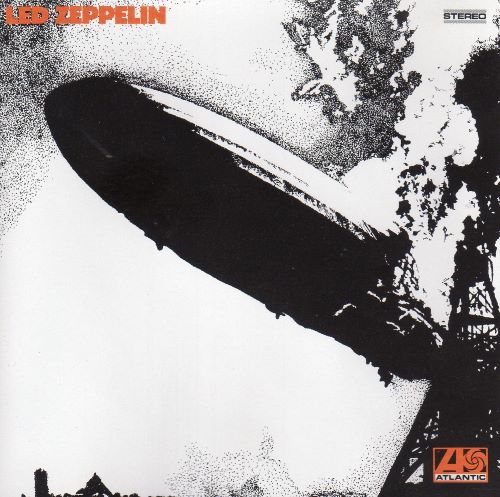
Led Zeppelin – self-titled

Released January 12, 1969 via Atlantic Records

My Favorite Tracks – Communication Breakdown, Good Times Bad Times, Dazed And Confused

I’ll sum this up as quickly as Page and company recorded the record – Jimmy Page had an obligation to tour with the Yardbirds but needed a band. He brought in Robert Plant, John Paul Jones and John Bonham to do it. After the tour the band self-financed a record and recorded this debut album in 36 hours of studio time. Page was the producer as well as guitarist. The band changed their name from The New Yardbirds to Led Zeppelin and got a major label deal with Atlantic Records that included creative freedom without even being heard.

Today’s album is 9 tracks with a 44 minute runtime. The album is a mix of originals and covers, and Jimmy Page’s long history with music copyright battles would begin on this very debut record.

Good Times Bad Times

The opener is a great introduction to Led Zeppelin – a noisy rocker that showcases bits of each band member at their strengths. Jimmy Page and John Paul Jones both leave some great embellishments through the song, pretty slick bass work from Jones especially. This is a general summation of the good and bad of relationships and it’s a pretty accurate look at things.

Babe I’m Gonna Leave You

This was originally written by Anne Bredon, Page and Plant were inspired to do the song based on a recording by Joan Baez. Zeppelin would not ply their trade in folk however, they doubled the length of the song and kicked up the ferocity several thousand times over. It shows that Zeppelin had more atmosphere to them and weren’t going to be a hard rock one-trick pony.

This one has an odd bit of trivia to it in regards to Anne Bredon’s proper royalties – Page was unaware of who originally wrote the song and Bredon was unaware of Zeppelin’s version for many years. Eventually she was properly credited and paid. This was more an honest mistake and a lot less messy than other “Who wrote this Zeppelin song?” fiascos.

You Shook Me

This is an early ’60’s blues tune written by Willie Dixon and originally performed by Muddy Waters. Again, Zeppelin take the original song and double its length and also run it through their own Zeppelin filter to distinguish it quite a bit from the original. It’s a pretty fun jam and Robert Plant really gets up to some vocal gymnastics here.

Dazed And Confused

This trippy jam was something Page did with the Yardbirds and wanted to bring to Zeppelin. Call it psychedelic, maybe, or perhaps acid rock, this song is a total journey. It keeps a fairly standard and slow pace for a bit, then starts jumping off the rails with crazy riffs and drum fills, and also Robert Plant sounding like he’s having an orgasm. This was a sterling showcase from Zeppelin and a song they would extend to a massive jam live, it also marks the band’s most-played live song.

This one has a contentious writing history – it was originally written by folk artist Jake Holmes, who opened for the Yardbirds in New York. Holmes would eventually have to sue Page in 2010 to get proper attribution. The case was settled out of court, so no specifics on how it played out.

Your Time Is Gonna Come

This is a bit of folk hard rock here with a jamming organ and acoustic guitar. The song has an uplifting and almost spiritual chorus, but is also admonishing a two-timing woman. It’s a study in contrasts to a degree. This song never got busted out much by the group but it’s a track I like quite a bit.

Black Mountain Side

This is a short instrumental piece that has the prior song bleeding into it. It’s a pretty standard acoustic thing up until a bit of Jimmy Page magic in a brief spot. It’s worth a listen.

Communication Breakdown

Here we get a very early example of an outright heavy metal song. Zeppelin’s blues-based rock would be a foundation on which heavy metal was built, but here they actually recorded the next step in the process. This brief song could also be considered a precursor to punk with its fast, static riffing along with all the damn noise Bonham is making. This song was an inspiration for future metal and punk bands, Iron Maiden and The Ramones among many others.

I Can’t Quit You Baby

This is another blues tune and another written by Willie Dixon. It was first performed by Otis Rush and Zeppelin’s interpretation is pretty faithful to the original. It does add a few minutes of space for Jimmy Page to get up to a few things on guitar but it’s otherwise a standard blues rendition.

How Many More Times

The album closes with a blues-based rocker that is an original band composition. This song is pretty jam packed with action for its 8 minutes. It gets a pretty long interlude before picking up the jam back into a whole other space and then revisiting the song’s beginning structure to close out on. The guitar tone here and song structure are a pretty good showcase of what Led Zeppelin would get up to on future albums.

Led Zeppelin was a pretty hot ticket right out of the gate. The album would hit number 10 on the US Billboard 200 and get number 6 on the UK Albums chart. It did pick up number 1 in Australia and Spain. Zeppelin would have a very successful US tour that kicked off just as the album launched and their interest in America and abroad grew quickly. All told the debut would be certified platinum 8 times in the US, 2 times in the UK and get a diamond certification in Canada. Nothing from Zeppelin has really stopped selling since they hit the scene, though of course exact sales figures from this era in music are difficult to track.

This one has always been one of my favorite Zeppelin albums. There’s something a bit different about this one before they really nailed down their winning formula. They’re credited with recording the perfect rock album, but there’s a charm to this one with its meandering through styles and clash of sounds.

I don’t see much point in getting into the legacy of Led Zeppelin – they’re one of rock’s most important bands. This was the start of their decade of domination and circumstances came together to make quite a debut.
Judas Priest – Angel Of Retribution (Album of the Week)

Today it’s time to have a look under the hood of a milestone album in the Judas Priest catalog – this was the studio return of Rob Halford to the band after having been gone since 1992. Big things were expected, especially on the heels of England’s other huge heavy metal band having a very successful reunion with their legendary singer, so Priest was on the clock here to deliver.

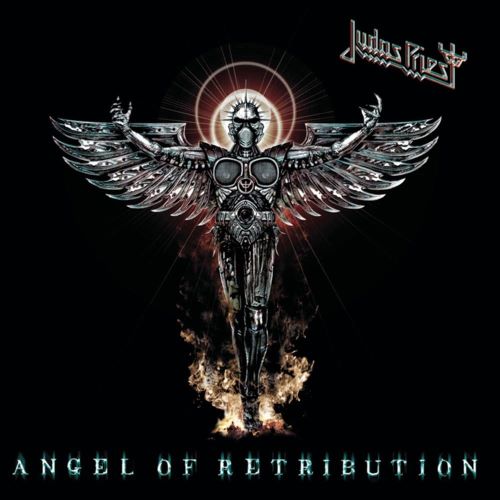
Judas Priest – Angel Of Retribution

Released February 23, 2005 via Epic Records

My Favorite Tracks – Judas Rising, Revolution, Deal With The Devil

Judas Priest were busy touring after Halford’s return so it would take a little bit to get a new album out. The band worked with producer Roy Z on the effort. Roy had worked with Halford on his last few solo albums and was also instrumental in Bruce Dickinson’s acclaimed solo material. The band’s line-up was unchanged beyond Rob Halford – Glenn Tipton and K.K. Downing on guitars, Ian Hill on bass and Scott Travis on the drums.

One thing about the lyrics that I’m going to get out of the way now so I don’t have to bring it up every song – this is absolutely loaded with references to earlier Judas Priest songs. Soem stick out like sore thumbs, like nods to Stained Class and The Sentinel in Eulogy, while others are a bit subtle. I recall music critics pointing this out a lot and not always in a flattering way when this was released. I personally don’t mind but I’ll admit that it’s a lot.

The CD was originally released in one of two configurations – a two-disc set with an accompanying DVD documentary, and a DualDisc version with the DVD portion on the back of the music CD. Technology was really offering it up just before CDs became obsolete. The album is 10 tracks that clock in at 52:37, though a look at the final track’s runtime reveals the rest of the album is pretty lean.

Judas Rising

The album opens with a heavy track that re-establishes the band pretty well. This one maintains a bit of the heavy feel of the 1990’s, when Priest were a notch or two heavier. There is a lot of lightning and fighting with the fate of the world in the balance kind of stuff here, or usual fare for Judas Priest. This was a good way to kick things off.

Deal With The Devil

This more fast-paced track looks at the band’s early days, when they rehearsed in a school building next to a church. This has some nice solo work from Tipton and Downing and the song feels like it slots in well with the overall Priest catalog.

Revolution

This is more of a hard rocker than a metal track, it has a simpler structure. This was the album’s only single. This one works pretty well, even if it’s a bit outside the box for Priest. The sort of southern riff is very effective and the song’s beat pulls you in. The lyrics are about the heavy metal revolution, which Priest were a huge part of and heavy metal was on the way up again in the early 00’s when this song came around.

Worth Fighting For

This song has a feel of something off of Point Of Entry and that is apparently by design, as this is a companion of sorts to the song Desert Plains from that album. It’s about someone wandering the desert, looking for their lost love. While the song comes off as light compared to other material, it really brings out Priest’s “softer” side pretty well and is a good compliment to the era it recalls.

Demonizer

The intensity picks up here on this all out metal assault. It’s another all out war among celestial forces in this one, even the famed Painkiller makes another appearance here. This song doesn’t quite go as hard as Painkiller but this is still a worthy slab of metal.

Wheels Of Fire

Here the song keeps a middling pace but slams in with some very heavy guitar tone. This is another callback to Priest’s long flirtation with motorcycle culture, this is all about being out on the open road and the freedom of the journey itself. It’s not their best song and not even their best song on that topic, but it’s a pretty good listen.

Angel

It’s ballad time and this one is very forlorn and sad. This is very minimal and quiet, very slowly adding elements to get a power ballad feel in the song’s final minute or so. It is a nicely done song though also not one I or many others were expecting from Priest. Given that this album is a mixed bag anyway, it leads to an appreciation for this one. And curiously, this song is by far the most-streamed track from this album, dwarfing the other songs with over 21 million plays.

Hellrider

Another attempted scorcher, though this one feels like it could use more pace to really open it up. It’s another one about giant robot monsters fighting each other, Megatron is even mentioned by name here. Overall it’s pretty good but I’d like a faster beat to this one, all of these mid-paced bangers get a bit plodding all on the same album.

Eulogy

Here we have a more quiet interlude sort of thing. It’s pretty short and to the point, with a quiet piano bit and Rob keeping things on the quiet end of his delivery. It maintains its form throughout, with no big build-up to anything more powerful. It’s a nice piece but who knows what this is a eulogy to.

Lochness

The album closes with something no one had on their Judas Priest bingo cards – a 13 minute long song about the famed Loch Ness Monster.

This is slow and plodding, and I mean if someone could take a picture of this song, it should be in the dictionary next to the definition of plodding. I guess a song about a mythical creature that may or may not (and probably does not) exist doesn’t need to be a metal barnburner, but man I’ve heard doom bands play faster than this.

This song was brutally reviewed when the album first came out. In years since a bit of an appreciation society has formed for it. I am not a member of that group, I think this is pretty awful. If the song were like half the length or even shorter I wouldn’t mind it at all, but this does not justify its use of 13:29 at all. This song is an anchor on the album, that is for sure. I could even call it an albatross around the album’s neck…

Have at it, if you have time to spare

Angel Of Retribution was welcomed by a listening audience ready for Rob Halford’s return and also well into a revival of the traditional heavy metal sound of the 1980’s. The album charted at 13 in the US, 39 in the UK and 2 on the UK Rock and Metal chart, as well as placing on at least 17 other music charts worldwide. No certification info is available so it’s tough to gauge any actual sales numbers.

This album is somewhat uneven and a very mixed bag. It has some metal, it has some more rock-oriented stuff that calls back to other points of Judas Priests’ fairly diverse catalog. There aren’t any massive triumphs here but there are songs worth a listen for sure. And of course it was nice to hear Rob Halford back at the band’s helm after a very long absence.

Judas Priest would go on to continue adding to their legacy and find more solid footing for future albums, though not without massive band drama. But a group has to start again somewhere, and Angel Of Retribution is as good a starting again point as any. It’s rather unheralded in their catalog overall but not “bad” by any stretch, save for what you might think about that thing at the end.

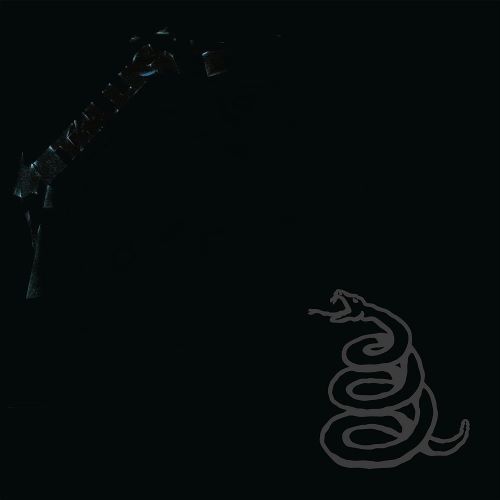
Metallica (Album of the Week)

It’s time for one of the biggest albums in music history. This record literally conquered the world and made its makers one of the biggest acts in music history, a status they have not relinquished 32 years after the album’s release.

Metallica – self-titled, aka “The Black Album”

Released August 12 1991 via Elektra Records

My Favorite Tracks – Wherever I May Roam, Sad But True, The Unforgiven

Over the course of their prior two albums, Metallica had been stretching their songwriting and making longer and longer efforts with progressive twists and turns and other assorted things. When it came time to do the follow-up to And Justice For All, the group wanted to ditch the longer and complicated concept and keep things simpler.

The band hooked up with producer Bob Rock, based on what they’d heard from Mötley Crüe’s excellently-produced 1989 album Dr. Feelgood. Rock has recalled through interviews and documentaries that the process was long and difficult, not helped by the fact that 3/4ths of Metallica were going through divorces at the time.

In the end, Metallica got their album recorded and history was on offer. This has 12 songs at 62 minutes so there’s a bit to go over, not to mention the insane amount of accolades this album has racked up.

Enter Sandman

The lead single and one of the most-played songs in history (no citation for that, but it has to be). It is in stark contrast to stuff from the prior two albums – this is a simple riff and the song is basic as can be. But it works very well, and that’s why legions of people tuned in to Metallica when this song first hit in the all-important summer of 1991. Even though this is overplayed to absolute death I honestly still don’t mind hearing it.

Sad But True

This is another single and one of the album’s heavier tunes. It’s about the seedier side of life and being pulled into it by grim influences, it was apparently based on some old Anthony Hopkins movie I’ve never seen or heard of. This song absolutely crushes and is the true nexus for the marriage between ’80’s Metallica and ’90’s Metallica.

Holier Than Thou

This one holds a pretty good pace as it deals with self-righteous people in a religious context. I like the lyrics quite a bit, the song itself is ok but not my favorite. It is really, really simple and sometimes that can be a detriment, but there’s still a listenable quality to it.

The Unforgiven

Metallica have done ballads before and would again. Here the band flipped the typical ballad formula – it was hard-hitting verses and a quieter, somber chorus. This one is all about the perpetual struggle against the forces of control in life, and in this case it’s a losing battle. The picture is painted vividly through the words and music, this is truly soul-crushing stuff. Kirk Hammett reports struggling a lot with this solo before finally getting it right based on feel more than notation, something that would transform his guitar playing moving forward.

Wherever I May Roam

This gem features a few exotic instruments but is still fairly standard metal stuff. The song is all about its title -truly being a free wanderer who is at home wherever he happens to be. Perhaps this song indirectly inspired all of the van life stuff going around, or perhaps that’s our shitty economy, I don’t know. Awesome song here, though.

Don’t Tread On Me

A bit of good old American exceptionalism here, as James Hetfield crafted a song that pulls concepts from the American Revolution and celebrates the “kick their asses” mentality of US diplomacy. While today the phrase “don’t tread on me” has negative political connotations, this song was from a time well before anything said was taken as an absolute political stance so I don’t see it as a big deal. I also don’t see the song itself as that big of a deal, it’s fine but it’s not much to write home about.

Through The Never

This one is pretty hard-hitting and has a bunch of philosophical stuff in it that’s honestly above my head and probably also below my knees. I think the song is fine but I’m fairly indifferent to this one too, don’t go out of my way to hear it.

Nothing Else Matters

This was the really big topic of discussion when the album came out, Metallica had done a full on ballad – not the heavy metal sort of ballad they’d put on offer before, but just a regular old ballad. While my fandom usually falls on the metal side of things, this is a pretty well done song. Sure it was different, but a good song is a good song.

Of Wolf And Man

A mid-paced stomper about turning into a werewolf. It’s ok but doesn’t do a lot for me.

The God That Failed

This is a very nice, slow and heavy song. It deals with the let down of a god not providing the healing asked for, something that affected James Hetfield in his childhood. His mother died of cancer after not seeking treatment due to her strange sect of Christianity. The topic is grim and the song is pretty great.

My Friend Of Misery

This song’s about one of those awful people who drag everyone around them down. I like the concept and lyrics a lot. The song is a bit plodding but still pretty decent.

The Struggle Within

The closer gets a bit thrashy in spots as the bands kicks it in high gear to the finish line. Not entirely sure what’s going on lyrically but it’s clear someone is screwed up in the head to some degree. Pretty nice song to end on, I do go back and forth on how I feel about it at times.

“The Black Album” was every bit the success anyone hoped it would be, and then some. It debuted at the top spot on the Billboard 200 and stayed there 4 weeks. It would remain on the Billboard 200 for a very long time, being the second-longest charting album in history, behind only Pink Floyd’s Dark Side Of The Moon.

In the US the album has been certified platinum 16 times and is likely up for 17 now. It is the best selling album of the Nielsen Soundscan era, outpacing ’90’s titans like Shania Twain and Alanis Morissette. Worldwide Metallica has sales over 30 million copies. It is truly one of popular music’s most accomplished records, and Metallica have been mainstay titans of music ever since.

Of course the debate over this album takes on another turn when it comes to the older part of Metallica’s catalog. A fair few of the band’s legions felt betrayed by the switch away from thrash and complex song arrangement. It’s no doubt that this album is a lot less, uh, noisy than the band’s first four. In fact a good portion of “first four fans” would pop up as Metallica grew in stature exponentially with the Black Album’s success. That argument still rages today, even though we’re now 30 years removed from the “big switch.”

For me personally I have no big beef against this album. This came out a week before I turned 14 and just before I started my freshman year of high school, so it was perfectly positioned to be a game-changing album for me. My friends and I played this over and over again, though I did wear out on it long before they did. While many others were still playing this multiple times daily in 1993, I was off chasing down heavier stuff like death metal. I do much prefer Metallica’s first four, as my ranking from awhile back clearly illustrates. But there’s enough good stuff here to appreciate this album too. I have literally heard this album to death and honestly I’ve only played it a handful of times in the 2000’s, but there is no arguing the mark this record made.

Iron Maiden – Somewhere In Time (Album of the Week)

Iron Maiden gets to bookend the week this go around. On Friday the live album series launches. For today it’s the studio album they released after their first live record and the band’s two-album dive into the world of synth.

Iron Maiden – Somewhere In Time

Released September 29, 1986 via EMI Records

My Favorite Tracks – Stranger In A Strange Land, Wasted Years, Alexander The Great

Maiden had just wrapped up the Powerslave tour cycle and were absolutely wiped out, so they took a break while Steve Harris tinkered with new equipment, including guitar synthesizers. These synths would be present on all but one song for this next record.

Songwriting came down to Harris and Adrian Smith, with only Dave Murray getting an additional credit. Bruce Dickinson was especially absent for writing purposes – he was said to have been the most burned out of all band members after the mammoth tour. Bruce showed up with a handful of acoustic tracks, which the rest of the band were not at all into. It would all work out as Bruce would really get in on the action the next go round.

Any discussion of Somewhere In Time has to involve the striking cover art. A cyberpunk Eddie graces the front and the background was absolutely loaded with references to everything from the band’s own Charlotte The Harlot to Doctor Who, Blade Runner and many other things. Derek Riggs spent 3 months doing the cover and found the process exhausting, though the result was worth it. Also of note – this was my top cover back when I ranked all of the Maiden album covers. And the album itself came in at number 3 in my Maiden album rankings.

This one is pretty simple to get into – 8 songs that run 51:18. Nothing to worry about in terms of alternate versions here, there is only one reissue series with bonus tracks and those aren’t easy to come by, so 99% of the time people will run into the exact same album.

Caught Somewhere In Time

It becomes clear very early on into this album that the addition of synth was not going to be a massive shift in Iron Maiden’s musical presentation. This song sounds like a Maiden song – galloping bass, guitars going all over the place, Bruce singing out of his mind and body and Nicko McBrain holding a clinic on the drums.

This one is about time travel of some sort, and apparently time travel involves a lot of guitars because Adrian Smith and Dave Murray shred out on an extended solo section. The duo’s work had always been rock solid to this point, but it is taken up another notch here. Spellbinding stuff.

Wasted Years

One of the album’s singles and the only song not to use synth. Wasted Years offers a pretty simple message of living for the moment and not getting caught up in wasting time worrying about what’s already come and gone. The intro riff here is pretty signature stuff, as is the iconic chorus. This would become another of Maiden’s most recognizable songs and is a frequent guest on setlists.

Sea Of Madness

This one slams in pretty hard, though still has the bright and melodic touch that the band would employ throughout this album. It’s a nice contrast of almost thrash-like guitar and drum work against the soaring chorus Bruce provides. This song could literally be about madness or possibly “sea of madness” as a metaphor for civilization, no real telling.

Heaven Can Wait

More fast-paced frenzy here as Bruce fires off verse lyrics in a machine-gun fashion. The plot of the song is about someone who has died but winds up back in mortality after not getting access to any sort of afterlife. This is one of a few songs Maiden have played live a fair bit in the years since this album’s release.

The Loneliness Of The Long Distance Runner

This one features a bit of sad and sweet guitar work, which compliments the subject matter well. The song is directly based off a 1960’s story of the same name, about a British kid caught in a life of poverty who starts running as a way to escape his crappy life. The song doesn’t touch on a lot of the background in the story and instead focuses more on the running itself. The galloping rhythm does lay a nice soundtrack for the act of long distance running, not that I personally know what the hell that is.

Stranger In A Strange Land

The album’s second single appears with a more mid-paced approach. This song is not about the book it shares a name with – rather it is about being an Arctic explorer and the obvious trials of that occupation, including finding a frozen corpse. This was based on a real story relayed to Adrian Smith from an actual Arctic explorer.

This song works very well with its twist of pace and the synth sitting in the background through the chorus. I know I’ve mentioned it before and likely will again, this is my second favorite song Maiden have done. Excellent stuff.

Deja Vu

This has a beautiful and mournful intro before jumping into the typical Maiden gallop. This was the one song written by Dave Murray, with additional help provided by Steve Harris. This song slices through the idea of deja vu, it’s pretty self-explanatory lyrics-wise. This is a nice one to bob along to, or headbang to, or whatever.

Alexander The Great

The final song is a Maiden epic again culling from history, this time the unbelievable conquests of Alexander The Great. The Cliffnotes version is that Alex took over a great deal of the known world at the time, then he died one day. The song’s lyrics truly are a pocket guide to Alexander’s life, as the verses do simply recount his life and deeds.

This was another triumphant Maiden epic and one that occupied an odd spot for a long time – the band found the song too challenging to play live, so they never did. That finally ended this year as Maiden has played this as part of their Future Past tour.

Somewhere In Time was a success for Iron Maiden. The album charted at number 12 in the US, 3 in the UK and had good spots in many other countries, including a number 1 spot in Finland. The album has been certified platinum in the US and Canada, and gold in 4 other nations.

Maiden would tour the album on the “Somewhere On Tour” trek, playing 151 shows in roughly 8 months’ time through 1986 and ’87. This is where the story of Somewhere In Time gets a bit cloudy and lost, as the band quicly re-entered the studio to do the next album. Songs from this record were not played live much at all beyond the tour, with only Wasted Years and Heaven Can Wait getting extensive time after ’87. The album would get a new focus in 2023, as songs from here were paired with stuff from Senjustsu to form the Future Past tour. It was nice that Maiden finally shined a new light on this album live after all these years.

In the end, Somewhere In Time was a success both commercially and critically for Iron Maiden. There were no issues with synth being around, it wasn’t like Maiden went A Flock Of Seagulls with everything. It was just a tool that the band used to great effect. And the whole album is a great collection of songs – bright and melodic, yet still anchored with the things that make Iron Maiden stand out from the metal crowd. It was my first Maiden album and it’s no wonder they went on to become my favorite band.

Death – Leprosy (Album of the Week)

The argument over who, where and when death metal started is one that has raged since its inception in the 1980’s. I won’t be arguing all of that today, rather I’ll be looking at the second album from one of death metal’s pioneers.

Death – Leprosy

Released November 16, 1988 via Combat Records

My Favorite Tracks – Leprosy, Pull The Plug, Left To Die

Death had a very curious and drawn-out early history, with founding member Chuck Schuldiner releasing a series of demos under different names and with various casts of band members. In 1987 Death released their debut album Scream Bloody Gore. A year later found Death with Schuldiner and a totally different line-up to record the next album. Rick Rozz, who had played on some early Death demos, was back in on guitar. Bill Andrews came in on the drums. Schuldiner handled bass on the album as well as his usual guitars and vocals, though Terry Butler was brought into Death to take over bass after recording. Butler is credited with being the bassist in the album’s liner notes, however.

The album was recorded at Morrisound Studios in Tampa, Florida. This would become the home of early death metal as the first concentrated scene was centered in Florida. Dan Johnson was the album’s producer and Scott Burns its engineer, Burns would go on to be involved in many early death metal classics.

This album comprises 8 songs at a 38:37 runtime. All songs are credited to Chuck Schuldiner and Rick Rozz jointly, except for Leprosy and Pull The Plug solely to Schuldiner, and Primitive Ways only to Rozz. All lyrics were provided by Schuldiner.

The album opens with the title track Leprosy. This one is a bit longer than anything else on the record and burns a fair bit slower than a typical thrash song, thrash being the direct progenitor of death metal. As with a lot of death metal, there is a “still fast even when slow” quality to it.

Leprosy is a non-scholarly look at the affliction, with people cast out of their towns to literally rot away of the disease in exile. The song switches up tempo and inserts movements to keep things fresh, this is not simply a “thrash on steroids” offering. While it would be a few more albums before Schuldiner took Death in a truly progressive direction, early indications were already present on songs like this.

Up next is Born Dead. This one is a “thrash on steroids” track that shreds through a dystopian world where people are basically disease fodder and existence is about useless. Forgotten Past is next and is a straightforward chugger that sees someone use the occult to learn that they were a horrible person in a past life. After that is Left To Die, a song that exemplifies the sound of early death metal as it offers an account of what is likely a front line soldier whose life is forfeit.

Up next is one of Death’s standard-bearing songs with Pull The Plug. This is a perfect marriage of brutality and technical proficiency. As the shock value of early death metal wore off, the underlying technical aspects would become a main driver of interest in the music. Lyrically it is an awful tale of someone on life support who can hear people making the decision about what to do with him. The title offers up exactly what the subject wants to happen. Pull The Plug has been a crowd-pleaser with Death audiences since its release and it remained a staple through the span of Schuldiner’s career.

Another straightforward pounder comes next with Open Casket. The band shreds through another burner with a few tempo changes thrown in for variety as the lyrics explore the simple yet creepy concept of open casket funerals. The pounding continues on Primitive Ways, which is a look at the (generally wrong) idea that prehistoric people were bloodthirsty savages who lived in a kill or be killed environment. Not scientifically accurate stuff but suitably brutal for the proceedings at hand. The album closes with Choke On It, a song that offers the same brutal thrashing technical fare as the rest of the songs and explores the horrific concept of someone dying due to hyperventilation.

Leprosy marked a shift for Death from the absolute raw brutality of Scream Bloody Gore to a more refined thrash-centered sound that offered up a fair few technical leanings as well. The stylistic shift would become a hallmark of Death’s career – while the next album Spiritual Healing is similar in tone to Leprosy, subsequent albums would continue pushing the technical and prog envelope and leave the old school death metal sound behind just as quickly as Chuck Schuldiner and company had helped establish it.

As Death’s styles shifted, so did its band members. Schuldiner would be the sole constant member and bandleader. Terry Butler and Bill Andrews hung around for the next album, but each Death album after featured a revolving door of musicians, many of whom became revered figures for their Death output as well as other projects. Death would continue until 1998, when Schuldiner ended the band to pursue a different progressive metal style with Control Denied. Schuldiner was diagnosed with brain cancer and died in December of 2001.

In the decades since Schuldiner’s death, his band Death has taken on a god-like status in the ranks of death metal and beyond. Leprosy was a formative offering that helped define the new genre of death metal and get Death notice as a band to watch. Over 20 years after Schuldiner’s passing, Death is still at the forefront of the genre that Schuldiner spearheaded.

Mötley Crüe – Saints Of Los Angeles (Album of the Week)

This week I’m on to one I’ve meant to talk about for a while – what today remains the most recent studio album from Mötley Crüe. This album occupies a weird spot in the catalog – it was a long-awaited comeback after 8 years of no albums and also released in the same year as 3 other long-awaited comeback albums from legacy rock acts. This one is equal parts gushed over and glossed over and divides fan opinion sharply at times.

Mötley Crüe – Saints Of Los Angeles

Released June 24, 2008 via Mötley Records

My Favorite Tracks – Saints Of Los Angeles, White Trash Circus, Goin’ Out Swingin’

Crüe had not released a full album since 2000’s New Tattoo, a record that did not feature drummer Tommy Lee. SOLA was the first full band action since 1997’s Generation Swine. The band had been on ice for a bit in the early 00’s but then were able to pull off a highly-publicized “reunion” despite only being gone for a few years. The tours with the original four were big hits and the band eventually got together to record this new album.

When I say “the band” got together, what I mean to say is that Nikki Sixx got together with Sixx AM guitarist DJ Ashba, Sixx AM singer James Michael and longtime Aerosmith collaborator Marti Frederiksen to make the new Mötley Crüe album. This grouping is credited with writing every song on the album, while Mick Mars has credits on 7 of the tracks. Neither Vince Neil or Tommy Lee appear in any songwriting capacity. I do presume that a few of the names in the songwriting list might also appear in audio form on the album to a degree, but again I don’t know.

As for who actually played on the record, well, there’s no telling. Recent news and gossip involving the ugly Mick Mars split indicates that a lot of people who aren’t on the Crüe roster have played on the albums. I don’t know who, when or where and I’m not going to bother guessing since the whole affair is pretty gross and hard to track the accuracy of.

The album has a lot of songs, with 13 tracks coming in at 44 minutes. The album has been reissued a handful of times since 2008 but there are no bonus tracks or deluxe versions to concern one’s self with, at least to my knowledge.

L.A.M.F.

This is an intro piece that sets the stage for the music to come. This is a pretty cool little deal, it highlights the issue of Los Angeles with scores of people flocking there to hit it big in acting or whatever, but 4 out of 100,000 actually making it. This sets a gritty tone early, Mötley Crüe will not simply be writing love letters to their beloved City of Angels.

Face Down In The Dirt

The first song proper is a simple yet very hard-hitting banger that covers the theme of not wanting to be a worker drone in society. It might seem a bit odd for a band who’d been successful for 27 years or so to write a song like this but the song works 100%, so there’s nothing really to argue with here.

What’s It Gonna Take

This one goes back to the band’s early days before they were successful, talking about living with girls and being rejected by record labels. It’s a pretty cool song and it’s nice to look back for a minute on those early days before Crüe broke out and helped set the table for 1980’s music.

Down At The Whiskey

This one is also an early nostalgia trip, obviously being about days at the famed Whiskey club in L.A. At this point the album is solid, though these sorts of “glory days” tracks are setting the table for an ok but unspectacular album. It could use a real kick in the ass to get it to the next level.

Saints Of Los Angeles

It didn’t take long, welcome to the next level.

The title track is a gritty, sleazy look at Los Angeles and the scene. This doesn’t “tell a story” so much as set the table for an experience in the seedier side of L.A. This song nails the feel of that and is just a massive, ass-kicking track. Gang vocals on the chorus are provided by a number of guests, including Jacoby Shaddix from Papa Roach, Josh Todd from Buckcherry, the aforementioned James Michael, and Chris Brown from Trapt. (Yes, the dude from Trapt is the same guy who turned Trapt’s social media account into his personal litter box a few years back)

Mutherfucker Of The Year

It’s a great song and also a new award at work. This one is all attitude, Mötley Crüe have been one of the bands with an actual reputation big and, at times vile enough to live up to the moniker. It is almost like a true theme song for them.

The Animal In Me

This one kicks the pace down a notch, it’s not a true ballad but it dances on that line a little bit. It’s a song about rough sex, kinky stuff, whatever. This one is pretty run of the mill, not my favorite by any stretch.

Welcome To The Machine

Here the pace ramps back up for a tune presumably about being a part of the record industry. It’s a bit ironic from Mötley Crüe, since they were one of a very few bands who were able to take control of their old album masters and gain rights almost no other artist has. But this song isn’t that deep, it’s just venting about the disposable nature of artists once they’re done, all just to make some shareholders rich.

Just Another Psycho

This one is a mid-paced affair that is simply about being nuts. This feels like a bit of a filler track but it’s listenable.

Chicks = Trouble

The fun factor ramps up big time here with this crazy song about a gold-digging woman spending the guy’s money. I’ve never had to deal with this problem because I’ve never really had money, but this song is really fun to play.

This Ain’t A Love Song

Another one that’s a whole lot of sleazy fun, it’s all about hooking up with a good time gal. This is the kind of song Crüe probably would have liked to write back in the ’80’s but it might not have gone over that well. 20 years later the climate was far more indifferent to this stuff so here it is, warts and all.

White Trash Circus

Heading toward the end and the hits keep coming. This is another sleazy song simply about how messed up the band has been over the years, and these guys have quite the stack of tales to tell about their misgivings and transgressions. One line mentions how they’ll never go away and that has held true, even when they themselves said they were going away.

Goin’ Out Swingin’

The closer is a total banger of a song. This hits hard and fast and doesn’t let up and is a great finale for the album. This one sets the band’s attitude of keeping at it until the bitter end, whenever that end might actually be.

Saints Of Los Angeles was an initial success for Mötley Crüe. The album hit the US Billboard charts at number 4 and sold 100,000 copies in its first week. It also charted in several other countries, pulling down a gold certification in Canada. Sales did not continue long after that first week, leading several in the band to become disillusioned by what they considered flat sales. Someone maybe should have briefed them on how album sales were going in general in 2008, I don’t know.

The album had a good reception from fans, though there is certainly divided opinion on it. Many did crow about the involvement of the Sixx AM members, feeling that this Mötley Crüe record is just a Sixx AM album. My take on it is this – if this is what the Crüe sounds like with DJ Ashba and James Michael involved, then write more Crüe albums with Ashba and Michael.

In the end this one holds its own pretty well in the Mötley Crüe catalog. I ranked it number 4 back when I did the Crüe album ranking. I feel like SOLA is the band truly realized with the darker and uncensored themes which they probably couldn’t have gotten away with in the ’80’s.

2008 was a year when rock heavyweights Guns N’ Roses, Metallica and AC/DC all released long-awaited “comeback” albums and it’s possible Mötley Crüe got a bit lost in the shuffle, but it’s also possible that this one did a better job. (Except for AC/DC, that album was excellent) We don’t know if there will actually be another Crüe album, they apparently don’t have a full album’s worth of material yet with new guitarist John 5. If this is the last actual full-length, well I feel like they got it right in the finale. If there is more material to come, I think there is a hard road to traverse to equal or better this one.

Metallica – Kill ‘Em All (Album of the Week)

It was inevitable – I would someday write about the first Metallica album, as I’m pretty well assured to write about them all at some point. Today is the day for the first one.

Metallica – Kill ‘Em All

Released July 25, 1983 via Megaforce Records

My Favorite Tracks – The Four Horsemen, Jump In The Fire, Whiplash

There is a lot of history behind the rise of Metallica, and that can be accessed in any number of interviews, videos and books so I’ll spare a lot of it here. Essential to this album – A Metallica line-up of James Hetfield, Lars Ulrich, Cliff Burton and Dave Mustaine went cross-country from San Francisco to New York to record this album. Mustaine was let go from the band in New York and replaced by Kirk Hammett in what is probably the most discussed line-up change in heavy metal history.

Megaforce Records founder Jon Zazula (Jonny Z) had put up every dime he had to finance the recording, which is why Metallica hauled ass that far to record in the first place, as Metal Blade Records head Brian Slagel couldn’t quite afford the costs. After necessary re-mixing, Jonny Z was totally out on his ass financially and it took awhile for him to find distribution for this album. I guess many record label execs wanted “Passed on Metallica” as a line item on their resumes.

Metallica wanted to call the album Metal Up Your Ass but Jonny Z convinced them to rename it for marketability purposes, thus Kill Em’ All was born. Once Metallica’s stock began to rise they sold plenty of Metal Up Your Ass t-shirts as well as copies of Kill ‘Em All.

Kill ‘Em All is a fairly hefty album with 10 songs coming in at 51 minutes. There are now several other versions around but I’ll handle the base version today, as I typically do. Dave Mustaine is credited on four songs, he would attest to having been involved with more in what is heavy metal’s biggest argument ever. All I know is that I was about to enter kindergarten when they recorded this and I have no clue who did what.

Hit The Lights

The opener comes in with a grand bit of noise and then kicks into a whole lot more noise. The lyrics are simply a verbal account of what the song and Metallica’s first album will do, which is to play loud, fast and get the crowd whipped into a frenzy. Mission accomplished.

Hit The Lights had a few other versions before the album release so this song was out there a bit. This was a song James Hetfield brought to the band from his prior band, he and Lars re-worked the tune for Metallica.

The Four Horsemen

The next track is one of Mustaine’s contributions and a song he originally brought in. His old version was called Mechanix and had much different lyrical themes. For post-Mustaine Metallica, the band reworked the song into a tale of the riders of the Apocalypse. This is a lengthy track, showing off early that Metallica were unafraid to challenge the conventional length of songs. And the riffs here are totally New Wave Of British Heavy Metal on steroids, showcasing the direct influence of one metal movement on another.

Motorbreath

This is an all-out banger in both music and lyrics. Not subtle at all, this one pounds the point home from start to finish. It’s all about living fast and hard, the inspiration for and rallying cry of this new form of heavy metal back in its infancy. It would seem as though Metallica pulled the title as tribute to their massive influence Motörhead, though band members have said this was coincidental as it relates to this song.

Jump In The Fire

This was another song Dave Mustaine brought into Metallica. It was originally a song about sex, but after Mustaine left it was re-written to be about being damned to Hell and literally “jumping into the fire.” This one really shows off how Metallica could deftly walk the line between savage heaviness and catchy songwriting – sure this is super heavy, but those riffs are attention-grabbing.

Anesthesia (Pulling Teeth)

This is a Cliff Burton bass solo. It’s not some typical bass work either – this is effect-laden and shows Cliff using the instrument like a guitar. Burton was a massive part of Metallica’s early legend and remains a mythical figure. Burton played this a lot in his early days and it was what first drew attention from Lars and James.

Whiplash

Celebrated music journalist Mick Wall wrote in his Enter Night: A Biography On Metallica that Whiplash was the moment thrash metal was introduced to the world. He’s totally correct, this is total breakneck stuff that set the template for heavy metal’s 1980’s course. This was also the first single released from the album. Lars has cited Venom as a primary influence for the speed of this song.

Phantom Lord

This is another song that shows off the NWOBHM influence mixed with Metallica’s early savagery. It is a menacing tale of a warmongering tyrant, something that would become a thrash trope over the years. This is another one credited to Dave Mustaine.

No Remorse

This one hangs out mid-tempo for most of its run, the almost marching feel of the rhythm compliments the lyrics about excelling on the battlefield without feeling remorse or regret for one’s actions. In the last few minutes this song explodes out of its mid-paced shell and goes off the rails for a crazy finale.

Seek And Destroy

This extended cut would become a venerable classic in Metallica’s huge live catalog. This one keeps it pretty simple, with a riff that jumps out and grabs hold as the lyrics paint a tale of terrorizing whatever unlucky souls happen to be out at night. It is Metallica’s third most-played song with nearly 1,600 live airings, and assuredly more to come.

Metal Militia

The closer is another thrash monster that celebrates the leather and denim clad legions found at the early thrash shows. This army would grow to millions as the ’80’s went on and Metallica ascended to the kings of the heavy metal mountain.

Kill ‘Em All got the attention of music critics on release, who loved the heavy yet still somewhat refined sound of Metallica’s delivery. Commercially the album sold better than expected out of the gate, allowing Megaforce Records to get more solid financial footing and quickly spreading the word about Metallica. As Metallica gained in stature, Kill ‘Em All was along for the sales ride, eventually breaking 5 million copies worldwide, with 4.5 of those being in the US.

This album is more raw than the band’s offerings afterward, and of course Metallica would conquer the world with a sound more trimmed down from the thrash period of the ’80’s. But this record is a massive landmark in the development of heavy metal. While the mainstream of the 1980’s would be known for hairspray and ballads, Metallica would be the flag-bearers for a far heavier version of metal that spawned countless scenes and offshoots in the decades since. It was ok to play as heavy and fast as you could or wanted, there was an audience for it.

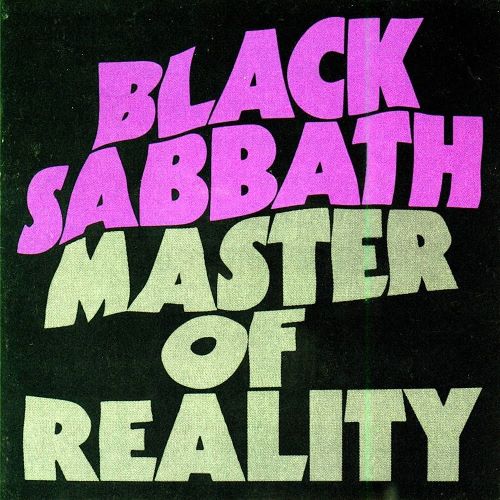
Black Sabbath – Master Of Reality (Album of the Week)

When someone asks “where did stoner metal start?” it can be a tough question to answer without the proper knowledge. After this post, everyone will be able to answer the question with no problem.

Black Sabbath – Master Of Reality

Released August 1971 via Vertigo Records

My Favorite Tracks – Children Of The Grave, Into The Void, Lord Of This World

Black Sabbath had recorded their first two albums in rapid fashion, not having time to truly get used to being in a studio. For their third go-round they were not on tour and had the proper amount of time to focus on their work.

One aspect of this was Tony Iommi messing with his guitar sound, though out of practical reasons. Iommi tuned down his guitar on a handful of songs (the same three listed as my favorite tracks, no less) in order to play more comfortably. He had suffered an industrial accident years before that took a few of his fingertips and it was painful to play some things, so he downtuned for the ease of play. This would lead to a heavier sound, which would of course inspire many future generations to tune guitars down and create heavy metal of all styles. Geezer Butler would also tune down his bass to match Iommi, while Ozzy Osbourne would – well, continue to sing in his higher register as always.

Master Of Reality is a short album, featuring 8 tracks at a runtime of 34 minutes. Note that old US pressings of the album list more tracks, the songs Haunting and Deathmask are listed tracks. But these are actually just snippets of Children Of The Grave and Solitude broken off and divided into separate songs, there was no actual bonus content on the US pressings. The track listings and actual song sequences are screwed up on old US editions, it was a funny way to pretend there was more content on the lean record. As we’ll see, this album didn’t need any bloat to succeed.

Sweet Leaf

It’s only fitting that the birth of stoner metal album opens with a love letter to marijuana. Even the opening features a coughing fit Tony Iommi was caught in after taking a hit some prime stuff. But the song is no cheap gimmick – this is a fantastic jam. The main riff is simple and catchy and the music hits hard as Ozzy sings praises to the leaf. And the solo/jam section in the middle of the song is off the rails and fantastic, it was stuff like this that really put early Sabbath over the top. These days Sweet Leaf is legal to hear and consume in 38 of the 50 US states.

After Forever

This one has a pretty bright and upbeat riff though still pounds nicely with the Sabbath heaviness. The song is about religion, but not from the point of view many would think Black Sabbath would write from. This is actually pro-God song. While it might seem this was written in direct response to the accusations of Satanism that loomed over Sabbath, Geezer Butler has stated that he wrote it about the issues plaguing Ireland, Northern Ireland and Great Britain. Religion was the catalyst behind the decades of troubles in this area and this is Butler’s look at that. This is also where the Dutch power metal band After Forever got their name.

Embryo

Here is a 28 second instrumental guitar piece. Not much to really dig into here. It is kind of funny that this song has a bit over 40,000 streams on Spotify while every other song has at least 14 million and one has over 100 million. This poor little guy just sits there.

Children Of The Grave

Speaking of that song with over 100 million streams, here we are. This was the lone single released from this record and while the song did not do anything on the charts it has become an immortal part of the Sabbath legacy.

This features a dark and pummeling riff that twists and turns though still remains pretty simple in a marching-like rhythm. The lyrics take another anti-war stance that the band had explored previously, this time it is an alarming outlook about the prospects of nuclear destruction. Should humanity not get its shit together, then the children now would become the children of the grave. We’re still here so I guess it didn’t happen, but things don’t necessarily look better.

Children Of The Grave is considered one of Black Sabbath’s greatest songs. It has been covered extensively by acts of many genres and was one Ozzy frequently played during his solo tours. This was even darker and more twisted than prior Sabbath outings and showcased just how hard metal could go.

Orchid

This is another instrumental piece, this time with Iommi on an acoustic guitar. This gets a little more room to air out at 1:30 and is a nice interlude to the grim heaviness of the rest of the record.

Lord Of This World

Up next is a wicked track full of heavy metal destruction. Iommi and Butler are slamming it out on their downtuned instruments along with Bill Ward’s pounding drums. This one is actually all about Satan, the great villain that Sabbath were accused of worshiping. Here the lyrics depict a wicked world full of corrupt people who eventually fall under the dominion of Satan, fulfilling some versions of Christian prophecy. It’s easy to hear the influence on countless future metal bands from this one.

Solitude

It’s now on to a slow tune, this one is very quiet and haunting. Tony Iommi not only loads up on guitar tracks but also plays flute and piano here, perhaps inspired by his super brief stint in Jethro Tull, I don’t know. This song is different from the pack but is still a high quality listen, very atmospheric and depressing stuff. It is simply about a break-up, which is what a lot of songs are about after all.

Into The Void

If you really want to know where stoner rock and sludge metal came from, play this last track. This is an outright banger that keeps the pace mostly down but remains as heavy as hell. Both Bill Ward and Ozzy had problems getting their parts down on this one, as recounted by Tony Iommi.

This song is about a guy in dystopian future, say probably 2023, fleeing Earth to find somewhere better to live. Sounds nice. The song was clearly a massive influence on heavy metal, just playing it will make that evident.

Master Of Reality was a success for Black Sabbath in many ways. The album went to number 5 in the UK and 8 in the US, and had several other top 10 showings through Europe, Canada and Australia. In the US the album went gold purely through advanced orders and wound up selling over 2 million copies.

Beyond the numbers, this album was hugely influential to many who would later reshape music. It has been cited as a primary influence to those in the grunge movement. It was also clearly impactful to the burgeoning heavy metal scene and is a big reason why Black Sabbath are considered the fathers of metal. And it would specifically inspire the coming “stoner rock” or “desert rock” movement of the late ’80’s and early ’90’s, which would include bands like Kyuss, Monster Magnet, Orange Goblin and a huge list of others. The legacy of Black Sabbath is etched into the heaviest of metal, and Master Of Reality is a huge part of why.

Liam Gallagher – Knebworth ’22 (Album of the Week)

This will be a quick and easy AOTW, this live set just hit shelves last Friday and it doesn’t require rocket surgery to have a listen and look at. An old warrior relives his glory days at the site of one of his biggest historic triumphs, getting the rare chance to live in the moment one more time.

Liam Gallagher – Knebworth ’22

Released August 11, 2023 via Warner Records

Oasis played two historic shows at Knebworth House in 1996. Those gigs were the apex of Oasis’ hype and popularity and are often seen as the zenith of the Britpop movement. In 2021 the Gallagher brothers released a live album and documentary about their Knebworth experience, and in 2022 Liam was booked as a solo act to rekindle the old magic again. Over 250,000 people attended the 1996 Oasis gigs, in 2022 Liam would play two nights to a total crowd of 170,000.

My recap of the Oasis Knebworth album and film can be found here.

Liam played his two shows in early June of ’22, just shy of 26 years after the Oasis sets. He would bring an assortment of material, both from his three-album deep solo catalog and several Oasis standards. While he played 21 songs each night, the album offers a slimmer version with 16 songs, with 9 Oasis songs and 7 Liam solo tunes. Most of the omissions aren’t really a big deal except for one which I’ll get to during the huge encore section. One song did get played on night one but not on night two – the solo single Shockwave, which is on this live package.

There was also an unfortunate omission from Liam’s band – he had often been joined the past few years by former Oasis mate Paul “Bonehead” Arthurs. Bonehead spent a good part of 2022 in treatment for cancer, which he was cleared of last September. He was unable to join Liam’s tour and Liam dedicated More Power to Bonehead at the shows.

The setlist for the live album is as follows:

Hello

Rock N’ Roll Star

Wall Of Glass

Shockwave

Everything’s Electric

Roll It Over

Slide Away

More Power

C’Mon You Know

The River

Once

Cigarettes And Alcohol

Some Might Say

Supersonic

Wonderwall

Champagne Supernova

The live set holds pretty constant through the performances – the songs are executed faithfully by the band, a few of them get an uptick in tempo due to the energy of the huge live performance. Liam holds serve pretty well through this long set. He does get a bit shouty in a few places but I think that’s a consequence of the music going hard as opposed to any issues he was having. Overall Liam sounds really good for someone who has a thyroid disease and had to re-find his voice in order to launch his solo career. He doesn’t get to some of the crazy performances he did in 1996 but his presentation here is well done.

The set jumps between solo songs and Oasis tracks for awhile, one interesting Oasis inclusion is Roll It Over from 2000. It’s not one I’d expect to be on a setlist for a huge show like this but the song works pretty well and is an under the radar pick for the set. Liam performs most of his solo singles here, when he gets to More Power he does a 4-song suite of his songs, concluding with his most renowned solo effort Once. He announces that Once is the last song, though there is one monster of an encore coming.

The encore is an all Oasis affair and kicks off with Cigarettes And Alcohol. That one is performed almost as a heavy metal or punk track, it goes heavy and hard. Some Might Say gets a bit similar treatment, while Supersonic is actually toned down a notch and has a psychedelic vibe to it that stands out even from old Oasis performances. Wonderwall is handled in great fashion, with Liam letting the crowd sing the chorus. The audience knew the words, not only to Wonderwall but most of the other songs, even Liam’s solo singles.

Champagne Supernova closes the night. Liam dedicates the song to his mom Peggy, who is in attendance. It doesn’t seem to be announced from the stage anywhere, at least on the album, but former Stone Roses guitarist John Squire makes a guest spot on the song, just as he did with Oasis at Knebworth in 1996. The album goes out with Liam thanking the crowd and then the guitar ringing out for about a minute after the band is done, apparently they have Nigel Tufnel’s old Fender with that famous sustain.

A few songs were left off, both Oasis cuts like Stand By Me and Liam’s solo songs like Why Me Why Not and Diamond In The Dark. None of those exclusions really bother me, this thing is a 76 minute long album as it is and I can understand making a few tough choices to keep packaging reasonable. But there is one notable exclusion from the Oasis encore section – Live Forever was performed both nights but didn’t wind up on the record. I would have loved to have that song on this album, but for whatever reason it wasn’t included.

The album is pretty well done, there are a few rather abrupt edits that I find odd for a label like Warner to leave on, they clearly cut something out between Liam honoring his mom and the actual start of Champagne Supernova and there are a few other spots that weren’t blended in that well. They aren’t major issues but they do stand out.

Overall Knebworth ’22 does a good job of capturing this historic performance. The atmosphere of an 85,000 strong crowd carries over through the audio, everything feels grand and heavy, like there’s literally electricity in the air. All the instruments sound good, the drums sound almost a little too good but that could just be how they set up to capture things, it’s not all that hard to get a great live sound recorded in the 2020’s. This one is more for the invested Oasis and Liam fan, though people who were in during the 1990’s might find the set a nice bit of nostalgia. It’s about as close to an actual Oasis reunion as we’re likely to get and this set does bring back a bit of that old Knebworth magic from way back when.

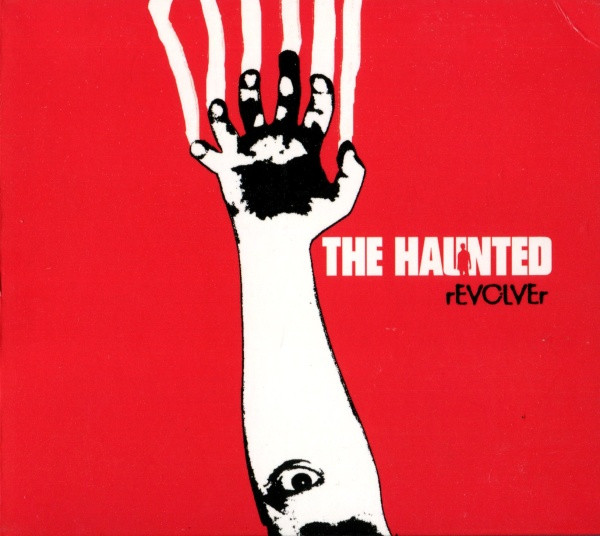
The Haunted – Revolver (Album of the Week)

In 2004, one of Sweden’s leading purveyors of death and thrash hooked back up with an old flame, threw a few new bits into their metal, and had a day with the response.

The Haunted – Revolver

Released October 18, 2004 via Century Media Records

My Favorite Tracks – Who Will Decide, Abysmal, Sabotage

The Haunted have a curious history, having been formed in 1996. The band was formed by 3/5 of the former lineup of Swedish death legends At The Gates, who had broken up one day prior to The Haunted’s founding. The band was founded by brothers Jonas (bass) and Anders Björler (guitar) and Adrian Erlandsson (drums), all former members of ATG. They were initially joined by vocalist Peter Dolving and guitarist Patrik Jensen. Dolving and Erlandsson would leave The Haunted after the band’s first album, to be replaced by Marco Aro and Per Möller Jensen.

The Haunted gained acclaim on their next two albums with a pretty straightforward Swedish thrash sound. Marco Aro left the band somewhat suddenly in 2003, which led to the group seeking a reunion with original vocalist Peter Dolving and the release of this album.

The album’s name was styled as rEVOLVEr, which was meant as an indication that The Haunted’s music was evolving from its entrenched roots in Swedish thrash. Though for the sake of clarity I will style the album’s name as Revolver in this post, maybe someone will get confused and think I’m talking about The Beatles. A few seconds of riffs from The Haunted album will likely correct any confusion.

Revolver is a hefty slab of music, no matter which configuration it comes in. The standard edition features 11 tracks at 47 minutes, while the red-covered deluxe edition offers 2 bonus tracks. And as usual, the Japanese version has its own bonus track and keeps another track from the deluxe set. For brevity’s sake I will go over the standard tracklist though I have always had the deluxe version. Here is the standard album’s tracklist:

No Compromise

99

Abysmal

Sabotage

All Against All

Sweet Relief

Burnt To A Shell

Who Will Decide

Nothing Right

Liquid Burns

My Shadow

The album opens with a pair of songs that are pretty standard fare for The Haunted – brutal, fast and loud. No Compromise and 99 both come in hard and stay that way. No Compromise is one of a few songs on the album that isn’t woefully negative in its outlook, it is more of a rallying cry for the outcasts. 99 is a very bleak look at the state of the system and doesn’t offer much in the way of hope, something that isn’t to be found on this album hardly at all.

Abysmal starts off as something quite unexpected – this is, in many respects, a ballad. It starts off very quiet, with Peter Dolving almost speaking the lines, until the song suddenly gets much heavier though keeps its dirge-like pace. The song lives up to it’s title, this is as dark as it gets with no way out and no light at the end of any tunnel.

Up next is Sabotage, which is a full-tilt delivery that is like punk on steroids. It’s followed by All Against All, a more mid-paced track that is a very harsh look at an ended relationship. This one has the “feel” of a hardcore song though still bringing its thrash underpinnings. The Swedish thrash and death sound was a huge influence on the metalcore scene and here we have one of the Swedish bands putting it all together.

If you were hoping that Sweet Relief would bring you respite from the bone-crunching riffs and stark lyrical themes, well your hope was misplaced, as the song slams in and keeps the metal flowing. The next song might be the one you’re really looking for – Burnt To A Shellis another quasi-ballad and this one is also not negative to the point of being psychologically disturbing. It does offer some of that bleak imagery but also gives a fair respite from it in the chorus.

Up next is Who Will Decide. This is another hard one and also features guest vocals from Sick Of It All frontman Lou Keller. This song really exposes the true problems with the system and why things never really seem to get truly better. And this was recorded in 2004, this one is even more relevant 19 years later.

The album heads into the home stretch with Nothing Right, another hard hitter that spells out exactly what the title says. Liquid Burns comes in next and is a very messed up look at some crazy relationship and abuse stuff, as well as the influence of alcohol and its numbing effects on the ills of society. The album closes with My Shadow, this being a full-on “ballad” and also the bleakest of the bleak in terms of theme. This conclusion is the most desperate and hopeless song of them all, just totally giving up and being nothing.

Revolver was a remarkable moment in The Haunted’s career. The album served to both honor the musical legacy of the band as well as update the sound a bit and it slotted in nicely alongside the emerging metalcore movement of the early 00’s. If The Haunted were living somewhat in the shadow of At The Gates, Revolver saw them cast off that legacy completely and fully flesh out their own identity.

It isn’t a huge secret that the lyrical themes of extreme metal tend to dwell on the negative side, but on this album the lyrics truly are dynamically written to be as hopeless as possible in many cases. It’s not like a lot of metalheads even really take in the lyrics on a lot of death or black metal – the voice is often just another instrument. But with this album Dolving’s vocal delivery is comprehensible and the words truly stand out in their desperation when they’re taken in.

The Haunted would continue course with Peter Dolving for three more albums before he departed the group in 2012. The band would also contend with double duty, as At The Gates reformed in 2008. The band nearly split up but would reconvene with singer Marco Aro and release yet more vital music in the 2010’s.

For all of the band’s history in the hallowed Swedish metal scene, Revolver might be the most unique and dynamic moment of The Haunted’s catalog. The songwriting featured variety and dynamics and the lyrical content went to a place far scarier than the imagined hells of most metal albums – the cold, stark facts of reality for many hopeless souls.