Queensrÿche – Rage For Order (Album of the Week)

A young metal band with just one album under its belt gets told by the label to “glam it up” a bit. The results were – well, not quite glam by any real measure, at least beyond the band photos.
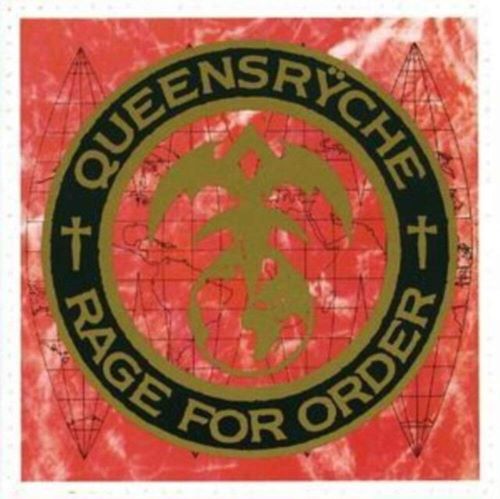
Queensrÿche – Rage For Order

Released June 27, 1986 via EMI Records

My Favorite Tracks – Screaming In Digital, Neue Regel, I Dream In Infrared

Queensrÿche were in a bit of an odd position by the mid 1980’s – they had arrived as a heavy metal act with progressive and Judas Priest vibes. Even early on the band seemed too intellectual and sophisticated to truly dive into the glam and hair movement that was taking hold of rock music. Instead we got a grab bag of songs, some having to do with love in some darker aspects and others still getting into sci-fi or AI stuff like what they offered on their first efforts.

The band’s line-up was constant all through the ’80’s – Geoff Tate on vocals, Chris DeGarmo and Michael Wilton on guitar, Eddie Jackon on bass and Scott Rockenfield on the drums. This one was produced by Neil Kernon, who helmed the studio console for Hall and Oates’ biggest albums and has gone on to record hundreds of albums with everyone ranging from soft rock to death metal.

The production on here is worth discussing, too – in contrast to the thinner and sterile sound coming from a lot of albums in this time period, Rage For Order has a pretty full sound. It’s bright yet also full, it hits when it needs to and lets the album’s softer songs breathe. It is at times clinical, which was probably a goal since some of these songs are about computers and robots taking everything over. Getting this variety of themes and sounds down into a nice listening experience is a pretty nice accomplishment.

There are 11 tracks here that run for nearly 46 minutes, and the variety takes the listener on quite a journey. There was a deluxe reissue that offered a handful of live and demo bonus tracks, I’ll stick to the original album’s tracklist for today.

Walk In The Shadows

The opener is a pretty nice song that walks a line between being both melodic and heavy. This dark love tale was apparently inspired by vampire stuff like the Anne Rice books. The song is fairly quick and simple but does a good job setting the table for what’s to come.

I Dream In Infrared

Up next is something akin to a power ballad. This one starts out soft and lush, then builds into a really powerful surge through the chorus. It’s the earliest hint of how Queensrÿche would approach a more conventional rock song, something we’d get more of from them in 1990. The lyrics have to do with a relationship that’s clearly lost, the narrator is about to split and has pretty profound thoughts about it. As with a lot of Queensrÿche stuff there could be a deeper or more specific song meaning but I don’t know what it is. No matter, this song is spectacular and one of the band’s crown jewels.

The Whipser

The title is misleading here, this song is plenty loud. It’s got a nice and noisy riff with Geoff Tate visiting several parts of his considerable vocal range, and just the right amount of keyboard accents which Neil Kernon provided. The song’s theme isn’t quite clear, someone is being coerced or persuaded to do something likely not good. It could be vampires or robots, either are a fair guess for this album, I personally vote robots as it’s always a safe bet on early Queensrÿche stuff.

Gonna Get Close To You

Up next is a cover song – this was first done by Canadian artist Lisa Dal Bello, who performed as Dalbello. It is a creepy stalker song, and unlike The Police’s smash hit Every Breath You Take, this song is very, very upfront about being engaged in flat out criminal stalking behavior.

Queensrÿche’s cover is honestly not far removed from the original, though it’s also paired with more instrumentation to fill it out. I go back and forth on whether I’m into this one or not and overall I’m kind of not, but I will admit that they did get the sound right in terms of making it fit the album.

The Killing Words

This is another amped up power ballad. Another high quality track, this is about love going down the tubes again but the people are apparently still together, seems to be a recurring theme here.

Surgical Strike

It’s time to kick up the pace and move on from love to war. This one hearkens back some to the debut album but also still fits with the sound and vibe of this record. This one has a really nice solo then a synth transition back into the song. It’s also over as quick as a surgical strike in a hair over 3 minutes.

Neue Regel

German for “new regime” or something like that, this kicks the pace back down a notch but keeps the power going. There’s quite a bit of use of keyboards and other samples here to help create an epic build to this new order, whatever it may be. There’s a lot here but it’s not overdone, this one works great with all the embellishments.

Chemical Youth (We Are Rebellion)

It’s time to get loud again as this one aggros its way through a long and unwieldy rant about rebellion, politics and technology. I don’t know what the hell they’re talking about here but the song is still pretty good.

London

Another powerful power ballad, this one is about a tryst with someone in the city referenced in the title. A pretty nice song, quite powerful and moving, though also perhaps a notch below some other stuff here.

There’s an interesting reference to November 4th in the opening line – that day was nothing unusual on its own but is just a day removed from “Guy Fawkes Night” or the Gunpowder Treason Day in England. (remember, remember the 5th of November). Nothing in the song indicates any link to that but I thought it was a neat coincidence, especially given the multiple themes of rebellion found through the album.

Screaming In Digital

Up next is an epic foray into the world of sci-fi and AI, though AI isn’t really sci-fi anymore. This song is an absolute scorcher, with dueling vocal parts representing two characters. It’s not totally clear what’s going on here, though at least one of the participants is a machine and I’ve always assumed both are, the “newer” machine is struggling with the concept of only being a machine. It could also be a human being forcefully “induced” into the robot cult or whatever, I don’t know.

This song is an absolute masterpiece. Geoff Tate is on fire here and the song’s militant rhythm gives a machine-like feel to things to further enhance the cyborg or AI concept. The vocal trade-off can be confusing at first, but repeated listens shine a light on what’s going on, and this song should be listened to repeatedly. One of Queensrÿche’s best songs.

I Will Remember

The album ends on a quiet and somber offering that is also lyrically about AI. This explores the concept of machines “stealing each other’s dreams” and the idea of not having private thoughts that can be concealed from a digital police state. It was sci-fi at one point in time, today it’s reality – just think about buying a couch and look at the ads on your phone. But I like this quieter approach to ending the album and the song itself is quite well done.

Rage For Order was not a huge hit out of the gate – it peaked at 85 on the Billboard 200 in the US and had various other lower chart placements around the world. Critics were kind, they liked the music though found some of the lyrical fare dense. This would get a gold certification in the US and Queensrÿche would land coveted opening spots on tours with AC/DC, Ozzy Osbourne, Ratt and Bon Jovi.

Queensrÿche have often defied categorization, for good or bad, and in the early days it was usually a good thing. Rage For Order shares the band’s somewhat elusive qualities – it is a lot of things and touches on a lot of subjects, but overall it was a pretty big step forward. This moved Queensrÿche out of the “Judas Priest meets Rush” comparisons and into establishing their own sound. Their signature guitar tone is here, as are knacks for arrangement and lyrical concept. All of this would mesh just a few years later on their magnum opus. Rage For Order may be a grab bag of sorts, but whatever you grab out of it is pretty damn good.
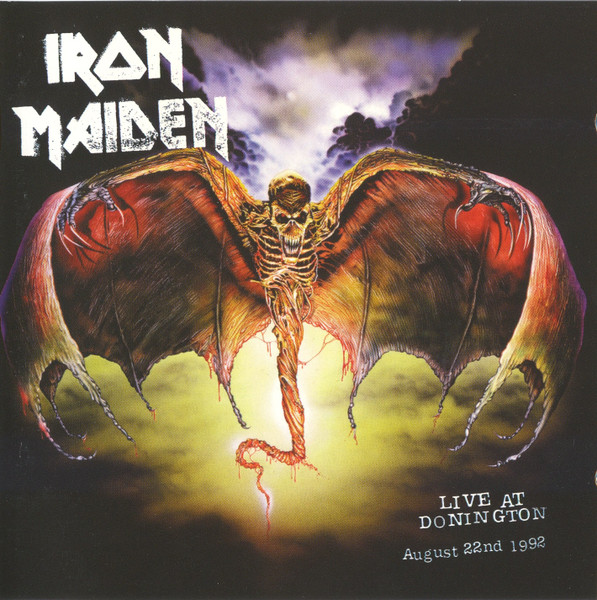
Live At Donington – The Iron Maiden Live Album Series

The past two weeks were spent looking over Iron Maiden’s two live albums from the early 1990’s, a period regarded as one of the band’s weaker segments. Today we shift gears and head to – oh wait, this is yet another live album from the early 1990’s.

This one is a bit different, as we get an entire single concert presented on an album. While there are 13 live albums in total, there is only one other that is also a single, complete show presented in full. All of the others are either tour compilations or selections taken from several nights in the same city. It is kind of nice to have a full show on offer.

This show was the headlining spot for the 1992 Monsters Of Rock festival at Castle Donington. Monsters Of Rock had been a huge thing in the ’80’s but was starting to lose its luster in the ’90’s. Maiden was top of a bill that included Skid Row, Slayer and W.A.S.P. The Monsters Of Rock concept had a few more tries after this one but sputtered out, it would be replaced at Donington grounds by the Download festival in the early 2000’s.

This particular show was well attended, with a crowd of around 80,000. Iron Maiden compiled both audio and video from the show and released it, though only in a handful of territories. The video format was only ever issued on VHS, no known official copies of DVD or anything newer exist. The audio portion was released as a 3 record package and a 2 CD set, with a rather plain white cover. The CD was reissued in 1998 and given an actual cover taken from a promo flyer for the show, the cover you see above. This is the version of the album that I possess.

As with other ’90’s live Maiden, getting a hold of this on vinyl is an expensive chore. Prices are in the hundreds. It is one I’ll hold off on until a reissue hits or I win the lottery, I can’t really justify shelling out that much for a damn record. I’m not even sure they will ever reissue it but this era’s vinyl is just too rich for my blood.

This is a monster tracklist so I’m going to just post the back cover then I’ll get into the particulars of the album.

There’s honestly not much to say about song selection here – this is a full concert so there was no picking or choosing for the album. It’s a representative setlist of the tour in 1992, which again is the same tour A Real Live One was pulled from.

Speaking of that live album and its companion A Real Dead One, that’s where we can go to do some comparisons. This album has every single song that also appeared on A Real Live One and all but two that are also on A Real Dead One. Granted, the other albums draw from different performances, but we have three live albums that cover nearly identical ground song-wise. It begs the question – what’s the point of all these albums and which one stands out above the rest? The quick and clear answer is this one.

The sound quality of Live At Donington is fairly good overall. The performances sound like they were captured well, but no effort seems to be in production. Steve Harris is listed as the producer on the audio side of things so he would need to answer questions about it, I don’t think he will given how far removed he is from this era.

The performances come off well – it sounds pretty well spirited and energized. This version of the band maybe doesn’t handle the older material as well as they do the current songs but it’s not anything bad, just more basic than what the classic line-up would have delivered. I don’t have any real qualms about the execution here though, I think this live set works fine.

It is maybe a bit tough to pick out actual highlights, though two stand out. The first is the performance of Fear Of The Dark, their current album’s title track that has become a staple of most every Maiden set since release. It’s definitely worth the price of admission here.

The other true highlight comes at the album’s close. It’s not unusual for Maiden to perform Running Free, but it is unusual for former guitarist Adrian Smith to join them onstage while they do so. This brief “reunion” was a nice tip of the hat to the band’s 1980’s heyday. And while we didn’t know it at the time, Adrian being onstage with his replacement Janick Gers was a preview of the Iron Maiden line-up we’d have from 1999 until the present day.

Overall there’s a lot to like about Live At Donington – it is a rare complete show from a band who releases live albums like water but rarely hands out complete one-night performances. It was a good energy show at the festival and only suffers from questionable production choices that don’t entirely ruin the listening experience. This album is a good summation of Maiden as they were winding down Bruce Dickinson’s first tenure in the group.

The only real question I have isn’t even about Live At Donington, it’s about the two live albums from the same era and mostly even tour that preceded it – with this complete package, why did A Real Live One and its companion even see the light of day? I don’t know, but what I do know is that I’m finally done talking about ’90’s era Iron Maiden in this live series.

The Iron Maiden Live Album Series

Live After Death

A Real Live One

A Real Dead One

Live At Donington (you are here)

Rock In Rio

BBC Archives

Beast Over Hammersmith

Death On The Road

Flight 666

En Vivo!

Maiden England ’88

The Book Of Souls – Live Chapter

Nights Of The Dead – Legacy Of The Beast Live In Mexico City

The Iron Maiden Live Album Ranking

The Maiden Live Album “Wishlist”

Metal Church – The Dark (Song of the Week)

It’s spooky season so it’s a great time for a song about spooky stuff.

Metal Church released their second album The Dark in 1986 and today’s song is the title track. This album got a pretty mixed reception from critics, who were more in love with the band’s self-titled debut, but this album and song have its fans and I am absolutely one of them.

Metal Church are more accurately described as a US power metal act than a thrash band, though this song might convince some otherwise. This is a hard and aggressive track with pounding riffs and rapid fire vocal delivery from David Wayne, who is almost rapping through the chorus. There is an instrumental break but not really a proper solo, this song pretty much just slams in and out.

Lyrically the song is about being stuck in a house at night while sinister things are about. No telling if those evil things are real or imagined, but all those noises in the night are making the song’s subject paranoid. He feels like he has to stay up all night to avoid being prey to whatever lurks in the shadows, if that thing is even real. Playing upon that fear of things that may or may not be there, often a childhood thing, can be far scarier than an actual monster on a rampage.

The Dark wasn’t released as a single but is a relatively well-known song from the band’s output. IT doesn’t have the profile of songs like Watch The Children Pray from this same album or a few cuts from the widely celebrated debut, but this one still stands as a signature Metal Church track. It was covered by Stone Sour in 2015 when that group focused on playing several cover tracks.

Metal Church would go on through a lot of line-up changes, hiatuses and tragedies through the years, including the death of David Wayne in 2005. Founding guitarist Kurdt Vanderhoof has been the band’s caretaker through the 2000’s. While Metal Church have been through a lot of ups and downs in the decades since their 1980’s breakthrough, they have also contributed a lot to the realm of metal, including this great song.

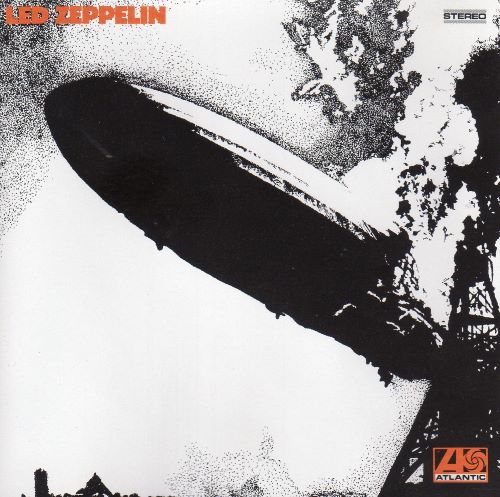
Led Zeppelin (Album of the Week)

Time to go all the way back into ancient history for the debut of one of rock’s most titanic bands. There’s plenty of blues, a bit of heavy metal and a whole lot of rock.

Led Zeppelin – self-titled

Released January 12, 1969 via Atlantic Records

My Favorite Tracks – Communication Breakdown, Good Times Bad Times, Dazed And Confused

I’ll sum this up as quickly as Page and company recorded the record – Jimmy Page had an obligation to tour with the Yardbirds but needed a band. He brought in Robert Plant, John Paul Jones and John Bonham to do it. After the tour the band self-financed a record and recorded this debut album in 36 hours of studio time. Page was the producer as well as guitarist. The band changed their name from The New Yardbirds to Led Zeppelin and got a major label deal with Atlantic Records that included creative freedom without even being heard.

Today’s album is 9 tracks with a 44 minute runtime. The album is a mix of originals and covers, and Jimmy Page’s long history with music copyright battles would begin on this very debut record.

Good Times Bad Times

The opener is a great introduction to Led Zeppelin – a noisy rocker that showcases bits of each band member at their strengths. Jimmy Page and John Paul Jones both leave some great embellishments through the song, pretty slick bass work from Jones especially. This is a general summation of the good and bad of relationships and it’s a pretty accurate look at things.

Babe I’m Gonna Leave You

This was originally written by Anne Bredon, Page and Plant were inspired to do the song based on a recording by Joan Baez. Zeppelin would not ply their trade in folk however, they doubled the length of the song and kicked up the ferocity several thousand times over. It shows that Zeppelin had more atmosphere to them and weren’t going to be a hard rock one-trick pony.

This one has an odd bit of trivia to it in regards to Anne Bredon’s proper royalties – Page was unaware of who originally wrote the song and Bredon was unaware of Zeppelin’s version for many years. Eventually she was properly credited and paid. This was more an honest mistake and a lot less messy than other “Who wrote this Zeppelin song?” fiascos.

You Shook Me

This is an early ’60’s blues tune written by Willie Dixon and originally performed by Muddy Waters. Again, Zeppelin take the original song and double its length and also run it through their own Zeppelin filter to distinguish it quite a bit from the original. It’s a pretty fun jam and Robert Plant really gets up to some vocal gymnastics here.

Dazed And Confused

This trippy jam was something Page did with the Yardbirds and wanted to bring to Zeppelin. Call it psychedelic, maybe, or perhaps acid rock, this song is a total journey. It keeps a fairly standard and slow pace for a bit, then starts jumping off the rails with crazy riffs and drum fills, and also Robert Plant sounding like he’s having an orgasm. This was a sterling showcase from Zeppelin and a song they would extend to a massive jam live, it also marks the band’s most-played live song.

This one has a contentious writing history – it was originally written by folk artist Jake Holmes, who opened for the Yardbirds in New York. Holmes would eventually have to sue Page in 2010 to get proper attribution. The case was settled out of court, so no specifics on how it played out.

Your Time Is Gonna Come

This is a bit of folk hard rock here with a jamming organ and acoustic guitar. The song has an uplifting and almost spiritual chorus, but is also admonishing a two-timing woman. It’s a study in contrasts to a degree. This song never got busted out much by the group but it’s a track I like quite a bit.

Black Mountain Side

This is a short instrumental piece that has the prior song bleeding into it. It’s a pretty standard acoustic thing up until a bit of Jimmy Page magic in a brief spot. It’s worth a listen.

Communication Breakdown

Here we get a very early example of an outright heavy metal song. Zeppelin’s blues-based rock would be a foundation on which heavy metal was built, but here they actually recorded the next step in the process. This brief song could also be considered a precursor to punk with its fast, static riffing along with all the damn noise Bonham is making. This song was an inspiration for future metal and punk bands, Iron Maiden and The Ramones among many others.

I Can’t Quit You Baby

This is another blues tune and another written by Willie Dixon. It was first performed by Otis Rush and Zeppelin’s interpretation is pretty faithful to the original. It does add a few minutes of space for Jimmy Page to get up to a few things on guitar but it’s otherwise a standard blues rendition.

How Many More Times

The album closes with a blues-based rocker that is an original band composition. This song is pretty jam packed with action for its 8 minutes. It gets a pretty long interlude before picking up the jam back into a whole other space and then revisiting the song’s beginning structure to close out on. The guitar tone here and song structure are a pretty good showcase of what Led Zeppelin would get up to on future albums.

Led Zeppelin was a pretty hot ticket right out of the gate. The album would hit number 10 on the US Billboard 200 and get number 6 on the UK Albums chart. It did pick up number 1 in Australia and Spain. Zeppelin would have a very successful US tour that kicked off just as the album launched and their interest in America and abroad grew quickly. All told the debut would be certified platinum 8 times in the US, 2 times in the UK and get a diamond certification in Canada. Nothing from Zeppelin has really stopped selling since they hit the scene, though of course exact sales figures from this era in music are difficult to track.

This one has always been one of my favorite Zeppelin albums. There’s something a bit different about this one before they really nailed down their winning formula. They’re credited with recording the perfect rock album, but there’s a charm to this one with its meandering through styles and clash of sounds.

I don’t see much point in getting into the legacy of Led Zeppelin – they’re one of rock’s most important bands. This was the start of their decade of domination and circumstances came together to make quite a debut.

A Real Dead One – The Iron Maiden Live Album Series

On we plow through the 1990’s live Iron Maiden stuff. I didn’t pull punches last week when discussing A Real Live One and its awful sound quality. Does its companion album have something better in store?

A Real Dead One is in very similar fashion to its predecessor – this is a collection of songs from different stops on a tour. Most of the songs are culled from the A Real Live One tour in April and May of 1993, while 3 of the songs are taken from the same August 1992 tour that the prior live album was made of. 2 more cuts are from the same Helsinki, Finland show that was well represented on the prior album. The newer shows feature 2 cuts each from the same shows in Germany and Switzerland, while everything else is from shows represented once.

On to the cover art, again from the artist who brought Eddie to life, Derek Riggs. This features Eddie as a radio DJ in what I think is a very awesome piece of art. I always really liked this cover and total props for this cool art that’s a bit out of the way for typical Eddie portrayals.

The line-up is the same as the prior album, with Janick Gers in place at guitar in succession of Adrian Smith. There was a dark cloud over this tour however, as it had been announced previously that Bruce Dickinson was leaving Iron Maiden. He was burned out and wanted to truly explore a solo career, but he agreed to this tour so as not to leave the band hanging and also to bid farewell to his mammoth era in the group. In fact, Bruce was out of the group by the time this release hit store shelves in October of 1993.

The other quirk of this album is that it bookends its predecessor A Real Live One by doing the opposite of what the prior one did – while the former only featured songs from albums after Powerslave, this release only featured songs from that album and before.

I discussed last week how A Real Live One isn’t the cheapest set around – an original CD is easy to get, but the vinyl is not at all easy or cheap. This one is even worse by a fair magnitude – it’s a few hundred dollars in recent Discogs listings. These have never been reissued so the scarce ’90’s vinyl is the only option outside of unofficial copies if you want this on your turntable. Also there the double CD reissue with A Real Live One, called fittingly enough A Real Live Dead One. Great way to get both at once but that CD set is a bit more than the average CD.

Here’s the tracklist, then I’ll get into the song selection and the actual content.

The Number Of The Beast

The Trooper

Prowler

Transylvania

Remember Tomorrow

Where Eagles Dare

Sanctuary

Running Free

Run To The Hills

2 Minutes To Midnight

Iron Maiden

Hallowed Be Thy Name

The song selection is pretty cut and dried, this contains a fair few of the obvious Iron Maiden hits. A lot of these songs are in every setlist or are featured most of the time during tours even to this day, this is a foundation of Maiden classics.

But about half of this stuff is off the beaten path. Having songs like Prowler and Remember Tomorrow is pretty cool, those don’t pop up a lot. And the instrumental Transylvania is a very curious and also welcome choice, that is very out of the way and it’s something that makes this a pretty cool set.

The main knock on A Real Live One is the horrible sound quality – it doesn’t sound good at all. Those issues were rectified on this go around, as this stuff all sounds pretty nice. It’s clear and resonant, it isn’t a muddy mess like the first one was. It’s a massive improvement from the one before.

And the performances here are all solid, too. There’s nothing off or uninspired, every song sounds good. Bruce gets in some banter during Running Free as he usually does, and him introducing Transylvania is pretty funny as he has no role on that song.

The live stuff comes to a fitting conclusion with Hallowed Be Thy Name, long the consensus pick for Iron Maiden’s greatest song. The performance from Moscow is great and this was released as a single, finally giving the song a long overdue single release.

It could be said that the performances sound a bit basic or “meat and potatoes” compared to Iron Maiden’s more epic delivery in other eras, though that was the style they were operating in through the early ’90’s so it’s fair to expect that to come through live. It’s not anything really distracting but it is noticeable.

A Real Dead One didn’t set the world on fire sales-wise, but this was Iron Maiden’s career low point so it’s to be expected. Bruce was out by the time this hit shelves and a lot of classic era fans were left disenchanted, not only with Maiden’s happenings but with heavy metal’s fall from grace as a whole. This particular set does give some highlights from a dark time in the band’s history and helps cleanse the aural palette after the awful noise of A Real Live One.

The Iron Maiden Live Album Series

Live After Death

A Real Live One

A Real Dead One (you are here)

Live At Donington

Rock In Rio

BBC Archives

Beast Over Hammersmith

Death On The Road

Flight 666

En Vivo!

Maiden England ’88

The Book Of Souls – Live Chapter

Nights Of The Dead – Legacy Of The Beast Live In Mexico City

The Iron Maiden Live Album Ranking

The Maiden Live Album “Wishlist”

Beastie Boys – Sabotage (Song of the Week)

The song pick this week is one of the more iconic audio and video clips from the early ’90’s. The song is fantastic and the video is totally unforgettable.

Sabotage was the first singe from the Beasties’ fourth album Ill Communication. The single was released in January of 1994, while the album was a few months behind in May. The single had a rather light performance conventionally, landing at 18 on the US Alternative Airplay chart and 19 on the UK Singles chart. The album was a smash success, claiming a Billboard number 1 and hitting 3 times platinum in the US.

The Beastie Boys were always a genre-bending outfit, combining elements of hip-hop, rock, metal, punk and whatever else around the house wasn’t bolted down. In the music environment of 1994, Sabotage simply qualified as a rap-rock song, nothing unusual to find on the radio or MTV at the time. Of course, the Beastie Boys were also one of the primary influences on the fusion of rap and rock, so no great surprise that another single of theirs would be right at home among a host of music they helped influence.

Lyrically, Sabotage is a venomous rant against the music industry and specifically a producer that had screwed the band over – except that nothing of the sort really happened. Adam “Ad-Rock” Horovitz relayed in the 2020 Beastie Boys Story documentary that they were simply spewing a fictional rant at Mario Caldato, the song and album’s producer. Caldato was not truly doing anything untoward, it was just a way that the Beasties came up with lyric ideas.

Sabotage is inseparable from its music video, which was what truly launched the song into immortality. The clip was helmed by director Spike Jonze and was styled as the opening credits to a 1970’s-era cop show. Each member of the band played a member of the police force, with Adam “MCA” Yauch getting two roles in the video.

The video is simply amazing. It does truly look like a cop show from the time period it represents and could easily be mistaken for a trailer to a real show. Just ask Beavis, who is probably still wondering where the real Sabotage show is. All of the Beasties look the part and the high-flying action is captured perfectly. MTV did originally censor portions of the video, including the parts with bodies flying out of a car and off of a bridge, though it was abundantly clear that dummies were used in the “stunts.” The YouTube clip above features the full uncensored video.

The video was in constant rotation on MTV and was the catalyst to the song being played over and over again for anyone tuning in throughout 1994. The video was nominated for five awards at the 1994 VMA’s but was infamously shut out, mostly losing to Aerosmith’s Cryin’ video. That should be considered a crime, honesty. In 2009 MTV created a new award centering around videos that should have previously won awards and Sabotage was the winner.

Sabotage and Ill Communication would help turn the Beastie Boys into total household names, something they had been well on their way toward anyway, but the ever-present MTV video and success of the album would be the point of no return. No doubt that Sabotage is one of the defining songs and videos of the time period.

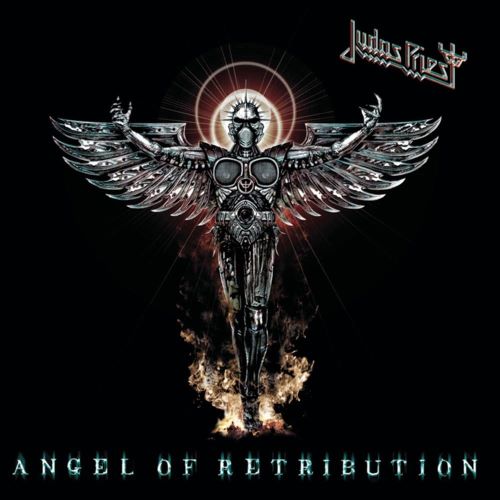
Judas Priest – Angel Of Retribution (Album of the Week)

Today it’s time to have a look under the hood of a milestone album in the Judas Priest catalog – this was the studio return of Rob Halford to the band after having been gone since 1992. Big things were expected, especially on the heels of England’s other huge heavy metal band having a very successful reunion with their legendary singer, so Priest was on the clock here to deliver.

Judas Priest – Angel Of Retribution

Released February 23, 2005 via Epic Records

My Favorite Tracks – Judas Rising, Revolution, Deal With The Devil

Judas Priest were busy touring after Halford’s return so it would take a little bit to get a new album out. The band worked with producer Roy Z on the effort. Roy had worked with Halford on his last few solo albums and was also instrumental in Bruce Dickinson’s acclaimed solo material. The band’s line-up was unchanged beyond Rob Halford – Glenn Tipton and K.K. Downing on guitars, Ian Hill on bass and Scott Travis on the drums.

One thing about the lyrics that I’m going to get out of the way now so I don’t have to bring it up every song – this is absolutely loaded with references to earlier Judas Priest songs. Soem stick out like sore thumbs, like nods to Stained Class and The Sentinel in Eulogy, while others are a bit subtle. I recall music critics pointing this out a lot and not always in a flattering way when this was released. I personally don’t mind but I’ll admit that it’s a lot.

The CD was originally released in one of two configurations – a two-disc set with an accompanying DVD documentary, and a DualDisc version with the DVD portion on the back of the music CD. Technology was really offering it up just before CDs became obsolete. The album is 10 tracks that clock in at 52:37, though a look at the final track’s runtime reveals the rest of the album is pretty lean.

Judas Rising

The album opens with a heavy track that re-establishes the band pretty well. This one maintains a bit of the heavy feel of the 1990’s, when Priest were a notch or two heavier. There is a lot of lightning and fighting with the fate of the world in the balance kind of stuff here, or usual fare for Judas Priest. This was a good way to kick things off.

Deal With The Devil

This more fast-paced track looks at the band’s early days, when they rehearsed in a school building next to a church. This has some nice solo work from Tipton and Downing and the song feels like it slots in well with the overall Priest catalog.

Revolution

This is more of a hard rocker than a metal track, it has a simpler structure. This was the album’s only single. This one works pretty well, even if it’s a bit outside the box for Priest. The sort of southern riff is very effective and the song’s beat pulls you in. The lyrics are about the heavy metal revolution, which Priest were a huge part of and heavy metal was on the way up again in the early 00’s when this song came around.

Worth Fighting For

This song has a feel of something off of Point Of Entry and that is apparently by design, as this is a companion of sorts to the song Desert Plains from that album. It’s about someone wandering the desert, looking for their lost love. While the song comes off as light compared to other material, it really brings out Priest’s “softer” side pretty well and is a good compliment to the era it recalls.

Demonizer

The intensity picks up here on this all out metal assault. It’s another all out war among celestial forces in this one, even the famed Painkiller makes another appearance here. This song doesn’t quite go as hard as Painkiller but this is still a worthy slab of metal.

Wheels Of Fire

Here the song keeps a middling pace but slams in with some very heavy guitar tone. This is another callback to Priest’s long flirtation with motorcycle culture, this is all about being out on the open road and the freedom of the journey itself. It’s not their best song and not even their best song on that topic, but it’s a pretty good listen.

Angel

It’s ballad time and this one is very forlorn and sad. This is very minimal and quiet, very slowly adding elements to get a power ballad feel in the song’s final minute or so. It is a nicely done song though also not one I or many others were expecting from Priest. Given that this album is a mixed bag anyway, it leads to an appreciation for this one. And curiously, this song is by far the most-streamed track from this album, dwarfing the other songs with over 21 million plays.

Hellrider

Another attempted scorcher, though this one feels like it could use more pace to really open it up. It’s another one about giant robot monsters fighting each other, Megatron is even mentioned by name here. Overall it’s pretty good but I’d like a faster beat to this one, all of these mid-paced bangers get a bit plodding all on the same album.

Eulogy

Here we have a more quiet interlude sort of thing. It’s pretty short and to the point, with a quiet piano bit and Rob keeping things on the quiet end of his delivery. It maintains its form throughout, with no big build-up to anything more powerful. It’s a nice piece but who knows what this is a eulogy to.

Lochness

The album closes with something no one had on their Judas Priest bingo cards – a 13 minute long song about the famed Loch Ness Monster.

This is slow and plodding, and I mean if someone could take a picture of this song, it should be in the dictionary next to the definition of plodding. I guess a song about a mythical creature that may or may not (and probably does not) exist doesn’t need to be a metal barnburner, but man I’ve heard doom bands play faster than this.

This song was brutally reviewed when the album first came out. In years since a bit of an appreciation society has formed for it. I am not a member of that group, I think this is pretty awful. If the song were like half the length or even shorter I wouldn’t mind it at all, but this does not justify its use of 13:29 at all. This song is an anchor on the album, that is for sure. I could even call it an albatross around the album’s neck…

Have at it, if you have time to spare

Angel Of Retribution was welcomed by a listening audience ready for Rob Halford’s return and also well into a revival of the traditional heavy metal sound of the 1980’s. The album charted at 13 in the US, 39 in the UK and 2 on the UK Rock and Metal chart, as well as placing on at least 17 other music charts worldwide. No certification info is available so it’s tough to gauge any actual sales numbers.

This album is somewhat uneven and a very mixed bag. It has some metal, it has some more rock-oriented stuff that calls back to other points of Judas Priests’ fairly diverse catalog. There aren’t any massive triumphs here but there are songs worth a listen for sure. And of course it was nice to hear Rob Halford back at the band’s helm after a very long absence.

Judas Priest would go on to continue adding to their legacy and find more solid footing for future albums, though not without massive band drama. But a group has to start again somewhere, and Angel Of Retribution is as good a starting again point as any. It’s rather unheralded in their catalog overall but not “bad” by any stretch, save for what you might think about that thing at the end.

A Real Live One – The Iron Maiden Live Album Series

I’m now on to the first of three 1990’s live Maiden releases. Maiden England will be covered later on as I’m recognizing the 2013 release, this is purely for simplicity’s sake.

A Real Live One was released on March 22, 1993. The cover art, again done by Derek Riggs, features Eddie playing with some power lines. Eddie can do this because he doesn’t have the mortality thing to worry about. It’s a pretty cool piece of art and one of the final pieces Riggs would do for the band.

This a collection of songs taken from various stops on a 1992 European tour in late August and early September. Out of the 11 tracks 9 are from different venues, with a stop in Helsinki, Finland having 3 tracks on offer.

This release is a bit different in a few ways. It was the first of two companion live albums – this one features only songs from Somewhere In Time through Fear Of The Dark, at the time the band’s most recent album. The companion album A Real Dead One would feature tracks from albums before and is obviously the focus of next week’s post. I personally have no problem with the approach, Maiden had 9 studio albums out by this point so doing this split era kind of thing is no skin off my back.

One other curiosity about these – getting them isn’t the easiest thing in the world. CD copies aren’t bad, and the odd cassette from the original release can still be tracked down. Vinyl, though is another story. This was only released on vinyl in some territories originally and has not been reissued to date. This one is fairly expensive to get, it’d probably set someone back $200, though some deals can be had if a buyer wants to risk shipping from countries with noted unreliable mail service. The release next week is another story in terms of price.

These two initially separate albums were combined in 1998 for reissue purposes, this is the CD I have in my collection. This was widely available in 1998 but is actually kind of scarce now, this 2 CD set is more expensive than just obtaining the separate original CDs. I am very much hoping that camp Maiden will see fit to put out a vinyl reissue of both these albums, I’m honestly uninterested in paying the high prices for scarce ’90’s vinyl.

That about covers the background info, I’ll post the tracklist then get into the gritty details of this release.

Be Quick Or Be Dead

From Here To Eternity

Can I Play With Madness

Wasting Love

Tailgunner

The Evil That Men Do

Afraid To Shoot Strangers

Bring Your Daughter … To The Slaughter

Heaven Can Wait

The Clairvoyant

Fear Of The Dark

First up, the song selection. Everything is from the four most recent albums. At the time that’s not a bad play, their only UK number 1 song is on here as is a wealth of stuff from their 1990’s output. Seventh Son Of A Seventh Son is also well-represented with 3 selections, while Somewhere In Time suffers with the lone cut Heaven Can Wait. But that was a function of most Iron Maiden tours before 2023, that stuff just wasn’t played much so there aren’t any other performances to put on a live album.

In retrospect the 1990’s are considered Maiden’s weakest period, but I won’t use that as a metric for judging the song picks here. That wasn’t really a consideration in 1992 when this tour happened and the songs were picked. I don’t fault doing a ’90’s era live album and I don’t mind the songs picked here. If anything, it’s kind of cool to have a few tracks from No Prayer For The Dying on here. While I’m not over the moon for that album I still don’t really mind it and honestly I don’t think they’ve played a single thing from that record since these early ’90’s tours. And the 5 cuts from Fear Of The Dark are stronger songs from that record, thankfully they didn’t air out any of the crap they also put on that album.

Now it’s on to the quality of the album itself. To be honest and blunt, this album sounds like shit. It is not a quality recording. It is very muddy and not clear at all. This isn’t universally true, some songs do sound a bit better than others, I think it was a reason they reached for more material from the Helsinki show. And a few songs work fairly well even in pretty bad sound quality – I thought From Here To Eternity was pretty enjoyable even in the muck, while Be Quick Or Be Dead seemed to really suffer for the recording quality.

There is a lot of talk from this era about the band themselves being down, there was stuff slung around about Bruce mailing it in and stuff like that. I don’t necessarily hear anything like that, nor would I blame new guitarist Janick Gers for a slip in quality. I think this album’s fatal flaw is the recording quality, the performances themselves honestly come off fine and the crowd sounds like they’re into it all. These might be more basic outings than the more epic feel Maiden had live in the ’80’s but the albums they did around this time were stripped down and basic anyway, so it’s not a surprise that such things would come through live performances to.

It’s hard to pinpoint one real highlight here. I do think that the stuff from Fear Of The Dark comes off a bit better than the other songs, but that’s more a vibe check than anything. And the low points aren’t songs in and of themselves, it’s more that the recording is a bucket of ass and some of these songs get lost in a buzz that shouldn’t be there.

Truth be told this album shouldn’t have been released. Quality control really wasn’t there. It’s nice to have as a document of an unheralded era, but as we’ll see in two weeks, we already have that in better sounding form. For me A Real Live One should be on the scrap heap. We’ll see next week if its companion album fared any better.

The Iron Maiden Live Album Series

Live After Death

A Real Live One (you are here)

A Real Dead One

Live At Donington

Rock In Rio

BBC Archives

Beast Over Hammersmith

Death On The Road

Flight 666

En Vivo!

Maiden England ’88

The Book Of Souls – Live Chapter

Nights Of The Dead – Legacy Of The Beast Live In Mexico City

The Iron Maiden Live Album Ranking

The Maiden Live Album “Wishlist”

Fight – Little Crazy (Song of the Week)

Our song this week comes from Fight, the early 1990’s project of the metal god himself, Rob Halford. Rob had left Judas Priest in 1992 in order to “spread his wings” and do some solo stuff. The story is that Rob had only wanted to do a side project and the rest of Priest was cool with it, but someone in band or label management screwed it all up and Halford’s letter of intent to do another band turned into him resigning. Judas Priest has some messed up management gaffes but that’s all for another time.

Halford’s first post-priest project would be Fight, a band a little more “with the times.” This band was heavy with a groove edge. It was reminiscent of Pantera, who were quickly becoming heavy metal’s most talked about band around this time.

Halford didn’t come from Priest alone – along for the ride was drummer Scott Travis, who did double duty in Priest and Fight, though Priest was not doing much at the time. Rounding out the band were bassist Jay Jay and guitarists Brian Tilse and Russ Parrish, the latter who you might know today as Satchel from Steel Panther.

Little Crazy was the second of three singles from the band’s debut album War Of Words. The album sold rather softly but did generate good critical and fan buzz. Halford’s gamble on updating for the times did pay off, at least in reputation. The videos from this album got pretty good airplay on MTV and there still was a good noise around the group, even if true commercial success was elusive.

This song isn’t a ballad by any means but it’s a slower tune, a bit “in the pocket” for a metal band. It does kick hard though, there’s no doubting its ferocity even in its middle pace. The riff here is totally southern deep fried, like this song came straight off the bayou. Everything here is played fantastically and the recording was fantastic.

Rob Halford keeps it subdued here, at least in terms of his general wail. Of all the renowned heavy metal singers, Halford is the one that can really take his voice to some different places. Here he keeps things on the level but it fits the song perfectly.

The song’s theme is exactly that of the title – it’s all about going crazy, or in fact being crazy. It isn’t the kind of hyped up, hey I’m batshit and going a million miles an hour kind of crazy often portrayed in old entertainment and especially metal songs. This is the creepy, crawly kind of crazy that is more like what going crazy is truly like (so I’ve read).

The music video fits the song very well and is also a product of its time. It features mostly shots of Halford writhing around as if he is slipping into the abyss, and some brief clips of the band playing. It’s all cut apart and pieced together with multiple angles in one frame, it’s very ’90’s and the sort of thing young, dumb meatheads like me ate up on MTV at the time.

Little Crazy wasn’t a hit in the commercial sense of the word. It did place at number 21 on the Mainstream Rock Chart, which is a bit of a feat for a debuting band, even one with a legendary singer in front of it. But this song was a hit with us at the time, the end of Generation X growing up on the alt-metal videos sprouting up around then. Fight would do one more album before folding, but their brief time around produced some pretty cools songs, and Little Crazy might be the biggest gem in the bag.

Bruce Dickinson announces new solo album The Mandrake Project

Last Thursday, September 21 finally saw a long-awaited reveal, as Iron Maiden directly released information about Bruce Dickinson’s seventh solo album. It is titled The Mandrake Project and is slated for an “early 2024” release. More specific information will be forthcoming, of course.

In addition to the album, Bruce has also announced a small run of solo shows in Mexico and Brazil in late April and early May of next year, giving us a guess that the album will release sometime before that small tour.

This is Bruce’s first solo record in a long time – have to go back to 2005’s Tyranny Of Souls for the last one. It’s also only his second one since returning to Iron Maiden in 1999, clearly his main gig and host of other jobs like flying, beer selling and sword fighting keeps him busy.

Not much music has been made available yet, there is a small snippet of instruments in a video on Iron Maiden’s social media pages but that’s all for now. I’d expect a full song to be previewed soon, maybe when the release date is revealed.

There also isn’t a whole lot to say about the upcoming album yet, other than Bruce is again working with his longtime collaborator Roy Z. That’s good news to anyone attuned to Bruce’s solo outings, as Roy Z helped craft some amazing albums with Bruce.

We can also speculate that one song we already know will appear on the album. Bruce has been working on a concept album for years, dating back to when Iron Maiden recorded The Book Of Souls album that released in 2015. That opening track, If Eternity Should Fail, was originally written by Bruce and intended for this new solo record when Steve Harris heard it and asked for it to be on the Maiden record instead. In fact, the somewhat incoherent babbling about “Necropolis” and all that at the end of the song is a tie-in to the story for this Bruce solo album. While nothing official has been said yet, I’d place bets that If Eternity Should Fail winds up on here too, though I’m sure it would be a redone version of it.

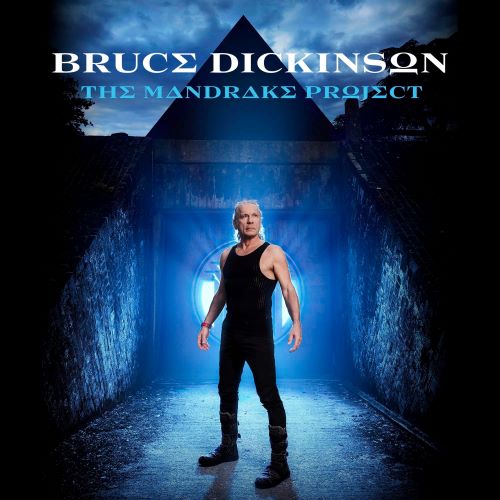
There’s not much else to do right now but sit and wait, this will be a highly anticipated release for me. Well, I guess there is one more thing we can do and that’s gawk at that somewhat awkward promo photo, with Bruce totally photoshopped over a mystical alien door of some kind. I’m assuming and hoping that’s just a promo photo and not the true album cover, a bit of chatter in spots on social media seem to support that theory. People have had a field day with this shot, some even remarking that it’s as bad as the infamous cover to Dance Of Death. I think this is a goofy photo but it’s not anywhere near the level of bad that Dance Of Death has for a cover.

Now with that out of the way, I truly can sit and wait for more news and some previews of this new Bruce album. It’s been a long time and I’m looking forward to another entry in his outstanding solo catalog.