Metallica (Album of the Week)

It’s time for one of the biggest albums in music history. This record literally conquered the world and made its makers one of the biggest acts in music history, a status they have not relinquished 32 years after the album’s release.
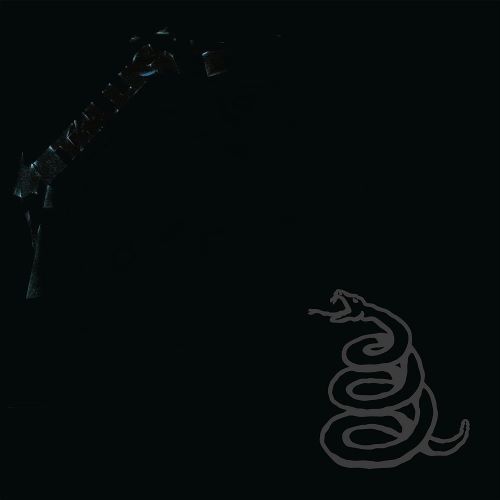
Metallica – self-titled, aka “The Black Album”

Released August 12 1991 via Elektra Records

My Favorite Tracks – Wherever I May Roam, Sad But True, The Unforgiven

Over the course of their prior two albums, Metallica had been stretching their songwriting and making longer and longer efforts with progressive twists and turns and other assorted things. When it came time to do the follow-up to And Justice For All, the group wanted to ditch the longer and complicated concept and keep things simpler.

The band hooked up with producer Bob Rock, based on what they’d heard from Mötley Crüe’s excellently-produced 1989 album Dr. Feelgood. Rock has recalled through interviews and documentaries that the process was long and difficult, not helped by the fact that 3/4ths of Metallica were going through divorces at the time.

In the end, Metallica got their album recorded and history was on offer. This has 12 songs at 62 minutes so there’s a bit to go over, not to mention the insane amount of accolades this album has racked up.

Enter Sandman

The lead single and one of the most-played songs in history (no citation for that, but it has to be). It is in stark contrast to stuff from the prior two albums – this is a simple riff and the song is basic as can be. But it works very well, and that’s why legions of people tuned in to Metallica when this song first hit in the all-important summer of 1991. Even though this is overplayed to absolute death I honestly still don’t mind hearing it.

Sad But True

This is another single and one of the album’s heavier tunes. It’s about the seedier side of life and being pulled into it by grim influences, it was apparently based on some old Anthony Hopkins movie I’ve never seen or heard of. This song absolutely crushes and is the true nexus for the marriage between ’80’s Metallica and ’90’s Metallica.

Holier Than Thou

This one holds a pretty good pace as it deals with self-righteous people in a religious context. I like the lyrics quite a bit, the song itself is ok but not my favorite. It is really, really simple and sometimes that can be a detriment, but there’s still a listenable quality to it.

The Unforgiven

Metallica have done ballads before and would again. Here the band flipped the typical ballad formula – it was hard-hitting verses and a quieter, somber chorus. This one is all about the perpetual struggle against the forces of control in life, and in this case it’s a losing battle. The picture is painted vividly through the words and music, this is truly soul-crushing stuff. Kirk Hammett reports struggling a lot with this solo before finally getting it right based on feel more than notation, something that would transform his guitar playing moving forward.

Wherever I May Roam

This gem features a few exotic instruments but is still fairly standard metal stuff. The song is all about its title -truly being a free wanderer who is at home wherever he happens to be. Perhaps this song indirectly inspired all of the van life stuff going around, or perhaps that’s our shitty economy, I don’t know. Awesome song here, though.

Don’t Tread On Me

A bit of good old American exceptionalism here, as James Hetfield crafted a song that pulls concepts from the American Revolution and celebrates the “kick their asses” mentality of US diplomacy. While today the phrase “don’t tread on me” has negative political connotations, this song was from a time well before anything said was taken as an absolute political stance so I don’t see it as a big deal. I also don’t see the song itself as that big of a deal, it’s fine but it’s not much to write home about.

Through The Never

This one is pretty hard-hitting and has a bunch of philosophical stuff in it that’s honestly above my head and probably also below my knees. I think the song is fine but I’m fairly indifferent to this one too, don’t go out of my way to hear it.

Nothing Else Matters

This was the really big topic of discussion when the album came out, Metallica had done a full on ballad – not the heavy metal sort of ballad they’d put on offer before, but just a regular old ballad. While my fandom usually falls on the metal side of things, this is a pretty well done song. Sure it was different, but a good song is a good song.

Of Wolf And Man

A mid-paced stomper about turning into a werewolf. It’s ok but doesn’t do a lot for me.

The God That Failed

This is a very nice, slow and heavy song. It deals with the let down of a god not providing the healing asked for, something that affected James Hetfield in his childhood. His mother died of cancer after not seeking treatment due to her strange sect of Christianity. The topic is grim and the song is pretty great.

My Friend Of Misery

This song’s about one of those awful people who drag everyone around them down. I like the concept and lyrics a lot. The song is a bit plodding but still pretty decent.

The Struggle Within

The closer gets a bit thrashy in spots as the bands kicks it in high gear to the finish line. Not entirely sure what’s going on lyrically but it’s clear someone is screwed up in the head to some degree. Pretty nice song to end on, I do go back and forth on how I feel about it at times.

“The Black Album” was every bit the success anyone hoped it would be, and then some. It debuted at the top spot on the Billboard 200 and stayed there 4 weeks. It would remain on the Billboard 200 for a very long time, being the second-longest charting album in history, behind only Pink Floyd’s Dark Side Of The Moon.

In the US the album has been certified platinum 16 times and is likely up for 17 now. It is the best selling album of the Nielsen Soundscan era, outpacing ’90’s titans like Shania Twain and Alanis Morissette. Worldwide Metallica has sales over 30 million copies. It is truly one of popular music’s most accomplished records, and Metallica have been mainstay titans of music ever since.

Of course the debate over this album takes on another turn when it comes to the older part of Metallica’s catalog. A fair few of the band’s legions felt betrayed by the switch away from thrash and complex song arrangement. It’s no doubt that this album is a lot less, uh, noisy than the band’s first four. In fact a good portion of “first four fans” would pop up as Metallica grew in stature exponentially with the Black Album’s success. That argument still rages today, even though we’re now 30 years removed from the “big switch.”

For me personally I have no big beef against this album. This came out a week before I turned 14 and just before I started my freshman year of high school, so it was perfectly positioned to be a game-changing album for me. My friends and I played this over and over again, though I did wear out on it long before they did. While many others were still playing this multiple times daily in 1993, I was off chasing down heavier stuff like death metal. I do much prefer Metallica’s first four, as my ranking from awhile back clearly illustrates. But there’s enough good stuff here to appreciate this album too. I have literally heard this album to death and honestly I’ve only played it a handful of times in the 2000’s, but there is no arguing the mark this record made.

Live After Death – The Iron Maiden Live Album Series

The Iron Maiden live album series kicks off with the first official full-length live release and it is a doozy. Live After Death was recorded during the band’s World Slavery tour in 1984 and 1985 and has gone on to be a hallmark of Maiden’s catalog as well as live albums in general.

The band line-up was the classic Iron Maiden configuration – Bruce Dickinson at vocals, Dave Murray and Adrian Smith on guitars, Steve Harris on bass and Nicko McBrain behind the drums. The band plowed through 187 concerts in 331 days, a total marathon that would later lead to exhaustion and tensions, with a break that would inform the band’s following “synth” phase. The stage set and production were replete with Powerslave-themed pieces and of course the band’s revered mascot Eddie.

The bulk of the album comes from four performances at the Long Beach Arena in California from March 13th through the 17th. The final five tracks are from earlier shows at the Hammersmith Odeon in London, England from October 8th through the 12th.

Figuring out what song came from what show is an arduous task. It’s back to the primary source for Iron Maiden information – the tome Run To The Hills – The Authorized Biography by Mick Wall. In order to tell this story quickly, Steve Harris states that audio was recorded on two nights and video was also recorded on two nights, but apparently not the same two nights. Bruce references Sunday and the fourth performance during Running Free, the only clue present on the album. Video cues offer different suggestions but again, video was reportedly done on other nights so it isn’t a good source to identify the audio. It’s a little bit of a mystery with some other sources indicating that more than one night’s worth of audio is on the Long Beach portion of the album, but it’s too much detective work for me.

Also from Mick Wall’s biography, Steve Harris emphatically states that the band did not make any corrections or overdubs on the live recordings. Producer Martin Birch mixed the album while Maiden were still on tour and the band would get a few tracks at a time to approve. While overdubs are a very common part of live albums, things had been taken a bit far at times. Judas Priest’s Unleashed In The East found Rob Halford re-doing all of his vocals in studio due to source tape issues, and there was a fair bit of buzz about that and other live albums that weren’t quite “live.” Maiden were bold in their stance that this be a truly live album – produced for the best possible content, certainly, but not corrected after the fact.

Before getting into the album itself, it’s mandatory to discuss the cover art, done as usual by Derek Riggs. This is a classic piece of Iron Maiden art, with Eddie bursting out of his own grave, and even getting the full name “Edward T. Head.” There is plenty more to check out on the back, as the piece wraps around with plenty of tombstones inscribed with various easter egg phrases. It is yet another iconic entry into the Eddie art gallery and one of the more popular Maiden posters around.

Live After Death was officially released on October 14, 1985. While most versions include all 18 tracks, it is worth noting that some older CD editions cut off the London portion of the set to save space. Most any modern-era CD reissue presents the concert in full. To my knowledge, any official vinyl and cassette releases present all tracks in full. The track list is as follows –

Churchill’s Speech (intro)

Aces High

2 Minutes To Midnight

The Trooper

Revelations

Flight Of Icarus

Rime Of The Ancient Mariner

Powerslave

The Number Of The Beast

Hallowed Be Thy Name

Iron Maiden

Run To The Hills

Running Free

Wrathchild

22 Acacia Avenue

Children Of The Damned

Die With Your Boots On

Phantom Of The Opera

After all the build up and speculation about exactly what performances these songs came from, let’s actually get into the songs. The song selection is absolutely stellar here. Maiden had the advantage of being only five albums into their career at this point so it was far easier to present a “please everyone” setlist than it is now with them being seventeen albums deep. All of the essential cuts are here from this point in the band’s history, and there some excellent secondary songs presented as well. Stuff like Die With Your Boots On and Children Of The Damned are real treats, as they only get aired out sporadically.

The performances on this album are fantastic, the band is playing with great energy. In what has become Maiden tradition, the songs are amped up a bit and they go by at a faster pace than their studio versions. Take the band’s epic Rime Of The Ancient Mariner – on Powerslave it is a 13:45 track, while here it clocks in at 13:03. The band are truly plowing through the songs here, which has been a criticism for some fans but a selling point for others.

It is in this frantic pace that the band’s magnum opus truly shines – Hallowed Be Thy Name is a spectacular cut from this live album and it has a whole new energy not present on the original studio version. It stands to reason that what is widely considered Maiden’s best song would shine here, but it truly opens up and becomes an even greater entity on this record.

There are some unique moments to be found beyond the songs themselves. Opening the set is the famous speech Winston Churchill gave to English Parliament in 1940 as World War II was in full swing. This has become “married” essentially to Aces High, itself about the Battle of Britain. And for stage banter, look no further than Running Free. Instead of getting the song overwith in a few minutes as it typically runs, there are about five extra minutes added on. This is a long section where Bruce plays with the audience to see who can scream the loudest and he has quite a bit of fun with it. At the end of other songs Bruce famously implores the crowd to “Scream for me, Long Beach!” This is now a common part of Iron Maiden and Bruce Dickinson lore.

Live After Death did very well on release. It charted at number 2 in the UK, number 19 in the US and appeared on charts in 11 other countries. It has been certified platinum in the US and double platinum in Canada, as well as gold in the UK and in 4 other countries.

And beyond the welcome sales numbers, Live After Death is a true hallmark in both Iron Maiden’s lexicon and in live music in general. This was praised by critics and is hailed by fans as one of the band’s best works. A few other live records coming up also vie for the title of “Best Iron Maiden live album,” but the general consensus holds this one up as the winner.

That just about does it for the first entry in the live album series. A few more months of sorting through Maiden’s quite extensive live catalog lay ahead, then at the end we’ll all see if I think this one is the best or if I have a rogue pick. Until then, scream for me, Internet!

The Iron Maiden Live Album Series

Live After Death (you are here)

A Real Live One

A Real Dead One

Live At Donington

Rock In Rio

BBC Archives

Beast Over Hammersmith

Death On The Road

Flight 666

En Vivo!

Maiden England ’88

The Book Of Souls – Live Chapter

Nights Of The Dead – Legacy Of The Beast Live In Mexico City

The Iron Maiden Live Album Ranking

The Maiden Live Album “Wishlist”

Cannibal Corpse – Hammer Smashed Face (Song of the Week)

Before I get into it, yes, you very likely have heard this song before, even if death metal never touches your ears. I’ll get there in a bit.

Today’s song is from Cannibal Corpse, who stand today as titans of the death metal scene. In fact they will release their 16th album, Chaos Horrific, in a few days on this coming Friday. But today’s song is not about that, as only two current members of the band were present back in 1992.

Hammer Smashed Face hails from the band’s third album Tomb Of The Mutilated. The album is noteworthy for the cover alone, it was one of the sickest things ever to sit on a record store shelf. It is present in the thumbnail to the video in all its gore and depravity right below.

This was the opening track to the album and was also the first time CC released a song as a single. The single release included two cover songs, one from death metal inventors Possessed and another from Black Sabbath in the Ian Gillian period. It was again released later as an EP with a few older Corpse tracks thrown on as well.

This song is totally brutal death metal, there’s no doubt about it. This is not the kind of stuff most people want to listen to. Even among people who do like heavy metal, this is another degree past tolerance. It is fast, bludgeoning and rough. Nothing beyond a few guitar notes get above the low end of the spectrum and even when they do, it is dissonant and discomforting.

But, it’s also kinda catchy. That intro riff and drum sequence stands out right away and it makes its way back into the song several times. It definitely grabs the ear. And, if people are like me and enjoy the sinister sounds of death metal, those dissonant guitars and slamming drums are a welcome presence.

I don’t suppose there’s much need for lyrical analysis. This song is literally about beating someone’s head off with a hammer. There isn’t much else to go over – all Cannibal Corpse songs are like miniature horror movies.

This song and third album would mark the end of work for the band’s original line-up – Chris Barnes on vocals, Bob Rusay and Jack Owen on guitar, Alex Webster on bass and Paul Mazurkiewicz on drums. Rusay would leave the band and the death metal scene altogether after this album. Barnes would be around for one more seminal album before a divorce that shook the death metal world and redefined Cannibal Corpse for the years to come. Jack Owen was in the group quite awhile longer, eventually departing in 2004. Alex and Paul remain as active and founding members.

So, let’s get to where you have probably heard this song before. Remember the Jim Carrey blockbuster Ace Ventura – Pet Detective?

If so, then you likely recall the scene where Jim as Ace walks into a club for a metal show. Ace is looking for someone named Greg to help him track down the whereabouts of the Miami Dolphins’ mascot, a live dolphin named Snowflake. Ace asks a headbanger if Greg is in, and takes the headbanging as a positive response. The band in the scene is Cannibal Corpse and the song they’re playing on stage is Hammer Smashed Face. I’ll post the clip below but I won’t place bets on it remaining up given YouTube’s AI-driven copyright hunt.

This movie placement was a bit of a coup for Cannibal Corpse, as Ace Ventura did big business and Jim Carrey became a huge star out of it. And while I can’t track specific sources to express the degree to which this happened, but Carrey either already was or did become a fan of Cannibal Corpse and death metal in general. It is something he has discussed in his numerous late night talk show apperances over the years but it’s not like I can remember which ones.

Hammer Smashed Face became a signature tune for Cannibal Corpse, helped along by unexpected movie success but also propelled by the band’s growing propensity to write songs with catchy hooks. Corpse would take this to the next level on their following album The Bleeding, crafting music and vocals that human ears could understand and accessing new scores of fans. Even through major line-up changes, Cannibal Corpse have continued to climb ranks and have reigned for awhile now as the top act in death metal. It is a legacy forged in brutal riffs and gory lyrics, and that legacy continues on this coming Friday.

Iron Maiden – Somewhere In Time (Album of the Week)

Iron Maiden gets to bookend the week this go around. On Friday the live album series launches. For today it’s the studio album they released after their first live record and the band’s two-album dive into the world of synth.

Iron Maiden – Somewhere In Time

Released September 29, 1986 via EMI Records

My Favorite Tracks – Stranger In A Strange Land, Wasted Years, Alexander The Great

Maiden had just wrapped up the Powerslave tour cycle and were absolutely wiped out, so they took a break while Steve Harris tinkered with new equipment, including guitar synthesizers. These synths would be present on all but one song for this next record.

Songwriting came down to Harris and Adrian Smith, with only Dave Murray getting an additional credit. Bruce Dickinson was especially absent for writing purposes – he was said to have been the most burned out of all band members after the mammoth tour. Bruce showed up with a handful of acoustic tracks, which the rest of the band were not at all into. It would all work out as Bruce would really get in on the action the next go round.

Any discussion of Somewhere In Time has to involve the striking cover art. A cyberpunk Eddie graces the front and the background was absolutely loaded with references to everything from the band’s own Charlotte The Harlot to Doctor Who, Blade Runner and many other things. Derek Riggs spent 3 months doing the cover and found the process exhausting, though the result was worth it. Also of note – this was my top cover back when I ranked all of the Maiden album covers. And the album itself came in at number 3 in my Maiden album rankings.

This one is pretty simple to get into – 8 songs that run 51:18. Nothing to worry about in terms of alternate versions here, there is only one reissue series with bonus tracks and those aren’t easy to come by, so 99% of the time people will run into the exact same album.

Caught Somewhere In Time

It becomes clear very early on into this album that the addition of synth was not going to be a massive shift in Iron Maiden’s musical presentation. This song sounds like a Maiden song – galloping bass, guitars going all over the place, Bruce singing out of his mind and body and Nicko McBrain holding a clinic on the drums.

This one is about time travel of some sort, and apparently time travel involves a lot of guitars because Adrian Smith and Dave Murray shred out on an extended solo section. The duo’s work had always been rock solid to this point, but it is taken up another notch here. Spellbinding stuff.

Wasted Years

One of the album’s singles and the only song not to use synth. Wasted Years offers a pretty simple message of living for the moment and not getting caught up in wasting time worrying about what’s already come and gone. The intro riff here is pretty signature stuff, as is the iconic chorus. This would become another of Maiden’s most recognizable songs and is a frequent guest on setlists.

Sea Of Madness

This one slams in pretty hard, though still has the bright and melodic touch that the band would employ throughout this album. It’s a nice contrast of almost thrash-like guitar and drum work against the soaring chorus Bruce provides. This song could literally be about madness or possibly “sea of madness” as a metaphor for civilization, no real telling.

Heaven Can Wait

More fast-paced frenzy here as Bruce fires off verse lyrics in a machine-gun fashion. The plot of the song is about someone who has died but winds up back in mortality after not getting access to any sort of afterlife. This is one of a few songs Maiden have played live a fair bit in the years since this album’s release.

The Loneliness Of The Long Distance Runner

This one features a bit of sad and sweet guitar work, which compliments the subject matter well. The song is directly based off a 1960’s story of the same name, about a British kid caught in a life of poverty who starts running as a way to escape his crappy life. The song doesn’t touch on a lot of the background in the story and instead focuses more on the running itself. The galloping rhythm does lay a nice soundtrack for the act of long distance running, not that I personally know what the hell that is.

Stranger In A Strange Land

The album’s second single appears with a more mid-paced approach. This song is not about the book it shares a name with – rather it is about being an Arctic explorer and the obvious trials of that occupation, including finding a frozen corpse. This was based on a real story relayed to Adrian Smith from an actual Arctic explorer.

This song works very well with its twist of pace and the synth sitting in the background through the chorus. I know I’ve mentioned it before and likely will again, this is my second favorite song Maiden have done. Excellent stuff.

Deja Vu

This has a beautiful and mournful intro before jumping into the typical Maiden gallop. This was the one song written by Dave Murray, with additional help provided by Steve Harris. This song slices through the idea of deja vu, it’s pretty self-explanatory lyrics-wise. This is a nice one to bob along to, or headbang to, or whatever.

Alexander The Great

The final song is a Maiden epic again culling from history, this time the unbelievable conquests of Alexander The Great. The Cliffnotes version is that Alex took over a great deal of the known world at the time, then he died one day. The song’s lyrics truly are a pocket guide to Alexander’s life, as the verses do simply recount his life and deeds.

This was another triumphant Maiden epic and one that occupied an odd spot for a long time – the band found the song too challenging to play live, so they never did. That finally ended this year as Maiden has played this as part of their Future Past tour.

Somewhere In Time was a success for Iron Maiden. The album charted at number 12 in the US, 3 in the UK and had good spots in many other countries, including a number 1 spot in Finland. The album has been certified platinum in the US and Canada, and gold in 4 other nations.

Maiden would tour the album on the “Somewhere On Tour” trek, playing 151 shows in roughly 8 months’ time through 1986 and ’87. This is where the story of Somewhere In Time gets a bit cloudy and lost, as the band quicly re-entered the studio to do the next album. Songs from this record were not played live much at all beyond the tour, with only Wasted Years and Heaven Can Wait getting extensive time after ’87. The album would get a new focus in 2023, as songs from here were paired with stuff from Senjustsu to form the Future Past tour. It was nice that Maiden finally shined a new light on this album live after all these years.

In the end, Somewhere In Time was a success both commercially and critically for Iron Maiden. There were no issues with synth being around, it wasn’t like Maiden went A Flock Of Seagulls with everything. It was just a tool that the band used to great effect. And the whole album is a great collection of songs – bright and melodic, yet still anchored with the things that make Iron Maiden stand out from the metal crowd. It was my first Maiden album and it’s no wonder they went on to become my favorite band.

Don Henley – The Boys Of Summer (Song of the Week)

Summer seems to be slipping away, both on the calendar and weather-wise, so it’s a good time to look back on the big Don Henley hit from 1984.

The Boys Of Summer is probably Henley’s most recognizable solo song, though not his biggest hit – that was Dirty Laundry. Today’s song was the lead single from Henley’s second solo album Building The Perfect Beast, which is a weird title since the album cover is just Don Henley. Not entirely sure what he’s getting at there but I was 7 at the time so it’s probably not for me to figure.

The song has quite a history involving a few music luminaries, the tale I’m telling today can be found in this 2022 article on loudersound.com.

This song was brought to Henley by Mike Campbell, known for his day job as the guitarist for Tom Petty and the Heartbreakers. Campbell had written up the music and offered the song to Tom. Petty turned it down because he didn’t feel it fit the mood of the album they were making, which was Southern Accents. That’s a fair assessment, though Petty would later regret not cutting the track after he heard Henley’s finished version.

Campbell was in luck though, as Southern Accents producer Jimmy Iovine knew Henley was recording a new record, so Iovine suggested Campbell pitch the song to Henley. Campbell and Henley hadn’t met before, but Henley was receptive to the track and cut it after writing lyrics and changing the song’s key. Fellow Heartbreakers Benmont Tench and Stan Lynch would contribute other songs to the Henley album as well.

The Boys Of Summer is a total ’80’s tune, far removed from the country-rock of Henley’s beloved Eagles. This song doesn’t even have real drums on it, Campbell programmed a machine to play those. There is guitar on this and also a generous helping of synthesizer. This is a nice, soft and atmospheric song that flows without issue and adds a moody air to the lyrical fare.

The theme of the song is very simple, it’s all about looking back at the past and longing for lost people and moments. The song and video make it all about a girl, and it’s often past lovers who bring out that longing the most. It’s fairly relatable stuff to anyone who’s at or around middle age, though the degree to which it’s relatable would vary from person to person. The third verse really brings the whole point home, it’s one that gets me nearly every time I hear the song even though I’ve heard it hundreds of times by now.

There’s also a bit to the title itself – the “boys of summer” was originally a phrase coined by Welsh poet Dylan Thomas. I have no clue what Thomas was on about in the poem and I don’t like poetry so I won’t dig for an answer. In 1972, author Roger Kahn used the phrase for the title of his book about the Brooklyn Dodgers, and since then “boys of summer” has usually been taken to mean a reference to baseball. It wasn’t the case for this song but the song and the sport have been intertwined at times.

The Boys Of Summer would go on to number 5 on the Billboard Hot 100 and chart significantly in many other countries. It is just off the number 3 high set by Henley with Dirty Laundry a few years prior. The video won huge accolades, taking home Video of the Year from the 1985 MTV VMA’s. As Henley quipped, he won the award for riding around in the back of a pickup.

The song would pop up again in conversation years later, as rock band The Ataris did a cover in 2003. This version was a hit, getting number 2 on the Billboard Modern Rock chart and 20 on the Hot 100. While it was a career moment for The Ataris, Henley was not really amused by their version, pretty much calling them out years later as a flash in the pan. Mike Campbell was far more complimentary of The Ataris and their cover effort.

Don Henley’s solo career would go on into the early 1990’s where he was derailed by lawsuits between he and his label Geffen Records. This would cause Henley to become very involved in issues concerning musicians and their rights, as well as an Eagles reunion. But he truly struck gold with this 1980’s hit, both in music and theme.

Death – Leprosy (Album of the Week)

The argument over who, where and when death metal started is one that has raged since its inception in the 1980’s. I won’t be arguing all of that today, rather I’ll be looking at the second album from one of death metal’s pioneers.

Death – Leprosy

Released November 16, 1988 via Combat Records

My Favorite Tracks – Leprosy, Pull The Plug, Left To Die

Death had a very curious and drawn-out early history, with founding member Chuck Schuldiner releasing a series of demos under different names and with various casts of band members. In 1987 Death released their debut album Scream Bloody Gore. A year later found Death with Schuldiner and a totally different line-up to record the next album. Rick Rozz, who had played on some early Death demos, was back in on guitar. Bill Andrews came in on the drums. Schuldiner handled bass on the album as well as his usual guitars and vocals, though Terry Butler was brought into Death to take over bass after recording. Butler is credited with being the bassist in the album’s liner notes, however.

The album was recorded at Morrisound Studios in Tampa, Florida. This would become the home of early death metal as the first concentrated scene was centered in Florida. Dan Johnson was the album’s producer and Scott Burns its engineer, Burns would go on to be involved in many early death metal classics.

This album comprises 8 songs at a 38:37 runtime. All songs are credited to Chuck Schuldiner and Rick Rozz jointly, except for Leprosy and Pull The Plug solely to Schuldiner, and Primitive Ways only to Rozz. All lyrics were provided by Schuldiner.

The album opens with the title track Leprosy. This one is a bit longer than anything else on the record and burns a fair bit slower than a typical thrash song, thrash being the direct progenitor of death metal. As with a lot of death metal, there is a “still fast even when slow” quality to it.

Leprosy is a non-scholarly look at the affliction, with people cast out of their towns to literally rot away of the disease in exile. The song switches up tempo and inserts movements to keep things fresh, this is not simply a “thrash on steroids” offering. While it would be a few more albums before Schuldiner took Death in a truly progressive direction, early indications were already present on songs like this.

Up next is Born Dead. This one is a “thrash on steroids” track that shreds through a dystopian world where people are basically disease fodder and existence is about useless. Forgotten Past is next and is a straightforward chugger that sees someone use the occult to learn that they were a horrible person in a past life. After that is Left To Die, a song that exemplifies the sound of early death metal as it offers an account of what is likely a front line soldier whose life is forfeit.

Up next is one of Death’s standard-bearing songs with Pull The Plug. This is a perfect marriage of brutality and technical proficiency. As the shock value of early death metal wore off, the underlying technical aspects would become a main driver of interest in the music. Lyrically it is an awful tale of someone on life support who can hear people making the decision about what to do with him. The title offers up exactly what the subject wants to happen. Pull The Plug has been a crowd-pleaser with Death audiences since its release and it remained a staple through the span of Schuldiner’s career.

Another straightforward pounder comes next with Open Casket. The band shreds through another burner with a few tempo changes thrown in for variety as the lyrics explore the simple yet creepy concept of open casket funerals. The pounding continues on Primitive Ways, which is a look at the (generally wrong) idea that prehistoric people were bloodthirsty savages who lived in a kill or be killed environment. Not scientifically accurate stuff but suitably brutal for the proceedings at hand. The album closes with Choke On It, a song that offers the same brutal thrashing technical fare as the rest of the songs and explores the horrific concept of someone dying due to hyperventilation.

Leprosy marked a shift for Death from the absolute raw brutality of Scream Bloody Gore to a more refined thrash-centered sound that offered up a fair few technical leanings as well. The stylistic shift would become a hallmark of Death’s career – while the next album Spiritual Healing is similar in tone to Leprosy, subsequent albums would continue pushing the technical and prog envelope and leave the old school death metal sound behind just as quickly as Chuck Schuldiner and company had helped establish it.

As Death’s styles shifted, so did its band members. Schuldiner would be the sole constant member and bandleader. Terry Butler and Bill Andrews hung around for the next album, but each Death album after featured a revolving door of musicians, many of whom became revered figures for their Death output as well as other projects. Death would continue until 1998, when Schuldiner ended the band to pursue a different progressive metal style with Control Denied. Schuldiner was diagnosed with brain cancer and died in December of 2001.

In the decades since Schuldiner’s death, his band Death has taken on a god-like status in the ranks of death metal and beyond. Leprosy was a formative offering that helped define the new genre of death metal and get Death notice as a band to watch. Over 20 years after Schuldiner’s passing, Death is still at the forefront of the genre that Schuldiner spearheaded.

Pre-Game – The Iron Maiden Live Album Series

It is getting on time to launch the Iron Maiden live album series. I will kick it off on September 21st, or maybe the 22nd, I haven’t quite decided yet. I’m putting it off just a hair so that it’ll wrap up right before the holiday season toward the end of the year.

This series will be rundowns of the 13 official live albums. I’ve already covered most of the live EP stuff in my singles series, and bootlegs will be a separate thing I do a ways down the road. I’m not going to discuss the video stuff that’s been released, those have other content with them and I’ll give them their own series someday. This will only cover the audio albums, some of which don’t have accompanying video releases.

I have decided to go in order of album release rather than the year of the tour. It’s far easier to keep track of that way, though it does present a few odd issues with the Maiden England album. I chose to stick with the list I have and slot that one in on its 2013 release date even though both the video and CD had far earlier releases. I’ll go over that more on the actual post.

I’ve had almost all of these in my collection for a while, I’m only missing one. But I also haven’t listened to many of them in a long time so it was fun to go back through these. While a few don’t have sterling reputations I honestly wasn’t put off by listening to any of these. Though the Maiden live album machine didn’t truly get going until the reunion era when we almost have one from each album, it is nice to go over the stuff from different points in the band’s career. It does almost exclusively feature Bruce Dickinson on vocals, there is one album that has a bit of Paul Di’Anno stuff but that’s it for the other singers. Blaze Bayley never got an official live album and I would suspect there probably won’t be one, though I’d personally like to have one.

Next week I’ll have another post about Maiden live albums, that one will be a “wish list” of gigs I’d like to see released as well as a discussion about the Maiden live album process, which does generally get in the way of having a lot more live material. Then after I wrap this series up I’ll do a ranking that should wrap up the year.

My plan after that is to do a song ranking. That’s going to be a pain and I haven’t really got much into it yet so I don’t know exactly when it will kick off but it should get going sometime in early 2024. Other Maiden series will follow that, there is more than enough to talk about with this band who is only outpaced in marketing by the almighty Kiss.

That’s about enough to set the table for this series. Next week is the wishlist, then the proper series kicks off a week later. Until then, and during then and after then, up the irons.

The Iron Maiden Live Album Series

Live After Death

A Real Live One

A Real Dead One

Live At Donnington

Rock In Rio

BBC Archives

Beast Over Hammersmith

Death On The Road

Flight 666

En Vivo!

Maiden England ’88

The Book Of Souls – Live Chapter

Nights Of The Dead – Legacy Of The Beast Live In Mexico City

The Iron Maiden Live Album Ranking

The Maiden Live Album “Wishlist”

Jimmy Buffett – Margaritaville (Song Of The Week)

A quick post today, and one to eulogize the recently passed Jimmy Buffett. For those unaware, Buffett died last Friday, September 1st at the age of 76.

Buffett was the king of a subgenre that might constitute country and yacht rock to a degree. Some called it Gulf and Western, others termed it “tropical rock.” Buffett had a number of recognizable songs, like Cheeseburger In Paradise, Why Don’t We Get Drunk, and his hit duet with Alan Jackson, It’s Five O’Clock Somewhere.

But no Jimmy Buffett song is as recognizable as the strains of Margaritaville. The song is from his 1977 album Changes In Latitudes, Changes In Attitudes and the song has gone on to immorality in the decades since its release. At the time the song got to number 8 on the Billboard Hot 100, number 13 on the Hot Country chart, and it hit number 1 on the Easy Listening chart. This was Buffett’s highest charting song overall, though It’s Five O’Clock Somewhere was a big number 1 hit on the country chart.

Jimmy Buffett would cultivate an audience through touring, gaining a fanbase known as Parrotheads who followed Buffett from town to town similar to followings like what The Grateful Dead had. He gigged pretty regularly through the years, stopping only in spots when the cancer that would eventually claim him took too much of a toll.

Margaritaville is not just a hit song, and not just a song that took on a significant cultural status – it’s also become one of the most lucrative songs of all time. It’s not the song itself that made a mint, but Buffett would extend Margaritaville branding to a chain of resorts, booze, cruises and other stuff that would net over a billion dollars.

The song Margaritaville is fairly simple in origin – one day Buffett was on the beach in Key West and wound up having a bad day – he lost a flip flop, which led to him stepping on a beer can and cutting his foot. He also lost the salt for his margaritas. He worked the incident into a song, combined with some other stuff, and Margaritaville was born.

Jimmy Buffett and Margaritaville came to exemplify the beach bum, or “island escapism” lifestyle. It became the obligation of every suburban dad in the US to plan summer trips to a beach, no matter how far. While beaches are obviously quite appealing on their own, Buffett was responsible in no small part for a boom in resort and coastline tourism through the 1980’s. The industry has only grown since then, and Buffett himself cashed in nicely on it.

Though Jimmy Buffett has now passed on, Margaritaville remains an immortal tribute to a day at the beach. I myself was never a parrothead or anything, but I can appreciate the simple joy of this song as I recall that it’s been a few decades since I’ve seen a beach or coastline. Don’t lose your salt shakers, and have one for Jimmy.

Mötley Crüe – Saints Of Los Angeles (Album of the Week)

This week I’m on to one I’ve meant to talk about for a while – what today remains the most recent studio album from Mötley Crüe. This album occupies a weird spot in the catalog – it was a long-awaited comeback after 8 years of no albums and also released in the same year as 3 other long-awaited comeback albums from legacy rock acts. This one is equal parts gushed over and glossed over and divides fan opinion sharply at times.

Mötley Crüe – Saints Of Los Angeles

Released June 24, 2008 via Mötley Records

My Favorite Tracks – Saints Of Los Angeles, White Trash Circus, Goin’ Out Swingin’

Crüe had not released a full album since 2000’s New Tattoo, a record that did not feature drummer Tommy Lee. SOLA was the first full band action since 1997’s Generation Swine. The band had been on ice for a bit in the early 00’s but then were able to pull off a highly-publicized “reunion” despite only being gone for a few years. The tours with the original four were big hits and the band eventually got together to record this new album.

When I say “the band” got together, what I mean to say is that Nikki Sixx got together with Sixx AM guitarist DJ Ashba, Sixx AM singer James Michael and longtime Aerosmith collaborator Marti Frederiksen to make the new Mötley Crüe album. This grouping is credited with writing every song on the album, while Mick Mars has credits on 7 of the tracks. Neither Vince Neil or Tommy Lee appear in any songwriting capacity. I do presume that a few of the names in the songwriting list might also appear in audio form on the album to a degree, but again I don’t know.

As for who actually played on the record, well, there’s no telling. Recent news and gossip involving the ugly Mick Mars split indicates that a lot of people who aren’t on the Crüe roster have played on the albums. I don’t know who, when or where and I’m not going to bother guessing since the whole affair is pretty gross and hard to track the accuracy of.

The album has a lot of songs, with 13 tracks coming in at 44 minutes. The album has been reissued a handful of times since 2008 but there are no bonus tracks or deluxe versions to concern one’s self with, at least to my knowledge.

L.A.M.F.

This is an intro piece that sets the stage for the music to come. This is a pretty cool little deal, it highlights the issue of Los Angeles with scores of people flocking there to hit it big in acting or whatever, but 4 out of 100,000 actually making it. This sets a gritty tone early, Mötley Crüe will not simply be writing love letters to their beloved City of Angels.

Face Down In The Dirt

The first song proper is a simple yet very hard-hitting banger that covers the theme of not wanting to be a worker drone in society. It might seem a bit odd for a band who’d been successful for 27 years or so to write a song like this but the song works 100%, so there’s nothing really to argue with here.

What’s It Gonna Take

This one goes back to the band’s early days before they were successful, talking about living with girls and being rejected by record labels. It’s a pretty cool song and it’s nice to look back for a minute on those early days before Crüe broke out and helped set the table for 1980’s music.

Down At The Whiskey

This one is also an early nostalgia trip, obviously being about days at the famed Whiskey club in L.A. At this point the album is solid, though these sorts of “glory days” tracks are setting the table for an ok but unspectacular album. It could use a real kick in the ass to get it to the next level.

Saints Of Los Angeles

It didn’t take long, welcome to the next level.

The title track is a gritty, sleazy look at Los Angeles and the scene. This doesn’t “tell a story” so much as set the table for an experience in the seedier side of L.A. This song nails the feel of that and is just a massive, ass-kicking track. Gang vocals on the chorus are provided by a number of guests, including Jacoby Shaddix from Papa Roach, Josh Todd from Buckcherry, the aforementioned James Michael, and Chris Brown from Trapt. (Yes, the dude from Trapt is the same guy who turned Trapt’s social media account into his personal litter box a few years back)

Mutherfucker Of The Year

It’s a great song and also a new award at work. This one is all attitude, Mötley Crüe have been one of the bands with an actual reputation big and, at times vile enough to live up to the moniker. It is almost like a true theme song for them.

The Animal In Me

This one kicks the pace down a notch, it’s not a true ballad but it dances on that line a little bit. It’s a song about rough sex, kinky stuff, whatever. This one is pretty run of the mill, not my favorite by any stretch.

Welcome To The Machine

Here the pace ramps back up for a tune presumably about being a part of the record industry. It’s a bit ironic from Mötley Crüe, since they were one of a very few bands who were able to take control of their old album masters and gain rights almost no other artist has. But this song isn’t that deep, it’s just venting about the disposable nature of artists once they’re done, all just to make some shareholders rich.

Just Another Psycho

This one is a mid-paced affair that is simply about being nuts. This feels like a bit of a filler track but it’s listenable.

Chicks = Trouble

The fun factor ramps up big time here with this crazy song about a gold-digging woman spending the guy’s money. I’ve never had to deal with this problem because I’ve never really had money, but this song is really fun to play.

This Ain’t A Love Song

Another one that’s a whole lot of sleazy fun, it’s all about hooking up with a good time gal. This is the kind of song Crüe probably would have liked to write back in the ’80’s but it might not have gone over that well. 20 years later the climate was far more indifferent to this stuff so here it is, warts and all.

White Trash Circus

Heading toward the end and the hits keep coming. This is another sleazy song simply about how messed up the band has been over the years, and these guys have quite the stack of tales to tell about their misgivings and transgressions. One line mentions how they’ll never go away and that has held true, even when they themselves said they were going away.

Goin’ Out Swingin’

The closer is a total banger of a song. This hits hard and fast and doesn’t let up and is a great finale for the album. This one sets the band’s attitude of keeping at it until the bitter end, whenever that end might actually be.

Saints Of Los Angeles was an initial success for Mötley Crüe. The album hit the US Billboard charts at number 4 and sold 100,000 copies in its first week. It also charted in several other countries, pulling down a gold certification in Canada. Sales did not continue long after that first week, leading several in the band to become disillusioned by what they considered flat sales. Someone maybe should have briefed them on how album sales were going in general in 2008, I don’t know.

The album had a good reception from fans, though there is certainly divided opinion on it. Many did crow about the involvement of the Sixx AM members, feeling that this Mötley Crüe record is just a Sixx AM album. My take on it is this – if this is what the Crüe sounds like with DJ Ashba and James Michael involved, then write more Crüe albums with Ashba and Michael.

In the end this one holds its own pretty well in the Mötley Crüe catalog. I ranked it number 4 back when I did the Crüe album ranking. I feel like SOLA is the band truly realized with the darker and uncensored themes which they probably couldn’t have gotten away with in the ’80’s.

2008 was a year when rock heavyweights Guns N’ Roses, Metallica and AC/DC all released long-awaited “comeback” albums and it’s possible Mötley Crüe got a bit lost in the shuffle, but it’s also possible that this one did a better job. (Except for AC/DC, that album was excellent) We don’t know if there will actually be another Crüe album, they apparently don’t have a full album’s worth of material yet with new guitarist John 5. If this is the last actual full-length, well I feel like they got it right in the finale. If there is more material to come, I think there is a hard road to traverse to equal or better this one.

Pulp – Common People (Song of the Week)

When Britpop gets brought up, it’s almost always a focus on the “Battle of Britpop” and the rivalry between Oasis and Blur. But when a “best songs of Britpop” list springs up, there’s often a whole other song at the top of it. If you are even halfway decent at guessing, you could probably figure that the song is Common People by the band Pulp.

Common People was the lead single from Pulp’s fifth album Different Class, which released toward the end of 1995 in the height of the Britpop phenomenon. The single was released 5 months in advance of the full-length.

While Pulp benefited from the wave of British alt-rock, they themselves were not newcomers to the scene – Pulp were formed in 1978 and were on the indie circuit until the 1990’s brought their form of music more into style. This was a case of a scene finding a band, rather than a band finding a scene. Nor was the success sudden – Pulp were a rising star already through the early part of the decade as alt-rock became the new dominant form of rock.

Common People is an upbeat, keyboard-driven tune, which has been the general territory of Pulp through the years. Its dance-ability differentiates it from the more rock-oriented “Britpop,” though Blur did have moments of electro-tourism in their music. Pulp’s simpler, “retro disco” themed take on songs worked extremely well here and caught the attention of music fans the world over.

The song’s theme is a big one – it addresses the issue of “slum tourism,” where people of means want to live in squalid conditions as some kind of thrill seeking thing. And while the song was dramatized a fair bit for effect, there is truth behind the opening lines. Common People was inspired by when singer Jarvis Cocker attended St. Martin’s College in 1988. He ran into a girl who was Greek and was studying art, and the girl indicated an interest in living “like common people.”

Cocker did add a bit to the song, chiefly that the girl was pursuing him, while in reality Cocker was pursuing the girl and she was not at all interested. There have also been attempts to nail down who the woman was and a few interesting possibilities came up, though nothing has definitely been said about the matter.

Common People does accomplish its mission in railing against the idea of class tourism. For a well-off person to “slum it” for a bit is really nothing – all that person has to do is pick up the phone and call, as in the case of the girl in the song, she can call her father and he can stop it all. For the common person, there is no one to call to get a lift out of the despair of being broke and having no prospects for a better future beyond a winning lottery ticket that never comes.

This song became a huge hit in the Britpop era of 1995, the single hit number 2 in the UK and sold over a million copies, it also propelled the album Different Class to also move a million each in the UK and on the continent. Common People has endured as a top shelf tune since its release, it is often found at or near the top of most “Best of Britpop” lists and NME magazine even voted it the best song of the 1990’s. Many bands from all across music have covered the song, one very notable rendition came from 2004 and the tandem of William Shatner and Ben Folds. The pair were joined by Joe Jackson for a pretty unique and crazy version of the song that got a lot of attention and did a lot to kick off Shatner’s quirky music career.

For Pulp, Common People would be their magnum opus, though the band held serve through the 1990’s as their sound was more diverse and proved able to navigate the sudden closure of the Britpop shop. Pulp have split and reconvened a few times through the 2000’s, including having just been on a reunion run this year. But no matter what they do now, their crown jewel of a song will remain immortal and speak to the lives of many all over who know all too well what’s it like to live like common people.