Picking Five Songs From 1969

On again with this long-running series where I pick five songs from a year. As always, this list should be taken as “five of my favorite songs from 1969,” as opposed to “my five favorite songs from 1969.”

1969 was apparently a hell of a year. I wasn’t personally around for it, I still have eight years before I showed my pretty little face. But this was the big one – the Summer of Love, Woodstock, all of that jazz.

Now, I don’t know if music from ’69 really leapt out and grabbed me the same way stuff from ’67 did. But that could be more about that year than this one. It was no real problem finding five songs for this year.

Led Zeppelin – Communication Breakdown

First off is one from Zep’s debut. I do very much love the album and this song specifically is a huge selling point. A short blast of heavy metal from them, which is honestly a rare treat as they influenced the genre for sure but didn’t actually play it much. I’ve always loved the power and insanity of this track.

Credence Clearwater Revival – Fortunate Son

I guess one way to achieve musical immortality is to release three freaking albums in one year, which CCR did in 1969. This track was a shot at the elite, who kept their children out of the Vietnam War while the sons of the working class were shipped off to face death. It’s a fantastic song and an enduring protest anthem to this day. While CCR had a number of great songs in their career, which was apparently mostly in 1969, this song stands out to me as their magnum opus.

The Stooges – I Wanna Be Your Dog

What would become punk rock took shape in no small part thanks to this track from Iggy Pop and company. This is a pretty groovy track with piano from John Cale of The Velvet Underground and the simple, distorted three chord guitar structure which would become the anchor of punk. The song isn’t literal, Iggy Pop doesn’t want to be a dog. In part it’s the word God turned backwards because Iggy was bored one day and came up with it. The other part is naughty stuff, I’ll let you dwell on that.

Merle Haggard – Okie From Muskogee

Up next is a song written as a counter to the Vietnam protests. Haggard was in full support of the US troops and composed this ode to American life. Haggard later said his views changed after learning new information about the war but the song was an enduring hit and also a tribute to the small town folks of his home state so the song remained in play through his life.

And, while the song is politically charged and in a way I’m not personally inclined toward, it is a fair assessment of that “simpler” kind of life. I can appreciate that side of things, especially the more “small town” stuff. I also fondly recall Willie Nelson playing this live in tribute just after Merle died in 2016, nothing says irony like Willie playing this song.

The Rolling Stones – Gimme Shelter

And this year caps off with yet another song about the Vietnam War, though Keith Richards actually started it based on a far more mundane thunderstorm. But the anti-war sentiment rings strong through this excellent song. I’m not a massive Stones fan, I don’t have any of their albums or anything, but their top tracks do stand out and this is certainly one of them.

That does it for this edition and also wraps up the 1960’s. Things really kick off once I get rolling into the ’70’s. See you then.
Led Zeppelin (Album of the Week)

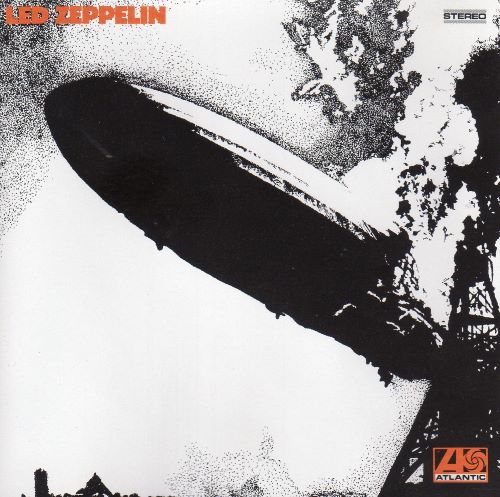
Time to go all the way back into ancient history for the debut of one of rock’s most titanic bands. There’s plenty of blues, a bit of heavy metal and a whole lot of rock.

Led Zeppelin – self-titled

Released January 12, 1969 via Atlantic Records

My Favorite Tracks – Communication Breakdown, Good Times Bad Times, Dazed And Confused

I’ll sum this up as quickly as Page and company recorded the record – Jimmy Page had an obligation to tour with the Yardbirds but needed a band. He brought in Robert Plant, John Paul Jones and John Bonham to do it. After the tour the band self-financed a record and recorded this debut album in 36 hours of studio time. Page was the producer as well as guitarist. The band changed their name from The New Yardbirds to Led Zeppelin and got a major label deal with Atlantic Records that included creative freedom without even being heard.

Today’s album is 9 tracks with a 44 minute runtime. The album is a mix of originals and covers, and Jimmy Page’s long history with music copyright battles would begin on this very debut record.

Good Times Bad Times

The opener is a great introduction to Led Zeppelin – a noisy rocker that showcases bits of each band member at their strengths. Jimmy Page and John Paul Jones both leave some great embellishments through the song, pretty slick bass work from Jones especially. This is a general summation of the good and bad of relationships and it’s a pretty accurate look at things.

Babe I’m Gonna Leave You

This was originally written by Anne Bredon, Page and Plant were inspired to do the song based on a recording by Joan Baez. Zeppelin would not ply their trade in folk however, they doubled the length of the song and kicked up the ferocity several thousand times over. It shows that Zeppelin had more atmosphere to them and weren’t going to be a hard rock one-trick pony.

This one has an odd bit of trivia to it in regards to Anne Bredon’s proper royalties – Page was unaware of who originally wrote the song and Bredon was unaware of Zeppelin’s version for many years. Eventually she was properly credited and paid. This was more an honest mistake and a lot less messy than other “Who wrote this Zeppelin song?” fiascos.

You Shook Me

This is an early ’60’s blues tune written by Willie Dixon and originally performed by Muddy Waters. Again, Zeppelin take the original song and double its length and also run it through their own Zeppelin filter to distinguish it quite a bit from the original. It’s a pretty fun jam and Robert Plant really gets up to some vocal gymnastics here.

Dazed And Confused

This trippy jam was something Page did with the Yardbirds and wanted to bring to Zeppelin. Call it psychedelic, maybe, or perhaps acid rock, this song is a total journey. It keeps a fairly standard and slow pace for a bit, then starts jumping off the rails with crazy riffs and drum fills, and also Robert Plant sounding like he’s having an orgasm. This was a sterling showcase from Zeppelin and a song they would extend to a massive jam live, it also marks the band’s most-played live song.

This one has a contentious writing history – it was originally written by folk artist Jake Holmes, who opened for the Yardbirds in New York. Holmes would eventually have to sue Page in 2010 to get proper attribution. The case was settled out of court, so no specifics on how it played out.

Your Time Is Gonna Come

This is a bit of folk hard rock here with a jamming organ and acoustic guitar. The song has an uplifting and almost spiritual chorus, but is also admonishing a two-timing woman. It’s a study in contrasts to a degree. This song never got busted out much by the group but it’s a track I like quite a bit.

Black Mountain Side

This is a short instrumental piece that has the prior song bleeding into it. It’s a pretty standard acoustic thing up until a bit of Jimmy Page magic in a brief spot. It’s worth a listen.

Communication Breakdown

Here we get a very early example of an outright heavy metal song. Zeppelin’s blues-based rock would be a foundation on which heavy metal was built, but here they actually recorded the next step in the process. This brief song could also be considered a precursor to punk with its fast, static riffing along with all the damn noise Bonham is making. This song was an inspiration for future metal and punk bands, Iron Maiden and The Ramones among many others.

I Can’t Quit You Baby

This is another blues tune and another written by Willie Dixon. It was first performed by Otis Rush and Zeppelin’s interpretation is pretty faithful to the original. It does add a few minutes of space for Jimmy Page to get up to a few things on guitar but it’s otherwise a standard blues rendition.

How Many More Times

The album closes with a blues-based rocker that is an original band composition. This song is pretty jam packed with action for its 8 minutes. It gets a pretty long interlude before picking up the jam back into a whole other space and then revisiting the song’s beginning structure to close out on. The guitar tone here and song structure are a pretty good showcase of what Led Zeppelin would get up to on future albums.

Led Zeppelin was a pretty hot ticket right out of the gate. The album would hit number 10 on the US Billboard 200 and get number 6 on the UK Albums chart. It did pick up number 1 in Australia and Spain. Zeppelin would have a very successful US tour that kicked off just as the album launched and their interest in America and abroad grew quickly. All told the debut would be certified platinum 8 times in the US, 2 times in the UK and get a diamond certification in Canada. Nothing from Zeppelin has really stopped selling since they hit the scene, though of course exact sales figures from this era in music are difficult to track.

This one has always been one of my favorite Zeppelin albums. There’s something a bit different about this one before they really nailed down their winning formula. They’re credited with recording the perfect rock album, but there’s a charm to this one with its meandering through styles and clash of sounds.

I don’t see much point in getting into the legacy of Led Zeppelin – they’re one of rock’s most important bands. This was the start of their decade of domination and circumstances came together to make quite a debut.