This coming weekend will feature the final performance of Ozzy Osbourne, an event I intend to cover next week. With that I figured I’d get into a song of his as a taster for the weekend.
Bark At The Moon was the title track from Ozzy’s third album, released in 1983. It was also the album’s lead single. The song hit number 21 in the UK and 12 on the US Album Rock Tracks chart. The album would go on to sell over 3 million copies in the US.
The road to Bark At The Moon was not smooth. In 1982, beloved guitarist Randy Rhodes tragically died in a small plane accident with Ozzy looking on. Ozzy would cycle through a few guitarists to replace Rhodes on tour, but later decided on Jake E. Lee for the album. There are some crazy stories from this time, one being how George Lynch was initially hired for the role and was then unceremoniously cast aside in favor of Lee. Another is Jake Lee’s royalty situation – he and Bob Daisley were forced to take buyouts on the album to hand all songwriting credits over to Ozzy. There is of course more to those stories but those are for another time.
Though the loss of Randy Rhodes is immeasurable, Ozzy would be off to the races with Jake E. Lee. Bark At The Moon features plenty of kinetic guitar work, keeping it in line with the guitar god legacy established on the first two Ozzy solo albums. Lee was certainly able to put his stamp on things, even if he didn’t receive songwriting credit for the work he did.
The music video features Ozzy committed to an asylum and being pursued by a werewolf. It’s goofy for sure but pretty fitting of the song and of MTV in those early years. One funny bit of trivia – Carmine Appice appears in the video as the drummer, though it was Tommy Aldridge who played on the album. Appice did not have a long stint in Ozzy’s band – he was dismissed and Aldridge returned for the rest of the tour.
One final bit of lore – Bark At The Moon features in a video game I bring up a lot, it being my favorite of all time – Grand Theft Auto: Vice City. Well, at least it did feature for awhile. It was on the original Playstation 2 release of the game. After some time Sony Records had a series of disputes about licensing, and Bark At The Moon was removed from the game’s many re-releases over the years. It was a nice addition to the V-Rock metal station and I do miss driving around Vice City with it blaring on the car stereo.
So all these years later we come to the end of Ozzy’s career, at least in live performances. Jake E. Lee is slated to perform at the event – the specifics of his performance are unknown and it’s very unlikely he’ll play alongside Ozzy. Whatever the case, we should get a fitting final rendition to close out one of rock and metal’s craziest careers.
I obviously have not been on much lately. I am looking to return to more regular posting in the next few weeks.
We are now up to 1983 on this long-running series of picking five songs from a year. As is the case with all of the 1980’s posts, these are tough to nail down and this list should be taken as “five of my favorite songs from the year” as opposed to “my set in stone five favorites from the year.”
1983 is particularly challenging as there is a ton of stuff out there. In some respects it might have even been easier – I picked five songs in about that many seconds when I looked at the music released that year. I did a bit of looking around to make sure I was comfortable with my picks and I am, but wow there’s so much stuff that got released that year. Doing just five songs is like trying to fill an ocean by pissing in it, but five keeps things short and simple so I’ll stick with it. Let’s get into 1983.
Metallica – The Four Horsemen
Thrash was now on the scene and with it one of heavy metal’s most significant acts. This savage tale of the famed Four Horsemen of the Apocalypse from the Book of Revelations in the Holy Bible was right up my alley when I first played Metallica way back when. It’s a fun-filled romp through the end times, replete with horse galloping riffs and neck-snapping thrash aplenty.
Also – Dave Mustaine would very much like for you to know that he wrote this song originally, Metallica redid the lyrics and added some stuff after they shitcanned him from the band.
Mötley Crüe – Shout At The Devil
The Crüe were back with their second album and it would be both career- and genre-defining. The title track is an absolute ripper with its so simple yet effective sliding intro riff and lyrics about combating the influence of the Devil, though many in society would interpret the song differently. Still one of the greatest things ever recorded, hands down.
The Police – King Of Pain
The Police had a mega-hit album in ’83 with their swansong Synchronicity. This is an amazing piece, with Sting’s personal turmoil interspersed lyrically with the beautiful backdrop of Jamaica. It’s an absolute blast of mesmerizing synth rock that always captured my imagination.
Dio – Rainbow In The Dark
Ronnie James Dio was on his own after a dramatic exit from Black Sabbath. He wrote this song about his down feelings on leaving the band. It became an immortal metal anthem and one of Dio’s most heralded songs. He had a few more shots with Sabbath but he only needed one solo attempt to make this signature anthem count.
Iron Maiden – The Trooper
Maiden were on a roll by ’83 and they offered up one of their signature anthems on the Piece Of Mind album. The song is based on The Charge of the Light Brigade, an ill-fated British military maneuver in the 1800’s that saw a cavalry unit slaughtered based on bad military intelligence. But in the song Maiden capture the charge as the heroic last stand of ferocious soldiers fighting to the last. It quickly and easily became of of the top Maiden songs and has endured to this day toward the top of that list.
That does it for 1983. This is one hell of a slab of songs, tough to top this one. But the 1980’s abound with great music and I will press on to make it through.
It was inevitable – I would someday write about the first Metallica album, as I’m pretty well assured to write about them all at some point. Today is the day for the first one.
Metallica – Kill ‘Em All
Released July 25, 1983 via Megaforce Records
My Favorite Tracks – The Four Horsemen, Jump In The Fire, Whiplash
There is a lot of history behind the rise of Metallica, and that can be accessed in any number of interviews, videos and books so I’ll spare a lot of it here. Essential to this album – A Metallica line-up of James Hetfield, Lars Ulrich, Cliff Burton and Dave Mustaine went cross-country from San Francisco to New York to record this album. Mustaine was let go from the band in New York and replaced by Kirk Hammett in what is probably the most discussed line-up change in heavy metal history.
Megaforce Records founder Jon Zazula (Jonny Z) had put up every dime he had to finance the recording, which is why Metallica hauled ass that far to record in the first place, as Metal Blade Records head Brian Slagel couldn’t quite afford the costs. After necessary re-mixing, Jonny Z was totally out on his ass financially and it took awhile for him to find distribution for this album. I guess many record label execs wanted “Passed on Metallica” as a line item on their resumes.
Metallica wanted to call the album Metal Up Your Ass but Jonny Z convinced them to rename it for marketability purposes, thus Kill Em’ All was born. Once Metallica’s stock began to rise they sold plenty of Metal Up Your Ass t-shirts as well as copies of Kill ‘Em All.
Kill ‘Em All is a fairly hefty album with 10 songs coming in at 51 minutes. There are now several other versions around but I’ll handle the base version today, as I typically do. Dave Mustaine is credited on four songs, he would attest to having been involved with more in what is heavy metal’s biggest argument ever. All I know is that I was about to enter kindergarten when they recorded this and I have no clue who did what.
Hit The Lights
The opener comes in with a grand bit of noise and then kicks into a whole lot more noise. The lyrics are simply a verbal account of what the song and Metallica’s first album will do, which is to play loud, fast and get the crowd whipped into a frenzy. Mission accomplished.
Hit The Lights had a few other versions before the album release so this song was out there a bit. This was a song James Hetfield brought to the band from his prior band, he and Lars re-worked the tune for Metallica.
The Four Horsemen
The next track is one of Mustaine’s contributions and a song he originally brought in. His old version was called Mechanix and had much different lyrical themes. For post-Mustaine Metallica, the band reworked the song into a tale of the riders of the Apocalypse. This is a lengthy track, showing off early that Metallica were unafraid to challenge the conventional length of songs. And the riffs here are totally New Wave Of British Heavy Metal on steroids, showcasing the direct influence of one metal movement on another.
Motorbreath
This is an all-out banger in both music and lyrics. Not subtle at all, this one pounds the point home from start to finish. It’s all about living fast and hard, the inspiration for and rallying cry of this new form of heavy metal back in its infancy. It would seem as though Metallica pulled the title as tribute to their massive influence Motörhead, though band members have said this was coincidental as it relates to this song.
Jump In The Fire
This was another song Dave Mustaine brought into Metallica. It was originally a song about sex, but after Mustaine left it was re-written to be about being damned to Hell and literally “jumping into the fire.” This one really shows off how Metallica could deftly walk the line between savage heaviness and catchy songwriting – sure this is super heavy, but those riffs are attention-grabbing.
Anesthesia (Pulling Teeth)
This is a Cliff Burton bass solo. It’s not some typical bass work either – this is effect-laden and shows Cliff using the instrument like a guitar. Burton was a massive part of Metallica’s early legend and remains a mythical figure. Burton played this a lot in his early days and it was what first drew attention from Lars and James.
Whiplash
Celebrated music journalist Mick Wall wrote in his Enter Night: A Biography On Metallica that Whiplash was the moment thrash metal was introduced to the world. He’s totally correct, this is total breakneck stuff that set the template for heavy metal’s 1980’s course. This was also the first single released from the album. Lars has cited Venom as a primary influence for the speed of this song.
Phantom Lord
This is another song that shows off the NWOBHM influence mixed with Metallica’s early savagery. It is a menacing tale of a warmongering tyrant, something that would become a thrash trope over the years. This is another one credited to Dave Mustaine.
No Remorse
This one hangs out mid-tempo for most of its run, the almost marching feel of the rhythm compliments the lyrics about excelling on the battlefield without feeling remorse or regret for one’s actions. In the last few minutes this song explodes out of its mid-paced shell and goes off the rails for a crazy finale.
Seek And Destroy
This extended cut would become a venerable classic in Metallica’s huge live catalog. This one keeps it pretty simple, with a riff that jumps out and grabs hold as the lyrics paint a tale of terrorizing whatever unlucky souls happen to be out at night. It is Metallica’s third most-played song with nearly 1,600 live airings, and assuredly more to come.
Metal Militia
The closer is another thrash monster that celebrates the leather and denim clad legions found at the early thrash shows. This army would grow to millions as the ’80’s went on and Metallica ascended to the kings of the heavy metal mountain.
Kill ‘Em All got the attention of music critics on release, who loved the heavy yet still somewhat refined sound of Metallica’s delivery. Commercially the album sold better than expected out of the gate, allowing Megaforce Records to get more solid financial footing and quickly spreading the word about Metallica. As Metallica gained in stature, Kill ‘Em All was along for the sales ride, eventually breaking 5 million copies worldwide, with 4.5 of those being in the US.
This album is more raw than the band’s offerings afterward, and of course Metallica would conquer the world with a sound more trimmed down from the thrash period of the ’80’s. But this record is a massive landmark in the development of heavy metal. While the mainstream of the 1980’s would be known for hairspray and ballads, Metallica would be the flag-bearers for a far heavier version of metal that spawned countless scenes and offshoots in the decades since. It was ok to play as heavy and fast as you could or wanted, there was an audience for it.
Welcome to now-regular Tuesday posting and the new home of my infant series Song of the Week. I’m sure the premise is easy to grasp – I’ll talk about a cool song each week. Sometimes the song will just be one I want to talk about for no other reason, other times the song might have some link with events, the day in question, or whatever. Today is more of the latter.
This is June 6th, which is a special day in the world of heavy metal. It is the International Day of Slayer, or International Slayer Day if you’re more concise. This was started in 2006 (6/6/6, heh heh heh) as a means to honor Slayer and also mock certain other entities. Slayer themselves called it a day in 2019, which maybe was a great time to quit a band when looking back in hindsight, but their legacy lives on and this is a day to pay respects to them.
Last year I dove into the thrash masterpiece Reign In Blood to honor the day, this year I’m going all the way back to 1983 and the debut album Show No Mercy to highlight a favorite of mine. This was Slayer’s debut which they put up the money to record. I’d say the gamble paid off after 36 years of heavy metal terror.
Die By The Sword is, much like the whole of the album, an immediate and sinister tune that’s a call to arms, but of course for the legions of the fella down under. (Satan, not Australians) Musically this is a fairly standard early thrash number, in fact maybe a bit more thrash than other songs on the debut. The verses move along at a more fast, speed metal pace while the brief chorus chugs along more in what would become familiar thrash territory. It’s a conventional song structure but the very short chorus makes its final reprise at the end a bit abrupt, though with Slayer abrupt is a household term.
Lyrically the song is full of fairly crude references to glorifying Satan and slaughtering, well, whoever; all of this was common fare among early Slayer songs. There is some actual, biblical basis for the song’s title and premise, as Jesus offered a paraphrased version of “live by the sword, die by the sword” in the Book of Matthew. Of course in the “ceremony of opposites” fashion of heavy metal, Slayer are talking up the concept as opposed to cautioning on it as Jesus did. And that concludes today’s Bible study.
Die By The Sword is a fan favorite from among the early Slayer catalog, it was the band’s 12th most-played song live and the highest placing among tracks from Show No Mercy, at least according to Setlist.fm. It makes many appearances on the several live materials released over the years and was one of the early songs played on night one of the band’s two-night finale in November 2019. While Slayer changed form well away from the sound of their early material, Die By The Sword was one that stuck around for the duration.
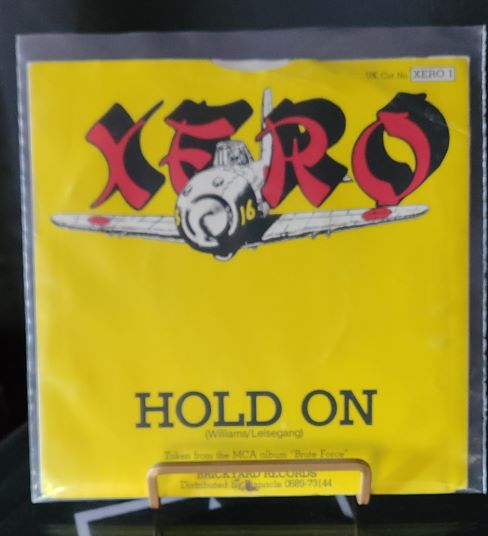
Today’s single is a curiosity from the early 1980’s. This is a band that never wound up recording a proper album. They released one single, featured here today, as well as a handful of songs on compilation albums. A retrospective CD would come many years later, long after the band called it quits.
There are a number of ways to market a single for an emerging band. In the early 80’s, one such way would be to feature a guest spot from a famous rock star. It would appear from the cover that Xero have that part nailed down.
But, appearances are deceiving. Yes, Bruce Dickinson of Iron Maiden does have a vocal track on this single. But Bruce never sang for Xero, he did not drop by the studio and lend his vocal talents to the band.
Here’s what happened, this rather obscure tale is sourced through the Discogs page for Xero as hard info is hard to come by. The common thread between Bruce Dickinson and Xero is a band called Shots. Bruce sang for them for a bit before joining Samson in 1979. Shots recorded a few songs with Bruce, one of them being the track Lone Wolf.
At one point in Shots before they broke up, guitarist Billy Liesegang joined. It does not appear that Liesegang was in the group at the same time as Dickinson, but I can’t confirm one way or the other. Shots would break up and Liesegang formed Xero.
As Xero were preparing the release of their lone single, it would appear that the band’s manager was the one who had the idea to take the Shots recording and tack it on to the Xero single. I can’t source this definitively, but I have seen it mentioned at the Bruce Dickinson Wellbeing Network, an archive of Bruce-related news and releases. This concept that it was the manager’s idea also comes up in discussion, but again, a super hard and fast source is tough to come by. It doesn’t appear to have been Billy Liesegang’s idea, that much seems clear.
Whatever the case, Xero released the single with Lone Wolf on it. It apparently didn’t take long for Iron Maiden management to come calling in regards to the unauthorized use of Bruce Dickinson’s vocals. The track was replaced with a different song in subsequent pressings of the single.
So, with all that commotion out of the way, let’s get into the songs themselves. Bear in mind that these are not hosted by any official source and, as is often the case with YouTube, these clips may vanish without warning.
Oh Baby!
The lead single is a melodic rock affair with, uh, not the greatest production but good enough to hear what’s going on. The song seems a bit “light” given that the group have a New Wave of British Heavy Metal billing, and it’s especially light when compared to the B-side. I think the song is fine, I don’t at all mind listening to it. The single apparently moved a few copies back in the day but I don’t have solid information on that, just Internet anecdotes.
Hold On
On to the B-side and a very nice track. This is more along the lines of what I expected when I first checked this single out. It is a very straightforward song with a nice solo passage and I, like many, think maybe they should have led the single with this instead of Oh Baby. This song did appear on a comp record called Brute Force so maybe that’s why they didn’t release it as the A-side.
Lone Wolf
Here we have what is not really the band Xero, but the band Shots instead. This was one of a few tracks that Shots recorded with Bruce Dickinson and it was illicitly used on this single (again, an apparent management decision and not the band’s).
The song is pretty cool but it does stand out a bit from the other two recordings, this one is clearly a bit older than the other two songs. One can be forgiven for not thinking that Bruce is singing on this, but recall that he was still a teenager when he recorded this and hadn’t fully fleshed his voice out, something he’d do more of in Samson. After a few listens I can find him in there a bit, it’s interesting to hear him on an old recording so young.
So that’s the tale of Xero and their big single release, something that would be derailed by a pesky thing called performance rights or something like that. I don’t know what caused Xero to not get around to a full-length or to break up, again, info on them is super hard to come by and almost all of it revolves around the Bruce stuff.
Given the difficult nature of putting all this together with very few good sources, if anyone out there reads this and has any true, factual source material about this release I’d be happy to be pointed to it so I can make sure my stuff is accurate. I’m not really expecting much since few concrete leads turned up in my searches, but hey, never hurts to ask.
This week I’m going to “cheat” and save myself some time by talking about an EP. It might be short in length but its significance to metal is vast.
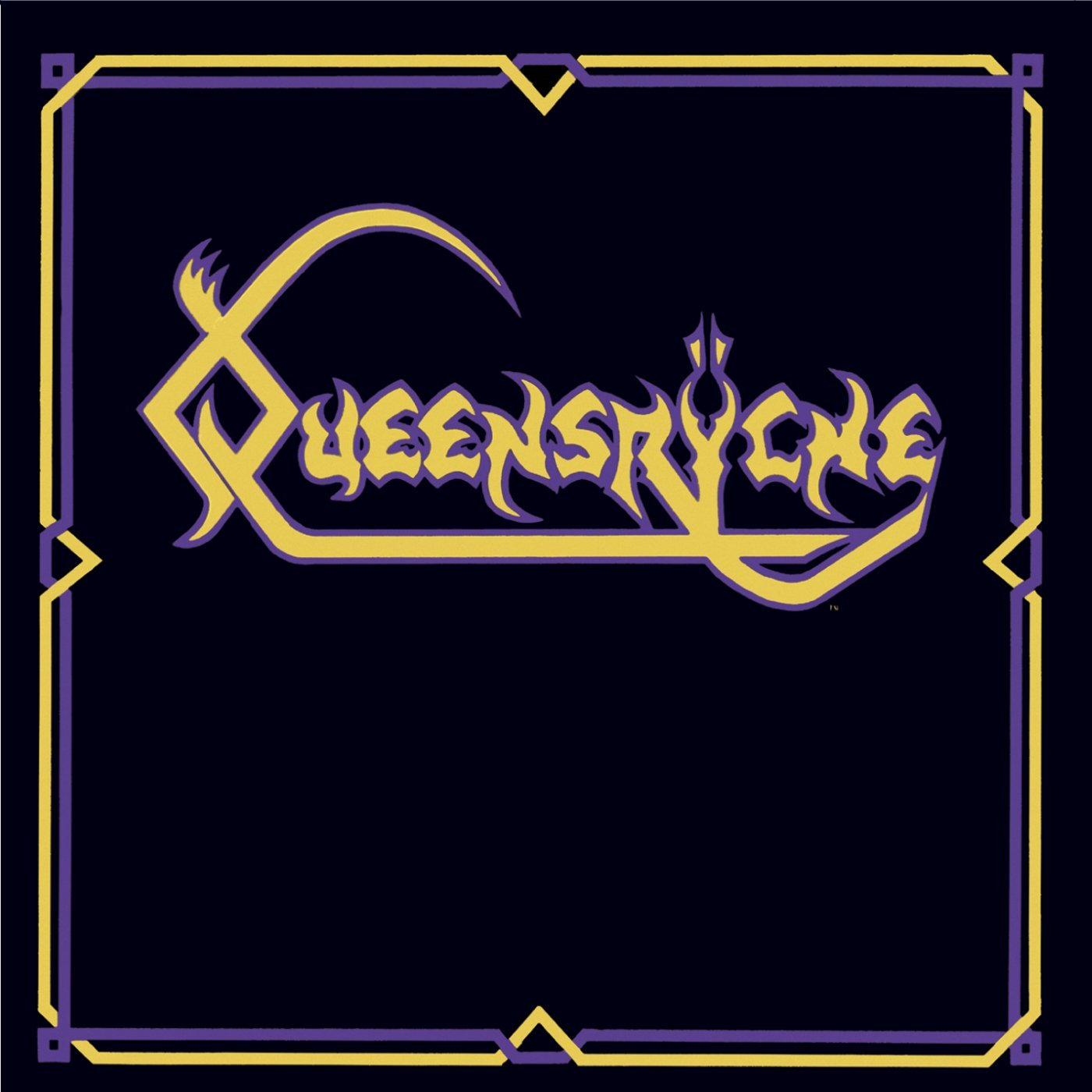
Queensryche – self-titled
Released September 1983 via 206 Records
The EP was a demo in the true sense of the term – the band then known as The Mob were looking for a record deal. At the time they didn’t even have a singer, they convinced Geoff Tate of rival local act Myth to handle vocal duties on the demo.
The group changed their name to Queensryche, and altered the spelling of “reich” to avoid accusations of Nazism. They also put an umlat about the “y” but I’m going to be lazy and not do that in my post today.
The EP got around in quick order and the band quickly found themselves with a major label record deal with EMI. Geoff Tate agreed to join the band in full and one of metal’s most unique acts was on its way.
Today we have a whopping four songs to discuss. There are two other versions of the EP, thankfully I should have the time and space to talk about those a little bit.
Queen Of The Reich
The EP’s opener was also released as a single with The Lady Wore Black as a b-side, so half of the EP was made available on a separate record. Environmental waste aside, the band spared no time establishing themselves as a force in the metal world. Even with the sound of a self-funded production effort, the band’s talent is evident in this blistering attack.
While the band gets down to business, the song is a showcase for the immense vocal talent of Geoff Tate. He could hang with the very best singers in metal and that is established right off the bat on this song.
And check out the music video for the song. It is … uh, just watch it.
Nightrider
The guitars of Michael Wilton and Chris DeGarmo put in some work on the second track. While still a traditional metal track, this song does offer a taste of the sound Queensryche would explore going forward.
Blinded
Another brief yet savage metal attack that shows off more of the sound the band would pursue on their full-length debut. There are definite points of comparison between Blinded and songs from The Warning, I hear some of Roads To Madness going on here. Tate goes into insane territory with his voice at the song’s close.
The Lady Wore Black
A longer effort, the EP’s closer was unfinished when Tate agreed to help record and he composed the song’s lyrics. This was an early sign that Queensryche were not interested in simply playing metal, the band were going to be a thought-provoking force that explored soundscapes from multiple directions. This song stuck around in the band’s set for a long time.
Queensryche not only established the band in and of itself but it spread quickly and got the word out about the new outfit. They would make full use of their record deal and release three magnificent albums throughout the 1980’s. This EP only hinted at what was to come.
There are a few different reissued versions of the EP. In 1988 EMI released a version with a fifth song, Prophecy. The song was played live in the band’s beginning but was actually recorded during the Rage For Order sessions. It served as a bonus track both here and on a future reissue of The Warning.
The definitive reissue of the EP was released in 2003 and has a whole heap of bonus tracks – a nine song live set recorded in Japan in 1984. This live set was available on video as Live In Tokyo and was a very welcome addition to the reissued EP. The entire EP is performed, as well as Prophecy and a few songs from The Warning. It is a great set and I was very happy with the decision to include it as the EP’s bonus material.
It’s very uncommon for a demo to be an official part of a band’s discography. Usually demos aren’t even noticed and the songs are just reworked as part of a group’s debut. Demos were typically only sought out by hardcore collectors and were curiosities. But Queensryche were able to get a lot of mileage out of their demo – it is considered an essential part of their catalog and it was even certified gold. It would mark the start of a run of albums that would both shape and defy music.
This week brings one of heavy metal’s all-time classic albums. There’s a bit of a celebration in order for it as the album was just certified double platinum in the US. But shiny things on walls don’t really matter when we’re talking about one of heavy metal’s greatest statements.
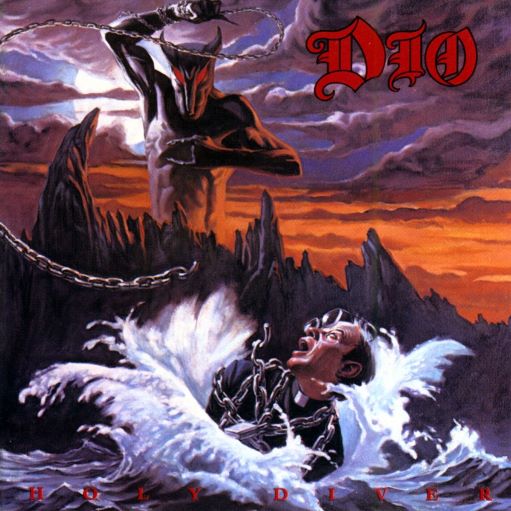
Dio – Holy Diver
Released May 25, 1983 via Warner Records
My Favorite Tracks – Holy Diver, Gypsy, Rainbow In The Dark
The debut effort from Ronnie James Dio’s newly-formed band was a big deal from the word go. Dio had made his mark with turns in Rainbow and Black Sabbath and was stepping out on his own to take control after arguments over live album mixes and such. Dio would secure the services of former bandmates from both groups – Jimmy Bain from Rainbow on bass and drummer Vinny Appice from Black Sabbath. Rounding out the group was a younger hand, guitarist Vivian Campbell.
Holy Diver entered a landscape in 1983 where heavy metal was growing to become a major force in the music world. Hair metal was well on its way to taking over the decade, thrash was emerging from either US coast and even the beginnings of extreme metal were showing up. The New Wave of British Heavy Metal had already launched its most successful bands and the foundation for power metal was laid down.
Dio would enter the landscape along those lines, with a melodic-driven, classic approach to metal. It wasn’t a massive departure from work done in Rainbow and Sabbath and it brought the older form of metal into the new age. The music would also offer elements of fantasy in theme and lyrics, something that stood a bit apart from the subject matter of hair metal or thrash.
While the album is a heavy metal monolith, it’s also an easy piece to get into at 9 tracks in 41 minutes. Let’s have at it.
Stand Up And Shout
It’s an up-tempo offering to open the proceedings. While the song’s main riff would be at home on a Scorpions album, the song is given an extra bit of kick by the rest of the band. The song offers a positive, uplifting message – it’s one of many motivating tunes that would come from Dio and became one of his calling cards. And Vivian Campbell offers the first of many electric solos he would perform in his time with the band.
Holy Diver
There is a bit of an intro here that serves a bit of an anticipation-builder for the album’s title track and its signature song. Then the band launches into a mid-tempo ass kicker while Ronnie sings about some messiah figure on another planet or some such shit.
There isn’t a lot I really need to say – Holy Diver is one of heavy metal’s best songs. This is the top of the mountain, in 1983 or any other year really. It is every bit the masterpiece it is made out to be.
Gypsy
A high-flying number with Vivian going off from the word go, the song goes on about that kind of bad girl you just can’t help getting tied up with. The song has been a bit under the radar compared to other Dio standards but it’s always been a favorite of mine.
Caught In The Middle
The pace keeps going with another song about conquering inner doubt and rising up. For all of the talk about negative theme and energy in heavy metal and music in general, Dio always provided a fair amount of “self-help” type of stuff that always got left out of those conversations. Songs like this were at the forefront of heavy metal’s motivating power.
Don’t Talk To Strangers
Often highlighted as a personal favorite by many, we get a slow-builder to change things up a bit. After a quieter first verse, the band launches back into the heaviness and pace. Vivian is really putting on a show here without any hint of wankery, it’s some very solid guitar work all over the song. Ronnie has said the song is about his distrust of people after his Sabbath experience but the track is really about not taking candy or rides from strangers, which we 80’s kids were brought up to avoid.
Straight Through The Heart
This stomping number turns the heaviness up to 11 and lives up to its title. Ronnie apparently wrote the song about the woeful love life of their recording engineer. Suffering always makes for the best art, even better when it’s someone else’s suffering. Learning the easy way is great.
Invisible
This haunting tune delves into the issue of feeling lost to the world. Even in dealing with the tough issues of confusion and trauma, Dio still manages to impart an uplifting conclusion to the proceedings. And it’s more brilliant shredding from Vivian, something not in short supply through the album.
Rainbow In The Dark
The album’s second single has become one of Dio’s signature anthems alongside the title track. It’s another song Ronnie wrote after his acrimonious split with Black Sabbath and the darkness of that time period led to one of his greatest triumphs. Everything on the track works like magic, even that synth line that stands out like a sore thumb.
Shame On The Night
We close the record with a slow burner that uses the day and night as symbolism for life and death, light and dark. Again Dio offers triumph over the evil and darkness. The music provides a bit of atmosphere to contrast from the general heavy attack but still also stomps its way through the track.
That wraps up Holy Diver and one of heavy metal’s finest moments. Dio would go on to establish a legacy nearly three decades long before his death in 2010. The band on the debut would not hold, led by the acrimonious departure of Vivian Campbell in 1986.
But nothing can diminish the legacy of Holy Diver. The album is a cornerstone in the foundation of heavy metal and its influence is felt to this day. The album got its first US platinum certification in 1989 and just recently received its second certification. And no matter the sales, it is always at the forefront of heavy metal discussion. When someone new to metal asks for a list of recommended albums to explore the genre, Holy Diver is always toward the top of that list.


 The Crooked Wanderer