Black Sabbath – Dehumanizer

This week it’s a visit back to 1992 and how a handful of line-up changes, some planned and one not, spawned a reunion. And then winds of another reunion would quash this reunion. The Black Sabbath soap opera rolls on.

Black Sabbath – Dehumanizer

Released June 1992 via IRS and Reprise Records

My Favorite Tracks – I, TV Crimes, Letters From Earth

Black Sabbath had been on a wild run of line-ups and albums through the 1980’s. While Tony Iommi had found stability at vocals with Tony Martin for a three album run, the other players in the band came and went like one of those temp hiring services.

Eventually a line-up was nailed down – Iommi, the returning Geezer Butler on bass, and Cozy Powell to drum. Powell was soon out though with a hip injury and was replaced with Vinny Appice, who was previously Sabbath drummer during Ronnie James Dio’s first Sabbath stint.

And Dio himself was brought in to make a full reunion of the Mob Rules line-up. Except that Tony Martin briefly came into the studio to try out the songs but didn’t stay due to solo commitments. I don’t know why this was a thing but it was and it was probably a sign of things to come. But at least for this album, Dio was back in Black Sabbath.

The album was recorded in an odd and expensive manner, going back and forth between England and the US. It turned out to be a pretty expensive logistical mistake but it worked out well creatively, as the band honed down a basic and heavy sound. While the 1980’s music scene turned its back on Black Sabbath, the band were in a position to capitalize on the 1990’s music scene turning its back on the ’80’s.

Today there are 10 tracks in 52 minutes to go through. There are several different bonus versions around as well as a bootleg that offers a bunch of bonus stuff, including a few tracks with Powell drumming.

Computer God

The album kicks off in heavier than hell fashion, right out of the gate with monster Iommi riffs and the familiar tone of Dio leading the proceedings. This song gets into the idea of computers becoming sentient and taking over the world, something Dio called science fiction in 1992 but we are so gloriously close to 31 years later. There’s also a wild solo from Iommi here.

After All (The Dead)

A slower and haunting track that truly brings out Sabbath’s doom leanings. The song gets into the issue of wondering what the afterlife is like and if the dead can talk, and reaching the conclusion that there’s only one way to find out.

TV Crimes

A massive rocking song here that dials it up to 11 and takes aim at the scourge of televangelism that plagued American society around this time. The TV preachers were known for their sermons with their hands out for follower donations, while taking the cash to spend on hookers and drugs, as well as other extravagant purchases. Many of the same preachers were ones to call out the “evil” of heavy metal music, so it was a field day for metal bands to return the favor and call out the hypocrisy of the preachers. This has been a fan favorite from the Dio and Sabbath collaborations.

Letters From Earth

A slower-paced affair with riffs aplenty that sees Dio writing letters to God from Earth about how everything is screwed. The song is pretty similar to a collection of essays from Mark Twain of the same title. The Twain essays were not published until many decades after his death as his surviving daughter was concerned about Twain’s very scathing tone towards religion in the essays. I don’t know if there is a connection between the Twain writings and this song, I had thought I’d seen Dio reference Twain in a past interview but I have no luck on finding that.

Master Of Insanity

A song brought to the band from Geezer Butler and his prior solo project. It’s a smashing hard tune about going mad and the capacity of anyone to find the worst version of themselves. Geezer brings in a few crazy bass lines for this one and the song moves around in different arrangements a bit.

Time Machine

Another slamming song and one of heavy metal’s great motivating tracks. The time machine is a figurative device here, the song suggests that we have control over our own destinies and can “use the time machine” to chart the course of our lives. There was an alternate version of the song recorded for the soundtrack to the Wayne’s World movie.

Sins Of The Father

A bit slower but still hard as hell here. The polar opposite of the last song, this one gets into a person suffering for the ill actions of someone else. It is wrapped in the religious symbolism around sin and all that sort of suffering for what happened before. Though the song does still offer the chance of breaking free of the vicious cycle.

Too Late

This one starts off in ballad territory before ramping up the heavy a bit later into the song. It’s a nice contrast between quiet and loud in parts. The moral of this story is not to sell your soul to the Devil because, well, you sold your soul to the Devil and that turns out to be a bad thing. So don’t do that.

I

The hardest song to search for on Google in history storms in with a massive riff that marches through the balance of the track. Dio is lit up on this one, the concept behind it is how he uses criticism of his music as fuel to create rather than being dragged down by it. He becomes an all-conquering monster here and the song is pretty emblematic of his career. This is easily my favorite off this album one of my top Dio Sabbath tracks overall.

Buried Alive

The album wraps up with a song that goes even harder and heavier. It’s a track about being “buried alive” by the constraints of a religion that offers no truth but a lot of dogma. When a person spends their time worried about the weight of their sins they don’t truly live a life and they wind up buried in the guilt and trappings. A quite elaborate philosophical statement to close the record.

Dehumanizer brought Black Sabbath back to a semblance of success. The album charted at number 28 in the UK and 44 in the US, as well as scoring good positions on the charts of many other countries. The stage would seem to be set for a great tour cycle behind this effort, but it was not to be.

The band would tour for a few months but then trouble struck when Sabbath was invited to open what were to be Ozzy Osbourne’s final concerts in November. Dio was not into the idea and he promptly left the group, taking Vinny Appice with him. Black Sabbath would play the shows with Rob Halford famously providing the vocals, and the original incarnation of Sabbath did a few songs during Ozzy’s set.

Dio was back into his solo career, with a few albums that bear some influence sound-wise from Dehumanizer. Black Sabbath would regroup with Tony Martin and release a few ill-received albums before finally biting the bullet and pulling off the reunion with a suddenly unretired Ozzy in the later ’90’s. This series of events would put Black Sabbath’s rights and management in the purview of Sharon Osbourne, and the campaign to have Ozzy-era Sabbath recognized as the “only one” was now underway. This did not stop the Dehumanizer line-up from reconvening one more time under the Heaven and Hell name for several tours and one more album in the late 2000’s.

For all the ups and downs of Black Sabbath, Dehumanizer came as an unexpected and well-received work at a time when the band had not been firing on all cylinders. The prior albums with Tony Martin were of quality but did not break the market in any meaningful way, and Martin’s second stint after was not well-received. It could be said that Dehumanizer is Sabbath’s last great album, depending on personal feelings over the final salvo 13. This one’s only real competition might come from the Heaven and Hell record, though it’s fair to say this one wins that battle.

While the band didn’t fully capitalize on the record, Dehumanizer was a fantastic album that brought a new sense of respectability back to Black Sabbath, if only for a moment. In hindsight it’s one of the band’s better albums overall and it stands head and shoulders above Sabbath’s other work of the time period. While it’s a shame the group couldn’t hold together in the mire that is the Sabbath soap opera, just the existence of this album is enough to hang one’s hat on.
Album Of The Week – June 27, 2022

I wasn’t sure what this week’s album would be, then for, uh, no reason at all I recalled this 1992 incendiary masterpiece.

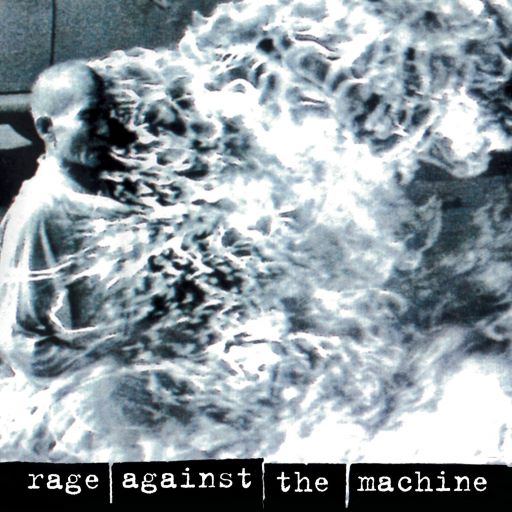
Rage Against The Machine (self-titled)

Released November 3, 1992 via Epic Records

My Favorite Tracks – Bombtrack, Bullet In The Head, Killing In The Name

Rage Against The Machine exploded onto the scene in 1992 with a combination of hip-hop and metal that expressed disdain for the political machine. The album and band would become a smash success, spreading their revolutionary message to an entire generation and also shaping the tides of the transforming metal scene in the 1990’s.

The idea of combining rap and metal together was explored in a handful of places before RATM hit. (Anthrax, Ice T with Body Count, etc.). In 1992 the concept would cease being abstract and come to the front lines of music, with Rage leading the charge. The rest of the early 90’s would be filled with this caustic combination of concerned parents’ two least favorite forms of music.

For Rage it was not simply doing rap and doing metal. The band were based in groove were definitely playing metal, but were also using hip-hop elements with Tom Morello’s unconventional guitar stylings and Zack de la Rocha’s vocal delivery. This was truly blending both forms of music together into one thing, not just a mash-up of two styles.

Bombtrack

It’s a whole new ballgame from the word go – a distinct bass line leads into the explosive opener and album’s third single. The song depicts revolutionary ideology and the video outlines the struggles of Peru’s Shining Path movement. The music is other worldly, while the message behind it was perhaps a bit obscured to us in the pre-Internet early 90’s. It was much harder to just look up elaborating information on stuff like this way back when.

Killing In The Name

Likely the best-known song from the album, even people who have never sought out RATM are likely familiar with the chant “fuck you I won’t do what you tell me.” The song was written in response to police brutality, specifically the Rodney King beating and the Los Angeles riots that resulted from the not guilty verdicts in the criminal trials. The song continues to be referenced to this day – Tom Morello brought it up after off-duty cops were found to have been among the January 6, 2021 insurrectionists who stormed the U.S. Capitol building.

Take The Power Back

Another protest anthem that encourages people to throw off the shackles of Euro-centric, capitalist education and reclaim individual liberty from the corrupt system. Zack de la Rocha is in staccato rap-mode delivery on this one.

Settle For Nothing

A bleak song about the harrowing experience of growing up poor in America and choosing the gang lifestyle for what is usually the only shot at any kind of life. We’ll settle for nothing now and settle for nothing later is this super heavy tune’s ultimate and sadly accurate conclusion.

Bullet In The Head

The album’s second single, this tune outlines the role of hollow consumerism and its place in suppressing the population. Tom Morello provides a host of odd guitar flourishes here to really make the song stand out.

Know Your Enemy

This time the band takes aim at the illusion of the American Dream and the idea that it’s available for everyone. It defines the purveyors of that dream as the actual enemy to be fought, not the people of foreign lands that the country often wound up fighting. The song features a guest vocal shot from Maynard James Keenan, whose outfit Tool was just about to find their own place in the music scene.

Wake Up

This song looks at the American government’s quest to suppress the African-American political movement of the 1960’s. The song references FBI memos from J. Edgar Hoover as well as a speech from Martin Luther King Jr. The idea that the FBI led the way to dismantling the black political movement was once controversial (and probably still is in some circles) but is a generally-accepted matter of fact now.

Fistful Of Steel

No reference to any specific events this time around, this is a generally-worded protest song that encourages action. Zack de la Rocha is fired up and ready to fight, and also to take out anyone who bows down to the regime.

Township Rebellion

Here we see the band encouraging rebellion through community. As with the rest of the album, it is a visceral attack on the institutions the band sees responsible for the ills of the world (the machine being raged against, of course).

Freedom

The album closes with its fourth and final single. The song explores the controversial case of Leonard Peltier, an American Indian Movement member who was convicted of murdering two FBI agents in 1975. The case is fraught with massive legal arguments I don’t have space to elaborate on here, Wikipedia of course has a summary of key points. Peltier has been in prison since 1977 and has had many unsuccessful appeals for clemency or pardon on his behalf in the decades since.

Rage Against The Machine was an explosive album that gripped the attention of the music masses in 1992 and beyond, as the “alt-metal” sound filled a vacuum left after 1991 blew everything apart. It was clear that rap and metal were going to get together at some point, and RATM became the true focal point of that marriage. Many more bands would incorporate groove-based elements as well as hip-hop into their music which would eventually lead to the late-90’s nu-metal scene.

But this isn’t about blaming Rage for all of that. Their music put the disparate elements together in a unified focus and showed that such a combination was not only possible but viable. They weren’t the first to do it but they were the ones who got the formula down in a unified manner.

And of course the true legacy of Rage Against The Machine might lie in their politically-charged lyrical content. The band did not hold back any revolutionary thought or spare anything out of fear of reprisal – they went all-out against what they considered the evils of the day.

It is very confrontational and dark content that in some respects was missed or went over some listeners’ heads. The band were everywhere when they broke out and the album sold over three million copies, and they got even bigger with their next record. Yet to this day, people act shocked that the band were “so political.” I don’t see how people missed the true depth of their political leanings but I guess that’s just how things go. But I also have to believe it inspired a new level of hard line activism among others – recalling the 1999 Seattle protests is one such example.

The concepts RATM presented in 1992 seem to be relevant 30 years later, which is probably not a good thing. The more things change, the more they stay the same I guess. I don’t know for myself how much I feel that call to power presented here (or if it would matter if I did). But I do know that Rage Against The Machine recorded a hell of a debut album all those years ago.

Nine Inch Nails – Broken (Album of the Week)

This week I’m heading back to the early ’90’s for my AOTW pick. This record, by definition really an EP, was one of the most formative things I’ve ever heard and it’s also a set of songs that I’m very personally connected to after all these years. I’ve talked about a few of my favorite acts in the early stages of this site but now it’s time for my first dive into another of my all-time favorites.

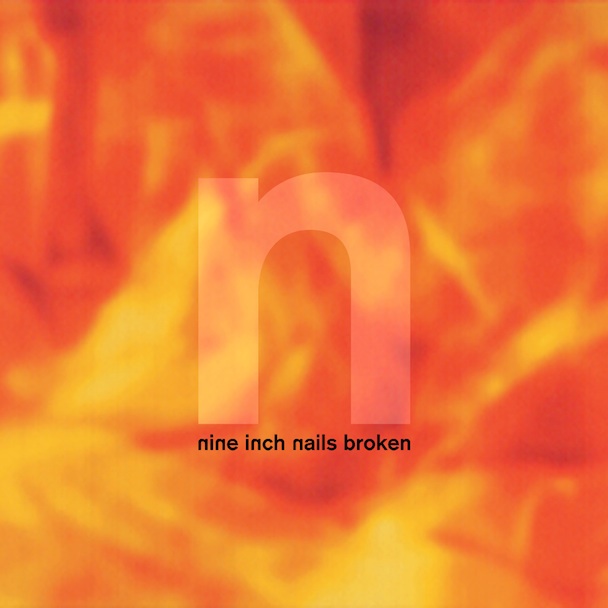
Nine Inch Nails – Broken

Released September 22, 1992 via Nothing Records

Favorite Tracks – Wish, Last, Gave Up

The mini album features two instrumentals – opener Pinion and Help Me I Am In Hell in the middle of the effort. Both are fine and I’m not usually bothered by instrumentals or interlude-style things but certainly they are not the main event on Broken.

The show truly kicks off with Wish – a vicious, heavy as hell trip through self-hatred that wound up winning a Grammy in 1993 for Best Metal Performance. It was my first real introduction to the band as I didn’t remember much of the debut Pretty Hate Machine but I was primed and ready for NIN when Wish hit MTV. It’s easily one of my favorite songs from NIN and just songs overall.

Last is next and is another splendid take on self-dejection and the disposable nature of humanity. The pounding riff is superb and there are some fantastic lyrics in the song – “my lips may promise but my heart is a whore” being chief among them.

Happiness In Slavery hits with some crazy stuff about bondage or whatever. I certainly wasn’t in tune with what the song was talking about when I was 15. Regardless I still dig the track, there’s a shade more melody to it than the rest of the EP while still retaining the depths of heaviness found elsewhere.

The proper portion of Broken ends on another angst-ridden, depressive song that I consider a total masterwork. Gave Up is a sonic pummeling and some of the most messed up lyrics ever to be found in any mainstream music release. Trent Reznor masks some of his vocals in an almost black metal wail but the message of utter hopelessness is still conveyed in full measure.

The EP concludes with two bonus tracks – a cover of Adam Ant’s Physical and a quasi-cover of Pigface’s Suck. Reznor was a member of Pigface when Suck was originally recorded so it’s more of his own rendition of the song than a cover per se.

The physical album release provides some interesting trivia. The original CD release offered Physical and Suck on a 3-inch bonus mini CD. Both original and reissued versions of the vinyl have those songs on a separate 7-inch record. I think I had the normal CD way back when with the two extra songs tacked on after a lot of hidden silent tracks, kind of a thing in ’90’s CD releases.

I won’t get too much into it but there was also a film for Broken that was, let’s just say, flat out disgusting. I never saw the whole thing but bits I did watch were pretty messed up. Most of Wish made it onto MTV but the band apparently had to edit part of the video’s end out. I guess it’s not hard to get a DVD-quality version of the entire film on the ‘Net today but honestly that sort of snuff or whatever isn’t my gig so I don’t mess with it.

The three songs I mentioned as my favorites at the start – Wish, Last and Gave up – do hold pretty high personal connections with me. They are interwoven at multiple points in my life and mean different things depending on specifically what was up. It could be old friends who fell away, exes I should have never messed with in the first place, terrible heartbreak or just good old fashioned self-loathing and lack of worth. A copy of Broken is far cheaper than therapy, but I’m guessing that the album is also not anyone’s definition of self-care. I don’t know, I just roll with it.

Broken was a major shift for Nine Inch Nails in 1992 and would herald the magnum opus that was to come a few years later. But this EP itself is one of the high points of an extensive catalog of masterful recordings. Trent Reznor joined the likes of Ministry and others in a pursuit of dark, industrial metal and crafted an excellent, soul-crushing EP that was perhaps too dark for anyone’s good but would still go on to platinum sales status. It’s been one of the most valued and most important musical works in my life, and it’s definitely on my list of music I’d have to have on desert island.