Monster Magnet – Power Trip (Album of the Week)

Time to head back to 1998 and revisit what wound up being a breakout album for one of stoner rock’s foundational acts. It doesn’t actually require any mind-altering substances to enjoy this whale of an album, but it doesn’t hurt either.

Monster Magnet – Powertrip

Released June 16, 1998 via A&M Records

My Favorite Tracks – Power Trip, Space Lord, See You In Hell

Monster Magnet had a good run up to 1998, being an early herald of stoner rock and getting a bit of notice from their single Negasonic Teenage Warhead off their prior album Dopes To Infinity. The early “stoner” scene got a lot of bad press for being associated with what was considered a dangerous drug at the time, now a few decades later that all seems silly.

While hailing from New Jersey, the influence for Powertrip would come from the crown jewel of the Nevada desert. Singer/guitarist and main songwriter Dave Wyndorf took up residence outside Las Vegas for 21 days and wrote a song each day after spending the night on the Vegas Strip. This 1998 interview from the Las Vegas Sun provides more info on Wyndorf’s Vegas excursion and the background for the album.

Today’s album is a long one, with 13 tracks clocking in at an hour. Bonus tracks on different editions do exist but there is plenty to talk about here already.

Crop Circle

A bit of a trippy intro leads into a bright and heavy jaunt through a very strange set of experiences. I don’t know what the hell this song is about but I’m sure drugs are involved. Comprehension is not necessary as the song is excellent and sets the table nicely for the album. There is a badass guitar solo on this one too.

Powertrip

The title track was issued as a single and is probably the second best-known track. It uses the “quiet opening/sudden shift into heavy” dynamic that several songs here employ. This one is a pretty standard hard rock track and it works brilliantly in its simplicity. The chorus’ opening line “I’m never gonna work another day in my life” sums up the song well – this is about hitting it big, perhaps in the Vegas casinos, and not having to grind it out in the work force. It’s pretty well the true American Dream now, as prosperity through wage earning has become elusive and the choices are jackpot or destitution.

Space Lord

This is the song everyone knows Monster Magnet for. It has a similar vibe to Powertrip, with a quiet build into a very loud chorus, though this song keeps the throttle down a bit. The chorus of “space lord, mother mother” was changed from its original version, I’ll let everyone guess what the first draft might have said. A few recordings of the original version are out on various compilations released years after this album.

Space Lord is about exactly what the title would imply – a crazy cosmic tyrant comes to Earth and gets psycho. It’s a cool space rock vibe with ample drugs and base urges to sleaze it up. The single would hit number 3 on the Mainstream Rock chart. The pretty crazy music video has its own place in music trivia – it was the very first video played on MTV’s new show Total Request Live in 1998. Too bad TRL didn’t keep up that kind of energy.

Temple Of Your Dreams

Up next is pretty cool and trippy song. This stays at a constant and medium pace as it goes through this weird, time-travelling and psychedelic hook up song. The chorus is wordy and a bit mysterious at points but works out to be really cool. This one was also released as a single and got to 25 on the Mainstream Rock chart.

Bummer

This one is pretty long and heads on quite a journey, but starts on familiar ground. This is a hard and rather savage admonition of someone. Wyndorf states in this 1998 interview with Beermeolides.com that the song was inspired by his experiences in the US South and the women who are concerned with image and virtue, but not really.

Later on the song heads off onto a trippy interlude where Wyndorf goes into a whole other speel. Then the song comes back and rounds off its original message one more time. It took me a bit with this one but I got to where I dig it.

Baby Götterdämerung

This one is quiet and atmospheric. It is weird, but that’s the norm here. There’s a reference to the semi-obscure Marvel Comic villain MODOK, which threw me for a loop when I first heard it. This song doesn’t entirely move me, though I’ll give points for effort and doing something different.

19 Witches

It’s back to the boogie, this time with a total rockabilly riff. This one is a fun trip to the swamps, both musically and lyrically. In the 1998 Las Vegas Sun interview, Wyndorf discusses the song’s origins – he penned it after being basically a captive of some hardcore Louisiana goth girls for a few days. At least he made it out and we got this really cool song from it.

3rd Eye Landslide

This is a monster rock tune full of grit and attitude. It gets pretty dirty, both implicitly and explicitly. There’s not much room here to dig beneath the surface, everything is out in the open here and this sounds like Wyndorf’s statement song.

See You In Hell

This track scores big with me with its creepy keyboards and absolutely twisted tale. Wyndorf, in the previously mentioned Beerandmelodies.com interview, relays that he heard an old hippie talking about a crazy experience and based this song off what he heard. He took this to some pretty twisted places, this is like a drug-fueled horror movie in song. This one is a total winner.

Tractor

This one is a re-recorded song, it was originally on the band’s self-titled debut EP in 1990. It’s a short and fun song about drugs, not much more to get into.

Atomic Clock

Heading towards the close, this one keeps things mostly slow and simple. It might be too simple but it’s an ok song, just doesn’t build to a whole lot like the other songs. Not too sure what’s going on here, but there are nukes at the end and I’m all about nukes.

Goliath And The Vampires

This is an instrumental. It’s a vibe song and it’s pretty cool to check out.

Your Lies Become You

The final track is a trippy ballad, sounds like something that could have been in a Tarantino movie. It’s not a song I’m really into, I don’t mind listening to it for the overall atmosphere but it’s not one I give a lot of spins to.

Powertrip would be Monster Magnet’s peak of success. The album charted in several countries and found itself at the top of the US Billboard Heatseekers chart. A gold certification would come in January 1999. Space Lord was a hit and was played all over the place, and can still be heard today. It and other songs were used in a variety of films and still get picked up for TV shows and video games decades later.

This was a magnificent album for its time. It might be a bit long and could dump a few tracks, but the songs that are worthwhile are plentiful and they’re home runs. Rock had totally transformed by ’98, the alt-rock revolution was complete and the old school styles of rock were almost forgotten. Wyndorf and Monster Magnet brought back the attitude, the vibes and the sounds of years past in a cosmic orgy and put the good stuff back on the map.
Album Of The Week – July 11, 2022

This week I’m time traveling back to 1998. I was just kind of listening to whatever at the time, I was far more pre-occupied with “grown up” business than I was music. But of the handful of things to catch my ear, this alt-rock gem really grabbed my attention. It also grabbed the attention of a lot of music fans at the time, being the first major success of a newer record label and offering an outsized hit the band is still known for to this day.

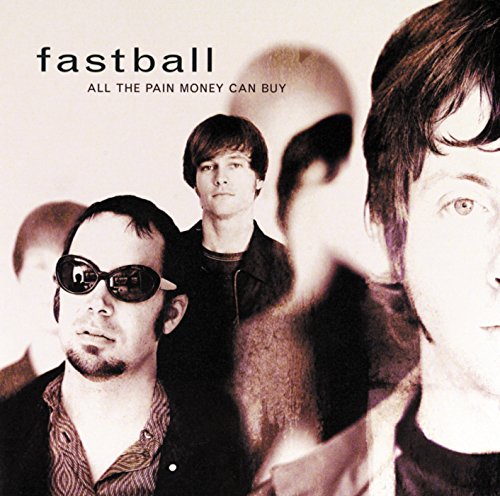
Fastball – All The Pain Money Can Buy

Released March 10,1998 via Hollywood Records

My Favorite Tracks – Which Way To The Top?, Fire Escape, Charlie The Methadone Man

Fastball had signed to Hollywood Records, a subsidiary of Disney that had yet to score any real success. The band had released one album that didn’t make any waves and they regrouped for this sophomore effort.

Fastball took a different approach to their second album – the band featured two principal musicians in Miles Zuniga and Tony Scalzo. Each wrote a song and did the lead vocals for their effort. While Zuniga would get one more song on the record over Scalzo, it would be Scalzo who composed the massive hit.

The album’s run time is fairly concise at 42 minutes but there are 13 songs on the original release. I’m going to switch up my typical format today and discuss a handful of highlight tracks in detail, then run through the rest briefly. This post would be massive otherwise.

The Way

The album opens with what became the smash hit single. The song charted at or toward the top of several US and Canadian charts and was ever-present in early 1998. The Way was released a few months ahead of the album and it propelled the album to platinum status in a few months. Fastball members were working regular shift jobs when The Way began taking over alt-rock radio.

The song depicts a pair who leave their lives behind and head out on a journey. The destination is unspecified and even unknown. It is a great song that hits the vibe of just leaving and setting out for adventures unknown. Without any understanding of the song’s inspiration, The Way works fantastically on its own.

But the song does have a story behind it and it’s a pretty dark one. This article discusses the news story that inspired Tony Scalzo to compose the track. An elderly couple in Texas set out for a festival at a town very near their own, yet wound up missing. Their car and remains were discovered in Arkansas a few weeks later. The couple’s disappearance was a big news item in Texas while they were missing and Scalzo wrote most of The Way before the couple were found. The song would immortalize the couple even in spite of their sad fate.

Fire Escape

The second track was also the album’s second single and placed within the US Top 40. The song is a bright, poppy alt-rock number about being into someone. It’s accompanied by a pretty funny video. It, like many songs on the record, have a polished sound without delving into jangly riffs or other simple tricks. It is simply recorded and executed and kept clean.

Which Way To The Top?

On to the fourth track that features a special guest on vocals. 90’s alt-icon Poe contributes her voice to the track. The song asks the ages-old question of how to climb out of one’s rut and get to the top. It’s a pretty ironic song for Fastball, since their way to the top was literally The Way. This song does a great job of conveying the melancholy vibe of being at the bottom while also sounding hopeful for more in the future.

Slow Drag

A bit of a dark turn here, the song itself slots right in to the rest of the album musically but the lyrics get really dark. The song’s narrator is in a dark, quiet place and wants someone dead. No elaboration is given on who or why. It’s a bit of a vague murder ballad and is a curious and unsettling tune.

Charlie The Methadone Man

A weird and interesting tune that has a look at just what the title says – a fella named Charlie that’s into methadone. The song doesn’t really either lionize or pass judgment on Charlie and his habit, rather it simply observes his movements. No clue if this was based on someone real or if Miles Zuniga just cranked it out off the top of his head but the song is a great one from the album.

Out Of My Head

The album’s third single and another hit that got into the top 20 on the US chart. It’s a sadder tune that looks at one’s own bad behavior in a relationship. It’s a far more introspective and honestly practical song about such things than what is normally churned out in that regard.

The song would get a second life decades later when Machine Gun Kelly used this song’s chorus for his song Bad Things. Camila Cabello guested on the track. Tony Scalzo reacted positively to the song’s use by MGK.

Damaged Goods

The last song I’ll look at in full is a quick number that looks over a past long-distance relationship. There isn’t a ton going on lyrically, just a few verses that offer a bit of background then a one-line chorus simply stating “I know I should just leave you alone.” While still fitting the album’s overall pop-alt vibe the driving chorus does provide a heavy moment.

Six other songs slot in at points on the record. Better Than It Was and Sooner Or Later are more upbeat tunes on the first half of the record. Warm Fuzzy Feeling is a fun song about “making it,” something the band wrote a lot about and also accomplished here. Good Ol’ Days is a horn-driven nostalgia trip. The album closes with two somewhat vague and darker-themed numbers in Nowhere Road and Sweetwater Texas.

All The Pain Money Can Buy was a huge success for Fastball. The album hit platinum in both the US and Canada and The Way was a huge hit single. It was also the first major success for Hollywood Records, which would later go on become a hit factory based on the various Disney TV personalities who recorded songs.

The album was a masterstroke from a band who thought they were going to be dropped by their label and who faced an uncertain future in the music business. While never replicating the success of this album, Fastball are still at it today now with eight albums under their belts. While the group came and went from the mainstream consciousness, they left a massive impression during their time there.

Album Of The Week – March 6, 2022

Today’s album is widely-regarded as the magnum opus of a legendary singer’s solo career. This crown jewel of an album, coupled with the low-water mark his former band was at in the late 90’s, would result in a reunion and a new legacy.

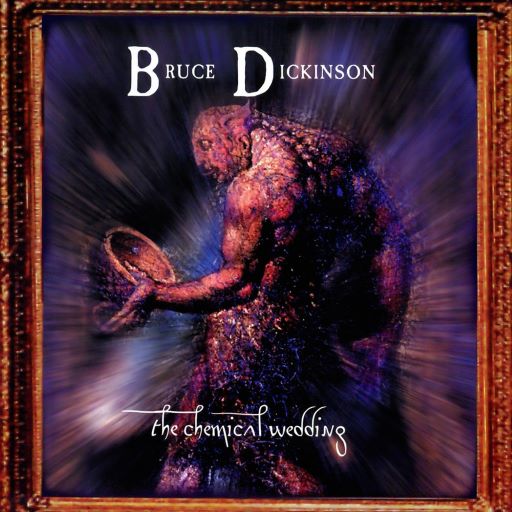
Bruce Dickinson – The Chemical Wedding

Released September 25, 1998 via Air Raid Records UK

My Favorite Tracks – The Tower, Chemical Wedding, The Book Of Thel

The Chemical Wedding was Bruce’s 5th solo outing and his 4th since leaving Iron Maiden in 1993. Former Maiden guitarist Adrian Smith was also along for the ride, having joined with Bruce the year prior for the Accident Of Birth album. Helming the console for production and also picking up a guitar was Roy Z, whose Tribe Of Gypsies bandmates would also fill out Dickinson’s solo band.

The album’s lyrics and themes were inspired by the works of English poet and painter William Blake. Blake’s painting The Ghost Of A Flea was used as the cover art. The marriage of Blake’s themes of religion and nationality along with heavy metal would create a stunning and unique record. At a few points where Blake’s works were directly read as song intros, English shock rocker Arthur Brown provided the narration.

King In Crimson

Things open with a banger. The guitars are low and heavy and Bruce builds through a powerful pre-chorus to deliver the to-the-point chorus. Adrian and Roy Z are all over this track with an extended solo section. This is one of the songs from the album that one really wonders what it would have sounded like with Maiden.

Chemical Wedding

A more atmospheric and brooding tune, the title track evokes images of marriage and death. It’s unclear what a “chemical wedding” actually is but it sounds pretty messed up. Bruce again stays quiet through the verses then goes air raid siren on the chorus. Play to your strengths, so they say, and Bruce does just that.

The Tower

A bass line opens the track, reminiscent of that band. The song goes into another metal outing that sees Bruce attacking the vocals from the get-go. The lyrics possess a ton of symbolism that some speculate is derived from tarot cards. This blend of heavy metal and spooky, mysterious symbology persists throughout the record and creates a vibe that transcends the cliches of heavy metal songwriting.

Killing Floor

The heaviness ratchets up a few notches on this slamming tune about the Devil. Satan is out on the prowl here, seemingly attacking people through their dreams in the vein of Freddy Kruger. The pre-chorus offers a bit of a melodic reprieve before the band tears through the heavy as hell chorus. This song also got a video with Arthur Brown fittingly in the role of Satan.

Of all the music videos, this is certainly one of them

The Book Of Thel

Directly lifted from a William Blake work, both Blake’s story and Dickinson’s song ponder the inevitable loss of innocence and the bleak ultimate fate of life. The song tears through the twisted tale of Thel discovering her terrible destiny.

Gates of Urizen

More from Blake’s mythology here, Urizen is a powerful figure that represents one aspect of a central god who later fell and created the material world out of spite. The song offers a vague recounting of being at Urizen’s gates and a dark transformation happening. Despite the heavy subject matter the song is one of the lighter offerings on the record.

Jerusalem

Most Dickinson-related fare requires an epic and Jerusalem serves that purpose here. Tied to Blake’s most ambitious and ponderous work of the same name, Dickinson sings of Jerusalem being re-established in England. The lyrics hold to Blake’s vague work, not offering a clear picture of whatever symbolism is delivered here. The band are up to the task of bringing a lush soundscape to this epic tale.

Trumpets Of Jericho

Here Bruce takes a story from the Bible, one where soldiers march around the outer walls of the city of Jericho until the walls crumble. In this song the unconventional siege tactic doesn’t work, because nothing about science indicates it would work, and the walls remain. The tune discusses the feeling of futility after being unable to break the walls down.

Machine Men

This song makes use of a well-worn topic in heavy metal – the literal use of metal to create engines of war. Soulless metal monsters storm the landscape and devour humanity in their jaws. The creations here seem to be made of humans now repurposed as war machines. The song’s heaviness matches the weight of the subject matter.

The Alchemist

The album closes with a very trippy and atmospheric number. The meaning is somewhat unclear but the protagonist seems to be rejecting the ills of civilization, it is a last stand against death and decay. As the song winds to its conclusion it offers the chorus of the title track as a reprise.

The Chemical Wedding was a critically acclaimed success for Bruce Dickinson. It is widely considered his solo masterpiece. Commercial success was more elusive for this traditional metal album in 1998, just as it was for Bruce and Adrian’s former bandmates toiling in obscurity. Less than 6 months after the release of this album, Bruce and Adrian rejoined Iron Maiden for a reunion that kicked off a new legacy for that group and an era that has now lasted 23 years.

It is believed by many that The Chemical Wedding was the catalyst for the reunion, as Bruce and Adrian were outshining Iron Maiden’s maligned output of late 90’s. It seems to have been a more practical decision involving finances but this doesn’t stop fans from ranking this record highly, even slotting it ahead of some of Maiden’s classics. Many wonder what this album would have sounded like backed by Iron Maiden, though that discounts the influence of Roy Z. Rather than ponder what-ifs, the reformed Maiden pushed forward with creativity on their own terms. We get occasional live samples of what Bruce would sound like on the Blaze Bayley material, but The Chemical Wedding stands on its own as a Bruce Dickinson classic.