
Today marks thirty years since the release of this landmark album. This one hit me like a bullet when it was released and all these years later it’s still toward the top of my favorite releases ever.
Also, be warned – this post is really damn long.
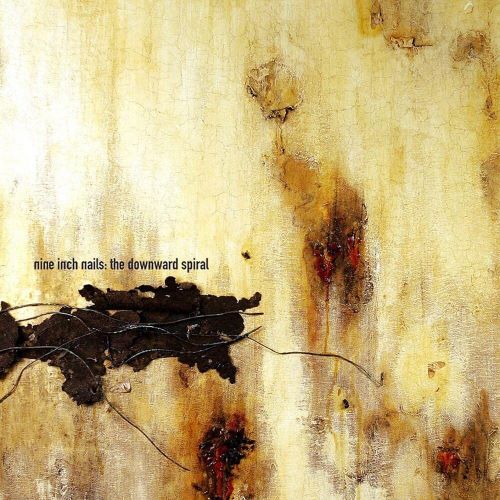
Nine Inch Nails – The Downward Spiral
Released March 8, 1994 via Nothing/Interscope Records
My Favorite Tracks – Mr. Self Destruct, Hurt, Reptile
Nine Inch Nails had arrived to a good degree of fanfare in 1989, and by 1994 the name had become household on MTV and in the now alternative music scene. The stage was set for Trent Reznor’s next move, which would prove to be career-defining.
No real need to discuss a band line-up, the recording roster for Nine Inch Nails was often Trent Reznor. Several friends and guests were brought in to help, including Mark “Flood” Ellis who would help with production. Other names that would become familiar to Nine Inch Nails were involved, including Chris Vrenna, Adrian Belew and Danny Lohner. The list of production credits is a mile long, this was the Manhattan Project in terms of recording engineering at the time.
This album also had a story in terms of where it was recorded – Reznor rented a house at 10050 Cielo Drive in Los Angeles. This was the site of infamous murder of Sharon Tate and four others in 1969. After dubbing the studio “Le Pig” and recording both Broken and this album there, Reznor felt remorse for possibly exploiting the house and vacated it, after which the house was torn down.
The meaning and themes of The Downward Spiral have long been a subject of debate and interpretation. It is clear that there is a person breaking down as the songs go along. It could be a solid theme that ties things together, or it could go as deep as being a true concept album where a specific story unfolds through the songs. It isn’t entirely clear and there are arguments both ways about it. I personally do support the “full concept” theory though I also see a few odd holes in the story. I’ll prod the meaning of these songs but I won’t be discussing the concept theory much here, I simply don’t have room. I may pick that thread up another time.
Reznor stated his primary influences for this album were Low by David Bowie and The Wall by Pink Floyd, Reznor was moved by both albums’ use of space and texture.
Today’s album has a massive 14 songs at a 65:02 runtime. An excellent 2 CD reissue offers up great bonus material, including the soundtrack song Burn and Reznor’s cover of Joy Division’s Dead Souls.
Mr. Self Destruct
The opener kicks off with a machine noise intro then launches into the harsh industrial noise that NIN had become familiar for. This song sees a dark force pushing a person into vices and ills, all in order to use the person up. A quiet interlude breaks up the mosh pit-worthy main sequence. This song is absolute gold and a great way to bridge into the new album from the equally harsh Broken EP.
Piggy
The next track is one of the album’s singles and is a slow, quiet march through a person’s breakup and the fallout from that. The song introduces the phrase “nothing can stop me now, ’cause I don’t care anymore,” which is repeated through the record. The bass anchors this song as it rolls along, then Reznor plays live drums toward the song’s end, one of the very few uses of “organic” drums on the record.
“Piggy” can have multiple interpretations here, given where the album was recorded and also the word’s use in other songs. But there is another story behind the name – Richard Patrick was in Nine Inch Nails as a guitarist from 1989 through 1993. Reznor nicknamed him Piggy, then Reznor felt resentment that Patrick was focused more on his own music than NIN. Patrick would leave the band and form his own group Filter, who had great success. Patrick has stated in interviews, such as this 2010 talk with the Sacramento Press, that Piggy is about him and Reznor’s anger with him.
Heresy
Up next is a techno-driven song with moments of distorted wailing. The angst is directed at religion, though the specifics are deeper than just ranting about church. Reznor wrote this one influenced by how Christian sects in the 1980’s and early ’90’s turned AIDS victims into scapegoats. This song is Trent’s response to the edict “there is no hate like Christian love.” Whether or not someone likes this song or not probably centers on one’s thoughts about religion. I’ve always enjoyed the track.
March Of The Pigs
This next song was also a single. Musically it is a contrast study with noisy and quiet parts, though it’s the verses that are loud and the chorus that is quiet. It is a clash between the main character and the “pigs” of society who are fake and without substance. At points Reznor is singing from the main character’s point of view and others the pigs, and the trade-offs are not easy to spot without actually reading the lyrics to see what the hell is going on.
Closer
And now on to the song that most people are likely familiar with. The song builds slowly, using mostly electronic instruments but this one remains easy to process on the surface, it’s all fitting and catchy. There is more going on under it all but this is a song that was taken purely on its surface level and became the most famous song Nine Inch Nails ever did, save perhaps for another from this album.
The song is about someone obsessing over an object of desire. The lyrics are a harsh account of the main character’s depression, lack of purpose and shallowness. But this song didn’t get famous for being psychoanalyzed to find a messed up human being’s story. No, the song got famous for being catchy and for the line “I wanna fuck you like an animal.” It was taken as a lust anthem rather than the desperate echoes of a tortured person. And that is what it will always be known for, and honestly there’s nothing wrong with that. Reznor has spoken out about the true meaning of the song and the popular reaction to it, but artists have to know that art isn’t yours anymore once it’s out in the wild.
Ruiner
Time for a bit of a rave here with some slamming techno beats. The song does call back a bit to the debut Pretty Hate Machine with its dance beats. Other parts of the song slow down and go harsh, and there’s also a bit of a guitar solo here and the old, jamming kind of solo. Reznor has said he was unsure of this song and that it was two songs mashed together. I personally think he got it right, it’s a good track.
The song deals with the “ruiner” who is likely a metaphor for someone in power. The ruiner could also be a specific person or even facet of the main character’s personality, but that’s more than what I can get into here for length reasons. Either way, here the narrator is lamenting the power that the ruiner has over him, and at the end we get the cold refrain of “nothing can stop me now” again.
The Becoming
This one sounds like a robot toy come to life and on the hunt to kill someone, pretty quirky intro. It slides into another techno-driven song with a bunch of screaming in the background. The song sees the narrator give in to what’s happening and figuratively become a machine. It’s the loss of the soul as life has been too much to bear. This is a lively descent into losing personhood.
I Do Not Want This
Kind of a mid-paced beat here that keeps quiet until a chorus where Reznor yells “You can’t tell me how I feel!” It seems here the narrator is struggling with his loss of humanity and is reaching back out for it, though he is also lashing out at everyone. The end offers up grandiose ambitions, such as “I want to know everything, I want to be everywhere, I want to fuck everyone in the world.” It is the sort of thing seen from people who truly have lost their mental center and are reaching for anything to cling to.
Big Man With A Gun
This one is a short, noisy track that is absolutely an allusion to rape and the lyrics don’t allude at all, they spell it out fairly clear. Reznor intended the song to be satire, he was calling out the other forms of music at the time that glorified rape and sexual assault. His take didn’t really come through and NIN landed in a bit of hot water with politicians, though noting ultimately came of it. Reznor said the song was originally created to be about madness and that this was another stage of the main character’s insanity. I do think this song misses its mark but I don’t think it’s that big of a deal either. It fits the album sonically and is over real quick.
A Warm Place
This one is an instrumental with one very quiet, almost unnoticeable spoken phrase at the beginning. It’s widely believed that line represents a last bit of the narrator’s humanity trying to poke through. The song itself is very pleasant, it’s a nice interlude in this descent into total madness.
Eraser
Up next is a song without a ton of words but there are a handful. The piece goes on for a few minutes of very nice music before Reznor sings a series of short blurted out lines that are likely tied to someone who has truly snapped now. The song goes out in a distorted mess as Trent screams “Kill Me!” repeatedly. Not a conventional song but one that fits this part of the story very well.
Reptile
This is one twisted track. It has very sick use of electronic beats and tells its sordid tale very well through music and words. Here the main character is admitting to being twisted by a woman, who might be the same object of desire from Closer and is also likely the Ruiner. This song is absolute magic and, given the “concept” theory, ties this whole album together. Reznor is famous for a fair few songs but this one is kind of slept on by the wider public.
The Downward Spiral
It’s another almost instrumental here. The main hook here is a guitar playing the piano outro of Closer. Here someone reaches rock bottom and commits suicide, the brief lyrics lay that out clearly. It is apparently the main character, though it doesn’t entirely jive with the story theory since, you know, there’s a whole other fucking song to go. This passage is pretty nice and twisted.
Hurt
The album closes on the other very well-known song. It is a quiet and haunting track featuring Trent’s voice, a keyboard, a bit of guitar and sparse noise to generate atmosphere. Here the narrator is reflecting on a lost life, being alone and having nothing to offer but his empire of dirt. Whatever the main character was supposed to achieve through his loss of humanity did not come to pass, and he lies here a broken shell of a person. The end does generate the smallest glimmer of hope that he will seek to regain his human self. The actual meaning of Hurt in terms of the album story is hotly debated and something I won’t get into here.
This was one of Nine Inch Nails’ signature songs, but of course that changed in 2002 when the venerable Johnny Cash, toward the end of his life, recorded a stark cover version that lit the music world on fire. Reznor admitted that the song was Cash’s after the cover was released.
The Downward Spiral would mark the crowning achievement of Nine Inch Nails’ career. The album hit at number two on Billboard and went four times platinum in the US. It has remained the centerpiece of Trent Reznor’s discography and the album’s legacy is still widely discussed now thirty years after its release. Closer remains NIN’s most well-known song and Hurt is close behind.
“Light Industrial” would become the new sound bands chased as NIN sound-alikes hit the scene in the years after this album. A few acts got a bit of mileage out of it and I won’t discount the whole scene as a rip-off, but this album was the clear reference point for the industrial-tinged rock and metal of the late ’90’s.
What this album gets right is most everything. The layers of electronic music do not alienate here, instead they build both a beat and atmosphere that allows the songs to mostly be taken in on a casual listen while also offering a lot of texture for the deeper listener to explore. It’s a masterpiece of arrangement and something that 99.99999% of musicians could never pull off. The story contained within is ugly and horrible, but told in splendid fashion and left with enough breathing room for personal interpretation. It isn’t handed out on a silver platter where everyone draws the same conclusions.
I don’t feel like the album really gets anything wrong, though Big Man With A Gun might be a miss. Maybe Reznor was a bit too opaque in his expression in a few places. That might be more of a discussion about Trent Reznor and pop culture views at the time rather than much to do with this album, though.
During and after this album’s release, NIN would tour and Reznor also went on to help launch the career of Marilyn Manson. It would take five years for another Nine Inch Nails record and Reznor has gone through various iterations in the years since. But there is no denying the legacy of The Downward Spiral, tortured though its story may be.
 The Crooked Wanderer