Dokken – Tooth And Nail

This week let’s go back to 1984 and head right into the fire – Dokken were on the ropes with their record company after a debut that failed to sell. They needed to get their name out there and move some records. This was the result.
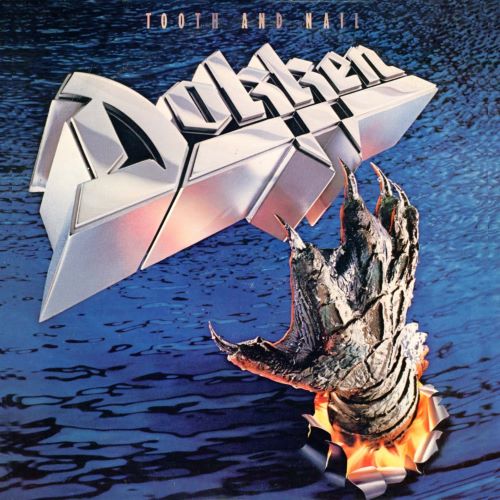
Dokken – Tooth And Nail

Released September 14, 1984 via Elektra Records

Dokken had at least broken onto the scene by 1984 via US remix and re-release of their debut Breaking The Chains a year prior. The album did not perform to label expectations and Elektra weren’t all that into the concept of funding more Dokken music. But they were talked into ponying up for another record and the band convened in Hollywood to record their second effort.

Dokken’s line-up already had one change between albums. While mainman Don Dokken was still around, along with guitarist George Lynch and drummer Mick Brown, it was the bass position that needed a new hand. Juan Croucier took his bass and dance moves to Ratt, so Dokken filled the void with Jeff Pilson.

The album was produced by Tom Werman, up until the point that it wasn’t. Werman vacated the job after a nasty confrontation with George Lynch. Don Dokken wanted Michael Wagener from the beginning, so Wagener was brought in despite objections from the rest of the band. Roy Thomas Baker was also brought in to babysit the angry cocaine fiends. The actual stories of all the drama around this album are numerous and can be found in many books and interviews, the whole thing is just crazy and worth a deep dive.

Eventually the album got recorded and released, and we have a 10 track record running at a somewhat lean 38 minutes. There is a Rock Candy reisusse with a few bonus tracks but there’s not much else that I know of in the way of reissues, this album is generally one that you’re getting what you get.

Without Warning

Up first is an instrumental intro. It’s fairly brief at 1:34. Here Lynch is setting a tone more than anything, it’s not a firecracker guitar virtuoso thing. It works just fine to get the ears warmed up for the rest of the album. Grade: B+

Tooth And Nail

Up next is the title track and a total scorcher of a song. It outlines the exact mindset of the band through this time – desperate and ready to do everything to take a shot at the top. While Dokken would handle several of their songs in a more pop-oriented format, this one is a total callback to the more heavy metal-oriented debut album. Grade: A+

Just Got Lucky

And now for one of those more pop-leaning songs. This one has a pretty bright and melodic ring to it, though it still has a nice crunch. This ages-old tale of hooking up with the wrong person did modestly well on the Modern Rock chart as a single, but in the years since it has become one of the band’s signature songs. George Lynch filmed his solo for the music video on top of an active volcano in Hawaii. It was so active that he and the film crew were sent away by the parks department and the volcano erupted while they were flying off. Grade: A+

Heartless Heart

A straightforward rocker with some nice gang vocals and the usual guitar work. Again, Dokken retained a pretty nice heavy-rooted sound while they pursued more commercial accessibility. This sounds like death metal compared to some of the sap of the late-80’s glam and hair scene. Grade: A

Don’t Close Your Eyes

Lynch just plain goes ham here, almost maybe showing off stuff he might have used if he’d gotten the Ozzy gig. Very well done, nice and heavy song here. This wasn’t a single but it’s another essential parrt of the Dokken catalog. Grade: S

When Heaven Comes Down

The hits keep coming with another sharp, heavy song at just the perfect pace for headbanging along to. This album started off hot and hasn’t let up one moment. Grade: A+

Into The Fire

The rock keeps going here though Dokken do thrown in a bit more in the way of pop sensibilities here. It worked, as this was a decently performing single and has also been Dokken’s most-played live song. It’s exactly the right balance of rocking and catchy to draw people in. The pop as all hell third verse coming right out of the guitar solo says it all. Grade: A+

Bullets To Spare

Nothing dives off the path here – it’s another heavy, crisp song. Again with a pretty good headbanging pace to it. If this is the least heralded track from the album, then you have one hell of an album on your hands. Grade: A

Alone Again

And now it’s time for the ballad. That’s what the record label told Don when the album was underway – the ballad was becoming a mandatory inclusion as the 80’s rock world formed around this glam rock sound. So Don dusted off this old piece of a song he and Jeff Pilson had lying around and they recorded the ballad.

And it worked. Alone Again was the best-performing single, going to 64 on the Billboard Hot 100 and getting to 20 on the Top Rock Songs chart. It also works in the context of the album – this isn’t a saccharine mess, it’s a well-constructed song that still rocks even with its more somber tone and content. Grade: A

Turn On The Action

And we close out the album with one more hot rocker. It’s a nice, high-energy groove to leave off with. Nothing much more to say, the album keeps it up all the way through. Grade: A

Tooth And Nail was not the smash hit Dokken were looking for, but it did provide much-needed momentum to placate the record label and get their name out there more. The album got to number 49 on the Billboard 200 and would go gold in 1985 after steady sales. It would eventually get platinum after the band’s next few albums provided the commercial peak everyone was truly after. Dokken toured as opener for a range of acts through the year, before setting back into studio to record the follow-up that would see their fortunes shine even brighter.

After looking back at my song grades, it makes the album itself very easy to grade.

Album Grade: A+

This one is more than just a band who pushed themselves to record something worth listening to – this album helped define the sound of what 80’s rock could be and also would be. This was more melodic and catchy, but also retained a solid, heavy feel to it. Not many could handle that kind of balancing act and not many did, with some being on the heavy side of it and many others going for the quick hit off the pop ballad. But in 1984 Dokken helped establish would rock was going to do through the ensuing years.
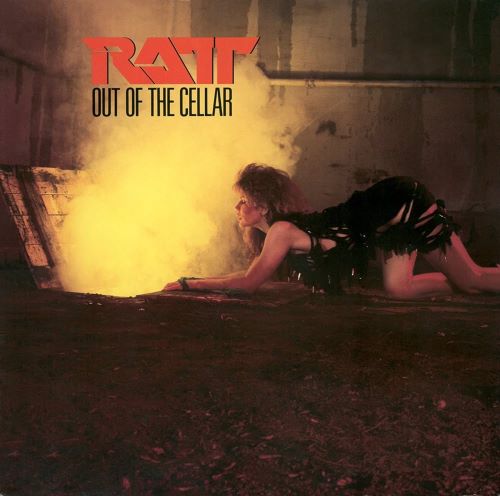
Ratt – Out Of The Cellar

The 40 year celebration of 1984 marches on, and today it’s a monumental debut that would turn the decade’s rock and metal music on its head.

Ratt – Out Of The Cellar

Released February 17, 1984 via Atlantic Records

The early history of Ratt is actually long and a bit windy, but this is their debut full-length after an EP one year prior so it’s the best place to pick up the story. In short, the band formed out of a series of other California-based groups (including Dokken) and the line-up eventually solidified into a recording and touring group.

That line-up featured Stephen Pearcy on vocals, Warren DeMartini and Robbin Crosby on guitar, Juan Croucier on bass and Bobby Blotzer on drums. The album was produced by Beau Hill, who had broke into Atlantic Records after work with Stevie Nicks and Sandy Stewart. After this album, Hill’s production career would move into full swing. Ratt were also managed by Marshall Berle. This would pay dividends as Berle had a famous uncle who would contribute to the video for Ratt’s signature song.

The album cover features a starlet of 80’s lore – actress and model Tawny Kitaen is featured in full on here after having her legs on the EP cover. Kitaean was dating Robbin Crosby at the time and would go on to be the face and body of hair metal after her turn in the 1987 Whitesnake videos.

Today’s album features 10 songs at a quite lean 36:41 runtime. It is all action here today, as we will soon see.

Wanted Man

1984 meets the Old West here as the Ratt gang saddle up for some outlaw adventures. The song walks the fine line between melody and edge very well, an ever-present feature of the album. It’s wasn’t very often that hair metal met western movie culture but it was done by Ratt splendidly. Grade: A+

You’re In Trouble

This song came from some versions of the EP a year prior. It’s a mid-paced banger with a great guitar solo and keeps with the rougher theme of things, almost being a spiritual sequel to Wanted Man. This early version of what would become hair metal had a ton more attitude to it than what was on offer by the late ’80’s. Grade: A

Round And Round

Up next is the song Ratt is best known for. This one was an MTV staple and would be the band’s biggest hit, going to 12 on Billboard.

And this is an expertly crafted hit song. Everything from riff, verse and chorus is so catchy that it could be its own STD. The song’s premise is simple enough – the Ratt gang is out on the prowl and kicking ass. Nothing that requires a philosopher’s interpretation here.

The video for Round And Round was all over the place back in the ’80’s. It guest-starred famed actor and comedian Milton Berle, the uncle of Ratt’s manager. Berle played two characters in the video, both a “normal” guy and in drag. The clip stands as one of the immortal videos of ’80’s rock.

It’s no surprise that Round And Round became the song for Ratt. It hooks you in from the word go and maintains its hold throughout. This one has been in wide use in TV, movies and commercials since 1984 and hasn’t gone away yet, it is Ratt’s legacy summed up in a song. Grade: A+

In Your Direction

A meaty riff here and a touch more bite to this song. As with everything on the album, this has a perfect rhythm across all facets of the song – in riffs and vocal delivery, and the back end of the drums and bass. Ratt were not considered virtuoso’s beyond the guitar of DeMartini, but their ability to get the tempo and rhythm of a song perfect is unsurpassed. Grade: A

She Wants Money

Ratt excel in the mid-pace offerings of the songs before, but this one kicks up the speed by a good bit. It is a tale as old as time, or at least money – if you want the girl, you gotta have some cash. No one likes some broke dude. This one is a nice way to switch things up a bit. Grade: A-

Lack Of Communication

The opening riff here leaps out of the speaker and pounds you in the head, and keeps up through the song’s length. This song stomps through humanity’s universal problem as illustrated in the title. No doubt this is the theme song for every single work place in recorded history. The song does a great job of communicating the problem, no issues here. Grade: A+

Back For More

Another cut from the EP that was redone for the full-length. It again sits in that mid-paced pocket that Ratt have masterfully established, though this one does have a bit more noise in the riffs and vocals. It’s a grimy tale of an on-again, off-again relationship and may have been based on the hook-up between Robbin Crosby and Tawny Kitaen. This song did get a video but wasn’t officially a single, the history on this is a bit confusing.

What isn’t confusing is that this song absolutely rocks. There’s just enough of things here and there in the track to push this one over the other songs, which are already excellent. Grade: S

The Morning After

Time to rock out again. Super great riff running through this one and Stephen Pearcy delivers the news of an impending one-night stand with the requisite force. A nice extended solo in this one too, this album is definitely not sputtering out towards the end. Grade: A

I’m Insane

Another hot rocker about a favorite topic in heavy metal, being crazy. There isn’t a lot to discuss about it – it’s a song that works great and keeps the energy up heading into the album’s close. Grade: A

Scene Of The Crime

The closer offers up a fair bit of melody, though the subject matter is far from bright and cheery. The “crime” is a figure for two-timing, or at least that’s what I get from it. The song is, like everything else, fantastically done and makes most people wish there were another ten songs of this album to go. Grade: A

Out Of The Cellar was a massive debut for Ratt. It would peak at number 7 on the Billboard 200 and has been certified 3 times platinum. Note that certifications are not always kept up to date by record labels and the album is believed to have moved at least 5 million copies. Ratt would continue to have multi-platinum success through the decade though this album remains their hottest seller.

With this album, Ratt would be instrumental in shaping the rock scene for the coming years. There is little doubt that they played a huge role in the ascension of hair metal, the sound that was so pervasive through the ’80’s. It’s also clear that there’s more on offer here than what would come by the time hair metal became a ballad writing machine. But that’s the usual state of music – it’s usually the early innovators who had the freshest stuff on offer.

Grading this album couldn’t be easier, the justification for my grade is laid out in the song grades and there’s not much else to say. This record has no weaknesses and many strengths.

Album Grade: A+

I suppose people who didn’t enjoy hair metal might actually wish to blame Ratt for being a central cog in its formation. But for those of us who did like it, it never really got much better than Out Of The Cellar. An amazing album that stands toward the top of the brilliant offerings of 1984.

Mötley Crüe – Saints Of Los Angeles (Album of the Week)

This week I’m on to one I’ve meant to talk about for a while – what today remains the most recent studio album from Mötley Crüe. This album occupies a weird spot in the catalog – it was a long-awaited comeback after 8 years of no albums and also released in the same year as 3 other long-awaited comeback albums from legacy rock acts. This one is equal parts gushed over and glossed over and divides fan opinion sharply at times.

Mötley Crüe – Saints Of Los Angeles

Released June 24, 2008 via Mötley Records

My Favorite Tracks – Saints Of Los Angeles, White Trash Circus, Goin’ Out Swingin’

Crüe had not released a full album since 2000’s New Tattoo, a record that did not feature drummer Tommy Lee. SOLA was the first full band action since 1997’s Generation Swine. The band had been on ice for a bit in the early 00’s but then were able to pull off a highly-publicized “reunion” despite only being gone for a few years. The tours with the original four were big hits and the band eventually got together to record this new album.

When I say “the band” got together, what I mean to say is that Nikki Sixx got together with Sixx AM guitarist DJ Ashba, Sixx AM singer James Michael and longtime Aerosmith collaborator Marti Frederiksen to make the new Mötley Crüe album. This grouping is credited with writing every song on the album, while Mick Mars has credits on 7 of the tracks. Neither Vince Neil or Tommy Lee appear in any songwriting capacity. I do presume that a few of the names in the songwriting list might also appear in audio form on the album to a degree, but again I don’t know.

As for who actually played on the record, well, there’s no telling. Recent news and gossip involving the ugly Mick Mars split indicates that a lot of people who aren’t on the Crüe roster have played on the albums. I don’t know who, when or where and I’m not going to bother guessing since the whole affair is pretty gross and hard to track the accuracy of.

The album has a lot of songs, with 13 tracks coming in at 44 minutes. The album has been reissued a handful of times since 2008 but there are no bonus tracks or deluxe versions to concern one’s self with, at least to my knowledge.

L.A.M.F.

This is an intro piece that sets the stage for the music to come. This is a pretty cool little deal, it highlights the issue of Los Angeles with scores of people flocking there to hit it big in acting or whatever, but 4 out of 100,000 actually making it. This sets a gritty tone early, Mötley Crüe will not simply be writing love letters to their beloved City of Angels.

Face Down In The Dirt

The first song proper is a simple yet very hard-hitting banger that covers the theme of not wanting to be a worker drone in society. It might seem a bit odd for a band who’d been successful for 27 years or so to write a song like this but the song works 100%, so there’s nothing really to argue with here.

What’s It Gonna Take

This one goes back to the band’s early days before they were successful, talking about living with girls and being rejected by record labels. It’s a pretty cool song and it’s nice to look back for a minute on those early days before Crüe broke out and helped set the table for 1980’s music.

Down At The Whiskey

This one is also an early nostalgia trip, obviously being about days at the famed Whiskey club in L.A. At this point the album is solid, though these sorts of “glory days” tracks are setting the table for an ok but unspectacular album. It could use a real kick in the ass to get it to the next level.

Saints Of Los Angeles

It didn’t take long, welcome to the next level.

The title track is a gritty, sleazy look at Los Angeles and the scene. This doesn’t “tell a story” so much as set the table for an experience in the seedier side of L.A. This song nails the feel of that and is just a massive, ass-kicking track. Gang vocals on the chorus are provided by a number of guests, including Jacoby Shaddix from Papa Roach, Josh Todd from Buckcherry, the aforementioned James Michael, and Chris Brown from Trapt. (Yes, the dude from Trapt is the same guy who turned Trapt’s social media account into his personal litter box a few years back)

Mutherfucker Of The Year

It’s a great song and also a new award at work. This one is all attitude, Mötley Crüe have been one of the bands with an actual reputation big and, at times vile enough to live up to the moniker. It is almost like a true theme song for them.

The Animal In Me

This one kicks the pace down a notch, it’s not a true ballad but it dances on that line a little bit. It’s a song about rough sex, kinky stuff, whatever. This one is pretty run of the mill, not my favorite by any stretch.

Welcome To The Machine

Here the pace ramps back up for a tune presumably about being a part of the record industry. It’s a bit ironic from Mötley Crüe, since they were one of a very few bands who were able to take control of their old album masters and gain rights almost no other artist has. But this song isn’t that deep, it’s just venting about the disposable nature of artists once they’re done, all just to make some shareholders rich.

Just Another Psycho

This one is a mid-paced affair that is simply about being nuts. This feels like a bit of a filler track but it’s listenable.

Chicks = Trouble

The fun factor ramps up big time here with this crazy song about a gold-digging woman spending the guy’s money. I’ve never had to deal with this problem because I’ve never really had money, but this song is really fun to play.

This Ain’t A Love Song

Another one that’s a whole lot of sleazy fun, it’s all about hooking up with a good time gal. This is the kind of song Crüe probably would have liked to write back in the ’80’s but it might not have gone over that well. 20 years later the climate was far more indifferent to this stuff so here it is, warts and all.

White Trash Circus

Heading toward the end and the hits keep coming. This is another sleazy song simply about how messed up the band has been over the years, and these guys have quite the stack of tales to tell about their misgivings and transgressions. One line mentions how they’ll never go away and that has held true, even when they themselves said they were going away.

Goin’ Out Swingin’

The closer is a total banger of a song. This hits hard and fast and doesn’t let up and is a great finale for the album. This one sets the band’s attitude of keeping at it until the bitter end, whenever that end might actually be.

Saints Of Los Angeles was an initial success for Mötley Crüe. The album hit the US Billboard charts at number 4 and sold 100,000 copies in its first week. It also charted in several other countries, pulling down a gold certification in Canada. Sales did not continue long after that first week, leading several in the band to become disillusioned by what they considered flat sales. Someone maybe should have briefed them on how album sales were going in general in 2008, I don’t know.

The album had a good reception from fans, though there is certainly divided opinion on it. Many did crow about the involvement of the Sixx AM members, feeling that this Mötley Crüe record is just a Sixx AM album. My take on it is this – if this is what the Crüe sounds like with DJ Ashba and James Michael involved, then write more Crüe albums with Ashba and Michael.

In the end this one holds its own pretty well in the Mötley Crüe catalog. I ranked it number 4 back when I did the Crüe album ranking. I feel like SOLA is the band truly realized with the darker and uncensored themes which they probably couldn’t have gotten away with in the ’80’s.

2008 was a year when rock heavyweights Guns N’ Roses, Metallica and AC/DC all released long-awaited “comeback” albums and it’s possible Mötley Crüe got a bit lost in the shuffle, but it’s also possible that this one did a better job. (Except for AC/DC, that album was excellent) We don’t know if there will actually be another Crüe album, they apparently don’t have a full album’s worth of material yet with new guitarist John 5. If this is the last actual full-length, well I feel like they got it right in the finale. If there is more material to come, I think there is a hard road to traverse to equal or better this one.

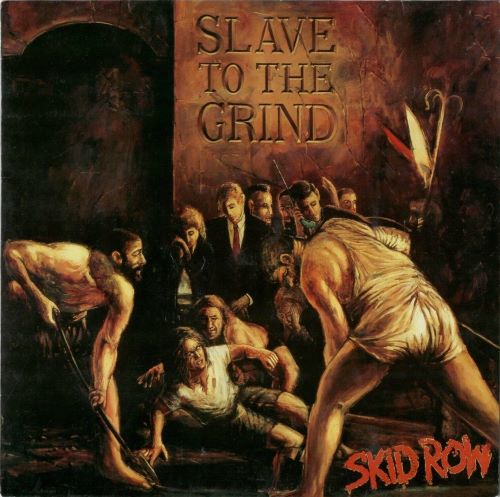
Skid Row – Slave To The Grind (Album of the Week)

Today it’s time to get into one of my absolute favorite albums. The second Skid Row album came at the tail end of the “hair metal” era and delivered such a fierce punch that the band would outlive their genre by several years.

Skid Row – Slave To The Grind

Released June 11, 1991 via Atlantic Records

My Favorite Tracks – Wasted Time, Slave To The Grind, Riot Act

Skid Row made quite the fuss with their self-titled debut album in 1989, moving several million records and getting hit singles with the ballads I Remember You and 18 & Life. It seemed as though the group should have a cakewalk to more success, yet things were not certain for anyone by the album’s release date of summer 1991.

Skid Row would throw their own wrench into the formula – instead of writing about love, sex and partying, they crafted an album with heavy themes about society’s ills and problems. The topical shift would be very timely, as the great hair party of the ’80’s was coming to a quick close. Skid Row had a bit more bite and edge to them anyway, so their focus on more worldly affairs would benefit them as the rock tides shifted through the rest of 1991.

The album was recorded without event and with the same line-up that offered the debut. Dave “Snake” Sabo and Scotti Hill were the guitar tandem. Rachel Bolan was on bass and joined Sabo to write the bulk of the music. Rob Affuso manned the drums, and the singer with the insane voice was Sebastian Bach.

There is a lot to talk about today, as the album is loaded with tracks and was also offered in different versions – a “clean” copy for sale at major retailers with the song Beggar’s Day, and an explicit version with Get The Fuck Out instead. Though it’ll make for a super long post, I’m going to take the step of including both songs in this rundown. Both are worthy of discussion and modern versions include both in some capacity so I’ll give both the time. That will provide 13 songs with a runtime over 50 minutes so there’s a lot to go over.

Monkey Business

The opening track was also the album’s lead single and hit MTV a bit before album release. The song starts off slow but quickly establishes that is is, in fact, a complete ass kicker of a track. It’s a heavy, groovy song that slams in and stomps all over the place. The lyrics are pretty crazy and not entirely clear, it could be about addiction or just the shit state of people down on their luck, or some other metaphorical thing not clear on reading.

Slave To The Grind

The title track was another single and also another total monster of a song. It slams in right off the start and does not relent to the end, it is a flat out banger. It is a dire look at the “assembly line” nature of soulless, grinding work life and the desire to break out of it, a tale as old as time, or at least industry. And sadly, it hasn’t gotten any better in the 32 years since the song came out.

The Threat

So far this album has not let up, this is again another one that pounds the listener into dust. The band maybe lets off by a hair on this one but that isn’t saying much, this still goes hard. It has to do with the rebel or outsider being a threat to the status quo of society, which is the place rock music occupied for much of its viable life. This is definitely not a “bang bang, good time, hookers and blow” album.

Quicksand Jesus

And now we take it way down for the first of a few ballads. But unlike the generic “love you, miss you” ballads that were a dime a dozen in hair metal’s heyday, Skid Row kept all of them here on different and darker themes.

The song tackles the issue of religious faith and how it can come and go depending on life’s circumstances. While the song was not in any way challenging religion, the usual televangelist hacks took exception to the song and complained about it on TV. There is no room for nuance when you’re screaming about things on TV in the name of God for money.

Psycho Love

The next track picks the pace back up and also serves as the most direct link between this and Skid Row’s first album. It’s another straigt-ahead banger with lyrics that evoke some seriously twisted stuff. And the truth behind the words is even more sinister than the songs lets on – Rachel Bolan has stated that Sebastian Bach wrote the song about a prostitute who kills her customers before she does the job she was hired for.

Beggar’s Day

Now it’s onto the 6th track and the one that can be different based on which version of the album you’re looking at. Beggar’s Day was the song for the clean version of the records. To the shock of no one, this is another total headbanger about some gal named Suzie who is apparently going after some people. No real clear meaning here but the song is a total banger and should have been included on all versions of the album. It does not detract from the album at all and in fact plenty of fans dig this one more than the dirty song that replaced it.

Get The Fuck Out

The song for the explicit version is pretty clear in its message and reason why it was excluded from mass retail sale. A lot of hair metal played around the central issues it was dealing with using clever turns of phrase and stuff like that. This song just spells it out – we partied, we had a good time, now it’s over so get the fuck out. It is pretty crude but that’s honestly more refreshing than years of beating around the bush like many bands did.

Livin’ On A Chain Gang

The hard rocking keeps right up here with another song about the shitty parts of civilization and how the powers that be keep people down for profit. These songs don’t offer much in the way of hope out of the cycle, but we can at least headbang through it.

Creepshow

It’s another visit to the sleazy side of life here. Not a whole lot to discuss, other than the lyric “hit me with a shovel ’cause I can’t believe I dug you.” That has to be one of music’s most immortal lines ever, I can’t believe Bob Dylan or Paul Simon hadn’t come up with that one years before Skid Row.

In A Darkened Room

Up next is another ballad and this one is a tough one. The lyrics aren’t entirely clear about it, but the song is about child abuse. While some rock and metal bands have gone into weird places when handling this topic, Skid Row did a pretty good job crafting what turns out to be a very sad song about it.

Riot Act

It’s not only back to the hard and heavy but it’s time for a bit of punk. It’s a total slam of the institution and powers that be, a favorite target of the Skids by this point. The song makes being a rebel and outcast cool and turns the conventional wisdom of society on its head. It isn’t necessarily a viable life path but it’s still fun.

Mudkicker

It’s one more slamming tune. This one goes a tick slower than a lot of others but keeps a heavy tone throughout. This one is a bit obscure but it’s still taking aim at the system’s corruption but there’s no easy to digest narrative here. By this late point of the album it’s just rage and go.

Wasted Time

The album closes with a third ballad and another single. This one goes to a whole other place as it explores the dark depths of drug addiction. The song was inspired by the struggles of former Guns N’ Roses drummer Steven Adler, a friend of the band. It is a tremendous song and my favorite on the album. I won’t say too much more about it since I’ve already done that – the song was a prior S-Tier song pick – that post can be found here.

Slave To The Grind was another success for Skid Row. The album hit the top of the Billboard 200 on release and would go on to double platinum certification in the US. It also got various gold, silver and platinum awards in other former British colonies and the UK itself. None of the five singles were huge hits like the pair of ballads from the first album, but critical and fan response for this second album was over the moon.

Skid Row would go on a series of huge tours on this album cycle – first opening for Guns N’ Roses that summer, including the infamous riot show in St. Louis. Then the Skids took out Pantera and Soundgarden for a trek, essentially foreshadowing the changing of the guard to come. All of this was going on as the hair metal kingdom was going down in flames. Skid Row themselves did not fall victim until a few years later when they tried emulating the sound of the times and fell on their faces, eventually splitting Bach from the rest of the band.

While it can be said that Skid Row didn’t enjoy the same level of success found on their debut record, it’s no doubt that Slave To The Grind was a fantastic achievement. The album flows well even loaded down with so many songs and the theme and heavy vibe through the record keeps the band out of the cliche territory that helped usher in the end of the hair days. Skid Row’s edge and attitude might have cut a bit too hard at times for off-stage antics, but it was the perfect recipe for successful hard rock in 1991.

Album Of The Week – December 19, 2022

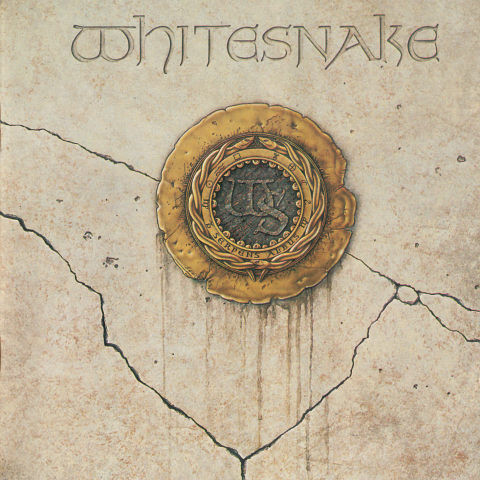
This week’s pick is the album that saw a change in style for a long-running band and a shift that would pay massive dividends. The band was on the verge of ending and instead launched one of rock’s most successful albums in the genre’s commercial peak.

Whitesnake – self-titled

Released March 23, 1987 via EMI/Geffen Records

My Favorite Tracks – Still Of The Night, Crying In The Rain, Here I Go Again

The giant success of this record wouldn’t come without drama and turmoil. David Coverdale had been plunged into depression over Whitesnake’s prior lack of success and personal issues with his band. While guitarist John Sykes helped write the album, Sykes and the rest of the band were out before touring on the white hot record. The group that appeared in the mega-successful videos for this album was not the same group that made the album, save for Coverdale and Adrian Vandenburg’s involvement in recording Here I Go Again.

There are several different versions of this album – it was self-titled in North America and other places, while in Europe and Australia it was called 1987. Japan had yet another name for it and there are different track lists across the disparate versions. For simplicity’s sake I’ll cover the 9 track US version.

Crying In The Rain

The opener marks one of two songs redone from the 1982 Saints And Sinners album, both re-recorded songs would be hits. Originally a blues-based rocker, John Sykes reportedly despised blues music and turned it into a heavy metal riff fest. The lyrics are a depressing look inside Coverdale’s mind through a divorce, dude was down in the dumps a lot apparently. While the premise of crying in the rain seems silly, the song’s riffs and presentation keep it from slipping into parody.

Bad Boys

A standard fare, fast rocker about being a bad boy, a pretty common offering for 80’s rock. It’s a good offering for the “wild in the streets” theme that was ever-present back then.

Still Of The Night

The album’s lead single was a modest chart hit but would serve to generate interest in the album and was a very popular music video. This song is a fantastic composition with John Sykes going full on guitar god and the full album version of the song is a nice series of movements with the violins and build up back to the rocking at the end. The video was the first of three from the album to feature future Coverdale wife Tawney Kitaen, who would become one of music video’s most iconic performers for the videos.

Here I Go Again

The other re-recorded song from Whitesnake’s earlier days and one of the mega hits from this album, this is the most widely-known song from the Whitesnake discography. The song about venturing on one’s own has remained in cultural consciousness enough to be meme material these days. The video was a monster hit and features the late Tawney Kitaen’s most memorable video performance.

The song topped the Billboard Top 100 and was in constant MTV rotation. And yes, the album cut and single version are two different recordings with some differences, I’d personally take the album version.

Give Me All Your Love Tonight

Another single, this one didn’t quite crack the top 40. It’s an uptempo rocker about love, which in hair metal parlance means sex, as I’m sure everyone is aware. The single release is noteworthy as it features a redone guitar solo from Vivian Campbell, marking the only time he contributed music to Whitesnake material.

Is This Love

The album’s other massive hit single originated when Coverdale was trying to write a song for Tina Turner. David Geffen told Coverdale to keep it and here we are, with the track going to number two on the charts. The song couldn’t be any more elementary in its concept but again its presentation is fantastic and it’s one of time’s honored power ballads.

Children Of The Night

It’s another badass rocker about going out and getting in trouble. It’s a track worthy of partying and headbanging to.

Straight For The Heart

Getting toward the end of the album with this rocker about Coverdale going to get his girl. This song definitely jumps the hair metal shark a bit but it’s still a fun time.

Don’t Turn Away

The US album closes with a power ballad that keeps the rock going in full effect. It offers a nice inspirational message that hooking up with David Coverdale will cure whatever ails you.

Whitesnake was a monster success, launching the band from the brink of extinction to the toast of the town. The album would go on to eight US platinum certifications and would peak at number two on the Billboard 200, being blocked from the top spot by monster albums like The Joshua Tree, Whitney and Bad. It was a stunning reversal of fortunes for Coverdale, who was despondent after failing to break through significantly with his prior work. The rising tide of this album would lift other ships, most notably Slide It In, which went from a modest gold certification to multi-platinum.

While the album and singles did very well in traditional markets, Whitesnake’s videos were perhaps the most iconic part of this album cycle. The trio of videos featuring Tawney Kitaen were all over MTV. The band dressed the part of ’80’s rockers for their videos, something Coverdale admits was pandering to fashion. But hey – no arguing with the success of it. You were rockers in the 80’s, might as well go all in.

Whitesnake is an interesting band in that they found success almost all at once, with the self-titled album outshining the modest success that the US release of Slide It In had. The band’s music is a lynchpin of classic rock radio but it’s stuff from these two albums that comprises the entirety of those playlists. The old blues rock albums are well-regarded but also left to be discovered by the active seeker. Albums after the self-titled wouldn’t land quite the same way, though in retrospect 2003’s Good To Be Bad was a critical success and catalyst for a new era of Whitesnake.

But at the end of the day, it is this album that serves as Whitesnake’s defining legacy. The group shot out of a cannon and landed square in the rock/metal prime of the late 80’s and hit on a success not seen by all that many others. Leaving behind the blues-based rock and injecting a metal guitar hero’s sound into the mix lend to some staggering results, even if said guitar hero was booted from the group before touring behind the record.

Album Of The Week – March 28, 2022

This week I’m taking a dive into the album that really hooked me into music. I talked about it in an older post, now it’s time to get specific and go over the album in greater detail. I got the cassette as a Christmas gift a few months after its release and I played it over and over and over again, literally wearing out the tape and burning the album into my 12-year old brain. The results would have me chasing music all over and shape my pursuit of sound into a new decade while in my formative years.

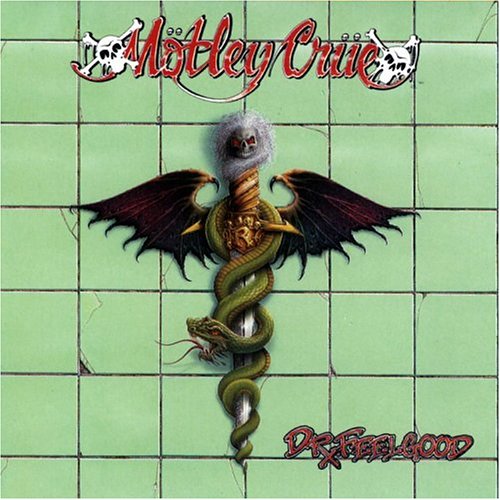
Motley Crüe – Dr. Feelgood

Released September 1, 1989 via Elektra Records

My Favorite Tracks – Kickstart My Heart, Dr. Feelgood, Don’t Go Away Mad (Just Go Away)

Dr. Feelgood was the fifth studio album from Motley Crüe. The album would be a smash success for the group, topping charts and selling several times platinum. The group had been instrumental in starting the hair metal era of the 1980’s and would end the decade with a massive triumph. The album spawned five singles which were in constant rotation on MTV. Hair metal as a whole was winding down as the calendar turned to 1990 but one of its most important acts was still running hot.

Dr. Feelgood

After a brief intro to set the scene, the album kicks off with the title track and lead single. Dr. Feelgood is a massive, heavy song that outlines the highs and lows of Jimmy, a fictional drug dealer. The full, bombastic production of Bob Rock was a welcome change from the thin sound of the band’s two prior albums. It went a long way to reminding everyone that the Crüe had the chops to play a harder brand of rock than what the L.A. Scene had largely devolved into in the late ’80’s.

Dr. Feelgood did great as a single – it was the band’s first top ten hit on the Billboard Hot 100 and also their only gold-certified single.

Slice Of Your Pie

Moving on to one of the many songs on the record about sex, here we have a song full of euphemisms and sex talk that skirts the lines between clever and explicit. Even as one of the perhaps secondary tracks, this song still provides a sleazy thrill ride with the band’s rediscovered chops and improved production. The end of the song borrows from the Beatles track “She’s So Heavy” because that’s what everyone was expecting from a Motley Crüe album in 1989.

Rattlesnake Shake

Another sleazy rocker that glorifies the evils of lust and fornication. Jesus wept.

Kickstart My Heart

This song was on offer as the album’s second single. Nikki Sixx wrote it about his infamous heroin overdose in 1987 where he was apparently injected with multiple doses of adrenaline to revive him and was dead for a few minutes. The story is disputed by some but the song remains.

Kickstart My Heart quickly caught fire on release and became noted as one of the album’s standout songs. It has gone on to become the band’s signature anthem. We aren’t simply talking about a good song here – this is possibly the best song the band ever recorded, and is easily in the conversation even if not. It is a blistering effort with an interlude that perfectly sums up the Motley Crüe experience. The song is a shot of adrenaline and is found on millions of workout playlists worldwide.

Without You

It’s not hair metal without a ballad and Dr. Feelgood hosts a few. The first is this decently crafted tune that is every sappy love stereotype possible shoved into a song. The song is noted to have been written by Tommy Lee about Heather Locklear. The song did well as a single, providing the band’s second top ten showing on the Billboard Hot 100.

This is one of those songs I can go back and forth on. I’ll admit that I probably liked it a lot better when I was 12 than I do 32 years later, but it’s not a song I feel a need to skip over when I play the album. It’s a bit much but I can generally live with it.

Same Ol’ Situation

We thankfully pick the pace way back up with what was the fifth and final single released from the album. It’s a hot, fun rocker about falling for a gal who ditches the guy for another gal. The video was a performance clip, showing the band at the height of their popularity. While some might argue that people only remember the singles more because they were aired out more, I’d say this is a case of picking the right singles to air out. The song is not necessarily any “different” than several others but it packs a harder punch and gets the listener’s attention.

Sticky Sweet

Another ode to the glorious activity of hooking up. It’s simple, to the point and well executed. The lyrics offer a bit of a reference to the earlier Crüe song Ten Seconds To Love.

She Goes Down

One more sleazy number, it’s blatantly obvious what the song is going for.

Don’t Go Away Mad (Just Go Away)

This quasi-ballad and top 20 single brings a change of pace and another signature track from the Crüe. Nikki Sixx lifted the title from a movie he doesn’t remember, though many speculate that it’s a line from Heartbreak Ridge that he his using.

While the title invokes a snarky vibe the song itself does not take that path and instead sticks to the high road. This is a quintessential break up song that celebrates the love found and then parts on fond terms. The song builds to a driving conclusion that uses the title to great effect. It’s another well-done effort.

Time For Change

I’ll just get straight to it – I hate the song. I think it sucks. It’s a shitty hair metal attempt to do The Greatest Love Of All or something like that. It has always bothered me and I can’t help but wish the song would somehow fall off the record. But it’s there, and here we are at the end of the album.

Dr. Feelgood was Motley Crüe’s best-selling album, having been certified six times platinum in the United States. It provided the biggest hits of the group’s career and defied the times to put an exclamation point on a genre of music that many were bemoaning at the time and whose death was just around the corner. Motley Crüe themselves seemed poised to survive the specter of 1991 and would only join the list of hair metal casualties due to their own problems a few years later.

The album was a success for more than the band, too. Producer Bob Rock had reinvigorated the group’s sound after two albums that left something to be desired in production. A lot of people noticed his work on Dr. Feelgood, including Lars Ulrich. The Bob Rock-Metallica meetup in 1991 would alter the face of music forever.

Is Dr. Feelgood the best Motley Crüe album? Some critics think so. I would agree that it’s in the conversation but it’s also hard to ignore the sheer ferocity of those first two records. This album is a career-defining effort though and was a huge victory lap for the band at the end of the decade.

As I’ve said, this is the album I played over and over again and that set my music fandom off the scale. I had been following along with music for several years before as a young tourist, but with Dr. Feelgood I became obsessed and had to have more. My own course would go every which way and much heavier as 1991 loomed on the horizon but this album is near the top of a list of the most important albums to me. It kickstarted me into the path I’m still on today, with piles of music in multiple formats and the thing I spend a great deal of my time discussing.

Who Killed Hair Metal? Part Four

So far I’ve issued several verdicts in the case of The People versus Whoever Killed Hair Metal. I’ve found grunge, and by extension alt-rock, guilty. Guns N Roses too is guilty, having set the bar too high for anyone else to attain. And Metallica, of all people, is certainly also guilty of providing another alternative to the stale and washed up format of hair metal. Here are links to my previous rundowns in the series.

Part One – Grunge

Part Two – Guns N’ Roses

Part Three – Metallica

But in the end, we all know who is truly guilty of killing hair metal.

And no, it isn’t hair metal.

It’s ok, I’ll give you a second to process that. But you know I’m right, if only technically.

Suspect Four – The Record Labels

No, hair metal did not kill hair metal. Sure, quality control was noticeably absent in the early 1990’s just before the death knell rang from Kurt Cobain’s guitar. It can be said that hair metal was a watered-down mess that was nearly unrecognizable from the form it began on in Motley Crue’s early recordings. It couldn’t even hit the high notes of the late 1980’s, struggling to keep pace with choice recordings from the likes of Cinderella and Skid Row.

It just wasn’t there anymore. Sure, some recordings of various merit came out. The last gasp of hair metal saw acts like Slaughter, Trixter, Firehouse and Winger generate interest while also seemingly flailing against the inevitable. The party was just about over on the Sunset Strip, at least for all but the few biggest acts who had transcended the genre in various ways. Skid Row would go on for a few years of touring success. Guns N Roses had big hits with their double albums in 1991. And Motley Crue seemed poised to take on a new decade with the excellent cut Primal Scream from a greatest hits collection, only to implode in band turmoil a year later.

Everyone else was left to either die off immediately or slowly flail away. White Lion split when guitarist Vito Bratta had enough of the music industry, totally unwilling to this day to return. Poison tried their hand replacing CC DeVille with up and coming guitarist Richie Kotzen. The move produced some worthwhile music but personally backfired for everyone involved in an extramarital affair.

But Poison had a bigger name and therefore more capital than most, and were able to reestablish themselves as a worthwhile nostalgia act years later. Many other of the hair bands would fall off a cliff in terms of notoriety. Small but dedicated fanbases would turn out for shows at far-flung clubs or state fairs, but hair metal had fallen and wasn’t getting back up.

Rock music as a whole had changed. The sound that grunge ushered in led way for rock’s alternative base, something aired on college radio in the 1980’s, to truly take over and redefine the sound of rock music. The sound of late ’90’s rock was more akin to a CW TV show theme song than a big party anthem. Even legacy rock acts like the Scorpions and Def Leppard, bigger than hair metal but not immune to its movements, had to take time to readjust as their favored sound faded away. It seemed like everyone in rock music, with the exception of Aerosmith, felt some kickback from the demise of hair rock in 1991.

It wasn’t the bands that killed hair metal. No one on Earth would kill their own livelihood. The bands might be complicit in recording drek that got worse as time went on, but it wasn’t really under their own direction.

No, music is a business, and it was the record labels who were milking the hair metal cow dry. Hair rock was a fad – the gaudy fashion, the good times and fast women, the massively excessive image and music was not going to last forever. Nothing last forever in music. Those acts who see longevity have pivoted over the course of years and decades. They languished at times and then resurged when the moment was right.

The record labels were living large in the 1980’s on piles of money from overpriced albums and hoarding of profits off the backs of its artists. They churned out act after act in the course of business, without considering the artistic effects this assembly line of hair rockers was going to have.

And it wasn’t hard to find willing acts to keep the hair metal machine going. Who doesn’t want to be a rock star? Hair metal represented the zenith of excess for rock stardom. Women, parties and drugs were the order of the day. Sure, every other genre of music sees its stars indulge in the same, but hair metal put the show front and center. Take the record company’s money and head out in search of the stars. Never mind the terms of that contract and the severe unlikelihood of reaching those stars…

No, hair metal did not kill hair metal, at least in a sense. The music had gotten derivative to a point of being parody of its earliest incarnation, but the bands themselves aren’t to blame for their demise. It was the record labels, in their perpetual avarice, who truly killed hair metal and shoulder the lion’s share of guilt in the case. The entity that brought the hair metal movement to light was the same one who killed it.

It has now been 30 years since the death of hair metal. Rock music shifted course forever after 1991. There still is that “old rock” sound to be found, many legacy acts and even newer bands born of inspiration from the old days abound, though mainly in the independent scenes. While I don’t necessarily yearn for the glory days of hair and makeup, I do sometimes miss the rock music that was the underpinning of the hair metal movement and I’m glad some old school folks are keeping that kind of rock around. But modes of music distribution and information sharing have changed so much since the 80’s that there is likely no way to truly bring that scene back into existence. Things are just way too different now.

This stands as my final testament to who and what killed hair metal. The record labels bear the blame in my eyes. There is no appeal to a higher authority regarding my verdict – my judgment is final. It’s time to move on to other scenes in music for a bit, and to have nothing but a good time while doing so.

Who Killed Hair Metal? Part Three

It’s on to part three of this exploration of who killed hair metal. I’ve already rendered verdicts on grunge, the prime and obvious suspect. I’ve also convicted Guns N Roses of killing their own scene by being better than it. Check out the links below to see all that in action.

Part One – Grunge

Part Two – Guns N’ Roses

Grunge, and specifically Nirvana, get the lion’s share of blame for killing hair metal. It’s warranted, as I already went over in part one of this series. But grunge didn’t just kill hair metal. The truth is that heavy metal in all its forms was very much hurt by grunge’s influence.

Record labels weren’t only signing hair bands left and right – they were out to get on the next cash cow, and the next-heaviest thing that seemed logical to take off was thrash. The offshoot of punk had come in hard in the early ’80’s and was the polar opposite of its bastard cousin hair metal. Major record labels stocked up on thrash acts in order to be ahead of the curve and be there when thrash broke big.

The only problem was that thrash didn’t enter the music mainstream. Well, except for one band, and that band turned their back on the thrash that they helped invent and instead conquered every music chart known to man. I submit for consideration as a suspect in the murder of hair metal one of music’s most significant acts who made their own mark on 1991 – Metallica.

Suspect Three – Metallica

Metallica could have killed hair metal very early on. Lars Ulrich has told a story of his band wanting to fight Motley Crue in the streets in the early ’80’s, when both bands were getting their starts. Lars set out to find Tommy Lee and teach him a lesson on who is the bigger badass in music. Unfortunately for Lars, his 5’6” frame didn’t quite measure up to Tommy’s 6’2” stature, and Lars wisely chose to disengage.

Metallica might not have beaten up hair metal way back when, but they got to put their own nail in the coffin a decade later, even if Motley Crue themselves would outlive the death of the genre they founded.

The story is simple – Metallica arrived on the scene with an intense thrash record, they then refined their approach through songwriting and combined heavy with tasteful. They entered the 1990’s looking to do something different and hooked up with Bob Rock. The resulting record, the self-titled affair known as the Black Album, took over the world and is one of music’s best-selling records ever. The record has sold 31 million copies since release and served to catapult Metallica into the upper echelons of rock stardom, an unlikely feat for a group of nasty, long-haired geeks who cut songs like The Four Horsemen starting out.

As a whole, heavy metal did not do that well in the 1990’s. A few exceptions are noted – a brief movement from the early half of the decade loosely categorized as “alt-metal,” including Danzig and Type O Negative, saw some time in the Sun. Pantera rose to mainstream prominence as a pretty harsh act. Extreme metal bubbled toward the surface as thrash fell by the wayside, with black metal being the vanguard sound by decade’s end.

But heavy metal in the 1990’s largely belonged to one band. Metallica took over the world, one platinum certification and sold-out arena show at a time. While their sound was not the same as what they cut their teeth on, there is no denying the massive impact they had on all of music when they stole the show in 1991. Their influence lasted longer and was more far-reaching than grunge, and Metallica have sales records that outpace almost every album released in the decade, even industry titans like Shania Twain couldn’t keep pace.

But what does Metallica and their 1991 advent to superstardom mean in terms of hair metal? Hair metal was already on life support before Nirvana dealt the fatal blow that September. That summer, hair bands were already reshaping their music videos to be more plain-dressed, an effort to keep up with groups like Alice In Chains who were taking over airwaves. Gone were the gaudy shiny leather outfits and make-up of the decade prior, the bands left were scratching for a bit of relevance and a hope of lasting through the record contract they just signed.

Then Enter Sandman hit MTV on July 29, a few weeks removed from the Black Album’s release. It was a whole new ballgame the second that riff fired up. Rock could be menacing, dangerous and yet still accessible and catchy. There is no doubt that Enter Sandman is one of the catchiest songs in history. It might have been overplayed, sure, but that fatigue came later and detracts from its immediate impact on the music scene.

What did a person about to enter their freshman year of high school want to be caught dead listening to – some 12th generation hair band that was dead in the water before the first single released, or Metallica? If someone wasn’t on the grunge hype train, they’d better be sporting Metallica gear. No one could argue with that, even if Metallica had pared their sound down from the pioneering thrash days.

Metallica was a safe haven for the rocker who was caught with his bleached jeans down as hair metal made a quiet exit stage left. Was Nirvana too incomprehensible and dissonant? Check out Sad But True! Still need that feeling a good ballad generates? Nothing Else Matters and The Unforgiven scratch that itch. Metallica were just as big as hair metal – bigger, even – eventually eclipsing the mark that even Guns N Roses left on the music.

It might be something of an abstract link, but Metallica deserves some share of the responsibility for killing hair metal. It’s only fitting that the band throws darts at a picture of Winger in the Nothing Else Matters video. Metallica themselves irrevocably altered the face of rock and metal music while bands like Winger were left churning in the wake. It was the combination of a heralded reputation and the fusing of metal with accessible sounds that made Metallica one of music’s biggest bands, and that commercial likability helped give people a lifeline as they fled the sinking ship of hair metal. The alternative music wasn’t for everyone and heavy metal’s biggest act came to save the day.

Tomorrow – we deliver the final verdict on who really killed hair metal, in case anyone actually didn’t already know.

Who Killed Hair Metal? Part Two

Yesterday I opened my courtroom and began cracking the “cold case” of who killed hair metal. I visited the prime suspect, that being the grunge scene, and my findings indicated that Kurt and company were in fact culpable in the death of hair metal.

But the fact is this – they didn’t act alone. While the death of hair metal wasn’t a grand conspiracy, there were multiple assailants on the scene. And one of those assassins was born and bred in the same scene hair metal came up in – the Sunset Strip of Los Angeles.

What if hair metal didn’t really kill itself (again, we’ll get to that on Friday) but what if it was killed by itself? It begs questions of what hair metal really was and wasn’t, but there’s no doubt that a late ’80’s band left such a mark on the rock scene that it would leave other bands incapable of topping it.

Suspect Two – Guns N Roses

The biggest of the LA bands would hit in the late 1980’s with the monstrous Appetite For Destruction album. While a bit slow to catch on, this collection of tunes would eventually set the world on fire and propel GnR towards “biggest band on Earth” status. The album has gone on to sell over 30 million copies worldwide and is often found on “best album ever” lists regardless of genre.

Guns N Roses were a product of the Sunset Strip and Appetite… certainly was a hard rock/heavy metal document. It is debatable whether the band fits the “hair metal” term, though. They certainly do in general sound and geography, but their brand of rock snarled and snapped a lot more than even the most weighty hair metal offerings.

Many critics and fans do not include GnR on the hair metal roster. This seems to be often fueled by hair metal being seen as a negative term, and bands who are “better” than the moniker are left without having to wear it. It’s the same argument metal fans make when they say someone like Limp Bizkit isn’t metal, but in reverse – spare the band from the term in the case of Guns N Roses, rather than the term from the band.

I can’t really look at things that way, though. I do think Guns N Roses fits the “hair metal” scene and sound. I look at hair metal for what it is – a music scene in a place and time. Sure it has both positive and negative connotations, but the scene can be explored on a semi-objective basis.

It isn’t really fair to classify every mid- or late-80’s band as hair metal, but in the case of Guns N Roses I do think they fit the bill enough. They had the sleazy look and the party hard attitude that went with the scene. Axl Rose wasn’t just a primadonna, he was the absolute head of that table. The band brought with it chaos and drama that other acts could only hope to get a portion of.

The issue at the end of the day is music, of course. Is Appetite For Destruction a hair metal album? I can see the argument either way. The music is bigger than a lot of hair metal and the songs are bounds above the standard fare rock of the time period. The tunes move in a very aggressive direction not often found in the hair metal hordes. Even their “ballad,” Sweet Child O’ Mine, is a much more rounded song that a lot of formula-ridden hair ballads of the day.

And therein lies the point. Appetite For Destruction was such a hard rock monster that it couldn’t be replicated or even contended with. Whether or not it is a true “hair metal” album doesn’t matter – it is adjacent enough to the scene that every band out there had to contend with it. It was a juggernaut incapable of being touched, even by Guns N Roses.

And barely anyone came close to even touching the surface of GnR’s success. Motley Crue would have a hit with their 1989 record Dr. Feelgood, but that album was something of a victory lap for the band and did not approach Appetite’s greatness in any way. Of anyone, perhaps only Skid Row even scratched the surface with their 1991 effort Slave To The Grind. It was another ferocious album that bent the genre and established the group as having prime chops, but that record still did not threaten to unseat Guns N Roses as having made the biggest statement in hard rock.

Guns N Roses themselves would not touch Appetite For Destruction again. Their proper follow-ups were the Use Your Illusion albums – some great songs and clear marks of the excess of rock music, but also very bloated records that tend to crush under their own weight. (For more of my thoughts on those albums, revisit my series on them starting here.) The band would splinter apart in the mid-90’s and only reunite a few years back as a quasi-nostalgia act, with seemingly little new to contribute.

I do feel Guns N Roses is guilty of contributing to the death of hair metal. There was just no way anyone else was going to top Appetite For Destruction. Whether or not the group was really “hair metal” themselves isn’t relevant – maybe it was an inside job or maybe they were just close enough to the scene to take what worked about it and amplify that a thousand times over. Either way, the band are especially guilty of setting the bar so high that the scene they were born of could not cope.

Tomorrow – a suspect not often discussed but one that looms large over the crime scene.

Axl looks like the dude from Soul Asylum in this vid

Who Killed Hair Metal? Part One

Music has been rife with death. Many songs are about death, many great players have died, and many scenes and movements have also passed on. Hell, there’s a whole metal subgenre about the subject, started by a band with the very name.

But this isn’t about death metal. No, this is about the death of a scene in rock and metal. 1991 marked the effective end of a distinct sound from the 1980’s, that oft-maligned but still beloved entity known as hair metal.

My purpose in this series is to examine the factors that led to the demise of hair metal. There are multiple issues at hand and different angles to look at. While a lot of ink has already been spilled on the matter, I wanted to go back 30 years after the fact and cover a few points that don’t always get brought up.

This will be a 4-part series, each one with its own “suspect” in the brutal death of hair metal. Our first look will be at the prime suspect, and the next 2 parts will cover suspects that maybe slide under the radar a bit.

And yes – any of us who were around then know exactly who killed hair metal. That’s part 4 of my series coming on Friday, so please air a bit of patience while I build up to the extremely obvious answer to the question that everyone already knows damn good and well.

We have a crime, a victim and a murder scene. Now it’s time to get into it – who killed hair metal?

Trixter tried warning everyone to get on the flannel bandwagon. Their call sadly went unheard on Sunset Strip.

Suspect One – Grunge

If this were a game of Clue, the answer is simple – Kurt Cobain with the guitar in the MTV lobby is what killed hair metal. The video premeir of Smells Like Teen Spirit on September 10, 1991 is as good of a time of death as any for hair metal – Nirvana was the figurehead that shifted music forever and rendered a lot that came before them obsolete. Nothing was the same after Nirvana hit the airwaves.

Of course, grunge doesn’t actually begin with Nirvana. There were a “big 4” to grunge, just as thrash metal has its big 4. And two bands were already making early waves before 1991 – both Soundgarden and Alice In Chains were quietly gaining momentum on MTV and radio before the actual “death” of hair metal, with AIC having a long-running hit single with Man In The Box and its album Facelift going gold before grunge really even “took off.” Seattle mates Pearl Jam would join in the popular explosion of grunge, releasing their debut in August 1991 and it taking off to untold heights in the next year.

Grunge rewrote the rules for how bands should look and how music should sound. Hair metal would suffer greatly under the weight of the new regime. Grunge fashion was flannel shirts and whatever else might be laying on the bedroom floor, a far cry from the leather and diamonds glitz of hair metal. And the sound was rough, unpolished and about heavy and vulnerable topics – a world removed from hair metal’s celebration of party life, sex and ballads about love (and sex). The worlds could not be more different, even if the instruments were the same.

I do think it’s fair to use Nirvana’s ascent as the symbolic end of hair metal, even if doing so obscures several truths. It’s a quick and easy place to point to without having to raise too much fuss. I will be going far beyond Smells Like Teen Spirit in this series, but that moment was a very stark turning point in the course of music in 1991.

I don’t think it’s entirely fair to only “blame” Nirvana, or even the others of grunge’s big 4. There always was a different strain of rock music playing out long before grunge hit. Some of the acts influenced the grunge movement and others became huge stars on their own terms, free of ties to any particular movement.

The fact is this – grunge ushered in the age of alternative rock, and alt-rock subsequently took over and became rock music. But it must be noted that alternative rock was going for a long time before grunge captured the scene. College radio was filled with alternatives to the hair bands, and MTV ran the 120 Minutes progam that showcased a large variety of alternative artists before the term alternative really became a thing.

The idea of having something else besides hair metal was already there. Honestly, I’m not sure Nirvana was even necessary in the equation. That doesn’t matter, of course, as history is what it is. But the apparatus to overthrow the excesses and poor record label decisions in regards to hair metal was already in place.

Grunge itself would die a death not totally unlike hair metal. Bands that came after the Seattle legends would be derided for riding coattails by critics, although fans flocked to the likes of Stone Temple Pilots and Bush without issue. And the acutal death of Kurt Cobain in 1994 threw the grunge scene into chaos. Pearl Jam would transcend the grunge label and go on their own way, while Soundgarden and Alice In Chains would go on long hiatus (the latter also fueled by death).

The death of grunge did not lead to new life for hair metal. The bands who defined the 1980’s Sunset Strip scene were not the same as they were before. Many members had quit or died, bands went on their own hiatus and even the return of Motley Crue did not serve to reawaken the hair metal beast. Rock music had moved on and hair metal would become a movement relegated to state fairs and legions of rights disputes and multiple lineups of the same band performing at clubs all over the land.

The cultural shift of 1991 was not just a change in sound – it marked the end of ’80’s excess and ushered in a new age of self-awareness and discussion of tough issues not normally given air in conversation before. It was the true defining mark of Generation X, a group sometimes lost in today’s “civil” discourse but still very much responsible for the need for change still felt today.

I’m not a lawyer or a judge, but this is my courtroom, and I do indeed find grunge guilty of the murder of hair metal. But I don’t stop at Nirvana, or Soundgarden or the others. I find the whole of alternative rock just as guilty. Alt-rock would supplant the norms of rock music before it, both hair metal and AOR and reshape what radio and TV played. The late ’90’s saw a whole new host of bands redefine rock, and then the early 2000’s saw the advent of who has become rock’s biggest band in the modern era. As maligned as they are, there is no doubt that Nickelback took a sound and sent rock music into a direction far away from the hair and makeup glitz of the 1980’s.

Yes, grunge and alt-rock are responsible for the death of hair metal. Sometimes the obvious answer is obvious because it’s simply true. Hair metal died on September 10, 1991, having lived barely a decade. It really was Kurt Cobain in the MTV lobby with the guitar that did hair metal in, even if he had tons of assistance.

Sure, grunge had its role to play in this “murder,” but grunge was not alone. Tomorrow I’ll cast light on a different suspect – was the death of hair metal an inside job?