We had a good round of winter weather in my area (and across much of the U.S.) a few weeks ago, and are seeing more as winter slowly rolls away into spring. That got me thinking about an odd little story from another notable winter storm many years ago. And as a result, here is a new story and song.
The song is Sightless, from the apparently final Solitude Aeturnus album Alone. The song is a massive doom offering that stays up-tempo despite its harrowing lyrical fare. It’s a highlight from an album that is full of them.
And for our story, which will get into when I first heard the band and the album. It was January 2007 and a major ice storm hit the U.S. Midwest and other parts of the country. My area of southwest Missouri was especially hard-hit. A combination of bad proactive city planning and just the massive nature of the storm left many without power for weeks in sub-freezing temperatures.
The storm came in on Friday night. Back then nothing stopped us from doing what we do, which is to play metal and drink beer. We knew the storm was coming so we headed to a nearby friend’s house to see the action from his huge, covered back deck.
The ice started piling on tree limbs and snapping them. The limbs crashed into power lines and knocked out power through the city. It seriously sounded like a war outside with the amount of trees and limbs cracking and snapping. This was the poor planning part of the whole thing – there were untrimmed limbs all over power lines through town. It was a mass casualty event as far as having electricity goes.
We wandered around a bit as it’s a bit tough to play music without power. The party spots of downtown still had power on Friday night so we hung around there awhile. Later I wound up over at another friend’s house where, in a desperate quest to eat something, we heated soup cans on a barbecue grill on his front porch. We were already settling in to our post-apocalyptic situation quite nicely.
The next night several of us convened at our house to try and find something to do. Power was still out and was going to be for days. The same friend who had offered up his BBQ grill and soup the night before had brought over a CD. My roommate had a boombox with a tape deck going but we had no other way to play the CD so we went out to my car and played it.
The disc was, of course, the Solitude Aeturnus album. We jammed out to a fair bit of it in my nice, warm car. The music was a perfect accompaniment to the surrounding frozen wasteland. While the situation overall could be looked at as quite dire, that bit of time playing the album in that setting just made everything seem peaceful and serene. Even a few exploding power transformers in the distance did not spoil the mood.
We went back to the house after playing a fair bit of the album. We got wind of one bar downtown that still had power so we loaded up in someone’s car and had a few pints there. Our house and neighborhood would not have power for 8 days, some other places went over 2 weeks without. Power crews from across the country came to repair the power lines, some who had worked Hurricane Katrina said our ice storm was worse.
In the end we got power back and eventually thawed out. Solitude Aeturnus would stick with me over time – Alone is a favorite album and I’ve gone back to the rest of their catalog and found other gems. Though the band did not continue on after that time, singer Robert Lowe would have a 5-year turn as the vocalist for doom legends Candlemass that began just a few months after the ice storm. Doom metal was a fitting soundtrack for my life around that time so all of this lined up quite nicely.
That’s about all there is to this story. The ice storm was a massive event that I had never seen before and will hopefully never see again. But at least I had some really badass music to help get through it.
This week I’m going back to the second album from the band that would go on to become my favorite musical act ever. The album got solid reviews from critics and fans but would be the end of a brief beginning era for the group, who would soon re-tool and launch their signature sound on several coming albums through the 1980’s.
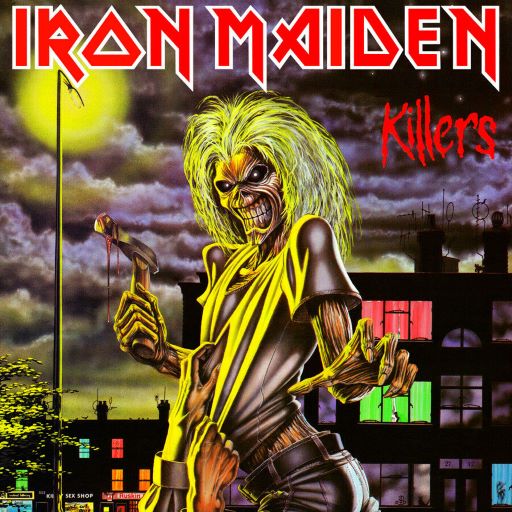
Iron Maiden – Killers
Released February 2, 1981 via EMI Records (U.K.)
My Favorite Tracks – Murders In The Rue Morgue, Wrathchild, Purgatory
This album has several versions – for this write-up I am using what is up on Spotify, a 2015 remaster that mirrors the initial British release. I have the original U.S. release on vinyl and a 1998 reissue on CD that feature the bonus track Twilight Zone, but for purposes of simplicity I’ll be covering the UK version. Other territories in the world got other versions of the album with slightly altered track listings.
Iron Maiden would see the first of a few significant lineup changes prior to recording Killers. Guitarist Dennis Stratton left the group due to disagreements with bandleader Steve Harris and manager Ron Smallwood. Stratton was replaced by Adrian Smith, who would go on alongside Dave Murray to establish Iron Maiden’s signature twin guitar attack through the rest of the 1980’s.
Killers was written almost entirely by Steve Harris, with a few notable exceptions – the title track is co-credited to singer Paul Di’Anno, and there is some funny business with the opening instrumental in terms of songwriting. Most of the songs except for two were written before the band recorded their self-named debut a year prior.
The Ides Of March
The first of two instrumentals on the album, which is a curious choice for the group. The song itself is fine and serves as a good intro to the album.
There are questions raised over the songwriting credits to this. Harris is the only credited songwriter for the song on Killers. However, a very similar-sounding instrumental called Thunderburst appears on fellow NWOBHM group Sampson’s 1980 album Head On. It credits the Sampson band members (including one Bruce Dickinson) as well as Steve Harris. It was Samson drummer Thunderstick who served as the common link – he had been in Iron Maiden in the late 70’s before that group recorded and apparently brought this instrumental over to Samson. It is a bit of interesting trivia if not much more, though there have been several other questions about where Steve Harris got songs from over the years.
Wrathchild
The “signature song” from Killers, this is the only song from the album that is still consistently performed live by Maiden. It opens with a trademark bassline from Steve Harris and gets down and dirty with a sound that still suits Paul Di’Anno but does seem to be morphing more into the business the band were about to get to after Killers. It features plenty of lead guitar flourishes and establishes the trademark rhythmic drive that the band would stake their name on. The song was one of two singles from the album, released as a “double A-side” with the US bonus track Twilight Zone.
Murders In The Rue Morgue
This is one of the two songs written specifically for the Killers recording sessions. It is an excellent tune that turns up the pace and fits with the “proto-punk/metal” hybrid the band had on offer on their debut. It is perfectly suited to Paul Di’Anno’s brash singing style. It’s a bit of a shame this song is kind of lost to time as it would be a joy to hear it today.
Another Life
This upbeat number hits home with more trademark Smith and Murray guitar work. The song rolls away with Di’Anno’s typical delivery and stands out a bit amongst the rest of the “leftovers” that Killers is home to.
Genghis Khan
The album’s second instrumental and apparently not one ghostwritten by a former member. I don’t mind the track at all but it doesn’t necessarily stand out and feels like a bit of padding for a record with a lot of songs but a fairly lean running time under 40 minutes.
Innocent Exile
It’s another song that, while not exceptional, does possess the hallmarks of that early Maiden sound and puts in a workmanlike performance on the album. It’s certainly fitting for the band at the time and it makes for a worthwhile listen.
Killers
The title track has always stood out a bit, as many of Maiden’s title tracks do. The tune gets a little time to build rather than being a brief attack like so many of the other songs. It displays a bit of both where the band was and where they were going. It’s another song that wouldn’t hurt by the occasional inclusion on a live set, though this album as a whole seems to be left aside for consideration anymore.
Prodigal Son
Up next is what stands out as the biggest departure sound-wise for Iron Maiden. Nothing across the rest of their 17-album catalog sets itself apart nearly as much as Prodigal Son does, save for perhaps the B-side Burning Ambition that was never released on an album. It is also the other song besides Murders… that was not written well ahead of time.
The songs is about someone who has consumed himself through the use of black magic or other mystic arts. It rolls more in the vein of a 70’s rock tune as opposed to the heavy metal that the band were playing at the time. It has an almost folk-like undertone to it. Many in the fanbase are very turned off by the song, I myself find it a nice inclusion though I certainly see where it sticks out like a sore thumb from the rest of the band’s work.
Purgatory
If the prior track is the band’s biggest departure from their sound, Purgatory is the biggest and brightest display of what Iron Maiden had on offer in the early 80’s. The blistering track slams through with those now well-known bass and guitar lines that just seem to roll off the instruments for the band. This song was released as the album’s second and last single. And in a bit of trivia – the artwork Derek Riggs originally drew for Purgatory’s single was held back by the band and used as the cover for The Number Of The Beast.
Drifter
The album and the Paul Di’Anno tenure of the band concludes with Drifter. It’s a fast and fine rocker that wouldn’t have been out of place on the debut. It wraps the up the album nicely.
Killers stands out as a record perhaps greater than its status as a collection of Steve Harris’ leftovers. Though the Paul Di’Anno era is widely revered in Maiden fandom, this album does tend to fly under the radar at times. The record did not perform as well in the UK charts as Iron Maiden did and only one song remains today as a typical inclusion into the band’s live set. Di’Anno would soon be booted from the group for a number of reasons and the band would go on to new heights with his replacement. I don’t spin this album as much as others from the catalog but I never find myself being upset when I do play it.
This song didn’t have an easily found live version with Paul, so this one with Bruce will do
This is barely even about music, it’s mostly just about one of those dumb things I did on purpose not too long ago. At least I did this one on purpose.
So in this day and age cryptocurrency is a big deal. Some people have made millions off of it, plenty of people have money in it, and many others are extremely skeptical of it. I don’t, like, really have money in any form so crypto isn’t a huge issue to me one way or the other.
One band made a few headlines and a lot of jokes back in December when they decided to wade into the crypto waters. Megadeth, the veteran thrash outfit who have at times been forward-thinking about how to use the Internet, launched their $MEGA cryptocurrency on the Rally platform.
Megadeth have offered NFTs before, those being the vilified current trend in crypto. But going in one’s own currency is a whole other matter. Major currency like Bitcoin has a lot of money behind it, and silly stuff like Dogecoin has essentially memed its way into swings that have made people a few bucks. There are a lot of others around that have done, well, whatever. I don’t follow the stuff closely at all.
The Rally platform seems to be a layer between a content creator and cryptocurrency. I don’t know the inner workings of it but it seems to hinge on a central currency known as Rally coin. Each artist has their own crypto that offers perks, much like a Patreon subscription or a fan club. There are several forthcoming perks outlined for the Megadeth currency but to date none seem to have come about.
When I saw the $MEGA thing being pounded into dust in the court of public opinion on Twitter I decided to take a different approach. I opened my mind and my wallet to the idea and bought a princely sum of the cryptocurrency representing one of my favorite bands. I put down an astonishing $10 on $MEGA.
My $10 investment yielded me 21 Mega-coins back in early December. Today as I type this post, my 21 Mega-coins are worth $5.14. I’ve lost my ass, clearly. Even after factoring in a small amount of Rally coin given as a weekly reward for investing on the site, I’m at $7 total of two currencies that are worth about 25 cents per coin.
I have not had any communication as yet about any perks for being a $MEGA coin holder. I don’t know if I’m supposed to join the fan club to see these perks or not. I’m not personally interested in joining, but I would think that if there were going to be perks available to all coin holders, that the site hosting the coin operation would be the forum to communicate that as opposed to the optional fan club. Again I don’t know anything at this point so this isn’t an outright criticism, it could be the band is waiting until their upcoming album release to offer perks, I don’t know.
It could also be that this Megadeth cryptocurrency is tanking and landed like a wet fart in church. It got laughed off of Twitter and there is almost no serious discussion of it. It is, and should be treated as, a fan perk as opposed to some way to get rich quick or whatever, but it’s still cryptocurrency. There is a LOT of resistance to crypto in all walks of life right now and I didn’t see any favorable interpretations of Megadeth’s offering. Talk is dead at this point beyond me typing about it and taking up blog space with it now.
I know several people who read my blog are in my general age range. That is, we all remember what it was like to buy albums before the Internet was around. I’m sure all of us made blind purchases based on the cover or just some random blurb we heard or read. We bought the album and played it, the immense disappointment coming when we realized we were better off wiping our asses with the money we spent on the record.
That’s kind of like what this $MEGA crap is like, except that I wasn’t making a blind purchase. I knew going in that I would have been better off using a $10 bill as toilet paper. It’s been funny watching my investment crater. I mean, losing a ten spot won’t put me in the poor house but I didn’t really gain much from this experience other than this kind of pointless post.
In the end I learned my lesson about wasting money on intangible things like cryptocurrency tied to metal musicians, though I knew that before I dropped the money. That’s money I could have wasted on Iron Maiden action figures or who knows what else. This doesn’t diminish my view of Megadeth any – this was just a dumb thing and hopefully their new album kicks ass. Maybe I’ll get a discount on it for being a proud $MEGA coin holder, but I won’t hold my breath.
One thing I want to start doing more is to look back at concerts and shows I’ve been too. It’s nice to remember them – as the time and distance gets longer from when I saw the show the details start to get fuzzy. And also in the pandemic age where I’ve been to one whole live show since late 2019, it’s nice to remember the concert era.
The show I’m going to look back on today took place in October of 1999. It was a strange time, as nu-metal and boy bands ruled the roost. A lot of newer bands who would shape the new millennium were coming on to the scene. More established acts were also getting in on the nu-metal thing, as was the case with the bill I was going to see that night.
The concert line-up was Sevendust, Machine Head, Orange 9MM and Chevelle. I was going for Machine Head, and also for something fun to do on what was Halloween weekend, I think this show was on the 29th. This was a bit of a mini-tour – this group played St. Louis and then our town, then joined up with Slipknot and others for two shows further south over Halloween weekend.
The venue for this show was a bit different than the typical metal bar. This was a large bar that could easily hold over 1,000 people. There was a bar in each corner of the building and a large dance floor for people to make fools of themselves. When holding shows a stage to one side was used as opposed to the dance floor in the middle.
The bar was mostly known for Thursday nights when people could pay a $5 cover and then enjoy $1 drinks. There was a “power hour” during the night where beers were free. The custom was to get a beer at one bar then wait in line in the next corner, drinking one beer then getting another. It was a dirt cheap night out. The place wound up closing years later due in part to several booze-fueled incidents, to the shock of no one.
But none of this was the case for the concert. I don’t recall the crowd size exactly – it by no means filled the huge building but plenty of people did come out for the show. Sevendust were getting a name for themselves by this point and Machine Head was a draw for fans of heavier fare. Chevelle were just getting out in the world and it’d be a couple of years before they garnered widespread interest. Orange 9MM were a known name but not someone I was radically familiar with.
Chevelle were interesting. They reminded us of Tool to some degree and had maybe a bit different sound than what they’d become known for a few years later. I never really “got into” the group much but it was kind of cool to see them go from opening a Midwest honkytonk to multi-platinum success.
Orange 9MM had a bit of headway going into 1999. I guess it wasn’t enough because the band broke up a year later. But they had their name out a bit in the mid-90’s as the alt-metal and nu-metal thing was picking up steam. I thought the group was interesting but their set didn’t move me to further exploring them.
The reason for the season, or at least for my attendance at this show, was Machine Head. The band had come up with two pretty heavy albums in the earlier part of the decade and were now touring on a controversial third record. The Burning Red saw a stylistic shift toward “rap metal” that was the in sound at the time. Limp Bizkit had exploded in popularity in 1999 and it seemed like Machine Head was along for the ride.
Of course the band stuck with plenty of their older material. Davidian, Take My Scars and Ten Ton Hammer were given prominent space in the set, alongside the rap-metal single From This Day. That song had even caught a bit of radio play and we wondered if Machine Head wouldn’t catch more fire in the nu-metal scene. For a lot of reasons, that didn’t happen.
For that night in 1999 though the setlist was fine and Machine Head put on a nice show. The crowd were really into it and very active through the show. One friend of ours who wasn’t into metal but wanted to hang out lost one of his shoes in the moshing fray. It was a lot of fun to actually get into something for a bit.
Sevendust came out to close out the show. They were really building a name for themselves around this time and were on the cusp of breaking out big. They were already on the way with that, the song Denial was getting a lot of airplay around the time of this tour. Their set was well-executed and enjoyed by the crowd. Machine Head did a nice job setting the table and Sevendust took the momentum and ran with it. I chilled out in the back for their set, having expended my energy on Machine Head.
We tried finding our friend’s shoe after the concert but had no luck. One of the perils of heavy metal, I guess. It was a good time and looking back it’s interesting to note the trajectories of the bands involved. Sevendust and Chevelle would go on to quite a bit of success in the new millennium. Orange 9MM would not join them, not lasting another year after this show. Machine Head had an ugly controversy around the September 11th attacks that nearly ended the band. The group would retool and enjoy a new golden era with a more straightforward metal approach than the nu-metal they were offering in 1999. They’d have other twists and turns later on as well.
A lot is gone from that time. One of the bands is gone, that venue is gone, and that peer group I hung out with at that time is scattered to the four winds. But this show was a great way to ring in Halloween 1999 and a perfect bill to sum up what music was and where it was going as the calendar changed.
2022 is in full swing now and there are a pile of new releases on the horizon. It’s a ton of metal and a bit of old school rock this time. I’ve got a ton of preview singles to get through so I’m gonna jump right into it.
Matt Pike Versus The Automaton – Alien Slut Mum
Our lead offering here is from longtime High On Fire/Sleep wizard Matt Pike. He’s entering the solo album market and this is the debut cut from the self-titled effort out on February 18. The song as a whole doesn’t wildly depart the High On Fire wheelhouse but does go off in a few more tame directions not suited for the noisy outfit. The video is an absolute trip too. This is good stuff from one of the more prolific musicians of the 2000’s and I’m looking forward to the album’s release.
Muse – Won’t Stand Down
The British stadium rockers put out this new song earlier in the month ahead of a yet-to-be announced album. It seems as if Matt Bellamy is still on his shit as the video goes into some puppeteer symbolism in keeping with his conspiracy-laden world viewpoint.
The song is interesting, both at times in line with the band’s electronic side and at other times very heavy, perhaps a nod to their earlier signature works. It certainly gained my attention enough to be on the lookout for their still unrevealed new record.
Corpsegrinder – Acid Vat
It’s back to “solo albums no one was really expecting territory” as Cannibal Corspe vocalist and the most recognizable death metal vocalist around, George “Corpsegrinder” Fischer, is offering up his debut solo album on February 25. It’s unclear who else plays on the album but Cannibal Corpse bandmate Erik Rutan is featured on this song. Jamey Jasta of Hatebreed was behind the effort production and organization-wise.
It appears Corpsegrinder decided against exploring other musical territory like country or smooth jazz for this effort and remains solidly in the death metal camp. The song is pure death metal without sounding too close to Cannibal Corpse, something that would’ve rendered the project unnecessary. Corpsegrinder has been manning the CC helm for over 25 years now so a solo effort seems fitting.
Abbath – Dream Cull
After a bit of time off for personal reasons, the former face of Immortal is back with his third solo outing. Dread Reaver will see the light of darkness on March 25.
Abbath is up to his usual tricks, those being riffs and growling. The song hit me as a bit odd at first but I’ve settled into it a bit more after repeated listens. It’s not out of Abbath’s wheelhouse but I did find some of the riff choices a bit odd here and there. Overall though I’m fine with it and I look forward to seeing what else he has up his sleeve coming in March.
Slash ft. Myles Kennedy and The Conspirators – Call Off The Dogs
This is apparently the second single from the upcoming album from Slash and friends. The album is simply titled 4, in stark contrast to the band name. The album is right around the corner and will see release on February 11.
I missed the first song so I’ll have to backtrack and hunt it down. This song is a very nice rocker and hints at good things to come from the album. Quality rock is sometimes hard to track down these days but old reliables like Slash don’t often fail to deliver.
Ghost – Call Me Little Sunshine
I wrote a bit about a new Ghost song awhile back but wasn’t sure if it was a lead for a new album or a one-off. As it turns out, that song and this one are part of a new album Impera entering the world March 11. I wasn’t too moved by the prior song.
This one does a bit more for me. It’s slow and kind of plodding but it suits the mood well enough. This song just, I don’t know, feels better than the other one. I haven’t been the band’s biggest fan but I have enjoyed some of their stuff in the past so I’ll lend an ear to the new album when it hits and see what they’re up to these days. The video is quite nice, they are a band often owing to a good visual presentation.
Caliban – Ascent Of The Blessed
I’m in somewhat unfamiliar territory here talking about metalcore veterans Caliban. I have seen the name around a lot over the years but I haven’t heard much of their music at all. I have spun this new song, a lead single from a new album called Dystopia that as yet has no release date.
I can’t say a whole lot but I do enjoy what I’m hearing. I’ll certainly be exploring their extensive catalog between now and the new album, which is their 13th full-length. Seems like I have quite a bit of catching up to do.
Dark Funeral – Let The Devil In
The veteran Swedish black metal outfit has seen their profile rise considerably in the past several years and is releasing a new album We Are The Apocalypse on March 18. This is the lead single, replete with somewhat gory video.
The song stands out in a way for being a slower pace than much of Dark Funeral’s catalog. The band have historically been known to bash the everliving shit out of any instrument around but they seem to have found some nuance over the past decade. The song sounds promising and it seems like we’re in for another treat in March.
Undeath – Rise From The Grave
Here is the not age-restricted Spotify link for audio
This New York-based death metal outfit have been making waves across the Internet for the past few years. This song is the quasi title track from their upcoming album It’s Time … To Rise From The Grave, out April 15. This gives us Americans time to get the record just before Tax Day.
This song has been catching buzz all over social media since it hit last week and all of the accolades are deserved. Just as it seems there is no ground left to cover in death metal, a new group of bands come along and make it all fresh and vital again. Undeath are one of many bands hitting the scene hard as this screwed up decade of the 2020’s gets rolling, and this year the band might shoot ahead of the pack. Undeath are a name that is going to be said a lot between now and the end of the year (and beyond).
That’s all for this month. The new releases keep stacking up so next month looks to be much of the same, a whole pile of new offerings to headbang to.
Last week was fun, going back through hair metal and all the stuff that happened in 1991. This week is back to absolutely no fun. I’m going back to 2005 and grabbing one of my favorite “no fun, people suck and everything is awful” black metal albums.
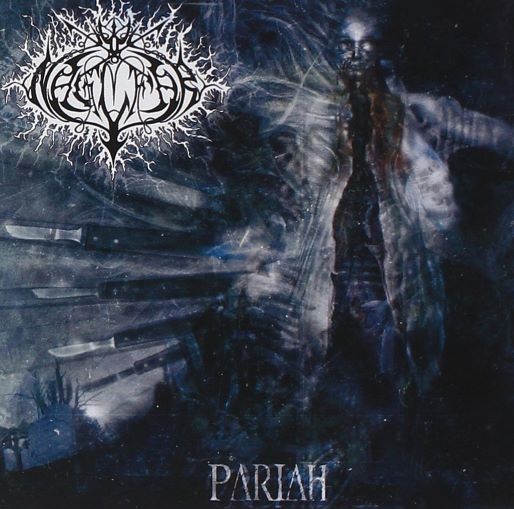
Naglfar – Pariah
Released June 30, 2005 via Century Media Records
My Favorite Tracks – And The World Shall Be Your Grave, A Swarm Of Plagues, Revelations Carved In Flesh
Naglfar underwent major change before the release of Pariah. The band’s founding vocalist Jens Rydén left the group after their prior effort Sheol, leaving bassist Kristoffer Olivius to helm the group. Naglfar had just gained a fair bit of momentum from Sheol and would be tested to provide a worthy follow-up.
Pariah sees an exploration of misanthropic themes, the album’s songs connected in an evisceration of the human experience. This is a level beyond being upset that Karen can’t put her shopping cart back in the proper place at the store – this album calls for the nuclear destruction of humankind in multiple songs. It moves past the need to express angst as a way to let off some steam and enters the territory of condemning civilization as a whole. We are far past the point of breaking stuff, this is all out war.
I will visit each of the 8 proper songs track-by-track, leaving off the brief intro Proclamation.
A Swarm Of Plagues
The album begins with a mission statement focusing on the destruction of humanity. It is pure textbook misanthropy – due to the wayward nature of humanity, it should perish in nuclear flames. The destruction is judgment rather than an accident. Sonically the song flies along at a frenetic pace until a mid-section interlude that offers one of the album’s few moments of subtlety.
Spoken Words Of Venom
This song embraces hatred, whether it’s of an individual or humanity as whole is unclear. The music does not let up off the accelerator through the track, while lyrically Olivius mows down his target with every negative word in the thesaurus. It is an unsettling way to dismiss the whole of someone’s existence.
The Murder Manifesto
Here the band turn the tempo down just a hair as the song’s narrator stalks his prey. There seems to be a theme of a dark cult confronting its more holy adversaries in this song rather than simply someone killing for the sake of doing so. It is a targeted, focused effort in the album’s setting of the end times of civilization.
Revelations Carved In Flesh
Another track about murder, though this time it seems this death cult is recruiting willing sacrificial lambs for its slaughter. This song stands out a bit for its melody and creativity amongst the ever-present backdrop of misanthropy. The lyrics do quite explicitly spell out the ritual murder and are in line with a fair bit of death metal fare. The grotesque final verse is especially something as easily found on a Cannibal Corpse album as opposed to black metal.
None Shall Be Spared
This song returns to the worldwide scope of things, declaring a war against the Abarahmic faiths. It is not openly stated though the lyric’s targeted aim of “2,000 years of lies” offers up the theme well enough. It is the ceremony of opposites in its final form, bringing about the end rather than existing in a perpetual state of debate.
And The World Shall Be Your Grave
It is again time to visit the ultimate expression of misanthropic leanings – the end times. Here the world perishes by way of nuclear war. The lyrics, of course, celebrate this outcome. Nothing could justify a misanthropic perspective more than humanity dooming itself with its own creation. Misanthropy is sometimes, like nihilism, a warning rather than an outlook, but on Pariah it is the perspective and the all-consuming nuclear end is the goal. It all leads to the same end regardless of what lenses one looks through things with.
The Perpetual Horrors
Heading toward the album’s close, this song begins to turn the concept of external hatred on its head a bit. Any expression of this kind of negativity will inevitably lead one to look in the mirror, and this song is a glimpse into the themes present on Naglfar’s next album. Humanity is still suffering and dying here, but the cause is looking at his own hollow, rotten core this time.
Carnal Scorn And Spiritual Malice
Perhaps conceptually, the album ends with all of the hatred and spite being turned on the album’s “protagonist.” Finding existence pointless, he brings about his own end in disturbing and explicit fashion. Still railing against the tenants of the world that irk him, mainly religion, our humble hater goes out on his own terms rather than the nuclear war prophesied throughout the rest of the album. The album’s final sound brings the point home.
Pariah is an album executed with ferocity and a fanatical railing against humanity. It does not often contain nuance and its lyrical offerings are explicit and profane. Naglfar’s sound does recall their renowned countrymen Dissection in both music and theme but is not purely an exercise in worship of that band. While Naglfar are on a prominent record label in Century Media and have had their name discussed in many circles over the years, they remain something of an underground proposition even within the structure of black metal.
I do hold that Pariah is my favorite album from the band, though there is stiff competition in the albums both proceeding and following this. Both Sheol and especially Harvest will get time here in the future. I by no means claim to espouse the intense level of misanthropy found here but I do “get” it just the same. My time not long after this album’s release was rather dark and music like this was a release. And now from what I’ve seen of humanity in the past several years I can’t help but wonder about those nuclear fires from this record. It is scary when society starts to catch up to the dark fantasy.
So far I’ve issued several verdicts in the case of The People versus Whoever Killed Hair Metal. I’ve found grunge, and by extension alt-rock, guilty. Guns N Roses too is guilty, having set the bar too high for anyone else to attain. And Metallica, of all people, is certainly also guilty of providing another alternative to the stale and washed up format of hair metal. Here are links to my previous rundowns in the series.
But in the end, we all know who is truly guilty of killing hair metal.
And no, it isn’t hair metal.
It’s ok, I’ll give you a second to process that. But you know I’m right, if only technically.
Suspect Four – The Record Labels
No, hair metal did not kill hair metal. Sure, quality control was noticeably absent in the early 1990’s just before the death knell rang from Kurt Cobain’s guitar. It can be said that hair metal was a watered-down mess that was nearly unrecognizable from the form it began on in Motley Crue’s early recordings. It couldn’t even hit the high notes of the late 1980’s, struggling to keep pace with choice recordings from the likes of Cinderella and Skid Row.
It just wasn’t there anymore. Sure, some recordings of various merit came out. The last gasp of hair metal saw acts like Slaughter, Trixter, Firehouse and Winger generate interest while also seemingly flailing against the inevitable. The party was just about over on the Sunset Strip, at least for all but the few biggest acts who had transcended the genre in various ways. Skid Row would go on for a few years of touring success. Guns N Roses had big hits with their double albums in 1991. And Motley Crue seemed poised to take on a new decade with the excellent cut Primal Scream from a greatest hits collection, only to implode in band turmoil a year later.
Everyone else was left to either die off immediately or slowly flail away. White Lion split when guitarist Vito Bratta had enough of the music industry, totally unwilling to this day to return. Poison tried their hand replacing CC DeVille with up and coming guitarist Richie Kotzen. The move produced some worthwhile music but personally backfired for everyone involved in an extramarital affair.
But Poison had a bigger name and therefore more capital than most, and were able to reestablish themselves as a worthwhile nostalgia act years later. Many other of the hair bands would fall off a cliff in terms of notoriety. Small but dedicated fanbases would turn out for shows at far-flung clubs or state fairs, but hair metal had fallen and wasn’t getting back up.
Rock music as a whole had changed. The sound that grunge ushered in led way for rock’s alternative base, something aired on college radio in the 1980’s, to truly take over and redefine the sound of rock music. The sound of late ’90’s rock was more akin to a CW TV show theme song than a big party anthem. Even legacy rock acts like the Scorpions and Def Leppard, bigger than hair metal but not immune to its movements, had to take time to readjust as their favored sound faded away. It seemed like everyone in rock music, with the exception of Aerosmith, felt some kickback from the demise of hair rock in 1991.
It wasn’t the bands that killed hair metal. No one on Earth would kill their own livelihood. The bands might be complicit in recording drek that got worse as time went on, but it wasn’t really under their own direction.
No, music is a business, and it was the record labels who were milking the hair metal cow dry. Hair rock was a fad – the gaudy fashion, the good times and fast women, the massively excessive image and music was not going to last forever. Nothing last forever in music. Those acts who see longevity have pivoted over the course of years and decades. They languished at times and then resurged when the moment was right.
The record labels were living large in the 1980’s on piles of money from overpriced albums and hoarding of profits off the backs of its artists. They churned out act after act in the course of business, without considering the artistic effects this assembly line of hair rockers was going to have.
And it wasn’t hard to find willing acts to keep the hair metal machine going. Who doesn’t want to be a rock star? Hair metal represented the zenith of excess for rock stardom. Women, parties and drugs were the order of the day. Sure, every other genre of music sees its stars indulge in the same, but hair metal put the show front and center. Take the record company’s money and head out in search of the stars. Never mind the terms of that contract and the severe unlikelihood of reaching those stars…
No, hair metal did not kill hair metal, at least in a sense. The music had gotten derivative to a point of being parody of its earliest incarnation, but the bands themselves aren’t to blame for their demise. It was the record labels, in their perpetual avarice, who truly killed hair metal and shoulder the lion’s share of guilt in the case. The entity that brought the hair metal movement to light was the same one who killed it.
It has now been 30 years since the death of hair metal. Rock music shifted course forever after 1991. There still is that “old rock” sound to be found, many legacy acts and even newer bands born of inspiration from the old days abound, though mainly in the independent scenes. While I don’t necessarily yearn for the glory days of hair and makeup, I do sometimes miss the rock music that was the underpinning of the hair metal movement and I’m glad some old school folks are keeping that kind of rock around. But modes of music distribution and information sharing have changed so much since the 80’s that there is likely no way to truly bring that scene back into existence. Things are just way too different now.
This stands as my final testament to who and what killed hair metal. The record labels bear the blame in my eyes. There is no appeal to a higher authority regarding my verdict – my judgment is final. It’s time to move on to other scenes in music for a bit, and to have nothing but a good time while doing so.
It’s on to part three of this exploration of who killed hair metal. I’ve already rendered verdicts on grunge, the prime and obvious suspect. I’ve also convicted Guns N Roses of killing their own scene by being better than it. Check out the links below to see all that in action.
Grunge, and specifically Nirvana, get the lion’s share of blame for killing hair metal. It’s warranted, as I already went over in part one of this series. But grunge didn’t just kill hair metal. The truth is that heavy metal in all its forms was very much hurt by grunge’s influence.
Record labels weren’t only signing hair bands left and right – they were out to get on the next cash cow, and the next-heaviest thing that seemed logical to take off was thrash. The offshoot of punk had come in hard in the early ’80’s and was the polar opposite of its bastard cousin hair metal. Major record labels stocked up on thrash acts in order to be ahead of the curve and be there when thrash broke big.
The only problem was that thrash didn’t enter the music mainstream. Well, except for one band, and that band turned their back on the thrash that they helped invent and instead conquered every music chart known to man. I submit for consideration as a suspect in the murder of hair metal one of music’s most significant acts who made their own mark on 1991 – Metallica.
Suspect Three – Metallica
Metallica could have killed hair metal very early on. Lars Ulrich has told a story of his band wanting to fight Motley Crue in the streets in the early ’80’s, when both bands were getting their starts. Lars set out to find Tommy Lee and teach him a lesson on who is the bigger badass in music. Unfortunately for Lars, his 5’6” frame didn’t quite measure up to Tommy’s 6’2” stature, and Lars wisely chose to disengage.
Metallica might not have beaten up hair metal way back when, but they got to put their own nail in the coffin a decade later, even if Motley Crue themselves would outlive the death of the genre they founded.
The story is simple – Metallica arrived on the scene with an intense thrash record, they then refined their approach through songwriting and combined heavy with tasteful. They entered the 1990’s looking to do something different and hooked up with Bob Rock. The resulting record, the self-titled affair known as the Black Album, took over the world and is one of music’s best-selling records ever. The record has sold 31 million copies since release and served to catapult Metallica into the upper echelons of rock stardom, an unlikely feat for a group of nasty, long-haired geeks who cut songs like The Four Horsemen starting out.
As a whole, heavy metal did not do that well in the 1990’s. A few exceptions are noted – a brief movement from the early half of the decade loosely categorized as “alt-metal,” including Danzig and Type O Negative, saw some time in the Sun. Pantera rose to mainstream prominence as a pretty harsh act. Extreme metal bubbled toward the surface as thrash fell by the wayside, with black metal being the vanguard sound by decade’s end.
But heavy metal in the 1990’s largely belonged to one band. Metallica took over the world, one platinum certification and sold-out arena show at a time. While their sound was not the same as what they cut their teeth on, there is no denying the massive impact they had on all of music when they stole the show in 1991. Their influence lasted longer and was more far-reaching than grunge, and Metallica have sales records that outpace almost every album released in the decade, even industry titans like Shania Twain couldn’t keep pace.
But what does Metallica and their 1991 advent to superstardom mean in terms of hair metal? Hair metal was already on life support before Nirvana dealt the fatal blow that September. That summer, hair bands were already reshaping their music videos to be more plain-dressed, an effort to keep up with groups like Alice In Chains who were taking over airwaves. Gone were the gaudy shiny leather outfits and make-up of the decade prior, the bands left were scratching for a bit of relevance and a hope of lasting through the record contract they just signed.
Then Enter Sandman hit MTV on July 29, a few weeks removed from the Black Album’s release. It was a whole new ballgame the second that riff fired up. Rock could be menacing, dangerous and yet still accessible and catchy. There is no doubt that Enter Sandman is one of the catchiest songs in history. It might have been overplayed, sure, but that fatigue came later and detracts from its immediate impact on the music scene.
What did a person about to enter their freshman year of high school want to be caught dead listening to – some 12th generation hair band that was dead in the water before the first single released, or Metallica? If someone wasn’t on the grunge hype train, they’d better be sporting Metallica gear. No one could argue with that, even if Metallica had pared their sound down from the pioneering thrash days.
Metallica was a safe haven for the rocker who was caught with his bleached jeans down as hair metal made a quiet exit stage left. Was Nirvana too incomprehensible and dissonant? Check out Sad But True! Still need that feeling a good ballad generates? Nothing Else Matters and The Unforgiven scratch that itch. Metallica were just as big as hair metal – bigger, even – eventually eclipsing the mark that even Guns N Roses left on the music.
It might be something of an abstract link, but Metallica deserves some share of the responsibility for killing hair metal. It’s only fitting that the band throws darts at a picture of Winger in the Nothing Else Matters video. Metallica themselves irrevocably altered the face of rock and metal music while bands like Winger were left churning in the wake. It was the combination of a heralded reputation and the fusing of metal with accessible sounds that made Metallica one of music’s biggest bands, and that commercial likability helped give people a lifeline as they fled the sinking ship of hair metal. The alternative music wasn’t for everyone and heavy metal’s biggest act came to save the day.
Tomorrow – we deliver the final verdict on who really killed hair metal, in case anyone actually didn’t already know.
On Wednesday I offered up part one of this look at the infamous Filthy Fifteen list. That first piece also gives some background about the PMRC for anyone unfamiliar. This post covers the remaining ten songs from the FF list. The Spotify playlist at the end features all but one of the songs, that song is featured in my prior piece.
AC/DC – Let Me Put My Love Into You
The song made Tipper Gore’s shitlist for being about sex, something the mother of four was apparently just not into. The song itself is a fine track but is really little more than a footnote on one of music’s most impactful records and, as per Wikipedia’s list, the second-best selling album of all time.
AC/DC obviously did not need the help of the PMRC to promote their material. Back In Black was something of a miracle record done in the wake of Bon Scott’s death and finished just a few months after with new singer Brian Johnson. It was also miraculous that someone convinced Mutt Lange to produce two records within a year of each other but that’s another story for another time. The album is full of references to getting down and dirty, including the well-known single You Shook Me All Night Long. Kind of odd to pick this deeper cut from the album but the PMRC didn’t exercise a ton of logic in their selections.
Twisted Sister – We’re Not Gonna Take It
Twisted Sister would come to embody opposition to the PMRC at the Senate hearings, where he adeptly testified against music censorship and insinuated that Tipper Gore was the one with a dirty mind with her interpretation of song lyrics.
We’re Not Gonna Take It stands out as the clear winner of the notoriety gained from this list. The song became Twisted Sister’s best-selling single and stands as their signature anthem. It was made a hit in large part due to the PMRC controversy and Dee Snider’s appearance before the Senate. The band had spent a decade as a New York area club act before entering the commercial mainstream and the PMRC made sure everyone far and wide knew who Twisted Sister was.
Madonna – Dress You Up
Madonna burst onto the 1980’s scene and became one of its biggest stars. She was a worldwide sex symbol and would push artistic boundaries and image constraints in her trailblazing career.
Dress You Up is easily the most inoffensive song on this list. It’s here because, like Darling Nikki, Tipper Gore caught one of her daughters listening to it. While this song is clearly about being into someone and getting down, it is not at all vulgar or explicit, in stark contrast to the others here. Madonna would provide many songs far more suitable for inclusion on the Filthy Fifteen, and it’s likely her growing reputation that landed her here more than anything.
W.A.S.P. – Animal (Fuck Like A Beast)
While Twisted Sister made out like bandits due to the PMRC, there was one clear loser from the group’s efforts and it was W.A.S.P. Animal was meant to be on the band’s debut record and was released as its lead single, but Capitol Records feared the album might get pulled from retail and struck the song from the album before release. A reissue years later would restore the song as the album’s lead track.
Unlike Madonna’s song, there is no questioning why Animal is on the list. It literally has “Fuck like a beast” in its subtitle. The band did gain quite a bit of infamy from their presence on the list but would also earn their reputation through shock-rock tactics. This was just another notch in the belt, one that Blackie Lawless has since disavowed as he no longer performs the track live.
Def Leppard – High N’ Dry (Saturday Night)
The British rockers commit the ultimate sin of glorifying having some beers and a good time. Their transgressions were noted by the PMRC, who included this party anthem on the Filthy Fifteen list.
I don’t know if this inclusion did anything one way or another for Def Leppard. They would go on to become one of rock’s most successful acts and I don’t see any real correlation between them being on the list and their career trajectory. Of course the song glorifies getting lit and having a good time, that was the decade of the 1980’s. The list could have been the Filthy Five Thousand on that basis.
Mercyful Fate – Into The Coven
No more good time having or getting with some hot chick – now it’s time for the real evil. Mercyful Fate broke the Filthy Fifteen with one of their very many songs about satanism and the occult. I don’t know what prompted the PMRC to settle on Into The Coven, a person could throw darts at any Mercyful Fate song and have a valid basis for inclusion on the list for occult themes.
It’s difficult to say what tangible effect being on the Filthy Fifteen had for Mercyful Fate. Though a more underground band, the group would have a vast influence on heavy metal – both in the mainstream with Metallica and also being a pioneering act in what would come to be extreme metal. They might not have found multi-platinum sales from being labeled subversive by the PMRC but they cast a shadow over heavy metal that lasts to this day.
Black Sabbath – Trashed
The masters of occult metal would find themselves targets of the PMRC – but not for anything dark or spooky. Instead, Trashed makes the list because it’s a tale of how Ian Gillan stole Bill Ward’s car and crashed it in a booze-filled accident. It makes for obvious inclusion on songs the youths shouldn’t be listening to.
Born Again was a commercially successful record for the reconfigured Sabbath, though they would enter a wilderness for several years afterward. It probably sold well on the Sabbath name and Ian Gillan’s role as singer and didn’t need help from the PMRC to move copies. The album gets mixed reviews from critics and fans but is still a much talked-about part of the Sabbath discography. The song itself did not gain any particular notoriety from the Filthy Fifteen.
Mary Jane Girls – In My House
This all-women R&B group was assembled by Rick James and had some minor hits on the ’80’s scene. In My House would be the group’s biggest hit and probably gained some attention from being on the list. It is another ode to getting busy between the sheets but, much like Madonna’s track, is in no way explicit or obscene. It was probably more of a benefit to the group and record label’s bank accounts to be considered for inclusion on the Filthy Fifteen.
Venom – Possessed
Of anything to dig up to put on a list of objectionable songs, the PMRC went across the pond and found this Venom track. The inclusion on the list was probably a perfect marriage made in hell for the PMRC, who needed shocking examples of music to convince industry execs and politicians to care about their cause.
It’s hard to say that being on the list affected Venom in any real way. The group had already cemented themselves as a wide-ranging influential heavy metal act with their first two albums and were entering a transitional period by the time this song came around. The band were overtly satanic, an ruse meant to entertain and amuse according to the group. Their imagery and sound, pioneering in a way despite honestly sucking, would have a great influence on the coming extreme metal movement.
Cyndi Lauper – She-Bop
We conclude the Filthy Fifteen with a feminine ode to masturbation from Cyndi Lauper. She-Bop was one of Cyndi’s big hits around this time. The song is openly about enjoying one’s self, it does not imply or conceal anything and makes for excellent fodder for the PMRC.
I don’t know of the PMRC had any effect on Cyndi Lauper. She became a huge star regardless of her inclusion on the Filthy Fifteen and the song was ever-present despite the political outcry against it. She just wanted to have fun, she did, and smiled all the way to the bank. Her 50 million in album sales were most likely on her own merit and not affected by the PMRC.
That does it for this look at the Filthy Fifteen. The list itself was more of a precursor to the Senate hearings and the adoption of the Parental Advisory sticker on albums. It was an interesting look back to see what songs were so subversive as to be called out by Tipper Gore and the wives’ club. I’m not sure how huge of an effect this list had on the artists at hand, by and large their careers went without a ton of fuss from this dust-up. A few benefited and really only W.A.S.P. seemed negatively impacted. If nothing else, we at least got a sticker out of it to let us know that Cannibal Corpse records might contain explicit lyrics.
This will be the first of two parts examining the PMRC and the “Filthy Fifteen” list of objectionable songs. I’m splitting this up due to length and will post the second part on Friday.
Listening to music in the 1980’s was not just about the music. Many cultural and social issues were brought into play while most people were simply trying to enjoy some songs. The Satanic Panic was a huge issue throughout the decade and would greatly inform rock and especially heavy metal culture.
Coupled with, but also beyond the scope of, satanism was a grand posture of moralizing about a “societal decay” that the youth of the time were experiencing due to their music tastes. This posturing would look beyond just heavy metal to expose the base evils of rock and even pop music. There was no way anyone could strive to be a functioning, morally upright person when this awful music was around.
The movement to rid music of its less tasteful elements would take shape in the US in the form of the Parent’s Music Resource Center. This group was led by the wives of several US senators and found a figurehead in Tipper Gore, the wife of Senator and future Vice President Al Gore. Their efforts culminated in Congressional hearings on the subject of explicit music, famously featuring testimony from John Denver, Frank Zappa and Dee Snider.
The PMRC’s efforts ultimately led to the music industry adopting a sticker to place on albums. The infamous “Parental Advisory – Explicit Lyrics” tag meant that an album had been deemed to bear some sort of subversive message within its vocals. Major retailers like Wal-Mart refused to stock albums with the sticker, a blow to record sales in a time before the Internet when music couldn’t be sought out as easily.
But the sticker truly failed in its purpose. It rallied the music industry against it, which musicians from all genres using it as a point of ire. The sticker served as more of an advertisement for an album rather than a deterrent. Music distribution would seek to avoid the big box stores, which remained stuffed with inoffensive Garth Brooks albums and edited copies of any major release that had the sticker in its original form. CD and record stores would be a small business venture until the digital music revolution of the early 2000’s.
One component of the PMRC’s campaign was a list of songs deemed most terribly offensive. The “Filthy Fifteen” pulled songs from rock,metal and pop to condemn lyrics about sex, real or perceived violence and occult/satanic themes. The list was a rallying cry to the steps of the US Capitol for the senators’ wives and was a resource for finding good music for many others.
Today I want to take a spin through the songs found on the Filthy Fifteen list. A few are staples of my music lexicon, while others are artists I know but am specifically unfamiliar with these works. And a few others are acts I never really heard of. I’ve provided a Spotify playlist at the end that has all but one of the songs on it. I had to comb the recesses of YouTube’s unauthorized uploads to locate one song.
Here we have it, one of the greatest unintentional compilation albums ever made – the Filthy Fifteen.
Prince – Darling Nikki
Our list kicks off with the multi-talented and eccentric Minnesota native. Prince would be a major force in 1980’s music and beyond and is widely considered one of the best talents in the industry.
Prince is also responsible in some form for two other songs on the list besides his own, making him the true King of the Filthy Fifteen.
Darling Nikki is a cut from Prince’s seminal 1984 record Purple Rain. The reasons for its inclusion on the list are blatantly obvious in the opening lines, as the song’s subject Nikki is in a hotel lobby “masturbating with a magazine.” Apparently this was also the song that spawned the PMRC – Tipper Gore found her daughter listening to the song and leapt into action.
The song itself is nothing special and certainly not Prince’s best work. If anything, all the PMRC did was put more attention on a deep cut from an album that would sell 25 million copies worldwide. It would have otherwise been a looked-over curiosity from one of Prince’s signature albums.
Sheena Easton – Sugar Walls
Prince has his hands on this track as well, having anonymously penned the tune for Sheena’s 1984 record A Private Heaven. The objectionable nature of the song is apparently that “sugar walls” is a reference to the lining of the vagina. Back in the ’80’s we didn’t just air such things out loud, it was all purity or some such shit, I don’t know. The song would be a hit for Sheena, due likely in part to the free publicity generated by the PMRC. It’s a bit tough to say since she was trending upward anyway, but press is press.
Judas Priest – Eat Me Alive
Now we get into more familiar territory for me and also the song that sparked my retrospective interest in this list. I visited Defenders Of The Faith on Monday as my Album of the Week. I was in the middle of compiling that post when I ran over the lore behind the record and went down the PMRC rabbit hole, thus giving birth to this post.
And as I said in that post, yeah, this song is kinda bad. Overall it’s just silly and nonsensical, it’s a total farce. But the line “I’m gonna force you at gunpoint” does shade things in a certain direction, that much I’ll admit. I don’t really care in the end, Rob Halford has admitted the line was engineered for the purpose of attention. That attention would come, thanks to the busy bodies at the PMRC. Years later the band would wind up in a terrible lawsuit not owing to this song but likely indirectly influenced by controversy generated by the PMRC.
Vanity – Strap On ‘Robbie Baby’
Here we have the lone song not found on Spotify. I dug up an upload from YouTube, no telling if or when it’ll get struck by the big bad copyright robot. It’s a hair more provocative than other songs on the list but still isn’t overtly explicit.
Vanity was a product of the Prince women’s music machine, though by the time of this release she had left Prince behind and struck out on her own. The song is quite obvious lyrically, she is looking forward to being plowed by some dude named Robbie. Her album saw minor success but the song’s placement on the Filthy Fifteen likely helped move a few copies.
Denise Matthews would be one of the few to disavow her infamous work. She dropped the Vanity moniker in the early ’90’s and became a born-again Christian and specifically denounced her “sexed-up” work in interviews. She would unfortunately pass away in 2016.
Motley Crue – Bastard
I’ll wrap up part one with the Sunset Strip machine that caught fire in the early ’80’s and led the charge for rock’s direction in that decade.
Of all the songs from Shout At The Devil that could have easily found a spot on the Filthy Fifteen, Tipper Gore apparently chose this cut because of its violent lyrics. The song was reportedly written about someone who’d “stabbed the band in the back” and the lyrics take a defensive posture against an assailant rather than openly inciting violence. I guess nuance wasn’t much of a factor with the PMRC.
Again, of anything a group of concerned parents would pick off Shout At The Devil, this seems like a misfire. The Crue would get plenty of infamy for their antics and music along the way so being a part of the PMRC’s shitlist was just icing on the cake for them.
That does it for part one. I’ll be back on Friday with the conclusion of this look at the Filthy Fifteen.


 The Crooked Wanderer