Liam Gallagher – Knebworth ’22 (Album of the Week)

This will be a quick and easy AOTW, this live set just hit shelves last Friday and it doesn’t require rocket surgery to have a listen and look at. An old warrior relives his glory days at the site of one of his biggest historic triumphs, getting the rare chance to live in the moment one more time.

Liam Gallagher – Knebworth ’22

Released August 11, 2023 via Warner Records

Oasis played two historic shows at Knebworth House in 1996. Those gigs were the apex of Oasis’ hype and popularity and are often seen as the zenith of the Britpop movement. In 2021 the Gallagher brothers released a live album and documentary about their Knebworth experience, and in 2022 Liam was booked as a solo act to rekindle the old magic again. Over 250,000 people attended the 1996 Oasis gigs, in 2022 Liam would play two nights to a total crowd of 170,000.

My recap of the Oasis Knebworth album and film can be found here.

Liam played his two shows in early June of ’22, just shy of 26 years after the Oasis sets. He would bring an assortment of material, both from his three-album deep solo catalog and several Oasis standards. While he played 21 songs each night, the album offers a slimmer version with 16 songs, with 9 Oasis songs and 7 Liam solo tunes. Most of the omissions aren’t really a big deal except for one which I’ll get to during the huge encore section. One song did get played on night one but not on night two – the solo single Shockwave, which is on this live package.

There was also an unfortunate omission from Liam’s band – he had often been joined the past few years by former Oasis mate Paul “Bonehead” Arthurs. Bonehead spent a good part of 2022 in treatment for cancer, which he was cleared of last September. He was unable to join Liam’s tour and Liam dedicated More Power to Bonehead at the shows.

The setlist for the live album is as follows:

Hello

Rock N’ Roll Star

Wall Of Glass

Shockwave

Everything’s Electric

Roll It Over

Slide Away

More Power

C’Mon You Know

The River

Once

Cigarettes And Alcohol

Some Might Say

Supersonic

Wonderwall

Champagne Supernova

The live set holds pretty constant through the performances – the songs are executed faithfully by the band, a few of them get an uptick in tempo due to the energy of the huge live performance. Liam holds serve pretty well through this long set. He does get a bit shouty in a few places but I think that’s a consequence of the music going hard as opposed to any issues he was having. Overall Liam sounds really good for someone who has a thyroid disease and had to re-find his voice in order to launch his solo career. He doesn’t get to some of the crazy performances he did in 1996 but his presentation here is well done.

The set jumps between solo songs and Oasis tracks for awhile, one interesting Oasis inclusion is Roll It Over from 2000. It’s not one I’d expect to be on a setlist for a huge show like this but the song works pretty well and is an under the radar pick for the set. Liam performs most of his solo singles here, when he gets to More Power he does a 4-song suite of his songs, concluding with his most renowned solo effort Once. He announces that Once is the last song, though there is one monster of an encore coming.

The encore is an all Oasis affair and kicks off with Cigarettes And Alcohol. That one is performed almost as a heavy metal or punk track, it goes heavy and hard. Some Might Say gets a bit similar treatment, while Supersonic is actually toned down a notch and has a psychedelic vibe to it that stands out even from old Oasis performances. Wonderwall is handled in great fashion, with Liam letting the crowd sing the chorus. The audience knew the words, not only to Wonderwall but most of the other songs, even Liam’s solo singles.

Champagne Supernova closes the night. Liam dedicates the song to his mom Peggy, who is in attendance. It doesn’t seem to be announced from the stage anywhere, at least on the album, but former Stone Roses guitarist John Squire makes a guest spot on the song, just as he did with Oasis at Knebworth in 1996. The album goes out with Liam thanking the crowd and then the guitar ringing out for about a minute after the band is done, apparently they have Nigel Tufnel’s old Fender with that famous sustain.

A few songs were left off, both Oasis cuts like Stand By Me and Liam’s solo songs like Why Me Why Not and Diamond In The Dark. None of those exclusions really bother me, this thing is a 76 minute long album as it is and I can understand making a few tough choices to keep packaging reasonable. But there is one notable exclusion from the Oasis encore section – Live Forever was performed both nights but didn’t wind up on the record. I would have loved to have that song on this album, but for whatever reason it wasn’t included.

The album is pretty well done, there are a few rather abrupt edits that I find odd for a label like Warner to leave on, they clearly cut something out between Liam honoring his mom and the actual start of Champagne Supernova and there are a few other spots that weren’t blended in that well. They aren’t major issues but they do stand out.

Overall Knebworth ’22 does a good job of capturing this historic performance. The atmosphere of an 85,000 strong crowd carries over through the audio, everything feels grand and heavy, like there’s literally electricity in the air. All the instruments sound good, the drums sound almost a little too good but that could just be how they set up to capture things, it’s not all that hard to get a great live sound recorded in the 2020’s. This one is more for the invested Oasis and Liam fan, though people who were in during the 1990’s might find the set a nice bit of nostalgia. It’s about as close to an actual Oasis reunion as we’re likely to get and this set does bring back a bit of that old Knebworth magic from way back when.
Sammy Hagar – This Planet’s On Fire (Song of the Week)

The song pick this week is a track from Sammy Hagar’s fourth solo album Street Machine. This album hit in 1979 and was kind of a lull in Hagar’s career – he wouldn’t see true solo success until 1982 and Standing Hampton. But there were still plenty of worthy songs early on in Sammy’s first solo outing and today’s track is one of those.

This Planet’s On Fire (Burn In Hell) did get a singles release in the UK though it didn’t set the UK charts on fire. It would feature over 40 times in live setlists through the early 1980’s before Sammy joined Van Halen and ran off to mega-stardom. He does not appear to have played it since, though such setlist aggregation sites aren’t always accurate so I don’t know.

Today’s song is one of Sammy’s heavy metal-leaning tracks that he was very fond of doing. He had tried to keep Montrose in a metal direction in the early 1970’s, which led to his exit from that group. While Sammy often plied his trade in rock, he could be found exploring the emerging world of metal from time to time.

The standout part of this song is, of course, that riff. It is a roller coaster ride up and down the fretboard on this one. It will get a person to take notice, that’s for sure. There is also plenty of soloing in the wordless moments to keep the guitar lesson going. Hagar would revisit this style of running riff a few years down the line with the song I Don’t Need Love from Three Lock Box.

Lyrically the song is pretty easy to figure out – everything is messed up and everyone has punched their ticket to H-E-double hockey sticks. It doesn’t sound like a bad thing in this case – as with a lot of Sammy at his best, it’s a party all the way to the bottom. It’s not the same kind of Hell as in a preacher’s sermon or as depicted by about 666,666 black metal bands. Maybe it’s really more like Heck, I don’t know.

This song has kind of hung out in the lower rung of Sammy Hagar’s catalog. His time in Van Halen will always be the topic of discussion, and his solo stuff includes his big hit I Can’t Drive 55 and his more modern incarnation as a hard rock Jimmy Buffet. His brief stint with Montrose might garner more attention than a lot of his early solo career before ’82, even.

But Hagar’s early stuff has gained some notice. I know I was one of many to gravitate to this song the first time I heard it way back when. And I wasn’t the only one – in 2022, Dave Mustaine and Megadeth cut a cover version of it for certain versions of their album The Sick, They Dying … And The Dead! The cover featured vocals from Hagar as well.

This Planet’s On Fire may not have set the world on fire, but this is still top-notch stuff from the Red Rocker. It doesn’t get much better than this trip straight to Hell.

Oasis – My 20 Favorite Songs 10-1

Now on to part two of my list of favorite Oasis songs. If you missed the first part, head here to play catch up. No real further elaboration needed here so it’s right into my ten favorite tunes from the Gallagher brothers and their cohorts.

#10 – Rock N Roll Star

The opening track from the debut is a killer slice of rock music. This song spells out the dreams of Noel Gallagher in his early days of playing music and his ambitions for Oasis, dreams he would realize many times over. But before stardom hit he and Oasis were just a bunch of council estate lads from Manchester, dreaming as many of us do for a different kind of life. Even outside the song’s deeper meaning, this is just a great rock and roll tune, it’s exactly why I listen to this stuff.

#9 – D’ You Know What I Mean?

And now, the first single from Be Here Now, the 1997 album that came in with more hype than ever but fell a bit short of what were impossible expectations. This one is over 7 minutes long but every second of it works, even the oddball helicopter noises and Morse code stuff at the beginning. Musically this is really solid and slots in well with other Oasis anthems, lyrically it is all style and no substance but there’s some hidden lyrical gems in here. Some are borrowed from the Beatles, others are original quips. This one sums up the Oasis attitude really well.

#8 – The Masterplan

We now arrive to another B-side from Noel’s golden era of songwriting in 1995. This was originally the B-side to a single Oasis released called “Wonder Wall,” maybe you’ve heard of it. Noel cranked this song out because he needed another B-side for the single and when he was told that this was good enough to be on an album he didn’t listen. He should have, because this song is wonderful. Noel handles the vocals on this one about “coming of age” or even just accepting where you are at whatever point in life and doing what you please. It’s also worth watching the Knebworth ’96 documentary to see the part where this song features, it’s a very touching piece of the film.

#7 – Slide Away

It’s back to the debut album again, it’s almost like there are a lot of really good songs on that one or something. This is an actual love song, something Noel wrote for an old girlfriend. It’s a wonderful song musically, and also Liam totally kills it singing this one. And for the last mention of Knebworth on this list – the second night’s performance of Slide Away is the highlight of the concerts and an absolutely splendid rendition. But you’ll have to seek it out on your own, I’m posting the studio track here because it’s easier to find and I’m lazy.

#6 – Cigarettes & Alcohol

Again from the debut record and one of its singles. The pace is kept down here but the track just oozes rock and roll sleaze. The song gets at the heart of stuff like cigarettes and alcohol – they are small distractions from a dull and dismal life of work and being on the low end of the earning scale. I suppose the true meaning could be missed, though it’s kind of right there out in the open. Even if the topic is a bummer, the song itself is a great jam that gets the spirits moving.

#5 – Columbia

I don’t know if I’ve mentioned the album yet in this series, but this song comes from the debut Oasis record Definitely Maybe. Columbia was originally intended as an instrumental cut to use as intro music but the band later decided to add words to it. As with many good Oasis songs, the words here aren’t saying much and especially on Columbia there really isn’t shit here lyrically. But the song is absolutely great, it is a total vibe setter and is just cool and awesome. It’s kind of like pro wrestling entrance music for a hipster.

#4 – Morning Glory

This did NOT come from the debut album, I’ll let you guess which album it’s off of. Oasis had their share of banging song and this one is the mother of all bangers. This one rocks asses off, something a lot of people probably didn’t realize Oasis were capable of. The song is about drugs and specifically cocaine, something the members of Oasis have masters degrees in.

#3 – Live Forever

Yes it’s also from the debut album. Noel wrote this one earlier on and it’s when he and others realized that he was on to something more than the average chap looking to make it in music. This was meant as a response to the depressing nature of grunge, the music of the day back then. This one is just a beautiful song, it says about all there needs to be said. It’s pretty easy to see why this song has resonated with so many people.

#2 – Don’t Look Back In Anger

Back to the second record for one of the many singles from it. It’s another majestic song, wonderfully composed and performed. Noel took the vocals on this one, a choice that gets questioned to this day but it still worked out just fine. There is a nice message to the song about letting go and moving forward, and yet also the song is full of mind-twisting riddles through the lyrics. It all just works so well and it’s a masterpiece of a tune.

I have previously discussed this on in greater detail on my S-Tier songs series.

#1 – Champagne Supernova

At the top of my mountain of Oasis songs is this long, trippy cut from the second album. This song is such a trip and a journey, can’t say where exactly you wind up but it is worth the ride. I really got into Oasis when I first heard this one, I’m pretty sure my actual reaction was “WTF was that?” This isn’t a song with some message or even a meaning, it means whatever the listener needs or wants it to mean. What it means to me is over seven minutes of pure enjoyment.

That does it for my favorite Oasis tracks. Feel free to offer your own personal favorites below. I will tackle an Oasis album ranking at some point but I have a few others lined up first so it’ll be a little while. Until then, head to the nearest dive bar, ask for a Champagne Supernova as a drink, and see what you get.

Oasis – My 20 Favorite Songs 20 – 11

And now, nearly two years into this website blogging thing I’ve been doing, it’s time to finally spit out a favorite songs list. I intended to start this way back when but just never got around to it. It’s not really hard to do so I don’t know what the hang up was. But there’s no time like the present so here we go.

I’ve chosen to tackle Oasis first. I wrote about them a bunch when I started this but haven’t got a ton into them lately. When I was debating on exactly how many songs I was going to post I wound up with being able to fill 20 spots, so I’ll go with that. I’m going to split this into two parts. There isn’t a ton of writing on these but the YouTube clips take up a bit of space and I want to keep things kind of clean.

So the first 10 will be up today then the top 10 will be tomorrow. Pretty simple concept so off we go.

20 – Gas Panic!

This track hails from the band’s fourth album, 2000’s Standing On The Shoulder Of Giants. The album as a whole had a psychedelic vibe and this song benefited greatly from it. It’s actually about Noel Gallagher having panic attacks which were attributed to his drug use and the music fits a drug trip sort of thing perfectly. I’d kind of passed on Oasis after their mid-90’s glory days but this one is a gem from their life after the peak.

19 – The Shock Of The Lightning

This one comes from the final Oasis album Dig Out Your Soul which hit in 2008. Oasis actually had a bit of a late-life comeback just before their 2009 implosion and this single was fair part of that. It rocks pretty hard, gives off vibes of the classic Oasis while still hanging out in that trippy territory they’d done quite a bit in through the 2000’s. This one made it easy to get a bit excited about them again, though fate had other plans.

18 – My Big Mouth

First appearing live at the legendary Knebworth 1996 gigs, this song got its studio version on 1997’s Be Here Now. This one is a total banger and it addresses the Gallagher brothers’ reputation for having big mouths. This did nothing to shut them up, it was just a song they sang, but this was a good cut. This is one where I do prefer the Knebworth live presentation a bit to the studio track but the studio cut is still really good.

17 – The Hindu Times

It’s on now to Heathen Chemistry from 2002 and the lead single from that record. While the album was all over the place, this song was a good lead off and probably the strongest song from the record, though not the most well-known. This is a light, cheery and a bit of a trippy song. Noel named the track based on a t-shirt he saw in a shop but the lyrics were written later and have no connection to the title. But it’s no matter, this is a really good one.

16 – Lyla

Up next is the lead single from Don’t Believe The Truth released in 2005. This is a simple, fun song about a gal who is really great or something. It’s not a love song per se, more of just this person is generally awesome kind of thing. This one really has the vibe of Oasis getting it right and is one of the best singles of their 2000’s era.

15 – Wonderwall

And here we are. I know that music is relative and subjective, and that a lot of people don’t have exposure to a lot of things that seem common to others. But if you haven’t heard this song you’ve literally been living under a rock since 1995. The most secluded of hermits have heard Wonderwall.

This was the mega hit that still rings loud and clear 28 years later. It might be overplayed but that doesn’t really affect my opinion of it much. This was a very well-done song and there’s a reason it got so popular. I’m honestly never upset to hear it, no matter how many times I already have.

14 – Acquiesce

This one originally appeared as a B-side to Some Might Say in 1995, then this got its own single release ahead of The Masterplan compilation in 1998. It features both Liam and Noel singing, with Liam handling the verses and Noel on the chorus. This is one where the studio version is very good and this easily could have been an album track, but the Knebworth live performance of this really puts it over the top. That raw, energetic version is massive and a must-listen.

13 – Supersonic

The first of probably more than one from the red hot debut Definitely Maybe, this is a total hard rock ass kicker. The lyrics are straight up nonsense and great fun and the song is just a magical trip to where the hell ever. While many think of Oasis as a one hit wonder, they clearly had more up their sleeves, even from the word go.

12 – Cast No Shadow

The second pick here from the band’s magnum opus (What’s The Story) Morning Glory? Oasis were not a band prone to a lot of sad songs, and even when they did go that route they were often sweet and sentimental about it. But here they did pursue the more forlorn path of outright despair, offering a dirge about a hard luck guy. The song was inspired by and dedicated to Richard Ashcroft of The Verve, someone who had his fair share of knocks through the 90’s music scene. This was a bit of a thematic departure for Oasis but this is more my kind of sad song, generally speaking.

11 – Some Might Say

The first part of the list wraps up with another of the many singles from WTSMG. This is a pretty nice alt-rock track at mid-pace that also has some fun with strings of words that don’t really say a hell of a lot, though there’s also some bits of common wisdom in there too. This song often gets overlooked by the heavyweights it’s paired with on the album but people really shouldn’t sleep on this one.

That nails down the first part of the list. The top ten will be known tomorrow. Part II is now live.

Neil Young – Ordinary People (Song of the Week)

Last week I finished off my Iron Maiden singles series with the 18-minute whopper Empire Of The Clouds. While throwing that together I was reminded of another 18-minute slugfest so that one gets the spot as the Song of the Week.

Neil Young originally composed this song in 1988 just after releasing This Note’s For You. The song theoretically was available for the album Freedom a year later, which was Young’s huge commercial comeback, but it was shelved because Young was concerned the audience might not take to the horn section.

Ordinary People got aired out some live over the years but did not see a studio version until 2007. The album Chrome Dreams II comprised a few older cuts as well as new material and the mammoth song finally got a release in 2007. The name of this album even calls back to old, unreleased Young material – the original Chrome Dreams was ready in 1976 but was shelved and its songs appeared in different forms elsewhere. The album sat for 47 years and is just now about to be released on August 11th of 2023. But that’s not today’s concern, there’s more than enough to talk about.

The song runs for 18:12. That’s a pretty vast undertaking and not something that hordes of music fans would be into, but Neil Young always marches to the beat of his own drummer so this isn’t something out of bounds for him. Hell, Chrome Dreams II has another 14 minute long song on it, No Hidden Path. It was even nominated for a Grammy in 2009.

Ordinary People comprises 9 verses over the course of its run. The song operates on the same formula the entire time – a verse that winds up with a bit of a chorus-like reprise at the end, then a bit of instrumental jam. That’s really all the song does for 18 minutes is repeat this process. There are no interludes, no movements in arrangement or anything like that. It’s just a straight jam all the way through.

The question becomes – does it work? It’s extremely long, it runs the same ground all the way through without the kinds of movements that most “long song” purveyors employ, and hell, it doesn’t even have a chorus. But, as it stands, yeah, the song is pretty good. It hooks you in pretty quickly with its rhythm that becomes almost hypnotic as the song goes along. Each spot between the verses holds a bit of horn and guitar jamming and it’s worth it to check out what’s going on through those passages.

And the verses serve to pay tribute to the title of the song – the ordinary people. Each verse is its own little story about someone screwing over the common people or maybe actually helping them out. Young offers up some choice phrases that he revisits later in the song, “patch of ground” people is one that really sticks out and also sums up the experience. It does honor the hardship and perseverance of not being one of the “silver spoon” people.

The song would be quite a feat to pull off live, especially given how much would have to be cut to fit it in. But Neil has managed 8 performances of it, all from 1988 and ’89, according to setlist.fm. The sites accuracy might be off too, especially going back to gigs that old, so it’s possible this got aired out a few more times. There is at least one recorded live performance found in Young’s insanely extensive archives series, that version runs more brief at 12 minutes and the band shifted up the verses some for that version.

The concept is something that honestly shouldn’t work. If someone pitched to me the idea of just playing roughly the same stuff over and over for 18 minutes without any breaks in the action or major shifts in the song to keep things fresh I would dismiss the idea out of hand. But here we are with just that and it’s something I enjoy quite a bit. Neil Young does exactly whatever the hell he wants, of course, and if he wants to play for 18 minutes then let him have at it.

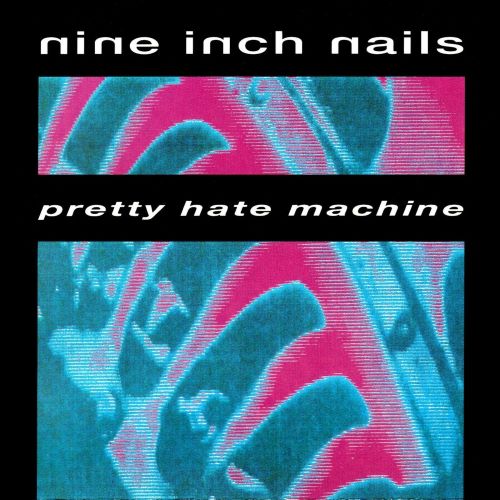
Nine Inch Nails – Pretty Hate Machine (Album of the Week)

It’s a well-told story by this point – rock music changed forever in 1991. What had been was gone and, no matter nostalgia movements, there was no going back. But the story around rock and 1991 leaves out a lot, including the huge buildup to “alternative” rock before ’91. Rock always had an alt side and several acts were already breaking the surface even before the fateful summer of grunge.

But for all the twists and turns rock and metal would take in the early 1990’s, one of the most influential artists of the era would get his start a few years sooner, in 1989.

Nine Inch Nails – Pretty Hate Machine

Released October 20, 1989 via TVT Records

My Favorite Tracks – Sin, Head Like A Hole, Terrible Lie

Nine Inch Nails was the brainchild of Trent Reznor, who would be the band’s only member for the recording of the debut album. Reznor was able to record for free in a studio in Cleveland, Ohio; where he worked during the day then was allowed to do his recording at no cost.

The music here can bear multiple descriptors and still be pretty accurate. It is inudstrial, though far more rooted in conventional rock than many legacy industrial acts. It can easily be called electronic rock, though such a term doesn’t really mean much other than synthesizers and like instruments were used. And this was certainly alternative, in that it didn’t sound like much of anything else that was going on at the time. Yet, anyway.

Trent Reznor was the only musician involved in the bulk of recording Pretty Hate Machine, though others contributed spot appearances. The album was produced by a committee though, with Reznor and four others earning production credits. Among those was Flood, who had a long career in engineering and was now stepping up into production and whose future would be entwined with Nine Inch Nails’ rise.

The original issue of Pretty Hate Machine was 10 tracks at 48 minutes. A 2010 reissue includes a Queen cover and there are some other odd editions that comprise bonus tracks taken from the album’s many single releases, but today I’ll stick with the OG tracklist.

Head Like A Hole

Opening the album is the earliest NIN signature song and the album’s second single. This one comes in with synthesizer action but also sticks to a conventional rock formation, this song is probably as close as it gets to heavy metal on the first album. The verses spell out the presence of God Money, the true all holy presence that runs everything, then the chorus ramps up and lashes out, its refrain “I’d rather die than give you control” being a very recognizable shout from over 30 years prior.

Head Like A Hole has remained a NIN staple since release and is the band’s most played live song. Note that the music video features a remix of the song, though it is not radically different from the album cut.

Terrible Lie

It’s on to another NIN staple cut, this one wasn’t a single but has been in wide circulation anyway. This one keeps a slower pace but does still hit pretty hard. It’s one that sounds mostly more conventional though it still features plenty of synth and electronic programming. This one sees Reznor questioning god and religion, something he would not stop with here. Though this one is far less blasphemous and pointed than subsequent forays on the topic would be. This one is more about the disconnect between promise and reality, and the desire to cling to the fantasy.

Down In It

Up next is another album single and also the first song Reznor wrote for NIN. This one sees Trent showing off some rap skills and also goes very hard on the electronic side of things. Reznor has said that the song is a complete rip-off of Dig It, a 1986 track from influential act Skinny Puppy. And yeah he’s right about that.

The song is about what a lot of this album is, which is late teenage heartbreak and angst. It was based on an early relationship of Reznor’s and while the song is general enough to apply to a lot of things, the relationship angle is an obvious one. Also, the end of the song literally uses the “Rain, Rain Go Away” nursery rhyme for whatever reason. Kind of funny.

There is a funny story about how the FBI became involved with lost footage from the music video, but the story is lengthy so I’ll save it for another time. It’s widely available on Wikipedia and elsewhere for the super curious.

Sanctified

Here is a more atmospheric track that employs the electric elements to great effect. It couples the idea of relationships with the holy elements of purification, as though one is ascending or cleansing through the act of being with someone. Reznor has mentioned that the “relationship” might actually be one with drugs, though the song works quite well in the more conventional context of relationships.

Something I Can Never Have

A more quite ballad, and one that’s very forlorn. This revolves around love and loss, the unobtainable and the loss of what was. Reznor would showcase a special talent for this quiet electronic ballad style over the years, of course the culmination of that is a tale for later. This song got used for the soundtrack to Natural Born Killers, which Reznor produced.

Kinda I Want To

“Nine Inch Nails” and “fun” aren’t often words used in the same sentence but here on the debut we have a bit of it. It’s more upbeat, though still a bit twisted. I know nothing about dancing but I’m sure people could dance to this. This song centers around being tempted by something and the struggle around it, though honestly it sounds like the decision to go for it is already made. There’s no telling what the actual temptation is here – sex, drugs, slot machines, take your pick.

Sin

Up next is the album’s third single and my favorite from the record. Sin is, in its original form, a bit of a dance-pop tune, though with a theme and lyrics with a much darker bent. This song was remixed extensively, several versions exist and it’s done in a different style live, with less “fun” synth and more dark tones.

Sin is about what you would think a song named Sin is about on a NIN album. It does specifically deal with what sounds like an inadequate person in a relationship who’s caught in a power dynamic and is just fodder for their partner.

There is a music video for Sin, but it features a lot of sin and isn’t around on the usual video services. It’s around in other places for the sinfully curious.

That’s What I Get

This song turns down the intensity for awhile. It opens with a very weird yet compelling noise accent, then gets very quiet through the verses as Trent laments being cheated on. The song’s second half picks it up a bit but it’s still fairly minimal.

The Only Time

As the album winds down here’s another one that’s a bit minimal but is a fair bit louder than the track prior. This one is also kind of “fun” and deals yet again with being tempted by someone and all the feelings that go along with that for a young, naive person.

Ringfinger

The closer is a bit of an electro jam, with a fair bit of synth going on that’s more of the musical main event than an accent. Lyrically this tackles the “bliss” of marriage, as the title would indicate. There’s a small section with a very twisted electronic riff that would become a NIN staple going forward.

Pretty Hate Machine was a solid debut that would kick-start the legend of Nine Inch Nails. The album would chart very modestly on Billboard at 75, though word of mouth spread news of this new act around and the band caught fire. The album would eventually be certified triple platinum. Reznor would form a band for touring, the early live incarnation of NIN included Robert Patrick, who would go on to start Filter a few years later and land some hits of his own.

The word on Nine Inch Nails spread fairly quickly, by 1992 they were a fixture on MTV and elsewhere. It was also a pretty diverse crowd checking them out – the goth kids, industrial and synth-pop fans, metalheads and rockers, and hip-hop fans all came along for the ride. Axl Rose was one very famous early NIN adopter and he would take the group on a Guns N’ Roses European tour.

By the time 1995 rolled around Nine Inch Nails was one of music’s most unique and awe-inspiring acts, and the use of electronic/industrial music would seep its way into heavy rock for the rest of the decade. While it’s easy to pick on the emotionally immature themes of Pretty Hate Machine, something everyone including Trent Reznor does, the album still resonates with fans to this day and several songs are auto-includes on a setlist that now has a ton of material to pull from.

Sure, it was grunge in 1991 that symbolically changed music forever, but Trent Reznor had his own hand in shaping the future with his unexpected debut in 1989. Things would not be the same and Nine Inch Nails were a huge part of the new machine.

Monster Magnet – Power Trip (Album of the Week)

Time to head back to 1998 and revisit what wound up being a breakout album for one of stoner rock’s foundational acts. It doesn’t actually require any mind-altering substances to enjoy this whale of an album, but it doesn’t hurt either.

Monster Magnet – Powertrip

Released June 16, 1998 via A&M Records

My Favorite Tracks – Power Trip, Space Lord, See You In Hell

Monster Magnet had a good run up to 1998, being an early herald of stoner rock and getting a bit of notice from their single Negasonic Teenage Warhead off their prior album Dopes To Infinity. The early “stoner” scene got a lot of bad press for being associated with what was considered a dangerous drug at the time, now a few decades later that all seems silly.

While hailing from New Jersey, the influence for Powertrip would come from the crown jewel of the Nevada desert. Singer/guitarist and main songwriter Dave Wyndorf took up residence outside Las Vegas for 21 days and wrote a song each day after spending the night on the Vegas Strip. This 1998 interview from the Las Vegas Sun provides more info on Wyndorf’s Vegas excursion and the background for the album.

Today’s album is a long one, with 13 tracks clocking in at an hour. Bonus tracks on different editions do exist but there is plenty to talk about here already.

Crop Circle

A bit of a trippy intro leads into a bright and heavy jaunt through a very strange set of experiences. I don’t know what the hell this song is about but I’m sure drugs are involved. Comprehension is not necessary as the song is excellent and sets the table nicely for the album. There is a badass guitar solo on this one too.

Powertrip

The title track was issued as a single and is probably the second best-known track. It uses the “quiet opening/sudden shift into heavy” dynamic that several songs here employ. This one is a pretty standard hard rock track and it works brilliantly in its simplicity. The chorus’ opening line “I’m never gonna work another day in my life” sums up the song well – this is about hitting it big, perhaps in the Vegas casinos, and not having to grind it out in the work force. It’s pretty well the true American Dream now, as prosperity through wage earning has become elusive and the choices are jackpot or destitution.

Space Lord

This is the song everyone knows Monster Magnet for. It has a similar vibe to Powertrip, with a quiet build into a very loud chorus, though this song keeps the throttle down a bit. The chorus of “space lord, mother mother” was changed from its original version, I’ll let everyone guess what the first draft might have said. A few recordings of the original version are out on various compilations released years after this album.

Space Lord is about exactly what the title would imply – a crazy cosmic tyrant comes to Earth and gets psycho. It’s a cool space rock vibe with ample drugs and base urges to sleaze it up. The single would hit number 3 on the Mainstream Rock chart. The pretty crazy music video has its own place in music trivia – it was the very first video played on MTV’s new show Total Request Live in 1998. Too bad TRL didn’t keep up that kind of energy.

Temple Of Your Dreams

Up next is pretty cool and trippy song. This stays at a constant and medium pace as it goes through this weird, time-travelling and psychedelic hook up song. The chorus is wordy and a bit mysterious at points but works out to be really cool. This one was also released as a single and got to 25 on the Mainstream Rock chart.

Bummer

This one is pretty long and heads on quite a journey, but starts on familiar ground. This is a hard and rather savage admonition of someone. Wyndorf states in this 1998 interview with Beermeolides.com that the song was inspired by his experiences in the US South and the women who are concerned with image and virtue, but not really.

Later on the song heads off onto a trippy interlude where Wyndorf goes into a whole other speel. Then the song comes back and rounds off its original message one more time. It took me a bit with this one but I got to where I dig it.

Baby Götterdämerung

This one is quiet and atmospheric. It is weird, but that’s the norm here. There’s a reference to the semi-obscure Marvel Comic villain MODOK, which threw me for a loop when I first heard it. This song doesn’t entirely move me, though I’ll give points for effort and doing something different.

19 Witches

It’s back to the boogie, this time with a total rockabilly riff. This one is a fun trip to the swamps, both musically and lyrically. In the 1998 Las Vegas Sun interview, Wyndorf discusses the song’s origins – he penned it after being basically a captive of some hardcore Louisiana goth girls for a few days. At least he made it out and we got this really cool song from it.

3rd Eye Landslide

This is a monster rock tune full of grit and attitude. It gets pretty dirty, both implicitly and explicitly. There’s not much room here to dig beneath the surface, everything is out in the open here and this sounds like Wyndorf’s statement song.

See You In Hell

This track scores big with me with its creepy keyboards and absolutely twisted tale. Wyndorf, in the previously mentioned Beerandmelodies.com interview, relays that he heard an old hippie talking about a crazy experience and based this song off what he heard. He took this to some pretty twisted places, this is like a drug-fueled horror movie in song. This one is a total winner.

Tractor

This one is a re-recorded song, it was originally on the band’s self-titled debut EP in 1990. It’s a short and fun song about drugs, not much more to get into.

Atomic Clock

Heading towards the close, this one keeps things mostly slow and simple. It might be too simple but it’s an ok song, just doesn’t build to a whole lot like the other songs. Not too sure what’s going on here, but there are nukes at the end and I’m all about nukes.

Goliath And The Vampires

This is an instrumental. It’s a vibe song and it’s pretty cool to check out.

Your Lies Become You

The final track is a trippy ballad, sounds like something that could have been in a Tarantino movie. It’s not a song I’m really into, I don’t mind listening to it for the overall atmosphere but it’s not one I give a lot of spins to.

Powertrip would be Monster Magnet’s peak of success. The album charted in several countries and found itself at the top of the US Billboard Heatseekers chart. A gold certification would come in January 1999. Space Lord was a hit and was played all over the place, and can still be heard today. It and other songs were used in a variety of films and still get picked up for TV shows and video games decades later.

This was a magnificent album for its time. It might be a bit long and could dump a few tracks, but the songs that are worthwhile are plentiful and they’re home runs. Rock had totally transformed by ’98, the alt-rock revolution was complete and the old school styles of rock were almost forgotten. Wyndorf and Monster Magnet brought back the attitude, the vibes and the sounds of years past in a cosmic orgy and put the good stuff back on the map.

Dust (Album of the Week)

It’s hidden gem time this week, I’m digging up an old rock album that had some banging tunes but didn’t quite get the love it should have gotten, at least until the band’s members went on to other things.

Dust – self-titled

Released January 1971 via Kama Sutra Records

My Favorite Tracks – Often Shadows Felt, From A Dry Camel, Love Me Hard

Dust was formed in New York in 1969. Richie Wise was the band’s guitarist and frontman, while Kenny Aaronson provided bass and Marc Bell the drums. The band’s manager was Kenny Kerner, who also wrote many of the lyrics and produced the band’s albums along with Aaronson. Many of these names probably sound familiar, I’ll cover their post-Dust exploits after going over the album.

Dust were signed to Kama Sutra Records, a smaller California label who had its initial run from 1964 through 1976. It is perhaps most notable as the early home of the Charlie Daniels Band, though as we’ll see later both an executive from Kama Sutra and a member of Dust would play a huge part in rock history.

Today’s album is a lean one with 7 songs at 36 minutes, and one song taking up nearly 10 minutes of that time. Let’s head into one of the early “lost” albums of American rock and heavy metal.

Stone Woman

The opener is a very interesting track, a fairly fast psychedelic rocker with some steel guitar provided by Aaronson on top of everything. The song kind of feels like it could go off the rails but it holds together with Bell’s drumming and Wise’s electric guitar and singing about hooking up with a nice sounding gal.

Chasin’ Ladies

While the intro might lead someone to think they are listening to Mississippi Queen by Mountain, they are in fact listening to Chasin’ Ladies by Dust. While certainly inspired by Leslie West, Dust do take the track into their own territory. There is a lot of worthy guitar to take in on this tale of a man and a woman apparently splitting up and the man wishing to go find his next hook up.

Goin’ Easy

This one has a blues feel to it though the twang in the beginning does push it for a second into country. This doesn’t have a whole hell of a lot to it but it’s a decent song to check out as Wise laments the loss of a lady friend.

Love Me Hard

This one really picks things back up and gets itself into early heavy metal grounds with its riffing and drum-bashing. The song’s subject is looking for a new woman to “love him hard” after he discovers his current lady is loving other people hard. There’s a bit of an interlude where the band lays up for a moment before building back into the pounding. It’s a pretty remarkable bit of arrangement on this and other songs here from a group of teenagers who were just getting started.

From A Dry Camel

Get comfortable because we’re gonna be here for the next 9 minutes and 49 seconds. This is quite the turn, going for a dark psychedelic groove that wouldn’t be out of place on a Black Sabbath record. The song goes slow for a few minutes while it delivers its lyrical message, then it hits a very nice jam passage that’s a few minutes long and goes some really crazy places. The verses then reprise again before closing out with a bang in the final minute.

Oh, and that lyrical message? If your woman “dries up,” just hop on a camel and ride somewhere. Yeah, that’s about it.

Often Shadows Felt

This one gives off a “High Plains Drifter” or desert vibe, very gritty and sad sounding stuff to trudge through a hot and shitty landscape with. Despite the song’s more “quiet” nature, there’s a hell of a lot going on both with Aaronson’s bass and Bell’s drumming. This one comes out to a very nice track with its sweet, sad vibes.

Loose Goose

The final song is an instrumental. It’s a “rockabilly on steroids” sort of thing that could start a mosh pit.

Dust would release without any chart positions, notable sales figures or a lot of fanfare. The band would make their mark as a live draw through the Midwest US during 1971. They would record their second and final album Hard Attack and release it in 1972. After failing to gain momentum that year, Richie Wise chose to go into production and Dust would split up.

Richie Wise along with band manager Kenny Kerner were noted for their production skills by Kama Sutra exec Neil Bogart. Bogart got both into studios to kick off their production careers in earnest. Bogart wound up starting Casablanca records, and Wise and Kerner were the knob-turners for the first two Kiss albums. Wise retired from production several years ago and Kerner died in 2014.

Kenny Aaronson would go on to develop a resume that would require a book to print. He spent time with Rick Derringer and Joan Jett for awhile. He would also do stints with Bob Dylan, Billy Idol, Hall and Oates, and many others. He was part of the New York Dolls’ final line-up and was also involved with The Yardbirds in the past decade.

The name Marc Bell may not ring a bell (…), but the name Marky Ramone should. Bell/Ramone did two stints with the legendary punk outfit, playing on 10 albums and at over 1,700 live shows until The Ramones’ dissolution in 1996. Bell has since kept buys with podcasts and radio hosting, guest drumming spots and interviews.

Dust remained an obscure group, though as interest in rock and heavy metal developed through the US in the 1970s, their two albums became sought after by die-hard collectors. The albums were pretty scarce until 2013 when they were re-issued as a two-in-one package.

Dust would wind up with a legacy as one of America’s first heavy metal acts, though they didn’t get their due back in their time. Each member turned out no worse for the wear, going on to storied careers in music, and eventually the music of Dust would get out to more ears in the world once the true history of metal began being traced beyond its obvious English roots. Both Dust albums are easily worth a visit to hear some excellent rock and metal from way back when.

Muse – Uprising (Song of the Week)

This week’s song is the biggest single hit from the British stadium rock outfit. This is easily Muse’s most recognizable song, if by chance a person reading hasn’t heard it, just watch a sporting event or go out in public somewhere – odds are you’ll hear it at some point.

Uprising was the lead single from the 2009 album The Resistance. The album is a bit of a “space rock opera” that overall is a fair tip of the hat to Queen. Much of the album was influenced by George Orwell’s novel 1984, a sentence I just typed yesterday for the Album of the Week. The Resistance would become Muse’s best-performing album and Uprising their best-moving single.

Uprising is nothing complex at all, in fact it follows the “keep it simple, stupid” formula very well. It’s an effective rhythm with a keyboard line thrown in and some handclaps and a bit of riffing here and there. That’s really all there is to it, yet it all feels and sound pretty expertly crafted. Muse had been on an “electro-stadium rock” path for awhile and Uprising feels like the culmination of those efforts.

Lyrically the song does go several shades deeper, it tackles the issue of governments and corporate powers controlling things and using misinformation, fear and paranoia to keep the general populace misinformed and in line. The song urges the rank and file citizen to recognize the charade and take power back. Something certainly born of both world events and the 1984 novel, though in both it would seem the powers that be won’t be swayed by popular rebellion.

As society has become more bitterly political and polarized over the years, Uprising has become an anthem for those that feel oppressed. The odd part of it all is that apparently everyone feels oppressed. I’ll refrain from going too hard into the political stuff but it would stand to reason that persecution and oppression are not visiting every person in the world. And not every dissenting viewpoint equals oppression, though in today’s political and social discourse it’s clear that many feel that way. As a note, Muse frontman Matt Bellamy disavowed the song’s use by right wing groups in the 2010’s.

While Uprising does offer bridges to these deeper, sometimes troubling and usually frustrating lines of thought, at its core it is really just a simple stadium anthem. It works extremely well over the PA at a sporting event and it catchy enough to easily earworm its way into someone’s head. No shock that this became a hit single.

Uprising did a tap-dance all over international charts, hitting singles charts in 20 countries and landing top 10’s in 7 of those, including their native UK. The song hit number 37 on the US Billboard Hot 100, marking Muse’s highest performance on that chart and in some technical sense actually garnering them “one hit wonder” status. It sold over 2 million in the US and has a host of gold and platinum certifications in 10 other countries.

But Uprising’s US fortunes can’t be summed up by just the pop chart. At the time Billboard also ran an Alternative Airplay chart and Uprising did an absolute number on that one. The song spent 17 weeks at number 1 and 52 weeks total on the chart, which at the time based on chart rules forced the song off for a week. Then it re-entered the chart the very next week. The 17 weeks at number 1 is good for fourth all time in the history of the chart, and one of the songs above it is also a Muse song.

Uprising was Muse’s call to power and also their apex in the mainstream music scene. The group has gone on to record and tour the world several times over, but their simple act of rebellion has continued to ring out across speakers everywhere. Perhaps a deeper message was lost, but the beat is pretty infectious.

AC/DC – Thunderstruck (Song of the Week)

Before I start, I’ll address the missing Album of the Week yesterday. Simply put I ran out of time and there won’t be one this week. I had a bit of a temporary change to my work schedule this week that will result in a nice, long weekend for me this coming weekend, but I was too dumb/lazy to plan beforehand and didn’t get my intended AotW finished. I’ll just let the absence roll and pick things up again next week.

I’ve also punted today’s planned Song of the Week to next week as it has similar inspiration in theme to the AotW so it works nice to keep the two together, despite being two very different artists. But that means I can pick whatever in the hell I want for this week.

And today I’m going with a signature track from a band I haven’t talked about much at all to date on this site. AC/DC are one of rock’s biggest and boldest acts, and today I’m going with the lead track from their 1990 Razor’s Edge record that was a bit of a comeback for the group from Down Under. I don’t actually know if you’re supposed to capitalize Down Under but I did it anyway.

Thunderstruck was both the lead single and lead track from the full-length record and was a blatantly obvious choice for both such honors. The calling card of the song is the guitar that opens the proceedings. It is something Angus Young was messing around with and he and brother Malcom decided to run with it. Over time the song took shape around the brothers’ guitar work.

And there is no mistaking what is about to happen when that riff hits. It can’t be confused with anything else, at least that I know of. The song itself is a basic but banging rock track, in keeping with AC/DC’s long legacy of crafting that exact fare. The results on Thunderstruck work on a level beyond the general niceties of rock music, this song absolutely goes to 11.

Typically I like to get at least a little into a song’s meaning. But, this is an AC/DC song, that’s pretty much what it means. No hidden philosophy or sly digs at the establishment in here, just thunder and looking for women and having a good time.

Thunderstruck did reasonably well for itself on release, charting in a host of countries. In the US it landed on the Mainstream Rock Chart at number 5 and instantly became a staple of rock radio and it still sits in heavy rotation to this day. Somehow the song did not seem to even chart on the Billboard Hot 100, no issue in and of itself but there is a curious case about AC/DC and their performance on that particular chart, but I’ll save that topic for another time. It is odd that this of all of their songs didn’t break on that chart.

The album Razor’s Edge did massive business, going 5 times platinum in the US and also selling gobs in other countries. AC/DC had been flagging a bit in the late ’80’s, the prior effort Blow Up Your Video was perhaps not a critical success or fan favorite, though it did start the band back on a good sales track. But Razor’s Edge totally demolished sales figures and put AC/DC back on top of the rock mountain, and Thunderstruck was a huge part of that success.

Thunderstruck has remained a staple of AC/DC’s venerated live set since it release 33 years ago. I don’t have sources for this claim, but several websites report that the song has been a part of every concert since release. That does sound right, I don’t know why AC/DC wouldn’t play it. It ranks toward the top of many fan and journalist polls of the best AC/DC songs and is simply beloved by a lot of the fanbase as well as rock fans in general.

There’s not much more to say here. AC/DC truly caught lightning in a bottle with Thunderstruck.