This week’s song heads back to 1992 and the alt-rock scene to dig up some old treasure. While a lot of retrospectives like to paint the early ’90’s as mired in grunge, there was a fair bit of other stuff out there to check out, and Cracker gained early notice with their debut single.
Teen Angst (What The World Needs Now) did stand out from the crowd on MTV – it’s a bright, guitar-driven song with cheeky lyrics in a video clip that features nothing more than the band playing their instruments while dressed in silly gear while standing in a field.
Cracker were not necessarily “alt-rock” in the truest sense – their music incorporated elements of country and roots, and the band’s principal members David Lowery and Jonathan Hickman were very wary of any genre tags. But Teen Angst was certainly an alt-rock tune in the alt-rock era, and even with the band’s varying tastes and influences, the song got plenty of play on the airwaves.
Teen Angst has a pretty standard and familiar for-the-time musical bent. Its lyrics also don’t reinvent the wheel but are pretty sly and smart in their own way. The world may need this or that, but kicking back with a drink is probably the safe approach to it. And I don’t know how folk singers came to take the brunt of the chorus’ wrath, but it’s pretty funny stuff. And in the end it does what a lot of songs seek to do – pick up the lady.
Teen Angst would hit the top of the Billboard Modern Rock chart and get position 27 on the Mainstream Rock Tracks chart. It did not chart on the Billboard Hot 100, in fact Cracker had very little success on that chart, even with their most-known song from 1993, Low.
That makes for an interesting conversation about “one-hit wonder” status, which is typically measured by the Billboard Hot 100 and getting one song on it to the top 40. Cracker didn’t do that at all, so what does that really make them? The one-hit wonder thing is an odd conversation, for my money it doesn’t really apply to Cracker since I feel like Teen Angst was a decent success along with Low, though this kind of stuff is hard to arbitrate.
Cracker always have been a unique entity anyway – they had some degree of success with albums and singles through the early ’90’s but never truly had massive status there. Their music does go in several different directions and each album is a bit of a journey. Their main draw has always been on the live front, where they have been a viable touring act since their formation.
Teen Angst is a nice slice of life from back in 1992 – fits the scene very well while also standing out from it, but is also a great song to check out 31 years later. Some songs just work no matter what era they’re originally from.
This week’s pick goes a bit back to 2019 and the second solo album from Oasis’ cantankerous former frontman. Liam Gallagher had returned in 2017 after a hiatus and was an in-fashion hero for a crowd now well engaged in Britpop nostalgia. His first album was an unexpected success, could he keep it up?
Also, as a note – I had totally forgotten that brother Noel was releasing a record last Friday when I decided to pick this Liam album for AotW. Or maybe I did it subconsciously, I don’t know. Either way, here it is.
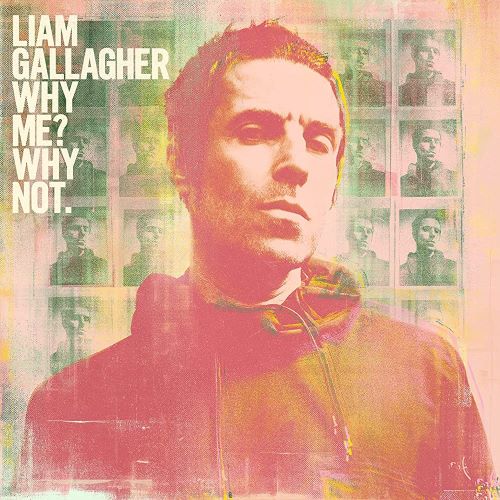
Liam Gallagher – Why Me? Why Not.
Released September 20, 2019 via Warner Records
My Favorite Tracks – Once, Shockwave, The River
After the explosive break-up of Oasis in 2009, Noel Gallagher launched straight into a successful solo career while Liam and the rest of Oasis fell short with their Beady Eye project. Liam returned to the scene in 2017 with his solo debut As You Were, absolutely defying skeptics by picking up a UK number one and taking high spots on charts all across the world. The table was set for a knockout follow-up.
Liam has crafted his solo albums with the collaborative help of many musicians. While Liam’s own lack of songwriting has been a criticism of him from some circles, it is fairly standard business in the music industry so I don’t see the issue.
The actual writing, performing and production credits for the album are far too extensive to go over here. Two primary contributors were Greg Kurstin and Andrew Wyatt, both of whom have very impressive music resumes. Both would shape the bulk of the album’s songs as well as produce a majority of things.
As for the album’s name, this Radio X article tells the story – the name is based off two drawings done by John Lennon that Liam had come into possession of. One was a purchase, the other was a gift from Yoko Ono.
The standard release comprises 11 tracks with 39 minutes of listening. There are other versions with different bonus tracks but I have the standard vinyl so that’s what I’ll run down. 3 bonus tracks are available on Spotify’s version of the album.
Shockwave
The opener kicks things off with a barnburner. A little bit of a honky tonk flavor seasons this mid-tempo banger that sees Liam fully embracing his return to the limelight. It’s no secret that Liam is one of rock’s bad boys and he counters his detractors with this excellent song.
One Of Us
Another single release, this song mellows things about a bit and gets into some more melancholy territory. The song is clearly about Liam’s estranged relationship with Noel and is most likely a call to get Oasis back together. The video clip only furthers the concept, using a famous shot of the brothers from the past and updating it to today’s sadder state of affairs. The songs goes out on a bit of a gospel kick which seems a bit odd at first but I’ve gotten used to it.
Once
This was also a single and was the song that really made me truly sit back and pay attention to what I was hearing. This is a sad ballad about the realization that you can’t recapture the magic of years gone by, you really only can do it once. The song might have roots in Liam’s brotherly relationship but the theme is universally applicable.
There are touches of what might be over-production in the song, such as the echoing “once” in the latter part of the song, but small issues don’t derail the magnificence of this track. Now with three albums to his credit, this song is easily the best of Liam’s solo career. The video for this one is also great, it features Manchester United football legend Eric Cantona delivering a magnificent performance.
Now That I’ve Found You
This one moves on to more upbeat territory, it’s a pretty simple yet very effective number. The song does have more serious underpinnings, though – it is about and dedicated to Liam’s daughter Molly, who Liam did not have a relationship with until Molly was 20.
Halo
This song is a fast one with a piano-driven focus. On first listen I wasn’t all that into it but after repeat spins this moved up to being a preferred tune. The song is simple and is dedicated to Liam’s fiancee Debbie. It’s a fair bit of fun on an album that has its share of haunting moments.
Why Me? Why Not
The title track is another bit of simple but nice pop and rock. It does see Liam exercising his vocal range a bit more, something he’s been able to start doing again after years of medical issues nearly ruined his voice. This song’s theme is pretty well spelled out in the title – why not Liam?
Be Still
This one runs with a nice, kind of dirty guitar riff (I would’ve liked a bit more dirty but look at what I normally listen to). The song is a bit of a tribute to Liam’s mother Peggy, who was a guiding force in the Gallagher brothers’ somewhat shambolic early life, and remains so today. This song is another that sees Liam rise up and move on despite the obstacles in his way, a pretty standard theme for his career.
Alright Now
The next track has a very old school, classic song feel. It’s a bit of a departure but it’s nicely done and doesn’t veer so far off that it’s distracting. No telling what it’s about, seems to be one of those “that’s how life is” kind of songs, with the good and bad and all inbetween.
Meadow
If someone wasn’t aware that Liam was a huge fan of The Beatles, this song will inform of that fact. It’s pretty standard lyric-wise, hold your head up and press through the bullshit. Feels maybe a bit abstract compared to the rest of the album but still a workable song.
The River
This was a single and is another total banger, another hard rock track akin to Shockwave. This time Liam is advising against trusting the way things are going. It’s a very fitting track for the modern day and the dystopian atmosphere around everything. A very nice way to pick up some steam after the last few songs meandered a bit.
Gone
The album closes with an epic kind-of ballad featuring some attention-grabbing instrumentation. The song deals with the end of a relationship, no real idea exactly who Liam might be singing about here as he’s had a few end in his day. This one got released as the final single but that was just after the COVID lockdowns started happening so it kind of got lost in that shuffle.
Why Me? Why Not. was another smash success for Liam Gallagher. The album gathered another UK number one and also hit on charts in over 20 other countries, which included 5 other top 5 placements. The album was certified gold in the UK. Just as a wave of Britpop nostalgia was rising up as that group were nearing the 25th anniversaries of their milestone efforts, Liam struck gold as a solo performer.
There wouldn’t be a huge touring cycle for the album due to COVID but some songs were worked into an MTV Unplugged set and also as Liam did a performance while floating down the River Thames in 2020. Regular touring resumed in 2021 and Liam finally went out with these songs as well as working in a number of old Oasis favorites.
Liam Gallagher isn’t everyone’s cup of tea, both musically and personality-wise. But he showcased the ability to step out of his brother’s shadow in his solo career, moving albums and live tickets at a fever pace. Bringing a collection of songs of this caliber certainly didn’t hurt.
It’s time again for that silly little game where I take a handful of songs that have the same name but are not the same song. I’ll pit them against each other and see which one I like the best. Today’s works well because there are only three and I’ve only heard one of them and, as of the writing of this intro anyway, I don’t know who the winner will be but I have the same idea about that most of you reading probably do.
As with all of this series, this post should not be taken as a guide to all of the songs with this name. I just use a few websites to quickly run down things and decide if a particular one strikes my interest. Today I didn’t make it past A when I found this one that has a few talking points to it. There is no research on these things, I’m sure there are hundreds of songs called Against The Wind out there if someone really got to looking. These three are from well-known acts so I’ll run with them.
Bob Seger
I’ll lead off with the obvious choice. Against The Wind is the title track from Seger’s 1980 album and is one of his most popular songs. This was a single and did good business, peaking at number 5 on the Billboard Hot 100 and also gathering a number 6 in Canada. The single went US platinum and the namesake album sold over 5 million US copies. For some bonus trivia, Glenn Frey of the Eagles does backing vocals on the song.
On the topic of Seger and his hit songs, here’s a brief tale I told awhile back recalling his first ever number one hit.
Against The Wind has been one of Seger’s most influential songs, it had a special pull with the country artists of the 1990’s and beyond and also stretched out to many across all genres. It is a very nice song that checks a lot of boxes – sad but hopeful, polished yet personal. It’s one that seems primed to run off with the win today, but let’s at least check in on the other contenders.
Bonnie Tyler
A name familiar to many, Tyler had a few big hits in the 1980’s and was a star through Europe in the ’90’s. That is where today’s song is found, her Against The Wind is from the 1991 album Bitterblue. While it did not have US success, it did well in several nations on the Old Continent. This was also a single and put up modest results across several European singles charts.
This song is a prototypical soft rock ballad of the time. Bonnie has a great voice as always, though the song is not one I’d give a ton of repeat spins to. I don’t think it’s bad at all, it’s honestly a very nice song, just not one that moves the needle for me much at all. Bob Seger doesn’t have much competition here.
Stratovarius
While Bob Seger and Bonnie Tyler are well-known names to varying degrees, Stratovarius might not be quite as familiar to as many. But their pedigree is no less impressive – Stratovarius are one of the chief architects of the late 1990’s-early 2000’s power metal boom. While Stratovarius would become a keyboard-charged power metal stalwart, this song from 1995 sees them still in a transitional phase. This version of Against The Wind is from the band’s 1995 album Fourth Dimension and was released as the lone single for the record.
Now, I’ll talk all day about the influence Stratovarius had on the power metal movement, but one thing I’m honestly not is a Stratovarius fan. I never got into their stuff that much, I was much more drawn into Blind Guardian and Sonata Arctica when it comes to power metal. Startovarius is a more unabashed, full-on melodic power metal attack while the other bands listed have underpinnings in thrash and classic rock, respectively.
But my summary of Stratovarius tends to focus on their albums after Fourth Dimension. I honestly haven’t heard a note of this before I pushed play to write this piece. And well, I like this song quite a bit. It does sound firmly in the power metal vein, though not off in the sort of thing this and many other bands would get up to later. It’s fairly meat and potatoes and I dig this a fair bit.
Now, the question is – do I dig the Stratovarius song more than Bob Seger? While it’s closer than I first suspected, the answer is no. The winner of today’s silly little contest is Bob Seger. I don’t think that’s a real shock to anyone, though huge props to earlier-era Stratovarius for giving me something I may need to go back and check out.
That does it for this post and for the week. Have a great weekend and remember – the new Song of the Week series picks up on Tuesday next week. That is June 6, which as it turns out holds some significance in heavy metal. Until next week.
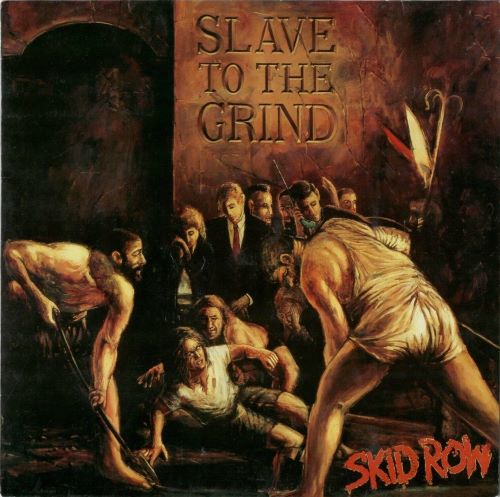
Today it’s time to get into one of my absolute favorite albums. The second Skid Row album came at the tail end of the “hair metal” era and delivered such a fierce punch that the band would outlive their genre by several years.
Skid Row – Slave To The Grind
Released June 11, 1991 via Atlantic Records
My Favorite Tracks – Wasted Time, Slave To The Grind, Riot Act
Skid Row made quite the fuss with their self-titled debut album in 1989, moving several million records and getting hit singles with the ballads I Remember You and 18 & Life. It seemed as though the group should have a cakewalk to more success, yet things were not certain for anyone by the album’s release date of summer 1991.
Skid Row would throw their own wrench into the formula – instead of writing about love, sex and partying, they crafted an album with heavy themes about society’s ills and problems. The topical shift would be very timely, as the great hair party of the ’80’s was coming to a quick close. Skid Row had a bit more bite and edge to them anyway, so their focus on more worldly affairs would benefit them as the rock tides shifted through the rest of 1991.
The album was recorded without event and with the same line-up that offered the debut. Dave “Snake” Sabo and Scotti Hill were the guitar tandem. Rachel Bolan was on bass and joined Sabo to write the bulk of the music. Rob Affuso manned the drums, and the singer with the insane voice was Sebastian Bach.
There is a lot to talk about today, as the album is loaded with tracks and was also offered in different versions – a “clean” copy for sale at major retailers with the song Beggar’s Day, and an explicit version with Get The Fuck Out instead. Though it’ll make for a super long post, I’m going to take the step of including both songs in this rundown. Both are worthy of discussion and modern versions include both in some capacity so I’ll give both the time. That will provide 13 songs with a runtime over 50 minutes so there’s a lot to go over.
Monkey Business
The opening track was also the album’s lead single and hit MTV a bit before album release. The song starts off slow but quickly establishes that is is, in fact, a complete ass kicker of a track. It’s a heavy, groovy song that slams in and stomps all over the place. The lyrics are pretty crazy and not entirely clear, it could be about addiction or just the shit state of people down on their luck, or some other metaphorical thing not clear on reading.
Slave To The Grind
The title track was another single and also another total monster of a song. It slams in right off the start and does not relent to the end, it is a flat out banger. It is a dire look at the “assembly line” nature of soulless, grinding work life and the desire to break out of it, a tale as old as time, or at least industry. And sadly, it hasn’t gotten any better in the 32 years since the song came out.
The Threat
So far this album has not let up, this is again another one that pounds the listener into dust. The band maybe lets off by a hair on this one but that isn’t saying much, this still goes hard. It has to do with the rebel or outsider being a threat to the status quo of society, which is the place rock music occupied for much of its viable life. This is definitely not a “bang bang, good time, hookers and blow” album.
Quicksand Jesus
And now we take it way down for the first of a few ballads. But unlike the generic “love you, miss you” ballads that were a dime a dozen in hair metal’s heyday, Skid Row kept all of them here on different and darker themes.
The song tackles the issue of religious faith and how it can come and go depending on life’s circumstances. While the song was not in any way challenging religion, the usual televangelist hacks took exception to the song and complained about it on TV. There is no room for nuance when you’re screaming about things on TV in the name of God for money.
Psycho Love
The next track picks the pace back up and also serves as the most direct link between this and Skid Row’s first album. It’s another straigt-ahead banger with lyrics that evoke some seriously twisted stuff. And the truth behind the words is even more sinister than the songs lets on – Rachel Bolan has stated that Sebastian Bach wrote the song about a prostitute who kills her customers before she does the job she was hired for.
Beggar’s Day
Now it’s onto the 6th track and the one that can be different based on which version of the album you’re looking at. Beggar’s Day was the song for the clean version of the records. To the shock of no one, this is another total headbanger about some gal named Suzie who is apparently going after some people. No real clear meaning here but the song is a total banger and should have been included on all versions of the album. It does not detract from the album at all and in fact plenty of fans dig this one more than the dirty song that replaced it.
Get The Fuck Out
The song for the explicit version is pretty clear in its message and reason why it was excluded from mass retail sale. A lot of hair metal played around the central issues it was dealing with using clever turns of phrase and stuff like that. This song just spells it out – we partied, we had a good time, now it’s over so get the fuck out. It is pretty crude but that’s honestly more refreshing than years of beating around the bush like many bands did.
Livin’ On A Chain Gang
The hard rocking keeps right up here with another song about the shitty parts of civilization and how the powers that be keep people down for profit. These songs don’t offer much in the way of hope out of the cycle, but we can at least headbang through it.
Creepshow
It’s another visit to the sleazy side of life here. Not a whole lot to discuss, other than the lyric “hit me with a shovel ’cause I can’t believe I dug you.” That has to be one of music’s most immortal lines ever, I can’t believe Bob Dylan or Paul Simon hadn’t come up with that one years before Skid Row.
In A Darkened Room
Up next is another ballad and this one is a tough one. The lyrics aren’t entirely clear about it, but the song is about child abuse. While some rock and metal bands have gone into weird places when handling this topic, Skid Row did a pretty good job crafting what turns out to be a very sad song about it.
Riot Act
It’s not only back to the hard and heavy but it’s time for a bit of punk. It’s a total slam of the institution and powers that be, a favorite target of the Skids by this point. The song makes being a rebel and outcast cool and turns the conventional wisdom of society on its head. It isn’t necessarily a viable life path but it’s still fun.
Mudkicker
It’s one more slamming tune. This one goes a tick slower than a lot of others but keeps a heavy tone throughout. This one is a bit obscure but it’s still taking aim at the system’s corruption but there’s no easy to digest narrative here. By this late point of the album it’s just rage and go.
Wasted Time
The album closes with a third ballad and another single. This one goes to a whole other place as it explores the dark depths of drug addiction. The song was inspired by the struggles of former Guns N’ Roses drummer Steven Adler, a friend of the band. It is a tremendous song and my favorite on the album. I won’t say too much more about it since I’ve already done that – the song was a prior S-Tier song pick – that post can be found here.
Slave To The Grind was another success for Skid Row. The album hit the top of the Billboard 200 on release and would go on to double platinum certification in the US. It also got various gold, silver and platinum awards in other former British colonies and the UK itself. None of the five singles were huge hits like the pair of ballads from the first album, but critical and fan response for this second album was over the moon.
Skid Row would go on a series of huge tours on this album cycle – first opening for Guns N’ Roses that summer, including the infamous riot show in St. Louis. Then the Skids took out Pantera and Soundgarden for a trek, essentially foreshadowing the changing of the guard to come. All of this was going on as the hair metal kingdom was going down in flames. Skid Row themselves did not fall victim until a few years later when they tried emulating the sound of the times and fell on their faces, eventually splitting Bach from the rest of the band.
While it can be said that Skid Row didn’t enjoy the same level of success found on their debut record, it’s no doubt that Slave To The Grind was a fantastic achievement. The album flows well even loaded down with so many songs and the theme and heavy vibe through the record keeps the band out of the cliche territory that helped usher in the end of the hair days. Skid Row’s edge and attitude might have cut a bit too hard at times for off-stage antics, but it was the perfect recipe for successful hard rock in 1991.
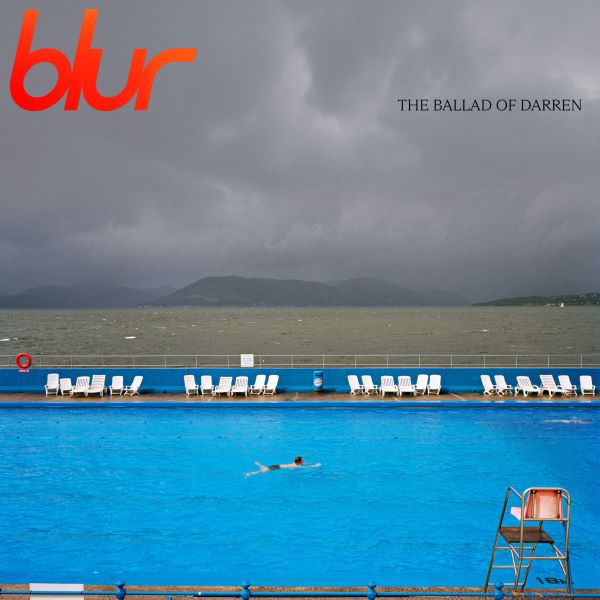
Yesterday on May 18, Blur announced a new album and their first studio effort in 8 years. The Ballad Of Darren will be released on July 21 and will contain 10 new tracks. The album announcement was a bit unexpected, though Blur had already announced a series of concerts for 2023 so new activity isn’t altogether surprising. And since I just talked a fair bit about Blur the other day, I figured I’d give the new song a spin and see what’s up.
First though, I absolutely love this album cover. Someone swimming in a pool against the backdrop of a massively bad looking stormy sky? This is just great stuff. I don’t collect much Blur but this cover alone is making me want to have this on vinyl, or hell even a poster.
Along with the album announcement, Blur also revealed the album’s first singe, The Narcissist. The song is a pretty chill one that doesn’t really ask a lot of the listener. It’s not a massive banger of a song but it’s also pretty quietly compelling and I’ve been getting more into it on subsequent listens, it has a nice mood music vibe to it. It does make me interested in what they’ll get up to on the rest of the album.
That will do it for what has to be one of my shortest posts ever. Enjoy the weekend.
Last week I was trying and failing to find something to watch across streaming services when I landed on a series called This Is Pop! This was a short series filmed in 2021 by the Canadian crew Banger Films, responsible for Metal Evolution, originally Metal: A Headbanger’s Journey and many other quality documentaries.
I did not watch the whole series and I probably won’t, but one was really interesting to me – Hail Britpop! This recounts that brief but lovely time in British music when a bunch of different forces converged to reshape the English music scene, and at least one act broke out internationally. So I figured I’d go over the episode a bit and also run down the Battle of Britpop, which was discussed in some detail on the show.
The show depicted Britpop as a movement of rather different music interests, ranging from alt-rock to shoegaze and other forms, that would fit together to express a uniquely English musical identity in the early 1990’s. While Suede is generally credited with the birth of Britpop, the show paints Blur as the main culprits. Alex James and David Rowntree of Blur both give pretty insightful interviews for the episode.
The consensus is that Blur were on tour in America and were lamenting the lack of English identity in music, which at the time was very much under the thumb of American grunge. Blur returned from the tour and recorded their seminal Parklife album, which celebrated British culture and made them superstars. The fact that some of Parklife was a sneer at that same British culture rather than a celebration was left out of the show.
Once Blur went over, it was open season for the British music press for anything Britpop. The show does a great job of painting the music press as the actual main purveyor of Britpop – this wasn’t a codified music scene with a common sound and characteristics, this was a bunch of different bands grouped together because they sounded British and were generally more cheery than the alt-rock of the day. Members from bands like Lush and Echobelly give interviews to this effect.
The show does make what I assume is a joke, that one day a heavy metal band changed their attire and “became” a Britpop band. I don’t know of any such act who actually did that, if one did I’d be happy to know who it was. But even if the show made the point in exaggerating fashion, it was true that there was a hop on the press-driven bandwagon of Britpop.
While Blur were the early winners of the Britpop phenomenon and it was largely a London-based scene, most everyone who was alive at the time knows what eventually happened – a group of sneering lads from Manchester came along and stole the spotlight.
The part of Oasis in the episode is represented by Alan McGee, the head of Creation Records and the man responsible for signing Oasis to their record deal. The introduction of Oasis also brings about the North-South divide in England – the south being more posh and the north more working class and perhaps grim. Blur would come to represent the south aesthetic while Oasis would carry the torch for the working people of the north. While this depiction is true to some degree, it’s also a media invention that would fuel the Battle of Britpop in 1995.
The Battle of Britpop was pretty simple – both Blur and Oasis released singles from their new albums on the same day – August 14, 1995. It was billed as a titanic heavyweight fight in the British press, extending far beyond just the music rags. The show offers arguments from both Food Records and Creation Records label heads as well as Blur band members about the choice to release on the same day, note that Blur’s band and record exec stories directly contradict one another on the show.
Blur would come out winners of the Battle of Britpop, as their single Country House outsold the Oasis offering Roll With It. While this temporarily went in Blur’s favor, the show quickly pivots to the runaway success of Wonderwall and the massive sales Oasis would see of their second album (What’s The Story) Morning Glory? Oasis would trounce Blur in full album sales and, while this wasn’t mentioned on the show that I recall, music press even changed reviews of Blur’s The Great Escape after Oasis mania truly took hold.
Just as quickly as Britpop took hold, it would fizzle out. A bit of Oasis’ triumphant Knebworth gigs in 1996 are touched on, this was likely the zenith of Britpop. Oasis’ third album Be Here Now did well out of the gate but landed pretty hard in critical reviews and tends to signal the end of Britpop. Blur also changed tack, actually embracing the American music they’d forsaken years ago and had their big international hit with their self-titled album and especially Song 2.
This wraps up the episode of Hail Britpop! I felt the episode was good, though it did move quick and leave a lot of Britpop out. It nailed the central points of being a press movement and it got the rise of Oasis and the posh/working class clash of the Battle of Britpop right, but a lot of Britpop’s other history was left unaired. Suede, Pulp and Elastica all played big roles in the Britpop phenomenon but were relegated to pictures and small mentions in the show. I don’t intend this to be a huge criticism of the show as I understand the makers were going over the main points in their 45-minute airtime, but I do admit to being more of an admirer of comprehensive coverage.
Overall though, I do think this episode was really good and it’s a nice primer to the main aspects of Britpop for those unfamiliar. I had a good time watching it and reliving a small but very important part of my music listening history. It is a good place to go for those maybe not as vested in the finer points of the Britpop movement but who want an easy to digest version of what all the fuss was about from England in the mid 1990’s.
Since I’ve been writing about Britpop, I figured I would take a moment to link back to some old posts of mine on the subject. I covered Oasis extensively in this site’s early days and I have a few more here and there about the subject so I’ll link up to some relevant stuff below for your further reading pleasure.
This post was part of a series that I called S-Tier Songs. I later decided to abandon the series in favor of a simpler Song of the Week format. I am keeping these posts as I wrote them but removing the old page that linked to the list of S-Tier Songs, so that is why these posts might look a bit odd. Enjoy.
L7 – Shitlist
Today’s song hails from L7’s third album Bricks Are Heavy. The 1992 record was the band’s first involvement on a major label and was produced by Butch Vig, who a year earlier had produced Nirvana’s Nevermind which changed music forever. The album saw some grunge influence meet with L7’s already established hard ass alt/punk sound and was the group’s vanguard moment.
Shitlist was not a single for obvious reasons, though it was the B-side to Pretend We’re Dead, the band’s most popular single release. As the album and singles took hold through radio and MTV, this song got its fair share of notice. L7 were pretty hard ass as a whole, but Shitlist was another degree of that.
The song is pretty simple musically – it’s got some nasty distortion on a pounding riff and rhythm. The guitar adds some flair here and there, but this song is a vessel to communicate a message rather than provide an exercise in pentetonic scales. Donita Sparks delivers a vocal with a combination of snarl and disaffection to perfectly fit the nasty tone of the music.
Lyrically this is a blatantly obvious song – we’re pissed off, and there’s a list of those who did the foul deeds that led to this state. There’s maybe only 20 different words used in the lyrics but everything works so well to communicate the message – you’ve made my shitlist. It’s one of the first songs that comes up when people talk about “angry songs” or things like that, Shitlist has truly made its mark in that regard.
There are no real metrics to evaluate in terms of Shitlist’s success. The album Bricks Are Heavy was last certified at 327,000 copies sold in the year 2000. I’d wager that it’s moved a few more since then and maybe a re-certification would see it get past the gold threshold, but I can’t say for sure. The song didn’t get MTV play because, well, just look at the title.
But Shitlist did strike a chord with music-listening America in the early 1990’s. While the L7 singles like Pretend We’re Dead and Monster got video airplay, people in the know would make sure to tell you to get the damn album so you could hear Shitlist in all its glory. Word of mouth was still important in the pre-Internet days and that’s largely how a song with a controversial name like this would get out there.
Shitlist did get another boost from appearances in several movie soundtracks. The song was in quite a few movies, actually, though to be honest I’m not sure I want to go deep diving on some of those early ’90’s movies to recall the flicks more specifically. But Shitlist did land a very memorable part in one movie scene.
In the opening scene of 1994’s Natural Born Killers, the movie’s main couple Mickey and Mallory Knox are in a diner out in the middle of nowhere. A local patron starts putting moves on Mallory. Her response is to go to the jukebox and put on Shitlist, then beat the shit out of her harasser. Mickey joins in and the couple kill everyone in the diner, except for one they leave alive to report that Mickey and Mallory were responsible.
This is the scene, don’t count on it being upon YouTube for a long time.
The movie released just after L7 had released their next album Hungry For Stink. I don’t know if the movie scene had a huge impact on sales of that or Bricks Are Heavy, but the way that scene is still vividly recalled today, I’d guess that it had some influence.
L7 would continue on through the 1990’s but run out of steam by the turn of the millennium and call it quits in 2001. They would reconvene in 2014 and have been touring and releasing music since, with a renewed interest in a band that many felt didn’t quite get their full due in their first run.
Why is this an S-Tier song?
Shitlist is simple, heavy and powerful. Its message cuts true and is something every person on the planet can identify with, someone’s made our shitlists at some point in time, even the most zen of folks. L7 were known for bringing the nasty when they wanted to, and Shitlist was another extension of that. Its memorable tie to the scene in Natural Born Killers still resonates with viewers who may not have ever bought an L7 album in the ’90’s. This was not a band to mess with, and Shitlist was the calling card of that.
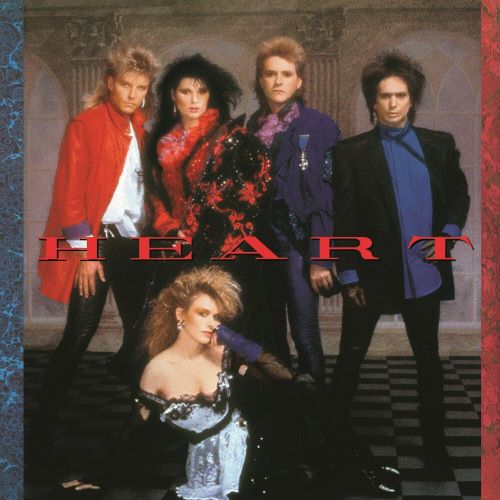
For this week I’m pulling out one of rock music’s greatest transformation albums – a band shifting their sound to fit with the times. Some call that selling out, others call it the smart play. In the case of Heart it was very much the latter, and the group would land the biggest success of their career by fully embracing the glitz of 1980’s hair and glam rock.
Heart – self-titled
Released June 21, 1985 via Capitol Records
My Favorite Tracks – What About Love?, If Looks Could Kill, The Wolf
Heart began in the 1970’s and released a string of renowned albums that resided in the hard rock/folk rock realm, an interesting combination not heard every day. The band gained notice with their unique blend of music and also for their front-line sisters, guitarist Nancy Wilson and lead vocalist Ann Wilson.
Then the 1980’s came and rock music changed. Heart entered the decade well enough but had two dud albums through the early ’80’s. It could be said that Heart’s musical transition was started on those albums, though the true fruits of the change would arrive with this self-titled record in 1985, just as hair metal and its associated sounds were becoming the music of the day.
The songwriting on Heart is its own tale, as some of the songs were shaped by the Wilson sisters and several others were done by outside songwriters. I won’t be running down each individual one, just a few of the more notable ones, because it would make this post 10,000 words long. Credits are available in the album’s liner notes and in many places on the Internet for those curious. The album was produced by Ron Nevison, who was one of the go-to producers of the 1980’s.
Heart boasts 10 songs in 39 minutes so not an overly stuffed album, but half of these songs were singles and a few were major hits so there’s plenty to talk about here.
If Looks Could Kill
The album opens with a cover tune of a song also done in 1985 as a dance song. Heart took a more rock approach and fashioned a pretty cool song out of it. It’s very synth heavy, which would figure since it came from the dance/disco world but it’s translated well to the melodic rock environment. The song sees a cheating lover being the object of scorn.
If Looks Could Kill was the album’s fifth and final single, and also the only one not hit the Billboard 100’s top 10.
What About Love?
Another cover song, this time from Canadian band Toronto and one that group did not release originally. Heart would up with the song and would make hay with it, hitting the top 10 of the Billboard 100.
While unfortunate that Toronto did not get to enjoy the original fruits of their labor, this song fits the Heart album like a glove. It is a defining power ballad of the ’80’s and was the keys to the car for Heart’s comeback. It is a song that reminds people who are chasing their “way to the top” that love is still out there and is a more important force than whatever comes at the end of the rat race.
Two notable guests appear to help with backing vocals – Grace Slick and Mickey Thomas from Starship.
Never
Another album single and one that would get to the 4 position on the Billboard 100. This is an upbeat, very poppy melodic rock offering about being disgruntled by love but being ready to give it another go.
These Dreams
Up next is another single and Heart’s first chart-topping hit. The song was originally written by the songwriting duo of Bernie Taupin and Martin Page, two folks who’ve had hands in countless hits. The pair offered the song to Stevie Nicks, who turned it down. Heart were more receptive to it and the rest is history.
Heart switched tack on this song as Nancy Wilson handled the vocals. Nancy had been ill during recording and the production team was quite happy with her raspy take, so much so that she’d be asked in the future to “get sick again” to emulate her style here.
These Dreams is an atmospheric track with the lyrical concept of going to a different world while sleeping and getting away from the issues of regular life. The album’s liner notes dedicate the song to Sharon Hess, a fan who was battling leukemia and met the Wilson sisters during the recording of the song. Hess died just before the album’s release.
The Wolf
Here we hit the first of a few songs that weren’t singles. This is a very nice track that’s all rock and deals with a man out on the prowl who isn’t worth the trouble he brings. This song didn’t get the attention of the hit singles obviously, but it’s well worth a listen as it’s a great ’80’s rock song.
All Eyes
Its 2 for 2 on album deep cuts here with another good rock song. It’s a nice song about hooking up, pretty standard fare for the time. So far the album’s deep cuts compliment the singles well and make for a nice album listening experience.
Nobody Home
This one is a slow ballad that also kind of throws things off for a moment. It is very keyboard driven, which is not a problem in and of itself but the key part sounds like the soundtrack bits of a Final Fantasy video game. FF didn’t exist when this song was recorded but it’s the vibe I get from the song.
The song doesn’t pick up much steam as it goes along even with other instruments coming in. It’s a nice enough sentiment about someone finding no one around when they inevitably fall, but the song doesn’t do a lot for me.
Nothin’ At All
This was the album’s fourth single and also the fourth straight to hit the Billboard 100’s hallowed top 10, hitting exactly that position. This is a very easy-going rock track about how sometimes love just happens super easy without any fuss or drama. The video for this one was pretty popular and features the band simply goofing around.
What He Don’t Know
It’s back to the rock, this one is a fairly tame number but it does pick things back up after that last song. This one puts the shoe on the other foot in contrast to the opening song, as this time a couple is cheating while the singer’s significant other is unaware. It was fairly scandalous song material for the day as adultery and cheating was a huge deal back then, but no one gives a damn today. I don’t recall this song catching any actual grief though.
Shell Shock
The album closes on one more really cool song, it’s a straight ahead rock song. Ann Wilson is going a bit rapid fire in the verses here, it’s a neat way to wrap up the record.
Heart was not only a return to commercial success for the band, this was the peak of their album success. The record topped the Billboard 200 and was on the charts for 78 weeks. It has been certified 5 times platinum in the US and 6 times in Canada. Along with four straight singles in the top 10 of the Billboard Hot 100, and this was a massive win for Heart’s ’80’s glam makeover.
Heart were successful in updating for the times and re-energizing their career, though for some it was too drastic of a move away from the classic sound that made them popular in the first place. I personally have no issue with it at all – while I think their ’70’s output is spectacular, I also love their ’80’s hair era. The songs were there and the band rode the wave of big hair and power rock/pop, usually doing it better than many others in the same era.
This would mark the start of a three-album run that saw Heart churn out more hits, including the biggest single of their run in 1987. After the “big hair” era ended, the Wilson sisters would return to their roots and explore more of the work that put them on the map in the first place. But they certainly left their mark on the 1980’s.
Going back now to 2016, and yeah it’s still weird that it was now seven years ago. The occasion was John Mellencamp in concert. I had never seen him live before so I jumped on the chance when he booked a local show.
The show was at the Juanita K. Hammons Hall for the Performing Arts on the campus of Missouri State University. Sure it’s a mouthful to say but it’s a great place to see a show. It is a theater type of building with balconies that look basically right over the stage, meaning there really isn’t a bad seat in the house. I was up in one of the first few rows of the first balcony and had a great view of the stage, even from up a bit in the air.
Opening the show was Carlene Carter, the first-born daughter of June Carter and a performer since the mid ’70’s. She had been collaborating with Mellencamp and this would continue into the next year when they released a joint album. Carlene played a set that featured some old Carter Family standards like Will The Circle Be Unbroken as well as her hits from the early ’90’s, including Every Little Thing. She was very engaging and put on a really nice show. I wish I had more to say about it but this was seven years ago and also not a single person uploaded a setlist of hers from any stop on this tour so I’m a bit hosed on that. Had I known that I would have kept track of it that night but I’m not bright enough to do that.
Between sets Carlene was reportedly giving free hugs in the main lobby by the merch stands. I missed out on that because there was a beer vendor just off to the side of my section. Them’s the breaks, I guess.
Here is a bit of very good footage of Carlene from the same year in North Carolina.
After the break, John Mellencamp came out with his band, or at least the first iteration of it. For these shows John was splitting things into two mini-sets – one with more country-oriented instruments such as fiddle, and the second with the standard rock package.
Mellencamp opened with two songs from his most recent album, 2014’s Plain Spoken. Lawless Times and Troubled Man were the cuts. I wasn’t overly familiar with them but they were good songs to kick the show off with. He then went into two old classics, Minutes To Memories and Small Town.
John filled the time between songs with some banter, telling short stories about stuff his kids were up to and things like that. The set would run through several songs from different eras – hits like Human Wheels and Check It Out as well as other cuts from albums more recent.
The oldest album Mellencamp went back to for a song was 1982’s American Fool. He made sure to let the crowd know that he personally didn’t want to do the song but he knew everyone would riot if he didn’t, and then went into Jack And Diane. It is one of his bigger hits but also does get a fair bit of flack. John has not been shy about not liking the song but hey, you gotta play your hits. The crowd was into it so I guess that’s the important part.
The first part of the set rounded out with two collaborations with Carlene Carter – Indigo Sky and My Soul’s Got Wings. Both of these would appear on their joint album the following year. Then some instrumental parts led to a brief set change to set up the rock half of the show.
And when I say rock, I mean rock. Mellencamp and company came out to absolutely shred. The guitars were distorted and turned up to 11 and the band pounded out the hits. Rain On The Scarecrow led the way, with other hits like Paper In Fire, Authority Song and Crublim’ Down following. The set would close on Pink Houses and then Cherry Bomb.
That would wrap up the night. I was very glad to have finally seen Mellencamp live as he had been one of about a million artists I’ve missed over the years. It’s far easier to see someone when they play local as opposed to dealing the hustle and cost of travel to a major city, and this show was literally a few miles from my house. It was off into the night for me, with one more artist checked off my bucket list.
This video is not good at all but the sound is ok and it’s from the very show I was at.
This week I’m taking a look at one of the breakout alt-rock albums of the early ’90’s. Soul Asylum had been a long-running independent band by 1992, but a massive single would propel them to the top of the board.
Soul Asylum – Grave Dancer’s Union
Released October 6, 1992 via Columbia Records
My Favorite Tracks – Without A Trace, April Fool, Black Gold
Soul Asylum found the stage for success when rock music turned on its head in the early 1990’s. What was alternative and independent was now mainstream, and Soul Asylum were gearing up their sixth album by this point. The band was experienced and ready to break out.
The lineup at this point had been stable for awhile but was going to experience a shift. Dave Pirner was the band’s frontman and rhythm guitarist, Dan Murphy provided lead guitar and Karl Mueller was on bass. Grant Young was the band’s drummer but issues cropped up during recording and Sterling Campbell was brought in to supplement the drumming. Each drummer played on roughly half of the album. Young would remain the band’s drummer for the tour but Campbell would take over before the next album.
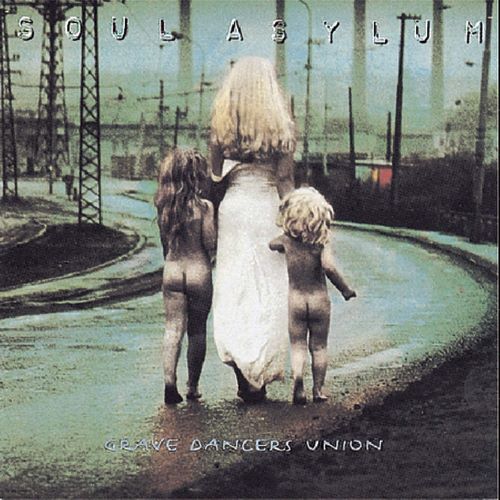
The album’s cover photo was a curious choice, it is a 1970 photograph by Czech artist Jan Saudek titled “Fate Descends Toward The River Leading Two Innocent Children.” Other Saudek photos have been used in cover art over the years, this being the most prominent one.
The album runs through 12 songs in fairly quick 44 minutes. There is a reissued version with live bonus tracks but I’ll be tackling the main release today.
Somebody To Shove
Opening with the album’s lead single and very nice song. It has a great hook and a nice concept about being frustrated with trying to fall in love. This was Soul Asylum’s introduction to the world at large and it worked well, as the song landed toward the top of the Alternative and Mainstream Rock charts.
Also of note – both this and the Black Gold music videos were directed by one Zack Snyder. Not sure if there are Snyder Cuts of these videos, I’d assume not.
Black Gold
The second single kept the ball rolling for this album until the train was ready to leave the station. Though a very sad song, the chorus keeps things squarely in the rock realm. The lyrics do offer a ton of room for interpretation, though it is generally given that the song is about the Persian Gulf War of 1991. For me the lyrics hit pretty hard, especially the parts about being in a small town, and as it turned out my ticket out of there was the military.
Runaway Train
Probably not a more fitting name for a song that would become the vehicle to smash success in music. The song itself is a forlorn ballad that Dave Pirner wrote about depression. The song also features a cameo – Booker T of the MGs provided keyboards.
This desperate single would climb to number 5 on the Billboard Hot 100 and was everywhere on release. It was aided in great part by its music video, which took a different tack and featured pictures of missing children. The video and missing kids were changed for each major territory, and in the US there were 3 versions of the video each with different missing children.
The video is credited with helping locate at least 26 of these missing kids. This doesn’t have the happy ending it might convey, as many of the missing kids were murder victims. And several of the featured children were never found.
While the truth behind the video’s children might be stark, the song Runaway Train was a huge leap for Soul Asylum. The single itself went gold in the US and won the Best Rock Song Grammy in 1994. Its success would also fuel sales of the album and this would wind up being a runaway hit.
Keep It Up
After the weight of the prior song, this is a more uplifting tune both in music and theme. On its own it’s not a song I’d be all that into, but it does serve a great place in the album’s sequencing to come just after Runaway Train. And in general it was a more uplifting alternative to the gloomy grunge of the day.
Homesick
Another sad song, this one is hauntingly quiet as the narrator longs for a place they’ve never actually been. Not a ton to say about this one but it’s pretty well done.
Get On Out
Again keeping with the sequencing of going sad/uplifting, this one hammers at the depression and bad thoughts. This is a pretty good one and very well written.
New World
Another sad and quiet one though this one is a bit more abstract in theme. It does have to do with being stuck in a small town but it gets into some other territory as well. Like most everything else on the album it works pretty well.
April Fool
As the album winds toward its last third we take a detour into massive riffs. April Fool is a great song that combines riffs that are near heavy metal with some silly lyrics to paint a picture of cool and hip. It’s a departure from the album’s norm and it’s a wonderful back-half gem, though we’re just getting started on that front.
Without A Trace
The late-half gems continue with this amazing song. This did actually get released as a single toward the end of the album’s life cycle. While many of the songs here are either sad or not, this one combines all sentiments and distills them into an essence greater than the sum of its parts.
Dave Pirner wrote the song about always being on the move to try and find something new or try and get away from the trappings of the old place. And the guitar hook on this is just spectacular. It’s like a ’90’s country song but put on rock steroids.
Growing Into You
This one is a pretty straightforward alt-rock slammer. It doesn’t quite hold up to the two preceding tunes but it’s a nice song worth the time.
99%
One more hidden gem before the album winds down. This is a sloppy, distorted mess, which is always right up my alley. It’s also a pretty accurate treatise on love and how it’s a 99% thing. Not much else to really say about it, just a nice, dirty love song.
The Sun Maid
The album closes on a quiet and very melancholy track. It’s a departure from the songs prior to it for sure. The song in and of itself is not bad by any means but I’ll admit I’m one of the people who aren’t’ all that into it. It just crashes the mood after all the rocking out that just happened. I know some people passionately defend this song and I’ve had arguments over it in the past, but I’m not gonna be swayed off my position after 30 years.
Grave Dancer’s Union was the album that put Soul Asylum on the map. It charted at number 11 in the US and held high spots in many European countries. It has at least two US platinum certifications and maybe even three, this information is a bit hard to nail down sometimes.
It would not be a long stay in the mainstream eye for Soul Asylum. Their next album would produce another hit single but the band would ease back into the independent scene after that. This was more their moment in the sun than a great arrival. Soul Asylum are still an active outfit today.
For me I very much enjoyed this album when it came out, even though at the time I was mostly exploring the extreme metal scene. These songs had the right amount of creativity, sadness and wit to stand out from others in the alt-rock crowd. This is decidedly a rock record but it certainly has shades of country to it. It was fantastically written and played, and it remains a staple of the ’90’s alt-rock era.

 The Crooked Wanderer