Moving on with this series it’s time now for 1985. This year was not quite as spectacular as years past. A lot of the acts that cranked out music in 1984 were off cycle for this year, it was touring and live albums and not anything from the studio. And those who were on cycle didn’t necessarily release their best output. Still, there is stuff to be found here so I’ll sift through it and identify five songs I like from the year.
John Mellencamp – Rain On The Scarecrow
1985 might have been a down year for some, but it was a banner year for Mellencamp. Scarecrow remains a high water mark in his catalog and the quasi-title track is an absolute banger that laments the plight of the family farmer. It wasn’t pleasant for the small-time farmer back then and it’s no better now, if there are even any left. This song remains a lament to that way of life and also one of Mellencamp’s best tracks.
Slayer – Hell Awaits
Slayer came out with their second album and it showcased a more honed-in thrash attack compared to the debut. Still evil and sinister as can be, the song lays out what awaits for all of us heathens who headbanged to this over the past forty years. This song in particular is very brutal and fast, perhaps a taste of what was to come on the next record.
Heart – What About Love
The Wilson sisters finished recalibrating themselves for the 1980’s and offered up a self-titled album that conquered the airwaves and reshaped their sound into 80’s rock. Here we have a cover song, though one unused by the group Toronto after they wrote it in ’82. Heart would ride their version to the top ten and this single kicked off their “hair era” in style.
The Cult – She Sells Sanctuary
The Cult were one band who did strike in both 1984 and ’85. Their second album Love hit in ’85 and was the band’s breakout record. It was helped along with this single. The song is mystical, melodic and entrancing. This song also had a life on the dance circuit but it’s the original version I’m concerned with here.
Accept – Metal Heart
Accept also had back to back records in ’84 and ’85. Metal Heart was another in a line of prime German metal albums that ran through the early and mid ’80’s. The band fused a few classical music pieces into the song, both showcasing the link between classical and metal and also playing into the hilarious stereotype of metal showcased by Spinal Tap a year prior.
That wraps up 1985. Next we’ll press on into the later 1980’s and see just how the years play out before the world of music would be turned on its head with the turn of the decade.
My posting schedule is still all messed up – though the things that happen are minor in significance, things do keep happening and they keep pushing me back. I will again pivot and adjust and get things on track.
This week I’m going to pull out the “EASY” button. Slayer did not release an album proper in 1984, but they did release two distinct records – an EP and a live set. Today I’ll discuss the EP, which is very short but a significant marker in Slayer’s development.
Slayer – Haunting The Chapel
Released June 1984 via Metal Blade Records
Slayer’s debut record Show No Mercy was a huge success for upstart label Metal Blade, so label head Brian Slagel quickly commissioned an EP from his hot new act. The members of Slayer – Tom Araya on vocals and bass, Kerry King and Jeff Hanneman on guitar, and Dave Lombardo on drums – were brought to a North Hollywood studio with Slagel himself turning the knobs on the production console.
The studio would have a negative effect on sound initially but also provide a hell of a positive. The studio did not have carpeting, which meant that drums slid everywhere when Dave Lombardo tried to play them. He had to resort to having the band’s roadie help out by holding the drums. This roadie was Gene Hoglan, widely known today as one of heavy metal’s greatest drummers after stints with Dark Angel, Death, Testament, Strapping Young Lad and many others. Hoglan also helped Lombardo set up the latter’s first double kick drum and helped him along with how to play it. All these years later both drummers are considered the top of the pack, but forty years ago it was them trying to figure out how to hold a kit together in a shitty studio.
Since this is just an EP there’s room for another funny Gene Hoglan story – Gene recounted in this 2006 interview with Decibel Magazine about Slayer that when he joined up to be the band’s roadie, he thought he was only going to be working the lights. He didn’t know he was also supposed to help schlep gear in and out and set up the stage show. The band gave Hoglan his walking papers a bit later, and he would join Dark Angel not long after.
Also involved in the EP’s production was Bill Metoyer, who held the engineering role on Show No Mercy. Metoyer recounts in the same Decibel interview that he was Catholic but for whatever reason had no problems with the lyrics on the debut album. But when he heard Tom Araya belting out the first lyrics to the EP, which were “The Holy Cross, symbol of lies, intimates the lives of Christians born, he quipped that he would be going to Hell for it. Metoyer seemed to take it in stride and is still very much among the non-Hell dwelling living today, having served as producer to a massive list of metal albums since then.
With those amusing stories out of the way, let’s get to the topic at hand. The original version of Haunting The Chapel was three songs, the first three in order here. The fourth song was added later on in a reissue capacity, I will include it here today because it’s not a ton of ground to cover. The total runtime with the added song is 16:55, I hope you all didn’t have anywhere important to be.
Chemical Warfare
Up first is a track with a fairly hefty six minutes. Slayer here shift gears some from the “general chaos and evil” of their debut album and head decidedly into a thrash direction. And this song is thrash, 100% through. It does retain that cavernous, evil Slayer feel but this is pure thrash. There are a few changes in structure to keep the fairly long track moving along.
This is a wicked song with its lyrical depiction of being hit with chemical weapons, a terrible way to die or be wounded. Anyone who thinks Kerry King or Jeff Hanneman couldn’t play solos should listen to this song – they were both quite capable of playing. The song is great and is an early Slayer classic. Grade: A
Captor Of Sin
This one calls back to the evil ways of Show No Mercy, though still retaining a thrash underpinning to it. It’s a wild ride as the son of Satan comes to Earth and takes over, vanquishing everything in its path. The bad guys win this one. Grade: B+
Haunting The Chapel
The title track is another Satanic romp through holy victims. It’s another dissonant, thrash-filled journey on the Dark Lord’s conquest of the mortal realm. It doesn’t offer a whole ton of dynamics but it’s still a quality Slayer track. Grade: B
Aggressive Perfector
This final song, a bonus on reissue versions of the EP, was originally released on the third volume of the Metal Massacre series. This was the first Slayer song ever released, pre-dating the debut album. It does stand out with a bit less production than the other three songs but this is not a rudimentary throw-away track – it’s a very good early offering from the group. Grade: B
Haunting The Chapel did not perform on charts but it was a solid release that kept Slayer’s name in the forefront as the thrash scene unfolded in the mid-’80s. Even today with the band’s work (apparently) done, the EP stands as a fan favorite for its marked transition between the first two albums. The first two songs remained live favorites through Slayer’s entire career and the EP is still sought after 40 years later.
Album Grade: B+
This was a well-done EP that offered up fresh material, it was not by any means a throw-away effort just to make a buck. It was a smart way to help out both upstart band and record label, both of whom became central to heavy metal in the years since.
Before I even get started, yes I was working on this post before last week’s news of the two reunion shows.
Slayer compiled a run of eleven studio albums in their 37 year long career* and have been one of heavy metal’s most prominent acts through that time. Finally today I offer up my ranking of their studio efforts.
Slayer is an interesting case in album rankings – often when I do a ranking there are one or two albums at least that I think are awful and not even worth listening to. In Slayer’s case I actually had to play a few albums to decide the bottom of the list, as everything from their tenure has merit. They don’t have, in my view, an album that should be thrown in the trash. But they still have some that are better than others, and in cases way better, so doing a ranking isn’t all that tough.
This will comprise Slayer’s full-length studio albums. It won’t include EP’s like Haunting The Chapel or the covers album Undisputed Attitude. Even with last week’s news that Slayer are reuniting for a couple of festival shows after a five-year retirement, I do still figure that this ranking will be final as I’m not expecting new studio material. My guess is that Slayer is not getting back into full-time activity and are simply doing a few shows as they previously said they might. But I could be wrong and they might screw around and cut another record someday, hell if I know.
I have covered a handful of these in detail before, I’ll leave links to those posts when applicable. That’s about all there is to go over, let’s have at it.
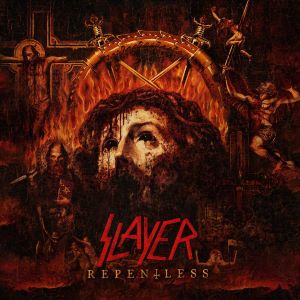
11 – Repentless (2015)
The bottom of the barrel here is the final album from Slayer. This was recorded and released after the death of guitarist Jeff Hanneman in 2013. Gary Holt, who had been filling in on tour for Hanneman since 2011, would play guitar but not contribute writing-wise.
This album is fine – it’s a no-frills, heavy metal attack that gets to where it needs to go. It is missing something, that probably being Jeff Hanneman. It doesn’t have much dynamic flair to it and doesn’t really stand out to me. I’m more than happy to play the album but I’m not really thinking much about it when the last song heads out.
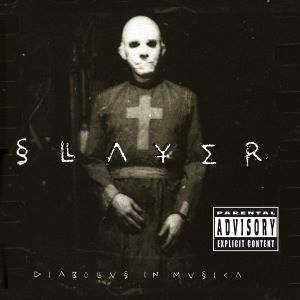
10 – Diabolus In Musica (1998)
Slayer chose here to “fit in” to the times, which at this time was nü-metal. This record doesn’t lack for groove or chunky, downtuned riffs. It does retain the “Slayer sound” and isn’t some radical departure, but it does stand out as maybe Slayer’s left field moment in their catalog. There are nice moments on here like Stain Of Mind, but the production is honestly a bit undercooked and the album feels very samey.
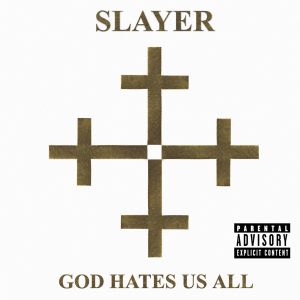
9 – God Hates Us All (2001)
Infamously released on September 11, 2001, this album saw something of a return to form for Slayer. This one is straightforward and brutal, leaving behind the groove tendencies of is predecessor. This one still though lacks real memorable spots that define the band’s greater works. Probably most memorable is the line from New Faith, where Tom Araya screams “I keep the Bible in a pool of blood so that none of its lies can affect me!” Pretty crazy stuff there.
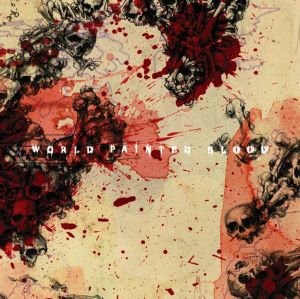
8 – World Painted Blood (2009)
This marked the final album with Slayer’s original line-up, Dave Lombardo would leave and Jeff Hanneman fell ill and died after this. This album is a mixed bag but it’s full of songs that work well and get the job done. Stuff like Hate Worldwide and Unit 731 hits hard and leaves an impression. The band sound cohesive and maybe with a bit more bite than normal on this one.
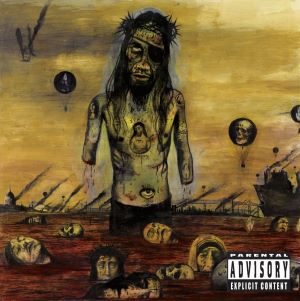
7 – Christ Illusion (2006)
This marked the return of Dave Lombardo to recording for the first time since 1990. This one is a pretty special album, it really calls back to classic records like South Of Heaven and Seasons In The Abyss. It’s a lean and polished affair here, songs like Jihad and Skeleton Christ were great to hear after several years of Slayer being “in the wilderness,” relatively speaking. Massive return to form.
6 – Divine Intervention (1994)
Slayer entered this record with their first line-up change, replacing Dave Lombardo with Paul Bostaph. The results were pretty killer – the album could be called static but it still packs a hell of a punch. 213 is a haunting near-ballad about Jeffery Dahmer, and songs like Dittohead and Fictional Reality hit out at issues in the real world. It was a great way to get over the hump of losing a dynamic band member.
Slayer had just offered up one of thrash’s most unbelievable albums two years prior. Rather than try to record that again, they took the wise step of slowing things down and operating at a different tempo than before. While the departure from speed alienated a few fans, many more were drawn to the expanded dynamics found here. Mandatory Suicide is an absolute banger about the horrors of warfare and Silent Scream still thrashes even at a bit slower pace. Whoever tuned out on this album truly missed out.
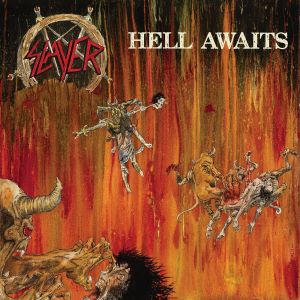
4 – Hell Awaits (1985)
The second album took what worked on the first and tweaked the formula a tad, injecting more Mercyful Fate influence and also leaning more toward the thrash that Slayer would become famous for. This one is pretty lean and killer, with awesome songs like At Dawn They Sleep and Praise Of Death jumping out of the speakers.
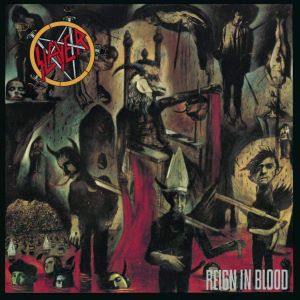
3 – Reign In Blood (1986)
It is the seminal thrashsterpiece that is still spoken of in reverent tones 38 years later. This was a nuclear warhead dropped on the metal soundscape in 1986, played with such speed and ferocity that many people couldn’t comprehend what they were hearing. It is the landmark by which all after has been judged.
It is a fantastic album, bookended by a pair of more dynamic tracks in Angel Of Death and Raining Blood that really show the band in top form. And everything in the middle is a total beating, which is a compliment but also the reason this one ranks at number 3. I just honestly don’t always want my ass whipped, and this album does exactly that. I love it, but damn, lay off a bit, bro.
The debut was quite a piece of work – not even quite thrash, though it still gets that label. It’s a mashup of the band’s early influences, those being NWOBHM and the early extreme metal, like Venom and Mercyful Fate. It’s so Satanic that it hurts – in a hokey way, not an actual ominous, evil way. But songs like Die By The Sword and The Antichrist are still 100 percent killer and this one will always hold a special place in my black, cold heart. By 1992 I had all of Slayer’s albums and this one was the one I kept coming back to time and time again, well except for one.
Up at the top is the album that Slayer ran into a new decade on. By then, people were used to the band’s new lower-tempo sound, though the faster pace got brought out in spots, such as the opener War Ensemble and the later Temptation. This one is just great from front to back, the militant crunch of the riffs work alongside Tom Araya barking about social ills or various evils. The ending title track is a total masterpiece and this album wins the crown here today.
That does it for the Slayer album ranking. Maybe this is the last time I’ll need to rank Slayer albums, or maybe there’s one more down the road, hard telling. Feel free to share your own top Slayer picks and other ranking stuff below.
This album just turned 40 years old last week. Let’s relieve some arthritis, check out senior discounts, and get into it.
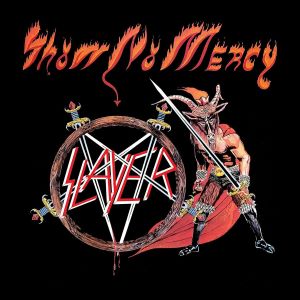
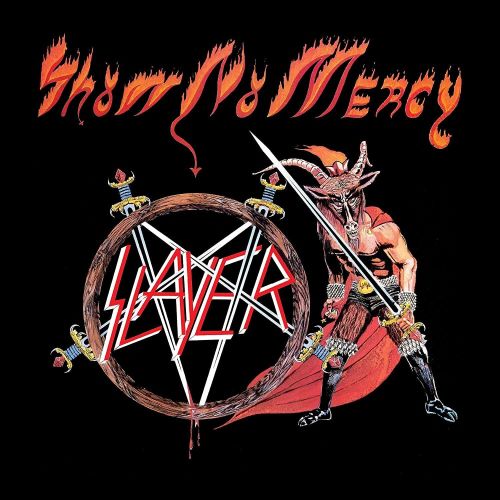
Slayer – Show No Mercy
Released December 3, 1983 via Metal Blade Records
My Favorite Tracks – Black Magic, The Final Command, Die By The Sword
This is more than just the story of Slayer’s debut album, it’s also the story of the formation of Slayer. The band did not fiddle about with a ton of members before getting a functioning line-up together – the founders of the band were Tom Araya on vocal and bass, Kerry King and Jeff Hanneman on guitars, and Dave Lombardo on drums. The group initially played cover songs, stuff like Maiden and Priest as well as the highly influential Venom. Slayer would incorporate the leather and spikes look as well as Satanic imagery into their performances.
Brian Slagel, the founder of Metal Blade Records, happened upon a Slayer gig and got the group to commit to the third volume of the Metal Massacre compilation series. He also got the band into a recording contract and Slayer set out to get their debut album recorded. Metal Blade did not have financial backing for the album so Araya and King used their own money and borrowed more to get the album done.
This album comprises 10 tracks at a slender 35 minutes of runtime. I am not going to go through every one of them today, instead I’ll just give the tracklist and then go over some highlights.
Evil Has No Boundaries
The Antichrist
Die By The Sword
Fight Till Death
Metal Storm/Face The Slayer
Black Magic
Tormentor
The Final Command
Crionics
Show No Mercy
There are other versions of this album out and about, some have a package that includes the band’s next EP Haunting The Chapel, this is a CD I used to have way back when and kind of wish I still did. There are others that have various bonus tracks.
The sound on this album is one that can be surmised from the bands Slayer were covering in their first days – this is a mix of the New Wave of British Heavy Metal, along with a heavy dose of Venom and Mercyful Fate. I’d hesitate to call this thrash, though Slayer are clearly a defining band of that genre. This is a bit of something else, maybe speed metal on Satanic steroids. But it also isn’t really wrong to call it an early thrash banger.
This album is brash and rough, though it does flow and is very listenable. It does not descend into a near parody of heavy metal in the way many might say Venom did. While this wasn’t produced by a mastermind of the studio (Slayer self-produced along with Brian Slagel), it also isn’t crude and unwieldy the way, say, Sodom’s debut stuff was.
The dissonance that would come to define Slayer’s music was already present here, with super fast riffs running along with Tom Araya’s vocals, which for this debut could be found in the higher register. He stayed in his more usual pocket for a lot of stuff but would let out a falsetto scream on many occasions, something in keeping with King Diamond. It’s also something we wouldn’t get much more of as Slayer charted more of a thrash course and Tom decided to preserve his vocal chords for a 26 year long career of belting out some of the most subversive heavy metal to be found.
This album can be reviewed fairly simply, it is an all-or-nothing affair if a person will get into it or not – it’s an early heavy metal album, very heavy, that sets a course for being the truly monstrous stuff that a lot of other acts got accused of being through the 1980’s and the Satanic Panic. The riffs and drumming are lightning fast, if not necessarily constructed in the greatest songwriting fashion. Yet, it all holds together far better than a lot of other examples of “rough” early ’80’s metal that didn’t wind up being massively influential. These songs are “on the rails,” if only just barely, but there is a cohesive unit here.
I will say that I absolutely love this album, it is one of my favorite Slayer records. It is not their defining sound by any means, we’d get that a few years later on Reign In Blood and beyond. But this one has a very nice quality in its rawness, yet still being a functional unit. We can praise Venom all day and night for being the forefathers of the extreme metal that would come, but Slayer and Mercyful Fate were the two early bands that made this sound like actual music.
If there’s a song that hints at the Slayer to come, it’s Die By The Sword. This brutal tale of ancient warfare give the staccato, militant sort of rhythm that Slayer would employ as they went along. It remained a staple of the band’s set throughout their career, being the most-played live song from this album (just ahead of Black Magic). What Slayer was to be was truly found in this grotesque epic.
But that isn’t to discount the rest of the record – personally, I love it all. The Antichrist is a high-pitched attack that goes as fast as it can, while The Final Command builds in pitch through running riffs and Dave Lombardo’s psychotic drumming ability. Tormentor is a tale of night stalking that sees some fantastic early Araya screams, and the closer Show No Mercy is an early showcase of how the NWOBHM influenced the next generation that would be called extreme.
Show No Mercy was the first salvo from what would become a heavy metal icon. It was somewhat immature and not expertly executed, yet it works in its juvenile and unformed charm. The record would do wonders for an early Metal Blade Records, selling over 20,000 when the label had nothing that had hit over 5,000 at the time. And Slayer would be off and running, launching a tour that recruited family members as the road crew.
It would only be a few years before Slayer truly broke through, becoming one of the Big Four of thrash metal on the back of their genre-defining Reign In Blood album. But Show No Mercy should not be overlooked, nor should its follow-up Hell Awaits. This was the true bowels of heavy metal in the early ’80’s. Parents and the wives of politicians might have been upset over what a lot of other bands were doing, but Slayer was on a whole other plane of existence from that.
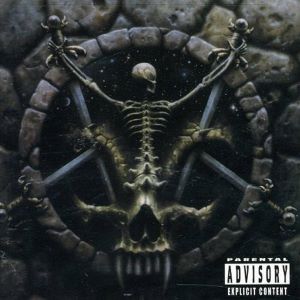
It was 1994 and Slayer were set to release a new album into an uncertain climate. The label was concerned about explicit themes, the band were writing songs more based in the darkness of reality than ever before, and their legendary drummer had quit the group a few years before.
Slayer – Divine Intervention
Released September 27, 1994 via American Records
My Favorite Tracks – Divine Intervention, 213, Killing Fields
Slayer had previously navigated a line-up change at the drum position, but back in 1987 they were able to convince Dave Lombardo to come back. In 1992, Lombardo was gone for real and for a decade, so Slayer would have to replace someone for a recording for the first time in their history. With Lombardo being considered Slayer’s strongest asset, it would be all eyes and ears on the replacement.
That role would go to Paul Bostaph, who had been the drummer for thrash act Forbidden. Bostaph delivered far more convincing performances than others who auditioned and also took the time to practice up the back catalog in the style of Lombardo to ensure fans would get the experience they wanted. He joined Slayer’s usual suspects – bassist and vocalist Tom Araya and guitarists Kerry King and Jeff Hanneman.
Slayer had gathered up a new round of songs to follow up their 1990 album Seasons In The Abyss, which was a critical and fan hit. King and Hanneman composed the music while Araya handled a fair share of the lyrics along with King and a few contributions from Hanneman. This time around the themes would be mostly based in the grim facets of reality rather than exploring the supernatural or demonic.
The focus on murder would be an issue as the album was deemed very explicit. It was banned for a time in Germany, who have very stringent laws around that sort of thing. The album’s imagery would fall in line with the brutal themes. While the cover is a well-done piece by noted metal cover artist Wes Benscotter, the CD’s inside tray and CD itself featured the image of someone who had carved Slayer into their arm with a scalpel.
This album is 10 songs that finish in 36:33, a pretty lean effort but fairly typical of Slayer.
Killing Fields
The first thing this song does is allow Paul Bostaph an extended intro to let the world know who he is. It then jumps into a mid-tempo yet very loud affair about killing, which is a theme for the record. This song has a bit more of the subtle dynamics of Slayer than a lot of others here and comes out toward the top of the heap. Good way to open things.
Sex. Murder. Art.
This one is not even two minutes long and sounds like Slayer going back to their speedy past. This is another one about brutality, as a sadist takes pleasure in consuming his victim. This one feels like a blip on the radar with how other songs get a bit more space and tempo to breathe on here but it shouldn’t be overlooked for its throwback to Slayer of yore.
Fictional Reality
It’s a shift now to political and social issues, though of course through the filter of Slayer these are looked at from a grim perspective. This one is simply about how everything is messed up and is going down the tubes, it’s not so much a message as it is an observation. The song works really well as a 90’s era Slayer track, this one fits right in.
Dittohead
The band slams through this one, also a political sort of song. The title is taken from the name given to fans of now deceased conservative media figurehead Rush Limbaugh. The song’s message of how criminals walk free in society isn’t really a diss of Limbaugh and probably more something he’d agree with.
Divine Intervention
The title track cools things off for a bit and gets into a creepy, atmospheric vibe for a bit. It’s a fitting approach as the song is one about alien abduction. This is very well done, hitting on the sheer horror of what that process would actually be like. The one departure from reality here turns out to be the album’s real highlight.
Circle Of Beliefs
Another pretty standard Slayer cut that visits the topic of religon, one of Slayer’s favorites. The lyrics don’t break a ton of new ground, it is mostly a confrontational song and some of the stuff just sounds like words put together to fill the line. It’s not all a lost cause, there are nuggest of wisdom here and the song itself is pretty good.
SS-3
Up next is a song referencing notorious Nazi Reinhard Heydrich. He was the chief architect of the Holocaust and one of the SS’s darkest figures. The song doesn’t get much into Heydrich’s dark history other than to reference his nickname the Hangman of Prague. A lot of the lyrics are about how Heydrich was successfully assassinated by the Czech resistance in 1942, with the song’s title being the license plate of the car he was in when he was attacked.
Serenity In Murder
This song would serve as the album’s single as it was released as an EP and got a video. It is just as the title suggests – another song about murder. This was one of the songs focused on when controversy arose over the album’s dark themes. It is a pretty good song, reflective again of ’90’s Slayer and also maybe a hint of shifts in sound to come later in the decade.
213
With an album centering around murder, nothing would be more appropriate as a centerpiece than a deep dive into the realm of serial killer Jeffery Dahmer, one of America’s most notorious butchers. While a bunch of Slayer songs are words thrown together to compliment buzzsaw riffs, Tom Araya truly delved into this one and delivered a very haunting and specific account of Dahmer’s tortured psyche. The idea of consuming someone to make them a part of you is in vivid detail here and this song was crafted with care and is a standout. Dahmer likely wouldn’t have enjoyed the song as he did not celebrate his terrible crimes and also he wouldn’t have much time to – he was killed in prison just two months after the album’s release.
Mind Control
As I just said above, some Slayer songs are words thrown together over riffs. This closing track is one of those. It’s suitably heavy and brutal but it’s not covering any kind of new ground. It’s just Slayer being Slayer.
Divine Intervention would come out of the gate strong – the album debuted at number 8 on the US Billboard 200, at the time a record high position for Slayer. It would gain gold certification in both the US and Canada and has been one of the band’s most successful albums.
Despite that success, this one is kind of a quiet one when discussing Slayer albums. It doesn’t have the same legacy as Seasons… or other Slayer records. It is a bit of an underrated or forgotten album. Part of that might be down to the production, which every Slayer member has said could have been better. The album was recorded in fits and spurts across multiple studios and producers were changed a few times, so there is something to that. The music still works but it does lack certain sound dynamics, even for Slayer.
I personally do rate this album pretty highly, I enjoyed it right out of the gate in 1994 on release. Sure it’s a bunch of noise, but what else is Slayer supposed to be?
Welcome to now-regular Tuesday posting and the new home of my infant series Song of the Week. I’m sure the premise is easy to grasp – I’ll talk about a cool song each week. Sometimes the song will just be one I want to talk about for no other reason, other times the song might have some link with events, the day in question, or whatever. Today is more of the latter.
This is June 6th, which is a special day in the world of heavy metal. It is the International Day of Slayer, or International Slayer Day if you’re more concise. This was started in 2006 (6/6/6, heh heh heh) as a means to honor Slayer and also mock certain other entities. Slayer themselves called it a day in 2019, which maybe was a great time to quit a band when looking back in hindsight, but their legacy lives on and this is a day to pay respects to them.
Last year I dove into the thrash masterpiece Reign In Blood to honor the day, this year I’m going all the way back to 1983 and the debut album Show No Mercy to highlight a favorite of mine. This was Slayer’s debut which they put up the money to record. I’d say the gamble paid off after 36 years of heavy metal terror.
Die By The Sword is, much like the whole of the album, an immediate and sinister tune that’s a call to arms, but of course for the legions of the fella down under. (Satan, not Australians) Musically this is a fairly standard early thrash number, in fact maybe a bit more thrash than other songs on the debut. The verses move along at a more fast, speed metal pace while the brief chorus chugs along more in what would become familiar thrash territory. It’s a conventional song structure but the very short chorus makes its final reprise at the end a bit abrupt, though with Slayer abrupt is a household term.
Lyrically the song is full of fairly crude references to glorifying Satan and slaughtering, well, whoever; all of this was common fare among early Slayer songs. There is some actual, biblical basis for the song’s title and premise, as Jesus offered a paraphrased version of “live by the sword, die by the sword” in the Book of Matthew. Of course in the “ceremony of opposites” fashion of heavy metal, Slayer are talking up the concept as opposed to cautioning on it as Jesus did. And that concludes today’s Bible study.
Die By The Sword is a fan favorite from among the early Slayer catalog, it was the band’s 12th most-played song live and the highest placing among tracks from Show No Mercy, at least according to Setlist.fm. It makes many appearances on the several live materials released over the years and was one of the early songs played on night one of the band’s two-night finale in November 2019. While Slayer changed form well away from the sound of their early material, Die By The Sword was one that stuck around for the duration.
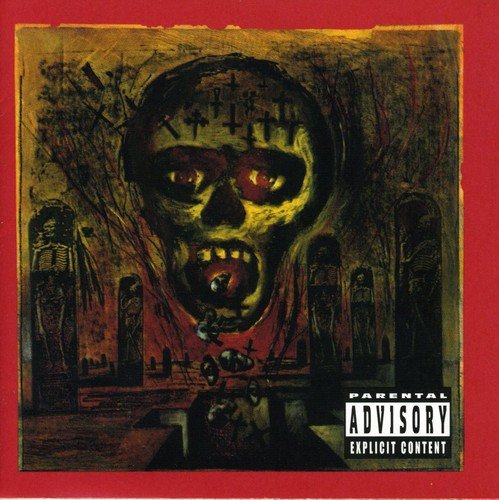
This week it’s time to head back to 1990 and have a look at an album that propelled Slayer into a new decade.
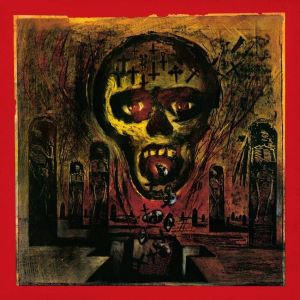
Slayer – Seasons In The Abyss
Released October 9, 1990 via Def American
My Favorite Tracks – Seasons In The Abyss, Dead Skin Mask, Skeletons Of Society
Slayer had quite a run of it through the late ’80’s, what with essentially redefining thrash metal with Reign In Blood and then pulling up on the throttle and chilling out a bit on South Of Heaven. The change in speed and/or sound did not resonate with everyone but was probably a wise choice, as attempting to do RIB again would have likely proven disastrous.
The band hit the studio with Def American mastermind Rick Rubin to crank out their next album and hit on a bit of gold with a combination of their more mid-tempo fare along with some bursts of energy. Slayer would also mostly pull back their lyrical fare from the demonic and supernatural to more of a look at real-world issues.
Seasons In The Abyss comes in with the standard American Recordings track list of the time at 10 songs (that’s all Rubin and company would pay a group for) and a run time of 42 minutes, which is a virtual eternity in Slayer world.
War Ensemble
The opener sets a quick pace as the band pound through a dark look at war, one of metal’s favorite topics. This is a stark look at the true scope of a battle and it’s supplemented with a very aggressive and re-energized Slayer. We don’t necessarily know what or where this battle is, though the Rhine is mentioned so Germany is a good guess, but it is definitely brutal.
Blood Red
The pace comes down just a hair as the band shred through a condemnation of governments using violence to silence their citizens. This one is quick and dirty and the next song kicks straight off.
Spirit In Black
This time we do revisit the more supernatural with a descent into Hell. Tom Araya is running the show as some poor sap is sent on his way to the eternal torture chamber. The song gives a few call backs to prior Slayer works, such as “blood forever rains” and “Hell awaits.” It’s also clear that the band did not piddle around with finding new guitar tones or anything – they have their sound locked in and banged this out efficiently.
Expendable Youth
A song that discusses gang violence, though of course in Slayer fashion. Gangs were the number one scapegoat of media and politicians around this time and of course the root causes of gang existence were never truly addressed. Slayer are not offering any solutions, though, this is more of an observation of the battle for turf and the cold reality of bodies on the ground.
Dead Skin Mask
This track is a look at infamous murderer and grave robber Ed Gein, the real-life influence for many Hollywood serial killers. Slayer amps up the creepiness factor with a twisted riff as Tom Araya yells through the process of a killer’s mind deteriorating. It would mirror how Gein would claim that he did not remember moments during his murders or grave robbing. This one has been one of Slayer’s marquee tracks through the years.
Hallowed Point
Pretty simple here – the band kicks the speed up a fair bit and discusses the issue of hollow point bullets, which were a hot-button issue in the early 1990’s. The bullets expand on impact and can literally tear apart a person’s insides, as opposed to the more straight shot of a “typical” bullet. The song does not really participate in the debate over the bullet, rather it simply follows the journey from firing to shredding someone apart.
Skeletons Of Society
The tempo on this one goes way down, almost to a doom metal pace. The song marches through the eyes of a survivor of an apparent nuclear holocaust. It’s probably not shocking that Slayer’s version of the post-apocalypse is a grim one. The solos from Kerry King and Jeff Hanneman here, always dissonant, are an extra special touch on this track that’s a bit of a departure from the album’s norms.
Temptation
Back to a thrash pace again and also the topic of satanism and the old classic stuff like possession and being corrupted. While couched in a lot of fanciful and supernatural stuff, the song does make a fairly real-world point about how it’s always evil that is the tempter and the attractive option, at least viewed through the lens of belief in that sort of thing.
Born Of Fire
Slayer breaks it open speed wise here as they get at least within the ballpark of Reign In Blood speed. The song is kind of a stock rundown of more evil imagery as the lyrics were written last minute by Kerry King. While Slayer’s slower pace has worked well through this album, it is nice to hear some straight-ahead bashing for a bit.
Seasons In The Abyss
The album closes with a track that really slows things down and gets into some gnarly sounding tones. A creepy intro runs for a few minutes before the song really kicks in and picks things up a fair bit. The lyrics are a bit more abstract here, they are dealing with the concept of The Abyss as presented by noted occultist Aleister Crowley. I personally have no clue what it’s really about so I’ll leave it alone. A brilliant video was also filmed for the song and was shot in Egypt, adding a huge degree of visual awe to the song.
Seasons In The Abyss would mark another notch in Slayer’s now-lengthened thrash belt. The album would get to number 40 on the Billboard album charts and also break on several other nations’ charts. An eventual US gold certification would come, and the album has sold at least 800,000 copies.
For Slayer it was a boost in reputation after South Of Heaven and its transitional nature left some fans alienated. Now people were used to the newer Slayer sound, and there were still a few all-out thrash moments to be had. It also positioned Slayer quite nicely entering the 1990’s, as their style would fit in with rising “alt-metal” movement while conventional thrash fell by the wayside. These songs, both in studio and live form, would frequent MTV programming, especially Headbanger’s Ball.
Though Slayer would make it through the very tough 1990’s relatively well, it wouldn’t come without some cost – drummer Dave Lombardo, often regarded as the band’s best asset, would quit the group in 1992. But he left after a successful album and tour cycle for a record that reinvigorated long-time fans and brought in many new ones, myself included.



 The Crooked Wanderer