Black Sabbath – Master Of Reality (Album of the Week)

When someone asks “where did stoner metal start?” it can be a tough question to answer without the proper knowledge. After this post, everyone will be able to answer the question with no problem.
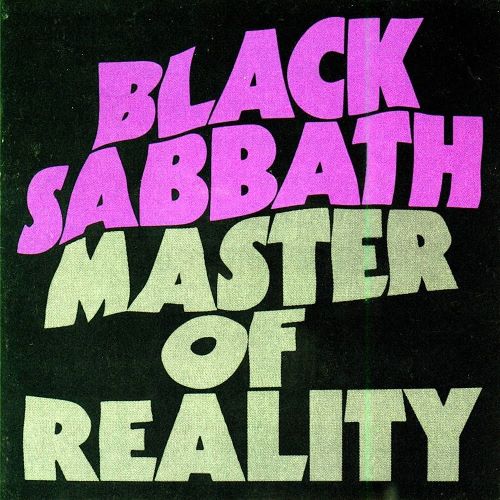
Black Sabbath – Master Of Reality

Released August 1971 via Vertigo Records

My Favorite Tracks – Children Of The Grave, Into The Void, Lord Of This World

Black Sabbath had recorded their first two albums in rapid fashion, not having time to truly get used to being in a studio. For their third go-round they were not on tour and had the proper amount of time to focus on their work.

One aspect of this was Tony Iommi messing with his guitar sound, though out of practical reasons. Iommi tuned down his guitar on a handful of songs (the same three listed as my favorite tracks, no less) in order to play more comfortably. He had suffered an industrial accident years before that took a few of his fingertips and it was painful to play some things, so he downtuned for the ease of play. This would lead to a heavier sound, which would of course inspire many future generations to tune guitars down and create heavy metal of all styles. Geezer Butler would also tune down his bass to match Iommi, while Ozzy Osbourne would – well, continue to sing in his higher register as always.

Master Of Reality is a short album, featuring 8 tracks at a runtime of 34 minutes. Note that old US pressings of the album list more tracks, the songs Haunting and Deathmask are listed tracks. But these are actually just snippets of Children Of The Grave and Solitude broken off and divided into separate songs, there was no actual bonus content on the US pressings. The track listings and actual song sequences are screwed up on old US editions, it was a funny way to pretend there was more content on the lean record. As we’ll see, this album didn’t need any bloat to succeed.

Sweet Leaf

It’s only fitting that the birth of stoner metal album opens with a love letter to marijuana. Even the opening features a coughing fit Tony Iommi was caught in after taking a hit some prime stuff. But the song is no cheap gimmick – this is a fantastic jam. The main riff is simple and catchy and the music hits hard as Ozzy sings praises to the leaf. And the solo/jam section in the middle of the song is off the rails and fantastic, it was stuff like this that really put early Sabbath over the top. These days Sweet Leaf is legal to hear and consume in 38 of the 50 US states.

After Forever

This one has a pretty bright and upbeat riff though still pounds nicely with the Sabbath heaviness. The song is about religion, but not from the point of view many would think Black Sabbath would write from. This is actually pro-God song. While it might seem this was written in direct response to the accusations of Satanism that loomed over Sabbath, Geezer Butler has stated that he wrote it about the issues plaguing Ireland, Northern Ireland and Great Britain. Religion was the catalyst behind the decades of troubles in this area and this is Butler’s look at that. This is also where the Dutch power metal band After Forever got their name.

Embryo

Here is a 28 second instrumental guitar piece. Not much to really dig into here. It is kind of funny that this song has a bit over 40,000 streams on Spotify while every other song has at least 14 million and one has over 100 million. This poor little guy just sits there.

Children Of The Grave

Speaking of that song with over 100 million streams, here we are. This was the lone single released from this record and while the song did not do anything on the charts it has become an immortal part of the Sabbath legacy.

This features a dark and pummeling riff that twists and turns though still remains pretty simple in a marching-like rhythm. The lyrics take another anti-war stance that the band had explored previously, this time it is an alarming outlook about the prospects of nuclear destruction. Should humanity not get its shit together, then the children now would become the children of the grave. We’re still here so I guess it didn’t happen, but things don’t necessarily look better.

Children Of The Grave is considered one of Black Sabbath’s greatest songs. It has been covered extensively by acts of many genres and was one Ozzy frequently played during his solo tours. This was even darker and more twisted than prior Sabbath outings and showcased just how hard metal could go.

Orchid

This is another instrumental piece, this time with Iommi on an acoustic guitar. This gets a little more room to air out at 1:30 and is a nice interlude to the grim heaviness of the rest of the record.

Lord Of This World

Up next is a wicked track full of heavy metal destruction. Iommi and Butler are slamming it out on their downtuned instruments along with Bill Ward’s pounding drums. This one is actually all about Satan, the great villain that Sabbath were accused of worshiping. Here the lyrics depict a wicked world full of corrupt people who eventually fall under the dominion of Satan, fulfilling some versions of Christian prophecy. It’s easy to hear the influence on countless future metal bands from this one.

Solitude

It’s now on to a slow tune, this one is very quiet and haunting. Tony Iommi not only loads up on guitar tracks but also plays flute and piano here, perhaps inspired by his super brief stint in Jethro Tull, I don’t know. This song is different from the pack but is still a high quality listen, very atmospheric and depressing stuff. It is simply about a break-up, which is what a lot of songs are about after all.

Into The Void

If you really want to know where stoner rock and sludge metal came from, play this last track. This is an outright banger that keeps the pace mostly down but remains as heavy as hell. Both Bill Ward and Ozzy had problems getting their parts down on this one, as recounted by Tony Iommi.

This song is about a guy in dystopian future, say probably 2023, fleeing Earth to find somewhere better to live. Sounds nice. The song was clearly a massive influence on heavy metal, just playing it will make that evident.

Master Of Reality was a success for Black Sabbath in many ways. The album went to number 5 in the UK and 8 in the US, and had several other top 10 showings through Europe, Canada and Australia. In the US the album went gold purely through advanced orders and wound up selling over 2 million copies.

Beyond the numbers, this album was hugely influential to many who would later reshape music. It has been cited as a primary influence to those in the grunge movement. It was also clearly impactful to the burgeoning heavy metal scene and is a big reason why Black Sabbath are considered the fathers of metal. And it would specifically inspire the coming “stoner rock” or “desert rock” movement of the late ’80’s and early ’90’s, which would include bands like Kyuss, Monster Magnet, Orange Goblin and a huge list of others. The legacy of Black Sabbath is etched into the heaviest of metal, and Master Of Reality is a huge part of why.

Monster Magnet – Power Trip (Album of the Week)

Time to head back to 1998 and revisit what wound up being a breakout album for one of stoner rock’s foundational acts. It doesn’t actually require any mind-altering substances to enjoy this whale of an album, but it doesn’t hurt either.

Monster Magnet – Powertrip

Released June 16, 1998 via A&M Records

My Favorite Tracks – Power Trip, Space Lord, See You In Hell

Monster Magnet had a good run up to 1998, being an early herald of stoner rock and getting a bit of notice from their single Negasonic Teenage Warhead off their prior album Dopes To Infinity. The early “stoner” scene got a lot of bad press for being associated with what was considered a dangerous drug at the time, now a few decades later that all seems silly.

While hailing from New Jersey, the influence for Powertrip would come from the crown jewel of the Nevada desert. Singer/guitarist and main songwriter Dave Wyndorf took up residence outside Las Vegas for 21 days and wrote a song each day after spending the night on the Vegas Strip. This 1998 interview from the Las Vegas Sun provides more info on Wyndorf’s Vegas excursion and the background for the album.

Today’s album is a long one, with 13 tracks clocking in at an hour. Bonus tracks on different editions do exist but there is plenty to talk about here already.

Crop Circle

A bit of a trippy intro leads into a bright and heavy jaunt through a very strange set of experiences. I don’t know what the hell this song is about but I’m sure drugs are involved. Comprehension is not necessary as the song is excellent and sets the table nicely for the album. There is a badass guitar solo on this one too.

Powertrip

The title track was issued as a single and is probably the second best-known track. It uses the “quiet opening/sudden shift into heavy” dynamic that several songs here employ. This one is a pretty standard hard rock track and it works brilliantly in its simplicity. The chorus’ opening line “I’m never gonna work another day in my life” sums up the song well – this is about hitting it big, perhaps in the Vegas casinos, and not having to grind it out in the work force. It’s pretty well the true American Dream now, as prosperity through wage earning has become elusive and the choices are jackpot or destitution.

Space Lord

This is the song everyone knows Monster Magnet for. It has a similar vibe to Powertrip, with a quiet build into a very loud chorus, though this song keeps the throttle down a bit. The chorus of “space lord, mother mother” was changed from its original version, I’ll let everyone guess what the first draft might have said. A few recordings of the original version are out on various compilations released years after this album.

Space Lord is about exactly what the title would imply – a crazy cosmic tyrant comes to Earth and gets psycho. It’s a cool space rock vibe with ample drugs and base urges to sleaze it up. The single would hit number 3 on the Mainstream Rock chart. The pretty crazy music video has its own place in music trivia – it was the very first video played on MTV’s new show Total Request Live in 1998. Too bad TRL didn’t keep up that kind of energy.

Temple Of Your Dreams

Up next is pretty cool and trippy song. This stays at a constant and medium pace as it goes through this weird, time-travelling and psychedelic hook up song. The chorus is wordy and a bit mysterious at points but works out to be really cool. This one was also released as a single and got to 25 on the Mainstream Rock chart.

Bummer

This one is pretty long and heads on quite a journey, but starts on familiar ground. This is a hard and rather savage admonition of someone. Wyndorf states in this 1998 interview with Beermeolides.com that the song was inspired by his experiences in the US South and the women who are concerned with image and virtue, but not really.

Later on the song heads off onto a trippy interlude where Wyndorf goes into a whole other speel. Then the song comes back and rounds off its original message one more time. It took me a bit with this one but I got to where I dig it.

Baby Götterdämerung

This one is quiet and atmospheric. It is weird, but that’s the norm here. There’s a reference to the semi-obscure Marvel Comic villain MODOK, which threw me for a loop when I first heard it. This song doesn’t entirely move me, though I’ll give points for effort and doing something different.

19 Witches

It’s back to the boogie, this time with a total rockabilly riff. This one is a fun trip to the swamps, both musically and lyrically. In the 1998 Las Vegas Sun interview, Wyndorf discusses the song’s origins – he penned it after being basically a captive of some hardcore Louisiana goth girls for a few days. At least he made it out and we got this really cool song from it.

3rd Eye Landslide

This is a monster rock tune full of grit and attitude. It gets pretty dirty, both implicitly and explicitly. There’s not much room here to dig beneath the surface, everything is out in the open here and this sounds like Wyndorf’s statement song.

See You In Hell

This track scores big with me with its creepy keyboards and absolutely twisted tale. Wyndorf, in the previously mentioned Beerandmelodies.com interview, relays that he heard an old hippie talking about a crazy experience and based this song off what he heard. He took this to some pretty twisted places, this is like a drug-fueled horror movie in song. This one is a total winner.

Tractor

This one is a re-recorded song, it was originally on the band’s self-titled debut EP in 1990. It’s a short and fun song about drugs, not much more to get into.

Atomic Clock

Heading towards the close, this one keeps things mostly slow and simple. It might be too simple but it’s an ok song, just doesn’t build to a whole lot like the other songs. Not too sure what’s going on here, but there are nukes at the end and I’m all about nukes.

Goliath And The Vampires

This is an instrumental. It’s a vibe song and it’s pretty cool to check out.

Your Lies Become You

The final track is a trippy ballad, sounds like something that could have been in a Tarantino movie. It’s not a song I’m really into, I don’t mind listening to it for the overall atmosphere but it’s not one I give a lot of spins to.

Powertrip would be Monster Magnet’s peak of success. The album charted in several countries and found itself at the top of the US Billboard Heatseekers chart. A gold certification would come in January 1999. Space Lord was a hit and was played all over the place, and can still be heard today. It and other songs were used in a variety of films and still get picked up for TV shows and video games decades later.

This was a magnificent album for its time. It might be a bit long and could dump a few tracks, but the songs that are worthwhile are plentiful and they’re home runs. Rock had totally transformed by ’98, the alt-rock revolution was complete and the old school styles of rock were almost forgotten. Wyndorf and Monster Magnet brought back the attitude, the vibes and the sounds of years past in a cosmic orgy and put the good stuff back on the map.

Orange Goblin – Healing Through Fire (Album of the Week)

This week I’m actually grabbing an album from this century, it’s back to 2007 and the very general genre descriptor of “stoner metal” for an ace of a record that would cast a new spotlight on a long-running band.

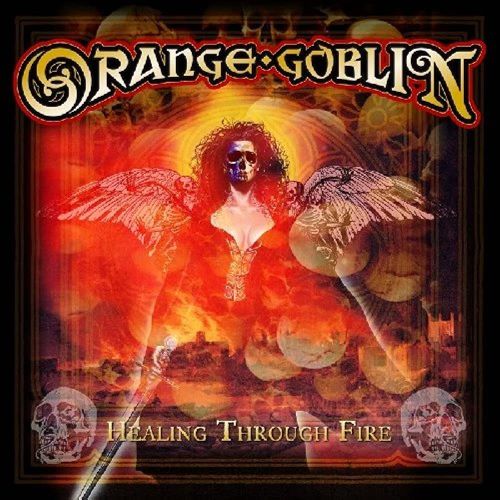
Orange Goblin – Healing Through Fire

Released May 21, 2007 via Sanctuary Records

My Favorite Tracks – They Come Back (Harvest Of Skulls), Cities Of Frost, The Ale House Braves

Orange Goblin of London, England had been active since 1995 and were on their sixth album at this point, and also first for what was a semi-major record label with Sanctuary. While the record deal would not really pan out as Sanctuary would essentially fold a year later, Orange Goblin would see expanded interest with this release.

Healing Through Fire is not a concept album but does tie a few themes through its songs, the theme being the Great Plague of medieval Europe. The plague’s worst years were in the 1300’s, though this record does reference events and people of 1600’s England as well, a century which also saw plague outbreaks.

Orange Goblin’s lineup had been stable through this point, with Ben Ward on vocals, Joe Hoare on guitar, Martyn Millard on bass and Chris Turner with the drums. Keyboards on the album were provided by Jason Graham. The album is a fairly lean affair with 9 songs in 43 minutes. Note that there is a deluxe reissue version with a ton of bonus and live tracks.

The Ballad Of Solomon Eagle

The opener kicks off loud and groovy with some very active riffing that clearly separates Orange Goblin from the more monotonous strains of stoner rock out there. The song deals with Solomon Eccles, also known as Solomon Eagle. Eagle was from 1600’s London and had been a composer, but later denounced his prior life and became a Quaker. This group were religious pariahs during this time. Solomon was known to go through public with few clothes on, if any, and denounce civilization. His proclamations of the end were fueled by the Plague as well as the 1666 Great Fire of London. He is a pretty curious person to feature in song, something he wouldn’t have liked as he considered music a sin after his Quaker conversion.

Vagrant Stomp

Another loud and stompy song that gets into some gross medical stuff from the time period. The song also uses the phrase “terminal spirit disease” in its lyrics, that also being the title of a 1994 album from Swedish melo-death pioneers At The Gates. No idea if the reference was meant for anything.

The Ale House Braves

This one is a faster-paced slammer that paints a picture of economic class disparity in medieval England. The destitute have nothing to lose and are coming for the well-off, a tale as old as time. There’s a very nice old-school guitar jam in this one too.

Cities Of Frost

Things slow down a bit here, which in stoner/doom parlance means it gets even heavier. This excellent song is a death march through a town being destroyed. No real clue what this is about, possibly the London Fire but it’s not specifically mentioned. Could be some random stuff that doesn’t tie into any real theme. While Orange Goblin are clearly their own entity, this is a song that gets a bit into High On Fire territory.

Hot Knives And Open Sores

Another one about the Plague and how gross everything was. I can’t imagine how nasty it would have been in the days before modern medicine when people were using every stupid thing in the book to try and treat the disease.

Hounds Ditch

More classic rock-based groovy stuff, again dealing with the piles of bodies around plague-ridden London and all the things that come to feed on the dead. This one switches to a pretty heavy end section to really emphasize the problem with lots of diseased dead bodies laying around.

Mortlake (Dead Water)

A quick and quiet instrumental gives a bit of a break here before jumping right back into the plague-laden mess.

They Come Back (Harvest Of Skulls)

This amazing song truly spells out the cost of the plague and its all-consuming nature. The dead themselves were a source of infection and would claim the living. This song has some very cool tempo changes and really brings the point home about how people thought the plague was a punishment from God and that it would be the endtime judgment a lot of people were waiting for.

Beginner’s Guide To Suicide

The closing track takes a left turn and lays out a slow blues-based effort. The lyrics are a haunting depiction of someone choosing suicide by poison as opposed to suffering from the plague. It’s a pretty harrowing position to be in but I’m sure plenty had to make that choice. The song is very well done and caught a lot of interest, today it stands as the band’s most-streamed track on Spotify.

Healing Through Fire was a watershed moment for Orange Goblin. While the album did not bust through charts, it truly put the band on the map and established their sound after several years of occasionally wandering through different parts of the rock and metal universe. The stoner genre had always been a constant presence though with a bit of a low ceiling in terms of dynamics and creativity, Orange Goblin were one band who showcased a higher degree of songwriting and arrangement to make something truly special out of the music.

The band’s choice to shape the songs around a theme was interesting and clearly paid off. It’s no secret among metal bands that the Great Plague is a fertile ground for lyrical inspiration, it was one of the most brutal times in human existence. Orange Goblin did fine work with the Plague as their creative backdrop.

The next decade would go well for Orange Goblin, three albums through the 2010’s would see the band’s stock continue to rise. While now an entity for nearly 30 years, it’s fair to say they really hit the nail on the head in 2007 with Healing Through Fire.