Nine Inch Nails – The Downward Spiral

Today marks thirty years since the release of this landmark album. This one hit me like a bullet when it was released and all these years later it’s still toward the top of my favorite releases ever.

Also, be warned – this post is really damn long.
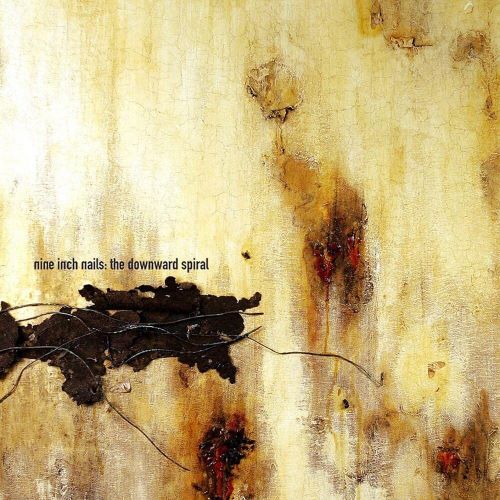
Nine Inch Nails – The Downward Spiral

Released March 8, 1994 via Nothing/Interscope Records

My Favorite Tracks – Mr. Self Destruct, Hurt, Reptile

Nine Inch Nails had arrived to a good degree of fanfare in 1989, and by 1994 the name had become household on MTV and in the now alternative music scene. The stage was set for Trent Reznor’s next move, which would prove to be career-defining.

No real need to discuss a band line-up, the recording roster for Nine Inch Nails was often Trent Reznor. Several friends and guests were brought in to help, including Mark “Flood” Ellis who would help with production. Other names that would become familiar to Nine Inch Nails were involved, including Chris Vrenna, Adrian Belew and Danny Lohner. The list of production credits is a mile long, this was the Manhattan Project in terms of recording engineering at the time.

This album also had a story in terms of where it was recorded – Reznor rented a house at 10050 Cielo Drive in Los Angeles. This was the site of infamous murder of Sharon Tate and four others in 1969. After dubbing the studio “Le Pig” and recording both Broken and this album there, Reznor felt remorse for possibly exploiting the house and vacated it, after which the house was torn down.

The meaning and themes of The Downward Spiral have long been a subject of debate and interpretation. It is clear that there is a person breaking down as the songs go along. It could be a solid theme that ties things together, or it could go as deep as being a true concept album where a specific story unfolds through the songs. It isn’t entirely clear and there are arguments both ways about it. I personally do support the “full concept” theory though I also see a few odd holes in the story. I’ll prod the meaning of these songs but I won’t be discussing the concept theory much here, I simply don’t have room. I may pick that thread up another time.

Reznor stated his primary influences for this album were Low by David Bowie and The Wall by Pink Floyd, Reznor was moved by both albums’ use of space and texture.

Today’s album has a massive 14 songs at a 65:02 runtime. An excellent 2 CD reissue offers up great bonus material, including the soundtrack song Burn and Reznor’s cover of Joy Division’s Dead Souls.

Mr. Self Destruct

The opener kicks off with a machine noise intro then launches into the harsh industrial noise that NIN had become familiar for. This song sees a dark force pushing a person into vices and ills, all in order to use the person up. A quiet interlude breaks up the mosh pit-worthy main sequence. This song is absolute gold and a great way to bridge into the new album from the equally harsh Broken EP.

Piggy

The next track is one of the album’s singles and is a slow, quiet march through a person’s breakup and the fallout from that. The song introduces the phrase “nothing can stop me now, ’cause I don’t care anymore,” which is repeated through the record. The bass anchors this song as it rolls along, then Reznor plays live drums toward the song’s end, one of the very few uses of “organic” drums on the record.

“Piggy” can have multiple interpretations here, given where the album was recorded and also the word’s use in other songs. But there is another story behind the name – Richard Patrick was in Nine Inch Nails as a guitarist from 1989 through 1993. Reznor nicknamed him Piggy, then Reznor felt resentment that Patrick was focused more on his own music than NIN. Patrick would leave the band and form his own group Filter, who had great success. Patrick has stated in interviews, such as this 2010 talk with the Sacramento Press, that Piggy is about him and Reznor’s anger with him.

Heresy

Up next is a techno-driven song with moments of distorted wailing. The angst is directed at religion, though the specifics are deeper than just ranting about church. Reznor wrote this one influenced by how Christian sects in the 1980’s and early ’90’s turned AIDS victims into scapegoats. This song is Trent’s response to the edict “there is no hate like Christian love.” Whether or not someone likes this song or not probably centers on one’s thoughts about religion. I’ve always enjoyed the track.

March Of The Pigs

This next song was also a single. Musically it is a contrast study with noisy and quiet parts, though it’s the verses that are loud and the chorus that is quiet. It is a clash between the main character and the “pigs” of society who are fake and without substance. At points Reznor is singing from the main character’s point of view and others the pigs, and the trade-offs are not easy to spot without actually reading the lyrics to see what the hell is going on.

Closer

And now on to the song that most people are likely familiar with. The song builds slowly, using mostly electronic instruments but this one remains easy to process on the surface, it’s all fitting and catchy. There is more going on under it all but this is a song that was taken purely on its surface level and became the most famous song Nine Inch Nails ever did, save perhaps for another from this album.

The song is about someone obsessing over an object of desire. The lyrics are a harsh account of the main character’s depression, lack of purpose and shallowness. But this song didn’t get famous for being psychoanalyzed to find a messed up human being’s story. No, the song got famous for being catchy and for the line “I wanna fuck you like an animal.” It was taken as a lust anthem rather than the desperate echoes of a tortured person. And that is what it will always be known for, and honestly there’s nothing wrong with that. Reznor has spoken out about the true meaning of the song and the popular reaction to it, but artists have to know that art isn’t yours anymore once it’s out in the wild.

Ruiner

Time for a bit of a rave here with some slamming techno beats. The song does call back a bit to the debut Pretty Hate Machine with its dance beats. Other parts of the song slow down and go harsh, and there’s also a bit of a guitar solo here and the old, jamming kind of solo. Reznor has said he was unsure of this song and that it was two songs mashed together. I personally think he got it right, it’s a good track.

The song deals with the “ruiner” who is likely a metaphor for someone in power. The ruiner could also be a specific person or even facet of the main character’s personality, but that’s more than what I can get into here for length reasons. Either way, here the narrator is lamenting the power that the ruiner has over him, and at the end we get the cold refrain of “nothing can stop me now” again.

The Becoming

This one sounds like a robot toy come to life and on the hunt to kill someone, pretty quirky intro. It slides into another techno-driven song with a bunch of screaming in the background. The song sees the narrator give in to what’s happening and figuratively become a machine. It’s the loss of the soul as life has been too much to bear. This is a lively descent into losing personhood.

I Do Not Want This

Kind of a mid-paced beat here that keeps quiet until a chorus where Reznor yells “You can’t tell me how I feel!” It seems here the narrator is struggling with his loss of humanity and is reaching back out for it, though he is also lashing out at everyone. The end offers up grandiose ambitions, such as “I want to know everything, I want to be everywhere, I want to fuck everyone in the world.” It is the sort of thing seen from people who truly have lost their mental center and are reaching for anything to cling to.

Big Man With A Gun

This one is a short, noisy track that is absolutely an allusion to rape and the lyrics don’t allude at all, they spell it out fairly clear. Reznor intended the song to be satire, he was calling out the other forms of music at the time that glorified rape and sexual assault. His take didn’t really come through and NIN landed in a bit of hot water with politicians, though noting ultimately came of it. Reznor said the song was originally created to be about madness and that this was another stage of the main character’s insanity. I do think this song misses its mark but I don’t think it’s that big of a deal either. It fits the album sonically and is over real quick.

A Warm Place

This one is an instrumental with one very quiet, almost unnoticeable spoken phrase at the beginning. It’s widely believed that line represents a last bit of the narrator’s humanity trying to poke through. The song itself is very pleasant, it’s a nice interlude in this descent into total madness.

Eraser

Up next is a song without a ton of words but there are a handful. The piece goes on for a few minutes of very nice music before Reznor sings a series of short blurted out lines that are likely tied to someone who has truly snapped now. The song goes out in a distorted mess as Trent screams “Kill Me!” repeatedly. Not a conventional song but one that fits this part of the story very well.

Reptile

This is one twisted track. It has very sick use of electronic beats and tells its sordid tale very well through music and words. Here the main character is admitting to being twisted by a woman, who might be the same object of desire from Closer and is also likely the Ruiner. This song is absolute magic and, given the “concept” theory, ties this whole album together. Reznor is famous for a fair few songs but this one is kind of slept on by the wider public.

The Downward Spiral

It’s another almost instrumental here. The main hook here is a guitar playing the piano outro of Closer. Here someone reaches rock bottom and commits suicide, the brief lyrics lay that out clearly. It is apparently the main character, though it doesn’t entirely jive with the story theory since, you know, there’s a whole other fucking song to go. This passage is pretty nice and twisted.

Hurt

The album closes on the other very well-known song. It is a quiet and haunting track featuring Trent’s voice, a keyboard, a bit of guitar and sparse noise to generate atmosphere. Here the narrator is reflecting on a lost life, being alone and having nothing to offer but his empire of dirt. Whatever the main character was supposed to achieve through his loss of humanity did not come to pass, and he lies here a broken shell of a person. The end does generate the smallest glimmer of hope that he will seek to regain his human self. The actual meaning of Hurt in terms of the album story is hotly debated and something I won’t get into here.

This was one of Nine Inch Nails’ signature songs, but of course that changed in 2002 when the venerable Johnny Cash, toward the end of his life, recorded a stark cover version that lit the music world on fire. Reznor admitted that the song was Cash’s after the cover was released.

The Downward Spiral would mark the crowning achievement of Nine Inch Nails’ career. The album hit at number two on Billboard and went four times platinum in the US. It has remained the centerpiece of Trent Reznor’s discography and the album’s legacy is still widely discussed now thirty years after its release. Closer remains NIN’s most well-known song and Hurt is close behind.

“Light Industrial” would become the new sound bands chased as NIN sound-alikes hit the scene in the years after this album. A few acts got a bit of mileage out of it and I won’t discount the whole scene as a rip-off, but this album was the clear reference point for the industrial-tinged rock and metal of the late ’90’s.

What this album gets right is most everything. The layers of electronic music do not alienate here, instead they build both a beat and atmosphere that allows the songs to mostly be taken in on a casual listen while also offering a lot of texture for the deeper listener to explore. It’s a masterpiece of arrangement and something that 99.99999% of musicians could never pull off. The story contained within is ugly and horrible, but told in splendid fashion and left with enough breathing room for personal interpretation. It isn’t handed out on a silver platter where everyone draws the same conclusions.

I don’t feel like the album really gets anything wrong, though Big Man With A Gun might be a miss. Maybe Reznor was a bit too opaque in his expression in a few places. That might be more of a discussion about Trent Reznor and pop culture views at the time rather than much to do with this album, though.

During and after this album’s release, NIN would tour and Reznor also went on to help launch the career of Marilyn Manson. It would take five years for another Nine Inch Nails record and Reznor has gone through various iterations in the years since. But there is no denying the legacy of The Downward Spiral, tortured though its story may be.
The Song Remains The Same – Bad Reputation

It’s been a good long while since I’ve played this silly little game. Awhile back I was prepping one and pretty much all of the songs were horrible, so I shitcanned that post and haven’t revisited this concept since. I finally got to looking the other day and stumbled into a great batch of songs and artists for this, so this concept lives again.

For those unfamiliar – here I take a bunch of songs with the same name, all from different artists, and decide which one I like the best. It’s an exhaustive process of playing them for all of 30 seconds before I make a snap verdict. Though honestly on this one I did play all the way through these songs and I have a fair few of them in my collection anyway.

Today’s pick is Bad Reputation. There are a whole boatload of songs with that name, thankfully there are enough that keep me in my favored genres so I can stick to familiar ground for this one. I am at least roughly familiar with all but one of these songs, I own most of the albums these are off of and I’m very, very familiar with a few of them. There are seven entries here today which is more than I’ve ever done for this before so buckle in and get ready to go around.

Damn Yankees

Right off the bat it’s the 1990 supergroup featuring members of Styx and Night Ranger, as well as Ted Nugent. This album was a showstopper back in the day, one of the last remnants of good old hard rock before alternative took over.

Bad Reputation was the 5th single from this album, these songs got a lot of mileage back in the day. It’s a very, very nice track that cuts a nice groove and rocks out above the “hair” fray. I have no clue who wins this as I write these blurbs but this one is very hard to argue against.

Heavens Edge

Up next is the lone entry I haven’t heard at all. Heavens Edge were (are, maybe) a hair metal group that didn’t really catch on back in the day, they have been sporadically active through the years. This song was also from 1990 and from their debut.

Honestly this is a pretty good song. I mean, I can see “hair metal” and “1990” and get why they didn’t really hit back then, but there’s no shame in the game when it comes to the music. Also I wanted to separate the first and third artists, there are people who won’t want to be next to each other.

Joan Jett

Up next is the song I would suspect most people would know from this grouping and also the person I wanted to keep away from the person mentioned up above. Jett’s song is one of her most known and loved tunes. This was first out on the album in 1980 then got a single release in ’81. All these years later and it’s one of the first Joan Jett songs people are gonna know, for sure.

And there’s reason for all that – this song is 100% pure, ferocious punk rock attitude. Joan knocked this one out of the park. This song is the business and it’s the favorite to run off with the win here today.

Sammy Hagar

This is one I know very well, which is chalked up to me being a pretty huge Sammy fan. This came from his 1980 solo album Danger Zone, which was the album before he really broke out. This wasn’t a single or a live staple but it did make some of the many greatest hits packages that Capitol Records put out after Sammy got famous and then joined Van Halen. For me personally it is a contender in this contest, it’s been a song of Sammy’s I’ve always enjoyed.

The Reverend Horton Heat

Shifting gears for just a bit from rock into rockabilly. This cut comes from the good Reverend’s debut album Smoke ‘Em If You Got ‘Em from 1990. This one changes the theme of “bad reputation” up a bit – some of the other songs indicate that the bad reputation is a warning sign, while in this song it’s an attraction. This is a really fun rockabilly track and yet another viable contestant to take the crown today.

Thin Lizzy

It’s now on to the oldest song on the list, this one hailing from the band’s 1977 album of the same name as the song. The album was regarded as a return to form for Thin Lizzy, who were struggling through all manner of issues, including Phil Lynott’s chemical dependencies. The song also departs a bit from the theme of the others, this one is a warning to someone to watch their step, as they have a bad reputation.

This song is also a total monster. It has fat riffs to spare, not that anyone would be surprised by that in a Thin Lizzy song. It also has a great groove to it, a bit of funk in spots but still on track as a hard rock ballbuster. The field of strong contenders is crowded but Thin Lizzy are certainly in the mix.

Vixen

We wrap up with a song from the band’s second album Rev It Up. If you guessed that it came out in 1990 like over half of the stuff here, you’d win a prize if there were any prizes. This was not a single from the album and this time frame also marked the end of Vixen’s mainstream run, which isn’t a shock given that the dark figure of 1991 was just around the bend.

While Vixen would lose their record deal in the fallout of alt-rock, they went out with a bang. This song is very well done melodic hard rock. Nice guitars, hot vocals and good arrangement here. Nothing wrong with jamming this hot rocker out at all. It picks up speed at the end as a nice touch too.

So there’s a deliberation process here. I’m not actually going to narrate it, no one wants to read internal monologue. All of these songs are at least good and few are great. It did quickly whittle down to a two-horse race for me, but in the end I found my champion of Bad Reputation.

The Winner – Thin Lizzy

I can’t knock Joan Jett’s song at all, that is a total banger. But in the end I gotta go with the champions of monster guitar. Thin Lizzy edges out Joan Jett to take the crown today in a very close race. These are all really good songs, I might keep the playlist I built to run them down. But there can be only one winner. It was as close to a tie as I can recall on these, maybe there was one more, yet the Irish rock gods take home the prize.

That’s all for today. Be sure to join me this Friday as the Album of the Week moves to a special slot for one time only, in order to celebrate the 30th anniversary of one of my favorite records. It’s also an album with a bad reputation in some parts. See you then.

Ray Parker Jr. – Ghostbusters

As a note – I am changing my post order this week. I’m doing a song today, I’ll have a different post on Wednesday, and I’ll do the album of the week on Friday to mark the exact 30th anniversary of that album. The change is simply to accommodate that and things will go back to normal next week.

There was so much music released in 1984 that it’s tough to nail down a song that really defines the year. But one possible candidate is this monster of a theme song for a movie soundtrack, a song so catchy attached to a movie so popular that the song was literally everywhere.

Ray Parker Jr. had formed the R&B group Raydio through the late ’70’s and into 1981. They landed several top ten hits on the singles chart, then Parker went solo and had continued success. But no matter his other accomplishments, his calling card is the Ghostbusters theme song.

This song has quite a story, involving other artists, lawsuits and the whole rigmarole. The movie heads approached Lindsey Buckingham about doing the song – he turned it down, not wanting to be typecast as a soundtrack artist. Glenn Hughes and Pat Thrall submitted a song for consideration, but were rejected. Huey Lewis and the News were offered the song but also declined, and that part will be important here in a bit.

In the end Parker was offered the song with very little time to compose it. He came up with the idea of the song being a faux commercial jingle and was off to the races, it was an easy way to create a good song while also incorporating the odd name of the movie.

The song fit the movie like a glove, and both song and movie would see blockbuster success. Ghostbusters would bring in over $200 million dollars, making it the second-best grossing movie of 1984. The movie went on to become a billion dollar franchise with licensing, toys, cartoons and sequels and that money train is still rolling 40 years later.

As for the song, it wound up on a lot of charts and its position was at or near the top of many of them. The song was number one on the charts of seven countries and top ten in at least eleven others. It would remain the number one hit in the US for three weeks and it stayed on the Hot 100 chart for four months. It sold in excess of one million copies in the US, the UK and France. In short -this song was a massive hit.

And the song is about as effective as it could possibly be. Parker worked in a load of supernatural problems one could have and offered up the catchy jingle “who you gonna call?” The refrain of Ghostbusters! Rang through to make a sing-along that everyone could get into, including kids who would want anything Ghostbusters-related. I would know as I was one of those kids – the movie came out just before I turned seven and that’s all we cared about during the summer and well beyond.

The song was aided in popularity by its music video. The clip features shots of the movie and also features an assortment of guest shots from notable actors including John Candy and George Wendt, all of whom agreed to film for free as a favor to movie and video director Ivan Reitman. The video clip was super popular across MTV and became the model for how to market a blockbuster movie in the 1980’s.

All of this success came with the usual trappings, one of those being lawsuits. And one lawsuit was especially compelling – Huey Lewis filed a plagiarism suit, alleging that Parker had used the melody from the song I Want A New Drug, mostly involving the bass line. The lawsuit was settled out of court, with the terms being under lock and key. That would come back to haunt Lewis in the 2000’s, as he discussed the case on VH1. Parker filed suit over that and won, getting back at least a bit of the money he’d lost in the original suit.

And we’d learn that Lewis had one hell of a case – when the film was being put together, I Want A New Drug was used as a placeholder song in many scenes, as the film heads were still hoping to have Lewis do the theme. Parker was given footage to watch that had Lewis’ song in it.

Lawsuits aside, the song was a massive haul for Parker and anyone involved with the movie. Parker had no chance of recapturing that kind of success, but has gone on with a recording and performing career, as well as songwriting and studio ownership. And for us in 1984, the Ghostbusters theme was one hell of a time as we were going nuts in the summer. This was a mark on the culture like no other.

Slayer – The Album Ranking

Before I even get started, yes I was working on this post before last week’s news of the two reunion shows.

Slayer compiled a run of eleven studio albums in their 37 year long career* and have been one of heavy metal’s most prominent acts through that time. Finally today I offer up my ranking of their studio efforts.

Slayer is an interesting case in album rankings – often when I do a ranking there are one or two albums at least that I think are awful and not even worth listening to. In Slayer’s case I actually had to play a few albums to decide the bottom of the list, as everything from their tenure has merit. They don’t have, in my view, an album that should be thrown in the trash. But they still have some that are better than others, and in cases way better, so doing a ranking isn’t all that tough.

This will comprise Slayer’s full-length studio albums. It won’t include EP’s like Haunting The Chapel or the covers album Undisputed Attitude. Even with last week’s news that Slayer are reuniting for a couple of festival shows after a five-year retirement, I do still figure that this ranking will be final as I’m not expecting new studio material. My guess is that Slayer is not getting back into full-time activity and are simply doing a few shows as they previously said they might. But I could be wrong and they might screw around and cut another record someday, hell if I know.

I have covered a handful of these in detail before, I’ll leave links to those posts when applicable. That’s about all there is to go over, let’s have at it.

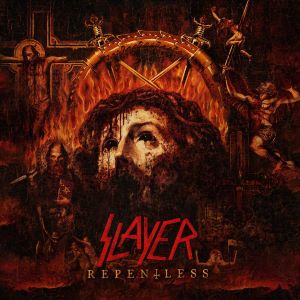
11 – Repentless (2015)

The bottom of the barrel here is the final album from Slayer. This was recorded and released after the death of guitarist Jeff Hanneman in 2013. Gary Holt, who had been filling in on tour for Hanneman since 2011, would play guitar but not contribute writing-wise.

This album is fine – it’s a no-frills, heavy metal attack that gets to where it needs to go. It is missing something, that probably being Jeff Hanneman. It doesn’t have much dynamic flair to it and doesn’t really stand out to me. I’m more than happy to play the album but I’m not really thinking much about it when the last song heads out.

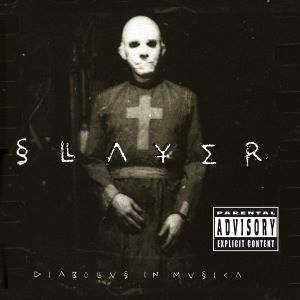
10 – Diabolus In Musica (1998)

Slayer chose here to “fit in” to the times, which at this time was nü-metal. This record doesn’t lack for groove or chunky, downtuned riffs. It does retain the “Slayer sound” and isn’t some radical departure, but it does stand out as maybe Slayer’s left field moment in their catalog. There are nice moments on here like Stain Of Mind, but the production is honestly a bit undercooked and the album feels very samey.

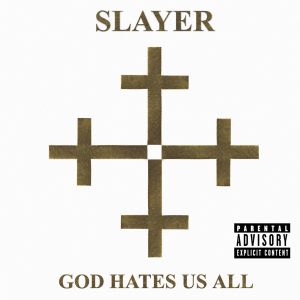
9 – God Hates Us All (2001)

Infamously released on September 11, 2001, this album saw something of a return to form for Slayer. This one is straightforward and brutal, leaving behind the groove tendencies of is predecessor. This one still though lacks real memorable spots that define the band’s greater works. Probably most memorable is the line from New Faith, where Tom Araya screams “I keep the Bible in a pool of blood so that none of its lies can affect me!” Pretty crazy stuff there.

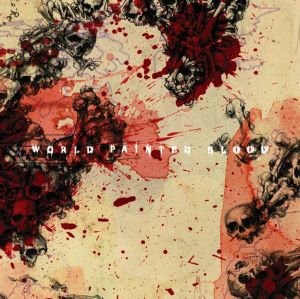
8 – World Painted Blood (2009)

This marked the final album with Slayer’s original line-up, Dave Lombardo would leave and Jeff Hanneman fell ill and died after this. This album is a mixed bag but it’s full of songs that work well and get the job done. Stuff like Hate Worldwide and Unit 731 hits hard and leaves an impression. The band sound cohesive and maybe with a bit more bite than normal on this one.

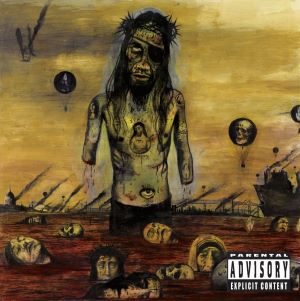
7 – Christ Illusion (2006)

This marked the return of Dave Lombardo to recording for the first time since 1990. This one is a pretty special album, it really calls back to classic records like South Of Heaven and Seasons In The Abyss. It’s a lean and polished affair here, songs like Jihad and Skeleton Christ were great to hear after several years of Slayer being “in the wilderness,” relatively speaking. Massive return to form.

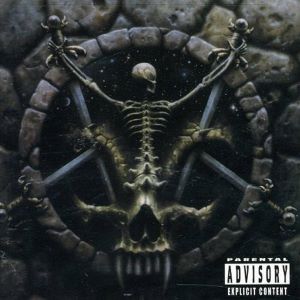
6 – Divine Intervention (1994)

Slayer entered this record with their first line-up change, replacing Dave Lombardo with Paul Bostaph. The results were pretty killer – the album could be called static but it still packs a hell of a punch. 213 is a haunting near-ballad about Jeffery Dahmer, and songs like Dittohead and Fictional Reality hit out at issues in the real world. It was a great way to get over the hump of losing a dynamic band member.

I’ve covered this one before as an Album of the Week.

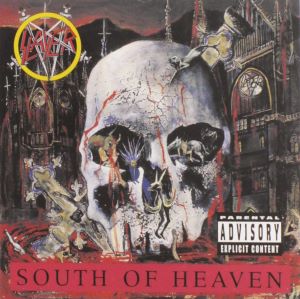
5 – South Of Heaven (1988)

Slayer had just offered up one of thrash’s most unbelievable albums two years prior. Rather than try to record that again, they took the wise step of slowing things down and operating at a different tempo than before. While the departure from speed alienated a few fans, many more were drawn to the expanded dynamics found here. Mandatory Suicide is an absolute banger about the horrors of warfare and Silent Scream still thrashes even at a bit slower pace. Whoever tuned out on this album truly missed out.

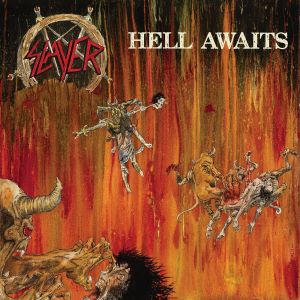
4 – Hell Awaits (1985)

The second album took what worked on the first and tweaked the formula a tad, injecting more Mercyful Fate influence and also leaning more toward the thrash that Slayer would become famous for. This one is pretty lean and killer, with awesome songs like At Dawn They Sleep and Praise Of Death jumping out of the speakers.

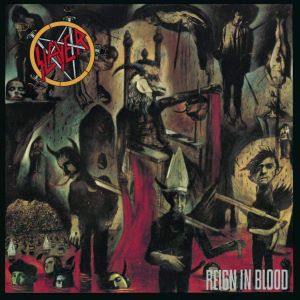
3 – Reign In Blood (1986)

It is the seminal thrashsterpiece that is still spoken of in reverent tones 38 years later. This was a nuclear warhead dropped on the metal soundscape in 1986, played with such speed and ferocity that many people couldn’t comprehend what they were hearing. It is the landmark by which all after has been judged.

It is a fantastic album, bookended by a pair of more dynamic tracks in Angel Of Death and Raining Blood that really show the band in top form. And everything in the middle is a total beating, which is a compliment but also the reason this one ranks at number 3. I just honestly don’t always want my ass whipped, and this album does exactly that. I love it, but damn, lay off a bit, bro.

This one has previously been an Album of the Week feature.

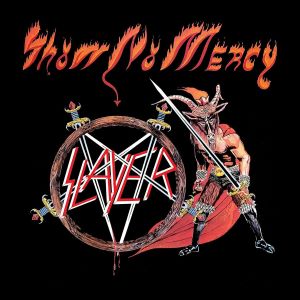
2 – Show No Mercy (1983)

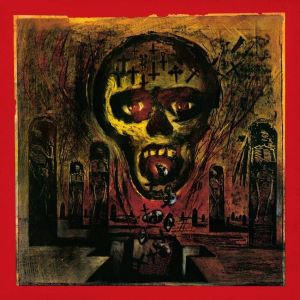
The debut was quite a piece of work – not even quite thrash, though it still gets that label. It’s a mashup of the band’s early influences, those being NWOBHM and the early extreme metal, like Venom and Mercyful Fate. It’s so Satanic that it hurts – in a hokey way, not an actual ominous, evil way. But songs like Die By The Sword and The Antichrist are still 100 percent killer and this one will always hold a special place in my black, cold heart. By 1992 I had all of Slayer’s albums and this one was the one I kept coming back to time and time again, well except for one.

This also has been covered in a past Album of the Week.

1 – Seasons In The Abyss (1990)

Up at the top is the album that Slayer ran into a new decade on. By then, people were used to the band’s new lower-tempo sound, though the faster pace got brought out in spots, such as the opener War Ensemble and the later Temptation. This one is just great from front to back, the militant crunch of the riffs work alongside Tom Araya barking about social ills or various evils. The ending title track is a total masterpiece and this album wins the crown here today.

Unsurprisingly, I’ve also covered this one before.

That does it for the Slayer album ranking. Maybe this is the last time I’ll need to rank Slayer albums, or maybe there’s one more down the road, hard telling. Feel free to share your own top Slayer picks and other ranking stuff below.

Wang Chung – Dance Hall Days

Gonna take the song machine back to 1984 this week and visit the first hit of an act who’d go on to score big in the US a few years later.

Dating this one to 1984 does come with a few caveats, though – the song was originally released in 1982 when the group were known as Huang Chung. That single failed to chart. The band renamed themselves to the much more familiar Wang Chung and redid Dance Hall Days, releasing it on their album Points On The Curve. That record did get released in some territories in 1983, the US and other areas would see it in early 1984. For the purposes of my mega 1984 40th anniversary celebration, it’s a 1984 song.

Dance Hall Days got a fair bit of traction on music charts across the globe, no matter the actual release date. The song hit number 16 on the US Billboard Hot 100 and also number 1 on the Dance chart. It was a number 21 hit in Wang Chung’s native UK. Oddly, that was the best chart placement ever for Wang Chung in their home territory, the band saw the bulk of their success career-wise in the US. The song was also a top 10 hit across many European countries, as well as Canada and Australia.

Today’s song fits straight into the new wave movement of the early 1980’s. The song is a nice, atmospheric mix of electronics and organic instruments and it sets a really chill vibe. It’s easy to hear how new wave became an important facet of music in the ’80’s. This is a beat that most anyone could get behind.

The song’s overall theme is a celebration of old-time dance halls that singer/guitarist Jack Hues remembers his dad playing in years gone by. Hues himself played in the band at times. This information comes from a podcast called Just My Show, which I have difficulty accessing but have transcribed the transcription of this site.

While the chorus is an innocent celebration of those dance halls, the verses do offer something a bit different. On the surface it’s just a collection of words that rhyme with body parts to move the song forward – “take your baby by the heel and do the next thing that you feel.” It’s not rocket science and I always took it as just words they put together to get the song done without any real deep meaning behind it.

But, just as I was doing some internet sleuthing for this post, I stumbled into a subset of people who think Dance Hall Days has sinister intentions behind the lyrics. There are people who interpret the passages more literally and believe there is some bent toward coercion or abuse in the various mingling of actions and body parts. I had a bit of a pause when I first saw it.

This 2013 article from Paste outlines the possible hidden creepiness of Dance Hall Days. Now this specific piece has a clear tongue-in-cheek air to it and is pretty amusing, but a lot of the other stuff I saw on reddit and in forums seemed to ascribe more ill intent to the lyrics. All I’ll say is I disagree that there is anything to these lyrics.

Dance Hall Days got two different music videos. The first, posted above and apparently age-restricted, was directed by the late Derek Jarman, and features his father’s home movies interspersed with the band goofing around. A second video was shot that did more to relate to a literal dance hall – that video is tougher to come across. I posted an unofficial upload down below, but we all know the video may not remain up long.

There are two other interesting pieces of trivia around the song. One is that Wang Chung almost didn’t release the song themselves, they instead offered it up for consideration to another artist. As multi-instrumentalist Nick Feldman recounts in this talk with Soundfacts, the song actually wound up in the hands of Quincy Jones, who was producing Michael Jackson and Thriller at the time. Jones and Jackson reportedly liked the song and considered recording it, but ultimately decided not to. That would have been quite a twist of fate for Wang Chung – the song got them on the map, but having a song on Thriller would have been its own world of success. I admit I can’t quite “hear” this song on that album, but I’m sure Jones and Jackson would have done a different arrangement for it.

The other factoid on offer is one I’ve shared about several songs – this was one of many tracks to feature in my favorite video game of all time, Grand Theft Auto: Vice City. The song is a perfect fit for the vibe and setting of that game, these two fit together like a glove. It was a match made in heaven and the song goes great with committing digital felonies.

For Wang Chung, Dance Hall Days would be the first score of their career, setting them up for further success in 1986. For me it’s a fantastic reminder of my youth and the “golden era” of 1980’s music.

Amon Amarth – With Oden On Our Side

This week it’s time to head back to 2006 and get ready for war – the war party is gathering in the longboat, it’s Viking time!

Amon Amarth – With Oden On Our Side

Released September 22, 2006 via Metal Blade Records

My Favorite Tracks – Gods Of War Arise, Valhall Awaits Me, Cry Of The Black Birds

Sweden’s Amon Amarth had been a going concern since 1992 and already had no shortage of praise for their crisp and simple take on melodic death metal. By this, their sixth album, the wider metal audience would lend their ears, and even those outside the metal spectrum would gravitate toward the Viking horde. The band’s name is from an elvish language J.R.R. Tolkien invented for his fantasy realm, “Amon Amarth” is another name for Mount Doom.

The band were in the middle of a very long run of line-up stability, there were no changes between 1998 and 2015. Johan Hegg was the vocalist, and Olavi Mikkonen and Johan Söderberg were the guitarists. Ted Lunström was on bass and Fredrik Andersson on drums. The record was produced by Jens Bogren, who came in on his ninth credited production involvement; today he has literally hundreds of production and technical credits in the realm of metal.

Today’s album features nine songs at a 42:17 runtime. There was a special edition released of the album with a second disc of bonus tracks, a commonplace practice at the time. While not a concept album, the band did take some inspiration from the album’s namesake, the Norse god of gods Oden.

Valhall Awaits Me

The opener sets the table for how the album will go as a whole – a decently paced song with guitar parts showing influence from Iron Maiden while Johan Hegg offers a grizzly bear vocal attack that keeps the lyrics comprehensible. This song is a tale of a Viking berzerker who has amassed a large body count in battle but is outnumbered and meets his end. He hopes he his worthy to ascend to the hallowed hall of the slain for his deeds in battle.

Runes To My Memory

The next track offers up a similar story to the first – a group are fighting well into the enemy territory of the Rus, which would indicate ancient Russia. This warrior is mortally wounded in battle and hopes to have a runestone laid in his memory. The runestone would indicate that this was an important Viking leader who has perished. The song is another well-paced tune that maintains a sufficient level of brutality while still being catchy and ear-pleasing.

Asator

“Asator” is a combination of words that reference the famous Norse god Thor, and this song offers tribute to him. This song goes hard and fast, suiting the nuclear-level assault that the Thunder God smites his foes with.

Hermod’s Ride To Hel – Loke’s Treachery Part 1

Up next is a bit of high concept Norse storytelling. The story told here is the tragic tale of Baldr, son of Oden and whose death is the catalyst for Ragnarök, the Norse end of the world. Baldr is not easily slain, but of course there is someone up to the task – none other than the infamous trickster god himself, Loki. The deceiver fashioned a spear and gave it to Baldr’s brother, who threw it in a game to see how strong Baldr’s armor was. Baldr was slain and Hermod was tasked with riding to Hel and petitioning for Baldr’s release, as his death would kick off the end times.

The song itself slows things down a bit, and the tragic tale is given more weight in the doom-laden pace. Amon Amarth would tell the next part of the story in 2011. Spoiler alert – it doesn’t go well, again thanks to Loki.

Gods Of War Arise

Now it’s back to what the Vikings are most famous for – raiding and battle. This is an account of a village sacking, replete with all of the killing and plundering that goes along with it. The song nails the perfect background for the day of battle. Here the Viking horde are victorious – they completely sack the target village, killing or capturing its population and making off with a load of treasure. This one hits all the marks and is a standout.

With Oden On Our Side

It’s back to battle – this time the Vikings are massively outnumbered, but with their ferocity and with Oden on their side, they are able to see out the day. There are parts in the song with climbing guitar riffs that make me wonder briefly if Dave Murray and Adrian Smith aren’t on here.

Cry Of The Black Birds

This one slows things down a tad and goes a hair more melodic, but the song retains the power of the album. It is an ode to the “black birds” who feast on the corpses of the battle slain, as well as serve as the eyes of Oden, the one-eyed god. This one got a single release and a video.

Under The Northern Star

This track has the feel of an older Amon Amarth song. It runs a bit slower, Johan Hegg goes lower with a lot of his vocals and the guitars are running a lot more leads over the song. The track is an homage to the star that Vikings used to navigate the seas, it’s fair to assume that it would be easy to get lost on small wooden boats out in the middle of the water.

Prediction Of Warfare

The closer offers up nothing unusual, again the Vikings are heading in to battle. One of the combatants has visions of a fight with a great serpent the night before the skirmish. The next day he finds himself with his raiding party fighting instead a group of the Irish, who the Vikings quell.

With Oden On Our Side saw Amon Amarth begin their climb to the top of the heavy metal pyramid. The album charted in Austria, Germany and their native Sweden. It also landed on two US Billboard charts – the Heatseekers chart for emerging artists and the Independent Albums chart. After this release, the group would see their records on the Billboard 200 as their fame grew.

The album was well-received by both critics and fans, the simple and effective melodic death metal paired with the Viking themes that have long been a part of metal worked for everyone. Amon Amarth had now honed in on a sound and presentation that worked, and they were on the way to greater success.

Later albums would mark the height of Amon Amarth’s success, but it is this one I recall fondly as the true kick-off of the band’s rise to the top. We ate this up back in ’06, this was done with precision and skill. Although the band have become a bit of a meme in the past few years as their act has worn on and they literally turned a mosh pit into a rowing exercise, Amon Amarth are still one of the best offerings of 2000’s heavy metal.

The Billboard Number One Albums of 1984

This being the 40th anniversary of 1984 and all of the great music that came from that year, I want to go a bit beyond just looking at albums from then and get into some other stuff. I will be looking at albums again today but in a different context – today I’m going to discuss all of the albums that topped the Billboard 200 chart in 1984.

If I were doing this for most any other year, I’d be up against it. Many years feature between 15 and 20 albums that hit the top chart spot, sometimes even more. It can be absolute carnage up there, especially now with several different genres commanding attention and shorter attention spans leading to more albums going number one, then heading off down the Billboard slide afterward.

But my cup runneth over with luck – in 1984, only five albums reached the top of the Billboard chart. It was the lowest amount for any year in Billboard history and is not something likely to ever be repeated. Seeing the very short list will shed light on exactly why that is, two artists basically dominated the number one spot that year and it’s glaringly obvious who those are, to anyone who was around at that time.

Michael Jackson – Thriller

Of no surprise to anyone, the King of Pop dominated the charts in the early going in 1984. Released in late 1982, Thriller spent 37 total weeks on the top of the chart. Here 40 years later in the year of our lord 2024, the album is still on the chart and has been for 612 weeks. Oh, and it’s the best-selling album in history.

The thing is that Thriller doesn’t relate to the music of 1984, at least in terms of my evaluation of the year, with it obviously having been released in 1982. Now, Michael Jackson certainly does relate to 1984 and the whole of the ’80’s – this guy was THE star and he was still grabbing the spotlight even with an album over a year old. All seven of the album’s singles had been released by the end of 1983, but the title track and its crazy video were omnipresent through 1984. Jackson was on top of the world in a way very few stars ever had been.

For the purposes of my year-long look at 1984, Thriller won’t be a part of it for obvious reasons. But I am certain to discuss the album at some point in time.

Footloose – The Soundtrack

Finally on the chart issued April 21, the King of Pop’s reign was over. It was a movie soundtrack that took the crown. Footloose the movie was about a dancing ban in a small Midwest town, and that would put a focus on the movie’s music. The movie did respectably well at the time and is fondly remembered by many, but the soundtrack was the true star of the show. It would spawn six top 40 hits, two of them going to the top of the Billboard 100.

The Footloose song by Kenny Loggins was the prime hit, and Let’s Hear It For The Boy, performed by Deniece Williams, joined it as a Billboard number one. Almost Paradise, performed by Mike Reno of Loverboy and Ann Wilson of Heart, hit number seven on the charts. The Jim Steinman-penned and Bonnie Tyler-performed Holding Out For A Hero charted at 34 in the US, but would take the top spot in the UK.

The soundtrack album hung on to the number one spot for two months, finally bested in late June. Movie soundtracks were big business in the ’80’s and Footloose was a monster even among them. It was certified nine times platinum in the US and has a host of other platinum and gold certifications around the world.

I do not have any plans to discuss this soundtrack further as I look back on 1984 – nothing against it, but a lot of it wasn’t really my jam beyond the Bonnie Tyler song and I have plenty else to talk about.

Huey Lewis and the News – Sports

1984 was often about an album hitting the top spot and hanging around for awhile, but in this lone instance, the album hit number one and was dethroned the next week, though the album did spend a total of 160 weeks on the chart.

But that is no shade to Huey Lewis and his band. Sports was the group’s breakthrough – after a gold record on their prior album, this one would catch fire and wind up 7 times platinum. Four of these songs would hit the top ten of the singles charts, stuff like If This Is It and The Heart Of Rock & Roll were commonplace on airwaves during this time, and for years afterward. It was catchy and pleasing music that just about everyone could get into and a lot of people did.

I will be covering Sports at some point this year, I’m not sure exactly when that will be.

Bruce Springsteen – Born In The USA

Just after Independence Day in the US, The Boss arrived with a transformative album that would define his career and sell like hotcakes. The July 7th chart was the first of four consecutive weeks at number one for this record, which would then again claim the spot for a few weeks in early 1985.

The album would offer up seven singles, all of which went top ten in the Billboard 100. Famously, none of these or any of Springsteen’s other singles would ever hit the top spot on the singles chart, but success is relative.

And success was here in droves – the album was the best-selling record from 1984, moving over 30 million units eventually. (distinct of course from the best seller in 1984, which was Thriller) Bruce has recorded several heralded albums, but Born In The USA is the one that is the first mention when he is discussed. We can wax poetic about many of his works before and after, but this is where the conversation with Bruce Springsteen comes or goes.

There is a lot to say about this record – in term of Springsteen’s shift to pop rock, themes of working class struggles and triumphs, and the misplaced political implications behind the title track. And I will get into all of that – here soon, when I discuss the album in detail, which is coming up in the next month.

Born In The USA would reign atop the Billboard 200 for a month, then the rest of the year would be defined by someone we can only call “the artist.”

Prince and the Revolution – Purple Rain

Springsteen would be bounced out of the top chart spot on the chart released August 4 of ’84. The replacement album would reign supreme for the rest of the year, 22 weeks, then the first 2 weeks of 1985 before the favor was returned by Springsteen.

Purple Rain was not just an album, but also the soundtrack to Prince’s first feature film of the same name. The movie was a hit, raking in ten times the amount of money spent on it, while the soundtrack was an absolute monster smash. The album has gone on to sell 25 million copies across the world, with 13 platinum certs in the US. Prince joined the rare company of Elvis and The Beatles by having the number one film, album and song all at the same time.

Prince’s landmark offering saw him slide more into the pop world, but also utilizing a grand scope of band composition and arrangement. A handful of Prince’s signature songs can be found here, including the title track and the mega-hit When Doves Cry. The controversial Darling Nikki is also featured in both the film and on record – it would be the song that kicked off the PMRC and the “Filthy Fifteen.”

Prince ruled the roost for the back half of 1984, and Purple Rain was the Billboard chart champion for most weeks at number one. I will do a write-up on this one, but be warned – I have always planned it to be the final post for the 1984 anniversary thing, so it’s not coming ’till the end of the year.

That covers the number one albums of 1984. A bit down the line I’ll look at a few records that were blocked out of the top spot by the stone cold lock these few releases had on the year. I’ll also dive into the number one songs of the year, a spot open to a lot more variety. And I’ll have some more companion pieces dealing with various things in 1984 as we go along. Enjoy the weekend.

High On Fire – Burning Down

Last week brought a highly anticipated new track as High On Fire offered up the first single from their upcoming album. Burning Down is the lead single from Cometh The Storm, an album that will see the light of day on April 19. The record is a highly anticipated one in my household, High On Fire have been one of the most consistently awesome bands of the 2000’s.

Burning Down keeps the streak going – this is all riffs and tone in that space between doom, stoner and flat-out heavy metal that High On Fire have occupied their whole career. This one holds a mid-tempo pace, though the band have always been able to operate effectively on any point of the speed spectrum.

The video is also sufficiently gnarly – it starts with people suffering from what looks to be an old school plague, then some monsters show up and burn everything. It’s a very creepy and well-rendered video, kudos to whoever put that together.

I don’t have much else to say about this one – the song rocks, the video is great and the new album stands to be another barnburner in a discography full of them. High On Fire are back after an uncharacteristic six-year absence, marked by health issues and the pandemic mucking everything up. But they are back and all is right with speaker systems everywhere.

Scorpions – Love At First Sting

Keeping with 1984 this week as I have a bit of schedule re-shuffling coming up soon. Today I’m tackling one of rock’s signature albums.

The Scorpions – Love At First Sting

Released March 1984 via EMI Records and Mercury Records

My Favorite Tracks – Still Loving You, Bad Boys Running Wild, Rock You Like A Hurricane

The Scorpions were poised to conquer in 1984. They had already been forging a solid identity in the rock scene through the late ’70’s and especially with 1981’s Blackout. The band had shifted styles a few times through their career by this point but were settled on a line between rock and metal that suited the 1980’s soundscape perfectly.

The band’s form was the same as it had been for several years, this was the long-running, stable period of the band’s line-up. Rudolf Schenker played guitar and wrote the band’s music, Matthias Jabs was the lead guitarist for most songs. Francis Buchholz provided bass and Herman Rarebell was the drummer and occasional lyric writer. The incomparable Klaus Meine was the singer and wrote the bulk of the lyrics. The band did rehearse early in these sessions with Jimmy Bain and Bobby Rondinelli, late of Rainbow, but nothing from those sessions made the album. The record was produced by Dieter Dierks, the “sixth Scorpion” who was nearing the end of his long run as the band’s producer.

The album cover is yet another famous case of the band having to do an alternate version – the original features a couple making out and some retailers were concerned about the sideview of the woman’s breast, so a sanitized cover with a band photo was released. This one is a massive nothing burger in the history of Scorpions cover art lore, it’s super tame compared to a few of the scandalous earlier covers.

Love At First Sting features 9 songs at a nearly 41 minute runtime. There are deluxe editions with bonus material available but I’m handling the original release today. This includes a handful of the band’s best-known songs so let’s get into prime Scorpions here.

Bad Boys Running Wild

The opener brings the requisite energy and attitude to kick off an explosive rock album in 1984. Everything is loud and bombastic, the riffs lay a tough foundation for a song about a group of miscreants causing havoc, and everything here sounds fantastic. It’s a perfect song for the mullet-headed, denim and leather-clad metalhead that would run wild throughout the ’80s.

Rock You Like A Hurricane

A song that likely needs no introduction, this was a decent US hit at the time and has gone on to become the group’s signature song. Even people unfamiliar with The Scorpions are generally aware of this riff and Klaus Meine’s strangled accent singing about sex. The main riff and lead guitar work as well as the simple chorus make this one of rock’s biggest anthems. The song has stuck around and is still used in public now 40 years after its release.

It’s well known that The Scorp’s biggest song is 1990’s Wind Of Change, it was a mega hit that still stands as one of the best-selling singles ever. But I’d argue that Rock You Like A Hurricane is probably the band’s most recognizable song, especially in the US. This song was everywhere and has been ever since.

I’m Leaving You

Another single from the record, this is a perfectly written and recorded hard rock track. This one has a very ’80’s feel to it, showing off a sound The Scorpions would pursue further as the decade wore on. Its premise is very simple – I’m leaving you, woman, and I’ll be back some time later, so be ready to be rocked like a hurricane at some later point in time. Nothing to misinterpret here.

Coming Home

This one starts off with a ballad feel until it kicks in to an all-out rock track about two minutes in. The song is a take on the “being on the road” song that so many rock acts have composed over the years. On this one, The Scorpions don’t lament being on the road, instead they consider the stage to be their home and are looking forward to their next gig. They’d have a lot of them during this peak period of their existence so it’s a good thing they embraced the role.

The Same Thrill

This one has a touch of rawness to it, a shade of old glam or punk maybe. But in the end it is another rock anthem, again worshiping at the altar of the rock gods and also placing The Scorpions in the pantheon of those gods. There was nothing like it when all these guys who were “born to rock” were doing just that.

Big City Nights

It’s another more polished effort here, a smooth rock track that celebrates being out for love and fun in the big city. The song fits the “simple yet very effective” category and has become of the band’s better known hits. It’s an ear-pleasing number set against the halcyon backdrop of the immortal 1980’s.

As Soon As The Good Times Roll

A more mid-tempo number that keeps things moving along nicely here. The rhythm sounds like Rudolf Schenker had a record from The Police on his turntable while writing, with the quasi-reggae riff running through the song. This one’s all about letting go of the bad moments in life because there will be plenty of good times to still rock out.

Crossfire

This one has a marching drum thing going on throughout the song’s run while still retaining a solid rock feel that allows the song to fit on the record. It’s a plea for peace in the grim reality facing people, especially Germans, in the last decade of the Cold War. In some respects this might have been a dry run for the band’s later mega hit on the same theme.

Still Loving You

To say the album closes with a ballad would be a woeful understatement – more like the album closes with one of rock’s best ever ballads. This is not the formula-ridden, sappy ballad that would come to define later ’80’s rock – this is a masterfully written and executed tale of heartbreak and loss. The song slowly builds from a quiet introduction with only a guitar and Klaus singing into a full band performance. Klaus Meine conveys the pain felt in the lyrics splendidly here, he is totally on fire behind the mic.

This is an ever-relatable tale of losing someone but being unable to shake the feelings and it’s presented in a sublime package. It’s one of The Scorpions’ best songs and also one of the best ballads from the “rock ballad” era of the ’80’s. Europe was in agreement as the song was a huge hit across the continent. The song is even tagged as being responsible for a boom in France’s population in 1985, as so many in 1984 were succumbing to the feelings conveyed in the song.

Love At First Sting was a milestone for The Scorpions. The album charted in the top ten across Europe as well as the US, where it hit number 6 on the Billboard 200. It was certified triple platinum in the US for 3 million copies sold, and also has several other platinum and gold certifications across North America and Europe. The Scorps toured heavily behind the album and became household names in rock and metal through the ensuing tour cycle.

The Scorpions have endured as one of rock’s longest-running acts, continuing to wow audiences into 2024. Their ascension into rock godhood occurred in 1984 with this album, delivering a record without a single note of filler material and presenting several of their most recognizable songs. When the band’s legacy is examined, Love At First Sting is often found at or near the top of any discussion of their greatest works. The mark on 1980’s rock cannot be overstated – The Scorpions were instrumental in laying out the path for rock music going forward in the decade.

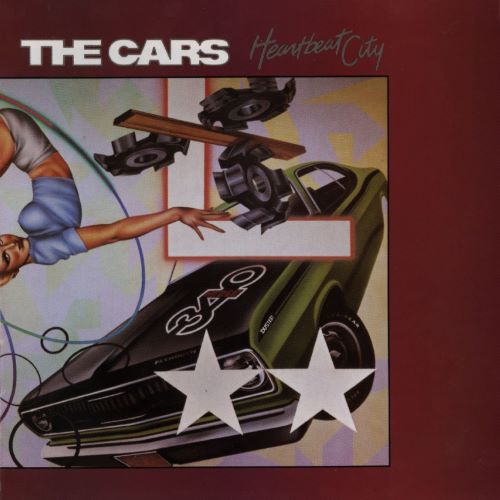
The Cars – Heartbeat City

Today it’s back to 1984 and also time to lean the focus away from heavy metal for a bit. Here today is one of pop rock’s massively triumphant albums and a career highlight for a band who was, sadly, not far from being done.

The Cars – Heartbeat City

Released March 13, 1984 via Elektra Records

My Favorite Tracks – Drive, Hello Again, You Might Think

By 1984, the sounds of new wave were at times synonymous with pop and rock. The innovators of this trend were none other than the Cars, who exploded on the scene in 1978 with a debut album that went six times platinum. The band had wrote several other hits in the years since, but had been a bit shunted off critically in 1981 and their most recent album Shake It Up. But the time was ripe for the Cars to ascend again, and that they would do in spades.

The Cars at this point were comprised of the two principal songwriters and vocalists, Ric Ocasek and Ben Orr. Joining them to round out the band were Elliot Easton on guitar, Greg Hawkes on bass and David Robinson on drums. Ocasek and Orr also handled guitar and bass, respectively.

Heartbeat City saw the band leave their long-time producer Roy Thomas Baker and instead set up show with Robert “Mutt” Lange. This album would slot into Mutt’s world-conquering production resume, which already had Back In Black and Pyromania to its list, and would add Hysteria a few years later.

There are 10 songs with a 38:41 runtime on today’s album, of course deluxe reissues with slews of bonus tracks do exist. There is a ton to get to here, given that the record spawned multiple top 10 hits.

Hello Again

The opener sees the Cars full-on new wave with some music that would sound to a younger listener like “total video game music.” It’s a fun, upbeat song generally about returning to a scene after a time away, pretty fitting for the Cars at this point.

This would be a single and hit 20 on the Billboard Hot 100, as well as number 8 on the Dance chart. Everyone was having fun with this one, including Andy Warhol, who directed and guest-starred in the video.

Looking For Love

One of the album’s few non-singles, this one keeps a mid-tempo, very melodic pace through the adventures of a young woman doing just what the title says. It’s another fun track that I suppose could be danced to, if dancing is one’s thing. This song did catch the attention of Falco, who reworked it in German as Munich Girls in 1985.

Magic

Up next is the second single and one that did great business, going to number 12 on the big chart and topping out at number 1 on the Mainstream Rock chart. It’s another simple, well-worked tune about how it’s magic when two people are together. It’s clear at this early point in the album that the Cars are about keeping an upbeat spirit with everything, they weren’t a band to explore the more somber side of things.

Drive

And here is the band’s sad, somber ballad which would mark a thematic departure from their prior work and also chart the highest of any Cars single, reaching number 3 on the Billboard Hot 100 and gaining top 10 placement on the charts of 9 other countries. It was also a major part of the campaign of the 1985 Live Aid concerts and fundraising drive.

Drive is a lovestruck ballad with a gorgeous atmosphere driven by the synth. It seems to be someone in love with someone else who is perhaps unavailable and also certainly on a downward spiral in life, this person needs someone to drive them home, to hear them scream or pick them up when they fall. Music and the lyrics delivered by Ben Orr come together for an absolute whale of a song.

This is a track that certainly deserves its own post and will get one some day. The music video is of note, as it starred young model Paulina Porizkova, who was the distressed woman in the video alongside Ric Ocasek and would later go on to marry him. This is my favorite Cars song and honestly one of my favorite songs, period.

Stranger Eyes

It’s back to the upbeat new wave stuff here with a song that is totally 1980’s. There’s no lyrical analysis here – this is a song that has words because most songs have words, there’s not much going on here. But it all comes together to produce another great song, one that was used in the trailer for the mega-hit film Top Gun but did not make the soundtrack.

You Might Think

Here is the lead single and the first sign that the Cars were on to something bigger. The single went to number 7 on the Billboard 100 and also topped the Mainstream Rock chart. The video was an early example of using computers for graphics and would land a brand new accolade – You Might Think was the winner of the first ever MTV Video of the Year award, even beating out Thriller for the trophy.

You Might Think is another upbeat and fun track, this one a bit more conventional and not as “video game” sounding. It’s a perfect representation of the Cars and a true link between this album and their earlier work. If songwriting were a poker game, the Cars were holding all aces in 1984.

It’s Not The Night

Another absolute 1980’s song with a fair bit of synth tricks sprinkled in. It’s not the night for a lot of things, according the lyrics Ben Orr is singing here, but it is the night for probably something that people who might fancy each other like to do. This song hit number 31 on the Mainstream Rock chart. And that’s without even being released as a single.

Why Can’t I Have You

This was the album’s fifth single and would go to 33 on the Hot 100 chart. It’s another ballad and another sad one, with Ric Ocasek heartbroken that he can’t still have his old flame. The music’s atmosphere suits the lovelorn words perfectly.

I Refuse

This poor song is the only one that either wasn’t released as a single or doesn’t have another piece of trivia to it. The song itself is a nice example of a prototypical ’80’s pop-wave track. While the music is upbeat, the lyrics see Ric Ocasek admonishing his lover for being a two-timer.

Heartbeat City

The album closer also serves as the title track, though the song was originally worked up as Jacki before the title change. This was also the final single and only released outside of the US. This one is total new wave, this sounds just like other NW examples from the time period and doesn’t feel pop much at all. It’s a very nice and trippy way to end the album, a slight bit of a left turn at the album’s close.

Heartbeat City was another massive win for the Cars. The album hit number 3 on the Billboard 200 and topped the Rock Album chart in the US. It also placed well internationally on several charts. The album is certified four times platinum in the US, with more updated sales figures for the US and abroad not readily available.

This was a huge score for the Cars, who were white hot in the late ’70’s but fell off in the early ’80’s after some experimentation. The band was back, and the next year would see the release of a greatest hits set that would sell over six million copies and have the Cars all over the place on radio and MTV.

The Cars would get one more album out in 1987 before disbanding a year later. A reunion wouldn’t come until many years later in 2010, and it would be without Ben Orr, who died in 2000. Ocasek and the remaining members would get out one more album and a few tours, then would reconvene one last time for a Rock and Roll Hall of Fame induction in 2018. The band was laid to rest for good with Ocasek’s death in 2019.

Describing Heartbeat City is pretty simple, in the end – if someone who wasn’t around in the ’80’s asks what the decade sounded like, just put this album on for reference.