Twisted Sister – Stay Hungry

Welcome to 2024, how exciting to now be close to halfway through this psychotic decade. This also does mark the 40th anniversary of 1984 and many of the world’s most brilliant albums being offered up, so I will be paying extra attention to that year as I go along through this one. I won’t be covering it every week but many of 1984’s great releases will come up this year. And what better way to kick things off than with the magnum opus of one of rock and metal’s more unique acts?

Twisted Sister – Stay Hungry

Released May 10, 1984 via Atlantic Records

My Favorite Tracks – I Wanna Rock, We’re Not Gonna Take It, The Price

By 1984, Twisted Sister had finally been releasing albums after a decade of busting their asses on the club circuit on the US East coast. Their first two albums had come and gone without a ton of fanfare, and the group were truly hungry to get a break. Between this collection of outstanding songs and some publicity assistance from politicans’ wives, Twisted Sister were about to have their break.

Twisted Sister would feature Dee Snider on vocals, the guitar tandem of Eddie Ojeda and Jay Jay French, Mark Mendoza on bass and A.J. Perro behind the drums. This was the band’s line-up through the first four studio albums, this one being the third. This would also be the band’s reunion line-up through the 2000’s until the death of Perro in 2015.

The album was produced by 1980’s rock maestro Tom Werman, who had a hand in many of the decade’s defining records. Dee Snider has been on record criticizing Werman’s tactics during the recording of Stay Hungry. Werman denies Snider’s accusations and states he only suggested the band consider a Saxon song as a cover for the record, not that there was any attempt to remove the two songs that became the band’s hit singles – I Wanna Rock and We’re Not Gonna Take It. This Blabbermouth article from last month gets into a lot of detail regarding what both Werner and Snider have said.

With all that, we’re left with an album of 9 prime rock cuts in a pretty lean 36 minutes. A huge deluxe reissue of this album features a whopping amount of bonus material and is certainly worth the purchase, though today I’ll confine discussion to the original album. There is also a re-recorded version the band did in 2004 called Still Hungry. Not a bad effort but in my eyes an unnecessary venture, as I generally agree with Werman that the album is fine as is.

Stay Hungry

The opener is also the title track and comes in hard and heavy. It is a simple and very effective message of keeping motivated and fighting on, pretty much the story of Twisted Sister at this time as they fought long and hard for the success that this very album would bring. This is a straight ahead roller of a song with some nice guitar work to keep it moving along.

We’re Not Gonna Take It

This was the album’s lead single and the vehicle that Twisted Sister drove to mainstream attention. The song insanely simple with a rhythm clearly borrowed from the Christmas hymn O Come, All Ye Faithful. This is, of course, a far more rocked-out version as it heads into the chorus and the song’s obvious point of being a rebellion anthem.

Aiding greatly in the song’s rise was the music video, which featured the band in a dark, clownish parody of glam, especially Dee Snider standing out as a nearly indescribable presence. The video starred actor Mark Metcalf, famous for his role as Niedermeyer in Animal House, as a cranky, overbearing father who gets his ass handed to him through the video.

This song would chart at 21 on the Billboard Hot 100, a career high for the band. It would also come under fire from the PMRC, the Tipper Gore-led group looking to use music as a scapegoat for society’s ills. This wound up on the list of the “Filthy Fifteen” due to “violence,” none of which can be found in the song and only a slapstick version with a trained actor seen in the video. Dee Snider would famously testify at the Congressional hearings and own the day, leaving the overly concerned senators with egg on their faces and Twisted Sister with their signature song and biggest hit that continues to resonate today.

Burn In Hell

This one comes in dark and hot with an intro that sounds like Alice Cooper is reading it, but alas he is not present. This one is about getting your shit together lest you burn in Hell, like Dee as the song’s soul-scarred narrator. It’s a very nice headbanger that keeps things going and differentiates TS from the more polished glam era that was arriving.

This song also got airtime in a movie, as the band performed it as part of Pee Wee’s Big Adventure.

Horror-Teria (The Beginning)

Up next is a two-part story piece introducing the sadistic child killer Captain Howdy. The PMRC picked a fun song about nothing violent to complain about when there was a literal song about a serial killer just two songs down on the list, but what do I know …

The first part of the song is Captain Howdy, a killer who preys on children. It’s a nice and heavy piece, warning the listener to “stay away from Captain Howdy.” The second movement of the song is Street Justice, which is the response from people outraged over the Captain Howdy murders. Howdy was let off of his court case through a technicality, and the only real way to bring him to justice now is to form a posse and hunt him down. A story song seems ambitious on the surface for a band generally dealing in simpler concepts, but this works really well and isn’t a dull spot on the album.

Captain Howdy would make it to the silver screen years later as the antagonist in Dee Snider’s 1998 film Strangeland, played by Snider himself.

I Wanna Rock

The album’s second single would also become a defining song for the band. It is another defiant anthem, this time simply stating the desire to rock. Sometimes the best songs just spell out what they’re doing and it makes a hit.

This video would also feature Mark Metcalf’s acting, this time portraying a jerk of a teacher. Twisted Sister would often stretch this song out for an extended jam live, which sounds odd on the surface for a simple, short rock song but I’ve always enjoyed their live jams of it.

The Price

We are now to the ballad, though this one is not the cut-and-paste style of love ballad at all. This is an earnest, sad song about how tough it can be to “make it” in life and the doubt over whether it’s worth it or not at times. Snider reportedly wrote this after the band were abroad recording their prior album and he’d had very little contact with his own family. It is a very moving song that has a message that carries through to this day and, while this single did not generate a hit, is still an integral part of the Twisted Sister catalog.

Don’t Let Me Down

This one is a simple and effective rocker that sees Dee questioning why nothing he does or gives is enough. While not a standout track it’s still very nice listening on an album that doesn’t really have any “filler.”

The Beast

This is fairly standard type of “predator and prey” song that a lot of bands do. Here’s it’s executed in a slower paced yet very heavy metal presentation. Some very nice, soulful guitars on this one.

SMF

The album closes on what could be considered Twisted Sister’s theme song. SMF stands for “sick motherfucker,” of course, and this name would be given to Twisted Sister fans and even the fan club. It’s another TS classic and it’s also one that Snider had to explain in front of the congress hearings for the PMRC.

Stay Hungry would be the hit record Twisted Sister had been in hot pursuit of through the 1980’s. The album hit number 15 on the Billboard 200 and was certified triple platinum in the US, and has platinum certs in several other countries. The band was thrust into the spotlight with their singles and videos, and then propped up again with the press from the PMRC hearings. The success also lifted their prior album You Can’t Stop Rock n’ Roll to gold status, and caused a hunting frenzy for the out of print, independently released version of their debut Under The Blade.

Lasting success through the rest of the ’80’s proved elusive as the band’s next two albums were not well-received. But the band’s return during the resurgence of traditional metal in the 2000’s would see them tour far and wide, establishing their legacy without the need for new material.

Twisted Sister’s wild ride led to paydirt with Stay Hungry, and it remains a solid classic and a great representation of the music of 1984.
Coming up in 2024

I don’t have a ton to discuss but I figured I’d do a quick update on what’s coming to the site next year. For the first while things will go at a routine clip – an album on Monday, a song on Wednesday and then a standalone post about whatever on Friday. That formula will hold for awhile, I don’t have any big series planned until later on in the year.

I had been considering some changes to the regular things I post but I’ve decided against that. It’ll be easier for me to keep with the status quo for now and nothing I was thinking about changing was that big of a deal anyway, the routine will be the easier way forward.

1984

One recurring theme for next year – it’s been 40 years since 1984, and that was probably the most influential year in terms of music and what I listen to, with only 1991 being a rival to that statement. There is no concrete plan for this, but occasionally I will highlight an album or discuss some other aspect of the year. 1984 and its impact will have it own post as well, there’s a lot to go over there.

The next Iron Maiden series

I’m gonna give the gents a bit of “time off” for a bit. The next upcoming series is the song ranking, which in this case will be every original song they wrote. I have already been fiddling with it some but I’m not in a hurry so I expect this to pop up around May or so. I might blitz this one out, just fill the days of the week where nothing else is being posted in order to get it out of the way, I don’t feel like this one benefits from a “once a week” approach.

After that the only other really big one would be a look at the videos, I don’t really have the planned out for this year. I may get started on it, as there’s a lot of material to watch, but the actual series probably won’t start until 2025. I may drop a bootleg run at some point but I’m not in a huge rush for that.

A really dumb idea that will eventually happen

I dropped a small bit about this earlier – I have some dumb and ambitious plan to review every single Neil Young album. I can “limit” myself to studio albums only, but between his regular releases and a handful of “lost” archive albums, I think the count is 51. And no, this doesn’t include CSNY or Buffalo Springfield, only Young with or without Crazy Horse.

I don’t really plan for this to kick off until 2025 but there’s a chance I get it wrapped up and launched in 2024. It’s actually going a little quicker than I anticipated, it’s not like a lot of these require a scholarly dig to review. It’s a lot and it’s probably too much and a real stupid idea, but it’s just stupid enough for me to execute, so it’ll come around at some point.

Other far less dumb ideas

Beyond that I don’t have any grandiose schemes, stuff coming up will be album rankings, song rankings (only a top 20 or so), and talks about various issues in music going on. I’ve put off a lot of discussion as the past few months of the year have really been getting to me and just keeping things going as they have was enough of a challenge. But I’ve reached a fair point of equilibrium now and I’m looking forward into getting into a bit more variety of content with the Maiden live series almost out of the way.

A few other visual and other improvements

One thing I’ve wanted to do since I’ve started is gussy up the site a bit with some visuals, banners and a logo and such. I’m still using the same default picture that came with the theme when I set this up in 2021. I will finally dedicate some time to cleaning up the visuals early next year.

I will also kick off a new feature pretty soon – really it’s just a band index for a central place to catalog the posts and series I’ve made about a single act. Obviously there are tons of Iron Maiden posts, but there are also quite a few on bands like Slayer, Oasis, Metallica, and several others who’ve appeared multiple times. This is more for the benefit of people who show up for the first time, as well as me, so I know what I’ve already written about. This should pop up in the next few weeks as I phase out some old pages and get some old post re-worked, then the band index will come along.

That about covers it for what’s coming up in ’24. I don’t have much left for this year, just the Iron Maiden live album wishlist coming on Friday. Enjoy the rest of the year and we’ll see you in 1984 plus 40.

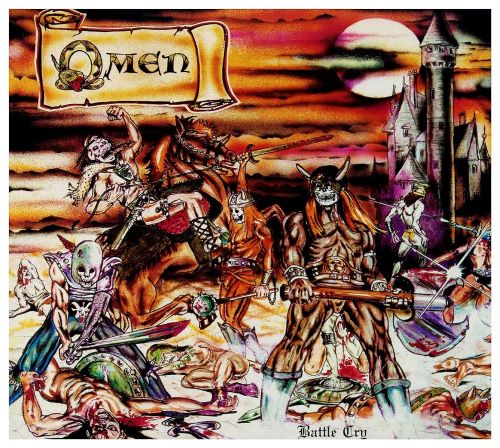
Omen – Battle Cry (Album of the Week)

Going back in time this week to one of the early foundational albums of US power metal. This isn’t the same power metal of 2000’s Europe – this is far more “meat and potatoes” metal that draws a direct line from the New Wave Of British Heavy Metal.

Omen – Battle Cry

Released November 1984 via Metal Blade Records

My Favorite Tracks – The Axeman, Dragon’s Breath, Battle Cry

Omen got their start when founded by guitarist and lone remaining original member Kenny Powell in Los Angeles, California in 1983. Powell was joined by J.D. Kimball on vocals, Jody Henry on bass and Steve Wittig on drums. The band would have this debut album ready about a year after forming.

Today’s album is rather brief, with 10 songs at 36 minutes. We are also light on background info for this one, any easily accessible digital information is very lean and any good old interviews or the like are buried in old print magazines that aren’t easy to come by. Too bad there isn’t a heavy metal library with all the old stuff accessible for reference, but there isn’t so we can run through this one pretty quick.

The album opens with Death Rider. This opens with a nice intro guitar piece and goes into a pretty fast-paced romp through a maniac tearing up the world. Up next is what I and many others consider the album’s highlight, The Axeman. This killer song offers up the impending execution of someone who tried to usurp a kingdom. This isn’t a sad ode to one’s last moments as in many other noted metal execution songs, rather this a recording of the nefarious deeds that condemned the offender.

Last Rites is next and could almost be a sequel to the prior track, though this time gallows are substituted for beheading. It’s a very nice riff that runs through this song. Dragon’s Breath comes in next and is straight out of the Dungeons and Dragons Monster Manual, of course the cool first edition with demons and shit in it. But this time it’s a dragon tearing things up in fantasy land and as this killer power metal song unfolds, it’s clear the tyrannical dragon has the upper hand.

Up next is a bit of a gag of a song with Be My Wench. I could see people having an issue with this one as some of the lyrics get at the woman in question being a bit too young to be engaging in wench-like activities, but I don’t think this was ever meant to be taken seriously. It is a pretty decent song in the end.

It’s time next for the title track Battle Cry. This is another bit of a horse gallop playing with a nice gang chorus chant as more war and carnage ensue in this unnamed fantasy land. The slaughter continues on Die By The Blade, which is pretty self-explanatory. There’s more very epic riffing from Kenny Powell on this one.

The album rounds into the close with Prince Of Darkness. While this album isn’t a concept album, this little arc of songs does almost form its own little story with this one seeing what could be the main villain in battle. Next is Bring Out The Beast, a song where a guy hooks up with a woman then all of sudden is being burned at the stake, not sure what’s up here. Pretty cool music, though. Things wrap up with In The Arena. The intro to this one is not the greatest but the song moves into a better form after that. This one is a bit slower paced than the other songs here.

Battle Cry was a rock solid debut and one of the foundational albums in US power metal. Omen would issue a few more albums in the ’80’s that furthered their initial legacy, the band would then begin a series of line-up changes and go on hiatus in the 1990’s. They would reconvene and remain a consistent touring outfit since, occasionally dropping new material as well.

Omen would not sell on the same levels as the thrash acts that took off in the mid’80’s, but they have cemented an important place as helping establish the power metal sound on US shores. Today they are hailed as a lynchpin of traditional metal and this first album is a great spot to hear the reasons why.

Don Henley – The Boys Of Summer (Song of the Week)

Summer seems to be slipping away, both on the calendar and weather-wise, so it’s a good time to look back on the big Don Henley hit from 1984.

The Boys Of Summer is probably Henley’s most recognizable solo song, though not his biggest hit – that was Dirty Laundry. Today’s song was the lead single from Henley’s second solo album Building The Perfect Beast, which is a weird title since the album cover is just Don Henley. Not entirely sure what he’s getting at there but I was 7 at the time so it’s probably not for me to figure.

The song has quite a history involving a few music luminaries, the tale I’m telling today can be found in this 2022 article on loudersound.com.

This song was brought to Henley by Mike Campbell, known for his day job as the guitarist for Tom Petty and the Heartbreakers. Campbell had written up the music and offered the song to Tom. Petty turned it down because he didn’t feel it fit the mood of the album they were making, which was Southern Accents. That’s a fair assessment, though Petty would later regret not cutting the track after he heard Henley’s finished version.

Campbell was in luck though, as Southern Accents producer Jimmy Iovine knew Henley was recording a new record, so Iovine suggested Campbell pitch the song to Henley. Campbell and Henley hadn’t met before, but Henley was receptive to the track and cut it after writing lyrics and changing the song’s key. Fellow Heartbreakers Benmont Tench and Stan Lynch would contribute other songs to the Henley album as well.

The Boys Of Summer is a total ’80’s tune, far removed from the country-rock of Henley’s beloved Eagles. This song doesn’t even have real drums on it, Campbell programmed a machine to play those. There is guitar on this and also a generous helping of synthesizer. This is a nice, soft and atmospheric song that flows without issue and adds a moody air to the lyrical fare.

The theme of the song is very simple, it’s all about looking back at the past and longing for lost people and moments. The song and video make it all about a girl, and it’s often past lovers who bring out that longing the most. It’s fairly relatable stuff to anyone who’s at or around middle age, though the degree to which it’s relatable would vary from person to person. The third verse really brings the whole point home, it’s one that gets me nearly every time I hear the song even though I’ve heard it hundreds of times by now.

There’s also a bit to the title itself – the “boys of summer” was originally a phrase coined by Welsh poet Dylan Thomas. I have no clue what Thomas was on about in the poem and I don’t like poetry so I won’t dig for an answer. In 1972, author Roger Kahn used the phrase for the title of his book about the Brooklyn Dodgers, and since then “boys of summer” has usually been taken to mean a reference to baseball. It wasn’t the case for this song but the song and the sport have been intertwined at times.

The Boys Of Summer would go on to number 5 on the Billboard Hot 100 and chart significantly in many other countries. It is just off the number 3 high set by Henley with Dirty Laundry a few years prior. The video won huge accolades, taking home Video of the Year from the 1985 MTV VMA’s. As Henley quipped, he won the award for riding around in the back of a pickup.

The song would pop up again in conversation years later, as rock band The Ataris did a cover in 2003. This version was a hit, getting number 2 on the Billboard Modern Rock chart and 20 on the Hot 100. While it was a career moment for The Ataris, Henley was not really amused by their version, pretty much calling them out years later as a flash in the pan. Mike Campbell was far more complimentary of The Ataris and their cover effort.

Don Henley’s solo career would go on into the early 1990’s where he was derailed by lawsuits between he and his label Geffen Records. This would cause Henley to become very involved in issues concerning musicians and their rights, as well as an Eagles reunion. But he truly struck gold with this 1980’s hit, both in music and theme.

Motörhead – Killed By Death (Song of the Week)

My schedule is off because mid-week holidays are kind of a pain. But with all the Happy Birthday America stuff out of the way I can get to the Song of the Week a day late. And since it’s not the 4th of July now I’ll skip the patriotic stuff and go with some Motörhead.

Killed By Death is one of a handful of new songs recorded for the compilation album No Remorse in 1984. This one was chosen as a single, though it didn’t perform terribly well. It would cement itself as one of Motörhead’s most-beloved tracks as time went on despite its lack of commercial appeal.

The Motörhead line-up was a four piece set at the time, with Lemmy obviously in his place as bassist and singer. Phil Campbell and Michael “Würzel” Burston were the guitarists and Pete Gill was on drums.

Killed By Death is a prototypical Motörhead anthem, loaded with noise and sleaze. Lemmy oozes attitude (and makes references to his junk being a lizard and snake) and is a no-good son of a bitch to deal with up until he is “killed by death.” The song’s premise is simple and the execution is sound, as was usual for Motörhead. The song is silly in respects but brings enough sonic firepower to be taken seriously, also a general summation of Motörhead as a whole.

The song got a music video which was banned from MTV for excessive violence. The video is pretty goofy, with Lemmy riding a motorcycle through a wall in the beginning, but winds up being a bit of an ’80’s action scene with the band running from some kind of SWAT team sort of guys. Lemmy gets shot and then is put in the electric chair. His funeral is held and the scene spends a minute or so foreshadowing that Lemmy will ride his motorcycle out of his grave, which is exactly what happens.

Killed By Death didn’t light the singles charts on fire, something Lemmy seemed bothered by. But the song worked its way into the Motörhead setlists and stayed there, finishing out at number 4 in terms of the band’s most-played songs with over 1,200 noted live appearances. It wasn’t a commercial darling but it was well accepted by Motörhead fans.

While Lemmy is an immortal name in rock and metal lore, sadly he would be killed by death, or more specifically cancer, in 2015. But the legacy of Lemmy and Motörhead live on in heavy metal infamy, and Killed By Death was a large part of that legacy.

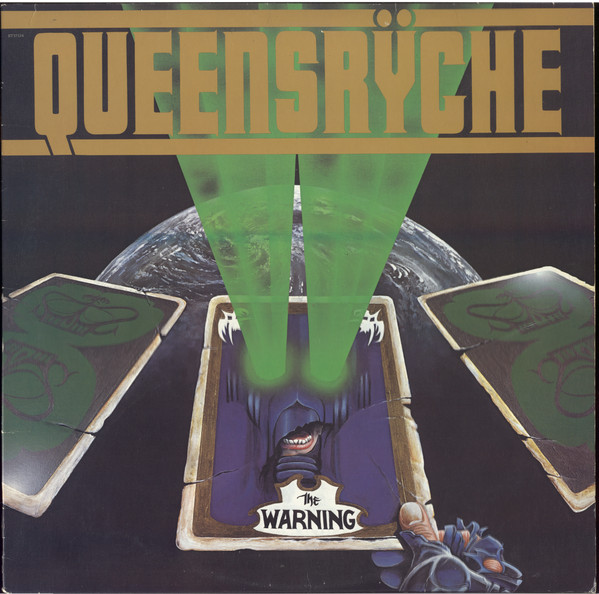
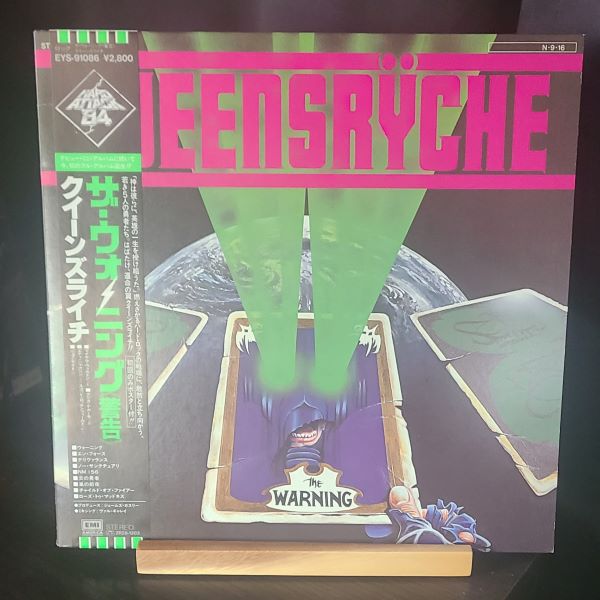
Queensrÿche – The Warning (Album of the Week)

This week the offering is the debut full-length from Seattle’s metal institution. While the recording and process of releasing the record didn’t go the way the band wanted, in the end a worthy album was still delivered.

Queensrÿche – The Warning

Released September 7, 1984 via EMI Records

My Favorite Tracks – Take Hold Of The Flame, Roads To Madness, The Warning

Queensrÿche had landed a major label record deal off the strength of their self-titled demo, which was widely released as an EP and gained the band a fair bit of traction before playing a show. Now the group were armed and ready with their first full album and a new legacy was now underway.

The band’s line-up was the same as from the EP and would also remain the same for many years afterward. Geoff Tate handled vocals, while Chris DeGarmo and Michael Wilton were the guitarists. Eddie Jackson was on bass and Scott Rockenfield was the drummer. The album was produced by James Guthrie, well known for producing Pink Floyd.

It’s worth noting that the album didn’t quite measure up to what the band wanted. The recording process went over budget and EMI turned mixing over to a cheaper option, resulting in a mix that the band was not happy with. The track sequence was also not what the band wanted, it was changed while the group were out on tour without their input. This doesn’t really “affect” the album and there is no official re-done version that matched the band’s wishes but it’s album trivia worth having a look at.

There are 9 songs in 48 minutes on the original version of The Warning. Many of the songs here were inspired by George Orwell’s infamous novel 1984. The mythos of this album has its own feel, not quite a concept album but definitely an invented theme running throughout and certainly far beyond a pale copy and paste of the novel used to inspire.

The Warning

The opener and title track gets the pace set with a straightforward metal song. The song is pretty standard metal fare, though it’s also evident that Queensrÿche have some arrangement ideas that go beyond the usual stuff. The song has to do with a “child of centuries” who warns the world that time is about up. The simple chorus of “Warning” along with some nice riffs make for some good listening.

En Force

The first four minutes serve as another standard yet also excellent metal track, this time offering up the apparent leader or tyrant who is controlling things and some kind of quest to unseat them. A few bells work their way into the song’s intro, it seems Queensrÿche were keen to add to their music even very early on. The last minute of the song is a different sort of thing, with a quiet outro that seems to lament the tyrant’s iron grip on people.

Deliverance

This one might feel “simple” in comparison to what Queensrÿche would go on to create, but in all honesty this is a very well put together track especially for someone’s debut album. The band insert a few things into the song to freshen it up a bit. Also, the bass line on this one is very much worth a listen.

No Sanctuary

Here we have one that starts out as a ballad but then shifts over into a bit heavier fare, though still perhaps a ballad. It seems to be about someone looking to fight those in control, but the song’s sad backdrop indicates it might all be for naught. It’s a display that the band were not going to be a one-dimensional metal act.

NM 156

Up next is a more “upbeat” song, at least musically. This one works up into its very wordy chorus at a pretty quick pace. The song gets into 1984’s themes of thought control, though here it seems machines are tasked with executing citizens who aren’t in line. Queensrÿche were very into the concept of computers and machines running things, as evidenced from this track as well as Queen Of The Reich from the EP and Screaming In Digital on Rage For Order. As our current society becomes enveloped in AI, it seems perhaps Queensrÿche were prophetic.

Take Hold Of The Flame

The album’s second single has also become the standard-bearer for the record and the band’s most popular early song. In terms of tempo and arrangement it fits right in with everything else on the record. Geoff Tate does stand out on this one with his unreal voice, but otherwise the song doesn’t really “do” anything out of the ordinary.

Where this one does diverge is with its theme. The song is simply about going for it – many sit and waste away without taking a chance on something, so take hold of the flame and have at it. Stuff like a child of centuries or a human-terminating AI might be a bit opaque and far-off to really identify with (for now, anyway) but this song is universally applicable. Everyone can get it and a lot of people did. It is unsurprisingly the band’s fourth most-played live song according to setlist.fm.

Before The Storm

The metal spirit keeps up here on this one. The storm seems to reference a feared nuclear bomb scenario, though this is really only picked up from the words “atom split” in the second verse. This is a really good song that keeps its tempo up until the last minute, where again the band goes out on a different outro note which flows straight into the next song.

Child Of Fire

Heading towards the end with another barnburner of a song that keeps the pace up until a quiet interlude in the middle. This seems to be about some kind of malevolent conquering leader and a duel with a hero to settle the world’s fate once and for all. There’s a nice guitar solo at the end of the interlude before the song closes out the same way it came in.

Roads To Madness

The album closes with a whale of a song at nearly 10 minutes. The first half of the song is pretty standard fare, verse-chorus with nothing unusual going on. Then a quiet interlude hits for a bit, followed by a soaring end piece that takes the song to its conclusion. This is wonderfully arranged and played and is one that truly hints at what Queensrÿche would be getting up to on future releases.

This one is a bit tough to make out theme-wise, though it’s clear that someone is attempting to access some forbidden knowledge and they make their mortal exit as a result of their investigations. I probably never will know what the hell they’re talking about but I still absolutely love this song.

The Warning was a solid debut for Queensrÿche after the hype from their demo/EP. The album would not make huge moves on sales charts but did quietly earn a US gold record for half a million copies sold. Queensrÿche would open for Kiss, Iron Maiden, Dio and Accept while on tour for the record, offering their brand of metal to a variety of audiences.

This album is honesty pretty unique in the Queensrÿche catalog as it is a fairly standard metal record. The group would not remain long in this territory, choosing to explore different soundscapes on Rage For Order before crafting their magnum opus concept record Operation: Mindcrime. But here on the Warning we can hear their early sound, certainly with a bit of a Judas Priest vibe throughout but also a uniquely Queensrÿche offering. While the band would go on to some unique expressions in their creative prime, this first album should not be discounted, it is filled to the brim with quality heavy metal.

I do have an extra special version of this album, it’s a Japanese pressing in phenomenal condition. Have a gander at that below.

Metallica – For Whom The Bell Tolls

This post was part of a series that I called S-Tier Songs. I later decided to abandon the series in favor of a simpler Song of the Week format. I am keeping these posts as I wrote them but removing the old page that linked to the list of S-Tier Songs, so that is why these posts might look a bit odd. Enjoy.

I always have the next handful of songs for this planned out. I was about to work on one of them when I went back and read through the list of what I did so far. I could have been knocked over with a feather to find that this song was not already on my list. So today it’s time to right that wrong.

Metallica – For Whom The Bell Tolls

The third track from 1984’s seminal thrash record Ride The Lightning was a massive force that captured the attention of the metal world out of the gate. The song was released as a promotional single and has endured as one of Metallica’s best-loved songs through the course of their 40-plus year career.

Ride The Lightning has been the subject of the Album of the Week before, that post is here.

The intro to the song is classic, but it actually begins with something else. Two bells ring, followed by the drop of the riff. If you hear more than two bells, then you are most likely about to enjoy the classic song Hell’s Bells by AC/DC. Or maybe some other song that has bells but isn’t as good as either this or AC/DC. It’s a fun game to play if listening to the radio or whatever and the bell starts ringing to figure out which song is playing.

Once the bell is over with it’s all guns blazing with the guitars and – wait, what is that infernal noise? It’s actually bassist Cliff Burton with his rig plugged into a few effects, doing a part he used to do in old Bay Area bands alongside Jim Martin and Mike Bordin, who would go on to form Faith No More. Cliff’s twisted bass piece fits the guitar part very well and the song trudges on to begin the verses.

The song’s lyrical fare is inspired by Ernest Hemingway’s 1940 novel of the same name as the song. I’ll just get this out of the way – I read the book in high school because of the song and I wasn’t all that into it. But it’s pretty badass when distilled into a song – it’s set in the Spanish Civil War of the 1930’s. In the book, a group of fighters are planning to blow up a bridge to stall an enemy advance when shit hits the fan and people are butchered. In the song, a group of fighters takes a strategic hill but get blown apart by an air raid or artillery strike soon after. Different specifics but same general concept.

For all the song’s epic feel and delivery, it is also a very, very simple song. This takes a few minutes for even a novice guitar player to pick up on, and yet it is the full weight of heavy metal crushing down on someone. It was proof that metal was more than just “play fast and scream” and that songwriting and arrangement were a part of the process. And also proof that Metallica especially would be sharp in that field.

For Whom The Bell Tolls entered Metallica’s setlists and did not leave – according to Setlist.fm, it is the band’s fourth most-played song live. It would appear the song has never left the stage in the band’s many gigs over the years. It would be a clear inclusion on any “greatest hits” of Metallica list and certainly ranks toward the top of many fans’ favorite songs lists. And the single went gold in the US, an impressive feat as the band were not a radio or MTV darling in their early years.

Why is this an S-Tier song?

For Whom The Bell Tolls is one of Metallica’s immortal anthems, a crushing tale of the horrors of war set to a simple yet devastating heavy metal track. Even in all the subsequent world-conquering fame Metallica would enjoy, this song remains one of their most beloved. It was a showcase for Cliff Burton and it proved the band had the writing chops to excel beyond the scope of simply playing fast and loud.

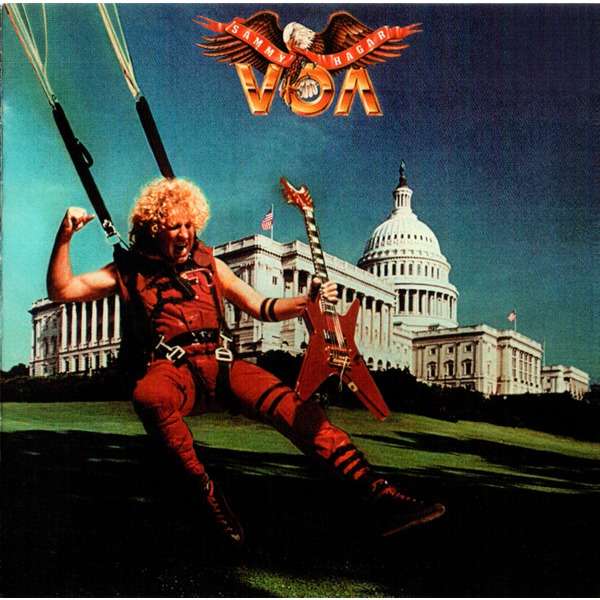
Sammy Hagar – VOA (Album Of The Week)

Today it’s time to look at one of the crown jewels in the career of the Red Rocker. After a slow grind to relevance as a solo artist, Sammy Hagar began making waves in the 1980’s and would launch the album with his most successful hit just before going on to mega-stardom with Van Halen.

Sammy Hagar – VOA

Released July 23, 1984 via Geffen Records

My Favorite Tracks – Burnin’ Down The City, I Can’t Drive 55, VOA

This marked Hagar’s third album with Geffen Records after a string of modestly-performing solo records with Capitol. On production was Ted Templeman, who’d worked with Hagar previously with Montrose and of course is also long associated with Van Halen.

It’s not a terribly long album here with 8 tracks at 36 minutes so let’s get to it.

I Can’t Drive 55

The opener was also the lead single and also the signature song from both this album and Sammy’s solo career overall. The speed limit on US highways was 55 miles per hour for a long time to offset oil consumption in the 1970’s. Sammy got a ticket for going over that and wrote the song right after.

The song is a nice power rock track backed by keyboards and cuts its message in simple and effective fashion. This wasn’t a social issue that would draw the attention of the likes of Bono, but a lot of people were fed up with the federally-mandated speed limits and this song resonated with a great deal of the country.

Aiding in the song’s popularity was its goofy and fun music video, which sees Sammy and his “pit crew” band get busted for speeding. The courtroom scene is especially funny, featuring famed Geffen A&R man John Kalonder as the judge. And the mechanic in the video’s intro is Claudio Zampolli, who also worked on Eddie Van Halen’s cars and was the one to suggest to Eddie to hire Sammy for Van Halen.

Swept Away

Going on a tropical island getaway here with some lovely gal, the verses open with an atmospheric portion but then kick into a pretty rocking riff. Not a typical verse/chorus structure here but still a pretty simple song that does its job well.

Rock Is In My Blood

Sammy always likes to make songs about rock and metal and here we are again with another choice cut of that nature. It’s a heavy riff with the keyboards accenting the song rather than being the driving force and that works very nicely. I still remember the first time I heard this and being taken aback at how Sammy worked “blood transfusion” into the lyrics and how it fit in rhythm without actually making any sense lyrically.

Two Sides Of Love

The album’s other single did modestly well on the charts and wasn’t actually all that far off of I Can’t Drive 55, but this song didn’t slam into the public consciousness quite like the other one did. This is a song about love but not a “love song,” this deals more with the complications of long-term relationships and life. It’s certainly a product of the ’80’s but it doesn’t quite fall into cliché.

Dick In The Dirt

Side two kicks off with a funny song about Dick and Jane and all the double entendre stuff they get up to. This is one of those songs that could go south real quick but again there’s a very nice riff backing it all up and it holds together pretty well.

VOA

The title track is a hard rocker with the keyboards more up front in true ’80’s power rock fashion. And in keeping with 80’s USA themes, the subject matter is American exceptionalism. There was conflict in the Middle East and also the Cold War with the Soviets was in its final stages and this song sums up the US side of things pretty well. This song might seem silly now and maybe even was back then, but it fit the times very well.

Don’t Make Me Wait

Heading toward the end we get a fairly simple love song that still stays out of real “ballad” territory and keeps with the sound and feel of the album. This one is kind of paint-by-numbers but there’s nothing wrong with it.

Burnin’ Down The City

The album closes with a real monster of a tune and my favorite on the album. The mood goes far more dark here than what’s found elsewhere on the record. The song was inspired by New York City’s street artists according the album’s liner notes. The track goes beyond street art and embraces chaos and destruction in heavy fashion. Had this song been out some years earlier it could have made the soundtrack to The Warriors.

VOA was the realization of success for Sammy Hagar. He had an album that went platinum within a year and the song that would come to define his career. I Can’t Drive 55 would blare across radios and MTV all through the ’80’s as the speed limit remained, and would become a part of auto racing culture even after the speed limit was repealed in 1995. It resonates even today in a culture of bad drivers who used the Grand Theft Auto games as driver’s ed.

The trick for Sammy would be to pull this off again and follow up his success with another hit album. He’d sidestep that issue entirely when he joined Van Halen in 1985 and saw massive success with them. He’d do one more contractually obligated solo record in 1987, but it would be another decade and his split with Van Halen before he resumed his solo career and found a different form.

Sammy Hagar arrived in 1984 with the perfect record of melodic hard rock to get on the scene and score a victory lap after his prior success in the early decade. It’s a fitting end cap to the first phase of his solo career and a launch pad to his time fronting one of rock’s greatest acts.

Album Of The Week – November 7, 2022

This week’s pick is one of rock’s greatest albums. The songs married the sounds of the time with the band’s already-established formula and created a whirlwind that marks one of the most successful periods in the group’s career. It would also be the last offering from this phase of the band for many years.

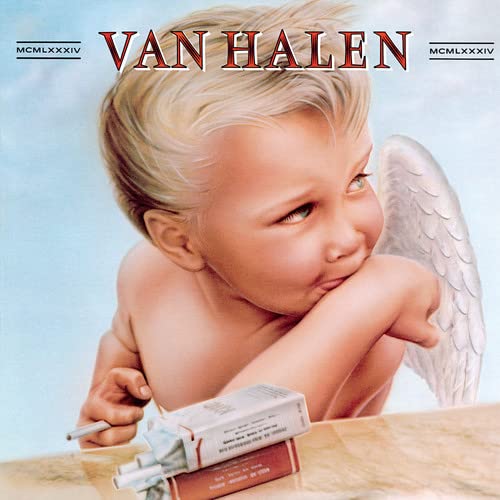
Van Halen – 1984

Released January 9, 1984 via Warner Bros. Records

My Favorite Tracks – Hot For Teacher, Panama, I’ll Wait

The lead-up to 1984 was a bit contentious for Van Halen. The band had rushed out Diver Down and Eddie Van Halen was prevented from his desired use of synthesizers. In 1983 he sequestered himself in his new home studio and used a synthesizer for the whole year, in defiance of the wishes of David Lee Roth and the record label.

The results weren’t to be argued, though. The slate of songs Eddie came up with worked, both within the band’s sound and as an update to their offerings. This album was chock full of hits and several of the songs would become iconic pieces of Van Halen’s catalog.

It is a rather short album in some respects – 8 songs with a total time of 33 minutes. But there is a lot to talk about, given the legendary nature and success of these songs.

1984

Keeping things even more concise is the first track, a minute long instrumental that only features synthesizer. That’s about all there is to it.

Jump

The proper lead track is likely Van Halen’s most recognized song. Jump features the keyboard front and center, with Eddie’s guitar taking complimentary role. Roth originally based the lyrics around footage of someone contemplating suicide from a tall building, but later reworked them to fashion a more inspiring message.

Jump is Van Halen’s biggest single, being their only number one entry on the Billboard Hot 100. Jump has been ever-present in society in the 38 years since its release.

Panama

Eddie put up the keyboard here and offered a more conventional Van Halen track. The song sounds like the prototypical Van Halen party track but is actually about David Lee Roth’s race car. It’s all the same, really, and this is another widely celebrated song. Panama was a top 20 single and is another VH tune that’s never more than a stone’s throw away. It’s also a very nice bridge to the earlier material.

Top Jimmy

Another guitar-focused track, this upbeat song is a tribute to a gigging band Roth used to catch at a club in Hollywood. Many rock songs have been written about the rise and fall of music stars, but this song simply shines light on a group that went out and played, without the shitty ending.

Drop Dead Legs

Nothing much to get into here – it’s a groovy, Eddie-on-the-guitar tune whose lyrical content is blatantly obvious. Nothing wrong with short and to the point.

Hot For Teacher

The band’s final single from the DLR era is a thing to behold. Alex Van Halen rumbles in with an intense double-bass drum solo intro, then Eddie joins in with some crazy fretwork to kick off this massive rock tune.

The song is, again, simple in premise – guy’s got the hots for his teacher. It has been a common deal since school has been a thing. The song is electric and takes everything to 11. While the single didn’t’ crack the US Top 40, the MTV video was a sensation and saw massive airplay.

I’ll Wait

Another single, this song goes back to the keyboard-heavy approach of Jump. It’s a bit of a slower tune and the synth being at the forefront works well.

An outside collaborator was brought in to help with the lyrics – Michael McDonald, he of the Doobie Brothers and sundry other projects, helped Roth along with the words. McDonald was not credited on certain versions of the release initially, for reasons not made clear.

I’ll Wait matched Panama’s success on the US Billboard singles chart, hitting position 13.

Girl Gone Bad

Heading toward album’s end with a song that showcases a bit of a cleaner guitar tone from Eddie, something a bit brighter that might be a preview of Van Halen to come. There are also words sung about a girl gone bad, which is literally all there is to say about the song’s lyrical theme.

House Of Pain

The album closes on a very old-time VH sounding tune with a very heavy, driving riff. It’s about rough sex, or about not enough rough sex, or not about rough sex, or maybe all of the above – all is possible within the David Lee Roth multiverse.

1984 was a smash success for Van Halen. The album sold well out of the gate, hitting gold just a bit after release. It is in a virtual tie with the debut album as Van Halen’s best-selling record, both being over 10 million and diamond certified in the US. 1984 is often at or very near the top of many VH album rankings and is cited as one of the best albums of the 1980’s.

It’s worth noting that the “synth” arguments about the album are pretty overblown. It’s two whole songs, three if you count the intro. It wasn’t the first time VH used synth either, so the fuss probably comes down to the success of Jump as a single. It might have been different to hear Eddie base a song off of keys rather than guitar, but it gets boring when artists do the same thing over and over again, and Eddie Van Halen wasn’t going to be that kind of artist.

The band would tour behind the album and then long-running tensions would see David Lee Roth exit Van Halen to pursue a solo career. Van Halen would regroup with Sammy Hagar and enter a musically different yet commercially fantastic era.

Roth’s exit was a foregone conclusion, as fans would find out mostly in retrospect. Roth and Eddie Van Halen butted head creatively, with Roth not fond of the synth-based direction Eddie wanted to take. 1984 seems to be Eddie’s response to that. Roth was also presented with opportunities that later didn’t pan out, so heading out on his own was a fairly logical choice.

However things afterward went down, there is no argument that 1984 was a pinnacle album for Van Halen. It was a more cohesive effort that offered up quality work even in secondary tracks, something other early-era albums could sometimes lack. It captured the attention of the world at large and made Van Halen one of rock’s biggest names in an era where rock was king.

Album Of The Week – August 1, 2022

Last week I covered one of the most significant albums in heavy metal history. Let’s go 2 for 2 on that front.

Iron Maiden – Powerslave

Released September 3, 1984 via EMI

My Favorite Tracks – 2 Minutes To Midnight, Rime Of The Ancient Mariner, Aces High

This release marks Maiden’s fifth studio album and the one where the band truly became a worldwide phenomenon. The album and resulting tour would get the band in front of audiences across most of the civilized world.

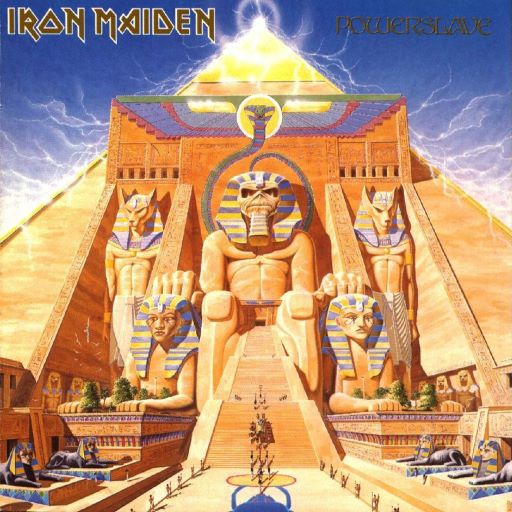
And of course, it usually isn’t an Iron Maiden album without an epic cover. Powerslave does not disappoint on that front. Our friend Eddie was worked into a pharaoh sitting atop his throne and the Derek Riggs cover is one of Maiden’s most celebrated art pieces.

Discussion is a fairly easy task with eight songs coming in a hair over 50 minutes (and also I’ve heard this album a billion times), though the huge epic looms at the album’s close.

Aces High

The album’s opener would also serve as the band’s long-time concert opener. Maiden’s sound was now dialed in and this energetic track showcases the rumbling bass, galloping guitars and soaring vocals the band are known for. The lyrics recreate British air forces during the Battle Of Britain in World War II. It is one of the most well-known and loved songs from the groups catalog.

2 Minutes To Midnight

It’s a song that employs the world’s simplest yet most effective rock riff and tells a tale of destruction through the military industrial complex. The title references the Doomsday Clock and the close setting to midnight, which would signify atomic destruction.

This also is my favorite Iron Maiden song. I don’t really know “why,” just that it is.

Losfer Words (Big ‘Orra)

This is an instrumental and (I think) the final one the band ever did. It’s a very nice song that certainly could have been something with vocals but does just fine on its own. It fits the sound of the album perfectly.

Flash Of The Blade

A two-song mini arc about swordfighting starts here. A young kid plays with his toy sword, then becomes a real swordsman after his family is killed in an attack. He sets out for revenge against the killers with his real sword skills as an adult. The chorus is a pretty clever twist on “live by the sword, die by the sword.”

The Duellists

A pretty simple premise – the song is about a sword duel. The two combatants fight in the lyrics through Maiden’s pummeling musical delivery. Both of the swordfighting songs sometimes get dismissed or overlooked but I’ve always enjoyed them.

Back In The Village

This song isn’t entirely clear but it is another reference by Maiden to the old British TV show The Prisoner. The band had already recorded the song The Prisoner on The Number Of The Beast inspired by the show and are revisiting the setting here. I’m not familiar with the show but here are a handful of direct quotes from it in the lyrics here, such as “I’m not a number, I’m a name,” also words worked into The Prisoner song.

Powerslave

The title track heads to ancient Egypt and visits with a dying pharaoh who is not happy with the premise of mortality. The pharaohs were considered gods, yet here this dude is about to kick the bucket. Probably a startling conclusion to a worshiped and revered figure. Maiden kicked the track length up a bit here to 7 minutes, though even Powerslave pales in comparison to the journey to come.

Rime Of The Ancient Mariner

We arrive now at the album’s close, but it’ll be awhile before we get to the actual finish. This song, a direct adaptation of Samuel Coleridge’s famous poem of the same name, clocks in at 13:45. It would be Iron Maiden’s longest song until 2015, where Empire Of The Clouds from The Book Of Souls would dwarf Rime’s runtime (and The Red And The Black would come very close).

The song and poem’s plot can be summed up in concise fashion – ship gets lost, bird helps ship out of ice, guy shoots bird, guy is cursed for shooting bird. Sure, there’s a hell of a lot more to it than that but it’s the gist of the story.

Maiden makes extensive use of movements and arrangement to convey the poem in song form. An unfamiliar listener could be forgiven for thinking this is more than one song, at least until the curse is lifted in the song’s final few minutes. I’ve even had my mind wander off and forget what I was listening to when playing this album in the background.

While doing a song of such scope posed risks, Iron Maiden was all the better for it. They were not ever a radio hits band, so a lengthy epic based on a poem was eaten up by the fanbase. To this day it is listed among their finest works and no shortage of people have it at the top of their lists.

The Live After Death performance

Powerslave was an immense triumph for a band already on the rise in the mid 1980’s. The album charted in many countries and has several platinum and gold certifications. The resulting World Slavery tour took Iron Maiden all over the world and culminated in their first live album, the immortal Live After Death.

Iron Maiden’s ’80’s run is widely hailed as a series of classic albums and performances, yet Powerslave may be the cornerstone of that era. The two singles Aces High and 2 Minutes To Midnight are constant live presences, the title track is a celebrated epic, and of course Rime Of The Ancient Mariner is hailed as a masterpiece. The album’s influence is inescapable – hell, it’s even used by some to criticize other periods of the band’s work. Even as the band has endured and carved a unique legacy within heavy metal, the shadow of Pharaoh Eddie looms large over Iron Maiden’s work.

Also the Live After Death performance