Ladies and Gentlemen, Sammy Hagar!

Today we’re going to get into a story I have not ever run across before. This incident happened in either 1985 or ’86, exact dates aren’t specified. While I am a fan of Sammy Hagar and Van Halen and I’ve also been a pro wrestling fan at various points in my life, I have never heard this story before at all until I stumbled onto this video last week.

This presentation is from Dark Side of the Ring, an outfit that puts together documentary episodes about (usually) the seedier side of pro wrestling. If you know anything about wrestling, you know that there’s a lot of seedy stuff. They also do a podcast called Unheard to cover things that don’t really fit into the main documentary episodes and that’s where today’s story comes from.

The episode in question was about the tragic story of former wrestler Adrian Adonis, but the actual meat of today’s story came from legendary grappler Bret “The Hitman” Hart. Bret was being interviewed about Adrian and told this story during the sessions. The filmmakers couldn’t wedge the story into Adrian’s episode but felt they had to tell the full story, and I’m glad they did.

I have posted the video and I fully encourage everyone to check it out to see Bret tell the story. But I will also recap it here.

Bret Hart was flying into New York City with Adrian Adonis and Bret’s brother in law, Jim “The Anvil” Neidhart. Bret was sitting next to a guy who was dressed in a sort of “rock n’ roll” style, not uncommon in the mid-80’s. The guy picks up on Bret and his cohorts being wrestlers and tells Bret that he is a rock star. Bret asks who he is and the guy says he is Sammy Hagar.

Jim Neidhart was rightfully skeptical that the man in question was Sammy Hagar, who at this point had just joined Van Halen. Jim picked up on the guy wearing a cheap Timex watch, something the real Sammy Hagar probably wasn’t doing by this point as he’d made a fair share of cash. It’s worth noting that none of these wrestlers knew what Sammy Hagar looked like, this was the days before the Internet and ready access to photos and all that.

Something else would happen to actually change Jim’s mind though – the group went to Madison Square Garden, the spiritual home of the World Wrestling Federation (now Entertainment). In the back, “Sammy Hagar” took up Adrian on an offer of the currency of the 1980’s, cocaine. “Sammy” snorted a huge line and had a bit of a nosebleed after, this caused Jim to exclaim “It IS Sammy Hagar!”

Celebrities were a common presence at WWF shows, especially at MSG, so “Sammy Hagar” was actually introduced and made his way to the ring. The clip of this hilarious scene is below, and I’m sure anyone who reads this blog can instantly tell that the person is certainly not Sammy Hagar. The crowd were pretty easily able to ascertain that this guy was not Hagar and the very brief appearance got jeered by the fans waiting for the next match.

The podcast goes over another few funny moments of this story – an unnamed New York Yankees ballplayer was also backstage and knew Sammy Hagar personally, he instantly ratted the imposter out. Also, Bret and Adrian and company had to deal with the fallout of bringing a faulty version of Sammy Hagar to the wrestling event, as WWF head Vince McMahon has long been famous for his calm temperament in such matters… But this being a MSG broadcast in the mid-80’s, the Fed was able to sweep this mishap under the rug until just recently.

This story is a really funny slice of entertainment from the ’80’s and, if left where it is, is perfectly fine. The only loose thread is this – who was Not Sammy Hagar? The podcasts hosts wonder if the guy is even still alive and are curious as to who this legend of rock and wrestling might be. It seems as though this guy’s identity might be totally lost to time and mortality – that is, unless you want to engage in a bit of conspiracy theorycraft.

A few of the podcast viewers picked up on something I wouldn’t have honestly considered – the Sammy imposter looks familiar. It’s certainly not Sammy Hagar, but this guy could have easily passed for Dana Carvey. At the time in question Dana Carvey was just getting ready to join Saturday Night Live and become known to the wider world. But had the celebrity impersonation been Dana Carvey, this guy could have pulled it off without a hitch.

That is, barring one further consideration – what if this guy wasn’t a ringer for Dana Carvey, but was Dana Carvey? Dana would become a household name by 1987, but at the time of this wrestling show he was not very well known. He’d had some bit acting parts but wasn’t an SNL cast guy yet. There is some speculation that this actually was Dana Carvey, who wound up on a plane next to Bret Hart and decided to pull a gag.

I think it would be hilarious if it actually was Dana, but logical speculation leads me to believe it wasn’t. Dana has had 40 years to tell this story if he did indeed pull this ruse, and to my knowledge he has never brought it up. I’d think it’d have to be a story he told at some point in time over the decades of interviews he has done. So I am going with “no” on this one.

I have noticed comments indicating that someone does know this person, they aren’t Dana Carvey, and the person is still around. Maybe we’ll get a feature with this dude someday, I really want to hear what he has to say. I’m not saying I necessarily believe that anyone really has a hook-up to this guy, but it’s not out of the realm of possibility.

So here’s to the legend of Not Sammy Hagar appearing at a WWF live event in 1986. It probably wasn’t Dana Carvey but maybe it was, or maybe we’ll get to hear from the perpetrator of this hoax sometime down the line. And if not, well, we at least have this great story from a time when pro wrestlers, the world’s biggest bullshit artists, got bullshitted to a huge degree.
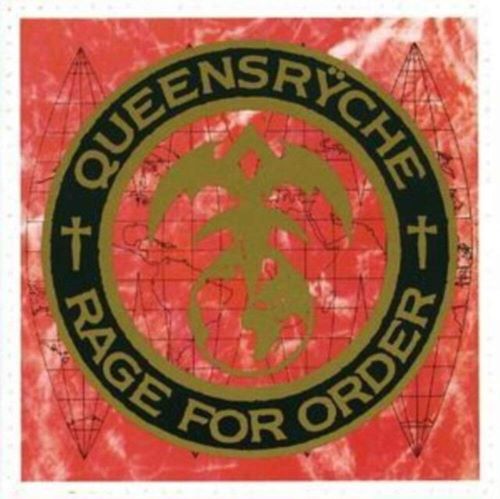
Queensrÿche – Rage For Order (Album of the Week)

A young metal band with just one album under its belt gets told by the label to “glam it up” a bit. The results were – well, not quite glam by any real measure, at least beyond the band photos.

Queensrÿche – Rage For Order

Released June 27, 1986 via EMI Records

My Favorite Tracks – Screaming In Digital, Neue Regel, I Dream In Infrared

Queensrÿche were in a bit of an odd position by the mid 1980’s – they had arrived as a heavy metal act with progressive and Judas Priest vibes. Even early on the band seemed too intellectual and sophisticated to truly dive into the glam and hair movement that was taking hold of rock music. Instead we got a grab bag of songs, some having to do with love in some darker aspects and others still getting into sci-fi or AI stuff like what they offered on their first efforts.

The band’s line-up was constant all through the ’80’s – Geoff Tate on vocals, Chris DeGarmo and Michael Wilton on guitar, Eddie Jackon on bass and Scott Rockenfield on the drums. This one was produced by Neil Kernon, who helmed the studio console for Hall and Oates’ biggest albums and has gone on to record hundreds of albums with everyone ranging from soft rock to death metal.

The production on here is worth discussing, too – in contrast to the thinner and sterile sound coming from a lot of albums in this time period, Rage For Order has a pretty full sound. It’s bright yet also full, it hits when it needs to and lets the album’s softer songs breathe. It is at times clinical, which was probably a goal since some of these songs are about computers and robots taking everything over. Getting this variety of themes and sounds down into a nice listening experience is a pretty nice accomplishment.

There are 11 tracks here that run for nearly 46 minutes, and the variety takes the listener on quite a journey. There was a deluxe reissue that offered a handful of live and demo bonus tracks, I’ll stick to the original album’s tracklist for today.

Walk In The Shadows

The opener is a pretty nice song that walks a line between being both melodic and heavy. This dark love tale was apparently inspired by vampire stuff like the Anne Rice books. The song is fairly quick and simple but does a good job setting the table for what’s to come.

I Dream In Infrared

Up next is something akin to a power ballad. This one starts out soft and lush, then builds into a really powerful surge through the chorus. It’s the earliest hint of how Queensrÿche would approach a more conventional rock song, something we’d get more of from them in 1990. The lyrics have to do with a relationship that’s clearly lost, the narrator is about to split and has pretty profound thoughts about it. As with a lot of Queensrÿche stuff there could be a deeper or more specific song meaning but I don’t know what it is. No matter, this song is spectacular and one of the band’s crown jewels.

The Whipser

The title is misleading here, this song is plenty loud. It’s got a nice and noisy riff with Geoff Tate visiting several parts of his considerable vocal range, and just the right amount of keyboard accents which Neil Kernon provided. The song’s theme isn’t quite clear, someone is being coerced or persuaded to do something likely not good. It could be vampires or robots, either are a fair guess for this album, I personally vote robots as it’s always a safe bet on early Queensrÿche stuff.

Gonna Get Close To You

Up next is a cover song – this was first done by Canadian artist Lisa Dal Bello, who performed as Dalbello. It is a creepy stalker song, and unlike The Police’s smash hit Every Breath You Take, this song is very, very upfront about being engaged in flat out criminal stalking behavior.

Queensrÿche’s cover is honestly not far removed from the original, though it’s also paired with more instrumentation to fill it out. I go back and forth on whether I’m into this one or not and overall I’m kind of not, but I will admit that they did get the sound right in terms of making it fit the album.

The Killing Words

This is another amped up power ballad. Another high quality track, this is about love going down the tubes again but the people are apparently still together, seems to be a recurring theme here.

Surgical Strike

It’s time to kick up the pace and move on from love to war. This one hearkens back some to the debut album but also still fits with the sound and vibe of this record. This one has a really nice solo then a synth transition back into the song. It’s also over as quick as a surgical strike in a hair over 3 minutes.

Neue Regel

German for “new regime” or something like that, this kicks the pace back down a notch but keeps the power going. There’s quite a bit of use of keyboards and other samples here to help create an epic build to this new order, whatever it may be. There’s a lot here but it’s not overdone, this one works great with all the embellishments.

Chemical Youth (We Are Rebellion)

It’s time to get loud again as this one aggros its way through a long and unwieldy rant about rebellion, politics and technology. I don’t know what the hell they’re talking about here but the song is still pretty good.

London

Another powerful power ballad, this one is about a tryst with someone in the city referenced in the title. A pretty nice song, quite powerful and moving, though also perhaps a notch below some other stuff here.

There’s an interesting reference to November 4th in the opening line – that day was nothing unusual on its own but is just a day removed from “Guy Fawkes Night” or the Gunpowder Treason Day in England. (remember, remember the 5th of November). Nothing in the song indicates any link to that but I thought it was a neat coincidence, especially given the multiple themes of rebellion found through the album.

Screaming In Digital

Up next is an epic foray into the world of sci-fi and AI, though AI isn’t really sci-fi anymore. This song is an absolute scorcher, with dueling vocal parts representing two characters. It’s not totally clear what’s going on here, though at least one of the participants is a machine and I’ve always assumed both are, the “newer” machine is struggling with the concept of only being a machine. It could also be a human being forcefully “induced” into the robot cult or whatever, I don’t know.

This song is an absolute masterpiece. Geoff Tate is on fire here and the song’s militant rhythm gives a machine-like feel to things to further enhance the cyborg or AI concept. The vocal trade-off can be confusing at first, but repeated listens shine a light on what’s going on, and this song should be listened to repeatedly. One of Queensrÿche’s best songs.

I Will Remember

The album ends on a quiet and somber offering that is also lyrically about AI. This explores the concept of machines “stealing each other’s dreams” and the idea of not having private thoughts that can be concealed from a digital police state. It was sci-fi at one point in time, today it’s reality – just think about buying a couch and look at the ads on your phone. But I like this quieter approach to ending the album and the song itself is quite well done.

Rage For Order was not a huge hit out of the gate – it peaked at 85 on the Billboard 200 in the US and had various other lower chart placements around the world. Critics were kind, they liked the music though found some of the lyrical fare dense. This would get a gold certification in the US and Queensrÿche would land coveted opening spots on tours with AC/DC, Ozzy Osbourne, Ratt and Bon Jovi.

Queensrÿche have often defied categorization, for good or bad, and in the early days it was usually a good thing. Rage For Order shares the band’s somewhat elusive qualities – it is a lot of things and touches on a lot of subjects, but overall it was a pretty big step forward. This moved Queensrÿche out of the “Judas Priest meets Rush” comparisons and into establishing their own sound. Their signature guitar tone is here, as are knacks for arrangement and lyrical concept. All of this would mesh just a few years later on their magnum opus. Rage For Order may be a grab bag of sorts, but whatever you grab out of it is pretty damn good.

Metal Church – The Dark (Song of the Week)

It’s spooky season so it’s a great time for a song about spooky stuff.

Metal Church released their second album The Dark in 1986 and today’s song is the title track. This album got a pretty mixed reception from critics, who were more in love with the band’s self-titled debut, but this album and song have its fans and I am absolutely one of them.

Metal Church are more accurately described as a US power metal act than a thrash band, though this song might convince some otherwise. This is a hard and aggressive track with pounding riffs and rapid fire vocal delivery from David Wayne, who is almost rapping through the chorus. There is an instrumental break but not really a proper solo, this song pretty much just slams in and out.

Lyrically the song is about being stuck in a house at night while sinister things are about. No telling if those evil things are real or imagined, but all those noises in the night are making the song’s subject paranoid. He feels like he has to stay up all night to avoid being prey to whatever lurks in the shadows, if that thing is even real. Playing upon that fear of things that may or may not be there, often a childhood thing, can be far scarier than an actual monster on a rampage.

The Dark wasn’t released as a single but is a relatively well-known song from the band’s output. IT doesn’t have the profile of songs like Watch The Children Pray from this same album or a few cuts from the widely celebrated debut, but this one still stands as a signature Metal Church track. It was covered by Stone Sour in 2015 when that group focused on playing several cover tracks.

Metal Church would go on through a lot of line-up changes, hiatuses and tragedies through the years, including the death of David Wayne in 2005. Founding guitarist Kurdt Vanderhoof has been the band’s caretaker through the 2000’s. While Metal Church have been through a lot of ups and downs in the decades since their 1980’s breakthrough, they have also contributed a lot to the realm of metal, including this great song.

Iron Maiden – Somewhere In Time (Album of the Week)

Iron Maiden gets to bookend the week this go around. On Friday the live album series launches. For today it’s the studio album they released after their first live record and the band’s two-album dive into the world of synth.

Iron Maiden – Somewhere In Time

Released September 29, 1986 via EMI Records

My Favorite Tracks – Stranger In A Strange Land, Wasted Years, Alexander The Great

Maiden had just wrapped up the Powerslave tour cycle and were absolutely wiped out, so they took a break while Steve Harris tinkered with new equipment, including guitar synthesizers. These synths would be present on all but one song for this next record.

Songwriting came down to Harris and Adrian Smith, with only Dave Murray getting an additional credit. Bruce Dickinson was especially absent for writing purposes – he was said to have been the most burned out of all band members after the mammoth tour. Bruce showed up with a handful of acoustic tracks, which the rest of the band were not at all into. It would all work out as Bruce would really get in on the action the next go round.

Any discussion of Somewhere In Time has to involve the striking cover art. A cyberpunk Eddie graces the front and the background was absolutely loaded with references to everything from the band’s own Charlotte The Harlot to Doctor Who, Blade Runner and many other things. Derek Riggs spent 3 months doing the cover and found the process exhausting, though the result was worth it. Also of note – this was my top cover back when I ranked all of the Maiden album covers. And the album itself came in at number 3 in my Maiden album rankings.

This one is pretty simple to get into – 8 songs that run 51:18. Nothing to worry about in terms of alternate versions here, there is only one reissue series with bonus tracks and those aren’t easy to come by, so 99% of the time people will run into the exact same album.

Caught Somewhere In Time

It becomes clear very early on into this album that the addition of synth was not going to be a massive shift in Iron Maiden’s musical presentation. This song sounds like a Maiden song – galloping bass, guitars going all over the place, Bruce singing out of his mind and body and Nicko McBrain holding a clinic on the drums.

This one is about time travel of some sort, and apparently time travel involves a lot of guitars because Adrian Smith and Dave Murray shred out on an extended solo section. The duo’s work had always been rock solid to this point, but it is taken up another notch here. Spellbinding stuff.

Wasted Years

One of the album’s singles and the only song not to use synth. Wasted Years offers a pretty simple message of living for the moment and not getting caught up in wasting time worrying about what’s already come and gone. The intro riff here is pretty signature stuff, as is the iconic chorus. This would become another of Maiden’s most recognizable songs and is a frequent guest on setlists.

Sea Of Madness

This one slams in pretty hard, though still has the bright and melodic touch that the band would employ throughout this album. It’s a nice contrast of almost thrash-like guitar and drum work against the soaring chorus Bruce provides. This song could literally be about madness or possibly “sea of madness” as a metaphor for civilization, no real telling.

Heaven Can Wait

More fast-paced frenzy here as Bruce fires off verse lyrics in a machine-gun fashion. The plot of the song is about someone who has died but winds up back in mortality after not getting access to any sort of afterlife. This is one of a few songs Maiden have played live a fair bit in the years since this album’s release.

The Loneliness Of The Long Distance Runner

This one features a bit of sad and sweet guitar work, which compliments the subject matter well. The song is directly based off a 1960’s story of the same name, about a British kid caught in a life of poverty who starts running as a way to escape his crappy life. The song doesn’t touch on a lot of the background in the story and instead focuses more on the running itself. The galloping rhythm does lay a nice soundtrack for the act of long distance running, not that I personally know what the hell that is.

Stranger In A Strange Land

The album’s second single appears with a more mid-paced approach. This song is not about the book it shares a name with – rather it is about being an Arctic explorer and the obvious trials of that occupation, including finding a frozen corpse. This was based on a real story relayed to Adrian Smith from an actual Arctic explorer.

This song works very well with its twist of pace and the synth sitting in the background through the chorus. I know I’ve mentioned it before and likely will again, this is my second favorite song Maiden have done. Excellent stuff.

Deja Vu

This has a beautiful and mournful intro before jumping into the typical Maiden gallop. This was the one song written by Dave Murray, with additional help provided by Steve Harris. This song slices through the idea of deja vu, it’s pretty self-explanatory lyrics-wise. This is a nice one to bob along to, or headbang to, or whatever.

Alexander The Great

The final song is a Maiden epic again culling from history, this time the unbelievable conquests of Alexander The Great. The Cliffnotes version is that Alex took over a great deal of the known world at the time, then he died one day. The song’s lyrics truly are a pocket guide to Alexander’s life, as the verses do simply recount his life and deeds.

This was another triumphant Maiden epic and one that occupied an odd spot for a long time – the band found the song too challenging to play live, so they never did. That finally ended this year as Maiden has played this as part of their Future Past tour.

Somewhere In Time was a success for Iron Maiden. The album charted at number 12 in the US, 3 in the UK and had good spots in many other countries, including a number 1 spot in Finland. The album has been certified platinum in the US and Canada, and gold in 4 other nations.

Maiden would tour the album on the “Somewhere On Tour” trek, playing 151 shows in roughly 8 months’ time through 1986 and ’87. This is where the story of Somewhere In Time gets a bit cloudy and lost, as the band quicly re-entered the studio to do the next album. Songs from this record were not played live much at all beyond the tour, with only Wasted Years and Heaven Can Wait getting extensive time after ’87. The album would get a new focus in 2023, as songs from here were paired with stuff from Senjustsu to form the Future Past tour. It was nice that Maiden finally shined a new light on this album live after all these years.

In the end, Somewhere In Time was a success both commercially and critically for Iron Maiden. There were no issues with synth being around, it wasn’t like Maiden went A Flock Of Seagulls with everything. It was just a tool that the band used to great effect. And the whole album is a great collection of songs – bright and melodic, yet still anchored with the things that make Iron Maiden stand out from the metal crowd. It was my first Maiden album and it’s no wonder they went on to become my favorite band.

Candlemass – Solitude (Song of the Week)

This week’s songs presents an interesting perspective with it – Candlemass have been playing for decades now and have had several membership changes. As a result, there is a massive supply of live and alternate recordings of this song available to go through. It’s quite a history which, of course, I’ll get right into.

Solitude is the opening track to Candlemass’ debut album Epicus Doomicus Metallicus. The album was released in 1986 and did not sell well out of the gate, leading the band to be dropped from the small-time record label they were signed to. Singer Johan Längqvist would quit the group without ever performing a single concert, a distinction that was a curiosity in metal trivia and would last over 20 years.

Candlemass would soon see their fortunes buoy – they were joined at vocals by the voice and character of Messiah Marcolin and they’d go on a run of three albums that would help define the landscape of doom metal at a time when the genre was little more than whatever Black Sabbath had done. As the profile of Candlemass rose, so did the sales of the debut album. With this, many new fans took notice of Solitude and the song grew to become one of the band’s signature tunes.

This song is a recording by a doom metal band and as such it is a “sad” song. The music is suitably slow and morose – while a lot of heavy metal was caught up in pushing the envelope of thrash, Candlemass and a few others were exploring the territory that would become doom.

Lyrically, Solitude goes well beyond just being a sad song – this is a desperate track about someone at their total wit’s end who is contemplating suicide. This is the final words of a tortured soul who simply wishes to pass in peace – there is no hope or anything greater to reach for here. Candlemass didn’t have a high enough profile for the song to be picketed by the “moral majority” in the same way a lot of metal music got twisted as encouragements of suicide, which is a bit ironic since this song is very much a bleak and open portrayal of such circumstances while the media-fueled witch hunts were targeting songs not really about suicide.

As Candlemass wound on with their career, Solitude has gone on to see several versions released. By a very quick count I can identify at least 10 versions across different official live releases, as well as 2 more live and one demo session from a rarities box set. Additionally, the song was re-recorded in studio in 2007 when new singer Robert Lowe joined the band and was released on his first album with the group, King Of The Grey Islands. And I’ll hold that version up as an awesome rendition and, at the risk of blasphemy, perhaps the definitive version of the song.

Earlier I mentioned how original singer Johan Längqvist did not sing Solitude with the band, or any song as he didn’t perform live at all with them before quitting. This was corrected in 2007 when the band celebrated a slightly late 20th anniversary by having Johan join them for a handful of songs live. He would link up with Candlemass on a few other occasions through the 2010’s before fully re-joining as singer in 2018. It was a true case of coming full circle.

Solitude is often hailed as Candlemass’ magnum opus, and even in debate it’s a top 2 or 3 pick. This was from a time when a scene could take years to form, when having a soft selling debut didn’t necessarily mean the death of the band, and when word of mouth and snail mail were the ways music spread across the world. Now nearly 30 years on from its release, Solitude is still just as haunting and soul-wrenching as it was back in 1986.

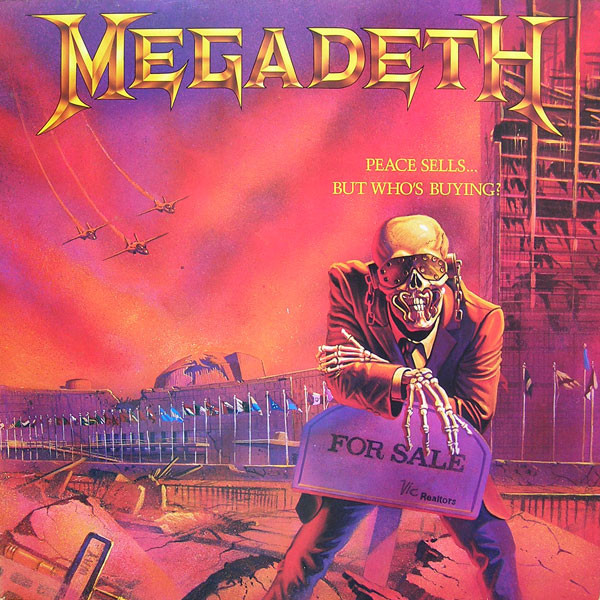
Megadeth – Peace Sells … But Who’s Buying? (Album of the Week)

This week it’s time to dig out the seminal second album from what would become thrash legends and another of the foundational albums of the “Big 4 of Thrash” movement.

Megadeth – Peace Sells … But Who’s Buying?

Released September 19, 1986 via Capitol Records

My Favorite Tracks – Peace Sells, Devil’s Island, The Conjuring

Megadeth had released an essentially self-produce debut, Killing Is My Business, a year prior. The album did light sales but did put the world on notice that Metallica’s former guitar player was up and running with his new outfit. Major label Capitol Records came calling on Megadeth and signed the group to a deal while the follow-up album had already been mostly recorded and really only needed a remix.

Megadeth’s line-up was the same as it was for the prior record – Dave Mustaine on guitars and vocals, Chris Poland on guitar, Dave Ellefson on bass and Gar Samuelson on drums. This line-up stability would not hold for very long.

The cover art was done by Ed Repka and has been one of heavy metal’s most celebrated album covers. The distinct image of Megadeth’s mascot Vic Rattlehead on a For Sale sign outside a United Nations building that was destroyed in an apparent nuclear strike is one of heavy metal’s enduring images. It would lead to a lot of work for Repka and notoriety for Megadeth.

Today’s affair is a lean one at 8 songs and 36 minutes, though packed with songs that would come to define both Megadeth and thrash metal.

Wake Up Dead

The opener was issued as a single in the UK. The song kicks in straight away with monster riffing and a tale Mustaine spins of sneaking into his house, trying not to wake his lover because he fears she’ll kill him if he’s caught coming in late. This was apparently based off true events, Mustaine was living with one girl but in love with another, but was also homeless and needed the girl he was living with not to know he was messing around.

The lyrics are funny but rather brief, it is the guitar work that is the star of this song. Mustaine and Poland absolutely go off all over this song, both with electric solos and also some rhythm changes to keep the song fresh and moving along. It is absolute guitar wizardry on this album and it gets started right out of the gate.

The video for this song was directed by Penelope Spheeris, known for her work on the Decline Of Western Civilization series.

The Conjuring

The second track gets into the subject of evil – specifically performing occult rituals and summoning the Devil. It is another solid, breakneck thrash tune with a dash of sinister riffing thrown in to truly deliver its insidious message home.

The Conjuring was a song removed from the Megadeth setlist for many years, starting in 2001, due to the born-again Christian beliefs of Mustaine. Eventually in 2018 he was convinced to play the song again and it has been a fairly regular part of modern setlists.

Peace Sells

The sort-of title track is next and it offers up what has become one of Megadeth’s signature songs. The instantly memorable bass line opens the track, a snippet that would be used by MTV News for a very long time, and apparently without compensation. As the other instruments join it’s pretty clear this is going to be a song not to be forgotten.

The song famously rattles off a list of stereotypes about metalheads and Mustaine sarcastically retorts to each – “What do you mean I don’t pay my bills? Why do you think I’m broke?” being one of many snarling and honestly accurate observations. The song was meant by Mustaine to counter the negative perception of metalheads, showcasing that the group were far more intelligent than conventional wisdom let on.

Peace Sells hit gold as a single and has been carved in stone onto the list of greatest Megadeth songs. Even in the wake of future success for the band, Peace Sells might be the band’s most distinct and recognizable song.

Devil’s Island

The hard hitting thrash does not relent as this song slams through a haunting story about Devil’s Island, a former French prison in French Guiana in South America. The prison was infamous for ill treatment of inmates.

The song outlines the plight of a condemned prisoner who is eventually spared from execution, but must then face the reality that his life will be spent on Devil’s Island and the execution might have been a better option.

Good Mourning/Black Friday

This two-part song begins with an instrumental, then transitions into a savage account of a serial killer inspired by occult influences. Black Friday goes a pretty breakneck pace through the account of this butcher. The song has become a something of an unofficial theme for the day after Thanksgiving in the US, at least among metal fans.

Bad Omen

This one builds with an elaborate intro before launching into a more mid-paced version of the sound found elsewhere on the album. It’s another guitar wizard entry, with both leads and some of Mustaine’s god-level rhythm work. This song is also about the occult, this time a few people stumble into a satanic ceremony where the participants basically get what they asked for, of course it doesn’t end well.

I Ain’t Superstitious

Up next is a cover song, from what was originally a blues tune in the 1960’s penned by Willie Dixon and performed by Howlin’ Wolf. The song was famously covered by Jeff Beck, with Rod Stewart on vocals.

Megadeth’s version is suitably thrashed up for the record, it isn’t a stumbling block and the music perfectly fits the album. It also manages the great task of also not sounding like shit, something that can easily happen when metal bands decide to “spice up” non-metal songs. The Megadeth-isms work pretty well here and the song is an enjoyable listen.

My Last Words

The album closes with one last thrash barnburner and of course another guitar workout. This one goes all out as Mustaine relays a tale of people playing Russian roulette. The song perfectly matches the intensity that must be felt when playing one of the stupidest “games” ever invented. While the song stays on the rails much of the time, it does twist and turn a bit towards the end and the hard-hitting outro/chorus. It is perhaps one of thrash metal’s underrated tracks and one that Dave’s former bandmate Lars Ulrich cites as his favorite Megadeth song.

Peace Sells … But Who’s Buying? was a true moment of arrival for Megadeth. The album did not chart well initially but did see sales that would lead it to a US platinum as well as other international certifications. It was well-received critically on release and in years since has gone on to be considered one of the cornerstone albums of thrash metal. It joins Metallica’s Master Of Puppets, Slayer’s Reign In Blood and Anthrax’s Among The Living as the pillars of the Big 4 of Thrash.

The Megadeth line-up would not hold for long after the album’s release – both Chris Poland and Gar Samuelson were fired for excessive drug use just after touring for the record. Both Mustaine and Ellefson would remain and cycle through a few members before nailing down the band’s most stable line-up entering 1990.

For Megadeth it would mark only the first of many career achievements. While many bands only get to record one great album, Mustaine and company would do it again a few albums down the line with Rust In Peace, then they would achieve heights of commercial success next on Countdown To Extinction. Many acts would give up valuable body parts to record one thing as great as Peace Sells…, yet for Megadeth it was but one of several notches in the belt. The argument over Megadeth’s best moment can be contested, though this album is certainly in the conversation.

Album Of The Week – August 15, 2022

This week I want to have a look at an album that was commercially successful, has some divided fan opinion though is generally looked on fondly, but is completely disavowed by the artist.

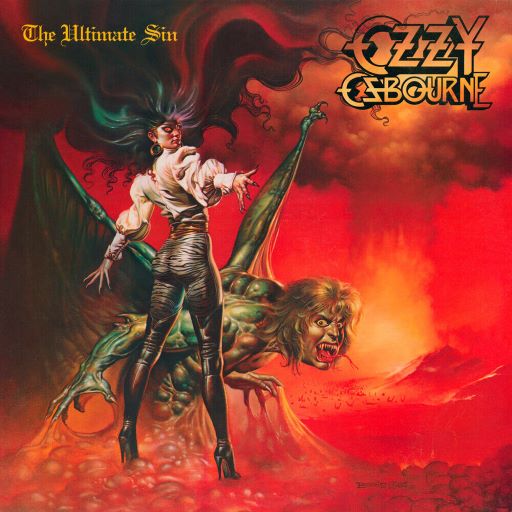
Ozzy Osbourne – The Ultimate Sin

Released February 22, 1986 via Epic Records

My Favorite Tracks – Lightning Strikes, The Ultimate Sin, Shot In The Dark

Ozzy’s fourth album saw the return of Jake E. Lee to the guitar spot for his second and final work with Osbourne. Bob Daisley was out of the band for this one (at least the recording), replaced by Phil Soussan on bass. And Randy Castillo would join the group on drums, a position he would hold up until the mid ’90’s.

Of course the personnel and especially writing credits are murky for this album, as they often are in the shadowy world of Osbourne rights and finances. Bob Daisley did extensive work on this album before splitting from the band when Ozzy took time to prepare for a one-off Black Sabbath reunion in 1985. Drummer Jimmy DeGrasso was also involved in the early sessions, though he too would leave for Y&T and later Megadeth. Daisley was omitted from credit on the initial presses of the album but his contributions were noted on later pressings.

The controversy over writing credits would lead to issues down the line and are the true likely reason this album is slagged by the Osbourne camp, but we’ll get to those issues after running through the songs. 9 tracks at 40 minutes to go through here.

The Ultimate Sin

The title track opens the record with some super sick riffing from Lee, one could be forgiven for thinking that Ozzy’s next guitarist was the one shredding on this. Ozzy and sin go together like peanut butter and jelly and this song works exceptionally well.

Secret Loser

Another rocking track that offers up pretty much what the title says – Ozzy looks cool and all but is really a loser, or whatever. It’s probably something like that but honestly it’s not that deep and is a really nice song.

Never Know Why

Enough of the “inner loser” thing, here Ozzy and company are back out to rock. The detractor, of which Ozzy had many around this time, will never know why we rock. It’s not hard to figure out – just listen, how could you not rock?

Thank God For The Bomb

The pace comes up a bit for this song that is far less nihilistic than the title suggests. Here Ozzy is offering that the threat of mutually assured destruction is keeping nuclear annihilation from happening. It is not a “pro-nuke” song like, well, the 100 million pro-nuke metal songs out there.

Never

A tune about fate, the great mysteries of life, the various beliefs people hold about all that, and so on. Ozzy offers a pretty fatalistic and down to earth approach to the song. Lee’s guitar gets to go off a bit more here than on other tracks too.

Lightning Strikes

A listener could find that the songs on this album, while quality, aren’t necessarily holding up to the sterling reputation of Ozzy’s past work. Here we have an entry that fits the more melodic sound of this record but also puts itself out there as the star of the show. This track is Jake Lee-era Ozzy at their best. They turned stuff up to 11 and slammed this one home.

Killer Of Giants

Another song about the bomb but this time a mournful account of the sheer power and potentially apocalyptic consequences of nuclear warfare. It could be called a ballad but it doesn’t stray into the saccharine territory that other ballads of the period got into, the song holds its place with the harder rockers on this album.

Fool Like You

A pretty simple one, Ozzy is having a go at someone he doesn’t like. No idea if it’s personal or if it’s aimed at one of society’s adversaries.

Shot In The Dark

The album closes with the home run track that was the signature hit. It is also a pre-existing song offered up to Ozzy by bassist Phil Soussan, which is likely a massive contributing factor to the song and this album being disowned by the Osbourne camp.

The song is a total winner, a very somber yet still rocking track that fits 1986 Ozzy like a glove. The song became Ozzy’s most successful single at the time and is a long-cited fan favorite from across his entire catalog.

Shot In The Dark also might as well not exist in the Osbourne version of history. It has generally been left off of greatest hits collections and was replaced later on the one it did show up on. It is on the 1993 live album Live And Loud, so something must have happened later on to dissuade Ozzy and his handlers from messing with the song anymore. It is presumably arguments over the actual songwriting credits, as Phil Soussan’s prior bandmates had worked up the original version of the song. There are enough shady dealings in Ozzy’s writing credits history to fill a book, so I would have to guess that the actual origins of Shot In The Dark keep it out of Ozzy’s lexicon.

The Ultimate Sin was a smash success for Ozzy. The album charted well in many countries and hit platinum in the United States within a few months of release. And for a number of reasons not entirely clear to the public, the album is persona non grata as far as its creator is concerned.

Ozzy has been on record with his criticisms of the album – they involve the production of Ron Nevison. Ozzy felt that the songs all “sounded the same” and that the recording could have gone better.

And in that I think Ozzy is right – there is a samey quality to many of the songs. A few do stand out, like Lightning Strikes and Shot In The Dark, but the presentation of the record as a whole could be called a bit sterile. I do think it’s a fair take.

But in the end I have to believe that the overriding issues are that of writing credits. No legal issues have ever presented themselves regarding Shot In The Dark, though obvious matters of uncredited writers are there. And even outside of that one, this album was written mostly by Bob Daisley and Jake Lee while Ozzy was away. Lee was fired after the tour cycle for this album in a shocking decision, while Daisley has long had legal issues with the Osbourne team over his contributions to several records.

It’s no secret that Sharon Osbourne has spent a great deal of time and energy in consolidating the rights to all of Ozzy’s music. She secured control of the Black Sabbath catalog from Tony Iommi and has ruled over that with an iron fist, and the buffet of issues surrounding Ozzy’s solo work make for juicy gossip any time they’re aired out in public. Bob Daisley, Jake Lee, and Lee Kerslake are the more prominent members of the “I wrote a song for Ozzy and all I got was this lousy t-shirt” club. Sharon’s battle to control Ozzy’s catalog credits has been long-ranging and largely successful, though with gross missteps along the way, like the ill-suited idea to re-record parts of classic albums in 2002 to remove Daisley and Kerslake.

One casualty of that battle is The Ultimate Sin. The album hasn’t been reissued since 1995, leaving collectors to scramble for original editions, especially on vinyl. If the album is mentioned by Sharon at all, it is with venom and spite. The album was even deleted from the Ozzy catalog in the early 2000’s, but curiously was submitted for streaming services once they became a thing. I guess money is money after all.

Whatever the issues held by creators and rights-holders, The Ultimate Sin is still an excellent statement from Ozzy that slotted very well into the sound of the latter 1980’s. Even with noted production faults, the album still delivered a quality selection of songs. And no matter the attempts to erase history, it’s an album that can’t and shouldn’t be ignored by anyone seeking quality music.

Album Of The Week – July 25, 2022

This week’s pick is one that was always going to wind up here, the only question was when. I could write about the album in my sleep and I could probably write this without hitting play on it (though I will). But all the fuss raised up over the title track’s use in a hit TV shows means the time to talk about it is now.

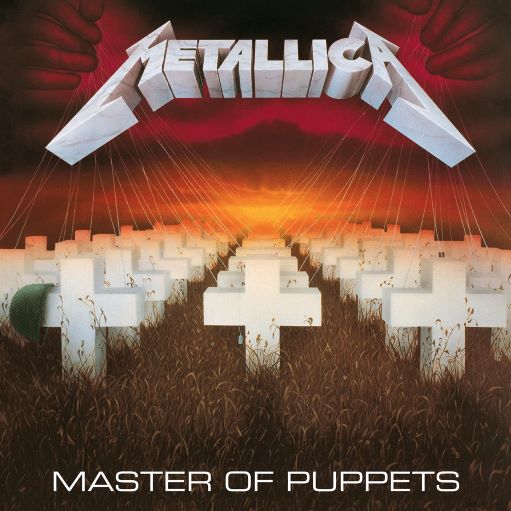
Metallica – Master Of Puppets

Released March 3, 1986 via Elektra Records

My Favorite Tracks – Damage Inc., Disposable Heroes, Welcome Home (Sanitarium)

Metallica’s third album would showcase some polish and a very consistent approach. The band would make waves after its release as the record gained momentum without the benefit of radio or MTV play. It would go one be considered one of the band’s finest moments, even as tragedy cut short the album’s touring cycle.

It’s a fairly lean track list with eight songs but there’s almost an hour’s worth of music to get into. Let’s dive in to one of heavy metal’s most noteworthy albums. Also, a note – the videos posted are all live performances that may not reflect everything discussed in the post, and were also performances after the death of Cliff Burton.

Battery

Opening with one hell of a thrash attack. The song is a scorching track that pays tribute to the band’s fans, being the “battery” that Metallica draws from during shows. It’s also a reference to San Francisco’s Battery Street, where Metallica roamed in their early days. This song showcases how Metallica were able to retain the savagery of their early career while also refining their sound.

Master Of Puppets

The title track is a mammoth epic clocking in at 8:36. The long runtime did not deter fans – the song is one of the band’s most popular and stands as the track played live the most in the group’s 40-year career. The song tackles the issue of drug addiction and how the drugs wind up being the master controlling the user.

Master Of Puppets was the only single released from the album. The song did ok on the charts for a single not supported by video play at all and very light radio play, thrash wasn’t a radio gem in 1986. The song would chart again in 2022 when its use in a pivotal scene in the hit Netflix show Stranger Things sent the world to discover or re-discover it again.

The Thing That Should Not Be

A slower number that sees Metallica again visit the H.P. Lovecraft eldritch horror universe. It is a suitably heavy, doom-laden track about a sinister horror driving victims to madness. It is a track that gets flack in some circles but it’s one I enjoy. The song was massively influential to one Brian Warner, who would go on to become Marilyn Manson.

Welcome Home (Sanitarium)

A noted highlight from the album comes in the form of a song similar in form and spirit to Ride The Lightning’s epic Fade To Black. Making use of slower and haunting instrumentation, the song paints an explicit picture of being abused inside a mental facility. The song was reportedly influenced by the movie One Flew Over The Cuckoo’s Nest.

This is another showcase of how Metallica were able to do far more than just beat the listener into submission. The song does ramp up the aggression after a long build but its desolate harmonies in the early verses are its calling card.

Disposable Heroes

Another marathon busting the 8-minute mark, this titanic effort tackles a soldier being sacrificed on the battlefield by a ruthless, uncaring leader. It is a stark look at the horrors of war, a subject often brought up by Metallica. Even with the long run time, this song is fast and unrelenting throughout.

Leper Messiah

This song slows things down a hair but doesn’t let up on the heaviness at all. It is a look at a conman preacher, a favorite target of ’80’s metal bands (who were often the favorite targets of said preachers). The song does pick up the pace as it goes along, establishing a series of movements and an ear toward arrangement and composition beyond the usual scope of thrash.

Orion

Metallica had one instrumental song on each of their prior releases and kept the ball rolling with this one. The song is a trippy, out there track that is the brainchild of bassist Cliff Burton. Much of the unconventional noise is coming from his bass. Parts of the song do thrash along in more standard ways.

Damage Inc.

The album closer is an absolutely pummeling affair that starts attacking the listener just after a quiet intro ends. The song describes a corporation (Damage, Incorporated) that mows over humanity in its quest to get bigger. It’s cool that the band were able envision these dystopian kind of horror scenarios that don’t reflect reality at all…

Master Of Puppets would serve to further the career of Metallica and lead the group to new heights of success. The album sold well out of the gate and the band landed a coveted opening spot on Ozzy Osbourne’s American tour, playing arenas for a five month haul.

As the band were trekking Europe that September, a bus accident in Sweden would claim the life of bassist Cliff Burton. The band decided to press on, hiring Flotsam And Jetsam bassist Jason Newsted as the new member.

Though the tour cycle for Master Of Puppets was cut short, the album has gone on to hold a significant place in the band’s catalog and in heavy metal overall. This album, alongside Slayer’s Reign In Blood, Megadeth’s Peace Sells…But Who’s Buying? And Anthrax’s Among The Living would establish the “Big Four” of thrash metal. Thrash itself would see a huge spike in popularity through the remainder of the decade and Metallica were often hailed as the ultimate practitioners of the craft.

Master Of Puppets is often regarded as a “perfect” album and the quintessential thrash record. It is toward the top of countless “best of metal” lists and sees a spot at or near the top of most any Metallica album ranking. Its legacy is immense and casts a massive shadow over the world of heavy metal.

And that legacy continues on. 36 years past its release and long after the band set aside thrash and became one of the world’s biggest musical acts, the song Master Of Puppets has taken on a new life through its use in Stranger Things. Not that Metallica necessarily needed the rub, but the frenzy from the show has copies of the album flying off record store shelves again. A new generation of fans are jumping in to the pit, and so it goes for the titans of heavy metal.

Album Of The Week – June 6, 2022

So I had my album of the week post all written up and ready to go. I usually get them sorted the week prior and line out the posting itself on Sunday evening. Earlier in the day I noticed the date and recalled that June 6 is a special day (for some) – it is the International Day Of Slayer.

This was first conceived for June 6, 2006 (666, get it?) and has run every year since, at least as far as I know. There are no big parties or festivals that I know of. The point of the day is simple – listen to Slayer.

Since this year’s International Day Of Slayer falls on a Monday, I decided to switch gears and cover a Slayer album for the AOTW. I just hope I can find a shorter one so I can bang this out real quick…

Slayer – Reign In Blood

Released October 7, 1986 via Def Jam Records

My Favorite Tracks – Raining Blood, Altar Of Sacrifice, Angel Of Death

Slayer released their third studio effort after jumping labels, from Metal Blade to Rick Rubin’s Def Jam Records. Rick Rubin’s production efforts would see Slayer transform their sound from their early days into a whole other beast.

Reign In Blood is an impossibly fast and brutal record. 10 tracks clock in with a 28:55 runtime, a ridiculous running time for a full-length album in the 1980’s. 7 of the songs come in with a sub-3 minute clock and one is under 2 minutes. It’s pretty insane for something not actually an EP.

The album is a cornerstone in the realm of thrash. It was the most brutal and fast record around, even when considering the metal underground. Not much was going on like this at the time, even early death metal wasn’t flailing along at this pace.

It will take me longer to discuss the album than to listen to it, so let’s have at it. Even with the almost stupid runtimes, there are highlights and things to discuss here.

Angel Of Death

The thrash assault begins right of the bat, as the band pounds out an intro that leads to a sick Tom Araya scream. The resulting song outlines the life and crimes of Dr. Josef Mengele, a Nazi war criminal who conducted horrific, inhuman experiments on concentration camp victims. The song is the longest on the album at nearly 5 minutes and is also the most “conventional” in terms of verse-chorus-solo-etc structure.

There was controversy around the song – Def Jam’s distributor Columbia Records did not want to release Angel Of Death, so Geffen Records stepped in and distributed the album (though without their name on it). Slayer have been hounded by accusations of Nazism and racism due to the song, and echoes of that argument still play out today. The band members have repeatedly denied such viewpoints, offering that they were simply recounting history through the song. I think it’s much ado about nothing and I don’t conflate history-based lyrics with automatic support for the topic at hand.

Piece By Piece

It’s a really short song that doesn’t actually move at the fastest pace ever, the band kind of “chills” a bit (relative to how “chill” one can be with Reign In Blood). In a shocking twist, the song is about chopping someone up. No one saw that coming.

Necrophobic

This song is about being fearful of and morbidly obsessed with means of death. It’s very fast and the shortest song on the album, which probably deserves a trophy.

Altar Of Sacrifice

One of the album’s highlights, the song delves into ritual sacrifice, Hell and all that kind of stuff. It gets the thrashing job done in neck-snapping fashion, with plenty of dissonant riffage from Kerry King and Jeff Hanneman.

Jesus Saves

Slayer make up for their Satanic last track with a song about Jesus. I’m sure everyone can figure out the real angle here. For such a relentless album, the band lets this tune marinate at mid-pace for a minute before getting down to business in the other two minutes. The extremely brief chorus is one of the album’s more well-known bits.

Criminally Insane

It’s barely over two minutes long. The song’s meaning is found in the self-explanatory title. It’s Slayer. Nothing more to say.

Reborn

Another fast and short number about someone who is killed but then reborn through black magic or something. There are quite a few words in this song, which is also barely over two minutes.

Epidemic

Everyone is beating the shit out of their instruments for another two minutes. Fun fact – drummer Dave Lombardo quit Slayer after the tour for this album. Rick Rubin was able to talk him back into the studio after a bit of time off. I’d probably quit too if I had to play drums like that for a fucking year.

Postmortem

Nearing the end now and a song that’s a bit more fleshed-out than the bits and pieces we’ve been getting. Though the song is called Postmortem, the lyrics are about the lead-up to that state. Another scream from Tom Araya in here, something he’d quit doing much of after this album. The song closes with an ultra-fast section that was probably about the fastest thing in music at the time.

Raining Blood

The album closer is the star of this show and is most likely Slayer’s best-known song. There might a be a few others that are somewhat readily known, but Raining Blood is definitely the band’s signature anthem.

A bit of thunder and an eerie quiet lead in to the track. It’s more like the sickening quiet before a tornado than it is a welcome respite. The immortal riff comes in, then the band pounds its way to the breakdown where the riff again makes its home. We get the familiar call of “raining blood!” from Tom Araya, then the band goes off the rails to close the song and album. A thunderstorm takes us home.

Reign In Blood was Slayer’s magnum opus and was a master class in brutal thrash metal that sent the scene into a maelstrom. Many other thrash bands felt like quitting, feeling unable to even touch what they’d heard. The album also had an outsized influence on the burgeoning extreme metal scene, providing a new template for brutality and speed. Many folks were paying attention.

Slayer’s album would leave such a mark that the band themselves never bothered trying to top it again. In contrast, the band turned the tempo down a lot on future releases. While some fans were disappointed with the move away from breakneck-paced thrash, I’d say it was a wise decision. There is no topping your magnum opus, many musical acts have learned that sad fact the hard way. Slayer instead pursued other ground, remaining a heavy, dissonant force while not even attempting to do Reign In Blood II. And Slayer would eventually retire in 2019 due mainly to Tom Araya’s neck problems derived from headbanging, so no need to push the envelope again.

So it is June 6, International Day Of Slayer. And here is one of the craziest albums ever recorded. Enjoy.