This post was part of a series that I called S-Tier Songs. I later decided to abandon the series in favor of a simpler Song of the Week format. I am keeping these posts as I wrote them but removing the old page that linked to the list of S-Tier Songs, so that is why these posts might look a bit odd. Enjoy.
Today’s offering is one of the finest moments of the grunge movement. Even with being “grunge,” it is a suiting power ballad that evokes sadness and despair in a way not a lot of artists can touch.
Alice In Chains – Down In A Hole
Our song today hails from the album Dirt, the 1992 masterpiece of the Seattle-led grunge period. The album sold millions and was ever-present on radio and video airwaves. It qualifies as “classic rock” today and is still in rotation far and wide.
Down In A Hole was the fifth and final single from the album. It was released as a single almost a full year after the album arrived. The single sold over a million copies and charted in several countries. On Spotify it is the third-most streamed song from Dirt, behind only the mega-hits Rooster and Would?
The song begins very softly, almost in a way that departs the hard-edged album it is from. But it remains within the Alice In Chains lexicon, with suitably melancholy guitar work from Jerry Cantrell and the sheer power of the vocals of Layne Stayley, with harmonies provided by Cantrell. The singing has always been a highlight of AIC and both Stayley and Cantrell shine especially bright on this song.
The lyrical content of a song called Down In A Hole is, of course, pretty downtrodden. Though not from the doom genre per se, this could easily be considered a doom song thematically. It sounds like someone in the grip of utter despair and hopelessness. Every line is awash in depression and soul-crushing anguish. Lines like “See my heart, I decorate it like a grave” and “You don’t understand who they thought I was supposed to be, look at me now I’m a man who won’t let himself be” are jewels in this crown of misery.
Jerry Cantrell, the song’s sole writer, shed some light on the song’s origins in the liner notes to the band’s 1999 box set Music Bank. He states that the song was written about his girlfriend at the time and the realities of a long-term relationship and how they clash with being in a band. While there are plenty of songs about that and about life on the road in general, I don’t know how he got Down In A Hole out of that. But hey, I’m glad he did.
Down In A Hole has been a staple of the Alice In Chains setlist, with one major caveat to that – they did not often perform the song when Layne Stayley was alive. It was not a regular part of the setlist on the band’s tours in the early 90’s, and the group did not tour much after that due to Stayley’s health issues. A vast majority of Down In The Hole performances are from the band’s modern incarnation with William Duvall at the vocal helm.
One notable exception was the 1996 MTV Unplugged performance. This did feature Layne and the song worked very well in the unplugged setting. Alice In Chains were always a proficient acoustic act anyway, so having this version of the song is a massive plus.
Why is this an S-Tier song?
Down In A Hole is both beautiful and soul-crushing. It communicates absolute sadness but in a very majestic way. It showcases the main strengths of Alice In Chains, those being the voice of Layne Stayley and the musicianship and songwriting of Jerry Cantrell. It is an amazing work that got huge airplay despite being such a depressing affair.
This post was part of a series that I called S-Tier Songs. I later decided to abandon the series in favor of a simpler Song of the Week format. I am keeping these posts as I wrote them but removing the old page that linked to the list of S-Tier Songs, so that is why these posts might look a bit odd. Enjoy.
So I last left off with A Perfect Circle and their hit single Judith. The song was an attack on the deep faith Maynard James Keenan’s mother felt despite an injury that left her debilitated for nearly 30 years. It wasn’t the first time Keenan had used his mother’s malady as lyrical inspiration – the Tool song Jimmy from 1996’s Aenima was about his experiences being 11 years old after his mother’s injury.
And it wouldn’t be the last time Tool would visit with Judith for song inspiration. Judith died in 2003, and in 2006 Tool would release the 10,000 Days album. While the album title pays homage to Saturn’s 29 year long cycle of moons in orbit, two songs on the album serve as eulogy to Judith Marie.
Tool – 10,000 Days (Wings Pt. 2)
10,000 Days the song is preceded by Wings For Marie, a more intro-like song that sets the stage for the epic rollout to come. And while Wings For Marie is its own track, it’s very difficult to assess it in isolation, as it is clearly a companion to 10,000 Days.
The song 10,000 Days itself begins with a rolling, quiet intro that is clearly building to something and also features the sound of storms in it. The payoff will come, but this 11 minute long song isn’t in a hurry to get to its point.
As the bass and the storm rolls along, Maynard begins singing about the end of his mother’s mortal journey. He takes a shot at the hypocrites who surrounded her after her health issues, but then deliberately writes them off and focuses the rest of the song on Judith.
The lyrics accompany Judith as she ascends to Heaven. Rather than be a humble servant, Maynard says Judith should arrive at the gates proudly and demand her wings. She is truly “the light and the way they only read about” and is the main event at the pearly gates.
The song ends with a quiet reflection from Maynard offering further suggestion for what Judith should say as she enters the afterlife. Everything is a bit of a roller coaster in the 11-minute long surge of music and movements, but the quiet ending sums everything up perfectly.
The rest of the band is up to some real atmosphere generation on 10,000 Days. This isn’t a long song that just goes from point A to point B with a few riffs and fills – no, there are plenty of movements and changes to keep everything fresh and also flowing along with the varying intensity of the lyrics. Tool never was much of a straightforward band anyway, and they up the ante on this song with arrangements and progressions that stand apart from a lot of popular fare of the time.
10,000 Days was not released as a single. It was played live during the album’s tour cycle, but met with some resistance from a portion of fans. The popular cuts from the record were the singles like Jambi and The Pot, and in some instances people at concerts were screaming for those while the band was playing 10,000 Days.
The fan backlash, however strong it may have really been, coupled with the extremely personal nature of the song, led Maynard James Keenan to feel a bit burned by doing the song. He said this about it in a May 2022 interview with Loudwire:
“I think probably the stupidest thing I could have done on 10,000 Days was put myself out there as much as I did with the tracks ‘Wings for Marie (Part 1)’ and ‘10,000 Days (Wings Part 2),’ Keenan said in an interview to promote the album. “I’ll never make that mistake again. It just took too much out of me – too much emotionally, mentally, physically – all those manifestations. Those songs were exploited and misconstrued, people were flippant and dismissive. I won’t be doing that anymore. And technically, ‘Wings’ is very difficult to pull off. If any one of us is off, it falls apart and makes that thing tragic, and that’s not a good song for me to have fall apart. It’s just too personal.”
It is a shame that the song was shrugged off by some, but I know me and many others found it to be a masterwork. The majestic instrumentation along with the powerful lyrics that could only come from such a harrowing place were the perfect song combination. Tool no longer performs the song, though in part that might be due to a whole other album full of 10-minute long songs that eat up a fair chunk of a set list.
Why is this an S-Tier song?
10,000 Days is a triumphant movement, wrapping the emotionally-charged death of Maynard’s mother Judith into a masterful piece of music. It’s a movement that goes beyond our regular notions of music enjoyment and enters a kind of space reserved for the more transcendent of songs. It is a long build up for a payoff only paid if you have any amount of patience within you.
This is the type of song to be enjoyed over a course of time, and to be appreciated for the scope of what is being communicated. A “fan” looking for immediate payoff won’t be welcome here. This is for the more discerning ear, preconceived notions about Tool be damned.
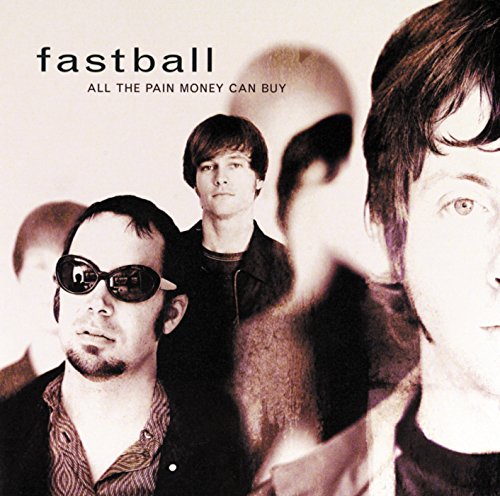
This week I’m time traveling back to 1998. I was just kind of listening to whatever at the time, I was far more pre-occupied with “grown up” business than I was music. But of the handful of things to catch my ear, this alt-rock gem really grabbed my attention. It also grabbed the attention of a lot of music fans at the time, being the first major success of a newer record label and offering an outsized hit the band is still known for to this day.
Fastball – All The Pain Money Can Buy
Released March 10,1998 via Hollywood Records
My Favorite Tracks – Which Way To The Top?, Fire Escape, Charlie The Methadone Man
Fastball had signed to Hollywood Records, a subsidiary of Disney that had yet to score any real success. The band had released one album that didn’t make any waves and they regrouped for this sophomore effort.
Fastball took a different approach to their second album – the band featured two principal musicians in Miles Zuniga and Tony Scalzo. Each wrote a song and did the lead vocals for their effort. While Zuniga would get one more song on the record over Scalzo, it would be Scalzo who composed the massive hit.
The album’s run time is fairly concise at 42 minutes but there are 13 songs on the original release. I’m going to switch up my typical format today and discuss a handful of highlight tracks in detail, then run through the rest briefly. This post would be massive otherwise.
The Way
The album opens with what became the smash hit single. The song charted at or toward the top of several US and Canadian charts and was ever-present in early 1998. The Way was released a few months ahead of the album and it propelled the album to platinum status in a few months. Fastball members were working regular shift jobs when The Way began taking over alt-rock radio.
The song depicts a pair who leave their lives behind and head out on a journey. The destination is unspecified and even unknown. It is a great song that hits the vibe of just leaving and setting out for adventures unknown. Without any understanding of the song’s inspiration, The Way works fantastically on its own.
But the song does have a story behind it and it’s a pretty dark one. This article discusses the news story that inspired Tony Scalzo to compose the track. An elderly couple in Texas set out for a festival at a town very near their own, yet wound up missing. Their car and remains were discovered in Arkansas a few weeks later. The couple’s disappearance was a big news item in Texas while they were missing and Scalzo wrote most of The Way before the couple were found. The song would immortalize the couple even in spite of their sad fate.
Fire Escape
The second track was also the album’s second single and placed within the US Top 40. The song is a bright, poppy alt-rock number about being into someone. It’s accompanied by a pretty funny video. It, like many songs on the record, have a polished sound without delving into jangly riffs or other simple tricks. It is simply recorded and executed and kept clean.
Which Way To The Top?
On to the fourth track that features a special guest on vocals. 90’s alt-icon Poe contributes her voice to the track. The song asks the ages-old question of how to climb out of one’s rut and get to the top. It’s a pretty ironic song for Fastball, since their way to the top was literally The Way. This song does a great job of conveying the melancholy vibe of being at the bottom while also sounding hopeful for more in the future.
Slow Drag
A bit of a dark turn here, the song itself slots right in to the rest of the album musically but the lyrics get really dark. The song’s narrator is in a dark, quiet place and wants someone dead. No elaboration is given on who or why. It’s a bit of a vague murder ballad and is a curious and unsettling tune.
Charlie The Methadone Man
A weird and interesting tune that has a look at just what the title says – a fella named Charlie that’s into methadone. The song doesn’t really either lionize or pass judgment on Charlie and his habit, rather it simply observes his movements. No clue if this was based on someone real or if Miles Zuniga just cranked it out off the top of his head but the song is a great one from the album.
Out Of My Head
The album’s third single and another hit that got into the top 20 on the US chart. It’s a sadder tune that looks at one’s own bad behavior in a relationship. It’s a far more introspective and honestly practical song about such things than what is normally churned out in that regard.
The song would get a second life decades later when Machine Gun Kelly used this song’s chorus for his song Bad Things. Camila Cabello guested on the track. Tony Scalzo reacted positively to the song’s use by MGK.
Damaged Goods
The last song I’ll look at in full is a quick number that looks over a past long-distance relationship. There isn’t a ton going on lyrically, just a few verses that offer a bit of background then a one-line chorus simply stating “I know I should just leave you alone.” While still fitting the album’s overall pop-alt vibe the driving chorus does provide a heavy moment.
Six other songs slot in at points on the record. Better Than It Was and Sooner Or Later are more upbeat tunes on the first half of the record. Warm Fuzzy Feeling is a fun song about “making it,” something the band wrote a lot about and also accomplished here. Good Ol’ Days is a horn-driven nostalgia trip. The album closes with two somewhat vague and darker-themed numbers in Nowhere Road and Sweetwater Texas.
All The Pain Money Can Buy was a huge success for Fastball. The album hit platinum in both the US and Canada and The Way was a huge hit single. It was also the first major success for Hollywood Records, which would later go on become a hit factory based on the various Disney TV personalities who recorded songs.
The album was a masterstroke from a band who thought they were going to be dropped by their label and who faced an uncertain future in the music business. While never replicating the success of this album, Fastball are still at it today now with eight albums under their belts. While the group came and went from the mainstream consciousness, they left a massive impression during their time there.
This post was part of a series that I called S-Tier Songs. I later decided to abandon the series in favor of a simpler Song of the Week format. I am keeping these posts as I wrote them but removing the old page that linked to the list of S-Tier Songs, so that is why these posts might look a bit odd. Enjoy.
Today’s song is very well-known, in many cases it’s the band’s only known song in America. Many people know the song without knowing who the group is at all. It’s only two minutes long, it’s the second song off the album and my only blogging regret is not making it the second entry in this series.
Blur – Song 2
Blur entered 1997 in a curious position. They’d been crowned kings of Britpop in 1994 after their triumphant Parklife record and tour. In 1995 they seemed poised to build momentum with The Great Escape and their initial single Country House, but then the British press went mad for Oasis and left Blur in the dust, even going so far as to change reviews of the album. Oasis went on to become the biggest band in the world for awhile as Blur sat at home wondering what happened.
By 1997 Blur were ready to get back at it, and this time they were leaving behind the Britpop elements they had previously worked so hard to be known for. The group convened around more lo-fi and grunge sensibilities and released their self-titled album to a new world that was about to move on from the Britpop scene.
While Blur would become internationally celebrated for the self-titled album as a whole, it was Song 2 that would take on a life of its own and become the band’s most recognizable hit. And, of course, as the story goes with many of these hit songs, the whole thing was a joke and an accident.
The above video outlines the origin story of Song 2 as told by Blur guitarist Graham Coxon. The song began as an acoustic piece on Damon Albarn’s guitar, featuring whistling in place of the song’s now-immortal “woo hoo” bit. Coxon suggested adding a bunch of noise to the tune and actually playing it for the record company as a gag. Albarn obliged and the band turned in the fully-formed, distorted as all hell Song 2 to the record company. Instead of being met with a sour reaction, the label execs loved the tune and Blur were off the to the post-Britpop races.
Song 2 was a well-received hit in Blur’s native UK and it also did something the band had been previously unable to do – it broke in the rest of the world. Song 2 charted on the higher end in many countries and became a staple of college and modern rock radio in the United States. Britpop as a whole hadn’t fared massively well on American shores, save for Elastica and Oasis. But now Blur arrived with a grunged-up tune just in time for the post-grunge era to truly take over rock radio. The song has been a part of sporting events, video games and other media ever since its release 25 years ago.
Background and reception are all well and good, but what really is Song 2 on about? Well, it’s a two minute song full of lyrical nonsense. The most noteworthy lyric is “woo hoo,” it’s the signature part of the song and the one many folks know the tune by. A fair few people couldn’t tell you who Blur is or the name of the song but they know “the woo-hoo song” by heart. And nobody, including the people who wrote it, can tell you what any of it means.
And that’s the beauty of music – not everything has to have a pinned-down, easy to digest meaning. Song 2 is a total lark through the English language and its only memorable words aren’t even really words. The whole thing from lyrics to instruments is just noise being made and it all works splendidly together. That’s not to say no thought went into it – as Graham Coxon outlines in the interview video, he was looking for specific sounds. And he got far more than he bargained for, with the song often cited as his greatest work.
Why is this an S-Tier song?
Song 2 is a monument to absurdity and noise and it tackles its premise extremely well. The song was a huge hit for a band reeling in an identity crisis after the events of 1995. Their response was to shrug off the sounds of their given genre and explore new areas, which led to a new legacy for the group that would far outshine the Britpop movement. It’s a simple song with no comprehensible theme and it’s just a bunch of noise, but it captured the attention of people all across the world.
I had a real post I was going to do today but I finally grasped what day today was gonna be so I put off the other post and will have a bit of fun today instead. It’s also one where the story and the song bear no connection to one another, save for the song’s title.
Today’s song is a deep cut from the 1992 album Grave Dancer’s Union from Soul Asylum. It’s a great track from one of my favorite albums of the alt-rock era. It’s a heavy, trippy and fun song that maybe should have seen release as a single, but that’s hard to say since they hit well off their singles from the album. But it’s absolutely one of my favorites from the record.
For the story we’ll stick to the day’s theme. I have a good friend we’ll call Metal Shawn (we’ll call him that because that’s actually his name, he probably won’t mind). I am often found at least one weekend night over at his house, drinking beer and listening to metal. It’s been a tradition going for 20 years now.
Shawn is one of those people who are in love with April Fool’s Day. He can recount pranks going back for decades. He’d spend entire work days messing with people and, if the day fell on a weekend, it was game over for his friends and family.
Shawn got me a few times with April Fool’s pranks. April Fool’s was on a Friday or Saturday just as it is today. I headed over to his place for our usual round of beer and metal. When I got there, the door was locked and the place silent. On a normal “metal night,” the front door is open and it’s anything but silent.
I have a key to Shawn’s house in order to keep an eye on pets and things when he’s not around so I let myself in. I found a note on the counter with him saying that some of his family came to town for the weekend so he wouldn’t be around. I was a bit miffed since he could have easily used a phone to tell me this. As I turned around and contemplated what to do, his stereo kicked on and began blaring some form of extreme metal. Shawn was in the other room, the whole thing was a ruse.
Shawn got a lot of people that particular April Fool’s, I recall him being on quite a tear. But more recently he used the power of the Internet to pull one over on everyone.
Shawn is not a fan of Glenn Danzig. The polarizing singer is a frequent target of Shawn’s jabs when talking trash. I, like many others, are fans of Danzig so his roasts always lead to amusing back and forth.
One April Fool’s a year or two ago, Shawn posted on Facebook that he was now a fan of Danzig. He was taking suggestions for what to listen to. People took the bait left and right, suggesting their favorite songs and albums. Shawn did a great job specifically spelling out stuff he’d just heard and gave a chance too, and had everyone hook, line and sinker.
At one point through his day, Shawn even thought about texting me to warn me off of exposing his ruse until the day was over. But he didn’t and I, like many others, took the bait too. I commented something or another on his post and he was astounded that he got me too. A bit later he made his “gotcha!” post and had himself a good laugh at everyone’s expense.
I’ll admit that the Danzig fakepost got me and even ruffled my feathers a bit. The “not being home” gag was a funny, quick one that was no big deal. But I should have known better than to fall for his bullshit about posting nice about Danzig. I’m normally not one to fall for shit like that but still he bagged me as one of his prank victims.
So with that are a few pranks from my good friend and local jokester Metal Shawn. As for me, I’ve never been much into pranks on April Fool’s. I can appreciate a good practical joke but I have too much of a mastermind complex and get to planning way too elaborate of shit than what is suitable for the occasion. I was going to pull one on someone today but I decided against it. And of course when I started this post I was going to choose another song to post before remembering this one. I’m sure everyone knows what song I’m talking about.
For this week’s pick I’m revisiting someone who has become my favorite artist in recent memory. She has released a wide selection of music across several projects over the past 15 years and has not been shy to explore new styles and soundscapes. Today I will be looking at her third solo album, which kicked off a sound that ran through a few records and has provided some of her most harrowing and memorable work.
Emma Ruth Rundle – Marked For Death
Released September 30, 2016 via Sargent House Records
My Favorite Tracks – Real Big Sky, Protection, Marked For Death
The record features minor-key, atmospheric passages along with at times harsh, cutting distortion that breaks through and highlights the darkness of the album’s themes. Unconventional guitars and tunings create a sound not found in many other places, if anywhere. The combination of atmosphere, noise and dark subject matter create a unique and awe-inspiring listening experience.
Marked For Death
The opener and title track establishes a tale of two lovers bound in a fatalistic way. It is not a Cinderella story, or if it is it’s one where everyone turns to ash at midnight. The song is mostly quiet and rolling, with the guitar ringing out during the chorus. It’s a song that works well both plugged in and stripped down, as the performance at the end of this post illustrates.
Protection
The noise gets turned up on the second song as Emma explores a tryst that is, well, extremely heavy. It is hard to tell on the surface if the lyrics indicate a truly transcendent love experience or if it shades at something much darker. A betting person would likely go with the latter when considering Emma’s work as a whole. The guitars go absolutely off in a noisy chorus of their own, and even in the quieter verses Emma lends a great deal of power to her vocal delivery.
Medusa
A more gentle tune that showcases the atmospheric side of Emma’s recording. The song recounts difficult dealings with someone wrapped in the symbology of the mythical Medusa. It’s one of several songs that employ a rolling and marching feel that Emma has put to great use on several albums.
Hand Of God
This song keeps things mostly quiet and is a very haunting account of someone who has fallen from grace. While Emma has often used the contrast between harsh and gentle music, here it is a contrast between a nice, mild song and very, very harrowing lyrical matter.
Heaven
Another very gentle song that also tackles matter similar to Hand Of God. This song doesn’t “feel” as desperate as the prior one, though. There is an acceptance of the loss of Heaven here and the constraints of mortality. A bit of noise builds up in a beautiful ending that apparently sees Heaven burning.
So, Come
A song that offers some allusions to traumatic events and implores the saints to come, if indeed they are supposed to. So, Come begins quietly then builds into some powerful distorted passages while Emma still seems to maintain an almost upbeat plea to these saints. “Suffer so that we may live” is invoked, but it’s not clear who is supposed to do the suffering or the living.
Furious Angel
This gorgeous song lays an atmospheric tone that almost conceals its very heavy vocals about what seems to be the end of the relationship Emma has outlined in other songs here. With the end of said relationship, Emma is caught in the rage of a furious angel, as the all-consuming nature of the relationship is all there was. The music recalls some of Emma’s shoegaze/dreampop past and uses these layered elements wonderfully.
Real Big Sky
The album’s closer strips away the layers and sonic elements to present only Emma’s voice and a distorted guitar. Other songs on the album provide sonic hiding spots from the haunting themes but Real Big Sky offers no such respite.
The song offers up a subject person who is apparently at the end of their life. The verses outline the person’s plight while the chorus hears the person sing what could be their final words. The somber, stripped-down presentation only amplifies the deep sadness found here. But there is also hope in transcendence to also be found in the ultimate journey away from mortality. The song offers a prelude of sorts to Emma’s more minimalist work on her 2021 effort Engine Of Hell, which also provides no place to escape from the inevitability of the subjects at hand.
Marked For Death is an album both beautiful and scary – it provides a variety of well-executed musical passages with which to digest the very dark themes on offer. Emma relayed in this 2016 feature with The Independent that she recorded the album after a dark period in her life and still grappled with the themes even after the album’s completion.
The album marked a period of transition in Emma’s personal life and also in her recording career. Marked For Death offered up some of the same “sonic warfare” that would be on display for her next album, 2018’s On Dark Horses. I have previously covered that album and hold it in the highest of esteem. But this album stands alongside that as a master work of music that plunges to the depths of existence and pulls out something otherworldly. While she is crafting music from a place of pain and trauma, Emma has provided a series of songs that offer an amazing listening experience.
1999 was an interesting time. The turn of the decade, century and millennium was one of great transition. One facet of culture at this time was the “edgebro” – stuff like nu-metal, WWF, Spike TV and The Man Show were running hot around this time. We were welcomed to Jackass, Eminem was beginning his shock-rap run that would smash boundaries, and we read about it all in Maxim magazine.
Music was perhaps not in the most creative place as nu-metal and boy bands fought for chart supremacy. But one act would catch lightning in a bottle and find themselves with a multi-platinum record and a massive hit single. Perhaps beneficiaries of the trend toward potty humor, this group would refine it a bit, provide foul shock aplenty, and laugh all the way to the bank.
The Bloodhound Gang – Hooray For Boobies
Released October 4, 1999 in the UK via Geffen Records (February 29, 2000 US)
My Favorite Tracks – Magna Cum Nada, I Hope You Die, Hell Yeah
Hooray For Boobies sold like hotcakes in the Y2K era. The Bloodhound Gang had made some waves previously with songs like Fire Water Burn and You’re Pretty When I’m Drunk, but The Bad Touch and this album would go to a whole other level.
Arguments could be made about the level of humor on the record – in fact that is an argument that peels more layers than the world’s biggest onion. But this album is absolutely a product of its time and fits well within the culture of the “Woodstock 99” period. It won’t be my cause to frame the album’s contents through a present day lens – rather I will simply discuss the album I spun many a time in the early 2000’s in its own context.
There are a ton of tracks on the album. I won’t be getting into the several skits that appear and add more fuel to the comedic fire, I’ll stick with the abundance of proper songs. I will be discussing the “full” version of the album – there were initially several versions that omitted some tracks due to sampling rights. Subsequent reissues have presented the album in full.
I Hope You Die
The “rap-rock but not that kind of rap-rock” kicks off with a decidedly rock tune. The title says it all – these lyrics really, really wish pain and suffering on someone. The depths of creativity to paint the woeful narrative that befalls the song’s target go on far past where many people would have given up. It is shocking, explicit and hilarious. The short chorus hits the nail on the head and simply expresses what singer Jimmy Pop hopes happens to his adversary.
The Inevitable Return Of The Great White Dope
A rap-dance hybrid song that serves as a hype piece for mainman Jimmy Pop. It helps establish a bit that the band isn’t just using toilet humor to pave their way, there is a bit of actual talent in the ranks.
Three Point One Four
On this track Jimmy Pop takes on one of the English language’s greatest challenges – what rhymes with vagina? The largely unsuccessful results couple with Jimmy’s need for a new girlfriend which takes humorous and objectifying turns. A bit of falsetto at the end wraps up the fact that Carolina is about the only word that rhymes with vagina.
Mope
A bit of an intro sets up this tribute to Austrian pop act Falco. The song borrows from Falco’s huge hit Rock Me Amadeus, as well as the Frankie Goes To Hollywood hit Relax. For good measure we find the Metallica standard For Whom The Bell Tolls included as a sample as well. Video game icon Pac Man also joins the fun – at this point in 1999 the star has fallen on hard times and crack addiction. The song is a very creative mashup that works better than it should.
Yummy Down On This
A heavier riff stands out through this ode to blow jobs. Really, that’s it – this song is about blow jobs. Not much more to say.
The Ballad Of Chasey Lain
One of the album’s singles, this song sees Jimmy Pop obsess over porn star Chasey Lain. It’s a bit like Eminem’s hit Stan, except without any cultural significance or anything, well, good. The song is pretty funny and even features Chasey at the end respond to her stalker’s advances. The band reported that they were less than impressed with Chasey’s intellect upon meeting her, but such is life.
Magna Cum Nada
This ode to a lack of success if one of the album’s stronger highlights and my personal favorite. A metal riff runs through a list of creative ways in which Jimmy Pop is bad at life. It is a well-crafted ode to the loser.
The Bad Touch
The album’s first single (in most territories) and the song that catapulted The Bloodhound Gang to the forefront of 1999’s music scene. Even a person unfamiliar with the group would probably recognize the refrain “You and me baby ain’t nothing but mammals/Let’s do it like they do on the Discovery Channel.”
This dance number turned potty-mouthed recount of sexual relations became a smash hit through Europe, topping the charts in multiple countries. It was a more modest success in the US but would be a highlight on dive bar dance floors and also get a shoutout from Eminem in his immortal hit The Real Slim Shady.
The Bad Touch is an entertaining romp that highlights the nuts and bolts of The Bloodhound Gang – using a thesaurus to describe sex acts in every way possible and making a mint off of the results. Can’t argue with success.
This is the “explicit” version, not sure what that means exactly
Take The Long Way Home
This song is another turn through futility and the crushing weight of existence, much like Magna Cum Nada before it. While not one of the album’s standouts the song does offer its own weight and is one of the quietly enjoyable numbers found here.
Hell Yeah
Here we find Jimmy Pop telling a Sunday School story, of course in explicit and pun-filled fashion. Jimmy embraces his messiah complex here and contemplates what would happen if he were God. While heavy metal has long been the standard home for blasphemy, The Bloodhound Gang worked some into their brand of potty-pop or whatever we’re calling this.
The song makes humorous turns through the decrees Jimmy Pop-God would make then spends a moment contemplating his crucifixion. It makes for a funny tune that probably won’t get any airtime at the local church.
Right Turn Clyde
This more chill track takes on Pink Floyd’s seminal Another Brick In The Wall Pt. 2. It’s another of the album’s secondary tracks but is a pretty fun listen still. This song was the reason for the delay in the US release of the album as there was some arguing with Roger Waters over rights before the latter apparently relented.
A Lap Dance Is So Much Better When The Stripper Is Crying
For all of The Bloodhound Gang’s toilet humor and cheap use of sex for laughs, nothing comes close to the shock and awe of this one. The title alone screams “What did you just say?” and the song itself offers no reprieve.
The song is set as a country story-song that narrates rather than sings its contents. The story is, well, as fucked up as the title suggests. The song would probably be considered the high point for taking offense, but it is so absurd that it can only be dismissed as a farce.
Along Comes Mary
The album’s proper closing song is a cover version of a 1966 pop hit by The Association. The Bloodhound Gang turned the song into a punk number that was featured in the soundtrack to Dave Chapelle’s hit movie Half Baked. This was the album’s true first single released in parts of Europe long before Hooray For Boobies was released.
Hooray For Boobies was a hit for The Bloodhound Gang. It was certified platinum in several countries and spawned several singles that did well on the charts in Europe. The Bad Touch is, of course, the group’s signature track and biggest hit that stills gets referenced over 20 years later.
The album would mark the high-water point for the band. A few modest hits would come in later years as band members from the …Boobies time period left the group. A series of controversial incidents in 2013 in the Ukraine and Russia involving flag desecration would seemingly spell the end for the band.
But for all the churn and turn of 1999 and the coming millennium, The Bloodhound Gang perfectly captured the low-brow humor of the era and the shifting music landscape to score a major hit. An album such as Hooray For Boobies might not make it in today’s war-like cultural climate but it hit all the right notes in its time and place. The album still holds up well in today’s marketplace – limited vinyl reissues are gone before they appear and many people still recall the dumb and hilarious record fondly.
UPDATE 2-25-22: Pre-orders for the Fear Inoculum 5 LP version are now live, shipping on April 8th. The price is a manageable$169. A bit pricey but far less than I was expecting.
We are in a pandemic economy, rife with supply shortages, inflation, and a lot of other things that are complicated but make stuff cost more. We are also in the marketing era of the hypebeast, where FOMO rules the day and stuff that is hard to get becomes all the more attractive. Combine the two and things get really, really expensive.
Even all of that might not account for the latest music-related marketing craze. Earlier this week fans at Tool concerts began circulating the news – the long-awaited vinyl version of Fear Inoculum was for sale to VIP ticket holders.
The price? $750, with assorted fees and taxes, $810.
There is context here, though likely not $800 worth. The record box set comprises 5 LPs. Yes, Fear Inoculum is a long album at a bit over 80 minutes but it does not take up 5 records. The LPs are single-sided and feature etched designs on the second sides. The packaging is a deluxe version to accommodate the lofty record total and the editions being sold are signed by the band. A “general” edition will be for sale around April according to the band’s social media. No word yet if that version is this same one just unsigned (likely since it’s already pressed) or if there is a different (read: cheaper) configuration planned.
Obviously there’s a lot to unpack here. I’ve never been one to gripe about high-priced merch, as a rule. If Kiss wants to sell “Koffins” for stupid amounts of money, have at it. I don’t have to buy that, I don’t have to buy super mega deluxe collector’s versions of anything and I don’t have to spend $800 to buy Fear Inoculum on record.
All this does point to a problem, though – is this the only version of the record being released? I don’t expect it to hit for a $750 price tag on wider release in April but this could be $200 or $300 easily (EDIT – It’s $169, expensive but not horrible I guess). And if it’s the only official vinyl version of the album available, well, that kind of sucks. It forces a purchase at retail right away or a prospective buyer runs the risk of paying out the nose for it on the secondary market. It does break the line of affordability, even when considering this is something of a luxury market in the first place.
Tool is not one to shy from expensive memorabilia. Their merch table features many items priced far above the median line for arena bands. Having a $800 record might seem insane, and it is, but it’s not out of the ballpark for the group.
Perhaps this is just a limited, ultra version and a baseline, no-frills set will be released? Sure it will. I’d love to have their 2006 set 10,000 Days on vinyl. That album has been out for 5,778 days as of the date of this post and no official vinyl has been released. And their seminal 1996 set Aenima? An original pressing exists and will set a collector back several hundred dollars. No reasonable reissue in sight. I’m skeptical that there will be any consideration to a halfway affordable version of Fear Inoculum given the band’s proclivities with high-priced merch and no urgency to reissue scarce or non-existent pressings of past records.
I can easily say I won’t be buying this record, unless something happens and it is cheaper than expected (EDIT – it is cheaper and I am buying it) or a different version at a lower price point is released. I don’t have the money to prioritize to a high-end collectible thing at this point and honestly I don’t want to spend that much on what amounts to one album. I’ve spent a bit more on a highly collectible set before but that has 26 records in it and was a different story at a different time.
Tool fans are in a tizzy over the news of the record’s scope and price. Not Tool fans are having a laugh at the state of Tool merch and the six-figure job needed to acquire it. I guess time will tell if Fear Inoculum will be made available in a more budget-friendly configuration later on. After all – if the album takes up 5 sides, that only requires 3 LPs. I don’t know and we won’t know until release, but I pretty well do know what album won’t be on my record shelf.
Music has been rife with death. Many songs are about death, many great players have died, and many scenes and movements have also passed on. Hell, there’s a whole metal subgenre about the subject, started by a band with the very name.
But this isn’t about death metal. No, this is about the death of a scene in rock and metal. 1991 marked the effective end of a distinct sound from the 1980’s, that oft-maligned but still beloved entity known as hair metal.
My purpose in this series is to examine the factors that led to the demise of hair metal. There are multiple issues at hand and different angles to look at. While a lot of ink has already been spilled on the matter, I wanted to go back 30 years after the fact and cover a few points that don’t always get brought up.
This will be a 4-part series, each one with its own “suspect” in the brutal death of hair metal. Our first look will be at the prime suspect, and the next 2 parts will cover suspects that maybe slide under the radar a bit.
And yes – any of us who were around then know exactly who killed hair metal. That’s part 4 of my series coming on Friday, so please air a bit of patience while I build up to the extremely obvious answer to the question that everyone already knows damn good and well.
We have a crime, a victim and a murder scene. Now it’s time to get into it – who killed hair metal?
Trixter tried warning everyone to get on the flannel bandwagon. Their call sadly went unheard on Sunset Strip.
Suspect One – Grunge
If this were a game of Clue, the answer is simple – Kurt Cobain with the guitar in the MTV lobby is what killed hair metal. The video premeir of Smells Like Teen Spirit on September 10, 1991 is as good of a time of death as any for hair metal – Nirvana was the figurehead that shifted music forever and rendered a lot that came before them obsolete. Nothing was the same after Nirvana hit the airwaves.
Of course, grunge doesn’t actually begin with Nirvana. There were a “big 4” to grunge, just as thrash metal has its big 4. And two bands were already making early waves before 1991 – both Soundgarden and Alice In Chains were quietly gaining momentum on MTV and radio before the actual “death” of hair metal, with AIC having a long-running hit single with Man In The Box and its album Facelift going gold before grunge really even “took off.” Seattle mates Pearl Jam would join in the popular explosion of grunge, releasing their debut in August 1991 and it taking off to untold heights in the next year.
Grunge rewrote the rules for how bands should look and how music should sound. Hair metal would suffer greatly under the weight of the new regime. Grunge fashion was flannel shirts and whatever else might be laying on the bedroom floor, a far cry from the leather and diamonds glitz of hair metal. And the sound was rough, unpolished and about heavy and vulnerable topics – a world removed from hair metal’s celebration of party life, sex and ballads about love (and sex). The worlds could not be more different, even if the instruments were the same.
I do think it’s fair to use Nirvana’s ascent as the symbolic end of hair metal, even if doing so obscures several truths. It’s a quick and easy place to point to without having to raise too much fuss. I will be going far beyond Smells Like Teen Spirit in this series, but that moment was a very stark turning point in the course of music in 1991.
I don’t think it’s entirely fair to only “blame” Nirvana, or even the others of grunge’s big 4. There always was a different strain of rock music playing out long before grunge hit. Some of the acts influenced the grunge movement and others became huge stars on their own terms, free of ties to any particular movement.
The fact is this – grunge ushered in the age of alternative rock, and alt-rock subsequently took over and became rock music. But it must be noted that alternative rock was going for a long time before grunge captured the scene. College radio was filled with alternatives to the hair bands, and MTV ran the 120 Minutes progam that showcased a large variety of alternative artists before the term alternative really became a thing.
The idea of having something else besides hair metal was already there. Honestly, I’m not sure Nirvana was even necessary in the equation. That doesn’t matter, of course, as history is what it is. But the apparatus to overthrow the excesses and poor record label decisions in regards to hair metal was already in place.
Grunge itself would die a death not totally unlike hair metal. Bands that came after the Seattle legends would be derided for riding coattails by critics, although fans flocked to the likes of Stone Temple Pilots and Bush without issue. And the acutal death of Kurt Cobain in 1994 threw the grunge scene into chaos. Pearl Jam would transcend the grunge label and go on their own way, while Soundgarden and Alice In Chains would go on long hiatus (the latter also fueled by death).
The death of grunge did not lead to new life for hair metal. The bands who defined the 1980’s Sunset Strip scene were not the same as they were before. Many members had quit or died, bands went on their own hiatus and even the return of Motley Crue did not serve to reawaken the hair metal beast. Rock music had moved on and hair metal would become a movement relegated to state fairs and legions of rights disputes and multiple lineups of the same band performing at clubs all over the land.
The cultural shift of 1991 was not just a change in sound – it marked the end of ’80’s excess and ushered in a new age of self-awareness and discussion of tough issues not normally given air in conversation before. It was the true defining mark of Generation X, a group sometimes lost in today’s “civil” discourse but still very much responsible for the need for change still felt today.
I’m not a lawyer or a judge, but this is my courtroom, and I do indeed find grunge guilty of the murder of hair metal. But I don’t stop at Nirvana, or Soundgarden or the others. I find the whole of alternative rock just as guilty. Alt-rock would supplant the norms of rock music before it, both hair metal and AOR and reshape what radio and TV played. The late ’90’s saw a whole new host of bands redefine rock, and then the early 2000’s saw the advent of who has become rock’s biggest band in the modern era. As maligned as they are, there is no doubt that Nickelback took a sound and sent rock music into a direction far away from the hair and makeup glitz of the 1980’s.
Yes, grunge and alt-rock are responsible for the death of hair metal. Sometimes the obvious answer is obvious because it’s simply true. Hair metal died on September 10, 1991, having lived barely a decade. It really was Kurt Cobain in the MTV lobby with the guitar that did hair metal in, even if he had tons of assistance.
Sure, grunge had its role to play in this “murder,” but grunge was not alone. Tomorrow I’ll cast light on a different suspect – was the death of hair metal an inside job?



 The Crooked Wanderer