The “Five Songs a Year” series rolls on into 1971. As always, these are five of my favorite songs from a year as opposed to “my five favorites,” nothing here is too definitive.
This year was really easy for me to throw together, I saw a few things that got released that year and had my list together real quick. I’m sure I could have done a more exhaustive review of the music from ’71 but this is supposed to be a quick and easy thing so I’ll leave it at that. Things start getting really crowded in a few years’ time so I’ll enjoy these easier ones.
Alice Cooper – Under My Wheels
The Coop has arrived on this list, for the first and likely not last time. This was the classic band formation of Alice Cooper on their fourth album Killer. This one is a fun old-school boogie that also gets into a bit of sensory overload at points. They are going completely off here and it’s a crazy experience.
T. Rex – Get It On
A song and album so influential that just about everyone who’s made music since has a copy of the record. The song is a very simple jam but adds enough to stand out from the other happenings in rock at the time. Even 53 years later the song lives on in rock immortality.
Black Sabbath – Children Of The Grave
And here is another signature track from the masters of metal. This one has some crazy bass and percussion on it, and is even a bit bright musically. But the song is a dire warning yet again about the ills of war and its possible apocalyptic consequences. Another one of Sabbath’s finest songs.
The James Gang – Walk Away
While this group never got the traction they might have been after, this song would become a fairly solid hit for them over the years. It was another Joe Walsh composition and performance, and the amount Walsh had to put into writing for the group led him to do just what the song’s title states not long after release. The James Gang would go on for several more years before sputtering out. Never heard how it panned out for Joe Walsh…
Led Zeppelin – The Battle Of Evermore
All of the other songs here are uncomplicated, there’s nothing to get in a fuss over about them. But this one? We have a guest singer! Mandolin! Lord of the Rings AND King Arthur! The song’s overall structure is not complex but man there’s a lot going on here. I’ve heard this practically my whole life and I still can’t wrap my head around it. Not sure what that says more about – the song or me.
That does it for 1971. Things stop getting quick and easy real soon as more of rock and metal’s immortal acts show up on the scene through the next several years.
I’m moving on through the years and now I’m picking songs from 1970. As always, this is me picking five of my favorites of a year rather than me picking an absolute top five.
We’re still in years before I was born, it’ll be seven more posts before I “show up.” While I wasn’t around for 1970, this is the year stuff I’m into really got going, as we’re just about to see. Not all of the songs I pick every year are going to revolve around heavy metal, but this year it’s an almost constant theme given the acts and songs involved.
Black Sabbath – Black Sabbath
And here we are – heavy metal is in full force now. The Birmingham foursome mucked their way into a record deal and mutated the blues into an assault on the ears. This song is totally down in the dumps, being the herald of a subgenre of metal that would be known as doom years later.
And what a song this is. Just so morose, creepy and excellent. And while Sabbath were often accused of Satanism, here they don’t depict Satan and Hell as some kind of party – rather it’s a horrifying experience to be cast down below. Heavy metal is here, and damn is it wicked.
Mountain – Mississippi Queen
A fun, heavy cut that became the biggest hit for the US group who were also responsible for the rise of heavy metal. This had guitar loaded with purpose and was a curb-stomping song about a riverboat and of course a woman on said boat. This song still gets airtime 54 years later, a pretty wicked accomplishment.
Led Zeppelin – Immigrant Song
Here the titans of rock went about also contributing to heavy metal – this brief blast of music would combine loud, brash music and Viking themes, something that runs amok through metal to this day. Also Robert Plant’s wail on here is just ungodly, good luck finding anyone else on the planet to replicate that. While tales of Viking raids are fantasy in the modern age, the song’s origin is mundane – Zep were booked to play in Iceland and put on a crazy show at a last-minute venue after their original booking got axed by striking workers. And this is what they came up with out of that. Just crazy.
Santana – Oye Cómo Va
Fun fact – decades before Carlos Santana conquered the world with his accomplice Rob Thomas, his band was quite successful already. This was a cover of a cha-cha-chá song by Tito Puente from 1962. Puente was not originally happy that a rock band was doing his song, he changed his mind when the first royalty check came in.
The song is really fun with a nice groove and simple yet crazy organ from Gregg Rolie. It’s easy to see why this one caught on so well, including with me who wouldn’t have heard it until years after it was released.
Black Sabbath – War Pigs
There won’t be very many instances of one act getting two songs on the same year. But this is a rare instance since it marks the first works of heavy metal’s fathers and they happened to put out two albums in 1970.
This was an anti-war song, getting more into the evil nature behind the powers that be sending the poor off to die for a nebulous cause. It’s often discussed as one of Sabbath’s best songs and with good reason, it’s an intense jam and the speed up at the end just slides everything off the rails and into a total frenzy.
That covers it for 1970. Heavy metal is here now and it does inform a large part of my listening. But there is plenty beyond metal to go over as well as these years wind on. Until then.
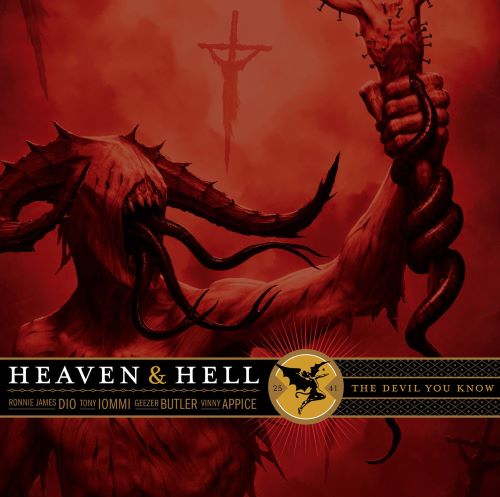
This week I’m heading into 2009 and having a look at the album that would sadly be Ronnie James Dio’s final living testament.
Heaven & Hell – The Devil You Know
Released April 27, 2009 via Rhino Records
The story of how Dio-led Black Sabbath got together one last time is pretty straighforward. In 2007 a greatest hits compilation of the Dio-Sabbath albums was released. Tony Iommi did not have a wealth of usable material from these albums in the vault, so he convened with the other members to record a few new songs for the comp.
This led to touring and rather quickly morphed into recording a new studio album. The only roadblock present was one sprung by her grace Sharon Osbourne – this band could not use the name Black Sabbath, as Camp Osbourne had secured full control of Sabbath’s rights from Iommi several years prior. This led Sharon to release a flimsy PR statement declaring that there was “only one Black Sabbath,” even though anyone with even a passing knowledge of heavy metal is familiar with the several Ozzy-less versions of the band. At any rate, Iommi, Dio, Geezer Butler and Vinny Appice chose to rechristen themselves Heaven & Hell in order to tour and record. It was Black Sabbath in all but name, and many record stores even filed the release under Black Sabbath on the shelf.
The album features 10 songs with a 54:01 runtime. There were some digital editions with bonus tracks, these were live cuts and I don’t know of any studio material that was left on the cutting room floor.
Atom And Evil
The opener keeps a slow pace in fitting with the doom aspect of Sabbath’s music. Dio gets to shine on the verses while Iommi opens up the riffing in the chorus and solo break. While not outright headbanging, it’s honestly a great listening experience with the more droning tempo.
And the theme here is very deep, interwoven and well done. Atom And Evil is clearly a play on the Adam and Eve story and the song explores the concept of someone finding forbidden knowledge, just as in the creation story. In this case the knowledge is that of nuclear weapons.
And also of note – this isn’t the first time someone used this song title to express the same sentiments. In 1947, the gospel act Golden Gate Quartet released a single with the same title and theme. Rather different songs, but same idea. Grade: A+
Fear
This one gets going with a fair bit of power and has one hell of a doom riff running through it. The song is simply about being afraid of the dark. This one is actually more about the reality of nyctophobia, which is a feature of prehistoric times when light sources at night were quite scarce and a fear of the dark was perfectly rational. It has lingered with humans ever since and now we have this great song about it. Grade: A
Bible Black
Up next was the advance single from the album. This one builds from a softer intro into a full-on vintage Iommi pounder of a riff. The song is about a guy who becomes possessed by a book of dark knowledge. It’s easy to see why they picked this as the single – this song is full and rich and hits all the right notes. Grade: A+
Double The Pain
This one comes out at a more uptempo, rocking pace. The premise here is of someone who isn’t happy unless they’re miserable, so “double the pain” and make them euphoric. Interesting concept, but honestly I can’t help but feel like I’m listening to a heavy metal commercial jingle for Doublemint gum (that stuff still around?). A good song but maybe just a bit off. Grade: B-
Rock And Roll Angel
This one moves in a straight line with a simple yet effective Iommi riff. This was first called Rock and Roll Jesus, but then Kid Rock released something with that name so this one got changed up. It’s a nice song that’s far from the standout of the album but it’s not bad by any stretch. Grade: B-
The Turn Of The Screw
A song with a fairly upbeat rhythm to it, even Iommi’s riffs have a bit of lift to them on here. A bit juxtaposed with the subject matter as this is about using people up and discarding them. Another song that doesn’t leap out of the speaker but still offers up something worth listening to. Grade: B
Eating The Cannibals
An outright speed song here, this one picks up the tempo and bashes out from start to end. There are even a few melodic rock runs from Iommi over the top of this one, not something you hear from him every day. The theme here is one of violence and also a sort of twist on the “eat the rich” concept. I don’t know that it entirely comes off but the song works just the same. Grade: B+
Follow The Tears
Another more standard Dio doom offering with a few keyboards up front to help differentiate things a bit. It’s a dark tale of how human generosity can be self-serving and ultimately a trap. Another song that’s fine but doesn’t quite go over the hump. Grade: C+
Neverwhere
One more fast and fairly upbeat and tempo track as we wind to album’s end. It’s one of Dio’s fantasy tales though this one is really dark, about someone giving in to the temptation of witchcraft and the like. Pretty good stuff here. Grade: B
Breaking Into Heaven
The final song is a more plodding doom track with the vintage Iommi guitar work. This one’s about the rebel angels who left Heaven with Satan, now they are plotting to return to Heaven and they aren’t going to ask politely to get back in. Not a bad way to close out the album and the Dio era of Black Sabbath. Grade: B+
The Devil You Know was hotly anticipated and would see a rush of success upon release. It charted all over the world, though in fairness many of the chart positions were modest. In the US it did very well, landing at number 8. This would match Master Of Reality for best US chart position of any Black Sabbath album, though a few years down the line the original version of the band would land the number 1 spot with the band’s final album 13.
While the stage was set for Heaven & Hell to take off and run, this chapter would sadly close after less than 50 shows. Ronnie James Dio was diagnosed with stomach cancer and died in May of 2010. For a group who had formed and split up twice over infighting but had come together older and wiser for this last run, it was a tragic way for everything to have to end. The end of Heaven & Hell left Tony and Geezer available to work with Ozzy as Black Sabbath one final time, a run that concluded in 2017.
Today’s album does have a mixed reception. Some people ate up anything that Dio Sabbath released, I am generally among that number. Others didn’t find much worthwhile in the album, longing more for the prior classic albums of the group.
For me this is a solid effort. It has a few standout cuts that show up at the beginning of the record, then the remainder offers up secondary tracks that are still quality and a bit above the “filler” line. It’s a good listening experience front to back, nothing on here sticks out as not fitting.
Album Grade: B+
This last chapter of work between Dio and Iommi blessed us with another round of their somewhat unique blend of doom and high fantasy metal. It is a Black Sabbath album in all but name, a policy enacted by her benevolent grace Sharon Osbourne. But there is no quashing the legacy that “Dio Sabbath” were able to forge, and The Devil You Know serves as a fitting conclusion to that legacy. It’s also the final testament of bona fide heavy metal god Ronnie James Dio.
When someone asks “where did stoner metal start?” it can be a tough question to answer without the proper knowledge. After this post, everyone will be able to answer the question with no problem.
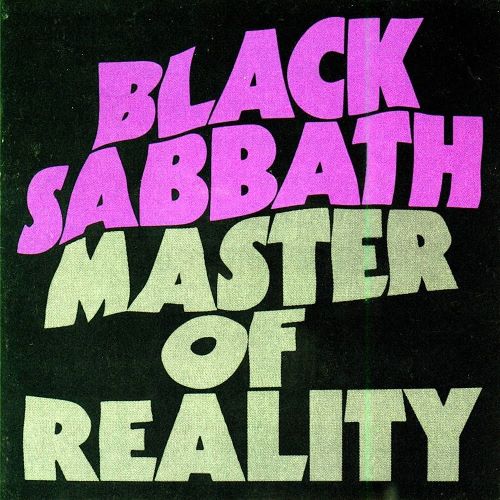
Black Sabbath – Master Of Reality
Released August 1971 via Vertigo Records
My Favorite Tracks – Children Of The Grave, Into The Void, Lord Of This World
Black Sabbath had recorded their first two albums in rapid fashion, not having time to truly get used to being in a studio. For their third go-round they were not on tour and had the proper amount of time to focus on their work.
One aspect of this was Tony Iommi messing with his guitar sound, though out of practical reasons. Iommi tuned down his guitar on a handful of songs (the same three listed as my favorite tracks, no less) in order to play more comfortably. He had suffered an industrial accident years before that took a few of his fingertips and it was painful to play some things, so he downtuned for the ease of play. This would lead to a heavier sound, which would of course inspire many future generations to tune guitars down and create heavy metal of all styles. Geezer Butler would also tune down his bass to match Iommi, while Ozzy Osbourne would – well, continue to sing in his higher register as always.
Master Of Reality is a short album, featuring 8 tracks at a runtime of 34 minutes. Note that old US pressings of the album list more tracks, the songs Haunting and Deathmask are listed tracks. But these are actually just snippets of Children Of The Grave and Solitude broken off and divided into separate songs, there was no actual bonus content on the US pressings. The track listings and actual song sequences are screwed up on old US editions, it was a funny way to pretend there was more content on the lean record. As we’ll see, this album didn’t need any bloat to succeed.
Sweet Leaf
It’s only fitting that the birth of stoner metal album opens with a love letter to marijuana. Even the opening features a coughing fit Tony Iommi was caught in after taking a hit some prime stuff. But the song is no cheap gimmick – this is a fantastic jam. The main riff is simple and catchy and the music hits hard as Ozzy sings praises to the leaf. And the solo/jam section in the middle of the song is off the rails and fantastic, it was stuff like this that really put early Sabbath over the top. These days Sweet Leaf is legal to hear and consume in 38 of the 50 US states.
After Forever
This one has a pretty bright and upbeat riff though still pounds nicely with the Sabbath heaviness. The song is about religion, but not from the point of view many would think Black Sabbath would write from. This is actually pro-God song. While it might seem this was written in direct response to the accusations of Satanism that loomed over Sabbath, Geezer Butler has stated that he wrote it about the issues plaguing Ireland, Northern Ireland and Great Britain. Religion was the catalyst behind the decades of troubles in this area and this is Butler’s look at that. This is also where the Dutch power metal band After Forever got their name.
Embryo
Here is a 28 second instrumental guitar piece. Not much to really dig into here. It is kind of funny that this song has a bit over 40,000 streams on Spotify while every other song has at least 14 million and one has over 100 million. This poor little guy just sits there.
Children Of The Grave
Speaking of that song with over 100 million streams, here we are. This was the lone single released from this record and while the song did not do anything on the charts it has become an immortal part of the Sabbath legacy.
This features a dark and pummeling riff that twists and turns though still remains pretty simple in a marching-like rhythm. The lyrics take another anti-war stance that the band had explored previously, this time it is an alarming outlook about the prospects of nuclear destruction. Should humanity not get its shit together, then the children now would become the children of the grave. We’re still here so I guess it didn’t happen, but things don’t necessarily look better.
Children Of The Grave is considered one of Black Sabbath’s greatest songs. It has been covered extensively by acts of many genres and was one Ozzy frequently played during his solo tours. This was even darker and more twisted than prior Sabbath outings and showcased just how hard metal could go.
Orchid
This is another instrumental piece, this time with Iommi on an acoustic guitar. This gets a little more room to air out at 1:30 and is a nice interlude to the grim heaviness of the rest of the record.
Lord Of This World
Up next is a wicked track full of heavy metal destruction. Iommi and Butler are slamming it out on their downtuned instruments along with Bill Ward’s pounding drums. This one is actually all about Satan, the great villain that Sabbath were accused of worshiping. Here the lyrics depict a wicked world full of corrupt people who eventually fall under the dominion of Satan, fulfilling some versions of Christian prophecy. It’s easy to hear the influence on countless future metal bands from this one.
Solitude
It’s now on to a slow tune, this one is very quiet and haunting. Tony Iommi not only loads up on guitar tracks but also plays flute and piano here, perhaps inspired by his super brief stint in Jethro Tull, I don’t know. This song is different from the pack but is still a high quality listen, very atmospheric and depressing stuff. It is simply about a break-up, which is what a lot of songs are about after all.
Into The Void
If you really want to know where stoner rock and sludge metal came from, play this last track. This is an outright banger that keeps the pace mostly down but remains as heavy as hell. Both Bill Ward and Ozzy had problems getting their parts down on this one, as recounted by Tony Iommi.
This song is about a guy in dystopian future, say probably 2023, fleeing Earth to find somewhere better to live. Sounds nice. The song was clearly a massive influence on heavy metal, just playing it will make that evident.
Master Of Reality was a success for Black Sabbath in many ways. The album went to number 5 in the UK and 8 in the US, and had several other top 10 showings through Europe, Canada and Australia. In the US the album went gold purely through advanced orders and wound up selling over 2 million copies.
Beyond the numbers, this album was hugely influential to many who would later reshape music. It has been cited as a primary influence to those in the grunge movement. It was also clearly impactful to the burgeoning heavy metal scene and is a big reason why Black Sabbath are considered the fathers of metal. And it would specifically inspire the coming “stoner rock” or “desert rock” movement of the late ’80’s and early ’90’s, which would include bands like Kyuss, Monster Magnet, Orange Goblin and a huge list of others. The legacy of Black Sabbath is etched into the heaviest of metal, and Master Of Reality is a huge part of why.
Time for a story and a song again, or a song and a story, whatever order this goes in, I don’t know. This one is pretty simple and not much of a story, just something that came to mind the other day and I figured I’d chronicle it before I forget it again.
The song in question is the title track from Black Sabbath’s Never Say Die!, the 8th studio album from them and the last to feature lead singer Ozzy Osbourne for 35 years. The album itself is not generally looked upon as one of Black Sabbath’s best (we’ll get to that), but this song is actually pretty cool. It’s one of a few I don’t mind listening to from the album.
Before I get to the story itself, I’ll talk about the album for a minute since opinions on the album are important to the story. Never Say Die! is not a watershed moment in the Black Sabbath catalog. It is one of the least popular albums, both from the Ozzy years and the catalog as a whole. The album is all over the place, uninspired, and lacking for anything truly awesome stuff. My opinion is that of the consensus, which is that the album is not very good. There are dissenting opinions and strong defenders of Never Say Die!, which is where today’s story takes us.
The year was 2009. I was working an evening shift job, from roughly 4 PM to 12:30 AM or whatever it was. The shift was also Sunday through Thursday, meaning Friday and Saturday were my weekend. It was a cool Friday morning, probably around 9 AM when our story takes place. It was one of those nice fall mornings where having the windows open was ideal, I enjoy it being on the cooler side when I sleep and it was the perfect weather to let some air in. It seems the “open window” days are few and far between anymore, but hey that’s not the point.
So I had my window open on this nice Friday morning when I woke up, but wasn’t yet ready to get out of bed. I laid there for a bit when I could make out the voice of my neighbor talking. I lived (and still do live) in town, where houses are not very far apart from one another. The neighbor was a decent guy, I shot the shit with him a bit but we weren’t really friends or anything like that.
On this cool Friday morning, the proper start of my weekend and just a bit earlier than I normally woke up, I hear my neighbor going on about something and he was really into it. And that something?
Never Say Die!
He was going on and on about how great of an album it was and people were wrong about it and all of this and that. He was very passionately defending the honor of this album. It was in a zealous way, I’m sure many music fans have encountered someone with a contrarian viewpoint before and experienced how fervently and wordy these devotees can be about their cherished thing that a lot of people can’t stand.
This diatribe kept up for awhile. My first thought was actually “hey, good for him, I’m glad someone likes that pile of an album.” It is cool when a work means that much to somebody, especially when popular opinion is very against it. Then I got a little sick of hearing it, like “ok man, you’ve run the course with this album, but you keep going.”
I kept laying there, not wanting to get up but also sort of transfixed by this odd treatise on the virtues of Never Say Die! that I was not going to get back to sleep even if I wanted to. I went from sort of enjoying this odd thing to overhear on my nice weekend morning to getting sick of it. Open window days were not in big supply and this was starting to ruin my morning, even if I was initially cool with it. Also, even if I can appreciate someone’s dissenting take on something, I honestly don’t think Never Say Die! is a worthy recipient of such passionate defense. Whatever he or anyone else who is into the album wants to think, it pretty well sucks. Just ask the drugged out group who recorded it.
I was pretty close to going outside and jumping into the conversation. It was that combination of early morning weariness, having my open window time spoiled, and me truly not being on board with the opinion that due would not shut up about.
But I did not wind up going outside. I started up my day and went about business as normal. I never brought up what I overheard and the neighbor never asked me what I thought of his precious, crappy Black Sabbath album even though he knew I was big into music. A few months later I moved out of that house and never saw the guy again.
I almost became “that guy” would would start an argument over a music opinion. It wouldn’t have been anything huge, I knew the guy and I wasn’t going to really go off on him or anything. But it got annoying there for a minute, listening to this dude go on and on about an album I’m not really sure is even fit for human ears. In the end it all worked out – guy got to brag on an album he stands with against the grain, and I didn’t start an argument over something I think sucks. I just wish a guy could leave his damn windows open around here without hearing everything under the sun now and again.
This week it’s a visit back to 1992 and how a handful of line-up changes, some planned and one not, spawned a reunion. And then winds of another reunion would quash this reunion. The Black Sabbath soap opera rolls on.
Black Sabbath – Dehumanizer
Released June 1992 via IRS and Reprise Records
My Favorite Tracks – I, TV Crimes, Letters From Earth
Black Sabbath had been on a wild run of line-ups and albums through the 1980’s. While Tony Iommi had found stability at vocals with Tony Martin for a three album run, the other players in the band came and went like one of those temp hiring services.
Eventually a line-up was nailed down – Iommi, the returning Geezer Butler on bass, and Cozy Powell to drum. Powell was soon out though with a hip injury and was replaced with Vinny Appice, who was previously Sabbath drummer during Ronnie James Dio’s first Sabbath stint.
And Dio himself was brought in to make a full reunion of the Mob Rules line-up. Except that Tony Martin briefly came into the studio to try out the songs but didn’t stay due to solo commitments. I don’t know why this was a thing but it was and it was probably a sign of things to come. But at least for this album, Dio was back in Black Sabbath.
The album was recorded in an odd and expensive manner, going back and forth between England and the US. It turned out to be a pretty expensive logistical mistake but it worked out well creatively, as the band honed down a basic and heavy sound. While the 1980’s music scene turned its back on Black Sabbath, the band were in a position to capitalize on the 1990’s music scene turning its back on the ’80’s.
Today there are 10 tracks in 52 minutes to go through. There are several different bonus versions around as well as a bootleg that offers a bunch of bonus stuff, including a few tracks with Powell drumming.
Computer God
The album kicks off in heavier than hell fashion, right out of the gate with monster Iommi riffs and the familiar tone of Dio leading the proceedings. This song gets into the idea of computers becoming sentient and taking over the world, something Dio called science fiction in 1992 but we are so gloriously close to 31 years later. There’s also a wild solo from Iommi here.
After All (The Dead)
A slower and haunting track that truly brings out Sabbath’s doom leanings. The song gets into the issue of wondering what the afterlife is like and if the dead can talk, and reaching the conclusion that there’s only one way to find out.
TV Crimes
A massive rocking song here that dials it up to 11 and takes aim at the scourge of televangelism that plagued American society around this time. The TV preachers were known for their sermons with their hands out for follower donations, while taking the cash to spend on hookers and drugs, as well as other extravagant purchases. Many of the same preachers were ones to call out the “evil” of heavy metal music, so it was a field day for metal bands to return the favor and call out the hypocrisy of the preachers. This has been a fan favorite from the Dio and Sabbath collaborations.
Letters From Earth
A slower-paced affair with riffs aplenty that sees Dio writing letters to God from Earth about how everything is screwed. The song is pretty similar to a collection of essays from Mark Twain of the same title. The Twain essays were not published until many decades after his death as his surviving daughter was concerned about Twain’s very scathing tone towards religion in the essays. I don’t know if there is a connection between the Twain writings and this song, I had thought I’d seen Dio reference Twain in a past interview but I have no luck on finding that.
Master Of Insanity
A song brought to the band from Geezer Butler and his prior solo project. It’s a smashing hard tune about going mad and the capacity of anyone to find the worst version of themselves. Geezer brings in a few crazy bass lines for this one and the song moves around in different arrangements a bit.
Time Machine
Another slamming song and one of heavy metal’s great motivating tracks. The time machine is a figurative device here, the song suggests that we have control over our own destinies and can “use the time machine” to chart the course of our lives. There was an alternate version of the song recorded for the soundtrack to the Wayne’s World movie.
Sins Of The Father
A bit slower but still hard as hell here. The polar opposite of the last song, this one gets into a person suffering for the ill actions of someone else. It is wrapped in the religious symbolism around sin and all that sort of suffering for what happened before. Though the song does still offer the chance of breaking free of the vicious cycle.
Too Late
This one starts off in ballad territory before ramping up the heavy a bit later into the song. It’s a nice contrast between quiet and loud in parts. The moral of this story is not to sell your soul to the Devil because, well, you sold your soul to the Devil and that turns out to be a bad thing. So don’t do that.
I
The hardest song to search for on Google in history storms in with a massive riff that marches through the balance of the track. Dio is lit up on this one, the concept behind it is how he uses criticism of his music as fuel to create rather than being dragged down by it. He becomes an all-conquering monster here and the song is pretty emblematic of his career. This is easily my favorite off this album one of my top Dio Sabbath tracks overall.
Buried Alive
The album wraps up with a song that goes even harder and heavier. It’s a track about being “buried alive” by the constraints of a religion that offers no truth but a lot of dogma. When a person spends their time worried about the weight of their sins they don’t truly live a life and they wind up buried in the guilt and trappings. A quite elaborate philosophical statement to close the record.
Dehumanizer brought Black Sabbath back to a semblance of success. The album charted at number 28 in the UK and 44 in the US, as well as scoring good positions on the charts of many other countries. The stage would seem to be set for a great tour cycle behind this effort, but it was not to be.
The band would tour for a few months but then trouble struck when Sabbath was invited to open what were to be Ozzy Osbourne’s final concerts in November. Dio was not into the idea and he promptly left the group, taking Vinny Appice with him. Black Sabbath would play the shows with Rob Halford famously providing the vocals, and the original incarnation of Sabbath did a few songs during Ozzy’s set.
Dio was back into his solo career, with a few albums that bear some influence sound-wise from Dehumanizer. Black Sabbath would regroup with Tony Martin and release a few ill-received albums before finally biting the bullet and pulling off the reunion with a suddenly unretired Ozzy in the later ’90’s. This series of events would put Black Sabbath’s rights and management in the purview of Sharon Osbourne, and the campaign to have Ozzy-era Sabbath recognized as the “only one” was now underway. This did not stop the Dehumanizer line-up from reconvening one more time under the Heaven and Hell name for several tours and one more album in the late 2000’s.
For all the ups and downs of Black Sabbath, Dehumanizer came as an unexpected and well-received work at a time when the band had not been firing on all cylinders. The prior albums with Tony Martin were of quality but did not break the market in any meaningful way, and Martin’s second stint after was not well-received. It could be said that Dehumanizer is Sabbath’s last great album, depending on personal feelings over the final salvo 13. This one’s only real competition might come from the Heaven and Hell record, though it’s fair to say this one wins that battle.
While the band didn’t fully capitalize on the record, Dehumanizer was a fantastic album that brought a new sense of respectability back to Black Sabbath, if only for a moment. In hindsight it’s one of the band’s better albums overall and it stands head and shoulders above Sabbath’s other work of the time period. While it’s a shame the group couldn’t hold together in the mire that is the Sabbath soap opera, just the existence of this album is enough to hang one’s hat on.
This week I’m going back to the beginning of time. Or, the beginning of heavy metal, anyway. Well, it wasn’t really the “beginning” since they already had an album out that same year. It’s like the continuation of the beginning of heavy metal.
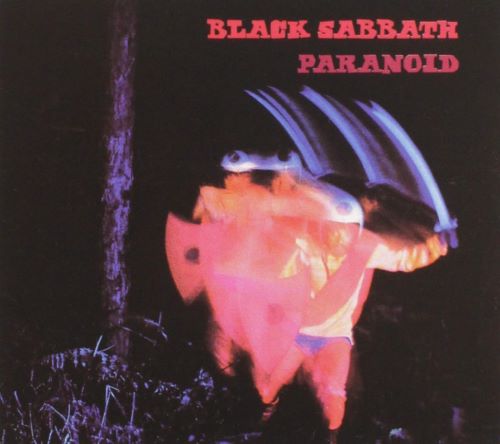
Black Sabbath – Paranoid
Released September 18, 1970 via Vertigo Records
My Favorite Tracks – Paranoid, Electric Funeral, War Pigs
This isn’t an album that needs a huge introduction. Paranoid is the most famous album in heavy metal. It was a rush job of a record, with the label wanting to cash in on the success of the debut album, so everyone crowded into the studio and banged the new album out. Paranoid was on store shelves roughly 7 months after Black Sabbath.
The quick pace of album creation led to a few last-minute decisions – the album was originally going to be called War Pigs, with the album art reflecting that. The single Paranoid was doing great business though, so the album name was changed without redoing the album art. Hence, some dude swinging a sword on an album called Paranoid.
And War Pigs itself was originally going to be called Walpurgis, a Satanic holiday/ceremony of some sort. The record label vetoed that title, as they were (rightfully) concerned about the link being drawn between Sabbath and Satanism. War Pigs summed up the lyrics nicely and was used instead.
Paranoid comes in with 8 tracks at a 41 minute run time. It’s a fairly quick process to get through, though we are talking about the most famous songs in heavy metal here so there’s some exposition to be had.
War Pigs
The once-titled Walpurgis opens the album with a scathing take on the Vietnam War. The band’s intent was to show the politicians who start wars as the real Satanists, a case plainly stated in the lyrics but missed by the “Satanic Panic” movement that would see Black Sabbath as arch enemies.
War Pigs is one of metal’s most significant songs. Its darker topical fare, combined with the signature riffs from Tony Iommi as well as Bill Ward literally pounding the piss out of the drums, totally recast what rock music could do or be about. This song was a stark dividing line, even considering the prior Sabbath album that same year. It is one of the more widely played and covered song in Sabbath lore.
Paranoid
The title track was a hit single in advance of the album’s release and, as stated above, the warm reception was the cause of the album’s name change. Paranoid as a song was a unique Sabbath achievement – it is the their only Top 20 UK hit, peaking at number 4. That seems odd for such a popular act, but Sabbath never were singles-minded hit makers.
The song was conceived in quick fashion and wasn’t really thought of in any significant terms by the band, which is often how hits go. Geezer Butler’s lyrics tell a despondent tale – of depression, not paranoia. The song’s quick pace and pounding riff was reminiscent of Led Zeppelin’s Communication Breakdown, something that Sabbath members were cognizant of and worried about, though no harm came from the similarity.
Paranoid is short, spooky and to the point – a winning formula for a hit. The song has remained in constant rotation on classic rock radio for 53 years and will likely be a fixture of radio playlists until the death of the format.
Planet Caravan
An odd turn but one not out of bonds for a band who, while shaping heavy metal, would also be massively influential to “stoner” culture. This song is trippy and ambient,with several layered effects to generate a calm and muddled atmosphere.
For some the song is a skip because it doesn’t fit the mold of Sabbath heavy metal, while for me and others it’s a welcome change of pace and nice diversion. A band that lasts any length of time is going to record a bunch of songs – might as well branch out here and there.
Iron Man
Sabbath have several highly recognized songs and many are from this album. But none may be as widely known as this one. Iommi pulls riffs straight from Hell to shape this song about a guy who time travels and sees the end of the world. On his return he is turned to steel and mocked by the populace, who ignore his warnings about the apocalypse. Instead of saving the world, he decides to become the end and takes his wrath out on the people who mock him.
Iron Man joins Paranoid and War Pigs as Sabbath staples that have seen constant rotation in the five decades since the album’s release. I believe it’s a felony for a radio station not to play Iron Man at least once a day. (don’t’ quote that) Iron Man was Sabbath’s biggest “hit” in the US, though only charting at 52, the song has become immortal. And while having nothing to do with the Marvel Comics character of the same name, this song was used in the 2008 Iron Man film that saw that character go from an afterthought to the lead role in the MCU.
Electric Funeral
Here Sabbath combine their doom-laden heavy metal with some groove and jam from the music of their time. It’s a pretty interesting mash-up that sees some groove and boogie over lyrics about nuclear holocaust. These for me are some of the more interesting parts of the Sabbath catalog, getting to hear heavy metal shaped alongside the other music of the day. It wouldn’t be until the 1980’s when heavy metal ran along established lines, so this early stuff contained a lot of cool asides and nods to other forms of rock.
Hand Of Doom
This appropriately named track was, in all reality, some ground-level field reporting exposing one of the many horrors of the Vietnam War – the drug use of soldiers. Heroin was the drug of choice among the GI’s in the field, then it came back with them along with the often-untreated horrors of war. The song is a stark admonition against drug use, which does sound a bit odd coming from the lips of Ozzy Osbourne or honestly anyone from Black Sabbath. But the message is on point and this song was a harrowing early account of just how messed up the Vietnam War was.
Rat Salad
A brief instrumental, this was based on Bill Ward’s super long drum solos of the early days when Sabbath had to fill large amounts of time between sets in order to land gigs. It’s a nice jam, I’ve always enjoyed the heavier jams of the late 60’s and early 70’s.
Fairies Wear Boots
The final song is a striking title but isn’t about some mythical creatures who sprinkle pixie dust and wear Doc Martens. Instead the lyrics take aim at skinheads, this was in Britain before “skinhead” became synonymous with “nazi.” Sabbath had run-ins with the anarchist-minded skinheads, including a fight that left Tony Iommi injured and hence served as the inspiration for the song. Iommi has also admitted that the lyrics might be unusual due to the band’s habitual weed use.
Paranoid was a breakout hit for Black Sabbath – it did what they were only able to accomplish one other time, that being top the UK album charts. (the other time being the band’s final album 13) The album was a hit in many other countries including the US, where it peaked at number 12 and has 4 official platinum certifications.
But the legacy of Paranoid goes far beyond its sales figures or chart positions. This is the definitive album of heavy metal. It is the band’s most recognizable effort and the point where they laid the blueprint for their new, mutated form of rock music. The shadow that Paranoid casts over the heavy metal landscape is immense and inescapable. The Black Sabbath legacy is undeniable and this album is a large reason why.


 The Crooked Wanderer