Justin Townes Earle – Yuma

This week I’m having a look at the debut offering from a second-generation artist who would embrace the independent spirit of music and leave a mark matched by few in his career. His career and life were tragically cut short, but his music still resonates today, just days after what would have been his 42nd birthday.
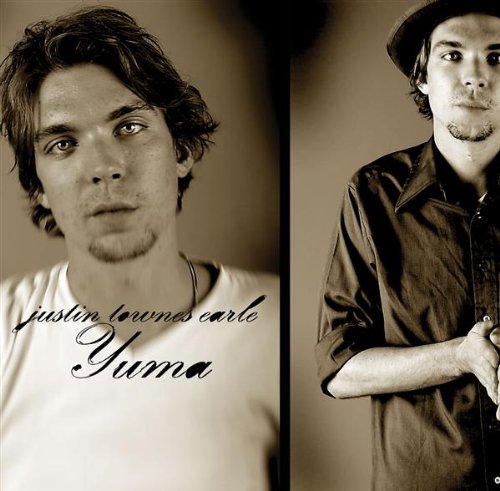
Justin Townes Earle – Yuma

Released February 8, 2007

My favorite tracks – Yuma, I Don’t Care

Justin Townes Earle was born in the country mecca of Nashville, Tennessee in 1982. He was the son of Steve Earle, who was just getting his alt-country career rolling when Justin was born. Justin’s middle name Townes was Steve’s tribute to good friend and mentor Townes Van Zandt. Justin would get his start in music early on, performing with a few Nashville bands as well as his father’s group the Dukes.

By 2007 Justin was ready to venture out on his own and he decided to cut an EP to have for sale while on tour. Yuma was the result. This was recorded entirely by Justin, simply him with his guitar. The release was initially self-funded and distributed, though Justin would soon sign a deal with Chicago-based Bloodshot Records and Yuma would be repressed by the label. Bloodshot would become a major player in the alternative and independent country scene and Justin would be one of its most prolific artists.

This will be a brief rundown today, as we are dealing with a pretty simple premise – 6 songs in 19 minutes. Justin recorded it over a weekend and it won’t take long to go through the particulars, though there are some noteworthy moments here.

The Ghost Of Virginia

The opener kicks off with a tall tale about a ghost train. In this case the train was Virginia, which apparently hauled Confederate troops during the US Civil War between North Carolina and Virginia. Ghost train sightings were something of a phenomenon in early railroad America and other countries. It’s an older thing of course but it’s a pretty interesting twist on the ghost thing. Train songs are literally a dime a dozen in country music, but Justin does a nice job here specifically describing the haunting visage of the ghost train.

You Can’t Leave

The second tune sees Justin strum fairly upbeat on the guitar, but the song is pleading with his woman not to leave him. Can’t have a country album without some heartbreak between couples, it’s pretty well mandatory. Hopefully it worked out for all involved in this likely hypothetical situation.

Yuma

The title track is the EP’s centerpiece and is a very sad and heartbreaking tale. In it a young man had tragically lost his girlfriend and the pain of the loss, as well as the man’s own vices, lead him to jumping from a ledge and claiming his life. Yuma recounts the man’s last hours as he has some drinks, phones home one last time, mails a postcard to home which is confirmed to be Yuma, and then succumbs to his pain and leaps off of a building.

Yuma is a very tragic song, spelling out in detail the man’s struggles against a backdrop of mundane happenings. At one point Justin remarks that “it wasn’t so much the girl, as the booze and the dope.” While Justin’s 2020 death would be due to an accidental overdose, it does feel sadly prophetic in a way hearing the song after Justin’s death.

I Don’t Care

Here Justin takes up the role of a drifter, someone with nowhere to go and looking to be anywhere but where he is. It’s a solid tale of being stuck where you’re at with no way to get where you want to be, which is anywhere else. The drifter’s lament is another highlight of this studded EP.

Let The Waters Rise

Now we get to a bit of a funny tune, at least funny in how it’s worded. Here the guy’s gal is apparently two-timing, so he wishes for the waters to rise and flood the place out. It’d be a bit overkill if applied literally but it’s quite nicely done in figurative speech here.

A Desolate Angel’s Blues

The EP wraps up with a solemn story of a person “going home.” While the imagery comes off like someone being baptized, this guys seems like he is preparing to actually drown to death. It’s a haunting yet fitting way to cap off the album.

Yuma was exactly what Justin Townes Earle wanted – a record to sell at his shows and it was a vehicle for a quickly rising star. He would soon have a record deal and also very soon be swept up in the issues of country music at the time – that is, a disdain for mainstream Nashville offerings and a desire for a savior from the independent ranks. While the anti-Nashville crowd had a figurehead in Hank Williams III, it was JTE who was often pegged as the messiah of the new country movement.

Justin did not seem pleased by or suited for such a christening. He would record 8 full-length albums, most well-regarded and praised, but it would not be JTE who would deliver a new, purer form of country that would gain mainstream attention. Not that any of us knew this in 2008, but the savior’s name was Sturgill Simpson and he was still a few years away.

For Justin, his career would be noted for his blending of country, folk, blues and soul influences at various points through his albums. He wasn’t the savior a lot of independent country fans wanted, but he was more than good enough to be regarded as a songwriter and storyteller often without peer. Yuma was the start of 12 years’ worth of releases that would carve a legacy that lives on even after Justin’s tragic demise.

Hal Ketchum – Small Town Saturday Night (Song of the Week)

Today I’m talking about a country song revolving around a small town, though this one is 32 years old and wasn’t a political lightning rod, instead it’s just an enjoyable song from the ’90’s country era.

Hal Ketchum came up in the Texas scene and began his recording career in the late 1980’s after playing for several years on the live club circuit. His second album Past The Point Of Rescue would be his major label debut for Curb Records and is where today’s song hails from. The album would go gold for half a million copies sold and was the start of Ketchum’s solid presence on the airwaves of 1990’s country.

Small Town Saturday Night was one of three singles from the album that went to number 2 on the Hot Country charts. This was the lead single and served as Ketchum’s introduction to the national country stage, where he picked up steam right off the bat. While Ketchum did write a lot of his own material, this song was brought in from outside songwriters Pat Alger and Hank DeVito.

Like much of country music from the 1990’s, this song is pretty smooth. Nothing was rough around the edges in this era of high production values and mining for radio hits. There is just a bit of rough and tumble to this song but it’s still a prototypical offering from country of this period.

Lyrically the song’s concept is self-explanatory – some bored kids need something to do on Saturday night in their small town. They have just enough for gas money to go cruising, enough booze to catch a buzz, and absolutely nothing of substance worth doing. The third verse offers a pretty stark reality about small town life – the main “character” Bobby tells his girlfriend Lucy that the world has to be flat because their small town is everything – anyone who leaves never comes back, so the world cant’ be round. And yes it’s a metaphor, that flat earth bullshit wasn’t taken literally in the 1990’s.

And yeah, I can confirm that this is life in a small town, Saturday night or otherwise. The town I grew up in had all of 2,500 people in it. There really wasn’t a lot going on and this song is what a lot of younger folks did. Ketchum didn’t have to stretch to write this song, it’s all right there for anyone who had spent more than a night in a small town. I was a bit more disaffected than most in my childhood so I wasn’t really partying back then, but we would go drive around backroads looking for old abandoned buildings to check out, which there were no shortage of on the old, isolated farm lands. Sometimes you just got in a vehicle and went somewhere, even if that place was nowhere, because it’ wasn’t the nowhere you were living in.

Small Town Saturday Night entered country radio rotation on release in 1991 and it never left. It’s on just about any station that plays classic country today, and even more so now since ’90’s country is having a huge retro appreciation wave. Hal Ketchum continued to record and tour into the late 2010’s when it was announced he had been diagnosed with Alzheimer’s, he would pass away in late 2020.

For me I was never a huge country fan when this stuff was actually going on in the 1990’s. By this point I was well on my way to exploring death metal and all of the “alt-metal” stuff showing up. But I do remember these songs being on, and this one especially was one I kind of always like hearing. As time has gone on I wound up getting more into country and came to appreciate more of these early ’90’s cuts. Country music today has become far too much of a thing for the politically-charged masses to spew venom at each other about, but a song like this is always enjoyable no matter what kind of crap is going on in the news cycle.

Tales From The Stage – John Mellencamp

Going back now to 2016, and yeah it’s still weird that it was now seven years ago. The occasion was John Mellencamp in concert. I had never seen him live before so I jumped on the chance when he booked a local show.

The show was at the Juanita K. Hammons Hall for the Performing Arts on the campus of Missouri State University. Sure it’s a mouthful to say but it’s a great place to see a show. It is a theater type of building with balconies that look basically right over the stage, meaning there really isn’t a bad seat in the house. I was up in one of the first few rows of the first balcony and had a great view of the stage, even from up a bit in the air.

Opening the show was Carlene Carter, the first-born daughter of June Carter and a performer since the mid ’70’s. She had been collaborating with Mellencamp and this would continue into the next year when they released a joint album. Carlene played a set that featured some old Carter Family standards like Will The Circle Be Unbroken as well as her hits from the early ’90’s, including Every Little Thing. She was very engaging and put on a really nice show. I wish I had more to say about it but this was seven years ago and also not a single person uploaded a setlist of hers from any stop on this tour so I’m a bit hosed on that. Had I known that I would have kept track of it that night but I’m not bright enough to do that.

Between sets Carlene was reportedly giving free hugs in the main lobby by the merch stands. I missed out on that because there was a beer vendor just off to the side of my section. Them’s the breaks, I guess.

Here is a bit of very good footage of Carlene from the same year in North Carolina.

After the break, John Mellencamp came out with his band, or at least the first iteration of it. For these shows John was splitting things into two mini-sets – one with more country-oriented instruments such as fiddle, and the second with the standard rock package.

Mellencamp opened with two songs from his most recent album, 2014’s Plain Spoken. Lawless Times and Troubled Man were the cuts. I wasn’t overly familiar with them but they were good songs to kick the show off with. He then went into two old classics, Minutes To Memories and Small Town.

John filled the time between songs with some banter, telling short stories about stuff his kids were up to and things like that. The set would run through several songs from different eras – hits like Human Wheels and Check It Out as well as other cuts from albums more recent.

The oldest album Mellencamp went back to for a song was 1982’s American Fool. He made sure to let the crowd know that he personally didn’t want to do the song but he knew everyone would riot if he didn’t, and then went into Jack And Diane. It is one of his bigger hits but also does get a fair bit of flack. John has not been shy about not liking the song but hey, you gotta play your hits. The crowd was into it so I guess that’s the important part.

The first part of the set rounded out with two collaborations with Carlene Carter – Indigo Sky and My Soul’s Got Wings. Both of these would appear on their joint album the following year. Then some instrumental parts led to a brief set change to set up the rock half of the show.

And when I say rock, I mean rock. Mellencamp and company came out to absolutely shred. The guitars were distorted and turned up to 11 and the band pounded out the hits. Rain On The Scarecrow led the way, with other hits like Paper In Fire, Authority Song and Crublim’ Down following. The set would close on Pink Houses and then Cherry Bomb.

That would wrap up the night. I was very glad to have finally seen Mellencamp live as he had been one of about a million artists I’ve missed over the years. It’s far easier to see someone when they play local as opposed to dealing the hustle and cost of travel to a major city, and this show was literally a few miles from my house. It was off into the night for me, with one more artist checked off my bucket list.

This video is not good at all but the sound is ok and it’s from the very show I was at.

Johnny Cash At Folsom Prison (Album of the Week)

This week I’m heading in to one of music’s most significant and unique live albums. One of America’s most iconic performers and a totally captive audience forged history one Sunday morning in a California prison.

Johnny Cash At Folsom Prison

Released May 6, 1969 via Columbia Records

My Favorite Tracks – Folsom Prison Blues, Cocaine Blues, The Legend Of John Henry’s Hammer

The history of Johnny Cash and prison performances goes all the way back to 1956 and his second single, Folsom Prison Blues. After release the song circulated among inmates and it became a favorite among them, they would write Cash asking him to perform at their prisons. Cash obliged and began a run of prison concerts. Both the inmates and Cash enjoyed the performances and the shows became an occasional part of his schedule.

By 1967 Cash had a bit of a career layoff, the given reason being drug use. He got cleaned up a bit and then approached a newly-reorganized Columbia Records country division about doing a live prison album. A maverick exec agreed and the plan was put in place to record live at Folsom. It took a while for the show to materialize but it was finally recorded in January 1968.

Cash and his outfit recorded two full sets on a Sunday morning – much of the material that would make the original release is from the first set, only two songs from the second were included as the band sounded tired and down on the later set. A 1999 re-issue saw 3 more tracks included, and this edition is what I’ll be discussing today. A later 2008 release saw both sets offered in full as well as a documentary in a Legacy edition. I am currently looking to get that version and may do a rundown of it when I get it, but today will be a more comprehensive look at the wider release.

The album opens with Folsom Prison Blues, which is an obvious choice to open a concert at Folsom but was also Cash’s long-time opener anyway. The song runs on a pretty upbeat tempo despite being about a man languishing in prison while free people ride the trains to anywhere. It’s pretty easy to picture yourself on the train rolling along to the music, going to anywhere but Folsom Prison. The infamous line “I shot a man in Reno just to watch him die” is here, though it was cut out of the single release after the assassination of Senator Robert F. Kennedy.

Up next is Busted, a song originally penned by Harlan Howard. It is a sad but also funny song about being broke, something that hasn’t changed much since the 1960’s. Then comes Dark As A Dungeon, a tragic tale about working in a coal mine written by Merle Travis. The song resonated through the mining community as mining work is extremely tough, though on this live cut there is some funny banter between Cash and an inmate. After the song Cash lets the crowd know the concert is being recorded and you can’t say “hell and shit.” Cash then goes into one of his originals, I Still Miss Someone. It is a brief lament about an old lover and would become a frequent setlist inclusion after the Folsom concert.

It’s now on to Cocaine Blues, another tale about ending up put away for murder and one of the highlights of the record. The song was originally written by Troy Arnall and recorded by Roy Hogsed in 1944. Cash’s version changes up a few lyrics to suit the Folsom audience and also throws the word “bitch” in, something that got a bit of discussion through the years and Cash went back and forth on through different versions.

Cocaine Blues sees Willy Lee shoot his woman for being unfaithful, then he hides out in Mexico but is found and brought back for trial. The lesson is apparently not to use cocaine, as opposed to maybe don’t shoot people. Though I guess the song isn’t as interesting without the murder, I don’t know. The song was a hit with the inmates and also the people on the outside.

Up next is 25 Minutes To Go which was originally composed by Shel Silverstein. It’s a funny look at someone condemned to execution who is counting down each minute by observing what’s about to happen to him. Cash famously skips a few of the minutes in the song but his delivery is spot on. Cash then next announces he’s going to do Orange Blossom Special and then do a few ballads by himself. He also has some trouble locating his setlist in a funny bit of banter.

Orange Blossom Special is an old 1938 tune from Erwin T. Rouse that was a popular hit at bluegrass festivals and a favorite of fiddlers to play. Cash had recorded a studio cut of the song a few years prior to the Folsom concert and brought it out live here. He also used a harmonica to replace the fiddle parts and the performance marks yet another highlight from the set.

And now it’s into a trio of sad ballads. First is The Long Black Veil, a 1959 song first recorded by Lefty Frizzell. In it a man is executed despite not having committed the murder, the problem is his alibi – he was in bed with his best friend’s wife during the murder. Send A Picture To Mother is a Cash original that sees a man in prison relaying to his released cellmate to give regards to the narrator’s family. Ending the trilogy is The Wall, a Howard Harlan-penned song about a prisoner who is lovesick and dies trying to climb the prison wall.

Up next is a trio of funny songs Cash had done on a novelty album a few years prior. First comes Dirty Old Egg-Suckin’ Dog, written by Jack Clement and originally performed by Cash. The poor dog keeps eating the owner’s chickens and is the target of contempt. Clement also wrote the next track, Flushed From The Bathroom Of Your Heart, a funny track that laments the loss of the narrator’s woman. The humor wraps up with Joe Bean, a young man who is being executed for a murder he didn’t commit. Joe’s mother knows his alibi – he was robbing a train when the murder was committed. The governor doesn’t pardon Joe but does wish him a happy birthday, which falls on the same date as his execution.

Cash would then introduce his wife June Carter to duet on a song. There’s some funny banter between the two before they go into Jackson, one of the more famous offerings from the pair. The song was originally written in 1963 by Billy Wheeler and Jerry Leibler. Cash and Carter had a hit with their version in 1967 and the performance of it here was a huge hit with the crowd.

The next two selections are from the day’s second set. First is Give My Love To Rose. It’s a Cash original where a man finds a dying person who was just released from prison. The ex-con was trying to make it back to see his family one last time but won’t make it so the man agrees to give his love to Rose. Cash then pulls out another original, I Got Stripes. Its another tune lamenting being in prison, assuredly another hit with the crowd of prisoners.

Up next is The Legend Of John Henry’s Hammer. The origins of the song are murky but are centered around a real African-American freedman who drove steel on the railroad lines. Henry famously raced a steam powered machine and won the race, though it cost him his life.

Cash’s rendition includes the sounds of spikes being driven and the various sounds of the steam engine. In this version John Henry bests the steam machine but succumbs to over-exertion the next morning. It is a true man versus machine tale that highlights the encroachment of technology on human life. John Henry has to drive steel to feed his large and destitute family, the advancement of technology doesn’t do him any favors.

The set heads into the home stretch with Green, Green Grass Of Home. The song was a very popular standard written by Curly Putnam and performed by Porter Wagoner and Tom Jones, among many others. A man is walking back through his hometown recounting memories, though in reality he is actually walking to his execution. The song has a very uplifting feel despite its pretty morose twist.

The set ends with Greystone Chapel, which is a very unique bit of lore from this live set. The song was written by Folsom inmate Glen Sherley, the song is about the very chapel at Folsom. The Folsom minister gave Cash a tape of the song the night before the live show and Cash decided to perform it. The song is a praise tune that uplifts the bastion of the chapel in the face of Folsom prison.

Note – the story of Glen Sherley is an interesting one, but one that won’t fit in today’s already-crowded post. I’ll do some digging on his tragic tale and offer up a separate post later on.

The band jams out a bit to wrap up the set, to a thunderous response from the crowd. The recording ends with the second set’s conclusion, which introduces Johnny Cash’s father Ray, as well as the warden (who doesn’t get the same loving reception Mr. Cash does).

Johnny Cash At Folsom Prison was an unconventional experiment that paid huge dividends for Cash’s flagging career. The record would top the country charts and also spend a very long time on the Billboard Pop Albums chart, the precursor to the Billboard 200. The album spent a total of 124 weeks on the album chart.

The legacy of At Folsom Prison is vast. This live set has books and documentaries about it and it is widely hailed as one of music’s greatest live performances. It was a landmark moment in Johnny Cash’s career and set him on a course for more hitmaking in the early 1970’s, including a handful of other prison performances. This was one of the Man In Black’s several career reinventions, a theme he’d continue until his death in 2003.

Beyond the scope of the album’s place in music, Cash was also noted for his egalitarian treatment of prison inmates. Many people simply cast off prisoners as people suffering the consequences of their actions, but Cash approached them as humans and did not let them rot forgotten. It’s a type of outreach that’s hard to quantify but certainly had its effects. One 1958 Cash performance at San Quentin had a great deal of influence on one of the inmates there – a guy by the name of Merle Haggard. By the time Cash was releasing live prison albums, Haggard was well on the way to his own country stardom.

Johnny Cash was a country legend, but also didn’t always fit the scene. His out-of-the-box approach to doing a live album shaped a legacy otherwise unseen in music. It is a vital piece of country music history and music as a whole.

An Album A Day – Week 3

Back again with the Album A Day series, and on its new day. This is a selection of stuff I listened to in the third week of the year.

Zach Bryan – American Heartbreak

Starting off with a whopper here, both in terms of album size and in the scope of the album’s reception. Bryan was an active member of the US Navy and was doing well releasing songs via YouTube, eventually he was discharged from the Navy so he could pursue a country music career. To say that worked out would be an understatement.

American Heartbreak was the country album of 2022. It not only topped the country charts but also placed high on the mainstream chart, something kind of rare for a country record. Recalling all of Bryan’s 2022 achievements would take more space than this digest-sized post could really get into.

This is a two-hour long album with 34 songs, a double or even triple album. It had a mess of singles, with Something In The Orange being the standout hit. The album is really good, though it’s worth saying that it’s a bit samey and doesn’t really explore a lot of territory despite its size. The songs have a fairly similar structure and the mood is pretty desolate across most of the album. It is also probably as much of a folk album as a country album, an argument that has been lighting up the Internet.

Overall I really liked the album, as the “sad, simple” song deal is right up my alley. It takes a bit of time to listen to, obviously, but I’ll be spinning this again to explore it further. This was a huge album for country music last year and has a lot of ramifications in terms of an artist getting huge while not being part of the Nashville machine. Zach Bryan’s career is going to be a very interesting one to follow.

Dark Angel – Leave Scars

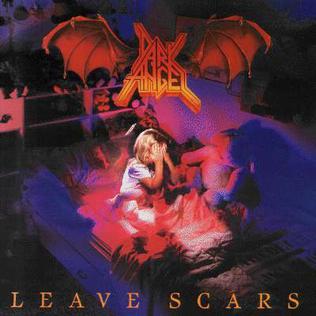
This got a spin as we were partying one weekend night. A thrash classic from way back when, this album saw Dark Angel add a bit more technical prowess to their songs as opposed to the rawness of their prior effort Darkness Descends. It’s a very enjoyable listen after all these years and as a bonus curiosity features a cover of Led Zeppelin’s Immigrant Song. Fun stuff.

Warrel Dane – Praises To The War Machine

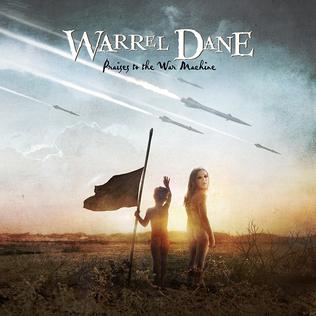
It had been a long time since I played this solo effort from the late Nevermore/Sanctuary frontman. Dane enlisted the help of longtime Soilwork guitarist Peter Wichers to co-write and produce, and then-Soilwork and now-Megadeth drummer Dirk Verbeuren came long to handle drumming.

This is a nice collection of songs that differ enough from Nevermore’s output to be a worthwhile effort. It isn’t Dane just treading the same ground, he offered up something different here. August is a pretty intense song, and Brother is a super personal one. This would be Dane’s only solo album before his death, he was recording his second when he died.

Vicious Rumors – Celebration Decay

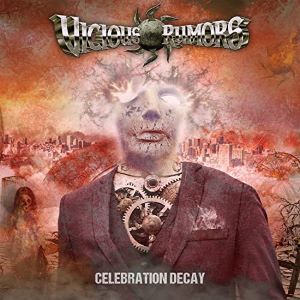
I am continuing my run through the VC catalog as I’ll be seeing them in March. This time I went to their most recent album, this was released in the summer of 2020. (oh the memories…) The band’s lineup here is considerably different than their classic era, and it’s even different now than just a few years back.

This album is a very modern-sounding affair and it delivers quite a pummeling. The band had clearly updated their sound and weren’t out as a retro act. This one is good though it’ll require me a few more listens to process it more. I figure that this sort of sound is what I’m going to hear live in March, with even their older material having a bit of an update.

Aerosmith – Greatest Hits

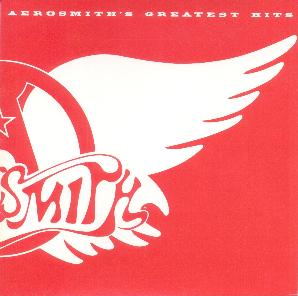
Not an “album” really but still a full-length compilation so good enough. I put this on for a bicycle ride so I could have something on familiar and not really have to think about what I was listening to much. This was the band’s first compilation and it covers the early prime of their career. The tracklist is fine by me, this is fairly short comp featuring the essential cuts.

The one thing about this comp – several of the songs are edited. Same Old Song And Dance is, so is Sweet Emotion. There are more edits as well, so these aren’t the album versions of the songs. In an interesting twist, if you play this on Spotify, they are the unedited versions and the comp is four minutes longer than this original version. Kind of weird but hey, that’s what odd music trivia is for.

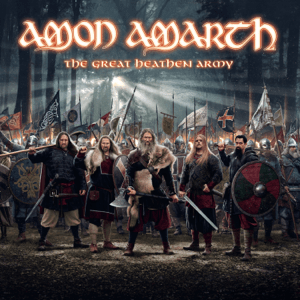
Amon Amarth – The Great Heathen Army

This was a last year album that I didn’t give a lot of time to. It didn’t grab me in the same way some of their earlier material did. I don’t feel much differently about it now after another listen – I enjoy the album for what it is but it doesn’t wow me. I don’t feel that this one will be a “grower” on me, I think the book’s pretty well written on this one.

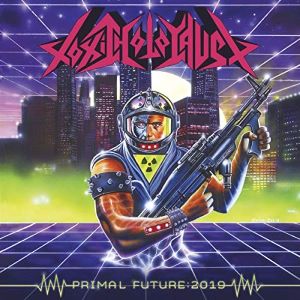
Toxic Holocaust – Primal Future: 2019

Wrapping up the last week with the most recent album from one of my favorite 21st Century thrash bands. This was the first album in six years from TH and it saw mainman Joel Grind return to his original style of recording the entire album by himself.

It was not only cool to hear the band again after such a long break, but this album is also great. It is maybe a bit more thrashy and metal than the punk-laden earlier albums but is still a signature Toxic Holocaust record. There was supposed to be touring behind the album, but of course this came out in 2019 and … well, we know what happened.

That does it for this latest installment of An Album A Day. The math would indicate I have 49 more weeks and 344 more albums to go. Doing all this a week after the fact is also proving a bit confusing at times but that’s ok, this is just some BS to do to fill space. Until the next edition, interrupted of course by my usual posts through the week.

An Album A Day – Week 1

It’s time to debut my new series, An Album A Day. As I mentioned before, this is a way to do something like what book people do – rather than read 52 books a year or what have you, this is listen to 365 albums a year, or one a day.

I’ve barely started and I quickly realized something – this is easy street. Listening to 365 albums in a year is not some kind of lofty goal, it’s taking candy from a baby. I’m gonna roll with this whole thing since it’s a fairly easy way to generate some new content and also cover stuff I don’t normally talk about, but this is not a challenge at all.

Anyway, this first post covers the first week of 2023. The next 52 weeks will be filled with – stuff. My missives on these will be brief but there will be several of them so I can still be too wordy.

Opeth – Watershed

It’s been awhile since I listened to anything besides Blackwater Park so I took the time to sift through the 2008 album that was widely hailed as a masterpiece. There’s a lot going on, as there often is with Opeth, but this is a grand moment in their catalog. The Lotus Eater is one of the best songs they’ve ever done, and Hessian Peel offers a grab bag of everything Opeth.

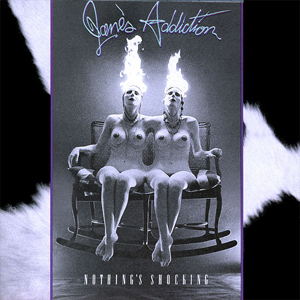
Jane’s Addiction – Nothing’s Shocking

This is one I listened to “back in the day,” though that day was in the mid-90’s and nearly 10 years after its release. And I don’t think I’ve played it in at least 20 years. It was nice to revisit this one, a cool “vibes from the youth” kind of thing. The notable tracks from this are The Mountain Song and the signature Jane Says, but the whole album is a pretty cool offering.

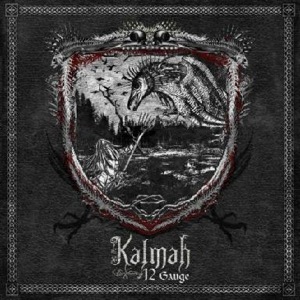
Kalmah – 12 Gauge

Back to a band I was very into in the early 2000’s, Kalmah are a huge part of the Finnish melodic death metal scene, alongside Children Of Bodom. While the bands draw comparisons to each other, I was always more drawn to Kalmah. This 2010 album saw the band combine their early melo-death stuff with the more harsh sound they took on just prior to this. I played this while on a long bicycle ride and it was a great compliment to the ride.

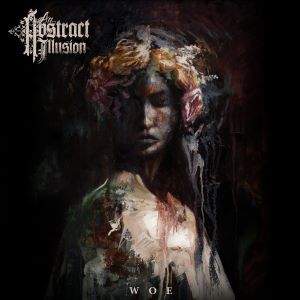
An Abstract Illusion – Woe

This is one from the very long list of “stuff I missed in 2022.” And this was a pretty huge miss. A progressive death metal album, this does draw favorable comparisons to Opeth’s prime era, but there’s also a lot more going on here. This is one of those that needs a lot more than one listen to properly digest and discuss, and it’s one that really was a true miss for me last year. Something I’ll be visiting again for sure.

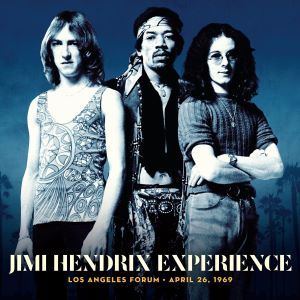
Jimi Hendrix – Los Angeles Forum April 26, 1969

This is the most recent release in the eleventy hundred posthumous Hendrix albums. This one is pretty nice, it is a very jam-based album with most of the songs being extended improv renditions. There is also some pretty cool stage banter from Jimi, including a call for stage crashers to get off the stage or the show will be shut down. I am of the “wannabe Hendrix completionist” school so I don’t mind the countless releases and this show seems to have some cool stuff that stands out from the clean presentation of the more landmark live gigs.

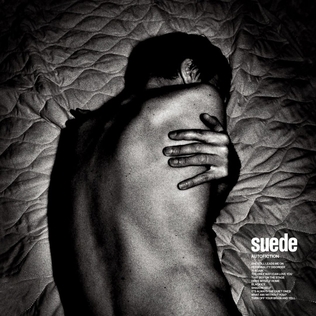
Suede – Autofiction

This is another from 2022 but wasn’t a miss for me – rather, this was most likely album 11 on a list of 10. I suppose we’re calling Suede alt-rock now rather than the movement they helped create and now can’t stand, that being Britpop. Suede explored some different sounds on their last effort in 2018, but on Autofiction they got back to basics and put out a kick ass alt-rock album. No one was expecting Suede to be bad, but this blew past peoples’ expectations and was monumental.

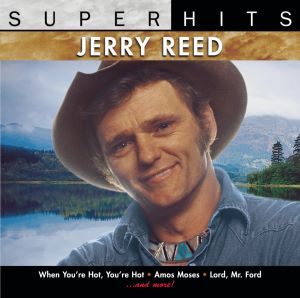
Jerry Reed – Super Hits

I ended week one with a greatest hits collection of a country star from years past, and also the hilarious bad guy in The Waterboy movie. Reed had a fair few hits in his music career, including When You’re Hot, You’re Hot and She Got The Goldmine (I Got The Shaft). Of course, his most well-known work is probably the theme song from the hit film he also starred in – East Bound And Down from Smokey And The Bandit. Reed was also a pretty underrated guitar player on top of his songwriting prowess. And, to top it all off, listening to Reed reminded me of a story from way back when, so I’ll get a whole other post out of this.

That covers the first of 52 rounds of this new format. While the “goal” idea of it wound up being silly, this does feel like a worthwhile thing to do so I’ll keep at it. It’s a nice way to cover some more ground that I don’t typically get to in a few posts a week and it can occasionally plant the seed for a new post idea. And it doesn’t take up a huge amount of my time to write, so this whole thing is truly off to the races.

Dwight Yoakam – A Thousand Miles From Nowhere

This post was part of a series that I called S-Tier Songs. I later decided to abandon the series in favor of a simpler Song of the Week format. I am keeping these posts as I wrote them but removing the old page that linked to the list of S-Tier Songs, so that is why these posts might look a bit odd. Enjoy.

Today I’m switching genres and offering up the first country song to appear on the list. It was a hit in the early 90’s, a time in country that is now being looked back on fondly. The song and artist both had a degree of crossover appeal, which lent to some exposure to a wider audience.

Dwight Yoakam – A Thousand Miles From Nowhere

Today’s song hails from Dwight’s 1993 opus This Time, which was a multi-platinum hit. It had three singles each hit number 2 on the Billboard Country singles chart. The album itself peaked at number 4 on the country chart and hit number 25 on the mainstream chart, no small feat for a country record.

A Thousand Miles From Nowhere is a bit of a departure from “pure country” standards, though Dwight Yoakam has always been a bit off in left field anyway. He’s perhaps the poster boy for the phrase “too rock for country, too country for rock.”

Our song today is a sad tale, though, not a number to rock out to. The song puts its narrator in the aftermath of a break-up and the desolate feelings associated with that. The lyrics paint a vivid picture of someone drifting along, remembering what was said at the end of their split. This is a completely broken person who has nowhere to be and isn’t even at nowhere.

The song is almost the literal opposite of the hit from The Proclaimers, I’m Gonna Be (500 Miles). The latter sees someone willing to walk a thousand miles for their love, while Dwight is so far gone that he’s a thousand miles from nothing. And in a bit of an ironic twist, The Proclaimers’ song would hit the charts in a second life just after Dwight’s song released.

The music video for A Thousand Miles From Nowhere is noteworthy. It is a simple yet visually breathtaking film that sees Dwight singing while riding in a train car across the Arizona desert. The beautiful simplicity of the shots lend weight to the sad song. For a bit of trivia, country singler Kelly Willis is the woman standing in the stream as Dwight’s train crosses a bridge at about 1:35 in the video.

I am extending myself a bit here as my memory of 30 years ago isn’t going to be spot on, but I am pretty sure the video got airplay on MTV. It was not common at all for MTV to play country but again, Dwight hasn’t always fit the country mold. I know I saw the video quite a bit when it released and I never watched the country music channel so I’m assuming MTV is where I saw it. It sounds logical, as MTV played Chris Issak frequently and this song sounds like one that could slot perfectly alongside his work. I’m happy for any correction to this from anyone who knows for sure, but I can’t imagine where else I would have seen the video as much as I did back then.

The song would appear in two movie soundtracks – the 1993 film Red Rock West used a demo recording of it as the film hit theaters before the song and album were released. And the 1994 comedy Chasers used the tune as well. In 2018 the song came up again, this time as a cover version from artist Jesse Woods used in a Yeti coolers ad.

Why is this an S-Tier song?

A Thousand Miles From Nowhere is a somber tale of loss and rejection. It paints its images vividly, the words pour out the heartbreak and desolation. The video adds to the presentation with its majestic scenes of a lone man traveling across the gorgeous desert. Everything adds up to an expression of how sad can be beautiful.

A Story And A Song – 3 AM

Today’s song and story come from a recent holiday drive. The song is 3 AM, one of the hit singles from the debut Matchbox Twenty album Yourself Or Someone Like You. In an odd bit of trivia, the song did not chart on the Billboard Hot 100 only because it was not released as a physical single in the US. But the song did very well and the album was a super smash hit.

Matchbox Twenty were a pretty important band at the time. While I think their proper classification is alternative rock, the term “post-grunge” is used a lot when talking about them. This was the shape of rock after grunge flamed out in the middle part of the 1990’s.

The story goes back to Thanksgiving Day, which was was back like two weeks ago here in the US. We were driving back from a Thanksgiving dinner in a car with me, my girlfriend, her sister and her sister’s kid (my girlfriend’s niece).

We were coming from a fairly remote part of southwest Missouri back to the one city in the region that we live in. Finding something on the radio on forlorn highway roads is always a chore. These areas are known for having country, talk radio or religious programming on the dial. And of course, FM stations tune in and out very easily out in these rural areas.

At one point a rock station came on and the song in question was playing. After a bit, my girlfriend’s sister asked her daughter what she thought of the song. Her response?

“It’s fine. It sounds like country music.”

It was a pretty funny observation to the rest of us in the car, who have all been plenty exposed to country music. But after a second I realized how telling of a statement it was from a 13 year old kid who probably isn’t up on the history of country music.

The point is obviously about the state of modern country music – is this where it’s at? Someone not alive in Matchbox Twenty’s heyday thinks that their stuff is representative of a different genre of music?

Country music takes a lot of hits these days. The bro-country phenomenon of the past several years was awful. There has been a long-running battle between the entrenched machine of the Nashville industry and artists wanting more creative freedom. Country also takes a lot of flak for representing “older” values as well as a slant towards conservative politics and a lot of the worse things associated with those, both fairly and unfairly.

But when someone on first listen to an old alt-rock song thinks it sounds like your genre? I think it speaks volumes about the genre. Granted, I’m not very up on country these days and if I do pay attention, it’s to more independent artists who aren’t part of the Music Row network. I don’t really know what’s playing on mainstream country radio these days. But from the bits and pieces I’ve picked up, it’s not a far leap to suggest that today’s country is yesterday’s alt-rock. That’s not an absolute statement, of course, but it’s probably fair.

There are probably a lot of larger issues about country music that warrant discussion but that’s not really what this post is about. It was just a funny comment that made me think “Wow, is that what country has come to?” And there may not be as much to it as I’m speculating, but I’d say there’s something to it.

I could wrap up by posting Rob Thomas’ actual biggest hit, but I won’t do that to myself or anyone else. Instead let’s bow out with a bit of country.

Album Of The Week – May 23, 2022

With this week’s album pick it’s time to go country. It’s the second album from a third-generation star who would begin sowing the seeds of rebellion against the Nashville establishment (especially his own record label) and those taken aback at someone going his own way as opposed to living in the shadow of his father’s and grandfather’s legacies.

Hank Williams III – Lovesick, Broke And Driftin’

Released January 29, 2002 via Curb Records

My Favorite Tracks – Cecil Brown, Mississippi Mud, One Horse Town

It took three years for Hank III to see the release of his second album. His debut Rising Outlaw was marred by Hank’s unhappiness with a sterile country sound and being largely a covers album. His second effort was recorded in a few weeks at home and is all original compositions save for the last track. This would be an album Hank could be proud of and tour behind, unlike his debut which he talked down in the music press.

The atmosphere found on this album does not invoke the kind of “country” found in a warehouse-sized bar on the suburb outskirts that plays more dance music than country. This is the backwoods, dirt road kind of country where the only civilization to be found is a shady dive bar or a nondescript liquor store. There are 13 tracks to get through on this album so let’s have at it.

7 Months, 39 Days

We begin with a bit of a trucker’s song, though this trucker booked an extended stay at the county sheriff’s hotel. It’s a fun song that sees the subject at the end of his lockup and hitting the highway to get the hell out of dodge. The upbeat tempo is slowed down at the end to give a bit of atmosphere to the number.

Broke, Lovesick And Driftin’

This song settles into a more slow and somber feel, something in abundance on this record. It’s an ode to the lonely lifestyle of a honkytonk drifter, playing tunes from town to town and not having a stable, anchored home life. While a lament, the tune doesn’t do anything to discourage said lifestyle.

Cecil Brown

This melancholy tune was written about someone Hank knew growing up in southwest Missouri (about 100 miles from where I live currently). It’s a haunting account of someone who didn’t fit in where he was and the alienation and abandonment just flow forth from the mournful song.

And I do definitely “feel” this song to a degree. I also grew up in a small Missouri town where I didn’t fit in much at all. I won’t say my childhood was bad by any stretch, but there was a lot of alienation and ultimately getting the hell out of there to find a sense of self somewhere else. It’s a song I truly do identify with.

Lovin’ And Huggin’

The tempo is back up for this fun and brief number about being in and out of love. The song is as simple as it gets but is also very fun and expertly placed in album sequence to cut the weight of the prior track.

One Horse Town

This is an old-time country tune that plods through life being down and out in nowhere. It’s the kind of song that people who don’t listen to country think country is. Even with the cliched feel the song evokes its atmosphere very well and handles traditional country expertly. It keeps things upbeat despite the low down struggle.

Mississippi Mud

This song is cited by many as their favorite from the album, it is the consensus pick for the star of the show. It’s another fun number that stays out of the city and finds fun out on the backroads. Nothing like partying out away from it all.

Whiskey, Weed And Women

Another lament about life lost to the 3 W’s, as it were. The song certainly captures that old-time feel, though it does go all-in on the country cliches. Maybe not the strongest effort around but it does flow with the rest of the album pretty well.

Trashville

The pace picks up big time here for Hank’s first open shot fired at Nashville’s establishment. For its time the song was quite the talking point to hear someone from the Williams family and a Curb Records employee going at the establishment like this. But Trashville was just a warm-up, and a few years later Hank would release a track that makes this sound downright pedestrian by comparison.

Walkin’ With Sorrow

Yet again Hank is drinking his way through loneliness and sorrow. This time he offers up a bit of yodeling to the old-time dirge, something in line with his legendary grandfather.

5 Shots Of Whiskey

Again here we are with the alcohol and loneliness. This song does feel a bit more fleshed out than the other laments that really just string a few phrases together and rely on the music to carry the tunes. There is a story to these lyrics and a reason for the depression.

Nighttime Ramblin’ Man

Turn it up to 11 for this one, this is a total barn-burner. It’s an ode to partying and raising hell and is also a sign of things to come from Hank III. While the title borrows in part from a Hank Sr song, III makes this all his own and puts his own signature on the line. Rising Outlaw may have been the name of III’s first album but this song is where the outlaw truly rises.

Callin’ Your Name

One more down in the dumps tune, this time Hank is calling out to the Lord for help and mercy. The lyrical tone is slightly different but the song doesn’t really set itself apart from the sundry other sad songs on the album.

Atlantic City

The only song not written by Hank III on the album, this Bruce Springsteen cover was previously recorded for a Springsteen tribute album and was appended to this record by the label. The cover is well done, ramping up the country feel of Springsteen’s country-adjacent effort. Note that this song isn’t available on streaming. Some versions of the album have a bit of a “hidden” song on the same track as Atlantic City, with a radio DJ announcement and another performance of Walkin’ With Sorrow.

Lovesick, Broke And Driftin’ would mark what Hank III felt was his true debut album. Almost entirely composed by him, he bucked Nashville trends and his record label’s direction to cut the album he wanted to make. He had reluctantly began a music career in country due to a legal order to come up with money, so now he was able to begin functioning on his own terms.

And yes, while the album has several highlights, some of it does get a bit derivative. Many of the slower, sad songs are really pedestrian and don’t offer a ton in the way of dynamic songwriting or structure. There still is something to them, perhaps a bit of a callback to Hank Sr. and his way with pulling at the heartstrings. The songs do work but after an album’s worth they kind of run together a bit.

For Hank III this album was really the beginning. He would wind up in court with Curb Records over his contract and desire for creative control and his next album four years later would truly cement him as his own performer and forge an insurgent outlaw country scene that would shift music’s landscape. But this album showed that Hank III knew where the music he was making came from. He would absolutely blaze his own trail and get far out of the long shadow cast by his family name, but he still knew his way around country music. With drink in hand and sorrow in heart, the party was just getting started.

Memories – Straight To Hell

I’m winding down the main crux of my Memories series now. There is only really one more part to go after this one. This page recounts my older posts about what I’ve listened to over the years. This time I’m going to get into the years 2006-2010, which brought a very radical series of changes in my life that would reflect in what I chose to listen to during that time.

In the summer of 2006 I endured a few severe blows in life that left me regrouping. I relocated to where I am now, in the southwest of Missouri. I was more or less starting all over in every aspect of existence. Thankfully I still had plenty of friends from my last time living here, after all I’d only been gone about 18 months.

Everything that had happened left me clawing back toward that which was comforting and familiar, and few things were as much that to me as heavy metal. It did help that my network of friends in the area were also into the same thing. People had huge collections, played in bands and it was that community that I returned to that year.

“Metal” meant, by and large, the extreme side of things. The early 2000’s saw death metal return in a big way to prominence and black metal was mostly past its 90’s drama and about the music itself. A host of bands old and new were blazing paths in every different direction.

For me it was a bit more than just picking up the music again. It became more of an identity thing. I wasn’t just into harsh music, it was an embodiment of what I thought about society and people. All of the music’s yelling about war, death, Satan and how fucked humanity is wasn’t just there because it suited the music, it was in step with what I thought and how I felt. Perhaps not a good thing, I don’t know, but it was what it was at that time.

I didn’t just listen to the music – I wore the shirts, I went to the shows, I lived and breathed it. I can’t even count the number of friends I had who were in death metal bands at the time. I pretty well gave up on being a “normal” member of society and chose to exist in a counterculture pocket instead. Sure I worked like everyone else, but my spare time was focused on the music. I embraced the identity fully, both to express myself and to keep people the hell away from me.

I wouldn’t rest long just in one pocket of heavy metal. I would soon pick up far more on the doom subgenre around this time. I hadn’t previously been exposed to much of it beyond the obvious Black Sabbath, but in the late 00’s I went all in on doom. Old, new, it didn’t matter. The music suited my obviously not great mental state at the time and was a comforting presence during those years. I am far “better” now by most metrics than I was back then but doom metal is still a good part of what I enjoy these days even if I don’t explore the area as intently as I did back then.

As 2007 came around I would find myself exploring an unlikely genre, though it was entirely fitting for me at the time. A friend lent me a CD he’d picked up not long before and thought I should give it a spin. I’d heard the name for years and knew he’d been a bit different from his namesake and his chosen genre but I never took the time before to give his music a spin. The artist was Hank Williams III and the album was Straight To Hell. The results would kick me off into a new appreciation for country music.

I spun the Hank III album time and time again. While the genre was something I avoided up to that point, this rough and tumble outlaw tear was right up my alley at the time. There was obvious crossover between the outlaw country movement of the late 00’s and the heavy metal scene. But I didn’t just stop with Hank III, himself a metalhead with his own bands. I jumped in to country as a whole, visiting legends like Johnny Cash and Waylon Jennings along with artists of the day like Wayne Hancock and Lucky Tubb.

As luck would have it, my area was a good place to be for that country scene. Both Wayne and Lucky played shows at least once a year in my town and I was a fixture at their shows. Hank III also came through for one of the craziest, longest and booze-soaked concerts I’ve ever seen. I wasn’t alone in my newfound love of the music – many of my friends were also picking up on Hank III.

Country would last with me even after that insurgent movement of the late 00’s slid away and became something else that would eventually find its place in mainstream music. But that outlaw scene of the time hit home with me, a thread I’ll pick up another time in another fashion.

As the decade wore down I was pretty entrenched in the sounds of underground and independent movements. I had anchored my identity to them, after all. After a bit of a struggle through 2008 I entered 2009 in a more stable place though still fully vested in these counterculture leanings. I wanted to yell at the world how messed up I thought it was and I did so through the many songs around that echoed the same sentiment. It was angst that perhaps mutated into true misanthropy, at least to a degree. If anything, I didn’t realize how much of that time would just be a pregame for society’s shitshow to come.

That is where I was as 2010 came about. I had fashioned myself as some uncaring, hateful outlaw, sick of it all and armed with the tunes to prove it. I entered a bit of a different headspace around this time as my station in life slowly improved, caring less and less about what image I projected onto society and just enjoying whatever I wanted to enjoy. And it was around this time I noticed them slinking around the same corners of the record store where I was at – the metal, the independent country and roots music. Who were these man-bun wearing, beard-clad, craft beer swilling people and why were they into the same shit I was? What did it make them, or perhaps more interestingly, what did it make me?

Questions for the next time, of course.