Album Of The Week – March 6, 2022

Today’s album is widely-regarded as the magnum opus of a legendary singer’s solo career. This crown jewel of an album, coupled with the low-water mark his former band was at in the late 90’s, would result in a reunion and a new legacy.
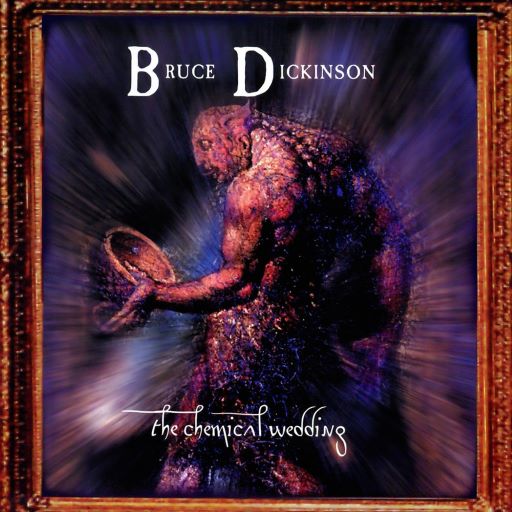
Bruce Dickinson – The Chemical Wedding

Released September 25, 1998 via Air Raid Records UK

My Favorite Tracks – The Tower, Chemical Wedding, The Book Of Thel

The Chemical Wedding was Bruce’s 5th solo outing and his 4th since leaving Iron Maiden in 1993. Former Maiden guitarist Adrian Smith was also along for the ride, having joined with Bruce the year prior for the Accident Of Birth album. Helming the console for production and also picking up a guitar was Roy Z, whose Tribe Of Gypsies bandmates would also fill out Dickinson’s solo band.

The album’s lyrics and themes were inspired by the works of English poet and painter William Blake. Blake’s painting The Ghost Of A Flea was used as the cover art. The marriage of Blake’s themes of religion and nationality along with heavy metal would create a stunning and unique record. At a few points where Blake’s works were directly read as song intros, English shock rocker Arthur Brown provided the narration.

King In Crimson

Things open with a banger. The guitars are low and heavy and Bruce builds through a powerful pre-chorus to deliver the to-the-point chorus. Adrian and Roy Z are all over this track with an extended solo section. This is one of the songs from the album that one really wonders what it would have sounded like with Maiden.

Chemical Wedding

A more atmospheric and brooding tune, the title track evokes images of marriage and death. It’s unclear what a “chemical wedding” actually is but it sounds pretty messed up. Bruce again stays quiet through the verses then goes air raid siren on the chorus. Play to your strengths, so they say, and Bruce does just that.

The Tower

A bass line opens the track, reminiscent of that band. The song goes into another metal outing that sees Bruce attacking the vocals from the get-go. The lyrics possess a ton of symbolism that some speculate is derived from tarot cards. This blend of heavy metal and spooky, mysterious symbology persists throughout the record and creates a vibe that transcends the cliches of heavy metal songwriting.

Killing Floor

The heaviness ratchets up a few notches on this slamming tune about the Devil. Satan is out on the prowl here, seemingly attacking people through their dreams in the vein of Freddy Kruger. The pre-chorus offers a bit of a melodic reprieve before the band tears through the heavy as hell chorus. This song also got a video with Arthur Brown fittingly in the role of Satan.

Of all the music videos, this is certainly one of them

The Book Of Thel

Directly lifted from a William Blake work, both Blake’s story and Dickinson’s song ponder the inevitable loss of innocence and the bleak ultimate fate of life. The song tears through the twisted tale of Thel discovering her terrible destiny.

Gates of Urizen

More from Blake’s mythology here, Urizen is a powerful figure that represents one aspect of a central god who later fell and created the material world out of spite. The song offers a vague recounting of being at Urizen’s gates and a dark transformation happening. Despite the heavy subject matter the song is one of the lighter offerings on the record.

Jerusalem

Most Dickinson-related fare requires an epic and Jerusalem serves that purpose here. Tied to Blake’s most ambitious and ponderous work of the same name, Dickinson sings of Jerusalem being re-established in England. The lyrics hold to Blake’s vague work, not offering a clear picture of whatever symbolism is delivered here. The band are up to the task of bringing a lush soundscape to this epic tale.

Trumpets Of Jericho

Here Bruce takes a story from the Bible, one where soldiers march around the outer walls of the city of Jericho until the walls crumble. In this song the unconventional siege tactic doesn’t work, because nothing about science indicates it would work, and the walls remain. The tune discusses the feeling of futility after being unable to break the walls down.

Machine Men

This song makes use of a well-worn topic in heavy metal – the literal use of metal to create engines of war. Soulless metal monsters storm the landscape and devour humanity in their jaws. The creations here seem to be made of humans now repurposed as war machines. The song’s heaviness matches the weight of the subject matter.

The Alchemist

The album closes with a very trippy and atmospheric number. The meaning is somewhat unclear but the protagonist seems to be rejecting the ills of civilization, it is a last stand against death and decay. As the song winds to its conclusion it offers the chorus of the title track as a reprise.

The Chemical Wedding was a critically acclaimed success for Bruce Dickinson. It is widely considered his solo masterpiece. Commercial success was more elusive for this traditional metal album in 1998, just as it was for Bruce and Adrian’s former bandmates toiling in obscurity. Less than 6 months after the release of this album, Bruce and Adrian rejoined Iron Maiden for a reunion that kicked off a new legacy for that group and an era that has now lasted 23 years.

It is believed by many that The Chemical Wedding was the catalyst for the reunion, as Bruce and Adrian were outshining Iron Maiden’s maligned output of late 90’s. It seems to have been a more practical decision involving finances but this doesn’t stop fans from ranking this record highly, even slotting it ahead of some of Maiden’s classics. Many wonder what this album would have sounded like backed by Iron Maiden, though that discounts the influence of Roy Z. Rather than ponder what-ifs, the reformed Maiden pushed forward with creativity on their own terms. We get occasional live samples of what Bruce would sound like on the Blaze Bayley material, but The Chemical Wedding stands on its own as a Bruce Dickinson classic.
Type O Negative – Black No. 1

This post was part of a series that I called S-Tier Songs. I later decided to abandon the series in favor of a simpler Song of the Week format. I am keeping these posts as I wrote them but removing the old page that linked to the list of S-Tier Songs, so that is why these posts might look a bit odd. Enjoy.

Today I’m going to time hop back to 1993 and revisit a song that became a standard of alt-culture at the time. The tune was largely responsible for breaking the band and they would go on to great success for the next 17 years. Even today the song holds as a well-loved staple and a special treat around the Halloween season.

Type O Negative – Black No.1 (Little Miss Scare-All)

The unedited song

The song was released on Bloody Kisses, Type O’s breakthrough third album that catapulted the group to platinum-selling status and mainstream stars, albeit reluctantly. The group were previously a sludgy, underground entity that suddenly found themselves on MTV and airwaves with their twisted take on doom and gothic metal.

The original album take of the song clocks in at a meaty 11:15. A much-truncated version runs a hair under 5 minutes, this includes the video cut found at the bottom of this post. I don’t have ready stats about radio edits for songs but losing over 6 minutes carves out quite a bit of this tune. It’s probably not a radio edit record considering songs like Freebird and that one by Iron Butterfly, but it’s a pretty noteworthy edit. I’ll be discussing the full song for purposes of this examination, though it’s fair to say many people came to find the band through the video cut and the song’s shorter form.

The song itself exemplifies the duality of its creators – both deadly serious and full of shit. The song can be taken as, and often is, celebrated as a beacon of dark culture, but the truth is that frontman Peter Steele wrote the song to slag off a goth ex-girlfriend of his. The words and imagery were meant sarcastically, as outlined in this Revolver magazine retrospective on Bloody Kisses. And to further the irony, Peter was literally waiting in line to dump a truck full of shit as part of his job when he came up with the song.

The song’s silly-yet-serious presentation would define the tune and the group. The whole thing had the feel of a giant joke but came off with deadly execution and passed for totally serious dialog. All of the hokey goth references, everything from Lily Munster to wolfskin boots sound goofy on the surface but did truly define a valid subculture. And Black No. 1 would go on to draw more people into that subculture, one that previously wasn’t as friendly with heavy metal as many might think. This was a convergence of two different circles rather than an eye cast toward one.

The song, for all its girth, is divided into 3 movements. The first part opens in creepy fashion, introducing the song’s villainess and painting a specific vision of her gothiness. The lyrics reference everything from Halloween to makeup, clove cigarettes and the namesake black hair dye. It’s the kitchen sink of goth talking points. The song builds into a heavy chorus featuring Peter Steele’s distinct low-register chant of the title and a smooth-yet-dirty guitar tone that stood out from the pack in 1993.

The song moves into its second portion, where Steele spends several minutes singing “loving you was like loving the dead” over and over again. On the surface it sounds boring but the music provides enough variety through the passage to keep things fresh. The ultimate “gotcha” wasn’t that Peter was able to insult his ex this way, it was that he was able to make interesting and a huge hit. Of course the full-length version of the song builds to slight lyrical change that radio and MTV did not carry. The song’s final movement calms things down a bit and lets the guitar riff for a moment before the chorus/title leads everyone out into the night to either find or be their own haughty goth chick.

Black No. 1 would lead the way for Type O Negative’s charge onto the shelves of music collectors. The band blew up on MTV and began selling copies of Bloody Kisses at a breakneck pace. Peter Steele was very reluctant to take the band on tour, fearful of giving up his job and life. His feet-dragging cost the group their drummer, Sal Abruscato, who left to join Life Of Agony. Eventually Type O would hit the road and cash in on their success, becoming a mainstay on the touring circuit and selling plenty more albums until Peter Steele’s untimely death in 2010.

Why is this an S-Tier song?

Black No. 1 is a monolith of a tune that put a band on the map and kicked off a celebration of darker subcultures that endures to this day. The song itself is equal parts plodding doom and campy jeers at goths yet somehow invests the listener on its 11 minute runtime. It gave shape to Type O Negative’s direction moving forward, which would largely explore the same “droopy doom” tunes and shed any pretense of past thrash metal influence.

Even greater than the contribution to the band’s fortunes is its long-lasting impact on culture. Not a Halloween passes anymore without this song being posted all over social media. It cast a light on goth subculture, perhaps not something anyone was asking for but it happened anyway and the song went a long way to putting that scene out there for the world to see. It was a lasting influence, seen in makeup and fashion all these years later. I’m sure some people would take exception to pointing to this as the moment goth culture entered the main timeline, but I don’t know of a more telling spot where that happened.

Type O Negative struck the sonic equivalent of oil with Black No. 1. The song marked their arrival on the early 90’s alt-metal scene that they would help shape and would mostly outlast. While most of that music of the time was a brief movement that didn’t make it past 1996, Type O would go on in stride until 2010 in much the same vein as their signature hit.

I wonder what happened to the girl…

The much-edited music video version

Kreator – Violent Revolution (Album of the Week)

This week I’m going back 21 years to an album that revitalized a band’s fortunes and heralded a coming revival in thrash metal. That revival is still in full swing for both the genre and the band. An old dog came out of the wilderness of the ’90’s, learned a few new tricks, and kickstarted a new era for their already legendary name. It is also another case of an album getting new visibility due to a sorely-needed vinyl reissue that saw the light of day in late January.

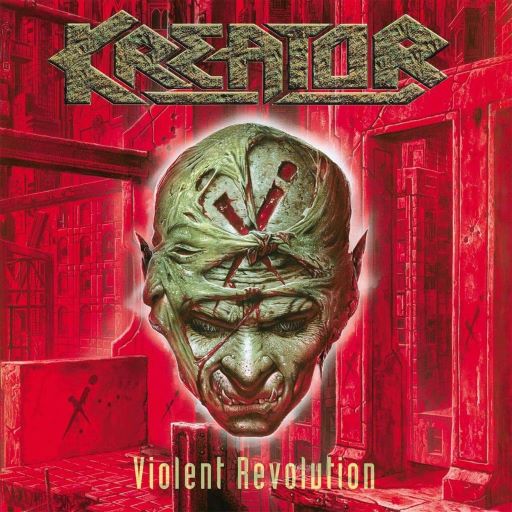
Kreator – Violent Revolution

Released September 25, 2001 via Steamhammer/SPV Records

My Favorite Tracks – Violent Revolution, All Of The Same Blood, Servant In Heaven – King In Hell

Kreator were like many thrash acts that saw their fortunes fade in the 1990’s. The band had a well-regarded album with Coma Of Souls in 1990 but then began incorporating more experimental elements into their music for the remainder of the decade. While opinions vary widely on the four albums released through the rest of the 20th Century, the band had fallen from their perch as one of thrash and speed metal’s pioneering acts with their savage 80’s output.

The turn of the millennium saw Kreator refocus and return to their thrash roots. This wasn’t simply to be a nostalgia trip, though – the band looked to the north and the sounds of Swedish melodic death and thrash. The Gothenburg Sound had been one of metal’s few bright spots through the latter half of the 90’s and it fit just fine with Kreator’s thrash ethos.

The result would be Violent Revolution. Just as heavy metal entered an upswing period in the early 2000’s, Kreator were there to help lead the charge for thrash once again. This new effort would recapture the attention of lapsed fans and also find a new, younger fanbase eager to headbang along to the newly invigorated thrash legends.

Thrash metal resumes for business on the opening track Reconquering The Throne. The song feels like something that could have come from Coma Of Souls. Mille Petrozza’s scream of “reconquering the throne” sounds as much like a mission statement as a song and then the Swedish influence appears in the next guitar passages.

The Patriarch is a brief instrumental that introduces the album’s title track and magnum opus. Violent Revolution is an absolute triumph of the band’s new sound, combining the savage intent of the band who wrote songs like Flag Of Hate and Endless Pain with the new melodic push. The song not only serves to redefine Kreator’s sound but is, for better or worse, a song that has come to embody today’s dark themes of uncertainty and now all-out war.

The album continues to visit the dark and unholy with All Of The Same Blood, depicting a group of “totalitarian psychopaths” destroying everything. It is again a tune that both has the classic Kreator sound and also offers more melodic interludes to keep things fresh. Servant In Heaven – King In Hell employs the well-known metal theme of blasphemy. The song slows things down a bit to a militant march through the contrast between light and dark, Heaven and Hell.

Second Awakening continues the look at the world and society’s ills and wars over the past few thousand years. Ghetto War is another thrash marching tune that envisions some sort of uprising of the poor against the powers that be. It’s unclear if this is in reference to the modern day or a historical look at the Warsaw ghetto uprising during World War II.

Replicas Of Life sees the album’s longest runtime at over 7 minutes and also a brooding introduction that then goes into the same melodic thrash the band have now established. This song maintains the album’s themes of crushing despair, hopelessness and the living end embodied in society’s gloom. The next song Slave Machinery continues the plunge into dystopian horror, this time casting an eye to the industrial complex and its twisted, horrific form.

Violent Revolution enters its home stretch with Bitter Sweet Revenge, a song that leaves the dystopian observations aside and looks at the all-consuming quest for vengeance instead. It’s the Batman story told in music form. Mind On Fire highlights what seems to be a drug-induced fantasy trip, though still set among the ruins of society that the album uses as a backdrop. We close with System Decay, an absolute scorcher that wraps up the hellscape with a nice little bow.

Kreator struck gold with their 2001 set and helped re-establish thrash metal as a force going into the new century. They would soon be joined by many old hands like Exodus, Testament and Overkill before a whole new generation of metalheads embraced the classic thrash sound and brought the genre back from the past. The 2000s saw thrash enter the same space as black and the also-resurgent death metal to push metal as a whole forward into a new golden age. Sure it wasn’t the heights of the 80’s, but heavy metal found a more than willing crowd ready to embrace the wide variety of styles on display.

Violent Revolution set a course for Kreator going forward, one that they have yet to abandon or even tweak much. The past two decades have seem much of the same savage thrash married with Gothenburg elements that this album put on offer. The band would into the 2010’s seeing new highs in album sales and chart success and solidifying themselves as one of thrash’s most noteworthy acts.

Memories – Straight To Hell

I’m winding down the main crux of my Memories series now. There is only really one more part to go after this one. This page recounts my older posts about what I’ve listened to over the years. This time I’m going to get into the years 2006-2010, which brought a very radical series of changes in my life that would reflect in what I chose to listen to during that time.

In the summer of 2006 I endured a few severe blows in life that left me regrouping. I relocated to where I am now, in the southwest of Missouri. I was more or less starting all over in every aspect of existence. Thankfully I still had plenty of friends from my last time living here, after all I’d only been gone about 18 months.

Everything that had happened left me clawing back toward that which was comforting and familiar, and few things were as much that to me as heavy metal. It did help that my network of friends in the area were also into the same thing. People had huge collections, played in bands and it was that community that I returned to that year.

“Metal” meant, by and large, the extreme side of things. The early 2000’s saw death metal return in a big way to prominence and black metal was mostly past its 90’s drama and about the music itself. A host of bands old and new were blazing paths in every different direction.

For me it was a bit more than just picking up the music again. It became more of an identity thing. I wasn’t just into harsh music, it was an embodiment of what I thought about society and people. All of the music’s yelling about war, death, Satan and how fucked humanity is wasn’t just there because it suited the music, it was in step with what I thought and how I felt. Perhaps not a good thing, I don’t know, but it was what it was at that time.

I didn’t just listen to the music – I wore the shirts, I went to the shows, I lived and breathed it. I can’t even count the number of friends I had who were in death metal bands at the time. I pretty well gave up on being a “normal” member of society and chose to exist in a counterculture pocket instead. Sure I worked like everyone else, but my spare time was focused on the music. I embraced the identity fully, both to express myself and to keep people the hell away from me.

I wouldn’t rest long just in one pocket of heavy metal. I would soon pick up far more on the doom subgenre around this time. I hadn’t previously been exposed to much of it beyond the obvious Black Sabbath, but in the late 00’s I went all in on doom. Old, new, it didn’t matter. The music suited my obviously not great mental state at the time and was a comforting presence during those years. I am far “better” now by most metrics than I was back then but doom metal is still a good part of what I enjoy these days even if I don’t explore the area as intently as I did back then.

As 2007 came around I would find myself exploring an unlikely genre, though it was entirely fitting for me at the time. A friend lent me a CD he’d picked up not long before and thought I should give it a spin. I’d heard the name for years and knew he’d been a bit different from his namesake and his chosen genre but I never took the time before to give his music a spin. The artist was Hank Williams III and the album was Straight To Hell. The results would kick me off into a new appreciation for country music.

I spun the Hank III album time and time again. While the genre was something I avoided up to that point, this rough and tumble outlaw tear was right up my alley at the time. There was obvious crossover between the outlaw country movement of the late 00’s and the heavy metal scene. But I didn’t just stop with Hank III, himself a metalhead with his own bands. I jumped in to country as a whole, visiting legends like Johnny Cash and Waylon Jennings along with artists of the day like Wayne Hancock and Lucky Tubb.

As luck would have it, my area was a good place to be for that country scene. Both Wayne and Lucky played shows at least once a year in my town and I was a fixture at their shows. Hank III also came through for one of the craziest, longest and booze-soaked concerts I’ve ever seen. I wasn’t alone in my newfound love of the music – many of my friends were also picking up on Hank III.

Country would last with me even after that insurgent movement of the late 00’s slid away and became something else that would eventually find its place in mainstream music. But that outlaw scene of the time hit home with me, a thread I’ll pick up another time in another fashion.

As the decade wore down I was pretty entrenched in the sounds of underground and independent movements. I had anchored my identity to them, after all. After a bit of a struggle through 2008 I entered 2009 in a more stable place though still fully vested in these counterculture leanings. I wanted to yell at the world how messed up I thought it was and I did so through the many songs around that echoed the same sentiment. It was angst that perhaps mutated into true misanthropy, at least to a degree. If anything, I didn’t realize how much of that time would just be a pregame for society’s shitshow to come.

That is where I was as 2010 came about. I had fashioned myself as some uncaring, hateful outlaw, sick of it all and armed with the tunes to prove it. I entered a bit of a different headspace around this time as my station in life slowly improved, caring less and less about what image I projected onto society and just enjoying whatever I wanted to enjoy. And it was around this time I noticed them slinking around the same corners of the record store where I was at – the metal, the independent country and roots music. Who were these man-bun wearing, beard-clad, craft beer swilling people and why were they into the same shit I was? What did it make them, or perhaps more interestingly, what did it make me?

Questions for the next time, of course.

Upcoming Releases Spring/Summer 22

The year is winding on and we’re about out of winter in this part of the globe. Music is still coming out hot and heavy as artists pent up from pandemic tour disruptions have turned to recording to get their fix. I’ve got a bit from several walks of the sonic aisle to cover this time around so let’s have at it.

Kreator – Hate Uber Alles

The German thrash legends are set to release their 15th studio album bearing the same name as this lead single on June 3rd. There is one change in the band, as former DragonForce bassist Frederic Leclercq makes his studio debut with the group.

The bassist may have changed but all else seems to be the same with camp Kreator. This song offers the same thrash with Gothenburg-accented metal the band reinvigorated themselves with over 20 years ago. This song fits in well alongside past title tracks like Enemy Of God and Hordes Of Chaos, joining the tradition of strong title songs and singles from Kreator. It’s hard to imagine that the upcoming album will be anything but the same style on offer here – thrash with topical themes dealing in the dark side of life and society.

As a note since I’m talking about them anyway – the band’s 2001 opus that reignited their career and perhaps the thrash scene as a whole, Violent Revolution, will be the album of the week this coming Monday.

Amon Amarth – Put Your Back Into The Oar

The Swedish Vikings are back again with a new single. This is apparently a standalone single and does not indicate a new album on the horizon.

In the past several years there has been a bit of a “hipster Viking” fad, fueled in no small part by Amon Amarth as well as hit TV shows like Vikings. Just as the trend came about it found many detractors and today it’s easy to find people bemoaning the presence of Viking cosplayers.

Rather than slide away from the now frowned upon trend, Amon Amarth have leaned 1000% into it. Put Your Back Into The Oar is a full-on Viking row song. It sits in fine with the group’s legacy that has seen them become one of the most visible extreme metal bands in existence. It will also no doubt stoke more flames among the detractors who have grown weary of the band’s Viking image, but that’s always part of the fun.

Brennen Leigh – If Tommy Duncan’s Voice Was Booze

It’s time to go country for a bit. I first encountered Brennen last year when she opened for Charley Crockett on tour. She put on a great set and I began exploring her catalog of absolutely old-school country.

Brennen is preparing to release a new album on May 6 titled Obsessed With The West. The album will explore Western swing and features swing legends Asleep At The Wheel backing Brennen. This is the lead single from that effort and it beckons another excellent set from Leigh. I haven’t been keeping up with country near as much as I used to but it’s nice to be reminded of the finer points of the genre now and again.

Destruction – Diabolical

We didn’t get enough German thrash yet, so long time act Destruction have been kind enough to present their new effort. This song is taken from the album of the same name and is due April 8.

The song is signature Destruction and indicates that we are in for yet another thrash gem. The video gives screen time to the band’s Mad Butcher mascot as he, uh, enjoys a snack. It seems as though Germany might make a huge impact on metal this year, what with Destruction, Kreator and Blind Guardian all with albums in queue.

Dream Widow – March Of The Insane

This new thrash act came out of nowhere with a blistering track that recalls Midnight and Toxic Holocaust, very dirty and gritty thrash which is a sound right up my alley. This band should rocket straight to the top of the metal scene ….

… except that they’re already very popular. Dream Widow is actually the Foo Fighters. Dave Grohl and company recorded this and an entire album’s worth of thrash for their upcoming horror-comedy film Studio 666. This album is getting a release “any day now” according to Grohl and may see the light of day by the time this post goes live on Wednesday, February 23rd. However exactly it goes down I’m quite impressed by this and will look forward to hearing what they got up to in terms of a full album.

Robin Trower – No More Worlds To Conquer

The legendary British guitarist is back with a new single sharing the name of a new album releasing April 29. Trower has release over 20 solo albums and that count doesn’t include his time with Procol Harum or his collaborations with Jack Bruce and others. This song offer a mellow groove and sings of someone who had it all but what he really wanted. For Trower it’s another gem in his extensive collection and it’s nice to see him still going, he’ll be 77 when the album releases.

Dorothy – Rest In Peace

This a new song from one of the 2010’s more interesting new rock prospects. Though she has yet to formally announce a new album she has released a few singles from what are presumed to be included on Gifts From The Holy Ghost, a previously announced title. The single is released just ahead of a major nationwide tour.

The song is a pretty epic and powerful tune that sees Dorothy again having at somebody, a theme she’s used to a fair bit of success on past albums. She is really, really not into whoever she is laying to rest in this song, the lyrical fare is pretty brutal towards her target. The song is well done and bodes well for the album we’ll hopefully get more news about in the near future.

Kurt Vile – Like Exploding Stones

This preview song is ahead of Kurt’s new album (watch my moves) which is due April 15. This is totally new territory for me as I haven’t heard a note of his before playing this song, I haven’t heard his stuff or his prior work with War On Drugs.

This is a very interesting track, I dig the chilled out vibe of it. It’s not something I always seek out but in the right mood I can appreciate something like this. It’s a bit hard to keep up with the enormous indie scene some times. I’ll keep an ear out for the full album when it’s out.

Halestorm – The Steeple

Halestorm are back with a new album Back From The Dead due May 6. This is the album’s second single released as the title track saw play last summer.

I have not previously been into Halestorm that much. I’ve heard great things about them from a lot of different circles but for whatever reason their music hasn’t taken with me. This song might be the one that gets it done – I’m absolutely enjoying this track. I don’t know if they’re doing something different or if I’m just in a more open place mentally or what, but I’ll be on the lookout for when this album hits.

Liam Gallagher – Everything’s Electric

On offer is the lead single from Liam’s long-announced third solo album C’Mon, You Know, out May 27 and destined to be Liam’s most-used Twitter hashtag for the next year.

The song marks Dave Grohl’s second appearance in this post. Liam had his album pretty well finished when Grohl rang with this song on offer. Liam went back to the studio and cut the track and it’s now the album’s lead single.

The song is well done and a pretty chill and “vibe-y” track. It’s not quite the all-out banger Liam was discussing months ago, so perhaps he had a different song in mind for the lead single before Dave got a hold of him. At first the tune doesn’t stand out as much as the singles from his prior release Why Me? Why Not but the song is growing on me with multiple listens. Liam will certainly want to go into the summer well-armed with songs as he is preparing a headlining set at Knebworth, the site of Oasis’ historic triumph 26 years ago. While plenty of Oasis standards will certainly get time I’m sure Liam also wants to have his solo songs stand on their own as well, if for no other reason than to keep up the perpetual sneering contest between he and his brother.

That’s a wrap on this huge edition of upcoming music. As the temperature warms up it seems like a massive amount of new music will be heading our way. Hopefully these and other acts will get to air their songs out on stage out of the shadow of the pandemic and the industry can start making up for lost time and money.

Corrosion Of Conformity – Deliverance (Album of the Week)

This week I’m going back to 1994 and taking a look at a landmark album that marked a huge transformation for the band on offer. A band once firmly in the hardcore and punk scenes would now ply their trade in stoner and southern metal and totally redefine their sound and identity. The album is getting a much-needed vinyl reissue this week as well and it’s one I’ll be glad to finally have on wax in my collection.

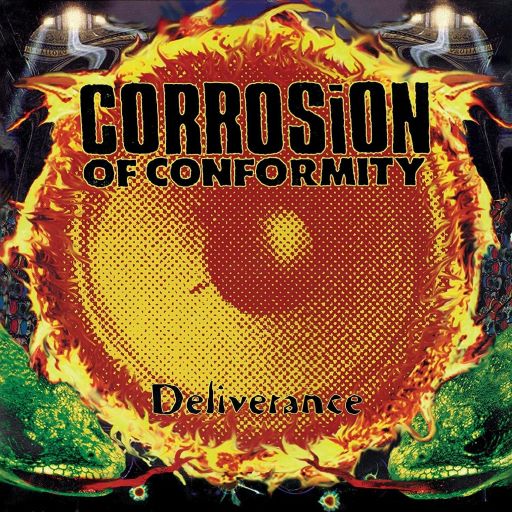
Corrosion Of Conformity – Deliverance

Released September 27, 1994

My Favorite Tracks – Seven Days, Broken Man, Albatross

CoC would undergo several lineup changes and stylistic shifts through the years, evolving from early harsh hardcore to a more groove-oriented sound. After solidifying what would be their most well-known lineup of Pepper Kennan on vocals and guitar, lead guitarist Woody Weatherman, bassist and sometimes vocalist Mike Dean and drummer Reed Mullin, the group began recording Deliverance and found major label Columbia Records quickly calling after they heard the demos. The band’s label Relativity Records turned down an offer to sell CoC’s contract to Sony, who in turn bought out Relativity and now had the group they wanted on their roster.

Deliverance put on offer a sound more rooted in stoner and southern rock than the the band’s past which saw hardcore and thrash albums, though 1991’s Blind did serve as a logical transition to the sound here. This beefy album features 14 tracks, though 3 are brief instrumentals and I will omit those from my recap so I can save space.

Heaven’s Not Overflowing

The album opens with a fast-paced rocker that also offers a bit of sardonic humor that can be found through a fair bit of the lyrical fare on the record. As the riffs slam along Keenen injects a series of odd and silly observations that overall add up to “jam out now because everyone’s screwed up and when it’s all over, well, the title lets you know where it all ends.”

Albatross

One of the album’s two singles that hit 19 on the Billboard charts and marks the band’s biggest mainstream success. Albatross is a haunting song that brings forth Sabbath vibes and is at home in the doom/stoner scene. It’s one of those beautifully sad songs that, while not being open about its meaning, just gets me every time. The song dirges on into a great solo from Woody in the song’s final few minutes.

Clean My Wounds

The other single from the record that also hit number 19 on the charts, this is likely the most recognizable CoC song from their entire catalog. The song and video were memed a bit before memes were a thing and it still pops up from time to time.

The song is heavy with a crunchy, simple verse riff while the music explodes in the chorus. Jesus makes his second of a few album appearances in this song and the line “Jesus help me clean my wounds/He said I cannot heal that kind” stands out as the oft-memed portion of the song. CoC would employ several musical styles on the record but this simple, to the point tune is the one that stuck with people outside of the fanbase and is still remembered today by 90’s kids.

Broken Man

After a brief instrumental the band gets back to business with a heavy yet still groovy song that offers lyrics in line with the mournful title. While stoner metal as a whole is a very repetitive genre, CoC breaks the mold and injects time changes and tempo breaks to keep the song interesting. The mix of flowing guitars and the militant verse riff create a massive song that shines on the album.

Senor Limpio

This track picks up the tempo and spirits a bit, at least musically. Lyrically the content is left a tad vague but the song seems to be about drug addiction and/or perhaps dealing and the ultimate fall from that. People have many of their own meanings for the song but a few lyrical hints do reinforce the drug theory.

Seven Days

Sandwiched between two instrumentals is my favorite song from the album. The music is heavy yet morose, entrenched in the duality of beauty and doom. The song invokes a lot of imagery from Christ’s betrayal and crucifixion and is likely from Jesus’ point of view during his final days. Of course the themes of betrayal, distrust and anger at a falling out could be universally applied but the multiple references to the crucifixion and other religious symbolism are clear.

My Grain

The tempo ratchets up again as the album rounds the corner into its final portion. The song’s meaning is a bit unclear, I’m not sure if this about migranes or if the title has some other symbolism. Whatever the case the song is a fun inclusion and picks up the headbanging pace a fair bit.

Deliverance

The title track sees Mike Dean take over vocals for a turn. The swampy tune takes aim at people under the spell of televangelists and dogmatic religious figures. Dean’s lower register drips with a smooth sardonic quality that is in contrast to Keenan’s gravelly vocals. It fits the song’s theme well and creates another standout track on the record.

Shake Like You

Another heavy as hell song that gets to the business of, well, Hell. The song attacks the war-mongering mentality of humanity and predicts the end of all things with most people burning in judgment. The lyrical fare is still sadly relevant 28 years after the album’s release, if not even more so.

Shelter

This acoustic track is a mournful dirge that might be about a breakup, at least that’s what it seems to convey. The song is almost a country track but still fits on the album. It’s a bit of a break from all the damn noise just before the record’s close.

Pearls Before Swine

The album’s closer keeps the pace slower and plods through to its conclusion. Still heavy, the doomy track references yet more religious symbolism in some kind of personal battle against people and “the devils in their eyes.” The sound of digging, perhaps a grave, closes out the record.

Deliverance was a landmark moment for Corrosion Of Conformity. It redefined the group’s sound and set them on a new trajectory that they have mostly seen through to this day. The album was the band’s biggest sales success with over 400,000 copies sold in the U.S. It was a case of found identity for a band who pounded through the 80’s underground with a variety of harsher styles.

A Story And A Song, Vol. 4

We had a good round of winter weather in my area (and across much of the U.S.) a few weeks ago, and are seeing more as winter slowly rolls away into spring. That got me thinking about an odd little story from another notable winter storm many years ago. And as a result, here is a new story and song.

The song is Sightless, from the apparently final Solitude Aeturnus album Alone. The song is a massive doom offering that stays up-tempo despite its harrowing lyrical fare. It’s a highlight from an album that is full of them.

And for our story, which will get into when I first heard the band and the album. It was January 2007 and a major ice storm hit the U.S. Midwest and other parts of the country. My area of southwest Missouri was especially hard-hit. A combination of bad proactive city planning and just the massive nature of the storm left many without power for weeks in sub-freezing temperatures.

The storm came in on Friday night. Back then nothing stopped us from doing what we do, which is to play metal and drink beer. We knew the storm was coming so we headed to a nearby friend’s house to see the action from his huge, covered back deck.

The ice started piling on tree limbs and snapping them. The limbs crashed into power lines and knocked out power through the city. It seriously sounded like a war outside with the amount of trees and limbs cracking and snapping. This was the poor planning part of the whole thing – there were untrimmed limbs all over power lines through town. It was a mass casualty event as far as having electricity goes.

We wandered around a bit as it’s a bit tough to play music without power. The party spots of downtown still had power on Friday night so we hung around there awhile. Later I wound up over at another friend’s house where, in a desperate quest to eat something, we heated soup cans on a barbecue grill on his front porch. We were already settling in to our post-apocalyptic situation quite nicely.

The next night several of us convened at our house to try and find something to do. Power was still out and was going to be for days. The same friend who had offered up his BBQ grill and soup the night before had brought over a CD. My roommate had a boombox with a tape deck going but we had no other way to play the CD so we went out to my car and played it.

The disc was, of course, the Solitude Aeturnus album. We jammed out to a fair bit of it in my nice, warm car. The music was a perfect accompaniment to the surrounding frozen wasteland. While the situation overall could be looked at as quite dire, that bit of time playing the album in that setting just made everything seem peaceful and serene. Even a few exploding power transformers in the distance did not spoil the mood.

We went back to the house after playing a fair bit of the album. We got wind of one bar downtown that still had power so we loaded up in someone’s car and had a few pints there. Our house and neighborhood would not have power for 8 days, some other places went over 2 weeks without. Power crews from across the country came to repair the power lines, some who had worked Hurricane Katrina said our ice storm was worse.

In the end we got power back and eventually thawed out. Solitude Aeturnus would stick with me over time – Alone is a favorite album and I’ve gone back to the rest of their catalog and found other gems. Though the band did not continue on after that time, singer Robert Lowe would have a 5-year turn as the vocalist for doom legends Candlemass that began just a few months after the ice storm. Doom metal was a fitting soundtrack for my life around that time so all of this lined up quite nicely.

That’s about all there is to this story. The ice storm was a massive event that I had never seen before and will hopefully never see again. But at least I had some really badass music to help get through it.

Iron Maiden – Killers (Album of the Week)

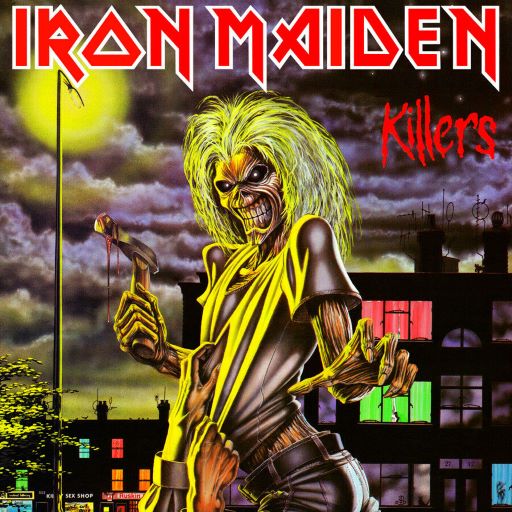
This week I’m going back to the second album from the band that would go on to become my favorite musical act ever. The album got solid reviews from critics and fans but would be the end of a brief beginning era for the group, who would soon re-tool and launch their signature sound on several coming albums through the 1980’s.

Iron Maiden – Killers

Released February 2, 1981 via EMI Records (U.K.)

My Favorite Tracks – Murders In The Rue Morgue, Wrathchild, Purgatory

This album has several versions – for this write-up I am using what is up on Spotify, a 2015 remaster that mirrors the initial British release. I have the original U.S. release on vinyl and a 1998 reissue on CD that feature the bonus track Twilight Zone, but for purposes of simplicity I’ll be covering the UK version. Other territories in the world got other versions of the album with slightly altered track listings.

Iron Maiden would see the first of a few significant lineup changes prior to recording Killers. Guitarist Dennis Stratton left the group due to disagreements with bandleader Steve Harris and manager Ron Smallwood. Stratton was replaced by Adrian Smith, who would go on alongside Dave Murray to establish Iron Maiden’s signature twin guitar attack through the rest of the 1980’s.

Killers was written almost entirely by Steve Harris, with a few notable exceptions – the title track is co-credited to singer Paul Di’Anno, and there is some funny business with the opening instrumental in terms of songwriting. Most of the songs except for two were written before the band recorded their self-named debut a year prior.

The Ides Of March

The first of two instrumentals on the album, which is a curious choice for the group. The song itself is fine and serves as a good intro to the album.

There are questions raised over the songwriting credits to this. Harris is the only credited songwriter for the song on Killers. However, a very similar-sounding instrumental called Thunderburst appears on fellow NWOBHM group Sampson’s 1980 album Head On. It credits the Sampson band members (including one Bruce Dickinson) as well as Steve Harris. It was Samson drummer Thunderstick who served as the common link – he had been in Iron Maiden in the late 70’s before that group recorded and apparently brought this instrumental over to Samson. It is a bit of interesting trivia if not much more, though there have been several other questions about where Steve Harris got songs from over the years.

Wrathchild

The “signature song” from Killers, this is the only song from the album that is still consistently performed live by Maiden. It opens with a trademark bassline from Steve Harris and gets down and dirty with a sound that still suits Paul Di’Anno but does seem to be morphing more into the business the band were about to get to after Killers. It features plenty of lead guitar flourishes and establishes the trademark rhythmic drive that the band would stake their name on. The song was one of two singles from the album, released as a “double A-side” with the US bonus track Twilight Zone.

Murders In The Rue Morgue

This is one of the two songs written specifically for the Killers recording sessions. It is an excellent tune that turns up the pace and fits with the “proto-punk/metal” hybrid the band had on offer on their debut. It is perfectly suited to Paul Di’Anno’s brash singing style. It’s a bit of a shame this song is kind of lost to time as it would be a joy to hear it today.

Another Life

This upbeat number hits home with more trademark Smith and Murray guitar work. The song rolls away with Di’Anno’s typical delivery and stands out a bit amongst the rest of the “leftovers” that Killers is home to.

Genghis Khan

The album’s second instrumental and apparently not one ghostwritten by a former member. I don’t mind the track at all but it doesn’t necessarily stand out and feels like a bit of padding for a record with a lot of songs but a fairly lean running time under 40 minutes.

Innocent Exile

It’s another song that, while not exceptional, does possess the hallmarks of that early Maiden sound and puts in a workmanlike performance on the album. It’s certainly fitting for the band at the time and it makes for a worthwhile listen.

Killers

The title track has always stood out a bit, as many of Maiden’s title tracks do. The tune gets a little time to build rather than being a brief attack like so many of the other songs. It displays a bit of both where the band was and where they were going. It’s another song that wouldn’t hurt by the occasional inclusion on a live set, though this album as a whole seems to be left aside for consideration anymore.

Prodigal Son

Up next is what stands out as the biggest departure sound-wise for Iron Maiden. Nothing across the rest of their 17-album catalog sets itself apart nearly as much as Prodigal Son does, save for perhaps the B-side Burning Ambition that was never released on an album. It is also the other song besides Murders… that was not written well ahead of time.

The songs is about someone who has consumed himself through the use of black magic or other mystic arts. It rolls more in the vein of a 70’s rock tune as opposed to the heavy metal that the band were playing at the time. It has an almost folk-like undertone to it. Many in the fanbase are very turned off by the song, I myself find it a nice inclusion though I certainly see where it sticks out like a sore thumb from the rest of the band’s work.

Purgatory

If the prior track is the band’s biggest departure from their sound, Purgatory is the biggest and brightest display of what Iron Maiden had on offer in the early 80’s. The blistering track slams through with those now well-known bass and guitar lines that just seem to roll off the instruments for the band. This song was released as the album’s second and last single. And in a bit of trivia – the artwork Derek Riggs originally drew for Purgatory’s single was held back by the band and used as the cover for The Number Of The Beast.

Drifter

The album and the Paul Di’Anno tenure of the band concludes with Drifter. It’s a fast and fine rocker that wouldn’t have been out of place on the debut. It wraps the up the album nicely.

Killers stands out as a record perhaps greater than its status as a collection of Steve Harris’ leftovers. Though the Paul Di’Anno era is widely revered in Maiden fandom, this album does tend to fly under the radar at times. The record did not perform as well in the UK charts as Iron Maiden did and only one song remains today as a typical inclusion into the band’s live set. Di’Anno would soon be booted from the group for a number of reasons and the band would go on to new heights with his replacement. I don’t spin this album as much as others from the catalog but I never find myself being upset when I do play it.

This song didn’t have an easily found live version with Paul, so this one with Bruce will do

Crypto Sells, But Who’s Buying?

This is barely even about music, it’s mostly just about one of those dumb things I did on purpose not too long ago. At least I did this one on purpose.

So in this day and age cryptocurrency is a big deal. Some people have made millions off of it, plenty of people have money in it, and many others are extremely skeptical of it. I don’t, like, really have money in any form so crypto isn’t a huge issue to me one way or the other.

One band made a few headlines and a lot of jokes back in December when they decided to wade into the crypto waters. Megadeth, the veteran thrash outfit who have at times been forward-thinking about how to use the Internet, launched their $MEGA cryptocurrency on the Rally platform.

Megadeth have offered NFTs before, those being the vilified current trend in crypto. But going in one’s own currency is a whole other matter. Major currency like Bitcoin has a lot of money behind it, and silly stuff like Dogecoin has essentially memed its way into swings that have made people a few bucks. There are a lot of others around that have done, well, whatever. I don’t follow the stuff closely at all.

The Rally platform seems to be a layer between a content creator and cryptocurrency. I don’t know the inner workings of it but it seems to hinge on a central currency known as Rally coin. Each artist has their own crypto that offers perks, much like a Patreon subscription or a fan club. There are several forthcoming perks outlined for the Megadeth currency but to date none seem to have come about.

When I saw the $MEGA thing being pounded into dust in the court of public opinion on Twitter I decided to take a different approach. I opened my mind and my wallet to the idea and bought a princely sum of the cryptocurrency representing one of my favorite bands. I put down an astonishing $10 on $MEGA.

My $10 investment yielded me 21 Mega-coins back in early December. Today as I type this post, my 21 Mega-coins are worth $5.14. I’ve lost my ass, clearly. Even after factoring in a small amount of Rally coin given as a weekly reward for investing on the site, I’m at $7 total of two currencies that are worth about 25 cents per coin.

I have not had any communication as yet about any perks for being a $MEGA coin holder. I don’t know if I’m supposed to join the fan club to see these perks or not. I’m not personally interested in joining, but I would think that if there were going to be perks available to all coin holders, that the site hosting the coin operation would be the forum to communicate that as opposed to the optional fan club. Again I don’t know anything at this point so this isn’t an outright criticism, it could be the band is waiting until their upcoming album release to offer perks, I don’t know.

It could also be that this Megadeth cryptocurrency is tanking and landed like a wet fart in church. It got laughed off of Twitter and there is almost no serious discussion of it. It is, and should be treated as, a fan perk as opposed to some way to get rich quick or whatever, but it’s still cryptocurrency. There is a LOT of resistance to crypto in all walks of life right now and I didn’t see any favorable interpretations of Megadeth’s offering. Talk is dead at this point beyond me typing about it and taking up blog space with it now.

I know several people who read my blog are in my general age range. That is, we all remember what it was like to buy albums before the Internet was around. I’m sure all of us made blind purchases based on the cover or just some random blurb we heard or read. We bought the album and played it, the immense disappointment coming when we realized we were better off wiping our asses with the money we spent on the record.

That’s kind of like what this $MEGA crap is like, except that I wasn’t making a blind purchase. I knew going in that I would have been better off using a $10 bill as toilet paper. It’s been funny watching my investment crater. I mean, losing a ten spot won’t put me in the poor house but I didn’t really gain much from this experience other than this kind of pointless post.

In the end I learned my lesson about wasting money on intangible things like cryptocurrency tied to metal musicians, though I knew that before I dropped the money. That’s money I could have wasted on Iron Maiden action figures or who knows what else. This doesn’t diminish my view of Megadeth any – this was just a dumb thing and hopefully their new album kicks ass. Maybe I’ll get a discount on it for being a proud $MEGA coin holder, but I won’t hold my breath.

Tales From The Stage – Sevendust and Machine Head, 1999

One thing I want to start doing more is to look back at concerts and shows I’ve been too. It’s nice to remember them – as the time and distance gets longer from when I saw the show the details start to get fuzzy. And also in the pandemic age where I’ve been to one whole live show since late 2019, it’s nice to remember the concert era.

The show I’m going to look back on today took place in October of 1999. It was a strange time, as nu-metal and boy bands ruled the roost. A lot of newer bands who would shape the new millennium were coming on to the scene. More established acts were also getting in on the nu-metal thing, as was the case with the bill I was going to see that night.

The concert line-up was Sevendust, Machine Head, Orange 9MM and Chevelle. I was going for Machine Head, and also for something fun to do on what was Halloween weekend, I think this show was on the 29th. This was a bit of a mini-tour – this group played St. Louis and then our town, then joined up with Slipknot and others for two shows further south over Halloween weekend.

The venue for this show was a bit different than the typical metal bar. This was a large bar that could easily hold over 1,000 people. There was a bar in each corner of the building and a large dance floor for people to make fools of themselves. When holding shows a stage to one side was used as opposed to the dance floor in the middle.

The bar was mostly known for Thursday nights when people could pay a $5 cover and then enjoy $1 drinks. There was a “power hour” during the night where beers were free. The custom was to get a beer at one bar then wait in line in the next corner, drinking one beer then getting another. It was a dirt cheap night out. The place wound up closing years later due in part to several booze-fueled incidents, to the shock of no one.

But none of this was the case for the concert. I don’t recall the crowd size exactly – it by no means filled the huge building but plenty of people did come out for the show. Sevendust were getting a name for themselves by this point and Machine Head was a draw for fans of heavier fare. Chevelle were just getting out in the world and it’d be a couple of years before they garnered widespread interest. Orange 9MM were a known name but not someone I was radically familiar with.

Chevelle were interesting. They reminded us of Tool to some degree and had maybe a bit different sound than what they’d become known for a few years later. I never really “got into” the group much but it was kind of cool to see them go from opening a Midwest honkytonk to multi-platinum success.

Orange 9MM had a bit of headway going into 1999. I guess it wasn’t enough because the band broke up a year later. But they had their name out a bit in the mid-90’s as the alt-metal and nu-metal thing was picking up steam. I thought the group was interesting but their set didn’t move me to further exploring them.

The reason for the season, or at least for my attendance at this show, was Machine Head. The band had come up with two pretty heavy albums in the earlier part of the decade and were now touring on a controversial third record. The Burning Red saw a stylistic shift toward “rap metal” that was the in sound at the time. Limp Bizkit had exploded in popularity in 1999 and it seemed like Machine Head was along for the ride.

Of course the band stuck with plenty of their older material. Davidian, Take My Scars and Ten Ton Hammer were given prominent space in the set, alongside the rap-metal single From This Day. That song had even caught a bit of radio play and we wondered if Machine Head wouldn’t catch more fire in the nu-metal scene. For a lot of reasons, that didn’t happen.

For that night in 1999 though the setlist was fine and Machine Head put on a nice show. The crowd were really into it and very active through the show. One friend of ours who wasn’t into metal but wanted to hang out lost one of his shoes in the moshing fray. It was a lot of fun to actually get into something for a bit.

Sevendust came out to close out the show. They were really building a name for themselves around this time and were on the cusp of breaking out big. They were already on the way with that, the song Denial was getting a lot of airplay around the time of this tour. Their set was well-executed and enjoyed by the crowd. Machine Head did a nice job setting the table and Sevendust took the momentum and ran with it. I chilled out in the back for their set, having expended my energy on Machine Head.

We tried finding our friend’s shoe after the concert but had no luck. One of the perils of heavy metal, I guess. It was a good time and looking back it’s interesting to note the trajectories of the bands involved. Sevendust and Chevelle would go on to quite a bit of success in the new millennium. Orange 9MM would not join them, not lasting another year after this show. Machine Head had an ugly controversy around the September 11th attacks that nearly ended the band. The group would retool and enjoy a new golden era with a more straightforward metal approach than the nu-metal they were offering in 1999. They’d have other twists and turns later on as well.

A lot is gone from that time. One of the bands is gone, that venue is gone, and that peer group I hung out with at that time is scattered to the four winds. But this show was a great way to ring in Halloween 1999 and a perfect bill to sum up what music was and where it was going as the calendar changed.