For my song pick this week I’m headed back to that glorious year of 1984. Today’s song was the fourth and final single from Van Halen’s monumental album 1984. The album was a smash success, making Van Halen one of 1984’s biggest acts and eventually moving over 10 million copies. Our single today did not hit quite as well as other singles from the record, clocking in at a modest 56 on the Billboard Hot 100. But it is still a beloved offering from the band.
Hot For Teacher is a fun, all out rocker that gets going from the word go with a drum intro that sounds like a motorcycle. It is a very attention-grabbing thing to hear what Alex got up to there. The band jumps in after a bit and keeps up the bombastic instrumentation for a bit, then things settle down a hair and we get the first instance of David Lee Roth.
Roth comes in with introductory banter. While DLR’s ramblings are a point of contention with some in a fair few Van Halen songs, he was totally on point here as he set the table for the song’s topic of, well, being hot for teacher. There are a few other spoken word bits through the song and here they all fit very well.
When Roth does get to actual singing he is in full force, and it’s pure magic paired with the heavy and playful riff that Eddie Van Halen lays out. Van Halen often toed the line between rock and heavy metal and at times were the line, and this song is a prime example of it. Fun and rocking yet heavy and slamming, it’s all here on display.
The music video for this one pulled out all the bells and whistles. It features the concept of a nerdy kid being overwhelmed in school by a kid version of the Van Halen band as well as a few teachers who were certainly easy to be hot for. The kid, named Waldo, was voiced by Phil Hartman. The video shows what “happened” to the band members when they grew up and old Waldo really turned his image around after growing up. In terms of concept and added entertainment value, Hot For Teacher is the number one video from the early Van Halen era.
The video came with a bit of controversy – some felt it was objectifying and sexualized, and some broadcasts used black boxes to censor when band members would grab their crotches. There are uncorroborated reports on various sites that the video did, in part, influence Tipper Gore to start the PMRC. It should be noted that neither the song nor Van Halen made the infamous Filthy Fifteen list.
As I said in the open, this was the final single from 1984. That would also mean it was the final single from the first David Lee Roth era of the band. The song was featured in the band’s set through the 9 months of touring before Roth left the band, and it appeared again once Roth returned in 2007. It ended up getting 285 live airings, not a bad total considering the song didn’t see stage from 1984 to 2004. If setlist.fm is to be taken as an accurate source, Van Halen did the song with Sammy Hagar one time in 2004. I have no idea how correct that is, though.
At the end of it all, Hot For Teacher is one monster of a Van Halen song and a great addition to the list of hallowed songs from the year 1984. The song’s subject matter rings true with a great many students over the decades – though I must admit I personally never really had a “hot for teacher” issue. But hey, I do have this amazing song to jam out to.
This will be a song of the week as well as a look at a single, as forces have conspired to make this possible. So it will actually be two songs this week since the single has a B-side.
There is a feature track of course, and that song today is the debut single from Oasis. This was the start of what would become a white-hot run through music in the mid-’90’s, no one was bigger than Oasis through 1995 and 1996. But today revisits their beginnings in 1994 so we’re not quite to their shit hot moment in the sun.
Supersonic was released on April 11, 1994 as the lead track from the debut album Definitely Maybe. The single charted modestly well for a debut band – it hit 31 in the main UK chart and popped up on several US alternative charts despite not making the Billboard Hot 100. The single would eventually be certified platinum in the UK. The album it hailed from moved over 8 million copies.
This version of the single I’m covering is the 30th anniversary re-issue of the 7-inch version. While there are several other versions of the single out there, these two songs tie in nicely together due to the story of their creation.
The band set out to record their first single in early 1994, that song was supposed to be Bring It On Down, which became a non-single track from the debut album. Noel Gallagher wasn’t happy with the song and began messing with I Will Believe, which became a B-side for other versions of the single. Then totally off the cuff, Noel wrote Take Me Away, this single’s B-side.
On the last day of studio time, the band messed around with an instrumental. Also in the room were brothers Chris and Tony Griffiths of the band The Real People. Tony suggested that the bit Oasis were playing could be a hit song, so the band worked up what became Supersonic.
As a note on writing credits – Noel is the sole credit, though he did later confess that Paul “Bonehead” Arthurs and Paul “Guigsy” McGuigan helped him write the chords. Tony Griffiths also played some songwriting role but was not given a credit, Noel’s decision to leave the Griffiths brothers out of credits on the debut album was an issue that caused infighting in Oasis. I know, I know, no one could imagine the members of Oasis fighting among themselves.
Supersonic
The feature song opens with a bit of drumming then kicks in to a riff that plods along but has a bit of bite to it. The song’s run maintains this riff’s shape, with only minor alterations through the chorus. It is a pretty chill, laid-back affair with a bit of guitar work to provide a jolt of energy.
The lyrics open with a simple yet wise line – “I need to be myself, I can’t be no one else.” It is also the only part of the words that make any kind of sense at all. All of the rest of the lyrics are nonsense rhyming exercises. It’s a song that is all vibes and no meaningful underpinning – trying to find a deeper meaning to Supersonic will land you on the bottom of the Mariana Trench with nothing to show for your dive. This is a song style Oasis would excel at in their early career.
There is a shout-out to The Beatles in the song, something Oasis would do a lot of through their run. This one is simple, it’s an open mention of Yellow Submarine as one of many vehicles discussed through the track.
Supersonic is a great song to put on to just chill and not have to give a damn about anything for a few minutes. I ranked this one lucky number 13 awhile back when I lined out my 20 favorite Oasis tracks.
Take Me Away
The B-side is an acoustic track with Noel also handling vocals, something he would do every so often through the Oasis run. It’s a very nice and simple tune about just sitting and chilling for a bit longer as everything around you falls apart. There are a few homages to Beatles lyrics in this one, I’ll leave you all to find them. This is one of many B-sides considered underrated by the Oasis fandom, which I guess would make it not underrated if everyone who cares about Oasis rates it highly.
That does it for this look at the first and also newest Oasis single. It would be the start of one hell of a run through music as these lads literally took over the world for a bit of time.
The 40 year celebration of 1984 marches on, and today it’s a monumental debut that would turn the decade’s rock and metal music on its head.
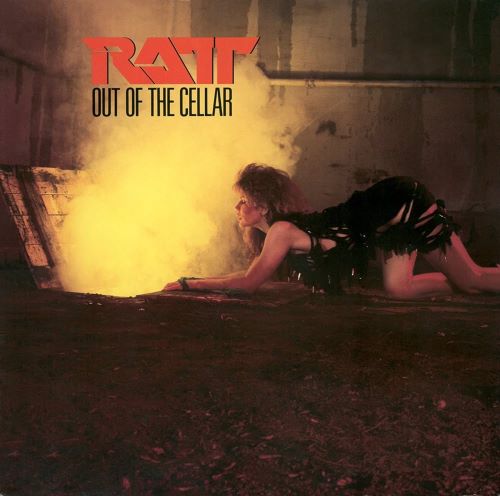
Ratt – Out Of The Cellar
Released February 17, 1984 via Atlantic Records
The early history of Ratt is actually long and a bit windy, but this is their debut full-length after an EP one year prior so it’s the best place to pick up the story. In short, the band formed out of a series of other California-based groups (including Dokken) and the line-up eventually solidified into a recording and touring group.
That line-up featured Stephen Pearcy on vocals, Warren DeMartini and Robbin Crosby on guitar, Juan Croucier on bass and Bobby Blotzer on drums. The album was produced by Beau Hill, who had broke into Atlantic Records after work with Stevie Nicks and Sandy Stewart. After this album, Hill’s production career would move into full swing. Ratt were also managed by Marshall Berle. This would pay dividends as Berle had a famous uncle who would contribute to the video for Ratt’s signature song.
The album cover features a starlet of 80’s lore – actress and model Tawny Kitaen is featured in full on here after having her legs on the EP cover. Kitaean was dating Robbin Crosby at the time and would go on to be the face and body of hair metal after her turn in the 1987 Whitesnake videos.
Today’s album features 10 songs at a quite lean 36:41 runtime. It is all action here today, as we will soon see.
Wanted Man
1984 meets the Old West here as the Ratt gang saddle up for some outlaw adventures. The song walks the fine line between melody and edge very well, an ever-present feature of the album. It’s wasn’t very often that hair metal met western movie culture but it was done by Ratt splendidly. Grade: A+
You’re In Trouble
This song came from some versions of the EP a year prior. It’s a mid-paced banger with a great guitar solo and keeps with the rougher theme of things, almost being a spiritual sequel to Wanted Man. This early version of what would become hair metal had a ton more attitude to it than what was on offer by the late ’80’s. Grade: A
Round And Round
Up next is the song Ratt is best known for. This one was an MTV staple and would be the band’s biggest hit, going to 12 on Billboard.
And this is an expertly crafted hit song. Everything from riff, verse and chorus is so catchy that it could be its own STD. The song’s premise is simple enough – the Ratt gang is out on the prowl and kicking ass. Nothing that requires a philosopher’s interpretation here.
The video for Round And Round was all over the place back in the ’80’s. It guest-starred famed actor and comedian Milton Berle, the uncle of Ratt’s manager. Berle played two characters in the video, both a “normal” guy and in drag. The clip stands as one of the immortal videos of ’80’s rock.
It’s no surprise that Round And Round became the song for Ratt. It hooks you in from the word go and maintains its hold throughout. This one has been in wide use in TV, movies and commercials since 1984 and hasn’t gone away yet, it is Ratt’s legacy summed up in a song. Grade: A+
In Your Direction
A meaty riff here and a touch more bite to this song. As with everything on the album, this has a perfect rhythm across all facets of the song – in riffs and vocal delivery, and the back end of the drums and bass. Ratt were not considered virtuoso’s beyond the guitar of DeMartini, but their ability to get the tempo and rhythm of a song perfect is unsurpassed. Grade: A
She Wants Money
Ratt excel in the mid-pace offerings of the songs before, but this one kicks up the speed by a good bit. It is a tale as old as time, or at least money – if you want the girl, you gotta have some cash. No one likes some broke dude. This one is a nice way to switch things up a bit. Grade: A-
Lack Of Communication
The opening riff here leaps out of the speaker and pounds you in the head, and keeps up through the song’s length. This song stomps through humanity’s universal problem as illustrated in the title. No doubt this is the theme song for every single work place in recorded history. The song does a great job of communicating the problem, no issues here. Grade: A+
Back For More
Another cut from the EP that was redone for the full-length. It again sits in that mid-paced pocket that Ratt have masterfully established, though this one does have a bit more noise in the riffs and vocals. It’s a grimy tale of an on-again, off-again relationship and may have been based on the hook-up between Robbin Crosby and Tawny Kitaen. This song did get a video but wasn’t officially a single, the history on this is a bit confusing.
What isn’t confusing is that this song absolutely rocks. There’s just enough of things here and there in the track to push this one over the other songs, which are already excellent. Grade: S
The Morning After
Time to rock out again. Super great riff running through this one and Stephen Pearcy delivers the news of an impending one-night stand with the requisite force. A nice extended solo in this one too, this album is definitely not sputtering out towards the end. Grade: A
I’m Insane
Another hot rocker about a favorite topic in heavy metal, being crazy. There isn’t a lot to discuss about it – it’s a song that works great and keeps the energy up heading into the album’s close. Grade: A
Scene Of The Crime
The closer offers up a fair bit of melody, though the subject matter is far from bright and cheery. The “crime” is a figure for two-timing, or at least that’s what I get from it. The song is, like everything else, fantastically done and makes most people wish there were another ten songs of this album to go. Grade: A
Out Of The Cellar was a massive debut for Ratt. It would peak at number 7 on the Billboard 200 and has been certified 3 times platinum. Note that certifications are not always kept up to date by record labels and the album is believed to have moved at least 5 million copies. Ratt would continue to have multi-platinum success through the decade though this album remains their hottest seller.
With this album, Ratt would be instrumental in shaping the rock scene for the coming years. There is little doubt that they played a huge role in the ascension of hair metal, the sound that was so pervasive through the ’80’s. It’s also clear that there’s more on offer here than what would come by the time hair metal became a ballad writing machine. But that’s the usual state of music – it’s usually the early innovators who had the freshest stuff on offer.
Grading this album couldn’t be easier, the justification for my grade is laid out in the song grades and there’s not much else to say. This record has no weaknesses and many strengths.
Album Grade: A+
I suppose people who didn’t enjoy hair metal might actually wish to blame Ratt for being a central cog in its formation. But for those of us who did like it, it never really got much better than Out Of The Cellar. An amazing album that stands toward the top of the brilliant offerings of 1984.
By 1984, Bruce Springsteen had been on quite a run of albums – his past four records shaped his sound and defined who he was as an artist. But in 1984, The Boss would embrace some pop stylings and conquer the world.
Bruce Springsteen – Born In The USA
Released June 4, 1984 via Columbia Records
My Favorite Tracks – Born In The USA, Glory Days, I’m Goin’ Down
Recording of this landmark album turned out to be really easy – a lot of these songs were written during the same sessions for The Boss’s prior album Nebraska. In fact, there was a point where Nebraska and this record could have a been released as one double album. A trove of unreleased songs from this time period also exist, many of which wound up in the box set Tracks.
Springsteen recorded the album with his E-Street Band – Roy Bittan, Clarence Clemons, Danny Federici, Garry Tallent, Seven Van Zandt and Max Weinberg all on their chosen instruments for recording. Production was handled by Jon Landau, the journalist who had deemed Springsteen the “future of rock” in 1974 and would be Springsteen’s co-producer until the mid 1990’s. Also involved in production were Chuck Plotkin, Springsteen himself and Steven Van Zandt.
The album would get immediate press for its striking cover image – The Boss’s backside clad in jeans with a ballcap hanging in his ass pocket, standing in front of the American flag. The shot was taken by Annie Leibovitz and is one of rock’s enduring album covers. The Boss reportedly worked out to make sure his butt was in prime shape for the photo shoot.
This record comprises 12 songs with a run time of 46:57, none of the songs venture beyond 4 minutes and it’s a fairly lean playing time for that many songs. Fans have long awaited a massive reissue of this album with the surplus of unreleased songs from this time period though to date that reissue has not seen the light of day.
A note on the album’s singles – there were a total of 7. All of them wound up in Billboard’s Top 10, though famously Springsteen did not generate a number 1 hit that he performed. He still has not to this day, his only number 1 is Manfred Mann’s performance of his song Blinded By The Light. I wanted to make the note about singles here so that I don’t have to bring it up through each song.
Born In The USA
Right off the bat we’re into the storied title track. It’s a very simple song, bright keyboards and a steady march through verses and chorus that keeps a consistent tempo. While sounding very bright, the song’s verses are a dark portrayal of the struggle of the common American – many Vietnam veterans returned from an unpopular war, only to find a lack of available jobs. The simple chorus is just Bruce’s raspy delivery of the song’s title. Set against the upbeat, pop-tinged music, many mistook the song to be a celebration of the US rather than a criticism. It’s a misinterpretation that still goes on sometimes today.
In the end the song is brilliant in its simple delivery and stark contrast between the music and the theme. The plight of the working person in the early ’80’s dark economy was a focus of Bruce in his songwriting and here he hit a grand slam in his effort to highlight it.
Cover Me
This bright and grooving track was originally a song Bruce composed for Donna Summer, though Jon Landau convinced The Boss to hold on to it for his own album. Summer got the song Protection from Springsteen and Cover Me stayed here.
The song is a great jam featuring all of the E-Street band going off. The song’s theme is again a few shades darker than the music’s beat – here, Bruce seeks a companion to be into and see their way through the rough and tumble world. Stay in with the one you love to weather the “storm” of society.
Darlington County
Up next is a very fun song, highlighting two guys who couldn’t hack it in New York so they move to South Carolina to try and swing in a smaller town. They come with tall tales, bragging that their dads own the World Trade Center, and they’re trying to get lucky with the southern girls because they couldn’t get any action in NYC. It’s song that both in theme and musical style really sets the tone for the Heartland Rock scene that would explode after this album’s release.
Working On The Highway
This one has a marriage of rockabilly and ’80’s synth pop to it, another really fun song that still again possesses a darker lyrical offering. This time the song’s main character of a guy who worked on highway construction and winds up with a pretty young girl. The girl’s family is not happy with her relationship with this older, salt of the Earth kind of guy and the couple run off to Florida for a bit. The guy winds up getting busted and is out working on the highway again, this time as part of a prison work gang. It is a pretty amusing story so it’s not as “down” as other songs.
Downbound Train
Popularly known as the depressing song on this record, this song’s music actually matches the harrowing tale it tells. It’s about a guy who gets laid off of his job and loses his love in the process. The guy winds up working on the railroad, pretty brutal work that ties into the title’s figurative train. The music retains the fit of a song from this pop-oriented record but it’s also clear that this was conceived during and could have been put on the Nebraska album.
I’m On Fire
Very interesting stuff going on with this very brief song. A quiet rolling guitar part is accented by very, very quiet drums as Bruce is trying to pick up a married woman. Some misinterpret the song and believe Bruce is after an underage woman here but that is totally not the case and honestly it’s a pretty stupid take on the song. It’s clearly Bruce in over his head for a taken woman.
No Surrender
This is another straight up 80’s rock track that offers up a far more positive energy than the doom-laden lyrics of other songs. The song is a tribute to childhood friendship that endures through the struggles of life. There are some confusing parts of the song that seem to intertwine romantic interest, the meaning there is unclear and has been speculated on but I’ll leave all that alone for today.
This cut made the album at the insistence of Steven Van Zandt and can be seen as a tribute to Bruce and Steve’s long-running friendship and musical partnership. Van Zandt had wanted to see Bruce get famous and this album would accomplish that, and Van Zandt left the E-Street band just after recording on the album was wrapped. He would jump in as a guest and then later return to the group in full.
Bobby Jean
It’s on to what is another tribute to Van Zandt, the song was composed after Steve announced he was leaving and was one of the final tracks recorded. The song fits as a lost love sort of thing as well, with the fictional Bobby Jean. This one really goes in to a groove that eclipses the music found elsewhere on the album and could be seen as a lead-in to Bruce’s upcoming pop phase.
I’m Goin’ Down
This song offers up tinges of rockabilly in a very simple and pleasing rhythm through music and words. The music is again upbeat but the story told is a sad one of a couple that’s had the magic of their relationship wear off. Bruce also repeats the title about a million times through the song, making Iron Maiden and The Scorpions jealous. This one doesn’t get played much live because the band has a hard time recreating the swing of the recorded track, but the song is also offered up by some critics as one of Bruce’s best tracks.
Glory Days
Up next is one of the more well-known songs and one that still lingers on airwaves today. It’s another fun, upbeat jam with some thought-provoking lyrics but not necessarily down and dark this time. This is a tale of people who’ve gotten older looking back on their younger, more fun days as a way to relieve the tension and monotony of common adult life. It could be seen as a shot at those who “peaked in high school” but the idea of “glory days” is fairly universal.
This song did have a verse cut, it was about Bruce’s father being laid off of his long-time factory job. Versions with the missing verse are out there though it does cast the song in a more depressing light.
Dancing In The Dark
The album heads to the close with the lead single and a song that Bruce didn’t want to write that also became his biggest solo hit.
As the album was being compiled, Jon Landau felt like it needed a good hit single. Bruce and Jon got into it arguing over the point, then Bruce spent the night writing this track. The lyrics are Bruce’s frustrations with trying to do exactly what he wound up doing – writing a hit single. It’s set to a danceable pop rock beat, nothing overly complex here.
The song was the highest-charting of Springsteen’s career – it went to number 2 on the charts, blocked at first by Duran Duran and then Prince’s mega-hit When Doves Cry. It’s also the only Bruce single that sold over a million copies in the US. The music video featured a young Courtney Cox in an early acting role being picked as the girl to come on stage and dance with Bruce.
My Hometown
The finale is a somber and sparse atmospheric pop track that recounts a kid growing up and being stuck in his hometown. The song runs through racial tensions of the 60’s and the deterioration of the American job market in the 70’s. The final verse sees the narrator pass on the “legacy” of the hometown to his kid in the present day, just as his father did with him way back when. The narrator and his wife talk about packing up and splitting town, which I personally did to get out of my small hometown and I fully recommend. It’s a pretty nice song to wrap up the album.
Born In The USA was a runaway hit. The album spent a month of 1984 at number 1 on the Billboard Hot 100, then re-entered the top spot for 2 weeks in 1985. It was number 1 in 10 other countries and in the top 10 of 5 others. It has been certified diamond in the US for sales of 10 million copies, presently it has sold 17 million US and a total of 30 million worldwide. It is the best-selling album of Springsteen’s career and the best-selling album from 1984.
For Bruce this was a leap into the pop fray after years of more pure rock styling. He would continue to explore that ground on his next few albums as the E-Street band, at least officially, broke up around this time.
The success of Born In The USA would thrust the concept of “heartland rock” into the spotlight. It was already a term, meant to corral artists like Bob Seger, Tom Petty and Springsteen together. It would also envelop a few country artists, notably Steve Earle. This subgenre term, with country and rock leanings and a socially conscious song message, would mostly become entwined with Bruce and the man who’d quickly become his spiritual twin, John Mellencamp. It’s not hard to find people who confuse the two, some believing both artists are the same person.
For Bruce Springsteen, this album was the all-conquering victory he had long been plugging away for. He crafted one of the best-loved and best-selling albums in history. The seven singles from this record were inescapable in 1984 and for years beyond, the songs are still around today. The legend of The Boss was now solidified.
It’s been a good long while since I’ve played this silly little game. Awhile back I was prepping one and pretty much all of the songs were horrible, so I shitcanned that post and haven’t revisited this concept since. I finally got to looking the other day and stumbled into a great batch of songs and artists for this, so this concept lives again.
For those unfamiliar – here I take a bunch of songs with the same name, all from different artists, and decide which one I like the best. It’s an exhaustive process of playing them for all of 30 seconds before I make a snap verdict. Though honestly on this one I did play all the way through these songs and I have a fair few of them in my collection anyway.
Today’s pick is Bad Reputation. There are a whole boatload of songs with that name, thankfully there are enough that keep me in my favored genres so I can stick to familiar ground for this one. I am at least roughly familiar with all but one of these songs, I own most of the albums these are off of and I’m very, very familiar with a few of them. There are seven entries here today which is more than I’ve ever done for this before so buckle in and get ready to go around.
Damn Yankees
Right off the bat it’s the 1990 supergroup featuring members of Styx and Night Ranger, as well as Ted Nugent. This album was a showstopper back in the day, one of the last remnants of good old hard rock before alternative took over.
Bad Reputation was the 5th single from this album, these songs got a lot of mileage back in the day. It’s a very, very nice track that cuts a nice groove and rocks out above the “hair” fray. I have no clue who wins this as I write these blurbs but this one is very hard to argue against.
Heavens Edge
Up next is the lone entry I haven’t heard at all. Heavens Edge were (are, maybe) a hair metal group that didn’t really catch on back in the day, they have been sporadically active through the years. This song was also from 1990 and from their debut.
Honestly this is a pretty good song. I mean, I can see “hair metal” and “1990” and get why they didn’t really hit back then, but there’s no shame in the game when it comes to the music. Also I wanted to separate the first and third artists, there are people who won’t want to be next to each other.
Joan Jett
Up next is the song I would suspect most people would know from this grouping and also the person I wanted to keep away from the person mentioned up above. Jett’s song is one of her most known and loved tunes. This was first out on the album in 1980 then got a single release in ’81. All these years later and it’s one of the first Joan Jett songs people are gonna know, for sure.
And there’s reason for all that – this song is 100% pure, ferocious punk rock attitude. Joan knocked this one out of the park. This song is the business and it’s the favorite to run off with the win here today.
Sammy Hagar
This is one I know very well, which is chalked up to me being a pretty huge Sammy fan. This came from his 1980 solo album Danger Zone, which was the album before he really broke out. This wasn’t a single or a live staple but it did make some of the many greatest hits packages that Capitol Records put out after Sammy got famous and then joined Van Halen. For me personally it is a contender in this contest, it’s been a song of Sammy’s I’ve always enjoyed.
The Reverend Horton Heat
Shifting gears for just a bit from rock into rockabilly. This cut comes from the good Reverend’s debut album Smoke ‘Em If You Got ‘Em from 1990. This one changes the theme of “bad reputation” up a bit – some of the other songs indicate that the bad reputation is a warning sign, while in this song it’s an attraction. This is a really fun rockabilly track and yet another viable contestant to take the crown today.
Thin Lizzy
It’s now on to the oldest song on the list, this one hailing from the band’s 1977 album of the same name as the song. The album was regarded as a return to form for Thin Lizzy, who were struggling through all manner of issues, including Phil Lynott’s chemical dependencies. The song also departs a bit from the theme of the others, this one is a warning to someone to watch their step, as they have a bad reputation.
This song is also a total monster. It has fat riffs to spare, not that anyone would be surprised by that in a Thin Lizzy song. It also has a great groove to it, a bit of funk in spots but still on track as a hard rock ballbuster. The field of strong contenders is crowded but Thin Lizzy are certainly in the mix.
Vixen
We wrap up with a song from the band’s second album Rev It Up. If you guessed that it came out in 1990 like over half of the stuff here, you’d win a prize if there were any prizes. This was not a single from the album and this time frame also marked the end of Vixen’s mainstream run, which isn’t a shock given that the dark figure of 1991 was just around the bend.
While Vixen would lose their record deal in the fallout of alt-rock, they went out with a bang. This song is very well done melodic hard rock. Nice guitars, hot vocals and good arrangement here. Nothing wrong with jamming this hot rocker out at all. It picks up speed at the end as a nice touch too.
So there’s a deliberation process here. I’m not actually going to narrate it, no one wants to read internal monologue. All of these songs are at least good and few are great. It did quickly whittle down to a two-horse race for me, but in the end I found my champion of Bad Reputation.
The Winner – Thin Lizzy
I can’t knock Joan Jett’s song at all, that is a total banger. But in the end I gotta go with the champions of monster guitar. Thin Lizzy edges out Joan Jett to take the crown today in a very close race. These are all really good songs, I might keep the playlist I built to run them down. But there can be only one winner. It was as close to a tie as I can recall on these, maybe there was one more, yet the Irish rock gods take home the prize.
That’s all for today. Be sure to join me this Friday as the Album of the Week moves to a special slot for one time only, in order to celebrate the 30th anniversary of one of my favorite records. It’s also an album with a bad reputation in some parts. See you then.
This being the 40th anniversary of 1984 and all of the great music that came from that year, I want to go a bit beyond just looking at albums from then and get into some other stuff. I will be looking at albums again today but in a different context – today I’m going to discuss all of the albums that topped the Billboard 200 chart in 1984.
If I were doing this for most any other year, I’d be up against it. Many years feature between 15 and 20 albums that hit the top chart spot, sometimes even more. It can be absolute carnage up there, especially now with several different genres commanding attention and shorter attention spans leading to more albums going number one, then heading off down the Billboard slide afterward.
But my cup runneth over with luck – in 1984, only five albums reached the top of the Billboard chart. It was the lowest amount for any year in Billboard history and is not something likely to ever be repeated. Seeing the very short list will shed light on exactly why that is, two artists basically dominated the number one spot that year and it’s glaringly obvious who those are, to anyone who was around at that time.
Michael Jackson – Thriller
Of no surprise to anyone, the King of Pop dominated the charts in the early going in 1984. Released in late 1982, Thriller spent 37 total weeks on the top of the chart. Here 40 years later in the year of our lord 2024, the album is still on the chart and has been for 612 weeks. Oh, and it’s the best-selling album in history.
The thing is that Thriller doesn’t relate to the music of 1984, at least in terms of my evaluation of the year, with it obviously having been released in 1982. Now, Michael Jackson certainly does relate to 1984 and the whole of the ’80’s – this guy was THE star and he was still grabbing the spotlight even with an album over a year old. All seven of the album’s singles had been released by the end of 1983, but the title track and its crazy video were omnipresent through 1984. Jackson was on top of the world in a way very few stars ever had been.
For the purposes of my year-long look at 1984, Thriller won’t be a part of it for obvious reasons. But I am certain to discuss the album at some point in time.
Footloose – The Soundtrack
Finally on the chart issued April 21, the King of Pop’s reign was over. It was a movie soundtrack that took the crown. Footloose the movie was about a dancing ban in a small Midwest town, and that would put a focus on the movie’s music. The movie did respectably well at the time and is fondly remembered by many, but the soundtrack was the true star of the show. It would spawn six top 40 hits, two of them going to the top of the Billboard 100.
The Footloose song by Kenny Loggins was the prime hit, and Let’s Hear It For The Boy, performed by Deniece Williams, joined it as a Billboard number one. Almost Paradise, performed by Mike Reno of Loverboy and Ann Wilson of Heart, hit number seven on the charts. The Jim Steinman-penned and Bonnie Tyler-performed Holding Out For A Hero charted at 34 in the US, but would take the top spot in the UK.
The soundtrack album hung on to the number one spot for two months, finally bested in late June. Movie soundtracks were big business in the ’80’s and Footloose was a monster even among them. It was certified nine times platinum in the US and has a host of other platinum and gold certifications around the world.
I do not have any plans to discuss this soundtrack further as I look back on 1984 – nothing against it, but a lot of it wasn’t really my jam beyond the Bonnie Tyler song and I have plenty else to talk about.
Huey Lewis and the News – Sports
1984 was often about an album hitting the top spot and hanging around for awhile, but in this lone instance, the album hit number one and was dethroned the next week, though the album did spend a total of 160 weeks on the chart.
But that is no shade to Huey Lewis and his band. Sports was the group’s breakthrough – after a gold record on their prior album, this one would catch fire and wind up 7 times platinum. Four of these songs would hit the top ten of the singles charts, stuff like If This Is It and The Heart Of Rock & Roll were commonplace on airwaves during this time, and for years afterward. It was catchy and pleasing music that just about everyone could get into and a lot of people did.
I will be covering Sports at some point this year, I’m not sure exactly when that will be.
Bruce Springsteen – Born In The USA
Just after Independence Day in the US, The Boss arrived with a transformative album that would define his career and sell like hotcakes. The July 7th chart was the first of four consecutive weeks at number one for this record, which would then again claim the spot for a few weeks in early 1985.
The album would offer up seven singles, all of which went top ten in the Billboard 100. Famously, none of these or any of Springsteen’s other singles would ever hit the top spot on the singles chart, but success is relative.
And success was here in droves – the album was the best-selling record from 1984, moving over 30 million units eventually. (distinct of course from the best seller in 1984, which was Thriller) Bruce has recorded several heralded albums, but Born In The USA is the one that is the first mention when he is discussed. We can wax poetic about many of his works before and after, but this is where the conversation with Bruce Springsteen comes or goes.
There is a lot to say about this record – in term of Springsteen’s shift to pop rock, themes of working class struggles and triumphs, and the misplaced political implications behind the title track. And I will get into all of that – here soon, when I discuss the album in detail, which is coming up in the next month.
Born In The USA would reign atop the Billboard 200 for a month, then the rest of the year would be defined by someone we can only call “the artist.”
Prince and the Revolution – Purple Rain
Springsteen would be bounced out of the top chart spot on the chart released August 4 of ’84. The replacement album would reign supreme for the rest of the year, 22 weeks, then the first 2 weeks of 1985 before the favor was returned by Springsteen.
Purple Rain was not just an album, but also the soundtrack to Prince’s first feature film of the same name. The movie was a hit, raking in ten times the amount of money spent on it, while the soundtrack was an absolute monster smash. The album has gone on to sell 25 million copies across the world, with 13 platinum certs in the US. Prince joined the rare company of Elvis and The Beatles by having the number one film, album and song all at the same time.
Prince’s landmark offering saw him slide more into the pop world, but also utilizing a grand scope of band composition and arrangement. A handful of Prince’s signature songs can be found here, including the title track and the mega-hit When Doves Cry. The controversial Darling Nikki is also featured in both the film and on record – it would be the song that kicked off the PMRC and the “Filthy Fifteen.”
Prince ruled the roost for the back half of 1984, and Purple Rain was the Billboard chart champion for most weeks at number one. I will do a write-up on this one, but be warned – I have always planned it to be the final post for the 1984 anniversary thing, so it’s not coming ’till the end of the year.
That covers the number one albums of 1984. A bit down the line I’ll look at a few records that were blocked out of the top spot by the stone cold lock these few releases had on the year. I’ll also dive into the number one songs of the year, a spot open to a lot more variety. And I’ll have some more companion pieces dealing with various things in 1984 as we go along. Enjoy the weekend.
Keeping with 1984 this week as I have a bit of schedule re-shuffling coming up soon. Today I’m tackling one of rock’s signature albums.
The Scorpions – Love At First Sting
Released March 1984 via EMI Records and Mercury Records
My Favorite Tracks – Still Loving You, Bad Boys Running Wild, Rock You Like A Hurricane
The Scorpions were poised to conquer in 1984. They had already been forging a solid identity in the rock scene through the late ’70’s and especially with 1981’s Blackout. The band had shifted styles a few times through their career by this point but were settled on a line between rock and metal that suited the 1980’s soundscape perfectly.
The band’s form was the same as it had been for several years, this was the long-running, stable period of the band’s line-up. Rudolf Schenker played guitar and wrote the band’s music, Matthias Jabs was the lead guitarist for most songs. Francis Buchholz provided bass and Herman Rarebell was the drummer and occasional lyric writer. The incomparable Klaus Meine was the singer and wrote the bulk of the lyrics. The band did rehearse early in these sessions with Jimmy Bain and Bobby Rondinelli, late of Rainbow, but nothing from those sessions made the album. The record was produced by Dieter Dierks, the “sixth Scorpion” who was nearing the end of his long run as the band’s producer.
The album cover is yet another famous case of the band having to do an alternate version – the original features a couple making out and some retailers were concerned about the sideview of the woman’s breast, so a sanitized cover with a band photo was released. This one is a massive nothing burger in the history of Scorpions cover art lore, it’s super tame compared to a few of the scandalous earlier covers.
Love At First Sting features 9 songs at a nearly 41 minute runtime. There are deluxe editions with bonus material available but I’m handling the original release today. This includes a handful of the band’s best-known songs so let’s get into prime Scorpions here.
Bad Boys Running Wild
The opener brings the requisite energy and attitude to kick off an explosive rock album in 1984. Everything is loud and bombastic, the riffs lay a tough foundation for a song about a group of miscreants causing havoc, and everything here sounds fantastic. It’s a perfect song for the mullet-headed, denim and leather-clad metalhead that would run wild throughout the ’80s.
Rock You Like A Hurricane
A song that likely needs no introduction, this was a decent US hit at the time and has gone on to become the group’s signature song. Even people unfamiliar with The Scorpions are generally aware of this riff and Klaus Meine’s strangled accent singing about sex. The main riff and lead guitar work as well as the simple chorus make this one of rock’s biggest anthems. The song has stuck around and is still used in public now 40 years after its release.
It’s well known that The Scorp’s biggest song is 1990’s Wind Of Change, it was a mega hit that still stands as one of the best-selling singles ever. But I’d argue that Rock You Like A Hurricane is probably the band’s most recognizable song, especially in the US. This song was everywhere and has been ever since.
I’m Leaving You
Another single from the record, this is a perfectly written and recorded hard rock track. This one has a very ’80’s feel to it, showing off a sound The Scorpions would pursue further as the decade wore on. Its premise is very simple – I’m leaving you, woman, and I’ll be back some time later, so be ready to be rocked like a hurricane at some later point in time. Nothing to misinterpret here.
Coming Home
This one starts off with a ballad feel until it kicks in to an all-out rock track about two minutes in. The song is a take on the “being on the road” song that so many rock acts have composed over the years. On this one, The Scorpions don’t lament being on the road, instead they consider the stage to be their home and are looking forward to their next gig. They’d have a lot of them during this peak period of their existence so it’s a good thing they embraced the role.
The Same Thrill
This one has a touch of rawness to it, a shade of old glam or punk maybe. But in the end it is another rock anthem, again worshiping at the altar of the rock gods and also placing The Scorpions in the pantheon of those gods. There was nothing like it when all these guys who were “born to rock” were doing just that.
Big City Nights
It’s another more polished effort here, a smooth rock track that celebrates being out for love and fun in the big city. The song fits the “simple yet very effective” category and has become of the band’s better known hits. It’s an ear-pleasing number set against the halcyon backdrop of the immortal 1980’s.
As Soon As The Good Times Roll
A more mid-tempo number that keeps things moving along nicely here. The rhythm sounds like Rudolf Schenker had a record from The Police on his turntable while writing, with the quasi-reggae riff running through the song. This one’s all about letting go of the bad moments in life because there will be plenty of good times to still rock out.
Crossfire
This one has a marching drum thing going on throughout the song’s run while still retaining a solid rock feel that allows the song to fit on the record. It’s a plea for peace in the grim reality facing people, especially Germans, in the last decade of the Cold War. In some respects this might have been a dry run for the band’s later mega hit on the same theme.
Still Loving You
To say the album closes with a ballad would be a woeful understatement – more like the album closes with one of rock’s best ever ballads. This is not the formula-ridden, sappy ballad that would come to define later ’80’s rock – this is a masterfully written and executed tale of heartbreak and loss. The song slowly builds from a quiet introduction with only a guitar and Klaus singing into a full band performance. Klaus Meine conveys the pain felt in the lyrics splendidly here, he is totally on fire behind the mic.
This is an ever-relatable tale of losing someone but being unable to shake the feelings and it’s presented in a sublime package. It’s one of The Scorpions’ best songs and also one of the best ballads from the “rock ballad” era of the ’80’s. Europe was in agreement as the song was a huge hit across the continent. The song is even tagged as being responsible for a boom in France’s population in 1985, as so many in 1984 were succumbing to the feelings conveyed in the song.
Love At First Sting was a milestone for The Scorpions. The album charted in the top ten across Europe as well as the US, where it hit number 6 on the Billboard 200. It was certified triple platinum in the US for 3 million copies sold, and also has several other platinum and gold certifications across North America and Europe. The Scorps toured heavily behind the album and became household names in rock and metal through the ensuing tour cycle.
The Scorpions have endured as one of rock’s longest-running acts, continuing to wow audiences into 2024. Their ascension into rock godhood occurred in 1984 with this album, delivering a record without a single note of filler material and presenting several of their most recognizable songs. When the band’s legacy is examined, Love At First Sting is often found at or near the top of any discussion of their greatest works. The mark on 1980’s rock cannot be overstated – The Scorpions were instrumental in laying out the path for rock music going forward in the decade.
Today it’s back to 1984 and also time to lean the focus away from heavy metal for a bit. Here today is one of pop rock’s massively triumphant albums and a career highlight for a band who was, sadly, not far from being done.
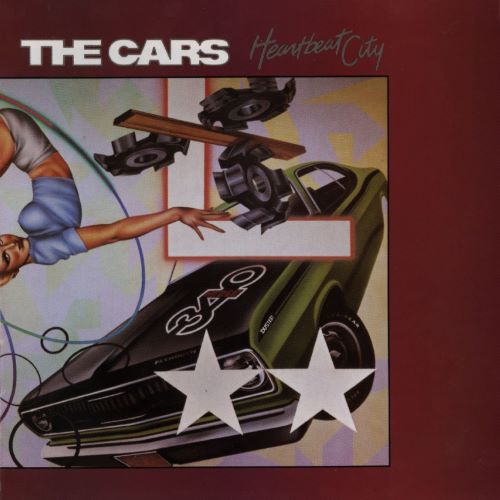
The Cars – Heartbeat City
Released March 13, 1984 via Elektra Records
My Favorite Tracks – Drive, Hello Again, You Might Think
By 1984, the sounds of new wave were at times synonymous with pop and rock. The innovators of this trend were none other than the Cars, who exploded on the scene in 1978 with a debut album that went six times platinum. The band had wrote several other hits in the years since, but had been a bit shunted off critically in 1981 and their most recent album Shake It Up. But the time was ripe for the Cars to ascend again, and that they would do in spades.
The Cars at this point were comprised of the two principal songwriters and vocalists, Ric Ocasek and Ben Orr. Joining them to round out the band were Elliot Easton on guitar, Greg Hawkes on bass and David Robinson on drums. Ocasek and Orr also handled guitar and bass, respectively.
Heartbeat City saw the band leave their long-time producer Roy Thomas Baker and instead set up show with Robert “Mutt” Lange. This album would slot into Mutt’s world-conquering production resume, which already had Back In Black and Pyromania to its list, and would add Hysteria a few years later.
There are 10 songs with a 38:41 runtime on today’s album, of course deluxe reissues with slews of bonus tracks do exist. There is a ton to get to here, given that the record spawned multiple top 10 hits.
Hello Again
The opener sees the Cars full-on new wave with some music that would sound to a younger listener like “total video game music.” It’s a fun, upbeat song generally about returning to a scene after a time away, pretty fitting for the Cars at this point.
This would be a single and hit 20 on the Billboard Hot 100, as well as number 8 on the Dance chart. Everyone was having fun with this one, including Andy Warhol, who directed and guest-starred in the video.
Looking For Love
One of the album’s few non-singles, this one keeps a mid-tempo, very melodic pace through the adventures of a young woman doing just what the title says. It’s another fun track that I suppose could be danced to, if dancing is one’s thing. This song did catch the attention of Falco, who reworked it in German as Munich Girls in 1985.
Magic
Up next is the second single and one that did great business, going to number 12 on the big chart and topping out at number 1 on the Mainstream Rock chart. It’s another simple, well-worked tune about how it’s magic when two people are together. It’s clear at this early point in the album that the Cars are about keeping an upbeat spirit with everything, they weren’t a band to explore the more somber side of things.
Drive
And here is the band’s sad, somber ballad which would mark a thematic departure from their prior work and also chart the highest of any Cars single, reaching number 3 on the Billboard Hot 100 and gaining top 10 placement on the charts of 9 other countries. It was also a major part of the campaign of the 1985 Live Aid concerts and fundraising drive.
Drive is a lovestruck ballad with a gorgeous atmosphere driven by the synth. It seems to be someone in love with someone else who is perhaps unavailable and also certainly on a downward spiral in life, this person needs someone to drive them home, to hear them scream or pick them up when they fall. Music and the lyrics delivered by Ben Orr come together for an absolute whale of a song.
This is a track that certainly deserves its own post and will get one some day. The music video is of note, as it starred young model Paulina Porizkova, who was the distressed woman in the video alongside Ric Ocasek and would later go on to marry him. This is my favorite Cars song and honestly one of my favorite songs, period.
Stranger Eyes
It’s back to the upbeat new wave stuff here with a song that is totally 1980’s. There’s no lyrical analysis here – this is a song that has words because most songs have words, there’s not much going on here. But it all comes together to produce another great song, one that was used in the trailer for the mega-hit film Top Gun but did not make the soundtrack.
You Might Think
Here is the lead single and the first sign that the Cars were on to something bigger. The single went to number 7 on the Billboard 100 and also topped the Mainstream Rock chart. The video was an early example of using computers for graphics and would land a brand new accolade – You Might Think was the winner of the first ever MTV Video of the Year award, even beating out Thriller for the trophy.
You Might Think is another upbeat and fun track, this one a bit more conventional and not as “video game” sounding. It’s a perfect representation of the Cars and a true link between this album and their earlier work. If songwriting were a poker game, the Cars were holding all aces in 1984.
It’s Not The Night
Another absolute 1980’s song with a fair bit of synth tricks sprinkled in. It’s not the night for a lot of things, according the lyrics Ben Orr is singing here, but it is the night for probably something that people who might fancy each other like to do. This song hit number 31 on the Mainstream Rock chart. And that’s without even being released as a single.
Why Can’t I Have You
This was the album’s fifth single and would go to 33 on the Hot 100 chart. It’s another ballad and another sad one, with Ric Ocasek heartbroken that he can’t still have his old flame. The music’s atmosphere suits the lovelorn words perfectly.
I Refuse
This poor song is the only one that either wasn’t released as a single or doesn’t have another piece of trivia to it. The song itself is a nice example of a prototypical ’80’s pop-wave track. While the music is upbeat, the lyrics see Ric Ocasek admonishing his lover for being a two-timer.
Heartbeat City
The album closer also serves as the title track, though the song was originally worked up as Jacki before the title change. This was also the final single and only released outside of the US. This one is total new wave, this sounds just like other NW examples from the time period and doesn’t feel pop much at all. It’s a very nice and trippy way to end the album, a slight bit of a left turn at the album’s close.
Heartbeat City was another massive win for the Cars. The album hit number 3 on the Billboard 200 and topped the Rock Album chart in the US. It also placed well internationally on several charts. The album is certified four times platinum in the US, with more updated sales figures for the US and abroad not readily available.
This was a huge score for the Cars, who were white hot in the late ’70’s but fell off in the early ’80’s after some experimentation. The band was back, and the next year would see the release of a greatest hits set that would sell over six million copies and have the Cars all over the place on radio and MTV.
The Cars would get one more album out in 1987 before disbanding a year later. A reunion wouldn’t come until many years later in 2010, and it would be without Ben Orr, who died in 2000. Ocasek and the remaining members would get out one more album and a few tours, then would reconvene one last time for a Rock and Roll Hall of Fame induction in 2018. The band was laid to rest for good with Ocasek’s death in 2019.
Describing Heartbeat City is pretty simple, in the end – if someone who wasn’t around in the ’80’s asks what the decade sounded like, just put this album on for reference.
Today I’m entering territory I’m not horribly familiar with – I honestly have not listened to a ton of David Bowie. I hit on this song today because I’ve been hearing it around a fair bit lately after not hearing it for a very long time, and also because it does come from the one Bowie album I am somewhat familiar with.
Suffragette City comes from Bowie’s fifth album The Rise and Fall of Ziggy Stardust and the Spiders from Mars, released in 1972. The song was released as a B-side to the single Starman a few months before the album hit stores. Suffragette City later got its own single release in 1976 as part of the greatest hits compilation Changesonebowie. That single did fail to chart, though our song today is a beloved part of the Bowie catalog and can’t be contained by mortal constructs like lousy charts.
Bowie was joined on this song by his Spiders from Mars band on this effort. Bowie handled vocals and some guitar, while his legendary companion Mick Ronson did guitars, piano and synth. Trevor Bolder was on bass and Mick Woodmansey, whose last name is amazing, on drums. Bowie produced alongside Ken Scott.
Today’s song is a total rock and roll banger. It runs in the proto-punk space, with a fast tempo and a bit of boogie with the piano running along too. It does seem another nod from Bowie to The Velvet Underground, a group Bowie admired and had paid homage to previously. While clearly informing the punk rock to come, the song is also an early example of glam rock, something Bowie was a huge contributor to around this time. And the song’s false ending before a “wham, bam thank you ma’am!” and another run of the ending chorus is just great work.
In an interesting bit of trivia, Bowie at first tried to give the song to someone else. He wanted Mott the Hopple to record this track, it was Bowie’s way of trying to keep the troubled band from breaking up. Camp Hopple rejected this song but did record another Bowie-penned tune, All The Young Dudes.
Now comes the question – what the hell is this song about? And honestly, there are no clear-cut answers.
The only concrete thing that Bowie really offered is that he was inspired by Stanley Kubrik’s film A Clockwork Orange when making this album. Bowie wanted to incorporate some of the lingo and alternate language stuff that was in the film into his work. Bowie does mention droogie in the second verse, a very common term from the movie. It doesn’t really tell us what the song is “about” but it does give us an idea as to his headspace at the time and that he might be talking in code on purpose.
Beyond that, we are left to speculate. The term “suffragette” refers mostly to the drive to allow women to vote across various nations in the early 1900’s. The word can also be more loosely applied to refer to women’s liberation and/or feminist causes.
But our song today has precious little to do with women’s progress. The line “this mellow thighed chick just put my spine out of place” pretty well rules out any advancement of women’s causes or shattering of the glass ceiling here. The song is clearly Bowie addressing a friend named Henry, and Bowie is asking his friend not to come around because he’s wrapped up with a woman.
So what is really going on here? Well, there are two prevailing theories, both of which are coherent and make sense, so we can get right into them.
The most practical and seemingly fitting narrative is that the song is a coded communication of Bowie’s bisexuality. The friend Henry was a male lover, and Bowie was spending time at “suffragette city,” or hooking up with women for a spell instead. Bowie doesn’t want Henry around because things are swinging the other way right now. It’s a logical explanation that fits everything very well, though to my knowledge there is zero confirmation of this idea.
The other theory is a time-honored crutch for what rock songs are really about and also, well, a time-honored crutch for David Bowie – drugs. “Henry” is a slang term for heroin, and the song could be Bowie trying to shake the demon because he’s into a girl. It’s also a fair guess but again, I don’t see any evidence to corroborate the theory. I’m not a Bowie expert but he never seemed to be one to unveil the meaning behind his songs anyway so guessing is what we’re left with.
Whatever Suffragette City is about, this is one absolutely monster song that flexes real rock muscle and gets the job done. I hadn’t heard this song in many years when it came on a month or so back when I was eating at Arby’s, of all places. For whatever reason, the Arby’s right by my house has a pretty nicely curated selection of classic rock playing in the dining area. And Bowie has been popping up a lot lately on others’ blogs and in-person conversations so I figured it was as good a time as any to revisit this belter of a tune.
I am still behind on getting posts caught back up, I’ll just skip things here and there until I can truly get caught up and then ahead. No real big deal, I don’t guess.
Anyway – today I want to have a look at Joe Walsh’s breakout song from his solo career. While Walsh’s marquee performance will always be tied to the Eagles and usually Hotel California, there’s little doubt that Rocky Mountain Way is one of a small handful of Walsh’s landmark solo cuts.
The song comes from what turns out to technically be Walsh’s debut solo album The Smoker You Drink, The Player You Get in 1973. The album was billed as Joe Walsh, though the players actually went by the name Barnstorm, the group Walsh formed after quitting The James Gang in 1971. Barnstorm released a self-titled record in 1972, which was well-received critically but not a hot seller.
This album would do better business, hitting number 6 on the Billboard Pop Albums chart and receiving a US gold certification. Rocky Mountain Way hit number 23 on the Billboard Hot 100, Walsh’s first true chart success.
Rocky Mountain Way is a blues-rock jam with one big, fat riff guiding it along. The song meanders along at an easy pace, it is not in a hurry to go anywhere and we are all the better for it lingering around. Walsh also employs the talk box in the song, while its use is panned in general it is a great fit in this particular song.
Lyrically, the song is about how Joe’s move from The James Gang to going solo was a good move for him. It was his way of pushing back the regret of leaving a band with success to risk it on his own. Joe relays in a 2021 interview with Howard Stern (embedded below) that he was mowing his lawn in Colorado when he was “knocked back” by the majesty of the Rocky Mountains in the background. He went into the house, suddenly having words for the music he’d already recorded, and also amusingly left his lawnmower running while crafting the lyrics. Walsh also calls this song the greatest solo song he ever wrote in the interview.
Over the years the song has remained as a staple of rock radio and is ever present in entertainment. Baseball’s Colorado Rockies play the song after every home win (insert jokes here), and the Denver Broncos use a Godsmack cover version during their games. The song has appeared in several movies and is also a part of the Grand Theft Auto franchise, having appeared on the rock radio station in GTA 4.
Rocky Mountain Way is Joe Walsh’s most-played live song, according to setlist.fm. Not only that, but it ranks number 8 in terms of the most-played songs on The Eagles list as well. The song even ranks in another artist’s list with no relation to Walsh – Canadian rockers Triumph covered the song and played it a lot on tour and it secures the number 6 spot on Triumph’s live list.
There’s little doubt that Joe Walsh will be most remembered for his contributions with The Eagles, not the least of which is his part in the solo that closes out Hotel California. But his solo material also deserves consideration, and Rocky Mountain Way is perhaps the top of the heap in terms of magnificence. That fat riff places you right in a smoky dive bar of days past and is one of music’s great moments.




 The Crooked Wanderer