L7 – Shitlist

This post was part of a series that I called S-Tier Songs. I later decided to abandon the series in favor of a simpler Song of the Week format. I am keeping these posts as I wrote them but removing the old page that linked to the list of S-Tier Songs, so that is why these posts might look a bit odd. Enjoy.

L7 – Shitlist

Today’s song hails from L7’s third album Bricks Are Heavy. The 1992 record was the band’s first involvement on a major label and was produced by Butch Vig, who a year earlier had produced Nirvana’s Nevermind which changed music forever. The album saw some grunge influence meet with L7’s already established hard ass alt/punk sound and was the group’s vanguard moment.

Shitlist was not a single for obvious reasons, though it was the B-side to Pretend We’re Dead, the band’s most popular single release. As the album and singles took hold through radio and MTV, this song got its fair share of notice. L7 were pretty hard ass as a whole, but Shitlist was another degree of that.

The song is pretty simple musically – it’s got some nasty distortion on a pounding riff and rhythm. The guitar adds some flair here and there, but this song is a vessel to communicate a message rather than provide an exercise in pentetonic scales. Donita Sparks delivers a vocal with a combination of snarl and disaffection to perfectly fit the nasty tone of the music.

Lyrically this is a blatantly obvious song – we’re pissed off, and there’s a list of those who did the foul deeds that led to this state. There’s maybe only 20 different words used in the lyrics but everything works so well to communicate the message – you’ve made my shitlist. It’s one of the first songs that comes up when people talk about “angry songs” or things like that, Shitlist has truly made its mark in that regard.

There are no real metrics to evaluate in terms of Shitlist’s success. The album Bricks Are Heavy was last certified at 327,000 copies sold in the year 2000. I’d wager that it’s moved a few more since then and maybe a re-certification would see it get past the gold threshold, but I can’t say for sure. The song didn’t get MTV play because, well, just look at the title.

But Shitlist did strike a chord with music-listening America in the early 1990’s. While the L7 singles like Pretend We’re Dead and Monster got video airplay, people in the know would make sure to tell you to get the damn album so you could hear Shitlist in all its glory. Word of mouth was still important in the pre-Internet days and that’s largely how a song with a controversial name like this would get out there.

Shitlist did get another boost from appearances in several movie soundtracks. The song was in quite a few movies, actually, though to be honest I’m not sure I want to go deep diving on some of those early ’90’s movies to recall the flicks more specifically. But Shitlist did land a very memorable part in one movie scene.

In the opening scene of 1994’s Natural Born Killers, the movie’s main couple Mickey and Mallory Knox are in a diner out in the middle of nowhere. A local patron starts putting moves on Mallory. Her response is to go to the jukebox and put on Shitlist, then beat the shit out of her harasser. Mickey joins in and the couple kill everyone in the diner, except for one they leave alive to report that Mickey and Mallory were responsible.

This is the scene, don’t count on it being upon YouTube for a long time.

The movie released just after L7 had released their next album Hungry For Stink. I don’t know if the movie scene had a huge impact on sales of that or Bricks Are Heavy, but the way that scene is still vividly recalled today, I’d guess that it had some influence.

L7 would continue on through the 1990’s but run out of steam by the turn of the millennium and call it quits in 2001. They would reconvene in 2014 and have been touring and releasing music since, with a renewed interest in a band that many felt didn’t quite get their full due in their first run.

Why is this an S-Tier song?

Shitlist is simple, heavy and powerful. Its message cuts true and is something every person on the planet can identify with, someone’s made our shitlists at some point in time, even the most zen of folks. L7 were known for bringing the nasty when they wanted to, and Shitlist was another extension of that. Its memorable tie to the scene in Natural Born Killers still resonates with viewers who may not have ever bought an L7 album in the ’90’s. This was not a band to mess with, and Shitlist was the calling card of that.
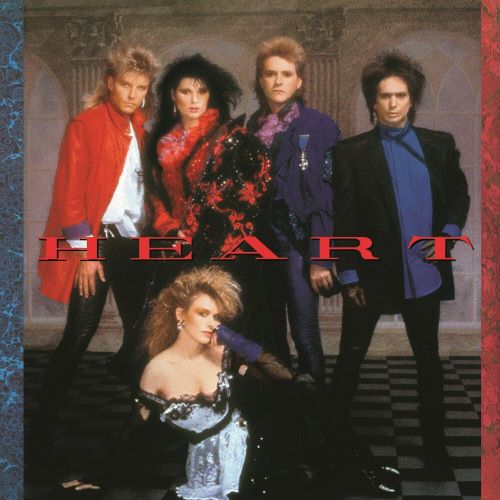
Heart (Album of the Week)

For this week I’m pulling out one of rock music’s greatest transformation albums – a band shifting their sound to fit with the times. Some call that selling out, others call it the smart play. In the case of Heart it was very much the latter, and the group would land the biggest success of their career by fully embracing the glitz of 1980’s hair and glam rock.

Heart – self-titled

Released June 21, 1985 via Capitol Records

My Favorite Tracks – What About Love?, If Looks Could Kill, The Wolf

Heart began in the 1970’s and released a string of renowned albums that resided in the hard rock/folk rock realm, an interesting combination not heard every day. The band gained notice with their unique blend of music and also for their front-line sisters, guitarist Nancy Wilson and lead vocalist Ann Wilson.

Then the 1980’s came and rock music changed. Heart entered the decade well enough but had two dud albums through the early ’80’s. It could be said that Heart’s musical transition was started on those albums, though the true fruits of the change would arrive with this self-titled record in 1985, just as hair metal and its associated sounds were becoming the music of the day.

The songwriting on Heart is its own tale, as some of the songs were shaped by the Wilson sisters and several others were done by outside songwriters. I won’t be running down each individual one, just a few of the more notable ones, because it would make this post 10,000 words long. Credits are available in the album’s liner notes and in many places on the Internet for those curious. The album was produced by Ron Nevison, who was one of the go-to producers of the 1980’s.

Heart boasts 10 songs in 39 minutes so not an overly stuffed album, but half of these songs were singles and a few were major hits so there’s plenty to talk about here.

If Looks Could Kill

The album opens with a cover tune of a song also done in 1985 as a dance song. Heart took a more rock approach and fashioned a pretty cool song out of it. It’s very synth heavy, which would figure since it came from the dance/disco world but it’s translated well to the melodic rock environment. The song sees a cheating lover being the object of scorn.

If Looks Could Kill was the album’s fifth and final single, and also the only one not hit the Billboard 100’s top 10.

What About Love?

Another cover song, this time from Canadian band Toronto and one that group did not release originally. Heart would up with the song and would make hay with it, hitting the top 10 of the Billboard 100.

While unfortunate that Toronto did not get to enjoy the original fruits of their labor, this song fits the Heart album like a glove. It is a defining power ballad of the ’80’s and was the keys to the car for Heart’s comeback. It is a song that reminds people who are chasing their “way to the top” that love is still out there and is a more important force than whatever comes at the end of the rat race.

Two notable guests appear to help with backing vocals – Grace Slick and Mickey Thomas from Starship.

Never

Another album single and one that would get to the 4 position on the Billboard 100. This is an upbeat, very poppy melodic rock offering about being disgruntled by love but being ready to give it another go.

These Dreams

Up next is another single and Heart’s first chart-topping hit. The song was originally written by the songwriting duo of Bernie Taupin and Martin Page, two folks who’ve had hands in countless hits. The pair offered the song to Stevie Nicks, who turned it down. Heart were more receptive to it and the rest is history.

Heart switched tack on this song as Nancy Wilson handled the vocals. Nancy had been ill during recording and the production team was quite happy with her raspy take, so much so that she’d be asked in the future to “get sick again” to emulate her style here.

These Dreams is an atmospheric track with the lyrical concept of going to a different world while sleeping and getting away from the issues of regular life. The album’s liner notes dedicate the song to Sharon Hess, a fan who was battling leukemia and met the Wilson sisters during the recording of the song. Hess died just before the album’s release.

The Wolf

Here we hit the first of a few songs that weren’t singles. This is a very nice track that’s all rock and deals with a man out on the prowl who isn’t worth the trouble he brings. This song didn’t get the attention of the hit singles obviously, but it’s well worth a listen as it’s a great ’80’s rock song.

All Eyes

Its 2 for 2 on album deep cuts here with another good rock song. It’s a nice song about hooking up, pretty standard fare for the time. So far the album’s deep cuts compliment the singles well and make for a nice album listening experience.

Nobody Home

This one is a slow ballad that also kind of throws things off for a moment. It is very keyboard driven, which is not a problem in and of itself but the key part sounds like the soundtrack bits of a Final Fantasy video game. FF didn’t exist when this song was recorded but it’s the vibe I get from the song.

The song doesn’t pick up much steam as it goes along even with other instruments coming in. It’s a nice enough sentiment about someone finding no one around when they inevitably fall, but the song doesn’t do a lot for me.

Nothin’ At All

This was the album’s fourth single and also the fourth straight to hit the Billboard 100’s hallowed top 10, hitting exactly that position. This is a very easy-going rock track about how sometimes love just happens super easy without any fuss or drama. The video for this one was pretty popular and features the band simply goofing around.

What He Don’t Know

It’s back to the rock, this one is a fairly tame number but it does pick things back up after that last song. This one puts the shoe on the other foot in contrast to the opening song, as this time a couple is cheating while the singer’s significant other is unaware. It was fairly scandalous song material for the day as adultery and cheating was a huge deal back then, but no one gives a damn today. I don’t recall this song catching any actual grief though.

Shell Shock

The album closes on one more really cool song, it’s a straight ahead rock song. Ann Wilson is going a bit rapid fire in the verses here, it’s a neat way to wrap up the record.

Heart was not only a return to commercial success for the band, this was the peak of their album success. The record topped the Billboard 200 and was on the charts for 78 weeks. It has been certified 5 times platinum in the US and 6 times in Canada. Along with four straight singles in the top 10 of the Billboard Hot 100, and this was a massive win for Heart’s ’80’s glam makeover.

Heart were successful in updating for the times and re-energizing their career, though for some it was too drastic of a move away from the classic sound that made them popular in the first place. I personally have no issue with it at all – while I think their ’70’s output is spectacular, I also love their ’80’s hair era. The songs were there and the band rode the wave of big hair and power rock/pop, usually doing it better than many others in the same era.

This would mark the start of a three-album run that saw Heart churn out more hits, including the biggest single of their run in 1987. After the “big hair” era ended, the Wilson sisters would return to their roots and explore more of the work that put them on the map in the first place. But they certainly left their mark on the 1980’s.

Tales From The Stage – John Mellencamp

Going back now to 2016, and yeah it’s still weird that it was now seven years ago. The occasion was John Mellencamp in concert. I had never seen him live before so I jumped on the chance when he booked a local show.

The show was at the Juanita K. Hammons Hall for the Performing Arts on the campus of Missouri State University. Sure it’s a mouthful to say but it’s a great place to see a show. It is a theater type of building with balconies that look basically right over the stage, meaning there really isn’t a bad seat in the house. I was up in one of the first few rows of the first balcony and had a great view of the stage, even from up a bit in the air.

Opening the show was Carlene Carter, the first-born daughter of June Carter and a performer since the mid ’70’s. She had been collaborating with Mellencamp and this would continue into the next year when they released a joint album. Carlene played a set that featured some old Carter Family standards like Will The Circle Be Unbroken as well as her hits from the early ’90’s, including Every Little Thing. She was very engaging and put on a really nice show. I wish I had more to say about it but this was seven years ago and also not a single person uploaded a setlist of hers from any stop on this tour so I’m a bit hosed on that. Had I known that I would have kept track of it that night but I’m not bright enough to do that.

Between sets Carlene was reportedly giving free hugs in the main lobby by the merch stands. I missed out on that because there was a beer vendor just off to the side of my section. Them’s the breaks, I guess.

Here is a bit of very good footage of Carlene from the same year in North Carolina.

After the break, John Mellencamp came out with his band, or at least the first iteration of it. For these shows John was splitting things into two mini-sets – one with more country-oriented instruments such as fiddle, and the second with the standard rock package.

Mellencamp opened with two songs from his most recent album, 2014’s Plain Spoken. Lawless Times and Troubled Man were the cuts. I wasn’t overly familiar with them but they were good songs to kick the show off with. He then went into two old classics, Minutes To Memories and Small Town.

John filled the time between songs with some banter, telling short stories about stuff his kids were up to and things like that. The set would run through several songs from different eras – hits like Human Wheels and Check It Out as well as other cuts from albums more recent.

The oldest album Mellencamp went back to for a song was 1982’s American Fool. He made sure to let the crowd know that he personally didn’t want to do the song but he knew everyone would riot if he didn’t, and then went into Jack And Diane. It is one of his bigger hits but also does get a fair bit of flack. John has not been shy about not liking the song but hey, you gotta play your hits. The crowd was into it so I guess that’s the important part.

The first part of the set rounded out with two collaborations with Carlene Carter – Indigo Sky and My Soul’s Got Wings. Both of these would appear on their joint album the following year. Then some instrumental parts led to a brief set change to set up the rock half of the show.

And when I say rock, I mean rock. Mellencamp and company came out to absolutely shred. The guitars were distorted and turned up to 11 and the band pounded out the hits. Rain On The Scarecrow led the way, with other hits like Paper In Fire, Authority Song and Crublim’ Down following. The set would close on Pink Houses and then Cherry Bomb.

That would wrap up the night. I was very glad to have finally seen Mellencamp live as he had been one of about a million artists I’ve missed over the years. It’s far easier to see someone when they play local as opposed to dealing the hustle and cost of travel to a major city, and this show was literally a few miles from my house. It was off into the night for me, with one more artist checked off my bucket list.

This video is not good at all but the sound is ok and it’s from the very show I was at.

Soul Asylum – Grave Dancer’s Union (Album of the Week)

This week I’m taking a look at one of the breakout alt-rock albums of the early ’90’s. Soul Asylum had been a long-running independent band by 1992, but a massive single would propel them to the top of the board.

Soul Asylum – Grave Dancer’s Union

Released October 6, 1992 via Columbia Records

My Favorite Tracks – Without A Trace, April Fool, Black Gold

Soul Asylum found the stage for success when rock music turned on its head in the early 1990’s. What was alternative and independent was now mainstream, and Soul Asylum were gearing up their sixth album by this point. The band was experienced and ready to break out.

The lineup at this point had been stable for awhile but was going to experience a shift. Dave Pirner was the band’s frontman and rhythm guitarist, Dan Murphy provided lead guitar and Karl Mueller was on bass. Grant Young was the band’s drummer but issues cropped up during recording and Sterling Campbell was brought in to supplement the drumming. Each drummer played on roughly half of the album. Young would remain the band’s drummer for the tour but Campbell would take over before the next album.

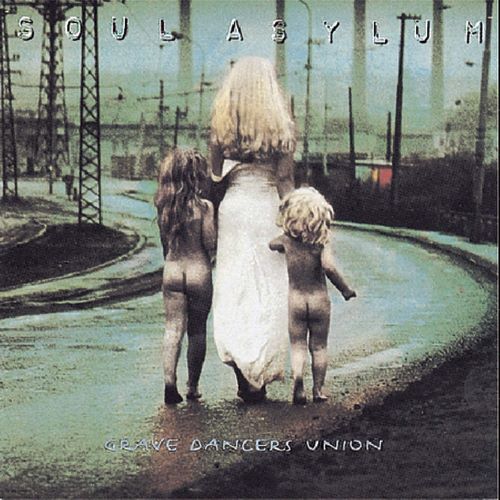
The album’s cover photo was a curious choice, it is a 1970 photograph by Czech artist Jan Saudek titled “Fate Descends Toward The River Leading Two Innocent Children.” Other Saudek photos have been used in cover art over the years, this being the most prominent one.

The album runs through 12 songs in fairly quick 44 minutes. There is a reissued version with live bonus tracks but I’ll be tackling the main release today.

Somebody To Shove

Opening with the album’s lead single and very nice song. It has a great hook and a nice concept about being frustrated with trying to fall in love. This was Soul Asylum’s introduction to the world at large and it worked well, as the song landed toward the top of the Alternative and Mainstream Rock charts.

Also of note – both this and the Black Gold music videos were directed by one Zack Snyder. Not sure if there are Snyder Cuts of these videos, I’d assume not.

Black Gold

The second single kept the ball rolling for this album until the train was ready to leave the station. Though a very sad song, the chorus keeps things squarely in the rock realm. The lyrics do offer a ton of room for interpretation, though it is generally given that the song is about the Persian Gulf War of 1991. For me the lyrics hit pretty hard, especially the parts about being in a small town, and as it turned out my ticket out of there was the military.

Runaway Train

Probably not a more fitting name for a song that would become the vehicle to smash success in music. The song itself is a forlorn ballad that Dave Pirner wrote about depression. The song also features a cameo – Booker T of the MGs provided keyboards.

This desperate single would climb to number 5 on the Billboard Hot 100 and was everywhere on release. It was aided in great part by its music video, which took a different tack and featured pictures of missing children. The video and missing kids were changed for each major territory, and in the US there were 3 versions of the video each with different missing children.

The video is credited with helping locate at least 26 of these missing kids. This doesn’t have the happy ending it might convey, as many of the missing kids were murder victims. And several of the featured children were never found.

While the truth behind the video’s children might be stark, the song Runaway Train was a huge leap for Soul Asylum. The single itself went gold in the US and won the Best Rock Song Grammy in 1994. Its success would also fuel sales of the album and this would wind up being a runaway hit.

Keep It Up

After the weight of the prior song, this is a more uplifting tune both in music and theme. On its own it’s not a song I’d be all that into, but it does serve a great place in the album’s sequencing to come just after Runaway Train. And in general it was a more uplifting alternative to the gloomy grunge of the day.

Homesick

Another sad song, this one is hauntingly quiet as the narrator longs for a place they’ve never actually been. Not a ton to say about this one but it’s pretty well done.

Get On Out

Again keeping with the sequencing of going sad/uplifting, this one hammers at the depression and bad thoughts. This is a pretty good one and very well written.

New World

Another sad and quiet one though this one is a bit more abstract in theme. It does have to do with being stuck in a small town but it gets into some other territory as well. Like most everything else on the album it works pretty well.

April Fool

As the album winds toward its last third we take a detour into massive riffs. April Fool is a great song that combines riffs that are near heavy metal with some silly lyrics to paint a picture of cool and hip. It’s a departure from the album’s norm and it’s a wonderful back-half gem, though we’re just getting started on that front.

Without A Trace

The late-half gems continue with this amazing song. This did actually get released as a single toward the end of the album’s life cycle. While many of the songs here are either sad or not, this one combines all sentiments and distills them into an essence greater than the sum of its parts.

Dave Pirner wrote the song about always being on the move to try and find something new or try and get away from the trappings of the old place. And the guitar hook on this is just spectacular. It’s like a ’90’s country song but put on rock steroids.

Growing Into You

This one is a pretty straightforward alt-rock slammer. It doesn’t quite hold up to the two preceding tunes but it’s a nice song worth the time.

99%

One more hidden gem before the album winds down. This is a sloppy, distorted mess, which is always right up my alley. It’s also a pretty accurate treatise on love and how it’s a 99% thing. Not much else to really say about it, just a nice, dirty love song.

The Sun Maid

The album closes on a quiet and very melancholy track. It’s a departure from the songs prior to it for sure. The song in and of itself is not bad by any means but I’ll admit I’m one of the people who aren’t’ all that into it. It just crashes the mood after all the rocking out that just happened. I know some people passionately defend this song and I’ve had arguments over it in the past, but I’m not gonna be swayed off my position after 30 years.

Grave Dancer’s Union was the album that put Soul Asylum on the map. It charted at number 11 in the US and held high spots in many European countries. It has at least two US platinum certifications and maybe even three, this information is a bit hard to nail down sometimes.

It would not be a long stay in the mainstream eye for Soul Asylum. Their next album would produce another hit single but the band would ease back into the independent scene after that. This was more their moment in the sun than a great arrival. Soul Asylum are still an active outfit today.

For me I very much enjoyed this album when it came out, even though at the time I was mostly exploring the extreme metal scene. These songs had the right amount of creativity, sadness and wit to stand out from others in the alt-rock crowd. This is decidedly a rock record but it certainly has shades of country to it. It was fantastically written and played, and it remains a staple of the ’90’s alt-rock era.

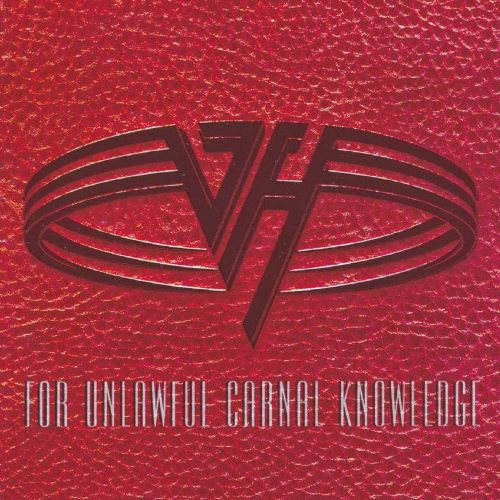
Van Halen – For Unlawful Carnal Knowledge (Album of the Week)

This week it’s time to head back to the fateful year of 1991, but in this case it’s to visit a band that was immune to the tectonic shift in rock that year. Van Halen were riding high heading into their third album with Sammy Hagar at the mic. While many dismissed Van Hagar as AOR rubbish that didn’t hold a candle to the beloved David Lee Roth era, VH were cranking out number one albums and hit singles as well as arenas full of eager fans.

Van Halen – For Unlawful Carnal Knowledge

Released June 17, 1991

My Favorite Tracks – The Dream Is Over, Poundcake, Judgment Day

Van Halen spent a year recording their first effort of the 1990’s. While Andy Johns was tabbed to produce, the band also brought in an old friend – Ted Templeman, who had famously guided the band’s early albums but had been absent through the Van Hagar era. The duel producers were a means to satisfy Sammy, who apparently didn’t enjoy working with Johns.

This album would see Van Halen forego the synth-based AOR rock of the late ’80’s and move to a heavier song structure based on guitar, and the occasional power tool. While I’m sure the band made the decision on their own terms, it did coincidentally fit with the times as the album’s release slotted in the summer that hair metal, AOR and other venerable forms of rock met their mainstream end.

The album cover is nice though also basic, but the real art lore was in the inner booklet pictures. In first pressings of the album, one photograph showed a blackboard with a bunch of phone numbers on it. Some of the phone numbers got massive amounts of calls, so the record label repressed the album with the phone numbers removed. Note that these CD and cassette versions are not hard to acquire, it was a mass produced item so the phone numbers version carries no premium. Vinyl copies of the album did not have the blackboard photo that I know of, but vinyl of this album is scarce and does command huge value.

And of course there’s the album title. If it isn’t obvious, it spells out FUCK. The phrase was NOT the origin of the actual word “fuck,” which is a thing that’s out there but isn’t true.

There are 11 songs running at near 52 minutes total, time to head on in.

Poundcake

We start off with Eddie using a drill to mess with his pickups and then we’re off to the races. This is a heavy, driving track that doesn’t go too fast but really slams its point home. And that also happens to be what the song is about – slamming the point home with a nice, lovely woman.

Judgment Day

This one retains the heaviness but gets a bit faster as Sammy extols the virtues of kicking back in life and staying out of the ambitious rat race. This song was a big hit with my teenage self, perhaps informing me a bit more than it should. But hey, it’s all good.

Spanked

This one is pure sleaze and grime. This is some monster heaviness from Eddie and the band, it goes a degree further with it than Van Halen ever really went before. This one also has a good helping of the backing vocals that Van Halen were famous for but were not emphasized a lot on this album.

The song is about the old 1-900 numbers, which were a pre-Internet outlet for the sexually frustrated gentleman. They were total rip-offs as magazines were far cheaper, but I guess nothing beats that “personal” interaction. The song today would be about OnlyFans.

Runaround

One of the album’s featured singles, this track is a bit of a faster-paced and a less R-rated version of a sex song. It could be considered basic but it’s a pleasant song and I don’t find anything wrong with it. The video makes use of the rotating stage Van Halen were into using in their live shows, a pretty obvious fit given the song title.

Pleasure Dome

This one is a bit of an oddball. It’s still fittingly heavy for the record but is also a bit out in left field, at least in vibe it’s reminiscent of the prior album OU812. It seems like someone is caught in an artificial utopia of some sort but is aware and wants out, some kind of virtual reality or simulation kind of thing maybe. There is some seriously crazy riffing from Eddie on here, it hangs back a bit in the song but its truly something to behold.

In ‘N’ Out

A bit more of an “open” rocker here, it’s a song about how money makes the world go around and most people are basically screwed no matter what they do. The song’s loose rock vibe is a bit in contrast with the grave subject matter but it’s a sign that Van Halen were willing to explore more serious lyrical fare, something that comes up again on this album.

Man On A Mission

Another bit of a loose and upbeat song, this is Sammy motivating himself to go out and get his girl. Parts of the song are a bit self-help in nature and then other parts are total sleaze, it all works pretty well overall.

The Dream Is Over

A total vibe shift here from going out and getting some to a stark condemnation of the system and its leverage against the average citizen. This one really came from out of nowhere and delivered a powerful statement about the workings of society. Eddie and Sammy had discussed turning an eye toward more serious lyrical fare and they hit on it big time here. The song feels like nothing less than a death certificate for the American Dream and feels just as relevant today as it was 32 years ago.

Right Now

The album’s huge hit and a song that caused a lot discussion back on release. This was another of the songs with a more serious look at things and is the song Sammy Hagar has declared his proudest lyrical moment from his Van Halen days.

Right Now is about embracing change and reaching for it in the moment, even in the face of great adversity. The music video featured a bunch of random footage with text of things that were going on “right now,” some funny but many serious. The video was a smash hit and is likely the band’s biggest of their career.

Right Now was also used by Pepsi in a huge advertising campaign for Crystal Pepsi. The story of that soda is an odd one all its own, but for Van Halen it caused a fair bit of anger for the band “selling out” to corporate interest. Eddie justified the licensing, saying that the ad agency would have simply hired some jingle writers to do a basic cover of the song anyway, and he was correct in that assessment.

316

This instrumental track was originally written during the 5150 era but was brought back out by Eddie when his son Wolfgang Van Halen was born. Wolfgang’s birthdate was 3-16-1991, thus giving a title to the piece. This one is a quiet and reflective piece that sequences very well after the thematically heavy nature of Right Now.

Top Of The World

The album ends with a more “standard” Van Halen track that connects more to the prior Van Hagar releases. It’s a pretty simple and uplifting song that pretty well says what the title communicates. It’s a pretty nice way to close a record that was filthy in parts and serious in others.

For Unlawful Carnal Knowledge was another smash hit for the Van Hagar camp. It spent 3 weeks at the top of the Billboard 200 chart and would come out with 3 US platinum certifications. Singles from the album were all over radio and MTV, and the band’s tour for this cycle was one of their longest. While success can be defined by many different metrics, this period was easily one of the band’s most successful. Music critics were not very into this album, but the record won the popularity contest.

For me personally this was a pretty watershed moment in my music history. The summer of ’91 was when I really took off as far as getting into music goes, and I went to get this one on the day it was released. Along with it I also bought an album that had just come out a week prior, that being Skid Row’s second album Slave To The Grind. I went back and forth between both albums constantly and both tapes got wore out pretty quickly.

The “Van Hagar” era gets a fair bit of flack from Van Halen fans, with many people living and dying on the classic catalog built in the band’s first frame with David Lee Roth. I would never in a million years argue against that period of the band. But to discount Sammy’s tenure is short-sighted and for me, this album is the high point of that time.

The Black Crowes – She Talks To Angels

This post was part of a series that I called S-Tier Songs. I later decided to abandon the series in favor of a simpler Song of the Week format. I am keeping these posts as I wrote them but removing the old page that linked to the list of S-Tier Songs, so that is why these posts might look a bit odd. Enjoy.

The Black Crowes – She Talks To Angels

Today’s subject was the fourth single from the 1990 multi-platinum smash Shake Your Money Maker. The song got to number 30 on the Billboard Hot 100, but caught the number 1 spot on both the Mainstream rock chart and the Radio And Records AOR Tracks chart. If you haven’t heard of that last chart, you are in good company because I haven’t either, but a number 1 is a number 1.

For the Black Crowes, this kept the train rolling. They were literally living up to the name of their album – the money maker was in full swing. This southern band bucked all trends and were a hot commodity all through the turmoil of 1991, essentially immune to the seismic shifts in rock trends that happened during the fateful summer.

She Talks To Angels is a fairly simple acoustic tune. After a bit the drums and an organ join in but the song is basically the background music and the singing. Simple is often best for songs, especially those intended for mainstream appeal, and everyone hit the nail on the head here. While the Black Crowes were certainly capable of more than a catchy tune, that would be an exploration for their future albums. Here on the debut things are kept trim and effective.

Where the song really connects with people is in its theme, and it’s a very sad one of a young woman caught in the grip of addiction. This isn’t a story-song so much as a peek into the life of someone gripped in the pains of drug addiction. This song paints a picture and leaves it for inspection, there is no beginning and end here.

It is a fairly universal theme, one that a fair number of people have some experience with. Many have either been the girl in the song or know the girl in the song. Well, that applied to a lot of people, but not so much the song’s creator Chris Robinson, who just kind of knew the girl who inspired the song.

Chris tells the story in the 2010 YouTube piece embedded below – the song is about a goth girl he knew growing up that was addicted to heroin. Everything else about the song came from Chris’ imagination, as at the time he had no experience with the issues he was writing about. He did know the girl and was friendly with her but did not relay any of her personal story through the song.

This song has lived on through classic rock radio and is also a streaming champion with over 100 million Spotify plays. It would make any list of essential Black Crowes tunes, even after the band spent a career carving their own path out since the debut. It’s also a song that has been covered endlessly by artists from all genres of music.

Why is this an S-Tier song?

She Talks To Angels is a sweet yet sad acoustic ballad outlining the trials of a young person caught in addiction. The theme caught on with a wide audience and the song itself was one of several hits from a mega debut album. Over 30 years later the song remains a staple of rock formats and a favorite of many far and wide.

The Song Remains The Same – Bad Day

It’s time again to play that game where I take a bunch of different songs with the same title and see which one is the best. Today is especially interesting because I don’t have a clue who is going to win this as I set out to write, in fact there are a couple here I haven’t heard at all.

As per usual, this is not a comprehensive list of everyone who has ever recorded a song with this title. Hell I’d bet this list would be a mile long if I really got to looking. But these choices represent a pretty good selection of stuff so I’ll go with them.

R.E.M.

Leading off with the alt-rock behemoths and a song that was originally done in the mid-80’s but was unreleased for nearly 20 years. The version that appeared on a 2003 greatest hits comp was a re-recorded version, then an outtake from the 80’s under a different title was issued a few years later. Bad Day was released as a single and did respectably well. I’m not knowledgeable on R.E.M. at all but from what I can gather, their fans think a lot of this song.

This song is pretty good. Michael Stipe sounds a little tired here, maybe it’s just what I’m hearing. But it’s a decent track with a good groove that’s not far removed from their hit It’s The End Of The World. They lyrics deal with the media and all the wonderful stuff they bestow. Nothing rules this song out of the contest at this point.

Daniel Powter

Let’s get this one over with – this was a mega hit song in 2006 or whatever. This guy was not technically a one-hit wonder as he had one other song barely crack the Top 40, but in any practical sense this is a one-hit wonder thing.

This song is annoying. It’s adult contemporary pap. It doesn’t get into anything specific at all, it’s just a generic mish-mash of shit that happens when you have a bad day. Of course everyone can “identify” with it – there’s nothing but vague generalities here. Next.

Fuel

On to the other more or less known quantity here and also a decently-performing single from the band’s 2000 album Something Like Human which was their apex in terms of success and visibility.

This song has far more going on for it than the last one. It’s maybe not much more in terms of specific themes, but the alt-rock presentation is leagues better than whatever that last one was. Dude could sing too, that does more or less carry the tune. A pretty good one here that certainly bears consideration come decision time.

Juliana Hatfield

While I know the name, I am honestly very unfamiliar with Juliana’s work. I maybe saw a video or two on MTV back in the day but I have no recollection. This song is from her 1998 album Bed, which is where I’d rather be on a Friday morning as opposed to getting ready for work.

This song is good, I enjoyed my few plays of it. There is an actual narrative here that can be followed, something is actually going on to cause the bad day. This could be a case of a song I haven’t heard at all before coming away with the victory, though there is one more contender.

Blur

And finally on to a group I am actually a fan of, though I don’t recognize the song title right off hand. And that’s probably because it’s from their debut album, 1991’s Leisure. The album highlighted the band’s potential but was also a bit of a sloppy mess.

I don’t recall the last time I played the album or this song, it’s probably been a very long time. With it going now I think it’s a pretty cool tune. It’s maybe not representative of what Blur would become, but it’s a groovy little jam that bears resemblance to some of the stuff coming from Great Britain in that time period.

So now it’s decision time and when I take everything into consideration, I’m left with a choice between the last two – Juliana Hatfield and Blur. And while the first impulse is to pick the band I listen to, when it comes down to it, I think the other track is a bit better.

Winner – Juliana Hatfield

For the first time I’m going with a song I’ve never heard before doing this. It’s a fair indication I should explore more of Juliana’s catalog. Though in all honesty, today’s contest was fairly fought among four good contenders and only one stinker, which of course in the music biz means it was the best-selling one.

I’m gonna leave with a bit of a bonus, since they don’t always have to be bad days.

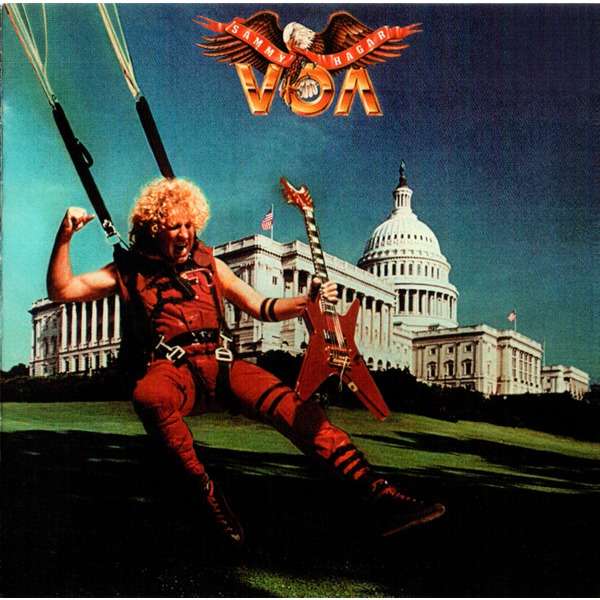
Sammy Hagar – VOA (Album Of The Week)

Today it’s time to look at one of the crown jewels in the career of the Red Rocker. After a slow grind to relevance as a solo artist, Sammy Hagar began making waves in the 1980’s and would launch the album with his most successful hit just before going on to mega-stardom with Van Halen.

Sammy Hagar – VOA

Released July 23, 1984 via Geffen Records

My Favorite Tracks – Burnin’ Down The City, I Can’t Drive 55, VOA

This marked Hagar’s third album with Geffen Records after a string of modestly-performing solo records with Capitol. On production was Ted Templeman, who’d worked with Hagar previously with Montrose and of course is also long associated with Van Halen.

It’s not a terribly long album here with 8 tracks at 36 minutes so let’s get to it.

I Can’t Drive 55

The opener was also the lead single and also the signature song from both this album and Sammy’s solo career overall. The speed limit on US highways was 55 miles per hour for a long time to offset oil consumption in the 1970’s. Sammy got a ticket for going over that and wrote the song right after.

The song is a nice power rock track backed by keyboards and cuts its message in simple and effective fashion. This wasn’t a social issue that would draw the attention of the likes of Bono, but a lot of people were fed up with the federally-mandated speed limits and this song resonated with a great deal of the country.

Aiding in the song’s popularity was its goofy and fun music video, which sees Sammy and his “pit crew” band get busted for speeding. The courtroom scene is especially funny, featuring famed Geffen A&R man John Kalonder as the judge. And the mechanic in the video’s intro is Claudio Zampolli, who also worked on Eddie Van Halen’s cars and was the one to suggest to Eddie to hire Sammy for Van Halen.

Swept Away

Going on a tropical island getaway here with some lovely gal, the verses open with an atmospheric portion but then kick into a pretty rocking riff. Not a typical verse/chorus structure here but still a pretty simple song that does its job well.

Rock Is In My Blood

Sammy always likes to make songs about rock and metal and here we are again with another choice cut of that nature. It’s a heavy riff with the keyboards accenting the song rather than being the driving force and that works very nicely. I still remember the first time I heard this and being taken aback at how Sammy worked “blood transfusion” into the lyrics and how it fit in rhythm without actually making any sense lyrically.

Two Sides Of Love

The album’s other single did modestly well on the charts and wasn’t actually all that far off of I Can’t Drive 55, but this song didn’t slam into the public consciousness quite like the other one did. This is a song about love but not a “love song,” this deals more with the complications of long-term relationships and life. It’s certainly a product of the ’80’s but it doesn’t quite fall into cliché.

Dick In The Dirt

Side two kicks off with a funny song about Dick and Jane and all the double entendre stuff they get up to. This is one of those songs that could go south real quick but again there’s a very nice riff backing it all up and it holds together pretty well.

VOA

The title track is a hard rocker with the keyboards more up front in true ’80’s power rock fashion. And in keeping with 80’s USA themes, the subject matter is American exceptionalism. There was conflict in the Middle East and also the Cold War with the Soviets was in its final stages and this song sums up the US side of things pretty well. This song might seem silly now and maybe even was back then, but it fit the times very well.

Don’t Make Me Wait

Heading toward the end we get a fairly simple love song that still stays out of real “ballad” territory and keeps with the sound and feel of the album. This one is kind of paint-by-numbers but there’s nothing wrong with it.

Burnin’ Down The City

The album closes with a real monster of a tune and my favorite on the album. The mood goes far more dark here than what’s found elsewhere on the record. The song was inspired by New York City’s street artists according the album’s liner notes. The track goes beyond street art and embraces chaos and destruction in heavy fashion. Had this song been out some years earlier it could have made the soundtrack to The Warriors.

VOA was the realization of success for Sammy Hagar. He had an album that went platinum within a year and the song that would come to define his career. I Can’t Drive 55 would blare across radios and MTV all through the ’80’s as the speed limit remained, and would become a part of auto racing culture even after the speed limit was repealed in 1995. It resonates even today in a culture of bad drivers who used the Grand Theft Auto games as driver’s ed.

The trick for Sammy would be to pull this off again and follow up his success with another hit album. He’d sidestep that issue entirely when he joined Van Halen in 1985 and saw massive success with them. He’d do one more contractually obligated solo record in 1987, but it would be another decade and his split with Van Halen before he resumed his solo career and found a different form.

Sammy Hagar arrived in 1984 with the perfect record of melodic hard rock to get on the scene and score a victory lap after his prior success in the early decade. It’s a fitting end cap to the first phase of his solo career and a launch pad to his time fronting one of rock’s greatest acts.

Guns N Roses – Unplayed Songs Live

Awhile back I had a look at the songs that Iron Maiden have not played live. It was a fair run through a decent portion of their catalog and kind of a fun exercise to guess what might actually see the light of day on stage versus what almost certainly will never get played. The idea for it came from a Loudwire article, and the site has struck again with the “songs never played live” series. This time the subject is Guns N’ Roses, as the title of this post probably hinted at.

Now this will be a radically different post – GnR only have four songs never played live. I was a bit shocked by that information. While the band were relatively inactive for a long time and do only have what qualifies as four full-length studio releases plus some originals on an EP, four is a very surprising and low number. It means they have run through the vast majority of their catalog in a live setting.

It’s not surprising that all of Appetite For Destruction has been played live, they probably took care of that in the late ’80’s as their star was burning super hot. The GnR Lies EP also has a few original tracks and all have been played live at least a few times, including the mega-controversial song One In A Million. And if we fast forward to 2008’s Axl-led spectacle Chinese Democracy, we will find that those too have all been played live. As a note, this doesn’t count cover songs, so that one thing they released in the mid-90’s before they split isn’t on here.

Yes, in order to pinpoint the unplayed songs we need to visit 1991 and the infamous Use Your Illusion double albums. It is these two discs that all four of today’s songs hail from. It’s honestly more shocking to me that they only didn’t play four of these songs.

Way back when I started this site I did a pretty in-depth dive into the UYI albums. That saga began on this post for anyone interested in a far deeper dive than what I’ll get into today.

This post is pretty quick and simple. Four songs, let’s see what they are and whether or not Guns N’ Roses should throw them in a setlist someday.

Don’t Damn Me

This is the lone unplayed cut from Use Your Illusion I. It’s not a song I’m all that into. It isn’t horrible but there’s nothing special about it, at least to me. It would be “fine” in a live setting but also the band has a billion other songs that are way better so this would be taking up space. I could see them playing it one day just to knock it off the list.

Get In The Ring

This, like the rest of the list, is from Use Your Illusion II. And this one surprises me. This is a massive, swear-filled diss track aimed at the music media who Axl and company despised at the height of their fame, which was roughly 1989-1991. I suppose opinion is divided on this song as opinion is on everything, but I and plenly of other people always really liked this one and I’m honestly a bit floored that they haven’t played it out.

And don’t be fooled by the live crowd chanting in the song – Axl had a June 1991 crowd specifically chant “Get In The Ring” in order to record it and use on the album. This wasn’t done live even though crowd noise is involved.

It wouldn’t shock me at all if the band decided to give this one a go. I could see them maybe not doing Axl’s rant that names off a bunch of journalists and maybe that was one reason why they didn’t play it. But I’d say this one really ought to get some stage time.

Shotgun Blues

Another bit of a surprise and for me a total badass song. I always liked this one and I think it’d work great live. I don’t know what gives here and this is one they need to get into a setlist ASAP.

My World

The final song on UYI II is a total pile and I feel the exact opposite about it as I do about Shotgun Blues. I’d be mad if I heard this shit live, that could be mitigated if they were doing it for the sole purpose of totally clearing their unplayed queue. The better move would be to drop it from the album so it doesn’t count on this list anymore.

Well, that’s about it. Honestly not a lot here and that’s totally fine, I was feeling kind of lazy anyway. I have a feeling that GnR are the type to actually track this kind of stuff and they might throw down on these just to say they’ve played all of their originals live. Or maybe not, I don’t know. I wouldn’t be surprised. And since their ticket prices are well outside of my reach I don’t have to be worried about shelling out hundreds and being stuck hearing My World live.

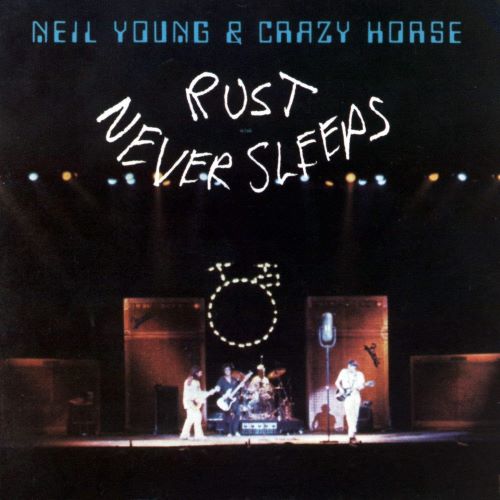
Neil Young – Rust Never Sleeps (Album of the Week)

This week’s pick goes back to the end of the 1970’s and a highlight record from one of the decade’s most outstanding artists. A tour comprising of split acoustic and electric sets fueled the idea to do the same on an album and the result would become one of the more iconic albums in a crowded discography already laden with immortal records and songs.

Neil Young and Crazy Horse – Rust Never Sleeps

Released June 22, 1979 via Reprise Records

My Favorite Tracks – Hey Hey, My My (Into The Black); Thrasher; Powderfinger

The story of Rust Never Sleeps is a bit of a long and winding one – many of the songs were collected from earlier points in Young’s career, a typical thing for a guy who has had multiple “lost” albums in the course of his history.

While Young had made waves with a folk and country-infused style, he had also veered off on other courses and was leaning hard into distorted guitars by the late ’70’s. He would marry both concepts with split-set performances on the tour dubbed Rust Never Sleeps in 1978, which would serve as the birthplace and even live studio for portions of the album.

As for the album and tour title’s name, that came courtesy of Devo singer Mark Mothersbaugh. Devo and Young were collaborating on a film project when they took time to enter a studio and work on the electric track Hey Hey, My My. Mothersbaugh threw the line “rust never sleeps” in the lyrics – it was the marketing slogan for Rust-Oleum.

Of the album’s nine songs, seven were initially recorded live and then overdubbed in studio later. An effort was made to remove crowd noise but that was not always possible with studio technology at the time. Two songs – Pocahontas and Sail Away – were not cut live and were studio recordings instead.

My My, Hey Hey (Out Of The Blue)

The album features different renditions of the same song, the opener done acoustically. The song was born of Young’s fear of becoming obsolete in music and also would shout out Sex Pistols frontman Johnny Rotten and liken his rise with the fall of the recently-departed Elvis Presley. This first version of the song also features the lyric “It’s better to burn out than to fade away,” which became one of Young’s most famous and widely-quoted lyrics. While used in a wide variety of places, it was a part of Kurt Cobain’s suicide note in 1994 and Young was greatly affected by that.

Thrasher

A masterfully done acoustic tune that sees Young rambling off on his own, away from society and its machinations. The song is actually about Young’s bitter relationship with his former bandmates in Crosby, Stills, Nash and Young. While Young and Stephen Stills were able to maintain a working relationship through the ’70’s, David Crosby and Graham Nash were on the other side of the fence and a lot of animosity came through various failings to record a new CSNY record. It’s interesting to note the actual genesis of the song of course, but even without that knowledge this is a fantastic tune.

Ride My Llama

A short tune, though far from to-the-point. Here Neil takes a trip with a guy from Mars and also rides a llama from Peru to Texarkana. Not sure what ideas or substances Young might have been engaged with here, but the song works pretty well in its fanciful outlook.

Pocahontas

Another highlight of the acoustic side of the record, Pocahontas sees Neil again approach the issue of European settlers massacring Native Americans. He had previously sung about that on his acclaimed track Cortez The Killer from 1975. Pocahontas is one of three songs from Rust Never Sleeps that were originally intended for the never-released Chrome Dreams album a few years prior.

Pocahontas is also a bit of a weird song, as Young goes from a muddled recount of the massacre, to living in the present day with Marlon Brando and the Astrodome. The song really showcases Young’s vocal abilities and creates an uplifting atmosphere despite the grave subject matter.

Sail Away

The acoustic portion of the album ends with this nice, light and airy tune that really isn’t about much more than getting away. It’s a nice, clam and smooth way to get the hell away from it all for a few minutes.

Powderfinger

It’s on to the electric songs now and another cut meant for the shelved Chrome Dreams record. Young tried doing something else with the song, namely giving it to Ronnie Van Zant of Lynyrd Skynyrd. Skynyrd never got around to recording the song before the 1977 plane crash that claimed the lives of Van Zant and others. Young would eventually retool Powderfinger for his own use here.

Powderfinger sees a young man forced to defend his home from an arriving gunboat. Thinking quickly, he decides to grab his own gun and fire on the ship, which would lead to his own death. The lyrics tell a pretty heart-wrenching tale that isn’t the conventional approach to a war or combat song.

Powderfinger is held in the highest regard – often considered one of Young’s best, and in 2014 Rolling Stone magazine ranked it as his best overall.

Welfare Mothers

The next track is a nice rock number but also a bit of a strange one – if we’re to take the song literally, then Neil is suggesting we head to the laundromat and pick up divorced, down on their luck mothers as they’re better lovers. There’s probably some kind of social commentary here that means one shouldn’t take this track literally but honestly no one really talks about this song much so the listeners are left to make their own guesses as to what’s up.

Sedan Delivery

The third song intended for Chrome Dreams appears in here electric and quite distorted form. It’s almost a punk or metal tune with its rendition here. The song could just be about some guy’s life or maybe about drugs of some kind, it’s not evident what’s going on here.

Hey Hey, My My (Into The Black)

The album closes with the electric version of the opener. They lyrics are altered slightly on this version but the song is essentially the same, just with Young and Crazy Horse bashing their way through this amped up version. It’s another of Young’s most famous tracks and has been covered by about half of all music artists in the decades since release.

Rust Never Sleeps was a massive artistic statement from Neil Young. He wove his own fears of being cast aside into the kind of riffs and noise that punk and other artists were making, and cranked out a set of immortal songs to stave off his obsolescence. And on the acoustic portion he worked within more familiar parameters to craft engaging songs that added to his legacy in the folk/country realm.

The album would reach number 8 on the Billboard Album Chart, the precursor to the Billboard 200. It charted well in many other countries as well. The album has a lone US platinum certification but that might be more of an issue with a record label’s lack of desire to re-certify albums than an accurate picture of sales figures.

A year later Young and Crazy Horse would release Live Rust, featuring both tracks from this album and other Young standards. It too would chart highly and also gain platinum certification. The somewhat unconventional Rust Never Sleeps approach paid huge dividends for Young, who was about to kick off a very strange and meandering period when the 1980’s hit.

At the end of the day, Rust Never Sleeps was a career high point for Neil Young and proof he could carry on even as he’d put some years behind him. He would strike gold again and again in the years since, both carrying on as he saw fit and also keeping his finger on the pulse of the music of the moment. The conversation over the best Neil Young album is a tough one considering both the size and scope of his total output, but Rust Never Sleeps is certainly a part of that conversation.