Album Of The Week – October 10, 2022

I had a different album in mind for this week, but after talking about a particular band extensively last week, I’ve called an audible and switched things up. The record was mentioned yet not really discussed in the posts last week and I got it in my head yet again after all these years and so it’s time to give the album its day in court.

Iron Maiden – A Matter Of Life And Death

Released September 5, 2006 (US) via EMI Records

My Favorite Tracks – The Longest Day, For The Greater Good Of God, Brighter Than A Thousand Suns

This marked Iron Maiden’s 14th studio album, though also the 3rd since the 1999 reunion with Bruce Dickinson and Adrian Smith. It set the table for the reunion being more than a brief run for nostalgia and cash’s sake, that the band were serious about forging ahead in a marketplace where they were hailed as heroes yet were also as old as dinosaurs.

This also turned a corner creatively – while the predecessors Brave New World and Dance Of Death were celebrated, A Matter Of Life And Death stood out for longer tracks with more mood and less tempo. While not appealing to the portion of the fanbase that pines for Powerslave II, it set the rest of the fans and critics on fire.
Maiden would not hedge on their new effort – the resulting tour saw the band play the entire album live. While there were some lessons learned from that approach, it still indicated the full-bore dedication the band had to their new material and defiance of living on their laurels as a “classic” act.

The album cover is, as usual with Maiden, worth discussion. The art does not prominently feature the band’s most famous member Eddie, but the mascot is there on the tank with his band of brothers. Personally I love the cover and it’s my favorite of any of the reunion-era pieces and it’s especially welcome after the literal abortion of a cover Dance Of Death got. I even have this as a back patch on a jean jacket, as all good metalheads do.

There are 10 tracks to discuss here, but at a beefed up runtime of 71 minutes. The era of long Iron Maiden albums had dawned and this was only a pregame for the future. There are also several other factors to discuss, like the Internet mystery campaign behind the lead single, the decision to run the whole album live, and the album’s prominent place among reunion-era records. In short, this post will be about as long as a reunion-era Maiden album, so grab a few drinks and settle in.

Different World

The opener also served as the album’s second single. The song is, in contrast to the rest of the record, a straightforward rocker offering up a bit of philosophy about co-existing with differing perspectives and all that.

This one doesn’t really get a lot of love around the fanbase. I personally don’t mind it but it won’t make a list of my favorite stuff, Maiden or otherwise. It isn’t “bad” in any sense but it’s just a song.

These Colors Don’t Run

Now into a sound that would shape the bulk of the album and also delve into a theme present in much of the remaining lyrics. This is a mid-tempo affair that moves at a trot as opposed to the gallop of many past Maiden efforts. And the theme here is war, this song offering a rally cry for the soldiers who fight for their flag no matter the cost.

Brighter Than A Thousand Suns

Off to one of the album’s epics, a now standard feature of latter day Maiden records. This sprawling effort tops out at near 9 minutes. The title seems a bit mystifying until the song’s theme becomes clear – this is about the development of the atomic bomb. The bomb was humanity severing its connection with creation and playing god with the potential of world-ending destruction.

The song marks one of three celebrated epics from the record and these songs have become centerpieces for modern Maiden albums. It probably creates fits when it’s time to make a set list, but of course the band circumvented that problem by playing everything live.

The Pilgrim

It’s literally a song about pilgrims, either the historical settlers of America or in the general sense, I don’t know. It won’t ever be accused of being Maiden’s best song but it’s a damn sight better than any description could make it out to be. It’s better than some aging British metal band droning on about the Loch Ness Monster for more than ten minutes.

The Longest Day

Back to the war and, as the title would indicate, it’s off to D-Day. The massive beach invasion is painted in vivid detail in the lyrics as the song slams through the battle. There isn’t a lot for me to say other than it’s my favorite track from the album.

Out Of The Shadows

A fairly abstract track about birth and death, new and old, that kind of thing. Not much to it but it’s a pretty decent song.

The Reincarnation Of Benjamin Breeg

The album’s first single and one with quite the marketing story behind it. Without any prompting, a website featuring a biography of the unknown Breeg was posted. It was quickly surmised that this had to do with the new Maiden album and fans set to work trying to solve the mystery of who Breeg was and what happened to him after his 1978 disappearance. Breeg was a known painter and a future website update offered up one of his paintings which featured none other than Eddie. The last dispatch from the website had set a meeting with someone who knew Breeg’s fate, that meeting was on the day the single was released.

While nothing was ever resolved in terms of the mystery, the quiet marketing ploy drove a lot of buzz for the band’s new song and album. I recall being fascinated with it at the time, but of course it’s a bit tough to specifically recall all of that 16 years later. It seems like Benjamin Breeg might have died in 1978 and was “reborn” as Eddie, but this has never been explicitly stated. Given that Maiden have never built further lore around Breeg, this theory is my guess.

The song itself does also perhaps support the Breeg is Eddie theory. Breeg was a tortured artist who might have sold his soul, and the reincarnation aspect of it might be him becoming Eddie. It fits with the various themes posted in bits on the website.

Oh yeah – also, the song is good.

For The Greater Good Of God

The second of the album’s epics, this tune takes aim at the ills of religion. While not condemning religion outright, the song does goes full-bore on the wars and calamities experienced worldwide due to the power-grabbing influence of religious figureheads over time. The song is widely-loved and often at the top of people’s favorites lists. It’s also one song that has been featured in Maiden set lists years after the album’s tour cycle.

Lord Of Light

This is about Lucifer and mostly how he is used as a scapegoat for humanity’s ills so that humans can continue sinning without consequence. It’s another fairly long track that sometimes gets set to the side but I feel offers a bit more than its secondary status might indicate.

The Legacy

The album closes with the third epic and one that the band knocked out of the park. The song has two halves – one in which a world leader is on his deathbed, being reckoned with the true cost of his warmongering. The second half of the song implores humanity to move beyond the cycle of death and destruction and embrace a new forward vision.

That clearly hasn’t happened, but that doesn’t diminish the impact of the song. Maiden offered arrangements and movements here that were unheard in the extensive prior catalog. It was a true mark that the band had a solid direction for their music now and into the future, and that direction would diverge from their past eras.

A Matter Of Life And Death was praised by critics and swept up by fans – the album hit high chart positions in many countries all over the globe, including the US where the band scored their first top 10 chart appearance on the Billboard 200 at position 9. The group already had hot receptions for the prior two albums of the reunion era, but AMOLAD arrived and put things on a whole new level.

Proud of the effort, Maiden made the decision to tour the entire record. This was a first, and to date has been the only time the group has played an entire album live. While the die-hard portion of the fanbase ate up the offering, the fact is that concerts are attended by a great many people who aren’t as fervently attached to things and the shows met with somewhat muted receptions. The concept wasn’t dismissed as a total failure, but the group has since refrained from going so hard with pushing new records.

This album shaped the direction of Maiden albums to come – the three albums following all offer huge, epic arrangements and very extended run times. That has become its own argument among fans but it is clearly the direction the band wishes to pursue.

In terms of the reunion period, AMOLAD has been hailed as one of the top offerings, rivaled perhaps only by Brave New World. Not only has it mostly taken that crown, it has ascended many lists in terms of the band’s entire catalog. And it’s something that needs to be highlighted when talking about the band and its long-running status – there are many fans who have come on board in the last 20-plus years and those fans’ keystone albums are in this reunion period. And this one is often top among those.

Not everyone was paying attention or even alive when the 1980’s classics came around and these past few decades of the band have brought in many new fans and kept the legacy alive and thriving. There are fans who sneer at the slower, more plodding reunion material and gladly showcase the band’s masterpieces from way back when as some kind of argument against the modern songs, but judging by the album sales, concert attendance and constant new interest in a band older than dirt, no one really seems to give a shit what they think.
Album Of The Week – October 3, 2022

I’m back to my normal posting schedule and I’m back to the album of the week with a no-doubter and an all-timer. It is the album that truly sucked me into heavy metal. It is one of my favorite albums of all-time, it is often considered the band’s magnum opus and it is hailed as one of the best offerings of the thrash genre. It is, without a doubt, one of the greatest pieces of recorded music in history.

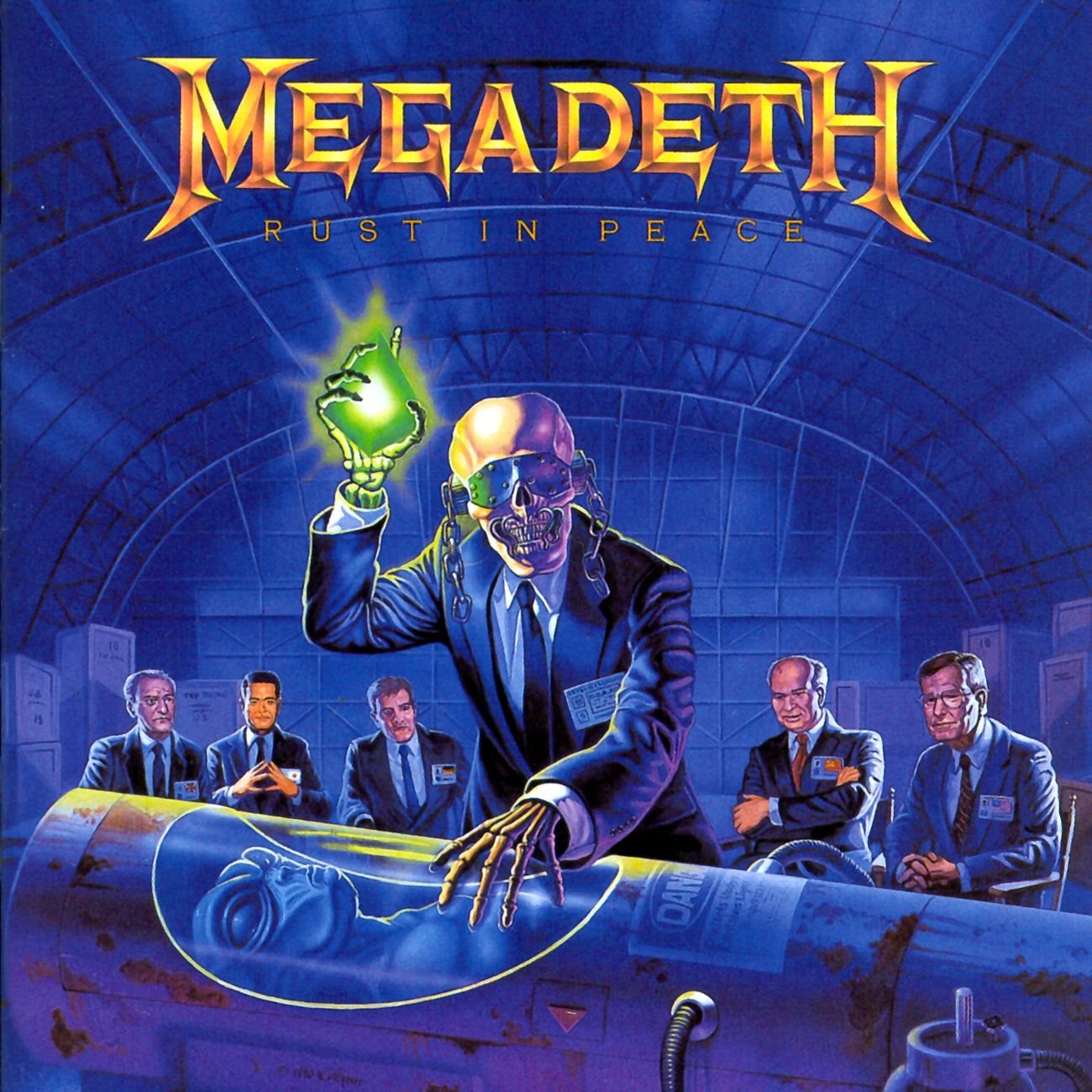
Megadeth – Rust In Peace

Released September 24, 1990 via Capitol Records

My Favorite Tracks – Tornado Of Souls, Rust In Peace … Polaris, Hangar 18

Megadeth made waves on the up and coming thrash scene through the 1980’s. Dave Mustaine formed the band after being dismissed from Metallica and, well, all that’s had volumes written about it so on to the album.

Rust In Peace marked the dawn of Megadeth’s most stable line-up – Dave Mustaine on guitars and vocals, Marty Friedman made his Megadeth debut on lead guitar, then-trusty sidekick Dave Ellefson remained on bass and Nick Menza made his recording debut after joining the band a year prior.

All credit to Ellefson and Menza for holding down the backline with precision, but this album is known for one thing and it’s guitars. What Friedman and Mustaine got up to here is a master class in guitar performance. Even in the guitar-centric realm of thrash, this is unparalleled stuff.

There is one note to make before anyone goes running to Spotify to listen to this masterpiece – the album was remastered in 2004 and Mustaine made the curious choice to re-record some vocal tracks. The result was pretty awful and the 2004 remaster lives in infamy among Megadeth fans. The original version of this album is the one to seek out.

There are nine tracks with a time of 40 minutes to get to and there’s a fair bit to discuss, so off to it.

Holy Wars/The Punishment Due

Two singles were released and they are conveniently located as the first two tracks of the album. This dual-titled beast begins with some all-out thrash and sets the tone for the record to come. The topic here is conflict, the song was inspired by Mustaine seeing bootleg Megadeth merch that supported the IRA.

The song slows down for The Punishment Due, an interlude that was apparently inspired by The Punisher of Marvel comics. The song winds back up into a frenzy, featuring a great many guitars, before concluding.

Hangar 18

Here the band offer a massive thrash tune about the alien crash landing theories surrounding Hangar 18 in Ohio and Area 51 in Nevada. A few brief verses roll off, followed by the very brief chorus and then – guitars. A whole hell of a lot of guitars as Mustaine and Friedman go off with something like 11 solos in the space of a few minutes. Even on an album full of guitar heroics, Hangar 18 stands out for them.

The song became iconic for the band and was a central focus of the imagery surrounding the record. Megadeth would go skydiving near Area 51 for an episode of Headbanger’s Ball on MTV and a sequel to the song would surface in 2001.

Take No Prisoners

This cut discusses the horrors of war by way of accounting its brutality. It is yet another fantastic slab of thrash. It was also the central focus of re-recording on the 2004 remaster and in my opinion it was totally botched.

Five Magics

Here Megadeth play Dungeons and Dragons on a tale of a wizard’s adventure to obtain the necessary magic to defeat a monster. While the song’s protagonist practices magic, Megadeth’s weapon of choice is – you probably guessed it – the guitar. Friedman uses the song’s first several minutes to just play solo after solo. Whatever monster that wizard is facing has no idea what’s coming for him.

Poison Was The Cure

A song about Mustaine’s long struggles with heroin. Ellefson’s bass opens the brief tune and then the band slams through the proceedings in a bit of groovy fashion. While still certainly thrash, there’s a good bit of rock and roll feel here.

Lucretia

Here we have a song composed about a ghost that Mustaine thought was in his attic. It’s a fittingly creepy tune that still keeps the thrash and guitar attack going full steam ahead.

Tornado Of Souls

Exiting the realms of war and fantasy for a moment, this song is simply about ending a relationship and getting back into the world with a winning attitude. It’s also, in my estimation, the ultimate expression of everything that works about this album. It’s a fantastic composition, with the guitars, lyrics and everything coming together to kick the ass of anyone listening.

Tornado Of Souls has become one of Megadeth’s most popular cuts, having been played live extensively and often hailed as one of their best overall tracks.

Dawn Patrol

This very creepy, short song has Mustaine snarl through an Ellefson bass line to illustrate people living underground after an environmental disaster, such as the nuclear holocaust about to come in the next song. In a way it’s more of an interlude or intro piece, but it took on its own life as a curiosity from the album.

Rust In Peace … Polaris

The album closes with the title track and the song is inevitably about the subject the title confers – nuclear war. The lyrics are sung from what seems to be the perspective of a mad tyrant unleashing nuclear hell but the perspective is apparently that of the missile itself.

This track doesn’t feature any guitar solos in an effort to let the song communicate its own excellence. Still plenty of nice and nasty riffs to be had and the lyrics basking in the world-ending nuclear conflict make their points well.

Rust In Peace was hailed upon release as one of the finest moments in thrash metal. Megadeth would see their profile raise considerably during the album’s cycle. The album went platinum in the US and its legacy as a masterpiece has been cemented over the ensuing decades. People love making lists of “best of” thrash and metal, and people love putting Rust In Peace on those lists.

For me this was the album that truly hooked me on the heavier side of metal. I was already into Iron Maiden and I’d heard other thrash albums before, but this one just grabbed me and took my soul. From then on it was a race to find the heaviest stuff out there, and in many respects that race is still going 32 years later.

While Megadeth would go on with a lot of ups and downs over the years since 1990, there is no denying the place Rust In Peace holds in the band’s legacy. A whole new generation of musicians influenced by the album would revive thrash in the 2000’s and bring new life to the genre thought dead. It is a legacy secure in the riffs and plentiful solos.

Album Of The Week – September 19, 2022

This week’s pick is a notable album from 1993 that marked a major lineup change for a long-running group as well as a shift in sound from their standard thrash to a more fit for the times alternative metal approach.

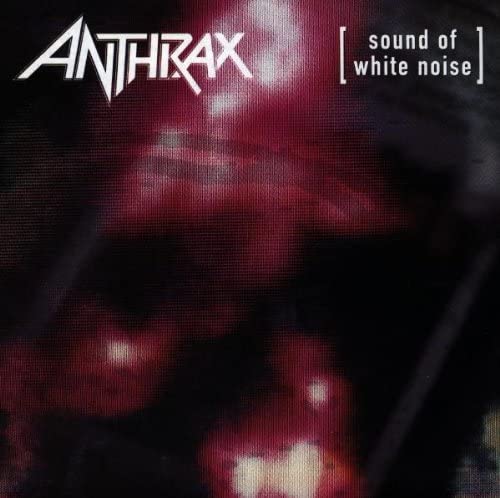
Anthrax – Sound Of White Noise

Released May 25, 1993 via Elektra Records

My Favorite Tracks – Only, This Is Not An Exit, Black Lodge

Anthrax had parted ways with longtime singer Joey Belladonna and replaced him with renowned Armored Saint singer John Bush. Bush’s visceral style fit the new songs well and put the band in prime position to remain afloat as thrash metal was falling out of public attention.

Anthrax did not sacrifice heaviness on this record but they did set the standard thrash formula aside for a more straightforward attack. While “grunge” influence is often spoke of when discussing the album, it seems more like just a very heavy metal album to me. I don’t really hear grunge on this. It fit the times but there was a lot more going on in metal than just people aping grunge back then.

This set runs at just under an hour with 11 tracks, so let’s jump right in to this beefy offering.

Potter’s Field

The blistering opener presents the view of a person mad at his mother for having been born, the troubled guy would have rather been aborted than left to live his crappy life. The song is a harsh, straightforward pummeling through the angry rant towards the mother. John Bush’s raspy and powerful delivery enhances the sharp sting of the lyrical content.

Only

The album’s lead single also serves as its most-known track and one of the highlights of the Bush Anthrax era. The song gets into dealing with someone who is clearly batshit crazy.

Only was a calling card for the new era of Anthrax right out of the gate. It saw consistent MTV play and has gone on to be widely considered the top track from this period of the band. It is also the only “Bushthrax” song that Joey Belladonna has performed after returning to the group.

Room For One More

This is something about a person seeking to use someone with a checkered past for something probably not good. The subject matter of these songs is far beyond the typical thrash offerings and suits the higher intellectual period of the early ’90’s very well.

Packaged Rebellion

A look at how the concept of rebellion was commercialized and put on display as a scene rather than an actual revolutionary movement. A very fitting song that strikes at the heart of music and culture of the time period. Rebellion was sold to the alternative crowd and was bought up just like food on a buffet line.

Hy Pro Glo

This is some kind of “callout” song that doesn’t specifically offer what or who it’s getting into. Many of the songs on the album have lyrical fare that keeps a certain distance and fits the music well yet doesn’t offer an open, literal interpretation that’s easy to digest.

Invisible

Another sort of “you suck” song, this one deals with the friend who is never around in times of need. This one’s meaning is easier to pick up on than some of the others.

1000 Points Of Hate

A title twisted from the famous “1000 points of light” phrase that George Bush the Elder uttered as president. The album’s most aggressive track, this one spells its points out clearly and is a true beating of a song.

Black Lodge

A dark, plodding “ballad” of sorts that was inspired by the Twin Peaks TV show, this was issued as a single and stands apart from the pounding that the rest of the album delivers. It deals with a person living with some kind of demons that aren’t spelled out – it could be mental illness, drug addiction, perhaps even terminal illness. The song is a well-crafted and creepy tune that uses John Bush’s voice to highlight the plight at hand.

Sodium Pentothal

The track listing spells out the actual chemical formula for this compound, I am not attempting to type that out or even copy and paste it into my document and declare war on my formatting. The drug has been used in lethal injection executions but also saw some limited use as a “truth serum,” and that is its application in the song.

Burst

Another pounding of a song that gets into how opinions are just that and really don’t hold much meaning when put up against each other. Sadly a lesson unlearned as the years have gone on.

This Is Not An Exit

The album closes with this extended number that gets back into the creepy vibe explored on Black Lodge. The song deals with the idea of immorality and the mental toll that living forever would actually have on a mortal being.

Sound Of White Noise would be a highlight album for Anthrax. It charted at 7 on Billboard, the band’s highest position. It went gold in the US and Canada and the singles Only and Black Lodge landed in the Top 40. The album received well among critics and it is often featured toward the top of lists of fan rankings.

It was a gamble to reinvent musically and also part with the groups signature singer in Joey Belladonna, but the gamble paid off as Anthrax entered the revamped ’90’s metal scene with a relevant sound and approach. Future albums with Bush would not see the same fanfare, though some highlights are around.

Anthrax would go through some silliness with vocalists for awhile before eventually reuniting with Belladonna and joining the Big 4 of Thrash tours. And while the signature Anthrax era will always be Joey and records like Spreading The Disease and Among The Living, there is no doubt that Sound Of White Noise and John Bush left a huge mark on the band’s career.

Album Of The Week – September 12, 2022

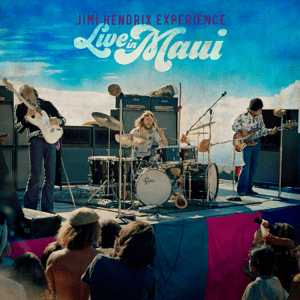
This week it’s a look at a 52 year old concert but one only released in full 2 years prior. It was an odd concert for a bad film and was also the second-to-last US performance of rock and roll’s preeminent guitar legend.

The Jimi Hendrix Experience – Live In Maui

Material originally recorded July 30, 1970

Set released November 20, 2020 via Experience Hendrix/Legacy Records

The Hendrix Maui sets have occupied a bit of lore and some scorn, not for Hendrix’s playing but for the reason he was in Maui filming. It was a full 50 years after the shows that a full, official live document was unveiled. And that document is audio only, though some snippets of video also exist (we’ll get to that).

Hendrix and a reformed Experience, with bassist Billy Cox in place of Noel Redding, were booked for Maui by manager Michael Jeffery. Jeffery had secured a film deal and had a bright idea to do a freeform visual exploration of the hippie/counterculture community of Hawaii. In order to actually try to convince anyone to watch the drivel, Jeffery got Hendrix to play two sets on the island for the purpose of anchoring the film.

The eventual film was called Rainbow Bridge and was a total failure in the marketplace. Any interest in it has been for the 17 minutes of live Hendrix footage. While the complete concert recordings existed and saw the light of day as bootlegs, it took a literal half a century to salvage the full recordings and present an official live package.

Instead of having bit performances in a film made by Jeffery, who at best can be called a shady motherfucker, we now have a full accounting of the Maui sets offered by Experience Hendrix, overseen by Janie Hendrix, Jimi’s sister. Hendrix studio collaborator Eddie Kramer also joined in on the restoration process.

Live In Maui presents a few difficult technical challenges for modern presentation – one, the concerts were recorded on an open field with wind blowing. It led to some re-recording for music used in Rainbow Bridge and some of the drum edits are found on this newer live set.

The official set does mostly triumph over the sound issues and present a worthwhile listening package. It’s by no means the best representation of live Hendrix, but it does a good job of capturing a long sought-after concert. It is evident on listening that sound wasn’t captured at its best but this isn’t a flimsy, barley audible bootleg offering – this is still full on live Jimi Hendrix.

I won’t bother going over all 20 songs in my usual AOTW format. Several of the standard Hendrix tunes are present here – Purple Haze, Foxey Lady, Fire, Red House, and a spirited finale of Stone Free at the finale, with a snippet of Hey Joe thrown in. I found Voodoo Child to be an early favorite on first listen, something about that song worked and stood out from the rest. Of course that might apply to the song in general, but that’s an argument for another time.

This live set is full of what would be unreleased songs at the time of Hendrix’s death a few months later. Cuts like Dolly Dagger and Hey Baby (New Rising Sun) were meant for the next album, to be called The Cry Of Love. The history of posthumous Hendrix releases before the family takeover of the catalog is too much of a task to get into here (or ever) so I’ll spare that but mention that many of these songs have been released in a variety of compilations and other live performances.

It’s nice to have some less familiar stuff aired out live along with the standards. The performance does seem to bog down a bit in the second set, as if maybe playing two shows in front a few hundred hippies out in an open field isn’t the greatest idea or something, I don’t know. But things turn around towards the second set’s conclusion.

Live In Maui is a nice live set to have in the collection. It’s been a pretty eagerly-sought after set in the more die-hard Hendrix circles. While we’re spoiled to have so many of his concerts available, the Maui sets were always lurking on the shelf in the back corner.

There is a video component to the release, as well. A well-done documentary gets into the nuts and bolts of why Hendrix was on Maui in the first place. There is also a video presentation of the concert – but, and this is a huge BUT – cameras weren’t rolling for the entire show. Many songs are only visually available in snippets, or not at all. A few do have full or mostly intact videos and a time or two more than one song runs, but this is not an optimal viewing experience. It is a “cool to have” thing as opposed to having no video at all, but it is weird and not fleshed out with enough video to be recommending viewing on its own.

In the end, Live In Maui fills a hole in official Hendrix collections that some thought would never see the light of day. It’s not something I’d necessarily recommend as a purchase for people who don’t have a ton of live Hendrix, there are far more worthwhile volumes out there. But for a more completionist approach, this fills a massive void and lets people skip the bootleg market. It’s a set with a lot of the unreleased in his lifetime songs on it and the story of why it even exists sets it apart from most concert releases.

Album Of The Week – August 29, 2022

This week it’s anniversary time again, as the album in question was released on August 25 a very, very long time ago. The record had an immediate impact and became a huge success, still standing in the US today as the second-best selling debut album of all time.

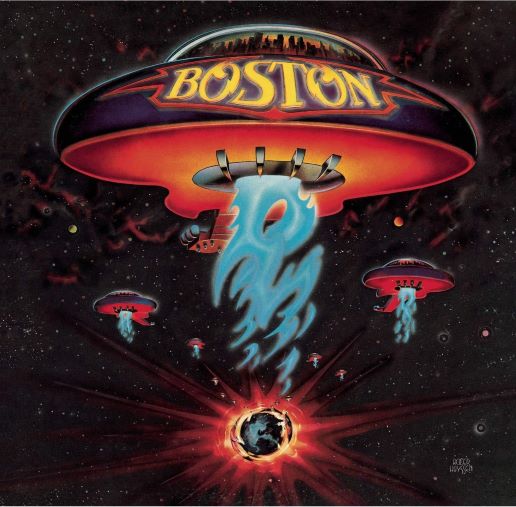
Boston – self-titled

Released August 25, 1976 via Epic Records

My Favorite Tracks – Foreplay/LongTime, Peace Of Mind, Smokin

There is a fair bit of lore behind the first Boston album, but for sake of space I’ll do a Cliffnotes version. Guitarist Tom Scholz recorded much of the album as demos in his apartment studio. Scholz hooked up with singer Brad Delp in a covers band under a different name, then sent the demos out to record labels. The record labels rejected the original demos, including Epic Records, who later released this album.

Scholz worked up the demos over the years and tried again, this time getting the attention of higher-ups at Epic. He recorded the album, pretending to record it all in California due to an Epic union mandate but actually still using his home studio in Boston for most instruments. Brad Delp did record his vocals in Epic-approved territory, the band changed their name to Boston on advice, and the album became an instant success on release.

It’s a fairly standard and even short album to talk about – 8 tracks with a 37 minute album length. Of course there is so much more to talk about, as the album is one of rock music’s defining legacies.

More Than A Feeling

This was the lead single for the album and thus the world’s first exposure to Boston. Given how quickly the album sold and how many trillions of times the song has been played on the radio in the decades since, I’d say it worked out.

The song was inspired by a love affair Scholz had that ended, though the track isn’t specifically about it. It is a bittersweet song that imparts a melancholy feeling in among a bright, triumphant instrumental composition. There isn’t much more than needs to be said about it – the song is immortal and has lived on for nearly half a century since its inception.

Peace Of Mind

Another of the album’s singles and also a big hit that reverberates to this day. It’s a tune about finding something more in life than the typical pursuit of what was the American Dream in the 1970’s. The acoustic strumming that leads into the song’s arena rock renders it instantly recognizable when it comes on the radio, as it frequently does.

Foreplay/Long Time

A 2 in 1 affair comprising the instrumental Foreplay and the vocal-laden Long Time. Long Time itself was released as a single but the song is usually presented with Foreplay attached to it. Foreplay is a very well-rendered work that holds interest, it is not the meandering kind of instrumental usually encountered. Long Time gets into the heady issue of leaving the past behind, again while a topic with huge gravity, the riffing and arrangement propel the song to massive heights. Like with most of this album, find a rock radio station on the dial and you’ll hear this song before too long.

I’m pretty sure most people know this song, here’s a live version

Rock N Roll Band

This track lays out the rise of a young band who cut their teeth in the bar scene and finally get discovered by a record label. This wasn’t actually the story of Boston, who hadn’t played a show before being signed, the song was just one Scholz decided to record. While not a single, the song was in constant rotation at radio during the AOR days and, yes, they still play it all the time.

Smokin

A small bit of creative departure here, as Scholz did not compose this song alone – Brad Delp co-wrote the track. This track also foregoes a bit the polished “arena rock” approach of the album and gets more into a old-school rock n roll jam. And that’s what the song is about – getting high and jamming out. Like everything else, this one was all over the airwaves and still is.

Hitch A Ride

Our final three tracks don’t appear as often in classic rock radio playlists as the others. They can still be found, just not nearly as often. Hitch A Ride has a bit of 1960’s folk rock feel to it but still fits the band’s AOR/arena rock sound. It’s another one that romanticizes leaving it all behind.

Something About You

A tune about a guy finding feelings for a girl, it’s a bit more high-minded expression of that sort of thing than was commonly found in rock music. It’s also a pretty rocking number in what is now Boston’s standard beat by this point in the album.

Let Me Take You Home Tonight

The album closer is distinct in that it was solely composed by Brad Delp. It employs quite a bit of acoustics and even a little twang. It’s also about being into someone, a fairly common rock refrain.

From 2004, when Brad was still around

Boston was a huge success and it started right out of the gate. FM radio, a generally album-focused format, ate up the record and the band were popular before they set out on their first tour. The record went gold in a few weeks and got its first platinum certification just under 3 months after release. It would not stop selling, either – to date the album has 17 US platinum awards and has sold over 20 million worldwide. It is the second-best selling debut album in US music, behind only Appetite For Destruction. It is also tied for the eighth-best selling album in the US overall, locked with Elton John’s Greatest Hits.

The record also had a huge effect on rock music. The sheen and polish found in the production would inform rock acts going forward, as “power-pop” would become a central sound. The shift out of a blues-based sound of rock’s old school was a massive defining moment in music history.

There are a few performances to highlight when talking about this album. The fact that Tom Scholz could record this in his damn apartment studio is just crazy. It’s beyond mad genius stuff and is like Marvel superhero territory. And Brad Delp’s voice was among the finest in rock music. He could carry a tune the way the song needed to go, but he could also belt it out and showcase some truly astonishing vocal prowess too. Most likely an underrated voice in rock music.

Boston would go on to carve out a legacy over the decades, though the shadow of this first record would always loom large. More success would follow, though the band worked in spurts and fits, eventually being sued over their lack of timely album offerings. Scholz won that lawsuit and continued running Boston through the mid 2000’s, where the terrible suicide of Brad Delp left a dark mark on the group. Scholz still pressed on, enlisting vocal help that included Michael Sweet for a time.

Boston’s debut made a massive, immediate impact that reshaped rock sounds and launched one of rock’s most successful careers. The album is ever-present in classic rock lore and was even one of the main influences on the creation of the radio format. Its intertwining of somber, bittersweet lyrical themes with flowing guitars, vocals and organ arrangements brought in audiences hook, line and sinker. Like it or hate it, there is no escaping the monolith that is Boston’s debut.

Album Of The Week – August 22, 2022

Yesterday, August 21, marked the 25th anniversary of a monumental album. While the band’s first two records would be known as worldwide sensations, their third one was a bloated mess that sold like hotcakes on release but quickly soured among the fans. It would be the final nail in the coffin of the musical movement the band had helped bring to international attention.

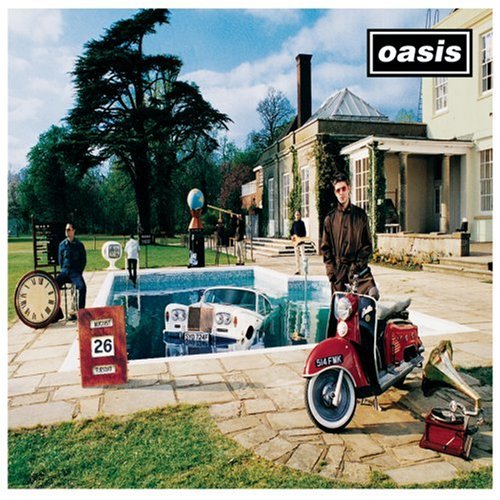
Oasis – Be Here Now

Released August 21, 1997 via Creation Records

My Favorite Tracks – D’ Ya Know What I Mean?, Stand By Me, Don’t Go Away

Oasis came into the recording of Be Here Now off the high of their historic live sets at Knebworth in August 1996. With their public visibility came the attention of paparazzi, and the Gallagher brothers made rich targets for the tabloid hounds. Add in a healthy dose of cocaine, and the table was set to record the third album.

It’s easy to see the one of the primary faults of the album without even playing it– 12 songs clocking in at 71 minutes. This isn’t a prog album and nothing justifies that kind of length. It’s coupled with curious production choices, such as excessive layering of instruments, that bog down what truly are some quality song ideas.

Nevertheless, we have this chonk of an album to get through.

D’ Ya Know What I Mean?

The lead single also opens the record. It’s one song that seems too long by its near 8 minute runtime but for some reason actually works. It’s also another of many Oasis songs that really aren’t about anything – this is just a rock in and rock out tune, not offering much in the way of discourse. Sure it has lyrics, but good luck analyzing them.

I do still quite enjoy this song even with apparent faults. It’s one of a few from the record that don’t throw me off and holds places in playlists I make today. The single did extremely well for Oasis, charting well in many different countries.

My Big Mouth

This is one of two songs from the record that were aired out live at the Knebworth gigs a year prior. It was a highlight of that live set but studio choices made render the studio version somewhat lesser. Here, Noel decided to layer his guitar a lot, and it did not enhance the song. It’s kind of a mess to listen to, even though a very good track is hiding under all of the guitar. The version on the Knebworth live recording is much more worthy than the studio cut.

Magic Pie

A song title that came about because Noel misread the word “magpie.” This track is interesting, in that it both sucks and is really good. The messy production suits the song well and the overall vibe is a melancholy affair that gets my attention. But the song is WAY too long and also there are a few stupid lyrics thrown in. Very much a mixed bag here.

Stand By Me

The album’s second single and one that sees a decent runtime at 5:55. Noel apparently wrote it after getting food poisoning but Noel at times also states that he doesn’t remember writing it, so who knows. This is one of Oasis’ strongest songs after the first two albums and it’s one from this album that works well without needing any real editing.

I Hope, I Think, I Know

For all the criticism of the album’s length, it’s a song that comes it at a very acceptable 4:22 that is a total castaway. The song isn’t “bad” per se but it’s totally forgettable. Should’ve been a B-side.

The Girl In The Dirty Shirt

Noel wrote this about his then girlfriend, who was ironing a dirty shirt because she didn’t bring enough clothing along for a tour. It’s a decent track that sounds good and isn’t burdened with overproduction.

Fade In-Out

A bluesy rock anthem that would be fine for most bands but does sound odd coming from Oasis. Overall it’s a pretty cool song, though. Johnny Depp played slide guitar on it.

Don’t Go Away

The album’s final single, released only in Japan and North America for whatever reason. It could easily be called the album’s best track, everything works here and there isn’t any room for criticism. It’s a sad affair about not wanting to lose someone close and might have been influenced by cancer scares among mothers of the band members around the time.

Be Here Now

The title track offers a pretty good rock tune with some annoying sound choices with whistling and a cheap piano (apparently Noel wrote the original piano line on a toy one belonging to Mick Jagger’s kid). The annoyances are minor though and the song is overall solid.

All Around The World

The album’s third single clocks in at over 9 minutes. The song is fine but not really needing that long to run. It’s a definite “homage” to the Beatles, something Oasis have been accused of being time and again. It’s not one I play very often.

It’s Getting Better (Man!!)

This was the other song played at Knebworth a year before seeing a studio release. The studio version has some sloppy production and is over a minute longer than the live version, another case where the live cut wins the battle. It’s still a decent offering.

All Around The World (Reprise)

We close out with another two minutes of All Around The World, because we needed to I guess.

Be Here Now was initially a massive success for Oasis. Out of the gate the album sold everywhere and cracked the top of the charts in 17 countries and an impressive number 2 in the US. The album went platinum in Britain within 24 hours of release and was the nation’s fastest selling album until Adele many years later.

And then people listened to the album they just bought in droves. Be Here Now quickly became the album most sold back to music stores. The critical reception was tepid and the band had fallen far short of delivering a masterpiece worthy as a follow-up to (What’s The Story) Morning Glory? Noel Gallagher would begin the process of re-producing the album in the mid 2010’s but abandoned the concept after only working with the first song.

Oasis would live on for another 12 years after the record, but the era of Britpop was now dead. Other influential acts like Suede, Blur and Pulp had intentionally abandoned the sound, while Oasis tried and failed to recreate the anthem rock magic of their first two records. The band would live on through reputation and a few scattered hits in the 2000’s, but the golden era of Oasis was over.

I do have a hard time truly summing up what I think of the album. There are good songs on it, and I think a few other songs would benefit from more attention to detail in the studio. But – I don’t think the album is a hidden goldmine of great music either. Many of the songs are secondary tracks and even some of the stuff that works doesn’t touch the heights of the first two records. The songs that stand out were the album’s singles and those are known quantities among the fanbase. The songs didn’t outshine the massive hits the band had in their early stage.

I could say that Be Here Now is one of their stronger albums when compared to the rest of the catalog, but that’s honestly saying more about the records that came after than it is finding strengths about this album. In the end I don’t think a better production job would have raised the album’s bar a whole lot, but a few tracks would benefit greatly from it. This is still a middling affair, even if more care had been taken to shape it sonically.

This was the end of the road for Oasis as a world-conquering entity. The past few years have seen a great deal of retro appreciation for the works that put the band on the map, but now we’re into the 25th anniversary of the work that marks the stopping point. The band is still broken up with little realistic odds of getting back together, and even that would be a celebration of hindsight as opposed to a new creative era. England itself would be no worse for the wear in the absence of Britpop, as Radiohead were queued up to command the music world’s attention just as Britpop was being laid to rest.

Album Of The Week – August 15, 2022

This week I want to have a look at an album that was commercially successful, has some divided fan opinion though is generally looked on fondly, but is completely disavowed by the artist.

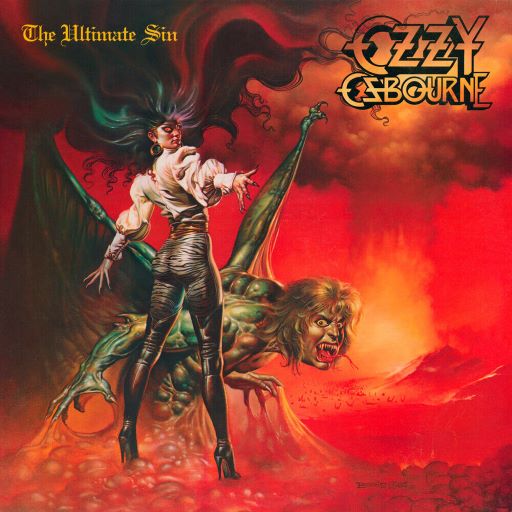
Ozzy Osbourne – The Ultimate Sin

Released February 22, 1986 via Epic Records

My Favorite Tracks – Lightning Strikes, The Ultimate Sin, Shot In The Dark

Ozzy’s fourth album saw the return of Jake E. Lee to the guitar spot for his second and final work with Osbourne. Bob Daisley was out of the band for this one (at least the recording), replaced by Phil Soussan on bass. And Randy Castillo would join the group on drums, a position he would hold up until the mid ’90’s.

Of course the personnel and especially writing credits are murky for this album, as they often are in the shadowy world of Osbourne rights and finances. Bob Daisley did extensive work on this album before splitting from the band when Ozzy took time to prepare for a one-off Black Sabbath reunion in 1985. Drummer Jimmy DeGrasso was also involved in the early sessions, though he too would leave for Y&T and later Megadeth. Daisley was omitted from credit on the initial presses of the album but his contributions were noted on later pressings.

The controversy over writing credits would lead to issues down the line and are the true likely reason this album is slagged by the Osbourne camp, but we’ll get to those issues after running through the songs. 9 tracks at 40 minutes to go through here.

The Ultimate Sin

The title track opens the record with some super sick riffing from Lee, one could be forgiven for thinking that Ozzy’s next guitarist was the one shredding on this. Ozzy and sin go together like peanut butter and jelly and this song works exceptionally well.

Secret Loser

Another rocking track that offers up pretty much what the title says – Ozzy looks cool and all but is really a loser, or whatever. It’s probably something like that but honestly it’s not that deep and is a really nice song.

Never Know Why

Enough of the “inner loser” thing, here Ozzy and company are back out to rock. The detractor, of which Ozzy had many around this time, will never know why we rock. It’s not hard to figure out – just listen, how could you not rock?

Thank God For The Bomb

The pace comes up a bit for this song that is far less nihilistic than the title suggests. Here Ozzy is offering that the threat of mutually assured destruction is keeping nuclear annihilation from happening. It is not a “pro-nuke” song like, well, the 100 million pro-nuke metal songs out there.

Never

A tune about fate, the great mysteries of life, the various beliefs people hold about all that, and so on. Ozzy offers a pretty fatalistic and down to earth approach to the song. Lee’s guitar gets to go off a bit more here than on other tracks too.

Lightning Strikes

A listener could find that the songs on this album, while quality, aren’t necessarily holding up to the sterling reputation of Ozzy’s past work. Here we have an entry that fits the more melodic sound of this record but also puts itself out there as the star of the show. This track is Jake Lee-era Ozzy at their best. They turned stuff up to 11 and slammed this one home.

Killer Of Giants

Another song about the bomb but this time a mournful account of the sheer power and potentially apocalyptic consequences of nuclear warfare. It could be called a ballad but it doesn’t stray into the saccharine territory that other ballads of the period got into, the song holds its place with the harder rockers on this album.

Fool Like You

A pretty simple one, Ozzy is having a go at someone he doesn’t like. No idea if it’s personal or if it’s aimed at one of society’s adversaries.

Shot In The Dark

The album closes with the home run track that was the signature hit. It is also a pre-existing song offered up to Ozzy by bassist Phil Soussan, which is likely a massive contributing factor to the song and this album being disowned by the Osbourne camp.

The song is a total winner, a very somber yet still rocking track that fits 1986 Ozzy like a glove. The song became Ozzy’s most successful single at the time and is a long-cited fan favorite from across his entire catalog.

Shot In The Dark also might as well not exist in the Osbourne version of history. It has generally been left off of greatest hits collections and was replaced later on the one it did show up on. It is on the 1993 live album Live And Loud, so something must have happened later on to dissuade Ozzy and his handlers from messing with the song anymore. It is presumably arguments over the actual songwriting credits, as Phil Soussan’s prior bandmates had worked up the original version of the song. There are enough shady dealings in Ozzy’s writing credits history to fill a book, so I would have to guess that the actual origins of Shot In The Dark keep it out of Ozzy’s lexicon.

The Ultimate Sin was a smash success for Ozzy. The album charted well in many countries and hit platinum in the United States within a few months of release. And for a number of reasons not entirely clear to the public, the album is persona non grata as far as its creator is concerned.

Ozzy has been on record with his criticisms of the album – they involve the production of Ron Nevison. Ozzy felt that the songs all “sounded the same” and that the recording could have gone better.

And in that I think Ozzy is right – there is a samey quality to many of the songs. A few do stand out, like Lightning Strikes and Shot In The Dark, but the presentation of the record as a whole could be called a bit sterile. I do think it’s a fair take.

But in the end I have to believe that the overriding issues are that of writing credits. No legal issues have ever presented themselves regarding Shot In The Dark, though obvious matters of uncredited writers are there. And even outside of that one, this album was written mostly by Bob Daisley and Jake Lee while Ozzy was away. Lee was fired after the tour cycle for this album in a shocking decision, while Daisley has long had legal issues with the Osbourne team over his contributions to several records.

It’s no secret that Sharon Osbourne has spent a great deal of time and energy in consolidating the rights to all of Ozzy’s music. She secured control of the Black Sabbath catalog from Tony Iommi and has ruled over that with an iron fist, and the buffet of issues surrounding Ozzy’s solo work make for juicy gossip any time they’re aired out in public. Bob Daisley, Jake Lee, and Lee Kerslake are the more prominent members of the “I wrote a song for Ozzy and all I got was this lousy t-shirt” club. Sharon’s battle to control Ozzy’s catalog credits has been long-ranging and largely successful, though with gross missteps along the way, like the ill-suited idea to re-record parts of classic albums in 2002 to remove Daisley and Kerslake.

One casualty of that battle is The Ultimate Sin. The album hasn’t been reissued since 1995, leaving collectors to scramble for original editions, especially on vinyl. If the album is mentioned by Sharon at all, it is with venom and spite. The album was even deleted from the Ozzy catalog in the early 2000’s, but curiously was submitted for streaming services once they became a thing. I guess money is money after all.

Whatever the issues held by creators and rights-holders, The Ultimate Sin is still an excellent statement from Ozzy that slotted very well into the sound of the latter 1980’s. Even with noted production faults, the album still delivered a quality selection of songs. And no matter the attempts to erase history, it’s an album that can’t and shouldn’t be ignored by anyone seeking quality music.

Album Of The Week – August 8, 2022

This week it’s back to 1993. It was a bit of a strange time, the vacuum left after the events of 1991 wound up being filled by some interesting stuff. One consequence for the years after was that heavier music was getting noticed and would even see mainstream chart success. Today’s album is from a group who’d been known as pioneers of the heaviest possible sounds, and this album provided a template for the shape of metal to come.

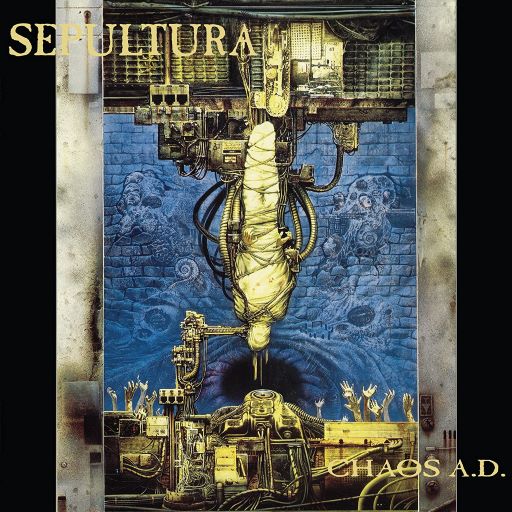
Sepultura – Chaos A.D.

Released September 1993 via Epic/Roadrunner Records

My Favorite Tracks – Refuse/Resist, Amen, Territory

Brazil’s Sepultura had captured the attention of the world with several albums of thrash bordering on death metal. By 1993 the band had worn out on the sound and looked to change up the formula some. The results would be downtuned guitars, more groove-based riffing in place of a thrash assault, and drums incorporating tribal and samba influences. It was as if Sepultura timed their move from thrash at the same time the rest of the world did.

There are 12 songs with a run time of a fairly lean 47 minutes. Should be pretty easy to get through.

Refuse/Resist

Opening with one of the album’s three singles (all the first three tracks are), this heavy hitter is an anti-police/authority song that has come away as one of the record’s signature anthems. Even with the band’s move away from thrash, this song is a chaotic, frantic mess. It does its job well of being a protest anthem, and in a time when protests and riots would see a big uptick.

Territory

The second single and most likely the best-known song from the album. Territory is a slow, plodding affair that looks at relations between leader/dictator and the people. Topical footage from the Israel-Palestine conflict is used in the video. Sepultura’s new groove-based music was being matched with incendiary political content, something that would get noticed in the same time frame that bands like Rage Against The Machine got big.

Slave New World

The final single from the album, this song was co-written with Biohazard bassist/actor Evan Seinfeld. The song tackles the issues of censorship and what it means to be “free” in modern society. As with the other two singles, this song is a common staple of the group’s live sets.

Amen

Though apparently not said outright, the song is a look at the Branch Davidian cult of Waco, Texas. The cult and its leader David Koresh were burned alive by US federal agents in April 1993 after an extended standoff. The song handles both the point of view of the cult leader and a more distant perspective that outlays the apocalyptic consequences.

Kaiowas

We arrive at an instrumental and all-acoustic performance, featuring only guitars and tribal percussion. The album’s liner notes pay tribute to a Kaiowas tribe in Brazil that committed mass suicide in response to government taking tribal lands. I have not done the proper scholarly research to corroborate that information.

Propaganda

A song about …. uh, propaganda and confrontation, I guess. It’s a very nice song but I have no idea what Max Cavalera is on about here. Sometimes you just have to quit paying attention and headbang along.

Biotech Is Godzilla

Here is a track with guest lyrics written by Dead Kennedys frontman and alternative icon Jello Biafra. The song gets into the issue of biotechnology and its more insidious uses. The song offers a conspiracy theory that the US government sent lab techs to Brazil to experiment with germs and chemicals on unsuspecting citizens. While the song is brief at two minutes it packs quite a punch and a lot of information and conjecture in its slim timeframe.

Nomad

An ode to the tribal and traveling peoples of the world, and an appropriately harsh, doom-ridden tune to weave that tale with.

We Who Are Not As Others

Another slow, doomy number that literally just repeats the title as its lone lyric over and over again. And it doesn’t suck. Pretty good job on making that better than a throwaway track. I mean, sure, it’s kind of damn dumb but it still works.

Manifest

An interesting twist on a metal song, this track provides a spoken-word account of a bloody news item from Brazil – the Carandiru prison massacre of 1992, in which military police handled a prison riot via the slaughter of 111 prisoners (who were pre-trial and not yet convicted). Max Cavalera does offer a few brief, one-word choruses along with the spoken account. It is an interesting and different approach to a metal song that is also obviously really fucking depressing.

The Hunt

We wind toward the close with a cover song – this originally being an offering from 1986 and the English group New Model Army, an act that can be called “rock” but honestly defies most specific categorization. No real matter here, as Sepultura twist this song’s form into their own. It is a tale of street justice and vigilantism in the face of the criminal underworld, a song very fitting of Chaos A.D.’s themes.

Clenched Fist

Bringing it home with one of those tried and true, defiant ’till the end and I’m angry and gonna get busy with it metal songs. It’s an anthem for weightlifting, running or whatever other crazy exercise shit people do (I do cycling myself).

Chaos A.D. saw Sepultura reinvent themselves and their new form landed squarely in the 1993 metal marketplace. The album went gold in the US and three other countries and saw top 20 or better action in several nations’ charts. Sepultura would tour the US with Pantera in 1994, just as the latter obliterated the Billboard charts with their own Far Beyond Driven. Groove metal was here, a “new” metal approach that beckoned great change on the horizon.

This would not be Sepultura’s greatest success – they truly conquered with their next effort, the multi-platinum Roots. That album would lean harder towards the “new” metal approach and was a benchmark for new trends in heavy metal. The band themselves would not enjoy the full fruits of their labor, as frontman Max Cavalera would depart the group in acrimonious circumstances at the end of 1996. While both Sepultura and Cavalera press on in various incarnations, there has been no heralded reunion of the band’s classic lineup that overtook mainstream attention with their very harsh sounds.

But for all that would come after, Chaos A.D. remains as a staple of the band’s catalog. It helped that one of extreme thrash’s most promising bands helped usher in the new age of metal (though some old-school keepers of the gate did not take to the new sound..) and also that the band incorporated specific, real-world examples of big issues in society as opposed to abstract cackling about bad stuff. It is as much a thinking person’s album as it is a vehicle of aggression, and its combined form is a force to be reckoned with.

Album Of The Week – August 1, 2022

Last week I covered one of the most significant albums in heavy metal history. Let’s go 2 for 2 on that front.

Iron Maiden – Powerslave

Released September 3, 1984 via EMI

My Favorite Tracks – 2 Minutes To Midnight, Rime Of The Ancient Mariner, Aces High

This release marks Maiden’s fifth studio album and the one where the band truly became a worldwide phenomenon. The album and resulting tour would get the band in front of audiences across most of the civilized world.

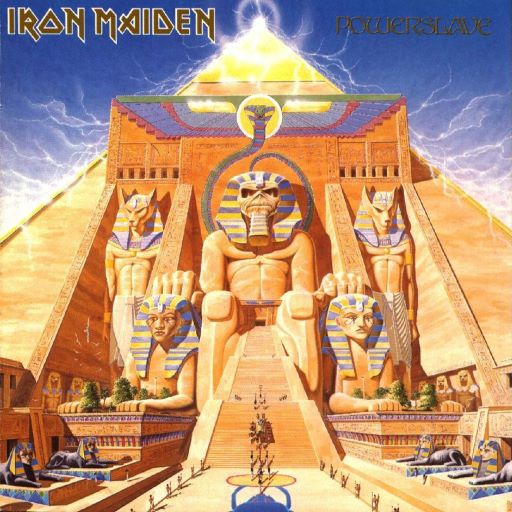
And of course, it usually isn’t an Iron Maiden album without an epic cover. Powerslave does not disappoint on that front. Our friend Eddie was worked into a pharaoh sitting atop his throne and the Derek Riggs cover is one of Maiden’s most celebrated art pieces.

Discussion is a fairly easy task with eight songs coming in a hair over 50 minutes (and also I’ve heard this album a billion times), though the huge epic looms at the album’s close.

Aces High

The album’s opener would also serve as the band’s long-time concert opener. Maiden’s sound was now dialed in and this energetic track showcases the rumbling bass, galloping guitars and soaring vocals the band are known for. The lyrics recreate British air forces during the Battle Of Britain in World War II. It is one of the most well-known and loved songs from the groups catalog.

2 Minutes To Midnight

It’s a song that employs the world’s simplest yet most effective rock riff and tells a tale of destruction through the military industrial complex. The title references the Doomsday Clock and the close setting to midnight, which would signify atomic destruction.

This also is my favorite Iron Maiden song. I don’t really know “why,” just that it is.

Losfer Words (Big ‘Orra)

This is an instrumental and (I think) the final one the band ever did. It’s a very nice song that certainly could have been something with vocals but does just fine on its own. It fits the sound of the album perfectly.

Flash Of The Blade

A two-song mini arc about swordfighting starts here. A young kid plays with his toy sword, then becomes a real swordsman after his family is killed in an attack. He sets out for revenge against the killers with his real sword skills as an adult. The chorus is a pretty clever twist on “live by the sword, die by the sword.”

The Duellists

A pretty simple premise – the song is about a sword duel. The two combatants fight in the lyrics through Maiden’s pummeling musical delivery. Both of the swordfighting songs sometimes get dismissed or overlooked but I’ve always enjoyed them.

Back In The Village

This song isn’t entirely clear but it is another reference by Maiden to the old British TV show The Prisoner. The band had already recorded the song The Prisoner on The Number Of The Beast inspired by the show and are revisiting the setting here. I’m not familiar with the show but here are a handful of direct quotes from it in the lyrics here, such as “I’m not a number, I’m a name,” also words worked into The Prisoner song.

Powerslave

The title track heads to ancient Egypt and visits with a dying pharaoh who is not happy with the premise of mortality. The pharaohs were considered gods, yet here this dude is about to kick the bucket. Probably a startling conclusion to a worshiped and revered figure. Maiden kicked the track length up a bit here to 7 minutes, though even Powerslave pales in comparison to the journey to come.

Rime Of The Ancient Mariner

We arrive now at the album’s close, but it’ll be awhile before we get to the actual finish. This song, a direct adaptation of Samuel Coleridge’s famous poem of the same name, clocks in at 13:45. It would be Iron Maiden’s longest song until 2015, where Empire Of The Clouds from The Book Of Souls would dwarf Rime’s runtime (and The Red And The Black would come very close).

The song and poem’s plot can be summed up in concise fashion – ship gets lost, bird helps ship out of ice, guy shoots bird, guy is cursed for shooting bird. Sure, there’s a hell of a lot more to it than that but it’s the gist of the story.

Maiden makes extensive use of movements and arrangement to convey the poem in song form. An unfamiliar listener could be forgiven for thinking this is more than one song, at least until the curse is lifted in the song’s final few minutes. I’ve even had my mind wander off and forget what I was listening to when playing this album in the background.

While doing a song of such scope posed risks, Iron Maiden was all the better for it. They were not ever a radio hits band, so a lengthy epic based on a poem was eaten up by the fanbase. To this day it is listed among their finest works and no shortage of people have it at the top of their lists.

The Live After Death performance

Powerslave was an immense triumph for a band already on the rise in the mid 1980’s. The album charted in many countries and has several platinum and gold certifications. The resulting World Slavery tour took Iron Maiden all over the world and culminated in their first live album, the immortal Live After Death.

Iron Maiden’s ’80’s run is widely hailed as a series of classic albums and performances, yet Powerslave may be the cornerstone of that era. The two singles Aces High and 2 Minutes To Midnight are constant live presences, the title track is a celebrated epic, and of course Rime Of The Ancient Mariner is hailed as a masterpiece. The album’s influence is inescapable – hell, it’s even used by some to criticize other periods of the band’s work. Even as the band has endured and carved a unique legacy within heavy metal, the shadow of Pharaoh Eddie looms large over Iron Maiden’s work.

Also the Live After Death performance

Album Of The Week – July 25, 2022

This week’s pick is one that was always going to wind up here, the only question was when. I could write about the album in my sleep and I could probably write this without hitting play on it (though I will). But all the fuss raised up over the title track’s use in a hit TV shows means the time to talk about it is now.

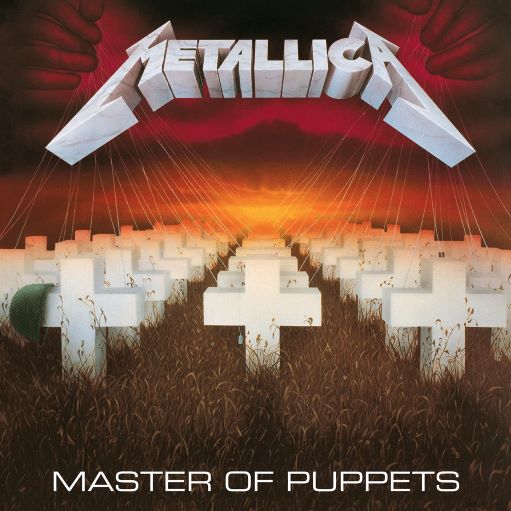
Metallica – Master Of Puppets

Released March 3, 1986 via Elektra Records

My Favorite Tracks – Damage Inc., Disposable Heroes, Welcome Home (Sanitarium)

Metallica’s third album would showcase some polish and a very consistent approach. The band would make waves after its release as the record gained momentum without the benefit of radio or MTV play. It would go one be considered one of the band’s finest moments, even as tragedy cut short the album’s touring cycle.

It’s a fairly lean track list with eight songs but there’s almost an hour’s worth of music to get into. Let’s dive in to one of heavy metal’s most noteworthy albums. Also, a note – the videos posted are all live performances that may not reflect everything discussed in the post, and were also performances after the death of Cliff Burton.

Battery

Opening with one hell of a thrash attack. The song is a scorching track that pays tribute to the band’s fans, being the “battery” that Metallica draws from during shows. It’s also a reference to San Francisco’s Battery Street, where Metallica roamed in their early days. This song showcases how Metallica were able to retain the savagery of their early career while also refining their sound.

Master Of Puppets

The title track is a mammoth epic clocking in at 8:36. The long runtime did not deter fans – the song is one of the band’s most popular and stands as the track played live the most in the group’s 40-year career. The song tackles the issue of drug addiction and how the drugs wind up being the master controlling the user.

Master Of Puppets was the only single released from the album. The song did ok on the charts for a single not supported by video play at all and very light radio play, thrash wasn’t a radio gem in 1986. The song would chart again in 2022 when its use in a pivotal scene in the hit Netflix show Stranger Things sent the world to discover or re-discover it again.

The Thing That Should Not Be

A slower number that sees Metallica again visit the H.P. Lovecraft eldritch horror universe. It is a suitably heavy, doom-laden track about a sinister horror driving victims to madness. It is a track that gets flack in some circles but it’s one I enjoy. The song was massively influential to one Brian Warner, who would go on to become Marilyn Manson.

Welcome Home (Sanitarium)

A noted highlight from the album comes in the form of a song similar in form and spirit to Ride The Lightning’s epic Fade To Black. Making use of slower and haunting instrumentation, the song paints an explicit picture of being abused inside a mental facility. The song was reportedly influenced by the movie One Flew Over The Cuckoo’s Nest.

This is another showcase of how Metallica were able to do far more than just beat the listener into submission. The song does ramp up the aggression after a long build but its desolate harmonies in the early verses are its calling card.

Disposable Heroes

Another marathon busting the 8-minute mark, this titanic effort tackles a soldier being sacrificed on the battlefield by a ruthless, uncaring leader. It is a stark look at the horrors of war, a subject often brought up by Metallica. Even with the long run time, this song is fast and unrelenting throughout.

Leper Messiah

This song slows things down a hair but doesn’t let up on the heaviness at all. It is a look at a conman preacher, a favorite target of ’80’s metal bands (who were often the favorite targets of said preachers). The song does pick up the pace as it goes along, establishing a series of movements and an ear toward arrangement and composition beyond the usual scope of thrash.

Orion

Metallica had one instrumental song on each of their prior releases and kept the ball rolling with this one. The song is a trippy, out there track that is the brainchild of bassist Cliff Burton. Much of the unconventional noise is coming from his bass. Parts of the song do thrash along in more standard ways.

Damage Inc.

The album closer is an absolutely pummeling affair that starts attacking the listener just after a quiet intro ends. The song describes a corporation (Damage, Incorporated) that mows over humanity in its quest to get bigger. It’s cool that the band were able envision these dystopian kind of horror scenarios that don’t reflect reality at all…

Master Of Puppets would serve to further the career of Metallica and lead the group to new heights of success. The album sold well out of the gate and the band landed a coveted opening spot on Ozzy Osbourne’s American tour, playing arenas for a five month haul.

As the band were trekking Europe that September, a bus accident in Sweden would claim the life of bassist Cliff Burton. The band decided to press on, hiring Flotsam And Jetsam bassist Jason Newsted as the new member.

Though the tour cycle for Master Of Puppets was cut short, the album has gone on to hold a significant place in the band’s catalog and in heavy metal overall. This album, alongside Slayer’s Reign In Blood, Megadeth’s Peace Sells…But Who’s Buying? And Anthrax’s Among The Living would establish the “Big Four” of thrash metal. Thrash itself would see a huge spike in popularity through the remainder of the decade and Metallica were often hailed as the ultimate practitioners of the craft.

Master Of Puppets is often regarded as a “perfect” album and the quintessential thrash record. It is toward the top of countless “best of metal” lists and sees a spot at or near the top of most any Metallica album ranking. Its legacy is immense and casts a massive shadow over the world of heavy metal.

And that legacy continues on. 36 years past its release and long after the band set aside thrash and became one of the world’s biggest musical acts, the song Master Of Puppets has taken on a new life through its use in Stranger Things. Not that Metallica necessarily needed the rub, but the frenzy from the show has copies of the album flying off record store shelves again. A new generation of fans are jumping in to the pit, and so it goes for the titans of heavy metal.