Heaven & Hell – The Devil You Know

This week I’m heading into 2009 and having a look at the album that would sadly be Ronnie James Dio’s final living testament.
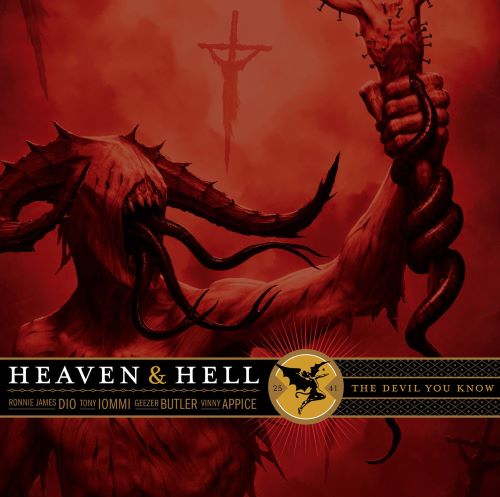
Heaven & Hell – The Devil You Know

Released April 27, 2009 via Rhino Records

The story of how Dio-led Black Sabbath got together one last time is pretty straighforward. In 2007 a greatest hits compilation of the Dio-Sabbath albums was released. Tony Iommi did not have a wealth of usable material from these albums in the vault, so he convened with the other members to record a few new songs for the comp.

This led to touring and rather quickly morphed into recording a new studio album. The only roadblock present was one sprung by her grace Sharon Osbourne – this band could not use the name Black Sabbath, as Camp Osbourne had secured full control of Sabbath’s rights from Iommi several years prior. This led Sharon to release a flimsy PR statement declaring that there was “only one Black Sabbath,” even though anyone with even a passing knowledge of heavy metal is familiar with the several Ozzy-less versions of the band. At any rate, Iommi, Dio, Geezer Butler and Vinny Appice chose to rechristen themselves Heaven & Hell in order to tour and record. It was Black Sabbath in all but name, and many record stores even filed the release under Black Sabbath on the shelf.

The album features 10 songs with a 54:01 runtime. There were some digital editions with bonus tracks, these were live cuts and I don’t know of any studio material that was left on the cutting room floor.

Atom And Evil

The opener keeps a slow pace in fitting with the doom aspect of Sabbath’s music. Dio gets to shine on the verses while Iommi opens up the riffing in the chorus and solo break. While not outright headbanging, it’s honestly a great listening experience with the more droning tempo.

And the theme here is very deep, interwoven and well done. Atom And Evil is clearly a play on the Adam and Eve story and the song explores the concept of someone finding forbidden knowledge, just as in the creation story. In this case the knowledge is that of nuclear weapons.

And also of note – this isn’t the first time someone used this song title to express the same sentiments. In 1947, the gospel act Golden Gate Quartet released a single with the same title and theme. Rather different songs, but same idea. Grade: A+

Fear

This one gets going with a fair bit of power and has one hell of a doom riff running through it. The song is simply about being afraid of the dark. This one is actually more about the reality of nyctophobia, which is a feature of prehistoric times when light sources at night were quite scarce and a fear of the dark was perfectly rational. It has lingered with humans ever since and now we have this great song about it. Grade: A

Bible Black

Up next was the advance single from the album. This one builds from a softer intro into a full-on vintage Iommi pounder of a riff. The song is about a guy who becomes possessed by a book of dark knowledge. It’s easy to see why they picked this as the single – this song is full and rich and hits all the right notes. Grade: A+

Double The Pain

This one comes out at a more uptempo, rocking pace. The premise here is of someone who isn’t happy unless they’re miserable, so “double the pain” and make them euphoric. Interesting concept, but honestly I can’t help but feel like I’m listening to a heavy metal commercial jingle for Doublemint gum (that stuff still around?). A good song but maybe just a bit off. Grade: B-

Rock And Roll Angel

This one moves in a straight line with a simple yet effective Iommi riff. This was first called Rock and Roll Jesus, but then Kid Rock released something with that name so this one got changed up. It’s a nice song that’s far from the standout of the album but it’s not bad by any stretch. Grade: B-

The Turn Of The Screw

A song with a fairly upbeat rhythm to it, even Iommi’s riffs have a bit of lift to them on here. A bit juxtaposed with the subject matter as this is about using people up and discarding them. Another song that doesn’t leap out of the speaker but still offers up something worth listening to. Grade: B

Eating The Cannibals

An outright speed song here, this one picks up the tempo and bashes out from start to end. There are even a few melodic rock runs from Iommi over the top of this one, not something you hear from him every day. The theme here is one of violence and also a sort of twist on the “eat the rich” concept. I don’t know that it entirely comes off but the song works just the same. Grade: B+

Follow The Tears

Another more standard Dio doom offering with a few keyboards up front to help differentiate things a bit. It’s a dark tale of how human generosity can be self-serving and ultimately a trap. Another song that’s fine but doesn’t quite go over the hump. Grade: C+

Neverwhere

One more fast and fairly upbeat and tempo track as we wind to album’s end. It’s one of Dio’s fantasy tales though this one is really dark, about someone giving in to the temptation of witchcraft and the like. Pretty good stuff here. Grade: B

Breaking Into Heaven

The final song is a more plodding doom track with the vintage Iommi guitar work. This one’s about the rebel angels who left Heaven with Satan, now they are plotting to return to Heaven and they aren’t going to ask politely to get back in. Not a bad way to close out the album and the Dio era of Black Sabbath. Grade: B+

The Devil You Know was hotly anticipated and would see a rush of success upon release. It charted all over the world, though in fairness many of the chart positions were modest. In the US it did very well, landing at number 8. This would match Master Of Reality for best US chart position of any Black Sabbath album, though a few years down the line the original version of the band would land the number 1 spot with the band’s final album 13.

While the stage was set for Heaven & Hell to take off and run, this chapter would sadly close after less than 50 shows. Ronnie James Dio was diagnosed with stomach cancer and died in May of 2010. For a group who had formed and split up twice over infighting but had come together older and wiser for this last run, it was a tragic way for everything to have to end. The end of Heaven & Hell left Tony and Geezer available to work with Ozzy as Black Sabbath one final time, a run that concluded in 2017.

Today’s album does have a mixed reception. Some people ate up anything that Dio Sabbath released, I am generally among that number. Others didn’t find much worthwhile in the album, longing more for the prior classic albums of the group.

For me this is a solid effort. It has a few standout cuts that show up at the beginning of the record, then the remainder offers up secondary tracks that are still quality and a bit above the “filler” line. It’s a good listening experience front to back, nothing on here sticks out as not fitting.

Album Grade: B+

This last chapter of work between Dio and Iommi blessed us with another round of their somewhat unique blend of doom and high fantasy metal. It is a Black Sabbath album in all but name, a policy enacted by her benevolent grace Sharon Osbourne. But there is no quashing the legacy that “Dio Sabbath” were able to forge, and The Devil You Know serves as a fitting conclusion to that legacy. It’s also the final testament of bona fide heavy metal god Ronnie James Dio.

For the details of my grading scale, head here.

Questions, comments or concerns? Use the comment form below or head to my contact page.
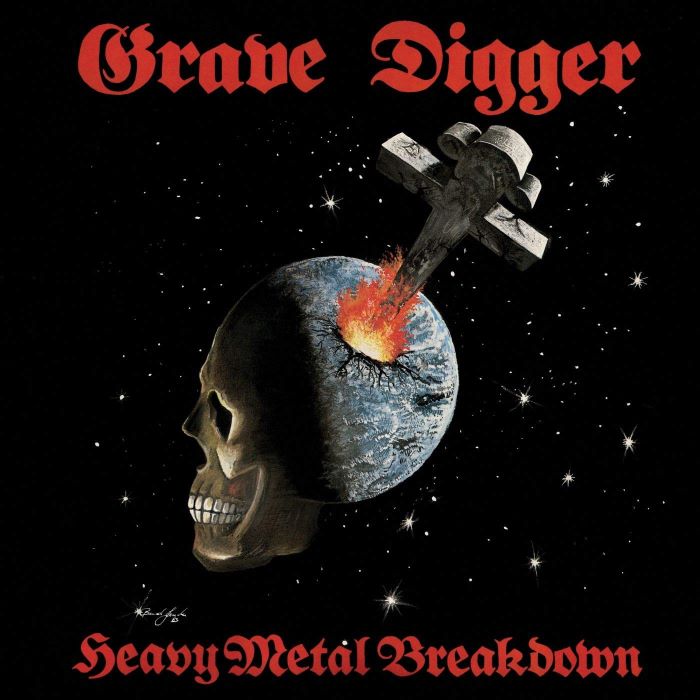
Grave Digger – Heavy Metal Breakdown

When you have 22 albums in the course of a music career, you have to start somewhere with number 1. For German metal titans Grave Digger, that first album came in the hallowed metal year of 1984.

Grave Digger – Heavy Metal Breakdown

Released April 7, 1984 via Noise Records (European release)

Grave Digger formed in 1980 and spent a few years on the live circuit before stepping into recorded music. The band was comprised of Chris Boltendahl on vocals, Peter Masson on guitar, Willi Lackman on bass and Albert Eckardt on drums. Boltendahl remains as the lone original member of the band and even by 1984 the group had replaced a few members.

All music on Heavy Metal Breakdown is credited to Grave Digger as a collective, while all lyrics were credited to Boltendahl. (with two exceptions noted below) This was due to legal reasons, as the band only had the money to register one person with Germany’s publishing rights group. The album was produced by Grave Digger and Karl-Ulrich Walterbach, the head of Noise Records. Harris Johns engineered the album, he would also produce many of the essential Noise Records releases.

This album exists in several versions with different tracklists and sequencing. I will be covering the original European release as that’s the LP I have in my collection. The US version was released a bit later in the year and has an extra song and also omits a cover song. Several reissues of this album also exists with plenty of bonus tracks, but again I’m sticking with the original today.

Headbanging Man

The opener is a barn-burning speed metal outburst. Boltendahl establishes his trademark snarl on vocals right off the bat while the song bashes through in heavy as hell fashion. No deeper meaning to dig into here – this song is an ode to the now-established metalhead, the headbanging man. The song is quite simple but it’s also very nice and gets the ball rolling well. Grade: A-

Heavy Metal Breakdown

The title track does not veer too far off of the tone set in the opener. It’s another burst of fury paying homage to the headbanger. It’s easy to laugh at a lyric like “we come to shake your hands and legs as fast as we can do,” but the song rises above any simplicity and offers up a heavy metal triumph. Even in a career spanning 22 albums, this one stands out as the band’s signature song. Grade: A+

Back From The War

This one starts off with a very cool, ominous intro and first verse passage before kicking into a more thrashy passage that remains through the rest of the song. The song recounts the horrors of war, a tried and true subject within metal. It also has a very long fade-out at the end, which has next to nothing to do with anything, I just wanted to bring it up. Grade: B+

Yesterday

Grave Digger decided to switch things up here and offer up something that could be considered a ballad. The song writing here is credited to Beate Marquardt, who I am totally unfamiliar with. It’s not an outright, sap on sap 80’s ballad but it’s a bit of a curveball for the record. It has a few quiet passages in the beginning and middle, but does thrash it up a little bit for the song’s very few lyrics. This one is fine to listen to but also doesn’t really move me all that much. Grade: C

We Wanna Rock You

We are back to the main point of the album, which is headbanging. This is another meat and potatoes metal song about heavy metal. Sure it’s basic, but this is the kind of stuff kids lived for in the 1980’s. Another finely done slab of headbanging. Grade: A

Legion Of The Lost

There’s an acoustic intro here that transitions into a mournful first verse passage, then the speed metal comes back a few minutes in and takes us to the end. This song really goes for the throat and slams the heavy metal home. Grade: A

Tyrant

In shocking news, it’s another crisp headbanging track. Boltendahl gets some screams going here and this one is heavy and also showcasing dynamics. Groovy guitar solo in this one, too. Grade: A-

2000 Light Years From Home

On the original version of the album we get this cover of the 1967 Rolling Stones song. This cover does not resemble the original song in any way, shape or form – rather than implementing the psychedelia of the Stones song, Grave Digger pound their way through this one in the same fashion they’ve done the rest of this album.

The production here is pretty rough, this sounds like it was taken from a different session than the other songs. It is a decently done cover song and it’s interesting how Grave Digger twisted the song up to fit their sound, but this is really more of a trivia piece than anything. Grade: C+

Heart Attack

The closer gets going right away and goes all out, it’s an extra bit of speed on top and this is honestly an outright thrash song. It’s just the right kick in the ass to end the album with, even if the lyrics themselves have absolutely nothing to do with a heart attack. Grade: B+

Heavy Metal Breakdown was a loud and noisy debut for Grave Digger. Like most Noise Records albums, this one did not chart on release. Like many of the Noise releases, this one would spread around the tape traders and heavy metal parking lots of the day as Grave Digger slowly built their name. Separately, Grave Digger didn’t seem to chart at all until 2010, though I can’t totally verify that information.

And it would be quite awhile for Grave Digger to get their notoriety – the band scratched through the rest of the 80’s without any real breakthrough. They even shortened their name to Digger and tried to emulate the sounds of the day for a bit. The band then went on hiatus for several years, returning in the early 90’s with a sound somewhere between speed and power metal that Grave Digger would then run with for the ensuing decades.

It was quite the long road for Grave Digger to get where they were going, but it started in grand fashion with the release of this killer debut album. The production was a tad rough around the edges but the album is still perfectly listenable, and there is no doubt this a heavy metal loving band.

Album Grade: A-

We have plenty of esteemed and celebrated heavy metal albums from 1984, and while Grave Digger never earned the profile of the likes of Maiden or Priest, this band still offered up a fine slab of metal to headbang along with. Germany is one of heavy metal’s most prolific nations and Grave Digger are without a doubt a highlight of that country’s pantheon.

To see the details of my grading system, head here.

For questions, comments or concerns, use the comment form below or head to my contact page.

Bruce Dickinson – The Mandrake Project

It’s time now to turn attention to this year and one of the more anticipated releases from a few months back. It had been a very long time since Bruce Dickinson had dropped a solo album and buzz was high for it. Did it deliver?

Bruce Dickinson – The Mandrake Project

Released March 1, 2024 via BMG Records

This marked Bruce’s first solo album since 2005’s excellent Tyranny Of Souls. The planning for this record dates back to at least 2015, when Bruce and Roy Z recorded an early version of a song that wound up on an Iron Maiden album and then repurposed for inclusion here.

Bruce was joined by Roy Z, who produced and also played guitar and bass. Dave Moreno was the drummer and Maestro Mistheria provided keyboards. A few guests dropped by for cameos, including Gus G on a solo for Eternity Has Failed.

The Mandrake Project is a concept record, though the full story is not really available in the songs. A series of graphic novels are being released that detail the story. There isn’t a ton to go on other than someone has learned the secret to raising the dead. There has been speculation that not all songs on the album tie into the story and I personally can’t make much sense of it so I won’t drag the point out further.

Today we have 10 songs with a 58:44 runtime. There are several editions of the album around but the differences revolve around covers and booklets, the music is the same across formats and versions.

Afterglow Of Ragnarok

The album opens with the lead single and thus the song we’re most familiar with. It’s a pretty big track with a fat main riff and the song shifts up its focus a few times throughout. Some contrasting light and dark stuff going on.

It is really nice to hear Bruce sing over a Roy Z riff again, it does stand out in contrast to Bruce’s main gig. This song is good but it is also very all over the place. The lyrical fare is dense and hard to get into without knowing the full story and the song jumps around a bit too much for my liking. It’s one I don’t mind hearing but it’s a bit jumpy for me. Grade: C+

Many Doors To Hell

Up next is a pretty bright and powerful tune. It’s a more standard offering than the prior track and is a signature Roy Z rocker. Here Bruce opines about a vampire who actually wishes to feel what’s it like to be human again. It’s a pretty cool song. Grade: B+

Rain On The Graves

This one kicks off with a pretty sly and playful riff, which accents the premise that someone is meeting the devil in a graveyard. The chorus is more straight-up and powerful so it creates a nice contrast. An awesome song and the standout track of the record. Grade: A

Resurrection Men

It’s now on to a song with a spaghetti western motif to it. The intro riff establishes the unconventional theme, then the song moves into a more typical presentation. It’s a very interesting presentation through the first part of the song, then there is a weird breakdown kind of section that is very jarring on first listen. I was able to get more into it on later listens but it really threw me off at first. Grade: B+

Finger In The Wounds

This one starts up ballad-like but gains a lot of power into the first chorus. Bruce said in an interview with Apple Music that this one is about the stigmata of Christ. There is also a Roy Z “off in la-la land” interlude here which, honestly, fits the song very well. Grade: B

Eternity Has Failed

Now we’re on to a song that was in process a decade ago, then Steve Harris heard it and the song got included on Iron Maiden’s The Book Of Souls album. That song was called If Eternity Should Fail, so Bruce and Roy Z reworked some lyrics to freshen things up for the song’s intended purpose here.

For me I can’t separate the two entities. It’s tough to listen to this one in the shadow of the Maiden track. I feel like the Maiden song is better sounding and better executed. I don’t think this is awful, but it really does pale knowing what else is out there, this doesn’t have the same feel. Grade: C-

Mistress Of Mercy

This is a pretty standard, fast-paced rocker. Bruce said this one is about music and how it is a mistress, in the sense of a dominatrix. I don’t get it but the song is still pretty fun to hear. Grade: B-

Face In The Mirror

Now we get a ballad and it’s a very somber one about both addicts and the people who judge addicts. I’d say it’s pretty well done, it is very much on rails and the same all the way through and might get a bit dull toward the end, but I can appreciate the song’s concept and overall presentation. Grade: B-

Shadow Of The Gods

This one goes way back to Bruce’s prior solo album Tyranny Of Souls. It was written with intent to use for the Three Tremors project, which originally was to include Rob Halford and Ronnie James Dio alongside Bruce. There were attempts to insert Geoff Tate in place of Dio and the whole story behind it is a mess that is another story for another time. In the end this never got off the ground, so Bruce included the song here.

The song opens as a ballad but kicks into a heavy mother later on. It’s fairly evident where the part Halford was supposed to sing is at. But the song is very good and offers up plenty of worth even without the intended collaborators. Grade: A-

Sonata (Immortal Beloved)

The closing track is a ten minute ballad that I guess they forgot to put on Senjutsu. In seriousness, the song is the oldest track on the album and was something Roy Z put together based on the 1994 film Immortal Beloved, which covers an aspect of Ludwig van Beethoven’s life.

This one is more ballad-like with a fair bit of atmosphere and layering behind it. While the song has been around forever, Bruce winged the lyrics off the cuff. The song is interesting and after I’ve played it several times I find more to like about it then not. Maybe it could use a bit in the way of variety in the arrangement, but it’s still a nice song to hear. Grade: B

The Mandrake Project was a hotly anticipated release after 19 years without a Bruce Dickinson solo album. It charted number one in three countries and top ten in many others. It had a soft US performance, landing at 176 on the Billboard 200 but claiming spots on the Independent Album and Hard Rock Album charts. It did land at number three in the UK, where the album had stiff competition from Rod Stewart as well as Liam Gallagher. It’s too early for any sales or certification info.

This album was a challenge for me in the beginning. It isn’t easy and accessible right off the bat, there are some layers and more dense portions. I mean, I have no real clue what The Chemical Wedding is about and I hail it as a masterpiece, but this one didn’t hit with that kind of immediacy. The album’s reception was also impacted a week later by the Judas Priest album Invincible Shield, which is widely hailed as an instant classic and drew a lot of attention away from this one.

But over time I gave this one more spins and a fair few of my concerns were lifted. I could appreciate more of what was going on and some stuff that put me off at first, like Resurrection Men, I came around on. This album isn’t a masterpiece or a career record but it still offers up plenty to enjoy.

Album Grade: B

In the end I can appreciate what is on offer here. I sort of assume Bruce will work on another solo record someday, though I also believe his main gig will be taking up his time in the foreseeable future. But The Mandrake Project is a serviceable album to end a very long solo layoff.

Celtic Frost – Morbid Tales

Once again I’m going back to 1984. This time it’s to explore a debut album that would prove massively influential to the coming extreme metal movement.

Celtic Frost – Morbid Tales

Released November 1984 via Enigma and Metal Blade Records (US)

Celtic Frost was formed in Switzerland in 1984, out of the ashes of Hellhammer. That band had been intentionally lo-fi in sound and had generated some nasty reviews from parts of the heavy metal press, to a degree that the negative reputation would follow Celtic Frost through their first few albums.

Celtic Frost was formed by guitarist and vocalist Thomas Gabriel Fischer, credited to the stage name Tom G. Warrior; and bassist Martin Erich Stricker, who went by the stage name Martin Eric Ain. While Tom Warrior would go by his real name and pseudonym interchangeably, Ain used his stage name strictly through the course of his life. Drums for this recording were provided by Stephen Priestly, who would later join the group fully during the ill-fated Cold Lake period.

Morbid Tales was initially released as a six song EP in the European market by Noise Records, who financed and helped produce the recording. In the US two songs were added and the album was licensed to Enigma and Metal Blade Records. I will be covering the US version today. A few reissue versions with bonus tracks and the Emperor’s Return EP are available.

Note that on streaming and on certain reissues, the intro to the first song is a separate track called Human. This was originally part of the first proper song Into The Crypts Of Rays.

Into The Crypts Of Rays

The opener is a straightforward, pummeling thrash tune that sounds suitably primitive but also a fair bit developed. This isn’t the woeful noise of Hellhammer, there is clearly something more here right from the drop. While CF were significantly influential on black metal, there’s also something here as an early template for death metal.

The song is a bio piece on Gilles de Rais, a French baron who was an ally of Joan of Arc. The baron was also implicated in and convicted of murdering 140 people, mainly children. The truth of de Rais’ guilt has been in question since his execution in 1440, but his supposed bloody deeds have been fodder for metal songs for the past few decades. This may have been the first one but I am not able to say that with certainty.

Whatever the case, this song introduces Celtic Frost to the world with a swift kick in the ass. Grade: A+

Visions Of Mortality

This one opens as a mid-paced effort, showing off the true haunting and sinister atmosphere Celtic Frost would conjure up throughout their career. It jumps into a thrash movement at one point and bears early indications that this band would offer up more in the way of song arrangement than simply playing loud riffs. A nice musical setting for a dark tale of someone seeking to become immortal through whatever means necessary. Grade: A

Dethroned Emperor

A very sick and twisted riff for this one, total caveman stuff here as CF run down the tale of a ruler who is removed from his throne by force. Even with the primitive feel, there are bits of arrangement and atmosphere thrown in. Grade: A-

Morbid Tales

This one kind of rocks out a bit in the intro before the song proper offers up a very early slice of what could be called black metal. The morbid tale in question is a battle between sorcerers or demons or something, it’s like a Dungeons and Dragons adventure laid out in lyrics. But yes, the foundation upon which one of the world’s most controversial subgenres was built can be found right here. Grade: A

Procreation (Of The Wicked)

Nothing too complicated here, but this riff is just impossibly savage and also catchy. The tale offered up here is one of how people are basically cruel and evil and there isn’t much to be done about it. There’s also a brief demonic utterance at the end to drive it all home. This song is just impossibly brutal and hypnotic. Grade: S

Return To The Eve

This is a fanciful tale of someone who longs to be in a recurring dream they have but the person is often rudely interrupted by reality, which becomes its own nightmare. A pretty simple tune but there are bits of atmosphere building in here with a spoken word passage and other small embellishments. Grade: B+

Danse Macabre

This goes off the beaten path and conjures up an eerie interlude. It is a creepy, horror movie passage vibe with no true discernible lyrics, just a few phrases echoed out in distorted fashion. The bit is well done but I do think it overstays its welcome at 3:52. But the album isn’t that long anyway so it’s not eating a ton of time either way. Grade: C+

Nocturnal Fear

The album closes with a balls-out thrasher that screams Venom. It’s another twisted tale with demon’s names and stuff like that in it, I don’t know what it’s talking about any more than Tom G. Warrior did when he wrote it. But it’s a total burner of a song. Grade: A

Morbid Tales was not just a debut offering from Celtic Frost, it was an album upon which the future of extreme metal would be based on. No need to offer up chart information here because there isn’t any – CF doesn’t seem to have any chart placements at all until their final album in 2006.

But rest assured this album got around on to the turntables of willing subjects the world over, and within five years there was both a death metal scene and the early strains of the infamous black metal movement were taking shape. Scores of artists from the extreme metal pantheon credit Celtic Frost and this album with being the first early guide into the true depths of sound. This band would join Bathory and Mercyful Fate as the 1984 pioneers of extreme metal, coupled of course with the earlier influence of Venom.

When I ranked the Celtic Frost albums some time ago, I had this slotted in at number three. As my grades here indicate, I am very high on this one so just imagine what I think of the other two above it. There is no doubt that this is an essential piece of heavy metal history.

Album Grade: A

Celtic Frost would have many peaks and valleys over their winding, on and off again career. But this album helped kick off a revolution within heavy metal that has kept generations of headbangers in business.

For an explanation of my grading scale, head here.

For questions, comments or concerns, use the comment form below or head to my contact page.

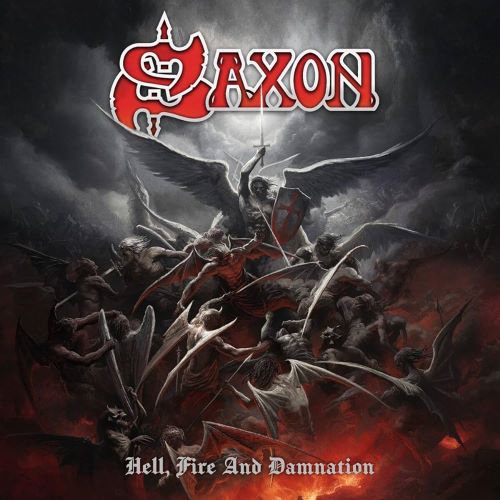
Saxon – Hell, Fire And Damnation (Album of the Week)

After seeing them live last week, it’s finally time to sit down and go over the 24th album from the long-running legends of the New Wave of British Heavy Metal.

Saxon – Hell, Fire And Damnation

Released January 19, 2024 via Silver Lining Music

For Saxon it has been business as usual throughout the 2000’s, as they have landed album after album of consistent material. Some might wonder when the group will call it a day, but nothing indicates that day will be anytime soon.

There was one major departure from Saxon’s line-up before recording, but the rest of the band remained as it had for a long time. Biff Byford helms the group from the vocal spot. Doug Scarratt is on guitar, Nibbs Carter on bass and Nigel Glockler is on drums. All have been with the band for a great deal of time, with Byford being an original member, Glockler and Carter on board since the ’80’s, and Scarratt having come on in 1995.

One original member did leave the band – guitarist Paul Quinn retired in 2023 after having been with Saxon since 1975. He did contribute to two songs on this album, keeping a streak of appearances going from the band’s start. Quinn was replaced by Brian Tatler, the long-running bandleader of Diamond Head. Tatler was first brought on to be a touring guitarist but later become a permanent member of Saxon.

This album was produced by Andy Sneap. Sneap has been producing for Saxon since 2011 and has been at the forefront of heavy metal production for quite some time now. It’s been a busy year for Sneap as he’s also a member of Judas Priest, who have lit the metal world on fire with their latest release.

Today’s album has 10 songs at a 42:20 runtime. The first track is an intro so I’ll set it aside and discuss the other 9.

Hell, Fire and Damnation

The title track gets things going after an intro. This is a pretty epic depiction of the eternal struggle between good and evil, Heaven and Hell. The song runs mid-paced and quite heavy to paint the battle in sound. Saxon don’t really pick sides here – rather they illustrate the ongoing war. And there is a bit of something extra in this title track, something Saxon often do. Grade: A

Madame Guillotine

It’s on to a song that pretty well gives away its theme in the title. The topic at hand is the French Revolution and the fate of Marie Antoinette and many others at the hands of the vengeful populace. The song keeps it simple and direct, letting the instrument of beheading take the lead over the instruments in the band. Nicely done song with a sly and funny chorus. Grade: A

Fire And Steel

This one goes quick and hard. It is not just figuratively about “heavy metal,” it is literally about making heavy metal. Well, sort of – steel is not actually classified as a heavy metal in the scientific sense. But steel is heavy so let’s just go with it. Grade: B

There’s Something In Roswell

Over the course of nearly 50 years and 24 albums, Saxon have covered a lot of topics, ranging from the JFK assassination, to an out of service steam train, to an airliner crashing. Now Biff and company take a peek under the blanket of a huge conspiracy, the aliens of Roswell, New Mexico.

We don’t get anything concrete about the truth of Roswell here, but Saxon do believe something is up. It’s set to another nice mid-paced stroll through government secrets. Grade: B+

Kubla Khan And The Merchant Of Venice

This song covers a lot of ground and I’m not entirely sure what’s going on here. Kubla Khan was a poem by Samuel Coleridge set in China’s Yuan Dynasty, which is referenced in the song. The Merchant of Venice was a Shakespeare play with no bearing on the Yuan Dynasty, that I know of. But here are presented the two concepts. It’s a nice, fast song with a bit of an adventure feel to it. Grade: B

Pirates Of The Airwaves

This is a fantastic track that goes back to the history of pirate radio in the 1960’s. That’s all before my time but apparently there were some rogue stations out there that got away from payola and other shady record label practices and simply played the music people wanted to hear. It even mentions a radio station out of St. Louis despite being an England-centric song, or at least I assume the song is referencing that station. Very cool stuff to hear, we’re so far removed from “pirate radio” that many people would have no clue what it was. Grade: A-

1066

Pretty simple concept here – Saxon are returning to the days of their namesake, when the Saxons were defeated by William the Conqueror in 1066. Maybe it makes Saxon the band feel less old to look back on something almost a thousand years ago, I don’t know. Pretty cool song. Grade: B

Witches Of Salem

One more history lesson from this album, the topic is evident in the title. The Salem Witch Trials were a horrific display of inhumanity but has also been fodder for heavy metal and horror stories forever now. Another fine Saxon song that also made the setlist on the current tour. Grade: B+

Super Charger

We wrap the album up with a old-school heavy metal tale of engines, racing and speeding. Pretty standard fare for sure but that’s probably why most people listen to Saxon in the first place, we want the meat and potatoes of metal without all the bells and whistles, and Saxon deliver just that. Grade: B

Hell, Fire And Damnation was another in a long line of Saxon albums that pleased fans and gained notice as the band performs beyond the confines of their age. The album charted at 19 in the UK and landed top 10 positions in Austria, Germany, Scotland, Sweden and Switzerland.

Saxon would tour Europe alongside Uriah Heep, opening for Judas Priest. Saxon and Uriah Heep would then bring the tour to the US, a show I saw this past Friday. A recap of that show is coming Wednesday.

As for this album? It’s another in a very long line of solid and consistent Saxon releases. The band had a run of aiming for commercial airplay through the late ’80’s, then began righting the ship through the ’90’s. Their modern run of consistent ass-kicking might begin with 1999’s Metalhead, or might even go back to an earlier 1990’s album. Whatever the case, Saxon continue to deliver quality music each time they press the record button in the studio.

Album Grade: B+

This was another, uh, solid ball of rock from Saxon that did not disappoint. The band shows zero signs of slowing down, on record or on stage. Nothing is slowing down this beast of Britain as it heads forward into metal immortality.

For an explanation of my grading system, head here.

For questions, comments or concerns, use the comment form below or head to my contact page.
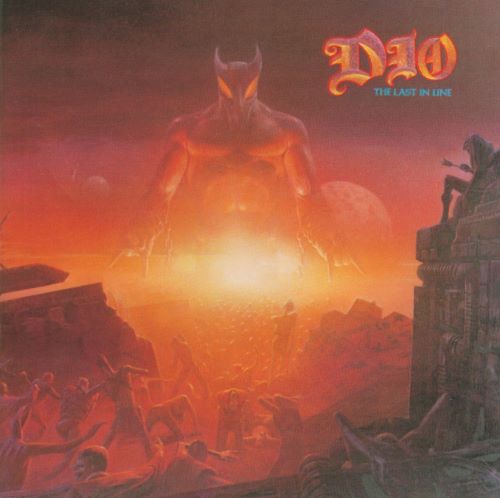
Dio – The Last In Line

The celebration of 1984 continues. Today it’s the album that helped cement a bona fide god of heavy metal.

Dio – The Last In Line

Released July 2, 1984 via Warner Bros. Records

Ronnie James Dio went for broke, and went broke, to launch what wound up being his solo venture the year prior. Holy Diver was a critical success and after touring behind it, the band were quickly back in the studio to do a follow-up. The band had a great deal of cohesion and momentum behind them and were able to pull of a quick turnaround for the next year.

Dio, ever present on vocals, was rejoined by the same line-up from the album prior – Vivian Campbell on guitar, Jimmy Bain on bass and Vinny Appice on drums. In addition, Claude Schnell had been brought in on the prior tour for keyboards and was now a full-fledged band member for this album. The record was produced by Ronnie James, just as the first effort had been.

The cover again features the band’s mascot, a devil-like figure named Murray. This time Murray presides over a group of people who are brought back from the dead. Thought maybe not a striking as the Holy Diver cover, this one is still a fine piece of heavy metal art and let the album buyer know they were in for a headbanging good time.

I’ll cover the original album today, which comprises 9 songs at 41:07 in runtime. There are reissues with a wealth of bonus tracks of this album that are certainly worth investigating.

We Rock

The opener gets things going in the most straightforward manner possible – it’s a fast, hard riff brought with lyrics that are literally about going to a Dio concert. It makes a great album opener, though Dio did often use it to close concerts. It can’t get a whole lot better than this to kick off the record. Grade: A+

The Last In Line

The title track is next and it handles a quiet build until exploding into the rest of the song. This one tackles a “final quest” of people who are gripping with the ultimate battle of good versus evil. It could be a sword and sorcery adventure or it could apply to real life, it is a universal thing. And Vivian Campbell gets all day to play a wicked solo. This song is a triumph of the Dio machine and stands head and shoulders above other recorded material. Grade: S

Breathless

This one keeps a nice hard rock pace while exploring the fear of the night and “going for it” regardless of fear. A nice song by any measure though Campbell’s solo does run away as the highlight here. Grade: A-

I Speed At Night

Up next is a total burner of a song. Easy premise – guy likes driving fast at night. Everyone sang like driving like a psychopath in 1984 and everyone does it 40 years later. Anyway, fantastic song that picks up the pace and again, Vivian Campbell goes ham on the solo. Grade: A+

One Night In The City

A great riff opens this tale of two young people who appear to have run off from their typecast lives for the adventure and uncertainty found in the city at night. While the story is a bit mysterious, it is another epic telling of light and dark and two people up against it, as Dio became famous for. Grade: A

Evil Eyes

This track was originally issued as the B-side to the single Holy Diver a year prior, it was then re-recorded for this album session. It’s another high-flying adventure of two people, this time the narrator is the one with “evil eyes,” the deeper meaning of that isn’t revealed. But the adventure soars just fine in this song, it is in and out while making its point in nice fashion. Grade: A

Mystery

While the song’s theme is how things are often mysterious with no ready answers, there is no mystery to the song itself – it’s a bright offering that doesn’t lament the mystery, but rather embraces it. That was the way of Ronnie, ever the dreamer. Grade: A-

Eat Your Heart Out

A nice rocker that looks over someone leaving his woman for being bad. Bad isn’t elaborated on, but this guy is very happy to be free of his prison. This is the least heralded song on the album but that doesn’t damage its own score at all – 99% of albums would be thrilled to have this as its “weakest” track. Grade: B+

Egypt (The Chains Are On)

The closing track heads back to the infamous Bible story of the Hebrews being enslaved in Egypt. Not the only time in 1984 we’d get a song about that, go figure. Dio wasn’t only speaking about the events as told – he was also using the chains as a symbol for the types of chains that entrap people in modern society.

The song builds in epic fashion, telling the story in a way that would likely bear influence on epic and power metal to come, as well as foreshadowing the latter part of Dio’s career. A magnificent way to wrap up the album. Grade: A+

The Last In Line continued the momentum Dio established a year before and built upon it. The album charted at 23 in the US, 4 in the UK and brought 3 other European Top 10 positions. It was also Dio’s first US platinum, hitting the mark a few years before Holy Diver garnered its first plat. It was also certified silver in the UK.

It’s kind of a perpetual argument whether this or Holy Diver is the better album. Both are fantastic and have their moments. I honestly won’t go out on that limb today as it is a very, very close race for me between the two. I will say that it’s very, very easy to grade this one, it’s pretty well written across the song grades.

Grade: A+

This album is a remarkable piece of heavy metal history. It would help push trends in heavy metal that would carry on through the ’80’s and beyond, and it would solidify Dio’s presence as an immortal figure of the metal scene. While the band would not maintain its form for too long after this, there is no doubt the music of these early Dio albums was spectacular and timeless.

For an explanation of my grading scale, head here.

For questions, comments or concerns, use the comment form below or head to my contact page.
Iron Maiden – Fear Of The Dark

I switched gears for this week after finding out this album just had its 32nd anniversary (or birthday, whichever) over the weekend. It is a mixed bag for sure and the record marked the end of an era for the group as they continued drifting away from the golden years of the 1980’s.

Iron Maiden – Fear Of The Dark

Released May 11, 1992 via EMI Records

Iron Maiden has entered the 1990’s with a retooled, stripped-down sound. The synth era of the late ’80’s was over and the band explored a meat and potatoes rock approach on No Prayer For The Dying. That album spawned the band’s only UK number one hit but is also widely held as one of the worst albums of the entire catalog. There was more variety on display here but the sounds and vibes weren’t terribly far off of this record’s predecessor.

The band’s line-up was the same as the album prior – Steve Harris as always on bass and band leading, Bruce Dickinson on vocals, Dave Murray and Janick Gers on guitar and Nicko McBrain on drums. Martin Birch helped Steve Harris produce, it marked Birch’s final involvement with Maiden as he would head into retirement. This was also Dickinson’s final album with the group until 2000, Bruce was off to his solo career about a year later.

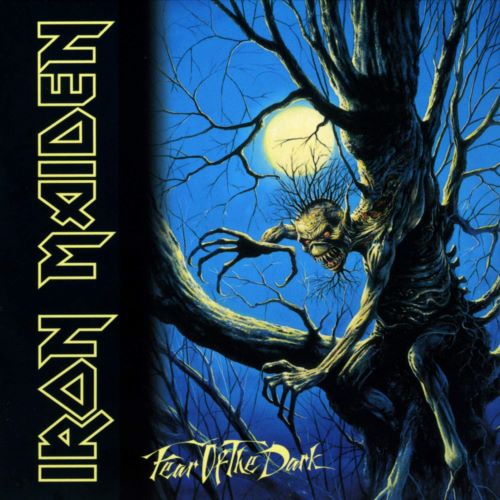
This also marks the end of the line for Derek Riggs album covers – this one was done by Melyvn Grant, who is now the second-most credited artist for Maiden covers. And this one was a pretty good job, very nice and different depiction of Eddie.

This is one loaded album – it is 12 tracks at 57:58, marking Maiden’s first double album. As I recall from my Iron Maiden album ranking, this one did not place very well at all, landing at number 14 on my list. As I said then, this album has a lot of variety but also a lot of varied results, so let’s jump in and see what’s what.

Be Quick Or Be Dead

The opener also served as the lead single. It is a very fast and aggressive song, something a bit over the bar for Maiden. The intensity helps drive home the song’s message about how screwed up corporations and governments are, something that has only gotten worse 32 years on. This one is really good and certainly among the album’s keepers. Grade: B

From Here To Eternity

Another single and the conclusion of the long-running Charlotte saga. It’s a muscular hard rock affair that is fairly basic but I enjoy what it has on offer. It won’t set the world on fire but I don’t have an issue listening to it. Grade: C+

Afraid To Shoot Strangers

On now to a song that fits the Iron Maiden identity full and true. This haunting track starts quietly then builds into explosive action later and it features the movements and thoughtfulness typically expected from Maiden. The song examines the first Gulf War from the eyes of a young soldier who is sent to kill – it’s a new take on the classic “government starts the war and poor people fight it” trope found in music of all stripes. It could be said this is what Maiden used to sound like before the 1990’s shift, but I think it’s more accurate to say that this is what Maiden would sound like in their second “golden” era in the coming reunion years. An absolute whale of a song, very well done. Grade: A

Fear Is The Key

Up next is a song lyrically inspired by the death of Freddy Mercury to AIDS and the concept how how no one really “gave a shit” about the disease until celebrities started dying to it. The issues around HIV and AIDS were a massive shitshow in the 1980’s and early ’90’s for sure.

This song has some good hooks and riffs though it does feel a bit odd in structure. And the song’s last few minutes really throw a wrench into the works – I don’t know what’s going on but it reminds me of Spinal Tap playing Jazz Odyssey. Hilarious in the movie, not so hot on record. Overall this one doesn’t command my attention much, bit of a roller coaster. Grade: D+

Childhood’s End

Another bit of a fierce pounder here and a song that very much offers the sound of Maiden to come for the rest of the decade. Interesting use of drums here and everything comes off pretty sharp and well done. It’s a look at how the whims of politicians lead to children around the world caught up in war, famine and other shitty situations. While this song is one of the album’s secondary tracks, it does a pretty good job. Grade: B

Wasting Love

If you had “Iron Maiden will release a power ballad in 1992” on your bingo card way back when, well, you probably cashed in. I don’t know why Maiden would do a ballad or why they’d release one in 1992 when the ballad was persona non grata in the alt-music world. But none of that is really important because the song is pretty damn good. It’s a sad look at someone trying to end their loneliness through casual hook-ups and only finding more loneliness at the end of it all. This one was a curveball but curveballs are valid pitches to throw. Grade: B+

The Fugitive

Here’s one inspired by the old TV show, there were since movie remakes and whatever. Not a bad song but not radically interesting either, easy to listen to but also easy to forget. Grade: C

Chains Of Misery

It’s a song about the “devil on your shoulder” concept. It’s an outright sleazy glam track with gang vocals and the whole nine yards. It’s not a terrible song per se but it’s so out of place on an Iron Maiden record. This song is another curveball but the pitch doesn’t really land. It’s musically just good enough to not be a total trash affair. Grade: C-

The Apparition

Whether or not you like this song hinges on what you think of Bruce’s climbing vocals through the verses here. If you like them then you probably think this ghost tale is at least ok. I personally don’t like them much and it’s all the song does so I think it’s awful. One way to make a double album is to not make it and cut certain songs that don’t work – this would be one of them. Grade: D

Judas Be My Guide

This one’s about how everyone is basically “for sale,” in that everyone has a price and will eventually sell out to the high bidder. It’s of course tied to the biblical story of Judas, the betrayer of Jesus. It’s also an absolutely fantastic song. It’s short and a quick rock track but it works on every level. The Iron Maiden “butt rock” era could have been something else if more of the songs were like this. I and many others consider this to be one of the most underrated tracks of the Maiden catalog, this one is a true hidden gem. Grade: A+

Weekend Warrior

The Maiden butt rock era might have worked with more songs like the last one, unfortunately there were also tracks like this. It’s a song about football/soccer hooliganism, something Steve Harris is quite familiar with as a West Ham United fan. Whatever the topic, I don’t know what the hell is going on with this song – it’s so basic that it hurts and it goes nowhere. It’s very close to the worst Maiden song I’ve ever heard. Grade: F

Fear Of The Dark

The title track and album closer offers a very simple premise – it’s about being afraid of the dark, being paranoid about what might lurk in the shadows and corners that light doesn’t penetrate. It’s also the Maiden song from the 1990’s that has endured and earned the title of classic.

This song is a total Iron Maiden track through and through, with running riffs and quiet/loud dynamics and about anything you’d want out of a Maiden song. After slogging through an uneven album that has some massive question marks in creative choices, this song nails everything about Iron Maiden. Grade: A+

Although this era of Iron Maiden is lightly regarded, Fear Of The Dark was a bit of a success as the group pressed on in the wilderness of the 1990’s. The album charted at 12 in the US, 1 in the UK and claimed many other top 10 positions. It has been certified gold in 5 countries and has a platinum cert from Italy. It was, as of 2008, at least in the ballpark of a US gold certification as well, no known updates on that.

So what happens when you have a few really awesome songs, a handful of average tracks, and a few real stinkers? I guess, in the end things kind of average out and I can consider this an average album. It’s not average in that all of the songs are consistent and ok – it’s average because it’s great in a few spots and awful in a few others. But average is average when all is said and done.

Album Grade: C

This would be the end of an era for Iron Maiden – they would spend the balance of the decade with a new singer and song direction before restoring the glory years line-up in 1999 and being at the forefront of the new interest in traditional metal in the 2000’s. It is easy to dismiss these albums as a lost period, but there are songs certainly worth visiting on this one.

For an explanation of the grading scale, head here.

For questions, comments or concerns, either use the comment form below or head to my contact page.
For more of what I’ve posted about Iron Maiden, check out the band index.

Kiss – Animalize

It’s time again to jump back 40 years to 1984 and revisit some of the great music from that great year. I’ve been running this site for well over 2 years now and, until today, I haven’t talked about a Kiss album yet. Well, Kiss released an album in 1984 so I guess now is as good a time as any.

Kiss – Animalize

Released September 17, 1984 via Mercury Records

By 1984, Kiss were re-stabilizing after a few ill-received albums and massive line-up turbulence. The band had not landed with Unmasked and The Elder, though Creatures Of The Night and Lick It Up did restore some shine to the Kiss diamond. But just as the music was turning back around, the line-up blew apart and in spectacular fashion.

By the time of Animalize, Kiss were comprised of Paul Stanley on vocals and guitar, Gene Simmons on bass, Eric Carr as drummer and new to the band Mark St. John on lead guitar. St. John would be the band’s third guitarist in two years and the spot would turn over again by the end of 1984.

It would also be fair to present the Kiss line-up as follows for this album – Paul Stanley and Eric Carr. Gene Simmons was laser focused on making an acting career and was barely present for these recording sessions. Jean Beauvoir helped out some on bass and Stanley played the opening track. Desmond Child joined in to help write a few songs, including one of Kiss’s most enduring ’80’s hits, as well as provide backing vocals. And Mitch Weismann also joined on to help write and play guitar.

Long story short, Mark St. John did not mesh with his new bandmates and was a problem during album recording. Bruce Kulick came in to help finish guitars for two songs. Kulick also filled in for St. John when the latter cited medical issues for being unable to tour behind this album. St. John would play all of 2.5 shows with Kiss before being replaced permanently by Kulick.

Paul Stanley was able to fashion a competent and well-received record out of all the mess he had to work with, including serving as the album’s producer in addition to band leader, fill-in guitarist and bassist and composer and arranger. Easy to see why he was getting stressed out while Gene was off becoming an actor and the lead guitar slot was a revolving door.

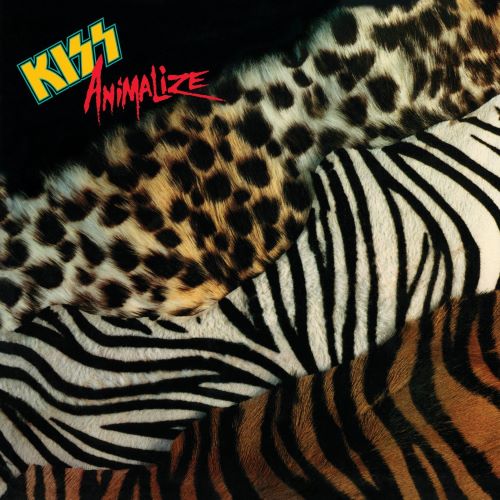
One part that Stanley was unable to salvage was that of the album cover. The cover is credited to an advertising agency as opposed to an artist. I won’t say it’s awful but it’s also not very good – there are about a million and one other ideas that would have worked better.

Will all that background out of the way, we have an album with 9 songs and a very lean 35:42 runtime. This one has had a few remasters and re-issues but I am not aware of any bonus tracks floating around, I don’t think this album got the super deluxe treatment that other Kiss albums have.

I’ve Had Enough (Into The Fire)

The opener is a shit-hot rock track that gets the ol’ adrenaline flowing from the word go. It’s a prime, uptempo blast of rock with a message of making it against all odds, that ever-present theme of ’80’s music. This one was co-penned by Stanley and Child and is a fantastic way to kick things off. Grade: A

Heaven’s On Fire

Up next is the album’s lead single. The fire theme keeps going as here Paul is getting ready for a hook-up so hot that Heaven itself will burn. It’s another song that Desmond Child helped out on and it is impossibly catchy. The chorus is infectious enough to be classified as a disease. It’s no shock that the acronym for writing good songs is K-I-S-S for Keep It Simple, Stupid; and that is in full effect here.

Heaven’s On Fire charted modestly across several countries but did become a staple of the Kiss live set, it is one of the band’s most enduring ’80’s songs. Grade: A+

Burn Bitch Burn

One of a few Gene Simmons contributions here and thankfully he kept up the burning theme despite barely being around for the recording. Here Gene is apparently paying homage to the exchange of bodily fluids and the nasty germs that can come from such exchanges. The song is pretty good overall, very suitably heavy and all, though I could have done without the “whoo whoo whoo” in the chorus. But it’s not a major detraction and I do like this one overall. Grade: B

Get All You Can Take

This song is the result of a Stanley- Weissman tag team and is another just splendid rocking track. There are guitars everywhere and Paul really shows off his once-impressive vocal register here. It’s another one of those “go out and get it no matter what” songs, great for pumping iron or sitting back 40 years later and realizing you did no going out and getting it at all. Grade: A-

Lonely Is The Hunter

Another Gene track here, it’s a mid-paced offering that has a nice shape to it but doesn’t stray anywhere beyond its main, plodding riff. The song isn’t bad but it doesn’t leap out and grab attention in the way the other songs so far have. Grade: C+

Under The Gun

And now it’s on to a Stanley-Carr-Child offering that does absolutely come out scorching. This one is a guitar showcase and a balls-out rocker from front to back. There was no letting up on the second side of this album. Grade: A

Thrills In The Night

This was the album’s other single and it marries the heavy metal feel going on with the venerable Kiss sense of melody. A very nicely done song that sees a woman who is an office stiff during the day a but a total freak out on the prowl at night. Grade: B+

While The City Sleeps

Both of the final tracks were written by Simmons and Weissman. This one is a good, uptempo mover and shaker that’s again about finding stuff out in the night. It does a good job of keeping the album’s momentum going into the close. Grade: B

Murder In High Heels

The closer has a nice, playful riff and a typical premise about a hot woman out to take on the world. The song doesn’t necessarily go much of anywhere but is decently put together. Grade: C

Animalize was a success for Kiss, continuing their rebound from the turn of the decade. The album hit 19 on the Billboard chart and had several top 10 placements internationally. It was the first Kiss album since Dynasty to be certified platinum (Lick It Up would hit that mark later).

It was a great turnaround for Kiss, who wandered into the wilderness a bit at the start of the ’80’s but by this time had found solid footing and made themselves right at home in the new rock and metal scene. Even with all the band turmoil and this record almost being a Paul Stanley solo effort, Kiss were able to re-integrate themselves into a 1980’s rock scene that they helped influence with their early career.

Album Grade: B+

Animalize was a nice offering and exactly the shot in the arm Kiss needed. There are no real duds here, even the secondary songs offer worthwhile listening. And there are several highlights among the hard rock on full display here. The rest of the decade would be a topsy-turvy one for Kiss, but here they had put together the third in a string of solid albums that kept them from being a memory of the 1970’s.

For an explanation of the grading scale, head here.

For questions, comments or concerns – use the comment form below, or head to my contact page.

Alice In Chains – Dirt

This week I’m heading back to 1992 and digging up one of the most revered albums of the period.

Alice In Chains – Dirt

Released September 29, 1992 via Columbia Records

Alice In Chains were the first of the grunge bands to hit the scene in a big way in 1990. By 1992, the “Seattle sound” had taken over national airwaves and a new era of rock music was underway. This was the environment AiC found themselves in while recording their second album.

Dirt was recorded with the same line-up as Facelift – Layne Stayley on vocals, Jerry Cantrell on guitar and vocals, Mike Starr on bass and Sean Kinney on drums. The album was produced by Dave Jerden, also producer for Facelift.

This is one very dark record, with tales of drug abuse and mortality. While each big grunge act was set against a particular kind of rock that helped shape their sounds, Alice In Chains had heavy metal in their blood and were always a downcast lot. Layne Stayle’s personal demons also went a long way to informing the music of AiC, as several of the songs here form a mini-story of an addicted person crashing all the way.

Dirt comes in with a lofty 13 tracks at a runtime of 57:37. Some early pressings of the album had the track Down In A Hole as the 12th song, while most versions have it in the band’s preferred sequence at number 4. The album saw 5 single releases, all of which charted on the US Mainstream Rock charts and the UK Charts. Note that the band never actually charted on the Billboard Hot 100 until 2009, an odd fact that I wasn’t aware of until just now. This is at least what I could find while looking, it could possibly be incorrect information.

Them Bones

The album opens with a sick, heavy riff with Stayley reflecting on mortality over it. The song is a fatalistic look at how we’re all going to wind up a pile of bones, no matter what. The monstrous riff and Stayley occasionally yelling out suddenly add a creepy feel to the proceedings.

Grade: A

Dam That River

This one is heavy and more fast-paced, conventional rocker. The song was apparently written about a fight that Sean Kinney and Jerry Cantrell had – Kinney smashed a table over Cantrell’s head and the blood flow was such that “you couldn’t dam that river.” It’s kind of amazing that they kept together and also wrote a song about it. Grade: A-

Rain When I Die

This has a very nice, funky and creepy guitar running through it. The lyrics are a lament of a relationship not gone right and may have been composed based on experiences from both Stayley and Cantrell. The title “rain when I die” invokes various old cultural customs that it should rain when someone dies to cleanse everything still remaining. And yes, it did rain the day Layne Stayley died in 2002, which probably amounts to him having lived in Seattle where it rains all the time. Grade: A

Down In A Hole

This magnificent ballad that just drips in misery was crafted by Cantrell about his girlfriend at the time. I won’t get too heavy into it as I discussed this song in the past here. It is my favorite AiC song and one of my favorite songs of all time from anyone. Also, the name of the old series where I covered it was called S-Tier Songs, so the grade should be obvious. Grade: S

Sickman

This is one of several songs owing to drug addiction, which Layne Stayley would live in the grip of for the remainder of his life. Stayley asked Cantrell to write the sickest and darkest thing he could for this song, and the lyrics deal with someone who is totally aware they are messed up but are unable to fight their own thoughts and do anything about it. Grade: A-

Rooster

Up next is probably the most well-known song from the album. Cantrell wrote this about his father’s time in the Vietnam War. It is a harrowing tale of being stuck fighting a war no one wanted in the jungle of a hot, tropical land against a ruthless enemy. The song is fantastically done and maintains a tradition across generations of musicians speaking out about this war. Grade: A+

Junkhead

This one slows things down with a bit of a groovy doom-crawl. It brings the point home that it’s very tough to understand the mind of an addict, that many times it’s only another addict who can grasp what’s really going on with someone. The outsider doesn’t experience the euphoria of the high and escape from the despair of reality that the addict does. Grade: B+

Dirt

The music is another twisted mire and the subject matter is devastating – this is someone at the bottom who doesn’t want to exist anymore. It is a very deep and disturbing jaunt through the mind of someone who seems totally gone. Grade: A-

God Smack

This has a few running riffs that Jerry Cantrell would use to great effect in both AiC and his solo career. The song is about heroin, the term “god smack” refers to a heroin overdose. The music along with the willing descent of someone into addiction is like a dark circus trip. Grade: B+

Untitled (or ‘Iron Gland’)

This brief interlude was something Cantrell used to mess around with in rehearsal. It was mashed up in a small way with Black Sabbath’s Iron Man for a little fun. The few vocals here are provided by Tom Araya of Slayer. Grade: B

Hate To Feel

This is the first of two songs Layne Stayley wrote entirely on his own for Dirt. There are some interesting jumps from the quiet, buzzy verse to a noisy chorus. Here Stayley regrets even being able to feel – he knows he is an addict and is tired of the constant realization that he needs to get better, and is also sick of the judgment of outsiders who think he should “just stop,” as if it were that easy. Grade: A

Angry Chair

The other song composed by Stayley, this is a very, very dark and twisted song. This one is still about the grip of addiction, though it is couched in more abstract and metaphorical language. It is one wild ride and a very enjoyable cut. Grade: A+

Would?

The album’s closer is a tribute to Andrew Wood. He was the singer of Mother Love Bone and died of a heroin overdose in 1991. The song itself offers up a bit more bright atmosphere than the rest of the very dark record, though the lyrical fare is still an addict asking if he’s even alive or if he has already died and has left everyone behind. Grade: A+

Dirt would quickly become Alice In Chains’ magnum opus. The album hit the Billboard 200 at number 6. Its 30th anniversary reissue would re-enter the same chart at number 9 in 2022. The record has been certified five times platinum in the US.

The band toured behind this album, playing all manner of shows alongside both rock and metal acts. This would mark the practical end of touring for Alice In Chains, despite releasing one more album and a celebrated MTV Unplugged set, the group would not get out on the road much in this original incarnation. Mike Starr would exit the band in 1993, replaced by Mike Inez.

But that wouldn’t matter as Dirt cemented a legacy as one of the best albums of the 1990’s. The five singles were in constant rotation on radio and MTV for years after release and are still found out and about today. While grunge was considered a reaction movement to the rock music of the time, Alice In Chains were a bridge act that made it very easy for metalheads to enjoy. AiC perfectly complimented the other alternative metal of the time, bringing in a uniquely creative scene that has yet to be replicated since.

Album Grade: A+

Dirt is a stone cold classic. The real pain of Layne Stayley’s addiction was mined for the most haunting and memorable song material. Jerry Cantrell provided a guitar masterclass in writing compelling riffs that both grab attention and work for the song. The album is harrowing in that both Stayley and Starr would lose their lives to addictions in 2002 and 2011 respectively, but it does not detract from the gift we were given with this masterpiece of a record.

For an explanation of the grading scale, head here.

For questions, comments or concerns, use the comment for below or head to my contact page.
Slayer – Haunting The Chapel

My posting schedule is still all messed up – though the things that happen are minor in significance, things do keep happening and they keep pushing me back. I will again pivot and adjust and get things on track.

This week I’m going to pull out the “EASY” button. Slayer did not release an album proper in 1984, but they did release two distinct records – an EP and a live set. Today I’ll discuss the EP, which is very short but a significant marker in Slayer’s development.

Slayer – Haunting The Chapel

Released June 1984 via Metal Blade Records

Slayer’s debut record Show No Mercy was a huge success for upstart label Metal Blade, so label head Brian Slagel quickly commissioned an EP from his hot new act. The members of Slayer – Tom Araya on vocals and bass, Kerry King and Jeff Hanneman on guitar, and Dave Lombardo on drums – were brought to a North Hollywood studio with Slagel himself turning the knobs on the production console.

The studio would have a negative effect on sound initially but also provide a hell of a positive. The studio did not have carpeting, which meant that drums slid everywhere when Dave Lombardo tried to play them. He had to resort to having the band’s roadie help out by holding the drums. This roadie was Gene Hoglan, widely known today as one of heavy metal’s greatest drummers after stints with Dark Angel, Death, Testament, Strapping Young Lad and many others. Hoglan also helped Lombardo set up the latter’s first double kick drum and helped him along with how to play it. All these years later both drummers are considered the top of the pack, but forty years ago it was them trying to figure out how to hold a kit together in a shitty studio.

Since this is just an EP there’s room for another funny Gene Hoglan story – Gene recounted in this 2006 interview with Decibel Magazine about Slayer that when he joined up to be the band’s roadie, he thought he was only going to be working the lights. He didn’t know he was also supposed to help schlep gear in and out and set up the stage show. The band gave Hoglan his walking papers a bit later, and he would join Dark Angel not long after.

Also involved in the EP’s production was Bill Metoyer, who held the engineering role on Show No Mercy. Metoyer recounts in the same Decibel interview that he was Catholic but for whatever reason had no problems with the lyrics on the debut album. But when he heard Tom Araya belting out the first lyrics to the EP, which were “The Holy Cross, symbol of lies, intimates the lives of Christians born, he quipped that he would be going to Hell for it. Metoyer seemed to take it in stride and is still very much among the non-Hell dwelling living today, having served as producer to a massive list of metal albums since then.

With those amusing stories out of the way, let’s get to the topic at hand. The original version of Haunting The Chapel was three songs, the first three in order here. The fourth song was added later on in a reissue capacity, I will include it here today because it’s not a ton of ground to cover. The total runtime with the added song is 16:55, I hope you all didn’t have anywhere important to be.

Chemical Warfare

Up first is a track with a fairly hefty six minutes. Slayer here shift gears some from the “general chaos and evil” of their debut album and head decidedly into a thrash direction. And this song is thrash, 100% through. It does retain that cavernous, evil Slayer feel but this is pure thrash. There are a few changes in structure to keep the fairly long track moving along.

This is a wicked song with its lyrical depiction of being hit with chemical weapons, a terrible way to die or be wounded. Anyone who thinks Kerry King or Jeff Hanneman couldn’t play solos should listen to this song – they were both quite capable of playing. The song is great and is an early Slayer classic. Grade: A

Captor Of Sin

This one calls back to the evil ways of Show No Mercy, though still retaining a thrash underpinning to it. It’s a wild ride as the son of Satan comes to Earth and takes over, vanquishing everything in its path. The bad guys win this one. Grade: B+

Haunting The Chapel

The title track is another Satanic romp through holy victims. It’s another dissonant, thrash-filled journey on the Dark Lord’s conquest of the mortal realm. It doesn’t offer a whole ton of dynamics but it’s still a quality Slayer track. Grade: B

Aggressive Perfector

This final song, a bonus on reissue versions of the EP, was originally released on the third volume of the Metal Massacre series. This was the first Slayer song ever released, pre-dating the debut album. It does stand out with a bit less production than the other three songs but this is not a rudimentary throw-away track – it’s a very good early offering from the group. Grade: B

Haunting The Chapel did not perform on charts but it was a solid release that kept Slayer’s name in the forefront as the thrash scene unfolded in the mid-’80s. Even today with the band’s work (apparently) done, the EP stands as a fan favorite for its marked transition between the first two albums. The first two songs remained live favorites through Slayer’s entire career and the EP is still sought after 40 years later.

Album Grade: B+

This was a well-done EP that offered up fresh material, it was not by any means a throw-away effort just to make a buck. It was a smart way to help out both upstart band and record label, both of whom became central to heavy metal in the years since.