Warrant – Cherry Pie (Album of the Week)

I’m switching up the format a bit this week. There will be a post every day and the four others all deal with the subject of hair metal. So for my AOTW pick this week I’m not going to reminisce over some beloved-to-me work that I fondly recall and could write about at any given time.

Instead I’m picking a hair metal work that I haven’t listened to in maybe 30 years and I’m going to see what I think on the fly. I played the tape way back when in early 1991, just before the storm came to wipe hair metal off the map. But I can’t really “place” this album at all and it requires a new listen for me to really decide what I think about it.
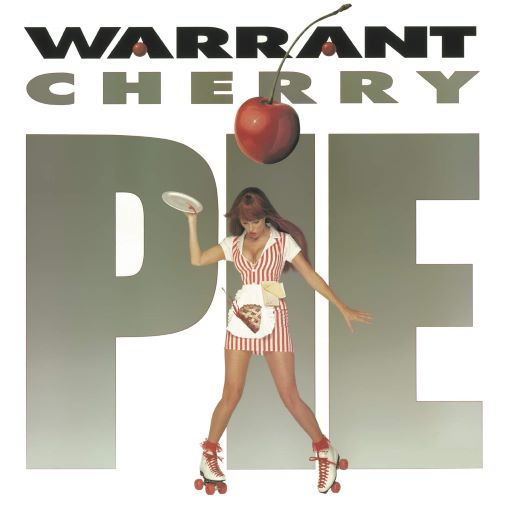
Warrant – Cherry Pie

Released September 11, 1990 via Columbia Records

My Favorite Tracks – Cherry Pie, ???

The ominous release date stands out but of course this release was 11 years before those events. It was truly just another day back then. It does feel a bit odd to look back in those terms but this AOTW has nothing to do with that so I’ll press on.

This was Warrant’s biggest hit in terms of albums and resulting singles. The band were one of the more interesting prospects in latter-day hair metal and were perhaps second only to Skid Row in terms of popularity. Warrant also handled the demise of hair metal more adeptly than many of their peers, as they retooled with new sounds that saw industry success through the 1990’s before entering their nostalgia phase in the 2000’s.

There is debate over who actually played guitar on the album. It has been semi-confirmed that ex-Streets guitarist Mike Slamer played many of the solos. I don’t see a ton of confirmed info other than C.C. DeVille’s credited turn on the title track so I won’t get too far into it. Using studio players to spruce up an album was far more common than many people realize so the topic is more trivia than a major discussion topic.

I will go through the album track-by-track and see what I think. This is far more off-the-cuff than I normally do but I wanted to dig more into the end portion of hair metal and explore it rather than pay homage to one of the handful of records I revere and could write about at any given time.

Cherry Pie

We’re right out of the gate with the title track and Warrant’s most recognizable song. It’s a wonderfully done hard rocker that is obviously talking about sex without really talking about it. The song and resulting video were big hits and this is everything right about hair metal. Sure it’s silly and that likely turns off a lot of detractors of hair metal, but there’s nothing wrong with having some fun now and again. I’ll have to get through the rest of the album before any final verdict but I’m sure this will stand as my favorite tune when we’re all done.

Uncle Tom’s Cabin

On to another of the album’s singles. This song is not an ode to the classic novel of the same name that would greatly influence the debate over slavery in America. Rather it is more of a murder ballad, telling the tale of two cops who murdered and were disposing of the bodies in the swamp.

It’s a really good song that changes up the hair metal formula of party rock or love ballads. I don’t know why songs like this are so intriguing, the case here is fictional, but these types of “I saw the killer” songs always grab attention.

I Saw Red

We go now to full ballad territory. This song was a hit single for Warrant. It is a sad account of the narrator finding his lover in bed with someone else. The song is well arranged with somber instrumentation to accompany the heavy topic at hand. The tune keeps things more high-minded and does not descend into a need for revenge or anything like that.

I will give the song full credit for being good but it’s also pushing it for me in terms of sappiness or whatever. I can do without a ton of that in my diet so this is one I wouldn’t revisit on a regular basis.

Bed Of Roses

It’s back to back with the sappiness, though this song picks up the tempo. The song is pretty good but I’m choking a bit on the sap levels. I don’t know why every rock band went for the “bed of roses” trope around this time. Stuff like this is probably what led me to getting into death metal.

Sure Feels Good To Me

We get fully back to rock and roll on this banger. This tune is quick, hard and simple. And that’s just how things should be. And uh, whoever played the solo on this did a fantastic job.

Love In Stereo

The tempo stays up and the theme stays the same. This song is a piano-backed jam that is perfectly fine. Warrant aren’t reinventing the wheel here but they’re executing well. These more “filler” songs are holding their weight so far.

Blind Faith

This was the fourth single from the album. It wasn’t a chart topper. The song is a very simple, prototypical power ballad for end-era hair metal. It doesn’t stand out as anything special compared to I Saw Red but the song is ok. I don’t mind listening to it but it’s not a song I’d playlist.

Song And Dance Man

The lyrical fare is sillier than shit here but the song thankfully picks up the tempo for the chorus and saves it from totally losing my interest. It’s one of those songs that’s just about whatever. Sometimes songs like this work really well, other times they’re garbage. This one sits somewhere inbetween.

You’re The Only Hell Your Mama Ever Raised

I don’t know entirely what’s going on here, if this was intended as some call and response to the Johnny Paycheck classic I’m The Only Hell My Mama Ever Raised, or what. Whatever the case the song is pretty good and picks up this second side a bit, things were lagging there for a minute.

Mr. Rainmaker

I notice that this track has a lot more Spotify streams than others from the record’s second side. It’s probably because the song is head and shoulders above anything else on this side. This is a well-executed hard rocker about finding love and not needing to be rained on anymore. The way the album was going I was afraid the quality was going to further descend into something horrible, but this song really picks things up.

Train, Train

Our last proper song is a cover from southern rock veterans Blackfoot. Warrant fit the song very well into this album’s vibe. It’s not a trasnformative cover by any means but it’s done nicely and keeps the album’s listening experience up after the excellent track prior.

Ode To Tipper Gore

Tacked on to the album’s close is this small rant directed at the PMRC’s queen bee. Rather nice timing as I was just discussing the PMRC and the Filthy Fifteen last week. This is just a compilation of Jani Lane saying fuck and shit a lot and is of no real listening value. It is funny to recall it in the context of the PMRC’s grip on popular music at the time, this is the kind of stuff musicians provided in response.

That does it for the original studio version of Cherry Pie. There are bonus tracks scattered around from various reissues of the album over the years. The band would change course for more rock and quasi-grunge sounds after this release but would keep their heads above water as many other hair acts fell by the wayside.

Cherry Pie turned out to be a pretty enjoyable listen. I remembered the hits but I had to re-acquaint myself with the other material. Overall I found it worthwhile to listen to, just one or maybe two songs approach but don’t quite fully fit the term “stinker.” The music here isn’t transcendent by any stretch but it was done at a level above a lot of the hair metal drek coming out at the time, just before the death knell of Nirvana sounded a year after this album’s release.

The standout performance on the record comes from singer Jani Lane. He was all over the album with the appropriate vocal for whatever mood the song evoked. He only went full throat a few times on the album, it’s a bit of a shame that they didn’t make better use of their best instrument. Lane would be in and out of Warrant over the ensuing years before his tragic death in 2011.

Overall I’d say Cherry Pie does a good job of being an album above the hair metal fray in the waning days of hair’s reign over rock. I’m glad I picked this one to revisit, there was some awful music coming from the Sunset Strip around this time and this could have gone a lot worse.

And that will be the topic for my posts the rest of this week. I’m going to get into the gritty details and look at just who really is guilty for killing hair metal. We all know the obvious suspects and we mostly all know the real answer, but it turns out there are few others who were at least accessories to the killing. I’ll be in tomorrow for the first of four posts on that topic.

A Look Back At The Filthy Fifteen – Part Two

On Wednesday I offered up part one of this look at the infamous Filthy Fifteen list. That first piece also gives some background about the PMRC for anyone unfamiliar. This post covers the remaining ten songs from the FF list. The Spotify playlist at the end features all but one of the songs, that song is featured in my prior piece.

AC/DC – Let Me Put My Love Into You

The song made Tipper Gore’s shitlist for being about sex, something the mother of four was apparently just not into. The song itself is a fine track but is really little more than a footnote on one of music’s most impactful records and, as per Wikipedia’s list, the second-best selling album of all time.

AC/DC obviously did not need the help of the PMRC to promote their material. Back In Black was something of a miracle record done in the wake of Bon Scott’s death and finished just a few months after with new singer Brian Johnson. It was also miraculous that someone convinced Mutt Lange to produce two records within a year of each other but that’s another story for another time. The album is full of references to getting down and dirty, including the well-known single You Shook Me All Night Long. Kind of odd to pick this deeper cut from the album but the PMRC didn’t exercise a ton of logic in their selections.

Twisted Sister – We’re Not Gonna Take It

Twisted Sister would come to embody opposition to the PMRC at the Senate hearings, where he adeptly testified against music censorship and insinuated that Tipper Gore was the one with a dirty mind with her interpretation of song lyrics.

We’re Not Gonna Take It stands out as the clear winner of the notoriety gained from this list. The song became Twisted Sister’s best-selling single and stands as their signature anthem. It was made a hit in large part due to the PMRC controversy and Dee Snider’s appearance before the Senate. The band had spent a decade as a New York area club act before entering the commercial mainstream and the PMRC made sure everyone far and wide knew who Twisted Sister was.

Madonna – Dress You Up

Madonna burst onto the 1980’s scene and became one of its biggest stars. She was a worldwide sex symbol and would push artistic boundaries and image constraints in her trailblazing career.

Dress You Up is easily the most inoffensive song on this list. It’s here because, like Darling Nikki, Tipper Gore caught one of her daughters listening to it. While this song is clearly about being into someone and getting down, it is not at all vulgar or explicit, in stark contrast to the others here. Madonna would provide many songs far more suitable for inclusion on the Filthy Fifteen, and it’s likely her growing reputation that landed her here more than anything.

W.A.S.P. – Animal (Fuck Like A Beast)

While Twisted Sister made out like bandits due to the PMRC, there was one clear loser from the group’s efforts and it was W.A.S.P. Animal was meant to be on the band’s debut record and was released as its lead single, but Capitol Records feared the album might get pulled from retail and struck the song from the album before release. A reissue years later would restore the song as the album’s lead track.

Unlike Madonna’s song, there is no questioning why Animal is on the list. It literally has “Fuck like a beast” in its subtitle. The band did gain quite a bit of infamy from their presence on the list but would also earn their reputation through shock-rock tactics. This was just another notch in the belt, one that Blackie Lawless has since disavowed as he no longer performs the track live.

Def Leppard – High N’ Dry (Saturday Night)

The British rockers commit the ultimate sin of glorifying having some beers and a good time. Their transgressions were noted by the PMRC, who included this party anthem on the Filthy Fifteen list.

I don’t know if this inclusion did anything one way or another for Def Leppard. They would go on to become one of rock’s most successful acts and I don’t see any real correlation between them being on the list and their career trajectory. Of course the song glorifies getting lit and having a good time, that was the decade of the 1980’s. The list could have been the Filthy Five Thousand on that basis.

Mercyful Fate – Into The Coven

No more good time having or getting with some hot chick – now it’s time for the real evil. Mercyful Fate broke the Filthy Fifteen with one of their very many songs about satanism and the occult. I don’t know what prompted the PMRC to settle on Into The Coven, a person could throw darts at any Mercyful Fate song and have a valid basis for inclusion on the list for occult themes.

It’s difficult to say what tangible effect being on the Filthy Fifteen had for Mercyful Fate. Though a more underground band, the group would have a vast influence on heavy metal – both in the mainstream with Metallica and also being a pioneering act in what would come to be extreme metal. They might not have found multi-platinum sales from being labeled subversive by the PMRC but they cast a shadow over heavy metal that lasts to this day.

Black Sabbath – Trashed

The masters of occult metal would find themselves targets of the PMRC – but not for anything dark or spooky. Instead, Trashed makes the list because it’s a tale of how Ian Gillan stole Bill Ward’s car and crashed it in a booze-filled accident. It makes for obvious inclusion on songs the youths shouldn’t be listening to.

Born Again was a commercially successful record for the reconfigured Sabbath, though they would enter a wilderness for several years afterward. It probably sold well on the Sabbath name and Ian Gillan’s role as singer and didn’t need help from the PMRC to move copies. The album gets mixed reviews from critics and fans but is still a much talked-about part of the Sabbath discography. The song itself did not gain any particular notoriety from the Filthy Fifteen.

Mary Jane Girls – In My House

This all-women R&B group was assembled by Rick James and had some minor hits on the ’80’s scene. In My House would be the group’s biggest hit and probably gained some attention from being on the list. It is another ode to getting busy between the sheets but, much like Madonna’s track, is in no way explicit or obscene. It was probably more of a benefit to the group and record label’s bank accounts to be considered for inclusion on the Filthy Fifteen.

Venom – Possessed

Of anything to dig up to put on a list of objectionable songs, the PMRC went across the pond and found this Venom track. The inclusion on the list was probably a perfect marriage made in hell for the PMRC, who needed shocking examples of music to convince industry execs and politicians to care about their cause.

It’s hard to say that being on the list affected Venom in any real way. The group had already cemented themselves as a wide-ranging influential heavy metal act with their first two albums and were entering a transitional period by the time this song came around. The band were overtly satanic, an ruse meant to entertain and amuse according to the group. Their imagery and sound, pioneering in a way despite honestly sucking, would have a great influence on the coming extreme metal movement.

Cyndi Lauper – She-Bop

We conclude the Filthy Fifteen with a feminine ode to masturbation from Cyndi Lauper. She-Bop was one of Cyndi’s big hits around this time. The song is openly about enjoying one’s self, it does not imply or conceal anything and makes for excellent fodder for the PMRC.

I don’t know of the PMRC had any effect on Cyndi Lauper. She became a huge star regardless of her inclusion on the Filthy Fifteen and the song was ever-present despite the political outcry against it. She just wanted to have fun, she did, and smiled all the way to the bank. Her 50 million in album sales were most likely on her own merit and not affected by the PMRC.

That does it for this look at the Filthy Fifteen. The list itself was more of a precursor to the Senate hearings and the adoption of the Parental Advisory sticker on albums. It was an interesting look back to see what songs were so subversive as to be called out by Tipper Gore and the wives’ club. I’m not sure how huge of an effect this list had on the artists at hand, by and large their careers went without a ton of fuss from this dust-up. A few benefited and really only W.A.S.P. seemed negatively impacted. If nothing else, we at least got a sticker out of it to let us know that Cannibal Corpse records might contain explicit lyrics.

A Look Back At The Filthy Fifteen – Part One

This will be the first of two parts examining the PMRC and the “Filthy Fifteen” list of objectionable songs. I’m splitting this up due to length and will post the second part on Friday.

Listening to music in the 1980’s was not just about the music. Many cultural and social issues were brought into play while most people were simply trying to enjoy some songs. The Satanic Panic was a huge issue throughout the decade and would greatly inform rock and especially heavy metal culture.

Coupled with, but also beyond the scope of, satanism was a grand posture of moralizing about a “societal decay” that the youth of the time were experiencing due to their music tastes. This posturing would look beyond just heavy metal to expose the base evils of rock and even pop music. There was no way anyone could strive to be a functioning, morally upright person when this awful music was around.

The movement to rid music of its less tasteful elements would take shape in the US in the form of the Parent’s Music Resource Center. This group was led by the wives of several US senators and found a figurehead in Tipper Gore, the wife of Senator and future Vice President Al Gore. Their efforts culminated in Congressional hearings on the subject of explicit music, famously featuring testimony from John Denver, Frank Zappa and Dee Snider.

The PMRC’s efforts ultimately led to the music industry adopting a sticker to place on albums. The infamous “Parental Advisory – Explicit Lyrics” tag meant that an album had been deemed to bear some sort of subversive message within its vocals. Major retailers like Wal-Mart refused to stock albums with the sticker, a blow to record sales in a time before the Internet when music couldn’t be sought out as easily.

But the sticker truly failed in its purpose. It rallied the music industry against it, which musicians from all genres using it as a point of ire. The sticker served as more of an advertisement for an album rather than a deterrent. Music distribution would seek to avoid the big box stores, which remained stuffed with inoffensive Garth Brooks albums and edited copies of any major release that had the sticker in its original form. CD and record stores would be a small business venture until the digital music revolution of the early 2000’s.

One component of the PMRC’s campaign was a list of songs deemed most terribly offensive. The “Filthy Fifteen” pulled songs from rock,metal and pop to condemn lyrics about sex, real or perceived violence and occult/satanic themes. The list was a rallying cry to the steps of the US Capitol for the senators’ wives and was a resource for finding good music for many others.

Today I want to take a spin through the songs found on the Filthy Fifteen list. A few are staples of my music lexicon, while others are artists I know but am specifically unfamiliar with these works. And a few others are acts I never really heard of. I’ve provided a Spotify playlist at the end that has all but one of the songs on it. I had to comb the recesses of YouTube’s unauthorized uploads to locate one song.

Here we have it, one of the greatest unintentional compilation albums ever made – the Filthy Fifteen.

Prince – Darling Nikki

Our list kicks off with the multi-talented and eccentric Minnesota native. Prince would be a major force in 1980’s music and beyond and is widely considered one of the best talents in the industry.

Prince is also responsible in some form for two other songs on the list besides his own, making him the true King of the Filthy Fifteen.

Darling Nikki is a cut from Prince’s seminal 1984 record Purple Rain. The reasons for its inclusion on the list are blatantly obvious in the opening lines, as the song’s subject Nikki is in a hotel lobby “masturbating with a magazine.” Apparently this was also the song that spawned the PMRC – Tipper Gore found her daughter listening to the song and leapt into action.

The song itself is nothing special and certainly not Prince’s best work. If anything, all the PMRC did was put more attention on a deep cut from an album that would sell 25 million copies worldwide. It would have otherwise been a looked-over curiosity from one of Prince’s signature albums.

Sheena Easton – Sugar Walls

Prince has his hands on this track as well, having anonymously penned the tune for Sheena’s 1984 record A Private Heaven. The objectionable nature of the song is apparently that “sugar walls” is a reference to the lining of the vagina. Back in the ’80’s we didn’t just air such things out loud, it was all purity or some such shit, I don’t know. The song would be a hit for Sheena, due likely in part to the free publicity generated by the PMRC. It’s a bit tough to say since she was trending upward anyway, but press is press.

Judas Priest – Eat Me Alive

Now we get into more familiar territory for me and also the song that sparked my retrospective interest in this list. I visited Defenders Of The Faith on Monday as my Album of the Week. I was in the middle of compiling that post when I ran over the lore behind the record and went down the PMRC rabbit hole, thus giving birth to this post.

And as I said in that post, yeah, this song is kinda bad. Overall it’s just silly and nonsensical, it’s a total farce. But the line “I’m gonna force you at gunpoint” does shade things in a certain direction, that much I’ll admit. I don’t really care in the end, Rob Halford has admitted the line was engineered for the purpose of attention. That attention would come, thanks to the busy bodies at the PMRC. Years later the band would wind up in a terrible lawsuit not owing to this song but likely indirectly influenced by controversy generated by the PMRC.

Vanity – Strap On ‘Robbie Baby’

Here we have the lone song not found on Spotify. I dug up an upload from YouTube, no telling if or when it’ll get struck by the big bad copyright robot. It’s a hair more provocative than other songs on the list but still isn’t overtly explicit.

Vanity was a product of the Prince women’s music machine, though by the time of this release she had left Prince behind and struck out on her own. The song is quite obvious lyrically, she is looking forward to being plowed by some dude named Robbie. Her album saw minor success but the song’s placement on the Filthy Fifteen likely helped move a few copies.

Denise Matthews would be one of the few to disavow her infamous work. She dropped the Vanity moniker in the early ’90’s and became a born-again Christian and specifically denounced her “sexed-up” work in interviews. She would unfortunately pass away in 2016.

Motley Crue – Bastard

I’ll wrap up part one with the Sunset Strip machine that caught fire in the early ’80’s and led the charge for rock’s direction in that decade.

Of all the songs from Shout At The Devil that could have easily found a spot on the Filthy Fifteen, Tipper Gore apparently chose this cut because of its violent lyrics. The song was reportedly written about someone who’d “stabbed the band in the back” and the lyrics take a defensive posture against an assailant rather than openly inciting violence. I guess nuance wasn’t much of a factor with the PMRC.

Again, of anything a group of concerned parents would pick off Shout At The Devil, this seems like a misfire. The Crue would get plenty of infamy for their antics and music along the way so being a part of the PMRC’s shitlist was just icing on the cake for them.

That does it for part one. I’ll be back on Friday with the conclusion of this look at the Filthy Fifteen.

Judas Priest – Defenders Of The Faith (Album of the Week)

I’m gonna head back in time this week and talk about one of heavy metal’s most excellent albums. The record just had its 38th anniversary a few days ago on January 4th. It still stands today as one of the band’s best works as well as one of heavy metal’s best efforts.

Judas Priest – Defenders Of The Faith

Released January 4, 1984 via Columbia Records

My Favorite Tracks – The Sentinel, Freewheel Burning, Love Bites

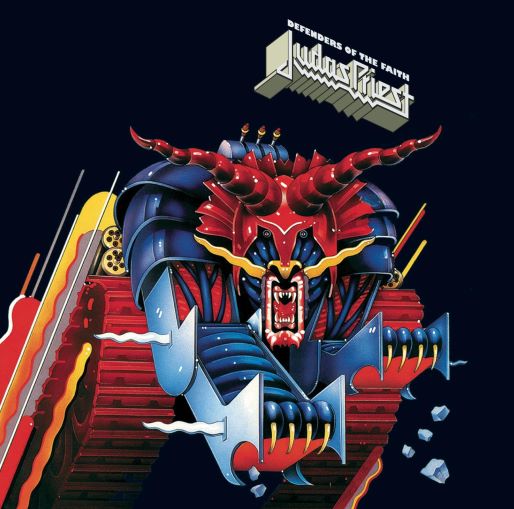
The album art lets everyone know that this is a mid 1980’s heavy metal release. The giant monster/machine referred to as the Metallian looks ready for business. The same could be said of the band, who entered their ninth studio album ready to keep on the track they’d set with Screaming For Vengeance a few years prior.

The album opens with an absolute metal masterpiece in Freewheel Burning. This song absolutely rips and sets a high bar for the rest of the proceedings. It’s become a staple of the Judas Priest live set, a bit of a task for a band now with 18 and counting studio albums.

The album continues to roll with cuts like Jawbreaker and Rock Hard Ride Free. While not matching the ferocity of Freewheel Burning, both fit in well as complementary pieces to this set. Both feature the dueling guitar attack of Glen Tipton and K.K. Downing along with suited-to-the-stage arrangements with simple, shoutable choruses (if Jawbreaker really even has a chorus).

Up next is The Sentinel. I have previously discussed the song in isolation, it was the second entry of my S-Tier Songs. This is my favorite Priest track, bar none. I’ve found that I’m not alone in that assessment, which surprises me a bit but there’s no denying the excellence of the song.

The album moves on into Love Bites, one of the album’s singles. While this track could be considered a bit goofy, its execution lifts it above being consigned to the silly song bin. It doesn’t get as flashy with guitar work as other songs on the record and it might be a preview of the direction Priest would move after this record.

The album moves on in a mini-exploration of silliness with Eat Me Alive. In fact this track might go beyond silly into disturbing territory, I’d imagine that certain specific acts referenced in the lyrics would be frowned upon today. In fact they were frowned upon then, as this song caught the attention of a group of US senators’ wives known as the Parent’s Music Resource Council. Eat Me Alive joined other naughty luminaries like Twisted Sister, WASP and Sheena Easton on the Filthy Fifteen. I won’t claim to have any issue with the song but yeah, that one line in it does stand out in a pretty dark way.

We move on to other matters with another of the album’s singles Some Heads Are Gonna Roll. The song was actually written by Bob Halligan, Jr., who has collaborated with Priest and others over the years. This tune slows things down just a hair but still retains the atmosphere found everywhere else on the record. While the single was not a hit in the conventional sense, it did bear influence over the years and has been one of Priest’s more recognizable songs. It’s been reported that George Lynch either “took inspiration” from or “ripped off” the song for Dokken’s 1984 track Into The Fire. (The specific interview Lynch gave about this hasn’t come up in my cursory searches.)

The final portion of Defenders… gets going with a slower number. Night Comes Down turns down the tempo but still offers a powerful ballad-like tune. It showcases Rob Halford’s considerable range as he is able to evoke power and emotion while a bit further down on the register than his famous screams. The song fits with the times very well and again shows that the band were considering waters a bit past the blistering heavy metal they had come into the decade with.

The album closes with a single song divided into two parts. Heavy Duty is a very brief stomper that closes out these metal proceedings well and is appended by Defenders Of The Faith, a brief title track that is honestly little more than an outro to Heavy Duty.

Heavy Duty would be very on the nose for Priest and for heavy metal as a whole. Just a few months after Defenders… saw release, the mocumentary This Is Spinal Tap would hit theaters and feature a tune by the same name. It’s almost eerie how similar the songs are in tone and attitude. Judas Priest were certainly one of many embodiments of the metal and rock culture that Spinal Tap were lampooning. Priest are also one of many bands to share Spinal Tap’s woes of a revolving door upon the drum set, though thankfully the drummer on this particular album has moved on.

A reissued version of Defenders… offers a bonus track called Turn On Your Light. The song is … certainly a song and is actually a leftover from the Turbo sessions so I don’t know what it’s really doing here. A more worthy bonus offers a live cut of Heavy Duty and Defenders.

Defenders Of The Faith is a triumphant album from Judas Priest that closes the door on their early ’80’s heavy metal prime. The band would go on to explore other sounds of the 1980’s on their next efforts, though still with success and their reputation now established. And while Defenders… sometimes flies under the radar compared to the celebrated records Screaming For Vengeance and British Steel, time has been kind to this 1984 effort and its retrospective has often been through rose-colored lenses.

And while Judas Priest have certainly embodied no small amount of the goofiness of heavy metal culture that saw parody around that time, both Priest and the parody lived on to be celebrated for what they were rather than dragged by the roasting. Defenders… certainly has its sillier moments, but they only help round out the work as a whole. And with the band still going strong despite major lineup changes almost 40 years later, it’s tough to dispute the impact Judas Priest have had on the heavy metal movement.

The Lost Years

This is the next post in my “Memories” series, outlining where I’ve been through the various times and scenes of music through my life. I’ve set up a page to help keep track of this stuff, here is where anyone interested can find more information about this. This one is a bit different as I get to kill a lot of time with one blow. This runs the time period 1995 through to mid-2006.

I call this the “lost years” because I wasn’t really attached to any one scene or place in this time. The later 1990’s saw music move in a lot of different directions, some that I could appreciate, but a lot of what I was into going toward that time period was lost. Scenes would fire up again in the early 2000’s but it would take some time for me to truly get back into them. And even as I did, it was due to changes both with the music and with me.

Through the early 1990’s I found myself getting deeper and deeper into heavy metal. I went from the fringes of hair metal at the beginning of the decade down all the way into extreme metal a few years later. Along the way I caught thrash and some of the various “alt-metal” that came around in the early ’90’s.

As 1995 wound on I would exit high school and be in the US Navy a few months later. These kind of life changes were major and had a big effect on what I listened to. I wasn’t some bored, lonely kid sitting in his bedroom in mid-Missouri, longing for something more. I was now in the mix, looking at an entirely different culture and needing to adjust.

I’ve spilled a lot of words about it already so I won’t go too much into it here, but the sounds of Britrock caught my ear in ’95 and ’96. Oasis were at their height and their tunes were the perfect soundtrack for someone young, dumb and ready to get into the world. Pulp and Blur would come a bit after and while the Britrock movement came and went rather quickly, those songs dug in to me and have become a major part of my nostalgia when I look back on music from years past.

Britrock was really just a part of a new sound coming on in rock music in general. Grunge would come and go, and open the floodgates to a major shift in sound for rock music. Gone was AOR rock geared for dad and hair metal was certainly gone by this time. In its place was alternative rock. This scene totally reshaped the sound of rock and was one of popular music’s most pivotal turning points.

Established acts were changing left and right. Metallica had delivered a curveball when they got haircuts and delivered the Load album in 1996. Van Halen jettisoned Sammy Hagar in the same year and crafted an ill-received effort with former Extreme frontman Gary Cherone. Guns N Roses imploded of their own excess, and Skid Row slowly slid down a cliff into a breakup and years-long hiatus. Motley Crue tried their hand at a reunion but delivered some weird music that wasn’t fitting for their name and reputation.

All of the old reliable hands were misfiring in the late 1990’s. Danzig cranked out some very strange nosie far removed from his classic period. Death metal bands began splintering left and right, cast off in the ascent of black metal to the underground throne. Thrash was an afterthought, bands either tried to experiment, broke up, or dove into the extreme end of the pool.

All this, coupled with me now being “grown up” and living military life on the other side of the world, led to me pursuing music more as a tourist than a rabid scene connoisseur. And I’d take what was given to me, much of it being the alternative rock that was quickly catching on as the new “in” sound.

A slew of alt-rock bands would come across my desk in the time period before the turn of the millennium. There are too many names to properly mention, though acts like Our Lady Peace, Fastball, Matchbox 20 and Live were serving up some good tunes in that day. Names like Seven Mary Three and Marcy Playground ring true from back then, though I wasn’t heavily invested in them. But that was the sound I was rolling with as metal went into hibernation and rock changed form forever.

The year 2000 would finally dawn on us, that much-heralded swing of the calendar that some feared might destroy us through bad computer programming and would have so much to offer in the way of a new life. Of course, nothing much really happened. I exited the military in mid-1999 and entered the new millennium unsure of my own course and not heavily invested in any music scene.

I did find myself captivated by Eminem in the early 00’s. It was hard not to like his firebrand style and his harsh take on life and society. Much of what he did was too over the top to be taken very seriously, but he had his moments where he said what needed to be said. He seemed to be the last real shock rocker, despite not peddling his trade in rock.

I still drifted along for much of the early new century. Alternative rock would come to mean something else as years wore on, and one Canadian band would truly redefine commercial rock music forever. I never got into Nickelback that much but there was no denying their impact on the scene.

But, this did start alienating me from what I was hearing on the radio and TV. Not that Nickelback is to blame for anything, but I found a wedge starting to drive inbetween what I wanted and what was on offer. New music I heard from usual sources wasn’t connecting with me.

For awhile I just meandered along, not really connecting with much of anything. I’d give a spin to a band who had a decent song on the radio, but I had no real music identity at the time. As 2003’s calendar flipped I started gravitating back to the resurgent underground metal scene, where old acts were reforming and new bands like Nile and Behemoth were starting new fires. I was way more into that than the Slipknots, Staineds and Disturbeds that were getting so much airplay. This began a process that would come to a head a few years later in a big way.

I still floated along for a few years, just checking out whatever was on offer. Nothing was necessarily hitting with me, though. I didn’t mind Bon Jovi’s turn in the new century, they had a bounce-back string of singles and albums that felt a bit like their heyday. I was slowly dipping my toes back into the metal underground but I wasn’t really committed to any one sound or scene. I just played whatever I wanted to hear and rolled with whatever suited my mood. I did slowly start to cast aside the “mainstream” but it wasn’t some conscious decision at the time.

One thing did happen around 2005 – I started going “retro.” The stuff I adored from the 80’s was now 20 years old and I had a hankering to go back and relive those youthful moments. It was the first time I really went that hard into stuff I had not thought about in a long time. Looking back would become a feature for me, but this was early on in that process.

It would be the summer of 2006 when my time on the directionless musical road would end. A few major changes came to my life in the course of a few days and I found myself in a completely different situation very quickly. The shock and trauma of it all, coupled with a feeling of disconnect with and rejection from society, would send me into a far different place musically and for much different reasons than what I had been doing up to this point. Of course, that leads into the next part, actually two, of this series.

These lost years were fine. I found a fair bit of good music that wasn’t off the beaten path at all but offered some cool listening experiences. I found some stuff that would stick with me and others that I would find warm nostalgia for after years of leaving by the wayside. I would eventually find myself stumbling and failing at life and needing to go back to the core of my identity to rebuild myself, but there’s nothing wrong with just taking in the moment for what it has to offer. I had to leave the naïve comforts of youth for the cold embrace of adulthood, and I spent most of my 20’s in a bit of a musical wilderness. It’s still a part of the journey, only if even a transitional phase on that long and crooked road.

Album Of The Week – January 3, Zero

America is reborn in 2022. A series of attacks and disasters have led to a global rebranding. Previous civil liberties have been suspended in the interest of survival. The Bureau of Morality ensures citizens are in lockstep with the current message and agenda. The government is now a Christian theocracy in partnership with the First Evangelical Church of Plano. Water supplies have been treated with a drug to ensure immunity to biological agents as well as complicity with the new order.

Welcome to Year Zero.

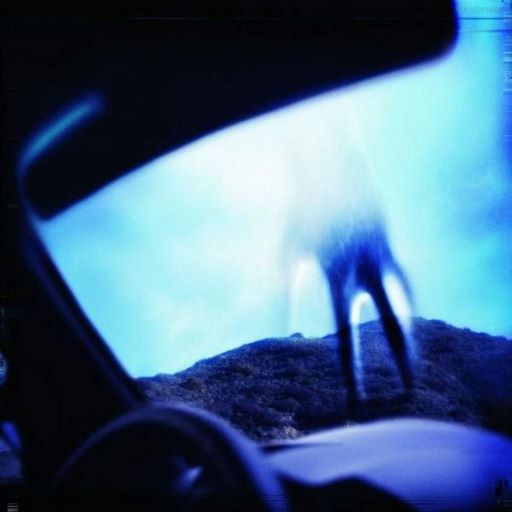
Nine Inch Nails – Year Zero

Released April 17, 2007 via Interscope Records

My Favorite Tracks – My Violent Heart, Capital G, The Beginning Of The End

The introduction is a dystopian fantasy, of course. This work of fiction, composed in 2006 and released in early 2007, is simply the figment of Trent Reznor’s imagination. Thankfully the world we enter in 2022, the fabled “year zero” of this album, looks nothing like the hellscape depicted on the record. (…)

Year Zero was released into the world in spurts with a viral campaign to distribute digital music files on USB drives in random locations. While fans ate up the media, the Recording Industry Association of America did not and began issuing cease and desist orders to people who were uploading the songs. They did this even while noting that the record label Interscope was on board with Reznor’s ideas and fully promoted the effort.

The album promotion did not stop with this viral distribution. An entire subsection of the Nine Inch Nails website was dedicated to lore about the story behind the new album, and a phone number on an album insert featured a faux message from the Bureau of Morality. A web-based “detective” game would also see release over a few months that provided a great deal of storyline for the events of 2022/Year Zero.

The lore and message of Year Zero can be (and has been) studied extensively. At the end of the day though, this is a recorded album of music and is also deserving of evaluation on those merits.

The album remains in the general realm of industrial rock that Nine Inch Nails had made a pioneering career of. This record would depart from its more accessible predecessor With Teeth by incorporating more electronic and what has been termed “digital hardcore” elements. Even for an unconventional act like Nine Inch Nails, the songs stand apart from others in the catalog.

Though the record features 16 tracks, the runtime is kept just over an hour and only one song breaks the 5-minute mark. The songs are lean and get to the point, even when invoking atmosphere and instrumental exposition rather than communicating a direct lyrical message. It’s a strange balance of concise music and extended passages that somehow work to elevate the work well above standard fare.

While some songs provide atmosphere, others stand out as highlight tracks. The Beginning Of The End, Survivalism, and Capital G all invoke their own individual meanings outside the context of Year Zero’s themes. The latter two especially stand out as real-world influences on this dystopian nightmare. It isn’t hard to make the links between 2007 political discourse and these tracks, and especially today both are ever-present themes in how things have wound up.

As a musical document, Year Zero is a standout effort from Nine Inch Nails. Electronic soundscapes give shape to these disturbing themes of fascist government control and the resistance fighting it. The album requires a degree of attention above and beyond casual music enjoyment, but this has long been the case with Nine Inch Nails. It is, in my canon, one of the band’s best records.

It is a bit challenging to access the themes and lore provided in supplemental material through these songs but the overarching story is still present. Songs like Survivalism and Capital G highlight the base greed and selfishness that brought about this grotesque future, while The Good Soldier and My Violent Heart question the status quo and establish a resistance. Something cataclysmic happens toward the end in the album’s final tracks In This Twilight and Zero-Sum. Whatever happened to this timeline, it was not a happy ending.

While this record is turning 15 this year, there is still a trove of information about the story behind Year Zero. The nin.wiki compiles a great deal of info taken from pre-release materials as well as the web game. Though incomplete, it appears that America and the world resets on 2022 to start a new age. Year Zero does not last very long as a mysterious Presence, thought to have been a drug-induced hallucination, appears over Washington DC and heralds the apparent end of the world. The album and supplemental products tell a tale of the heavy-handed government and the various resistance factions that pop up. One group attempts to send data back in time to warn people in 2007 of the coming problems. This message is symbolized by the instrumental Another Version Of The Truth.

Of course reality is not in line with the nightmare portrayed on Year Zero. But how far away really is it? We have not adopted a theocratic government in America, though many are still trying to make that happen. It might be year zero here, but there certainly is a downward spiral that doesn’t seem to be reversing itself.

I don’t have real answers to those kind of questions. I have little to no role to play in whatever might be unfolding, here in the US and in the world at large. While I don’t really expect a pair of ghostly hands to appear over the White House and end the world next month, I can’t act like I don’t see frightening real-world prospects that parallel the themes of Year Zero. The course of the world isn’t looking great, with pandemics, disasters and bitter arguments over how to handle it instead of any real action.

Year Zero the album is a landmark release from Nine Inch Nails. Its inventive viral distribution techniques captured the attention of many and the music behind the campaign went on to be considered among the group’s best by many. Year Zero the concept, however, is a much different issue that seems to be scarily playing out in front of us in some form or another.

Bad Album Covers

I’m switching up my programming a bit – this was going to be posted next week. Instead I thought I’d end the year on a lighter note.

Instead of actually thinking about anything today I want to take a few minutes and chuckle at some really bad album art. Cover art can be very important to a record, it can also be utterly meaningless. A good cover for an up-and-coming act can catch a potential fan’s eye, while off-putting art might be ignored for good tunes on the album itself.

Art is subjective and very much hit or miss. For today I’ve compiled a series of album covers that I think are total misses.

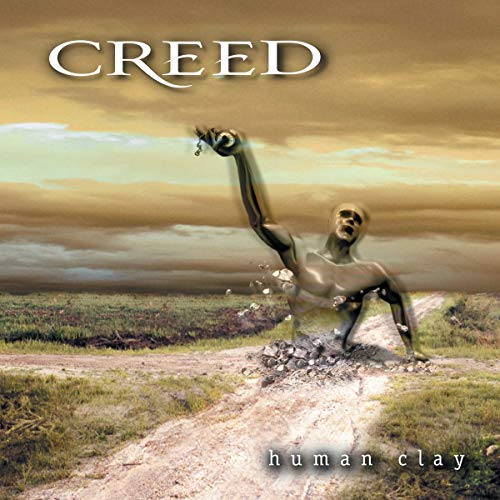
Creed – Human Clay

I’ve been over it a bit in the past – I don’t like Creed. But my dislike of the music is separate from my dislike of this terrible album cover. It looks like some random monster encounter from an old Final Fantasy game. I don’t know what this is supposed to represent and honestly I don’t want to. There’s a crossroads and some ghost-like humanoid guy popping out of it, holding a clock of some sort. The clock looks like an oven timer. It’s as if this ethereal dude is returning to the corporeal realm because his cookies are done in the oven.

I guess the horrific artwork didn’t impact Creed’s album sales – this was a massive hit and has moved over 20 million copies worldwide. Again, I won’t lie and act like I think any more of the music on the disc as opposed to the cover, but damn this is a really, really awful album cover. The worst part is that it might not be their worst one. But I’ll save that for another time.

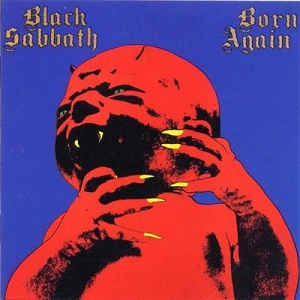
Black Sabbath – Born Again

I guess this falls in the “I tried” department. The album itself has divided opinions, I myself sit on the fence about it more than anything. But this cover is not winning any awards unless third grade art class is holding a contest next month.

I guess this is supposed to be some kind of demonic child. It almost passes for imp-like artwork, like that you’d see in a Dungeons and Dragons book. Except D&D artwork is good.

I see that at least two members of the band are with me here – both Bill Ward and Ian Gillian thought the cover was trash. Sadly, Tony Iommi didn’t think so and here we are. Also sadly, I’m going to tell a similar story with a different legendary British band in a few minutes.

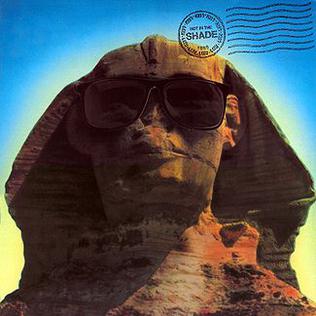
Kiss – Hot In The Shade

Kiss had a pretty rough go of it in the late 1980’s. Their albums weren’t great and they’d fallen far off their glory days pedestal. Fortunes would soon turn for them, but it wouldn’t be with this half-baked album of mostly crap.

There are a few songs worth listening to on the record. It’s far better than this cover. It seems to me like someone in the band got a hold of Powerslave and told some low-budget art director to do something like that. Kiss is a band who long plied their trade with the visual as well as the music, you’d think they’d have more sense than to release a bad picture of the Sphinx wearing sunglasses. But the band did miss on some album covers, this one being the biggest in my book.

FYI – The Sphinx isn’t in the shade so it makes no sense anyway.

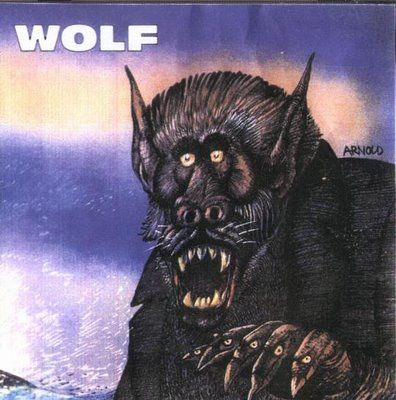
Wolf – self-titled

Wolf have been active in the metal scene for a long time now and had a period where they made some waves in the mid-00’s. This particular debut escaped my attention at the time. I probably would have noticed the cover had I seen it around.

Now, underground music is a whole other ballgame from the mainstream. These guys probably didn’t have a huge art budget. This album was released on a variety of labels like Prosthetic and No Fashion, this wasn’t an affair where some renowned artist could be paid thousands to make an awesome cover.

I’m willing to grade on a curve because the independent artist struggle is real, but damn this is an awful cover. I noticed that a reissued version of the disc a few years later featured a totally different cover. Good call.

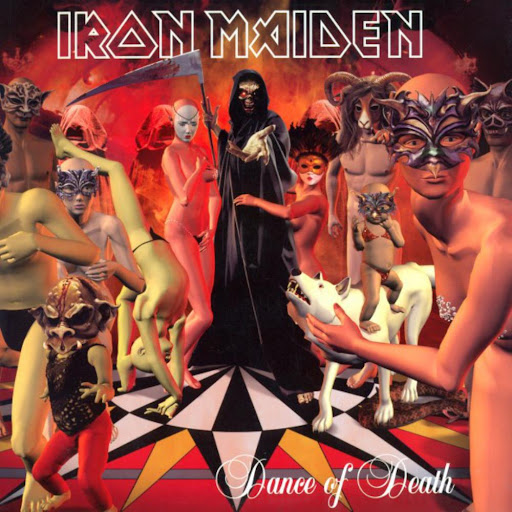
Iron Maiden – Dance Of Death

I can’t be honest about this exercise if I don’t include my favorite band. The revulsion at this album cover is easily found, it spread like wildfire the second the cover hit the Internet before the album’s release.

Maiden were known for striking cover art in their heyday. They’d left that behind a bit in their reunion era, with Brave New World having a fine yet unremarkable cover compared to 1980’s masterpieces. The reunion would soldier on to be the band’s longest era but this abortion of an album cover is one blemish on the period.

And the cover literally was an unfinished work. The artist reportedly submitted a much more pleasant version of this cover with Grim Reaper Eddie as the centerpiece, while band and/or management decided to shove a bunch of dancers in around Eddie. The artist was so displeased that he asked not be credited for the botchjob of an art piece.

Imagine something being so bad that you, as an artist, ask not to be known for designing an Iron Maiden album cover. What a world we live in.

The album itself is a solid Maiden outing, with several good songs and few bonafide epics. But the cover art is absolute drivel. Even if a few later albums could be said to have unimaginative designs, they aren’t vomit-inducing bad like this one is.

That’ll do it for this edition of bad album covers. I’ll probably do this once in awhile when I’m feeling a bit snarky. There are some truly grotesque album covers out there, and sure, they deserve a bit more attention. Happy New Year, see you in 2022.

A Story And A Song, Vol. 2

I realized after the first one of these that I called it “Story and a Song” but I do “song and a story” instead. Oh well.

This is two songs and a very small story. It’s almost not even really a story, more a chuckle-worthy anecdote from a concert I attended a few years back.

In 2018 I had the honor of seeing Judas Priest and Deep Purple. The show was at an amphitheater in Kansas City. I had missed a few opportunities to see Judas Priest in the past and this was finally my first time seeing them. I also had not seen Deep Purple before and I was very happy to have seen them in concert. Both bands put on great sets and I had a very enjoyable time.

For Judas Priest I’ll go with the lead single from their last album Firepower. This was an electric tune and the album saw a rejuvenated Priest clawing back at the top of the heavy metal heap. They had meandered a bit since their reunion, touring solidly as a legacy act while recording left-of-center material before finding their stride again with Redeemer Of Souls, then truly recapturing it on Firepower and Lightning Strike.

For Deep Purple I’ll also roll with the lead single from their last original studio effort. Throw My Bones comes from the album Whoosh!, released in 2020. The group tried to delay the release while in the grip of the pandemic but ultimately decided to get the music out. The play worked as the band hit their highest UK chart position in decades with the effort.

My story from the concert is this – I was up inbetween sets. Judas Priest played before Deep Purple on this night, I’m not sure if that’s how the whole tour went or not. I was off to fetch more beer and was among a lot of other people doing the same thing.

I hadn’t paid much mind to my surroundings. I guess I wasn’t processing a fact that was clearly abundant right before me. As I was heading off with my fresh brew in hand, someone very bluntly and loudly asked

“We’re at a fucking Judas Priest show, why is everyone wearing Iron Maiden shirts?”

I busted up laughing, with beer in hand and my fresh Book Of Souls tour shirt from the year prior on my body. The handful of people next to me, all wearing similar Maiden tour shirts from the past several years, also kind of looked around and laughed. A guy a bit off to the side with a Trooper Beer shirt cracked up, as did his friend in the Killers shirt.

It’s true – there wasn’t a lot of Priest or Deep Purple merch to be found on people that night. They do say to not wear a band’s shirt to their show. It’s kind of a stupid rule that many break when they buy their new shirt right then and there, something I’ve done myself before. But I was among many that night sporting the other British metal favorite while Priest was playing.

I mean, it isn’t a hard choice to make. I may like different kinds of music, but I could and have wore Iron Maiden shirts to country shows. I’ve worn Iron Maiden shirts to the grocery store, to baseball games, to get gas or to the brewery for a few pints. I have 15 of the damn things, I’m not going to feel out of sorts wearing one. I’d wear one to a funeral, if the person who passed on was worthy enough of having an Iron Maiden shirt at their final ceremony.

I don’t know, it wasn’t like something I thought about long and hard or anything. If I’m seeing Judas Priest or, well, anyone else, I would certainly not have an issue wearing an Iron Maiden shirt to that. Apparently I was far from the only one, as I’d say a good 20% of the crowd of around 5,000 had Maiden gear on.

There it is, that’s the “story” for today. The next few of these will be actual stories, and one of them will also have to do with an Iron Maiden shirt.

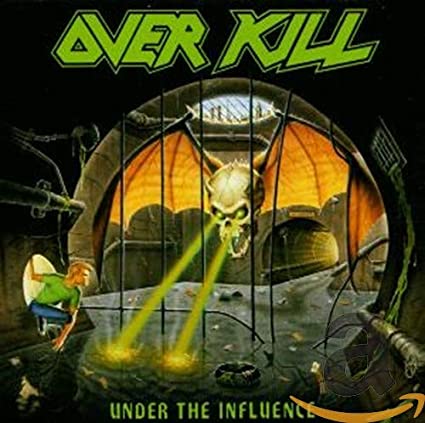
Overkill – Under The Influence (Album of the Week)

For the final week in 2021 I’m going all the way back to 1988. I’m also going back to last month, as this album was one of a series of sorely-needed reissues finally offered in box set form on vinyl. While Skid Row’s “Atlantic Years” box snagged a lot of attention, another in the Atlantic series with six full-length records grabbed my attention and my money.

Overkill – Under The Influence

Released July 5, 1988 via Atlantic Records/Megaforce Records

My Favorite Tracks – Drunken Wisdom, Hello From The Gutter, Brainfade

Overkill were one of the earlier thrash bands to sign a major label record deal. Their demos and debut full-length had brought a ton of hype to the band and labels began arming up with thrash acts as a way to counterbalance the glut of hair metal flowing from their assembly lines. And while thrash is often hailed as a Bay Area invention, Overkill were one of a few pioneering East Coast acts to take the reigns and build thrash into a truly worldwide phenomenon.

Under The Influence marked the band’s third full-length release after two acclaimed records. While this album does not bear the same weight as those two in the thrash lexicon, it does somewhat quietly sit on the upper end of the band’s more appreciated works.

Of course there is nothing quiet about the record. Proceedings open with Shred, which does simply state its point, just as the chorus says. The songs roll hot and heavy on the album’s first side, with everything kept under the five minute mark through songs like Never Say Never and Mad Gone World.

The first side closes with Brainfade – a banger that gets on someone’s case for being a mouth-running know-it-all who honestly doesn’t know a damn thing. I have an inside joke with a friend of mine about a former mutual acquaintance, we’ve decided that this is the guy’s theme song. I’m sure everyone knows someone like this. If a person doesn’t, then that person might be that guy.

While many thrash acts were incorporating other influences around this time, Overkill stayed on a more true thrash path. If anything, this record showcases an early example of groove metal – something that would start massive arguments years later between fans of pioneers Exhorder and the explosively popular Pantera. Whoever deserves credit or blame for the sound that made Pantera famous, there is a blueprint towards that groove on Under The Influence.

The album’s second side sees a turn to longer songs, with the tracks running over six minutes each. Drunken Wisdom enters with a somber acoustic intro but then gets into a pummeling attack that highlights the group’s contribution to the coming groove metal phenomenon.

It’s hard to tell who Bobby Blitz is bitching about in the song – I’ve heard it was a music journalist. That does track with lyrics like “defining our performance” and “just get the fuck out.” Either way, I’m sure most of us have been around someone imbued with drunken wisdom before, and have also possibly been that person a time or two. (Not me, of course…)

End Of The Lines picks up the speed again and hits hard with an apocalyptic message. This song has a lot of guitar in it, at times feeling Maiden-esque inbetween the thrash beatings of the verses and chorus. Head First continues in the much the same fashion, slamming toward the album’s conclusion.

The record ends on the third of a self-named series, this one subtitled Under The Influence. The song adds a layer of creepiness while still retaining the thrashing groove found through the rest of the album. It seems this Overkill song series ends here, with one future sequel found years later. Having one on every album would have been a nice bit of trivia, but I guess “Overkill Part 19” might be dragging things out a bit.

This album was my introduction to Overkill. I was a bit too young for the first albums and I got into thrash just as the movement was swinging into uncharted waters in 1990. This was among several tapes I was able to get my hands on in my podunk Midwest hometown without a vast music selection. Thankfully I was able to round out the catalog soon after. This one will always stand out for me, it was an album with an attitude and snarl that wasn’t found in a lot of other easy-to-come-by places.

Under The Influence checks all the boxes for a great thrash record. Overkill might not have seen the same success as thrash’s top acts but the band has endured and become a symbol of sticking to roots and longevity as they now prepare to release their 20th studio album in the coming months. The group has straddled lines between the mainstream and underground and have persevered as one of thrash’s enduring legends.

Skid Row – Wasted Time

This post was part of a series that I called S-Tier Songs. I later decided to abandon the series in favor of a simpler Song of the Week format. I am keeping these posts as I wrote them but removing the old page that linked to the list of S-Tier Songs, so that is why these posts might look a bit odd. Enjoy.

I’m going back to 1991 and the tail end of popularity for hair metal. While much of that scene began to sputter out in the summer before grunge put the final nail in the coffin that fall, one band released a genre-defying masterpiece that transcended the scene and is often remarked on as a master class in rock and metal. Skid Row’s Slave To The Grind would hit number 1 on the US Billboard charts and would see the band ride a wave of success for a few years while many peers fell by the wayside.

Skid Row – Wasted Time

Wasted Time was the third single released from Slave To The Grind. The song did not break the US Top 40 but did perform respectably well in international markets and would be their final “hit” in terms of charting in multiple countries.

The song transcends its middling single status by being an oft-cited highlight from the record and often mentioned among the best ballads ever recorded. The album as a whole has been revisited by many as a landmark moment in hard rock and metal, and much of that revisiting holds Wasted Time as the chief exhibit.

The song musically is a well-written and played power ballad that ditches the well-worn “hair metal ballad” formula. It isn’t just a slow song – its melodies and hooks are well-crafted and in abundant supply. The guitar solo is perfectly done, in keeping with the song rather than being a showcase of how fast a guitar can be played.

Skid Row really were on another level from their peers, both on their debut and this second effort. Much of what they did, both in sentimental songs like this or in blazing hard rockers, stands head and shoulders above the other offerings of the day. When they were on, very few acts could hope to touch what they were doing.

While the song’s instruments are very well done, it’s of special note to discuss the star of the song – the vocal performance of Sebastian Bach. His work on Wasted Time is the stuff of legend. There are very, very few singers walking the planet, from any genre, who could touch what he did on this song. His high notes are just beyond the reach of most humanity, and he uses his considerable range effectively to communicate the dark, swinging moods of the song.

Lyrically the song is about losing a friend to the throes of drug addiction. The lyrics had a specific muse – former Guns N Roses drummer Steven Adler, who had been fired from GnR a year prior and who would go on to have a well-chronicled series of problems with addiction. Wasted Time depicts that harrowing experience in grand form. It’s a song that cuts through a thorny issue that many have sadly had to deal with.

Why is this an S-Tier song?

Wasted Time is a magnificent showcase of the strengths of hard rock at the turn of the decade into the 90’s. It is songwriting on a level not many can touch and Sebastian Bach’s singing is something in a league all his own. The song is a fitting conclusion to perhaps an entire era of music and was a powerful final statement on an album that defied categorization and exceeded many’s expectations.