Picking Five Songs From 1987

And now we’re on to 1987. This was a massive year at the top end of rock. It’s pretty crazy – the albums Hysteria, Appetite For Destruction and The Joshua Tree sold a combined 75 million copies worldwide. Two of those albums didn’t really gain steam until a year later, but that’s a different story.

Things were moving on musically in the later 1980’s. A lot of bands seemed to be chasing the brass ring and not quite grabbing it. Acts that had vital, fresh albums a few years back were now stagnating. There’s still plenty of good music to be found, but in retrospect, the signs of the coming nuclear assault of 1991 were already there by ’87.

But there’s no need for massive analysis of everything. All I really need to do is pick five songs I really like from 1987. Not necessarily my five definitive favorites, simply five of my favorites. This is a fast and loose exercise so let’s get into it.

Mötley Crüe – Wild Side

The Crüe got back to form after a bit of a letdown a few years prior. Wild Side is a heavy, pounding track that outlines the sleazier part of life. Not everything was fast women and good times in the ’80’s, there was a seedy side to things and Wild Side captured the grit and grime of the streets at night. This is one of my very favorite Crüe songs.

Guns N’ Roses – Welcome To The Jungle

1987 was the year GnR were thrust into the wider world. It would take them a bit to break, but break they did, to the tune of selling 30 million copies of Appetite For Destruction. The tune that really gets me going is the album’s opening track. It is a monster song, and much like the one from their bitter rivals above, relays how the big, bad city can swallow you whole. This threw a whole new level of intensity into the rock scene and made titans out of Guns N’ Roses.

Whitesnake – Still Of The Night

David Coverdale was not to be left out of the big winnings of 1987. Gambling his whole fortune on the album he’d just crafted, he would be paid back in spades as his album sold 10 million copies. While honestly just a song about a romp between the sheets, this is laid out with great care, featuring movements and interludes and the dynamite guitar of John Sykes. This song could be considered Whitesnake’s greatest triumph, though that’s not a question I’m here to discuss today.

U2 – Where The Streets Have No Name

U2 were big winners from 1987, bringing in a haul from their 25 million plus selling The Joshua Tree record. I’m not the band’s biggest fan but there’s no doubt that the album is a piece of work and that this song is absolutely stunning. This is simply a massive rock song packed with emotion and imagery that is too vivid to escape.

Dio – All The Fools Sailed Away

By 1987, Ronnie James Dio was operating without his wunderkid guitarist Vivian Campbell, who departed the band in acrimonious fashion. Though Dio’s “golden era” would be over, he was still capable of striking gold, as he did on this magnificent track. It’s a splendid quasi-ballad that stands alongside his prime cuts as one of his best works.

That wraps it up for 1987. Just two more years of the golden 1980’s to go, then things get really, really different – both in music and in my tastes.
Warlock – All We Are (Song of the Week)

I could have just as easily attributed today’s song to Doro Pesch as opposed to Warlock, though officially the song was originally released as part of Warlock’s final album Triumph And Agony in 1987. This was the lead single from that album, one recorded in the US after Doro came over from her native Germany after Warlock began gaining an American audience. While Doro would be caught in a years-long legal battle over the rights to Warlock naming and material, she would launch a solo career that saw her become a heavy metal legend and one of women’s biggest influences in metal music.

All We Are is nothing complicated at all – there are a few verses and the chant-along chorus. The music is to the point and everything comes together to make a simple yet very effective metal anthem. It isn’t quite as easy to craft a simple song as many people seem to think, but here Doro and company got the formula down pat.

This one is easy to get into, whether on a home stereo or in a live setting and this has been Doro’s signature song at her many, many concerts over the decades. Doro did her best to break out in America but grunge came along and sent this traditional style of metal to oblivion for awhile. But she found a willing audience throughout Europe in the ’90’s, and by the time traditional metal got on the rise again in the 2000’s, Doro was hailed as one of the genre’s prime performers. She has only further cemented her legacy in the years since, still going strong in 2023.

All We Are would get a new version in the mid 2000’s. Doro performed the song live as entrance music for Regina Halmich, a German boxer considered one of the world’s greatest and who is also one of Doro’s best friends. Doro was joined by Destruction mainman Schmier, After Forever guitarist Bas Maas and drummer Tim Hsung for this performance. The same group would convene to record a new studio version that was released on an EP in 2007.

All We Are is, unsurprisingly, Doro’s most-played live song. I wouldn’t figure she would do a show without it, the song is her calling card and likely the first thing a lot of people heard of hers. A fair bit of Warlock’s final album still resonates through the metal fanbase 35 years later and it’s something Doro commemorates to this day. Just a few weeks ago Doro played a fair portion of the album on the hallowed stage of the Wacken Open Air Festival grounds in a set jam-packed with guests from all across the heavy metal spectrum.

Doro has been one of the most influential women in heavy metal, and she’s done so by simply executing her songs and playing shows – she made her mark without falling into the trap of scantily-clad 1980’s marketing. When the 1980’s faded away, Doro rose to prominence with a traditional heavy metal sound. And All We Are remains as her calling card all these years later, as she still commands the stage and influences new generations.

A Story And A Song – Shakedown

Today’s story is a quickie and not much of a specific story. The song in question is Shakedown, a 1987 tune from the soundtrack to Beverly Hills Cop II. It was performed by Bob Seger and, oddly enough, was Seger’s first number one Billboard Hot 100 hit. He’d had plenty of past success on the chart and had other number one songs on other charts like the Mainstream Rock chart, but it took a song from a soundtrack and originally shopped to someone else for Seger to finally hit number one on the big chart.

That other person was Glen Frey, who’d had huge success on the first Beverly Hills Cop movie with The Heat Is On. He turned down Shakedown and his loss was Seger’s gain.

Bob Seger is an artist who, while I can certainly respect and appreciate him, I’ll admit I’m also not his biggest fan. I don’t mind his songs but I don’t have any of his music in my collection or playlists. There’s just a disconnect where I don’t really “get into” his stuff that much. It’s not that I’m annoyed by his songs or anything, I just have other stuff to listen to.

Shakedown is a pretty funny song. It’s good, but it’s also really damn dumb. Most of the song is just the chorus repeated, to the point that even Klaus Meine and Bruce Dickinson would probably think the chorus is repeated too much. But the song does fit the late 80’s aesthetic very well, it is absolutely a product of its time. The most striking thing about it is that, again, it was Seger’s first number one overall as compared to his prior body of work.

The “story” here is extremely simple. I was at the grocery store the other day when Shakedown came on over the store’s PA playlist. It’s the first time I’d heard the song in many, many years and it’s quite possible that it’s the first time I’ve heard Shakedown in the 21st Century. It took me more than a minute to even remember that Bob Seger had done the song. I was seriously breaking my head trying to remember who the hell did the song or what it was even from. Let’s face facts – Beverly Hills Cop II pretty well sucked, so it’s not like I even want to remember that. It was finally remembering it was a Seger song and getting sucked back into that wormhole of old lore that led to a flood of 1987 memories and this post.

It is kind of funny, the effects of age and all that. I am accused of having an encyclopedic knowledge of music, it’s true that I can often identify a song on its first few notes or name some random dude who played in a band for part of a tour in 1996. But as the years go on, the distance from the stuff of youth grows, and it doesn’t come back quick enough to win bar trivia or whatever. But no one else usually answers those questions either, so I still feel comfortable on my throne of arcane music lore.

And, simply put, that’s all there is for today. This one didn’t dive the depths of any obscure knowledge, but I do feel like it hit on something with it being Bob Seger’s first true number one hit. One would think Turn The Page got there, but I guess it only got to number four. And he scored on quite an array of other songs, but him getting over the mountain was this silly ass soundtrack song. Funny how it works sometimes.

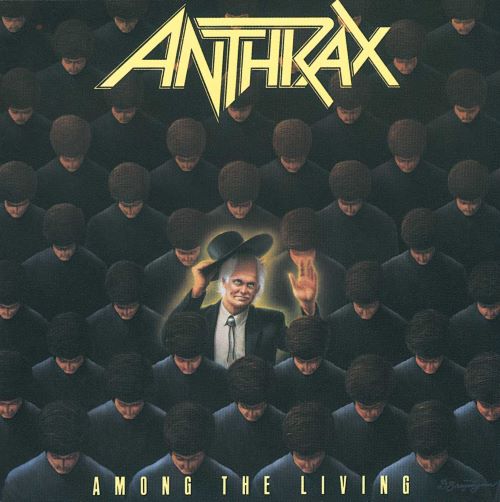
Anthrax – Among The Living (Album of the Week)

This week it’s a deep dive into one of the pivotal albums of thrash metal. This record has come to be the defining moment of one of thrash’s most enduring institutions and would launch the group into heavy metal royalty.

Anthrax – Among The Living

Released March 16, 1987 via Megaforce and Island Records

My Favorite Tracks – I Am The Law, Among The Living, A Skeleton In The Closet

Anthrax had been a band on the rise after their second album Spreading The Disease. The group had toured extensively with a variety of metal luminaries and were in Europe opening for Metallica when a bus accident claimed the life of Cliff Burton. Anthrax were motivated by grief at the loss of their friend and peer, and hit the studio to vent their anguish. They chose to record at Compass Point Studio in the Bahamas, and purely because it was where Iron Maiden had laid down their classic run of albums.

Anthrax worked with super producer Eddie Kramer on the album. Kramer has an extensive list of works to his credit, for my own purposes he is best known as the caretaker to the legacy of Jimi Hendrix. Among The Living was recorded in quick and easy fashion, but then Kramer had an idea for a mix laden with more modern techniques. Anthrax did not like Kramer’s embellishments and it was decided to proceed with the original, dry mix. A wise choice, as what was released truly captured the music in its pure form.

The album was primarily written by drummer Charlie Benante and guitarist Scott Ian. It is 9 songs with a 50 minute run time, so a fair bit to go over here.

Among The Living

The opener/title track bears lyrics inspired by Stephen King’s epic novel The Stand and the main antagonist Randall Flagg. The song thrashes hard and also lays down a groove foundation, an element that would go on to redefine and carry metal several years later.

As with all of the songs here, Anthrax deftly walk a line between heavy and melodic, incorporating more melody than their thrash peers were known for. Much of that had to do with the talents of singer Joey Belladonna, a more accomplished vocalist than what was found across much of thrash.

Caught In A Mosh

The lyrics see Scott Ian venting frustration at any number of dumb people and occurrences, but the song itself became a calling card for the mosh pit and outgrew its original meaning. In life or at a show we are all often caught in a mosh. At least the second one is fun (if you’re under 30).

I Am The Law

It’s geek time on the album as Anthrax offer up a homage to Judge Dredd, the gritty comic book character from an apocalyptic future. While it’s not rare for bands to offer up tribute songs to fictional characters they like, it is pretty rare for the songs to turn out as great as this. This truly does capture the essence of Judge Dredd and the harsh atmosphere of his comic series.

I Am The Law was the first single from the album and was backed with I’m The Man, Anthrax’s first foray into combining rap with their metal. They are chief among acts who deserve credit/blame for the 1990’s.

Efilnikufesin (N.F.L.)

Contrary to popular opinion, the song is not about the National Football League. Rather the NFL refers to the song’s full title backwards, “Nise Fuckin’ Life.” It’s a song warning of the dangers of drug addiction and, unlike last week’s band, Anthrax walked the walk in that regard. The primary inspiration for the song was John Belushi, the beloved actor who died of substance abuse at age 33.

A Skeleton In The Closet

It’s back to the dark, dark world of Stephen King, this time his story Apt Pupil provides the backdrop for the song. The story involves a very sadistic teenager discovering his neighbor is a Nazi war criminal in hiding and a lot of murder and other bad stuff, like faking report cards. The songs does a pretty good job of summing up the story.

Indians

This tune pays tribute to the Native Americans who were genocided off their lands by evil colonizers (i.e., our ancestors). Lest they be accused of cultural insensitivity, singer Joey Belledonna has heritage from the Iroqouis tribe. This was another single from the record and remains one of Anthrax’s most popular songs. The “war dance” riff is one of the band’s most memorable.

One World

In a bit of a twist for thrash metal, this song actually warns of the dangers of environmental destruction and nuclear holocaust, rather than wishing for it to happen like many in the thrash world. It is steeped in Cold War-era dialog, which was still simmering in the late ’80’s when this hit.

A.D.I./The Horror Of It All

The first part of the song is an instrumental, the second pays tribute to Cliff Burton. Though the lyrics are a bit vague in that regard, Scott Ian did eventually shed light on their true meaning.

Imitation Of Life

No science fiction here – the final track is about all of the slimy people in the music industry. Far more than what can be compressed into one song, for sure.

Among The Living saw Anthrax rise to a new level of recognition. The album would go gold, and I’ll admit that I’m a bit shocked it wasn’t platinum. It does appear the band never had a US platinum, which is surprising. But no matter, Anthrax were now a band of note with this 1987 magnum opus.

One area where Anthrax got a lot of love was the skateboarding world. The Anthrax image didn’t quite “fit” the thrash scene, even if the music did, but they were a big hit among the skateboarding faithful. And while I myself never really got into skateboarding, my peers who did were who I got a lot of my early music from, including this.

This album essentially “made” the careers of Anthrax, giving them a far bigger platform and bigger tours to go along with it. It can be tough to haggle over the best of their catalog, what with their different phases and shifts, but this is the album that probably lands a consensus number one.

Album Of The Week – December 19, 2022

This week’s pick is the album that saw a change in style for a long-running band and a shift that would pay massive dividends. The band was on the verge of ending and instead launched one of rock’s most successful albums in the genre’s commercial peak.

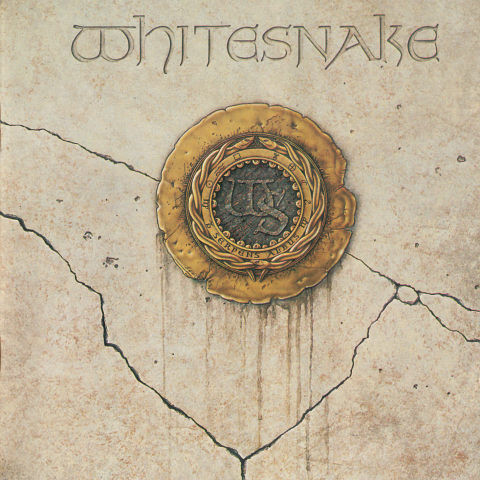
Whitesnake – self-titled

Released March 23, 1987 via EMI/Geffen Records

My Favorite Tracks – Still Of The Night, Crying In The Rain, Here I Go Again

The giant success of this record wouldn’t come without drama and turmoil. David Coverdale had been plunged into depression over Whitesnake’s prior lack of success and personal issues with his band. While guitarist John Sykes helped write the album, Sykes and the rest of the band were out before touring on the white hot record. The group that appeared in the mega-successful videos for this album was not the same group that made the album, save for Coverdale and Adrian Vandenburg’s involvement in recording Here I Go Again.

There are several different versions of this album – it was self-titled in North America and other places, while in Europe and Australia it was called 1987. Japan had yet another name for it and there are different track lists across the disparate versions. For simplicity’s sake I’ll cover the 9 track US version.

Crying In The Rain

The opener marks one of two songs redone from the 1982 Saints And Sinners album, both re-recorded songs would be hits. Originally a blues-based rocker, John Sykes reportedly despised blues music and turned it into a heavy metal riff fest. The lyrics are a depressing look inside Coverdale’s mind through a divorce, dude was down in the dumps a lot apparently. While the premise of crying in the rain seems silly, the song’s riffs and presentation keep it from slipping into parody.

Bad Boys

A standard fare, fast rocker about being a bad boy, a pretty common offering for 80’s rock. It’s a good offering for the “wild in the streets” theme that was ever-present back then.

Still Of The Night

The album’s lead single was a modest chart hit but would serve to generate interest in the album and was a very popular music video. This song is a fantastic composition with John Sykes going full on guitar god and the full album version of the song is a nice series of movements with the violins and build up back to the rocking at the end. The video was the first of three from the album to feature future Coverdale wife Tawney Kitaen, who would become one of music video’s most iconic performers for the videos.

Here I Go Again

The other re-recorded song from Whitesnake’s earlier days and one of the mega hits from this album, this is the most widely-known song from the Whitesnake discography. The song about venturing on one’s own has remained in cultural consciousness enough to be meme material these days. The video was a monster hit and features the late Tawney Kitaen’s most memorable video performance.

The song topped the Billboard Top 100 and was in constant MTV rotation. And yes, the album cut and single version are two different recordings with some differences, I’d personally take the album version.

Give Me All Your Love Tonight

Another single, this one didn’t quite crack the top 40. It’s an uptempo rocker about love, which in hair metal parlance means sex, as I’m sure everyone is aware. The single release is noteworthy as it features a redone guitar solo from Vivian Campbell, marking the only time he contributed music to Whitesnake material.

Is This Love

The album’s other massive hit single originated when Coverdale was trying to write a song for Tina Turner. David Geffen told Coverdale to keep it and here we are, with the track going to number two on the charts. The song couldn’t be any more elementary in its concept but again its presentation is fantastic and it’s one of time’s honored power ballads.

Children Of The Night

It’s another badass rocker about going out and getting in trouble. It’s a track worthy of partying and headbanging to.

Straight For The Heart

Getting toward the end of the album with this rocker about Coverdale going to get his girl. This song definitely jumps the hair metal shark a bit but it’s still a fun time.

Don’t Turn Away

The US album closes with a power ballad that keeps the rock going in full effect. It offers a nice inspirational message that hooking up with David Coverdale will cure whatever ails you.

Whitesnake was a monster success, launching the band from the brink of extinction to the toast of the town. The album would go on to eight US platinum certifications and would peak at number two on the Billboard 200, being blocked from the top spot by monster albums like The Joshua Tree, Whitney and Bad. It was a stunning reversal of fortunes for Coverdale, who was despondent after failing to break through significantly with his prior work. The rising tide of this album would lift other ships, most notably Slide It In, which went from a modest gold certification to multi-platinum.

While the album and singles did very well in traditional markets, Whitesnake’s videos were perhaps the most iconic part of this album cycle. The trio of videos featuring Tawney Kitaen were all over MTV. The band dressed the part of ’80’s rockers for their videos, something Coverdale admits was pandering to fashion. But hey – no arguing with the success of it. You were rockers in the 80’s, might as well go all in.

Whitesnake is an interesting band in that they found success almost all at once, with the self-titled album outshining the modest success that the US release of Slide It In had. The band’s music is a lynchpin of classic rock radio but it’s stuff from these two albums that comprises the entirety of those playlists. The old blues rock albums are well-regarded but also left to be discovered by the active seeker. Albums after the self-titled wouldn’t land quite the same way, though in retrospect 2003’s Good To Be Bad was a critical success and catalyst for a new era of Whitesnake.

But at the end of the day, it is this album that serves as Whitesnake’s defining legacy. The group shot out of a cannon and landed square in the rock/metal prime of the late 80’s and hit on a success not seen by all that many others. Leaving behind the blues-based rock and injecting a metal guitar hero’s sound into the mix lend to some staggering results, even if said guitar hero was booted from the group before touring behind the record.

Who Killed Hair Metal? Part Two

Yesterday I opened my courtroom and began cracking the “cold case” of who killed hair metal. I visited the prime suspect, that being the grunge scene, and my findings indicated that Kurt and company were in fact culpable in the death of hair metal.

But the fact is this – they didn’t act alone. While the death of hair metal wasn’t a grand conspiracy, there were multiple assailants on the scene. And one of those assassins was born and bred in the same scene hair metal came up in – the Sunset Strip of Los Angeles.

What if hair metal didn’t really kill itself (again, we’ll get to that on Friday) but what if it was killed by itself? It begs questions of what hair metal really was and wasn’t, but there’s no doubt that a late ’80’s band left such a mark on the rock scene that it would leave other bands incapable of topping it.

Suspect Two – Guns N Roses

The biggest of the LA bands would hit in the late 1980’s with the monstrous Appetite For Destruction album. While a bit slow to catch on, this collection of tunes would eventually set the world on fire and propel GnR towards “biggest band on Earth” status. The album has gone on to sell over 30 million copies worldwide and is often found on “best album ever” lists regardless of genre.

Guns N Roses were a product of the Sunset Strip and Appetite… certainly was a hard rock/heavy metal document. It is debatable whether the band fits the “hair metal” term, though. They certainly do in general sound and geography, but their brand of rock snarled and snapped a lot more than even the most weighty hair metal offerings.

Many critics and fans do not include GnR on the hair metal roster. This seems to be often fueled by hair metal being seen as a negative term, and bands who are “better” than the moniker are left without having to wear it. It’s the same argument metal fans make when they say someone like Limp Bizkit isn’t metal, but in reverse – spare the band from the term in the case of Guns N Roses, rather than the term from the band.

I can’t really look at things that way, though. I do think Guns N Roses fits the “hair metal” scene and sound. I look at hair metal for what it is – a music scene in a place and time. Sure it has both positive and negative connotations, but the scene can be explored on a semi-objective basis.

It isn’t really fair to classify every mid- or late-80’s band as hair metal, but in the case of Guns N Roses I do think they fit the bill enough. They had the sleazy look and the party hard attitude that went with the scene. Axl Rose wasn’t just a primadonna, he was the absolute head of that table. The band brought with it chaos and drama that other acts could only hope to get a portion of.

The issue at the end of the day is music, of course. Is Appetite For Destruction a hair metal album? I can see the argument either way. The music is bigger than a lot of hair metal and the songs are bounds above the standard fare rock of the time period. The tunes move in a very aggressive direction not often found in the hair metal hordes. Even their “ballad,” Sweet Child O’ Mine, is a much more rounded song that a lot of formula-ridden hair ballads of the day.

And therein lies the point. Appetite For Destruction was such a hard rock monster that it couldn’t be replicated or even contended with. Whether or not it is a true “hair metal” album doesn’t matter – it is adjacent enough to the scene that every band out there had to contend with it. It was a juggernaut incapable of being touched, even by Guns N Roses.

And barely anyone came close to even touching the surface of GnR’s success. Motley Crue would have a hit with their 1989 record Dr. Feelgood, but that album was something of a victory lap for the band and did not approach Appetite’s greatness in any way. Of anyone, perhaps only Skid Row even scratched the surface with their 1991 effort Slave To The Grind. It was another ferocious album that bent the genre and established the group as having prime chops, but that record still did not threaten to unseat Guns N Roses as having made the biggest statement in hard rock.

Guns N Roses themselves would not touch Appetite For Destruction again. Their proper follow-ups were the Use Your Illusion albums – some great songs and clear marks of the excess of rock music, but also very bloated records that tend to crush under their own weight. (For more of my thoughts on those albums, revisit my series on them starting here.) The band would splinter apart in the mid-90’s and only reunite a few years back as a quasi-nostalgia act, with seemingly little new to contribute.

I do feel Guns N Roses is guilty of contributing to the death of hair metal. There was just no way anyone else was going to top Appetite For Destruction. Whether or not the group was really “hair metal” themselves isn’t relevant – maybe it was an inside job or maybe they were just close enough to the scene to take what worked about it and amplify that a thousand times over. Either way, the band are especially guilty of setting the bar so high that the scene they were born of could not cope.

Tomorrow – a suspect not often discussed but one that looms large over the crime scene.

Axl looks like the dude from Soul Asylum in this vid

Mötley Crüe – Wild Side

This post was part of a series that I called S-Tier Songs. I later decided to abandon the series in favor of a simpler Song of the Week format. I am keeping these posts as I wrote them but removing the old page that linked to the list of S-Tier Songs, so that is why these posts might look a bit odd. Enjoy.

In 1987 rock was king and it had hair. Everyone was on board the hair train – every new band, no matter their actual sound, made sure their luscious locks were on prominent display in press photos and videos. Many old guard rockers, such as Heart, joined in on the hair party. Rock some tunes, get some huge hair, and cash the royalty checks.

And in 1987, the four people most chiefly responsible for starting the whole hair mess arrived with a new album. Motley Crue returned with Girls, Girls, Girls as a way to reclaim a bit of glory after their prior effort Theatre Of Pain was commercially successful yet critically panned. The album was a success and the band continued their hot streak through the end of the decade they helped define.

For everything on that record, one song stands out as among the very best tunes Crue recorded. The album’s opener Wild Side did not see an official release as a single, but a crazy MTV video put the song in the spotlight and the song became a sensation.

Motley Crue – Wild Side

In the late 80’s where the formula for success was hard rockers about sex and ballads about sex, Motley Crue showed back up to add a grittier edge to the sound of their own doing. The band started heavier and nastier than the scene they helped forge, and on Wild Side they returned to explore the sleazier side of life.

The song is a hard hitter, going straight for the throat with a great riff and some pounding drums. Motley Crue were never technical masters of their instruments but when they wrote a great song it was unmistakable. Wild Side is signature Crue and it stands with the other staples of their set, and towards the top of it.

The song lyrically explores the seedier side of life. It’s something often left out of the polish and shine of 80’s rock – everyone was so busy glizting up the Sunset Strip that people forgot how screwed up Los Angeles really was. But this band, one who was billed as the most dangerous in the world, reminded everyone what life on the streets could really be like.

And yeah, they really were dangerous – sadly they were a danger to themselves and others.

The heralded video showcased a live performance replete with Tommy Lee going upside-down on a crazy drum rig. The stunt was a huge talking point that helped spread word about the song and also cemented the band’s reputation as over the top and crazy.

Why is this an S-Tier song?

Wild Side is a kick ass banger that is widely considered one of the band’s best songs. It stood apart from the muddled rock scene of the later 1980’s and re-established some of the grittier edge to Motley Crue. It might not be hard to stand out from the hair rock pack when you drew the blueprints for it, but the band’s return to a harder sound was timely as the Sunset Strip was about to give birth to a dangerous new band who would directly challenge the Crue for the top spot as the king of the rock hill.

I’m not at a point yet where I would take the time to rank individual Motley Crue songs but Wild Side is an easy top 3 for me. It’s one of the real gems in their catalog and it stood out from the crowd as 80’s hair metal excess began to swamp the scene.