Black Sabbath – Black Sabbath (the song)

This post was part of a series that I called S-Tier Songs. I later decided to abandon the series in favor of a simpler Song of the Week format. I am keeping these posts as I wrote them but removing the old page that linked to the list of S-Tier Songs, so that is why these posts might look a bit odd. Enjoy.

Today it’s really simple – the first song on the first album from heavy metal’s first band. In the spirit of convenience, the group chose to name their band, song and album all the same thing.

Black Sabbath – Black Sabbath

Let’s just lead with this thought – imagine hearing this for the first time in 1970 when it came out.

Seriously – I know the 1960’s were a golden age of music and had divergent offerings from all around, but think about hearing this in 1970 for the first time.

The bells, the thunderstorm, then that RIFF. No matter what else Black Sabbath had, it has always been the riffs of Tony Iommi, the absolute god of heavy metal guitar, that made this band what it was. And the riffs in this song were the noted birth of heavy metal in general and specifically doom metal.

This was just other-worldly and I can’t imagine what it would have been like to hear it without context upon release. People can always point to Cream as a boarding ramp for Sabbath and heavy metal, but Cream didn’t tread this ground. And any other precursor to heavy metal – Hendrix, Mountain, Steppenwolf, whoever else – wasn’t here.

And I didn’t hear this until 1990. I was 13 and got a home stereo system for Christmas, I snagged this and several other classic albums on cassette to break in my system. Hell, I’d heard Ozzy solo but I hadn’t really dug into Black Sabbath. Even hearing it as a dumb kid 20 years after it first hit was a mind-altering experience. I knew Sabbath were regarded as the founders and masters of the metal I was getting die-hard into, but I didn’t know it was like this.

Everything is just so ominous – the opening riffs, the barely-there presence of Bill Ward’s drums and Geezer Butler’s bass, and Ozzy Osbourne’s haunting vocals. In lockstep with the lyrics that paint this dark and dismal picture, it is just something straight from Hell.

This dirge goes on for over four minutes, then things kick into high gear. Iommi offers a higher tempo riff, Bill and Geezer join in at full volume, and Ozzy wails away through the descent into Hell. The last minute lets Iommi head out on a solo and the band slamming along in a dissonant yet perfectly coherent mess. Heavy metal was born.

It can be said that the song, and by extension the band, was blues music mutated into a volatile concoction. Black Sabbath were a blues band named Earth before changing gears, and blues music has influenced every notable Western music movement around. It would only stand to reason that there’s a pretty direct line from the blues to this godawful, Satanic wailing. And, as Sabbath would showcase on the rest of their debut album, it was a very direct line without much padding inbetween.

But, this isn’t the blues. This is not the music of the Mississippi Delta – this is the cacophony of life in industrial hell, aka Birmingham, England in the postwar 20th Century. Heavy metal was born there and would continue to flow out of there for decades beyond.

The lyrics behind Black Sabbath are dark and occult-based. The tale behind the lyrics is both stark and amusing. It has been told both by Ozzy Osbourne and Geezer Butler in various places, by Geezer in the liner notes to Sabbath’s 1998 live album Reunion and Ozzy’s 2010 biography I Am Ozzy. The gist is that Geezer had an occult phase and decked his apartment out in all black and with spooky decorations. Ozzy, a noted thief at this point in life, lifted a book about the occult and gave it to Geezer. Geezer woke up from a nightmare and saw a figure in black pointing at him. Geezer went to throw the book away but it had vanished. He swore off the occult and relayed the tale to Ozzy, who penned the lyrics to the song. Combine it and the legendary Iommi riffs, and a whole new thing was born.

Sabbath would go on to further and refine the heavy metal template the same year with Paranoid. But the song Black Sabbath especially would also lead to a new subset of metal down the road. Bands like Saint Vitus, Candlemass, Pentagram, Witchfinder General and Trouble would take what Sabbath established and make some memorable (and depressing) metal. Crushing dread via riff and vocal would be its own subgenre.

Why is this an S-Tier song?

Purely on its own, Black Sabbath is a crushing, haunting work that communicates dread and despair in a way not heard before its time. It is also the beginning of an entire movement in music that happens to be my favorite and is a highlight in a long catalog produced by the world’s most important and influential heavy metal band.
A demo version of the song released by Ozzy in 1997

Album Of The Week – July 4, 2022

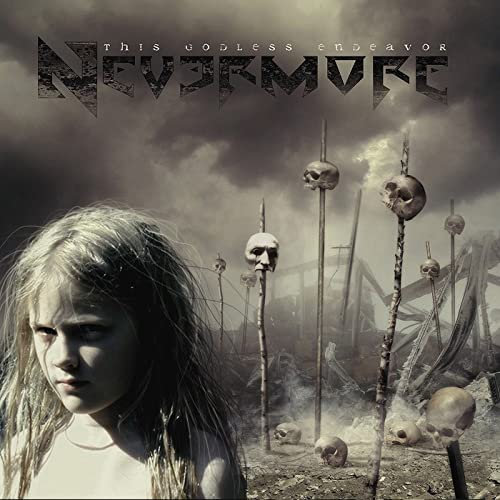
This week it’s time to have a look at one of metal’s now-bygone bands. They were heralded yet quite underrated, always noticed but never quite breaking through to the heights many thought they ought to achieve. The album in question would be recognized by many as one of the best (if not the best) they have done.

Nevermore – This Godless Endeavor

Released July 26, 2005 via Century Media Records

My Favorite Tracks – Medicated Nation, The Psalm Of Lydia, Sentient 6

The album marked the band’s sixth effort. The core lineup of vocalist Warrel Dane, guitarist Jeff Loomis, bassist Jim Sheppard and drummer Van Williams would remain. They would be joined on guitar by Steve Smyth, formerly of Testament.

The band would continue plying their trade in a straightforward metal sound that often defied categorization. While they “fit in” with the power metal scene, they were not power metal. Elements of thrash would appear but Nevermore certainly were not a thrash act. I don’t think they ever got properly sub-categorized in the whole of their 20 year history, though no such sub-category may exist.

The album runs 11 tracks in just under an hour, and with one being a very short instrumental. I’ll get it out of the way now so I don’t have to mention it on every song – the guitar work is absolutely out of this world. Jeff Loomis is a world-class guitarist and he was complemented well by Steve Smyth. The guitars are always high points of Nevermore albums.

Born

The opener goes hard and heavy, kicked up a notch even for Nevermore. The song is an indictment of the stagnant pool of beliefs that keep society pinned down from progress.

Final Product

Another brutal number in both music and verse. More about the negative aspects of the world and how they are dragging everything down. Pretty spot on and very much unimproved from the 17 years since this song first hit.

My Acid Words

Yet again with the caustic and harsh assessments, the band does not relent via instruments and Warrel Dane goes even harder with the lyrics. It is a cold and ultimately heartless conclusion rendered in the song. I had thought that Dane had said this song had to do with his brother but I imagine that would have been an interview from a print magazine and I can’t find it to confirm. I do believe my recollection is correct, though. It was obviously a tragic story.

Bittersweet Feast

A song that several cite as their least-favorite from the record but one I enjoy. There are two distinct lyrics being delivered in the pre-chorus, which takes a moment to get used to and can easily be missed. The song is a dirge about the fat and happy minions feasting on the remains of a dying society.

Sentient 6

The music turns down a notch to deliver a quasi-ballad. Of course the ballad is not typical fare lyrically – this song is about some sort of artificial intelligence being that struggles with the questions of humanity, tries to become like humans, then ultimately decides to destroy humans. All of the songs have happy endings on this album.

Also catch the Jimi Hendrix tribute, paid lyrically in the first verse.

Medicated Nation

Another of the album’s highlights for me and a track with possibly dual meanings. The literal interpretation of society being over-medicated is very real and very well discussed here. But many speculate that the intent goes beyond that and into the media, belief systems and various ways people figuratively medicate themselves from the realities of life and civilization.

The Holocaust Of Thought

A brief instrumental at not quite 1.5 minutes long. It features solo work from guest James Murphy, a metal guitar luminary who has logged work with Death, Obituary, Cancer and Testament, among many others.

A bit of an aside – in the mid 2000’s I was on a few message boards and on one of them, some guy complained endlessly about this song being on the album. Like, it’s not even two minutes long and you probably have it on CD anyway, just skip it dude. It just cracked me up because he complained about it at every possible opportunity, like maybe he was getting a dollar per complaint from someone, I don’t know. I just wanted to make sure I have that noted for posterity’s sake.

Sell My Heart For Stones

This song does stand out in a few ways. It is another quasi-ballad, so it gives a bit of a breather. It is also has a far, far more positive outlook than what has been playing so far. It’s honestly a breath of fresh air to actually have something philosophically positive for once.

The Psalm Of Lydia

This song picks the pace back up and goes into a bit of fantasy territory, at least a shade. Lydia seems to be a mythical, prophetic figure who winds up “slaying the demons.” Perhaps Lydia is slaying the metaphorical demons being chased throughout the first part of the album, there is lyrical evidence to make that conclusion. And also this song is guitar solo after guitar solo, just a magnificent work. No clue who Lydia actually is or what this song’s true composition is about, but it gets the job done.

A Future Uncertain

Heading towards the album’s close is this ponderous affair that offers a bit more introspection and hope than the savage beginning half. The song doesn’t quite arrive at its own lyrical conclusions but that’s probably surmised by the title.

This Godless Endeavor

We close on an epic, nearly nine-minute movement that questions the meaning of life and searches for answers in the void. The song does not waste its time, rather it keeps moving with more philosophical lyrical fare and, of course, more guitar.

This Godless Endeavor was a significant work for Nevermore, the work was praised by critics and the band toured with several acts during the cycle – they would open for old friend Dave Mustaine and Megadeth and would even get a support slot with Disturbed in 2006. In hindsight it is considered one of their best two albums and is often found at number one on a lot of lists. Even back in late 2009 when I was blogging elsewhere I named it one of my top five albums of the decade of the 2000’s.

Nevermore would not get to realize much greater promise from their masterpiece. Health problems beset, well, the entire band save Jeff Loomis in 2006-07. The group would record one more album in 2010, then split up. Loomis would link up with Michael Amott in Arch Enemy, while Warrel Dane would resurrect the pre-Nevermore outfit Sanctuary. Reunion talk began in the mid 2010’s but was ended when Warrel Dane died of a heart attack in 2017.

I have always felt Nevermore was a band that was kept a bit too far under the radar. A lot of people knew them and were into them, yet they didn’t latch on in a wider fashion. Their sound was heavy but not alienating to many listeners like extreme metal often is. And the sometimes very heavy lyrical matter is dressed in a higher vocabulary that keeps it from being just some noisy ranting about the world. Maybe the really were “just” a metal band without a way to further sub-categorize them, but they certainly were not “just” a metal band.

GTA Vice City – VRock

Yesterday I talked a bit about the unique and game-making soundtrack to Grand Theft Auto: Vice City. Today I want to elaborate a bit on the game’s rock and metal station. If anything screams 1980’s it’s rock and metal, and the game got it right on their own metal station, V-Rock.

V-Rock was the quintessential metal hits of the mid-80’s. Here is a complete list of songs from the original release of the game (note that Bark At The Moon was removed and that Love Fist is a fictional, in-game band who I’ll get to in a bit.)

Twisted Sister – I Wanna Rock

Motley Crue – Too Young To Fall In Love

Quiet Riot – Cum On Feel The Noize

The Cult – She Sells Sanctuary

Ozzy Osbourne – Bark At The Moon

Love Fist – Dangerous Bastard

Iron Maiden – 2 Minutes To Midnight

Loverboy – Working For The Weekend

Alcatrazz – God Blessed Video

Tesla – Cumin’ Atcha Live

Autograph – Turn Up The Radio

Megadeth – Peace Sells

Anthrax – Madhouse

Slayer – Raining Blood

Judas Priest – You’ve Got Another Thing Coming

Love Fist – Fist Fury

David Lee Roth – Yankee Rose

That is quite a list of signature 80’s rock and metal. Of course I can listen to this stuff all day and night long and probably make a years-long playlist out of it, but I think this selection really captures the spirit of the time.

A radio station is more than its songs. V-Rock features everything that makes this a true 1980’s rock station. The station has hilarious transition lines like “V-Rock – for people who wear name tags to work” and “While other stations’ listeners are in school … we’re shoplifting!” A few of the commercials, like the “complete the look – goth edition” spot for the Vice City Mall are also tailored to the station.

And above all else, V-Rock has an entertaining and outright hilarious DJ. Helming the mic for the station is Lazlow, who was an intern to the station’s former DJ, Couzin Ed. Ed was fired and Lazlow given the reigns as a cost-cutting move. In fact, Couzin Ed calls in at one point to lambaste Lazlow for being unqualified to host a metal station.

Couzin Ed has been a real-life radio DJ, and Jeffery “Lazlow” Jones was also a DJ and multimedia personality when both were hired by Rockstar Games to be involved in the Grand Theft Auto series. Lazlow is in fact chiefly responsible for the success of the game’s radio stations in his role as executive producer of the soundtrack.

While very accomplished in real life, Lazlow’s in-game character is much less heralded. Lazlow is a loser, being unable to score with a local waitress and having played in marching band while Couzin Ed was doing bong hits. Lazlow even laments that V-Rock’s mascot, the Vulture, gets more airtime than he does. It makes for some entertaining drives around Vice City to listen to Lazlow get cut down by most of the population, such as when biker gang leader Mitch Baker calls in to give Lazlow shit for playing “sissy music.” And this call-in happens right after the station plays Loverboy, if I’m not mistaken.

In a bonus segment only available on the game’s officially-issued soundtrack, Lazlow is fired as the host of V-Rock. Lazlow would go on to find hosting jobs throughout the GTA series, culminating in being an actual character in Grand Theft Auto V. The real-life Lazlow would continue his involvement with Rockstar Games until 2020 when he left the company.

If having compelling music and on-air “talent” wasn’t enough, the game outdid itself by inventing its own band. Love Fist is a group of drug-addled Scotsmen who fit right in with the hair metal scene. A handful of original songs were recorded for the game and feature on V-Rock. Two other songs air in segments during Love Fist-related game content. A Love Fist EP with all four songs present was made available in 2013 for digital purchase and streaming.

The band were given members and personalities to suit the times. Lead singer Jezz Torrent (say his name in a Scottish accent…) is featured in several cutscenes as a party guest. The band also has a series of missions in-game where Tommy Vercetti must help the band escape a stalker, get their needed drugs, and get to their gig. Love Fist’s former members and mentions of their music can be found in later GTA games as well.

The music of Grand Theft Auto: Vice City was great overall, and having a dedicated metal station with so much work put into it made the game that much better. I’ve spent countless hours in Vice City, driving my stolen cars and jamming to the great songs on offer. And Lazlow’s work as DJ is great. The game both celebrates and totally rips on metal culture and is a hilarious stew of satire and dark humor. In terms of video game soundtracks it just doesn’t get any better than Vice City and V-Rock.

Upcoming Releases – Dog Days Of Summer

The upcoming music section had been a bit bare for awhile, not much was trickling my way. That is until last week, when the floodgates opened and everyone and their mother put out new tracks. It’s a full docket now with some expected stuff and a few surprises. And also the one I’ve been going on about for months now.

Lamb Of God – Nevermore

Nevermore is the lead single from Lamb Of God’s upcoming album Omens, due October 7. It’s a fairly quick turnaround for the groove metal purveyors, as they are only two years removed from a self-titled release.

The song is pretty good, has a bit more of the classic LoG feel that I thought was a bit lacking on the last record. I do admittedly need to give that album another spin and chance. But I like what I hear with Nevermore and am looking forward to what the new album will bring.

Bulletboys – Holy Fuck

A real blast from the past here, the Bulletboys were some great sleaze rock back in the day. I haven’t kept up with them and I gather that they haven’t been active the entire time but they have regathered and have this new song on offer. No news on an album as yet. The song is pretty good and I’m digging what they’re up to, hopefully this is the start of more to come.

Ozzy Osbourne – Patient Number 9

The Prince of Darkness is back with the lead single from his new album of the same name, which releases September 9. It will be a fairly quick release after 2020’s Ordinary Man and follow the same format – produced by Andrew Watt and featuring several guest appearances. This track features Jeff Beck providing a guitar solo.

I think this approach is good for Ozzy at this point in his life – these grab-bag collaboration albums are far better than what he was doing through most of the 2000’s. Sure, it’s all a far cry from his otherworldly solo prime, but that was eons ago and no one’s going to ever recreate that.

This song is pretty good. I do think the production has the song buried a bit and the song also kind of meanders off in the end, but it’s still a pretty good listen. With all Ozzy has dealt with recently health-wise, just being able to do albums is an achievement in and of itself.

Queensryche – In Extremis

The new effort from Queensryche, titled Digital Noise Alliance, is set for an October 7 release. It will be the fourth album to feature singer Todd La Torre, who replaced Geoff Tate in the 2010’s after a very messy split.

I’ll be upfront – this song doesn’t move me much. I do think La Torre is a brilliant singer and that the material Queensryche have done since the split is leagues better than what they were churning out with Tate in the 2000’s, but the stuff just doesn’t grab me. It is competently executed music but it, well, doesn’t feel like Queensryche. I know there is no going back to the glory days, but I have a hard time getting behind the modern incarnation of the band. Maybe something else from the new album will be more compelling.

Amon Amarth – Get In The Ring

The Swedish Viking troupe had a single earlier in the year but a bit ago they released another new song as well as details for their new album. The Great Heathen Army is just around the corner on August 5.

The song is an original composition, not a cover of the Guns N’ Roses tune. It is pretty standard Amon Amarth fare. No, the band aren’t taking creative chances but their formula has made them one of the most successful metal bands of the 2000s so why would they mess with it? I’m fine with it and will be waiting for the new disc to drop here in a month or so.

Spirit Adrift – Mass Formation Psychosis

One of the 2010’s most interesting doom prospects return with a new record. 20 Centuries Gone will hit August 19. I’ll also be checking out these guys live next month as they open for Crowbar. The new stuff sounds great, this project hasn’t missed a beat since its inception.

Megadeth – We’ll Be Back

Well, well, well – what do we have here? After months of all talk and no song, here finally is the lead single from the new Megadeth album. The record, The Sick, The Dying … And The Dead! Will see release on September 2, a slight delay from a planned July release. It’s a highly anticipated release after several years and a lot of drama.

And wow, did they spit out a banger to open things up. We’ll Be Back is top notch thrash and a relentless track from start to finish. Dave Mustaine’s vocal delivery on the verses recalls the 1986 classic Black Friday, something I presume was intentional given the small nod to it also in the lyrics. And the riffs on this song are just all over and in your face. It is quite a statement from a band that has proven to be unpredictable over the years.

The video also serves as part one of a story arc, and there were rumors swirling around that this story is the origin of Megadeth’s long-running mascot Vic Rattlehead. I can’t find any information to truly confirm that, however. Either way, we’re getting some sort of hard-boiled war story told across the songs of the new album.

That wraps up the present edition of stuff to look forward to. Now with Megadeth finally offering something I don’t really have a long-anticipated thing to pine for next. Just gonna have to see what comes down the pipe next.

Album Of The Week – June 27, 2022

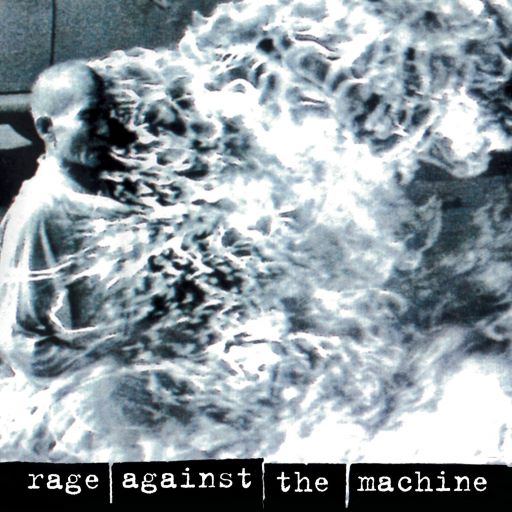
I wasn’t sure what this week’s album would be, then for, uh, no reason at all I recalled this 1992 incendiary masterpiece.

Rage Against The Machine (self-titled)

Released November 3, 1992 via Epic Records

My Favorite Tracks – Bombtrack, Bullet In The Head, Killing In The Name

Rage Against The Machine exploded onto the scene in 1992 with a combination of hip-hop and metal that expressed disdain for the political machine. The album and band would become a smash success, spreading their revolutionary message to an entire generation and also shaping the tides of the transforming metal scene in the 1990’s.

The idea of combining rap and metal together was explored in a handful of places before RATM hit. (Anthrax, Ice T with Body Count, etc.). In 1992 the concept would cease being abstract and come to the front lines of music, with Rage leading the charge. The rest of the early 90’s would be filled with this caustic combination of concerned parents’ two least favorite forms of music.

For Rage it was not simply doing rap and doing metal. The band were based in groove were definitely playing metal, but were also using hip-hop elements with Tom Morello’s unconventional guitar stylings and Zack de la Rocha’s vocal delivery. This was truly blending both forms of music together into one thing, not just a mash-up of two styles.

Bombtrack

It’s a whole new ballgame from the word go – a distinct bass line leads into the explosive opener and album’s third single. The song depicts revolutionary ideology and the video outlines the struggles of Peru’s Shining Path movement. The music is other worldly, while the message behind it was perhaps a bit obscured to us in the pre-Internet early 90’s. It was much harder to just look up elaborating information on stuff like this way back when.

Killing In The Name

Likely the best-known song from the album, even people who have never sought out RATM are likely familiar with the chant “fuck you I won’t do what you tell me.” The song was written in response to police brutality, specifically the Rodney King beating and the Los Angeles riots that resulted from the not guilty verdicts in the criminal trials. The song continues to be referenced to this day – Tom Morello brought it up after off-duty cops were found to have been among the January 6, 2021 insurrectionists who stormed the U.S. Capitol building.

Take The Power Back

Another protest anthem that encourages people to throw off the shackles of Euro-centric, capitalist education and reclaim individual liberty from the corrupt system. Zack de la Rocha is in staccato rap-mode delivery on this one.

Settle For Nothing

A bleak song about the harrowing experience of growing up poor in America and choosing the gang lifestyle for what is usually the only shot at any kind of life. We’ll settle for nothing now and settle for nothing later is this super heavy tune’s ultimate and sadly accurate conclusion.

Bullet In The Head

The album’s second single, this tune outlines the role of hollow consumerism and its place in suppressing the population. Tom Morello provides a host of odd guitar flourishes here to really make the song stand out.

Know Your Enemy

This time the band takes aim at the illusion of the American Dream and the idea that it’s available for everyone. It defines the purveyors of that dream as the actual enemy to be fought, not the people of foreign lands that the country often wound up fighting. The song features a guest vocal shot from Maynard James Keenan, whose outfit Tool was just about to find their own place in the music scene.

Wake Up

This song looks at the American government’s quest to suppress the African-American political movement of the 1960’s. The song references FBI memos from J. Edgar Hoover as well as a speech from Martin Luther King Jr. The idea that the FBI led the way to dismantling the black political movement was once controversial (and probably still is in some circles) but is a generally-accepted matter of fact now.

Fistful Of Steel

No reference to any specific events this time around, this is a generally-worded protest song that encourages action. Zack de la Rocha is fired up and ready to fight, and also to take out anyone who bows down to the regime.

Township Rebellion

Here we see the band encouraging rebellion through community. As with the rest of the album, it is a visceral attack on the institutions the band sees responsible for the ills of the world (the machine being raged against, of course).

Freedom

The album closes with its fourth and final single. The song explores the controversial case of Leonard Peltier, an American Indian Movement member who was convicted of murdering two FBI agents in 1975. The case is fraught with massive legal arguments I don’t have space to elaborate on here, Wikipedia of course has a summary of key points. Peltier has been in prison since 1977 and has had many unsuccessful appeals for clemency or pardon on his behalf in the decades since.

Rage Against The Machine was an explosive album that gripped the attention of the music masses in 1992 and beyond, as the “alt-metal” sound filled a vacuum left after 1991 blew everything apart. It was clear that rap and metal were going to get together at some point, and RATM became the true focal point of that marriage. Many more bands would incorporate groove-based elements as well as hip-hop into their music which would eventually lead to the late-90’s nu-metal scene.

But this isn’t about blaming Rage for all of that. Their music put the disparate elements together in a unified focus and showed that such a combination was not only possible but viable. They weren’t the first to do it but they were the ones who got the formula down in a unified manner.

And of course the true legacy of Rage Against The Machine might lie in their politically-charged lyrical content. The band did not hold back any revolutionary thought or spare anything out of fear of reprisal – they went all-out against what they considered the evils of the day.

It is very confrontational and dark content that in some respects was missed or went over some listeners’ heads. The band were everywhere when they broke out and the album sold over three million copies, and they got even bigger with their next record. Yet to this day, people act shocked that the band were “so political.” I don’t see how people missed the true depth of their political leanings but I guess that’s just how things go. But I also have to believe it inspired a new level of hard line activism among others – recalling the 1999 Seattle protests is one such example.

The concepts RATM presented in 1992 seem to be relevant 30 years later, which is probably not a good thing. The more things change, the more they stay the same I guess. I don’t know for myself how much I feel that call to power presented here (or if it would matter if I did). But I do know that Rage Against The Machine recorded a hell of a debut album all those years ago.

The Song Remains The Same – Tormentor

It’s time again to pit several songs with the same title against each other. This time around it is one hell of a matchup – four legendary metal bands with the same-named song. In an odd coincidence, each instance of the song is on each band’s debut record. And they were all released within two years of each other between 1983 and 1985.

Today’s song is Tormentor,as the title suggests. This was also originally going to be my first post in this series but I punted this because it’s such a tough decision. And while I’m sure many other bands (especially metal bands) have recorded songs called Tormentor, I’m pretty sure this pool of four heavyweights of the industry can’t really be topped. Let’s begin.

Destruction

The original 1985 recording
The sonically much-improved 2000’s re-recording

Starting off with the venerable German thrashers, their version of Tormentor came in 1985 on their Infernal Overkill debut. I also included their 2000’s re-recording of the song because the original is pretty rough.

Destruction is the one I’m less familiar with because I didn’t get into them until the 2000’s, while I’ve listened to the other three bands for decades. The song is good, if perhaps under-developed. It is a simple tune that gets straight to the brutal point. While I’m usually bored by re-recorded stuff, Destruction has a famously bad sounding early discography and I think the re-recording gives new life to the song.

Slayer

Back to America and 1983, where Slayer started the Tormentor game on Show No Mercy. The song was a standout for me from the album. It’s a simple yet effective riff with some badass Tom Araya wailing and the requisite tortured solo section. The verses and chorus are clearly delivered and paint a vivid picture of hunting someone down in the shadows, the delivery on this song is great.

W.A.S.P.

The video and audio are hilariously out of sync

One year ahead to 1984 and the self-titled debut of Blackie Lawless and company. W.A.S.P.’s take on Tormentor got a music video as the song was included on some obscure movie that the band also appeared in. This is also an album I covered in the Album of the Week series back last October.

Tormentor wouldn’t be considered the highlight of the debut album but the song still offers the raw, aggressive sound on offer from a startling and brilliant record. The song gets the job done and was part of a sound and image that scared the hell out of suburban America in the 1980’s.

Kreator

We’ll head back to Germany and 1985 for the final version of Tormentor. It comes from Kreator’s debut Endless Pain, a very noteworthy album in the annals of thrash metal. Tormentor is a fitting inclusion on the album and is a savage and raw attack with a snarling vocal delivery and a pounding riff through its brief three minute run. While Kreator may have shared some production woes with countrymen Destruction, Kreator were able to make it work on this buzzsaw of an album. The gruff and unpolished sound would actually go on to influence metal bands.

So there we have four songs all named Tormentor from four of metal’s most well-known and loved groups. And it’s time to sort out who wins this little contest. I can rule out Destruction early, while I do like the track I think it pales a bit in comparison to the other three.

But this is where the trouble lies. The W.A.S.P. tune is great, but the Kreator song is snarling and savage, also just how I like it. And the Slayer song is a brilliant early performance from their first era.

And after a bit of review, it is Slayer who takes home the crown. In the end their song just goes places and communicates its horror story in a way that stands out from the pack. It’s a gem of a cut from their hallowed debut and a unique piece of sound from before their turn towards more straightforward and brutal thrash. And Tom Araya’s screams on that, holy hell how did he do that?

While these games can be fun when acts from all across music have cut songs with the same name, it gets really interesting when it’s all bands from one part of the spectrum. I guess tormenting people was a common thought among metal musicians in the early 80’s, I don’t know. I would be afraid of the night if I had all these long-haired metal freaks coming at me in the dark in 1984.

Heaven Can Wait – Would Iron Maiden Replace Bruce Dickinson (again)?

This is a kind of “current events” post I’m not all that into doing, but the topic at hand is significant enough to warrant my interest. It involves my favorite band and I just talked about them on Monday, so when this bit of news dropped the same day it certainly got my attention.

Iron Maiden’s legendary singer Bruce Dickinson recently gave an interview to UK tabloid Daily Star. The interview’s contents are transcribed via this Blabbermouth.net article. In the interview, Bruce gets at the (dark) possibility of not being able to perform to his usual standard as age wears on. He is on board with the band finding a replacement singer, with Bruce perhaps making small guest spots. It would be a situation like what Glenn Tipton does with Judas Priest, making spot appearances here and there as his battle with Parkinson’s disease keeps him from touring full-time.

In the abstract I honestly don’t see anything wrong with the sentiment. I get the thought here – if I can’t do it the way it needs to be done, get someone else who can. I’m generally not opposed to a band going out without a key piece for whatever reason – it is a job and if you can function as a unit with a replacement, go for it.

But we’re not in the abstract. This is Iron Maiden, and this is Bruce Dickinson. People don’t want a replacement for Bruce because it would be insanely tough to even find one, and because we’ve been down this road before. Bruce was replaced in the 1990’s by Blaze Bayley, who found rough footing behind the mic and took a lot of heat for his tenure. While a lot of Maiden’s backslide during the 90’s isn’t the fault of Blaze at all, it is true that he had a difficult time with some of the band’s classic material. With the band unwilling to step down in tuning to help, it left Blaze hanging at times in the live department. It was one oft-cited complaint from fans of that era.

Casting someone else in the role of Bruce Dickinson just isn’t going to work. There are some very talented singers out there, but is anyone really going to replace Bruce? Even if it was limited to being a touring vocalist, I just don’t see it happening.

And Bruce doesn’t see it happening either – he flat-out says “this will never happen” in the interview, referencing both being replaced and the idea of a hologram tour. And this is what leads to the speculative but curious part of the interview – if it isn’t happening at all, why discuss the topic with the media?

I have to begin with this thought – the Daily Star is a tabloid and one with a not-always sterling reputation. While I doubt there was any deception involved here, did the paper simply lead Bruce into this line of questioning? I don’t have access to the paper itself so I didn’t see the whole interview, and we know that media types know how to lead interview subjects into lines of questioning that provide sensational headlines. I can’t say either way but it’s a possibility.

The interview sent Maiden fans into a bit of a tizzy. One possibility discussed was that Bruce was foreshadowing – maybe he knows something we don’t and that his time as Maiden’s air raid siren is nearing its end. Of course we have zero evidence of this, and also the band is presently on tour and Bruce doesn’t sound like Jon Bon Jovi, er, someone who needs to step down from his duties. I doubt this is the case and I also hope it isn’t. Bruce has survived throat cancer and was able to return to the stage, and is presently in fine form on tour.

Some fans are speculating that Bruce is talking in code here – that he is in favor of replacement of a member who can’t continue, and that the rest of the band is against it. While it’s a wild theory that leads down a few rabbit holes, it’s also purely based on speculation about things we have no information on, so I’m going to leave it at that. I don’t see enough based in reality to commit more words to the series of ideas and I don’t think that’s what Bruce is doing here.

At the end of the day I’ll take the part where Bruce says “this is never happening” as the gospel from the interview. He could very well have just been making conversation or talking off the top of his head, who knows? It gave me and others pause, but after looking at it a bit there’s probably nothing of real concern here.

Someday, of course, Iron Maiden will ride off into the sunset. That day is closer than it ever has been, but it’s also not happening tomorrow or anytime soon. They have this tour to finish, they have a planned tour to air out the Senjutsu album in its entirety, and there has been talk about new albums and other things. This lineup of the band has remained in tact for over 20 years and the band has cemented its legacy as one of metal’s greatest acts in this time. Hopefully when they do call it a day, it will be with this lineup bowing out.

Album Of The Week – June 13, 2022

This week it’s time look at a much-anticipated album that marked a reunion. It wasn’t to be just a reunion album though, it would kickstart a new chapter for the band that now marks their longest era and has continued to this day.

Iron Maiden – Brave New World

Released May 29, 2000 via EMI

My Favorite Tracks – Blood Brothers, Dream Of Mirrors, Ghost Of The Navigator

Brave New World was released to the world with a lot of suspense and anticipation. What were Iron Maiden going to sound like in the new millennium? The group had ruled the 1980’s with their epic take on heavy metal, yet the 90’s saw the band founder as times and members changed.

Maiden were an afterthought by 1998, when former singer Bruce Dickinson released an acclaimed masterpiece with The Chemical Wedding. (My post on that album here). The album saw Dickinson working with former Maiden guitarist Adrian Smith and the consensus was that the two ex-members outdid Steve Harris and the remaining group.

In 1999 the two entities decided to reconvene and start a new chapter for the once-legendary Maiden. Dickinson’s replacement Blaze Bayley would exit, but rather than jettison Adrian’s replacement guitarist Janick Gers, the group made the decision to function as a three-guitar outfit. The group toured a “hey we’re back!”/greatest hits set and then got to work on was going to be a highly judged reunion album. Nostalgia tours are fine and honestly probably the best way to reintroduce one’s self, but could Iron Maiden be a relevant force in the 2000’s?

The answer would be yes, as we’ll see in the 10 tracks with a run time of 67 minutes.

The Wicker Man

Iron Maiden have a solid history of hot opening tracks and The Wicker Man would add to that. The song is a simple one with an identifiable riff and with the world’s easiest chorus to sing along to, a stated goal of the tune. The title is borrowed from the 1973 British film but the song’s words do not tell that tale, instead presenting a hodgepodge that keeps the song moving.

Ghost Of The Navigator

This song heads back to the high seas, a place the band previously explored on their beloved epic Rime Of The Ancient Mariner. The lyrics use a difficult sea voyage as a metaphor for life and death. The music is bright and melodic while also moving and hitting hard – after several years of sounding dark and dour, the signature Iron Maiden sound is back.

Brave New World

The title track is vintage Maiden – galloping riffs and bass lines, guitars all over, and a one-line chorus that repeats many, many times. That repetition is a sticking point for some listeners but it never really bothered me.

Blood Brothers

A song written by Steve Harris after the death of his father. The song highlights the hardships of mortality and the “great beyond” after life. Blood Brothers was a much-discussed track when the album released and has been featured in Maiden’s live set several times in the years since. The chorus has been a rallying cry for Maiden fans in the reunion era.

The Mercenary

We’re on to one of a handful of songs from the band’s prior era that was used for this album. It’s a pretty simple affair about a soldier of fortune. While not being one of the album’s standout moments, the song still gets the job done well and is far above “filler” status.

Dream Of Mirrors

Another track conceived during the Virtual XI sessions. The song is a long epic, running over nine minutes and providing the first hint that reunion-era Maiden were unconcerned with song length. The song depicts the confusion and non-linear form of dreams and how harrowing they can be. The band knocked their first reunion epic out of the park and provided a template for many more to come.

The Fallen Angel

An uptempo number about good and evil, this song is one of the least-heralded among the fanbase from Brave New World but still isn’t lacking for quality. It’s nice to hear the band let loose a bit after keeping things mid-pace (save The Mercenary).

The Nomad

Off into another nine-minute monster and this time we’re in the desert on high adventure. Steve Harris stated the song was inspired by the epic film Lawrence Of Arabia. The Nomad does not suffer for its length – the atmosphere invoked by the music and each guitarist getting a solo keeps things moving along just fine.

Out Of The Silent Planet

We’re getting to the close with the penultimate track and also the album’s second single. The song was based on an old sci-fi film called Forbidden Planet, about aliens who tore their own planet up and are now targeting us. Although the song was released as a single, it was rarely played live during the touring cycle for the album. While the song gets mixed reactions I personally have no issue with it.

The Thin Line Between Love And Hate

We close with another lengthy track at over eight minutes. It’s your usual song about the choices between good and evil and the ultimate consequences of those choices. You know, typical pop fare. The song doesn’t break any new ground or anything but is still a nice way to close out this epic return to form record.

Brave New World marked a huge milestone in the career of Iron Maiden. The album charted well across Europe and was beloved by a long-suffering fanbase that thought the group’s best moments were 20 years behind them. Tours for the new album saw half or more of the record being aired out live, Maiden were not content to go out as a pure legacy act. The line between playing classics and new material would be an issue several years later but that is another story unrelated to this album.

This album was very, very important in so many ways. It brought the band back into the spotlight, it rejuvenated the fanbase and it succeeded as a recording without leaning on past glories. Maiden were able to record songs they wanted to on their own terms, they didn’t try to revisit the past or move in some experimental direction.

And most importantly – it was just the beginning. The “reunion” era of Iron Maiden is now in its 23rd year, with the group having cut six albums and are heading out on tour yet again. Their reputation and legacy have only grown in the past two decades and they are rightfully heralded as one of heavy metal’s most significant acts. While opinions on their reunion albums differ, there is no arguing with the success they have had in this period.

Sonata Arctica – Don’t Say A Word

This post was part of a series that I called S-Tier Songs. I later decided to abandon the series in favor of a simpler Song of the Week format. I am keeping these posts as I wrote them but removing the old page that linked to the list of S-Tier Songs, so that is why these posts might look a bit odd. Enjoy.

Today I’m going to delve into the world of power metal, though this pick is from an act that broke out of that categorization. The song on it’s own is a gruesome tale of lovelorn heartbreak and just how far a person can go in that desperate mindset. As we’ll see, the song isn’t in isolation and is part of a long-running story told in several songs across the band’s career.

Sonata Arctica – Don’t Say A Word

Note – the video is an edit that cuts a spoken word portion from the song. The full album version is posted at the end of this post from Spotify.

Our song today hails from Sonata Arctica’s fourth album Reckoning Night, released in September 2004. Don’t Say A Word was given advanced release as an EP the month prior to the full-length.

Sonata Arctica had made a name for themselves in the early 2000’s power metal scene but also had quickly showcased that there was more to their songwriting chops than the typical fare found in the genre. Though replete with guitar and keyboard riffs as well as soaring vocals, the band exercised a higher form of songwriting on tracks like Fullmoon and The End Of This Chapter that separated them from the pack. On Reckoning Night they began the process of departing the usual power metal scene altogether – still incorporating its structure but also bringing in new influences and stylistic departures to liven things up. It would be a prelude to the next phase of their career, where the group would pursue different directions than the power metal they’d come up on.

While the album has a share of standout songs, none ring quite as true or hard as Don’t Say A Word. It is a lively track despite its dark content. Both guitars and keyboards ring with melody through an uptempo affair. Singer and band mainman Tony Kakko’s voice soars in some parts and goes hauntingly quiet in others, doing well to tell this messed up story. The track does a great job of keeping a balance between flowing music and darker, heavier parts. Sonata Arctica didn’t abandon their calling cards on this track or album, they simply repurposed and refined them.

The lyrical matter is very dark and disturbing – it is from the perspective of a scorned lover seeking the ultimate retribution for their pain. There is no room for ambiguity – the subject intends to end the life of his former mistress. The message is communicated in very eloquent fashion through the lyrics, this certainly isn’t a Cannibal Corpse song.

The song paints a terrible picture of the subject’s suffering – the love that’s meant to fade away, I tolerate your hate as long as you’re afraid, all I wanted was to be with you and suffer everyday. These are heavy and desperate thoughts, far beyond the stock thoughts often communicated in typical “break-up” songs. Obviously this work is removed from that, though the same general sentiments remain.

Purely taken on its own, Don’t Say A Word weaves a dark tale of a jilted lover who sets out to murder his fallen object of desire. It is a great song despite its treacherous story. And, as luck would have it, there is a lot more story to the principal actors in the song than what’s in this lone tune.

In 2006 Sonata Arctica released the album Unia and on it was a track named Caleb. That song serves as a prequel to Don’t Say A Word and also the aforementioned The End Of This Chapter. Caleb the song gives background on Caleb the man, the dark subject of today’s song. Caleb had a pretty bad childhood, wound up in and then out of a relationship with a woman who he then sets out to smite in Don’t Say A Word. The background provided from the song Caleb helps explain Don’t Say A Word’s chorus, where Caleb refers back to things his mother said.

The saga has been added to occasionally over the years, the song Juliet finally giving a name to the woman and seeing her enact (seemingly) cold revenge on Caleb. The band performed the entire saga live in the 2010’s, just before adding to it again in 2019 with The Last Of The Lambs, which is possibly an alternate ending to Juliet’s grim conclusion.

I’ll admit that I’m not very well-read on the Caleb Saga as a whole, a lot of fan theories tend to cloud the truth. It may be something I dive into on a future post, but as it stands and through piecing together interview fragments with Tony Kakko over the years, it would seem that the saga has six songs currently. And while most of them do tell a fairly coherent story, there might be more than one ending as I mentioned above. Either way, Don’t Say A Word plays an integral role in the story and is immediately after The End Of This Chapter in chronology.

Why is this an S-Tier song?

Don’t Say A Word is a fantastic melodic metal tune that stands out well in a band’s catalog already somewhat crowded with signature songs. It tells a harrowing, pained story that would later be expanded on in a rare lore-building exercise. It’s not every day we get that in music, especially spaced out across several albums and years. But even on its own the lyrics deliver a gripping tale beyond the conventions of a lot of popular music.

Album Of The Week – June 6, 2022

So I had my album of the week post all written up and ready to go. I usually get them sorted the week prior and line out the posting itself on Sunday evening. Earlier in the day I noticed the date and recalled that June 6 is a special day (for some) – it is the International Day Of Slayer.

This was first conceived for June 6, 2006 (666, get it?) and has run every year since, at least as far as I know. There are no big parties or festivals that I know of. The point of the day is simple – listen to Slayer.

Since this year’s International Day Of Slayer falls on a Monday, I decided to switch gears and cover a Slayer album for the AOTW. I just hope I can find a shorter one so I can bang this out real quick…

Slayer – Reign In Blood

Released October 7, 1986 via Def Jam Records

My Favorite Tracks – Raining Blood, Altar Of Sacrifice, Angel Of Death

Slayer released their third studio effort after jumping labels, from Metal Blade to Rick Rubin’s Def Jam Records. Rick Rubin’s production efforts would see Slayer transform their sound from their early days into a whole other beast.

Reign In Blood is an impossibly fast and brutal record. 10 tracks clock in with a 28:55 runtime, a ridiculous running time for a full-length album in the 1980’s. 7 of the songs come in with a sub-3 minute clock and one is under 2 minutes. It’s pretty insane for something not actually an EP.

The album is a cornerstone in the realm of thrash. It was the most brutal and fast record around, even when considering the metal underground. Not much was going on like this at the time, even early death metal wasn’t flailing along at this pace.

It will take me longer to discuss the album than to listen to it, so let’s have at it. Even with the almost stupid runtimes, there are highlights and things to discuss here.

Angel Of Death

The thrash assault begins right of the bat, as the band pounds out an intro that leads to a sick Tom Araya scream. The resulting song outlines the life and crimes of Dr. Josef Mengele, a Nazi war criminal who conducted horrific, inhuman experiments on concentration camp victims. The song is the longest on the album at nearly 5 minutes and is also the most “conventional” in terms of verse-chorus-solo-etc structure.

There was controversy around the song – Def Jam’s distributor Columbia Records did not want to release Angel Of Death, so Geffen Records stepped in and distributed the album (though without their name on it). Slayer have been hounded by accusations of Nazism and racism due to the song, and echoes of that argument still play out today. The band members have repeatedly denied such viewpoints, offering that they were simply recounting history through the song. I think it’s much ado about nothing and I don’t conflate history-based lyrics with automatic support for the topic at hand.

Piece By Piece

It’s a really short song that doesn’t actually move at the fastest pace ever, the band kind of “chills” a bit (relative to how “chill” one can be with Reign In Blood). In a shocking twist, the song is about chopping someone up. No one saw that coming.

Necrophobic

This song is about being fearful of and morbidly obsessed with means of death. It’s very fast and the shortest song on the album, which probably deserves a trophy.

Altar Of Sacrifice

One of the album’s highlights, the song delves into ritual sacrifice, Hell and all that kind of stuff. It gets the thrashing job done in neck-snapping fashion, with plenty of dissonant riffage from Kerry King and Jeff Hanneman.

Jesus Saves

Slayer make up for their Satanic last track with a song about Jesus. I’m sure everyone can figure out the real angle here. For such a relentless album, the band lets this tune marinate at mid-pace for a minute before getting down to business in the other two minutes. The extremely brief chorus is one of the album’s more well-known bits.

Criminally Insane

It’s barely over two minutes long. The song’s meaning is found in the self-explanatory title. It’s Slayer. Nothing more to say.

Reborn

Another fast and short number about someone who is killed but then reborn through black magic or something. There are quite a few words in this song, which is also barely over two minutes.

Epidemic

Everyone is beating the shit out of their instruments for another two minutes. Fun fact – drummer Dave Lombardo quit Slayer after the tour for this album. Rick Rubin was able to talk him back into the studio after a bit of time off. I’d probably quit too if I had to play drums like that for a fucking year.

Postmortem

Nearing the end now and a song that’s a bit more fleshed-out than the bits and pieces we’ve been getting. Though the song is called Postmortem, the lyrics are about the lead-up to that state. Another scream from Tom Araya in here, something he’d quit doing much of after this album. The song closes with an ultra-fast section that was probably about the fastest thing in music at the time.

Raining Blood

The album closer is the star of this show and is most likely Slayer’s best-known song. There might a be a few others that are somewhat readily known, but Raining Blood is definitely the band’s signature anthem.

A bit of thunder and an eerie quiet lead in to the track. It’s more like the sickening quiet before a tornado than it is a welcome respite. The immortal riff comes in, then the band pounds its way to the breakdown where the riff again makes its home. We get the familiar call of “raining blood!” from Tom Araya, then the band goes off the rails to close the song and album. A thunderstorm takes us home.

Reign In Blood was Slayer’s magnum opus and was a master class in brutal thrash metal that sent the scene into a maelstrom. Many other thrash bands felt like quitting, feeling unable to even touch what they’d heard. The album also had an outsized influence on the burgeoning extreme metal scene, providing a new template for brutality and speed. Many folks were paying attention.

Slayer’s album would leave such a mark that the band themselves never bothered trying to top it again. In contrast, the band turned the tempo down a lot on future releases. While some fans were disappointed with the move away from breakneck-paced thrash, I’d say it was a wise decision. There is no topping your magnum opus, many musical acts have learned that sad fact the hard way. Slayer instead pursued other ground, remaining a heavy, dissonant force while not even attempting to do Reign In Blood II. And Slayer would eventually retire in 2019 due mainly to Tom Araya’s neck problems derived from headbanging, so no need to push the envelope again.

So it is June 6, International Day Of Slayer. And here is one of the craziest albums ever recorded. Enjoy.