Album Of The Week – May 2, 2022

I finished this post last Wednesday and got it all put together and scheduled yesterday, May 1. Just as I was about to head off to bed I checked my socials one last time and got unfortunate news very much related to my post today.

On May 1st, 2022, long-time drummer Ric Parnell passed away at the age of 70. Parnell was involved in a large variety of projects over his 50-plus year career, including Atomic Rooster and also being the drummer on the hit song Mickey by Toni Basil. But Parnell’s most well-known work would come as one of many to occupy the drum throne of British heavy metal legends Spinal Tap. Parnell played on the soundtrack I’m discussing today and also portrayed drummer Mick Shrimpton in the motion picture. Parnell would outlive his fictional counterpart nearly 40 years.

Condolences to the family and friends of Ric Parnell. Today I’ll do as I originally intended to, which is look at his most celebrated work.

I’m back after a bit of time off. I took some time to acclimate to a new work schedule. That’s pretty well sorted now and I’m ready to get back to business.

This week is the first time I’ll be offering up a movie soundtrack as the AOTW. Of course, this is a bit more than just a soundtrack. It’s not a compilation of songs with a few highlights and a lot of filler like most soundtracks. It’s a full-on offering of songs written for a movie and also performed by the cast. The band is fake but also became very, very real and are one of the rock and metal’s defining legacies despite being conceived to make fun of the scene.

There is none more black, and none more iconic

Spinal Tap – This Is Spinal Tap

Released March 2, 1984 via Polydor Records

My Favorite Tracks – Hell Hole, Stonehenge, Tonight I’m Gonna Rock You Tonight

It’s not totally unusual for a band to be contracted to record songs for a music-centric movie soundtrack. It is very unusual for the same actors in the movie to be the ones to also record the music. It worked in the case of Spinal Tap, who featured Michael McKean and Christopher Guest, who had already played together for several years and had conceived the Spinal Tap idea for a TV show pilot in the late 70’s. Harry Shearer, who had worked with McKean through the 70’s in another comedy group, joined in along with director Rob Reiner to give life to the Spinal Tap concept. The band was rounded out by some musicians – drummer Ric Parnell (again, RIP) and keyboardist David Kaff. Both Parnell and Kaff would assume roles in the movie as Mick Shrimpton and Viv Savage.

For simplicity and lore’s sake, I will be referring to the band members by their stage names in this discussion.

The original release of the This Is Spinal Tap soundtrack comprises 11 tracks (mostly) from the motion picture. A 2000 reissue offers a bonus track and is available on Spotify (I will not be covering the song today). A 2009 release called Back From The Dead does feature many of the songs in re-recorded form but should not be confused with the movie soundtrack.

Hell Hole

Opening the track is a song that was actually released as a single, complete with music video. Hell Hole is a great mid-tempo rock track that outlines the ups and downs of “making it,” then wishing for the simpler pleasures of being a pauper. The grass is always greener on the other side. The song features Nigel Tufnel handling the verse vocals while David St. Hubbins tackles the chorus.

Tonight I’m Gonna Rock You Tonight

The song that opens and closes the movie finds its spot as the second track of the record. It’s a splendid rocker that doesn’t seem like it has any business being as good as it is. The guitars, lyrics, keys and rhythm section are firing on all cylinders through this high-octane tune that gets both concert and film crowds going.

Heavy Duty

A proper heavy metal tune from Spinal Tap, this song goes hard and heavy and is all about the rock. It is totally one of those cliched “rock” songs which is so silly yet so good, something that serves the band and movie doubly well. They just want to make some eardrums bleed, and have accomplished the goal. It does seem to be pure coincidence that this Heavy Duty and Judas Priests’ song of the same name were both released in 1984. One probably couldn’t have taken from the other given the concurrent timelines and the obscurity of Spinal Tap pre-film. It’s certainly fitting but by no means is there any greater link.

Rock N’ Roll Creation

A track that feels NWOBHM-inspired or perhaps a “precursor to power metal” cut. It plays a role in the film when bassist Derek Smalls cannot release from his pod in time and has to hang out inside for most of the performance, only getting out when the others get back in at the end. The song is the genesis of rock and roll so of course it is cannon to me.

America

One song that did not make it into the movie, America is simply about the awe of a British band discovering the size and scope of America for the first time. The tune begins very slowly, perhaps betraying the actors’ future participation in another mockumentary as a folk outfit. As the song builds it suddenly shifts into a riff that 100% sounds borrowed from the first two Iron Maiden albums. Nothing says America like …, uh, anyway, on to the next song.

Cups And Cakes

This tune got a brief airing in the film on the radio that also put the band in the awkward spot of being in the “where are they now?” file. The song is utterly goofy and doesn’t really move the needle on the soundtrack but was a pivotal piece of the movie.

Big Bottom

One of the movie and by proxy album’s signature cuts, the song features both guitarists wielding bass guitars along with usual bassist Derek. It is probably the only time in recorded music history that guitar players actually sought to be bass players.

Big Bottom is a favorite of many from the movie and is a laugh riot through the praise of ample rear ends. It’s probably a pointed shot at the heaps of sleazy love songs populating the 1980’s but it’s a damn good time no matter what it is. The all-out bass assault with Viv’s keyboard embellishments just throw the whole track into overdrive. Big Bottom was the b-side to the Hell Hole single and, looking back, probably should have been the lead feature.

Sex Farm

I almost called Cups And Cakes the dumbest song on the album but I quickly held up because that isn’t true. Sex Farm is crude, rude and – well, pretty damn good. Not every good rock song needs to be a thesis statement or a pithy philosophical musing – some great rock songs are about the dumbest shit. The song that saw Spinal Tap rebound from a near-fatal end in the movie also lifts the soundtrack with its dumber than dogshit quips about sex and farms.

Stonehenge

While not “long” by any practical measurement, Stonehenge serves as Spinal Tap’s “epic” song. It tells a story and builds from a haunted intro into a full-out rock attack outlining the lives of those Britons who lived at ancient Stonehenge. It’s also one of the movie’s most memorable scenes, a topic I’ll save for a near-future post.

The song has elements of NWOBHM and what would come to be known as power metal. It builds from a quiet, haunting intro and launches into a melodic, rollicking tune that puts historical and fantasy elements on display. The song stands fine on its own but really can’t be separated from one of the movie’s signature events.

Gimme Some Money

This song is an offering from the band’s past before Spinal Tap was christened. The band performed as The Thamesmen in the apparent height of the British Invasion, as this song is absolutely cut from the same cloth as The Beatles, Rolling Stones and the whole 60’s British scene. It’s quite well-done, another one of their works that doesn’t feel like it has a right to be as good as it is. And of course it’s absolutely hilarious.

Also – The Thamesmen is a great name, someone should get that together if it hasn’t been done already.

(Listen To The) Flower People

The final song on the album is also the first offering from the properly-dubbed Spinal Tap, who jumped into the late-60’s psychedelia phase before charting a course for rock n roll. One one hand it’s not my favorite tune of the collection but on the other it’s a pretty well-done effort that does recall the music of the time (though not my most well-versed period of music, admittedly). This one does feel a little too on-the-nose humor-wise where the jokes in the movie and other parts of the soundtrack are allowed to land on their own. But again, still a nice song to round it all out.

This Is Spinal Tap stands on its own in the realm of movie soundtracks. Of course there are iconic soundtracks out there, they were huge especially in the 80’s. But to have the actual actors in the film record their own music and make it work and also fit in to the film is just an unbelievable feat.

The songs work in the movie, of course, but they also stand on their own. Though Spinal Tap’s legacy will always be the now legendary film, the songs have been talked about worldwide and covered by a who’s who of rock greats over the past 38 years. Spinal Tap themselves have toured and recorded again and again since and have become their own part of the institution of rock.

I’ll have a different post on Wednesday but on Friday I’ll do the obvious and discuss the movie This Is Spinal Tap in more detail. For all of the talk about rock and often the 80’s scene that I and others do, so much of it was informed by this off the wall and at the time obscure mockumentary that wound up taking on a life of its own and being its own influence on the life and times of 1980’s rock and metal. But in the wake of that discussion, the music of the film can’t and certainly shouldn’t be ignored.
Album Of The Week – April 18, 2022

This week it’s a look back to 1994 and the height of what came to be known as “alt-metal.” It was a strange time where a lot of different sounds got airplay as the fallout from 1991 left room for a variety of acts to get a moment in the sun. Our subject today would see his most commercially successful effort here. It would divide long-time fans and those who came on with the album but also serve as a point where he entered the wider public consciousness, a place where he has hung out in various forms since.

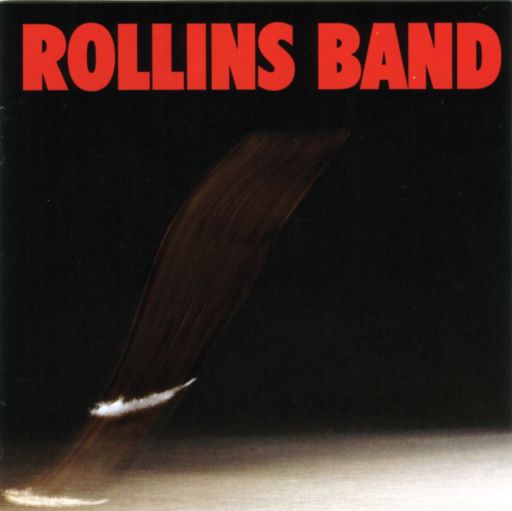
Rollins Band – Weight

Released April 12, 1994 via Imago Records

My Favorite Tracks – Volume 4, Disconnect, Divine Object Of Hatred

Weight was the fourth album from Rollins Band and came after a complete reconfiguration of the band, save namesake frontman Henry Rollins. Henry had done a lot to this point as the former vocalist of punk icons Black Flag, as well as a series of books and spoken-word albums on top of the Rollins Band.

Nothing about Henry Rollins screamed “put me on MTV and make me a star” but that is exactly what happened in 1994. Weight and its hit single would lift Rollins’ profile into the mainstream, where he remains a figure across several mediums to this day. Between acting, novels and his renowned spoken word tours, Henry Rollins has become a wizened “aging alternative icon” (his own words), and Weight is where the spotlight would first shine.

Anyone looking for Weight on Spotify will be disappointed, for reasons unknown to me most of the Rollins Band catalog isn’t there. It does appear in full audio form on YouTube, its digital presence is otherwise scarce.

Disconnect

Leading off is one of the album’s two singles and the lesser-celebrated one. No matter, the song is still worthy and one of the album’s highlights.

Disconnect is an anthem about getting away from all the information and chilling out. The notable thing about it is that it was written in 1993 and released in 1994, when the Internet was just getting out there. This isn’t a disconnect from the Internet, it’s a disconnect from the general shit of society that was still ever present even before the ‘Net.

The music employs a groovy feel along with a heaviness that stands out from the crowd and flows throughout the album. Henry Rollins and his talk/shout style of vocal delivery might be unconventional but works very well across the soundtrack to the shit that goes through his head.

Fool

The second track tells the tale of getting caught up in the wrong kind of lover and the feelings of uselessness and shame that come with that. It’s a well-versed song that communicates a message far too many of us have learned the hard way, sometimes more than once.

Icon

A fast-paced banger that outlines the rise and fall of a musical celebrity. I don’t know the backstory of the song so I’m not sure if it was just something Henry came up with or if it’s actually about someone in the industry. Around the time of the song there were many rock stars falling from grace so it can be seen as a look at how things really went even if it’s not based off anyone in particular. And the song is another shining example of how metal and groove can work together well, a lesson we’ve learned a lot about since.

Civilized

This harsh track sees Henry lamenting the life of crime and gun culture. It’s a topic close to home for Henry, who lost his best friend Joe Cole in an armed robbery outside their Venice Beach house in 1991, which Henry was able to escape from.

The song does not hold back and equates the armed criminal to the vulgar slang for that which hunts the criminal. For an album full of hard-spoken moments, Civilized is one where Henry is speaking straight from hard-earned experience.

Divine Object Of Hatred

It’s a masochistic turn into being the whipping boy here, as Henry is torn apart by people who can’t stand his existence. No telling where this song came from but it’s a pretty grisly and hard look at being a scapegoat. It’s also a very groovy tune for its hardcore subject matter.

Liar

This was a song that the band would jam out to in rehearsal as a warm-up. Someone from the record label told them they had something there and should make a full song out of it. After doing so, Rollins and company figured they had a b-side at best. The label disagreed and fought for Liar to be released as the lead single.

The label won the argument, of course. And the label was right.

The song keeps it quiet in the verses as Henry outlines how he takes advantage of someone’s fragile psyche and becomes a personal messiah. Then the very simple yet iconic chorus kicks up the volume while Henry screams “I’m a liar!” It’s the little twist in the adversarial relationship – Rollins is often talk/shouting about being on the “good” side of such things but in Liar he is playing the villain. And Rollins plays his part well. The third verse especially is a great example of acting in song, going from the plea for forgiveness into the inevitable result is just great song-work.

The song hit the Billboard charts and the video was a constant showcase on MTV. I’d wager that the video’s influence far outshines any charts or sales figures, everyone was abuzz about Liar in 1994. It’s odd to call a punk and alternative icon like Henry Rollins a one-hit wonder, but in the case of Liar, he truly was.

And for Rollins he wishes the one hit was anything else. Liar has become a bit of a pariah in the Rollins Band lexicon. I can understand it – the song was conceived in a jam session and was aired out as a warm-up joke, then it becomes the one song out of a long career that breaks mainstream. It goes to show the unpredictability of music and hit making. It also took someone who was a figurehead of the DIY punk ethos and made him a mainstream darling, something that did rankle long-time Rollins fans while also exposing him to a whole host of people who hadn’t previously heard of him. Damned if you do, damned if you don’t.

For my money, I think Liar is a great song. I’ve never been one to feel a band should be ashamed of making a hit or of more public exposure. Rollins can, of course, feel however he wishes about his art, but the merits of Liar and Weight have been something I’ve argued with others about on this here Internet many times over the years. And I don’t apologize for liking it more than other stuff he’s done that 35 people saw live in a bowling alley parking lot.

Step Back

This is a super heavy tune about confrontation and adversity. It’s basically Rollins punking someone out and it works very well. It’s a great song to get pumped up for working out or, uh, confronting someone I guess.

Wrong Man

The song deals with the issue of dating life and specifically not being like other guys who have been shitty to women. The song is fine but I’ve honestly never got that much into the subject matter. Back then I didn’t care because I’d never experienced anything like that. In these times the song feels a bit off – like, if some woman doesn’t want to date you for whatever reason, just go date someone else. I don’t know that a song-length treatise about how “I’m not that man” is really necessary. But here it is just the same.

Volume 4

This is a doom-influenced, plodding number that explores everyone’s favorite topic, the futility of existence and the existential crisis. The song is sometimes titled “Volume” as opposed to Volume 4 in some mediums. I don’t know why, I would hazard a guess that Volume 4 is used for the Black Sabbath reference as Henry is a huge fan.

The song stands apart from the rest of the album – here the groovy heaviness pounds the hopeless lyrics into the listener’s head. It is a wonderfully orchestrated dirge that culminates in the savage line “I walk around from day to day and wait around to die – like He did.” The capitalized “He” being an obvious reference and really bringing the brutality of the song home.

Tired

Things chill out for a moment, at least musically. It’s a trippy, sort of psychedelic jam that seems a bit out of place for the straightedge and straightforward Rollins. Lyrically it is the same sort of vibe as the prior track and being tired of stuff is a pretty universal thread.

Alien Blueprint

The album ends with two motivational or self-help tracks. This song outlines the futile grind of trying to fit in with a crowd that doesn’t want you. It’s better to be yourself and move on from the problem. It’s a pretty nice song and it switches direction quite a bit after the doom and gloom of the preceding few songs.

Shine

Another “self-help” track that gets into how there’s no time to mope around and the time is now to get it done. Though it’s odd subject matter for the sort of music I’m into the song does work well.

Weight would be the one true brush with success for the Rollins Band. It placed far higher on the Billboard charts than the band’s other work and Liar was a mega-hit on the airwaves. The group would not equal the feat with any future material and Rollins would eventually lay the band to rest in later years. Rollins himself would go on to acting roles, being a frequent contributor to music-related TV shows, hosting a long-running radio program and expanding on his spoken-word touring. To date he has remained in the public eye through many avenues.

No matter how Henry feels about his hit song, Liar and Weight fit right in the 1994 scene, with rock and metal going in every different direction after the cataclysm of 1991. You truly can just yell over your music and make something of it, provided you actually have something worth yelling about.

On Scene And Identity – Outcast

This is a new series that will look at the identity and psychology behind various aspects of music fandom and listening culture. It’s more how it relates to me but will also give a general overview. It’s a bit “heavier” than most stuff but it’s still stuff I’m compelled to write about so I’ll just go with it.

An outcast is someone who is, at times, literally thrown out of society. In more common parlance, and outcast is someone who does not fit society’s norms and is looked down upon for whatever reason. It is a real and/or perceived struggle for many and has taken several different forms over the eons, depending on what society’s norms are at the given time. Being outcast can bear harsh mental and emotional scars or can be an embraced identity.

The idea of the outcast is reflected in music and certainly in the music I listen to. While rock music as a whole became very popular and was the sound of a generation, its offshoots like metal, punk and hardcore took a turn toward an adversarial side, opposed to the norms of civilization. These movements would give voice to the outcast and come to be safe havens for those repelled by typical society. Of course, this would also be embodied by other subcultures like goth, emo and others.

I was a typical kid growing up. I was in a middle class family with no wants or traumas. Many in my family before me had been the prototypical scholar-athlete kind and I was more or less left to pursue that path. I did not, for various reasons.

One of those reasons was that I didn’t get along with the others in that peer group. I didn’t “feel” like one of the pretty, successful kids in my school. I didn’t have much natural talent in sports and did not enjoy them. I didn’t like the people I was around and they didn’t like me. I’d had some incidents of being picked on or “bullied,” though in fairness it wasn’t a lot from that particular peer group. All in all it led me to finally not giving a shit about the acceptance from others I wasn’t getting.

I was still walking that line in junior high school in 1990 when I began listening to heavy metal proper. After that I abandoned the concept of being some straight A student with a full-ride scholarship to play some sport at some university, then become a used car salesman or whatever. All I cared about was the music.

And metal is the perfect home for someone who feels adrift from society. It is loud, brash, powerful and hits on themes not found in the popular music of the “normies.” It is the ideal music for someone who is or who believes they are an outcast. It was what I gravitated to in the early 1990’s and what I built my identity around. I was a sullen, quiet, disaffected teen and I was alive when listening to the heaviest music on the planet, not when interacting with kids at school.

I would not ever really fully become an outcast in the true definition of the term. I did set myself apart from society in different ways at different times, but in the end I’ve done roughly the same shit everyone else has. Work, find hobbies, even socialize with others. I didn’t separate from society and I never fully embraced it as a way of being. But I have always clung to some part of not being “like the others.”

It’s easy to say that we’re all alike, we generally want and need the same stuff. But it’s also easy to not want to be a part of things. Back in the day it was not fitting in with or wanting to be a part of the “popular” crowd in school. Today it’s not at all wanting anything to do with the vile rhetoric and division through weaponized ideology.

Heavy metal is the obvious gathering place for the outcast. It is loud, abrasive music that instantly turns so many people off in just a few seconds of listening. And any lyrical analysis will point to a variety of themes that aren’t in jive with the typical social consciousness. Many, in fact, attack that outright. Even the most mainstream and accepted of heavy metal rubs many the wrong way, and on the underground end of the spectrum there are sounds that repel far more people than they attract.

Of course, heavy metal has moved on from the “Satanic Panic” years and is far more accepted as music and a subculture than it was eons ago. And society has shifted (to a degree) to accept unconventional scenes that were once reviled. It could be that heavy metal is not the same “home to the outcast” that it once was, though I don’t think that dynamic has gone away completely.

But for me and many others it will always be a defining aspect of the music. The independent and underground scenes have a way of pulling in the people on the margins of society, whether the margins are real or perceived. The role of the outcast is embraced, often even celebrated as one rejects the given tenants of society and goes their own way. There is a home for everyone but it’s not always on the same playing field.

Album Of The Week – April 11, 2022

Thrash metal was in a bad way during the 1990’s. The twin killings of grunge and Metallica’s style shift left the thrash movement clawing for any shred of relevance through the decade. Many bands broke up, went on hiatus or explored various other musical styles with varying results, none of which were commercially viable. Extreme metal ruled the underground and by the end of the decade it was black metal that captured imaginations – even thrash-centric scenes like death metal had a lull through the end of the century.

Leave it to Sweden to fix things. Not only was the pioneering Gothenburg Sound responsible for giving new life to thrash metal, but another Swedish group would enter the new millennium and release a melodic death/thrash offering that served as a signpost for the coming revival of many forms of metal.

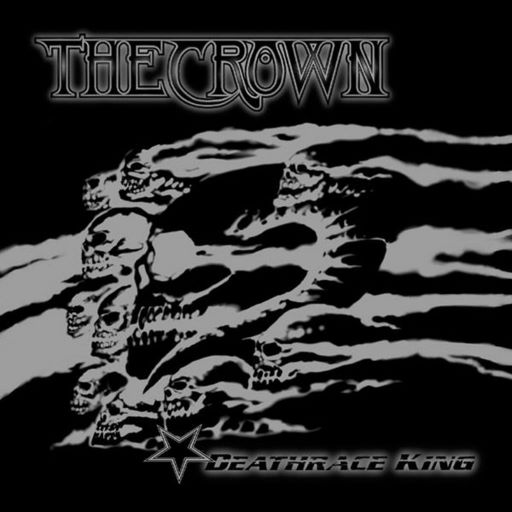
The Crown – Deathrace King

Released May 3, 2000 via Metal Blade Records

My Favorite Tracks – Rebel Angel, I Won’t Follow, Death Explosion

Deathrace King is not an album with ebbs and flows or peaks and valleys. It is an intense, fast-paced assault through all of its 50 minutes. It’s a collection of songs that lives up to the album’s title and puts thrash front and center at a time when thrash was a discarded relic of the past.

Death Explosion

A very fitting title for the opener. This is an absolute barn burner that sets the tone for what the album is all about. The music flies at a breakneck tempo that couples perfectly with singer Johan Lindstrand’s hoarse growl of “It’s a death explosion.” The end of the song offers a reprieve from the headbanging with a slower passage that lets everyone catch their breath before the rest of the album flies off the track.

Executioner: Slayer Of The Light

It’s all out from start to finish here as the band goes on a neck-snapping attack and Lindstrand offers up a smorgasbord of Satan and death references. I could lament never having seen The Crown live but with stuff like this I’m not sure I would have survived the pit.

Back From The Grave

Another high octane thrasher that actually gets a bit philosophical in the chorus. I recall first hearing this song and wondering why I was pondering existential questions on a thrash song but the Swedish get pretty deep sometimes. It’s hard to read a philosophy textbook while headbanging but here we are.

Devil Gate Ride

A song kept on the album’s theme of racing that also features a special guest – Tomas Lindberg of At The Gates, which in 2000 was a defunct band. Lindberg’s guest turn would serve as foreshadowing – two years later, Tomas was in The Crown as their new singer.

This song hits all the right notes and perfectly illustrates the deathrace in full glory. It’s not a race to avoid Hell – this car is heading straight into it at full speed.

Vengeance

The tempo chills just a hair on this but the brutality is still present. The theme of revenge is well-worn in metal and it’s not served cold here – this dish is red hot.

Rebel Angel

The Crown go 666% fast on their ode to the Devil. Good old meat and potatoes, devil horn’s-raising heavy metal is back.

I Won’t Follow

Another whiplash-inducing tune that is cut from the “I stand alone and against society” cloth. It is the rebellion and individuality that stand’s at metal’s epicenter. It’s not a path for the faint of heart or ear.

Blitzkrieg Witchcraft

Now we’re just throwing words together and thrashing along to the end of the world. It features the old traditional thrash gang chorus and adds a bit of fun to the apocalyptic mix.

Dead Man’s Song

The band slows it down for the one and only time on the album. It’s as much of a ballad as can be possible in extreme metal I suppose. This dirge laments the ultimate inevitability in life and provides a nice soundtrack for it.

Total Satan

We’re back on the track and racing at full pace to the finish. There is another guest on this song – Mika Luttinen from Impaled Nazarene joins in on the fun here. And this guest would not later join the band.

Total Satan is a thrash banger that sounds exactly like the title implies. No curveballs here.

Killing Star

The album closes with an 8-minute opus. It opens with a nearly 2-minute intro and then launches into the same thrash attack everyone has come to expect at this point. The song combines all of the album’s themes into a potent mish-mash of Satanic war-fueled orgy.

Deathrace King opened the new millennium with something that had been rare for the years prior – a heavy-hitting thrash record, informed with the masterful touch of Swedish melodic death. After several years in the wilderness, thrash and death were set to return in the 2000’s in a big way and The Crown led the charge.

The Crown would go on a winding path after Deathrace King – Johan Lindstrand would depart the group and the aforementioned Tomas Lindberg would briefly serve as his replacement. A few lineup changes and one hiatus later, the band were back at it through the 2010’s, eventually rejoined by Lindstrand.

However it all played out, Deathrace King serves as The Crown’s magnum opus and a monolith of an album that cut against the grain of the styles at the time. The album’s reputation has only grown in time as people have traced back to hear hidden gems they may have missed in metal’s lull of the late 90’s. The Crown’s deathrace ended after 49 minutes but heavy metal’s is still going 22 years after the fact.

Bloodbath – Eaten

This post was part of a series that I called S-Tier Songs. I later decided to abandon the series in favor of a simpler Song of the Week format. I am keeping these posts as I wrote them but removing the old page that linked to the list of S-Tier Songs, so that is why these posts might look a bit odd. Enjoy.

Today it’s high time I included an extreme metal tune in the mix. Rock is great and all but there have been some gems come from the underground. Today’s pick is widely considered one of, if not the, catchiest death metal songs recorded. And it was recorded by a group of guys who wanted to form a side project just to mess around with some old school death metal. It’s also the case of a song where it can be argued that a live version outshines the original studio recording.

Bloodbath – Eaten

Eaten was originally released on Bloodbath’s second album, 2004’s Nightmares Made Flesh. While the group originally featured Opeth mainman Mikael Åkerfeldt, he would leave the project after their first recording. To complete the second album, joining the supergroup of Dan Swanö (Edge Of Sanity), Anders Nyström and Jonas Renske (Katatonia), and Martin Axenrot (Opeth) was Peter Tägtgren of Hypocrisy fame.

For those unfamiliar with the various ends of extreme metal – this is a who’s who of performers. Opeth was a juggernaut by 2004. Dan Swano was a mainstay of many forms of extreme metal since the early 1990’s. And Katatonia are one of doom’s main purveyors. Adding in the mainman of Hypocrisy, an early forerunner of melodic Swedish death metal and a guy responsible for producing many metal albums through the 90’s and 2000’s, is just icing on the cake.

The album was consumed rabidly by the metal fanbase. A centerpiece of the record was the song Eaten. While a lot of death metal’s buzzsaw guitars and psycho-paced drumming fly by many listeners, plenty of people caught on to the hooks in the song that reeled listeners in. Instead of playing at a breakneck pace, the group turned the speed dial down and stomped out a massive riff that pulled in a captive audience. It’s still very headbangable but also capable of being digested by people not as accustomed to death metal.

Any good death metal song needs the proper savage lyrics to accompany it, and Eaten delivered in spades. Peter Tägtgren spewed forth a fierce account of a person wishing to be eaten by a cannibal. Nothing totally unusual in death metal, though the twist of portraying the “victim” rather than the cannibal was interesting. One other interesting note?

It was a true story.

Eaten is based on the tale of German cannibal killer Armin Meiwes. Apparently Meiwes advertised for a willing victim in a cannibal fetish website section and found a volunteer in Bernd Brandes, who headed to Meiwes’ place and … well, here’s the Wikipedia page if you want to know more. The sensational murder has been used as a song, movie and TV prop since it first hit headlines.

Bloodbath had some issues maintaining a stable line-up due to everyone’s day jobs in well-known bands. Tägtgren would exit the group in early 2005 due to commitments with Hypocrisy and other projects. The rest of the band had a gig, to that date their first, planned for the 2005 edition of the famed Wacken Open Air Festival. Of course they would need a replacement singer to helm the vocals for the gig.

Re-enter Mikael Åkerfeldt . Opeth’s leader decided to front Bloodbath again for the show and would wind up staying with the group for several more years. The festival performance was later released on DVD and CD as The Wacken Carnage. Ending the set was the band’s rendition of Eaten, a performance often celebrated as superior to it studio recording.

There is something just extra savage in Åkerfeldt’s delivery of the Eaten lyrics that night, as well as the band’s frantic performance that outpaces the original. It’s not that there was fault with Tägtgren’s studio recording, it’s just that Bloodbath got into the moment at the Wacken gig and blew the figurative roof off on that day. Many fans express their opinion that the live version is the song’s definitive offering.

No telling if this stays up but it’s been lingering awhile so I’ll go with it

Why is this an S-Tier song?

Eaten is a masterwork of death metal songwriting, offered by a group of pros who mostly weren’t even involved otherwise in death metal at the time. The song is easily one of the catchiest death metal songs recorded and that’s something of a rare feat to combine hooky songwriting in a genre known for savagery and technical proficiency. Eaten made old school death metal cool again in a time when metal was going in many different directions and taking itself very seriously.

Note – Those name accents are pains in the ass.

As a bonus, here is a more recent performance from present-day Bloodbath singer Nick Holmes (Paradise Lost)

When The Line-up Changes – Motley Crue

One big part of being a music fan is enduring line-up changes. Bands break up or members quit or get fired. Other times it is tragedy that forces a band member change. Sometimes the change is not even very noteworthy – person x is in place of person y behind the drums of that thrash band that’s good but no one is up in arms about. But other times the line-up change is world-shaking and causes intense amounts of speculation and drama.

Numerous line-up changes have occurred over the years in bands I like and listen to. I’m going to begin a new series where I look at changes that have had a great impact on the band in question and my fandom of said band. There are enough of these that I can go on about them for quite awhile.

For my first look at a band’s member changes I’m going to look at Motley Crüe. The group have only had a few member changes but one especially was a nuclear bomb that changed the course of the group immeasurably.

Motley Crüe had no lineup changes for 11 years, only having jettisoned a second guitar player before the band was named. The same line-up of singer Vince Neil, bassist Nikki Sixx, guitarist Mick Mars and drummer Tommy Lee would go on to terrorize radio, hotel rooms and women for over a decade unscathed.

While 1991 saw a new form of rock overtake hair metal as the new format of choice, Motley Crüe were one of a few 80’s bands that seemed poised to make it through the mess with a career still intact. The group released a greatest hits compilation in October 1991 called Decade Of Decadence that offered highlights from the group’s career. It also feature a scorching, heavy as hell new track Primal Scream. That song gave the appearance that the band could regroup and offer a more gritty, heaver version of their sound that might still resonate in the new music climate. Decade sold well and Primal Scream was a much-talked about song in the Crüe legacy.

But it wasn’t to be. In February 1992, the band announced that Vince Neil was departing. It’s still unclear if he quit or was fired – the consensus seems to be that both happened. Either way, the Crüe were now in uncharted waters.

Neil went on to record two decently received yet commercially unsuccessful solo albums, while his former band hired The Scream mainman John Corabi to helm a new record. 1994’s Motley Crüe came out the gate decently enough but then floundered. The band would see the financial writing on the wall and reunite with Vince in 1997 for the equally unsuccessful and, well, bad Generation Swine.

So what was it like at the time? The music landscape was shifting, of course, but it was still a bit of a shock that Motley Crüe were parting like this. Like I said, they seemed like they might be able to crank out something viable to keep up with the times. Primal Scream had a fair bit of grit to it and the band were certainly capable of delivering above the standard hair metal line. As much ink has been spilled about the changing face of rock in the early 90’s, recall that one of the best-selling groups of those years were Aerosmith. Even with the arrival of grunge and alt-rock, there was room for Motley Crüe.

The singer change in 1992 was one that just did not bear fruit. Yes, John Corabi is an excellent musician. The band updated their sound for the times and let Corabi inform their recording, and honestly that was probably too much. They made a record that sounds great with John but it really just isn’t Motley Crüe. It didn’t have the sneer and sleaze that defined the band up to that point – the early indications in 1991 were that the classic outfit could update their own sound. The self-titled record proved too much for fans to bear, even if the album is good or even excellent in its own right.

The band was knocked off course through the 90’s and wouldn’t get right again for quite some time. Their other major line-up change would come in 1999, just after the failure of Generation Swine. Drummer Tommy Lee, by this time far more of a tabloid star than a rock drummer, would leave the band due to frustrations with Vince Neil. And if you heard the dredge that Lee released as a solo artist, he must have been very angry to leave his signature band behind and release that crap.

Lee was replaced in Crüe by former Ozzy Osbourne skinsman Randy Castillo, who helped the group record 2000’s New Tattoo. Castillo was beset by health problems before the tour began and was replaced by Hole drummer Samantha Maloney. Castillo would unfortunately find himself in a losing battle with cancer, passing away in 2002.

New Tattoo was a better offering than their prior effort but did not move the needle for the band. In 2004 the group decided to put their differences aside and reunite. This time the classic line-up would stick for eight years, through a new album and several tours. The tours attracted a lot of attention and the band would ride a wave through to their “retirement” at the close of 2015. Of course they would famously reunite for a 2020 2021 2022 stadium tour several years later.

In most line-up changes I can accept whatever caused the rift or loss and I can set my feelings aside and allow a band to move on. But in the case of Motley Crüe it just didn’t work out with Corabi. The band seem fine ignoring the time period – Nikki Sixx had long been complimentary of the Corabi period but recently turned on his former collaborator in interviews. The songs from that era are left alone in live sets and the album doesn’t even get the reissue treatment.

Motley Crüe the album probably ought to see a revisit. I have no problem citing its worth, though I can see why so many fans turned on the band. But enough others hail it as one of the band’s best and would cough up the necessary cash for the much-needed repress. Hell, the other two albums from the band’s “dark” period could also see new issues – neither was ever officially pressed on vinyl.

But Motley Crüe seem to be happy to retrofit their career to 1981-1991, and 2004-2022. It’s probably a wise choice given the poor reception to the line-up change despite the merits of the replacement singer. It’s the case of one band where line-up changes didn’t work out. The Tommy Lee departure in 1999 might not have been terribly impactful – by then the damage had already been done. And they’re the only line-up changes the band has had in its history. Sometimes a group has to stick with what works, and that is certainly the case with Motley Crüe.

Album Of The Week – April 4, 2022

This week’s pick is an album that saw a band move on from their power metal roots and lean fully into the symphonic sound they had been prodding at their last few records before. The results would launch the group into the stratosphere and put them at the forefront of heavy metal in their native Finland and worldwide. The symphonic movement in metal would explode, while the very group that put it on the map would unexpectedly reconfigure after the touring cycle for this album.

Nightwish – Once

Released June 7, 2004 via Nuclear Blast Records (Europe)

My Favorite Tracks – Ghost Love Score, Planet Hell, Nemo

Keyboardist and band leader Tuomas Holopainen has always been the chief force behind Nightwish’s compositions. For Once he chose to record most of the album with orchestra accompaniment, utilizing the London Philharmonic. The album would be the most expensive to have been recorded in Finland, a record to be broken again by Nightwish years later.

While Holopainen was the band’s mastermind, its showcase would be singer Tarja Turunen. Turunen is a classically-trained soprano singer whose operatic style was an unlikely but welcome fit in heavy metal. The power and character of her singing would be the centerpiece of Nightwish’s presentation.

While Once is available in a few configurations with bonus tracks, I will be discussing the standard 11-track version most widely released.

Dark Chest Of Wonders

The opener is epic and heavy. It’s the perfect blend of symphonic composition and heavy metal attack. The song goes on a fantasy-laden adventure far from the grind of reality, a recurring theme in Holopainen’s songwriting. It’s clear through the Nightwish catalog that he wishes to go on a fantastic journey and Nightwish is his vehicle for that trip.

Wish I Had An Angel

Another heavy tune that was also one of the album’s hit singles. It features Tarja on the verses and bassist Marco Hietala belting the chorus. While the song is dripped in very intense imagery and symbology, its roots are far more basic – Holopainen spawned the concept after seeing people hit on his girlfriend while out on the town. Some people get into fights over that, Tuomas writes hit songs from it instead. While many of the songs on Once are epic and far-reaching, this song keeps it pretty simple and drives everything home.

Nemo

Written about the origins of the name Nemo, meaning nameless or no one. The song is based in more of Holopainen’s sense of loss and search for meaning. Despite the dour subject matter, the music is lush and uplifting, creating a beautiful soundscape. The song was the album’s first single and was a major hit ahead of Once’s release. It stands as the group’s most-played song live and one of the three most recognizable for the group, all which hail from this album.

Planet Hell

A heavier approach sees Nightwish tackle the scenario of the planet devolving into total chaos. That’s subject matter than any thrash band would do any day of the week, but here Nightwish wrap the harrowing ordeal up in another epic, operatic offering featuring both Tarja and Marco handling vocals.

Planet Hell would take an odd place in gaming lore a few years after its release as part of a compilation video featuring players in Runescape exploiting a glitch to attack others outside of the traditional player versus player area. It’s odd how songs sometimes get used in weird places and wind up being a piece of lore.

Creek Mary’s Blood

Holopainen wrote this song based upon a book of the same name. It is another sad account of the plight of the Native Americans, this time told in epic fashion by a group of Finnish musicians. The song’s conclusion features a poem originally written in English but subsequently read in the Lakota language by musician John Two-Hawks.

The Siren

A song clearly about the mythical sirens who would lure sailors to the rocks and their deaths with beautiful singing. It’s a perfectly fitting song to record when your singer is Tarja Turunen. The Siren was the album’s fourth and final single release.

Dead Gardens

It was reportedly written by Holopainen about a bad period of writer’s block. I’d imagine a lot of writers wish they could come up with stuff like this in down periods. This song does shade a bit toward the sound Nightwish would pursue on albums after Once.

Romanticide

We’re into a blistering track that goes for the throat and tackles more lovelorn concepts of self-worth. It’s a tale as old as time but told in grand and heavy fashion here. Tarja’s operatic delivery of the heavy-hitting chorus punctuates the affair.

Ghost Love Score

Although not released as a single, this ten-minute epic has possibly become Nightwish’s most famous song in retrospect. While the song was noted as a standout upon the album’s release, it would be years later when the YouTube song reaction community got a hold of this track that it would take on a whole new life.

Ghost Love Score is a monster of a song, offering movements and passages that stand out from the typical popular music compositions. It is a bit of a hybrid prog-opera offering that puts all of Tarja Turunen’s talents on full display, as well as the compositional strengths of Tuomas Holopainen.

The song’s theme is simple – two lovers have parted but the connection and fondness remains. It is a hauntingly mesmerizing and victorious song that couples beauty and tragedy in the most grand manner.

Despite its extended runtime and challenging architecture, Ghost Love Score would become a live staple for the band. It was difficult to imagine anyone besides Tarja handling the vocal duties on the song, but in 2013 at the Wacken festival present-day Nightwish singer Floor Jansen delivered a performance that has the Internet buzzing still almost nine years later. The line from Tarja to Floor is a story for another time but, after everything, Ghost Love Score stands as perhaps Nightwish’s most triumphant moment.

Kuolema tekee taiteilijan

This obvious cut-and-paster of a title was a single released in Finland and Japan. The song was performed entirely in Finnish, a rarity for the group. The song’s title translates to “Death Makes An Artist.” Even without a translation guide, the song conveys a sense of beauty and sadness, ever-present themes in the Nightwish discography.

Higher Than Hope

The album’s closer is one with a tragic yet triumphant story behind it. Marc Brueland was a former comic book artist in San Diego who was pitched in a seven-year battle with cancer and began doing DJ sets at a local club. One night he stumbled across a cover version of Nightwish’s Walking In The Air. This would lead to Marc getting in contact with the band and forging a friendship with Tuomas. Marc would join the band on stage for a performance of Walking In The Air.

Higher Than Hope was a song Tuomas wrote about Marc’s battle and spirit. Marc delivers the spoken word passage in the song’s mid-point interlude. Sadly Marc would pass away several months before the release of Once and was never able to hear the song he inspired. Nightwish do not play the song live unless members of the Brueland family are in attendance.

When Marc Brueland joined Nightwish on stage in 2003

Once marked the moment that Nightwish broke free from the power metal scene and established themselves as a premier act across the world. The album sold over two million copies and its songs are among the most famous from the group still to this day. It made Nightwish practically royalty in Finland and well known everywhere else.

Nightwish would embark on a successful touring cycle for Once, culminating in a show at Helsinki’s Hartwall Arena on October 25, 2005 that was immortalized on video and audio as the End Of An Era set. The name was well-chosen as, just after the show, Holopainen and the band made the shocking decision to fire Tarja Turunen from the group. The move would reverberate through the metal world and cause months, if not years, of drama and toxic chaos on the Internet.

Whatever came after, Once was a glorious moment in the sun for Nightwish. They delivered on the promise creeping into their prior few albums to break the mold and combine heavy metal with classical arrangement in a way that would spark a series of new scenes within metal. The time and expense poured into the album paid off and put the band on a new plane of existence.

Album Of The Week – March 28, 2022

This week I’m taking a dive into the album that really hooked me into music. I talked about it in an older post, now it’s time to get specific and go over the album in greater detail. I got the cassette as a Christmas gift a few months after its release and I played it over and over and over again, literally wearing out the tape and burning the album into my 12-year old brain. The results would have me chasing music all over and shape my pursuit of sound into a new decade while in my formative years.

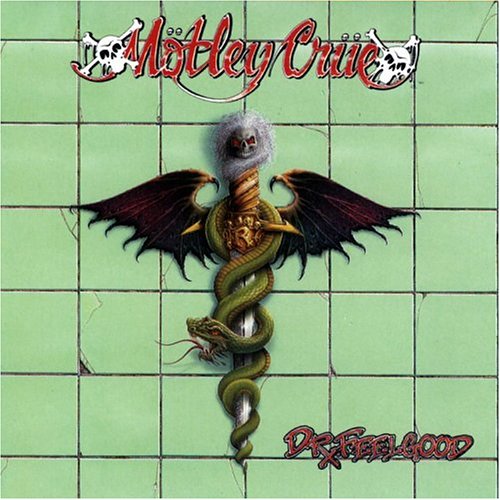
Motley Crüe – Dr. Feelgood

Released September 1, 1989 via Elektra Records

My Favorite Tracks – Kickstart My Heart, Dr. Feelgood, Don’t Go Away Mad (Just Go Away)

Dr. Feelgood was the fifth studio album from Motley Crüe. The album would be a smash success for the group, topping charts and selling several times platinum. The group had been instrumental in starting the hair metal era of the 1980’s and would end the decade with a massive triumph. The album spawned five singles which were in constant rotation on MTV. Hair metal as a whole was winding down as the calendar turned to 1990 but one of its most important acts was still running hot.

Dr. Feelgood

After a brief intro to set the scene, the album kicks off with the title track and lead single. Dr. Feelgood is a massive, heavy song that outlines the highs and lows of Jimmy, a fictional drug dealer. The full, bombastic production of Bob Rock was a welcome change from the thin sound of the band’s two prior albums. It went a long way to reminding everyone that the Crüe had the chops to play a harder brand of rock than what the L.A. Scene had largely devolved into in the late ’80’s.

Dr. Feelgood did great as a single – it was the band’s first top ten hit on the Billboard Hot 100 and also their only gold-certified single.

Slice Of Your Pie

Moving on to one of the many songs on the record about sex, here we have a song full of euphemisms and sex talk that skirts the lines between clever and explicit. Even as one of the perhaps secondary tracks, this song still provides a sleazy thrill ride with the band’s rediscovered chops and improved production. The end of the song borrows from the Beatles track “She’s So Heavy” because that’s what everyone was expecting from a Motley Crüe album in 1989.

Rattlesnake Shake

Another sleazy rocker that glorifies the evils of lust and fornication. Jesus wept.

Kickstart My Heart

This song was on offer as the album’s second single. Nikki Sixx wrote it about his infamous heroin overdose in 1987 where he was apparently injected with multiple doses of adrenaline to revive him and was dead for a few minutes. The story is disputed by some but the song remains.

Kickstart My Heart quickly caught fire on release and became noted as one of the album’s standout songs. It has gone on to become the band’s signature anthem. We aren’t simply talking about a good song here – this is possibly the best song the band ever recorded, and is easily in the conversation even if not. It is a blistering effort with an interlude that perfectly sums up the Motley Crüe experience. The song is a shot of adrenaline and is found on millions of workout playlists worldwide.

Without You

It’s not hair metal without a ballad and Dr. Feelgood hosts a few. The first is this decently crafted tune that is every sappy love stereotype possible shoved into a song. The song is noted to have been written by Tommy Lee about Heather Locklear. The song did well as a single, providing the band’s second top ten showing on the Billboard Hot 100.

This is one of those songs I can go back and forth on. I’ll admit that I probably liked it a lot better when I was 12 than I do 32 years later, but it’s not a song I feel a need to skip over when I play the album. It’s a bit much but I can generally live with it.

Same Ol’ Situation

We thankfully pick the pace way back up with what was the fifth and final single released from the album. It’s a hot, fun rocker about falling for a gal who ditches the guy for another gal. The video was a performance clip, showing the band at the height of their popularity. While some might argue that people only remember the singles more because they were aired out more, I’d say this is a case of picking the right singles to air out. The song is not necessarily any “different” than several others but it packs a harder punch and gets the listener’s attention.

Sticky Sweet

Another ode to the glorious activity of hooking up. It’s simple, to the point and well executed. The lyrics offer a bit of a reference to the earlier Crüe song Ten Seconds To Love.

She Goes Down

One more sleazy number, it’s blatantly obvious what the song is going for.

Don’t Go Away Mad (Just Go Away)

This quasi-ballad and top 20 single brings a change of pace and another signature track from the Crüe. Nikki Sixx lifted the title from a movie he doesn’t remember, though many speculate that it’s a line from Heartbreak Ridge that he his using.

While the title invokes a snarky vibe the song itself does not take that path and instead sticks to the high road. This is a quintessential break up song that celebrates the love found and then parts on fond terms. The song builds to a driving conclusion that uses the title to great effect. It’s another well-done effort.

Time For Change

I’ll just get straight to it – I hate the song. I think it sucks. It’s a shitty hair metal attempt to do The Greatest Love Of All or something like that. It has always bothered me and I can’t help but wish the song would somehow fall off the record. But it’s there, and here we are at the end of the album.

Dr. Feelgood was Motley Crüe’s best-selling album, having been certified six times platinum in the United States. It provided the biggest hits of the group’s career and defied the times to put an exclamation point on a genre of music that many were bemoaning at the time and whose death was just around the corner. Motley Crüe themselves seemed poised to survive the specter of 1991 and would only join the list of hair metal casualties due to their own problems a few years later.

The album was a success for more than the band, too. Producer Bob Rock had reinvigorated the group’s sound after two albums that left something to be desired in production. A lot of people noticed his work on Dr. Feelgood, including Lars Ulrich. The Bob Rock-Metallica meetup in 1991 would alter the face of music forever.

Is Dr. Feelgood the best Motley Crüe album? Some critics think so. I would agree that it’s in the conversation but it’s also hard to ignore the sheer ferocity of those first two records. This album is a career-defining effort though and was a huge victory lap for the band at the end of the decade.

As I’ve said, this is the album I played over and over again and that set my music fandom off the scale. I had been following along with music for several years before as a young tourist, but with Dr. Feelgood I became obsessed and had to have more. My own course would go every which way and much heavier as 1991 loomed on the horizon but this album is near the top of a list of the most important albums to me. It kickstarted me into the path I’m still on today, with piles of music in multiple formats and the thing I spend a great deal of my time discussing.

Upcoming Releases, Further Into 2022

The month of March is winding down and music acts are offering up new albums left and right. It’s a mixed bag this time around with no central focus on any one sound. Some big boys are coming out to play in the later stages of the pandemic and it looks like tours might fire off for real this year so out comes a whole trove of new music.

Def Leppard – Kick

The legendary British rockers are back with a new album Diamond Star Halos, due May 27 and marking their first release in seven years, which seems to be the new norm for the group. The album also hits just before the band head out on the much-hyped and delayed stadium tour with Motley Crue across the US this summer.

The new song Kick is a simple rocker that throws back to eras in rock even before Def Leppard first hit the scene. It is very hard telling what we will get with a new Def Leppard album in 2022 but the lead single is a nice, simple number to kick off the proceedings. It doesn’t entirely excite me but I am curious about what they’re gonna get up to.

Muse – Compliance

I covered a new Muse track a few months back but now we have a second single as well as full album information. Compliance is the second single from The Will Of The People which will see release on August 26.

The song is an electric-pop number that indicates Muse is going to offer a mixed bag of sounds on the new album. They have done work across several styles over the years so it might be a good approach and offer a bit of something for everyone. The song and the theme of the album as a whole have a danger of being interpreted in strange ways in today’s nasty political climate, but it wouldn’t be the first time Muse tunes have been co-opted for shitty political movements.

Blut Aus Nord – That Cannot Be Dreamed

The French avant-garde black metal unit are back with a new album Disharmonium – Undreamable Abysses, which will see release on May 20. This song is much in line with their prior work, which is nasty, atmospheric and mostly inaccessible. It’s the soundscape of nightmares and horrors, meaning the group have done their job well yet again.

Talas – Inner Mounting Flame

A bit of a surprise entry here from a band that has been inactive longer than many people have been alive. Talas were a 70’s and 80’s rock outfit featuring the talents of renowned bassist Billy Sheehan, who just celebrated his 69th birthday last Saturday.

Inner Mounting Flame is not a new song, Talas apparently played the track at live gigs just before Sheehan left the band to join with David Lee Roth. This song might be a recording from a planned yet unreleased album from that time period. It is nice to hear something from yesteryear and also from a bit of a hidden gem band like Talas. The outfit and their record label Metal Blade promise more news soon, perhaps that unreleased album will finally see the light of day.

Weezer – A Little Bit Of Love

Apparently Weezer are still an active recording group.

Joe Satriani – Pumpin’

One of the guitar’s most brilliant masters, Joe Satriani is preparing the release of his 18th solo album The Elephants Of Mars. It is a quick turnaround for the record which hits on April 8.

It has been more than a minute since I last checked in on Satriani. There isn’t a lot to say – he is one of the best axe wielders out there. Pumpin’ is a nice little jam that keeps it short and seems to be having fun.

EMF – Sister Sandinista

A big time throwback is coming seemingly out of nowhere to release a new album. EMF released 3 albums in the early 90’s and had a massive hit with the single Unbelievable. The group has toured off and on in the time since but Go Go Sapiens will mark their first new material since 1995. The album releases on April 1.

Some fans in the YouTube comments on this video are disputing how much of EMF really did the new album but I’m not up on their lineup history so it’s not a huge concern for me. It is pretty cool to hear something from a group who hit a long time ago and I figured were long gone. We’ll see how their electro-alt rock plays in 2022 but the single sounds nice.

Cave In – New Reality

A welcome surprise came last week when legendary post-rock outfit Cave In announced their reformation and new music. Heavy Pendulum will arrive on May 20. The band had been active in the past few years in order to pay tribute to fallen bandmate Caleb Scofield but were largely dormant in most of the 2010’s.

New Reality is an apt title for our present state. Cave In are joining the pandemic era with their heavy blend of post-rock and post-well, everything. It is a stellar tune that predicts good things for the upcoming new record. And in the video they get to have some fun turning Kurt Ballou’s studio into a playland.

Tales From The Stage – King Diamond, 2005

It’s time for another concert recap, this time I’m going back to 2005 when I went to see one of metal’s legends live. It was my first and to date only time seeing him. The tour was supported by 3 bands that have gone on to become bigger names in the extreme metal community. There were also some snags getting to the show that led to a less than optimal experience, at least for a moment.

The show took place in April 2005 and the lineup was King Diamond with Nile, The Black Dahlia Murder and Behemoth as support. The show was at Pop’s, a large club on the Illinois side of the Mississippi River in St. Louis. It’s one of those bars that only closes down for an hour to clean up or whatever, but is the perfect size to host gigs.

At the time I lived about 100 miles from St. Louis. I was heading to the show on my own. Several friends of mine were covering a greater distance from the other side of the state (where I live now). We met up on the way and I parked my car and rode with the group.

On the way we got snarled in a large traffic jam due to a semi trailer wreck. It took a lot longer than usual to make the trek and would cost us the chance to see the opening band. When we got to the venue I had it in my head that The Black Dahlia Murder was playing first, but I was crestfallen to find that Behemoth was the one almost done with their set. I was very much looking forward to seeing Behemoth whereas I was indifferent about TBDM at the time. I think we got to see maybe two songs from Behemoth and it was a bit of a downer. But there was still plenty of metal to go.

The Black Dahlia Murder came up next. I wasn’t very familiar with them at the time and I was a bit peeved that I didn’t get to see Behemoth. Not TBDM’s fault, of course, but I wasn’t fully vested in their set. I spent time milling around and catching up with the large number of friends who made the trek to the concert. My memories are a bit muddled from attending too many shows over the years but I believe I’ve seen them at least one other time since then and gave more attention to their performance. Still they played on and have made quite the name for themselves in the years since this show.

Nile took the stage after The Black Dahlia Murder. By 2005 Nile was already a hot commodity on the death metal circuit. They were the band that essentially brought the genre back into public attention after a lull in the late 90’s. Their brand of Egyptian-themed death metal along with technical and symphonic elements had put the world on notice. This concert was a month ahead of the release of their Annihilation Of The Wicked album.

Nile had plenty of material by this time for their direct support slot. They had established themselves with now-classic albums Black Seeds Of Vengeance and In Their Darkened Shrines. The upcoming album Annihilation… would only add to their epic death metal legacy. Nile’s stage show was a no-frills presentation with mainman/guitarist Karl Sanders pausing between songs to set samples for the next tune. It stood out in contrast to the theatrical nature of King Diamond and also Behemoth, but Nile’s music brought the goods and did not require an elaborate stage set to keep up with their tour mates. The crowd was full of more old-guard metal types there to see King who might not have taken to the more extreme nature of Nile’s music but I noticed that most of the group was into the set. It was in this time that the old guard and new of metal put up a united front and offered a diverse array of touring packages that didn’t try to nitpick subgenres or suit the tastes of one segment of fans. It was all hands on deck for heavy metal’s resurgence in this time frame.

I couldn’t find a good 05 clip so 03 works

After Nile exited the stage things were set up for the main event. King Diamond had made a career of theatrics and was going to put on a splendid set. A large fence that aped the appearance of wrought iron was put up and of course plenty of fog would churn out through the performance.

King Diamond’s twin guitar attack would feature his longtime compatriot Andy LaRocque as well as Mike Weir, who had been with King both solo and in Mercyful Fate for several years. LaRocque was a world renowned guitarist and producer with a fistful of credits to his name but his main gig has often always been with King Diamond.

By this point in time King Diamond had 11 studio albums recorded so his set would hit upon several of his works. The Puppet Master was his most recently recorded effort from 2 years prior, a few of those songs were interspersed with works from his classics like Abigail, Conspiracy and Them. While King Diamond doesn’t have a signature “hit” per se, the track Welcome Home from Them might serve that station and was aired that night.

King Diamond was in fine form on stage that night, his signature falsetto ringing out bright and clear. He made plenty of time for banter between songs, referencing that he had not played in St. Louis in many years and was happy to be back. He would often call the city “San Louis” which fit his exotic persona. The haunting backdrop with the fence and fog perfectly created Halloween in April.

King and the band would air out a few Mercyful Fate tunes during the retrospective set. Come To The Sabbath and Evil saw time that night. The set hit the highlights of King’s career while also giving a bit of time to more recent tunes from Abigail II and the aforementioned Puppet Master. It left the crowd happy to have seen one of metal’s legends grace the stage in St. Louis again.

A way more recent version, but live footage from the 2005 era is hard to find

Time would go on to be kind to the acts featured on stage that night. Nile would continue their dominant run through death metal, while Behemoth and The Black Dahlia Murder have gone on to become two of the hottest tickets in metal today. King Diamond would release one more album in 2007 before a serious health scare stalled his career for a few years. He has since returned to the touring circuit and is planning a new studio record. He has also reunited Mercyful Fate, though their touring plans were cut short by the pandemic.

It was very nice to see King Diamond that night, it has to date been my only time seeing him in concert in any form. I have since seen both Behemoth and The Black Dahlia Murder again, but haven’t had the occasion to catch Nile again. It was a shame to miss Behemoth’s set that night due to traffic but the rest of the show more than made up for it.