Neil Young – Rust Never Sleeps (Album of the Week)

This week’s pick goes back to the end of the 1970’s and a highlight record from one of the decade’s most outstanding artists. A tour comprising of split acoustic and electric sets fueled the idea to do the same on an album and the result would become one of the more iconic albums in a crowded discography already laden with immortal records and songs.
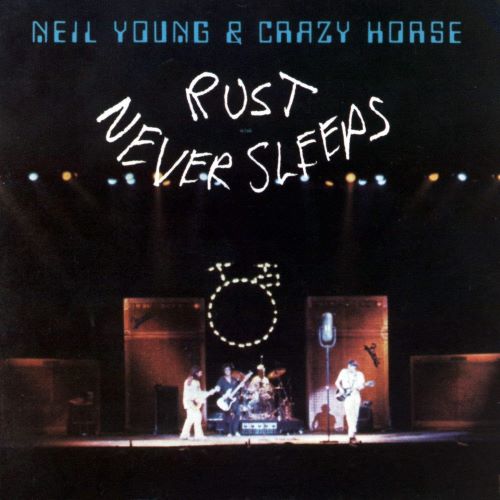
Neil Young and Crazy Horse – Rust Never Sleeps

Released June 22, 1979 via Reprise Records

My Favorite Tracks – Hey Hey, My My (Into The Black); Thrasher; Powderfinger

The story of Rust Never Sleeps is a bit of a long and winding one – many of the songs were collected from earlier points in Young’s career, a typical thing for a guy who has had multiple “lost” albums in the course of his history.

While Young had made waves with a folk and country-infused style, he had also veered off on other courses and was leaning hard into distorted guitars by the late ’70’s. He would marry both concepts with split-set performances on the tour dubbed Rust Never Sleeps in 1978, which would serve as the birthplace and even live studio for portions of the album.

As for the album and tour title’s name, that came courtesy of Devo singer Mark Mothersbaugh. Devo and Young were collaborating on a film project when they took time to enter a studio and work on the electric track Hey Hey, My My. Mothersbaugh threw the line “rust never sleeps” in the lyrics – it was the marketing slogan for Rust-Oleum.

Of the album’s nine songs, seven were initially recorded live and then overdubbed in studio later. An effort was made to remove crowd noise but that was not always possible with studio technology at the time. Two songs – Pocahontas and Sail Away – were not cut live and were studio recordings instead.

My My, Hey Hey (Out Of The Blue)

The album features different renditions of the same song, the opener done acoustically. The song was born of Young’s fear of becoming obsolete in music and also would shout out Sex Pistols frontman Johnny Rotten and liken his rise with the fall of the recently-departed Elvis Presley. This first version of the song also features the lyric “It’s better to burn out than to fade away,” which became one of Young’s most famous and widely-quoted lyrics. While used in a wide variety of places, it was a part of Kurt Cobain’s suicide note in 1994 and Young was greatly affected by that.

Thrasher

A masterfully done acoustic tune that sees Young rambling off on his own, away from society and its machinations. The song is actually about Young’s bitter relationship with his former bandmates in Crosby, Stills, Nash and Young. While Young and Stephen Stills were able to maintain a working relationship through the ’70’s, David Crosby and Graham Nash were on the other side of the fence and a lot of animosity came through various failings to record a new CSNY record. It’s interesting to note the actual genesis of the song of course, but even without that knowledge this is a fantastic tune.

Ride My Llama

A short tune, though far from to-the-point. Here Neil takes a trip with a guy from Mars and also rides a llama from Peru to Texarkana. Not sure what ideas or substances Young might have been engaged with here, but the song works pretty well in its fanciful outlook.

Pocahontas

Another highlight of the acoustic side of the record, Pocahontas sees Neil again approach the issue of European settlers massacring Native Americans. He had previously sung about that on his acclaimed track Cortez The Killer from 1975. Pocahontas is one of three songs from Rust Never Sleeps that were originally intended for the never-released Chrome Dreams album a few years prior.

Pocahontas is also a bit of a weird song, as Young goes from a muddled recount of the massacre, to living in the present day with Marlon Brando and the Astrodome. The song really showcases Young’s vocal abilities and creates an uplifting atmosphere despite the grave subject matter.

Sail Away

The acoustic portion of the album ends with this nice, light and airy tune that really isn’t about much more than getting away. It’s a nice, clam and smooth way to get the hell away from it all for a few minutes.

Powderfinger

It’s on to the electric songs now and another cut meant for the shelved Chrome Dreams record. Young tried doing something else with the song, namely giving it to Ronnie Van Zant of Lynyrd Skynyrd. Skynyrd never got around to recording the song before the 1977 plane crash that claimed the lives of Van Zant and others. Young would eventually retool Powderfinger for his own use here.

Powderfinger sees a young man forced to defend his home from an arriving gunboat. Thinking quickly, he decides to grab his own gun and fire on the ship, which would lead to his own death. The lyrics tell a pretty heart-wrenching tale that isn’t the conventional approach to a war or combat song.

Powderfinger is held in the highest regard – often considered one of Young’s best, and in 2014 Rolling Stone magazine ranked it as his best overall.

Welfare Mothers

The next track is a nice rock number but also a bit of a strange one – if we’re to take the song literally, then Neil is suggesting we head to the laundromat and pick up divorced, down on their luck mothers as they’re better lovers. There’s probably some kind of social commentary here that means one shouldn’t take this track literally but honestly no one really talks about this song much so the listeners are left to make their own guesses as to what’s up.

Sedan Delivery

The third song intended for Chrome Dreams appears in here electric and quite distorted form. It’s almost a punk or metal tune with its rendition here. The song could just be about some guy’s life or maybe about drugs of some kind, it’s not evident what’s going on here.

Hey Hey, My My (Into The Black)

The album closes with the electric version of the opener. They lyrics are altered slightly on this version but the song is essentially the same, just with Young and Crazy Horse bashing their way through this amped up version. It’s another of Young’s most famous tracks and has been covered by about half of all music artists in the decades since release.

Rust Never Sleeps was a massive artistic statement from Neil Young. He wove his own fears of being cast aside into the kind of riffs and noise that punk and other artists were making, and cranked out a set of immortal songs to stave off his obsolescence. And on the acoustic portion he worked within more familiar parameters to craft engaging songs that added to his legacy in the folk/country realm.

The album would reach number 8 on the Billboard Album Chart, the precursor to the Billboard 200. It charted well in many other countries as well. The album has a lone US platinum certification but that might be more of an issue with a record label’s lack of desire to re-certify albums than an accurate picture of sales figures.

A year later Young and Crazy Horse would release Live Rust, featuring both tracks from this album and other Young standards. It too would chart highly and also gain platinum certification. The somewhat unconventional Rust Never Sleeps approach paid huge dividends for Young, who was about to kick off a very strange and meandering period when the 1980’s hit.

At the end of the day, Rust Never Sleeps was a career high point for Neil Young and proof he could carry on even as he’d put some years behind him. He would strike gold again and again in the years since, both carrying on as he saw fit and also keeping his finger on the pulse of the music of the moment. The conversation over the best Neil Young album is a tough one considering both the size and scope of his total output, but Rust Never Sleeps is certainly a part of that conversation.
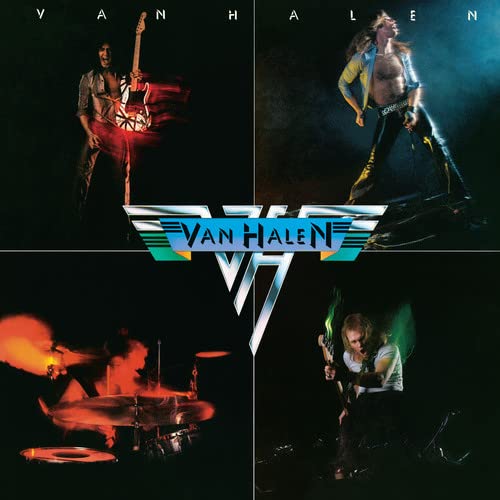
Van Halen (Album of the Week)

I had a few different options for this week, but then this past Friday I was enlightened to the fact that February 10th marked the 45th anniversary of what likely marks the greatest debut album ever presented. So to commemorate something that came out almost six months after I was born, I’ll divert my attention to this absolutely phenomenal slab of music.

Van Halen – self-titled

Released February 10, 1978 via Warner Bros.

My Favorite Tracks – Runnin’ With The Devil, Ain’t Talking About Love, Atomic Punk

The early Van Halen tale is worth a brief run-through here. The brothers Van Halen, along with original bassist Mark Stone would kick off the band, then David Lee Roth would join on vocals after the group were regularly renting his PA equipment. Stone was replaced with Michael Anthony, and the group began a slow ascent through the Los Angeles club circuit.

Gene Simmons loves his credit for discovering Van Halen, so here’s where his part of the story comes in. Simmons helped VH craft a demo, which did not draw attention or a record deal. Simmons was frustrated that no one in his circle saw the talent within Van Halen and went to tour with Kiss, leaving VH to find their own deal. People out on the LA scene began calling producer Ted Templeman, who had been wanting to get a guitar-centric band together, and the match made in Heaven would come to fruition. Templeman got the band signed to Warner Brothers, got them in the studio and banged out the album in a few weeks.

Time to go under the hood of this landmark record. It’s 11 songs though with a fairly brief 35 minute play time, but of course there’s a lot to discuss here.

Runnin’ With The Devil

I can save a bit of time off the bat as I’ve covered the opening track before in my S-Tier Songs series. It’s a fantastic, immortal rock track and one of the band’s best, even if the field of “their best” is very crowded.

Eruption

This brief instrumental would light the rock and music world on fire. Eddie’s use of two-handed tapping would revolutionize rock guitar for the next decade. The solo is a crazy shred fest that just wasn’t present in late 70’s rock music and it quickly became the piece that every aspiring guitarist looked to emulate.

You Really Got Me

This cover of the Kinks’ 1964 hit would serve as the first single from the record. It’s a Van Halen-ized version of the classic original and the VH cover would get wide airplay. Eddie wasn’t pleased with using the cover as the lead single but apparently there was a race on between Van Halen and the band Angel to get a cover version out so Warner Brothers rushed out the VH cover. The song fits the album just fine and is a very good cover track. Dave Davies of the Kinks would disagree with me but that’s kind of his thing.

Ain’t Talkin’ ‘Bout Love

This apostrophe-laden title catastrophe is also one of the band’s most celebrated songs. It was released as the album’s third single and was an instant classic. The riff is a signature rock standard and one of the areas where Van Halen could be accused of playing heavy metal. There’s also some electric sitar on the guitar solo because of course there is.

I’m The One

This is a very nice tune that really showcases in full the Van Halen sound – playing nearly off the rails with Alex and Michael holding down the rhythm fort, while David Lee Roth goes totally batshit on the mic.

Jamie’s Crying

Another highlight song, this has some fantastic riffs from Eddie as DLR spins the tale of Jamie, who got caught up trying to make a one-night stand into something more. Poor Jamie is caught in a bad spot, but at least we get a fantastic song out of it.

Atomic Punk

A very nice and heavy song about some kind of dystopian super villain or something. The song isn’t that deep or anything but it does have a bit of sci-fi cyberpunk feel to it. It’s another “brush” with heavy metal and it’s an outstanding work.

Feel Your Love Tonight

Thematically standard about trying to get with some gal, but a very revved up version of a more old-time rock song. The backing vocals from Eddie and Michael really hit here, though of course they’re present all over the album.

Little Dreamer

Here’s a song that feels like it’s a bridge between Van Halen and the rock that came prior. A very simple yet extremely effective riff and a well-done solo call to mind the rock heroes of the 70’s.

Ice Cream Man

A cover of an old blues standard from John Brim, the song had been around for ages but course had not yet had the Van Halen treatment. The band starts it off slow then kicks in with full instrumentation, making this yet another party rock tune. And of course the lyrical fare is alluding to certain, more adult activities. The song is well done and John Brim got a nice payday out of it too.

On Fire

The album ends with an exhibition, both of Eddie’s guitar playing and Roth’s full-fledged screams. Not that this album had any restraint anyway, but On Fire just goes off into another dimension. One of the band’s less heralded tracks but one that might deserve a bit more recognition.

Van Halen was a hit out of the gate and started the band on their track to superstar success. It would peak at number 19 on the Billboard 200. The record was platinum by October of 1978, and would go on to later diamond certification with over 10 million copies sold. It is virtually tied with 1984 as Van Halen’s best-selling album, though a lack of willingness on the record label’s part to re-certify does leave an incomplete picture.

The album retains its reputation as one of the greatest debut albums released. While to truly judge that would require an examination across many genres and eras, there is no doubt this was one of the most profound and electric debuts in music history.

And this goes far beyond just the scope of one album – this was the beginning of a new era in rock, one in which guitar would take center stage. This album set the table for the rock music of the 1980’s, which happened to be rock’s most commercially successful era. Van Halen was the shape of rock to come in the most excessive and loud decade of the 20th Century. Their own success would rival the biggest acts of music for their extraordinary run through a few decades, ultimately ended by the death of Eddie Van Halen in 2020.

Van Halen was the opening statement from a musical genius and the inspiration for millions to pick up guitars. The album was also the kick-off of a “party rock” trend that would run well through the next decade and usher in many good times and kill trillions of brain cells.

The Rock And Roll Hall Of Fame 2023 Nominees

The nominations for the 2023 class of the Rock & Roll Hall Of Fame were announced last week. As always, the nominee list sparks a lot of outrage and argument. People love to get hot and argue over who should or shouldn’t be considered for induction, and this generates a lot of talk.

And that’s really the point – the more times the Rock & Roll Hall Of Fame gets mentioned, especially on the Internet, the more they win. It’s been a series of heated arguments for many years now – the Rock Hall powers that be only select inductees based on marketability, they let in too many non-rock acts, such-and-such legendary artist should have been inducted ages ago, etc. It’s all over the place, both when the nominations are announced and the inductees are revealed a few months later.

I personally have wished to avoid talking much about the Rock Hall. I used to blog about it decades ago but it got old arguing over the same old things. It’s easy content, but it’s also just a hamster running a wheel. It never goes anywhere.

I’m not really talking about this today because I want to rehash a bunch of old arguments. I know the Rock Hall functions as a cash siphon, that much is evident in a number of high-dollar “lures” paid to the Hall to get them to set up shop in Cleveland and for hosting ceremonies, etc. I also know the Hall inducts non-rock artists and honestly I don’t care if they do. That ship sailed a long time ago and I’m not going to waste time worrying about rap and country acts being brought in today. It’s a pointless battle.

If it’s not already obvious why I’m writing about the Rock Hall in wake of the nominee announcement, l’ll go ahead and make that clear now. There are 14 nominees for the 2023 Class, the list of which can be found here if you’re interested. While there are a handful of stories among the nominees, my interest revolves around exactly one.

That’s right, Iron Maiden are again up for Rock Hall consideration. They were nominated but not selected a few years ago. Things on the surface look brighter in the wake of the Judas Priest induction last year. The (nearly useless) fan vote sees Maiden presently in 6th place in voting, just a spot out of the top 5 cutoff. (The fan vote does not guarantee induction, it’s just some BS they put together to make people feel like they have a say in the matter).

While I don’t consider the Rock Hall a huge part of my music life, or a part at all, I’m not going to just sit idly when my favorite band is up for consideration. I did finally give up on the Hall after the ignorant sagas of bands like Kiss, Rush, Deep Purple, Alice Cooper and others who took far too long to be inducted, as well as some deserving acts that still aren’t in (Steppenwolf, hello?). But the new interest in and drama of the British metal bands has me casting an eye back in the Rock Hall’s direction.

The Hall seems to have softened on their “no heavy metal” stance. Judas Priest was inducted last year when an old award was repurposed as the Musical Excellence award to bring in acts who maybe fall under the “mass appeal” radar, as Priest fell short in the fan voting. I’m sort of expecting Iron Maiden to get in under that same banner this year if they aren’t selected for outright induction.

There is an additional wrinkle to Iron Maiden being selected – the Rock Hall powers that be are very shy of controversy and also can tend to be vengeful against those musicians who speak out against it. Well, bear witness to this 2018 quote from Bruce Dickinson, as found on a NME article

“I actually think the Rock And Roll Hall Of Fame is an utter and complete load of bollocks, to be honest with you. It’s run by a bunch of sanctimonious bloody Americans who wouldn’t know rock and roll if it hit them in the face.”

I’m gonna guess that the Rock Hall elite didn’t take kindly to this, or the other times Dickinson has railed against the institution. Now, this is mitigated by the fact that a Maiden induction would be drama free, the only question being if the living former members up for induction (Paul Di’Anno and Dennis Stratton) would join Maiden for the live performance. Whether they did or not would not lead to any drama, the likes of which poisoned the inductions of Van Halen, Guns N’ Roses and others. That might work in Maiden’s favor.

Some have wondered if Iron Maiden would even show up for a Rock Hall induction. Bruce’s comments don’t lead anyone to think so, but at the end of the day Maiden are savvy marketers and the Rock Hall is a marketing opportunity, if only a fleeting one. My guess is that the band would attend the ceremony, then Bruce could give his full thoughts to the press later if he wished.

So the big question remains – will Iron Maiden get into the Rock Hall this time around? We’ll find out sometime after April so we’ve got a minute. I think it’s more likely than not that they do, but I could also see them missing again. If anything, I feel like they’ll get put in with the same Musical Excellence thing Judas Priest got last year.

And yeah, I really hope Iron Maiden gets in the Rock Hall. Because once they’re in, I honestly never have to give a damn about that place ever again.

An Album A Day – Week 3

Back again with the Album A Day series, and on its new day. This is a selection of stuff I listened to in the third week of the year.

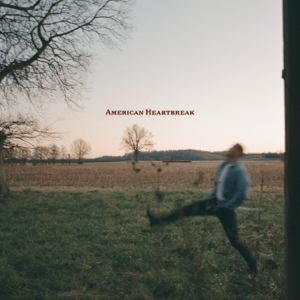
Zach Bryan – American Heartbreak

Starting off with a whopper here, both in terms of album size and in the scope of the album’s reception. Bryan was an active member of the US Navy and was doing well releasing songs via YouTube, eventually he was discharged from the Navy so he could pursue a country music career. To say that worked out would be an understatement.

American Heartbreak was the country album of 2022. It not only topped the country charts but also placed high on the mainstream chart, something kind of rare for a country record. Recalling all of Bryan’s 2022 achievements would take more space than this digest-sized post could really get into.

This is a two-hour long album with 34 songs, a double or even triple album. It had a mess of singles, with Something In The Orange being the standout hit. The album is really good, though it’s worth saying that it’s a bit samey and doesn’t really explore a lot of territory despite its size. The songs have a fairly similar structure and the mood is pretty desolate across most of the album. It is also probably as much of a folk album as a country album, an argument that has been lighting up the Internet.

Overall I really liked the album, as the “sad, simple” song deal is right up my alley. It takes a bit of time to listen to, obviously, but I’ll be spinning this again to explore it further. This was a huge album for country music last year and has a lot of ramifications in terms of an artist getting huge while not being part of the Nashville machine. Zach Bryan’s career is going to be a very interesting one to follow.

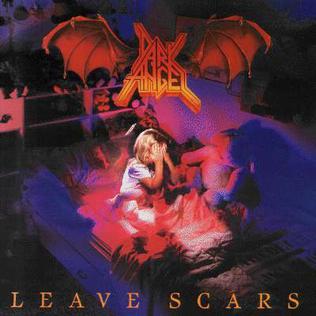
Dark Angel – Leave Scars

This got a spin as we were partying one weekend night. A thrash classic from way back when, this album saw Dark Angel add a bit more technical prowess to their songs as opposed to the rawness of their prior effort Darkness Descends. It’s a very enjoyable listen after all these years and as a bonus curiosity features a cover of Led Zeppelin’s Immigrant Song. Fun stuff.

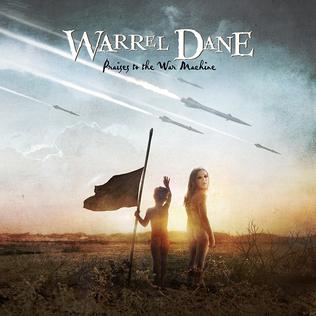
Warrel Dane – Praises To The War Machine

It had been a long time since I played this solo effort from the late Nevermore/Sanctuary frontman. Dane enlisted the help of longtime Soilwork guitarist Peter Wichers to co-write and produce, and then-Soilwork and now-Megadeth drummer Dirk Verbeuren came long to handle drumming.

This is a nice collection of songs that differ enough from Nevermore’s output to be a worthwhile effort. It isn’t Dane just treading the same ground, he offered up something different here. August is a pretty intense song, and Brother is a super personal one. This would be Dane’s only solo album before his death, he was recording his second when he died.

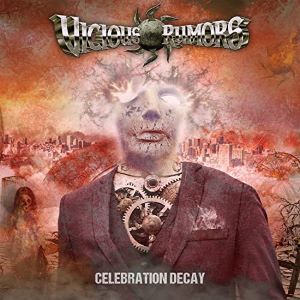
Vicious Rumors – Celebration Decay

I am continuing my run through the VC catalog as I’ll be seeing them in March. This time I went to their most recent album, this was released in the summer of 2020. (oh the memories…) The band’s lineup here is considerably different than their classic era, and it’s even different now than just a few years back.

This album is a very modern-sounding affair and it delivers quite a pummeling. The band had clearly updated their sound and weren’t out as a retro act. This one is good though it’ll require me a few more listens to process it more. I figure that this sort of sound is what I’m going to hear live in March, with even their older material having a bit of an update.

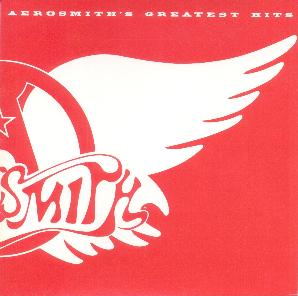
Aerosmith – Greatest Hits

Not an “album” really but still a full-length compilation so good enough. I put this on for a bicycle ride so I could have something on familiar and not really have to think about what I was listening to much. This was the band’s first compilation and it covers the early prime of their career. The tracklist is fine by me, this is fairly short comp featuring the essential cuts.

The one thing about this comp – several of the songs are edited. Same Old Song And Dance is, so is Sweet Emotion. There are more edits as well, so these aren’t the album versions of the songs. In an interesting twist, if you play this on Spotify, they are the unedited versions and the comp is four minutes longer than this original version. Kind of weird but hey, that’s what odd music trivia is for.

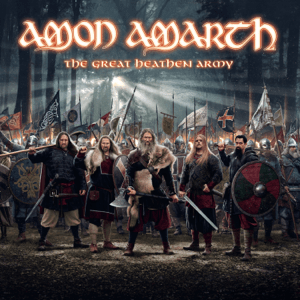
Amon Amarth – The Great Heathen Army

This was a last year album that I didn’t give a lot of time to. It didn’t grab me in the same way some of their earlier material did. I don’t feel much differently about it now after another listen – I enjoy the album for what it is but it doesn’t wow me. I don’t feel that this one will be a “grower” on me, I think the book’s pretty well written on this one.

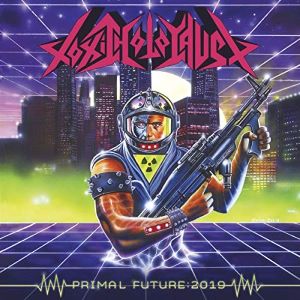
Toxic Holocaust – Primal Future: 2019

Wrapping up the last week with the most recent album from one of my favorite 21st Century thrash bands. This was the first album in six years from TH and it saw mainman Joel Grind return to his original style of recording the entire album by himself.

It was not only cool to hear the band again after such a long break, but this album is also great. It is maybe a bit more thrashy and metal than the punk-laden earlier albums but is still a signature Toxic Holocaust record. There was supposed to be touring behind the album, but of course this came out in 2019 and … well, we know what happened.

That does it for this latest installment of An Album A Day. The math would indicate I have 49 more weeks and 344 more albums to go. Doing all this a week after the fact is also proving a bit confusing at times but that’s ok, this is just some BS to do to fill space. Until the next edition, interrupted of course by my usual posts through the week.

A Story And A Song – Shakedown

Today’s story is a quickie and not much of a specific story. The song in question is Shakedown, a 1987 tune from the soundtrack to Beverly Hills Cop II. It was performed by Bob Seger and, oddly enough, was Seger’s first number one Billboard Hot 100 hit. He’d had plenty of past success on the chart and had other number one songs on other charts like the Mainstream Rock chart, but it took a song from a soundtrack and originally shopped to someone else for Seger to finally hit number one on the big chart.

That other person was Glen Frey, who’d had huge success on the first Beverly Hills Cop movie with The Heat Is On. He turned down Shakedown and his loss was Seger’s gain.

Bob Seger is an artist who, while I can certainly respect and appreciate him, I’ll admit I’m also not his biggest fan. I don’t mind his songs but I don’t have any of his music in my collection or playlists. There’s just a disconnect where I don’t really “get into” his stuff that much. It’s not that I’m annoyed by his songs or anything, I just have other stuff to listen to.

Shakedown is a pretty funny song. It’s good, but it’s also really damn dumb. Most of the song is just the chorus repeated, to the point that even Klaus Meine and Bruce Dickinson would probably think the chorus is repeated too much. But the song does fit the late 80’s aesthetic very well, it is absolutely a product of its time. The most striking thing about it is that, again, it was Seger’s first number one overall as compared to his prior body of work.

The “story” here is extremely simple. I was at the grocery store the other day when Shakedown came on over the store’s PA playlist. It’s the first time I’d heard the song in many, many years and it’s quite possible that it’s the first time I’ve heard Shakedown in the 21st Century. It took me more than a minute to even remember that Bob Seger had done the song. I was seriously breaking my head trying to remember who the hell did the song or what it was even from. Let’s face facts – Beverly Hills Cop II pretty well sucked, so it’s not like I even want to remember that. It was finally remembering it was a Seger song and getting sucked back into that wormhole of old lore that led to a flood of 1987 memories and this post.

It is kind of funny, the effects of age and all that. I am accused of having an encyclopedic knowledge of music, it’s true that I can often identify a song on its first few notes or name some random dude who played in a band for part of a tour in 1996. But as the years go on, the distance from the stuff of youth grows, and it doesn’t come back quick enough to win bar trivia or whatever. But no one else usually answers those questions either, so I still feel comfortable on my throne of arcane music lore.

And, simply put, that’s all there is for today. This one didn’t dive the depths of any obscure knowledge, but I do feel like it hit on something with it being Bob Seger’s first true number one hit. One would think Turn The Page got there, but I guess it only got to number four. And he scored on quite an array of other songs, but him getting over the mountain was this silly ass soundtrack song. Funny how it works sometimes.

An Album A Day – Week 2

It’s on to week 2 of the Album A Day series. For anyone new to this, what I’m doing here is playing an album a day to reach 365 albums played by year’s end. It turned out to be a pretty simple goal and I’ll be way over that by 2024, but I’m doing this weekly wrap-up still for the hell of it.

One note – I’m most likely going to move this post to Sunday next week. That’s simply for the purposes of getting it set up ahead of time.

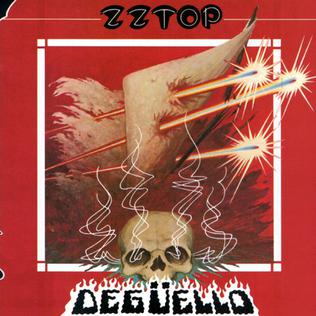
ZZ Top – Degüello

I gave this a spin on a weekend bike ride. I’ve been meaning to go through their albums and this whole deal makes that a pretty easy task. I’m not sure I’ve played this album all the way through since childhood, but there are some very recognizable songs on here like Cheap Sunglasses and their cover of I Thank You. This one sees the band still in a blues-based rock mode, though they started messing around with pitch shifting effects as kind of a prelude to their 80’s synth era. It was good to catch up with this one after so long, I still have a lot of the 70’s ZZ Top to explore more.

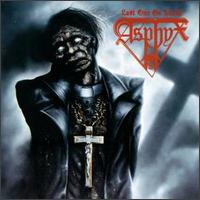
Asphyx – Last One On Earth

This was the second album from the Dutch death metal outfit. There’s some funny trivia behind it – vocalist Martin Van Drunen recorded the vocals for this without realizing he’d been fired from the band. The group decided to just use his vocal tracks. The band would reconvene with Van Drunen decades late. This 1992 album was a remarkable piece of death metal of the death/doom variety. Death/doom has been one of my favorite sub-strains of death metal and early Asphyx was a big reason why.

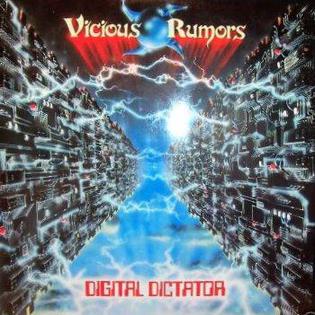
Vicious Rumors – Digital Dictator

I never listened to Vicious Rumors at all way back when, they were a band I simply missed out on. I’m getting familiar with them now because they have a gig booked here in March. I can say this was a gem I totally failed to grab back in the day. This is some great power metal of the US variety, which is a strain of the genre I’m horribly unfamiliar with beyond Savatage. This is a badass album I’ll spend more time with and I’ll also be visiting the rest of their catalog in advance of their show here. World And Machines is an absolute ripper on this one, though the whole album is fantastic.

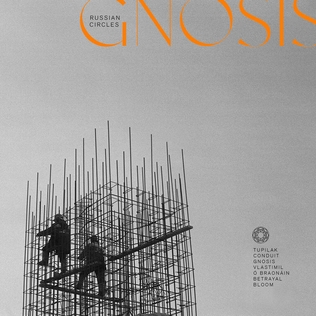
Russian Circles – Gnosis

This is another of the long list of releases I missed last year. Russian Circles are an instrumental act from the US, they get the “post-metal” and “post-rock” tags as genre descriptors. I’m not the world’s biggest connoisseur of instrumental stuff but I like good music when I hear it and these guys are really good. It’s suitably heavy and dirty, and their noise evokes a very gritty and dark atmosphere, which I love considering my CD shelves full of grimy metal. I would go so far as to say this might have even been a miss on my top albums list from ’22, but that’s all over and done with. No time like the present.

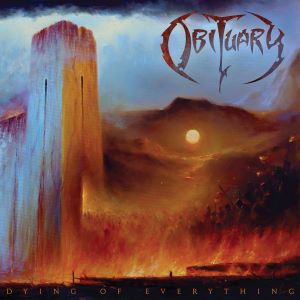
Obituary – Dying Of Everything

2023 releases started coming very early and the first on my radar was the new one from Florida’s death metal legends. Obituary were one of the foundational bands of death metal and their fairly simple style of gnarly riffs and insane vocals has been an institution of the genre for decades.

This new one, honestly, didn’t hit me right out of the gate. I found it a bit too simple, I guess, I was wanting more from the riffs than what I was getting. I did feel like the album picked up in the second half, I felt more at home with it. I heard it again over at my buddy’s house after I’d enjoyed a few refreshing beverages and I can confirm that there is a direct relationship between blood alcohol content and enjoyment of this album. I don’t mean that as an insult – I’m simply saying that this is a “catch a buzz and enjoy the ride” album. This one won’t rank as my favorite Obituary but there is something here for me to enjoy after all.

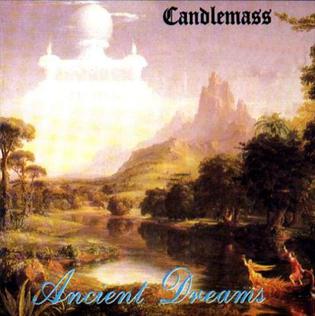
Candlemass – Ancient Dreams

I wonder if I should count this here, as this will certainly be an album of the week at some point in time. But I don’t have plans for it anytime soon so I’ll go ahead and talk about it here. This was the third album from the Swedish doom metal outfit that has gone on to legendary status and this one is a big reason why. It is the band’s second with singer Messiah Marcolin and part of a magnificent three-album run with him. This is an amazing collection of doom tunes, highlighted by the opener Mirror Mirror. There’s also an interesting medley of Black Sabbath songs at the end.

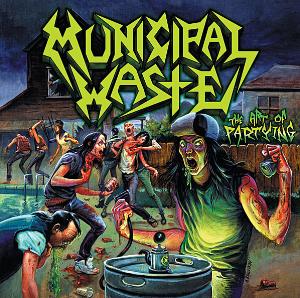
Municipal Waste – The Art Of Partying

A pretty fitting way to conclude this post, since the topic of having a few and cranking some tunes came up already. That’s exactly what this band and album is for. Municipal Waste have been one of the godsends of the thrash revival, with a fantastic crossover sound and a general theme of getting messed up. Municipal Waste is gonna fuck you up, indeed.

That’s all for this week’s recap. Only 351 more albums to go.

An Album A Day – Week 1

It’s time to debut my new series, An Album A Day. As I mentioned before, this is a way to do something like what book people do – rather than read 52 books a year or what have you, this is listen to 365 albums a year, or one a day.

I’ve barely started and I quickly realized something – this is easy street. Listening to 365 albums in a year is not some kind of lofty goal, it’s taking candy from a baby. I’m gonna roll with this whole thing since it’s a fairly easy way to generate some new content and also cover stuff I don’t normally talk about, but this is not a challenge at all.

Anyway, this first post covers the first week of 2023. The next 52 weeks will be filled with – stuff. My missives on these will be brief but there will be several of them so I can still be too wordy.

Opeth – Watershed

It’s been awhile since I listened to anything besides Blackwater Park so I took the time to sift through the 2008 album that was widely hailed as a masterpiece. There’s a lot going on, as there often is with Opeth, but this is a grand moment in their catalog. The Lotus Eater is one of the best songs they’ve ever done, and Hessian Peel offers a grab bag of everything Opeth.

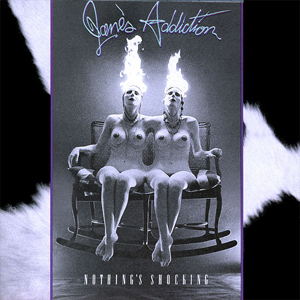
Jane’s Addiction – Nothing’s Shocking

This is one I listened to “back in the day,” though that day was in the mid-90’s and nearly 10 years after its release. And I don’t think I’ve played it in at least 20 years. It was nice to revisit this one, a cool “vibes from the youth” kind of thing. The notable tracks from this are The Mountain Song and the signature Jane Says, but the whole album is a pretty cool offering.

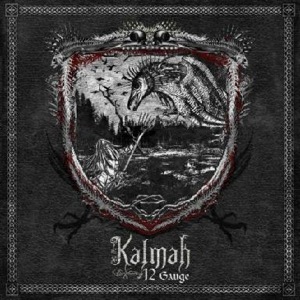
Kalmah – 12 Gauge

Back to a band I was very into in the early 2000’s, Kalmah are a huge part of the Finnish melodic death metal scene, alongside Children Of Bodom. While the bands draw comparisons to each other, I was always more drawn to Kalmah. This 2010 album saw the band combine their early melo-death stuff with the more harsh sound they took on just prior to this. I played this while on a long bicycle ride and it was a great compliment to the ride.

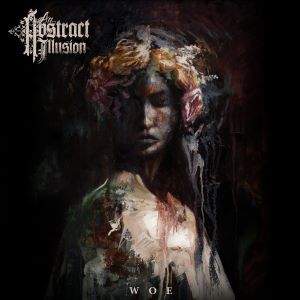
An Abstract Illusion – Woe

This is one from the very long list of “stuff I missed in 2022.” And this was a pretty huge miss. A progressive death metal album, this does draw favorable comparisons to Opeth’s prime era, but there’s also a lot more going on here. This is one of those that needs a lot more than one listen to properly digest and discuss, and it’s one that really was a true miss for me last year. Something I’ll be visiting again for sure.

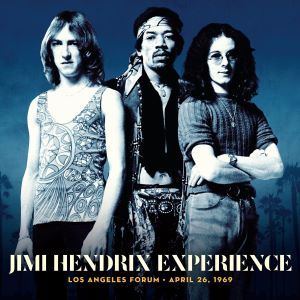
Jimi Hendrix – Los Angeles Forum April 26, 1969

This is the most recent release in the eleventy hundred posthumous Hendrix albums. This one is pretty nice, it is a very jam-based album with most of the songs being extended improv renditions. There is also some pretty cool stage banter from Jimi, including a call for stage crashers to get off the stage or the show will be shut down. I am of the “wannabe Hendrix completionist” school so I don’t mind the countless releases and this show seems to have some cool stuff that stands out from the clean presentation of the more landmark live gigs.

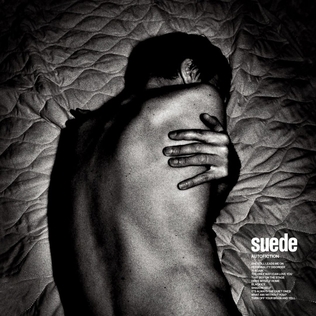
Suede – Autofiction

This is another from 2022 but wasn’t a miss for me – rather, this was most likely album 11 on a list of 10. I suppose we’re calling Suede alt-rock now rather than the movement they helped create and now can’t stand, that being Britpop. Suede explored some different sounds on their last effort in 2018, but on Autofiction they got back to basics and put out a kick ass alt-rock album. No one was expecting Suede to be bad, but this blew past peoples’ expectations and was monumental.

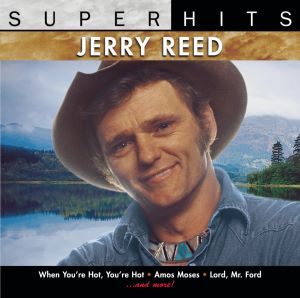
Jerry Reed – Super Hits

I ended week one with a greatest hits collection of a country star from years past, and also the hilarious bad guy in The Waterboy movie. Reed had a fair few hits in his music career, including When You’re Hot, You’re Hot and She Got The Goldmine (I Got The Shaft). Of course, his most well-known work is probably the theme song from the hit film he also starred in – East Bound And Down from Smokey And The Bandit. Reed was also a pretty underrated guitar player on top of his songwriting prowess. And, to top it all off, listening to Reed reminded me of a story from way back when, so I’ll get a whole other post out of this.

That covers the first of 52 rounds of this new format. While the “goal” idea of it wound up being silly, this does feel like a worthwhile thing to do so I’ll keep at it. It’s a nice way to cover some more ground that I don’t typically get to in a few posts a week and it can occasionally plant the seed for a new post idea. And it doesn’t take up a huge amount of my time to write, so this whole thing is truly off to the races.

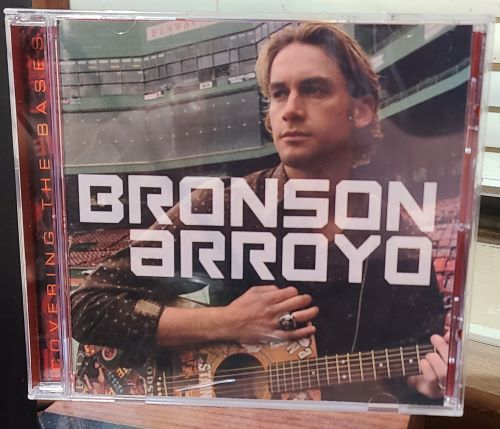
Bronson Arroyo – Covering The Bases

I’m gonna close out 2022 with a curveball from 2005. A few weeks back I was doing a write-up on a song when I discovered the existence of this curiosity. After looking into it a bit I decided to take the plunge and get a copy so I could see what’s up with it.

This album of cover tunes comes from Bronson Arroyo, a former Major League baseball pitcher who had a long career from 2000 through to 2017. He was a part of the 2004 Boston Red Sox World Series Championship team, which rankles me because I’m a St. Louis Cardinals fan. Arroyo was the guy trying to tag Alex Rodriguez in game 6 of the ALCS when A-Rod slapped the ball out of his hand, that was a pretty infamous baseball play.

Arroyo spent the bulk of his career with the Cincinnati Reds, which also rankles me because I’m a St. Louis Cardinals fan. At any rate, Arroyo had a pretty nice career – he lasted a long time as a pitcher and was durable for the bulk of his stay in Cincinnati, only having issues through the 2010’s when he hopped around on a few teams before his retirement in 2017.

What I wasn’t really aware of was that Arroyo was also a musician and had cut a covers album in 2005, when Arroyo was still a member of the Red Sox. This isn’t some rinky-dink project either – dude had to have spent some serious coin on this album. There was an entire production team and some world-class session musicians were brought in to play, including Michael Landau, Kenny Aronoff and Leland Sklar. Also appearing on a few tracks is Mike Inez, of Alice In Chains and Ozzy fame. Arroyo sticks to singing on this album but does play guitar.

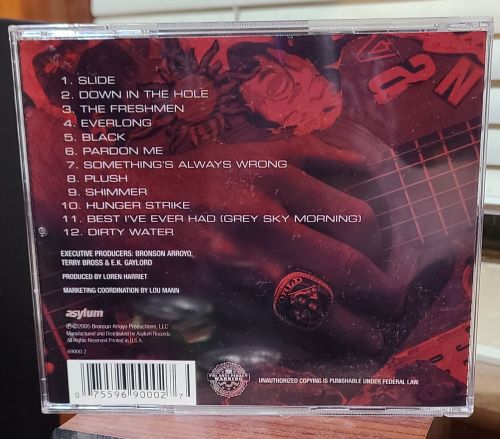
Covering The Bases offers up 12 songs, all of which are pretty well known in some regard. Most all of them besides the final track are alt-rock standards of the 1990’s, letting us know where Arroyo’s tastes evolve from. I’ll go ahead and run through everything here to see what we’ve got, it’ll be a long post but whatever. I’m not familiar with a handful of the originals but others I know pretty well.

Slide

Originally a big hit for the Goo Goo Dolls in 1998, Arroyo’s album leads off with what sounds like a very faithful rendition of the OG tune. I’m not radically familiar with the original nor am I a fan of the band but I’d say Arroyo and company nailed this one.

Down In A Hole

The Alice In Chains classic is how I came across this album. I was gearing up my post about it when I noticed that Bronson Arroyo was listed as having done a cover version. This is pretty well done, the music hits the song and stays accurate to the original. Arroyo and his backing singers keep stuff at a lower register, which is understandable as few people are going to touch Layne Stayley and Jerry Cantrell’s voices. It is curious that Mike Inez played other songs on this record but not on the one from the band he is in, but there’s no real info to go on about that.

Also of note – the title is misprinted as “Down In The Hole” on the back cover and inner booklet.

The Freshmen

This was originally done by The Verve Pipe. I recall the song but I’ve never sat and listened to the band so I’m not overly familiar with it. It’s not something I really want to jam out to but I’ll say that it fits the album Arroyo has put together pretty well.

Everlong

No real introduction needed, this is the massive Foo Fighters hit. It’s an accurate version of the song, it’s all performed true to the original. There is a brief spoken word bit from Stephen King on here, which is odd but a nice touch.

Black

This is a Pearl Jam song, I’m sure I say to people who know that damn good and well. I’m not at all a fan of PJ so I’ll bow out of this one, other than to say this cover sounds like I guess it’s supposed to.

Pardon Me

One song from the year 2000 here, this was the big hit that launched Incubus into superstardom. It’s done well here but I was never a fan of Incubus and I actively dislike this song so I’m moving on.

Something’s Always Wrong

This tune comes from Toad The Wet Sprocket. This is a band I’m honestly not familiar with at all. This song was a hit in its day but I don’t remember it in the least. I do recognize their big hit All I Want but it took a minute and that’s the only one I recall. Anyway, this version Arroyo does is good and again sticks with the original in execution.

A bit of fun baseball trivia here – playing guitar is Theo Epstein, who was general manager of the Boston Red Sox when Arroyo was there. Not many albums can boast Theo as a cameo player.

Plush

The massive Stone Temple Pilots hit gets a rendition here. No more “I don’t know or like this” for me – this is an amazing song. Arroyo handles the vocals well here, not an easy feat considering the prowess of the late Scott Weiland.

Shimmer

Up next is the initial hit from alt-rockers Fuel. I did kind of listen to these guys a bit way back when though it’s been a very long time since I’ve heard their stuff. It’s a nice change of pace here to have something more uptempo and it’s again a well-done version of the song, pretty well in line with the original.

Hunger Strike

Now this Temple Of The Dog cover could have been scary, as while Bronson can sing pretty well, his range isn’t going to get into Chris Cornell territory or anywhere near it. But there is nothing to fear as the group surely knew their limitations and brought session musician Amy Keys in to handle the higher range parts. This one is a bit divergent from the original, as Bronson handles the bulk of vocals, as if Eddie Vedder had done the lion’s share of the original. Overall it works well for all involved.

Best I’ve Ever Had (Grey Sky Morning)

This was a song from Vertical Horizon, who I’m not familiar with and I really want to be. Bronson gets up into a bit of a higher range here and the song fits the other selections to keep a pretty unified feel going, but I can do without the song itself.

Dirty Water

The album ends with a different tune – this goes back to 1965 and The Standells. The song is a Boston sports anthem which makes it a logical conclusion here. Bronson is not alone for this swansong – fellow Red Sox Johnny Damon and Kevin Youkilis are along to shoot the breeze about random stuff through the song. It’s a fun way to end the record and a nice tribute to Boston from Arroyo fresh off the World Series win.

While this is a bit of a curiosity project, I’d say overall it turned out pretty well for Arroyo. He got people who knew what they were doing to execute faithful versions of the songs, and it’s clear that Bronson has talent as a musician. While there were no real chances taken on the album and everything was played as it sounds, this isn’t at all a bad effort. I think Bronson and company did a good job of selecting songs that flow well together and give this the feel of an album, as opposed to just being a collection of cover songs as so many of those wind up being. There was clearly a high level of thought and care put into this.

It is a bit “ironic” perhaps that Arroyo shows Boston so much love on the final song and in the liner notes – in less than a year after releasing this album, the very guy who played guitar on Plush would trade Bronson to the Reds. I’m sure that’s not a big deal all things considered, as Arroyo got a ring in Boston and obviously enjoyed his time there, but it’s a bit of a funny thing to point out.

This is, to date, the only album Arroyo has released. He has played out live plenty of times, including hosting a concert of Pearl Jam covers after his final MLB game in 2017. But, after all this time, he hasn’t chosen to cut another album. Obviously that’s his business, but it does seem odd that he hasn’t done something else since he threw down on this one so early in his career.

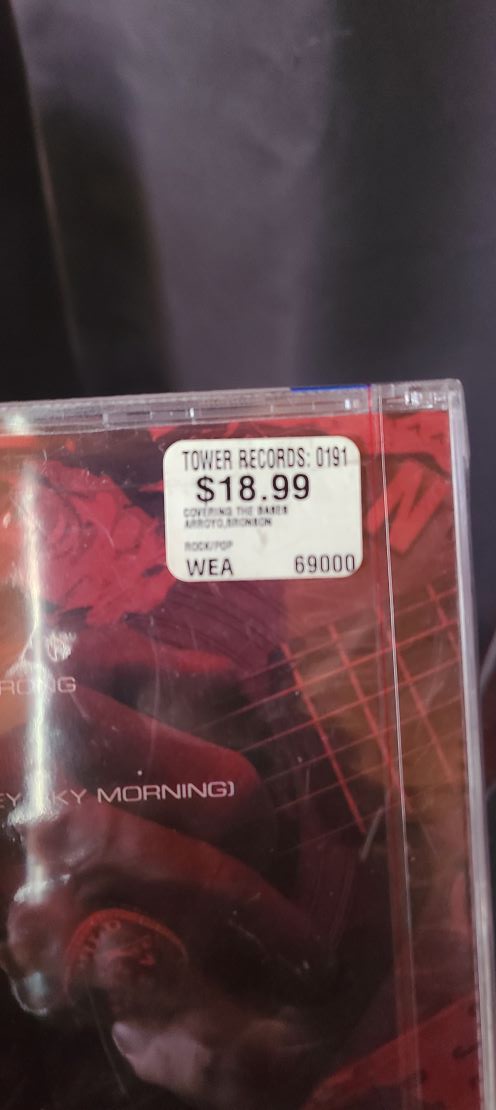
As I close, here’s a note – this isn’t available on streaming that I know of and the YT videos I posted are bootleg links so they might go away. The only real way to have this is to get a physical copy, which set me back $4.25, and $4 of that was shipping. I will say I’ve spent far more on far worse, Bronson did a pretty good job on his album.

Why did Tower Records go out of business again?

Album Ranking – Tool

Today I present another quick and easy album ranking. It’s really easy when the band has been active for over 30 years but only has 5 albums to show for it. The “inspiration” to do this post mainly came from seeing people talk shit about the band, which in fairness is a common thing.

Tool formed in California in 1990 and … yadi, yadi yada, here were are at the end of 2022 with the album ranking. I did not rank any sort of EP or extended single release, this ranking only takes into account their 5 full-length studio albums. No point in lollygagging, let’s have at it.

5 – Lateralus (2001)

With such a thin discography, the bottom of this list is the “least great” as opposed to being genuinely bad or anything. Tool did morph into a new form on this record, offering much longer songs and dispensing somewhat with conventional song structure. It can make for a challenging listening experience, one which caused some to dismiss the group, but there is enjoyment to be had in the song selection here. The Grudge and Schism are more “conventional” Tool songs, while Parabola saw the band flex their creative muscles.

4 – Undertow (1993)

Tool’s debut put them all over MTV and in the mix of the early 90’s alt-metal crowd. Sober was the song that got everyone paying attention and it still endures as one of their signature moments. The album was a staple of of the scene back in its day and remains a worthy listen even as the band have moved on to other waters.

3 – 10,000 Days (2006)

Here Tool took the groundwork laid on Lateralus and went even further with it – long, winding songs that flied in the face of mainstream music conventions, yet the album was a number one Billboard chart topper and a multi-platinum success. Singles Vicarious, Jambi and The Pot were well-received and the title track is a masterful tribute to Maynard James Keenan’s late mother. (It was also a prior subject of my S-Tier songs series).

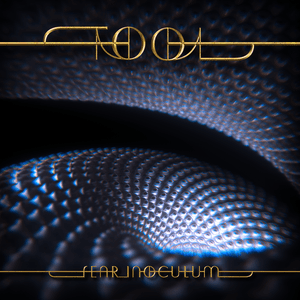
2 – Fear Inoculum (2019)

It was a 13 year wait between albums for Tool but the wait turned out to be worth it. The album features 7 main songs, each over 10 minutes in length. It doesn’t sound like something that should work but it does, for me certainly and for plenty of others. Other Tool albums have plenty of weird bits and interludes to them, here everything works to forward a concept of some sort and feels like a unified whole. Songs like 7empest and Pneuma felt worth the extremely long wait.

1 – Ænima (1996)

Tool’s second album arrived just as the “alt-metal” phenomenon was being shown the door, but Tool themselves would find staying power with this set. The album was inspired by the recently departed comedian Bill Hicks, especially the quasi-title track masterpiece that begs for California to fall into the ocean. Many other Tool staples reside on this album, including Stinkfist, Eulogy and Forty Six & 2. This isn’t a daring choice for the top spot, as many consider this album Tool’s finest moment.

That’s about all there is for this album ranking. This likely won’t be the final word on the Tool discography, though they certainly are fond of taking their time anymore. I’m sure the ticking clock of mortality will lend them to finding the studio before another 13 years has passed.

Album Of The Week – December 19, 2022

This week’s pick is the album that saw a change in style for a long-running band and a shift that would pay massive dividends. The band was on the verge of ending and instead launched one of rock’s most successful albums in the genre’s commercial peak.

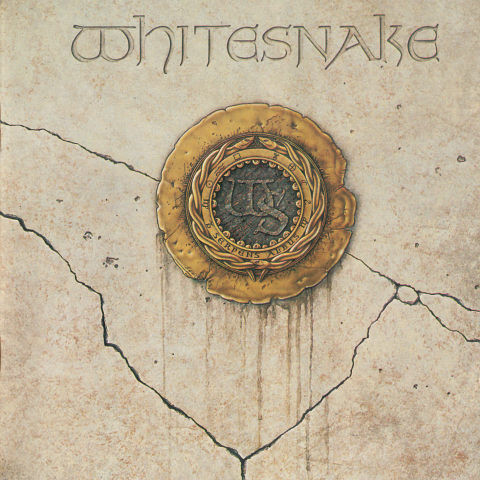
Whitesnake – self-titled

Released March 23, 1987 via EMI/Geffen Records

My Favorite Tracks – Still Of The Night, Crying In The Rain, Here I Go Again

The giant success of this record wouldn’t come without drama and turmoil. David Coverdale had been plunged into depression over Whitesnake’s prior lack of success and personal issues with his band. While guitarist John Sykes helped write the album, Sykes and the rest of the band were out before touring on the white hot record. The group that appeared in the mega-successful videos for this album was not the same group that made the album, save for Coverdale and Adrian Vandenburg’s involvement in recording Here I Go Again.

There are several different versions of this album – it was self-titled in North America and other places, while in Europe and Australia it was called 1987. Japan had yet another name for it and there are different track lists across the disparate versions. For simplicity’s sake I’ll cover the 9 track US version.

Crying In The Rain

The opener marks one of two songs redone from the 1982 Saints And Sinners album, both re-recorded songs would be hits. Originally a blues-based rocker, John Sykes reportedly despised blues music and turned it into a heavy metal riff fest. The lyrics are a depressing look inside Coverdale’s mind through a divorce, dude was down in the dumps a lot apparently. While the premise of crying in the rain seems silly, the song’s riffs and presentation keep it from slipping into parody.

Bad Boys

A standard fare, fast rocker about being a bad boy, a pretty common offering for 80’s rock. It’s a good offering for the “wild in the streets” theme that was ever-present back then.

Still Of The Night

The album’s lead single was a modest chart hit but would serve to generate interest in the album and was a very popular music video. This song is a fantastic composition with John Sykes going full on guitar god and the full album version of the song is a nice series of movements with the violins and build up back to the rocking at the end. The video was the first of three from the album to feature future Coverdale wife Tawney Kitaen, who would become one of music video’s most iconic performers for the videos.

Here I Go Again

The other re-recorded song from Whitesnake’s earlier days and one of the mega hits from this album, this is the most widely-known song from the Whitesnake discography. The song about venturing on one’s own has remained in cultural consciousness enough to be meme material these days. The video was a monster hit and features the late Tawney Kitaen’s most memorable video performance.

The song topped the Billboard Top 100 and was in constant MTV rotation. And yes, the album cut and single version are two different recordings with some differences, I’d personally take the album version.

Give Me All Your Love Tonight

Another single, this one didn’t quite crack the top 40. It’s an uptempo rocker about love, which in hair metal parlance means sex, as I’m sure everyone is aware. The single release is noteworthy as it features a redone guitar solo from Vivian Campbell, marking the only time he contributed music to Whitesnake material.

Is This Love

The album’s other massive hit single originated when Coverdale was trying to write a song for Tina Turner. David Geffen told Coverdale to keep it and here we are, with the track going to number two on the charts. The song couldn’t be any more elementary in its concept but again its presentation is fantastic and it’s one of time’s honored power ballads.

Children Of The Night

It’s another badass rocker about going out and getting in trouble. It’s a track worthy of partying and headbanging to.

Straight For The Heart

Getting toward the end of the album with this rocker about Coverdale going to get his girl. This song definitely jumps the hair metal shark a bit but it’s still a fun time.

Don’t Turn Away

The US album closes with a power ballad that keeps the rock going in full effect. It offers a nice inspirational message that hooking up with David Coverdale will cure whatever ails you.

Whitesnake was a monster success, launching the band from the brink of extinction to the toast of the town. The album would go on to eight US platinum certifications and would peak at number two on the Billboard 200, being blocked from the top spot by monster albums like The Joshua Tree, Whitney and Bad. It was a stunning reversal of fortunes for Coverdale, who was despondent after failing to break through significantly with his prior work. The rising tide of this album would lift other ships, most notably Slide It In, which went from a modest gold certification to multi-platinum.

While the album and singles did very well in traditional markets, Whitesnake’s videos were perhaps the most iconic part of this album cycle. The trio of videos featuring Tawney Kitaen were all over MTV. The band dressed the part of ’80’s rockers for their videos, something Coverdale admits was pandering to fashion. But hey – no arguing with the success of it. You were rockers in the 80’s, might as well go all in.

Whitesnake is an interesting band in that they found success almost all at once, with the self-titled album outshining the modest success that the US release of Slide It In had. The band’s music is a lynchpin of classic rock radio but it’s stuff from these two albums that comprises the entirety of those playlists. The old blues rock albums are well-regarded but also left to be discovered by the active seeker. Albums after the self-titled wouldn’t land quite the same way, though in retrospect 2003’s Good To Be Bad was a critical success and catalyst for a new era of Whitesnake.

But at the end of the day, it is this album that serves as Whitesnake’s defining legacy. The group shot out of a cannon and landed square in the rock/metal prime of the late 80’s and hit on a success not seen by all that many others. Leaving behind the blues-based rock and injecting a metal guitar hero’s sound into the mix lend to some staggering results, even if said guitar hero was booted from the group before touring behind the record.