Who Killed Hair Metal? Part Four

So far I’ve issued several verdicts in the case of The People versus Whoever Killed Hair Metal. I’ve found grunge, and by extension alt-rock, guilty. Guns N Roses too is guilty, having set the bar too high for anyone else to attain. And Metallica, of all people, is certainly also guilty of providing another alternative to the stale and washed up format of hair metal. Here are links to my previous rundowns in the series.

Part One – Grunge

Part Two – Guns N’ Roses

Part Three – Metallica

But in the end, we all know who is truly guilty of killing hair metal.

And no, it isn’t hair metal.

It’s ok, I’ll give you a second to process that. But you know I’m right, if only technically.

Suspect Four – The Record Labels

No, hair metal did not kill hair metal. Sure, quality control was noticeably absent in the early 1990’s just before the death knell rang from Kurt Cobain’s guitar. It can be said that hair metal was a watered-down mess that was nearly unrecognizable from the form it began on in Motley Crue’s early recordings. It couldn’t even hit the high notes of the late 1980’s, struggling to keep pace with choice recordings from the likes of Cinderella and Skid Row.

It just wasn’t there anymore. Sure, some recordings of various merit came out. The last gasp of hair metal saw acts like Slaughter, Trixter, Firehouse and Winger generate interest while also seemingly flailing against the inevitable. The party was just about over on the Sunset Strip, at least for all but the few biggest acts who had transcended the genre in various ways. Skid Row would go on for a few years of touring success. Guns N Roses had big hits with their double albums in 1991. And Motley Crue seemed poised to take on a new decade with the excellent cut Primal Scream from a greatest hits collection, only to implode in band turmoil a year later.

Everyone else was left to either die off immediately or slowly flail away. White Lion split when guitarist Vito Bratta had enough of the music industry, totally unwilling to this day to return. Poison tried their hand replacing CC DeVille with up and coming guitarist Richie Kotzen. The move produced some worthwhile music but personally backfired for everyone involved in an extramarital affair.

But Poison had a bigger name and therefore more capital than most, and were able to reestablish themselves as a worthwhile nostalgia act years later. Many other of the hair bands would fall off a cliff in terms of notoriety. Small but dedicated fanbases would turn out for shows at far-flung clubs or state fairs, but hair metal had fallen and wasn’t getting back up.

Rock music as a whole had changed. The sound that grunge ushered in led way for rock’s alternative base, something aired on college radio in the 1980’s, to truly take over and redefine the sound of rock music. The sound of late ’90’s rock was more akin to a CW TV show theme song than a big party anthem. Even legacy rock acts like the Scorpions and Def Leppard, bigger than hair metal but not immune to its movements, had to take time to readjust as their favored sound faded away. It seemed like everyone in rock music, with the exception of Aerosmith, felt some kickback from the demise of hair rock in 1991.

It wasn’t the bands that killed hair metal. No one on Earth would kill their own livelihood. The bands might be complicit in recording drek that got worse as time went on, but it wasn’t really under their own direction.

No, music is a business, and it was the record labels who were milking the hair metal cow dry. Hair rock was a fad – the gaudy fashion, the good times and fast women, the massively excessive image and music was not going to last forever. Nothing last forever in music. Those acts who see longevity have pivoted over the course of years and decades. They languished at times and then resurged when the moment was right.

The record labels were living large in the 1980’s on piles of money from overpriced albums and hoarding of profits off the backs of its artists. They churned out act after act in the course of business, without considering the artistic effects this assembly line of hair rockers was going to have.

And it wasn’t hard to find willing acts to keep the hair metal machine going. Who doesn’t want to be a rock star? Hair metal represented the zenith of excess for rock stardom. Women, parties and drugs were the order of the day. Sure, every other genre of music sees its stars indulge in the same, but hair metal put the show front and center. Take the record company’s money and head out in search of the stars. Never mind the terms of that contract and the severe unlikelihood of reaching those stars…

No, hair metal did not kill hair metal, at least in a sense. The music had gotten derivative to a point of being parody of its earliest incarnation, but the bands themselves aren’t to blame for their demise. It was the record labels, in their perpetual avarice, who truly killed hair metal and shoulder the lion’s share of guilt in the case. The entity that brought the hair metal movement to light was the same one who killed it.

It has now been 30 years since the death of hair metal. Rock music shifted course forever after 1991. There still is that “old rock” sound to be found, many legacy acts and even newer bands born of inspiration from the old days abound, though mainly in the independent scenes. While I don’t necessarily yearn for the glory days of hair and makeup, I do sometimes miss the rock music that was the underpinning of the hair metal movement and I’m glad some old school folks are keeping that kind of rock around. But modes of music distribution and information sharing have changed so much since the 80’s that there is likely no way to truly bring that scene back into existence. Things are just way too different now.

This stands as my final testament to who and what killed hair metal. The record labels bear the blame in my eyes. There is no appeal to a higher authority regarding my verdict – my judgment is final. It’s time to move on to other scenes in music for a bit, and to have nothing but a good time while doing so.

Who Killed Hair Metal? Part Three

It’s on to part three of this exploration of who killed hair metal. I’ve already rendered verdicts on grunge, the prime and obvious suspect. I’ve also convicted Guns N Roses of killing their own scene by being better than it. Check out the links below to see all that in action.

Part One – Grunge

Part Two – Guns N’ Roses

Grunge, and specifically Nirvana, get the lion’s share of blame for killing hair metal. It’s warranted, as I already went over in part one of this series. But grunge didn’t just kill hair metal. The truth is that heavy metal in all its forms was very much hurt by grunge’s influence.

Record labels weren’t only signing hair bands left and right – they were out to get on the next cash cow, and the next-heaviest thing that seemed logical to take off was thrash. The offshoot of punk had come in hard in the early ’80’s and was the polar opposite of its bastard cousin hair metal. Major record labels stocked up on thrash acts in order to be ahead of the curve and be there when thrash broke big.

The only problem was that thrash didn’t enter the music mainstream. Well, except for one band, and that band turned their back on the thrash that they helped invent and instead conquered every music chart known to man. I submit for consideration as a suspect in the murder of hair metal one of music’s most significant acts who made their own mark on 1991 – Metallica.

Suspect Three – Metallica

Metallica could have killed hair metal very early on. Lars Ulrich has told a story of his band wanting to fight Motley Crue in the streets in the early ’80’s, when both bands were getting their starts. Lars set out to find Tommy Lee and teach him a lesson on who is the bigger badass in music. Unfortunately for Lars, his 5’6” frame didn’t quite measure up to Tommy’s 6’2” stature, and Lars wisely chose to disengage.

Metallica might not have beaten up hair metal way back when, but they got to put their own nail in the coffin a decade later, even if Motley Crue themselves would outlive the death of the genre they founded.

The story is simple – Metallica arrived on the scene with an intense thrash record, they then refined their approach through songwriting and combined heavy with tasteful. They entered the 1990’s looking to do something different and hooked up with Bob Rock. The resulting record, the self-titled affair known as the Black Album, took over the world and is one of music’s best-selling records ever. The record has sold 31 million copies since release and served to catapult Metallica into the upper echelons of rock stardom, an unlikely feat for a group of nasty, long-haired geeks who cut songs like The Four Horsemen starting out.

As a whole, heavy metal did not do that well in the 1990’s. A few exceptions are noted – a brief movement from the early half of the decade loosely categorized as “alt-metal,” including Danzig and Type O Negative, saw some time in the Sun. Pantera rose to mainstream prominence as a pretty harsh act. Extreme metal bubbled toward the surface as thrash fell by the wayside, with black metal being the vanguard sound by decade’s end.

But heavy metal in the 1990’s largely belonged to one band. Metallica took over the world, one platinum certification and sold-out arena show at a time. While their sound was not the same as what they cut their teeth on, there is no denying the massive impact they had on all of music when they stole the show in 1991. Their influence lasted longer and was more far-reaching than grunge, and Metallica have sales records that outpace almost every album released in the decade, even industry titans like Shania Twain couldn’t keep pace.

But what does Metallica and their 1991 advent to superstardom mean in terms of hair metal? Hair metal was already on life support before Nirvana dealt the fatal blow that September. That summer, hair bands were already reshaping their music videos to be more plain-dressed, an effort to keep up with groups like Alice In Chains who were taking over airwaves. Gone were the gaudy shiny leather outfits and make-up of the decade prior, the bands left were scratching for a bit of relevance and a hope of lasting through the record contract they just signed.

Then Enter Sandman hit MTV on July 29, a few weeks removed from the Black Album’s release. It was a whole new ballgame the second that riff fired up. Rock could be menacing, dangerous and yet still accessible and catchy. There is no doubt that Enter Sandman is one of the catchiest songs in history. It might have been overplayed, sure, but that fatigue came later and detracts from its immediate impact on the music scene.

What did a person about to enter their freshman year of high school want to be caught dead listening to – some 12th generation hair band that was dead in the water before the first single released, or Metallica? If someone wasn’t on the grunge hype train, they’d better be sporting Metallica gear. No one could argue with that, even if Metallica had pared their sound down from the pioneering thrash days.

Metallica was a safe haven for the rocker who was caught with his bleached jeans down as hair metal made a quiet exit stage left. Was Nirvana too incomprehensible and dissonant? Check out Sad But True! Still need that feeling a good ballad generates? Nothing Else Matters and The Unforgiven scratch that itch. Metallica were just as big as hair metal – bigger, even – eventually eclipsing the mark that even Guns N Roses left on the music.

It might be something of an abstract link, but Metallica deserves some share of the responsibility for killing hair metal. It’s only fitting that the band throws darts at a picture of Winger in the Nothing Else Matters video. Metallica themselves irrevocably altered the face of rock and metal music while bands like Winger were left churning in the wake. It was the combination of a heralded reputation and the fusing of metal with accessible sounds that made Metallica one of music’s biggest bands, and that commercial likability helped give people a lifeline as they fled the sinking ship of hair metal. The alternative music wasn’t for everyone and heavy metal’s biggest act came to save the day.

Tomorrow – we deliver the final verdict on who really killed hair metal, in case anyone actually didn’t already know.

Who Killed Hair Metal? Part Two

Yesterday I opened my courtroom and began cracking the “cold case” of who killed hair metal. I visited the prime suspect, that being the grunge scene, and my findings indicated that Kurt and company were in fact culpable in the death of hair metal.

But the fact is this – they didn’t act alone. While the death of hair metal wasn’t a grand conspiracy, there were multiple assailants on the scene. And one of those assassins was born and bred in the same scene hair metal came up in – the Sunset Strip of Los Angeles.

What if hair metal didn’t really kill itself (again, we’ll get to that on Friday) but what if it was killed by itself? It begs questions of what hair metal really was and wasn’t, but there’s no doubt that a late ’80’s band left such a mark on the rock scene that it would leave other bands incapable of topping it.

Suspect Two – Guns N Roses

The biggest of the LA bands would hit in the late 1980’s with the monstrous Appetite For Destruction album. While a bit slow to catch on, this collection of tunes would eventually set the world on fire and propel GnR towards “biggest band on Earth” status. The album has gone on to sell over 30 million copies worldwide and is often found on “best album ever” lists regardless of genre.

Guns N Roses were a product of the Sunset Strip and Appetite… certainly was a hard rock/heavy metal document. It is debatable whether the band fits the “hair metal” term, though. They certainly do in general sound and geography, but their brand of rock snarled and snapped a lot more than even the most weighty hair metal offerings.

Many critics and fans do not include GnR on the hair metal roster. This seems to be often fueled by hair metal being seen as a negative term, and bands who are “better” than the moniker are left without having to wear it. It’s the same argument metal fans make when they say someone like Limp Bizkit isn’t metal, but in reverse – spare the band from the term in the case of Guns N Roses, rather than the term from the band.

I can’t really look at things that way, though. I do think Guns N Roses fits the “hair metal” scene and sound. I look at hair metal for what it is – a music scene in a place and time. Sure it has both positive and negative connotations, but the scene can be explored on a semi-objective basis.

It isn’t really fair to classify every mid- or late-80’s band as hair metal, but in the case of Guns N Roses I do think they fit the bill enough. They had the sleazy look and the party hard attitude that went with the scene. Axl Rose wasn’t just a primadonna, he was the absolute head of that table. The band brought with it chaos and drama that other acts could only hope to get a portion of.

The issue at the end of the day is music, of course. Is Appetite For Destruction a hair metal album? I can see the argument either way. The music is bigger than a lot of hair metal and the songs are bounds above the standard fare rock of the time period. The tunes move in a very aggressive direction not often found in the hair metal hordes. Even their “ballad,” Sweet Child O’ Mine, is a much more rounded song that a lot of formula-ridden hair ballads of the day.

And therein lies the point. Appetite For Destruction was such a hard rock monster that it couldn’t be replicated or even contended with. Whether or not it is a true “hair metal” album doesn’t matter – it is adjacent enough to the scene that every band out there had to contend with it. It was a juggernaut incapable of being touched, even by Guns N Roses.

And barely anyone came close to even touching the surface of GnR’s success. Motley Crue would have a hit with their 1989 record Dr. Feelgood, but that album was something of a victory lap for the band and did not approach Appetite’s greatness in any way. Of anyone, perhaps only Skid Row even scratched the surface with their 1991 effort Slave To The Grind. It was another ferocious album that bent the genre and established the group as having prime chops, but that record still did not threaten to unseat Guns N Roses as having made the biggest statement in hard rock.

Guns N Roses themselves would not touch Appetite For Destruction again. Their proper follow-ups were the Use Your Illusion albums – some great songs and clear marks of the excess of rock music, but also very bloated records that tend to crush under their own weight. (For more of my thoughts on those albums, revisit my series on them starting here.) The band would splinter apart in the mid-90’s and only reunite a few years back as a quasi-nostalgia act, with seemingly little new to contribute.

I do feel Guns N Roses is guilty of contributing to the death of hair metal. There was just no way anyone else was going to top Appetite For Destruction. Whether or not the group was really “hair metal” themselves isn’t relevant – maybe it was an inside job or maybe they were just close enough to the scene to take what worked about it and amplify that a thousand times over. Either way, the band are especially guilty of setting the bar so high that the scene they were born of could not cope.

Tomorrow – a suspect not often discussed but one that looms large over the crime scene.

Axl looks like the dude from Soul Asylum in this vid

Who Killed Hair Metal? Part One

Music has been rife with death. Many songs are about death, many great players have died, and many scenes and movements have also passed on. Hell, there’s a whole metal subgenre about the subject, started by a band with the very name.

But this isn’t about death metal. No, this is about the death of a scene in rock and metal. 1991 marked the effective end of a distinct sound from the 1980’s, that oft-maligned but still beloved entity known as hair metal.

My purpose in this series is to examine the factors that led to the demise of hair metal. There are multiple issues at hand and different angles to look at. While a lot of ink has already been spilled on the matter, I wanted to go back 30 years after the fact and cover a few points that don’t always get brought up.

This will be a 4-part series, each one with its own “suspect” in the brutal death of hair metal. Our first look will be at the prime suspect, and the next 2 parts will cover suspects that maybe slide under the radar a bit.

And yes – any of us who were around then know exactly who killed hair metal. That’s part 4 of my series coming on Friday, so please air a bit of patience while I build up to the extremely obvious answer to the question that everyone already knows damn good and well.

We have a crime, a victim and a murder scene. Now it’s time to get into it – who killed hair metal?

Trixter tried warning everyone to get on the flannel bandwagon. Their call sadly went unheard on Sunset Strip.

Suspect One – Grunge

If this were a game of Clue, the answer is simple – Kurt Cobain with the guitar in the MTV lobby is what killed hair metal. The video premeir of Smells Like Teen Spirit on September 10, 1991 is as good of a time of death as any for hair metal – Nirvana was the figurehead that shifted music forever and rendered a lot that came before them obsolete. Nothing was the same after Nirvana hit the airwaves.

Of course, grunge doesn’t actually begin with Nirvana. There were a “big 4” to grunge, just as thrash metal has its big 4. And two bands were already making early waves before 1991 – both Soundgarden and Alice In Chains were quietly gaining momentum on MTV and radio before the actual “death” of hair metal, with AIC having a long-running hit single with Man In The Box and its album Facelift going gold before grunge really even “took off.” Seattle mates Pearl Jam would join in the popular explosion of grunge, releasing their debut in August 1991 and it taking off to untold heights in the next year.

Grunge rewrote the rules for how bands should look and how music should sound. Hair metal would suffer greatly under the weight of the new regime. Grunge fashion was flannel shirts and whatever else might be laying on the bedroom floor, a far cry from the leather and diamonds glitz of hair metal. And the sound was rough, unpolished and about heavy and vulnerable topics – a world removed from hair metal’s celebration of party life, sex and ballads about love (and sex). The worlds could not be more different, even if the instruments were the same.

I do think it’s fair to use Nirvana’s ascent as the symbolic end of hair metal, even if doing so obscures several truths. It’s a quick and easy place to point to without having to raise too much fuss. I will be going far beyond Smells Like Teen Spirit in this series, but that moment was a very stark turning point in the course of music in 1991.

I don’t think it’s entirely fair to only “blame” Nirvana, or even the others of grunge’s big 4. There always was a different strain of rock music playing out long before grunge hit. Some of the acts influenced the grunge movement and others became huge stars on their own terms, free of ties to any particular movement.

The fact is this – grunge ushered in the age of alternative rock, and alt-rock subsequently took over and became rock music. But it must be noted that alternative rock was going for a long time before grunge captured the scene. College radio was filled with alternatives to the hair bands, and MTV ran the 120 Minutes progam that showcased a large variety of alternative artists before the term alternative really became a thing.

The idea of having something else besides hair metal was already there. Honestly, I’m not sure Nirvana was even necessary in the equation. That doesn’t matter, of course, as history is what it is. But the apparatus to overthrow the excesses and poor record label decisions in regards to hair metal was already in place.

Grunge itself would die a death not totally unlike hair metal. Bands that came after the Seattle legends would be derided for riding coattails by critics, although fans flocked to the likes of Stone Temple Pilots and Bush without issue. And the acutal death of Kurt Cobain in 1994 threw the grunge scene into chaos. Pearl Jam would transcend the grunge label and go on their own way, while Soundgarden and Alice In Chains would go on long hiatus (the latter also fueled by death).

The death of grunge did not lead to new life for hair metal. The bands who defined the 1980’s Sunset Strip scene were not the same as they were before. Many members had quit or died, bands went on their own hiatus and even the return of Motley Crue did not serve to reawaken the hair metal beast. Rock music had moved on and hair metal would become a movement relegated to state fairs and legions of rights disputes and multiple lineups of the same band performing at clubs all over the land.

The cultural shift of 1991 was not just a change in sound – it marked the end of ’80’s excess and ushered in a new age of self-awareness and discussion of tough issues not normally given air in conversation before. It was the true defining mark of Generation X, a group sometimes lost in today’s “civil” discourse but still very much responsible for the need for change still felt today.

I’m not a lawyer or a judge, but this is my courtroom, and I do indeed find grunge guilty of the murder of hair metal. But I don’t stop at Nirvana, or Soundgarden or the others. I find the whole of alternative rock just as guilty. Alt-rock would supplant the norms of rock music before it, both hair metal and AOR and reshape what radio and TV played. The late ’90’s saw a whole new host of bands redefine rock, and then the early 2000’s saw the advent of who has become rock’s biggest band in the modern era. As maligned as they are, there is no doubt that Nickelback took a sound and sent rock music into a direction far away from the hair and makeup glitz of the 1980’s.

Yes, grunge and alt-rock are responsible for the death of hair metal. Sometimes the obvious answer is obvious because it’s simply true. Hair metal died on September 10, 1991, having lived barely a decade. It really was Kurt Cobain in the MTV lobby with the guitar that did hair metal in, even if he had tons of assistance.

Sure, grunge had its role to play in this “murder,” but grunge was not alone. Tomorrow I’ll cast light on a different suspect – was the death of hair metal an inside job?

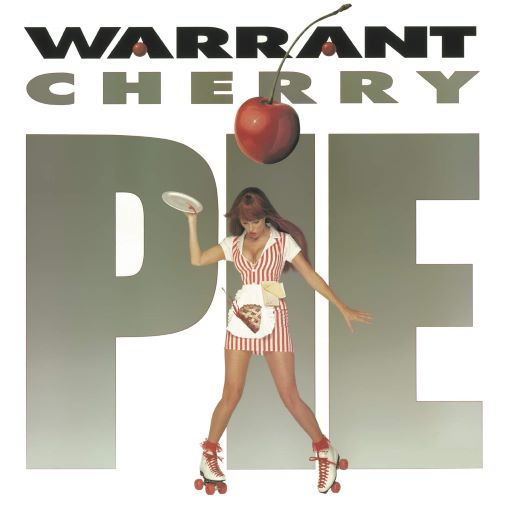
Warrant – Cherry Pie (Album of the Week)

I’m switching up the format a bit this week. There will be a post every day and the four others all deal with the subject of hair metal. So for my AOTW pick this week I’m not going to reminisce over some beloved-to-me work that I fondly recall and could write about at any given time.

Instead I’m picking a hair metal work that I haven’t listened to in maybe 30 years and I’m going to see what I think on the fly. I played the tape way back when in early 1991, just before the storm came to wipe hair metal off the map. But I can’t really “place” this album at all and it requires a new listen for me to really decide what I think about it.

Warrant – Cherry Pie

Released September 11, 1990 via Columbia Records

My Favorite Tracks – Cherry Pie, ???

The ominous release date stands out but of course this release was 11 years before those events. It was truly just another day back then. It does feel a bit odd to look back in those terms but this AOTW has nothing to do with that so I’ll press on.

This was Warrant’s biggest hit in terms of albums and resulting singles. The band were one of the more interesting prospects in latter-day hair metal and were perhaps second only to Skid Row in terms of popularity. Warrant also handled the demise of hair metal more adeptly than many of their peers, as they retooled with new sounds that saw industry success through the 1990’s before entering their nostalgia phase in the 2000’s.

There is debate over who actually played guitar on the album. It has been semi-confirmed that ex-Streets guitarist Mike Slamer played many of the solos. I don’t see a ton of confirmed info other than C.C. DeVille’s credited turn on the title track so I won’t get too far into it. Using studio players to spruce up an album was far more common than many people realize so the topic is more trivia than a major discussion topic.

I will go through the album track-by-track and see what I think. This is far more off-the-cuff than I normally do but I wanted to dig more into the end portion of hair metal and explore it rather than pay homage to one of the handful of records I revere and could write about at any given time.

Cherry Pie

We’re right out of the gate with the title track and Warrant’s most recognizable song. It’s a wonderfully done hard rocker that is obviously talking about sex without really talking about it. The song and resulting video were big hits and this is everything right about hair metal. Sure it’s silly and that likely turns off a lot of detractors of hair metal, but there’s nothing wrong with having some fun now and again. I’ll have to get through the rest of the album before any final verdict but I’m sure this will stand as my favorite tune when we’re all done.

Uncle Tom’s Cabin

On to another of the album’s singles. This song is not an ode to the classic novel of the same name that would greatly influence the debate over slavery in America. Rather it is more of a murder ballad, telling the tale of two cops who murdered and were disposing of the bodies in the swamp.

It’s a really good song that changes up the hair metal formula of party rock or love ballads. I don’t know why songs like this are so intriguing, the case here is fictional, but these types of “I saw the killer” songs always grab attention.

I Saw Red

We go now to full ballad territory. This song was a hit single for Warrant. It is a sad account of the narrator finding his lover in bed with someone else. The song is well arranged with somber instrumentation to accompany the heavy topic at hand. The tune keeps things more high-minded and does not descend into a need for revenge or anything like that.

I will give the song full credit for being good but it’s also pushing it for me in terms of sappiness or whatever. I can do without a ton of that in my diet so this is one I wouldn’t revisit on a regular basis.

Bed Of Roses

It’s back to back with the sappiness, though this song picks up the tempo. The song is pretty good but I’m choking a bit on the sap levels. I don’t know why every rock band went for the “bed of roses” trope around this time. Stuff like this is probably what led me to getting into death metal.

Sure Feels Good To Me

We get fully back to rock and roll on this banger. This tune is quick, hard and simple. And that’s just how things should be. And uh, whoever played the solo on this did a fantastic job.

Love In Stereo

The tempo stays up and the theme stays the same. This song is a piano-backed jam that is perfectly fine. Warrant aren’t reinventing the wheel here but they’re executing well. These more “filler” songs are holding their weight so far.

Blind Faith

This was the fourth single from the album. It wasn’t a chart topper. The song is a very simple, prototypical power ballad for end-era hair metal. It doesn’t stand out as anything special compared to I Saw Red but the song is ok. I don’t mind listening to it but it’s not a song I’d playlist.

Song And Dance Man

The lyrical fare is sillier than shit here but the song thankfully picks up the tempo for the chorus and saves it from totally losing my interest. It’s one of those songs that’s just about whatever. Sometimes songs like this work really well, other times they’re garbage. This one sits somewhere inbetween.

You’re The Only Hell Your Mama Ever Raised

I don’t know entirely what’s going on here, if this was intended as some call and response to the Johnny Paycheck classic I’m The Only Hell My Mama Ever Raised, or what. Whatever the case the song is pretty good and picks up this second side a bit, things were lagging there for a minute.

Mr. Rainmaker

I notice that this track has a lot more Spotify streams than others from the record’s second side. It’s probably because the song is head and shoulders above anything else on this side. This is a well-executed hard rocker about finding love and not needing to be rained on anymore. The way the album was going I was afraid the quality was going to further descend into something horrible, but this song really picks things up.

Train, Train

Our last proper song is a cover from southern rock veterans Blackfoot. Warrant fit the song very well into this album’s vibe. It’s not a trasnformative cover by any means but it’s done nicely and keeps the album’s listening experience up after the excellent track prior.

Ode To Tipper Gore

Tacked on to the album’s close is this small rant directed at the PMRC’s queen bee. Rather nice timing as I was just discussing the PMRC and the Filthy Fifteen last week. This is just a compilation of Jani Lane saying fuck and shit a lot and is of no real listening value. It is funny to recall it in the context of the PMRC’s grip on popular music at the time, this is the kind of stuff musicians provided in response.

That does it for the original studio version of Cherry Pie. There are bonus tracks scattered around from various reissues of the album over the years. The band would change course for more rock and quasi-grunge sounds after this release but would keep their heads above water as many other hair acts fell by the wayside.

Cherry Pie turned out to be a pretty enjoyable listen. I remembered the hits but I had to re-acquaint myself with the other material. Overall I found it worthwhile to listen to, just one or maybe two songs approach but don’t quite fully fit the term “stinker.” The music here isn’t transcendent by any stretch but it was done at a level above a lot of the hair metal drek coming out at the time, just before the death knell of Nirvana sounded a year after this album’s release.

The standout performance on the record comes from singer Jani Lane. He was all over the album with the appropriate vocal for whatever mood the song evoked. He only went full throat a few times on the album, it’s a bit of a shame that they didn’t make better use of their best instrument. Lane would be in and out of Warrant over the ensuing years before his tragic death in 2011.

Overall I’d say Cherry Pie does a good job of being an album above the hair metal fray in the waning days of hair’s reign over rock. I’m glad I picked this one to revisit, there was some awful music coming from the Sunset Strip around this time and this could have gone a lot worse.

And that will be the topic for my posts the rest of this week. I’m going to get into the gritty details and look at just who really is guilty for killing hair metal. We all know the obvious suspects and we mostly all know the real answer, but it turns out there are few others who were at least accessories to the killing. I’ll be in tomorrow for the first of four posts on that topic.

A Look Back At The Filthy Fifteen – Part Two

On Wednesday I offered up part one of this look at the infamous Filthy Fifteen list. That first piece also gives some background about the PMRC for anyone unfamiliar. This post covers the remaining ten songs from the FF list. The Spotify playlist at the end features all but one of the songs, that song is featured in my prior piece.

AC/DC – Let Me Put My Love Into You

The song made Tipper Gore’s shitlist for being about sex, something the mother of four was apparently just not into. The song itself is a fine track but is really little more than a footnote on one of music’s most impactful records and, as per Wikipedia’s list, the second-best selling album of all time.

AC/DC obviously did not need the help of the PMRC to promote their material. Back In Black was something of a miracle record done in the wake of Bon Scott’s death and finished just a few months after with new singer Brian Johnson. It was also miraculous that someone convinced Mutt Lange to produce two records within a year of each other but that’s another story for another time. The album is full of references to getting down and dirty, including the well-known single You Shook Me All Night Long. Kind of odd to pick this deeper cut from the album but the PMRC didn’t exercise a ton of logic in their selections.

Twisted Sister – We’re Not Gonna Take It

Twisted Sister would come to embody opposition to the PMRC at the Senate hearings, where he adeptly testified against music censorship and insinuated that Tipper Gore was the one with a dirty mind with her interpretation of song lyrics.

We’re Not Gonna Take It stands out as the clear winner of the notoriety gained from this list. The song became Twisted Sister’s best-selling single and stands as their signature anthem. It was made a hit in large part due to the PMRC controversy and Dee Snider’s appearance before the Senate. The band had spent a decade as a New York area club act before entering the commercial mainstream and the PMRC made sure everyone far and wide knew who Twisted Sister was.

Madonna – Dress You Up

Madonna burst onto the 1980’s scene and became one of its biggest stars. She was a worldwide sex symbol and would push artistic boundaries and image constraints in her trailblazing career.

Dress You Up is easily the most inoffensive song on this list. It’s here because, like Darling Nikki, Tipper Gore caught one of her daughters listening to it. While this song is clearly about being into someone and getting down, it is not at all vulgar or explicit, in stark contrast to the others here. Madonna would provide many songs far more suitable for inclusion on the Filthy Fifteen, and it’s likely her growing reputation that landed her here more than anything.

W.A.S.P. – Animal (Fuck Like A Beast)

While Twisted Sister made out like bandits due to the PMRC, there was one clear loser from the group’s efforts and it was W.A.S.P. Animal was meant to be on the band’s debut record and was released as its lead single, but Capitol Records feared the album might get pulled from retail and struck the song from the album before release. A reissue years later would restore the song as the album’s lead track.

Unlike Madonna’s song, there is no questioning why Animal is on the list. It literally has “Fuck like a beast” in its subtitle. The band did gain quite a bit of infamy from their presence on the list but would also earn their reputation through shock-rock tactics. This was just another notch in the belt, one that Blackie Lawless has since disavowed as he no longer performs the track live.

Def Leppard – High N’ Dry (Saturday Night)

The British rockers commit the ultimate sin of glorifying having some beers and a good time. Their transgressions were noted by the PMRC, who included this party anthem on the Filthy Fifteen list.

I don’t know if this inclusion did anything one way or another for Def Leppard. They would go on to become one of rock’s most successful acts and I don’t see any real correlation between them being on the list and their career trajectory. Of course the song glorifies getting lit and having a good time, that was the decade of the 1980’s. The list could have been the Filthy Five Thousand on that basis.

Mercyful Fate – Into The Coven

No more good time having or getting with some hot chick – now it’s time for the real evil. Mercyful Fate broke the Filthy Fifteen with one of their very many songs about satanism and the occult. I don’t know what prompted the PMRC to settle on Into The Coven, a person could throw darts at any Mercyful Fate song and have a valid basis for inclusion on the list for occult themes.

It’s difficult to say what tangible effect being on the Filthy Fifteen had for Mercyful Fate. Though a more underground band, the group would have a vast influence on heavy metal – both in the mainstream with Metallica and also being a pioneering act in what would come to be extreme metal. They might not have found multi-platinum sales from being labeled subversive by the PMRC but they cast a shadow over heavy metal that lasts to this day.

Black Sabbath – Trashed

The masters of occult metal would find themselves targets of the PMRC – but not for anything dark or spooky. Instead, Trashed makes the list because it’s a tale of how Ian Gillan stole Bill Ward’s car and crashed it in a booze-filled accident. It makes for obvious inclusion on songs the youths shouldn’t be listening to.

Born Again was a commercially successful record for the reconfigured Sabbath, though they would enter a wilderness for several years afterward. It probably sold well on the Sabbath name and Ian Gillan’s role as singer and didn’t need help from the PMRC to move copies. The album gets mixed reviews from critics and fans but is still a much talked-about part of the Sabbath discography. The song itself did not gain any particular notoriety from the Filthy Fifteen.

Mary Jane Girls – In My House

This all-women R&B group was assembled by Rick James and had some minor hits on the ’80’s scene. In My House would be the group’s biggest hit and probably gained some attention from being on the list. It is another ode to getting busy between the sheets but, much like Madonna’s track, is in no way explicit or obscene. It was probably more of a benefit to the group and record label’s bank accounts to be considered for inclusion on the Filthy Fifteen.

Venom – Possessed

Of anything to dig up to put on a list of objectionable songs, the PMRC went across the pond and found this Venom track. The inclusion on the list was probably a perfect marriage made in hell for the PMRC, who needed shocking examples of music to convince industry execs and politicians to care about their cause.

It’s hard to say that being on the list affected Venom in any real way. The group had already cemented themselves as a wide-ranging influential heavy metal act with their first two albums and were entering a transitional period by the time this song came around. The band were overtly satanic, an ruse meant to entertain and amuse according to the group. Their imagery and sound, pioneering in a way despite honestly sucking, would have a great influence on the coming extreme metal movement.

Cyndi Lauper – She-Bop

We conclude the Filthy Fifteen with a feminine ode to masturbation from Cyndi Lauper. She-Bop was one of Cyndi’s big hits around this time. The song is openly about enjoying one’s self, it does not imply or conceal anything and makes for excellent fodder for the PMRC.

I don’t know of the PMRC had any effect on Cyndi Lauper. She became a huge star regardless of her inclusion on the Filthy Fifteen and the song was ever-present despite the political outcry against it. She just wanted to have fun, she did, and smiled all the way to the bank. Her 50 million in album sales were most likely on her own merit and not affected by the PMRC.

That does it for this look at the Filthy Fifteen. The list itself was more of a precursor to the Senate hearings and the adoption of the Parental Advisory sticker on albums. It was an interesting look back to see what songs were so subversive as to be called out by Tipper Gore and the wives’ club. I’m not sure how huge of an effect this list had on the artists at hand, by and large their careers went without a ton of fuss from this dust-up. A few benefited and really only W.A.S.P. seemed negatively impacted. If nothing else, we at least got a sticker out of it to let us know that Cannibal Corpse records might contain explicit lyrics.

A Look Back At The Filthy Fifteen – Part One

This will be the first of two parts examining the PMRC and the “Filthy Fifteen” list of objectionable songs. I’m splitting this up due to length and will post the second part on Friday.

Listening to music in the 1980’s was not just about the music. Many cultural and social issues were brought into play while most people were simply trying to enjoy some songs. The Satanic Panic was a huge issue throughout the decade and would greatly inform rock and especially heavy metal culture.

Coupled with, but also beyond the scope of, satanism was a grand posture of moralizing about a “societal decay” that the youth of the time were experiencing due to their music tastes. This posturing would look beyond just heavy metal to expose the base evils of rock and even pop music. There was no way anyone could strive to be a functioning, morally upright person when this awful music was around.

The movement to rid music of its less tasteful elements would take shape in the US in the form of the Parent’s Music Resource Center. This group was led by the wives of several US senators and found a figurehead in Tipper Gore, the wife of Senator and future Vice President Al Gore. Their efforts culminated in Congressional hearings on the subject of explicit music, famously featuring testimony from John Denver, Frank Zappa and Dee Snider.

The PMRC’s efforts ultimately led to the music industry adopting a sticker to place on albums. The infamous “Parental Advisory – Explicit Lyrics” tag meant that an album had been deemed to bear some sort of subversive message within its vocals. Major retailers like Wal-Mart refused to stock albums with the sticker, a blow to record sales in a time before the Internet when music couldn’t be sought out as easily.

But the sticker truly failed in its purpose. It rallied the music industry against it, which musicians from all genres using it as a point of ire. The sticker served as more of an advertisement for an album rather than a deterrent. Music distribution would seek to avoid the big box stores, which remained stuffed with inoffensive Garth Brooks albums and edited copies of any major release that had the sticker in its original form. CD and record stores would be a small business venture until the digital music revolution of the early 2000’s.

One component of the PMRC’s campaign was a list of songs deemed most terribly offensive. The “Filthy Fifteen” pulled songs from rock,metal and pop to condemn lyrics about sex, real or perceived violence and occult/satanic themes. The list was a rallying cry to the steps of the US Capitol for the senators’ wives and was a resource for finding good music for many others.

Today I want to take a spin through the songs found on the Filthy Fifteen list. A few are staples of my music lexicon, while others are artists I know but am specifically unfamiliar with these works. And a few others are acts I never really heard of. I’ve provided a Spotify playlist at the end that has all but one of the songs on it. I had to comb the recesses of YouTube’s unauthorized uploads to locate one song.

Here we have it, one of the greatest unintentional compilation albums ever made – the Filthy Fifteen.

Prince – Darling Nikki

Our list kicks off with the multi-talented and eccentric Minnesota native. Prince would be a major force in 1980’s music and beyond and is widely considered one of the best talents in the industry.

Prince is also responsible in some form for two other songs on the list besides his own, making him the true King of the Filthy Fifteen.

Darling Nikki is a cut from Prince’s seminal 1984 record Purple Rain. The reasons for its inclusion on the list are blatantly obvious in the opening lines, as the song’s subject Nikki is in a hotel lobby “masturbating with a magazine.” Apparently this was also the song that spawned the PMRC – Tipper Gore found her daughter listening to the song and leapt into action.

The song itself is nothing special and certainly not Prince’s best work. If anything, all the PMRC did was put more attention on a deep cut from an album that would sell 25 million copies worldwide. It would have otherwise been a looked-over curiosity from one of Prince’s signature albums.

Sheena Easton – Sugar Walls

Prince has his hands on this track as well, having anonymously penned the tune for Sheena’s 1984 record A Private Heaven. The objectionable nature of the song is apparently that “sugar walls” is a reference to the lining of the vagina. Back in the ’80’s we didn’t just air such things out loud, it was all purity or some such shit, I don’t know. The song would be a hit for Sheena, due likely in part to the free publicity generated by the PMRC. It’s a bit tough to say since she was trending upward anyway, but press is press.

Judas Priest – Eat Me Alive

Now we get into more familiar territory for me and also the song that sparked my retrospective interest in this list. I visited Defenders Of The Faith on Monday as my Album of the Week. I was in the middle of compiling that post when I ran over the lore behind the record and went down the PMRC rabbit hole, thus giving birth to this post.

And as I said in that post, yeah, this song is kinda bad. Overall it’s just silly and nonsensical, it’s a total farce. But the line “I’m gonna force you at gunpoint” does shade things in a certain direction, that much I’ll admit. I don’t really care in the end, Rob Halford has admitted the line was engineered for the purpose of attention. That attention would come, thanks to the busy bodies at the PMRC. Years later the band would wind up in a terrible lawsuit not owing to this song but likely indirectly influenced by controversy generated by the PMRC.

Vanity – Strap On ‘Robbie Baby’

Here we have the lone song not found on Spotify. I dug up an upload from YouTube, no telling if or when it’ll get struck by the big bad copyright robot. It’s a hair more provocative than other songs on the list but still isn’t overtly explicit.

Vanity was a product of the Prince women’s music machine, though by the time of this release she had left Prince behind and struck out on her own. The song is quite obvious lyrically, she is looking forward to being plowed by some dude named Robbie. Her album saw minor success but the song’s placement on the Filthy Fifteen likely helped move a few copies.

Denise Matthews would be one of the few to disavow her infamous work. She dropped the Vanity moniker in the early ’90’s and became a born-again Christian and specifically denounced her “sexed-up” work in interviews. She would unfortunately pass away in 2016.

Motley Crue – Bastard

I’ll wrap up part one with the Sunset Strip machine that caught fire in the early ’80’s and led the charge for rock’s direction in that decade.

Of all the songs from Shout At The Devil that could have easily found a spot on the Filthy Fifteen, Tipper Gore apparently chose this cut because of its violent lyrics. The song was reportedly written about someone who’d “stabbed the band in the back” and the lyrics take a defensive posture against an assailant rather than openly inciting violence. I guess nuance wasn’t much of a factor with the PMRC.

Again, of anything a group of concerned parents would pick off Shout At The Devil, this seems like a misfire. The Crue would get plenty of infamy for their antics and music along the way so being a part of the PMRC’s shitlist was just icing on the cake for them.

That does it for part one. I’ll be back on Friday with the conclusion of this look at the Filthy Fifteen.

The Lost Years

This is the next post in my “Memories” series, outlining where I’ve been through the various times and scenes of music through my life. I’ve set up a page to help keep track of this stuff, here is where anyone interested can find more information about this. This one is a bit different as I get to kill a lot of time with one blow. This runs the time period 1995 through to mid-2006.

I call this the “lost years” because I wasn’t really attached to any one scene or place in this time. The later 1990’s saw music move in a lot of different directions, some that I could appreciate, but a lot of what I was into going toward that time period was lost. Scenes would fire up again in the early 2000’s but it would take some time for me to truly get back into them. And even as I did, it was due to changes both with the music and with me.

Through the early 1990’s I found myself getting deeper and deeper into heavy metal. I went from the fringes of hair metal at the beginning of the decade down all the way into extreme metal a few years later. Along the way I caught thrash and some of the various “alt-metal” that came around in the early ’90’s.

As 1995 wound on I would exit high school and be in the US Navy a few months later. These kind of life changes were major and had a big effect on what I listened to. I wasn’t some bored, lonely kid sitting in his bedroom in mid-Missouri, longing for something more. I was now in the mix, looking at an entirely different culture and needing to adjust.

I’ve spilled a lot of words about it already so I won’t go too much into it here, but the sounds of Britrock caught my ear in ’95 and ’96. Oasis were at their height and their tunes were the perfect soundtrack for someone young, dumb and ready to get into the world. Pulp and Blur would come a bit after and while the Britrock movement came and went rather quickly, those songs dug in to me and have become a major part of my nostalgia when I look back on music from years past.

Britrock was really just a part of a new sound coming on in rock music in general. Grunge would come and go, and open the floodgates to a major shift in sound for rock music. Gone was AOR rock geared for dad and hair metal was certainly gone by this time. In its place was alternative rock. This scene totally reshaped the sound of rock and was one of popular music’s most pivotal turning points.

Established acts were changing left and right. Metallica had delivered a curveball when they got haircuts and delivered the Load album in 1996. Van Halen jettisoned Sammy Hagar in the same year and crafted an ill-received effort with former Extreme frontman Gary Cherone. Guns N Roses imploded of their own excess, and Skid Row slowly slid down a cliff into a breakup and years-long hiatus. Motley Crue tried their hand at a reunion but delivered some weird music that wasn’t fitting for their name and reputation.

All of the old reliable hands were misfiring in the late 1990’s. Danzig cranked out some very strange nosie far removed from his classic period. Death metal bands began splintering left and right, cast off in the ascent of black metal to the underground throne. Thrash was an afterthought, bands either tried to experiment, broke up, or dove into the extreme end of the pool.

All this, coupled with me now being “grown up” and living military life on the other side of the world, led to me pursuing music more as a tourist than a rabid scene connoisseur. And I’d take what was given to me, much of it being the alternative rock that was quickly catching on as the new “in” sound.

A slew of alt-rock bands would come across my desk in the time period before the turn of the millennium. There are too many names to properly mention, though acts like Our Lady Peace, Fastball, Matchbox 20 and Live were serving up some good tunes in that day. Names like Seven Mary Three and Marcy Playground ring true from back then, though I wasn’t heavily invested in them. But that was the sound I was rolling with as metal went into hibernation and rock changed form forever.

The year 2000 would finally dawn on us, that much-heralded swing of the calendar that some feared might destroy us through bad computer programming and would have so much to offer in the way of a new life. Of course, nothing much really happened. I exited the military in mid-1999 and entered the new millennium unsure of my own course and not heavily invested in any music scene.

I did find myself captivated by Eminem in the early 00’s. It was hard not to like his firebrand style and his harsh take on life and society. Much of what he did was too over the top to be taken very seriously, but he had his moments where he said what needed to be said. He seemed to be the last real shock rocker, despite not peddling his trade in rock.

I still drifted along for much of the early new century. Alternative rock would come to mean something else as years wore on, and one Canadian band would truly redefine commercial rock music forever. I never got into Nickelback that much but there was no denying their impact on the scene.

But, this did start alienating me from what I was hearing on the radio and TV. Not that Nickelback is to blame for anything, but I found a wedge starting to drive inbetween what I wanted and what was on offer. New music I heard from usual sources wasn’t connecting with me.

For awhile I just meandered along, not really connecting with much of anything. I’d give a spin to a band who had a decent song on the radio, but I had no real music identity at the time. As 2003’s calendar flipped I started gravitating back to the resurgent underground metal scene, where old acts were reforming and new bands like Nile and Behemoth were starting new fires. I was way more into that than the Slipknots, Staineds and Disturbeds that were getting so much airplay. This began a process that would come to a head a few years later in a big way.

I still floated along for a few years, just checking out whatever was on offer. Nothing was necessarily hitting with me, though. I didn’t mind Bon Jovi’s turn in the new century, they had a bounce-back string of singles and albums that felt a bit like their heyday. I was slowly dipping my toes back into the metal underground but I wasn’t really committed to any one sound or scene. I just played whatever I wanted to hear and rolled with whatever suited my mood. I did slowly start to cast aside the “mainstream” but it wasn’t some conscious decision at the time.

One thing did happen around 2005 – I started going “retro.” The stuff I adored from the 80’s was now 20 years old and I had a hankering to go back and relive those youthful moments. It was the first time I really went that hard into stuff I had not thought about in a long time. Looking back would become a feature for me, but this was early on in that process.

It would be the summer of 2006 when my time on the directionless musical road would end. A few major changes came to my life in the course of a few days and I found myself in a completely different situation very quickly. The shock and trauma of it all, coupled with a feeling of disconnect with and rejection from society, would send me into a far different place musically and for much different reasons than what I had been doing up to this point. Of course, that leads into the next part, actually two, of this series.

These lost years were fine. I found a fair bit of good music that wasn’t off the beaten path at all but offered some cool listening experiences. I found some stuff that would stick with me and others that I would find warm nostalgia for after years of leaving by the wayside. I would eventually find myself stumbling and failing at life and needing to go back to the core of my identity to rebuild myself, but there’s nothing wrong with just taking in the moment for what it has to offer. I had to leave the naïve comforts of youth for the cold embrace of adulthood, and I spent most of my 20’s in a bit of a musical wilderness. It’s still a part of the journey, only if even a transitional phase on that long and crooked road.

Bad Album Covers

I’m switching up my programming a bit – this was going to be posted next week. Instead I thought I’d end the year on a lighter note.

Instead of actually thinking about anything today I want to take a few minutes and chuckle at some really bad album art. Cover art can be very important to a record, it can also be utterly meaningless. A good cover for an up-and-coming act can catch a potential fan’s eye, while off-putting art might be ignored for good tunes on the album itself.

Art is subjective and very much hit or miss. For today I’ve compiled a series of album covers that I think are total misses.

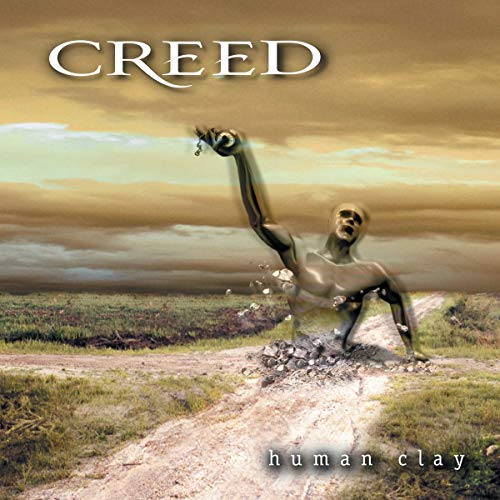
Creed – Human Clay

I’ve been over it a bit in the past – I don’t like Creed. But my dislike of the music is separate from my dislike of this terrible album cover. It looks like some random monster encounter from an old Final Fantasy game. I don’t know what this is supposed to represent and honestly I don’t want to. There’s a crossroads and some ghost-like humanoid guy popping out of it, holding a clock of some sort. The clock looks like an oven timer. It’s as if this ethereal dude is returning to the corporeal realm because his cookies are done in the oven.

I guess the horrific artwork didn’t impact Creed’s album sales – this was a massive hit and has moved over 20 million copies worldwide. Again, I won’t lie and act like I think any more of the music on the disc as opposed to the cover, but damn this is a really, really awful album cover. The worst part is that it might not be their worst one. But I’ll save that for another time.

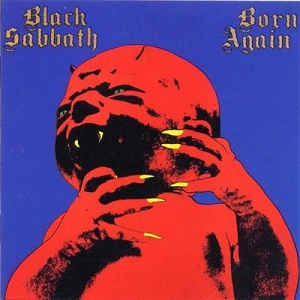
Black Sabbath – Born Again

I guess this falls in the “I tried” department. The album itself has divided opinions, I myself sit on the fence about it more than anything. But this cover is not winning any awards unless third grade art class is holding a contest next month.

I guess this is supposed to be some kind of demonic child. It almost passes for imp-like artwork, like that you’d see in a Dungeons and Dragons book. Except D&D artwork is good.

I see that at least two members of the band are with me here – both Bill Ward and Ian Gillian thought the cover was trash. Sadly, Tony Iommi didn’t think so and here we are. Also sadly, I’m going to tell a similar story with a different legendary British band in a few minutes.

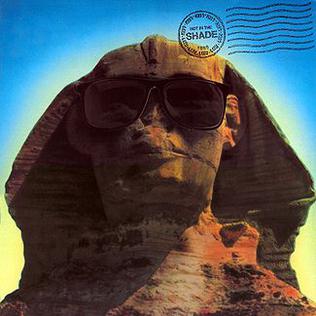
Kiss – Hot In The Shade

Kiss had a pretty rough go of it in the late 1980’s. Their albums weren’t great and they’d fallen far off their glory days pedestal. Fortunes would soon turn for them, but it wouldn’t be with this half-baked album of mostly crap.

There are a few songs worth listening to on the record. It’s far better than this cover. It seems to me like someone in the band got a hold of Powerslave and told some low-budget art director to do something like that. Kiss is a band who long plied their trade with the visual as well as the music, you’d think they’d have more sense than to release a bad picture of the Sphinx wearing sunglasses. But the band did miss on some album covers, this one being the biggest in my book.

FYI – The Sphinx isn’t in the shade so it makes no sense anyway.

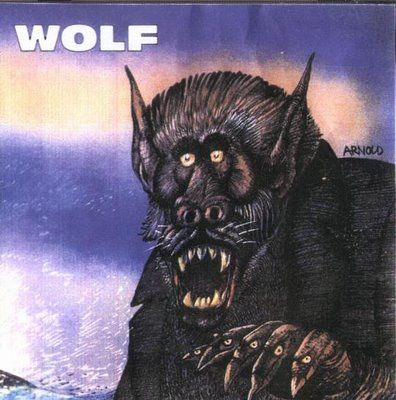
Wolf – self-titled

Wolf have been active in the metal scene for a long time now and had a period where they made some waves in the mid-00’s. This particular debut escaped my attention at the time. I probably would have noticed the cover had I seen it around.

Now, underground music is a whole other ballgame from the mainstream. These guys probably didn’t have a huge art budget. This album was released on a variety of labels like Prosthetic and No Fashion, this wasn’t an affair where some renowned artist could be paid thousands to make an awesome cover.

I’m willing to grade on a curve because the independent artist struggle is real, but damn this is an awful cover. I noticed that a reissued version of the disc a few years later featured a totally different cover. Good call.

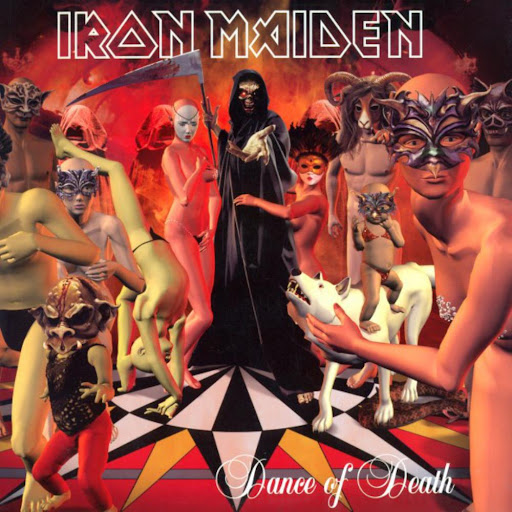
Iron Maiden – Dance Of Death

I can’t be honest about this exercise if I don’t include my favorite band. The revulsion at this album cover is easily found, it spread like wildfire the second the cover hit the Internet before the album’s release.

Maiden were known for striking cover art in their heyday. They’d left that behind a bit in their reunion era, with Brave New World having a fine yet unremarkable cover compared to 1980’s masterpieces. The reunion would soldier on to be the band’s longest era but this abortion of an album cover is one blemish on the period.

And the cover literally was an unfinished work. The artist reportedly submitted a much more pleasant version of this cover with Grim Reaper Eddie as the centerpiece, while band and/or management decided to shove a bunch of dancers in around Eddie. The artist was so displeased that he asked not be credited for the botchjob of an art piece.

Imagine something being so bad that you, as an artist, ask not to be known for designing an Iron Maiden album cover. What a world we live in.

The album itself is a solid Maiden outing, with several good songs and few bonafide epics. But the cover art is absolute drivel. Even if a few later albums could be said to have unimaginative designs, they aren’t vomit-inducing bad like this one is.

That’ll do it for this edition of bad album covers. I’ll probably do this once in awhile when I’m feeling a bit snarky. There are some truly grotesque album covers out there, and sure, they deserve a bit more attention. Happy New Year, see you in 2022.

A Story And A Song, Vol. 2

I realized after the first one of these that I called it “Story and a Song” but I do “song and a story” instead. Oh well.

This is two songs and a very small story. It’s almost not even really a story, more a chuckle-worthy anecdote from a concert I attended a few years back.

In 2018 I had the honor of seeing Judas Priest and Deep Purple. The show was at an amphitheater in Kansas City. I had missed a few opportunities to see Judas Priest in the past and this was finally my first time seeing them. I also had not seen Deep Purple before and I was very happy to have seen them in concert. Both bands put on great sets and I had a very enjoyable time.

For Judas Priest I’ll go with the lead single from their last album Firepower. This was an electric tune and the album saw a rejuvenated Priest clawing back at the top of the heavy metal heap. They had meandered a bit since their reunion, touring solidly as a legacy act while recording left-of-center material before finding their stride again with Redeemer Of Souls, then truly recapturing it on Firepower and Lightning Strike.

For Deep Purple I’ll also roll with the lead single from their last original studio effort. Throw My Bones comes from the album Whoosh!, released in 2020. The group tried to delay the release while in the grip of the pandemic but ultimately decided to get the music out. The play worked as the band hit their highest UK chart position in decades with the effort.

My story from the concert is this – I was up inbetween sets. Judas Priest played before Deep Purple on this night, I’m not sure if that’s how the whole tour went or not. I was off to fetch more beer and was among a lot of other people doing the same thing.

I hadn’t paid much mind to my surroundings. I guess I wasn’t processing a fact that was clearly abundant right before me. As I was heading off with my fresh brew in hand, someone very bluntly and loudly asked

“We’re at a fucking Judas Priest show, why is everyone wearing Iron Maiden shirts?”

I busted up laughing, with beer in hand and my fresh Book Of Souls tour shirt from the year prior on my body. The handful of people next to me, all wearing similar Maiden tour shirts from the past several years, also kind of looked around and laughed. A guy a bit off to the side with a Trooper Beer shirt cracked up, as did his friend in the Killers shirt.

It’s true – there wasn’t a lot of Priest or Deep Purple merch to be found on people that night. They do say to not wear a band’s shirt to their show. It’s kind of a stupid rule that many break when they buy their new shirt right then and there, something I’ve done myself before. But I was among many that night sporting the other British metal favorite while Priest was playing.

I mean, it isn’t a hard choice to make. I may like different kinds of music, but I could and have wore Iron Maiden shirts to country shows. I’ve worn Iron Maiden shirts to the grocery store, to baseball games, to get gas or to the brewery for a few pints. I have 15 of the damn things, I’m not going to feel out of sorts wearing one. I’d wear one to a funeral, if the person who passed on was worthy enough of having an Iron Maiden shirt at their final ceremony.

I don’t know, it wasn’t like something I thought about long and hard or anything. If I’m seeing Judas Priest or, well, anyone else, I would certainly not have an issue wearing an Iron Maiden shirt to that. Apparently I was far from the only one, as I’d say a good 20% of the crowd of around 5,000 had Maiden gear on.

There it is, that’s the “story” for today. The next few of these will be actual stories, and one of them will also have to do with an Iron Maiden shirt.