Kiss – Animalize

It’s time again to jump back 40 years to 1984 and revisit some of the great music from that great year. I’ve been running this site for well over 2 years now and, until today, I haven’t talked about a Kiss album yet. Well, Kiss released an album in 1984 so I guess now is as good a time as any.
Kiss – Animalize

Released September 17, 1984 via Mercury Records

By 1984, Kiss were re-stabilizing after a few ill-received albums and massive line-up turbulence. The band had not landed with Unmasked and The Elder, though Creatures Of The Night and Lick It Up did restore some shine to the Kiss diamond. But just as the music was turning back around, the line-up blew apart and in spectacular fashion.

By the time of Animalize, Kiss were comprised of Paul Stanley on vocals and guitar, Gene Simmons on bass, Eric Carr as drummer and new to the band Mark St. John on lead guitar. St. John would be the band’s third guitarist in two years and the spot would turn over again by the end of 1984.

It would also be fair to present the Kiss line-up as follows for this album – Paul Stanley and Eric Carr. Gene Simmons was laser focused on making an acting career and was barely present for these recording sessions. Jean Beauvoir helped out some on bass and Stanley played the opening track. Desmond Child joined in to help write a few songs, including one of Kiss’s most enduring ’80’s hits, as well as provide backing vocals. And Mitch Weismann also joined on to help write and play guitar.

Long story short, Mark St. John did not mesh with his new bandmates and was a problem during album recording. Bruce Kulick came in to help finish guitars for two songs. Kulick also filled in for St. John when the latter cited medical issues for being unable to tour behind this album. St. John would play all of 2.5 shows with Kiss before being replaced permanently by Kulick.

Paul Stanley was able to fashion a competent and well-received record out of all the mess he had to work with, including serving as the album’s producer in addition to band leader, fill-in guitarist and bassist and composer and arranger. Easy to see why he was getting stressed out while Gene was off becoming an actor and the lead guitar slot was a revolving door.

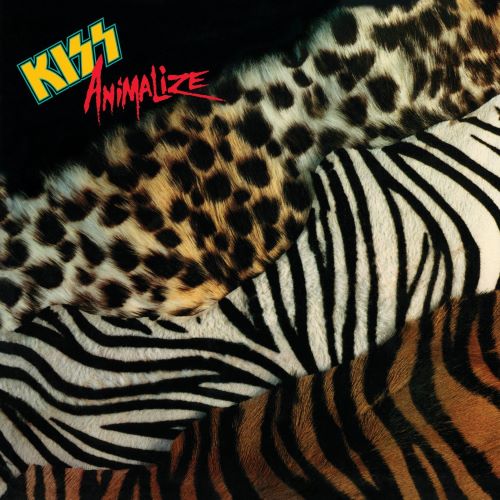
One part that Stanley was unable to salvage was that of the album cover. The cover is credited to an advertising agency as opposed to an artist. I won’t say it’s awful but it’s also not very good – there are about a million and one other ideas that would have worked better.

Will all that background out of the way, we have an album with 9 songs and a very lean 35:42 runtime. This one has had a few remasters and re-issues but I am not aware of any bonus tracks floating around, I don’t think this album got the super deluxe treatment that other Kiss albums have.

I’ve Had Enough (Into The Fire)

The opener is a shit-hot rock track that gets the ol’ adrenaline flowing from the word go. It’s a prime, uptempo blast of rock with a message of making it against all odds, that ever-present theme of ’80’s music. This one was co-penned by Stanley and Child and is a fantastic way to kick things off. Grade: A

Heaven’s On Fire

Up next is the album’s lead single. The fire theme keeps going as here Paul is getting ready for a hook-up so hot that Heaven itself will burn. It’s another song that Desmond Child helped out on and it is impossibly catchy. The chorus is infectious enough to be classified as a disease. It’s no shock that the acronym for writing good songs is K-I-S-S for Keep It Simple, Stupid; and that is in full effect here.

Heaven’s On Fire charted modestly across several countries but did become a staple of the Kiss live set, it is one of the band’s most enduring ’80’s songs. Grade: A+

Burn Bitch Burn

One of a few Gene Simmons contributions here and thankfully he kept up the burning theme despite barely being around for the recording. Here Gene is apparently paying homage to the exchange of bodily fluids and the nasty germs that can come from such exchanges. The song is pretty good overall, very suitably heavy and all, though I could have done without the “whoo whoo whoo” in the chorus. But it’s not a major detraction and I do like this one overall. Grade: B

Get All You Can Take

This song is the result of a Stanley- Weissman tag team and is another just splendid rocking track. There are guitars everywhere and Paul really shows off his once-impressive vocal register here. It’s another one of those “go out and get it no matter what” songs, great for pumping iron or sitting back 40 years later and realizing you did no going out and getting it at all. Grade: A-

Lonely Is The Hunter

Another Gene track here, it’s a mid-paced offering that has a nice shape to it but doesn’t stray anywhere beyond its main, plodding riff. The song isn’t bad but it doesn’t leap out and grab attention in the way the other songs so far have. Grade: C+

Under The Gun

And now it’s on to a Stanley-Carr-Child offering that does absolutely come out scorching. This one is a guitar showcase and a balls-out rocker from front to back. There was no letting up on the second side of this album. Grade: A

Thrills In The Night

This was the album’s other single and it marries the heavy metal feel going on with the venerable Kiss sense of melody. A very nicely done song that sees a woman who is an office stiff during the day a but a total freak out on the prowl at night. Grade: B+

While The City Sleeps

Both of the final tracks were written by Simmons and Weissman. This one is a good, uptempo mover and shaker that’s again about finding stuff out in the night. It does a good job of keeping the album’s momentum going into the close. Grade: B

Murder In High Heels

The closer has a nice, playful riff and a typical premise about a hot woman out to take on the world. The song doesn’t necessarily go much of anywhere but is decently put together. Grade: C

Animalize was a success for Kiss, continuing their rebound from the turn of the decade. The album hit 19 on the Billboard chart and had several top 10 placements internationally. It was the first Kiss album since Dynasty to be certified platinum (Lick It Up would hit that mark later).

It was a great turnaround for Kiss, who wandered into the wilderness a bit at the start of the ’80’s but by this time had found solid footing and made themselves right at home in the new rock and metal scene. Even with all the band turmoil and this record almost being a Paul Stanley solo effort, Kiss were able to re-integrate themselves into a 1980’s rock scene that they helped influence with their early career.

Album Grade: B+

Animalize was a nice offering and exactly the shot in the arm Kiss needed. There are no real duds here, even the secondary songs offer worthwhile listening. And there are several highlights among the hard rock on full display here. The rest of the decade would be a topsy-turvy one for Kiss, but here they had put together the third in a string of solid albums that kept them from being a memory of the 1970’s.

For an explanation of the grading scale, head here.

For questions, comments or concerns – use the comment form below, or head to my contact page.

Van Halen – Hot For Teacher

For my song pick this week I’m headed back to that glorious year of 1984. Today’s song was the fourth and final single from Van Halen’s monumental album 1984. The album was a smash success, making Van Halen one of 1984’s biggest acts and eventually moving over 10 million copies. Our single today did not hit quite as well as other singles from the record, clocking in at a modest 56 on the Billboard Hot 100. But it is still a beloved offering from the band.

Hot For Teacher is a fun, all out rocker that gets going from the word go with a drum intro that sounds like a motorcycle. It is a very attention-grabbing thing to hear what Alex got up to there. The band jumps in after a bit and keeps up the bombastic instrumentation for a bit, then things settle down a hair and we get the first instance of David Lee Roth.

Roth comes in with introductory banter. While DLR’s ramblings are a point of contention with some in a fair few Van Halen songs, he was totally on point here as he set the table for the song’s topic of, well, being hot for teacher. There are a few other spoken word bits through the song and here they all fit very well.

When Roth does get to actual singing he is in full force, and it’s pure magic paired with the heavy and playful riff that Eddie Van Halen lays out. Van Halen often toed the line between rock and heavy metal and at times were the line, and this song is a prime example of it. Fun and rocking yet heavy and slamming, it’s all here on display.

The music video for this one pulled out all the bells and whistles. It features the concept of a nerdy kid being overwhelmed in school by a kid version of the Van Halen band as well as a few teachers who were certainly easy to be hot for. The kid, named Waldo, was voiced by Phil Hartman. The video shows what “happened” to the band members when they grew up and old Waldo really turned his image around after growing up. In terms of concept and added entertainment value, Hot For Teacher is the number one video from the early Van Halen era.

The video came with a bit of controversy – some felt it was objectifying and sexualized, and some broadcasts used black boxes to censor when band members would grab their crotches. There are uncorroborated reports on various sites that the video did, in part, influence Tipper Gore to start the PMRC. It should be noted that neither the song nor Van Halen made the infamous Filthy Fifteen list.

As I said in the open, this was the final single from 1984. That would also mean it was the final single from the first David Lee Roth era of the band. The song was featured in the band’s set through the 9 months of touring before Roth left the band, and it appeared again once Roth returned in 2007. It ended up getting 285 live airings, not a bad total considering the song didn’t see stage from 1984 to 2004. If setlist.fm is to be taken as an accurate source, Van Halen did the song with Sammy Hagar one time in 2004. I have no idea how correct that is, though.

At the end of it all, Hot For Teacher is one monster of a Van Halen song and a great addition to the list of hallowed songs from the year 1984. The song’s subject matter rings true with a great many students over the decades – though I must admit I personally never really had a “hot for teacher” issue. But hey, I do have this amazing song to jam out to.

Oasis – Supersonic

This will be a song of the week as well as a look at a single, as forces have conspired to make this possible. So it will actually be two songs this week since the single has a B-side.

There is a feature track of course, and that song today is the debut single from Oasis. This was the start of what would become a white-hot run through music in the mid-’90’s, no one was bigger than Oasis through 1995 and 1996. But today revisits their beginnings in 1994 so we’re not quite to their shit hot moment in the sun.

Supersonic was released on April 11, 1994 as the lead track from the debut album Definitely Maybe. The single charted modestly well for a debut band – it hit 31 in the main UK chart and popped up on several US alternative charts despite not making the Billboard Hot 100. The single would eventually be certified platinum in the UK. The album it hailed from moved over 8 million copies.

This version of the single I’m covering is the 30th anniversary re-issue of the 7-inch version. While there are several other versions of the single out there, these two songs tie in nicely together due to the story of their creation.

The band set out to record their first single in early 1994, that song was supposed to be Bring It On Down, which became a non-single track from the debut album. Noel Gallagher wasn’t happy with the song and began messing with I Will Believe, which became a B-side for other versions of the single. Then totally off the cuff, Noel wrote Take Me Away, this single’s B-side.

On the last day of studio time, the band messed around with an instrumental. Also in the room were brothers Chris and Tony Griffiths of the band The Real People. Tony suggested that the bit Oasis were playing could be a hit song, so the band worked up what became Supersonic.

As a note on writing credits – Noel is the sole credit, though he did later confess that Paul “Bonehead” Arthurs and Paul “Guigsy” McGuigan helped him write the chords. Tony Griffiths also played some songwriting role but was not given a credit, Noel’s decision to leave the Griffiths brothers out of credits on the debut album was an issue that caused infighting in Oasis. I know, I know, no one could imagine the members of Oasis fighting among themselves.

Supersonic

The feature song opens with a bit of drumming then kicks in to a riff that plods along but has a bit of bite to it. The song’s run maintains this riff’s shape, with only minor alterations through the chorus. It is a pretty chill, laid-back affair with a bit of guitar work to provide a jolt of energy.

The lyrics open with a simple yet wise line – “I need to be myself, I can’t be no one else.” It is also the only part of the words that make any kind of sense at all. All of the rest of the lyrics are nonsense rhyming exercises. It’s a song that is all vibes and no meaningful underpinning – trying to find a deeper meaning to Supersonic will land you on the bottom of the Mariana Trench with nothing to show for your dive. This is a song style Oasis would excel at in their early career.

There is a shout-out to The Beatles in the song, something Oasis would do a lot of through their run. This one is simple, it’s an open mention of Yellow Submarine as one of many vehicles discussed through the track.

Supersonic is a great song to put on to just chill and not have to give a damn about anything for a few minutes. I ranked this one lucky number 13 awhile back when I lined out my 20 favorite Oasis tracks.

Take Me Away

The B-side is an acoustic track with Noel also handling vocals, something he would do every so often through the Oasis run. It’s a very nice and simple tune about just sitting and chilling for a bit longer as everything around you falls apart. There are a few homages to Beatles lyrics in this one, I’ll leave you all to find them. This is one of many B-sides considered underrated by the Oasis fandom, which I guess would make it not underrated if everyone who cares about Oasis rates it highly.

That does it for this look at the first and also newest Oasis single. It would be the start of one hell of a run through music as these lads literally took over the world for a bit of time.

Ratt – Out Of The Cellar

The 40 year celebration of 1984 marches on, and today it’s a monumental debut that would turn the decade’s rock and metal music on its head.

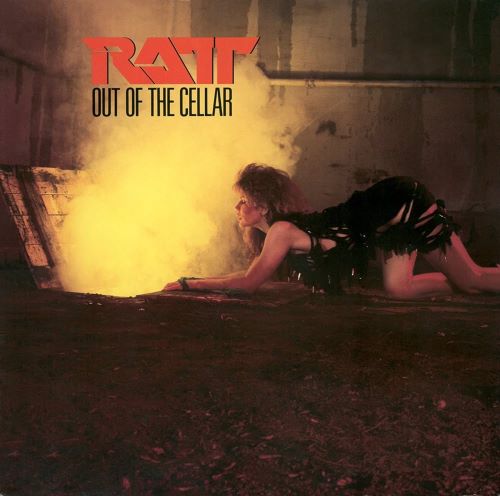
Ratt – Out Of The Cellar

Released February 17, 1984 via Atlantic Records

The early history of Ratt is actually long and a bit windy, but this is their debut full-length after an EP one year prior so it’s the best place to pick up the story. In short, the band formed out of a series of other California-based groups (including Dokken) and the line-up eventually solidified into a recording and touring group.

That line-up featured Stephen Pearcy on vocals, Warren DeMartini and Robbin Crosby on guitar, Juan Croucier on bass and Bobby Blotzer on drums. The album was produced by Beau Hill, who had broke into Atlantic Records after work with Stevie Nicks and Sandy Stewart. After this album, Hill’s production career would move into full swing. Ratt were also managed by Marshall Berle. This would pay dividends as Berle had a famous uncle who would contribute to the video for Ratt’s signature song.

The album cover features a starlet of 80’s lore – actress and model Tawny Kitaen is featured in full on here after having her legs on the EP cover. Kitaean was dating Robbin Crosby at the time and would go on to be the face and body of hair metal after her turn in the 1987 Whitesnake videos.

Today’s album features 10 songs at a quite lean 36:41 runtime. It is all action here today, as we will soon see.

Wanted Man

1984 meets the Old West here as the Ratt gang saddle up for some outlaw adventures. The song walks the fine line between melody and edge very well, an ever-present feature of the album. It’s wasn’t very often that hair metal met western movie culture but it was done by Ratt splendidly. Grade: A+

You’re In Trouble

This song came from some versions of the EP a year prior. It’s a mid-paced banger with a great guitar solo and keeps with the rougher theme of things, almost being a spiritual sequel to Wanted Man. This early version of what would become hair metal had a ton more attitude to it than what was on offer by the late ’80’s. Grade: A

Round And Round

Up next is the song Ratt is best known for. This one was an MTV staple and would be the band’s biggest hit, going to 12 on Billboard.

And this is an expertly crafted hit song. Everything from riff, verse and chorus is so catchy that it could be its own STD. The song’s premise is simple enough – the Ratt gang is out on the prowl and kicking ass. Nothing that requires a philosopher’s interpretation here.

The video for Round And Round was all over the place back in the ’80’s. It guest-starred famed actor and comedian Milton Berle, the uncle of Ratt’s manager. Berle played two characters in the video, both a “normal” guy and in drag. The clip stands as one of the immortal videos of ’80’s rock.

It’s no surprise that Round And Round became the song for Ratt. It hooks you in from the word go and maintains its hold throughout. This one has been in wide use in TV, movies and commercials since 1984 and hasn’t gone away yet, it is Ratt’s legacy summed up in a song. Grade: A+

In Your Direction

A meaty riff here and a touch more bite to this song. As with everything on the album, this has a perfect rhythm across all facets of the song – in riffs and vocal delivery, and the back end of the drums and bass. Ratt were not considered virtuoso’s beyond the guitar of DeMartini, but their ability to get the tempo and rhythm of a song perfect is unsurpassed. Grade: A

She Wants Money

Ratt excel in the mid-pace offerings of the songs before, but this one kicks up the speed by a good bit. It is a tale as old as time, or at least money – if you want the girl, you gotta have some cash. No one likes some broke dude. This one is a nice way to switch things up a bit. Grade: A-

Lack Of Communication

The opening riff here leaps out of the speaker and pounds you in the head, and keeps up through the song’s length. This song stomps through humanity’s universal problem as illustrated in the title. No doubt this is the theme song for every single work place in recorded history. The song does a great job of communicating the problem, no issues here. Grade: A+

Back For More

Another cut from the EP that was redone for the full-length. It again sits in that mid-paced pocket that Ratt have masterfully established, though this one does have a bit more noise in the riffs and vocals. It’s a grimy tale of an on-again, off-again relationship and may have been based on the hook-up between Robbin Crosby and Tawny Kitaen. This song did get a video but wasn’t officially a single, the history on this is a bit confusing.

What isn’t confusing is that this song absolutely rocks. There’s just enough of things here and there in the track to push this one over the other songs, which are already excellent. Grade: S

The Morning After

Time to rock out again. Super great riff running through this one and Stephen Pearcy delivers the news of an impending one-night stand with the requisite force. A nice extended solo in this one too, this album is definitely not sputtering out towards the end. Grade: A

I’m Insane

Another hot rocker about a favorite topic in heavy metal, being crazy. There isn’t a lot to discuss about it – it’s a song that works great and keeps the energy up heading into the album’s close. Grade: A

Scene Of The Crime

The closer offers up a fair bit of melody, though the subject matter is far from bright and cheery. The “crime” is a figure for two-timing, or at least that’s what I get from it. The song is, like everything else, fantastically done and makes most people wish there were another ten songs of this album to go. Grade: A

Out Of The Cellar was a massive debut for Ratt. It would peak at number 7 on the Billboard 200 and has been certified 3 times platinum. Note that certifications are not always kept up to date by record labels and the album is believed to have moved at least 5 million copies. Ratt would continue to have multi-platinum success through the decade though this album remains their hottest seller.

With this album, Ratt would be instrumental in shaping the rock scene for the coming years. There is little doubt that they played a huge role in the ascension of hair metal, the sound that was so pervasive through the ’80’s. It’s also clear that there’s more on offer here than what would come by the time hair metal became a ballad writing machine. But that’s the usual state of music – it’s usually the early innovators who had the freshest stuff on offer.

Grading this album couldn’t be easier, the justification for my grade is laid out in the song grades and there’s not much else to say. This record has no weaknesses and many strengths.

Album Grade: A+

I suppose people who didn’t enjoy hair metal might actually wish to blame Ratt for being a central cog in its formation. But for those of us who did like it, it never really got much better than Out Of The Cellar. An amazing album that stands toward the top of the brilliant offerings of 1984.

The Chats – Smoko

For once I’m going to handle something from this century. And today’s song is only going to turn seven this year so I can conveniently ignore the fact that the year 2000 was 24 years ago.

Our song today comes from The Chats, an Australian group who got their start in 2016 but would find themselves with the kind of fame every new band wishes they could have – a viral hit. It isn’t nearly as easy to score an attention-getting Internet hit as some might believe, but when it does happen it can pay in spades.

The Chats describe themselves as “shed rock,” while the music community at large applies the punk rock label to them. The band formed in school when they were 17 years old and they quickly issued two EP’s. “Chat” in Australia is slang to mean something gross, or along those lines. It should not be confused with the general use of “chat,” as in conversation; or the American use of “chat,” as in the Oklahoma noise rock act Chat Pile, which is mining waste.

It’s the band’s second EP Get This In Ya!! that houses today’s song. Smoko is another Australian slang term, this one simply refers to a break at work, it’s the typical 15 minute or so break most workers get and doesn’t actually have to involve smoking. And yeah, like many I had never heard the term until this song.

The song is a quick and easy one. It rolls through with the bass providing the bulk of the rhythm while the guitar accents over the music. Eamon Sandwith on vocals delivers a snotty sort of vocal take that is perfect for the song. This isn’t they type of punk rock where people slam out a few distorted power chords and scream about how the government sucks – this is very ear-pleasing stuff with a good hook and premise to draw the listener in.

The song and video work together to communicate one of life’s important lessons – don’t mess with people when they’re on break. In the first verse, Eamon bothers a guy on his smoko. In the second, he tries to get his benefits payment but finds that the phone rep is on smoko. And then Eamon himself heads to smoko while on lifeguard duty and a swimmer is caught in the waters off the beach. It’s all pretty hilarious stuff and well put together on an indie budget.

Smoko took the route of becoming a viral hit – it sits at over 20 million views on YouTube and nearly 30 million Spotify plays. Buzz increased when Josh Homme brought a few friends to a Chats gig in Los Angeles, those friends were Dave Grohl as well as Alex Turner and Matt Helders of the Arctic Monkeys. The group also drew the attention of Billie Joe Armstrong of Green Day and punk legend Iggy Pop.

The Chats found that their quick shot of notoriety had staying power too – the single for Smoko was certified gold in Australia and their subsequent full length albums have charted internationally. They aren’t a case of here today, gone tomorrow – they’ve got the legs to run it out and stick around.

Smoko was a nice surprise hit and The Chats were able to take advantage of the viral success to kickstart their career. They continue to tour the world and build on the buzz from nearly seven years back. As for me, well, I’m done with this post and I’m on smoko, so leave me alone.

Bruce Springsteen – Born In The USA

By 1984, Bruce Springsteen had been on quite a run of albums – his past four records shaped his sound and defined who he was as an artist. But in 1984, The Boss would embrace some pop stylings and conquer the world.

Bruce Springsteen – Born In The USA

Released June 4, 1984 via Columbia Records

My Favorite Tracks – Born In The USA, Glory Days, I’m Goin’ Down

Recording of this landmark album turned out to be really easy – a lot of these songs were written during the same sessions for The Boss’s prior album Nebraska. In fact, there was a point where Nebraska and this record could have a been released as one double album. A trove of unreleased songs from this time period also exist, many of which wound up in the box set Tracks.

Springsteen recorded the album with his E-Street Band – Roy Bittan, Clarence Clemons, Danny Federici, Garry Tallent, Seven Van Zandt and Max Weinberg all on their chosen instruments for recording. Production was handled by Jon Landau, the journalist who had deemed Springsteen the “future of rock” in 1974 and would be Springsteen’s co-producer until the mid 1990’s. Also involved in production were Chuck Plotkin, Springsteen himself and Steven Van Zandt.

The album would get immediate press for its striking cover image – The Boss’s backside clad in jeans with a ballcap hanging in his ass pocket, standing in front of the American flag. The shot was taken by Annie Leibovitz and is one of rock’s enduring album covers. The Boss reportedly worked out to make sure his butt was in prime shape for the photo shoot.

This record comprises 12 songs with a run time of 46:57, none of the songs venture beyond 4 minutes and it’s a fairly lean playing time for that many songs. Fans have long awaited a massive reissue of this album with the surplus of unreleased songs from this time period though to date that reissue has not seen the light of day.

A note on the album’s singles – there were a total of 7. All of them wound up in Billboard’s Top 10, though famously Springsteen did not generate a number 1 hit that he performed. He still has not to this day, his only number 1 is Manfred Mann’s performance of his song Blinded By The Light. I wanted to make the note about singles here so that I don’t have to bring it up through each song.

Born In The USA

Right off the bat we’re into the storied title track. It’s a very simple song, bright keyboards and a steady march through verses and chorus that keeps a consistent tempo. While sounding very bright, the song’s verses are a dark portrayal of the struggle of the common American – many Vietnam veterans returned from an unpopular war, only to find a lack of available jobs. The simple chorus is just Bruce’s raspy delivery of the song’s title. Set against the upbeat, pop-tinged music, many mistook the song to be a celebration of the US rather than a criticism. It’s a misinterpretation that still goes on sometimes today.

In the end the song is brilliant in its simple delivery and stark contrast between the music and the theme. The plight of the working person in the early ’80’s dark economy was a focus of Bruce in his songwriting and here he hit a grand slam in his effort to highlight it.

Cover Me

This bright and grooving track was originally a song Bruce composed for Donna Summer, though Jon Landau convinced The Boss to hold on to it for his own album. Summer got the song Protection from Springsteen and Cover Me stayed here.

The song is a great jam featuring all of the E-Street band going off. The song’s theme is again a few shades darker than the music’s beat – here, Bruce seeks a companion to be into and see their way through the rough and tumble world. Stay in with the one you love to weather the “storm” of society.

Darlington County

Up next is a very fun song, highlighting two guys who couldn’t hack it in New York so they move to South Carolina to try and swing in a smaller town. They come with tall tales, bragging that their dads own the World Trade Center, and they’re trying to get lucky with the southern girls because they couldn’t get any action in NYC. It’s song that both in theme and musical style really sets the tone for the Heartland Rock scene that would explode after this album’s release.

Working On The Highway

This one has a marriage of rockabilly and ’80’s synth pop to it, another really fun song that still again possesses a darker lyrical offering. This time the song’s main character of a guy who worked on highway construction and winds up with a pretty young girl. The girl’s family is not happy with her relationship with this older, salt of the Earth kind of guy and the couple run off to Florida for a bit. The guy winds up getting busted and is out working on the highway again, this time as part of a prison work gang. It is a pretty amusing story so it’s not as “down” as other songs.

Downbound Train

Popularly known as the depressing song on this record, this song’s music actually matches the harrowing tale it tells. It’s about a guy who gets laid off of his job and loses his love in the process. The guy winds up working on the railroad, pretty brutal work that ties into the title’s figurative train. The music retains the fit of a song from this pop-oriented record but it’s also clear that this was conceived during and could have been put on the Nebraska album.

I’m On Fire

Very interesting stuff going on with this very brief song. A quiet rolling guitar part is accented by very, very quiet drums as Bruce is trying to pick up a married woman. Some misinterpret the song and believe Bruce is after an underage woman here but that is totally not the case and honestly it’s a pretty stupid take on the song. It’s clearly Bruce in over his head for a taken woman.

No Surrender

This is another straight up 80’s rock track that offers up a far more positive energy than the doom-laden lyrics of other songs. The song is a tribute to childhood friendship that endures through the struggles of life. There are some confusing parts of the song that seem to intertwine romantic interest, the meaning there is unclear and has been speculated on but I’ll leave all that alone for today.

This cut made the album at the insistence of Steven Van Zandt and can be seen as a tribute to Bruce and Steve’s long-running friendship and musical partnership. Van Zandt had wanted to see Bruce get famous and this album would accomplish that, and Van Zandt left the E-Street band just after recording on the album was wrapped. He would jump in as a guest and then later return to the group in full.

Bobby Jean

It’s on to what is another tribute to Van Zandt, the song was composed after Steve announced he was leaving and was one of the final tracks recorded. The song fits as a lost love sort of thing as well, with the fictional Bobby Jean. This one really goes in to a groove that eclipses the music found elsewhere on the album and could be seen as a lead-in to Bruce’s upcoming pop phase.

I’m Goin’ Down

This song offers up tinges of rockabilly in a very simple and pleasing rhythm through music and words. The music is again upbeat but the story told is a sad one of a couple that’s had the magic of their relationship wear off. Bruce also repeats the title about a million times through the song, making Iron Maiden and The Scorpions jealous. This one doesn’t get played much live because the band has a hard time recreating the swing of the recorded track, but the song is also offered up by some critics as one of Bruce’s best tracks.

Glory Days

Up next is one of the more well-known songs and one that still lingers on airwaves today. It’s another fun, upbeat jam with some thought-provoking lyrics but not necessarily down and dark this time. This is a tale of people who’ve gotten older looking back on their younger, more fun days as a way to relieve the tension and monotony of common adult life. It could be seen as a shot at those who “peaked in high school” but the idea of “glory days” is fairly universal.

This song did have a verse cut, it was about Bruce’s father being laid off of his long-time factory job. Versions with the missing verse are out there though it does cast the song in a more depressing light.

Dancing In The Dark

The album heads to the close with the lead single and a song that Bruce didn’t want to write that also became his biggest solo hit.

As the album was being compiled, Jon Landau felt like it needed a good hit single. Bruce and Jon got into it arguing over the point, then Bruce spent the night writing this track. The lyrics are Bruce’s frustrations with trying to do exactly what he wound up doing – writing a hit single. It’s set to a danceable pop rock beat, nothing overly complex here.

The song was the highest-charting of Springsteen’s career – it went to number 2 on the charts, blocked at first by Duran Duran and then Prince’s mega-hit When Doves Cry. It’s also the only Bruce single that sold over a million copies in the US. The music video featured a young Courtney Cox in an early acting role being picked as the girl to come on stage and dance with Bruce.

My Hometown

The finale is a somber and sparse atmospheric pop track that recounts a kid growing up and being stuck in his hometown. The song runs through racial tensions of the 60’s and the deterioration of the American job market in the 70’s. The final verse sees the narrator pass on the “legacy” of the hometown to his kid in the present day, just as his father did with him way back when. The narrator and his wife talk about packing up and splitting town, which I personally did to get out of my small hometown and I fully recommend. It’s a pretty nice song to wrap up the album.

Born In The USA was a runaway hit. The album spent a month of 1984 at number 1 on the Billboard Hot 100, then re-entered the top spot for 2 weeks in 1985. It was number 1 in 10 other countries and in the top 10 of 5 others. It has been certified diamond in the US for sales of 10 million copies, presently it has sold 17 million US and a total of 30 million worldwide. It is the best-selling album of Springsteen’s career and the best-selling album from 1984.

For Bruce this was a leap into the pop fray after years of more pure rock styling. He would continue to explore that ground on his next few albums as the E-Street band, at least officially, broke up around this time.

The success of Born In The USA would thrust the concept of “heartland rock” into the spotlight. It was already a term, meant to corral artists like Bob Seger, Tom Petty and Springsteen together. It would also envelop a few country artists, notably Steve Earle. This subgenre term, with country and rock leanings and a socially conscious song message, would mostly become entwined with Bruce and the man who’d quickly become his spiritual twin, John Mellencamp. It’s not hard to find people who confuse the two, some believing both artists are the same person.

For Bruce Springsteen, this album was the all-conquering victory he had long been plugging away for. He crafted one of the best-loved and best-selling albums in history. The seven singles from this record were inescapable in 1984 and for years beyond, the songs are still around today. The legend of The Boss was now solidified.

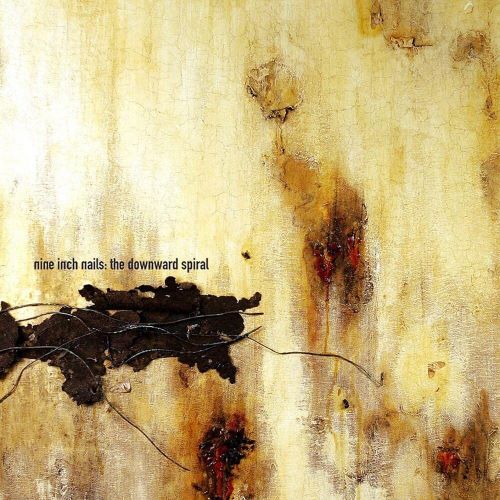
Nine Inch Nails – The Downward Spiral

Today marks thirty years since the release of this landmark album. This one hit me like a bullet when it was released and all these years later it’s still toward the top of my favorite releases ever.

Also, be warned – this post is really damn long.

Nine Inch Nails – The Downward Spiral

Released March 8, 1994 via Nothing/Interscope Records

My Favorite Tracks – Mr. Self Destruct, Hurt, Reptile

Nine Inch Nails had arrived to a good degree of fanfare in 1989, and by 1994 the name had become household on MTV and in the now alternative music scene. The stage was set for Trent Reznor’s next move, which would prove to be career-defining.

No real need to discuss a band line-up, the recording roster for Nine Inch Nails was often Trent Reznor. Several friends and guests were brought in to help, including Mark “Flood” Ellis who would help with production. Other names that would become familiar to Nine Inch Nails were involved, including Chris Vrenna, Adrian Belew and Danny Lohner. The list of production credits is a mile long, this was the Manhattan Project in terms of recording engineering at the time.

This album also had a story in terms of where it was recorded – Reznor rented a house at 10050 Cielo Drive in Los Angeles. This was the site of infamous murder of Sharon Tate and four others in 1969. After dubbing the studio “Le Pig” and recording both Broken and this album there, Reznor felt remorse for possibly exploiting the house and vacated it, after which the house was torn down.

The meaning and themes of The Downward Spiral have long been a subject of debate and interpretation. It is clear that there is a person breaking down as the songs go along. It could be a solid theme that ties things together, or it could go as deep as being a true concept album where a specific story unfolds through the songs. It isn’t entirely clear and there are arguments both ways about it. I personally do support the “full concept” theory though I also see a few odd holes in the story. I’ll prod the meaning of these songs but I won’t be discussing the concept theory much here, I simply don’t have room. I may pick that thread up another time.

Reznor stated his primary influences for this album were Low by David Bowie and The Wall by Pink Floyd, Reznor was moved by both albums’ use of space and texture.

Today’s album has a massive 14 songs at a 65:02 runtime. An excellent 2 CD reissue offers up great bonus material, including the soundtrack song Burn and Reznor’s cover of Joy Division’s Dead Souls.

Mr. Self Destruct

The opener kicks off with a machine noise intro then launches into the harsh industrial noise that NIN had become familiar for. This song sees a dark force pushing a person into vices and ills, all in order to use the person up. A quiet interlude breaks up the mosh pit-worthy main sequence. This song is absolute gold and a great way to bridge into the new album from the equally harsh Broken EP.

Piggy

The next track is one of the album’s singles and is a slow, quiet march through a person’s breakup and the fallout from that. The song introduces the phrase “nothing can stop me now, ’cause I don’t care anymore,” which is repeated through the record. The bass anchors this song as it rolls along, then Reznor plays live drums toward the song’s end, one of the very few uses of “organic” drums on the record.

“Piggy” can have multiple interpretations here, given where the album was recorded and also the word’s use in other songs. But there is another story behind the name – Richard Patrick was in Nine Inch Nails as a guitarist from 1989 through 1993. Reznor nicknamed him Piggy, then Reznor felt resentment that Patrick was focused more on his own music than NIN. Patrick would leave the band and form his own group Filter, who had great success. Patrick has stated in interviews, such as this 2010 talk with the Sacramento Press, that Piggy is about him and Reznor’s anger with him.

Heresy

Up next is a techno-driven song with moments of distorted wailing. The angst is directed at religion, though the specifics are deeper than just ranting about church. Reznor wrote this one influenced by how Christian sects in the 1980’s and early ’90’s turned AIDS victims into scapegoats. This song is Trent’s response to the edict “there is no hate like Christian love.” Whether or not someone likes this song or not probably centers on one’s thoughts about religion. I’ve always enjoyed the track.

March Of The Pigs

This next song was also a single. Musically it is a contrast study with noisy and quiet parts, though it’s the verses that are loud and the chorus that is quiet. It is a clash between the main character and the “pigs” of society who are fake and without substance. At points Reznor is singing from the main character’s point of view and others the pigs, and the trade-offs are not easy to spot without actually reading the lyrics to see what the hell is going on.

Closer

And now on to the song that most people are likely familiar with. The song builds slowly, using mostly electronic instruments but this one remains easy to process on the surface, it’s all fitting and catchy. There is more going on under it all but this is a song that was taken purely on its surface level and became the most famous song Nine Inch Nails ever did, save perhaps for another from this album.

The song is about someone obsessing over an object of desire. The lyrics are a harsh account of the main character’s depression, lack of purpose and shallowness. But this song didn’t get famous for being psychoanalyzed to find a messed up human being’s story. No, the song got famous for being catchy and for the line “I wanna fuck you like an animal.” It was taken as a lust anthem rather than the desperate echoes of a tortured person. And that is what it will always be known for, and honestly there’s nothing wrong with that. Reznor has spoken out about the true meaning of the song and the popular reaction to it, but artists have to know that art isn’t yours anymore once it’s out in the wild.

Ruiner

Time for a bit of a rave here with some slamming techno beats. The song does call back a bit to the debut Pretty Hate Machine with its dance beats. Other parts of the song slow down and go harsh, and there’s also a bit of a guitar solo here and the old, jamming kind of solo. Reznor has said he was unsure of this song and that it was two songs mashed together. I personally think he got it right, it’s a good track.

The song deals with the “ruiner” who is likely a metaphor for someone in power. The ruiner could also be a specific person or even facet of the main character’s personality, but that’s more than what I can get into here for length reasons. Either way, here the narrator is lamenting the power that the ruiner has over him, and at the end we get the cold refrain of “nothing can stop me now” again.

The Becoming

This one sounds like a robot toy come to life and on the hunt to kill someone, pretty quirky intro. It slides into another techno-driven song with a bunch of screaming in the background. The song sees the narrator give in to what’s happening and figuratively become a machine. It’s the loss of the soul as life has been too much to bear. This is a lively descent into losing personhood.

I Do Not Want This

Kind of a mid-paced beat here that keeps quiet until a chorus where Reznor yells “You can’t tell me how I feel!” It seems here the narrator is struggling with his loss of humanity and is reaching back out for it, though he is also lashing out at everyone. The end offers up grandiose ambitions, such as “I want to know everything, I want to be everywhere, I want to fuck everyone in the world.” It is the sort of thing seen from people who truly have lost their mental center and are reaching for anything to cling to.

Big Man With A Gun

This one is a short, noisy track that is absolutely an allusion to rape and the lyrics don’t allude at all, they spell it out fairly clear. Reznor intended the song to be satire, he was calling out the other forms of music at the time that glorified rape and sexual assault. His take didn’t really come through and NIN landed in a bit of hot water with politicians, though noting ultimately came of it. Reznor said the song was originally created to be about madness and that this was another stage of the main character’s insanity. I do think this song misses its mark but I don’t think it’s that big of a deal either. It fits the album sonically and is over real quick.

A Warm Place

This one is an instrumental with one very quiet, almost unnoticeable spoken phrase at the beginning. It’s widely believed that line represents a last bit of the narrator’s humanity trying to poke through. The song itself is very pleasant, it’s a nice interlude in this descent into total madness.

Eraser

Up next is a song without a ton of words but there are a handful. The piece goes on for a few minutes of very nice music before Reznor sings a series of short blurted out lines that are likely tied to someone who has truly snapped now. The song goes out in a distorted mess as Trent screams “Kill Me!” repeatedly. Not a conventional song but one that fits this part of the story very well.

Reptile

This is one twisted track. It has very sick use of electronic beats and tells its sordid tale very well through music and words. Here the main character is admitting to being twisted by a woman, who might be the same object of desire from Closer and is also likely the Ruiner. This song is absolute magic and, given the “concept” theory, ties this whole album together. Reznor is famous for a fair few songs but this one is kind of slept on by the wider public.

The Downward Spiral

It’s another almost instrumental here. The main hook here is a guitar playing the piano outro of Closer. Here someone reaches rock bottom and commits suicide, the brief lyrics lay that out clearly. It is apparently the main character, though it doesn’t entirely jive with the story theory since, you know, there’s a whole other fucking song to go. This passage is pretty nice and twisted.

Hurt

The album closes on the other very well-known song. It is a quiet and haunting track featuring Trent’s voice, a keyboard, a bit of guitar and sparse noise to generate atmosphere. Here the narrator is reflecting on a lost life, being alone and having nothing to offer but his empire of dirt. Whatever the main character was supposed to achieve through his loss of humanity did not come to pass, and he lies here a broken shell of a person. The end does generate the smallest glimmer of hope that he will seek to regain his human self. The actual meaning of Hurt in terms of the album story is hotly debated and something I won’t get into here.

This was one of Nine Inch Nails’ signature songs, but of course that changed in 2002 when the venerable Johnny Cash, toward the end of his life, recorded a stark cover version that lit the music world on fire. Reznor admitted that the song was Cash’s after the cover was released.

The Downward Spiral would mark the crowning achievement of Nine Inch Nails’ career. The album hit at number two on Billboard and went four times platinum in the US. It has remained the centerpiece of Trent Reznor’s discography and the album’s legacy is still widely discussed now thirty years after its release. Closer remains NIN’s most well-known song and Hurt is close behind.

“Light Industrial” would become the new sound bands chased as NIN sound-alikes hit the scene in the years after this album. A few acts got a bit of mileage out of it and I won’t discount the whole scene as a rip-off, but this album was the clear reference point for the industrial-tinged rock and metal of the late ’90’s.

What this album gets right is most everything. The layers of electronic music do not alienate here, instead they build both a beat and atmosphere that allows the songs to mostly be taken in on a casual listen while also offering a lot of texture for the deeper listener to explore. It’s a masterpiece of arrangement and something that 99.99999% of musicians could never pull off. The story contained within is ugly and horrible, but told in splendid fashion and left with enough breathing room for personal interpretation. It isn’t handed out on a silver platter where everyone draws the same conclusions.

I don’t feel like the album really gets anything wrong, though Big Man With A Gun might be a miss. Maybe Reznor was a bit too opaque in his expression in a few places. That might be more of a discussion about Trent Reznor and pop culture views at the time rather than much to do with this album, though.

During and after this album’s release, NIN would tour and Reznor also went on to help launch the career of Marilyn Manson. It would take five years for another Nine Inch Nails record and Reznor has gone through various iterations in the years since. But there is no denying the legacy of The Downward Spiral, tortured though its story may be.

The Song Remains The Same – Bad Reputation

It’s been a good long while since I’ve played this silly little game. Awhile back I was prepping one and pretty much all of the songs were horrible, so I shitcanned that post and haven’t revisited this concept since. I finally got to looking the other day and stumbled into a great batch of songs and artists for this, so this concept lives again.

For those unfamiliar – here I take a bunch of songs with the same name, all from different artists, and decide which one I like the best. It’s an exhaustive process of playing them for all of 30 seconds before I make a snap verdict. Though honestly on this one I did play all the way through these songs and I have a fair few of them in my collection anyway.

Today’s pick is Bad Reputation. There are a whole boatload of songs with that name, thankfully there are enough that keep me in my favored genres so I can stick to familiar ground for this one. I am at least roughly familiar with all but one of these songs, I own most of the albums these are off of and I’m very, very familiar with a few of them. There are seven entries here today which is more than I’ve ever done for this before so buckle in and get ready to go around.

Damn Yankees

Right off the bat it’s the 1990 supergroup featuring members of Styx and Night Ranger, as well as Ted Nugent. This album was a showstopper back in the day, one of the last remnants of good old hard rock before alternative took over.

Bad Reputation was the 5th single from this album, these songs got a lot of mileage back in the day. It’s a very, very nice track that cuts a nice groove and rocks out above the “hair” fray. I have no clue who wins this as I write these blurbs but this one is very hard to argue against.

Heavens Edge

Up next is the lone entry I haven’t heard at all. Heavens Edge were (are, maybe) a hair metal group that didn’t really catch on back in the day, they have been sporadically active through the years. This song was also from 1990 and from their debut.

Honestly this is a pretty good song. I mean, I can see “hair metal” and “1990” and get why they didn’t really hit back then, but there’s no shame in the game when it comes to the music. Also I wanted to separate the first and third artists, there are people who won’t want to be next to each other.

Joan Jett

Up next is the song I would suspect most people would know from this grouping and also the person I wanted to keep away from the person mentioned up above. Jett’s song is one of her most known and loved tunes. This was first out on the album in 1980 then got a single release in ’81. All these years later and it’s one of the first Joan Jett songs people are gonna know, for sure.

And there’s reason for all that – this song is 100% pure, ferocious punk rock attitude. Joan knocked this one out of the park. This song is the business and it’s the favorite to run off with the win here today.

Sammy Hagar

This is one I know very well, which is chalked up to me being a pretty huge Sammy fan. This came from his 1980 solo album Danger Zone, which was the album before he really broke out. This wasn’t a single or a live staple but it did make some of the many greatest hits packages that Capitol Records put out after Sammy got famous and then joined Van Halen. For me personally it is a contender in this contest, it’s been a song of Sammy’s I’ve always enjoyed.

The Reverend Horton Heat

Shifting gears for just a bit from rock into rockabilly. This cut comes from the good Reverend’s debut album Smoke ‘Em If You Got ‘Em from 1990. This one changes the theme of “bad reputation” up a bit – some of the other songs indicate that the bad reputation is a warning sign, while in this song it’s an attraction. This is a really fun rockabilly track and yet another viable contestant to take the crown today.

Thin Lizzy

It’s now on to the oldest song on the list, this one hailing from the band’s 1977 album of the same name as the song. The album was regarded as a return to form for Thin Lizzy, who were struggling through all manner of issues, including Phil Lynott’s chemical dependencies. The song also departs a bit from the theme of the others, this one is a warning to someone to watch their step, as they have a bad reputation.

This song is also a total monster. It has fat riffs to spare, not that anyone would be surprised by that in a Thin Lizzy song. It also has a great groove to it, a bit of funk in spots but still on track as a hard rock ballbuster. The field of strong contenders is crowded but Thin Lizzy are certainly in the mix.

Vixen

We wrap up with a song from the band’s second album Rev It Up. If you guessed that it came out in 1990 like over half of the stuff here, you’d win a prize if there were any prizes. This was not a single from the album and this time frame also marked the end of Vixen’s mainstream run, which isn’t a shock given that the dark figure of 1991 was just around the bend.

While Vixen would lose their record deal in the fallout of alt-rock, they went out with a bang. This song is very well done melodic hard rock. Nice guitars, hot vocals and good arrangement here. Nothing wrong with jamming this hot rocker out at all. It picks up speed at the end as a nice touch too.

So there’s a deliberation process here. I’m not actually going to narrate it, no one wants to read internal monologue. All of these songs are at least good and few are great. It did quickly whittle down to a two-horse race for me, but in the end I found my champion of Bad Reputation.

The Winner – Thin Lizzy

I can’t knock Joan Jett’s song at all, that is a total banger. But in the end I gotta go with the champions of monster guitar. Thin Lizzy edges out Joan Jett to take the crown today in a very close race. These are all really good songs, I might keep the playlist I built to run them down. But there can be only one winner. It was as close to a tie as I can recall on these, maybe there was one more, yet the Irish rock gods take home the prize.

That’s all for today. Be sure to join me this Friday as the Album of the Week moves to a special slot for one time only, in order to celebrate the 30th anniversary of one of my favorite records. It’s also an album with a bad reputation in some parts. See you then.

Wang Chung – Dance Hall Days

Gonna take the song machine back to 1984 this week and visit the first hit of an act who’d go on to score big in the US a few years later.

Dating this one to 1984 does come with a few caveats, though – the song was originally released in 1982 when the group were known as Huang Chung. That single failed to chart. The band renamed themselves to the much more familiar Wang Chung and redid Dance Hall Days, releasing it on their album Points On The Curve. That record did get released in some territories in 1983, the US and other areas would see it in early 1984. For the purposes of my mega 1984 40th anniversary celebration, it’s a 1984 song.

Dance Hall Days got a fair bit of traction on music charts across the globe, no matter the actual release date. The song hit number 16 on the US Billboard Hot 100 and also number 1 on the Dance chart. It was a number 21 hit in Wang Chung’s native UK. Oddly, that was the best chart placement ever for Wang Chung in their home territory, the band saw the bulk of their success career-wise in the US. The song was also a top 10 hit across many European countries, as well as Canada and Australia.

Today’s song fits straight into the new wave movement of the early 1980’s. The song is a nice, atmospheric mix of electronics and organic instruments and it sets a really chill vibe. It’s easy to hear how new wave became an important facet of music in the ’80’s. This is a beat that most anyone could get behind.

The song’s overall theme is a celebration of old-time dance halls that singer/guitarist Jack Hues remembers his dad playing in years gone by. Hues himself played in the band at times. This information comes from a podcast called Just My Show, which I have difficulty accessing but have transcribed the transcription of this site.

While the chorus is an innocent celebration of those dance halls, the verses do offer something a bit different. On the surface it’s just a collection of words that rhyme with body parts to move the song forward – “take your baby by the heel and do the next thing that you feel.” It’s not rocket science and I always took it as just words they put together to get the song done without any real deep meaning behind it.

But, just as I was doing some internet sleuthing for this post, I stumbled into a subset of people who think Dance Hall Days has sinister intentions behind the lyrics. There are people who interpret the passages more literally and believe there is some bent toward coercion or abuse in the various mingling of actions and body parts. I had a bit of a pause when I first saw it.

This 2013 article from Paste outlines the possible hidden creepiness of Dance Hall Days. Now this specific piece has a clear tongue-in-cheek air to it and is pretty amusing, but a lot of the other stuff I saw on reddit and in forums seemed to ascribe more ill intent to the lyrics. All I’ll say is I disagree that there is anything to these lyrics.

Dance Hall Days got two different music videos. The first, posted above and apparently age-restricted, was directed by the late Derek Jarman, and features his father’s home movies interspersed with the band goofing around. A second video was shot that did more to relate to a literal dance hall – that video is tougher to come across. I posted an unofficial upload down below, but we all know the video may not remain up long.

There are two other interesting pieces of trivia around the song. One is that Wang Chung almost didn’t release the song themselves, they instead offered it up for consideration to another artist. As multi-instrumentalist Nick Feldman recounts in this talk with Soundfacts, the song actually wound up in the hands of Quincy Jones, who was producing Michael Jackson and Thriller at the time. Jones and Jackson reportedly liked the song and considered recording it, but ultimately decided not to. That would have been quite a twist of fate for Wang Chung – the song got them on the map, but having a song on Thriller would have been its own world of success. I admit I can’t quite “hear” this song on that album, but I’m sure Jones and Jackson would have done a different arrangement for it.

The other factoid on offer is one I’ve shared about several songs – this was one of many tracks to feature in my favorite video game of all time, Grand Theft Auto: Vice City. The song is a perfect fit for the vibe and setting of that game, these two fit together like a glove. It was a match made in heaven and the song goes great with committing digital felonies.

For Wang Chung, Dance Hall Days would be the first score of their career, setting them up for further success in 1986. For me it’s a fantastic reminder of my youth and the “golden era” of 1980’s music.

The Billboard Number One Albums of 1984

This being the 40th anniversary of 1984 and all of the great music that came from that year, I want to go a bit beyond just looking at albums from then and get into some other stuff. I will be looking at albums again today but in a different context – today I’m going to discuss all of the albums that topped the Billboard 200 chart in 1984.

If I were doing this for most any other year, I’d be up against it. Many years feature between 15 and 20 albums that hit the top chart spot, sometimes even more. It can be absolute carnage up there, especially now with several different genres commanding attention and shorter attention spans leading to more albums going number one, then heading off down the Billboard slide afterward.

But my cup runneth over with luck – in 1984, only five albums reached the top of the Billboard chart. It was the lowest amount for any year in Billboard history and is not something likely to ever be repeated. Seeing the very short list will shed light on exactly why that is, two artists basically dominated the number one spot that year and it’s glaringly obvious who those are, to anyone who was around at that time.

Michael Jackson – Thriller

Of no surprise to anyone, the King of Pop dominated the charts in the early going in 1984. Released in late 1982, Thriller spent 37 total weeks on the top of the chart. Here 40 years later in the year of our lord 2024, the album is still on the chart and has been for 612 weeks. Oh, and it’s the best-selling album in history.

The thing is that Thriller doesn’t relate to the music of 1984, at least in terms of my evaluation of the year, with it obviously having been released in 1982. Now, Michael Jackson certainly does relate to 1984 and the whole of the ’80’s – this guy was THE star and he was still grabbing the spotlight even with an album over a year old. All seven of the album’s singles had been released by the end of 1983, but the title track and its crazy video were omnipresent through 1984. Jackson was on top of the world in a way very few stars ever had been.

For the purposes of my year-long look at 1984, Thriller won’t be a part of it for obvious reasons. But I am certain to discuss the album at some point in time.

Footloose – The Soundtrack

Finally on the chart issued April 21, the King of Pop’s reign was over. It was a movie soundtrack that took the crown. Footloose the movie was about a dancing ban in a small Midwest town, and that would put a focus on the movie’s music. The movie did respectably well at the time and is fondly remembered by many, but the soundtrack was the true star of the show. It would spawn six top 40 hits, two of them going to the top of the Billboard 100.

The Footloose song by Kenny Loggins was the prime hit, and Let’s Hear It For The Boy, performed by Deniece Williams, joined it as a Billboard number one. Almost Paradise, performed by Mike Reno of Loverboy and Ann Wilson of Heart, hit number seven on the charts. The Jim Steinman-penned and Bonnie Tyler-performed Holding Out For A Hero charted at 34 in the US, but would take the top spot in the UK.

The soundtrack album hung on to the number one spot for two months, finally bested in late June. Movie soundtracks were big business in the ’80’s and Footloose was a monster even among them. It was certified nine times platinum in the US and has a host of other platinum and gold certifications around the world.

I do not have any plans to discuss this soundtrack further as I look back on 1984 – nothing against it, but a lot of it wasn’t really my jam beyond the Bonnie Tyler song and I have plenty else to talk about.

Huey Lewis and the News – Sports

1984 was often about an album hitting the top spot and hanging around for awhile, but in this lone instance, the album hit number one and was dethroned the next week, though the album did spend a total of 160 weeks on the chart.

But that is no shade to Huey Lewis and his band. Sports was the group’s breakthrough – after a gold record on their prior album, this one would catch fire and wind up 7 times platinum. Four of these songs would hit the top ten of the singles charts, stuff like If This Is It and The Heart Of Rock & Roll were commonplace on airwaves during this time, and for years afterward. It was catchy and pleasing music that just about everyone could get into and a lot of people did.

I will be covering Sports at some point this year, I’m not sure exactly when that will be.

Bruce Springsteen – Born In The USA

Just after Independence Day in the US, The Boss arrived with a transformative album that would define his career and sell like hotcakes. The July 7th chart was the first of four consecutive weeks at number one for this record, which would then again claim the spot for a few weeks in early 1985.

The album would offer up seven singles, all of which went top ten in the Billboard 100. Famously, none of these or any of Springsteen’s other singles would ever hit the top spot on the singles chart, but success is relative.

And success was here in droves – the album was the best-selling record from 1984, moving over 30 million units eventually. (distinct of course from the best seller in 1984, which was Thriller) Bruce has recorded several heralded albums, but Born In The USA is the one that is the first mention when he is discussed. We can wax poetic about many of his works before and after, but this is where the conversation with Bruce Springsteen comes or goes.

There is a lot to say about this record – in term of Springsteen’s shift to pop rock, themes of working class struggles and triumphs, and the misplaced political implications behind the title track. And I will get into all of that – here soon, when I discuss the album in detail, which is coming up in the next month.

Born In The USA would reign atop the Billboard 200 for a month, then the rest of the year would be defined by someone we can only call “the artist.”

Prince and the Revolution – Purple Rain

Springsteen would be bounced out of the top chart spot on the chart released August 4 of ’84. The replacement album would reign supreme for the rest of the year, 22 weeks, then the first 2 weeks of 1985 before the favor was returned by Springsteen.

Purple Rain was not just an album, but also the soundtrack to Prince’s first feature film of the same name. The movie was a hit, raking in ten times the amount of money spent on it, while the soundtrack was an absolute monster smash. The album has gone on to sell 25 million copies across the world, with 13 platinum certs in the US. Prince joined the rare company of Elvis and The Beatles by having the number one film, album and song all at the same time.

Prince’s landmark offering saw him slide more into the pop world, but also utilizing a grand scope of band composition and arrangement. A handful of Prince’s signature songs can be found here, including the title track and the mega-hit When Doves Cry. The controversial Darling Nikki is also featured in both the film and on record – it would be the song that kicked off the PMRC and the “Filthy Fifteen.”

Prince ruled the roost for the back half of 1984, and Purple Rain was the Billboard chart champion for most weeks at number one. I will do a write-up on this one, but be warned – I have always planned it to be the final post for the 1984 anniversary thing, so it’s not coming ’till the end of the year.

That covers the number one albums of 1984. A bit down the line I’ll look at a few records that were blocked out of the top spot by the stone cold lock these few releases had on the year. I’ll also dive into the number one songs of the year, a spot open to a lot more variety. And I’ll have some more companion pieces dealing with various things in 1984 as we go along. Enjoy the weekend.