Album Of The Week – December 26, 2022

It’s time to end 2022. I’ve already done my top albums list for the year, so for the last AOTW I’ll just pick something and go with it. Here we have a good collection of songs, though wrapped in one of the most hideous album covers in history. Given the band, that was no small sin.
Iron Maiden – Dance Of Death

Released September 2003 via EMI Records

My Favorite Tracks – Paschendale, Dance Of Death, Face In The Sand

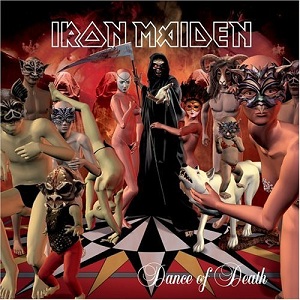
Before I even get into the album itself, I’ll take a minute to discuss the awful cover art. The art was commissioned to David Patchett, who has done some great work on album covers by British doom band Cathedral. Patchett submitted the Grim Reaper Eddie design with a few shadowy monks behind him to the band. Band and management felt the design looked empty, so they countered with some computer-generated figures to fill out the piece. Patchett did his best to work with what he was given, but ultimately decided to remain uncredited as the cover artist. The cover itself has been universally reviled since it was revealed to the world.

I made this point some time ago when I talked about some bad album covers, but just imagine – being an artist engaged in the trade of making album covers and NOT wanting your name associated with an Iron Maiden album cover. The band who became known through their iconic album covers. This cover art was certainly a gross misstep and the blame lies squarely within the Maiden camp for it.

Thankfully the album itself holds up. It is 11 songs clocking in at near 68 minutes, which seemed a bit long then but is virtually an EP for Iron Maiden now. Though the album got released on different days of the same week across the world, everyone got the same version so it’s go time.

Wildest Dreams

The album opener is also one of two released singles, though nothing was officially released ahead of the album. The band encouraged people to record the song live and distribute it via Internet during the golden age of file sharing, which many did.

The song is a pretty simple rock tune. It’s one of those motivational ones that talks about letting go of the past and setting out to get “it,” whatever it is. The song is not particularly well-regarded in the scope of Iron Maiden opening tracks but I think it’s a bit better than it gets credit for.

Rainmaker

The other single from the album, this was a track primarily composed by guitarist Dave Murray. Smiling Dave has largely stepped away from songwriting as the band as gone on so this is a rare treat. It has a very catchy Murray riff and the lyrics tend with the business of washing away unpleasantness and starting anew.

No More Lies

This wasn’t a single but did wind up the subject of a souvenir EP. The song sees its narrator facing the inevitable end of mortality and deciding to take it upon his or her self to achieve what they feel they have left to do in life. So far the themes of the songs have been very life-based and more realistic than the epic fantasy tales of Maiden yore.

Montsegur

Here Maiden get pretty hard and tackle a 1244 AD castle siege. I know as much about it as you do. Apparently it was pretty brutal. Despite the harder nature of the track, there is a fair bit of Maiden melody in this one.

Dance Of Death

The title track was composed by Steve Harris and Janick Gers and stands as one of Maiden’s most epic title songs. It is a tale of someone joining the danse macabre and barely making it out with his live, promising to only dance again when it’s time for him to do the dance of death.

This is a massive composition with epic arrangement and Bruce Dickinson really going all out on the vocals. While other songs got selected as singles, this is one of two from the album considered among Maiden’s best and makes one wonder why they didn’t just release this one on its own instead.

Gates Of Tomorrow

Back to a more straightforward rock track that has something do do with taking self responsibility as opposed to waiting for some cosmic force to save you, or at least something like that. It’s not my favorite by any means but it’s still a decent listen.

New Frontier

A very rare gem here – this is the sole songwriting credit attributed to drummer Nicko McBrain in Maiden history. The song is pretty bright and melodic but the story is dark – it’s a tale of someone cloning humans and coming to regret it, a sort of Frankenstein thing.

Paschendale

It’s back to war now and to World War I, the setting being the Third Battle of Ypres, also known as the Battle of Passchendale. The battle was massive and cost several hundred thousand lives, analysis of the battle takes up millions of pages.

In terms of the song, this is one of Iron Maiden’s most epic achievements. It is a massive presentation that recounts the story of but one of the great many who died on the battlefield in the controversial fight. The song features soaring verses and plenty of splendid guitar work. I do feel like the massively positive reception to this track helped inspire Maiden’s direction forward, as many more of these epic-type songs were to come in the post-reunion era. Paschendale is a heavyweight contender for the best Maiden track since the reunion.

Face In The Sand

I talked about this song a bit before when I discussed the songs Iron Maiden have yet to play live. While the album and this track came and went without much fanfare, I feel like this is honestly one of the band’s most underrated moments. It’s another epic track that builds to a huge explosion and I think it’s almost criminal that the song doesn’t get the same kind of love I have for it.

The song deals with the modern day consumption of news and media and how it warps perspective. Everyone is waiting for the end, yet it never comes despite being told over and over again how it’s just around the corner. Even outside of the song’s intent, this is a pretty grim apocalyptic track.

Age Of Innocence

Heading to the album’s close is this track about crime and punishment and how the world was changing. I don’t entirely agree with some of the song’s conclusions but it’s a nice tune overall. For a bit of fun, the No More Lies EP has a hidden bonus track that features Nick McBrain “singing” this song. While Maiden have a long history of essentially wanking off on their B-sides, this one is outright hilarious.

Journeyman

This album closer marks yet another first for Iron Maiden – it is their only fully acoustic song. It was originally done electric and that version is on the already mentioned No More Lies EP, but they chose to go acoustic here. The track can start arguments among fans but I see nothing wrong with it, it’s a pretty good song.

Dance Of Death had a nice market reception even with its hideous cover art. The album charted well in a great deal of countries, showcasing the worldwide power of the band and establishing that they were indeed back and their reunion wasn’t a fluke or short-lived thing.

The album might not be the highest-regarded product of the reunion era but it still carries some quality with it and a few of the band’s biggest highlights. It’s also great for a deeper section of Maiden trivia, as there are many “first and only” moments on the album. It’s great for a deep dive into Maiden lore to see all of the things that only happened here, with Nicko’s songwriting, the acoustic track and others I might not have even mentioned. The album cover sucks, but the album itself is pretty good.
Album Of The Week – December 19, 2022

This week’s pick is the album that saw a change in style for a long-running band and a shift that would pay massive dividends. The band was on the verge of ending and instead launched one of rock’s most successful albums in the genre’s commercial peak.

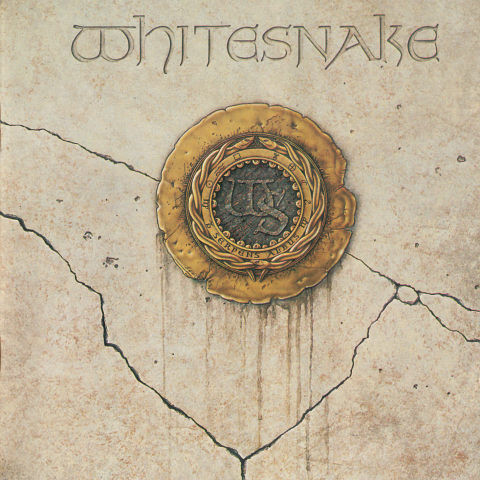
Whitesnake – self-titled

Released March 23, 1987 via EMI/Geffen Records

My Favorite Tracks – Still Of The Night, Crying In The Rain, Here I Go Again

The giant success of this record wouldn’t come without drama and turmoil. David Coverdale had been plunged into depression over Whitesnake’s prior lack of success and personal issues with his band. While guitarist John Sykes helped write the album, Sykes and the rest of the band were out before touring on the white hot record. The group that appeared in the mega-successful videos for this album was not the same group that made the album, save for Coverdale and Adrian Vandenburg’s involvement in recording Here I Go Again.

There are several different versions of this album – it was self-titled in North America and other places, while in Europe and Australia it was called 1987. Japan had yet another name for it and there are different track lists across the disparate versions. For simplicity’s sake I’ll cover the 9 track US version.

Crying In The Rain

The opener marks one of two songs redone from the 1982 Saints And Sinners album, both re-recorded songs would be hits. Originally a blues-based rocker, John Sykes reportedly despised blues music and turned it into a heavy metal riff fest. The lyrics are a depressing look inside Coverdale’s mind through a divorce, dude was down in the dumps a lot apparently. While the premise of crying in the rain seems silly, the song’s riffs and presentation keep it from slipping into parody.

Bad Boys

A standard fare, fast rocker about being a bad boy, a pretty common offering for 80’s rock. It’s a good offering for the “wild in the streets” theme that was ever-present back then.

Still Of The Night

The album’s lead single was a modest chart hit but would serve to generate interest in the album and was a very popular music video. This song is a fantastic composition with John Sykes going full on guitar god and the full album version of the song is a nice series of movements with the violins and build up back to the rocking at the end. The video was the first of three from the album to feature future Coverdale wife Tawney Kitaen, who would become one of music video’s most iconic performers for the videos.

Here I Go Again

The other re-recorded song from Whitesnake’s earlier days and one of the mega hits from this album, this is the most widely-known song from the Whitesnake discography. The song about venturing on one’s own has remained in cultural consciousness enough to be meme material these days. The video was a monster hit and features the late Tawney Kitaen’s most memorable video performance.

The song topped the Billboard Top 100 and was in constant MTV rotation. And yes, the album cut and single version are two different recordings with some differences, I’d personally take the album version.

Give Me All Your Love Tonight

Another single, this one didn’t quite crack the top 40. It’s an uptempo rocker about love, which in hair metal parlance means sex, as I’m sure everyone is aware. The single release is noteworthy as it features a redone guitar solo from Vivian Campbell, marking the only time he contributed music to Whitesnake material.

Is This Love

The album’s other massive hit single originated when Coverdale was trying to write a song for Tina Turner. David Geffen told Coverdale to keep it and here we are, with the track going to number two on the charts. The song couldn’t be any more elementary in its concept but again its presentation is fantastic and it’s one of time’s honored power ballads.

Children Of The Night

It’s another badass rocker about going out and getting in trouble. It’s a track worthy of partying and headbanging to.

Straight For The Heart

Getting toward the end of the album with this rocker about Coverdale going to get his girl. This song definitely jumps the hair metal shark a bit but it’s still a fun time.

Don’t Turn Away

The US album closes with a power ballad that keeps the rock going in full effect. It offers a nice inspirational message that hooking up with David Coverdale will cure whatever ails you.

Whitesnake was a monster success, launching the band from the brink of extinction to the toast of the town. The album would go on to eight US platinum certifications and would peak at number two on the Billboard 200, being blocked from the top spot by monster albums like The Joshua Tree, Whitney and Bad. It was a stunning reversal of fortunes for Coverdale, who was despondent after failing to break through significantly with his prior work. The rising tide of this album would lift other ships, most notably Slide It In, which went from a modest gold certification to multi-platinum.

While the album and singles did very well in traditional markets, Whitesnake’s videos were perhaps the most iconic part of this album cycle. The trio of videos featuring Tawney Kitaen were all over MTV. The band dressed the part of ’80’s rockers for their videos, something Coverdale admits was pandering to fashion. But hey – no arguing with the success of it. You were rockers in the 80’s, might as well go all in.

Whitesnake is an interesting band in that they found success almost all at once, with the self-titled album outshining the modest success that the US release of Slide It In had. The band’s music is a lynchpin of classic rock radio but it’s stuff from these two albums that comprises the entirety of those playlists. The old blues rock albums are well-regarded but also left to be discovered by the active seeker. Albums after the self-titled wouldn’t land quite the same way, though in retrospect 2003’s Good To Be Bad was a critical success and catalyst for a new era of Whitesnake.

But at the end of the day, it is this album that serves as Whitesnake’s defining legacy. The group shot out of a cannon and landed square in the rock/metal prime of the late 80’s and hit on a success not seen by all that many others. Leaving behind the blues-based rock and injecting a metal guitar hero’s sound into the mix lend to some staggering results, even if said guitar hero was booted from the group before touring behind the record.

Album Of The Week – December 5, 2022

This week’s pick is the album released in 1990 after one of heavy metal’s legendary acts spent some time in the late 80’s indulging in the sound of the times a bit. It was both a return to form and a new phase for the group, that sadly would not last much beyond the album’s cycle.

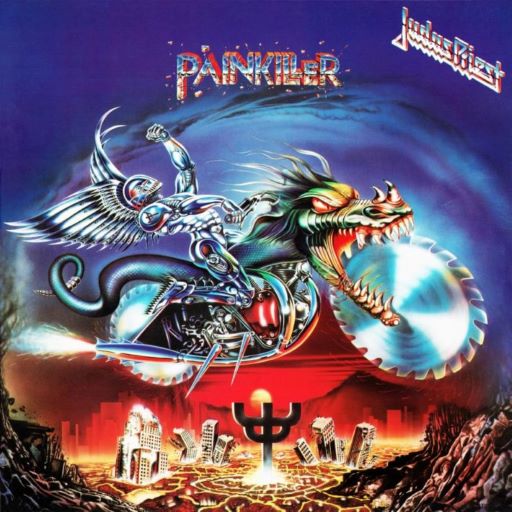
Judas Priest – Painkiller

Released September 14, 1990 via Columbia Records

My Favorite Tracks – Painkiller, All Guns Blazing, Between The Hammer & The Anvil

Judas Priest in the late 1980’s was a mixed bag – both Turbo and Ram It Down had varying degrees of commercial success but both albums were also not received as well as the band’s early-80’s classic metal phase. The band came into 1990 with a new drummer and a new approach to album crafting.

Priest were also engaged in public turmoil around this time – the infamous trial over subliminal messages was held in the summer, it was only after the dismissal of the lawsuit when Painkiller would see release.

Painkiller comprises 10 songs at about 46 minutes in its original form, the version I’ll discuss today. 3 singles were released from the record – A Touch Of Evil, the title track and Night Crawler.

Painkiller

Opening with the title track and one hell of an introduction for new drummer Scott Travis as he blasts his way through the first seconds of the song. The intensity keeps up as the riffs enter and especially when Rob Halford wails his way through the song in a manner raising the bar even for him. Painkiller has to do with some robot thing saving the world and has become an all-time Priest classic.

Hell Patrol

The tempo goes down a touch but the heaviness and atmosphere remain on this track having to do with fighter plane combat. Glenn Tipton and K.K. Downing get a bit of time to flex some solos on this one and they stand out a touch more given the less violent musical presentation.

All Guns Blazing

Back with the speed on this aptly-named song. It’s a tried and true metal song about going for it at full capacity, as the title suggests. The slowdown of the main riff at the song’s conclusion is a nice touch to end the song in a bit unconventional fashion.

Leather Rebel

By now a standard Priest theme, get decked out in leather and kick ass. The guitars go ham on this one, it’s a marriage of classic Priest subjects with the updated speed metal of 1990.

Metal Meltdown

Another scorcher that lives up to its name and could be an accurate description of the album as a whole, as if the band were reviewing their own work in song.

Night Crawler

Rather than being an homage to the X-Men character, this song invents a monster that comes to eat everyone. Making up their own monsters worked out better for Priest than singing about famous ones, though we’re not there yet in the Priest chronology. This one is a fairly simple tune that executes very well.

Between The Hammer & The Anvil

The title offers another take on the “between a rock and a hard place” concept. The song was apparently created out of the subliminal messages trial. Rather than being a literal offering of their feelings on it, things are dressed up here to fit a song that very much recalls the classic Priest era.

A Touch Of Evil

A song that hearkens back to the late 80’s time period, replete with synth. It’s a track about how love can be painful and twisted. Though it sticks out a bit on the album it’s still a very nice addition and doesn’t detract from the proceedings.

One Shot At Glory

After the brief intro Battle Hymn, the album wraps up with this solid metal offering. It delves into the “good side” of war, that rush of adrenaline and desire to do something greater that comes with stepping onto the battlefield. It’s a nice, motivating track to close out the record.

Painkiller marked both a return to the old ways and a new direction for Judas Priest. It was heavy on a scale beyond what the band had done before, entering speed metal territory and deftly changing direction as the sounds of the 1980’s were quickly dismissed in the new decade. The album made a decent showing on several nations’ charts and has a handful of gold certifications.

Acclaim and praise would come with Painkiller. It left some jaws on the floor upon release and in the years since it is widely hailed as one of the band’s strongest efforts. It was an impressive effort all around for the metal legends.

Sadly this time period would not spark a new era of Priest classics. Not long after the touring cycle for this album, Rob Halford wished to do a side project. Due to strange contract wording Halford had to leave the band to release anything else, and he would be out of Priest for a decade. The rest of Priest took some time off before regrouping with a new singer and a couple of albums that also explored the heavier side of things.

In the end, Painkiller was a triumphant piece of the Judas Priest catalog. An old dog learned a few new tricks and translated an already successful formula to a heavier shade of metal. Even in modern times, Priest have still made a fair bit of stuff that sounds like it could have come from this album. Metal would go on to be a timeless beast, and Judas Priest were one of the ones chiefly responsible.

Album Of The Week – November 28, 2022

This week’s pick is a tour back to the mid 1990’s and an early sign of what would become an explosion of European power metal.

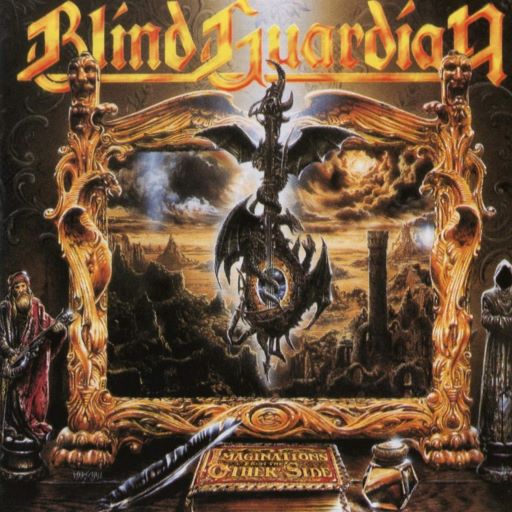
Blind Guardian – Imaginations From The Other Side

Released April 4, 1995 via Century Media Records and Virgin Records

My Favorite Tracks – Mordred’s Song, Imaginations From The Other Side, Bright Eyes

By 1995 Blind Guardian were gearing up for their fifth album release. The German group had started in speed metal and thrash territory but had been slowly morphing into a power metal outfit. Some of the hallmarks of their early sound would remain in their arsenal, setting their sound apart from the typical power metal fare that was on offer.

Blind Guardian were out to improve their sound on their next album and in doing so recruited producer Fleming Rasmussen to helm the effort. Rasmussen had come to prominence by producing Metallica’s second through fourth albums. The influence of an experienced producer, combined with the decision to only take the best parts of songs to the next step, set up Blind Guardian for a triumphant release.

Imaginations From The Other Side comprises nine tracks at a near-50 minute runtime. Two songs were released as singles – A Past And Future Secret, and Bright Eyes, marking the first single releases in Blind Guardian’s career.

Imaginations From The Other Side

The title track opens things and is an epic song that showcases both power metal leanings and the heavy-hitting instrumentation of the band’s early days. The song laments the loss of fantasy worlds as their magic power fades when one reaches adulthood. Many direct references are made to fictional institutions, such as The Wizard Of Oz, The Narnia series, The Lord Of The Rings, Peter Pan and many more.

I’m Alive

This fast-paced track recalls the earlier days of Blind Guardian and their speed metal attack. The song is based off of a book The Sunset Warrior by author Eric Van Lustbader. I’m unfamiliar with the book but the song is a great example of the band expanding their musical pallet while retaining their heavy metal feel.

A Past And Future Secret

A ballad that is one of two to center around the story of King Arthur. It is a haunting lament told from the viewpoint of the wizard Merlin, who prophecies that King Arthur will return to rule after his mortal death.

The Script For My Requiem

The pace comes back up for this twisted tale of a knight returning from the Crusades. The knight is haunted by the atrocities committed in the name of the holy and returns a broken shell of himself. It is one of many songs from the album to be a frequent staple in live sets.

Mordred’s Song

The second of two ballads about King Arthur, this track hits heavier than the first and would likely fall into power ballad territory. The song centers around its namesake Mordred, the illegitimate son of Arthur’s incestuous relationship. Mordred would come to wreak havoc on Camelot and eventually fight a battle with Arthur that would claim both.

The song does a fantastic job of painting the despair of Mordred’s life and the hollow feelings that would lead him to his history-altering course of action. The tragic tale could only end one way and this song provides the rationale for and perhaps even justification for Mordred’s brutal actions.

Born In A Mourning Hall

This scorcher of a tune mostly leaves behind the fantasy world and examines the real-world consequences of people living without any viable chance of moving upward in life. The struggle to live and cope with being a disposable tool of the higher class is a picture painted vividly on this song.

Bright Eyes

The next song is one that has become one of Blind Guardian’s signature offerings. It is another haunting tale of a young man abused and neglected who is now ready to wreak havoc on the world. While the song bears thematic similarities to Mordred’s Song, it was apparently based off of The Neverending Story but is mostly an original story spun by singer Hansi Kursh. The song is one of the band’s most played live and is a favorite of many Blind Guardian fans.

Another Holy War

This song could be seen as a companion to The Script For My Requiem, as it again involves the waging of holy war. It is told from the perspective of a messianic figure who will be crucified and kick off yet another religious war. It’s another song that preserves the thrash elements of the band’s early days.

And The Story Ends

The final track seems to pick up the story of Bright Eyes, though that is unconfirmed and there is speculation that this song might have something to do with The Wheel Of Time fantasy series. I tend to think it’s the first one, as there seems to be an occasional ongoing story told through various Blind Guardian songs over the years and a mirror is involved with them. The song still maintains a heavy feel but does slow things down at points to allow it and the somber album as a whole to settle in.

Imaginations From The Other Side would mark another notch in Blind Guardian’s belt. The band were already breaking through before this and would see their fortunes rise as power metal would become a resurgent genre in the latter half of the 90’s. Blind Guardian were among the standouts of the new wave of power metal groups and have remained a viable force in metal all this time.

Many of the songs from Imaginations… are staples of live sets to this day. Several tracks have been played a few hundred times in concert and the entire album was aired out as part of anniversary celebrations a few years ago.

Album Of The Week – November 21, 2022

This week’s pick is a monumental album from 1985. It saw an established artist break through record label politics and define his sound on his own terms, and kicked off a run of success that would form the creative peak of his career.

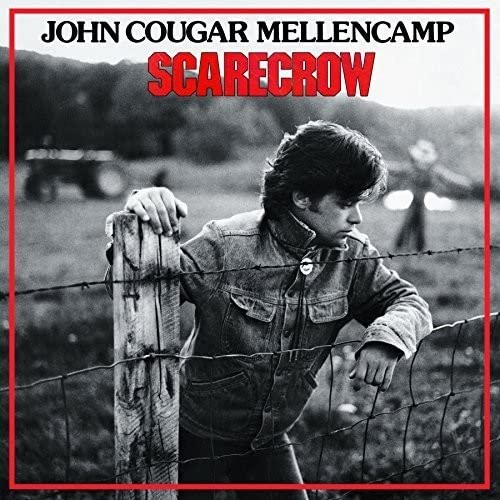
John Mellencamp – Scarecrow

Released August 5, 1985 via Riva Records

My Favorite Tracks – Rain On The Scarecrow, Minutes To Memories, Small Town

John Mellencamp had been at war with music executives seemingly from the start of his career. What to record and release was one battle, what to call himself was another. His label had insisted on the “Cougar” moniker for whatever reason and had tried to shoehorn him in as a Neil Diamond-like act.

As chart success came, Mellencamp was able to pivot to doing his own thing, and Scarecrow marks the beginning of a run that would contribute greatly to a series of music movements perhaps best described as alt-country. While the start of alt-country and its associated subgenres is a topic of unsettled discussion, it’s clear that Mellencamp made a huge imprint on everything.

While “Cougar” would still sit on the album’s cover, this was a John Mellencamp album. The useless nickname would take a few more records to disappear, but Mellencamp had truly and finally arrived with what was technically his eighth record.

Today I’ll run down the original version of the album, comprising eleven songs. There are various reissues and bonus tracks available, including a super deluxe set that was just released a few weeks prior.

Rain On The Scarecrow

The opener gets straight to the point – this haunting tale speaks about the loss of small-scale farming, a massive issue in the 1980’s. Single-plot farmers were caught in loan and insurance issues that caused many to lose their land, stock and equipment. In what can’t be a coincidence, decades later much of US agriculture is owned by a few mega corporations.

While mournful, Rain On The Scarecrow is also heavy. It is hard rock and even bordering on heavy metal in its stark delivery. It was an attention-getter on airwaves in 1985 and, while the battle for farmland seems to have been a losing one, did bring the issue to the attention of a far wider audience.

A brief traditional song Grandma’s Theme appears next.

Small Town

One of the album’s three Top-10 hits, Small Town has been a staple of rock radio since its release. The song is a simple and pleasant look at life in rural America, this time simply recounting the experience as opposed to fighting off a corporate oppressor. Mellencamp’s experience of growing up in small town Indiana is translated nationwide for anyone in a small town. While there would be a huge melancholy vibe in a lot of Mellencamp’s music, this song leaves that behind to simply extol the virtues of a simpler life.

Minutes To Memories

Though not a single, this song about an older man advising on the fleeting nature of time and life has been featured on greatest hits packages and in live setlists. The topic can be unsettling to think about but the song is presented in a motivating, upbeat way. Might as well toughen up and grind it out, one day it will all be memories.

Lonely Ol’ Night

A very simple tune that recalls Mellencamp’s earlier hits, this track joins Small Town as the best-charting singles from the record. This song leaves behind the look at society and instead focuses on a few lonely people who inevitably cure their loneliness together.

The Face Of The Nation

The rocking, upbeat music belies the harrowing lyrical fare. This is a recount of the pain and suffering seen around and how everything is changing into something not very good. For its dire message it is a very snappy tune.

Justice And Independence ’85

Another bright rocker that personifies the title concepts as well as that of Nation. Again the lyrics aren’t quite as peppy as the tune, as Nation stumbles in his life to the dismay of his parents Justice and Independence. The song does close out on an uplifting note.

Between A Laugh And A Tear

One of what would become many Mellencamp songs about how life can be crappy and weigh you down, and the struggle to get through it all. The ultimate message is inspirational and the music is a bit of a preview of what Mellencamp would sound like on future albums.

Rumbleseat

Another Top 40 single, this is yet another snappy rocker that is examining a hard life and the attempt to move on from it. It’s another great presentation of grinding through the crap and failure to move on to a better tomorrow.

You’ve Got To Stand For Something

The Heartland rock is in full effect here with the song’s title communicating its simple yet important message. This song title would be a country hit for Aaron Tippin several years later but the two songs are not otherwise related.

R.O.C.K. In The U.S.A. (A Salute To 60’s Rock)

The album closes with another Top 10 hit, this time a homage to the rock Mellencamp grew up with and what the band played a ton of before recording this album. While this diverges greatly from the album’s pretty grim themes, the song is an obvious crowd pleaser and another of many Mellencamp tunes that still see regular airplay.

Scarecrow was a huge success for John Mellencamp. Besides the well-received singles, the album peaked at number 2 on the Billboard 200, sitting only behind the Miami Vice soundtrack. Scarecrow has gone on to 5 times platinum in the US and also has several Australian platinum awards.

More than anything, this marked where Mellencamp truly set out on his own as a songwriter and began shaping his true musical legacy. The blueprint laid for “alt-country” here would be expanded upon on his next release and the pair of albums would go on to forge a great deal of what are considered his greatest songs. It’s hard for the record label to argue with you when you bust the singles and album charts with music on your own terms.

Album Of The Week – November 14, 2022

This week’s pick is a watershed moment in extreme metal. The album is hailed as a cornerstone of its sound and it casts a massive influence on the direction of heavy metal for generations to come.

At The Gates – Slaughter Of The Soul

Released November 5, 1995 via Earache Records

My Favorite Tracks – Slaughter Of The Soul, Blinded By Fear, Under A Serpent Sun

By 1995, At The Gates were part of an emerging Swedish death metal scene also including In Flames and Dark Tranquillity. Their music would carry the term “Gothenburg Sound” in reference to their home city, but would widely come to be termed melodic death metal.

For At The Gates, fortunes had been rising after the release of their third album, 1994’s Terminal Spirit Disease. The stage was set for a release that would capture international attention and make the band top players in the death metal game. As it turns out, even that bar was too low to describe what happened.

The distinctions between melodic death metal and, uh, “normal” death metal lie in guitar and vocal delivery. Death metal was built on buzzsaw guitars and deep, guttural vocals; while melodic death employed riffs bearing influence from the traditional heavy metal of the 1980’s and a higher register of vocals, rendering the output more comprehensible.

Our album today comprises 11 tracks from the original version, with a very lean runtime of 33 minutes. I’ll handle that before tackling the legacy of the record, which could pretty well fill a book.

The album kicks off with Blinded By Fear, an intense thrasher reflecting on the concept of death being the only release from fear. The template for the record is set here, with fast riffs and vocals leading into a brief yet intense solo section. There isn’t a lot of deviation from this formula for the record’s course.

The title track arrives next. Slaughter Of The Soul has become the signature anthem for At The Gates, encapsulating perfectly the sound on display. The song both rolls smoothly and stomps over everything in its path. Cold comes next and features a guest guitar solo from Andy LaRocque of King Diamond and Death fame.

The assault continues with Under A Serpent Sun, tacking the tried and true metal theme of the end of the world. The album’s first half (roughly) is wrapped up with the instrumental Into The Dead World.

It is a nice, quiet break from the otherwise relentless proceedings.

Things pick straight back up with Suicide Nation. This song deftly straddles the line between thrash and death. World Of Lies emphasizes the low end a bit more, while Unto Others goes back to the higher register and also picks up the pace a fair bit. The album rounds out with Nausea and Need, two songs that lay on the throttle and bring the album home. Everything wraps up with another instrumental, The Flames Of The End, which would come to be a more fitting title than it would initially communicate.

Slaughter Of The Soul captured the attention of the metal underground and thrust At The Gates into the limelight. The band toured extensively behind the record, especially in the United States. The saturation of the market would lay the seeds for metal’s next big movements in the early 2000’s.

While the album would go on to be hailed as a genre-defining classic, much of At The Gates’ celebration of that legacy would not come until much later. In 1996, only a year after Slaughter… was released, ATG called it quits. The members would float through various projects until 2008, when they would reunite for a tour. It would be 19 years between albums as no new recorded music saw the light of day until 2014.

One could be forgiven for thinking that At The Gates did release albums in that time between – hundreds, in fact – the influence of Slaughter Of The Soul is stamped all over American heavy metal of the early millennium. Strains of melodic death metal would pop up all over the US and also abroad, and it wasn’t hard to hear the influence of At The Gates in the music. Both death metal and melodic metalcore would be top-selling fare during the 2000’s and lead the pack in terms of exposure and discussion.

Perhaps the true beauty of Slaughter Of The Soul is that its groundbreaking sound wasn’t really new or innovative, or even groundbreaking. At The Gates had already laid that foundation with three prior albums, along with their peers In Flames and Dark Tranquillity. Slaughter… is a beautifully executed record that is a high mark for melodic death metal but also doesn’t really do anything other than distill what already was into a finer form. There isn’t much in the way of innovation – rather, it’s just the sound turned up to 11.

Today Slaughter Of The Soul remains as a staple of the heavy metal diet, in fact At The Gates have been playing the entire record live in recent shows. The album’s legacy is secure and has honestly only grown as the music it inspired became the law of the land in heavy metal.

Album Of The Week – November 7, 2022

This week’s pick is one of rock’s greatest albums. The songs married the sounds of the time with the band’s already-established formula and created a whirlwind that marks one of the most successful periods in the group’s career. It would also be the last offering from this phase of the band for many years.

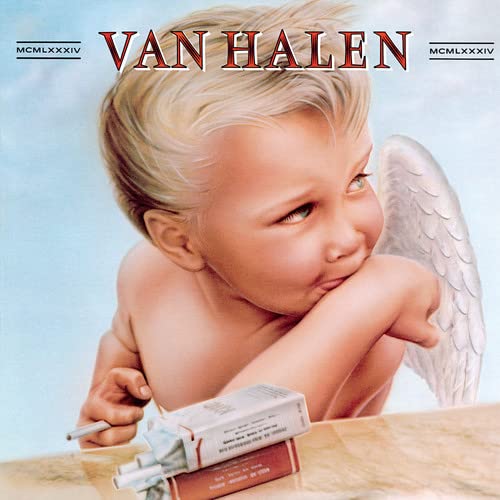
Van Halen – 1984

Released January 9, 1984 via Warner Bros. Records

My Favorite Tracks – Hot For Teacher, Panama, I’ll Wait

The lead-up to 1984 was a bit contentious for Van Halen. The band had rushed out Diver Down and Eddie Van Halen was prevented from his desired use of synthesizers. In 1983 he sequestered himself in his new home studio and used a synthesizer for the whole year, in defiance of the wishes of David Lee Roth and the record label.

The results weren’t to be argued, though. The slate of songs Eddie came up with worked, both within the band’s sound and as an update to their offerings. This album was chock full of hits and several of the songs would become iconic pieces of Van Halen’s catalog.

It is a rather short album in some respects – 8 songs with a total time of 33 minutes. But there is a lot to talk about, given the legendary nature and success of these songs.

1984

Keeping things even more concise is the first track, a minute long instrumental that only features synthesizer. That’s about all there is to it.

Jump

The proper lead track is likely Van Halen’s most recognized song. Jump features the keyboard front and center, with Eddie’s guitar taking complimentary role. Roth originally based the lyrics around footage of someone contemplating suicide from a tall building, but later reworked them to fashion a more inspiring message.

Jump is Van Halen’s biggest single, being their only number one entry on the Billboard Hot 100. Jump has been ever-present in society in the 38 years since its release.

Panama

Eddie put up the keyboard here and offered a more conventional Van Halen track. The song sounds like the prototypical Van Halen party track but is actually about David Lee Roth’s race car. It’s all the same, really, and this is another widely celebrated song. Panama was a top 20 single and is another VH tune that’s never more than a stone’s throw away. It’s also a very nice bridge to the earlier material.

Top Jimmy

Another guitar-focused track, this upbeat song is a tribute to a gigging band Roth used to catch at a club in Hollywood. Many rock songs have been written about the rise and fall of music stars, but this song simply shines light on a group that went out and played, without the shitty ending.

Drop Dead Legs

Nothing much to get into here – it’s a groovy, Eddie-on-the-guitar tune whose lyrical content is blatantly obvious. Nothing wrong with short and to the point.

Hot For Teacher

The band’s final single from the DLR era is a thing to behold. Alex Van Halen rumbles in with an intense double-bass drum solo intro, then Eddie joins in with some crazy fretwork to kick off this massive rock tune.

The song is, again, simple in premise – guy’s got the hots for his teacher. It has been a common deal since school has been a thing. The song is electric and takes everything to 11. While the single didn’t’ crack the US Top 40, the MTV video was a sensation and saw massive airplay.

I’ll Wait

Another single, this song goes back to the keyboard-heavy approach of Jump. It’s a bit of a slower tune and the synth being at the forefront works well.

An outside collaborator was brought in to help with the lyrics – Michael McDonald, he of the Doobie Brothers and sundry other projects, helped Roth along with the words. McDonald was not credited on certain versions of the release initially, for reasons not made clear.

I’ll Wait matched Panama’s success on the US Billboard singles chart, hitting position 13.

Girl Gone Bad

Heading toward album’s end with a song that showcases a bit of a cleaner guitar tone from Eddie, something a bit brighter that might be a preview of Van Halen to come. There are also words sung about a girl gone bad, which is literally all there is to say about the song’s lyrical theme.

House Of Pain

The album closes on a very old-time VH sounding tune with a very heavy, driving riff. It’s about rough sex, or about not enough rough sex, or not about rough sex, or maybe all of the above – all is possible within the David Lee Roth multiverse.

1984 was a smash success for Van Halen. The album sold well out of the gate, hitting gold just a bit after release. It is in a virtual tie with the debut album as Van Halen’s best-selling record, both being over 10 million and diamond certified in the US. 1984 is often at or very near the top of many VH album rankings and is cited as one of the best albums of the 1980’s.

It’s worth noting that the “synth” arguments about the album are pretty overblown. It’s two whole songs, three if you count the intro. It wasn’t the first time VH used synth either, so the fuss probably comes down to the success of Jump as a single. It might have been different to hear Eddie base a song off of keys rather than guitar, but it gets boring when artists do the same thing over and over again, and Eddie Van Halen wasn’t going to be that kind of artist.

The band would tour behind the album and then long-running tensions would see David Lee Roth exit Van Halen to pursue a solo career. Van Halen would regroup with Sammy Hagar and enter a musically different yet commercially fantastic era.

Roth’s exit was a foregone conclusion, as fans would find out mostly in retrospect. Roth and Eddie Van Halen butted head creatively, with Roth not fond of the synth-based direction Eddie wanted to take. 1984 seems to be Eddie’s response to that. Roth was also presented with opportunities that later didn’t pan out, so heading out on his own was a fairly logical choice.

However things afterward went down, there is no argument that 1984 was a pinnacle album for Van Halen. It was a more cohesive effort that offered up quality work even in secondary tracks, something other early-era albums could sometimes lack. It captured the attention of the world at large and made Van Halen one of rock’s biggest names in an era where rock was king.

Album Of The Week – October 31, 2022

It’s time to do another week revolving around one artist. This will involve a post every day, it’ll include a (long) look at the band’s line-up changes, a few singles I have and cap off with an album ranking on Friday.

I’m leading off with the band’s fourth album, one recorded and released after great tragedy. Despite a few curious choices in sound, the album would be a huge success and propel the group forward to a state of total world domination a few years later.

Metallica – …And Justice For All

Released September 7, 1988 via Elektra Records

My Favorite Tracks – Harvester Of Sorrow, One, Blackened

Metallica had made great strides in heavy metal and music in general, achieving commercial success without the benefit of radio or MTV play. Things would change with this album, and Metallica would start to become not just a successful metal band, but one of the world’s most popular acts.

The group were enjoying a fantastic touring cycle for Master Of Puppets when an icy bus crash in Sweden claimed the life of bassist Cliff Burton. Burton’s death was a massive loss and one that still reverberates today. The band decided to press on after the accident, hiring Jason Newsted away from Flotsam And Jetsam.

…And Justice For All features 9 songs at a massive run time of 65 minutes. The album cover is a fantastic image and possibly the band’s best ever. Singles released from the album include Harvester Of Sorrow, Eye Of The Beholder and One, the latter marking the band’s first MTV video.

It’s impossible to discuss the album without bringing up the curious production choices. The album sounds dry and tinny, with the high end very emphasized. The drum sound is odd, but the missing bass is the typical talking point. The band have blamed “hearing loss” for the bass omission, though a lot of people speculate that it wasn’t an inadvertent decision. The album succeeded even with the odd mix, though it is still a huge topic of discussion all these decades later.

With that out of the way, let’s get into the songs. There is a lot to go over, even with an average number of tracks.

Blackened

The album opens with a super heavy track that firmly suggests Metallica are out to snap necks again. This is a pummeling song that details the nuclear end of the world, a topic prevalent in thrash and also Metallica’s own back catalog. While much of the album drifts away from “pure thrash,” Blackened is one of the more outright thrashy songs.

Blackened is also Jason Newsted’s sole writing credit on the album – he had the main riff “laying around” and played it for James Hetfield, who immediately set about crafting the song.

…And Justice For All

This very extended play at nearly 10 minutes is a direct attack on the hypocrisy and ineffectiveness of the justice system. It is a song that is sadly still very relevant, if not more so, today than in 1988. While the base of the song is pure thrash, there are several interludes and guitar passages that keep things from getting monotonous.

Eye Of The Beholder

The tempo slows a bit for this crunchy track that concerns itself with the idea that expression is not free and is instead bought and controlled by those in power. It’s an interesting topic that could sadly go down too many dark roads these days. The song is one of the more straightforward ones from the album, keeping its pace and general rhythm throughout.

One

The most recognized track from the record and certainly one of Metallica’s most known songs, this single marked the first music video release from the group. The video features movie footage from Johnny Got His Gun, a dark story similar to what is told in One. Both feature a World War I casualty who was blown apart by artillery but is still alive, though unable to do anything but think.

One begins slowly, with a very haunting guitar passage while the lyrics outline the victim’s plight. The song picks up steam as it goes along, eventually entering total thrash-out territory around 4 minutes in. The song’s extended remainder is a solo fest.

One was a triumphant single and video for Metallica and it marked the beginning of what would be a long ride on MTV for the group. Metallica wound up purchasing the movie rights to Johnny Got His Gun so they wouldn’t have to pay royalties to the prior rights holders. The song is a staple of live sets and is also often brought up when people are asking the age-old question “You know that one song?”

The Shortest Straw

Metallica return to the political theater here, offering a song that derides political witch hunts such as the Red Scare of the 1950’s. The song is another of the “thrashier” tunes from the album. Some fans speculate that the title has to do with how Cliff Burton wound up in his fatal section of tour bus the night of the crash, but honestly that seems like a reach to me and I doubt it’s the case.

Harvester Of Sorrow

An extremely dark and twisted song about a victim of childhood abuse that grows up to be traumatized by the abuse and, after going insane, murders his family. Harvester is a slower yet still heavy song that lends the right kind of dark atmosphere to its terrible story. While Metallica did plenty outside the thrash realm on this album, Harvester is a true highlight of how they could turn down the speed yet still offer a compelling song.

Frayed Ends Of Sanity

Very easy song to peg here, it’s a thrash tune about going insane. It slots very well on this album that’s all about the dark side of things. The song has a bit of trivia with it, as Metallica didn’t play the song live until it was voted in to the set via fan request in 2014. They would often tease the intro before going into a different tune.

To Live Is To Die

This is a mostly instrumental passage that serves as tribute to Cliff Burton. You can’t hear the bass, but if you could, you would hear Jason Newsted playing parts that Burton had previously written. There is a brief spoken passage around the 7:30 mark – the first two lines were from poet Paul Gerhardt and the last two were Cliff Burton’s. The lines and the bass parts mark Burton’s final contributions to Metallica’s music.

Dyers Eve

The closing track brings back the thrash in a big way. The lyrics reference someone criticizing their parents for sheltering their child and damaging their development through childhood. The lyrics were born of James Hetfield’s childhood, who had to deal with his father’s abandonment and his mother’s death, as well as growing up in a twisted belief system that would be responsible for his mother’s end.

…And Justice For All was a massive success for Metallica. The album went platinum just a bit after release and charted well in many parts of the world. The album would go on to sell over 8 million copies in the US, some of that of course coming after the band ascended to practical godhood with the Black Album.

Metallica ran into a practical issue while touring behind …Justice – the songs were too damn long. One was a constant fixture and the shorter Harvester Of Sorrow got plenty of stage time, but many other tracks were left alone due to time constraints. Eventually every song made it on to a set list, but highlighting the album live is a very tall task.

Metallica’s course was well on track for future success after this record. The form that took was something beyond which anyone could have realistically predicted, but of course all of that is a story for another time. …And Justice For All was a fitting bookend to the group’s thrash career and a fantastic effort born of the grief over the death of Cliff Burton.

Album Of The Week – October 24, 2022

For this week I’m going back to the early 90’s and the practical genesis of the brief yet powerful “alt-metal” movement. This album was the second in a line of four that served as one alt-metal figurehead’s impressive body of work. And while every music artist is divisive to some degree, this dude really gets opinions flowing and tempers flaring.

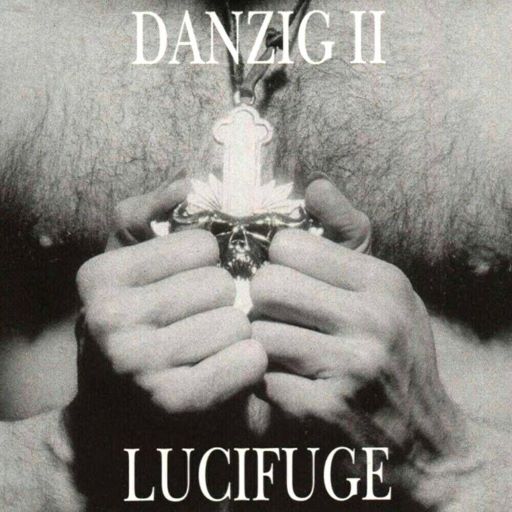
Danzig – II: Lucifuge

Released June 26, 1990 via Def American Records

My Favorite Tracks – Snakes Of Christ, Her Black Wings, Tired Of Being Alive

Glenn Danzig had entered the scene as vocalist of punk group The Misfits, then entered metal territory with Samhain before evolving into his own-named outfit. The band took up a blues-based metal sound that explored the various facets of evil, a template still very much in place on Lucifuge.

And while the debut album would hit platinum, we aren’t quite there yet. Danzig was on a major label but was still an emerging concern in 1990. It would be a few years before the hit would climb the charts, even though that hit had already been recorded and released.

The original CD packaging was also interesting – the booklet insert folded out into a huge upside-down cross. There are also a few versions of the album cover – the one I posted is the US CD version, while other variations feature headshot photos of the band. To my knowledge, the songs are the same across all versions.

Our album today weighs in with 11 songs over the course of 50 minutes. Several music videos were filmed for tracks, though nothing was technically “released” as a single. Note that some of the videos are not hosted on official channels for whatever reason and might not hang around for too long, I don’t know.

Long Way Back From Hell

The album opens with an epic riff fest that establishes the tone for the album. It is dirty blues straight out of a Louisiana swamp, and the opening lyrics place the song right there. The nasty riffs of John Christ meld with the distinct “Evil Elvis” bellow of Glenn Danzig to offer up some truly wicked metal. The song’s premise is simple – don’t do something you aren’t prepared to face the consequences for, it truly is a long way back from Hell.

Snakes Of Christ

Something super cool happens here, there is an abrupt transition between tracks 1 and 2. This is something almost obsolete now in the digital age, but it’s pretty cool to go from one banger straight into another. A very signature riff opens Snakes Of Christ, and the song moves on into a critical examination of how religious teachings have been perverted over the centuries.

On the subject of the song’s main riff – Danzig has stated in the past that he feels Stone Temple Pilots ripped off this song’s riff for their single Sex Type Thing. This 1997 interview, provided via archive, outlines his argument. The STP camp doesn’t seem to have ever addressed the issue.

Killer Wolf

This is a slower, very blues-based number that is really just about some old horn dog going out on the prowl for women. The song features Danzig’s vocal inflections to such a degree that Danzig detractors might call this song “Exhibit A.” I think it’s a pretty cool track, myself.

Tired Of Being Alive

Another banging tune with a monster riff. The title might indicate the same kind of desperate, crushing depression found in doom metal, but this song retains the “I am badass and evil” vibe while still expressing a similar feeling of being done with it all. Everyone gets sick of it all at some point.

I’m The One

An acoustic blues track about a little boy who discovers he’s the “one,” likely being the Antichrist or some other evil dude. The song was originally cut during sessions for the debut album but was saved for this one.

Her Black Wings

Often viewed as the signature song from the record, Her Black Wings goes beyond the “dark blues” and gets straight into heavy metal. The song is about some hot, powerful demon woman who shows up and does her thing. This song perfectly sums up the Danzig experience.

Devil’s Plaything

A bit of a departure from the blues here, this track offers up a preview for what the next album would sound like. This veers more into the gothic realm and offers a more quiet experience through a fair bit of the song before opening up in a powerful surge a bit later. Danzig did not always have to be loud, something that would come into play after this record.

777

It’s straight back into the bayou with this dark blues track. The song is apparently about apocalypse, though it’s expressed in vague terms. No matter, it is a powerful song and another highlight of the record.

Blood And Tears

It’s ballad time, this being a dark tune that explores someone coming out of a failed relationship. The song departs from the pure evil explored in other places and presents a more realistic version of things.

Girl

A very rocking tune with not many lyrics to it – “Girl, let’s fly too high” is about all you really need to know. The song works very well even without a great deal of exposition to it.

Pain In The World

The album ends with a heavy song that gets into the origin of evil and its arrival on the planet. While it’s more of a deep cut from the Danzig catalog, it is still a signature Danzig tune.

Lucifuge did not see massive mainstream success, but did initially chart on the US Billboard 200. It was well-received critically, with many writers calling it a huge leap forward from the debut. The album did spread through the metal network and Danzig became a more visible force, with a mainstream breakout a few years away.

In retrospect, Lucifuge has been hailed as one of the best albums of the band’s career. The evil blues sound wouldn’t be found on any future Danzig records and it stands out among the other releases. I haven’t entirely answered the question for myself yet, but this is a true contender for my favorite Danzig release.

Of course, with Glenn Danzig comes a lot of discussion. While he’s had his fans over the years, he’s also had plenty of haters. His singing style has been roundly dismissed and he has often been portrayed as an asshole. And maybe he is, I don’t really know.

It doesn’t affect my listening habits if people don’t like someone I do like, so it’s no huge deal. But it has been funny over the years to hear the outcry over Danzig, bringing up his name at all can lead to some interesting conversations.

But at the end of the day it’s the music that matters, and Lucifuge was a triumphant statement from Danzig. It came along at the right time for my young, impressionable self and it helped set the tone for the music of the early 1990’s. No amount of hang-wringing over what kind of person Glenn Danzig is can change that.

Album Of The Week – October 17, 2022

It’s been quite a while since I’ve tackled a recent album as AotW, that usually involves a lot more work than talking about a record that’s been out for 40 years. But this return-to-form album from one of metal’s most influential bands of this century is significant enough to warrant immediate discussion.

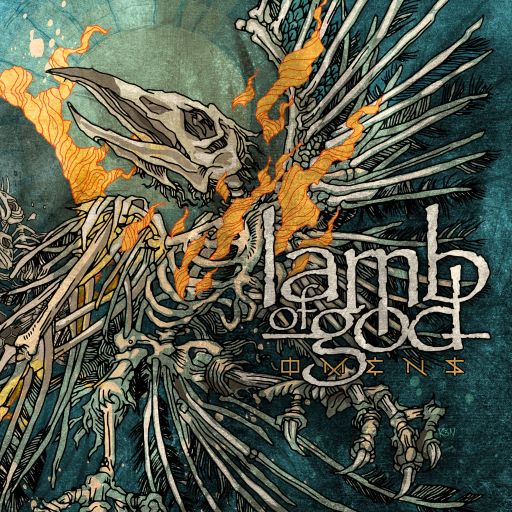
Lamb Of God – Omens

Released October 7, 2022 via Epic Records and Nuclear Blast Records

My Favorite Tracks – Ditch, Gomorrah, Grayscale

Lamb Of God have always presented a harsh, visceral world view, and this new album in the post-2020 era is a fiery takedown of whatever’s left in the ashes of our culture. It’s probably easier than ever to craft a metal album in today’s negative, nihilistic climate; but it takes on a new form when combined with the groove and riffs of a seasoned metal act.

The band recorded the album in the same room with each other, rather than handling specific parts alone. Something about the spontaneity and changing of the process has led to a rejuvenated band back on the attack. A “Making Of Omens” mini-documentary is available online for anyone who has purchased copies of the album or concert tickets (I think…)

There is no beating around the bush here – 10 songs come in right at 40 minutes. The attack is savage and precise, so let’s get right to it.

Nevermore

This track was the first preview single and was offered up in June. The song delves into the issues surrounding the “culture war” happening in a lot of the US and here specifically in the band’s hometown of Richmond, Virginia. The battle here is whether to remove or leave up statues and other images of Confederate military figures and has been a hot button issue through the South for awhile now.

Nevermore’s presentation of the issue is “well, everything is fucked” which is a pretty accurate portrayal. There are also a few lines thrown in to pay tribute to Edgar Allen Poe’s epic poem The Raven.

Vanishing

A hard hitter here, this song seems like it’s about a civilization being wiped off the planet. It could possibly be about one of the many peoples who were wiped out or subjugated by colonial powers. The song has a pretty neat outro part that switches up the pacing.

To The Grave

A neat song about that one thing from your past that can come back and bite you. Another song that highlights how inspired and refreshed the band sounds.

Ditch

This will probably count as a single as the song was given a video on release day. The song is the classic kind of “confrontation” tune that works so very well in the groove metal realm. The “ditch” appears to be the one the whole country is in. This was an instant favorite for me when I heard the record and I’ll wager that this song will be ranked among the band’s best after the dust settles.

Omens

The title track has a nice twist on the idea of omens and ides. The world so screwed that, well, the hell with all the signs pointing it out. “I can’t pretend to care about how this will end” sums up the spirit of the song and the whole album.

Gomorrah

This is a song about failure – and not just, like, missing a field goal or something. It’s stark, bleak, abject failure of the all-consuming kind. It doesn’t paint a pretty picture and it’s a type of song or art theme that has always drawn me in for whatever reason. I don’t know if it’s me hitting middle age or if it’s the state of the world or what, but this kind of total human failure really stands out, and it’s captured in perfect form by Lamb Of God here.

Ill Designs

Again with the failure, but this time apparently of some corporate head or other power figure that is being taken down. It is the collapsing of the house of cards the figurehead built, and of course everyone is caught in the demolition. Some very standout guitar work on this one too.

Grayscale

This song apparently almost didn’t make the record but was “voted in” by the producer. The riffing is more militant than a normal LoG song but isn’t out of place or anything. It’s about a struggle within one’s self, and pretty extreme one at that.

Denial Mechanism

Here is an absolute barnburner. Not that Lamb Of God would ever be accused of not being heavy, but this is a whole other world for them. It has a more hardcore feel than a typical LoG track and bashes the end of humanity and the world into the listener’s head. While the song presents a call to action to fend off the end, things sound pretty bleak around here.

September Song

The album’s finale keeps the theme of “we’re fucked” and presents it on a grand, global scale. This one also moves a bit differently than what we’ve come to expect from LoG, with a bit more of an epic build-up and use of movements and atmosphere. It still communicates its brutal message in typical fashion but is a welcome stretching out of the creative muscles for the band.

Omens does what many long-in-the-tooth metal bands strive to do, and a handful achieve – it presents a refreshed, revitalized attack for a band that had been previously written off as a throwback to better, older days. Lamb Of God have not lacked for name recognition or legacy status, but recent efforts were not viewed in the same hallowed light as their peak offerings, now well over a decade old.

But the word on Omens is out, and many who maybe haven’t paid LoG much mind in a long time find themselves back for another round. The backdrop of the pandemic and America’s possible disintegration have led to a ferocious new record. You don’t have to teach an old dog new tricks, sometimes they learn their own.