Sammy Hagar – VOA (Album Of The Week)

Today it’s time to look at one of the crown jewels in the career of the Red Rocker. After a slow grind to relevance as a solo artist, Sammy Hagar began making waves in the 1980’s and would launch the album with his most successful hit just before going on to mega-stardom with Van Halen.
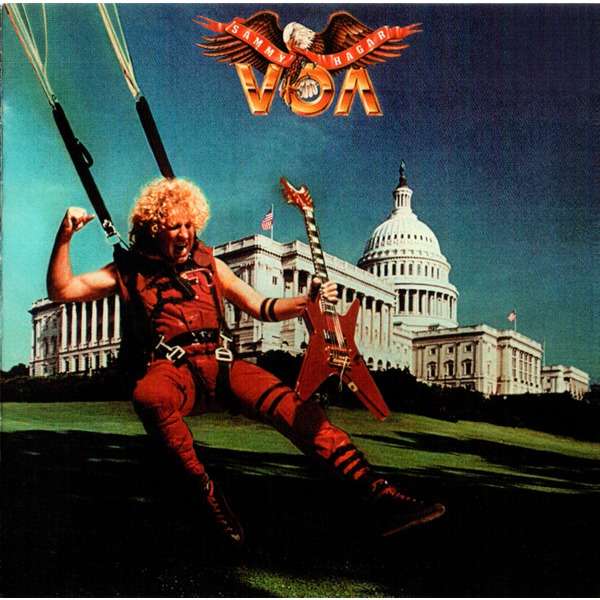
Sammy Hagar – VOA

Released July 23, 1984 via Geffen Records

My Favorite Tracks – Burnin’ Down The City, I Can’t Drive 55, VOA

This marked Hagar’s third album with Geffen Records after a string of modestly-performing solo records with Capitol. On production was Ted Templeman, who’d worked with Hagar previously with Montrose and of course is also long associated with Van Halen.

It’s not a terribly long album here with 8 tracks at 36 minutes so let’s get to it.

I Can’t Drive 55

The opener was also the lead single and also the signature song from both this album and Sammy’s solo career overall. The speed limit on US highways was 55 miles per hour for a long time to offset oil consumption in the 1970’s. Sammy got a ticket for going over that and wrote the song right after.

The song is a nice power rock track backed by keyboards and cuts its message in simple and effective fashion. This wasn’t a social issue that would draw the attention of the likes of Bono, but a lot of people were fed up with the federally-mandated speed limits and this song resonated with a great deal of the country.

Aiding in the song’s popularity was its goofy and fun music video, which sees Sammy and his “pit crew” band get busted for speeding. The courtroom scene is especially funny, featuring famed Geffen A&R man John Kalonder as the judge. And the mechanic in the video’s intro is Claudio Zampolli, who also worked on Eddie Van Halen’s cars and was the one to suggest to Eddie to hire Sammy for Van Halen.

Swept Away

Going on a tropical island getaway here with some lovely gal, the verses open with an atmospheric portion but then kick into a pretty rocking riff. Not a typical verse/chorus structure here but still a pretty simple song that does its job well.

Rock Is In My Blood

Sammy always likes to make songs about rock and metal and here we are again with another choice cut of that nature. It’s a heavy riff with the keyboards accenting the song rather than being the driving force and that works very nicely. I still remember the first time I heard this and being taken aback at how Sammy worked “blood transfusion” into the lyrics and how it fit in rhythm without actually making any sense lyrically.

Two Sides Of Love

The album’s other single did modestly well on the charts and wasn’t actually all that far off of I Can’t Drive 55, but this song didn’t slam into the public consciousness quite like the other one did. This is a song about love but not a “love song,” this deals more with the complications of long-term relationships and life. It’s certainly a product of the ’80’s but it doesn’t quite fall into cliché.

Dick In The Dirt

Side two kicks off with a funny song about Dick and Jane and all the double entendre stuff they get up to. This is one of those songs that could go south real quick but again there’s a very nice riff backing it all up and it holds together pretty well.

VOA

The title track is a hard rocker with the keyboards more up front in true ’80’s power rock fashion. And in keeping with 80’s USA themes, the subject matter is American exceptionalism. There was conflict in the Middle East and also the Cold War with the Soviets was in its final stages and this song sums up the US side of things pretty well. This song might seem silly now and maybe even was back then, but it fit the times very well.

Don’t Make Me Wait

Heading toward the end we get a fairly simple love song that still stays out of real “ballad” territory and keeps with the sound and feel of the album. This one is kind of paint-by-numbers but there’s nothing wrong with it.

Burnin’ Down The City

The album closes with a real monster of a tune and my favorite on the album. The mood goes far more dark here than what’s found elsewhere on the record. The song was inspired by New York City’s street artists according the album’s liner notes. The track goes beyond street art and embraces chaos and destruction in heavy fashion. Had this song been out some years earlier it could have made the soundtrack to The Warriors.

VOA was the realization of success for Sammy Hagar. He had an album that went platinum within a year and the song that would come to define his career. I Can’t Drive 55 would blare across radios and MTV all through the ’80’s as the speed limit remained, and would become a part of auto racing culture even after the speed limit was repealed in 1995. It resonates even today in a culture of bad drivers who used the Grand Theft Auto games as driver’s ed.

The trick for Sammy would be to pull this off again and follow up his success with another hit album. He’d sidestep that issue entirely when he joined Van Halen in 1985 and saw massive success with them. He’d do one more contractually obligated solo record in 1987, but it would be another decade and his split with Van Halen before he resumed his solo career and found a different form.

Sammy Hagar arrived in 1984 with the perfect record of melodic hard rock to get on the scene and score a victory lap after his prior success in the early decade. It’s a fitting end cap to the first phase of his solo career and a launch pad to his time fronting one of rock’s greatest acts.
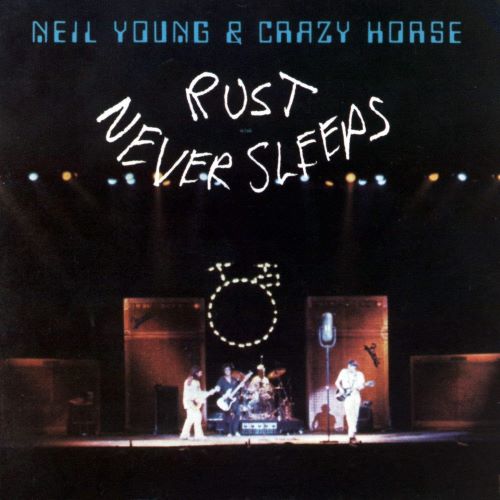
Neil Young – Rust Never Sleeps (Album of the Week)

This week’s pick goes back to the end of the 1970’s and a highlight record from one of the decade’s most outstanding artists. A tour comprising of split acoustic and electric sets fueled the idea to do the same on an album and the result would become one of the more iconic albums in a crowded discography already laden with immortal records and songs.

Neil Young and Crazy Horse – Rust Never Sleeps

Released June 22, 1979 via Reprise Records

My Favorite Tracks – Hey Hey, My My (Into The Black); Thrasher; Powderfinger

The story of Rust Never Sleeps is a bit of a long and winding one – many of the songs were collected from earlier points in Young’s career, a typical thing for a guy who has had multiple “lost” albums in the course of his history.

While Young had made waves with a folk and country-infused style, he had also veered off on other courses and was leaning hard into distorted guitars by the late ’70’s. He would marry both concepts with split-set performances on the tour dubbed Rust Never Sleeps in 1978, which would serve as the birthplace and even live studio for portions of the album.

As for the album and tour title’s name, that came courtesy of Devo singer Mark Mothersbaugh. Devo and Young were collaborating on a film project when they took time to enter a studio and work on the electric track Hey Hey, My My. Mothersbaugh threw the line “rust never sleeps” in the lyrics – it was the marketing slogan for Rust-Oleum.

Of the album’s nine songs, seven were initially recorded live and then overdubbed in studio later. An effort was made to remove crowd noise but that was not always possible with studio technology at the time. Two songs – Pocahontas and Sail Away – were not cut live and were studio recordings instead.

My My, Hey Hey (Out Of The Blue)

The album features different renditions of the same song, the opener done acoustically. The song was born of Young’s fear of becoming obsolete in music and also would shout out Sex Pistols frontman Johnny Rotten and liken his rise with the fall of the recently-departed Elvis Presley. This first version of the song also features the lyric “It’s better to burn out than to fade away,” which became one of Young’s most famous and widely-quoted lyrics. While used in a wide variety of places, it was a part of Kurt Cobain’s suicide note in 1994 and Young was greatly affected by that.

Thrasher

A masterfully done acoustic tune that sees Young rambling off on his own, away from society and its machinations. The song is actually about Young’s bitter relationship with his former bandmates in Crosby, Stills, Nash and Young. While Young and Stephen Stills were able to maintain a working relationship through the ’70’s, David Crosby and Graham Nash were on the other side of the fence and a lot of animosity came through various failings to record a new CSNY record. It’s interesting to note the actual genesis of the song of course, but even without that knowledge this is a fantastic tune.

Ride My Llama

A short tune, though far from to-the-point. Here Neil takes a trip with a guy from Mars and also rides a llama from Peru to Texarkana. Not sure what ideas or substances Young might have been engaged with here, but the song works pretty well in its fanciful outlook.

Pocahontas

Another highlight of the acoustic side of the record, Pocahontas sees Neil again approach the issue of European settlers massacring Native Americans. He had previously sung about that on his acclaimed track Cortez The Killer from 1975. Pocahontas is one of three songs from Rust Never Sleeps that were originally intended for the never-released Chrome Dreams album a few years prior.

Pocahontas is also a bit of a weird song, as Young goes from a muddled recount of the massacre, to living in the present day with Marlon Brando and the Astrodome. The song really showcases Young’s vocal abilities and creates an uplifting atmosphere despite the grave subject matter.

Sail Away

The acoustic portion of the album ends with this nice, light and airy tune that really isn’t about much more than getting away. It’s a nice, clam and smooth way to get the hell away from it all for a few minutes.

Powderfinger

It’s on to the electric songs now and another cut meant for the shelved Chrome Dreams record. Young tried doing something else with the song, namely giving it to Ronnie Van Zant of Lynyrd Skynyrd. Skynyrd never got around to recording the song before the 1977 plane crash that claimed the lives of Van Zant and others. Young would eventually retool Powderfinger for his own use here.

Powderfinger sees a young man forced to defend his home from an arriving gunboat. Thinking quickly, he decides to grab his own gun and fire on the ship, which would lead to his own death. The lyrics tell a pretty heart-wrenching tale that isn’t the conventional approach to a war or combat song.

Powderfinger is held in the highest regard – often considered one of Young’s best, and in 2014 Rolling Stone magazine ranked it as his best overall.

Welfare Mothers

The next track is a nice rock number but also a bit of a strange one – if we’re to take the song literally, then Neil is suggesting we head to the laundromat and pick up divorced, down on their luck mothers as they’re better lovers. There’s probably some kind of social commentary here that means one shouldn’t take this track literally but honestly no one really talks about this song much so the listeners are left to make their own guesses as to what’s up.

Sedan Delivery

The third song intended for Chrome Dreams appears in here electric and quite distorted form. It’s almost a punk or metal tune with its rendition here. The song could just be about some guy’s life or maybe about drugs of some kind, it’s not evident what’s going on here.

Hey Hey, My My (Into The Black)

The album closes with the electric version of the opener. They lyrics are altered slightly on this version but the song is essentially the same, just with Young and Crazy Horse bashing their way through this amped up version. It’s another of Young’s most famous tracks and has been covered by about half of all music artists in the decades since release.

Rust Never Sleeps was a massive artistic statement from Neil Young. He wove his own fears of being cast aside into the kind of riffs and noise that punk and other artists were making, and cranked out a set of immortal songs to stave off his obsolescence. And on the acoustic portion he worked within more familiar parameters to craft engaging songs that added to his legacy in the folk/country realm.

The album would reach number 8 on the Billboard Album Chart, the precursor to the Billboard 200. It charted well in many other countries as well. The album has a lone US platinum certification but that might be more of an issue with a record label’s lack of desire to re-certify albums than an accurate picture of sales figures.

A year later Young and Crazy Horse would release Live Rust, featuring both tracks from this album and other Young standards. It too would chart highly and also gain platinum certification. The somewhat unconventional Rust Never Sleeps approach paid huge dividends for Young, who was about to kick off a very strange and meandering period when the 1980’s hit.

At the end of the day, Rust Never Sleeps was a career high point for Neil Young and proof he could carry on even as he’d put some years behind him. He would strike gold again and again in the years since, both carrying on as he saw fit and also keeping his finger on the pulse of the music of the moment. The conversation over the best Neil Young album is a tough one considering both the size and scope of his total output, but Rust Never Sleeps is certainly a part of that conversation.

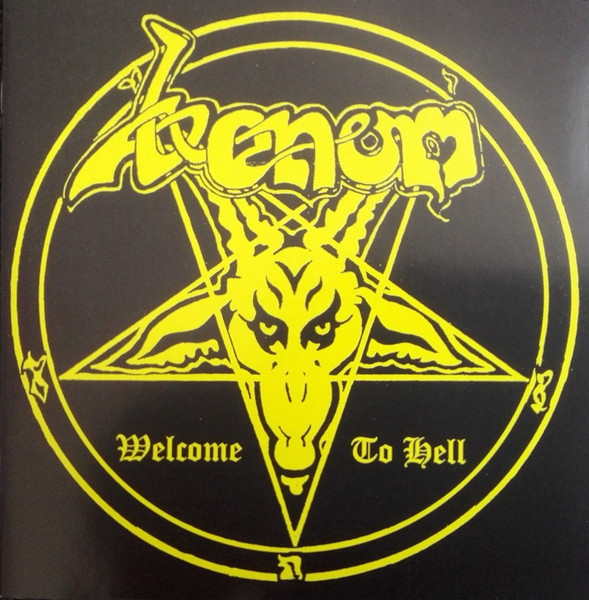
Venom – Welcome To Hell (Album of the Week)

Two weeks in a row for debut albums – this week it’s a first offering from a band that would cast a wide influence on what would come to be known as extreme metal. While much of early 1980’s England was in the midst of the New Wave of British Heavy Metal scene, one band would take noise, speed and Satan to a different level.

Venom – Welcome To Hell

Released December 1981 via Neat and Combat Records

My Favorite Tracks – In League With Satan, Live Like An Angel, Welcome To Hell

Venom was formed when the three core members eventually came together out of the ashes of other bands. Conrad Lant would handle bass and vocals, Jeff Dunn tackled guitar and Tony Bray sat on the drum throne. The three would choose stage names – Cronos, Mantas and Abaddon, and be more known by those names in the pre-Internet era. Much of this first album was composed of tunes that Cronos and Mantas each had worked up in some stage and brought to their new band’s sessions.

There were two other members of Venom early on, but both Alan Winston and Clive Archer would leave the group before the recording of the album.

Venom would record their early demos at Impulse Studios in the Newcastle area, where Cronos had a job and traded work for Venom’s studio time. They would land a record deal with Neat, a British label who also happened to own Impulse Studio. Venom recorded the album proper in a few days, and Neat released the record after a few more days and not much in the way of mixing and mastering. This raw, unpolished sound was not entirely intentional on the band’s part but would wind up being a key point of influence on the later black metal movement.

Venom would use overt Satanic imagery and lyrical fare as an attention getter, but would also fully commit to the gag in a way that pushed beyond the “quasi-satanism” of Black Sabbath and earlier acts. The band’s interest in Satanism and the occult would play into the Satanic Panic of the 1980’s and even later land the group a coveted spot on the PMRC’s Filthy Fifteen list. (I’ve covered the list in the past here).

Today’s album holds 11 tracks with a running time near 40 minutes. There won’t be much in the way of technical proficiency to discuss, but a lot of ripping through songs about evil and lust and the influence many would bear later on the metal scene.

Sons Of Satan

It’s fair to call this a collision of musical parts being played together at once as opposed to a cohesive song. The lyrics implore the righteous youth to abandon their path and join the satanic Venom legions. And perhaps against the odds, Venom would succeed in their dark recruiting mission.

Welcome To Hell

The title track is a much more put-together affair than the opener, though still swamped in the lo-fi buzz that would come to be a defining point of the band. The lyrics are a crude pounding through the glorification of Hell and the end of the world, with a spoken word portion of Psalm 23 from the Bible thrown in because why not.

Schizoid

While the title implies a mental disorder of some kind, the song is about a serial killer. It’s a pretty good song though it’s hard to ignore the awful drum sound here, certainly a case of something that would have sounded better with more work in the studio.

Mayhem With Mercy

A brief instrumental that isn’t of note itself. The Norwegian black metal band Mayhem would name themselves from this track and then go on to live in infamy in the 1990’s.

Poison

A nice song about a girl who entices the song’s narrator, though the girl is of course evil and all that. The lo-fi production works pretty well here. It is worth mentioning that hair metal act Poison did NOT name themselves after this track.

Live Like An Angel

A very nice song here that would be an early influence on thrash metal. This song would be bundled with In League With Satan for release as a double A-side single. This did illustrate that Venom’s primitive sound was down more to studio limitations than musical effort.

Witching Hour

All hell breaks loose on this, one of the most celebrated tracks from the album. So lo-fi it can almost hurt to listen to, but also a fantastic slab of sick heavy metal. It’s pretty easy to find a cover version of this song on any number of underground metal bands’ albums.

One Thousand Days In Sodom

Bit of a concept piece here, I guess, as Venom explores the sin and decay of the city of Sodom, as told in the Bible. It should be no shock that Venom’s recounting of the story does not align with Christian teachings. A very nice riff here and some pretty well-done songcraft. It is widely reported that the German thrash band Sodom named themselves from this song, though I can’t locate actual confirmation of that tidbit.

Angel Dust

In keeping with the lyrical themes that piss off the “moral majority,” we now have a song about drug use. Angel dust is the common street name for PCP, which is honestly a pretty messed up drug. While the song is clearly glorifying drug use, I don’t recall that the members of Venom were particularly taken with drugs, this is just another character piece.

In League With Satan

We are now at what is largely considered the highlight of the record. In keeping with actually doing everything that other bands were incorrectly accused of, the beginning features a backwards-recorded Satanic message. And the main lyrics of the song have the similar Satanic messages said normally. This is a very nice and evil sounding song that hypnotically marches through its dark message and generates the kind of sound that other metal bands would strive for.

Red Light Fever

The album closes with a savage rip through a song that is not about running red lights in traffic, but rather the seedy red light districts of infamy. While Cronos finds himself a good time gal, he realizes that she’s just doing her job and his moment of glory is just a moment.

Welcome To Hell was the start of a sound and scene that would not light up mainstream sales charts but would spread a wide influence across what would become new strains of heavy metal – not only ignoring the criticisms of theme and imagery, but embracing those themes. Venom’s second album Black Metal would give a name to the most infamous of these subgenres of extreme metal, and Venom’s honestly unintentional lo-fi sound would shape the early recordings of that movement.

Venom would gain notoriety for their sound and antics, but were outpaced by the movements of other metal bands. By the end of the 1980’s thrash metal was king and several versions of extreme metal were entering their prime years. Venom themselves would go through a series of line-up changes and dramas, though they are still active with Cronos being the sole original member and have released 15 studio albums with a variety of line-ups over the years.

Venom and Welcome To Hell are viewed in a positive light in terms of influence and legacy, though in the realm of sound they aren’t particularly noteworthy among critics. Yes, the album does sound like shit. Listening closely today it’s a bit of a slog to get through, though for me personally there are worthy songs under the layers of badly done studio work. But I imagine this was a different thing to hear in the early 80’s when the average listener didn’t have the context to understand recording techniques – this sounded pure evil.

At the end of the day, even if it sounds like a bad attempt at recording, the influence of Welcome To Hell far exceeds any technical limitations. For all of the finger wagging at heavy metal and its supposed immorality, Venom were actually providing that unironically. In the family tree of extreme metal, this is the trunk.

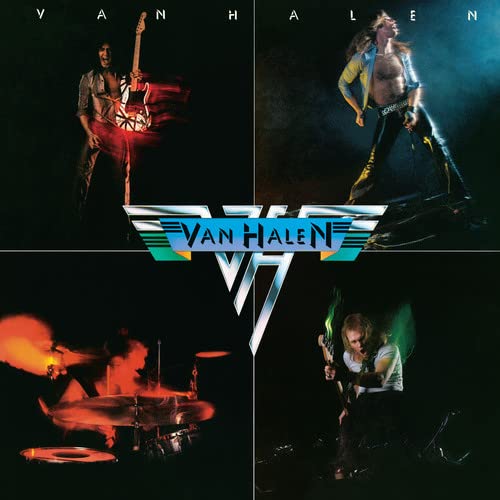
Van Halen (Album of the Week)

I had a few different options for this week, but then this past Friday I was enlightened to the fact that February 10th marked the 45th anniversary of what likely marks the greatest debut album ever presented. So to commemorate something that came out almost six months after I was born, I’ll divert my attention to this absolutely phenomenal slab of music.

Van Halen – self-titled

Released February 10, 1978 via Warner Bros.

My Favorite Tracks – Runnin’ With The Devil, Ain’t Talking About Love, Atomic Punk

The early Van Halen tale is worth a brief run-through here. The brothers Van Halen, along with original bassist Mark Stone would kick off the band, then David Lee Roth would join on vocals after the group were regularly renting his PA equipment. Stone was replaced with Michael Anthony, and the group began a slow ascent through the Los Angeles club circuit.

Gene Simmons loves his credit for discovering Van Halen, so here’s where his part of the story comes in. Simmons helped VH craft a demo, which did not draw attention or a record deal. Simmons was frustrated that no one in his circle saw the talent within Van Halen and went to tour with Kiss, leaving VH to find their own deal. People out on the LA scene began calling producer Ted Templeman, who had been wanting to get a guitar-centric band together, and the match made in Heaven would come to fruition. Templeman got the band signed to Warner Brothers, got them in the studio and banged out the album in a few weeks.

Time to go under the hood of this landmark record. It’s 11 songs though with a fairly brief 35 minute play time, but of course there’s a lot to discuss here.

Runnin’ With The Devil

I can save a bit of time off the bat as I’ve covered the opening track before in my S-Tier Songs series. It’s a fantastic, immortal rock track and one of the band’s best, even if the field of “their best” is very crowded.

Eruption

This brief instrumental would light the rock and music world on fire. Eddie’s use of two-handed tapping would revolutionize rock guitar for the next decade. The solo is a crazy shred fest that just wasn’t present in late 70’s rock music and it quickly became the piece that every aspiring guitarist looked to emulate.

You Really Got Me

This cover of the Kinks’ 1964 hit would serve as the first single from the record. It’s a Van Halen-ized version of the classic original and the VH cover would get wide airplay. Eddie wasn’t pleased with using the cover as the lead single but apparently there was a race on between Van Halen and the band Angel to get a cover version out so Warner Brothers rushed out the VH cover. The song fits the album just fine and is a very good cover track. Dave Davies of the Kinks would disagree with me but that’s kind of his thing.

Ain’t Talkin’ ‘Bout Love

This apostrophe-laden title catastrophe is also one of the band’s most celebrated songs. It was released as the album’s third single and was an instant classic. The riff is a signature rock standard and one of the areas where Van Halen could be accused of playing heavy metal. There’s also some electric sitar on the guitar solo because of course there is.

I’m The One

This is a very nice tune that really showcases in full the Van Halen sound – playing nearly off the rails with Alex and Michael holding down the rhythm fort, while David Lee Roth goes totally batshit on the mic.

Jamie’s Crying

Another highlight song, this has some fantastic riffs from Eddie as DLR spins the tale of Jamie, who got caught up trying to make a one-night stand into something more. Poor Jamie is caught in a bad spot, but at least we get a fantastic song out of it.

Atomic Punk

A very nice and heavy song about some kind of dystopian super villain or something. The song isn’t that deep or anything but it does have a bit of sci-fi cyberpunk feel to it. It’s another “brush” with heavy metal and it’s an outstanding work.

Feel Your Love Tonight

Thematically standard about trying to get with some gal, but a very revved up version of a more old-time rock song. The backing vocals from Eddie and Michael really hit here, though of course they’re present all over the album.

Little Dreamer

Here’s a song that feels like it’s a bridge between Van Halen and the rock that came prior. A very simple yet extremely effective riff and a well-done solo call to mind the rock heroes of the 70’s.

Ice Cream Man

A cover of an old blues standard from John Brim, the song had been around for ages but course had not yet had the Van Halen treatment. The band starts it off slow then kicks in with full instrumentation, making this yet another party rock tune. And of course the lyrical fare is alluding to certain, more adult activities. The song is well done and John Brim got a nice payday out of it too.

On Fire

The album ends with an exhibition, both of Eddie’s guitar playing and Roth’s full-fledged screams. Not that this album had any restraint anyway, but On Fire just goes off into another dimension. One of the band’s less heralded tracks but one that might deserve a bit more recognition.

Van Halen was a hit out of the gate and started the band on their track to superstar success. It would peak at number 19 on the Billboard 200. The record was platinum by October of 1978, and would go on to later diamond certification with over 10 million copies sold. It is virtually tied with 1984 as Van Halen’s best-selling album, though a lack of willingness on the record label’s part to re-certify does leave an incomplete picture.

The album retains its reputation as one of the greatest debut albums released. While to truly judge that would require an examination across many genres and eras, there is no doubt this was one of the most profound and electric debuts in music history.

And this goes far beyond just the scope of one album – this was the beginning of a new era in rock, one in which guitar would take center stage. This album set the table for the rock music of the 1980’s, which happened to be rock’s most commercially successful era. Van Halen was the shape of rock to come in the most excessive and loud decade of the 20th Century. Their own success would rival the biggest acts of music for their extraordinary run through a few decades, ultimately ended by the death of Eddie Van Halen in 2020.

Van Halen was the opening statement from a musical genius and the inspiration for millions to pick up guitars. The album was also the kick-off of a “party rock” trend that would run well through the next decade and usher in many good times and kill trillions of brain cells.

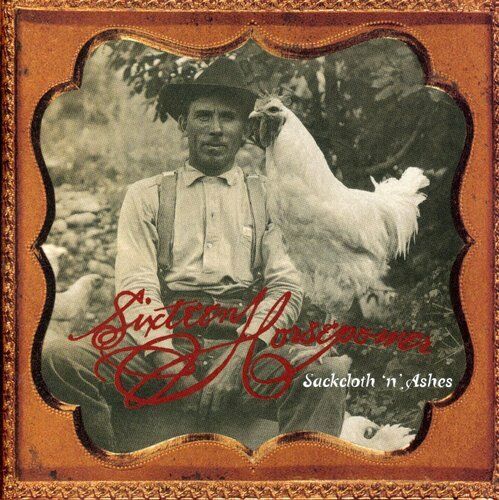
16 Horsepower – Sackcloth ‘n’ Ashes (Album of the Week)

This week’s pick is a revisit of a 90’s album from a band that bucked popular music standards and set their own course with a mix of old-timey music and deep/dark spiritual lyrics. The music would not fit any particular scene but also capture the attention of many different scenes.

16 Horsepower – Sackcloth ‘n’ Ashes

Released February 6, 1996 via A&M Records

My Favorite Tracks – Black Soul Choir, American Wheeze, Harm’s Way

16 Horsepower was an American band comprised of singer and multi-instrumentalist David Eugene Edwards, Jean-Yves Tola on drums and Keven Soll on upright bass and cello. The band’s lineup would change over the years with the constant being Edwards at the helm.

One big issue with 16 Horsepower is categorizing their music. They aren’t country, though they did slot into the alt-country movement of the late 1990’s. The music has elements of country, bluegrass and other scenes but doesn’t necessarily have its own overall description. The term “Gothic Americana” has been used to describe them and is probably as accurate as anything. It is a lot of banjo, accordion and other unconventional instruments that shape the sound here.

The lyrics of 16 Horsepower were infused with Edwards’ religious upbringing. These aren’t overt “praise” songs or anything but there is definitely a religious bent to them. The music was not embraced by Christian outlets for not being standard praise fare and was also often dismissed in secular circles for talking about religion at all. But I don’t feel “preached to” when I listen to it, rather I feel like I’m getting a person’s own experiences and perspective communicated to me. I’m being sung to, not talked at.

The album is not overly long at 48 minutes but there are 13 songs to talk about. I am going to go through a lot of them very briefly to save space, but rest assured this is a highly recommended album from front to back.

I Seen What I Saw

It’s off to a hot start as a guy sees something that isn’t good, then gets on his horse and rides off. While any greater meaning isn’t obvious, this song is pretty powerful with the instrumentation and Edward’s vocal delivery.

Black Soul Choir

Next we have what is widely considered the “hit” off the album and one of the band’s most recognized songs. Black Soul Choir is a uptempo, banjo-driven piece that presents its religious underpinnings more clearly. This is a masterpiece of a song and is often the “first one” for many 16 HP fans. Metal band DevilDriver did a cover of this song in 2011 as well.

Scrawled In Sap

This is a very trippy and atmospheric track that gets into what appears to be an adulterous relationship. It’s very well done and another of my favorites from the record.

Horse Head

A very nice and twisted dirge about some whiskey and chairs, and also some kind of dust-up over something and a guy biting the big one in the end. This is a very dark and grimy track and far outside the bounds of “praise” music.

Ruthie Lingle

An upbeat number about a young man hoping he can hook up with any number of women. I can’t find the interview where Edwards talked about it, but if my memory serves, Ruthie was an actual girl from his childhood that he was sweet on.

Harm’s Way

This song is absolutely sick, meant in the best possible way. Another accordion-led dirge that gets to the failings of life and also the simple beauty of it. The lyrics are also quietly kind of brutal in spots, there’s some dark stuff going on here.

Black Bush

Another really good banjo piece with more, perhaps opaque, religious imagery. A clouded meaning does not deter from a very enjoyable song, though.

Heel On The Shovel

This song is, if not all the way there, at least directly next to country music. It’s a good ol’ tune about vengeance and death and “reaping what you sow.” The fate of the target is pretty grim, in a grave simply to be used as fertilizer for daisies. Such is life and death, I guess.

American Wheeze

A very gripping tune about a guy off to a duel against someone who feels slighted. The specific grievance is not aired, but the narrator is prepared to die for his side of it.

Red Neck Reel

The music is fast and fun, but the lyrics are a fairly dour look at small-town life and how everyone knows everyone’s business. A nice tune either way.

Prison Shoe Romp

Almost a bit of a metal track here, or at least a pretty heavy tune though still steeped in the old time music.

Neck On The New Blade

Not really sure what’s going on lyrically but the song is another low-down one.

Strong Man

The album ends with a dirge about a condemned man who apparently really needs to be put down. The song ends with some references to Christ so I almost wonder if that’s not who it’s about but again, it’s a bit hard to tell.

Sackcloth ‘n’ Ashes was a brilliant debut full-length for the group that defied categorization and 1000% did their own thing. There is no chart or single information to share, 16 Horsepower were always a more underground and independent phenomenon. They would gain traction over in Europe through their run but were never a “hit” of any kind.

The main draw of this album and the 16 Horsepower catalog in general is the authenticity of the old-time sound. The music invokes the feel of the old days, this honestly sounds like what I’d expect to hear traveling through the desolate west. This isn’t a modern homage to music of the past, it is that music done in a modern setting. I can feel the dirt and grit of the landscape that these songs are set in, as well as the darkness of the songs and their weight.

16 Horsepower would run from 1992 through 2005. After their dissolution David Eugene Edwards would focus on his other project Wovenhand, which runs to this day and has performed 16 HP songs live in their sets. 16 Horsepower never achieved fame but they have been a known and celebrated act among those who remember them and the many, like me, who discovered them after their split. This is one of those acts that not a lot of people know, but those who know, know.

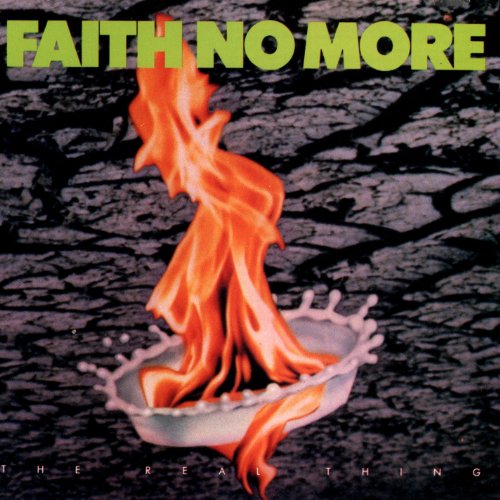
Faith No More – The Real Thing (Album of the Week)

Leading off this week with the album that brought about the 1990’s before 1990 even hit. The album brought everything but the kitchen sink, though that was probably in there somewhere too.

Faith No More – The Real Thing

Released June 20, 1989 via Slash/Reprise Records

My Favorite Tracks – Epic, Falling To Pieces, Surprise! You’re Dead!

Faith No More had started as early as 1979, with a lot of shifting line-ups that at one point included Courtney Love. The core of the band was settled with drummer Mike Bordin, bassist Billy Gould, guitarist Jim Martin and keyboard player Roddy Bottum. Vocalist Chuck Mosley joined for the band’s first few albums but was fired in 1988.

Faith No More recorded the music for The Real Thing without a vocalist through ’88. They quickly focused their singer search on Mr. Bungle vocalist Mike Patton, who joined Faith No More then wrote lyrics for all of The Real Thing over the course of a few weeks.

The album moved slowly out of the gate but would go on to success as the decade shifted and music tastes moved on from hair metal to alternative rock. The Real Thing lingered on MTV for a few years and Faith No More became a signpost for the major shift in music trends that shook the world in 1991.

Normally when I do an AOTW I leave off “bonus tracks” or things of that nature, but in the case of The Real Thing I will include two songs that were not available on vinyl but were on CD and cassette copies. I had the tape growing up so it’s the version I’m familiar with, so the two non-vinyl cuts are included here.

From Out Of Nowhere

The album opener also served as the lead single. It is an uptempo affair with the bass and keyboard lines providing the main drive behind the song and Jim Martin’s guitar a bit more in the background. The song’s lyrical fare is pretty simple and is about meeting someone who takes your breath away on first sight but then the person is gone. The song quickly follows suit at a hair over three minutes, not lingering around long enough to know what hit you.

Epic

In the Faith No More lexicon, Epic is surely the band’s most-known song. This is a true kitchen sink song that could be listed under ten different genres and not be wrong. Funk-metal and alt-metal are probably the two main descriptors, though the song is also an early example of rap-metal.

The song’s meaning is very obscure, though Patton offered that he wrote it about sexual frustration. Most remember the very simple “it’s it – what is it?” repeated at the end of the track.

Epic was the band’s first major hit and remains today as their best-performing US single. The iconic video saw heavy MTV play and drew a lot of attention, this is one of the prime cuts of pre-grunge 1990 rock.

The fish in the video also became famous – the band were assailed by animal rights activists for allowing the fish to flop around out of water. Reports are that the fish did survive. The band also started a joke that the fish belonged to singer Bjork and either she gave the band the fish or they stole it from her, a gag that Bjork went along with. This of course led to widespread belief that the story was true.

Falling To Pieces

The funk metal train continues on with another album single. Mike Patton expresses falling apart at the seams as the band slams through with more alt-groove and atmospheric keyboards. The single itself wasn’t a hit but again, the video was often found on MTV.

Surprise! You’re Dead!

A super heavy track that’s pretty simply about revenge killing someone. The song had a video filmed for it but was never released as a single.

Jim Martin actually began this song in the 1970’s while he was in a Bay Area band with future Metallica bassist Cliff Burton. While Burton has no connection to the song, he and Martin were great friends and Martin often paid tribute to Burton with shirts and in interviews.

Zombie Eaters

A very interesting premise that sees lyrics told from the point of view of a newborn baby who relies on its parents for everything. The baby winds up being the dominant figure in the relationship, as the parent becomes a zombie in caring for the infant. The music is also really well done here, starting with a very moody intro before going into a heavy groove for the rest of the track.

The Real Thing

The title track serves as a bit of an “all you can eat buffet” of what Faith No More is about on this record. It covers both groove and atmospheric ground and shifts between movements and passages. It’s perhaps an underrated highlight of the record.

Underwater Love

The upbeat music belies the lyrics actually being about murdering your loved one via drowning. A pretty trippy tune as the soundtrack to domestic discord.

The Morning After

The funk is in full effect here on this song that’s either about waking up after a one-night stand or becoming a vampire, no one is sure which. It’s a pretty rocking and peppy take on something that’s generally looked at through a gloomy lens.

Woodpecker From Mars

An instrumental that sounds like it’s based on some old piece of music but I can’t place it so I’m not sure. It’s a pretty nice tune that holds attention better than these kind of pieces in other places.

War Pigs

Here we have a cover of the famous Black Sabbath song. The band often performed this live, with Patton famously forgetting words and making up gibberish to fill the gaps. In the studio he got everything down right.

Edge Of The World

The other sort-of bonus track is a slow, jazzy/lounge piece. In it Mike Patton plays the part of an older man who makes advances on younger women. The song has been described in some circles as being about criminal acts but no actual evidence bears that out, this more of an old man of means preying upon young twenty-somethings. Sure it’s creepy but it’s legal creepy.

The Real Thing released to little fanfare but its audience built as Epic hit radio and MTV. The album would eventually hit platinum in the US and reach number 11 on the Billboard charts, while also getting platinum in Australia and peaking at 2 on its album chart. It also got a gold certification in the UK and is believed to have sold upwards of 4 million copies worldwide.

Faith No More would have vast influence over the music of the coming decade. They were a primary favorite of up-and-coming acts, members of Korn have practically written a book about how much they were into FNM while coming up. Faith No More’s ability to craft songs outside the confines of rock structure at the time led them to being a torch-bearer for many musicians who would make their own mark.

As an aside it’s worth noting that not everyone was entirely into Faith No More – specifically Red Hot Chili Peppers frontman Anthony Kiedis. Kiedis was unhappy about Mike Patton’s appearance in the Epic video, believing Patton to have copycatted Kiedis. While Kiedis kept his criticisms along those lines, it’s apparent that Faith No More and RHCP would be compared as their music was along similar lines. Patton did not engage Kiedis in the feud, at least as a member of Faith No More, but did express displeasure with him later due to RHCP interfering with a Mr. Bungle album release. The other members of both bands were not involved in the feud and reportedly got along well.

In the end the music is what matters, and Faith No More brought an album that would help transition music from its 1980’s rock phase into the more experimental period of the 1990’s. While Epic was the band’s most successful song, it’s arguable if The Real Thing is their biggest album, as the follow up Angel Dust did similar numbers and is hailed as a masterpiece in its own right. Obviously another story for another time.

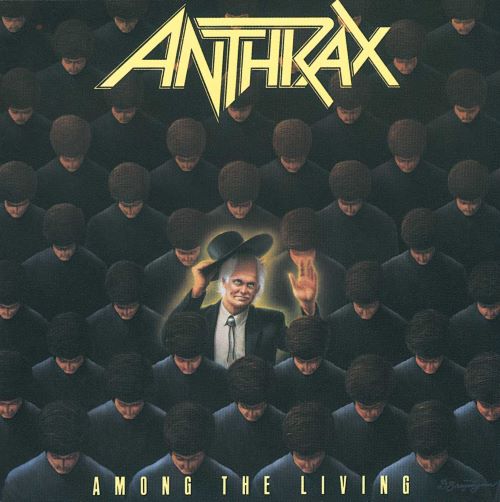
Anthrax – Among The Living (Album of the Week)

This week it’s a deep dive into one of the pivotal albums of thrash metal. This record has come to be the defining moment of one of thrash’s most enduring institutions and would launch the group into heavy metal royalty.

Anthrax – Among The Living

Released March 16, 1987 via Megaforce and Island Records

My Favorite Tracks – I Am The Law, Among The Living, A Skeleton In The Closet

Anthrax had been a band on the rise after their second album Spreading The Disease. The group had toured extensively with a variety of metal luminaries and were in Europe opening for Metallica when a bus accident claimed the life of Cliff Burton. Anthrax were motivated by grief at the loss of their friend and peer, and hit the studio to vent their anguish. They chose to record at Compass Point Studio in the Bahamas, and purely because it was where Iron Maiden had laid down their classic run of albums.

Anthrax worked with super producer Eddie Kramer on the album. Kramer has an extensive list of works to his credit, for my own purposes he is best known as the caretaker to the legacy of Jimi Hendrix. Among The Living was recorded in quick and easy fashion, but then Kramer had an idea for a mix laden with more modern techniques. Anthrax did not like Kramer’s embellishments and it was decided to proceed with the original, dry mix. A wise choice, as what was released truly captured the music in its pure form.

The album was primarily written by drummer Charlie Benante and guitarist Scott Ian. It is 9 songs with a 50 minute run time, so a fair bit to go over here.

Among The Living

The opener/title track bears lyrics inspired by Stephen King’s epic novel The Stand and the main antagonist Randall Flagg. The song thrashes hard and also lays down a groove foundation, an element that would go on to redefine and carry metal several years later.

As with all of the songs here, Anthrax deftly walk a line between heavy and melodic, incorporating more melody than their thrash peers were known for. Much of that had to do with the talents of singer Joey Belladonna, a more accomplished vocalist than what was found across much of thrash.

Caught In A Mosh

The lyrics see Scott Ian venting frustration at any number of dumb people and occurrences, but the song itself became a calling card for the mosh pit and outgrew its original meaning. In life or at a show we are all often caught in a mosh. At least the second one is fun (if you’re under 30).

I Am The Law

It’s geek time on the album as Anthrax offer up a homage to Judge Dredd, the gritty comic book character from an apocalyptic future. While it’s not rare for bands to offer up tribute songs to fictional characters they like, it is pretty rare for the songs to turn out as great as this. This truly does capture the essence of Judge Dredd and the harsh atmosphere of his comic series.

I Am The Law was the first single from the album and was backed with I’m The Man, Anthrax’s first foray into combining rap with their metal. They are chief among acts who deserve credit/blame for the 1990’s.

Efilnikufesin (N.F.L.)

Contrary to popular opinion, the song is not about the National Football League. Rather the NFL refers to the song’s full title backwards, “Nise Fuckin’ Life.” It’s a song warning of the dangers of drug addiction and, unlike last week’s band, Anthrax walked the walk in that regard. The primary inspiration for the song was John Belushi, the beloved actor who died of substance abuse at age 33.

A Skeleton In The Closet

It’s back to the dark, dark world of Stephen King, this time his story Apt Pupil provides the backdrop for the song. The story involves a very sadistic teenager discovering his neighbor is a Nazi war criminal in hiding and a lot of murder and other bad stuff, like faking report cards. The songs does a pretty good job of summing up the story.

Indians

This tune pays tribute to the Native Americans who were genocided off their lands by evil colonizers (i.e., our ancestors). Lest they be accused of cultural insensitivity, singer Joey Belledonna has heritage from the Iroqouis tribe. This was another single from the record and remains one of Anthrax’s most popular songs. The “war dance” riff is one of the band’s most memorable.

One World

In a bit of a twist for thrash metal, this song actually warns of the dangers of environmental destruction and nuclear holocaust, rather than wishing for it to happen like many in the thrash world. It is steeped in Cold War-era dialog, which was still simmering in the late ’80’s when this hit.

A.D.I./The Horror Of It All

The first part of the song is an instrumental, the second pays tribute to Cliff Burton. Though the lyrics are a bit vague in that regard, Scott Ian did eventually shed light on their true meaning.

Imitation Of Life

No science fiction here – the final track is about all of the slimy people in the music industry. Far more than what can be compressed into one song, for sure.

Among The Living saw Anthrax rise to a new level of recognition. The album would go gold, and I’ll admit that I’m a bit shocked it wasn’t platinum. It does appear the band never had a US platinum, which is surprising. But no matter, Anthrax were now a band of note with this 1987 magnum opus.

One area where Anthrax got a lot of love was the skateboarding world. The Anthrax image didn’t quite “fit” the thrash scene, even if the music did, but they were a big hit among the skateboarding faithful. And while I myself never really got into skateboarding, my peers who did were who I got a lot of my early music from, including this.

This album essentially “made” the careers of Anthrax, giving them a far bigger platform and bigger tours to go along with it. It can be tough to haggle over the best of their catalog, what with their different phases and shifts, but this is the album that probably lands a consensus number one.

Black Sabbath – Paranoid (Album of the Week)

This week I’m going back to the beginning of time. Or, the beginning of heavy metal, anyway. Well, it wasn’t really the “beginning” since they already had an album out that same year. It’s like the continuation of the beginning of heavy metal.

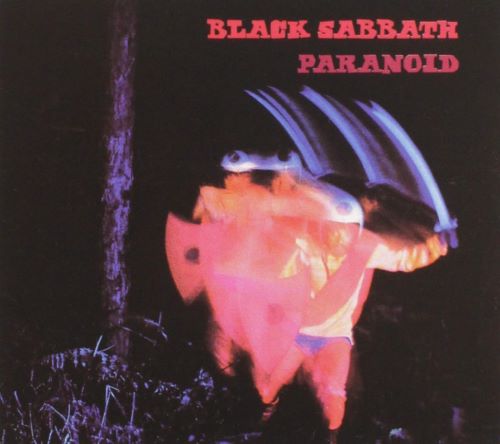
Black Sabbath – Paranoid

Released September 18, 1970 via Vertigo Records

My Favorite Tracks – Paranoid, Electric Funeral, War Pigs

This isn’t an album that needs a huge introduction. Paranoid is the most famous album in heavy metal. It was a rush job of a record, with the label wanting to cash in on the success of the debut album, so everyone crowded into the studio and banged the new album out. Paranoid was on store shelves roughly 7 months after Black Sabbath.

The quick pace of album creation led to a few last-minute decisions – the album was originally going to be called War Pigs, with the album art reflecting that. The single Paranoid was doing great business though, so the album name was changed without redoing the album art. Hence, some dude swinging a sword on an album called Paranoid.

And War Pigs itself was originally going to be called Walpurgis, a Satanic holiday/ceremony of some sort. The record label vetoed that title, as they were (rightfully) concerned about the link being drawn between Sabbath and Satanism. War Pigs summed up the lyrics nicely and was used instead.

Paranoid comes in with 8 tracks at a 41 minute run time. It’s a fairly quick process to get through, though we are talking about the most famous songs in heavy metal here so there’s some exposition to be had.

War Pigs

The once-titled Walpurgis opens the album with a scathing take on the Vietnam War. The band’s intent was to show the politicians who start wars as the real Satanists, a case plainly stated in the lyrics but missed by the “Satanic Panic” movement that would see Black Sabbath as arch enemies.

War Pigs is one of metal’s most significant songs. Its darker topical fare, combined with the signature riffs from Tony Iommi as well as Bill Ward literally pounding the piss out of the drums, totally recast what rock music could do or be about. This song was a stark dividing line, even considering the prior Sabbath album that same year. It is one of the more widely played and covered song in Sabbath lore.

Paranoid

The title track was a hit single in advance of the album’s release and, as stated above, the warm reception was the cause of the album’s name change. Paranoid as a song was a unique Sabbath achievement – it is the their only Top 20 UK hit, peaking at number 4. That seems odd for such a popular act, but Sabbath never were singles-minded hit makers.

The song was conceived in quick fashion and wasn’t really thought of in any significant terms by the band, which is often how hits go. Geezer Butler’s lyrics tell a despondent tale – of depression, not paranoia. The song’s quick pace and pounding riff was reminiscent of Led Zeppelin’s Communication Breakdown, something that Sabbath members were cognizant of and worried about, though no harm came from the similarity.

Paranoid is short, spooky and to the point – a winning formula for a hit. The song has remained in constant rotation on classic rock radio for 53 years and will likely be a fixture of radio playlists until the death of the format.

Planet Caravan

An odd turn but one not out of bonds for a band who, while shaping heavy metal, would also be massively influential to “stoner” culture. This song is trippy and ambient,with several layered effects to generate a calm and muddled atmosphere.

For some the song is a skip because it doesn’t fit the mold of Sabbath heavy metal, while for me and others it’s a welcome change of pace and nice diversion. A band that lasts any length of time is going to record a bunch of songs – might as well branch out here and there.

Iron Man

Sabbath have several highly recognized songs and many are from this album. But none may be as widely known as this one. Iommi pulls riffs straight from Hell to shape this song about a guy who time travels and sees the end of the world. On his return he is turned to steel and mocked by the populace, who ignore his warnings about the apocalypse. Instead of saving the world, he decides to become the end and takes his wrath out on the people who mock him.

Iron Man joins Paranoid and War Pigs as Sabbath staples that have seen constant rotation in the five decades since the album’s release. I believe it’s a felony for a radio station not to play Iron Man at least once a day. (don’t’ quote that) Iron Man was Sabbath’s biggest “hit” in the US, though only charting at 52, the song has become immortal. And while having nothing to do with the Marvel Comics character of the same name, this song was used in the 2008 Iron Man film that saw that character go from an afterthought to the lead role in the MCU.

Electric Funeral

Here Sabbath combine their doom-laden heavy metal with some groove and jam from the music of their time. It’s a pretty interesting mash-up that sees some groove and boogie over lyrics about nuclear holocaust. These for me are some of the more interesting parts of the Sabbath catalog, getting to hear heavy metal shaped alongside the other music of the day. It wouldn’t be until the 1980’s when heavy metal ran along established lines, so this early stuff contained a lot of cool asides and nods to other forms of rock.

Hand Of Doom

This appropriately named track was, in all reality, some ground-level field reporting exposing one of the many horrors of the Vietnam War – the drug use of soldiers. Heroin was the drug of choice among the GI’s in the field, then it came back with them along with the often-untreated horrors of war. The song is a stark admonition against drug use, which does sound a bit odd coming from the lips of Ozzy Osbourne or honestly anyone from Black Sabbath. But the message is on point and this song was a harrowing early account of just how messed up the Vietnam War was.

Rat Salad

A brief instrumental, this was based on Bill Ward’s super long drum solos of the early days when Sabbath had to fill large amounts of time between sets in order to land gigs. It’s a nice jam, I’ve always enjoyed the heavier jams of the late 60’s and early 70’s.

Fairies Wear Boots

The final song is a striking title but isn’t about some mythical creatures who sprinkle pixie dust and wear Doc Martens. Instead the lyrics take aim at skinheads, this was in Britain before “skinhead” became synonymous with “nazi.” Sabbath had run-ins with the anarchist-minded skinheads, including a fight that left Tony Iommi injured and hence served as the inspiration for the song. Iommi has also admitted that the lyrics might be unusual due to the band’s habitual weed use.

Paranoid was a breakout hit for Black Sabbath – it did what they were only able to accomplish one other time, that being top the UK album charts. (the other time being the band’s final album 13) The album was a hit in many other countries including the US, where it peaked at number 12 and has 4 official platinum certifications.

But the legacy of Paranoid goes far beyond its sales figures or chart positions. This is the definitive album of heavy metal. It is the band’s most recognizable effort and the point where they laid the blueprint for their new, mutated form of rock music. The shadow that Paranoid casts over the heavy metal landscape is immense and inescapable. The Black Sabbath legacy is undeniable and this album is a large reason why.

Megadeth – The System Has Failed (Album of the Week)

This week’s album is a band’s reformation effort, though also a reconfiguration in terms of how the band operated and who it worked with. It is noted as a new beginning and a return to form.

Megadeth – The System Has Failed

Released September 14, 2004 via Sanctuary Records

My Favorite Tracks – Kick The Chair, Blackmail The Universe, The Scorpion

The story leading up to The System Has Failed is quite a whopper. In 2002, with Megadeth’s fortunes on the low end of things, Dave Mustaine suffered an arm injury and was not sure if he would ever be able to play guitar again. He disbanded Megadeth and spent time healing his arm and building up to playing guitar again. His rehab was successful and he was able to resume his mastery of the instrument.

Mustaine set out to record a solo album but was held up by contractual obligations, hence the new effort would bear the title Megadeth. With this new mandate in mind, Mustaine gathered a group of session musicians and held the creative reigns of the new album. Megadeth was now Dave Mustaine and Company, a configuration that has held up to this day.

Notable among the session players on the album is Chris Poland, former Megadeth guitarist for the band’s classic Peace Sells … But Who’s Buying? Poland contributed solos to this album, though his time back with Mustaine would be short-lived.

Megadeth had been on the downslide since the late 1990’s and the ill-received Risk album. An attempted return to form with The World Needs A Hero met with mixed results, and so fan perspective was skeptical after the mess of the band’s breakup and “reformation” under a Mustaine dictatorship.

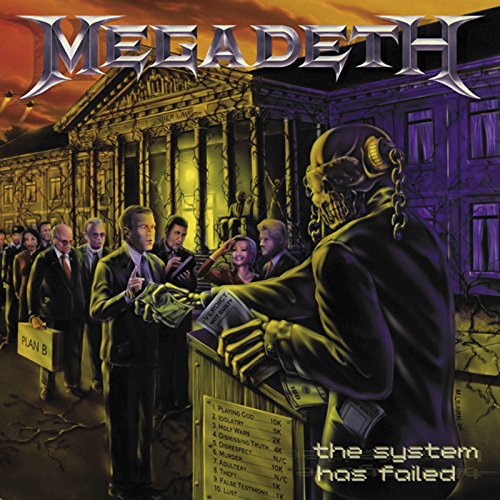
The only way to reignite fan interest would be to deliver the goods. With 12 tracks going for a 48 minute runtime, did Dave deliver? The album cover certainly brought the old vibes back, but what about the music? I’ll get into that in more detail, though the short answer is yes.

Blackmail The Universe

The opener sets a harrowing and urgent tone, as a mock news piece details a terrorist attack on the US President. The leader of the free world is missing and the nation is in chaos about how to respond. Megadeth are no strangers to the world ending via nuclear holocaust and that is the ultimate fate of everything here.

The song is fantastic and was instantly hailed as one of the band’s best in years. The music was explosive and the twisted fate of the world was communicated in powerful fashion. Though in a new form, Megadeth was back.

Die Dead Enough

The album’s lead single is a mid-tempo affair, more in line with what was issued on albums like Cryptic Writings. The song was originally conceived for a movie soundtrack but the deal fell through and it found its home here. Die Dead Enough seems an odd premise but the action sequence sort of vibe works pretty well with the music.

Kick The Chair

Any concerns about Megadeth’s standing were lifted when Kick The Chair hit peoples’ ears. This was Megadeth back in form – snarling, angry and lashing out at a broken system. Kick The Chair takes aim at the justice system and its corrupted ties with money and power. This is a precise thrash masterpiece and one of the best Megadeth songs in years.

The Scorpion

A twisted guitar passage stands out as Mustaine recalls the fable about a scorpion hitching a ride across a river from a frog and stinging the frog, dooming both animals to death. The “scorpion” in this case is a human doing bad things simply because they will. A fantastic song even without the thrash.

Tears In A Vial

A more melodic tune in line with Megadeth’s “commercial” work of the 1990’s. It’s a song about someone walking away from some kind of relationship or thing. While the song veers into more accessible territory it’s still pretty good – the dark secret about Megadeth’s “radio rock” phase is that a lot of it was actually good.

I Know Jack

A very brief interlude at only 40 seconds. No lyrics here, instead a famous 1988 quote from US Senator and Vice Presidential candidate Lloyd Bentsen is played over the riff. Bentsen was attacking rival Dan Quayle, who had compared himself to JFK. In fairness to Quayle, he was only comparing his time in Congress with JFK, but Bentsen’s response became pretty famous in political circles. Quayle, despite his bungling nature, would still wind up as Vice President under George Bush, mostly because we don’t vote for vice presidents.

Why is this track here? I have no idea.

Back In The Day

Here Mustaine pays tribute to the old thrash scene of the early ’80’s. A good track though maybe not as “thrashy” as one would expect from a song talking about that very thing.

Something That I’m Not

Mustaine launches a shot at someone who betrayed him on this song. It is most likely about Lars Ulrich. This song was a bit after Metallica’s Some Kind Of Monster film, which features Dave in a scene that gets mocked a lot. Dave apparently asked not to be in the film but his request was ignored, hence this song. A few years later everyone would start getting along better and the Big Four stuff would happen. The song itself isn’t really my cup of tea.

Truth Be Told

Here we have Mustaine handing out Bible references, probably in line with his “born again” status that happened sometime after his arm injury. The song is pretty good and doesn’t suffer for its religious influences, it ties in Bible stories with its points pretty well.

Mustaine would go on to use his religious beliefs to influence concert promoters to keep other bands off of festival line-ups that Megadeth were playing, most notably Rotting Christ and Dissection. The attempts were not always successful and it generated a lot of nastiness in the metal community at the time.

Of Mice And Men

While sharing a name with John Steinbeck’s famous story, the song has no other connection to the book. Here Dave is reflecting on his life and offering wisdom gained through experience. It’s another track that feels like it could have come from Cryptic Writings and it’s one I don’t mind hearing.

My Kingdom

After the interlude Shadow Of Deth, the album’s closer comes with Dave coming back to claim his kingdom after years away. He is directly referring to how Megadeth pursued areas outside of thrash and now the band is back and ready to get back to it. The song itself kind of misses the mark but the goods were delivered with the album as a whole.

The System Has Failed was a return to prominence for Megadeth – the album charted in several countries, including number 18 in the US. Reviews were positive and fan reception was good after several years in the murk and the break-up.

Initially this album was advertised as Megadeth’s last, with Dave wishing to do a Megadeth farewell tour and then pursue solo music. That did not quite happen and Megadeth would remain in existence to this day. It could be said that, in a way, it really is a Dave Mustaine solo project with a different name. The twists and turns of what happened with Megadeth’s lineups in the 2000’s could literally fill a book and is far more than I wish to get into here. In short, a new band was assembled for touring and members would come and go for years after, with no shortage of drama and weird shit.

But Dave Mustaine did successfully right the ship with The System Has Failed. While the back half of the album trails off some, the front is loaded with some of the best Megadeth songs in years. The new era had begun and more highlights were on the horizon.

Carcass – Surgical Steel (Album of the Week)

Kicking off the new year with a whale of an album. This was a long-anticipated reunion record that actually managed to not only live up to the hype but exceed it. Playing together for six years before recording might have helped with that.

Carcass – Surgical Steel

Released September 2013 via Nuclear Blast Records

My Favorite Tracks – Thrasher’s Abbatoir, The Granulating Dark Satanic Mills, Captive Bolt Pistol

Discussing Carcass does require a bit of backstory to provide context for the reunion. Carcass were a pioneering band of the “extreme metal era” of the early 1990’s. Beginning as a grindcore outfit, the band morphed into a melodic death metal machine that captured attention with albums like Necrotism and especially Heartwork. The group dissolved in 1996 but got the reunion bug in 2007 and began touring again. After a series of very well-received tours the band shuffled a few members and set about recording their first album in nearly 20 years.

Bassist/vocalist Jeff Walker and guitarist Bill Steer were still around from the band’s heyday. Guitarist Michael Amott had been part of the reunion tours but left the band to focus on his main gig Arch Enemy. Original drummer Ken Owen was unable to rejoin Carcass due to health problems but would provide backing vocals on the record. He was replaced initially by Daniel Erlandsson from Arch Enemy, but Dan Wilding would join as the new drummer for the recording.

The album comes in with a fairly lean run time of 51 minutes but there are 12 tracks, 11 to discuss. Also, Carcass lyrics and titles are often dense and sometimes unclear in meaning so this will be fun.

Thrasher’s Abbatoir

After the instrumental intro 1985, Carcass kicks off its first new song in decades on a banging note. The song has a go at all of the -tion words, which was a common thing to laugh about in the early 90’s death metal scene with a million bands like Suffocation, Incantation and other -tions running around. The song is dreadfully simple yet brilliantly executed, Carcass is very much open for business again.

Cadaver Pouch Conveyor System

The Carcass lyric writing method often involves opening a medical dictionary and throwing a lot of words together. This is in full force here, as I have no clue what a cadaver pouch conveyor system is. I’m sure the other 8 billion people on the planet share my confusion. There is stuff about death and mutilation in the lyrics but this isn’t a concept album so I’ll say the song is great and move on.

A Congealed Clot Of Blood

The medical concept here is far more understandable, but the song is actually about holy war or some shit like that. Whatever – the riffs are massive and the hooks in plentiful supply and Carcass is bashing its way through its return album.

The Master Butcher’s Apron

The tempo slows down a bit here which helps take in the lyrics which are about the slaughter of humans, or perhaps the slaughter of animals or something. I don’t really know, it’s very dense stuff, just headbang to it.

Noncompliance To ASTM F899-12 Standard

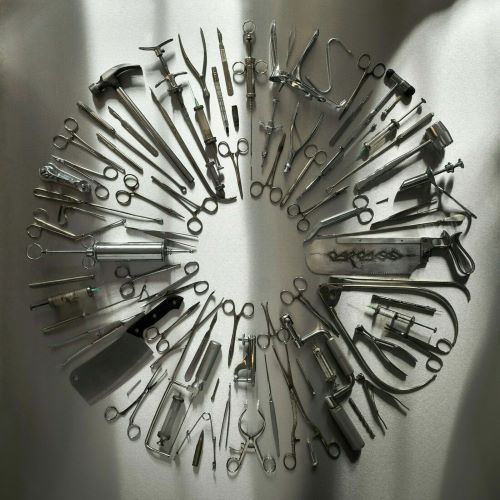
It sounds really complicated but this is perhaps the most logical song title here. The F899-12 Standard, or whatever, is a series of guidelines for how surgical instruments can be manufactured. So, noncompliance with that would meant the surgical tools are substandard. The song itself is about death and stuff, which is a likely consequence of having subpar surgical equipment.

The Granulating Dark Satanic Mills

Ok, so maybe this one is actually the most logical and coherent of the song meanings presented. The Dark Satanic Mills refer to Industrial Revolution-era England and the soulless nature of the architecture and work. And, for once, the song’s lyrics have to do with the title. There’s some involvement with/influence from legendary English poet William Blake here too.

But wait, there’s more! The chorus of the song is simply a sequence of numbers and presents a mystery. The numbers are 6026961. This means nothing to anyone and wouldn’t even work as a set of lottery numbers. But, if you remove the 666 from the sequence, you’re left with 0291, which is apparently a code having to do with US livestock standards. This has never been confirmed as the “true” meaning but it seems the most logical option.

Also the song is fantastic, possibly the best on the album.

Unfit For Human Consumption

We have yet another pretty easy to grasp song here. It’s discussing the food supply and how nasty it can be, long a favorite topic of conversation for the vegetarian-minded Carcass members. The lyrics do get into pretty awful detail, which is fitting since this is death metal after all.

316L Grade Surgical Steel

This serves a sort of a title track. The song seems to actually be a break-up song rather than an essay about surgical steel.

Captive Bolt Pistol

More about the food supply here, this is the device which is meant to instantaneously kill livestock with a blow to the head. The song does not sing the praises of the device.

Mount Of Execution

We depart the world of medical supplies and the food chain for a look at religion’s ills. The song is slower paced and very nicely done, with somber guitar work and a methodical vocal delivery. The song is a beefy one at over 8 minutes and changes tack toward the end, leaving out on a militant riff.

Intensive Battery Brooding

We end the album on yet another “what are you talking about?” title. The song is actually about a thing called Blue Peacock, which was a British Cold-War era idea to use live chickens as a way to keep landmine wiring warm. The mines were going to be planted to halt a Soviet Army advance across Europe. Oh, and the mines were nuclear. What a stupid fucking idea.

In other news, this song was actually a bonus track on certain CD editions of the album. It’s included on the Spotify version so I kept it on here.

Surgical Steel was a hit out of the gate. It was a brilliant return to recorded form for one of extreme metal’s most hallowed bands. This genre of music doesn’t often hit sales charts but this album did break through on several nations’ charts, including both the US and UK.

The critical reception to the album was very positive and fan reaction was tremendous – people were over the moon that the new album was not only good but one of the best the band had done. In a cynical music world where reunions are often brief flashes in the pan, Carcass showed tremendous staying power with lights-out live shows and now a monster of a record.

Nearly a decade later, the shine on Carcass has not faded. They are still considered one of extreme metal’s most significant acts. Rather than join the “release an album every year” fray, they have only put out one more since 2013 – Torn Arteries was a hit on year-end lists and charts in 2021. They continue touring and keeping their top-flight brand of melo-death afloat in an age where multiple generations of bands directly bearing Carcass influence have come and even gone. But a lot of the rub for modern day Carcass worship came from 2013 and Surgical Steel. They are an act who truly took over two different eras and reign as kings of the art form today.