The Song Remains The Same – Against The Wind

It’s time again for that silly little game where I take a handful of songs that have the same name but are not the same song. I’ll pit them against each other and see which one I like the best. Today’s works well because there are only three and I’ve only heard one of them and, as of the writing of this intro anyway, I don’t know who the winner will be but I have the same idea about that most of you reading probably do.

As with all of this series, this post should not be taken as a guide to all of the songs with this name. I just use a few websites to quickly run down things and decide if a particular one strikes my interest. Today I didn’t make it past A when I found this one that has a few talking points to it. There is no research on these things, I’m sure there are hundreds of songs called Against The Wind out there if someone really got to looking. These three are from well-known acts so I’ll run with them.

Bob Seger

I’ll lead off with the obvious choice. Against The Wind is the title track from Seger’s 1980 album and is one of his most popular songs. This was a single and did good business, peaking at number 5 on the Billboard Hot 100 and also gathering a number 6 in Canada. The single went US platinum and the namesake album sold over 5 million US copies. For some bonus trivia, Glenn Frey of the Eagles does backing vocals on the song.

On the topic of Seger and his hit songs, here’s a brief tale I told awhile back recalling his first ever number one hit.

Against The Wind has been one of Seger’s most influential songs, it had a special pull with the country artists of the 1990’s and beyond and also stretched out to many across all genres. It is a very nice song that checks a lot of boxes – sad but hopeful, polished yet personal. It’s one that seems primed to run off with the win today, but let’s at least check in on the other contenders.

Bonnie Tyler

A name familiar to many, Tyler had a few big hits in the 1980’s and was a star through Europe in the ’90’s. That is where today’s song is found, her Against The Wind is from the 1991 album Bitterblue. While it did not have US success, it did well in several nations on the Old Continent. This was also a single and put up modest results across several European singles charts.

This song is a prototypical soft rock ballad of the time. Bonnie has a great voice as always, though the song is not one I’d give a ton of repeat spins to. I don’t think it’s bad at all, it’s honestly a very nice song, just not one that moves the needle for me much at all. Bob Seger doesn’t have much competition here.

Stratovarius

While Bob Seger and Bonnie Tyler are well-known names to varying degrees, Stratovarius might not be quite as familiar to as many. But their pedigree is no less impressive – Stratovarius are one of the chief architects of the late 1990’s-early 2000’s power metal boom. While Stratovarius would become a keyboard-charged power metal stalwart, this song from 1995 sees them still in a transitional phase. This version of Against The Wind is from the band’s 1995 album Fourth Dimension and was released as the lone single for the record.

Now, I’ll talk all day about the influence Stratovarius had on the power metal movement, but one thing I’m honestly not is a Stratovarius fan. I never got into their stuff that much, I was much more drawn into Blind Guardian and Sonata Arctica when it comes to power metal. Startovarius is a more unabashed, full-on melodic power metal attack while the other bands listed have underpinnings in thrash and classic rock, respectively.

But my summary of Stratovarius tends to focus on their albums after Fourth Dimension. I honestly haven’t heard a note of this before I pushed play to write this piece. And well, I like this song quite a bit. It does sound firmly in the power metal vein, though not off in the sort of thing this and many other bands would get up to later. It’s fairly meat and potatoes and I dig this a fair bit.

Now, the question is – do I dig the Stratovarius song more than Bob Seger? While it’s closer than I first suspected, the answer is no. The winner of today’s silly little contest is Bob Seger. I don’t think that’s a real shock to anyone, though huge props to earlier-era Stratovarius for giving me something I may need to go back and check out.

That does it for this post and for the week. Have a great weekend and remember – the new Song of the Week series picks up on Tuesday next week. That is June 6, which as it turns out holds some significance in heavy metal. Until next week.
Be Quick Or Be Dead – The Iron Maiden Singles Series

This week we are on to the album Fear Of The Dark. It would be Iron Maiden’s second in the 1990’s and it would mark a final album for a band member, at least for awhile. This stuff is the end of an era but Maiden went out swinging.

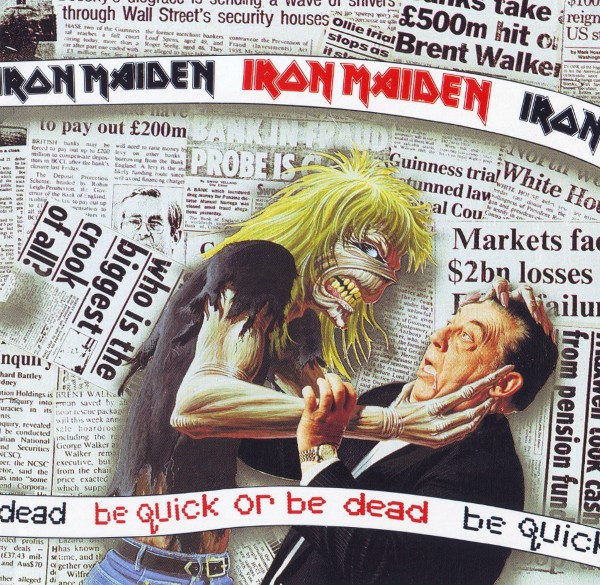
There are a pile of different versions of this release. I am holding a US CD copy that is almost “complete,” we’ll get to that later. The cover art was done by the band’s long time artist Derek Riggs, though it’s worth noting that he did not do the art to the full album’s cover and was soon on the way out. In fact, as far as I can tell, this is Derek’s last appearance in this singles series. Some of that is due to me not having a few live ones that come just after this, but for the purposes of this series it’s worth noting that Eddie’s iconic artist did his final work. There has been use of and involvement with Derek since then so I’ll correct this if I find I’m wrong down the line.

Not a whole lot else to say before I get into the music, but it is worth mentioning that the single did very well on the charts, getting to number 2 in the UK and charting in many other countries. While this period of Maiden is generally regarded as their weakest, they did have their biggest chart success during this time and also had strong album sales. Things are weird sometimes.

Be Quick Or Be Dead

The single is a tune penned by Bruce Dickinson and Janick Gers. It is based on a series of scandals and frauds that were all over the news at the time, mainly British and European stuff that I’m not terribly familiar with. But it’s all the same, we’ve always had our share of garbage like that in the US.

As for the song, this one is HEAVY. Sure, Iron Maiden are a metal band, we all know that. And yeah, they have heavy stuff, many parents couldn’t handle what they were hearing when Maiden made their rise in the ’80’s. But this song is just on another level heavy. It’s fast, ferocious and will absolutely rip your throat out. The band did more on the heavy side during the Blaze Bayley years but I’m sure they got up to a lot again that went like this.

While Fear Of The Dark will forever be known for its title track, this song is one of the highlights of an album that is a mixed bag of tunes but offers some quality cuts. This was always one of my favorites from the record and its vitality didn’t make the ensuing years any easier to digest.

Nodding Donkey Blues

The “all versions” B-side is just what the title suggests – Iron Maiden are playing the blues. This is an original composition that is credited to each band member, I suppose as a way to share the blame. The song is a laughable and crude one about picking up a hard luck woman. Obviously the song is a total joke and should be discussed in that context, this isn’t competing with Rime Of The Ancient Mariner for lyrical analysis. It’s one of those things that’s funny to hear the first time but any entertainment value wears off quickly. To borrow from the British, Maiden are having a wank here.

Space Station No. 5

It is again a Montrose cover, Maiden previously covered I’ve Got The Fire (two times even). This time, Maiden chug out a serviceable version of the song.

For the first two minutes, anyway.

After the first bit, Bruce goes into some extended sequence of gibberish on the mic. No telling what he’s up to there. Then there’s a solo and as the song picks up pace toward the end, Bruce decides to announce a horse race between gems like Wanker and Prick, as well as Metallica.

The bit itself is amusing but it’s not something that really elevates the song any. In and of itself I don’t really care, again Maiden have a trillion singles out and if they want to jack around here and there, that’s their business. It does kind of suck because Space Station No. 5 is one of my favorite Montrose songs, both from the band and from Sammy Hagar’s early solo career. I wouldn’t have minded a bit more reverence toward the original, but in the end it’s a pile of whatever.

On my US version of the single, this is the end of the line. But, on international editions and the 12-inch vinyl, there is yet another track to behold. I’ll go ahead and include it here since I don’t feel it’s worth the effort to post a new entry to this series if/when I do get the record.

Bayswater Ain’t A Bad Place To Be

On some versions this track is hidden and a part of Space Station No. 5. On most vinyl that I’m aware of, the song is actually on the A-side after the lead single. Here, Maiden again have a go at their manager Ron Smallwood. Janick plays a bluesy acoustic riff while Bruce imitates Ron ranting about various things. For eight minutes.

The premise here is funny but holy hell does this drag for way too long. This is the first time I’ve played the entire thing since the mid ’90’s and this might be the last time I play the whole track in my life.

I don’t have every single and I can’t recall some of what’s to come, but this collection is probably the worst pile of B-sides Maiden did in their career. They started having a wank and didn’t stop until the tape ran out. Thankfully we get something better next week – well, mostly.

That does it for this single and its lukewarm bonus offerings. Yes, that is a stock photo up top rather than the actual single from my collection – this CD is somewhere in with the roughly 800 other CDs I own and I’m not sure exactly where. I’m tired and want a nap and I’m gonna do that instead of looking for it. I’ll update this someday when I bother finding the disc.

The Iron Maiden Singles Series

Live! + One

Running Free

Sanctuary

Women In Uniform

Maiden Japan

Purgatory

Twilight Zone/Wrathchild

Run To The Hills

The Number Of The Beast

Flight Of Icarus

The Trooper

2 Minutes To Midnight

Aces High

Run To The Hills (live)

Running Free (live)

Stranger In A Strange Land

Wasted Years

The Clairvoyant

Infinite Dreams

Bring Your Daughter … To The Slaughter

Holy Smoke

Be Quick Or Be Dead (you are here)

From Here To Eternity

Virus

Out Of The Silent Planet

Rainmaker

Different World

The Reincarnation Of Benjamin Breeg

Empire Of The Clouds

Iron Maiden – Alexander The Great (Song of the Week)

It’s time for a new series. I do an album of the week so it’s obvious and fitting to also do a song of the week. It wasn’t something I originally planned on but after thinking about it a bit I figured why not? It provides a way to do some more quick content (this one will be a bit longer for various reasons) and it allows me to cover a pretty wide range of stuff the album of the week might not get to.

The Song of the Week will start running on Tuesdays next week and thereafter, this one is going live today because I wasn’t planning on starting it yet but the perfect subject for the first one fell into my lap. To the shock of no one I’m sure, the first Song of the Week entrant is from my favorite band.

Iron Maiden – Alexander The Great

Today’s song is the final track from Maiden’s 1986 album Somewhere In Time. It is a rolling epic that goes for 8 and a half minutes. The music fits the vibe of the synth-driven album pretty well but also firmly camps itself in “epic Maiden” territory with the signature galloping riffs and a few movements and changes to keep things from being stale. The song ventures a fair bit into some different moods through its run. And while I don’t think Maiden have ever fully “gone prog,” there’s a bit of stuff in here that at least borders on that territory.

The song’s theme is probably very easy to extract from the title – Alexander The Great was an ancient ruler who conquered a vast range of territory in 320-something BC. Alexander was a genius military commander who won many against the odds battles. His exploits were legendary and have been passed down to military commanders even today. His empire was insane for the time, though it quickly fell apart after his unexpected death.

One aspect of Iron Maiden’s appeal is how a fair number of fans know their history from Maiden songs. That might make a history teacher cringe, but it’s pretty well true. And this one is a great song for that – the lyrics really are a recounting of what he did, with a bit of flavor added in here and there.

The song was not released as a single though it’s held as a beloved and perhaps underrated part of the Maiden catalog. It also holds the same distinction 50 other Maiden songs do – it has not ever been played live on a stage…

This is the part where people who wish to avoid The Future Past tour spoilers should leave. I don’t really know why or how one would avoid such news, but I’ve seen people out there that don’t want the setlist spoiled for them, so here is your warning.

SPOILER ALERT

….

….

….

….

….

….

….

What I just typed above the spoiler portion is no longer true – as of May 28, 2023, Alexander The Great has joined the list of songs Iron Maiden have played live. It saw its live debut in Ljubljana, Slovenia. This was largely expected as of the announcement of the Future Past tour, since Somewhere In Time was going to be a focus of the tour along with Senjutsu. It’s widely speculated that Alexander The Great is the real reason for even giving SiT some stage time, though in fairness that album hasn’t gotten a ton of live love beyond Wasted Years anyway.

Alexander The Great was the holy grail of unplayed Iron Maiden live songs. It was the popular request of many fans, dating back to 1986 honestly. It’s difficult to think of what a new number one would be for that, I doubt there will be a true consensus pick out of the remaining unplayed songs.

This does alter a few posts I did back in October of 2022 – in two posts I ran down all of the songs Iron Maiden had not played live. That number went from 51 to 46 over the weekend, as four songs from Senjutsu also got a live debut. I’ve updated those posts to include the new information – head here for part one or over here for part two of that brief series.

That will do it for the debut of the Song of the Week series. This one had a bit extra with it, future posts won’t go this hard but one might pop up now and again. Look for future SotW posts each Tuesday from here on out.

Judas Priest – British Steel (Album of the Week)

This week it’s an all-time classic, really just me typing the band and album name should suffice for build-up.

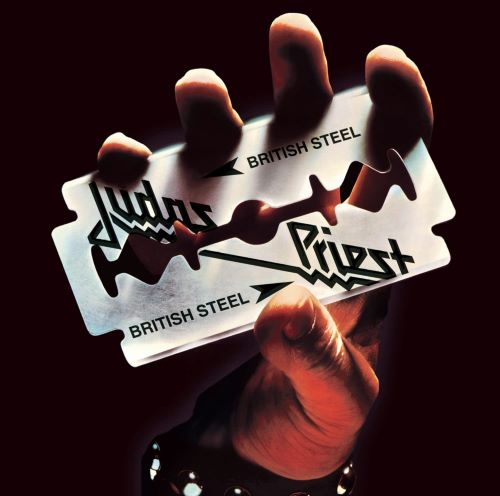
Judas Priest – British Steel

Released April 11, 1980 via Columbia Records

My Favorite Tracks – Living After Midnight, Metal Gods, Breaking The Law

Judas Priest were coming out of the 1970’s on a string of albums that slowly gained them recognition and where they shaped a commercially pleasing yet still distinctly heavy metal sound. Their prior album Killing Machine had gained a fair bit of notice and their first live record Unleashed In The East was a hit that showcased the highlights of their early career. And now the stage was set for Priest to truly establish themselves as metal stars at the turn of the decade.

The band’s line-up would hold through the decade – Rob Halford of course holding clinics at vocals, the guitar duo of Glenn Tipton and K.K. Downing, Ian Hill on bass and Dave Holland on drums, he having joined the band a year prior. The album was recorded at Tittenhurst Park, at the time property of Ringo Starr, which Ringo had acquired from John Lennon. Priest were going to use the studio on the grounds but found the house itself more suitable and that’s where British Steel was tracked.

There are 9 songs to go over in a 36 minute runtime, so nothing bloated here but these are some of heavy metal’s most significant songs. I’ll be using the modern reissues as my sequencing guide here, they are in the same order as the original UK/international versions. The US originally had a version with Breaking The Law opening and a few other songs swapped later on.

Rapid Fire

The album opens with a metal attack that kicks in right off the bat. The song chugs along with a monster riff that goes all over the place. The lyrical fare is about the world being done in by a battering ram, which might be figurative but is probably literal as the album has a pretty apocalyptic theme. That’s one big battering ram but the cosmos offers boundless possibilities. The solos on the song aren’t done in a conventional fashion – they’re inserted in vocal breaks on the third verse, creating a vocal/guitar trade-off kind of thing, pretty cool stuff.

Metal Gods

It’s on to another world-ending proposition, as this time robots are taking over and killing everyone. This would be a popular scenario throughout entertainment in the ’80’s. Metal Gods goes hard while also maintaining a steady pace and very smooth and almost quiet chorus.

Breaking The Law

One of the album’s singles and the band’s best-known track. The riff is fairly simple yet so, so effective at hooking a listener in and also making aspiring guitarists want to play it. The lyrics tackle the frustration of working class life in a recession and the ultimate decision to go out and raise some hell with a lack of other options. The simple chorus of chanting “breaking the law” is just as catchy as the opening hook and the song quickly infected airwaves. A goofy music video that features the band robbing a bank to score a gold record for British Steel would only enhance the song’s reach.

Breaking The Law stands as the most recognizable Judas Priest song around, perhaps only challenged by You Got Another Thing Coming. But this one has been all over the place for decades now and hasn’t ever really left the airwaves. The song’s deeper exploration of socio-economic woes might have been left behind, but the simple, catchy effectiveness has people breaking the law all over the world.

Grinder

This one starts out with a nice rock riff but then gets heavier as it goes along. While the song has been misinterpreted by many to be about sex, it’s actually about how the powers that be basically “grind up” the rank and file citizens. The song is a great showcase of the line between rock and heavy metal, and how at the time there really wasn’t much of a line, Priest were significant in taking things in a heavier direction.

United

This was crafted as a stadium anthem, something Priest did a fair bit of during the early ’80’s. It’s a simple song with a message of unity, both within the metal community that had been overlooked by the explosion of punk rock, and the general population who were being trampled by the establishment. It could be said that the song is a bit too simple, but it’s certainly in keeping with Priest’s direction at the time.

You Don’t Have To Be Old To Be Wise

Listeners could be forgiven for thinking that an AC/DC album suddenly came across their speakers. This one is about casting off the chains of society, again an ever-present theme, and going out on your own to blaze a trail. It’s something Priest certainly did during this time frame.

Living After Midnight

This is a good old party song, as usual it’s simple and very effective. While the song celebrates the night life, it was actually conceived because Glenn Tipton was keeping everyone else up with late night guitar playing, Halford eventually told him “you’re really living after midnight,” thus naming the tune. While not quite as renowned as Breaking The Law, this one does present as one of Priest’s most-known songs.

The Rage

The intro begs to be on a Police record but then a full-on heavy metal assault comes in. This one definitely moves the line in terms of heavy metal and where Priest would be off to on the next few albums. This one is a bit unusual as it doesn’t have a chorus, it is a few verses of Halford evoking the same “damn it all and go for it” spirit that embodies much of the album.

Steeler

The tempo goes up on the closer as Halford again embraces a self-motivation sort of theme. This song lets the guitars carry it, as both Tipton and Downing provide some fireworks to wrap up the album.

British Steel was a triumph for Judas Priest. It would hit platinum in the US and Canada, and peaked at number 4 on the UK albums chart. And the legacy of Breaking The Law has carried through over the decades.

The album was a massive point in the evolution of heavy metal. While bearing plenty of rock influence, Priest crafted simple, to the point songs with easy-to-chant choruses that would take hold of live crowds all over the world. Heavy metal was going to move in a whole new series of directions through the 1980’s and Judas Priest were possibly the chief architects of that movement.

Priest would take the British Steel sound and work upon it on their next two albums, crafting a trifecta of heavy metal records that would influence the world over. And a host of British and American bands, and of course many others from all over, would find influence in British Steel and heavy metal would have its golden years through the next decade. This is one of heavy metal’s most important records, hands down.

Holy Smoke – The Iron Maiden Singles Series

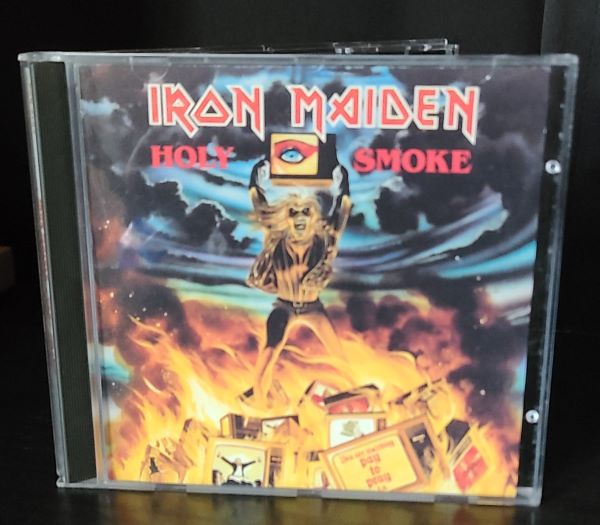
Today it’s time to get back in order for the third or fourth time this series, I’ll be going over the first single from No Prayer For The Dying even though I did the second one last week. This one, as promised will also be super quick because of the version I own and I covered the band’s changes and background info last week as well.

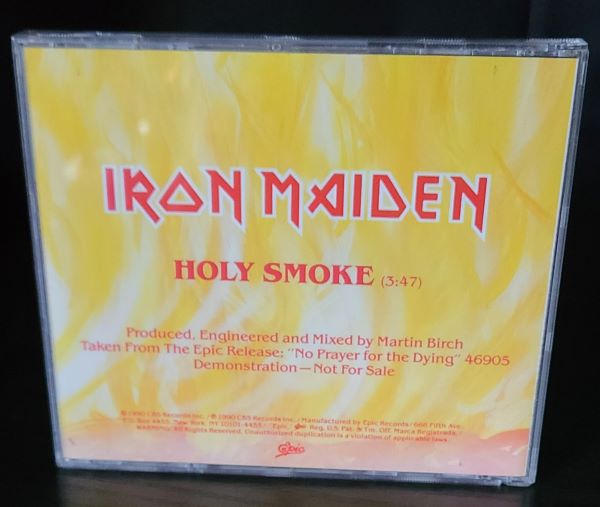
As will most of the band’s 1990’s singles there are a pile of formats and versions. The one I have just so happens to be a single-song promo CD release. This was a US version and I got it without having to sell a vital organ so I went for it to get the spot taken up in my collection. There are full versions of the single with B-sides that are worth mentioning, but I’ll save that discussion for another time if/when I get a 12-inch record of this or come across a different version with the B-sides.

As a further note – there are censored versions of the song running around – Bruce says “shit” twice on this one, a rarity for Iron Maiden. But this single is uncensored, I’m not sure if any actual censored singles are out there. Radio stations had some but I don’t know the story behind it.

The cover art is another Derek Riggs piece that showcases Eddie holding a TV, while other TVs are on various programming while a huge fire engulfs everything. It ties in well with the theme of the song, which is the ills of televangelist preachers.

Holy Smoke takes direct aim at the hypocrisy of televangelist preachers, those who clogged the American airwaves begging for money and preaching against sins, while also committing those same very sins. Jimmy Swaggart, who was the main televangelist figurehead who was disgraced in a prostitution scandal, gets a near-direct mention as “Jimmy Reptile” in the song, and the “TV Queen” is most likely referencing Tammy Faye Baker. They and others were involved in shady dealings of all kinds through the 1980’s and saw their empires fall in various ways, though all would recover and keep grifting, and lead a new generation of shady TV and Internet preachers to billions in tax-free wealth.

The song is not a condemnation of religion by any means, but a shot specifically at the televangelists and their hypocrisy. Iron Maiden and religion were never really friends, owing mainly to backlash against the group for The Number Of The Beast and other perceived transgressions. Maiden were just one of many metal bands to point the accusing finger back at the TV preachers once their own sins came to light.

The video for Holy Smoke is worth a bit of discussion and at least a chuckle. The group are clearly goofing off with some silly and odd things filmed, including Bruce jumping around in a field of flowers looking so happy that one wonders what kind of substances might be involved. The fun wasn’t confined to the band, either – the fella in the bondage/assless leather pants getup is legendary producer Martin Birch. I’m sure the video was a defining moment of his career.

That about covers Holy Smoke. At some future point in time I’ll revisit the singles series and hopefully have a full version of this so I can get into the B-sides, but for now I’ll just let this roll. Next we are on to the stuff from Fear Of The Dark, which was Bruce’s final stint with the band until 1999. A lot of firsts and changes are coming for the group as they weather a down period in their career.

The Iron Maiden Singles Series

Live! + One

Running Free

Sanctuary

Women In Uniform

Maiden Japan

Purgatory

Twilight Zone/Wrathchild

Run To The Hills

The Number Of The Beast

Flight Of Icarus

The Trooper

2 Minutes To Midnight

Aces High

Run To The Hills (live)

Running Free (live)

Stranger In A Strange Land

Wasted Years

The Clairvoyant

Infinite Dreams

Bring Your Daughter … To The Slaughter

Holy Smoke (you are here)

Be Quick Or Be Dead

From Here To Eternity

Virus

Out Of The Silent Planet

Rainmaker

Different World

The Reincarnation Of Benjamin Breeg

Empire Of The Clouds

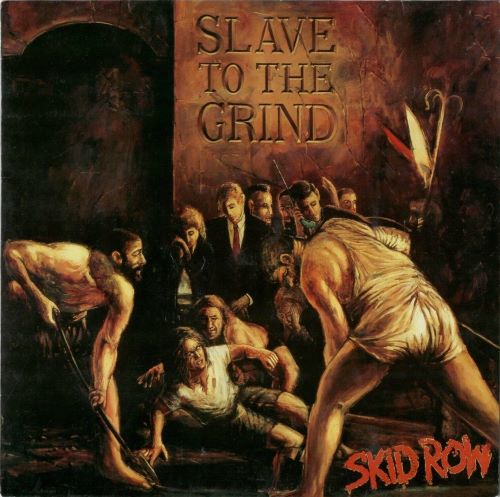
Skid Row – Slave To The Grind (Album of the Week)

Today it’s time to get into one of my absolute favorite albums. The second Skid Row album came at the tail end of the “hair metal” era and delivered such a fierce punch that the band would outlive their genre by several years.

Skid Row – Slave To The Grind

Released June 11, 1991 via Atlantic Records

My Favorite Tracks – Wasted Time, Slave To The Grind, Riot Act

Skid Row made quite the fuss with their self-titled debut album in 1989, moving several million records and getting hit singles with the ballads I Remember You and 18 & Life. It seemed as though the group should have a cakewalk to more success, yet things were not certain for anyone by the album’s release date of summer 1991.

Skid Row would throw their own wrench into the formula – instead of writing about love, sex and partying, they crafted an album with heavy themes about society’s ills and problems. The topical shift would be very timely, as the great hair party of the ’80’s was coming to a quick close. Skid Row had a bit more bite and edge to them anyway, so their focus on more worldly affairs would benefit them as the rock tides shifted through the rest of 1991.

The album was recorded without event and with the same line-up that offered the debut. Dave “Snake” Sabo and Scotti Hill were the guitar tandem. Rachel Bolan was on bass and joined Sabo to write the bulk of the music. Rob Affuso manned the drums, and the singer with the insane voice was Sebastian Bach.

There is a lot to talk about today, as the album is loaded with tracks and was also offered in different versions – a “clean” copy for sale at major retailers with the song Beggar’s Day, and an explicit version with Get The Fuck Out instead. Though it’ll make for a super long post, I’m going to take the step of including both songs in this rundown. Both are worthy of discussion and modern versions include both in some capacity so I’ll give both the time. That will provide 13 songs with a runtime over 50 minutes so there’s a lot to go over.

Monkey Business

The opening track was also the album’s lead single and hit MTV a bit before album release. The song starts off slow but quickly establishes that is is, in fact, a complete ass kicker of a track. It’s a heavy, groovy song that slams in and stomps all over the place. The lyrics are pretty crazy and not entirely clear, it could be about addiction or just the shit state of people down on their luck, or some other metaphorical thing not clear on reading.

Slave To The Grind

The title track was another single and also another total monster of a song. It slams in right off the start and does not relent to the end, it is a flat out banger. It is a dire look at the “assembly line” nature of soulless, grinding work life and the desire to break out of it, a tale as old as time, or at least industry. And sadly, it hasn’t gotten any better in the 32 years since the song came out.

The Threat

So far this album has not let up, this is again another one that pounds the listener into dust. The band maybe lets off by a hair on this one but that isn’t saying much, this still goes hard. It has to do with the rebel or outsider being a threat to the status quo of society, which is the place rock music occupied for much of its viable life. This is definitely not a “bang bang, good time, hookers and blow” album.

Quicksand Jesus

And now we take it way down for the first of a few ballads. But unlike the generic “love you, miss you” ballads that were a dime a dozen in hair metal’s heyday, Skid Row kept all of them here on different and darker themes.

The song tackles the issue of religious faith and how it can come and go depending on life’s circumstances. While the song was not in any way challenging religion, the usual televangelist hacks took exception to the song and complained about it on TV. There is no room for nuance when you’re screaming about things on TV in the name of God for money.

Psycho Love

The next track picks the pace back up and also serves as the most direct link between this and Skid Row’s first album. It’s another straigt-ahead banger with lyrics that evoke some seriously twisted stuff. And the truth behind the words is even more sinister than the songs lets on – Rachel Bolan has stated that Sebastian Bach wrote the song about a prostitute who kills her customers before she does the job she was hired for.

Beggar’s Day

Now it’s onto the 6th track and the one that can be different based on which version of the album you’re looking at. Beggar’s Day was the song for the clean version of the records. To the shock of no one, this is another total headbanger about some gal named Suzie who is apparently going after some people. No real clear meaning here but the song is a total banger and should have been included on all versions of the album. It does not detract from the album at all and in fact plenty of fans dig this one more than the dirty song that replaced it.

Get The Fuck Out

The song for the explicit version is pretty clear in its message and reason why it was excluded from mass retail sale. A lot of hair metal played around the central issues it was dealing with using clever turns of phrase and stuff like that. This song just spells it out – we partied, we had a good time, now it’s over so get the fuck out. It is pretty crude but that’s honestly more refreshing than years of beating around the bush like many bands did.

Livin’ On A Chain Gang

The hard rocking keeps right up here with another song about the shitty parts of civilization and how the powers that be keep people down for profit. These songs don’t offer much in the way of hope out of the cycle, but we can at least headbang through it.

Creepshow

It’s another visit to the sleazy side of life here. Not a whole lot to discuss, other than the lyric “hit me with a shovel ’cause I can’t believe I dug you.” That has to be one of music’s most immortal lines ever, I can’t believe Bob Dylan or Paul Simon hadn’t come up with that one years before Skid Row.

In A Darkened Room

Up next is another ballad and this one is a tough one. The lyrics aren’t entirely clear about it, but the song is about child abuse. While some rock and metal bands have gone into weird places when handling this topic, Skid Row did a pretty good job crafting what turns out to be a very sad song about it.

Riot Act

It’s not only back to the hard and heavy but it’s time for a bit of punk. It’s a total slam of the institution and powers that be, a favorite target of the Skids by this point. The song makes being a rebel and outcast cool and turns the conventional wisdom of society on its head. It isn’t necessarily a viable life path but it’s still fun.

Mudkicker

It’s one more slamming tune. This one goes a tick slower than a lot of others but keeps a heavy tone throughout. This one is a bit obscure but it’s still taking aim at the system’s corruption but there’s no easy to digest narrative here. By this late point of the album it’s just rage and go.

Wasted Time

The album closes with a third ballad and another single. This one goes to a whole other place as it explores the dark depths of drug addiction. The song was inspired by the struggles of former Guns N’ Roses drummer Steven Adler, a friend of the band. It is a tremendous song and my favorite on the album. I won’t say too much more about it since I’ve already done that – the song was a prior S-Tier song pick – that post can be found here.

Slave To The Grind was another success for Skid Row. The album hit the top of the Billboard 200 on release and would go on to double platinum certification in the US. It also got various gold, silver and platinum awards in other former British colonies and the UK itself. None of the five singles were huge hits like the pair of ballads from the first album, but critical and fan response for this second album was over the moon.

Skid Row would go on a series of huge tours on this album cycle – first opening for Guns N’ Roses that summer, including the infamous riot show in St. Louis. Then the Skids took out Pantera and Soundgarden for a trek, essentially foreshadowing the changing of the guard to come. All of this was going on as the hair metal kingdom was going down in flames. Skid Row themselves did not fall victim until a few years later when they tried emulating the sound of the times and fell on their faces, eventually splitting Bach from the rest of the band.

While it can be said that Skid Row didn’t enjoy the same level of success found on their debut record, it’s no doubt that Slave To The Grind was a fantastic achievement. The album flows well even loaded down with so many songs and the theme and heavy vibe through the record keeps the band out of the cliche territory that helped usher in the end of the hair days. Skid Row’s edge and attitude might have cut a bit too hard at times for off-stage antics, but it was the perfect recipe for successful hard rock in 1991.

Blur – The Narcissist

Yesterday on May 18, Blur announced a new album and their first studio effort in 8 years. The Ballad Of Darren will be released on July 21 and will contain 10 new tracks. The album announcement was a bit unexpected, though Blur had already announced a series of concerts for 2023 so new activity isn’t altogether surprising. And since I just talked a fair bit about Blur the other day, I figured I’d give the new song a spin and see what’s up.

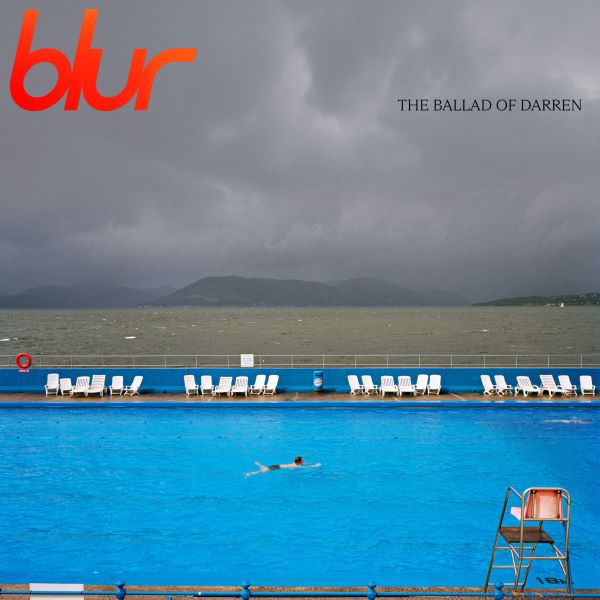
First though, I absolutely love this album cover. Someone swimming in a pool against the backdrop of a massively bad looking stormy sky? This is just great stuff. I don’t collect much Blur but this cover alone is making me want to have this on vinyl, or hell even a poster.

Along with the album announcement, Blur also revealed the album’s first singe, The Narcissist. The song is a pretty chill one that doesn’t really ask a lot of the listener. It’s not a massive banger of a song but it’s also pretty quietly compelling and I’ve been getting more into it on subsequent listens, it has a nice mood music vibe to it. It does make me interested in what they’ll get up to on the rest of the album.

That will do it for what has to be one of my shortest posts ever. Enjoy the weekend.

Bring Your Daughter … To The Slaughter (The Iron Maiden Singles Series)

This week we move on to the ’90’s era of Iron Maiden. It is their least-heralded decade but there’s some stuff worth going over here. We are onto the band’s eight album No Prayer For The Dying. The album itself does divide opinion but its not widely hailed as one of their classics, the stripped down approach after two synth epics left an odd impression on many listeners.

We are also, once again, out of order in this singles series. Well, I am, no one else really is. Today’s single is actually the second from the album and next week’s will be the first. This honestly works out fairly well since there’s a lot to talk about on today’s single and next week’s will be super quick, so I can include the line-up change and additional lore here.

There is a new member of Iron Maiden on this album – replacing Adrian Smith is Janick Gers. Janick had played with Ian Gillian as well as in a project with Paul Di’Anno and Clive Burr, among other acts. He would hook up with Bruce Dickinson for Bruce’s first solo album Tattooed Millionaire, which, well, it has bearing on the lead track today so I’ll save that. After Smith departed Maiden, Gers was in and he remains a part of the group today, staying on even after Smith returned in 1999.

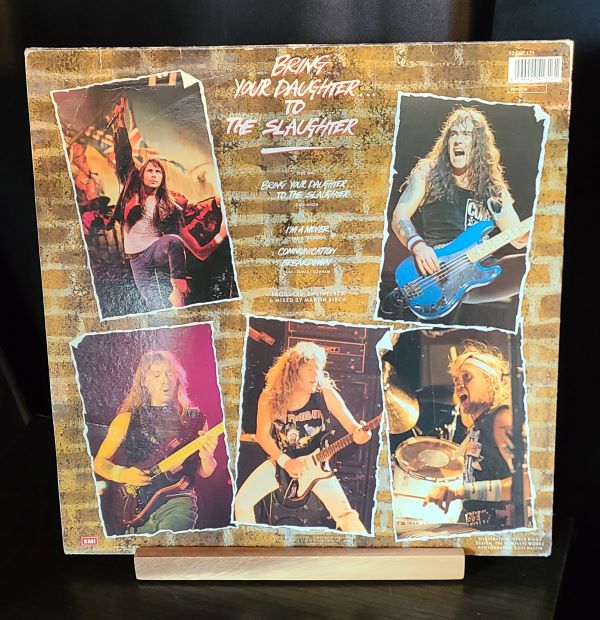
Today’s single was available in several versions and had two different covers – the one I have pictured is the “main” copy and another one featuring Eddie in Grim Reaper garb is an “alternate” cover. There are 7-inch, 12-inch, cassette and CD versions, and several of each. Mine is a 12-inch vinyl and offers a second B-side, so that’s what we’ll stick with today.

The cover art is kind of crazy and very busy, featuring Eddie holding a woman, presumably someone’s daughter being brought to the slaughter, and a whole lot of stuff in the background. Derek Riggs was still the artist for these, but his time is coming close to an end as Maiden’s illustrator, and subsequent single covers will highlight that.

Bring Your Daughter … To The Slaughter

The lead track here is the second single from No Prayer…, the first single will show up next week because time is just a human invention and not real anyway. This song has a lot to discuss in its origins, its real and perceived quality, and in its commercial reception.

The song also did not actually have its origins in Maiden itself – it was the brainchild of Bruce Dickinson, who wrote and recorded the track and put it on offer for the soundtrack to A Nightmare On Elm Street 5: The Dream Child. I personally don’t remember the movie much and even though I was a huge Maiden fan around this time I didn’t pay it much mind. Dickinson chose not to include it on his debut solo album Tattooed Millionaire, though re-issued copies feature it as a bonus track.

Well, Steve Harris heard and liked the song so he brought in Bruce’s guitarist Janick and the track. Maiden improved upon the original song by a fair bit and wound up releasing it as a single. It featured a video with performances spliced in with footage from an old movie called The City Of The Dead. The movie footage shows a lovely young woman being kidnapped for part in some evil ritual, which I guess is in keeping with the song.

And for the song? It’s a pretty good one. It is no frills and basic, which was something of a comedown for us Maiden fans after the several years prior. But this track is decently enjoyable, I won’t shit on it just to be elitist or anything. This album isn’t my favorite but I also don’t mind putting it on, many of the songs are goofy but enjoyable. This one certainly fits that concept.

One other note of trivia about this song, and it’s a big one – Bring Your Daughter … To The Slaughter is the first, and to date only, Iron Maiden song to top the UK Singles Chart. I don’t really know how or why it happened, especially with a lack of support from entities like the BBC who did not care for the song’s theme, but Iron Maiden scored a number one hit with one of the least heralded songs of their catalog. The singles market is funny and is usually not where heavy metal dwells, so for this of all songs to top the charts is pretty funny. And hey, good for them, it’s still an accomplishment worth having.

I’m A Mover

Both B-sides today are covers, the first one is an early, somewhat decent hit for the band Free. This would be a few years before Free’s massive smash All Right Now.

Maiden perform a very serviceable version of the song. It does get the feel of the track right, though done a tad harder as would be expected for Maiden. It might miss some of the finer points of Paul Rodgers and the blues-based rock of Free but this is a pretty good job done and it’s a very interesting cover song among the several Maiden have done over the years.

Communication Breakdown

The 12-inch bonus B-side is obviously a cover of the early Led Zeppelin standard from that band’s first album. While Maiden did a fair job on the Free song, this one doesn’t really get on track. It’s played decently enough but it does sound like a bar cover band doing Zep. Bruce is a great singer but one thing he is not is Robert Plant, and the absolute insanity of Plant’s original is lost here. I’d say this isn’t “bad” but honestly it might be, it just doesn’t hold a candle to the original.

That does it for today’s single. Next week will go quick and easy and then it’ll be on through my last remaining handful as I cross through a few eras of the band.

The Iron Maiden Singles Series

Live! + One

Running Free

Sanctuary

Women In Uniform

Maiden Japan

Purgatory

Twilight Zone/Wrathchild

Run To The Hills

The Number Of The Beast

Flight Of Icarus

The Trooper

2 Minutes To Midnight

Aces High

Run To The Hills (live)

Running Free (live)

Stranger In A Strange Land

Wasted Years

The Clairvoyant

Infinite Dreams

Bring Your Daughter … To The Slaughter (you are here)

Holy Smoke

Be Quick Or Be Dead

From Here To Eternity

Virus

Out Of The Silent Planet

Rainmaker

Different World

The Reincarnation Of Benjamin Breeg

Empire Of The Clouds

This Is Pop – Hail Britpop!

Last week I was trying and failing to find something to watch across streaming services when I landed on a series called This Is Pop! This was a short series filmed in 2021 by the Canadian crew Banger Films, responsible for Metal Evolution, originally Metal: A Headbanger’s Journey and many other quality documentaries.

I did not watch the whole series and I probably won’t, but one was really interesting to me – Hail Britpop! This recounts that brief but lovely time in British music when a bunch of different forces converged to reshape the English music scene, and at least one act broke out internationally. So I figured I’d go over the episode a bit and also run down the Battle of Britpop, which was discussed in some detail on the show.

The show depicted Britpop as a movement of rather different music interests, ranging from alt-rock to shoegaze and other forms, that would fit together to express a uniquely English musical identity in the early 1990’s. While Suede is generally credited with the birth of Britpop, the show paints Blur as the main culprits. Alex James and David Rowntree of Blur both give pretty insightful interviews for the episode.

The consensus is that Blur were on tour in America and were lamenting the lack of English identity in music, which at the time was very much under the thumb of American grunge. Blur returned from the tour and recorded their seminal Parklife album, which celebrated British culture and made them superstars. The fact that some of Parklife was a sneer at that same British culture rather than a celebration was left out of the show.

Once Blur went over, it was open season for the British music press for anything Britpop. The show does a great job of painting the music press as the actual main purveyor of Britpop – this wasn’t a codified music scene with a common sound and characteristics, this was a bunch of different bands grouped together because they sounded British and were generally more cheery than the alt-rock of the day. Members from bands like Lush and Echobelly give interviews to this effect.

The show does make what I assume is a joke, that one day a heavy metal band changed their attire and “became” a Britpop band. I don’t know of any such act who actually did that, if one did I’d be happy to know who it was. But even if the show made the point in exaggerating fashion, it was true that there was a hop on the press-driven bandwagon of Britpop.

While Blur were the early winners of the Britpop phenomenon and it was largely a London-based scene, most everyone who was alive at the time knows what eventually happened – a group of sneering lads from Manchester came along and stole the spotlight.

The part of Oasis in the episode is represented by Alan McGee, the head of Creation Records and the man responsible for signing Oasis to their record deal. The introduction of Oasis also brings about the North-South divide in England – the south being more posh and the north more working class and perhaps grim. Blur would come to represent the south aesthetic while Oasis would carry the torch for the working people of the north. While this depiction is true to some degree, it’s also a media invention that would fuel the Battle of Britpop in 1995.

The Battle of Britpop was pretty simple – both Blur and Oasis released singles from their new albums on the same day – August 14, 1995. It was billed as a titanic heavyweight fight in the British press, extending far beyond just the music rags. The show offers arguments from both Food Records and Creation Records label heads as well as Blur band members about the choice to release on the same day, note that Blur’s band and record exec stories directly contradict one another on the show.

Blur would come out winners of the Battle of Britpop, as their single Country House outsold the Oasis offering Roll With It. While this temporarily went in Blur’s favor, the show quickly pivots to the runaway success of Wonderwall and the massive sales Oasis would see of their second album (What’s The Story) Morning Glory? Oasis would trounce Blur in full album sales and, while this wasn’t mentioned on the show that I recall, music press even changed reviews of Blur’s The Great Escape after Oasis mania truly took hold.

Just as quickly as Britpop took hold, it would fizzle out. A bit of Oasis’ triumphant Knebworth gigs in 1996 are touched on, this was likely the zenith of Britpop. Oasis’ third album Be Here Now did well out of the gate but landed pretty hard in critical reviews and tends to signal the end of Britpop. Blur also changed tack, actually embracing the American music they’d forsaken years ago and had their big international hit with their self-titled album and especially Song 2.

This wraps up the episode of Hail Britpop! I felt the episode was good, though it did move quick and leave a lot of Britpop out. It nailed the central points of being a press movement and it got the rise of Oasis and the posh/working class clash of the Battle of Britpop right, but a lot of Britpop’s other history was left unaired. Suede, Pulp and Elastica all played big roles in the Britpop phenomenon but were relegated to pictures and small mentions in the show. I don’t intend this to be a huge criticism of the show as I understand the makers were going over the main points in their 45-minute airtime, but I do admit to being more of an admirer of comprehensive coverage.

Overall though, I do think this episode was really good and it’s a nice primer to the main aspects of Britpop for those unfamiliar. I had a good time watching it and reliving a small but very important part of my music listening history. It is a good place to go for those maybe not as vested in the finer points of the Britpop movement but who want an easy to digest version of what all the fuss was about from England in the mid 1990’s.

Since I’ve been writing about Britpop, I figured I would take a moment to link back to some old posts of mine on the subject. I covered Oasis extensively in this site’s early days and I have a few more here and there about the subject so I’ll link up to some relevant stuff below for your further reading pleasure.

Oasis – Definitely Maybe Album of the Week

Oasis – (What’s The Story) Morning Glory Album of the Week

Oasis – Be Here Now Album of the Week

Oasis – Knebworth ’96 Album of the Week

The Importance Of Being Idle – Will Oasis Ever Re-unite?

Oasis – Don’t Look Back In Anger (S-Tier Songs)

Blur – Parklife Album of the Week

Blur – Song 2 (S Tier Songs)

Elastica – Stutter (S Tier Songs)

Sanctuary – Refuge Denied (Album of the Week)

For this week it’s time to look at a profound debut album in metal, the start of a Seattle metal institution and a curious guest shot in the producer’s chair.

Sanctuary – Refuge Denied

Released in 1988 via Epic Records

My Favorite Tracks – Battle Angels, Soldiers Of Steel, Die For My Sins

Sanctuary had formed in 1985 and recorded a demo in 1986. The demo generated some buzz and guitarist Lenny Rutledge made a power play to help his band get some notice – he approached Megadeth mastermind Dave Mustaine after a show. Mustaine was very receptive to Sanctuary and offered to help produce a full-length album.

Sanctuary was comprised of Lenny Rutledge and Sean Blosl on guitar, Warrel Dane on vocals, Jim Sheppard on bass and Dave Budbill drumming. This line up would hold through the first album and tour.

The music here falls somewhere between thrash and US power metal. It’s a bit of both but not entirely in one realm or the other. It’s not unusual for Seattle bands to defy categorization.

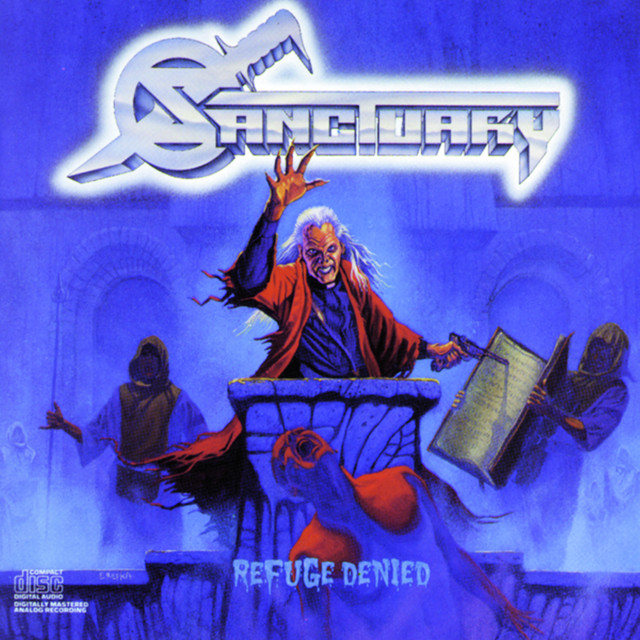
The cover art is worth of discussion, this being one of many pieces from Ed Repka, one of heavy metal’s most renowned artists. There’s a priest or something with a gun doing some crazy shit, the clergy were prime targets of late ’80’s metal bands. Repka’s art is pretty instantly recognizable to a person who has possessed a lot of metal albums over the years.

One small note – there is no specific release date for Refuge Denied. There are copies out there in some territories that released in 1987, in the US it was 1988. I would guess it was an “end of year/start of year” thing but it’s not something I really want to put in the research to find out.

There are 9 songs in a 39 minute runtime, a decently sized album but fully packed with the goods.

Battle Angels

The proceedings open with a masterpiece of a song. It gets going right off the bat and settles into a mid-paced affair before Warrel Dane kicks off the singing. Dane keeps things in a human range in the first verse before ascending to vocal godhood through the chorus. Dane’s soaring vocals along with the riffs and rhythm sections shape an absolute gem of 1980’s metal.

The song is pretty well about what the title suggests – a group of angels coming down to have some holy retribution on sinner’s asses. It’s not quite a story from the Bible but it will do.

Termination Force

Next we get a song with a fair bit of dynamics and arrangement, showcasing that Sanctuary are not a one-trick pony. The song begins in slow fashion but slams into a faster and louder sort of chorus section. There’s a bit of a good old fashioned thrash gang chorus here, and Dane is all over the map with his singing. This is another stomper and Sanctuary are really bringing the goods here.

Die For My Sins

This is a fairly standard melodic metal song, might have a small degree of similarity with the early work of fellow Seattle residents Queensryche. Warrel Dane is still wild on this one, though maybe held back a hair compared to the two prior tracks. A very nice thrash section with the solo in the middle of this one too.

Soldiers Of Steel

Another mid-paced effort with some vocal parts in the verses that show Warrel Dane’s more normal range and the one he’d use for the bulk of his career. He still goes off on the quasi-chorus portions. This one is along the lines of the old US power metal sound.

Sanctuary

We get a self-named song but sadly it was not on a self-named album as well, so no trifecta here. This one also starts off slow but quickly goes into thrash territory. It’s an exploration of some kind of warrior from the future who is leaving the timeline, or something like that. They aren’t going out quietly, that much is for sure.

White Rabbit

Yes, this is a cover of the Jefferson Airplane classic. It is suitably metal-ized for the album and isn’t an attempt to just perform the song as it was. This is enjoyable though it might fall a bit short of a home run. It would mark the start of many times Warrel Dane would take songs from outside of metal and totally mess with them. This also features a solo and backing vocals from Dave Mustaine.

Ascension To Destiny

Apparently the time-traveling warrior from two songs ago didn’t get too far, or maybe this is a different warrior but they are back and ready to whip some ass. The cadence of the chorus had a danger of coming off the same as Battle Angels, but Dane deftly side-stepped the issue by switching up the vocal rhythm here.

The Third War

This one goes pretty hard and heavy and unveils a prediction about the third World War. They peg 1999, which didn’t quite hit the mark but they probably weren’t terribly far off the way things are going in 2023. Another heavy one as we get to the end of the album.

Veil Of Disguise

The closing track starts off in the ballad realm for its first few minutes before picking up steam and rolling out on a heavy note. It is more of the same melodic mastery from Dane and the guitarists and leaves the record without a dud across its nine tracks.

Refuge Denied was Sanctuary’s introduction to the world. Upon release it did not catch fire, in fact only selling around 7,000 copies in its first year or so. The band would slowly catch on over the years and as of 2011 this album has moved over 200,000 copies.

The most noted feature of Sanctuary on their debut was of course Warrel Dane and his insane vocals. His wail was something not easily replicated or matched, there aren’t many singers walking who could handle getting the highs he could reach while also maintaining a true vocal body along with it. And this would impact even Dane – he apparently suffered a vocal injury sometime in 1988 and his days of wailing like on here were over. He would go on to have a successful career as a singer but it wouldn’t be with the kind of shrieks and wails found on this record.

The battle for any kind of commercial success would be a losing one for Sanctuary in their first go round. Their second album Into The Mirror Black would see higher sales and some video airplay, but the band was still on the outside looking in to the music business. Guitarist Sean Blosl would leave first and be replaced with Jeff Loomis. After the band had serious discussions about their place in the music scene after the arrival of grunge in 1991, Sanctuary would split up.

Lenny Rutledge and Dave Budbill would head off on other endeavors, while Dane, Sheppard and Loomis would form Nevermore and carry on for the next 15-plus years. Sanctuary themselves would reform in 2010 after Nevermore broke up, and Sanctuary would continue to run even after Warrel Dane’s death in 2017.

While Sanctuary’s time is broken up into two periods separated by a 20 year gap, their early work would come to be appreciated by a wider audience as traditional metal caught on again in the 2000’s and also as Nevermore fans explored the members’ pre-dated work. Refuge Denied did not get its due back in the day, but today it is hailed as a classic of US heavy metal.