Megadeth – The System Has Failed (Album of the Week)

This week’s album is a band’s reformation effort, though also a reconfiguration in terms of how the band operated and who it worked with. It is noted as a new beginning and a return to form.
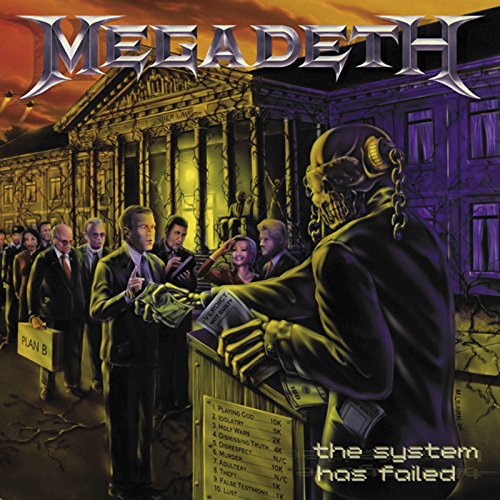
Megadeth – The System Has Failed

Released September 14, 2004 via Sanctuary Records

My Favorite Tracks – Kick The Chair, Blackmail The Universe, The Scorpion

The story leading up to The System Has Failed is quite a whopper. In 2002, with Megadeth’s fortunes on the low end of things, Dave Mustaine suffered an arm injury and was not sure if he would ever be able to play guitar again. He disbanded Megadeth and spent time healing his arm and building up to playing guitar again. His rehab was successful and he was able to resume his mastery of the instrument.

Mustaine set out to record a solo album but was held up by contractual obligations, hence the new effort would bear the title Megadeth. With this new mandate in mind, Mustaine gathered a group of session musicians and held the creative reigns of the new album. Megadeth was now Dave Mustaine and Company, a configuration that has held up to this day.

Notable among the session players on the album is Chris Poland, former Megadeth guitarist for the band’s classic Peace Sells … But Who’s Buying? Poland contributed solos to this album, though his time back with Mustaine would be short-lived.

Megadeth had been on the downslide since the late 1990’s and the ill-received Risk album. An attempted return to form with The World Needs A Hero met with mixed results, and so fan perspective was skeptical after the mess of the band’s breakup and “reformation” under a Mustaine dictatorship.

The only way to reignite fan interest would be to deliver the goods. With 12 tracks going for a 48 minute runtime, did Dave deliver? The album cover certainly brought the old vibes back, but what about the music? I’ll get into that in more detail, though the short answer is yes.

Blackmail The Universe

The opener sets a harrowing and urgent tone, as a mock news piece details a terrorist attack on the US President. The leader of the free world is missing and the nation is in chaos about how to respond. Megadeth are no strangers to the world ending via nuclear holocaust and that is the ultimate fate of everything here.

The song is fantastic and was instantly hailed as one of the band’s best in years. The music was explosive and the twisted fate of the world was communicated in powerful fashion. Though in a new form, Megadeth was back.

Die Dead Enough

The album’s lead single is a mid-tempo affair, more in line with what was issued on albums like Cryptic Writings. The song was originally conceived for a movie soundtrack but the deal fell through and it found its home here. Die Dead Enough seems an odd premise but the action sequence sort of vibe works pretty well with the music.

Kick The Chair

Any concerns about Megadeth’s standing were lifted when Kick The Chair hit peoples’ ears. This was Megadeth back in form – snarling, angry and lashing out at a broken system. Kick The Chair takes aim at the justice system and its corrupted ties with money and power. This is a precise thrash masterpiece and one of the best Megadeth songs in years.

The Scorpion

A twisted guitar passage stands out as Mustaine recalls the fable about a scorpion hitching a ride across a river from a frog and stinging the frog, dooming both animals to death. The “scorpion” in this case is a human doing bad things simply because they will. A fantastic song even without the thrash.

Tears In A Vial

A more melodic tune in line with Megadeth’s “commercial” work of the 1990’s. It’s a song about someone walking away from some kind of relationship or thing. While the song veers into more accessible territory it’s still pretty good – the dark secret about Megadeth’s “radio rock” phase is that a lot of it was actually good.

I Know Jack

A very brief interlude at only 40 seconds. No lyrics here, instead a famous 1988 quote from US Senator and Vice Presidential candidate Lloyd Bentsen is played over the riff. Bentsen was attacking rival Dan Quayle, who had compared himself to JFK. In fairness to Quayle, he was only comparing his time in Congress with JFK, but Bentsen’s response became pretty famous in political circles. Quayle, despite his bungling nature, would still wind up as Vice President under George Bush, mostly because we don’t vote for vice presidents.

Why is this track here? I have no idea.

Back In The Day

Here Mustaine pays tribute to the old thrash scene of the early ’80’s. A good track though maybe not as “thrashy” as one would expect from a song talking about that very thing.

Something That I’m Not

Mustaine launches a shot at someone who betrayed him on this song. It is most likely about Lars Ulrich. This song was a bit after Metallica’s Some Kind Of Monster film, which features Dave in a scene that gets mocked a lot. Dave apparently asked not to be in the film but his request was ignored, hence this song. A few years later everyone would start getting along better and the Big Four stuff would happen. The song itself isn’t really my cup of tea.

Truth Be Told

Here we have Mustaine handing out Bible references, probably in line with his “born again” status that happened sometime after his arm injury. The song is pretty good and doesn’t suffer for its religious influences, it ties in Bible stories with its points pretty well.

Mustaine would go on to use his religious beliefs to influence concert promoters to keep other bands off of festival line-ups that Megadeth were playing, most notably Rotting Christ and Dissection. The attempts were not always successful and it generated a lot of nastiness in the metal community at the time.

Of Mice And Men

While sharing a name with John Steinbeck’s famous story, the song has no other connection to the book. Here Dave is reflecting on his life and offering wisdom gained through experience. It’s another track that feels like it could have come from Cryptic Writings and it’s one I don’t mind hearing.

My Kingdom

After the interlude Shadow Of Deth, the album’s closer comes with Dave coming back to claim his kingdom after years away. He is directly referring to how Megadeth pursued areas outside of thrash and now the band is back and ready to get back to it. The song itself kind of misses the mark but the goods were delivered with the album as a whole.

The System Has Failed was a return to prominence for Megadeth – the album charted in several countries, including number 18 in the US. Reviews were positive and fan reception was good after several years in the murk and the break-up.

Initially this album was advertised as Megadeth’s last, with Dave wishing to do a Megadeth farewell tour and then pursue solo music. That did not quite happen and Megadeth would remain in existence to this day. It could be said that, in a way, it really is a Dave Mustaine solo project with a different name. The twists and turns of what happened with Megadeth’s lineups in the 2000’s could literally fill a book and is far more than I wish to get into here. In short, a new band was assembled for touring and members would come and go for years after, with no shortage of drama and weird shit.

But Dave Mustaine did successfully right the ship with The System Has Failed. While the back half of the album trails off some, the front is loaded with some of the best Megadeth songs in years. The new era had begun and more highlights were on the horizon.
Album Ranking – Metallica

It’s time to cap off Metallica week and that means it’s time for my album ranking. I’ll be going worst to first on the Metallica discography, sorting out the cream from the chaff (whatever that really means, I don’t know).

This ranking will include the ten full-length studio albums credited to Metallica. It will not include EP’s , singles, live albums with orchestras, live albums without orchestras, etc. It will also not include Lulu, the 2011 collaboration album with Lou Reed. That one is a bit tricky since it’s a full-length album that features the band in its entirety, but I’m going to go with the typical list that most people use. Also, Lulu is an abomination.

Let’s head into the waters here, I don’t think my list is radically unpredictable (mostly).

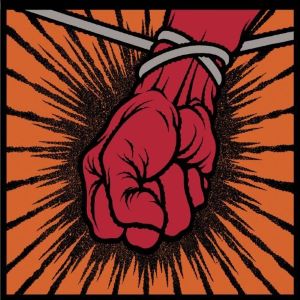
10 – St. Anger (2003)

This isn’t a hard call. I can find people in the wild who defend this album, but honestly I think it sounds bad and I have a hard time even listening to it. The production choices are beyond questionable, they’re flat out trash. And the songs are generally a mess. Finding a few diamonds in the shit doesn’t mean the album is redeemed in any way.

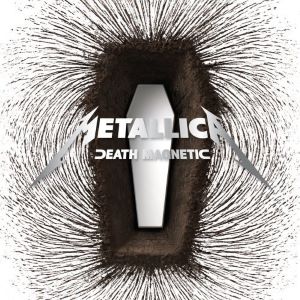
9 – Death Magnetic (2008)

This album is far, far better than its predecessor, but it’s still not all that great. The band did sound like they were trying again, but it also does sound like they are trying, rather than succeeding. And the album after this stands as proof that such is the case. There are a few nice songs on here, The Day That Never Comes stands out to me. But it’s not an album I feel like visiting much, or at all really.

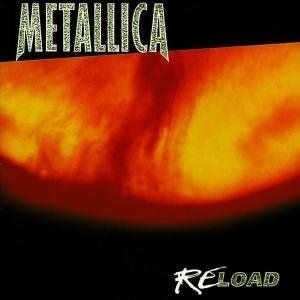
8 – Reload (1997)

Kind of a “second half” album to their 1996 effort, Reload is a groove-based, almost blues and country styled album. A departure for Metallica, sure, but a pretty decent sounding effort overall. I do think this lacks real heavy hitters but it’s a collection of songs that are fine enough to listen to. I’d cite The Memory Remains as my favorite.

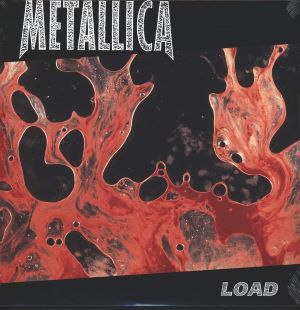
7 – Load (1996)

The band, not content with their 1991 reinvention, got haircuts and released some alt-metal. The world was abuzz about the physical and musical changes, but honestly they put out some stuff here that I really like. I think the first seven tracks are all bangers, that includes I think all of the singles. I like the last two songs as well – it’s the stuff inbetween that loses me a bit. If that were trimmed up some, I’d probably be ranking this one higher. I do truly think they wrote some really good songs here, regardless of what they were “supposed” to do.

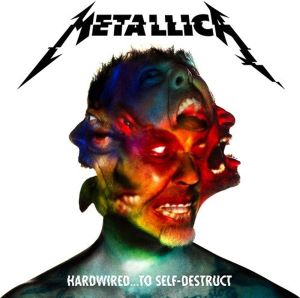
6 – Hardwired … To Self Destruct (2016)

If Death Magnetic was supposed to be a return to form, Hardwired truly was, at least in places. Several of the songs here are the kind of bangers not really heard since 1991, if not even earlier. There are some secondary tracks on this huge album, to be sure, but even some of those are pretty nice. This album did recapture the magic in some way and it was damn nice to hear. The title track and Spit Out The Bone are the best work Metallica have cranked out in a very long time.

5 – The Black Album (1991)

I’d almost be cheeky and rank this lower but that would be dishonest – while I’m not in love with the whole thing, there some damn great songs on here. Wherever I May Roam and Sad But True are stellar songs, a handful of others are very nice and a few are good without being great. There are some, mostly towards the end of the album, that I can’t quite get into, but overall this was a success, both in my book and in the sales book. Can’t really argue with it.

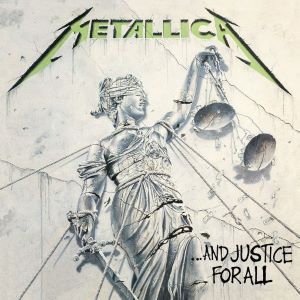
4 – …And Justice For All (1988)

The first album without Cliff Burton could have went any number of ways, but Metallica were able to alter their formula some without sacrificing the core of their sound. Harvester Of Sorrow always gets me going, and One is a masterpiece and one of the band’s most iconic songs. While it sounds odd production wise (and lacking in bass), it makes up for that with a batch of great songs.

And this was the album I talked about in much more detail back on Monday – post here.

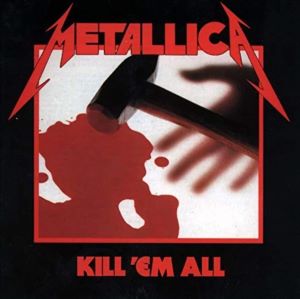
3 – Kill ‘Em All (1983)

The debut was a monster of a record – putting thrash on the map when the genre wasn’t a known quantity yet outside of local live scenes. This was very hard-hitting, fast and savage metal that pulled no punches and delivered a fist full of great songs. Not a weak note here and a still beloved collection of metal all these decades later.

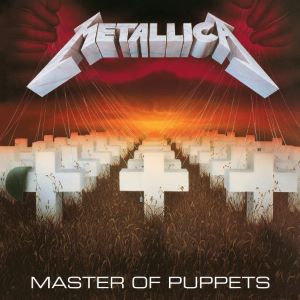
2 – Master Of Puppets (1986)

The band’s third album is often cited as a “perfect” metal record, and for good reason. All eight songs are total masterpieces and every note hits hard. The album is crisp, clear and totally devastating. It set the band on a path of superstardom not touched by any other thrash act.

I had this record as an Album of the Week awhile back, here is that post.

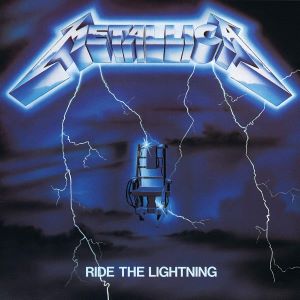
1 – Ride The Lightning (1984)

Metallica’s second effort still possessed a bit of the savage energy found on the debut, but the songwriting refinement here ramped things up exponentially. Some stuff still hits heavy, like For Whom The Bell Tolls and Creeping Death. And the band’s first ballad Fade To Black was a metal masterpiece. While some find fault with a few songs on the album, especially Escape, nothing on the record bothers me any. I’ve played this album thousands of times and I’ll likely play it thousands more before I push up daisies.

Ride The Lightning has been an Album of the Week in the past, here is that post.

That does it for the Metallica album ranking. I doubt this is a “final” ranking as I would expect at least one more album, but all that can be sorted out down the road. And while I’ve talked plenty about them this week, this will be far from the final time I discuss Metallica on here – they are a lynchpin in heavy metal as well as my own musical formation.

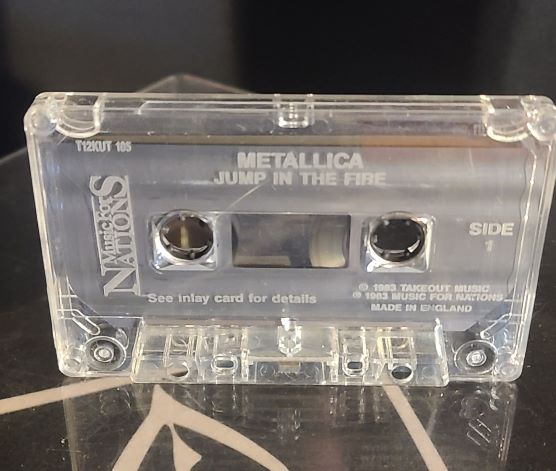
Metallica – Creeping Death and Jump In The Fire

Today I’m going over the two Metallica singles I have in my collection, both on cassette. These are the early singles Creeping Death and Jump In The Fire. Both were released in Europe when Metallica was distributed by Music For Nations over there, I don’t think these singles ever got North America releases.

These are somewhat collectible, owing to them being Metallica releases. They aren’t all that rare and can be had without coughing up huge cash, at least for the cassettes. They do get price gouged a fair bit, but these aren’t worth a huge premium or anything.

Creeping Death

I’m going out of chronological order just because this one was sitting on top of the stack. First up is Creeping Death, from Ride The Lightning. It is absolutely one of my favorite Metallica songs. It’s one I’ll probably talk about in the future in more detail so I won’t get too much into it here, but it is a total beast of a song and is a staple in live sets, I believe it is their most played song. It really doesn’t get much better from Metallica.

The two B-sides are cover songs and are very iconic in Metallica lore. Up first is Am I Evil?, a song that has become an anthem for the originators, England’s own Diamond Head. While Diamond Head’s original did make some waves in the UK, they did not break international markets until Metallica’s cover.

The original is a fantastic tune and Metallica’s version is amazing. This might be the best cover song they ever did, and they’ve done quite a few. It was a boon to Diamond Head, who never broke huge but have had a respectable career.

The obscure picks for cover songs theme marches on with Blitzkrieg. This is a case of the song Blitzkrieg by the band Blitzkrieg. Sadly it was not also from the album Blitzkrieg, as it was a B-side to their debut single and they have never had a self-titled album.

This is also a well-executed cover and one that’s still a highlight of Metallica’s covers selection. Blitzkrieg the band have been on-again and off-again over the decades but were active as of 2019.

Jump In The Fire

The next single on the list is Jump In The Fire. This song is from the debut album Kill ‘Em All and the single was released in early 1984, roughly six months before Ride The Lightning hit shelves. This one has three tracks and repeats the program on both sides. I’ll still use A-side and B-side to denote things but I guess they aren’t technically correct terms here.

The A-side is a fantastic cut from the ferocious debut album. James Hetfield could wail back in the day and it’s on full display here. This is also one of Dave Mustaine’s contributions to the group (no shaking his immense influence).

The two B-sides promise live tracks in the form of Phantom Lord and Seek And Destroy, both also from the debut album. The thing is that both songs are fake live tracks – Metallica recorded alternate versions of the songs and added crowd noise to the recordings. Odd choice but I’m guessing capturing the band live during their first tours didn’t result in the best audio, so this was the chosen alternative. It’s fine from a curiosity standpoint but these B-sides clearly don’t push any real value.

That’s it for my Metallica cassette singles. Tomorrow I’ll wrap up Metallica week with my album ranking.

Album Of The Week – October 31, 2022

It’s time to do another week revolving around one artist. This will involve a post every day, it’ll include a (long) look at the band’s line-up changes, a few singles I have and cap off with an album ranking on Friday.

I’m leading off with the band’s fourth album, one recorded and released after great tragedy. Despite a few curious choices in sound, the album would be a huge success and propel the group forward to a state of total world domination a few years later.

Metallica – …And Justice For All

Released September 7, 1988 via Elektra Records

My Favorite Tracks – Harvester Of Sorrow, One, Blackened

Metallica had made great strides in heavy metal and music in general, achieving commercial success without the benefit of radio or MTV play. Things would change with this album, and Metallica would start to become not just a successful metal band, but one of the world’s most popular acts.

The group were enjoying a fantastic touring cycle for Master Of Puppets when an icy bus crash in Sweden claimed the life of bassist Cliff Burton. Burton’s death was a massive loss and one that still reverberates today. The band decided to press on after the accident, hiring Jason Newsted away from Flotsam And Jetsam.

…And Justice For All features 9 songs at a massive run time of 65 minutes. The album cover is a fantastic image and possibly the band’s best ever. Singles released from the album include Harvester Of Sorrow, Eye Of The Beholder and One, the latter marking the band’s first MTV video.

It’s impossible to discuss the album without bringing up the curious production choices. The album sounds dry and tinny, with the high end very emphasized. The drum sound is odd, but the missing bass is the typical talking point. The band have blamed “hearing loss” for the bass omission, though a lot of people speculate that it wasn’t an inadvertent decision. The album succeeded even with the odd mix, though it is still a huge topic of discussion all these decades later.

With that out of the way, let’s get into the songs. There is a lot to go over, even with an average number of tracks.

Blackened

The album opens with a super heavy track that firmly suggests Metallica are out to snap necks again. This is a pummeling song that details the nuclear end of the world, a topic prevalent in thrash and also Metallica’s own back catalog. While much of the album drifts away from “pure thrash,” Blackened is one of the more outright thrashy songs.

Blackened is also Jason Newsted’s sole writing credit on the album – he had the main riff “laying around” and played it for James Hetfield, who immediately set about crafting the song.

…And Justice For All

This very extended play at nearly 10 minutes is a direct attack on the hypocrisy and ineffectiveness of the justice system. It is a song that is sadly still very relevant, if not more so, today than in 1988. While the base of the song is pure thrash, there are several interludes and guitar passages that keep things from getting monotonous.

Eye Of The Beholder

The tempo slows a bit for this crunchy track that concerns itself with the idea that expression is not free and is instead bought and controlled by those in power. It’s an interesting topic that could sadly go down too many dark roads these days. The song is one of the more straightforward ones from the album, keeping its pace and general rhythm throughout.

One

The most recognized track from the record and certainly one of Metallica’s most known songs, this single marked the first music video release from the group. The video features movie footage from Johnny Got His Gun, a dark story similar to what is told in One. Both feature a World War I casualty who was blown apart by artillery but is still alive, though unable to do anything but think.

One begins slowly, with a very haunting guitar passage while the lyrics outline the victim’s plight. The song picks up steam as it goes along, eventually entering total thrash-out territory around 4 minutes in. The song’s extended remainder is a solo fest.

One was a triumphant single and video for Metallica and it marked the beginning of what would be a long ride on MTV for the group. Metallica wound up purchasing the movie rights to Johnny Got His Gun so they wouldn’t have to pay royalties to the prior rights holders. The song is a staple of live sets and is also often brought up when people are asking the age-old question “You know that one song?”

The Shortest Straw

Metallica return to the political theater here, offering a song that derides political witch hunts such as the Red Scare of the 1950’s. The song is another of the “thrashier” tunes from the album. Some fans speculate that the title has to do with how Cliff Burton wound up in his fatal section of tour bus the night of the crash, but honestly that seems like a reach to me and I doubt it’s the case.

Harvester Of Sorrow

An extremely dark and twisted song about a victim of childhood abuse that grows up to be traumatized by the abuse and, after going insane, murders his family. Harvester is a slower yet still heavy song that lends the right kind of dark atmosphere to its terrible story. While Metallica did plenty outside the thrash realm on this album, Harvester is a true highlight of how they could turn down the speed yet still offer a compelling song.

Frayed Ends Of Sanity

Very easy song to peg here, it’s a thrash tune about going insane. It slots very well on this album that’s all about the dark side of things. The song has a bit of trivia with it, as Metallica didn’t play the song live until it was voted in to the set via fan request in 2014. They would often tease the intro before going into a different tune.

To Live Is To Die

This is a mostly instrumental passage that serves as tribute to Cliff Burton. You can’t hear the bass, but if you could, you would hear Jason Newsted playing parts that Burton had previously written. There is a brief spoken passage around the 7:30 mark – the first two lines were from poet Paul Gerhardt and the last two were Cliff Burton’s. The lines and the bass parts mark Burton’s final contributions to Metallica’s music.

Dyers Eve

The closing track brings back the thrash in a big way. The lyrics reference someone criticizing their parents for sheltering their child and damaging their development through childhood. The lyrics were born of James Hetfield’s childhood, who had to deal with his father’s abandonment and his mother’s death, as well as growing up in a twisted belief system that would be responsible for his mother’s end.

…And Justice For All was a massive success for Metallica. The album went platinum just a bit after release and charted well in many parts of the world. The album would go on to sell over 8 million copies in the US, some of that of course coming after the band ascended to practical godhood with the Black Album.

Metallica ran into a practical issue while touring behind …Justice – the songs were too damn long. One was a constant fixture and the shorter Harvester Of Sorrow got plenty of stage time, but many other tracks were left alone due to time constraints. Eventually every song made it on to a set list, but highlighting the album live is a very tall task.

Metallica’s course was well on track for future success after this record. The form that took was something beyond which anyone could have realistically predicted, but of course all of that is a story for another time. …And Justice For All was a fitting bookend to the group’s thrash career and a fantastic effort born of the grief over the death of Cliff Burton.

Album Of The Week – October 3, 2022

I’m back to my normal posting schedule and I’m back to the album of the week with a no-doubter and an all-timer. It is the album that truly sucked me into heavy metal. It is one of my favorite albums of all-time, it is often considered the band’s magnum opus and it is hailed as one of the best offerings of the thrash genre. It is, without a doubt, one of the greatest pieces of recorded music in history.

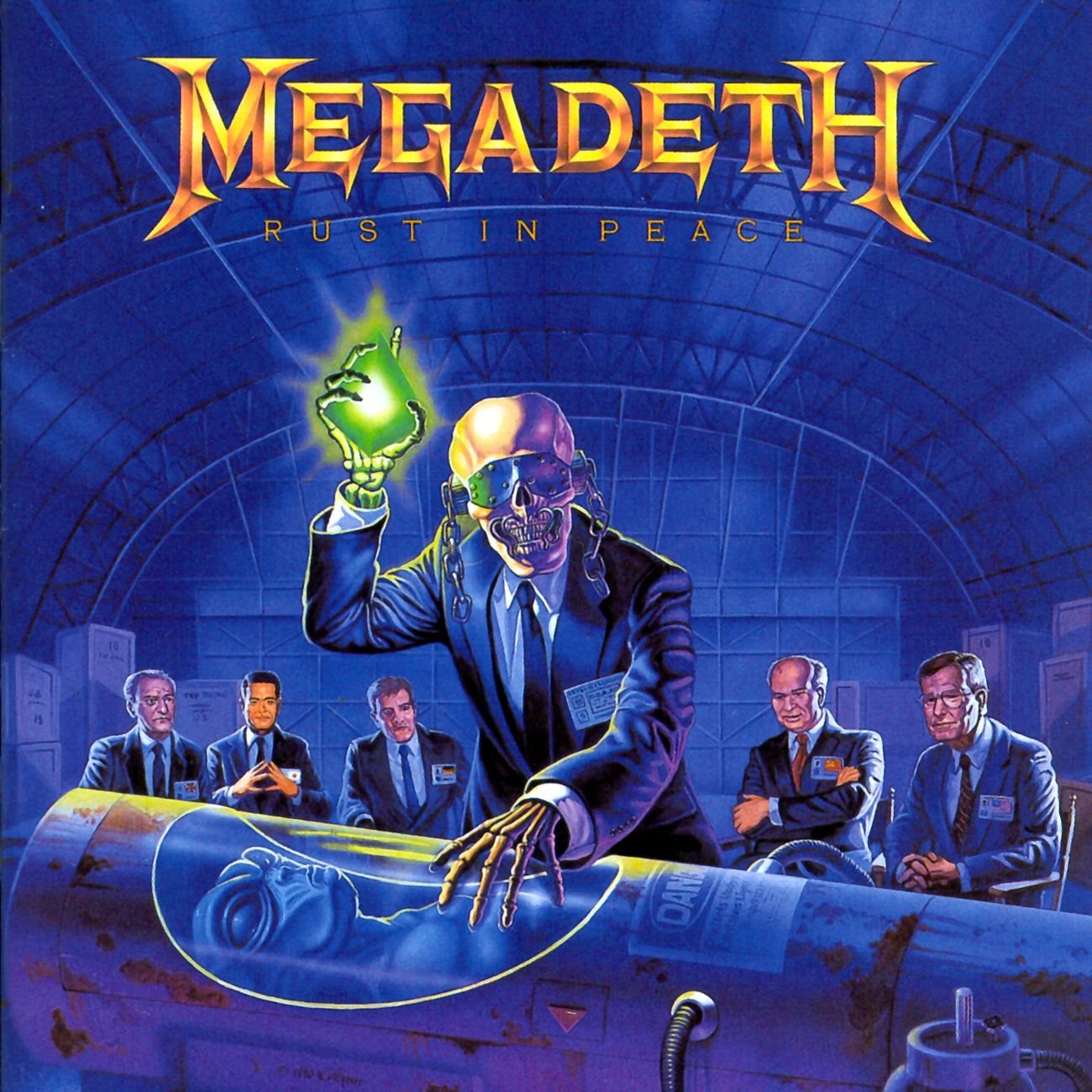
Megadeth – Rust In Peace

Released September 24, 1990 via Capitol Records

My Favorite Tracks – Tornado Of Souls, Rust In Peace … Polaris, Hangar 18

Megadeth made waves on the up and coming thrash scene through the 1980’s. Dave Mustaine formed the band after being dismissed from Metallica and, well, all that’s had volumes written about it so on to the album.

Rust In Peace marked the dawn of Megadeth’s most stable line-up – Dave Mustaine on guitars and vocals, Marty Friedman made his Megadeth debut on lead guitar, then-trusty sidekick Dave Ellefson remained on bass and Nick Menza made his recording debut after joining the band a year prior.

All credit to Ellefson and Menza for holding down the backline with precision, but this album is known for one thing and it’s guitars. What Friedman and Mustaine got up to here is a master class in guitar performance. Even in the guitar-centric realm of thrash, this is unparalleled stuff.

There is one note to make before anyone goes running to Spotify to listen to this masterpiece – the album was remastered in 2004 and Mustaine made the curious choice to re-record some vocal tracks. The result was pretty awful and the 2004 remaster lives in infamy among Megadeth fans. The original version of this album is the one to seek out.

There are nine tracks with a time of 40 minutes to get to and there’s a fair bit to discuss, so off to it.

Holy Wars/The Punishment Due

Two singles were released and they are conveniently located as the first two tracks of the album. This dual-titled beast begins with some all-out thrash and sets the tone for the record to come. The topic here is conflict, the song was inspired by Mustaine seeing bootleg Megadeth merch that supported the IRA.

The song slows down for The Punishment Due, an interlude that was apparently inspired by The Punisher of Marvel comics. The song winds back up into a frenzy, featuring a great many guitars, before concluding.

Hangar 18

Here the band offer a massive thrash tune about the alien crash landing theories surrounding Hangar 18 in Ohio and Area 51 in Nevada. A few brief verses roll off, followed by the very brief chorus and then – guitars. A whole hell of a lot of guitars as Mustaine and Friedman go off with something like 11 solos in the space of a few minutes. Even on an album full of guitar heroics, Hangar 18 stands out for them.

The song became iconic for the band and was a central focus of the imagery surrounding the record. Megadeth would go skydiving near Area 51 for an episode of Headbanger’s Ball on MTV and a sequel to the song would surface in 2001.

Take No Prisoners

This cut discusses the horrors of war by way of accounting its brutality. It is yet another fantastic slab of thrash. It was also the central focus of re-recording on the 2004 remaster and in my opinion it was totally botched.

Five Magics

Here Megadeth play Dungeons and Dragons on a tale of a wizard’s adventure to obtain the necessary magic to defeat a monster. While the song’s protagonist practices magic, Megadeth’s weapon of choice is – you probably guessed it – the guitar. Friedman uses the song’s first several minutes to just play solo after solo. Whatever monster that wizard is facing has no idea what’s coming for him.

Poison Was The Cure

A song about Mustaine’s long struggles with heroin. Ellefson’s bass opens the brief tune and then the band slams through the proceedings in a bit of groovy fashion. While still certainly thrash, there’s a good bit of rock and roll feel here.

Lucretia

Here we have a song composed about a ghost that Mustaine thought was in his attic. It’s a fittingly creepy tune that still keeps the thrash and guitar attack going full steam ahead.

Tornado Of Souls

Exiting the realms of war and fantasy for a moment, this song is simply about ending a relationship and getting back into the world with a winning attitude. It’s also, in my estimation, the ultimate expression of everything that works about this album. It’s a fantastic composition, with the guitars, lyrics and everything coming together to kick the ass of anyone listening.

Tornado Of Souls has become one of Megadeth’s most popular cuts, having been played live extensively and often hailed as one of their best overall tracks.

Dawn Patrol

This very creepy, short song has Mustaine snarl through an Ellefson bass line to illustrate people living underground after an environmental disaster, such as the nuclear holocaust about to come in the next song. In a way it’s more of an interlude or intro piece, but it took on its own life as a curiosity from the album.

Rust In Peace … Polaris

The album closes with the title track and the song is inevitably about the subject the title confers – nuclear war. The lyrics are sung from what seems to be the perspective of a mad tyrant unleashing nuclear hell but the perspective is apparently that of the missile itself.

This track doesn’t feature any guitar solos in an effort to let the song communicate its own excellence. Still plenty of nice and nasty riffs to be had and the lyrics basking in the world-ending nuclear conflict make their points well.

Rust In Peace was hailed upon release as one of the finest moments in thrash metal. Megadeth would see their profile raise considerably during the album’s cycle. The album went platinum in the US and its legacy as a masterpiece has been cemented over the ensuing decades. People love making lists of “best of” thrash and metal, and people love putting Rust In Peace on those lists.

For me this was the album that truly hooked me on the heavier side of metal. I was already into Iron Maiden and I’d heard other thrash albums before, but this one just grabbed me and took my soul. From then on it was a race to find the heaviest stuff out there, and in many respects that race is still going 32 years later.

While Megadeth would go on with a lot of ups and downs over the years since 1990, there is no denying the place Rust In Peace holds in the band’s legacy. A whole new generation of musicians influenced by the album would revive thrash in the 2000’s and bring new life to the genre thought dead. It is a legacy secure in the riffs and plentiful solos.

Album Of The Week – July 25, 2022

This week’s pick is one that was always going to wind up here, the only question was when. I could write about the album in my sleep and I could probably write this without hitting play on it (though I will). But all the fuss raised up over the title track’s use in a hit TV shows means the time to talk about it is now.

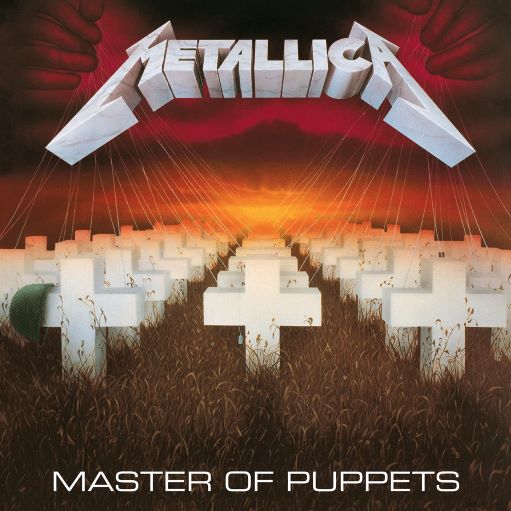
Metallica – Master Of Puppets

Released March 3, 1986 via Elektra Records

My Favorite Tracks – Damage Inc., Disposable Heroes, Welcome Home (Sanitarium)

Metallica’s third album would showcase some polish and a very consistent approach. The band would make waves after its release as the record gained momentum without the benefit of radio or MTV play. It would go one be considered one of the band’s finest moments, even as tragedy cut short the album’s touring cycle.

It’s a fairly lean track list with eight songs but there’s almost an hour’s worth of music to get into. Let’s dive in to one of heavy metal’s most noteworthy albums. Also, a note – the videos posted are all live performances that may not reflect everything discussed in the post, and were also performances after the death of Cliff Burton.

Battery

Opening with one hell of a thrash attack. The song is a scorching track that pays tribute to the band’s fans, being the “battery” that Metallica draws from during shows. It’s also a reference to San Francisco’s Battery Street, where Metallica roamed in their early days. This song showcases how Metallica were able to retain the savagery of their early career while also refining their sound.

Master Of Puppets

The title track is a mammoth epic clocking in at 8:36. The long runtime did not deter fans – the song is one of the band’s most popular and stands as the track played live the most in the group’s 40-year career. The song tackles the issue of drug addiction and how the drugs wind up being the master controlling the user.

Master Of Puppets was the only single released from the album. The song did ok on the charts for a single not supported by video play at all and very light radio play, thrash wasn’t a radio gem in 1986. The song would chart again in 2022 when its use in a pivotal scene in the hit Netflix show Stranger Things sent the world to discover or re-discover it again.

The Thing That Should Not Be

A slower number that sees Metallica again visit the H.P. Lovecraft eldritch horror universe. It is a suitably heavy, doom-laden track about a sinister horror driving victims to madness. It is a track that gets flack in some circles but it’s one I enjoy. The song was massively influential to one Brian Warner, who would go on to become Marilyn Manson.

Welcome Home (Sanitarium)

A noted highlight from the album comes in the form of a song similar in form and spirit to Ride The Lightning’s epic Fade To Black. Making use of slower and haunting instrumentation, the song paints an explicit picture of being abused inside a mental facility. The song was reportedly influenced by the movie One Flew Over The Cuckoo’s Nest.

This is another showcase of how Metallica were able to do far more than just beat the listener into submission. The song does ramp up the aggression after a long build but its desolate harmonies in the early verses are its calling card.

Disposable Heroes

Another marathon busting the 8-minute mark, this titanic effort tackles a soldier being sacrificed on the battlefield by a ruthless, uncaring leader. It is a stark look at the horrors of war, a subject often brought up by Metallica. Even with the long run time, this song is fast and unrelenting throughout.

Leper Messiah

This song slows things down a hair but doesn’t let up on the heaviness at all. It is a look at a conman preacher, a favorite target of ’80’s metal bands (who were often the favorite targets of said preachers). The song does pick up the pace as it goes along, establishing a series of movements and an ear toward arrangement and composition beyond the usual scope of thrash.

Orion

Metallica had one instrumental song on each of their prior releases and kept the ball rolling with this one. The song is a trippy, out there track that is the brainchild of bassist Cliff Burton. Much of the unconventional noise is coming from his bass. Parts of the song do thrash along in more standard ways.

Damage Inc.

The album closer is an absolutely pummeling affair that starts attacking the listener just after a quiet intro ends. The song describes a corporation (Damage, Incorporated) that mows over humanity in its quest to get bigger. It’s cool that the band were able envision these dystopian kind of horror scenarios that don’t reflect reality at all…

Master Of Puppets would serve to further the career of Metallica and lead the group to new heights of success. The album sold well out of the gate and the band landed a coveted opening spot on Ozzy Osbourne’s American tour, playing arenas for a five month haul.

As the band were trekking Europe that September, a bus accident in Sweden would claim the life of bassist Cliff Burton. The band decided to press on, hiring Flotsam And Jetsam bassist Jason Newsted as the new member.

Though the tour cycle for Master Of Puppets was cut short, the album has gone on to hold a significant place in the band’s catalog and in heavy metal overall. This album, alongside Slayer’s Reign In Blood, Megadeth’s Peace Sells…But Who’s Buying? And Anthrax’s Among The Living would establish the “Big Four” of thrash metal. Thrash itself would see a huge spike in popularity through the remainder of the decade and Metallica were often hailed as the ultimate practitioners of the craft.

Master Of Puppets is often regarded as a “perfect” album and the quintessential thrash record. It is toward the top of countless “best of metal” lists and sees a spot at or near the top of most any Metallica album ranking. Its legacy is immense and casts a massive shadow over the world of heavy metal.

And that legacy continues on. 36 years past its release and long after the band set aside thrash and became one of the world’s biggest musical acts, the song Master Of Puppets has taken on a new life through its use in Stranger Things. Not that Metallica necessarily needed the rub, but the frenzy from the show has copies of the album flying off record store shelves again. A new generation of fans are jumping in to the pit, and so it goes for the titans of heavy metal.

Album Of The Week – April 11, 2022

Thrash metal was in a bad way during the 1990’s. The twin killings of grunge and Metallica’s style shift left the thrash movement clawing for any shred of relevance through the decade. Many bands broke up, went on hiatus or explored various other musical styles with varying results, none of which were commercially viable. Extreme metal ruled the underground and by the end of the decade it was black metal that captured imaginations – even thrash-centric scenes like death metal had a lull through the end of the century.

Leave it to Sweden to fix things. Not only was the pioneering Gothenburg Sound responsible for giving new life to thrash metal, but another Swedish group would enter the new millennium and release a melodic death/thrash offering that served as a signpost for the coming revival of many forms of metal.

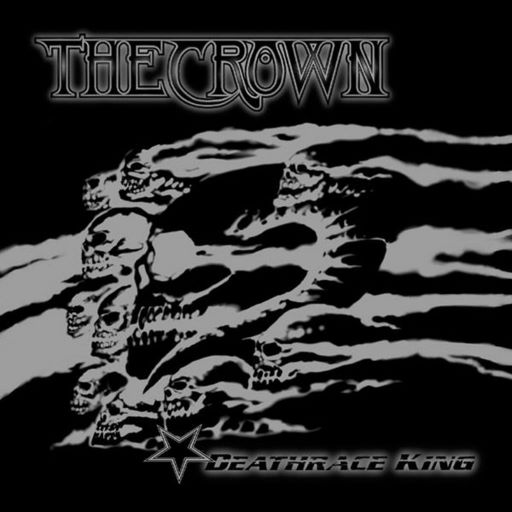
The Crown – Deathrace King

Released May 3, 2000 via Metal Blade Records

My Favorite Tracks – Rebel Angel, I Won’t Follow, Death Explosion

Deathrace King is not an album with ebbs and flows or peaks and valleys. It is an intense, fast-paced assault through all of its 50 minutes. It’s a collection of songs that lives up to the album’s title and puts thrash front and center at a time when thrash was a discarded relic of the past.

Death Explosion

A very fitting title for the opener. This is an absolute barn burner that sets the tone for what the album is all about. The music flies at a breakneck tempo that couples perfectly with singer Johan Lindstrand’s hoarse growl of “It’s a death explosion.” The end of the song offers a reprieve from the headbanging with a slower passage that lets everyone catch their breath before the rest of the album flies off the track.

Executioner: Slayer Of The Light

It’s all out from start to finish here as the band goes on a neck-snapping attack and Lindstrand offers up a smorgasbord of Satan and death references. I could lament never having seen The Crown live but with stuff like this I’m not sure I would have survived the pit.

Back From The Grave

Another high octane thrasher that actually gets a bit philosophical in the chorus. I recall first hearing this song and wondering why I was pondering existential questions on a thrash song but the Swedish get pretty deep sometimes. It’s hard to read a philosophy textbook while headbanging but here we are.

Devil Gate Ride

A song kept on the album’s theme of racing that also features a special guest – Tomas Lindberg of At The Gates, which in 2000 was a defunct band. Lindberg’s guest turn would serve as foreshadowing – two years later, Tomas was in The Crown as their new singer.

This song hits all the right notes and perfectly illustrates the deathrace in full glory. It’s not a race to avoid Hell – this car is heading straight into it at full speed.

Vengeance

The tempo chills just a hair on this but the brutality is still present. The theme of revenge is well-worn in metal and it’s not served cold here – this dish is red hot.

Rebel Angel

The Crown go 666% fast on their ode to the Devil. Good old meat and potatoes, devil horn’s-raising heavy metal is back.

I Won’t Follow

Another whiplash-inducing tune that is cut from the “I stand alone and against society” cloth. It is the rebellion and individuality that stand’s at metal’s epicenter. It’s not a path for the faint of heart or ear.

Blitzkrieg Witchcraft

Now we’re just throwing words together and thrashing along to the end of the world. It features the old traditional thrash gang chorus and adds a bit of fun to the apocalyptic mix.

Dead Man’s Song

The band slows it down for the one and only time on the album. It’s as much of a ballad as can be possible in extreme metal I suppose. This dirge laments the ultimate inevitability in life and provides a nice soundtrack for it.

Total Satan

We’re back on the track and racing at full pace to the finish. There is another guest on this song – Mika Luttinen from Impaled Nazarene joins in on the fun here. And this guest would not later join the band.

Total Satan is a thrash banger that sounds exactly like the title implies. No curveballs here.

Killing Star

The album closes with an 8-minute opus. It opens with a nearly 2-minute intro and then launches into the same thrash attack everyone has come to expect at this point. The song combines all of the album’s themes into a potent mish-mash of Satanic war-fueled orgy.

Deathrace King opened the new millennium with something that had been rare for the years prior – a heavy-hitting thrash record, informed with the masterful touch of Swedish melodic death. After several years in the wilderness, thrash and death were set to return in the 2000’s in a big way and The Crown led the charge.

The Crown would go on a winding path after Deathrace King – Johan Lindstrand would depart the group and the aforementioned Tomas Lindberg would briefly serve as his replacement. A few lineup changes and one hiatus later, the band were back at it through the 2010’s, eventually rejoined by Lindstrand.

However it all played out, Deathrace King serves as The Crown’s magnum opus and a monolith of an album that cut against the grain of the styles at the time. The album’s reputation has only grown in time as people have traced back to hear hidden gems they may have missed in metal’s lull of the late 90’s. The Crown’s deathrace ended after 49 minutes but heavy metal’s is still going 22 years after the fact.

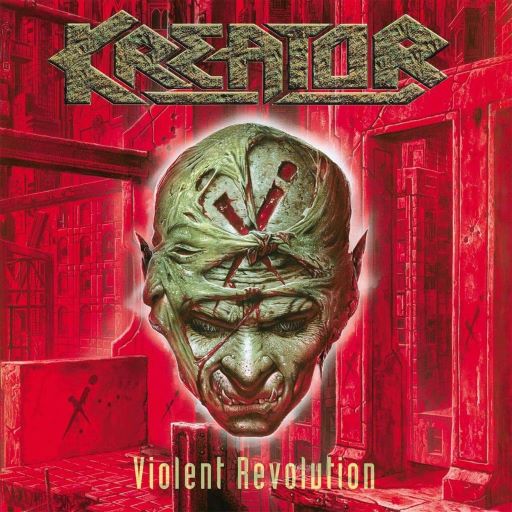
Kreator – Violent Revolution (Album of the Week)

This week I’m going back 21 years to an album that revitalized a band’s fortunes and heralded a coming revival in thrash metal. That revival is still in full swing for both the genre and the band. An old dog came out of the wilderness of the ’90’s, learned a few new tricks, and kickstarted a new era for their already legendary name. It is also another case of an album getting new visibility due to a sorely-needed vinyl reissue that saw the light of day in late January.

Kreator – Violent Revolution

Released September 25, 2001 via Steamhammer/SPV Records

My Favorite Tracks – Violent Revolution, All Of The Same Blood, Servant In Heaven – King In Hell

Kreator were like many thrash acts that saw their fortunes fade in the 1990’s. The band had a well-regarded album with Coma Of Souls in 1990 but then began incorporating more experimental elements into their music for the remainder of the decade. While opinions vary widely on the four albums released through the rest of the 20th Century, the band had fallen from their perch as one of thrash and speed metal’s pioneering acts with their savage 80’s output.

The turn of the millennium saw Kreator refocus and return to their thrash roots. This wasn’t simply to be a nostalgia trip, though – the band looked to the north and the sounds of Swedish melodic death and thrash. The Gothenburg Sound had been one of metal’s few bright spots through the latter half of the 90’s and it fit just fine with Kreator’s thrash ethos.

The result would be Violent Revolution. Just as heavy metal entered an upswing period in the early 2000’s, Kreator were there to help lead the charge for thrash once again. This new effort would recapture the attention of lapsed fans and also find a new, younger fanbase eager to headbang along to the newly invigorated thrash legends.

Thrash metal resumes for business on the opening track Reconquering The Throne. The song feels like something that could have come from Coma Of Souls. Mille Petrozza’s scream of “reconquering the throne” sounds as much like a mission statement as a song and then the Swedish influence appears in the next guitar passages.

The Patriarch is a brief instrumental that introduces the album’s title track and magnum opus. Violent Revolution is an absolute triumph of the band’s new sound, combining the savage intent of the band who wrote songs like Flag Of Hate and Endless Pain with the new melodic push. The song not only serves to redefine Kreator’s sound but is, for better or worse, a song that has come to embody today’s dark themes of uncertainty and now all-out war.

The album continues to visit the dark and unholy with All Of The Same Blood, depicting a group of “totalitarian psychopaths” destroying everything. It is again a tune that both has the classic Kreator sound and also offers more melodic interludes to keep things fresh. Servant In Heaven – King In Hell employs the well-known metal theme of blasphemy. The song slows things down a bit to a militant march through the contrast between light and dark, Heaven and Hell.

Second Awakening continues the look at the world and society’s ills and wars over the past few thousand years. Ghetto War is another thrash marching tune that envisions some sort of uprising of the poor against the powers that be. It’s unclear if this is in reference to the modern day or a historical look at the Warsaw ghetto uprising during World War II.

Replicas Of Life sees the album’s longest runtime at over 7 minutes and also a brooding introduction that then goes into the same melodic thrash the band have now established. This song maintains the album’s themes of crushing despair, hopelessness and the living end embodied in society’s gloom. The next song Slave Machinery continues the plunge into dystopian horror, this time casting an eye to the industrial complex and its twisted, horrific form.

Violent Revolution enters its home stretch with Bitter Sweet Revenge, a song that leaves the dystopian observations aside and looks at the all-consuming quest for vengeance instead. It’s the Batman story told in music form. Mind On Fire highlights what seems to be a drug-induced fantasy trip, though still set among the ruins of society that the album uses as a backdrop. We close with System Decay, an absolute scorcher that wraps up the hellscape with a nice little bow.

Kreator struck gold with their 2001 set and helped re-establish thrash metal as a force going into the new century. They would soon be joined by many old hands like Exodus, Testament and Overkill before a whole new generation of metalheads embraced the classic thrash sound and brought the genre back from the past. The 2000s saw thrash enter the same space as black and the also-resurgent death metal to push metal as a whole forward into a new golden age. Sure it wasn’t the heights of the 80’s, but heavy metal found a more than willing crowd ready to embrace the wide variety of styles on display.

Violent Revolution set a course for Kreator going forward, one that they have yet to abandon or even tweak much. The past two decades have seem much of the same savage thrash married with Gothenburg elements that this album put on offer. The band would into the 2010’s seeing new highs in album sales and chart success and solidifying themselves as one of thrash’s most noteworthy acts.

Crypto Sells, But Who’s Buying?

This is barely even about music, it’s mostly just about one of those dumb things I did on purpose not too long ago. At least I did this one on purpose.

So in this day and age cryptocurrency is a big deal. Some people have made millions off of it, plenty of people have money in it, and many others are extremely skeptical of it. I don’t, like, really have money in any form so crypto isn’t a huge issue to me one way or the other.

One band made a few headlines and a lot of jokes back in December when they decided to wade into the crypto waters. Megadeth, the veteran thrash outfit who have at times been forward-thinking about how to use the Internet, launched their $MEGA cryptocurrency on the Rally platform.

Megadeth have offered NFTs before, those being the vilified current trend in crypto. But going in one’s own currency is a whole other matter. Major currency like Bitcoin has a lot of money behind it, and silly stuff like Dogecoin has essentially memed its way into swings that have made people a few bucks. There are a lot of others around that have done, well, whatever. I don’t follow the stuff closely at all.

The Rally platform seems to be a layer between a content creator and cryptocurrency. I don’t know the inner workings of it but it seems to hinge on a central currency known as Rally coin. Each artist has their own crypto that offers perks, much like a Patreon subscription or a fan club. There are several forthcoming perks outlined for the Megadeth currency but to date none seem to have come about.

When I saw the $MEGA thing being pounded into dust in the court of public opinion on Twitter I decided to take a different approach. I opened my mind and my wallet to the idea and bought a princely sum of the cryptocurrency representing one of my favorite bands. I put down an astonishing $10 on $MEGA.

My $10 investment yielded me 21 Mega-coins back in early December. Today as I type this post, my 21 Mega-coins are worth $5.14. I’ve lost my ass, clearly. Even after factoring in a small amount of Rally coin given as a weekly reward for investing on the site, I’m at $7 total of two currencies that are worth about 25 cents per coin.

I have not had any communication as yet about any perks for being a $MEGA coin holder. I don’t know if I’m supposed to join the fan club to see these perks or not. I’m not personally interested in joining, but I would think that if there were going to be perks available to all coin holders, that the site hosting the coin operation would be the forum to communicate that as opposed to the optional fan club. Again I don’t know anything at this point so this isn’t an outright criticism, it could be the band is waiting until their upcoming album release to offer perks, I don’t know.

It could also be that this Megadeth cryptocurrency is tanking and landed like a wet fart in church. It got laughed off of Twitter and there is almost no serious discussion of it. It is, and should be treated as, a fan perk as opposed to some way to get rich quick or whatever, but it’s still cryptocurrency. There is a LOT of resistance to crypto in all walks of life right now and I didn’t see any favorable interpretations of Megadeth’s offering. Talk is dead at this point beyond me typing about it and taking up blog space with it now.

I know several people who read my blog are in my general age range. That is, we all remember what it was like to buy albums before the Internet was around. I’m sure all of us made blind purchases based on the cover or just some random blurb we heard or read. We bought the album and played it, the immense disappointment coming when we realized we were better off wiping our asses with the money we spent on the record.

That’s kind of like what this $MEGA crap is like, except that I wasn’t making a blind purchase. I knew going in that I would have been better off using a $10 bill as toilet paper. It’s been funny watching my investment crater. I mean, losing a ten spot won’t put me in the poor house but I didn’t really gain much from this experience other than this kind of pointless post.

In the end I learned my lesson about wasting money on intangible things like cryptocurrency tied to metal musicians, though I knew that before I dropped the money. That’s money I could have wasted on Iron Maiden action figures or who knows what else. This doesn’t diminish my view of Megadeth any – this was just a dumb thing and hopefully their new album kicks ass. Maybe I’ll get a discount on it for being a proud $MEGA coin holder, but I won’t hold my breath.

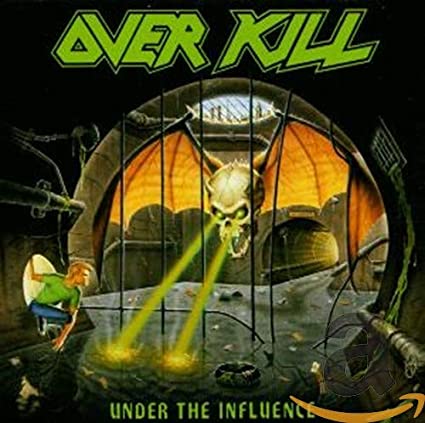
Overkill – Under The Influence (Album of the Week)

For the final week in 2021 I’m going all the way back to 1988. I’m also going back to last month, as this album was one of a series of sorely-needed reissues finally offered in box set form on vinyl. While Skid Row’s “Atlantic Years” box snagged a lot of attention, another in the Atlantic series with six full-length records grabbed my attention and my money.

Overkill – Under The Influence

Released July 5, 1988 via Atlantic Records/Megaforce Records

My Favorite Tracks – Drunken Wisdom, Hello From The Gutter, Brainfade

Overkill were one of the earlier thrash bands to sign a major label record deal. Their demos and debut full-length had brought a ton of hype to the band and labels began arming up with thrash acts as a way to counterbalance the glut of hair metal flowing from their assembly lines. And while thrash is often hailed as a Bay Area invention, Overkill were one of a few pioneering East Coast acts to take the reigns and build thrash into a truly worldwide phenomenon.

Under The Influence marked the band’s third full-length release after two acclaimed records. While this album does not bear the same weight as those two in the thrash lexicon, it does somewhat quietly sit on the upper end of the band’s more appreciated works.

Of course there is nothing quiet about the record. Proceedings open with Shred, which does simply state its point, just as the chorus says. The songs roll hot and heavy on the album’s first side, with everything kept under the five minute mark through songs like Never Say Never and Mad Gone World.

The first side closes with Brainfade – a banger that gets on someone’s case for being a mouth-running know-it-all who honestly doesn’t know a damn thing. I have an inside joke with a friend of mine about a former mutual acquaintance, we’ve decided that this is the guy’s theme song. I’m sure everyone knows someone like this. If a person doesn’t, then that person might be that guy.

While many thrash acts were incorporating other influences around this time, Overkill stayed on a more true thrash path. If anything, this record showcases an early example of groove metal – something that would start massive arguments years later between fans of pioneers Exhorder and the explosively popular Pantera. Whoever deserves credit or blame for the sound that made Pantera famous, there is a blueprint towards that groove on Under The Influence.

The album’s second side sees a turn to longer songs, with the tracks running over six minutes each. Drunken Wisdom enters with a somber acoustic intro but then gets into a pummeling attack that highlights the group’s contribution to the coming groove metal phenomenon.

It’s hard to tell who Bobby Blitz is bitching about in the song – I’ve heard it was a music journalist. That does track with lyrics like “defining our performance” and “just get the fuck out.” Either way, I’m sure most of us have been around someone imbued with drunken wisdom before, and have also possibly been that person a time or two. (Not me, of course…)

End Of The Lines picks up the speed again and hits hard with an apocalyptic message. This song has a lot of guitar in it, at times feeling Maiden-esque inbetween the thrash beatings of the verses and chorus. Head First continues in the much the same fashion, slamming toward the album’s conclusion.

The record ends on the third of a self-named series, this one subtitled Under The Influence. The song adds a layer of creepiness while still retaining the thrashing groove found through the rest of the album. It seems this Overkill song series ends here, with one future sequel found years later. Having one on every album would have been a nice bit of trivia, but I guess “Overkill Part 19” might be dragging things out a bit.

This album was my introduction to Overkill. I was a bit too young for the first albums and I got into thrash just as the movement was swinging into uncharted waters in 1990. This was among several tapes I was able to get my hands on in my podunk Midwest hometown without a vast music selection. Thankfully I was able to round out the catalog soon after. This one will always stand out for me, it was an album with an attitude and snarl that wasn’t found in a lot of other easy-to-come-by places.

Under The Influence checks all the boxes for a great thrash record. Overkill might not have seen the same success as thrash’s top acts but the band has endured and become a symbol of sticking to roots and longevity as they now prepare to release their 20th studio album in the coming months. The group has straddled lines between the mainstream and underground and have persevered as one of thrash’s enduring legends.