Iron Maiden – Aces High

Today I’m off back to that wonderful year of 1984 and into my ongoing celebration of the 40th anniversary.

I do run into one problem when I do this year-long 1984-versary – I’ve already covered a lot of this ground already. And in today’s case I’ve covered it twice – I have long since talked about Powerslave, one of my favorite Iron Maiden albums. And I’ve talked about the song before, when I ran it down as a part of the series where I visited the Maiden singles in my collection. But the occasion to celberate 1984 and also Iron Maiden gives me the opportunity to talk about this song yet again.

Aces High was released on the Powerslave album and was also released as the second single from that record. The song charted decently in the band’s native UK, going number 20 there as well as 29 in Ireland. But the sheer immortality of the song goes far beyond chart positions.

Aces High has a clear subject matter on hand – it depicts a British RAF pilot flying his Spitfire during the Battle of Britain in 1940. The British held out over a long campaign of German bombing that caused devastating damage to England’s cities and military infrastructure. But the inability of Nazi Germany to affect a British surrender would be a major turning point in World War II, and the resolve of the British people during a horrifying time is the stuff of legend.

One main way Britain held off Germany’s assault was through the use of the Spitfire, which was not in vast production at the onset of the battle but did showcase that it could keep up with the Luftwaffe’s well-rendered aircraft. And while the song today doesn’t identify the RAF pilot who flew these sorties, the single’s cover clearly depicts one Eddie as the pilot in question.

The lyrics paint a daring and detailed picture of the bombings and the dogfights that would ensue to defend Great Britain. The first line mentions the air raid siren, which was a constant feature of life in England during this campaign and also, likely coincidental, is the nickname of singer Bruce Dickinson. The rest of the lyrics are filled with the plane fight to shoot down bombers and then engage German fighters. The chorus soars, just as a plane does up in the open sky.

Not only do the words do a great job of communicating the story of the Spitfire, but the music is a muscular beast that also compliments the plane fight theme. The song is all action, kicking off hard from the word go and not letting up for a millisecond throughout. The guitar work from Dave Murray and Adrian Smith is exactly the kind of twin guitar attack you’d want to depict a dogfight, and Steve Harris’ bassline here is one of the best of his career. Accompanied by the bashing of skins from Nicko McBrain, this is a metal song that couldn’t get any more complete.

As presented on Powerslave and on the single, you simply get Aces High the song. But Maiden quickly appended a verbal introduction to the video as well as when playing the song live and it has become just as much a part of the song as the instruments and vocals. The verbiage in question is from Winston Churchill and is a part of his famous June 1940 speech, informally referred to as “On the beaches.” Churchill had been vehemently opposed to Hitler for the Nazi tyrant’s entire career, and Churchill’s dogged adversity would pay off when he became Prime Minister and helped lead Great Britain through the war. His speech was a celebrated rallying cry when delivered in Parliament. Do note that Churchill’s recording of the speech is actually from 1949, the original speech was not recorded.

Aces High instantly became a highlight piece of Iron Maiden’s catalog. It would open the World Slavery tour, as famously represented on Live After Death. While the song ranks at a relatively modest number 19 in terms of how many times Maiden have played it live, it is no doubt one of the band’s most-known and loved tracks. The list of signature Maiden songs can get a bit long but Aces High belongs there no question.

1984 was a banner year for heavy metal, and it was also the year Iron Maiden unleashed one of their best albums and truly took over the world. Aces High is one of the standout metal songs from that year, from Iron Maiden and honestly from heavy metal in general.

Megadeth – Countdown To Extinction

I was absent from here last week, had a minor injury that laid me up for a moment. All is well now and things should be routine from this point.

Also – this week I’m introducing a new aspect to this – I’ll grade each song as well as the album. Instead of reviewing by numbers I’ve chosen to use letter grades. This transition will take a little time to become a regular feature and I’ll do a quick post later this week to explain it more, but I decided to go with it starting today as I’ve been sitting on it for awhile now.

Today I’m going back to 1992 and looking at an album that saw Megadeth gain a great deal of mainstream success, though not quite as much as one member was hoping for.

Megadeth – Countdown To Extinction

Released July 14, 1992 via Capitol Records

Megadeth were hot off of their 1990 masterwork Rust In Peace, widely considered one of thrash metal’s finest hours. By 1992 the music scene was still reshuffling from the nuclear fallout of the summer of 1991 – while hair metal was the biggest casualty, thrash also suffered under the weight of grunge.

Thrash also suffered due to its biggest practitioner changing tack – concurrent with grunge was the arrival of Metallica’s “Black Album,” which abandoned the general structure of thrash and offered a more accessible version of heavy metal. Dave Mustaine’s former band saw the highest levels of success possible from this shift, and less than a year later a more accessible version of Megadeth was on offer.

The band accomplished something they had not managed before this point – they brought back every member from the prior album. Dave Mustaine would lead the band on guitars and vocals. Marty Friedman was the lead guitarist. Dave Ellefson provided bass and Nick Menza was the drummer. Songwriting was credited to Mustaine, with individual music and lyrics offered up by the other members and credited as such. The album was produced by Max Norman and Dave Mustaine.

This record features 11 songs at a time of 47:26. There are several re-issue versions available with a wealth of bonus material, today I’ll stick to the base album. Four songs were released as singles and were constant presences on MTV during the album cycle.

Skin o’ My Teeth

The opener shows that Megadeth didn’t sacrifice being heavy in the quest to be more accessible. This is a rolling, groovy beast of a song that quickly establishes itself as one of the album’s highlights. The song has its subject escape a number of near-death situations. It’s not entirely clear of this is a suicidal rampage or just bad luck and Mustaine has waffled on the answer to that over the years.

Whatever the case, this is one banger of a track and even while shifting direction, Megadeth kept their heaviness and guitar-focused attack in place. Grade: A+

Symphony Of Destruction

Up next is the album’s lead single and what has become Megadeth’s most widely recognized song. This one is super simple, with a riff that anyone can play and short, concise lyrics about how power corrupts and some world leaders send their people into chaos. It borders on being overly simple but still possesses the trademark Megadeth precision and Mustaine’s snarling delivery really enhances the track. Grade: A

Architecture Of Aggression

The song itself punches well but it also very straightforward, perhaps to its detriment. Its subject matter is that of the first Gulf War in 1991, and parts of CNN reporting on the first night of bombing are interspersed through the song. The song also offers the message that a nation’s leader is often credited for building their country, while the truth is that the country is often built upon the bones and blood of common people. Grade: B

Foreclosure Of A Dream

This one offers up a bit of thrash to it while also incorporating some acoustic runs alongside the more conventional electric passages. This one is concise but does offer up some movement to it, shaping up to be a more dynamic offering. The topic at hand is the end of the American Dream, as the 1980’s and early ’90’s saw erosion of the job base and farming sector of average US households. The dream was sold out for favorable deals with corporations, something that has only grown in scope 30 years later. This song does a great job of both delivering its message and making a heavy song accessible. Grade: A

Sweating Bullets

Up next is easily the most contentious song from this record. It does seem in some cases that whether or not someone likes the album hinges on what they think of this song.

It’s a song about insanity, Mustaine inserts several references to multiple personalities and schizophrenia here as well as overall metal health demise. Some of the song’s lines can be funny or cringe, depending on how someone takes them. While I wouldn’t suggest Dave Mustaine is mentally ill, he is clearly nuts so this probably wasn’t hard for him to write. The music is again suitably heavy and kept simple.

So what do I think? I personally love this song. Hell of a jam. Grade: A

This Was My Life

This is a song that keeps pretty strictly on the rails. Here Mustaine ruminates over the wreckage of an old affair he had and has apparently composed several songs about over the years. This song is fine but it does pale compared to a lot of the other stuff on this album. Just not nearly as much going on here. Grade: C+

Countdown To Extinction

Megadeth covered nuclear annihilation on their last album but here they take the title track and do something a bit different. The band focus on the extinction of species as well as the practice of “canned hunting,” where animals are kept in confined spaces and unscrupulous hunters pay big money to “hunt” them in close quarters. This is not Ted Nugent’s favorite song.

This tracks is very well done, a melodic and mid-paced tune with a socially conscious message very much in place with the atmosphere of the early ’90’s. Grade: A

High Speed Dirt

The pace kicks up a bit here as Megadeth offer up a song about skydiving, something they were very much into around this time and did on MTV’s Headbangers Ball in a memorable episode. There is a kicker, of course – the term “high speed dirt” means the diver is getting to the ground far faster than they’re supposed to, as in the parachute isn’t working. At some point there will be a splat. Grade: B+

Psychotron

This one is a plodder to a degree, another mid-paced marching riff kind of thing that Megadeth would use a lot over the next many years. The song is about the semi-obscure Marvel comics character Deathlok, a partial cyborg of some kind. The song is good though not really a standout. Grade: B-

Captive Honour

Up next is one very curious track. It is pretty well done musically, with the arrangement going a few different places and moving the song along more than the straightline approach on many others here. The subject matter is about the pretty awful conditions of US prisons, how some young punk who did something seriously wrong gets tossed into the can and becomes the “bitch of the block.”

The lyrical presentation here is a bit all over the place and does cast the song in a dimmer light for me. There’s rumination on the famous Stalin quote “one death is a tragedy, a million is a statistic” and then there’s a whole skit between judge and convict that seems more goofy than anything. About the time the phrase “man-pussy” is used is when I kind of check out on this one, though again the music is really good and it’s a very mixed bag. Grade: C

Ashes In Your Mouth

The album’s closer is the longest song and also the biggest throwback to prior Megadeth albums. This is a blistering jam that recalls some of the more complex passages of Rust In Peace, though also keeps the verses slimmer in keeping with this album’s presentation. It’s a pretty brutal track about the human condition and the need to inflict violence on one another for perceived transgressions, all the while never being satisfied with the hollow victory of revenge. This is a total smokeshow of a song and a fantastic entry in the Megadeth catalog. Grade: A+

Countdown To Extinction would do what Mustaine set out to – generate a wider audience for Megadeth. The album debuted at number 2 on the Billboard chart and has been certified 2 times platinum, both career highs for Megadeth. It may have alienated some of the old school metalheads, but by 1992 that contingent was pretty much alienated from all sides. The pick-up of new fans more than made up for any disgruntled old fans.

Someone else who might have been disgruntled was Dave Mustaine. While Megadeth was seeing more success than ever, they still paled in comparison to Metallica, who were at stratospheric heights by this time. I do recall some derision over this album only getting to number 2, when Metallica’s opus hit the top spot. I don’t know totally how Mustaine felt about it all, trying to track his thoughts over the years would be utter madness. But barely anyone in music through that decade touched what Metallica did, there shouldn’t be any shame in how Megadeth fared in these years. Mustaine would chase the elusive “radio single” for awhile after this.

I always enjoyed Countdown To Extinction. I think it has a lot of great songs on it and even the songs that aren’t all that hot are pretty decent listens. The change to more lean songs didn’t bother me, I already had my mind well blown by the music shift of 1991 and I was game for anything by this point.

I was happy to see Megadeth get their due and with a quality album that still ran heavy and with a strain of socially aware topics.

Album Grade: A

Countdown To Extinction is a fantastic cut of metal from the “alt-metal” years of the 1990’s. Megadeth fashioned songs that could reach out to a wider audience but also held up credibly well against the rest of the now legendary Megadeth catalog. The album’s singles were memorable cuts, the lyrical commentary was often more sophisticated that what was found across other metal albums, and Mustaine and Friedman were still able to include a fair bit of guitar theatrics. Great work all around.

Metallica – Creeping Death

For today I’m gonna continue extolling the virtues of the music of 1984. In this case I have long since covered the album in question and I’ve also talked about the song a bit when I covered the cassette singles I have. But today I’m gonna go more in-depth on one of my favorite Metallica songs, which just so happens to be from that hallowed year of 1984.

Creeping Death was the only actual single released to market from the album Ride The Lightning. Two other songs, For Whom The Bell Tolls and Fade To Black, were released as promo copies to radio. While today we talk about Ride The Lightning in terms of an album that has sold roughly seven million copies in the US alone, bear in mind a lot of those sales came during the band’s world-conquering run for their 1991 Black album. The album didn’t go gold until 1987, while today’s single only has a gold certification from Australia for 35,000 copies sold. What happened in 1984, while vital to the band’s reputation and success, was a far cry from what happened when they became literally the biggest band of the 1990’s.

So let’s peel back all the layers of Metallica’s legacy and get to the core of Creeping Death – this song is an epic thrash masterpiece that centers around the plagues of Egypt as told by the Holy Bible. The verses that tell this story are in the Book of Exodus, which will become especially ironic in a moment. I don’t have the specific verses on hand but I consider it a spectacular passage from the Bible and I don’t even subscribe to the religion. It’s a goldmine for heavy metal references, only surpassed by the concluding Book of Revelations.

The short version of the biblical story is this – the Hebrew people were kept as slaves in Egypt for several hundred years. Their god finally grew tired of it and appointed Moses as his prophet to lead them out of their hardship. The Egyptian pharaoh did not release the Hebrews, so their god delivered ten plagues as reprisal. After this, the Hebrews were freed and began their forty year exodus to the promised land of Israel.

Metallica’s song picks up at the tenth and final plague, which was awfully heinous. A destroyer was sent to kill the first born son of every Egyptian family. Hebrew families were instructed to paint lamb’s blood on their doors so that the Destroyer would “pass over” their dwellings, this is the origin of the Jewish Passover holiday.

The song is unique in that it tells the story from the perspective of the Destroyer. Usually this story is recounted in the terms of Moses and his people led out of Egypt, or the Pharaoh and his dumb decisions during and after the plagues that led to he and his forces being drowned in the Red Sea. But we are dwelling in thrash metal here and we get to the heart of the matter – sometimes things are brutal.

Metallica does a masterful job of telling this story. The verses are interspersed with specific passages outlining the plight of the Hebrews and the coming storm the Egyptians faced, while the chorus outlines the role of the Destroyer and the devastation he is about to bring to Egypt. It’s honestly pretty clear and concise, nothing is really left to interpretation here even though the whole premise of the story is widely open to interpretation.

And the music only serves to further the brutal nature of the plagues. This is an absolute thrash magnum opus, being a massive serving of riffs and pummeling despite its length of 6:36. There is a bit of an intro before the meat of the song kicks in and the riffs keep slamming in consistent fashion through both verses and chorus. And of course we get a wild solo from Kirk Hammett before the most famous part of the song kicks in.

After the solo, the song breaks down into a chunky bridge that has become central to the Metallica experience. James Hetfield shouts “Die by my hand, I creep across the land, killing first-born man” as gang vocals shout “Die!” behind him. This part is often extended for several minutes live to encourage crowd participation and is one of the most compelling moments in live music.

As for how the song came about, that story comes in two parts. It was Kirk Hammett who originally came up with the signature bridge riff when he was just 16 years old, which puts this early thrash riff in 1978. He would introduce it to the band he was in prior to Metallica, who was ironically the pioneering thrash act Exodus. Exodus messed around with a demo called Die By My Hand but it went unused, then Kirk brought it to Metallica when he joined in 1983. Kirk outlined this story to Louder.com in a 2014 interview.

Metallica would fill out the song as they were writing for Ride The Lightning. While sources are locked behind unaccesible interviews, the band got the idea for the song from the old Charlton Heston movie The Ten Commandments. It was Cliff Burton who coined the “creeping death” idea from the movie, and then the band was off to the races to flesh out the song.

Creeping Death has reigned as one of Metallica’s dearest signature songs, even in a career filled with many examples of prime material. It ranks as the band’s second most-played song live, just behind Master Of Puppets. The song has been widely covered by acts like Stone Sour, Drowning Pool and Bullet For My Valentine. It has also made the cut on to classic rock radio despite not getting a ton of airplay originally.

It was dark days in Egypt when the Destroyer visited destruction upon the populace of Egypt, but it was absolute heavy metal glory when Metallica recorded a song about it a few thousand years later. For all of the arguing about Metallica these days, there is no arguing their undisputed mastery of the genre they were central to the creation of forty years ago, and Creeping Death is a pinnacle example of that.

Accept – Balls To The Wall

As 2024 rolls on, so does the 40 year anniversary celebration of the music of 1984. Today I’m going to loosen the constraints of release dates a bit and include one of metal’s landmark albums in this celebration.

Accept – Balls To The Wall

Released January 1984 (US) via Portrait Records

My Favorite Tracks – Balls To The Wall, London Leatherboys, Losers And Winners

Accept’s fifth album was released just on the “border” of a year – it came out in December 1983 across their native Germany and elsewhere in Europe, but was held back until January 1984 in the US. Its impact would be felt in 1984 and beyond so I am including it in this 1984-versary thing.

Accept’s line-up has never been one prone to long periods of stability, though most of the same group was around from the band’s prior effort Restless And Wild. Udo Dirkschneider provided his unique vocals while bandleader Wolf Hoffmann was the lead guitarist. Joining the band for this set was guitarist Herman Frank, who would be gone before the next album. Carrying on in their positions on bass and drums were Peter Baltes and Stefan Kaufmann, respectively.

Balls To The Wall was self-produced by Accept. All songwriting is credited to the band equally. Lyrics are credited to Accept and “Deaffy,” a pen name for Gaby Hauke. Hauke was Accept’s manager and would also marry Wolf Hoffmann.

The album covers offers a striking visual and was inspired by a 1977 image from photographer Robert Mapplethorpe. This cover, along with the songs London Leatherboys and Love Child, had some complaining about Accept being homoerotic. Band members and Gaby Hauke have stated that Love Child was about the suppressed gay community but overall the complaints about their links to homosexuality simply helped get Accept’s name out there more.

Today’s album offers up 10 songs in 45 minutes, a standard rock and metal offering at the time. Several reissue versions of the album exist and seem to contain various live bonus tracks, I’m not aware of any sort of demos or unreleased outtake versions of anything.

Balls To The Wall

The album opens with the title track and the song that came to be Accept’s defining moment. Much like the rest of the album, the song is tough and to the point. The riffing is simple yet aggressive and everything is in just the right spot without any embellishment.

Udo does a great job with quieter verses and loud pre-chorus dynamic, then launching into the song’s title for the to-the-point chorus. The lyrics are a manifesto for the downtrodden and oppressed, the song one of a revolution of the masses against those who keep them down.

Accept have a handful of songs as jewels in their crown, but none shine brighter than Balls To The Wall. This broke across MTV in 1984 and remained in rotation well past that. This is Accept’s signature anthem.

London Leatherboys

One of the songs that was mistakenly pegged as “homoerotic,” any cursory reading of the lyrics would offer that it’s clearly about biker culture. This is more guitar work that tells a story with riffing and without a lot of flash, Wolf’s excellent yet brief solo aside. It’s easy to chant along and headbang to, which means one big mission accomplished.

Fight It Back

Another revolution anthem here, this one has such a great turn from verse to chorus both musically and vocally, it’s impossible to not get sucked into this one. It moves at a nice clip and remains easy to digest and appreciate. Though the song is short, this one does get a lengthy solo.

Head Over Heels

This one is a total ’80’s melodic metal song. Udo delivers a very wordy chorus but glides right through it, almost rapping it. It seems someone found some nefarious activity going on at night in a park, and wound up enjoying what they found.

Losing More Than You’ve Ever Had

This one keeps the ’80’s alive and well as it rocks through a tragic tale of a guy losing his girl to another man, this other man being Udo. It’s not a bragging story, instead Udo cautions the guy how his own faults led to the split with his woman. A bit more sophisticated take on the “I stole your girl” trope found through ’80’s rock.

Love Child

It’s the song that actually was about homosexuality. Accept members have said they viewed the gay community as oppressed in the ’80’s, which is very much true, and the band’s aim was to focus on suppressed people in their lyrics through this time. It’s a song about someone out on the prowl and confused about his feelings toward a guy. It’s another groovy and basic tune that plenty of people probably headbanged to without knowing what the hell it was about.

Turn Me On

A nice dirty rocker about finding a lover and a spot to have at it, getting the deed done and getting out real quick. It’s “the ol in-out” from A Clockwork Orange fame. The line between love and lust may be a fine one, but here everything is clearly on the lust side.

Losers And Winners

This song goes into turbo mode and it’s another tale of Udo getting the girl that someone else wants. The girl doesn’t want the other guy so Udo slides in to take advantage of the situation. Udo offers up some sage advice, like “take it easy and screw the girl that’s next to you.” The lyrics here are honestly a bit of a laugh riot and are worth reading along to. And the song totally rocks out, putting the track far above the honestly goofy as all hell premise of the lyrics.

Guardian Of The Night

The song itself is another upbeat rocking track, though the lyrics are fairly dismal. Here is a man who is left to live in the night, shunning the light of day and the normal life of most people. It does seem this night owl lives a pretty brutal life and is on the wrong side of society.

Winter Dreams

The album closes with a bit of a ballad. It’s a nice, simple song about the calm and peaceful side of winter. Winter nights can be very pleasant and this song communicates that very well. The song is a bit of a curveball after nine straight ahead headbanging tracks but it also isn’t a vast departure and it closes the album well.

Balls To The Wall would be Accept’s breakthrough album. It charted modestly in a handful of countries, but it would eventually be certified gold in both Canada and the US, marking the group’s greatest US success.

Accept would roll through the ’80’s with two more solid albums, Metal Heart and Russian Roulette, before long periods of line-up instability and hiatuses plagued them. The band would eventually solidify a new line-up in the late 2000’s that did not include Udo. This modern version of Accept has run consistently through to this day, though not without some roster changes.

But back to the time period at hand – Accept were now players in the ’80’s metal game. Their sound would contribute influence to a wide number of acts across the rock and metal spectrum – anyone from the rising hair band scene to aspiring thrash bands found something to like in Accept. And while Germany had the Scorpions representing them well on the rock front, Accept helped open a wide door for a wealth of German metal acts to spread across the world in the ensuing years.

Accept’s story is long, sometimes complicated and formed of many different parts. But the most central part of that story is Balls To The Wall, the album that offered up the group’s magnum opus and broke the group to worldwide recognition.

Nevermore – Gold CD Remasters

First things first – I clearly haven’t been posting this week. I was off work the week before, then when I went back this week I walked into an absolute meat grinder. My job gets busy this time of year but this week was insane to a degree beyond what I expected. Things are going to calm down some next week so I decided just to punt my posts to a week beyond in order to keep my time free.

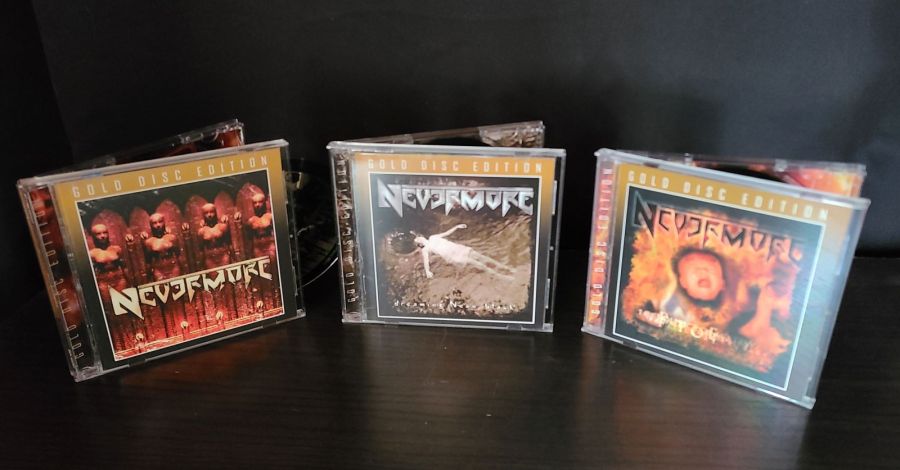
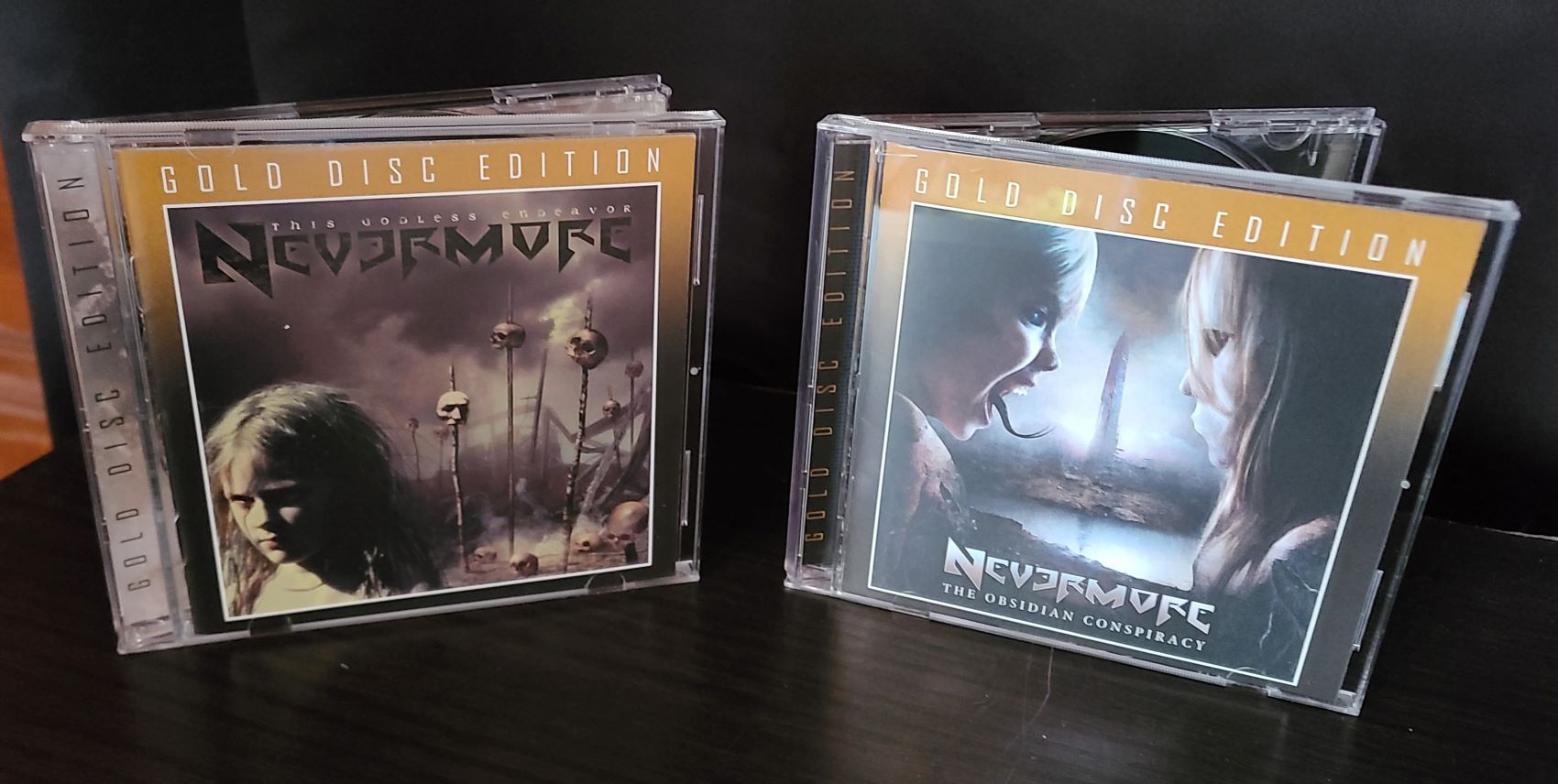
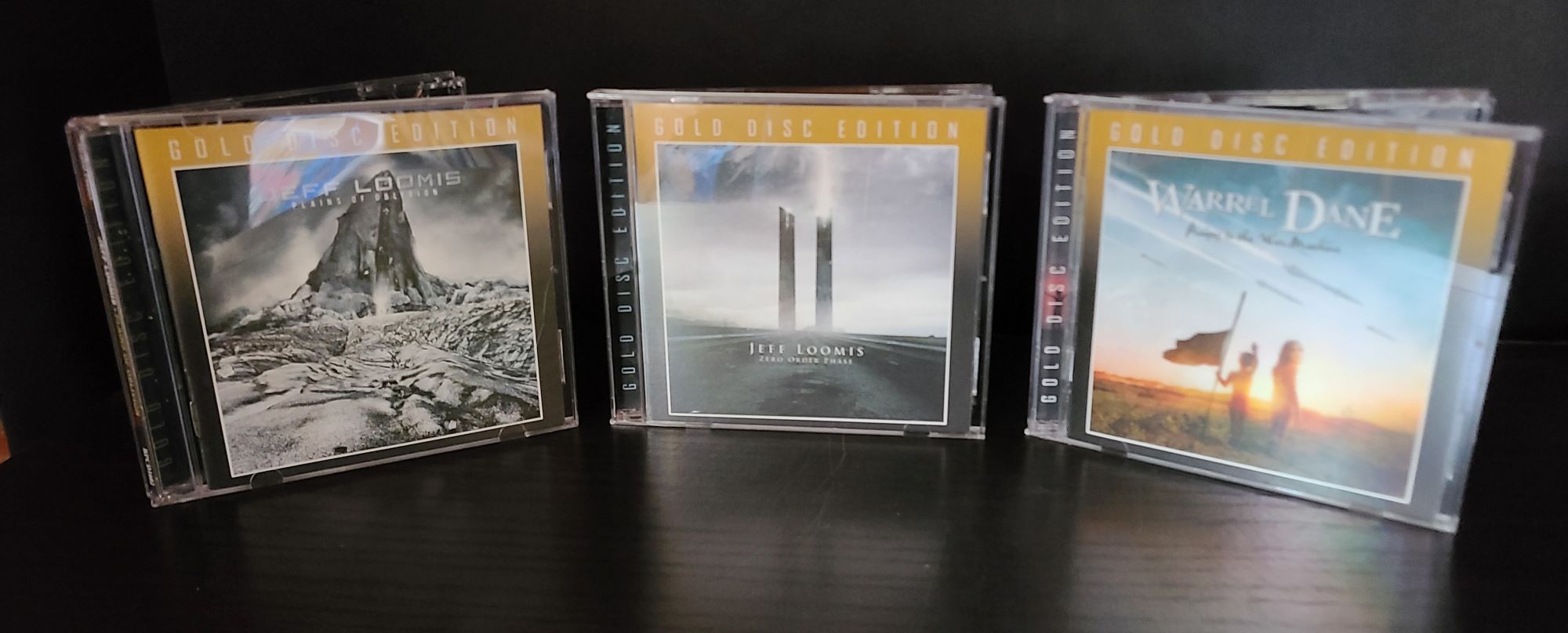
So to the point of today’s post – recently I had to make a few “money moves,” and in the end I came out a hair ahead of the curve. It allowed me to shop around for a few things I’d wanted to buy and, all of a sudden, I noticed this set of gold-disc remasters of the Nevermore catalog on sale for a great price. These were done by Brutal Planet Records and seem to be the only licensed, in-print version of the Nevermore albums available now. Their former label Century Media doesn’t have any Nevermore stock on their site. But that’s fine, as these remasters are well worth the money.

So what’s sitting here is the seven full-length Nevermore albums, as well as two solo albums from guitarist Jeff Loomis and the first solo album from singer Warrel Dane. This is nearly a complete collection, but not quite. It does give me the idea to run through a series on the Nevermore albums and associated solo works. I won’t include Sanctuary in this as I feel they should be treated as a separate entity.

There is an EP, In Memory, that wasn’t a part of this bundle but is also available in the gold remaster series and I have it on the way. Nevermore also issued one single in their career, which seems odd but hey, it is what it is. I was able to find that for a decent price and it’s also en route to my mailbox.

There is another Warrel Dane solo album, Shadow Work, released in 2018 after his death. He was working on the album when he died and this was compiled from the recording sessions. I don’t own this yet but it is pretty easy to get so I’ll pick that one up soon too.

There is one other Nevermore piece – the 2008 live album Year Of The Voyager. I had this on both CD and DVD back when it released but they wound up parting ways with my CD shelf at some point. And as it would turn out, they are out of print and pretty hard to get right now. The DVD is unobtainable but the CD seemingly can be found within some reason. It is on streaming services so if worse comes to worse I can play it on there if I can’t hunt down a copy.

After I gather the rest of the stuff I will take some time to evaluate it and then later on in the year I’ll throw together a series going over everything in detail. I might as well since there is no hope of adding to the Nevermore catalog. The only component that might add to this series later on would be another Jeff Loomis solo album, which I can happily add in if and when that comes.

So all that will come later this year, I would guess it’ll be an after summer thing. I wasn’t planning on doing it but having all these nice gold remasters got the idea going for me. Something to look forward to later on in the year.

One other thing about the reissue set – each CD also came with a cool trading card in it. It’s a bit of a tricky collectible to be inside of a CD case, but luckily I have some protective sleeves for trading cards laying around so I can keep these in a spot where they’ll stay minty fresh.

Iron Maiden – The Band Index

This post will offer up a series of links to the various posts and series I’ve written about Iron Maiden. They are my favorite band and I’ve covered them extensively here, with more to come, so I thought it’d be wise to create a central hub for easier navigation between all of the stuff I’ve posted over the years.

This will be updated with new posts as they come. Also I will eventually use this as a hub for any Maiden associated acts, such as Bruce’s solo albums, Blaze’s stuff or the wealth of side projects and other solo albums out there.

Albums

I have covered a handful of Maiden’s studio records and eventually will get to them all. I’ll just post a list of all the albums and link up to the posts for those already done.

Iron Maiden

Killers

The Number Of The Beast

Piece Of Mind

Powerslave

Somewhere In Time

Seventh Son Of A Seventh Son

No Prayer For The Dying

Fear Of The Dark

The X Factor

Virtual XI

Brave New World

Dance Of Death

A Matter Of Life And Death

The Final Frontier

The Book Of Souls

Senjutsu

The Studio Album Ranking

Here lies the post where I ranked all of the albums. Simple enough.

The Album Cover Ranking

I have also ranked the album covers. That is in two parts – Part One here, Part Two here.

The Singles Series

I’ve ran through my collection of singles and discussed the ones I presently own. I am planning on restarting the series to fill in the gaps at a future point in time when I’ve bought more.

This is the first post in the series, and this is the last post. Links to each entry in the series are contained in each post for your navigational ease.

The Live Album Series

I did a full run-through series in the same vein as the singles series. Here is the first post of that series and the, for now, most recent live album. There is also a live album ranking and a wishlist for stuff I hope gets released officially at some point. This series also has links to each post in the series within it.

Unplayed Songs Live

This two-parter looks at the songs Maiden haven’t played on a live stage. The post was heavily updated to reflect the current Future Past Tour, which knocked the list down a fair bit. Part One is here, Part Two is here.

Songs

I occasionally take a look at a specific Maiden song. I have not done a great deal of these yet but this list will grow over time.

Hallowed Be Thy Name

Alexander The Great

Charlotte The Harlot (this is all four songs in the saga)

Aces High

2 Minutes To Midnight

One-off Posts

This section will compile various posts I’ve done regarding Maiden. I am still putting this list together and will update it soon.

Other updates will come as I scan through my old posts to identify anything I missed. I hope this assists readers who want to check out the scope of things I’ve done.

For questions, comments or other concerns, use the comment form below or use my contact page to reach me.

Slayer – The Album Ranking

Before I even get started, yes I was working on this post before last week’s news of the two reunion shows.

Slayer compiled a run of eleven studio albums in their 37 year long career* and have been one of heavy metal’s most prominent acts through that time. Finally today I offer up my ranking of their studio efforts.

Slayer is an interesting case in album rankings – often when I do a ranking there are one or two albums at least that I think are awful and not even worth listening to. In Slayer’s case I actually had to play a few albums to decide the bottom of the list, as everything from their tenure has merit. They don’t have, in my view, an album that should be thrown in the trash. But they still have some that are better than others, and in cases way better, so doing a ranking isn’t all that tough.

This will comprise Slayer’s full-length studio albums. It won’t include EP’s like Haunting The Chapel or the covers album Undisputed Attitude. Even with last week’s news that Slayer are reuniting for a couple of festival shows after a five-year retirement, I do still figure that this ranking will be final as I’m not expecting new studio material. My guess is that Slayer is not getting back into full-time activity and are simply doing a few shows as they previously said they might. But I could be wrong and they might screw around and cut another record someday, hell if I know.

I have covered a handful of these in detail before, I’ll leave links to those posts when applicable. That’s about all there is to go over, let’s have at it.

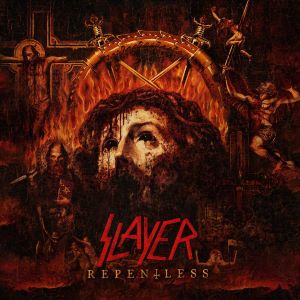
11 – Repentless (2015)

The bottom of the barrel here is the final album from Slayer. This was recorded and released after the death of guitarist Jeff Hanneman in 2013. Gary Holt, who had been filling in on tour for Hanneman since 2011, would play guitar but not contribute writing-wise.

This album is fine – it’s a no-frills, heavy metal attack that gets to where it needs to go. It is missing something, that probably being Jeff Hanneman. It doesn’t have much dynamic flair to it and doesn’t really stand out to me. I’m more than happy to play the album but I’m not really thinking much about it when the last song heads out.

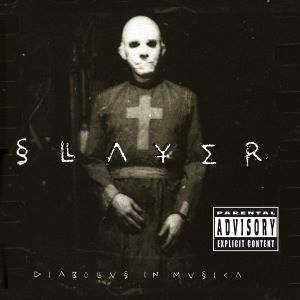
10 – Diabolus In Musica (1998)

Slayer chose here to “fit in” to the times, which at this time was nü-metal. This record doesn’t lack for groove or chunky, downtuned riffs. It does retain the “Slayer sound” and isn’t some radical departure, but it does stand out as maybe Slayer’s left field moment in their catalog. There are nice moments on here like Stain Of Mind, but the production is honestly a bit undercooked and the album feels very samey.

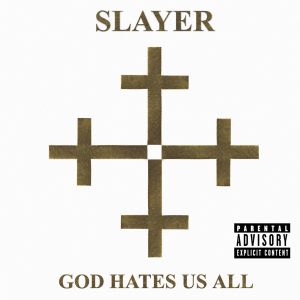
9 – God Hates Us All (2001)

Infamously released on September 11, 2001, this album saw something of a return to form for Slayer. This one is straightforward and brutal, leaving behind the groove tendencies of is predecessor. This one still though lacks real memorable spots that define the band’s greater works. Probably most memorable is the line from New Faith, where Tom Araya screams “I keep the Bible in a pool of blood so that none of its lies can affect me!” Pretty crazy stuff there.

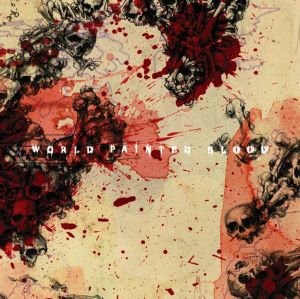
8 – World Painted Blood (2009)

This marked the final album with Slayer’s original line-up, Dave Lombardo would leave and Jeff Hanneman fell ill and died after this. This album is a mixed bag but it’s full of songs that work well and get the job done. Stuff like Hate Worldwide and Unit 731 hits hard and leaves an impression. The band sound cohesive and maybe with a bit more bite than normal on this one.

7 – Christ Illusion (2006)

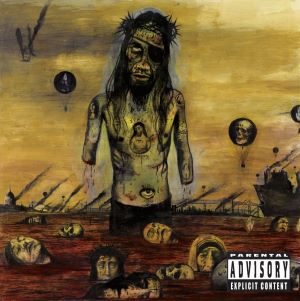
This marked the return of Dave Lombardo to recording for the first time since 1990. This one is a pretty special album, it really calls back to classic records like South Of Heaven and Seasons In The Abyss. It’s a lean and polished affair here, songs like Jihad and Skeleton Christ were great to hear after several years of Slayer being “in the wilderness,” relatively speaking. Massive return to form.

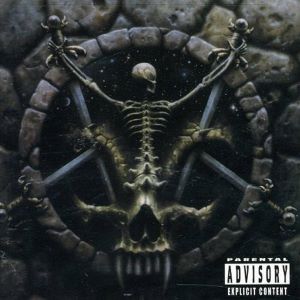
6 – Divine Intervention (1994)

Slayer entered this record with their first line-up change, replacing Dave Lombardo with Paul Bostaph. The results were pretty killer – the album could be called static but it still packs a hell of a punch. 213 is a haunting near-ballad about Jeffery Dahmer, and songs like Dittohead and Fictional Reality hit out at issues in the real world. It was a great way to get over the hump of losing a dynamic band member.

I’ve covered this one before as an Album of the Week.

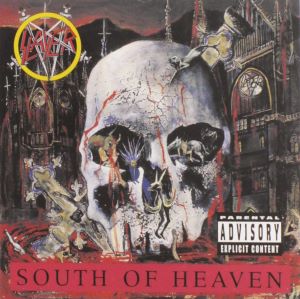
5 – South Of Heaven (1988)

Slayer had just offered up one of thrash’s most unbelievable albums two years prior. Rather than try to record that again, they took the wise step of slowing things down and operating at a different tempo than before. While the departure from speed alienated a few fans, many more were drawn to the expanded dynamics found here. Mandatory Suicide is an absolute banger about the horrors of warfare and Silent Scream still thrashes even at a bit slower pace. Whoever tuned out on this album truly missed out.

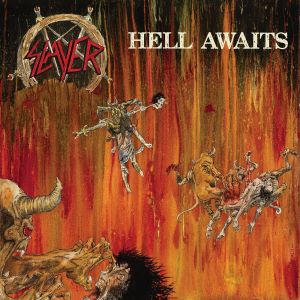
4 – Hell Awaits (1985)

The second album took what worked on the first and tweaked the formula a tad, injecting more Mercyful Fate influence and also leaning more toward the thrash that Slayer would become famous for. This one is pretty lean and killer, with awesome songs like At Dawn They Sleep and Praise Of Death jumping out of the speakers.

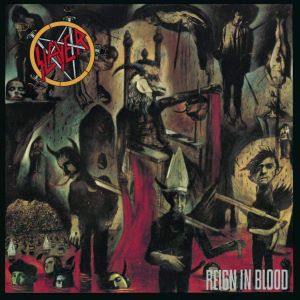
3 – Reign In Blood (1986)

It is the seminal thrashsterpiece that is still spoken of in reverent tones 38 years later. This was a nuclear warhead dropped on the metal soundscape in 1986, played with such speed and ferocity that many people couldn’t comprehend what they were hearing. It is the landmark by which all after has been judged.

It is a fantastic album, bookended by a pair of more dynamic tracks in Angel Of Death and Raining Blood that really show the band in top form. And everything in the middle is a total beating, which is a compliment but also the reason this one ranks at number 3. I just honestly don’t always want my ass whipped, and this album does exactly that. I love it, but damn, lay off a bit, bro.

This one has previously been an Album of the Week feature.

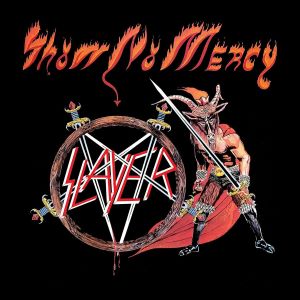
2 – Show No Mercy (1983)

The debut was quite a piece of work – not even quite thrash, though it still gets that label. It’s a mashup of the band’s early influences, those being NWOBHM and the early extreme metal, like Venom and Mercyful Fate. It’s so Satanic that it hurts – in a hokey way, not an actual ominous, evil way. But songs like Die By The Sword and The Antichrist are still 100 percent killer and this one will always hold a special place in my black, cold heart. By 1992 I had all of Slayer’s albums and this one was the one I kept coming back to time and time again, well except for one.

This also has been covered in a past Album of the Week.

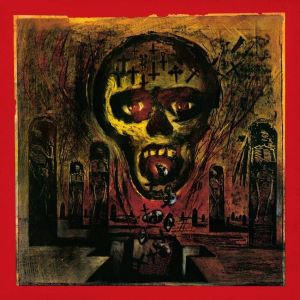
1 – Seasons In The Abyss (1990)

Up at the top is the album that Slayer ran into a new decade on. By then, people were used to the band’s new lower-tempo sound, though the faster pace got brought out in spots, such as the opener War Ensemble and the later Temptation. This one is just great from front to back, the militant crunch of the riffs work alongside Tom Araya barking about social ills or various evils. The ending title track is a total masterpiece and this album wins the crown here today.

Unsurprisingly, I’ve also covered this one before.

That does it for the Slayer album ranking. Maybe this is the last time I’ll need to rank Slayer albums, or maybe there’s one more down the road, hard telling. Feel free to share your own top Slayer picks and other ranking stuff below.

Amon Amarth – With Oden On Our Side

This week it’s time to head back to 2006 and get ready for war – the war party is gathering in the longboat, it’s Viking time!

Amon Amarth – With Oden On Our Side

Released September 22, 2006 via Metal Blade Records

My Favorite Tracks – Gods Of War Arise, Valhall Awaits Me, Cry Of The Black Birds

Sweden’s Amon Amarth had been a going concern since 1992 and already had no shortage of praise for their crisp and simple take on melodic death metal. By this, their sixth album, the wider metal audience would lend their ears, and even those outside the metal spectrum would gravitate toward the Viking horde. The band’s name is from an elvish language J.R.R. Tolkien invented for his fantasy realm, “Amon Amarth” is another name for Mount Doom.

The band were in the middle of a very long run of line-up stability, there were no changes between 1998 and 2015. Johan Hegg was the vocalist, and Olavi Mikkonen and Johan Söderberg were the guitarists. Ted Lunström was on bass and Fredrik Andersson on drums. The record was produced by Jens Bogren, who came in on his ninth credited production involvement; today he has literally hundreds of production and technical credits in the realm of metal.

Today’s album features nine songs at a 42:17 runtime. There was a special edition released of the album with a second disc of bonus tracks, a commonplace practice at the time. While not a concept album, the band did take some inspiration from the album’s namesake, the Norse god of gods Oden.

Valhall Awaits Me

The opener sets the table for how the album will go as a whole – a decently paced song with guitar parts showing influence from Iron Maiden while Johan Hegg offers a grizzly bear vocal attack that keeps the lyrics comprehensible. This song is a tale of a Viking berzerker who has amassed a large body count in battle but is outnumbered and meets his end. He hopes he his worthy to ascend to the hallowed hall of the slain for his deeds in battle.

Runes To My Memory

The next track offers up a similar story to the first – a group are fighting well into the enemy territory of the Rus, which would indicate ancient Russia. This warrior is mortally wounded in battle and hopes to have a runestone laid in his memory. The runestone would indicate that this was an important Viking leader who has perished. The song is another well-paced tune that maintains a sufficient level of brutality while still being catchy and ear-pleasing.

Asator

“Asator” is a combination of words that reference the famous Norse god Thor, and this song offers tribute to him. This song goes hard and fast, suiting the nuclear-level assault that the Thunder God smites his foes with.

Hermod’s Ride To Hel – Loke’s Treachery Part 1

Up next is a bit of high concept Norse storytelling. The story told here is the tragic tale of Baldr, son of Oden and whose death is the catalyst for Ragnarök, the Norse end of the world. Baldr is not easily slain, but of course there is someone up to the task – none other than the infamous trickster god himself, Loki. The deceiver fashioned a spear and gave it to Baldr’s brother, who threw it in a game to see how strong Baldr’s armor was. Baldr was slain and Hermod was tasked with riding to Hel and petitioning for Baldr’s release, as his death would kick off the end times.

The song itself slows things down a bit, and the tragic tale is given more weight in the doom-laden pace. Amon Amarth would tell the next part of the story in 2011. Spoiler alert – it doesn’t go well, again thanks to Loki.

Gods Of War Arise

Now it’s back to what the Vikings are most famous for – raiding and battle. This is an account of a village sacking, replete with all of the killing and plundering that goes along with it. The song nails the perfect background for the day of battle. Here the Viking horde are victorious – they completely sack the target village, killing or capturing its population and making off with a load of treasure. This one hits all the marks and is a standout.

With Oden On Our Side

It’s back to battle – this time the Vikings are massively outnumbered, but with their ferocity and with Oden on their side, they are able to see out the day. There are parts in the song with climbing guitar riffs that make me wonder briefly if Dave Murray and Adrian Smith aren’t on here.

Cry Of The Black Birds

This one slows things down a tad and goes a hair more melodic, but the song retains the power of the album. It is an ode to the “black birds” who feast on the corpses of the battle slain, as well as serve as the eyes of Oden, the one-eyed god. This one got a single release and a video.

Under The Northern Star

This track has the feel of an older Amon Amarth song. It runs a bit slower, Johan Hegg goes lower with a lot of his vocals and the guitars are running a lot more leads over the song. The track is an homage to the star that Vikings used to navigate the seas, it’s fair to assume that it would be easy to get lost on small wooden boats out in the middle of the water.

Prediction Of Warfare

The closer offers up nothing unusual, again the Vikings are heading in to battle. One of the combatants has visions of a fight with a great serpent the night before the skirmish. The next day he finds himself with his raiding party fighting instead a group of the Irish, who the Vikings quell.

With Oden On Our Side saw Amon Amarth begin their climb to the top of the heavy metal pyramid. The album charted in Austria, Germany and their native Sweden. It also landed on two US Billboard charts – the Heatseekers chart for emerging artists and the Independent Albums chart. After this release, the group would see their records on the Billboard 200 as their fame grew.

The album was well-received by both critics and fans, the simple and effective melodic death metal paired with the Viking themes that have long been a part of metal worked for everyone. Amon Amarth had now honed in on a sound and presentation that worked, and they were on the way to greater success.

Later albums would mark the height of Amon Amarth’s success, but it is this one I recall fondly as the true kick-off of the band’s rise to the top. We ate this up back in ’06, this was done with precision and skill. Although the band have become a bit of a meme in the past few years as their act has worn on and they literally turned a mosh pit into a rowing exercise, Amon Amarth are still one of the best offerings of 2000’s heavy metal.

High On Fire – Burning Down

Last week brought a highly anticipated new track as High On Fire offered up the first single from their upcoming album. Burning Down is the lead single from Cometh The Storm, an album that will see the light of day on April 19. The record is a highly anticipated one in my household, High On Fire have been one of the most consistently awesome bands of the 2000’s.

Burning Down keeps the streak going – this is all riffs and tone in that space between doom, stoner and flat-out heavy metal that High On Fire have occupied their whole career. This one holds a mid-tempo pace, though the band have always been able to operate effectively on any point of the speed spectrum.

The video is also sufficiently gnarly – it starts with people suffering from what looks to be an old school plague, then some monsters show up and burn everything. It’s a very creepy and well-rendered video, kudos to whoever put that together.

I don’t have much else to say about this one – the song rocks, the video is great and the new album stands to be another barnburner in a discography full of them. High On Fire are back after an uncharacteristic six-year absence, marked by health issues and the pandemic mucking everything up. But they are back and all is right with speaker systems everywhere.

Sepultura – Arise

This week I’ll leave 1984 alone and explore other waters. We can politely ignore the fact that I’m going to the other massive year in my musical fandom, the apocalyptic soundscape of 1991. And few soundscapes were more world-ending than that of Brazil’s metal madmen and their extreme thrash masterpiece.

Sepultura – Arise

Released March 25, 1991 via Roadrunner Records

My Favorite Tracks – Dead Embryonic Cells, Arise, Infected Voice

By 1991, Sepultura were through a few demos and two full-length efforts, and their profile was on the rise all through the world. As heavy metal was moving into more extreme directions, Sepultura were in prime position for their “thrash plus” metal to have an even bigger impact, which it certainly would.

Arise was recorded at Morrisound Studios in Tampa, Florida during 1990 and ’91. It was produced by the band as well as Morrisound mastermind Scott Burns, who had a massive impact on the early 1990’s metal scene. Burns cranked out a host of extreme metal’s finest albums out of the Morrisound hotbed, and this one was one of the crowning achievements from that period.

Sepultura’s line-up was the same as it had been through their full-length recording history – Max Cavalera was on guitars and vocals, his brother Igor Cavalera was the drummer, Andreas Kisser was the lead guitarist and Paulo Jr. was credited as the band’s bassist. In a twist, Paulo Jr. did not actually play bass on the albums, it was Andreas Kisser who actually recorded the bass parts. This was the final album for that arrangement, Paulo did begin recording bass on the follow-up Chaos A.D.

Today’s album features 9 songs in 42 minutes, a tad more bulky than a lot of peers at the time. A few re-issues and other editions exist with bonus tracks, they can be worth seeking out as they have a supremely excellent cover of Motörhead’s Orgasmatron.

Arise

The title track opens as many songs here do, with a creepy industrial-tinged intro. The setup is brief as the band slams in with riffs coated in their sick guitar tone, simple yet amazingly effective at hooking the listener in to this maelstrom of instrument bashing.

Arise may come off as an uplifting thing on surface level, but this song is about the war between religions, politics and other ways people define themselves as “better” and how it is killing the world. We only “arise” after the obliteration of mankind, under a pale grey sky – this is the end of it all, not a self-help track.

This was released as a single and got a music video, featuring the band playing in a desert. A few poked fun since the scene mimicked Slayer’s Seasons In The Abyss video. MTV was not a fan of the video in the US, not airing it due to a figure of Jesus hung on a cross and in a gas mask.

Dead Embryonic Cells

Another brief, crazy industrial sequence opens into another absolute scorcher of a thrash track. A sick rhythm riff slices through while Andreas offers up some trippy leads over everything. The song is about how people are born into a world already up shit creek. This is not simply a straight up thrash number, either – this song goes through several movements and changes, all the while retaining its core and brutal aura. My personal favorite of the entire Sepultura catalog.

Desperate Cry

This gets a nice, brief acoustic opening segment before launching into its doom-thrash main bit. It’s a tortured song (go figure) about someone facing their dying moments. The acoustic bit pops up again briefly in the middle, before more electric chugging commences to headbang out to the end.

Murder

This is a pretty straight ahead track in terms of thrashtality. The song is a grim look at Brazil’s prison system and their very, very bad track record in dealing with inmates. The topic is grotesquely disturbing and continues to this day, as I understand it.

Subtraction

On to another song that is like a thrash homing missile, this one takes off and doesn’t stop until it hits the target. There is a fair amount of “chug” and groove in this one too, showcasing that Sepultura would be a massive influence on 90’s metal to come. The song is about how a person loses their individuality through the pursuit of money and glory – subtraction of personality, as Max howls in the chorus.

Altered State

Here we get a howling wind start and some South American tribal drums to kick things off. This would be a new addition for Sepultura but would be far from the last – this drumming style would permeate Chaos A.D. The song’s title was taken from a movie of the same name and is about human experimentation on brains, fun stuff.

Under Siege (Regnum Irae)

A small bit of a stylistic departure here as the song moves quite slowly, but the doom-thrash thing fits the album well. Parts of the lyrics are transcribed from the controversial The Last Temptation Of Christ, and the song is about how people are generally born into or forced into their religion of “choice,” rather than freely picking it. In the hands of lesser bands this concept could have fallen apart pretty quick, but Sepultura show they are quite capable of working with different lyrical and musical concepts here.

Meaningless Movements

It’s back to full on thrash here, though still tempered a bit in pace. The song is another study in religion and the effects it can have on personality, essentially warping someone and especially casting out anyone with a dissenting view.

Infected Voice

The album’s closer is a true testament to Sepultura’s sheer thrash insanity, this song goes harder than hard. The running joke has been that the song is about Max Cavalera’s actual voice, which would get confused with a rabid grizzly bear before it was compared to another singer. But the song is actually about the fear of growing up, essentially, having to make tough decisions and all of that. It’s actually the most pragmatic song on an album full of deep and dark themes.

Just as music was shifting rapidly in 1991, Sepultura would truly announce their presence with Arise. The album would chart in at least six countries, no super high positions but a truly international showing. It would gain a silver certification in the UK as well as gold in Indonesia. By 1993 the album had shifted one million worldwide units, just as their true mainstream arrival in Chaos A.D. Would launch.

Arise is also critically hailed by many as Sepultura’s finest hour. The reviews from the metal press have been glowing, both on release and in the 33 years since. It makes many metal “best of” lists. The critical acclaim at the time helped vault Sepultura into widespread coverage just as heavy metal was again mutating into many other forms. The band’s influence on the mainsteam of 90’s metal can be heard in both the “groove thrash” and alt-metal to come and even in the nü-metal that would comprise the latter half of the decade. And Sepultura were kingpins of the extreme metal movement, being vastly influential to death metal and most any form of the world’s darkest arts.

I would personally hear this album for the first time in the late summer of 1991, just as I entered my freshman year of high school. A dude in front of me in algebra class knew I liked metal and asked if I’d heard this yet. I had not, so I borrowed his walkman for a minute and checked this out. I was totally blown away. I had been into the “big four” by this point but hearing this was a total ass kicker. Thank you Shane, wherever you are, for introducing me to this and shaping my musical journey, as well as probably truly rotting my young brain.